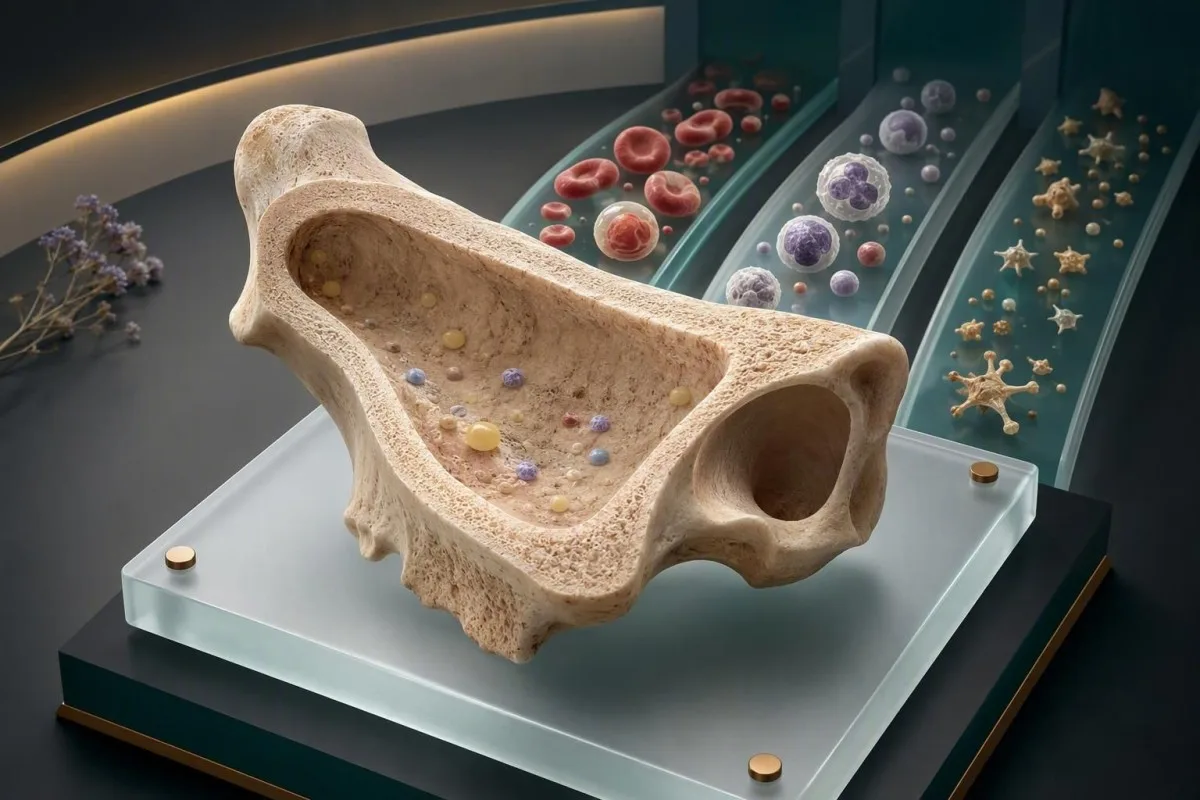
Апластикалық анемия әдетте айқын үш жолды CBC үлгісін тудырады: анемия, аз лейкоциттер және тромбоциттердің аз болуы, ретикулоциттер саны сәйкессіз төмен. Бұл үлгіні тез клиникалық растау қажет, себебі бірнеше қайтымды және ауыр жағдайлар алғашқыда ұқсас көрінуі мүмкін.


- Панцитопения Қызыл қан клеткаларының, ақ қан клеткаларының және тромбоциттердің аз болуын білдіреді; бұл диагноз емес, үлгі.
- Абсолютті ретикулоциттер саны 20 × 10⁹/л-ден төмен болуы анемия болған кезде сүйек кемігі шығаруының айтарлықтай азаюын қолдайды.
- Ауыр апластикалық анемия гипоцеллюлярлы сүйек кемігі плюс кем дегенде екі көрсеткішпен анықталады: ANC 0,5 × 10⁹/л-ден төмен, тромбоциттер 20 × 10⁹/л-ден төмен немесе ретикулоциттер 20 × 10⁹/л-ден төмен.
- ANC 0,5 × 10⁹/л-ден төмен 38,0°C немесе одан жоғары температурамен бірге бір күн ішінде шұғыл бағалауды талап етеді.
- Тромбоциттер 10 × 10⁹/л-ден төмен айтарлықтай спонтанды қан кету қаупін тудырады және әдетте шұғыл ауруханалық емді талап етеді.
- Макроцитоз апластикалық анемияда кездесуі мүмкін, бірақ MCV 110 фл-ден жоғары болуы клиницистерді B12 немесе фолий жетіспеушілігін белсенді түрде жоққа шығаруға мәжбүр етуі керек.
- Бласттар, айқын дисплазия, тамыр тәрізді жасушалар немесе шистоциттер жағындыда қарапайым апластикалық анемиядан алшақтайды және жұмысты өзгертеді.
- Өзінше емделмеңіз темірмен үш қатарлы төмен CBC; темір сүйек кемігі өндірісін қалпына келтірмейді және шұғыл бағалауды кешіктіруі мүмкін.
Апластикалық анемияға күдік тудыратын CBC үлгісі
Ан апластикалық анемия қан анализі әдетте панцитопенияны көрсетеді: гемоглобиннің төмендеуі, нейтрофилдердің төмендеуі және тромбоциттердің бірге пайда болуы, ал ретикулоциттердің жауабы өтеспейтін компенсациялық жауап бермейді. Бұл комбинация, әсіресе, егер сандар бұрынғы CBC-лардың біреуінен асса, шұғыл клиникалық қарауды талап етуі керек.
Ересектерде, әдеттегі CBC анықтамалық аралығы әйелдер үшін шамамен 120–155 г/л, ал ерлер үшін 135–175 г/л, ақ жасушалар 4,0–11,0 × 10⁹/л, және тромбоциттер 150–400 × 10⁹/л; зертханалар өз шектерін белгілейді. Апластикалық анемия бұл үш желіні төмендетеді, себебі сүйек кемігі жаңа жасуша элементтерін жеткілікті өндірмейді. Бастапқы бағыт үшін біздің нұсқаулығымызды қараңыз CBC құрамына не кіреді.
Бұл үлгі кез келген оқшауланған төмен нәтижеден гөрі ақпараттырақ. Үлкен етеккірден кейін 92 г/л гемоглобин темір тапшылығы болуы мүмкін, ал 92 г/л гемоглобин, ANC 0,7 × 10⁹/л және тромбоциттер 34 × 10⁹/л - басқаша дәлелденбегенше, сүйек кемігі өндірісінің проблемасы. Менің клиникалық тәжірибемде қауіп тек анемия емес, ол инфекция мен қан кету қаупінің онымен бірге тыныш келуі.
Кантести - бұл AI қан анализінің анализаторы CBC компоненттерін байланыстырылған үлгі ретінде, үш байланыссыз қызыл жалауша ретінде емес, оқиды. Біздің жүйеміз есепті және бұрынғы нәтижелерді ұйымдастыруға көмектеседі, бірақ ол сүйек кемігінің жеткіліксіздігін анықтай алмайды немесе шұғыл гематологиялық бағалауды алмастыра алмайды. 2026 жылғы 26 тамыздағы жағдай бойынша, кез келген жаңа үш қатарлы цитопения ерекше жағдайда емес, бірнеше күн ішінде нақты клиницисттің қарауын талап етеді.
Қалыпты көрінетін MCV панцитопенияны жақсы етпейді. Ерте апластикалық анемия нормоциттік, сәл макроциттік немесе темір тапшылығы болса, кейде микроциттік болуы мүмкін; сүйек кемігінің жауабы және перифериялық жағынды көбінесе MCV-дан көбірек бағыт береді. Доктор Томас Клейннің практикалық ережесі қарапайым: қоректік түсіндіруді алдын-ала болжаудан бұрын сүйек кемігі жауап бере ме деп сұраңыз.
Неліктен үлгі жиі өткізіліп кетеді
CBC әр нәтижені бөлек белгілеуі мүмкін, сондықтан науқастар кейде ең төменгі санға назар аударып, кластерді елемейді. Тромбоциттердің 260-тан 92 × 10⁹/л дейін төмендеуі, тіпті техникалық жағынан шұғыл шектен жоғары болса да, гемоглобин мен нейтрофилдер параллельді түрде төмендеген кезде клиникалық маңызды. Қан анализінің трендтері бір реткі есепке қарағанда бұрын траекторияны жиі көрсетеді.
Анемия және ретикулоциттер санының аз болуы: сүйек кемігі шығаруының белгісі
A ретикулоциттердің төмен саны анемиясы бар адамда қызыл жасушалардың жеткіліксіз қалпына келуін білдіреді және бұл апластикалық анемияны қолдайтын ең пайдалы белгілердің бірі. Абсолютті ретикулоциттер саны ретикулоциттер пайызынан маңыздырақ, себебі жалпы қызыл жасушалар аз болған кезде пайыз алдамшы түрде қалыпты болып көрінуі мүмкін.
Көптеген зертханалар ересектердің абсолютті ретикулоциттерінің анықтамалық аралығы шамамен 25–100 × 10⁹/л дейін көрсетеді, әдістер әртүрлі болғанымен. Ауыр апластикалық анемия критерийлерінде, абсолютті ретикулоциттер саны 20 × 10⁹/л төмен болса, сүйек кемігінің жасушалылығы айтарлықтай азайған кезде төмен өнімділікті өлшейтін белгілердің бірі болып табылады. Толық ретикулоциттер саны бойынша нұсқаулық пайызы ғана нәтижелердің алдамшы болуының себебін түсіндіреді.
Керісінше, жедел қан жоғалту немесе гемолиз әдетте бірнеше күннен кейін ретикулоциттерді жоғарылатады, әдетте 100 × 10⁹/л жоғары, егер темірмен қамтамасыз ету және сүйек кемігінің функциясы жақсы болса. Төмен гаптоглобин, жоғарылаған жанама билирубин және жоғары LDH гемолизді қолдайды; бұл аплазиядан басқа физиологиялық оқиға. Ажырату маңызды, себебі “анемияны” өндіріс пен жоюды анықтамай емдеу кешігулерге әкеледі.
Мен көрген гемоглобині 76 г/л болған науқаста ретикулоциттердің пайызы 1,2% болды, бұл абсолютті сан 18 × 10⁹/л есептелгенге дейін байқалмайтын болып көрінді. Бұл қалпына келу жауабы болған жоқ. Анемия айтарлықтай болған кезде, клиницистер ретикулоциттердің өндіріс индексін қолдануы мүмкін, бірақ күндізгі іріктеуде абсолютті ретикулоциттер әдетте қателіктерге аз бейім.
Ретикулоциттер ауыр инфекция кезінде, химиотерапиядан кейін, алкогольдік уыттылықта немесе бүйрек ауруының соңғы сатыларында уақытша төмендеуі мүмкін, сондықтан бұл нәтиже апластикалық анемияға арналмаған. Янгтің 2018 жылғы New England Journal of Medicine шолуы диагнозды сүйек кемігінің бағалауын және тұқым қуалайтын, иммундық, уытты және клоналды баламаларды жоюды талап ететінін атап көрсетеді - оқшауланған ретикулоцит нәтижесі емес (Янг, 2018).
Нейтрофилдердің аз болуы: инфекцияның өзектілігін өзгертетін CBC саны
The абсолюттік нейтрофилдер саны (ANC) бактериялық және зеңді инфекциялардың қаупін жалпы ақ қан жасушаларының санынан жақсырақ болжайды. ANC 0,5 × 10⁹/л төмен болса, бұл ауыр нейтропения болып табылады, ал 38,0°C немесе одан жоғары температура бір рет немесе бір сағат бойы 38,0°C сақталса, шұғыл бағалауды талап етеді.
ANC ақ қан жасушаларының нейтрофилдер пайызын қоса алғанда, таяқша пішінді нейтрофилдер пайызына көбейтілгенде есептеледі. Мысалы, WBC 1,4 × 10⁹/л 40% нейтрофилдермен ANC 0,56 × 10⁹/л құрайды — бұл жалпы санынан әлдеқайда әсерлі. Біздің ANC шекті көрсеткіштеріне арналған нұсқаулықпен салыстырыңыз жас пен жүктілікке байланысты өзгерістерді түсіндіреді, бірақ 0,5 × 10⁹/л шегі ересектер үшін маңызды қауіп шегі болып қала береді.
Ауыр апластикалық анемия көбінесе бактериялық инфекциямен байланысты болатын уытты түйіршіктену немесе солға ығысусыз нейтропенияны тудырады. Дегенмен, науқаста сүйек кемігінің жеткіліксіздігі мен инфекция қатар болуы мүмкін; жоғары ақ қан жасушаларының санының болмауы сепсисті ешқашан жоққа шығармайды. Жоғары температура, дірілдеген үсік, жаңа шатасу, тыныс алудың тарылуы немесе тез нашарлап бара жатқан тамақ ауруы амбулаториялық CBC-ні қайталауды күтпеуі керек.
Өте ауыр апластикалық анемия үшін одан да төмен ANC шегі қолданылады: 0,2 × 10⁹/л төмен. 0,2 мен 0,5 арасындағы айырмашылықтың себебі практикалық — бұл сандарда кәдімгі ауыз қуысы мен терідегі организмдер жергілікті қызару мен іріңсіз-ақ қауіпті болуы мүмкін. Ауруханада клиницистер себебі толық анықталмай тұрып, зертханалық сынақтарды алуы және эмпирикалық антимикробты емді бастауы мүмкін.
Лимфоциттердің төмен саны қатар жүруі мүмкін, бірақ жедел қауіп шешімдерінде ANC-ны алмастырмайды. Дифференциалдық диагноз жоқ болса, жалпы WBC-ден болжаудың орнына, зертханадан немесе клиницисттен сұраңыз. Лимфоциттердің төмендеу симптомдары бақылауды талап етеді, бірақ нейтрофилдердің тереңдігі сол күнгі шешімді анықтайды.
Жоғары температура CBC басылымынан маңыздырақ болғанда
ANC 0,4 × 10⁹/л адамда 38,0°C температура шұғыл болып саналады, тіпті ол өзін “жақсы сезінсе” және парацетамолдан кейін температура төмендесе де. Антипиретиктер белгілерді жасыра алады, бірақ негізгі себебін емдемейді. CBC және дәрі-дәрмектер тізімін шұғыл жәрдемге алып барыңыз; клиницист бағыттамаса, зертханалық сынақтарға дейін қалған антибиотиктерді қабылдамаңыз.
Тромбоциттердің аз болуы: сүйек кемігінің жеткіліксіздігіне күдік болған кезде қан кету шектері
Тромбоциттердің 50 × 10⁹/л төмен болуы көгеру және процедураға байланысты қан кету қаупін арттырады, ал 10 × 10⁹/л төмен болғанда спонтанды қан кетуі мүмкін. Апластикалық анемияда тромбоцитопения әдетте анемиямен және нейтропениямен қатар жүреді, жеке тромбоцит мәселесі ретінде емес.
Петихиялар, 20 минуттан астам мұрыннан қан кету, қызыл иектен қан кету, ауыр етеккір қан кетуі, зәрде қан, қара нәжіс немесе күрт қатты бас ауруы тромбоциттер аз болған кезде шұғыл клиникалық байланысты талап етеді. Тромбоциттер саны 18 × 10⁹/л әрдайым апатты болмайды, бірақ оны интернет кеңесі арқылы басқаруға болатын сан емес. Тіс жұмысына дейінгі тромбоциттер шегі туралы біздің практикалық талқылауымызды қараңыз. тіс жұмысына дейінгі тромбоциттер шегі.
Сырғыма өндірістің төмендеуін перифериялық бұзылудан ажыратуға көмектеседі. Иммундық тромбоцитопенияда тромбоциттер жалғыз төмен болуы мүмкін және ірі жас тромбоциттер жиі көрінеді; апластикалық анемияда өндіріс өзі азайғандықтан, жетілмеген тромбоциттер фракциясы төмен немесе қалыпты болады. Бұл тенденциялар, ережелер емес, және сырғыманы үйретілген морфолог оқуы керек.
Аспирин, ибупрофен, напроксен және рецептсіз балық майының мегадоздырын клиницист маңызды тромбоцитопенияны тексергенге дейін қолданудан аулақ болыңыз, себебі олар сандық санақ өзгермеген кезде де тромбоциттер функциясын бұзуы мүмкін. Алкоголь сүйек кемігінің бәсеңдеуін және тромбоциттер функциясын нашарлатуы мүмкін. Ацетаминофен/парацетамол да әмбебап қолайлы емес — доза мен бауыр күйі әлі де маңызды.
EDTA үлгісінде тромбоциттер жиналып қалғанда, тромбоциттер саны жалған болып төмен болуы мүмкін. Зертхана “тромбоциттердің жинақталуы бар” деп хабарлауы мүмкін және цитратты түтікте санақты қайталауы мүмкін; бұл жалған тромбоцитопения деп аталады. Бұл жеке тромбоциттердің төмендеуін түсіндіреді, бірақ ретикулоциттердің төмен санағымен сенімді панцйтопенияны емес.
Клиницистер ауыр және өте ауыр апластикалық анемияны қалай бағалайды
Ауыр апластикалық анемия гипоцеллюлярлы сүйек кемігін талап етеді — әдетте 25% жасушалылығынан төмен — сонымен қатар кем дегенде екі перифериялық критерий: ANC 0,5 × 10⁹/л төмен, тромбоциттер 20 × 10⁹/л төмен, немесе абсолютті ретикулоциттер 20 × 10⁹/л төмен. Өте ауыр ауру бұл критерийлерді ANC 0,2 × 10⁹/л төмен болғанда қанағаттандырады.
Бұл шекті мәндер бұрыннан келе жатқан Camitta жүйесінен алынған, бірақ олар диагностикалық құрал емес, емдеу жоспарын құруға арналған құралдар. Сүйек кемігі теңсіз орналасуы мүмкін, ал жақында жасалған қан құю анемияның көрінісін өзгертуі мүмкін. Клиницистер симптомдарды, инфекция тарихын, қан құю қажеттілігін, жасын, донор нұсқаларын және клоналды бұзылу белгілерін ескереді.
Ортыша апластикалық анемия соншалықты нақты анықталмаған. Тромбоциттері 58 × 10⁹/л, ANC 0,9 × 10⁹/л және гемоглобині 98 г/л болатын адам ауыр критерийлерге сәйкес келмеуі мүмкін, бірақ әлі де нашарлауы немесе емдеуді талап етуі мүмкін. Дәл осы анық еместік себепті үйде сенімді белгі қоюға тырысудан гөрі, жүйелі CBC және гематологиялық бақылаудың маңыздылығы артады.
Британдық гематология қоғамының нұсқаулығы сүйек кемігін тексеруді, цитогенетиканы, PNH клондырын анықтау үшін ағынды тестті және тұқым қуалайтын сүйек кемігінің жеткіліксіздігін бағалауды диагностикалық жолдың бөліктері ретінде сипаттайды (Killick et al., 2016). Қалыпты цитогенетикалық нәтиже кейбір миелодиспластикалық синдромдарға деген алаңдаушылықты төмендетеді, бірақ өзімен-өзі иммундық апластикалық анемияны дәлелдемейді.
Kantesti AI шұғыл шекті мәндерден асатын комбинацияларды, соның ішінде ANC 0,5 × 10⁹/л төмен және тромбоциттер 20 × 10⁹/л төмен болатын жағдайларды көрсетеді, сондықтан пайдаланушылар кездесу алдында жағдайды көре алады. Біздің талдауымыз қауіпсіздік белгісі болып табылады, ауырлық дәрежесін анықтау емес; негізгі критерийлер клиникалық тексеруді және сүйек кемігінің нәтижелерін талап етеді. Жеке есептік жалақтар бойынша контекст үшін келесіні оқыңыз қалыптан тыс дегеннің нені білдіретінін.
MCV, RDW және CBC үлгісін нақтылайтын қан пленкасының нәтижелері
Апластикалық анемияда көбінесе MCV қалыпты немесе сәл жоғары болады, бірақ MCV тек оны B12 тапшылығынан, фолат тапшылығынан, алкоголь әсерінен, бауыр ауруынан немесе миелодисплазиядан ажырата алмайды. Панцитопения жаңа, прогрессивті немесе түсініксіз болған кезде шеткері қанның қолмен жағындысы маңызды.
MCV анықтамалық диапазоны әдетте 80–100 фл құрайды. Апластикалық анемияда 101–105 фл маңындағы орташа макроцитоз пайда болуы мүмкін, себебі стрессті сүйек кемігі өндірісі эритроциттердің жетілуін өзгертеді, бірақ 110 фл жоғары MCV B12, фолат, дәрі-дәрмек, алкоголь, қалқанша безі және бауырды тексеруді талап етуі керек. Біздің көрсеткіштерімізді салыстырыңыз MCV мен MCH салыстыру нұсқаулығы.
RDW эритроциттердің өлшемдеріндегі өзгерісті өлшейді және анализаторға байланысты әдетте 11,5–14,5% болады. Қалыпты RDW сүйек кемігінің жеткіліксіздігін жоққа шығармайды; іс жүзінде, өндіріс жай ғана азайған кезде қысқарған эритроциттердің біркелкі популяциясы пайда болуы мүмкін. Қатты жоғары RDW аралас тапшылықтарды, жақында жасалған қан құюды, емдеуден кейінгі қалпына келуді немесе дисплазияны білдіруі мүмкін.
Бласттар, пролимоциттер, айқын гипогрануляция, псевдо-Пельгер нейтрофилдері немесе айтарлықтай диспластикалық формалар жедел лейкемия немесе миелодиспластикалық синдромға деген алаңдаушылықты арттырады және мамандарды бағалауды жеделдетуі керек. Шісттоциттер басқа бағытты көрсетеді - микроангиопатиялық эритроциттердің үзілуі - және төмен тромбоциттермен, бүйрек зақымдануымен немесе неврологиялық симптомдармен жұптасқанда шұғыл болуы мүмкін. Біздің шісттоцит нұсқаулығы бұл бөлек төтенше жағдай үлгісін қамтиды.
Кантести - бұл AI арқылы қуаттандырылған қан талдауын жүргізу құралы MCV, RDW, ретикулоциттерді және тарихи есептерді салыстыра алады, бірақ ол жағындыны қарауды алмастырмайды. Менің тәжірибем бойынша, жағынды - бұл қарапайым “төмен CBC” нақты диагностикалық сұраққа айналады. технологиялық нұсқаулық Біздің AI зертхананың бастапқы бірліктерін және анықтамалық интервалдарын қалай сақтайтынын түсіндіреді.
B12, фолий және мыс жетіспеушілігі сүйек кемігінің жеткіліксіздігіне ұқсас болуы мүмкін
Витамин B12, фолат және мыс тапшылығы панцитопенияны тудыруы мүмкін және CBC үлгісін апластикалық анемия деп атамас бұрын жоққа шығарылуы керек. Бұл тапшылықтар әсіресе шектеулі диеталармен, мальабсорбциямен, бариатриялық хирургиямен, цинкті көп қолданумен немесе белгілі бір дәрі-дәрмектермен ықтимал болады.
B12 тапшылығы әдетте макроцитозды, гиперсегменттелген нейтрофилдерді және метилмалон қышқылының жоғарылауын тудырады, бірақ кейбір пациенттерде темір тапшылығы қатар жүргенде MCV 100 фл төмен болады. 148 пмоль/л төмен сарысулық B12, шамамен 200 пг/мл, әдетте тапшылық болып саналады, ал 148–221 пмоль/л метилмалон қышқылын немесе гомоцистеин растауды талап етуі мүмкін. Біздің B12 және фолат салыстыруы Фолаттың өзі гематологиялық белгілерді жасыра алатынымен, неврологиялық зақымдану жалғасатынын түсіндіреді.
Фолат тапшылығы, әсіресе нашар қабылдау, алкогольді пайдалану, мальабсорбция, метотрексат, триметоприм немесе кейбір құрысуға қарсы дәрі-дәрмектермен, ауыр жағдайларда үш сызықтың да төмендеуіне әкелуі мүмкін. Эритроцит фолаты кейбір жағдайларда бір сарысу деңгейінен жақсырақ тіндерді көрсете алады, бірақ сынақтың қол жетімділігі және интерпретациясы әр түрлі. Егер клиницисттің нақты себебі болмаса, B12 бағаланбай тұрып, жоғары дозада фолий қышқылын қабылдауды бастамаңыз.
Мыс тапшылығы сирек тексеріледі, бірақ ол анемияны және нейтропенияны тудыруы мүмкін және сүйек кемігін тексеруде миелодисплазияға ұқсас болуы мүмкін. Зияндардың артық қосымшасы - бұл классикалық қайтымды себеп, себебі цинк ішек металлотионеинін индукциялайды, ол мысты таңдап байланыстырады. төмен мыс жұмысын тексеру тіс протезі креміне ұшырау, бариатриялық хирургия немесе күніне 40 мг жоғары цинк дозалары үшін әсіресе маңызды.
Тамақтану жауаптың бөлігі бола алады, бірақ ауыр панцитопенияда сүйек кемігін бағалауды кейінге қалдыруға себеп болмауы керек. Темір, B12, фолат және мыс алмастыру расталған тапшылықтарға және медициналық жағдайларға сәйкес реттеледі; индискриминациялық қосымшалар пайдалы тест нәтижелерін жасыруы мүмкін. Бұл жағдайлардың бірі, онда контекст бір шекті саннан артық маңызды.
Панцитопенияның дәрі-дәрмек, токсин және вирустық себептерін бірінші кезекте тексеру
Дәрі-лік заттар, токсиндер және вирустық аурулар сүйек кемігінің өндірісін азайтып, апластикалық анемияға ұқсас CBC үлгісін бере алады, кейде қайтымды. Толық экспозиция тарихына тағайындалған препараттар, жақында қабылданған антибиотиктер, антиконвульсанттар, иммунотерапиялар, шөп өнімдері, еріткіштер, алкоголь және рекреациялық заттар кіруі керек.
Химиотерапия - бұл айқын себеп, бірақ аз белгілі агенттерге оның әлі қолданылатын аймақтардағы хлорамфеникол, қалқанша безіне қарсы препараттар, линезолид, кейбір антиконвульсанттар және иммундық-модуляциялық терапиялар жатады. Уақыт көмектеседі: тікелей препараттың сүйек кемігіне уытты әсері әдетте экспозициядан кейін апталар мен айлар ішінде пайда болады, ал иммундық препарат реакциялары аз болжамды болуы мүмкін. Цитопенияны емдейтін дәрігерсіз тағайындалған препаратты ешқашан кенеттен тоқтатпаңыз.
Гепатитпен байланысты апластикалық анемия жедел гепатит эпизодынан кейін апталар мен айлар ішінде пайда болуы мүмкін, көбінесе жастарда, және гепатит A, B, C, E, ВИЧ, EBV, CMV және парвовирусқа арналған әдеттегі тестілеу тарихқа байланысты таңдалуы мүмкін. Вирустық скринингтің теріс нәтижесі иммундық апластикалық анемияны жоққа шығармайды. Ол жай ғана маңызды бәсекелес түсініктемелерді жояды және инфекция алдын алу шараларына бағыттайды.
Бензолға ұшырау жұмыс және тұрмыстық қауіп-қатер болып қала береді, соның ішінде нашар желдетілетін өнеркәсіптік жұмыстар, отынды өңдеу және кейбір еріткіштер. Дәрігерлер лауазымдық атауларға қарағанда жұмыс тапсырмалары туралы сұрайды, өйткені “буымен жабдықталған компаниядағы офис менеджері” әлі күнге дейін уақытша қоймаға кіруді қамтуы мүмкін. Қолда болса, өнім атауларын немесе қауіпсіздік деректер парақтарын әкеліңіз; жалпы естелік жиі кездеседі және ешкім кінәлі сезінбеуі керек.
Қатты вирустық аурудан кейін ерте алынған CBC, адам тұрақты болса, күндер мен апталар ішінде қайталануы қажет болуы мүмкін, бірақ ауыр сандарды пассивті түрде бақыламайды. Аурудан кейін CBC өзгерістері уақытты анықтауға көмектеседі, ал қатты нейтропениямен байланысты қызба, себебіне қарамастан, төтенше жағдай болып қалады.
Апластикалық анемиядан ерекшеленетін панцитопения себептері
Панцитопенияның көптеген себептері бар, және апластикалық анемия қатерлі инфильтрациясыз немесе ірі дисплазиясыз гипоцеллюлярлы сүйек кемігімен ерекшеленеді. Негізгі баламаларға жедел лейкемия, миелодиспластикалық синдром, сүйек кемігінің инфильтрациясы, гипeрспленизм, қатты тапшылық жағдайлары, гемофагоциттік синдромдар, инфекция және дәрі-дәрмек әсерлері жатады.
Жедел лейкемия жасушалардың қалыпты сүйек кемігін ығыстыруына байланысты төмен сандарды тудыруы мүмкін, бірақ айналымдағы бласттар әрдайым көрінбейді. Миелодиспластикалық синдром егде жастағы адамдарда дисплазия, сипаттамалық цитогенетикалық өзгерістер немесе тұрақты макроцитозбен жиі кездеседі, бірақ жас өзі ештеңені дәлелдемейді. Біздің қан рагін анықтау бойынша нұсқаулығымыздағы жолы жағынды, ағынды цитометрияны және сүйек кемігі зерттеулерін неліктен қосымша ететінін көрсетеді.
Гиперспленизм, әдетте, спленомегалия, порталдық гипертензия, бауыр ауруы немесе белгілі бір гематологиялық бұзылулармен, секвестрлеу арқылы айналымдағы сандарды азайтады. Ретикулоциттер айқын басылғанша қалыпты немесе жоғары болуы мүмкін, ал сүйек кемігінің жасушалылығы әдетте сақталады немесе жоғарылайды. Ультрадыбыс пайдалы болуы мүмкін, бірақ ол қолайсыз жағындыны немесе қатты нейтропенияны зерттеу қажеттілігін жоймайды.
Параксизмальды түндегі гемоглобинурия (PNH) апластикалық анемиямен биологиялық жағынан қабаттасуы мүмкін, сондықтан дәрігерлер жиі GPI-анкері жоқ гранулоциттер мен моноциттер үшін жоғары сезімтал ағынды цитометрияны тапсырады. Қараңғы зәр міндетті де, арнайы да емес. Кішкентай PNH клонын табу иммундық сүйек кемігінің жеткіліксіздік контекстін қолдай алады, бірақ басқару клондардың мөлшеріне, гемолиз, тромбоз қаупіне және сүйек кемігінің жалпы суретіне байланысты.
Кантести - бұл AI зертханалық талдау интерпретациясы қызметінде жарияланады панцитопения үлгілерін және баламалы ықтимал белгілерді, соның ішінде билирубин, LDH, бауыр индекстерін және тарихи тромбоциттердің төмендеуін анықтай алады. Ол сүйек кемігінің гипоцеллюлярлы, инфильтрацияланған немесе диспластикалық екенін анықтай алмайды - бұл гематология мен патологияға арналған сұрақтар. Екінші пікір тізімі пациенттерге бағытталған сұрақтар дайындауға көмектесе алады.
Шұғыл ескерту белгілері: аздаған CBC нәтижелері шұғыл көмек қажет болған кезде
38,0°C немесе одан жоғары қызбамен, ANC 0,5 × 10⁹/л төмен, бақыланбайтын қан кету, қара нәжіс, қан түкіру, қатты жаңа бас ауруы, шатасу, естен тану, кеуде қуысының ауыруы немесе демалу кезіндегі ентігумен байланысты жедел жәрдем қажет. Осындай жағдайлар туындаса, онлайн бағалауды күтпеңіз.
Қатты анемия тіпті көрінетін қан кетусіз оттегі жеткізілуін нашарлатуы мүмкін. Гемоглобин 70 г/л төмен - бұл тұрақты аурухана пациенттерінде трансфузияны қарастырудың жиі қолданылатын шегі, бірақ симптомдар, белсенді қан кету, жүрек-қан тамырлары аурулары, жүктілік және созылмалылық шешімдерді өзгертеді. Гемоглобині 82 г/л бола тұра, есінен танып немесе демалу кезінде ентігіп жүрген адам, сол көрсеткіші бар сау адамға қарағанда жедел бағалауды қажет етеді.
10 × 10⁹/л төмен тромбоциттер жиі жедел мамандар басшылығымен шешімдермен басқарылады, себебі спонтанды шырышты немесе ішкі қан кету қаупі артады. Емдеу командасы басқаша кеңес бергенше, байланыс спорттарынан, бұлшықет ішіне инъекциялардан, ректальды термометрлерден және тіс процедураларынан аулақ болыңыз. Кез келген төмен тромбоцит санында бас жарақаты болса, симптомдар жеңіл көрінсе де, жедел бағалауды қажет етеді.
Қалыпты температура қатты нейтропенияда қауіпсіздікті кепілдендірмейді; егде жастағы адамдар, стероидтерді қабылдайтын адамдар және өте нашар науқастар қызбаны тудырмауы мүмкін. Жаңа ауыз жаралары, жұтқанда ауырсыну, перианалды ауырсыну немесе тез нашарлап бара жатқан шаршау инфекцияның ерте белгілері болуы мүмкін. Сепсис зертханалық үлгілері контекст береді, бірақ симптомдар мен виталдық белгілер жедел әрекетті анықтайды.
Dr. Thomas Klein пациенттерге бастапқы есепті суретке түсіруді немесе жүктеп алуды, сынақ күнін жазуды және барлық дәрі-дәрмектер мен қоспалардың контейнерлерін шұғыл қарауға әкелуді ұсынады. Бұл кішкентай қадам көбінесе уақытқа сезімтал дәрі-дәрмектердің әсерін анықтайды немесе “жаңа” төмен көрсеткіш бұрыннан қалыптасып келе ме, соны анықтайды. Егер сізді бас айналса, естен танып қалсаңыз немесе белсенді түрде қан кетсе, көлікті өз бетіңізше жүргізбеңіз.
CBC-ден кейін апластикалық анемияны растайтын немесе жоққа шығаратын қандай тесттер
CBC апластикалық анемияны растай алмайды; растау әдетте гипоцеллюлярлықты көрсететін сүйек кемігінің аспираты мен трефиндік биопсиясын, сондай-ақ клоналды, тұқым қуалайтын, инфекциялық, қоректік және әсер ету себептерін жоққа шығаратын тесттерді талап етеді. Тестілеу қарқыны көрсеткіштің ауырлығы мен симптомдарына байланысты.
Сүйек кемігі үлгісі целлюлярлықты, архитектураны, бласттарды, фиброзды, темір қорын және дисплазияны бағалайды. Ересектерде күтілетін целлюлярлық шамамен 100 жасқа тең, бірақ бұл дәл емес және үлгінің сапасы маңызды. 10% сүйек кемігі целлюлярлығы бар 30 жастағы адам 10% бар 80 жастағы адамнан мүлдем басқа, бірақ екеуі де контекстте сарапшылық интерпретацияны қажет етеді.
Цитогенетика, хромосомалық микроматрица немесе секвенирлеу панельдері гипоцеллюлярлық миелодиспластикалық синдромды жүре пайда болған апластикалық анемиядан ажыратуға көмектеседі. PNH клондарын, теломерлік бұзылуларды, Фанкони анемиясын және сүйек кемігінің басқа тұқым қуалайтын жеткіліксіздік жағдайларын тестілеу жасқа, отбасылық анамнезге, физикалық белгілерге және трансплантация жоспарлауына байланысты таңдалады. Генетикалық тестілеу тек балаларға арналмаған; ересектерде пайда болатын тұқым қуалайтын аурулар көбірек анықталуда.
Бастапқы тесттерге әдетте B12, фолий қышқылы, мыс, бауыр және бүйрек профилі, көрсетілген кезде қалқанша безінің зерттеулері, гемолиз маркерлері, вирустық серология, тиісті жағдайда жүктілік тестілеу және анамнезге сәйкес аутоиммунды зерттеулер кіреді. Мақсат - барлық тесттерді тапсырыс беру емес. Бұл қалпына келтірілетін себептерді жіберіп алмау және бір мезгілде нақты бағалауға ұмтылу.
Kantesti AI есепті осы санаттар бойынша ұйымдастыра алады және жоқ негіздерді анықтай алады, бірақ нәтижелер жоғары болған кезде клиникалық басқару маңызды. Біздің медициналық валидация стандарттары AI көмегімен интерпретациялау мен медициналық диагноз қою арасындағы шекараны сипаттаңыз. Сүйек кемігі үлгісін кім қарайтынын және оны гематопатолог бағалай ма, соны сұраңыз.
CBC нәтижесінің шынайы екеніне көз жеткізбес бұрын оны қашан қайталау керек
Үлгінің ұюы, тромбоциттердің жиналуы, вена ішіне сұйықтықтардың сіңуі немесе анализатордың белгілері нәтижені бұрмалауы мүмкін болған кезде, қайталама CBC қолайлы, бірақ қайталама тестілеу ауыр цитопениялар немесе алаңдатарлық симптомдар үшін шұғыл көмекті ешқашан кешіктірмеуі керек. Зертханалар әдетте бастапқы түтіктен нәтижені бірнеше сағат ішінде тексере алады.
EDTA тромбоциттерінің жиналуы жалған төмен тромбоциттер санын тудыруы мүмкін, ал ішінара ұйыған түтік тромбоциттер мен ақ жасушаларды болжаусыз азайтуы мүмкін. Қолмен жағындыны қарау және цитратты түтікпен тромбоциттерді санау мәселені шеше алады. гемолизден кейін қайталама тестілеу үлгінің сапасы туралы пікірлер неге клиникалық пайдалы, жай ғана зертханалық үй шаруашылығы емес екенін түсіндіреді.
Вена ішіне құйылатын сұйықтық гемоглобин мен тромбоциттерді, әсіресе бірнеше литрден кейін, сұйылта алады, бірақ бұл сирек те болса, емізікшелер мен ретикулоциттердің санын терең төмендетуін түсіндіреді. Керісінше, сусыздану уақытша құндылықтарды шоғырландырып, анемияның тереңдігін жасыра алады. Сыртынан шығару уақытын, соңғы сұйықтықтарды, қан құюды, жедел ауруды және бұрынғы бастапқы көрсеткіштерді салыстырыңыз, сандық өзгеріс сүйек кемігінің биологиясын көрсетеді деп қорытынды жасамас бұрын.
Қан құю интерпретацияны қиындатады, өйткені донорлық қызыл жасушалар неутропенияны, тромбоциттерді немесе ретикулоциттерді түзетпестен гемоглобинді жақсарта алады. Қан құюдан кейін гемоглобиннің жоғарылауын сүйек кемігінің қалпына келуі деп қате түсінбеу керек. Сондықтан дәрігерлер қан құю күндерін ретикулоциттердің трендтерімен және келесі қажетті қан құю арасындағы аралықпен бірге қадағалайды.
Зертханалық “дельто-чек” бұрынғы көрсеткіштерден айтарлықтай ауытқуды белгілеуі мүмкін, бірақ нақты сүйек кемігінің жеткіліксіздігі жүйелі тестілер арасында дамуы мүмкін. Егер есеп сенімсіз болып көрінсе, тапсырыс берген дәрігермен немесе зертханамен дереу хабарласыңыз; оны тек қашықтағы емханада қайталап, үздіксіздікті жоғалтпаңыз. Бастапқы зертхана анализатор белгілерін және микроскопияны салыстыра алады.
Гематологиялық бағалауды күту кезінде не істемеу керек
Тек CBC төмен болғандықтан, темірді, фолий қышқылының жоғары дозасын, шөптен жасалған “қанды нығайтқыштарды”, аспиринді немесе қалған антибиотиктерді қабылдауды бастамаңыз. Апластикалық анемия күдіктелген жағдайда, ең қауіпсіз бірінші әрекеттер - бұл шұғыл медициналық қарау, инфекцияның алдын алу шаралары, қан кетудің алдын алу шаралары және дәрі-дәрмектер мен қоспалардың толық анамнезі.
Темір тапшылығы жиі кездеседі, бірақ темір ересектердің көпшілігінде төмен нейтрофилдер мен тромбоциттерді түсіндірмейді. Күн сайын 45–65 мг элементті темірді қабылдау жүрек айнуын, іш қатуын және темірді зерттеудің жалған өзгеруін тудыруы мүмкін, бірақ сүйек кемігінің жеткіліксіздігін шешпейді. Шаршау темір тапшылығына тең деп болжамас бұрын ферритин, трансферрин қаныққандығын, CRP және жалпы CBC үлгісін тексеріңіз; біздің темір зерттеу ресурсы бұл айырмашылықтарға көмектеседі.
ANC өте төмен болса, адам көп жиналатын жабық кеңістіктерден және респираторлық симптомдары бар адамдармен жақын байланыста болудан аулақ болыңыз, бірақ қажетті медициналық көмектен бас тартпаңыз. Қол гигиенасы, ауырған кезде температураны дереу тексеру және тамақ қауіпсіздігі ақылға қонымды. “Нейтропендік диеталардың” тым қатты әсерінің дәлелі аз және тамақтануды нашарлатуы мүмкін, сондықтан тым қатты әлеуметтік желілердегі тізімдерге ергенше, жергілікті тиісті басшылықты емдеу тобынан сұраңыз.
Бір беттік хронологияны сақтаңыз: алғашқы бұзылған CBC, бұрынғы қалыпты CBC, соңғы 6 айдағы инфекциялар, басталған немесе тоқтатылған дәрілер, саяхаттар, жұмыс орнындағы әсерлер, қан құю, отбасындағы қан аурулары және қан кету симптомдары. Бұл ақпарат бүкіл клиникалық визитті үнемдей алады. Зертхана нәтижелерін бақылау құралы күндер мен бірліктерді жазу үшін практикалық құрылымды ұсынады.
Kantesti’s AI биомаркерлерін түсіндіру платформасы пайдаланушыларға 75+ тілдерінде сериялы CBC есептерін салыстыруға және өз тілінде сұрақтар дайындауға көмектеседі. Бұл шұғыл қызмет емес және симптомдарды көре алмайды, пациентті қарай алмайды немесе қан құюды ұйымдастыра алмайды. Есепті түсіну үшін оны пайдаланыңыз, содан кейін қазіргі клиникалық жолды ұстаныңыз.
Гематологиялық кездесуді пайдалы ететін сұрақтар
Гематологиядағы ең пайдалы сұрақтар ауырлық дәрежесі, ықтимал механизмі, инфекция және қан кету шектері, және диагностикалық жоспар туралы болады - жеке бір сан “жаман” бе деген сұрақ емес. ТАЖ, тромбоциттер, гемоглобин, MCV және ретикулоциттердің тенденциялары шешімдерді басшылыққа алатындықтан, түпнұсқа есептерді алып келіңіз.
Сұраңыз: “Менде ауыр апластикалық анемия критерийлері бар ма, және мен қандай критерийлерді орындаймын?” Жауап сүйек кемігінің жасушалылығын, ТАЖ, тромбоциттер санын және абсолютті ретикулоциттер санын қамтуы тиіс. Диагноз белгісіз болса, сүйек кемігінің гипоцеллюлярлық миелодиспластикалық синдромына, жедел лейкемияға, тағамдық жетіспеушілікке немесе дәрі-дәрмекке байланысты басуға favouring қандай белгілер бар екенін және оларды ажырататын қандай тест болатынын сұраңыз.
Нақты қауіпсіздік шектерін сұраңыз: қандай температурада мен шұғыл түрде баруым керек, қандай қан кету белгілері күтуден басым тұрады, қандай ауырсынуды басатын дәрілерден аулақ болуым керек, және мен саяхаттай аламын ба? Бұл нұсқаулар ТАЖ және тромбоциттердің тереңдігіне байланысты өзгереді. ТАЖ 1.1 × 10⁹/Л және тромбоциттері 95 × 10⁹/Л болатын адам ТАЖ 0.18 × 10⁹/Л және тромбоциттері 8 × 10⁹/Л болатын адамнан басқаша кеңес алады.
Егер апластикалық анемия расталса, талқылау иммундық-депрессиялық терапияны, таңдалған протоколдарда элтромбопагты және жасқа, донордың қолжетімділігіне, аурудың ауырлығына және жергілікті сараптамаға байланысты гемопоэтикалық бағаналы жасушаларды трансплантациялауды қамтуы мүмкін. Ешбір емдеу нұсқасы онлайн CBC түсіндірмесінен алынбауы тиіс. Күтілетін барыс пен тәуекелдер жеке, кейде шынымен де белгісіз және сүйек кемігінің жеткіліксіздік командасымен шешілгені дұрыс.
Біздің Медициналық консультативтік кеңес Kantesti мазмұнының артындағы клиникалық шолу принциптерін белгілеуге көмектеседі, соның ішінде жоғары тәуекелді CBC үлгілері кәсіби эскалацияны талап ететін ережесі. Мүмкін болса, қолдау көрсететін адамды әкеліңіз; бұл кездесулерде көптеген белгісіз терминдер бар, және басқа тыңдаушы есте сақтауды жақсартады.
Аномальды панцитопения CBC-сінен кейін қауіпсіз келесі қадам жоспары
Жаңа панситопения төмен ретикулоциттер санымен сүйек кемігінің өндіріс бұзылысы ретінде қарастырылуы керек, егер клиницист басқа себебін анықтамаса. Қазіргі күнгі күтім қызбасы бар ауыр нейтропения, белсенді қан кету, неврологиялық симптомдар, кеудедегі ауырсыну, естен тану немесе тыныс алу демікпесі үшін қажет.
Біріншіден, нақты мәндер мен бірліктерді тексеріңіз: гемоглобин, ТАЖ бар WBC, тромбоциттер, MCV, RDW және абсолютті ретикулоциттер. Екіншіден, оларды соңғы қолжетімді CBC-мен, тіпті 2 жыл бұрынғымен салыстырыңыз. Тұрақты төмен санақ және үш жолақты жылдам төмендеу бірдей клиникалық проблема емес; қатарлас CBC салыстыру бұл айырмашылықты көрінетін ете алады.
Үшіншіден, сіздің симптомдарыңыз бен шектеріңіз талап ететін күтім деңгейін іздеңіз. Қызбасы бар 0.5 × 10⁹/Л төмен ТАЖ, 10 × 10⁹/Л төмен тромбоциттер немесе айтарлықтай қан кету стандартты жолдаманы күтпеуі керек. Тұрақты, бірақ түсініксіз панситопения үшін, жедел клиницистті шолуды ұйымдастырыңыз және жағынды шолу, қайталану CBC, тағамдық зерттеулер, вирустық тестілеу және гематология жолдамасы қажет пе деп сұраңыз.
Төртіншіден, бір “қалыпты” серіктес тестті сенімділік ретінде қабылдамаңыз. Қалыпты ферритин B12 жетіспеушілігін жоққа шығармайды, қалыпты LDH сүйек кемігінің жеткіліксіздігін жоққа шығармайды, және қалыпты MCV үш төмен жасушалық жолды жоймайды. Барлық үлгі, оның уақыты және тексеру тәуекелді анықтайды.
Kantesti AI құрылымдалған нәтижелерді шолуды және тарихи тенденцияларды талдауды қолдайды, ал диагноз және емдеу сіздің клиникалық командаңызда қалады. Бұл мақала медициналық тұрғыдан мыналарға сәйкес шолған: Kantesti клиникалық бақылау процесі. Практикалық мақсат - әрбір төмен белгіні қорқыту емес, - бұл ешқашан елемеуге болмайтын комбинацияларды тану.
Жиі қойылатын сұрақтар
Пластикалық анемия CBC-де қандай көрінеді?
Апластикалық анемия әдетте панцитопения ретінде көрінеді: гемоглобиннің төмендеуі, ақ қан жасушаларының, әсіресе нейтрофилдердің және тромбоциттердің төмендеуі бірдей КҚҚ-да. Өндірісті қолдайтын белгі - абсолютті ретикулоциттер санының сәйкессіз төмендеуі, ауыр ауруларда жиі 20 × 10⁹/л төмен. MCV қалыпты немесе аздап жоғарылауы мүмкін, сондықтан MCV қалыпты болса, бұл жағдайды жоққа шығаруға болмайды. Диагностика үшін сүйек кемігінің гипоцеллюлярлылығы туралы дәлелдер және панцитопенияның басқа себептерін жоққа шығару қажет.
Апластикалық анемияның алғашқы кезеңінде ақ қан жасушалары қалыпты болуы мүмкін бе?
Иә, ерте апластикалық анемия айқын панцйтопения дамымай тұрып, бастапқыда бір немесе екі қан жасушасы жолына әсер етуі мүмкін. Тромбоциттер санының төмендеуі немесе абсолютті ретикулоциттердің шамамен 25 × 10⁹/л төмендеуімен жүретін анемияның прогрессивті дамуы ауыр нейтропенияға дейін созылуы мүмкін. Сондықтан клиницистер бір қалыпты WBC нәтижесіне сенудің орнына, бұрынғы CBC-лерді салыстырады. Бірнеше жолдарда жаңа төмендеу тенденциясы уақытылы медициналық қарауды талап етуі керек.
Апластикалық анемияны қандай ретикулоцит саны көрсетеді?
Анемия болған жағдайда 20 × 10⁹/л-ден төмен абсолютті ретикулоциттер саны сүйек кемігінің өндірілуінің төмен екенін көрсетеді және бұл ауыр апластикалық анемия критерийлерінің бір бөлігі болып табылады. Көптеген зертханалар 25–100 × 10⁹/л жуық ересектерге арналған сілтеме аралығын қолданады, дегенмен нақты аралық әдіске байланысты өзгереді. Ретикулоциттердің пайызы ауыр анемияда қалыпты болуы мүмкін, сондықтан абсолютті санды қолданған дұрыс. Төмен ретикулоциттер апластикалық анемияға тән емес және қоректік заттардың жетіспеушілігі, бүйрек аурулары, инфекциялар және дәрі-дәрмектердің әсерінен болатын тежелу кезінде де кездеседі.
Апластикалық анемияда тромбоциттердің 20 болуы қауіпті ме?
20 × 10⁹/L тромбоциттердің саны өте төмен, шұғыл гематологиялық бағалауды қажет етеді, әсіресе мұрыннан қан кету, тіс етінен қан кету, етеккірдің ауыр ағымы, қара нәжіс, зәрде қан немесе бас ауруы болған жағдайда. 10 × 10⁹/L төмен сандар спонтанды қан кету қаупін арттырады және емдеуші дәрігер оларды арнайы мақұлдамаса, аспирин мен ҚҚАИД-терді пайдаланудан аулақ болыңыз. Анемия мен нейтропения да болған кезде шұғылдық артады.
Нейтропенияның төмендеуі қашан жедел жағдай болады?
0,5 × 10⁹/л төменгі ANC - бұл ауыр нейтропения, ал 38,0°C немесе одан жоғары температура сол күні шұғыл бағалауды талап етеді. Өте ауыр апластикалық анемияда 0,2 × 10⁹/л төменгі ANC қолданылады, бұл жергілікті симптомдар аз болған кезде ауыр инфекцияның пайда болуына әкелуі мүмкін. Қалтырау, жаңа конфузия, ентігу, жұтынудың ауыруы немесе анус маңының ауыруы да құжатталған безгектің болмауына қарамастан, шұғыл емдеуді талап етеді. Бұл шешім үшін жалпы ақ қан клеткаларының саны ANC-ге қарағанда аз пайдалы.
Витамин B12 тапшыруының етишмәүе пластикалық анемия кебек ялгышып буламы?
В12 витаминінің тапшылығы анемияға, ақ қан клеткаларының азаюына, тромбоциттердің азаюына, макроцитозға және ретикулоциттер санының азаюына әкелуі мүмкін, сондықтан бастапқыда бұл апластикалық анемияға ұқсас болуы мүмкін. Қан сарысуындағы В12 деңгейінің 148 пмоль/л (шамамен 200 пг/мл) төмен болуы әдетте тапшылық деп есептеледі, ал шекаралық нәтижелер метилмалон қышқылының тестін талап етуі мүмкін. Гиперсегменттелген нейтрофилдер және 110 фл жоғары MCV В12 немесе фолий тапшылығына бағыттайды, бірақ темір тапшылығының аралас түрі макроцитозды жасыруы мүмкін. Сүйек кемігін тестілеу және бағытталған қан сынақтары CBC ауыр немесе белгісіз болған кезде бұл жағдайларды ажыратады.
Бүгін AI арқылы қан талдауы нәтижесін алыңыз
Kantesti-ті лезде әрі дәл зертханалық талдау үшін сенетін бүкіл әлем бойынша 2 миллионнан астам пайдаланушыға қосылыңыз. Қан анализінің нәтижелерін ж.үктеп, бірнеше секунд ішінде 15,000+ биомаркерлерінің жан-жақты түсіндірмесін алыңыз.
📚 Сілтеме жасалған ғылыми жарияланымдар
Кляйн, Т., Митчелл, С., & Вебер, Х. (2026). B теріс қан тобы, LDH қан талдауы және ретикулоциттер саны бойынша нұсқаулық. Kantesti AI медициналық зерттеулер.
Кляйн, Т., Митчелл, С., & Вебер, Х. (2026). Оразадан кейінгі диарея, нәжістегі қара дақтар және асқазан-ішек жолдары бойынша нұсқаулық 2026. Kantesti AI медициналық зерттеулер.
📖 Сыртқы медициналық сілтемелер
⚕️ Медициналық ескерту
Бұл мақала тек білім беру мақсатында ғана және медициналық кеңес болып табылмайды. Диагноз және ем туралы шешімдер үшін әрдайым білікті медицина қызметкеріне жүгініңіз.
E-E-A-T сенім сигналдары
Тәжірибе
Дәрігер басқаратын зертханалық талдауды түсіндіру жұмыс ағындарын клиникалық шолу.
Сараптама
Биомаркерлердің клиникалық контексте қалай әрекет ететініне зертханалық медицина фокусы.
Билік
Доктор Томас Клейн жазған, доктор Сара Митчелл және профессор доктор Ханс Вебер шолған.
Сенімділік
Дабыл қаупін азайту үшін айқын бақылау жолдарымен дәлелге негізделген түсіндіру.