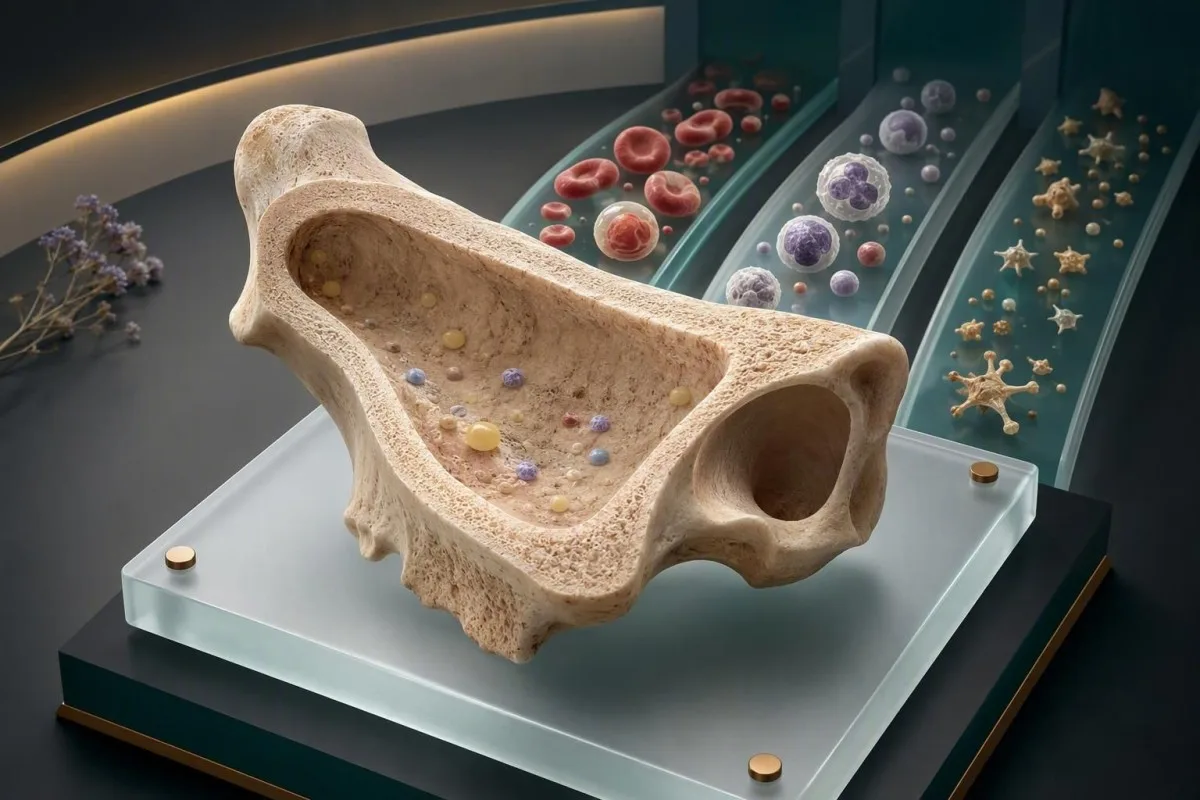
Aplastična anemija obično daje upečatljiv obrazac tri linije CBC: anemija, nizak broj bijelih krvnih zrnaca i nizak broj trombocita, uz neprikladno nizak broj retikulocita. Obrazac zahtijeva hitnu kliničku potvrdu jer nekoliko reverzibilnih i ozbiljnih stanja može na prvi pogled izgledati slično.


- Pancitopenija znači nizak broj crvenih krvnih zrnaca, bijelih krvnih zrnaca i trombocita; to je obrazac, a ne dijagnoza.
- Apsolutni broj retikulocita ispod 20 × 10⁹/L podržava značajno smanjenu produkciju koštane srži kada je prisutna anemija.
- Teška aplastična anemija definira se kao hipocelularna koštana srž plus najmanje dva od sljedećeg: ANC ispod 0.5 × 10⁹/L, trombociti ispod 20 × 10⁹/L ili retikulociti ispod 20 × 10⁹/L.
- ANC ispod 0.5 × 10⁹/L uz groznicu od 38.0°C ili višu, zahtijeva hitnu procjenu istog dana.
- Trombociti ispod 10 × 10⁹/L nose značajan rizik od spontanog krvarenja i obično zahtijevaju hitnu bolničku njegu.
- Makrocitoza može se pojaviti kod aplastične anemije, ali MCV iznad 110 fL bi trebao navesti kliničare da aktivno isključe nedostatak B12 ili folata.
- Blasti, naglašena displazija, suzave ćelije ili shistociti na razmazu ukazuju na nešto drugo osim nekomplikovane aplastične anemije i mijenjaju dalji postupak.
- Ne liječite se samostalno trostruko nizak CBC sa samo željezom; željezo ne obnavlja produkciju koštane srži i može odgoditi hitnu procjenu.
Obrazac CBC koji izaziva zabrinutost zbog aplastične anemije
Jedan analiza krvi za aplastičnu anemiju obično pokazuje pancitopeniju: nizak hemoglobin, nizak broj neutrofila i nizak broj trombocita koji se javljaju istovremeno, dok odgovor retikulocita ostaje nizak umjesto kompenzatornog. Ta kombinacija bi trebala pokrenuti hitnu kliničku reviziju, posebno ako su vrijednosti opale u više od jednog prethodnog CBC-a.
Kod odraslih, tipični referentni interval CBC-a je hemoglobin oko 120–155 g/L za mnoge žene i 135–175 g/L za mnoge muškarce, bijele krvne ćelije 4,0–11,0 × 10⁹/L, i trombociti 150–400 × 10⁹/L; laboratorije postavljaju vlastite granice. Aplastična anemija snižava sve tri loze jer koštana srž ne proizvodi dovoljno novih ćelijskih elemenata. Za osnovnu orijentaciju, pogledajte naš vodič za šta uključuje CBC.
Obrazac je informativniji od bilo kojeg izolovanog niskog rezultata. Hemoglobin od 92 g/L nakon obilnog menstrualnog gubitka može biti nedostatak željeza, dok hemoglobin 92 g/L plus ANC 0,7 × 10⁹/L i trombociti 34 × 10⁹/L predstavlja problem produkcije koštane srži dok se ne dokaže suprotno. U mom kliničkom iskustvu, opasnost nije samo anemija – to je rizik od infekcije i krvarenja koji se tiho javljaju uz nju.
Kantesti je AI analizator krvi koji čita CBC komponente kao povezanu sliku, a ne kao tri nepovezane crvene zastavice. Naš sistem može pomoći u organizaciji izvještaja i prethodnih rezultata, ali ne može dijagnostikovati otkazivanje koštane srži ili zamijeniti hitnu hematološku procjenu. Od 26. augusta 2026., bilo koja nova trostruka citopenija zaslužuje pregled pravog kliničara u roku od nekoliko dana, a ne rutinsku godišnju kontrolu.
Normalno izgledajući MCV ne čini pancitopeniju bezazlenom. Rana aplastična anemija može biti normocitična, blago makrocitična ili povremeno mikrocitična ako koegzistira nedostatak željeza; odgovor koštane srži i periferni razmaz često daju više smjernica nego sam MCV. Praktično pravilo dr. Thomasa Kleina je jednostavno: pitajte da li koštana srž reaguje prije nego što pretpostavite nutritivno objašnjenje.
Zašto se obrazac često propušta
CBC može posebno označiti svaki rezultat, tako da se pacijenti ponekad fokusiraju na najmanji broj i zanemaruju grupu. Pad trombocita sa 260 na 92 × 10⁹/L, čak i dok je tehnički iznad hitnog praga, klinički je značajan kada hemoglobin i neutrofili opadaju paralelno. Trendovi krvnih nalaza često ranije otkrivaju tu putanju nego pojedinačni izvještaj.
Anemija plus nizak broj retikulocita: trag smanjene produkcije koštane srži
A nizak broj retikulocita kod anemične osobe znači da koštana srž ne nadoknađuje adekvatno crvena krvna zrnca, i to je jedan od najkorisnijih pokazatelja koji podržava aplastičnu anemiju. Apsolutni broj retikulocita je važniji od postotka retikulocita jer postotak može izgledati varljivo normalan kada je ukupan broj crvenih krvnih zrnaca nizak.
Većina laboratorija izvještava o referentnom intervalu apsolutnih retikulocita za odrasle oko 25–100 × 10⁹/L, iako se metode razlikuju. U kriterijumima za tešku aplastičnu anemiju, apsolutni broj retikulocita ispod 20 × 10⁹/L je jedna od definicijskih mjera niske produkcije kada je ćelijskost koštane srži značajno smanjena. Detaljan vodič za broj retikulocita objašnjava zašto rezultati samo u postocima mogu dovesti u zabludu.
Nasuprot tome, akutni gubitak krvi ili hemoliza obično bi trebali povećati broj retikulocita nakon nekoliko dana, često iznad 100 × 10⁹/L ako su snabdijevanje željezom i funkcija koštane srži netaknuti; niski nivoi haptoglobina, porast indirektnog bilirubina i povišeni LDH podržavaju hemolizu; to je drugačija fiziološka priča od aplazije. Razlika je važna jer se kašnjenja javljaju liječenjem “anemije” bez identifikacije produkcije naspram destrukcije.
Pacijentica koju sam vidio sa hemoglobinom 76 g/L imala je postotak retikulocita od 1,2%, što je izgledalo neupadljivo dok se apsolutni broj nije izračunao na 18 × 10⁹/L. To nije bio odgovor oporavka. Kada je anemija značajna, kliničari mogu koristiti indeks produkcije retikulocita, ali apsolutni retikulociti su generalno manje podložni greškama u svakodnevnom trijažu.
Retikulociti mogu biti prolazno niski tokom teške infekcije, nakon kemoterapije, kod toksičnosti alkohola ili u uznapredovaloj bolesti bubrega, tako da ovaj rezultat nije specifičan za aplastičnu anemiju. Revizija Younga iz 2018. u New England Journal of Medicine naglašava da dijagnoza zahtijeva procjenu koštane srži i isključenje nasljednih, imunoloških, toksičnih i klonalnih alternativa – ne rezultat retikulocita izolovano (Young, 2018).
Nizak broj neutrofila: broj u CBC koji mijenja hitnost liječenja infekcije
The apsolutni broj neutrofila (ANC) predviđa rizik od bakterijskih i gljivičnih infekcija bolje nego ukupan broj bijelih krvnih zrnaca. ANC ispod 0,5 × 10⁹/L je teška neutropenija, a temperatura od 38,0°C jednom, ili 38,0°C povišena jedan sat, zahtijeva hitnu procjenu.
ANC se izračunava kao bijela krvna zrnca pomnožena postotkom neutrofila plus postotak nesegmentiranih neutrofila. Na primjer, WBC 1,4 × 10⁹/L sa 40% neutrofila daje ANC 0,56 × 10⁹/L—daleko korisnije nego samo ukupan broj. Naš vodičem za granične vrijednosti ANC objašnjava varijacije u zavisnosti od starosti i trudnoće, ali prag od 0,5 × 10⁹/L ostaje ključna opasna linija za odrasle.
Teška aplastična anemija često dovodi do neutropenije bez toksične granulacije ili lijevog pomaka koji mogu pratiti bakterijsku infekciju. Ipak, pacijent može imati i zatajenje koštane srži i infekciju; odsustvo visokog broja bijelih krvnih zrnaca nikada ne isključuje sepsu. Groznica, drhtavica, nova konfuzija, kratkoća daha ili brzo pogoršanje grlobolje ne bi trebalo čekati na ponovljeni vanbolnički CBC.
Veoma teška aplastična anemija koristi još niži prag ANC-a: ispod 0,2 × 10⁹/L. Razlog za odvajanje 0,2 od 0,5 je praktičan—pri ovim brojevima, obični oralni i kožni organizmi mogu postati opasni uz malo lokalnog crvenila ili gnoja. U bolnici, kliničari mogu uzeti kulture i započeti empirijski antimikrobni tretman prije nego što se uzrok u potpunosti utvrdi.
Nizak broj limfocita može koegzistirati, ali ne zamjenjuje ANC u odlukama o akutnom riziku. Ako nedostaje diferencijalna krvna slika, pitajte laboratoriju ili kliničara za nju umjesto da nagađate iz ukupnog WBC-a. Simptomi niske razine limfocita zaslužuju praćenje, ali dubina neutrofila određuje odluku istog dana.
Kada je temperatura važnija od nalaza CBC-a
Temperatura od 38,0°C kod osobe sa ANC-om od 0,4 × 10⁹/L je hitna, čak i ako se osjeća “uglavnom dobro” i temperatura padne nakon paracetamola. Antipiretici mogu smanjiti vidljivi signal bez liječenja osnovnog problema. Ponesite CBC i listu lijekova na hitni prijem; nemojte uzimati preostale antibiotike prije kultura, osim ako vam kliničar ne naloži.
Nizak broj trombocita: pragovi krvarenja kod sumnje na otkazivanje koštane srži
Trombociti ispod 50 × 10⁹/L povećavaju modrice i zabrinutost zbog krvarenja povezanog s procedurom, dok brojevi ispod 10 × 10⁹/L mogu dozvoliti spontano krvarenje. Kod aplastične anemije, trombocitopenija se obično javlja sa anemijom i neutropenijom, a ne kao izolovani problem sa trombocitima.
Petehije, krvarenje iz nosa koje traje duže od 20 minuta, krvarenje desni, jako menstrualno krvarenje, krv u urinu, crna stolica ili iznenadna jaka glavobolja zahtijevaju hitan klinički kontakt kada su trombociti niski. Broj trombocita od 18 × 10⁹/L nije automatski katastrofalan, ali to nije broj kojim se treba upravljati putem internetskih savjeta. Pogledajte našu praktičnu raspravu o pragovima trombocita prije stomatoloških zahvata.
Razmaz pomaže u razdvajanju smanjene produkcije od perifernog razaranja. Kod idiopatske trombocitopenije, trombociti mogu biti jedina niska vrijednost, a veći mladi trombociti su često vidljivi; aplastična anemija češće ima nizak ili normalan udio nezrelih trombocita jer je sama produkcija smanjena. Ovo su tendencije, ne pravila, i obučeni morfološki specijalista mora pročitati bris.
Izbjegavajte aspirin, ibuprofen, naproksen i nekontrolisane megadoze ribljeg ulja dok kliničar ne pregleda značajnu trombocitopeniju, jer oni mogu oslabiti funkciju trombocita čak i kada je brojčana vrijednost nepromijenjena. Alkohol također može pogoršati supresiju koštane srži i funkciju trombocita. Acetaminofen/paracetamol također nije univerzalno prikladan—doza i stanje jetre su i dalje važni.
Broj trombocita može biti lažno nizak kada se trombociti skupe u EDTA uzorku. Laboratorija može prijaviti “prisutni klasteri trombocita” i ponoviti brojanje u citratnoj epruveti; ovo se naziva pseudotrombocitopenija. Objašnjava izolirane niske trombocite, a ne uvjerljivu pancitopeniju s niskim brojem retikulocita.
Kako kliničari procjenjuju tešku i vrlo tešku aplastičnu anemiju
Teška aplastična anemija zahtijeva hipocelularnu košt an u srž—obično ispod 25% ćelijskosti—plus najmanje dva periferna kriterija: ANC ispod 0,5 × 10⁹/L, trombociti ispod 20 × 10⁹/L, ili apsolutni retikulociti ispod 20 × 10⁹/L. Veoma teška bolest ispunjava te kriterije sa ANC-om ispod 0,2 × 10⁹/L.
Ove granične vrijednosti potiču iz dugogodišnjeg Camitta okvira, ali su alati za trijažu i planiranje liječenja, a ne dijagnoza izračunata iz tabele. Koštana srž može biti pečatasta, a nedavna transfuzija može promijeniti kako anemija izgleda. Kliničari također uzimaju u obzir simptome, povijest infekcija, potrebu za transfuzijom, dob, opcije donora i dokaze o klonskom poremećaju.
Umjerena aplastična anemija nije definisana tako precizno. Osoba sa trombocitima 58 × 10⁹/L, ANC 0,9 × 10⁹/L i hemoglobinom 98 g/L možda ne ispunjava kriterije za tešku bolest, ali se i dalje može pogoršati ili zahtijevati liječenje. Upravo ta nejasnoća čini serijske CBC i praćenje hematologije važnijim od pokušaja dodjele umirujuće oznake kod kuće.
Smjernica Britanskog društva za hematologiju opisuje pregled koštane srži, citogenetiku, testiranje protoka za PNH klonove i procjenu nasljednog zatajenja koštane srži kao dijelove dijagnostičkog puta (Killick i sar., 2016). Normalan citogenetski nalaz smanjuje zabrinutost za neke mijelodisplastične sindrome, ali sam po sebi ne dokazuje imunu aplastičnu anemiju.
Kantesti AI ističe kombinacije koje prelaze hitne granične vrijednosti, uključujući ANC ispod 0,5 × 10⁹/L i trombocite ispod 20 × 10⁹/L, tako da korisnici mogu vidjeti grupiranje prije svog termina. Naša analiza je sigurnosni podsticaj, a ne procjena težine; osnovni kriteriji zahtijevaju klinički pregled i nalaze koštane srži. Za kontekst pojedinačnih oznaka izvještaja, pročitajte šta znači van opsega.
MCV, RDW i nalazi krvnog razmaza koji preciziraju obrazac CBC
Aplastična anemija često ima normalan ili blago povišen MCV, ali sam MCV ne može razlikovati od nedostatka B12, nedostatka folata, efekata alkohola, bolesti jetre ili mijelodisplazije. Ručni razmaz periferne krvi je neophodan kada je pancitopenija nova, progresivna ili neobjašnjiva.
Referentni opseg MCV je obično 80–100 fL. Blaga makrocitoza oko 101–105 fL može se javiti kod aplastične anemije jer proizvodnja koštane srži pod stresom mijenja sazrijevanje crvenih krvnih zrnaca, ali MCV iznad 110 fL trebao bi podstaći namjensku provjeru B12, folata, lijekova, alkohola, štitnjače i jetre. Uporedite indekse u našem MCV u odnosu na MCH vodič.
RDW mjeri varijaciju veličine crvenih krvnih zrnaca i često je 11,5–14,5%, ovisno o analizatoru. Normalan RDW ne isključuje zatajenje koštane srži; zapravo, prilično ujednačena populacija smanjenih crvenih ćelija može se javiti kada proizvodnja jednostavno opadne. Oštro visok RDW može umjesto toga sugerirati mješovite nedostatke, nedavnu transfuziju, oporavak nakon liječenja ili displaziju.
Blasti, promielociti, izražena hipogranulacija, pseudo-Pelger neutrofili ili značajni displastični oblici pomjeraju zabrinutost prema akutnoj leukemiji ili mijelodisplastičnom sindromu i trebali bi ubrzati specijalističku evaluaciju. Schistociti ukazuju u drugom pravcu - fragmentacija crvenih krvnih zrnaca uzrokovana mikroangiopatijom - i mogu biti hitni kada su upareni sa niskim trombocitima, povredom bubrega ili neurološkim simptomima. Naša schistocyte vodič pokriva taj odvojeni obrazac hitnosti.
Kantesti je Alat za analizu krvnih nalaza uz pomoć AI-a koji može uporediti MCV, RDW, retikulocite i istorijske brojeve, ali ne zamjenjuje pregledani razmaz. Po mom iskustvu, razmaz je mjesto gdje naizgled jednostavan “niski CBC” postaje oštro fokusirano dijagnostičko pitanje. vodič za tehnologiju objašnjava kako naša AI zadržava originalne jedinice i referentne intervale laboratorije.
Nedostatak B12, folata i bakra može oponašati otkazivanje koštane srži
Nedostatak vitamina B12, folata i bakra može uzrokovati pancitopeniju i mora se isključiti prije etiketiranja CBC obrasca kao aplastične anemije. Ovi nedostaci su posebno vjerovatni kod restriktivnih dijeta, malapsorpcije, barijatrijske kirurgije, velike upotrebe cinka ili određenih lijekova.
Nedostatak B12 obično dovodi do makrocitoze, hipersegmentiranih neutrofila i povišene metilmalonske kiseline, ali neki pacijenti imaju MCV ispod 100 fL kada postoji istovremeni nedostatak željeza. Serumski B12 ispod 148 pmol/L, otprilike 200 pg/mL, često se smatra nedovoljnim, dok 148–221 pmol/L može zahtijevati potvrdu metilmalonske kiseline ili homocisteina. Naša B12 i folat poređenje objašnjava zašto sam folat može prikriti hematološke znakove dok neurološka povreda traje.
Nedostatak folata može sniziti sve tri linije u uznapredovalim slučajevima, posebno kod lošeg unosa, upotrebe alkohola, malapsorpcije, metotreksata, trimetoprima ili određenih lijekova protiv napadaja. Folat u crvenim krvnim zrncima može bolje odražavati zalihe tkiva nego pojedinačni serumski nivo u nekim situacijama, ali dostupnost i interpretacija testa variraju. Nemojte započeti visoke doze folne kiseline prije nego što se B12 procijeni, osim ako ljekar nema poseban razlog.
Nedostatak bakra se rjeđe provjerava, ali može uzrokovati anemiju i neutropeniju i može podsjećati na mijelodisplaziju pri pregledu koštane srži. Višak dodataka cinka je klasičan reverzibilni uzrok jer cink inducira crijevni metalotionein, koji preferencijalno veže bakar. rad na provjeri nedostatka bakra je posebno relevantan za izlaganje zubnoj kremi, barijatrijsku operaciju ili doze cinka iznad 40 mg dnevno.
Ishrana može biti dio odgovora, ali ne bi trebala postati razlog za odlaganje evaluacije koštane srži kod teške pancitopenije. Zamjena željezom, B12, folatom i bakrom prilagođena je potvrđenim deficitima i medicinskom kontekstu; neselektivna suplementacija može prikriti korisne rezultate testova. Ovo je jedno od onih područja gdje je kontekst važniji od jednog graničnog broja.
Uzroci pancitopenije koji se prvo provjeravaju: lijekovi, toksini i virusi
Lijekovi, toksini i virusne bolesti mogu potisnuti proizvodnju koštane srži i proizvesti obrazac CBC-a sličan aplastičnoj anemiji, ponekad reverzibilno. Potpuna povijest izloženosti treba uključivati propisane lijekove, nedavne antibiotike, antikonvulzive, imunoterapije, biljne proizvode, rastvarače, alkohol i rekreativne supstance.
Hemoterapija je očigledan uzrok, ali manje očigledna sredstva uključuju hloramfenikol u regijama gdje se još uvijek koristi, lijekove protiv štitnjače, linezolid, neke antikonvulzive i imuno-modulirajuće terapije. Vrijeme pomaže: direktna toksičnost lijeka na koštanoj srži često se javlja tjednima do mjesecima nakon izloženosti, dok imune reakcije na lijekove mogu biti manje predvidljive. Nikada ne prekidajte propisani lijek naglo bez kliničara koji upravlja citopenijom.
Hepatitisom udružena aplastična anemija može se javiti tjednima do mjesecima nakon epizode akutnog hepatitisa, često kod mlađih osoba, a rutinsko testiranje na hepatitis A, B, C, E, HIV, EBV, CMV i parvovirus može se odabrati na osnovu anamneze. Negativan virusni skrining ne isključuje imunu aplastičnu anemiju. Jednostavno uklanja važne konkurentne objašnjenja i vodi prevenciju infekcija.
Izloženost benzenu ostaje relevantan profesionalni i kućni rizik, uključujući slabo ventiliran industrijski rad, rukovanje gorivom i neke rastvarače. Kliničari pitaju o radnim zadacima, a ne o nazivima poslova, jer “uredski menadžer kod dobavljača boja” još uvijek može uključivati povremenu izloženost u skladištu. Ponesite nazive proizvoda ili sigurnosne listove ako su dostupni; nejasno sjećanje je uobičajeno i niko se ne treba osjećati krivim.
CBC uzet ubrzo nakon značajne virusne bolesti možda će trebati ponoviti u roku od nekoliko dana do tjedana ako je osoba stabilna, ali teške vrijednosti ne treba pasivno promatrati. Promjene CBC-a nakon bolesti mogu pomoći u određivanju vremena, dok groznica sa teškom neutropenijom ostaje hitno stanje bez obzira na sumnjivi okidač.
Uzroci pancitopenije koji se razlikuju od aplastične anemije
Pankitopenija ima mnogo uzroka, a aplastična anemija se razlikuje hipocelularnom koštana srž bez maligne infiltracije ili značajne displazije. Glavne alternative uključuju akutnu leukemiju, mijelodisplastični sindrom, infiltraciju koštane srži, hipersplenizam, teške stanja deficita, hemoragijske sindrome, infekcije i efekte lijekova.
Akutna leukemija može proizvesti niske vrijednosti jer blasti potiskuju normalnu koštana srž, ali cirkulirajući blasti nisu uvijek vidljivi. Mijelodisplastični sindrom postaje vjerovatniji uz displaziju, karakteristične citogenetske promjene ili upornu makrocitozu kod starijih odraslih osoba, iako samo dob ne dokazuje ništa. Putanja u našem vodiču za testiranje krvnog karcinoma pokazuje zašto razmaz, protočna citometrija i studije koštane srži dopunjuju jedni druge.
Hipersplenizam snižava cirkulirajuće vrijednosti sekvestracijom, obično uz splenomegaliju, portalnu hipertenziju, bolest jetre ili određene hematološke poremećaje. Retikulociti mogu biti normalni ili visoki umjesto duboko potisnutih, a ćelijskost koštane srži je uglavnom očuvana ili povećana. Ultrazvuk može biti koristan, ali ne ukida potrebu za istraživanjem zabrinjavajućeg razmaza ili teške neutropenije.
Paroksizmalna noćna hemoglobinurija (PNH) može biološki preklapati s aplastičnom anemijom, tako da kliničari često naručuju protočnu citometriju visoke osjetljivosti za granulocite i monocite deficitarne u GPI-sidru. Tamni urin nije potreban niti specifičan. Pronalaženje male PNH klone može podržati kontekst imunološkog zatajenja koštane srži, ali liječenje ovisi o veličini klone, hemolizi, riziku od tromboze i ukupnoj slici koštane srži.
Kantesti je usluzi za tumačenje laboratorijskih testova AI koji mogu ukazati na obrasce pankitopenije i potencijalne alternativne tragove, uključujući bilirubin, LDH, jetrene indekse i istorijski pad trombocita. Ne može utvrditi da li je koštana srž hipocelularna, infiltrirana ili displastična - to su pitanja za hematologiju i patologiju. Kontrolna lista za drugo mišljenje može pomoći pacijentima da pripreme fokusirana pitanja.
Hitna upozoravajuća znamenja: kada niski rezultati CBC-a zahtijevaju hitnu medicinsku pomoć
Hitna pomoć je prikladna za temperaturu od 38,0°C ili višu sa ANC-om ispod 0,5 × 10⁹/L, nekontrolisano krvarenje, crnu stolicu, kašalj s krvlju, jaku novu glavobolju, konfuziju, nesvjesticu, bol u grudima ili nedostatak daha u mirovanju. Nemojte čekati online interpretaciju ako se bilo šta od ovoga dogodi.
Teška anemija može ometati isporuku kisika čak i bez vidljivog krvarenja. Hemoglobin ispod 70 g/L je uobičajena pragovna vrijednost za razmatranje transfuzije kod stabilnih bolničkih pacijenata, ali simptomi, aktivno krvarenje, kardiovaskularne bolesti, trudnoća i hroničnost mijenjaju odluke. Osoba sa hemoglobinom 82 g/L koja se onesvijesti ili ima nedostatak daha u mirovanju treba hitniju procjenu od zdrave osobe sa istim brojem.
Trombociti ispod 10 × 10⁹/L se često tretiraju hitnim odlukama usmjerenim od strane specijalista jer postaje vjerojatnije spontano krvarenje iz sluzokože ili unutrašnje krvarenje. Izbjegavajte kontaktne sportove, intramuskularne injekcije, rektalne termometre i stomatološke procedure dok tim koji liječi ne savjetuje drugačije. Ako dođe do povrede glave pri bilo kojem niskom broju trombocita, potražite hitnu procjenu čak i ako se simptomi čine manjim.
Normalna temperatura ne garantuje sigurnost kod teške neutropenije; starije odrasle osobe, osobe koje uzimaju steroide i veoma bolesni pacijenti možda neće razviti groznicu. Novi čirevi u ustima, bolno gutanje, perianalni bol ili brzo pogoršanje umora mogu biti rani znakovi infekcije. Laboratorijski obrasci sepse pružaju kontekst, ali simptomi i vitalni znaci određuju neposrednu akciju.
Dr. Thomas Klein savjetuje pacijentima da fotografišu ili preuzmu originalni izvještaj, zabilježe datum testa i donesu sve posude za lijekove i suplemente na hitni pregled. Ovaj mali korak često identifikuje vremenski osjetljivu izloženost lijeku ili pojašnjava da li je “niski” novi broj već bio u trendu. Nemojte sami voziti ako ste vrtoglavi, onesviješteni ili aktivno krvarite.
Koji testovi potvrđuju ili isključuju aplastičnu anemiju nakon CBC-a
CBC ne može potvrditi aplastičnu anemiju; potvrda obično zahtijeva aspirat koštane srži i biopsiju trepanom koja pokazuje hipocelularnost, plus testove koji isključuju klonalne, nasljedne, infektivne, nutritivne uzroke i uzroke povezane s izloženošću. Brzina testiranja ovisi o ozbiljnosti broja i simptomima.
Uzorak koštane srži procjenjuje celularnost, arhitekturu, blaste, fibrozu, zalihe željeza i displaziju. Kod odraslih, očekivana celularnost je otprilike 100 minus dob kao gruba procjena za učenje, ali ovo je neprecizno i kvalitet uzorka je važan. Osoba od 30 godina sa celularnošću koštane srži od 10% je veoma drugačija od osobe od 80 godina sa 10%, ali obje trebaju stručno tumačenje u kontekstu.
Citogenetika, hromozomski mikročip ili paneli za sekvenciranje mogu pomoći u razlikovanju hipocelularnog mijelodisplastičnog sindroma od stečene aplastične anemije. Testiranje na PNH klonove, telomere poremećaje, Fanconijevu anemiju i druga nasljedna stanja zatajenja koštane srži odabire se prema dobi, porodičnoj anamnezi, fizičkim nalazima i planiranju transplantacije. Genetsko testiranje nije rezervisano samo za djecu; nasljedne bolesti koje nastaju u odrasloj dobi sve se više prepoznaju.
Osnovni testovi često uključuju B12, folat, bakar, jetrenu i bubrežnu profil, štitnjaču kada je naznačeno, markere hemolize, virusnu serologiju, test trudnoće kada je relevantno i autoimune pretrage prilagođene anamnezi. Cilj nije naručiti svaki test. Cilj je izbjeći propuštanje reverzibilnih uzroka dok se brzo prelazi na definitivnu procjenu.
Kantesti AI može organizirati izvještaj u ovim kategorijama i identificirati osnovne nedostatke, ali kliničko upravljanje je važno kada su rezultati visokog rizika. Naš standarde medicinske validacije opisuje granicu između tumačenja potpomognutog AI i medicinske dijagnoze. Pitajte ko će pregledati uzorak koštane srži i da li će ga procijeniti hematopatolog.
Kada ponoviti CBC prije nego što se pretpostavi da je rezultat stvaran
Ponovni CBC je prikladan kada zgrušavanje uzorka, agregacija trombocita, razrjeđenje intravenskim tečnostima ili zastavice analizatora mogu iskriviti rezultat, ali ponovljeno testiranje nikada ne smije odgoditi hitnu njegu za teške citopenije ili zabrinjavajuće simptome. Laboratorije često mogu provjeriti rezultat iz originalne tube u roku od nekoliko sati.
Agregacija trombocita u EDTA može proizvesti lažno nizak broj trombocita, dok djelimično zgrušana tuba može neočekivano sniziti trombocite i bijela krvna zrnca. Pregled razmaza pod mikroskopom i brojanje trombocita u tubi sa citratom mogu riješiti problem. ponovno testiranje nakon hemolize vodič objašnjava zašto su komentari o kvalitetu uzorka klinički korisni, a ne samo laboratorijsko održavanje.
Intravenska tečnost može razrijediti hemoglobin i trombocite, posebno nakon nekoliko litara, ali rijetko objašnjava duboko nizak ANC ili broj retikulocita. Nasuprot tome, dehidracija može privremeno koncentrirati vrijednosti i sakriti dubinu anemije. Uporedite vrijeme uzimanja uzorka, nedavne tečnosti, transfuzije, akutnu bolest i prethodni osnovni nivo prije nego što zaključite da numerička promjena odražava biologiju koštane srži.
Transfuzija komplikuje tumačenje jer donatorski crveni krvni elementi mogu poboljšati hemoglobin bez ispravljanja neutropenije, trombocita ili retikulocita. Povećanje hemoglobina nakon transfuzije ne treba pobrkati s oporavkom koštane srži. Ljekari stoga prate datume transfuzija uz trendove retikulocita i interval do sljedeće potrebne transfuzije.
Laboratorijska “delta provjera” može označiti oštru promjenu od prethodnih vrijednosti, ali stvarni gubitak koštane srži može se razviti između rutinskih testova. Ako izvještaj izgleda nevjerovatan, nazovite nadležnog ljekara ili laboratoriju odmah; nemojte ga jednostavno ponoviti na udaljenom mjestu za hitne slučajeve i izgubiti kontinuitet. Originalna laboratorija može uporediti zastavice analizatora i mikroskopiju.
Što ne raditi dok čekate hematološku procjenu
Nemojte početi sa željezom, visokim dozama folata, biljnim “graditeljima krvi”, aspirinom ili preostalim antibioticima samo zato što je CBC nizak. U sumnji na aplastičnu anemiju, najsigurnije prve radnje su hitan medicinski pregled, prevencija infekcija, prevencija krvarenja i potpuna istorija lijekova i suplemenata.
Nedostatak željeza je čest, ali željezo ne objašnjava nizak broj neutrofila i trombocita kod većine odraslih. Uzimanje 45-65 mg elementarnog željeza svaki dan može uzrokovati mučninu, zatvor i dovesti do pogrešnih promjena u studijama željeza bez rješavanja zatajenja koštane srži. Provjerite feritin, zasićenost transferina, CRP i cjelokupni CBC obrazac prije nego što pretpostavite da umor znači nedostatak željeza; naš resurs za studije željeza pomaže u tim razlikama.
Izbjegavajte gužve u zatvorenim prostorima i blizak kontakt s osobama koje imaju respiratorne simptome ako je ANC teško nizak, ali nemojte se izolirati od potrebne medicinske njege. Higijena ruku, brzo provjeravanje temperature kada se ne osjećate dobro i sigurnost hrane su razumni. Ekstremne “neutropenične dijete” imaju ograničene dokaze i mogu pogoršati ishranu, stoga pitajte ljekarski tim za lokalno odgovarajuće smjernice umjesto da slijedite restriktivne liste sa društvenih medija.
Vodite vremensku liniju od jedne stranice: prvi abnormalni CBC, prethodni normalni CBC, infekcije u prethodnih 6 mjeseci, započeti ili prekinuti lijekovi, putovanja, izloženost na radnom mjestu, transfuzije, nasljedni krvni poremećaji u porodici i simptomi krvarenja. Ove informacije mogu uštedjeti cijelu posjetu klinici. Praćenje laboratorijskih rezultata nudi praktičnu strukturu za snimanje datuma i jedinica.
Kantesti-ove Platforma za tumačenje biomarkera pomoću AI može pomoći korisnicima u poređenju serijskih CBC izvještaja i pripremi pitanja na vlastitom jeziku na 75+ jezika. Ovo nije hitna služba i ne može vidjeti simptome, pregledati pacijenta niti organizirati transfuzijsku podršku. Koristite ga za razumijevanje izvještaja, a zatim slijedite klinički put koji je već u toku.
Pitanja koja čine hematološki pregled korisnijim
Najkorisnija hematološka pitanja odnose se na težinu bolesti, vjerojatni mehanizam, pragove infekcije i krvarenja, te dijagnostički plan — ne na to da li je jedan izolovani broj “loš”. Ponesite originalne izvještaje jer trendovi u ANC, trombocitima, hemoglobinu, MCV i retikulocitima vode odluke.
Pitajte: “Da li ispunjavam kriterije za tešku aplastičnu anemiju i koje kriterije ispunjavam?” Odgovor treba da uključi ćelijavost koštane srži, ANC, broj trombocita i apsolutni broj retikulocita. Ako dijagnoza ostaje neizvjesna, pitajte koje su činjenice u prilog hipocelularnom mijelodisplastičnom sindromu, akutnoj leukemiji, nutritivnom nedostatku ili supresiji izazvanoj lijekovima, i koji test će ih razdvojiti.
Pitajte za eksplicitne sigurnosne pragove: na kojoj temperaturi trebam hitno da se javim, koji simptomi krvarenja nadjačavaju čekanje, koje lijekove protiv bolova trebam izbjegavati, i da li mogu putovati? Ova uputstva variraju u zavisnosti od dubine ANC i trombocita. Osoba sa ANC 1.1 × 10⁹/L i trombocitima 95 × 10⁹/L dobija drugačiji savjet od nekoga sa ANC 0.18 × 10⁹/L i trombocitima 8 × 10⁹/L.
Ako se aplastična anemija potvrdi, diskusija može uključivati imunosupresivnu terapiju, eltrombopag u odabranim protokolima i transplantaciju matičnih ćelija hematopoeze, zavisno od starosti, dostupnosti donora, težine bolesti i lokalne stručnosti. Nijedan izbor liječenja ne treba izvoditi iz online objašnjenja CBC. Očekivani tok i rizici su lični, ponekad zaista neizvjesni, i najbolje ih je odlučiti tim za zatajenje koštane srži.
Naš Medicinski savjetodavni odbor pomaže u postavljanju principa kliničkog pregleda iza Kantesti sadržaja, uključujući pravilo da obrasci CBC visokog rizika zahtijevaju profesionalnu eskalaciju. Povedite osobu za podršku ako je moguće; ovi sastanci sadrže mnogo nepoznatih termina, a još jedan slušalac poboljšava pamćenje.
Siguran plan sljedećeg koraka nakon abnormalnog CBC-a s pancitopenijom
Novu pancitopeniju sa niskim brojem retikulocita treba tretirati kao mogući poremećaj proizvodnje koštane srži dok kliničar ne identifikuje drugi uzrok. Istog dana je potrebna njega za groznicu sa teškom neutropenijom, aktivno krvarenje, neurološke simptome, bol u grudima, nesvjesticu ili nedostatak daha u mirovanju.
Prvo, provjerite tačne vrijednosti i jedinice: hemoglobin, WBC sa ANC, trombociti, MCV, RDW i apsolutni retikulociti. Drugo, uporedite ih sa posljednjim dostupnim CBC, čak i onim od prije 2 godine. Stabilno blago nizak broj i brzi trostruki pad nisu isti klinički problem; uporedni prikaz CBC može učiniti tu razliku vidljivom.
Treće, potražite nivo njege koji vaši simptomi i pragovi zahtijevaju. ANC ispod 0.5 × 10⁹/L sa groznicom, trombociti ispod 10 × 10⁹/L, ili značajno krvarenje ne bi trebalo čekati standardnu uputnicu. Za stabilnu, ali neobjašnjivu pancitopeniju, dogovorite promptni pregled kod kliničara i pitajte da li su potrebni pregled razmaza, ponovljeni CBC, nutritivne studije, virusološko testiranje i hematološka uputnica.
Četvrto, nemojte tumačiti pojedinačni “normalni” prateći test kao umirenje. Normalan feritin ne isključuje nedostatak B12, normalan LDH ne isključuje zatajenje koštane srži, a normalan MCV ne poništava tri niska ćelijska reda. Cjelokupni obrazac, njegovo vrijeme i pregled određuju rizik.
Kantesti AI podržava strukturirani pregled rezultata i analizu historijskih trendova, dok dijagnoza i liječenje ostaju kod vašeg kliničkog tima. Ovaj članak je medicinski pregledan prema standardima opisanim od strane procesa kliničkog nadzora Kantesti. Praktični cilj nije da vas uplašimo svakom niskom zastavicom — već da prepoznamo kombinacije koje se nikada ne smiju zanemariti.
Često postavljana pitanja
Kako izgleda aplastična anemija na CBC?
Aplastična anemija se obično javlja kao pancitopenija: nizak hemoglobin, nizak broj bijelih krvnih stanica – posebno neutrofila – i nizak broj trombocita na istom CBC-u. Podupirući trag proizvodnje je neprimjereno nizak apsolutni broj retikulocita, često ispod 20 × 10⁹/L u teškoj bolesti. MCV može biti normalan ili blago povišen, tako da normalan MCV ne isključuje ovo stanje. Dijagnoza zahtijeva dokaze hipocelularnosti koštane srži i isključenje drugih uzroka pancitopenije.
Može li aplastična anemija u početku imati normalne bijele krvne stanice?
Da, rana aplastična anemija može u početku zahvatiti jednu ili dvije krvne loze prije nego što se razvije jasna pancitopenija. Pad broja trombocita ili progresivna anemija s apsolutnim retikulocitima ispod oko 25 × 10⁹/L može prethoditi teškoj neutropeniji. Ljekari stoga upoređuju prethodne CBC radije nego da se oslanjaju na jedan normalan WBC rezultat. Novi silazni trend u više linija trebao bi podstaći pravovremeni medicinski pregled.
Broj retikulocita koji ukazuje na aplastičnu anemiju?
Apsolutni broj retikulocita ispod 20 × 10⁹/L podržava tešku hipoproliferaciju koštane srži kada je prisutna anemija i dio je kriterija za tešku aplastičnu anemiju. Mnoge laboratorije koriste referentni interval za odrasle blizu 25–100 × 10⁹/L, iako tačan raspon varira u zavisnosti od metode. Procenat retikulocita može biti varljivo normalan kod teške anemije, pa se preferira apsolutni broj. Nizak broj retikulocita nije specifičan za aplastičnu anemiju i također se javlja kod deficijencije hranjivih tvari, bolesti bubrega, infekcija i supresije povezane lijekovima.
Je li broj trombocita 20 opasan kod aplastične anemije?
Broj trombocita od 20 × 10⁹/L je kritično nizak i zahtijeva hitnu procjenu pod nadzorom hematologa, posebno ako postoji krvarenje iz nosa, krvarenje desni, jako menstrualno krvarenje, crna stolica, krv u mokraći ili glavobolja. Brojke ispod 10 × 10⁹/L nose veći rizik od spontanog krvarenja i često se liječe u bolnici, ovisno o simptomima i uzroku kod osobe. Izbjegavajte aspirin i NSAIL, osim ako ih ljekar koji liječi posebno ne odobri. Hitnost se dodatno povećava kada su prisutni i anemija i neutropenija.
Kada je nizak broj neutrofila hitno stanje?
ANC manji od 0.5 × 10⁹/L je teška neutropenija, a temperatura od 38.0°C ili viša zahtijeva hitnu procjenu istog dana. Vrlo teška aplastična anemija koristi ANC manji od 0.2 × 10⁹/L, gdje se ozbiljna infekcija može dogoditi s malo lokalnih simptoma. Drhtavica, nova konfuzija, kratkoća daha, bolno gutanje ili perianalni bol također ukazuju na hitnu medicinsku pomoć čak i bez dokumentirane temperature. Ukupan broj bijelih krvnih zrnaca sam po sebi je manje koristan od ANC-a za ovu odluku.
Može li se nedostatak vitamina B12 zamijeniti sa aplastičnom anemijom?
Nedostatak vitamina B12 može uzrokovati anemiju, nizak broj bijelih krvnih stanica, nizak broj trombocita, makrocitozu i nizak broj retikulocita, stoga u početku može sličiti aplastičnoj anemiji. Koncentracija B12 u serumu ispod 148 pmol/L, približno 200 pg/mL, često se smatra nedostatkom, dok granični rezultati mogu zahtijevati testiranje metilmalonske kiseline. Hipersegmentirani neutrofili i MCV iznad 110 fL pogoduju nedostatku B12 ili folata, ali miješani nedostatak željeza može prikriti makrocitozu. Ispitivanje koštane srži i ciljani krvni testovi razdvajaju ova stanja kada je CBC ozbiljan ili nejasan.
Nabavite analizu krvne slike uz AI već danas
Pridružite se više od 2 miliona korisnika širom svijeta koji vjeruju Kantesti-u za trenutnu i tačnu analizu laboratorijskih testova. Otpremite svoje rezultate krvne slike i dobijte sveobuhvatno tumačenje 15,000+ biomarkera za nekoliko sekundi.
📚 Referisane naučne publikacije
Klein, T., Mitchell, S., & Weber, H. (2026). Vrhunska krvna grupa B negativna, vodič za LDH test krvi i broj retikulocita. Kantesti AI Medical Research.
Klein, T., Mitchell, S., & Weber, H. (2026). Proljev nakon posta, crne mrlje u stolici i gastrointestinalni trakt, vodič za 2026. godinu. Kantesti AI Medical Research.
📖 Eksterne medicinske reference
⚕️ Medicinska izjava o odricanju odgovornosti
Ovaj članak je samo u edukativne svrhe i ne predstavlja medicinski savjet. Za odluke o dijagnozi i liječenju uvijek se posavjetujte s kvalifikovanim zdravstvenim radnikom.
E-E-A-T signal(i) povjerenja
Iskustvo
Klinička revizija radnih tokova tumačenja laboratorijskih nalaza koju vodi ljekar.
Stručnost
Fokus laboratorijske medicine na to kako se biomarkeri ponašaju u kliničkom kontekstu.
Autoritativnost
Napisao dr. Thomas Klein, uz recenziju dr. Sarah Mitchell i prof. dr. Hans Weber.
Pouzdanost
Tumačenje zasnovano na dokazima, s jasnim sljedećim koracima kako bi se smanjila uzbuna.