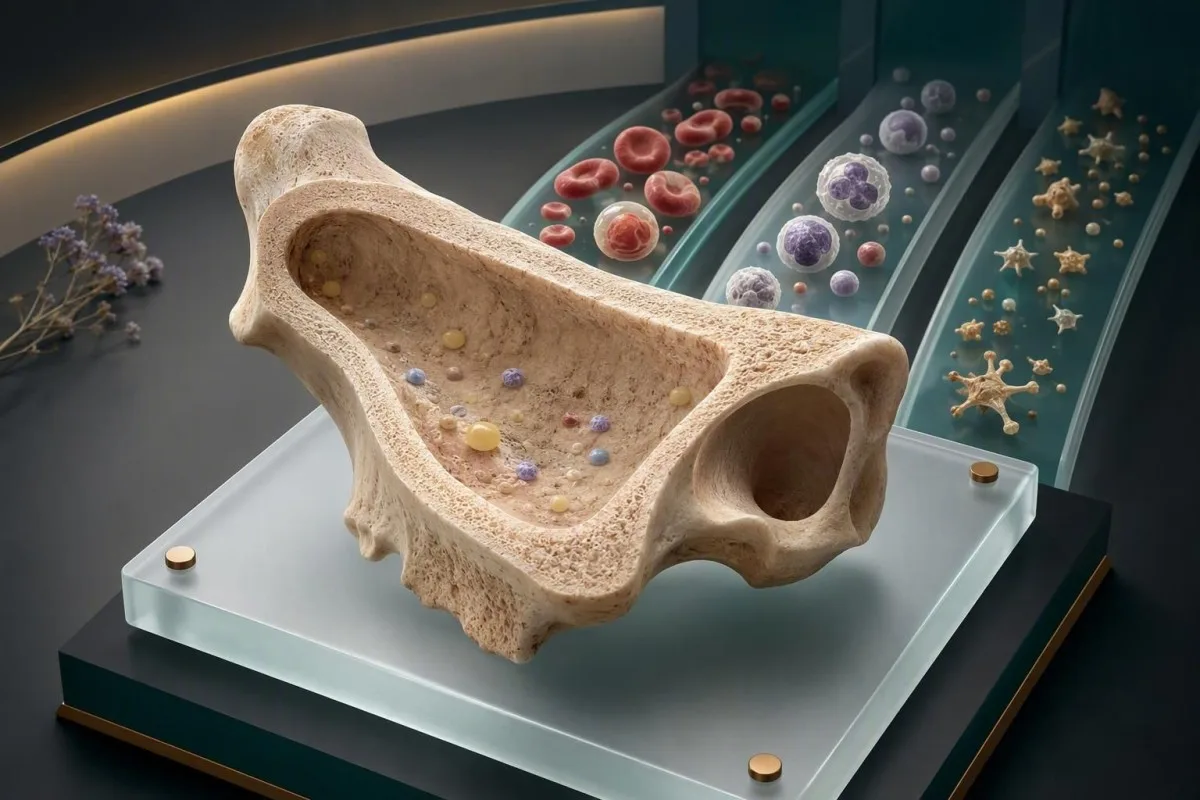
ภาวะไขกระดูกฝ่อ (Aplastic anemia) มักจะทำให้เห็นรูปแบบการตรวจ CBC ที่ชัดเจน 3 อย่าง ได้แก่ ภาวะซีดเม็ดเลือดแดงต่ำ, เม็ดเลือดขาวต่ำ และเกล็ดเลือดต่ำ ร่วมกับจำนวน reticulocyte ที่ต่ำอย่างไม่สมส่วน รูปแบบนี้จำเป็นต้องได้รับการยืนยันทางคลินิกอย่างเร่งด่วน เนื่องจากมีภาวะร้ายแรงที่สามารถรักษาให้หายได้หลายอย่างที่มีลักษณะคล้ายคลึงกันในตอนแรก.


- ภาวะเม็ดเลือดหลายชนิดต่ำ (pancytopenia) หมายถึงมีเซลล์เม็ดเลือดแดง, เซลล์เม็ดเลือดขาว, และเกล็ดเลือดต่ำ; มันเป็นรูปแบบ, ไม่ใช่การวินิจฉัย.
- จำนวนเรติคิวโลไซต์แบบสัมบูรณ์ (Absolute reticulocyte count) ต่ำกว่า 20 × 10⁹/L สนับสนุนการลดลงอย่างมากของการสร้างเม็ดเลือดของไขกระดูกเมื่อมีภาวะซีด.
- ภาวะไขกระดูกฝ่อรุนแรง ถูกนิยามด้วยไขกระดูกที่มีเซลล์น้อย ร่วมกับอย่างน้อย 2 ข้อต่อไปนี้: ANC ต่ำกว่า 0.5 × 10⁹/L, เกล็ดเลือดต่ำกว่า 20 × 10⁹/L, หรือ reticulocytes ต่ำกว่า 20 × 10⁹/L.
- ANC ต่ำกว่า 0.5 × 10⁹/L ที่มีไข้ 38.0°C หรือสูงกว่า ต้องการการประเมินฉุกเฉินภายในวันเดียวกัน.
- เกล็ดเลือดต่ำกว่า 10 × 10⁹/L มีความเสี่ยงต่อการเลือดออกเองอย่างมีนัยสำคัญ และโดยทั่วไปต้องได้รับการดูแลจากแพทย์ในโรงพยาบาลอย่างเร่งด่วน.
- Macrocytosis สามารถเกิดขึ้นได้ในภาวะไขกระดูกฝ่อ, แต่ MCV ที่สูงกว่า 110 fL ควรทำให้แพทย์ต้องพยายามแยกการขาดวิตามิน B12 หรือโฟเลต.
- เซลล์บลาส, การเปลี่ยนแปลงรูปร่างของเซลล์ (dysplasia) อย่างชัดเจน, เซลล์รูปหยดน้ำ (tear-drop cells), หรือเซลล์ที่แตกหัก (schistocytes) ในฟิล์มเลือด บ่งชี้ว่าไม่ใช่ภาวะโลหิตจางจากไขกระดูกฝ่อแบบธรรมดา และต้องปรับเปลี่ยนแนวทางการตรวจวินิจฉัย.
- ห้ามรักษาเอง การตรวจ CBC สามบรรทัดที่ค่าต่ำร่วมกับธาตุเหล็กเพียงอย่างเดียว; ธาตุเหล็กไม่สามารถฟื้นฟูการสร้างเม็ดเลือดในไขกระดูกได้ และอาจทำให้การประเมินเร่งด่วนล่าช้า.
รูปแบบ CBC ที่น่าสงสัยภาวะไขกระดูกฝ่อ
หนึ่ง การตรวจเลือดเพื่อวินิจฉัยภาวะโลหิตจางจากไขกระดูกฝ่อ โดยทั่วไปจะแสดงภาวะไขกระดูกฝ่อ (pancytopenia) ได้แก่ ภาวะฮีโมโกลบินต่ำ, นิวโทรฟิลต่ำ, และเกล็ดเลือดต่ำ ร่วมกัน ในขณะที่การตอบสนองของเรติคิวโลไซต์ยังคงต่ำ แทนที่จะเป็นการชดเชย การรวมกันดังกล่าวควรแจ้งให้แพทย์ทราบทันที โดยเฉพาะอย่างยิ่งหากค่าเลือดลดลงใน CBC มากกว่าหนึ่งครั้งก่อนหน้านี้.
ในผู้ใหญ่ ช่วงอ้างอิง CBC ปกติคือฮีโมโกลบินประมาณ 120–155 กรัม/ลิตร สำหรับผู้หญิงส่วนใหญ่ และ 135–175 กรัม/ลิตร สำหรับผู้ชายส่วนใหญ่, เซลล์เม็ดเลือดขาว 4.0–11.0 × 10⁹/ลิตร, และเกล็ดเลือด 150–400 × 10⁹/ลิตร; ห้องปฏิบัติการจะกำหนดขีดจำกัดของตนเอง ภาวะโลหิตจางจากไขกระดูกฝ่อลดลงทั้งสามสายเนื่องจากไขกระดูกไม่สามารถสร้างเซลล์ใหม่ได้เพียงพอ สำหรับการอ้างอิงพื้นฐาน โปรดดูคำแนะนำของเรา สิ่งที่ CBC ประกอบด้วย.
รูปแบบมีความสำคัญมากกว่าผลลัพธ์ค่าต่ำเพียงอย่างเดียว ฮีโมโกลบิน 92 กรัม/ลิตร หลังจากการเสียเลือดประจำเดือนอย่างหนักอาจเป็นภาวะขาดธาตุเหล็ก ในขณะที่ฮีโมโกลบิน 92 กรัม/ลิตร ร่วมกับ ANC 0.7 × 10⁹/ลิตร และเกล็ดเลือด 34 × 10⁹/ลิตร แสดงถึงปัญหาการผลิตของไขกระดูกจนกว่าจะพิสูจน์ได้เป็นอย่างอื่น ตามประสบการณ์ทางคลินิกของฉัน อันตรายไม่ใช่แค่ภาวะโลหิตจางเพียงอย่างเดียว แต่คือการติดเชื้อและความเสี่ยงต่อการตกเลือดที่มาอย่างเงียบๆ.
คันเตสตีเป็น เครื่องวิเคราะห์ผลเลือด AI ที่แสดงส่วนประกอบ CBC เป็นรูปแบบที่เชื่อมโยงกัน ไม่ใช่สัญญาณเตือนสามอย่างที่ไม่เกี่ยวข้องกัน ระบบของเราสามารถช่วยจัดระเบียบรายงานและผลลัพธ์ก่อนหน้านี้ แต่ไม่สามารถวินิจฉัยภาวะไขกระดูกล้มเหลวหรือทดแทนการประเมินทางโลหิตวิทยาอย่างเร่งด่วนได้ ตั้งแต่วันที่ 26 สิงหาคม 2026 การมีเซลล์ต่ำทั้งสามสายใหม่ควรได้รับการตรวจจากแพทย์จริงภายในไม่กี่วัน ไม่ใช่การตรวจติดตามประจำปีตามปกติ.
MCV ที่ดูปกติไม่ได้ทำให้ภาวะไขกระดูกฝ่อ (pancytopenia) เป็นเรื่องไม่ร้ายแรง ภาวะโลหิตจางจากไขกระดูกฝ่อระยะแรกอาจเป็นแบบ normocytic, mildly macrocytic, หรือในบางครั้ง microcytic หากมีภาวะขาดธาตุเหล็กร่วมด้วย การตอบสนองของไขกระดูกและฟิล์มเลือดมักให้แนวทางมากกว่า MCV เพียงอย่างเดียว กฎง่ายๆ ของ ดร. Thomas Klein คือ ให้ถามว่าไขกระดูกกำลังตอบสนองหรือไม่ ก่อนที่จะสันนิษฐานว่าเป็นผลมาจากโภชนาการ.
เหตุผลที่มักมองข้ามรูปแบบนี้
CBC อาจแจ้งเตือนแต่ละผลแยกกัน ดังนั้นผู้ป่วยบางครั้งจึงมุ่งเน้นไปที่ตัวเลขที่ต่ำที่สุดและมองข้ามกลุ่มอาการ การลดลงของเกล็ดเลือดจาก 260 เป็น 92 × 10⁹/ลิตร แม้ว่าจะยังคงอยู่เหนือเกณฑ์ฉุกเฉิน แต่ก็มีความสำคัญทางคลินิกเมื่อฮีโมโกลบินและนิวโทรฟิลกำลังลดลงพร้อมๆ กัน. แนวโน้มผลเลือด มักจะเผยให้เห็นแนวโน้มดังกล่าวเร็วกว่ารายงานฉบับเดียว.
ภาวะซีดร่วมกับจำนวน reticulocyte ต่ำ: เบาะแสการสร้างเม็ดเลือดของไขกระดูก
A จำนวนเรติคูโลไซต์ต่ำ ในผู้ที่มีภาวะโลหิตจาง หมายความว่าไขกระดูกไม่สามารถทดแทนเซลล์เม็ดเลือดแดงได้เพียงพอ และเป็นหนึ่งในเบาะแสที่เป็นประโยชน์ที่สุดที่สนับสนุนภาวะโลหิตจางจากไขกระดูกฝ่อ จำนวนเรติคิวโลไซต์สัมบูรณ์มีความสำคัญมากกว่าเปอร์เซ็นต์เรติคิวโลไซต์ เนื่องจากเปอร์เซ็นต์อาจดูปกติหลอกตาเมื่อจำนวนเซลล์เม็ดเลือดแดงทั้งหมดต่ำ.
ห้องปฏิบัติการส่วนใหญ่รายงานช่วงอ้างอิงเรติคิวโลไซต์สัมบูรณ์ในผู้ใหญ่ประมาณ 25–100 × 10⁹/ลิตร แม้ว่าวิธีการจะแตกต่างกัน ในเกณฑ์ของภาวะโลหิตจางจากไขกระดูกฝ่อรุนแรง จำนวนเรติคิวโลไซต์สัมบูรณ์ที่ต่ำกว่า 20 × 10⁹/ลิตร เป็นหนึ่งในตัวชี้วัดการผลิตต่ำที่กำหนดเมื่อความหนาแน่นของไขกระดูกลดลงอย่างมาก การ คู่มือจำนวนเม็ดเลือดแดงตัวอ่อน (reticulocyte count) อธิบายว่าเหตุใดผลลัพธ์ที่เป็นเปอร์เซ็นต์เพียงอย่างเดียวจึงทำให้เข้าใจผิดได้.
ในทางตรงกันข้าม การเสียเลือดเฉียบพลันหรือภาวะเม็ดเลือดแดงแตกควรทำให้เรติคิวโลไซต์สูงขึ้นหลังจากผ่านไปหลายวัน มักจะสูงกว่า 100 × 10⁹/ลิตร หากปริมาณธาตุเหล็กและการทำงานของไขกระดูกปกติ ค่า haptoglobin ต่ำ, bilirubin ที่เพิ่มขึ้น, และ LDH ที่สูงขึ้น สนับสนุนภาวะเม็ดเลือดแดงแตก; เหล่านี้เป็นเรื่องทางสรีรวิทยาที่แตกต่างจากภาวะไขกระดูกฝ่อ ความแตกต่างมีความสำคัญเนื่องจากการรักษา “ภาวะโลหิตจาง” โดยไม่ระบุว่าเกิดจากการผลิตที่ลดลงหรือการทำลายที่เพิ่มขึ้น เป็นสาเหตุที่ทำให้การรักษาล่าช้า.
ผู้ป่วยที่ฉันพบคนหนึ่งมีฮีโมโกลบิน 76 กรัม/ลิตร มีเปอร์เซ็นต์เรติคิวโลไซต์ 1.2% ซึ่งดูเหมือนไม่สำคัญจนกว่าจะคำนวณจำนวนสัมบูรณ์ได้ที่ 18 × 10⁹/ลิตร นั่นไม่ใช่การตอบสนองของการฟื้นตัว เมื่อภาวะโลหิตจางมีความรุนแรง แพทย์อาจใช้ดัชนีการผลิตเรติคิวโลไซต์ แต่โดยทั่วไปแล้วเรติคิวโลไซต์สัมบูรณ์มีแนวโน้มที่จะเกิดข้อผิดพลาดน้อยกว่าในการคัดกรองประจำวัน.
เรติคิวโลไซต์อาจต่ำลงชั่วคราวระหว่างการติดเชื้อรุนแรง หลังการให้เคมีบำบัด จากความเป็นพิษของแอลกอฮอล์ หรือในโรคไตขั้นรุนแรง ดังนั้นผลลัพธ์นี้จึงไม่จำเพาะเจาะจงสำหรับภาวะโลหิตจางจากไขกระดูกฝ่อ การทบทวนของ Young ในปี 2018 จากวารสาร New England Journal of Medicine เน้นย้ำว่าการวินิจฉัยต้องอาศัยการประเมินไขกระดูกและการแยกสาเหตุจากโรคทางพันธุกรรม, ภูมิคุ้มกัน, สารพิษ, และโรคที่เกิดจากการแบ่งตัวผิดปกติของเซลล์ (clonal alternatives)—ไม่ใช่แค่ผลเรติคิวโลไซต์เพียงอย่างเดียว (Young, 2018).
นิวโทรฟิลต่ำ: ตัวเลข CBC ที่บ่งบอกความเร่งด่วนของการติดเชื้อ
การ ค่านิวโทรฟิลสัมบูรณ์ (ANC) ทำนายความเสี่ยงของการติดเชื้อแบคทีเรียและเชื้อราได้ดีกว่าจำนวนเซลล์เม็ดเลือดขาวทั้งหมด ค่า ANC ต่ำกว่า 0.5 × 10⁹/L ถือเป็นภาวะ neutropenia รุนแรง และมีไข้ตั้งแต่ 38.0°C ขึ้นไป 1 ครั้ง หรือไข้ 38.0°C ต่อเนื่องนาน 1 ชั่วโมง จำเป็นต้องได้รับการประเมินฉุกเฉิน.
คำนวณ ANC โดยนำจำนวนเซลล์เม็ดเลือดขาว (WBC) คูณกับเปอร์เซ็นต์ของนิวโทรฟิล บวกกับเปอร์เซ็นต์ของ band neutrophils ตัวอย่างเช่น WBC 1.4 × 10⁹/L ที่มีนิวโทรฟิล 40% จะได้ ANC 0.56 × 10⁹/L ซึ่งให้ข้อมูลที่นำไปใช้ได้มากกว่าจำนวนรวมเพียงอย่างเดียว Our แนวทางจุดตัดของ ANC อธิบายการเปลี่ยนแปลงตามอายุและการตั้งครรภ์ แต่เกณฑ์ 0.5 × 10⁹/L ยังคงเป็นเส้นแบ่งอันตรายที่สำคัญสำหรับผู้ใหญ่.
ภาวะไขกระดูกฝ่อชนิดรุนแรง (Severe aplastic anemia) มักทำให้เกิดภาวะ neutropenia โดยไม่มีการเปลี่ยนแปลงลักษณะเม็ดเลือดขาว (toxic granulation) หรือการเลื่อนไปทางซ้าย (left shift) ที่อาจพบได้ในการติดเชื้อแบคทีเรีย อย่างไรก็ตาม ผู้ป่วยอาจมีทั้งภาวะไขกระดูกล้มเหลวและการติดเชื้อร่วมกัน การไม่มีจำนวนเม็ดเลือดขาวสูงไม่เคยตัดความเป็นไปได้ของภาวะ sepsis การมีไข้ หนาวสั่นสั่นสะท้าน สับสนเฉียบพลัน หายใจลำบาก หรือเจ็บคอที่แย่ลงอย่างรวดเร็ว ไม่ควรต้องรอการตรวจ CBC ซ้ำในคลินิกนอกเวลา.
ภาวะไขกระดูกฝ่อชนิดรุนแรงมาก (Very severe aplastic anemia) ใช้เกณฑ์ ANC ที่ต่ำลงไปอีก คือต่ำกว่า 0.2 × 10⁹/L เหตุผลในการแยก 0.2 ออกจาก 0.5 เป็นเรื่องของการปฏิบัติจริง—ที่จำนวนต่ำขนาดนี้ เชื้อประจำถิ่นตามช่องปากและผิวหนังทั่วไปสามารถเป็นอันตรายได้โดยมีรอยแดงหรือหนองเฉพาะที่เพียงเล็กน้อย ในโรงพยาบาล แพทย์อาจทำการเพาะเชื้อและเริ่มการรักษาด้วยยาปฏิชีวนะแบบครอบคลุม (empiric antimicrobial treatment) ก่อนที่จะระบุสาเหตุได้แน่ชัด.
จำนวนลิมโฟไซต์ต่ำอาจพบร่วมด้วยได้ แต่ไม่สามารถทดแทน ANC ในการตัดสินใจเกี่ยวกับความเสี่ยงเฉียบพลันได้ หากขาดผลการนับแยกชนิดเม็ดเลือดขาว (differential) ให้สอบถามจากห้องปฏิบัติการหรือแพทย์ แทนที่จะคาดเดาจากจำนวน WBC ทั้งหมด. อาการของลิมโฟไซต์ต่ำ ควรได้รับการติดตาม แต่ระดับความลึกของนิวโทรฟิลเป็นตัวกำหนดการตัดสินใจในวันเดียวกัน.
เมื่อไข้มีความสำคัญมากกว่าผล CBC
อุณหภูมิ 38.0°C ในผู้ที่มี ANC 0.4 × 10⁹/L ถือเป็นภาวะเร่งด่วน แม้ว่าผู้ป่วยจะรู้สึก “สบายดีส่วนใหญ่” และไข้ลดลงหลังรับประทานพาราเซตามอล ยาลดไข้สามารถลดสัญญาณที่มองเห็นได้โดยไม่รักษาต้นเหตุของปัญหา นำผล CBC และรายการยาไปที่ห้องฉุกเฉิน อย่ารับประทานยาปฏิชีวนะที่เหลืออยู่ก่อนการเพาะเชื้อ เว้นแต่แพทย์สั่ง.
เกล็ดเลือดต่ำ: ระดับความเสี่ยงเลือดออกเมื่อสงสัยภาวะไขกระดูกล้มเหลว
เกล็ดเลือดต่ำกว่า 50 × 10⁹/L เพิ่มความเสี่ยงต่อการช้ำและเลือดออกที่เกี่ยวข้องกับหัตถการ ในขณะที่จำนวนต่ำกว่า 10 × 10⁹/L อาจทำให้เกิดเลือดออกเองได้ ในภาวะไขกระดูกฝ่อ (aplastic anemia) ภาวะเกล็ดเลือดต่ำ (thrombocytopenia) มักเกิดขึ้นร่วมกับภาวะโลหิตจางและ neutropenia มากกว่าที่จะเป็นปัญหาเกี่ยวกับเกล็ดเลือดเพียงอย่างเดียว.
จุดเลือดออก (petechiae) เลือดกำเดาไหลนานกว่า 20 นาที เลือดออกตามไรฟัน เลือดประจำเดือนมามาก มีเลือดในปัสสาวะ อุจจาระสีดำ หรือปวดศีรษะอย่างรุนแรงฉับพลัน จำเป็นต้องติดต่อแพทย์อย่างเร่งด่วนเมื่อเกล็ดเลือดต่ำ จำนวนเกล็ดเลือด 18 × 10⁹/L ไม่ได้หมายถึงหายนะโดยอัตโนมัติ แต่ก็ไม่ใช่จำนวนที่จะจัดการผ่านคำแนะนำทางอินเทอร์เน็ต ดูการอภิปรายเชิงปฏิบัติของเราเกี่ยวกับ เกณฑ์เกล็ดเลือดก่อนการทำฟัน.
การกระจกเงา (smear) ช่วยแยกความแตกต่างระหว่างการผลิตลดลงกับการทำลายที่หลอดเลือดส่วนปลาย ในภาวะภูมิคุ้มกันทำลายเกล็ดเลือด (immune thrombocytopenia) เกล็ดเลือดอาจเป็นค่าเดียวที่ต่ำ และมักพบเกล็ดเลือดที่มีขนาดใหญ่และยังไม่โตเต็มที่ (young platelets) แต่ในภาวะไขกระดูกฝ่อ มักมีเศษส่วนเกล็ดเลือดที่ยังไม่โตเต็มที่ (immature platelet fraction) ต่ำหรือปกติ เนื่องจากตัวการผลิตเองลดลง นี่เป็นแนวโน้ม ไม่ใช่กฎ และผู้เชี่ยวชาญด้านสัณฐานวิทยา (morphologist) ที่ได้รับการฝึกฝนเท่านั้นที่ต้องอ่านสไลด์.
หลีกเลี่ยงแอสไพริน, ไอบูโพรเฟน, นาพรอกเซน และน้ำมันปลาปริมาณสูงที่ไม่ได้สั่งโดยแพทย์ จนกว่าแพทย์จะประเมินภาวะเกล็ดเลือดต่ำที่มีนัยสำคัญ เนื่องจากยาเหล่านี้อาจส่งผลต่อการทำงานของเกล็ดเลือด แม้ว่าจำนวนตัวเลขจะไม่เปลี่ยนแปลง แอลกอฮอล์อาจทำให้การกดไขกระดูกและการทำงานของเกล็ดเลือดแย่ลงได้เช่นกัน พาราเซตามอล/อะเซตามิโนเฟนก็ไม่เหมาะสมในทุกกรณี—ขนาดยาและสภาพตับยังคงมีความสำคัญ.
จำนวนเกล็ดเลือดอาจต่ำผิดปกติเมื่อเกล็ดเลือดจับตัวเป็นก้อนในตัวอย่าง EDTA ห้องปฏิบัติการอาจรายงานว่า “พบเกล็ดเลือดจับตัวเป็นก้อน” และทำการนับซ้ำในหลอดทดลองที่มีสาร Citrate ซึ่งเรียกว่า ภาวะเกล็ดเลือดต่ำเทียม (pseudothrombocytopenia) สิ่งนี้อธิบายได้ว่าทำไมเกล็ดเลือดต่ำอย่างเดียว ไม่ใช่ภาวะไขกระดูกล้มเหลวทั้งหมด (pancytopenia) ที่มีจำนวน reticulocyte ต่ำ.
แพทย์จัดระดับภาวะไขกระดูกฝ่อชนิดรุนแรงและรุนแรงมากอย่างไร
ภาวะไขกระดูกฝ่อชนิดรุนแรง (Severe aplastic anemia) ต้องการไขกระดูกที่มีเซลล์น้อย (hypocellular bone marrow)—โดยทั่วไปคือต่ำกว่า 25% ของความหนาแน่นของเซลล์ (cellularity)—รวมกับเกณฑ์อย่างน้อยสองข้อจากเลือดส่วนปลาย: ANC ต่ำกว่า 0.5 × 10⁹/L, เกล็ดเลือดต่ำกว่า 20 × 10⁹/L, หรือ absolute reticulocytes ต่ำกว่า 20 × 10⁹/L โรคชนิดรุนแรงมาก (Very severe disease) เป็นไปตามเกณฑ์เหล่านั้นด้วย ANC ต่ำกว่า 0.2 × 10⁹/L.
เกณฑ์เหล่านี้มาจากกรอบการทำงานของ Camitta ที่ใช้มายาวนาน แต่เป็นเครื่องมือสำหรับการคัดแยกและการวางแผนการรักษา มากกว่าการวินิจฉัยจากสเปรดชีต ไขกระดูกอาจมีลักษณะเป็นหย่อมๆ และการได้รับเลือดล่าสุดสามารถเปลี่ยนแปลงลักษณะของภาวะโลหิตจางได้ แพทย์ยังพิจารณาอาการ ประวัติการติดเชื้อ ความต้องการรับเลือด อายุ ตัวเลือกผู้บริจาค และหลักฐานของความผิดปกติของโคลน.
ภาวะไขกระดูกฝ่อชนิดปานกลางไม่ได้ถูกกำหนดไว้อย่างชัดเจน ผู้ที่มีเกล็ดเลือด 58 × 10⁹/L, ANC 0.9 × 10⁹/L และฮีโมโกลบิน 98 g/L อาจไม่เข้าเกณฑ์รุนแรง แต่ก็ยังสามารถทรุดลงหรือต้องการการรักษาได้ ความคลุมเครือดังกล่าวคือเหตุผลที่ซีเรียล CBC และการติดตามผลทางโลหิตวิทยามีความสำคัญมากกว่าการพยายามกำหนดฉลากที่สร้างความมั่นใจที่บ้าน.
แนวทางของ British Society for Haematology อธิบายการตรวจไขกระดูก, การตรวจไซโตเจเนติกส์, การทดสอบฟลูออโรเซนซ์สำหรับโคลน PNH และการประเมินความล้มเหลวของไขกระดูกแต่กำเนิดว่าเป็นส่วนหนึ่งของเส้นทางการวินิจฉัย (Killick et al., 2016) ผลไซโตเจเนติกส์ปกติช่วยลดความกังวลเกี่ยวกับโรค myelodysplastic syndromes บางชนิด แต่ไม่ได้พิสูจน์ภาวะไขกระดูกฝ่อชนิดภูมิคุ้มกันโดยตัวมันเอง.
Kantesti AI เน้นการผสมผสานที่ข้ามเกณฑ์เร่งด่วน รวมถึง ANC ต่ำกว่า 0.5 × 10⁹/L และเกล็ดเลือดต่ำกว่า 20 × 10⁹/L เพื่อให้ผู้ใช้เห็นกลุ่มอาการก่อนการนัดหมาย การวิเคราะห์ของเราเป็นตัวกระตุ้นความปลอดภัย ไม่ใช่การจัดระดับความรุนแรง เกณฑ์พื้นฐานต้องอาศัยการตรวจร่างกายและการค้นพบในไขกระดูก สำหรับบริบทของแฟล็กในรายงานแต่ละฉบับ โปรดอ่าน ความหมายของ “อยู่นอกช่วง” (out-of-range).
MCV, RDW และลักษณะฟิล์มเลือดที่ปรับปรุงรูปแบบ CBC
ภาวะไขกระดูกฝ่อชนิดแอนาเพลาสติกมักมี MCV ปกติหรือสูงเล็กน้อย แต่ MCV เพียงอย่างเดียวไม่สามารถแยกความแตกต่างจากภาวะขาดวิตามิน B12, ภาวะขาดโฟเลต, ผลกระทบจากแอลกอฮอล์, โรคตับ, หรือ myelodysplasia ได้ การย้อมสีเลือดรอบนอกด้วยมือมีความสำคัญเมื่อมีภาวะเซลล์เม็ดเลือดต่ำทุกชนิด (pancytopenia) ที่เกิดขึ้นใหม่ ลุกลาม หรือไม่ทราบสาเหตุ.
ช่วงอ้างอิง MCV โดยทั่วไปคือ 80–100 fL ภาวะมาโครไซโตซิสเล็กน้อยประมาณ 101–105 fL อาจเกิดขึ้นในภาวะไขกระดูกฝ่อชนิดแอนาเพลาสติกเนื่องจากการผลิตไขกระดูกที่เครียดทำให้การเจริญของเซลล์เม็ดเลือดแดงเปลี่ยนแปลงไป แต่ MCV ที่สูงกว่า 110 fL ควรนำไปสู่การทบทวนวิตามิน B12, โฟเลต, ยา, แอลกอฮอล์, ไทรอยด์ และตับอย่างละเอียด เปรียบเทียบดัชนีในของเรา คู่มือ MCV เทียบกับ MCH.
RDW วัดความแปรปรวนของขนาดเซลล์เม็ดเลือดแดง และมักอยู่ที่ 11.5–14.5% ขึ้นอยู่กับเครื่องวิเคราะห์ RDW ปกติไม่ได้บ่งชี้ว่าไม่มีความล้มเหลวของไขกระดูก ในความเป็นจริง ประชากรเซลล์เม็ดเลือดแดงลดลงที่ค่อนข้างสม่ำเสมออาจเกิดขึ้นเมื่อการผลิตลดลง RDW ที่สูงขึ้นอย่างมากอาจบ่งชี้ถึงภาวะขาดแคลนหลายอย่าง การได้รับเลือดล่าสุด การฟื้นตัวหลังการรักษา หรือความผิดปกติ.
เซลล์ตัวอ่อน, เซลล์โปรไมอีโลไซต์, การลดเม็ดสีอย่างมาก, นิวโทรฟิลแบบ pseudo-Pelger, หรือรูปแบบที่ผิดปกติอย่างมีนัยสำคัญ จะเปลี่ยนความกังวลไปทางมะเร็งเม็ดเลือดเฉียบพลัน หรือโรค myelodysplastic syndrome และควรกระตุ้นให้มีการประเมินโดยผู้เชี่ยวชาญอย่างรวดเร็ว Schistocytes ชี้ไปในทิศทางอื่นอีกครั้ง - การแตกของเซลล์เม็ดเลือดแดงจากโรคหลอดเลือดขนาดเล็ก - และอาจเป็นเรื่องเร่งด่วนเมื่อจับคู่กับเกล็ดเลือดต่ำ, การบาดเจ็บของไต, หรืออาการทางระบบประสาท ของเรา คู่มือ schistocyte ครอบคลุมรูปแบบฉุกเฉินที่แยกต่างหากนั้น.
คันเตสตีเป็น เครื่องมือวิเคราะห์ผลตรวจเลือดที่ขับเคลื่อนด้วย AI ที่สามารถเปรียบเทียบ MCV, RDW, reticulocytes และจำนวนเซลล์ในอดีตได้ แต่ก็ไม่สามารถทดแทนการย้อมสีที่ได้รับการตรวจสอบได้ จากประสบการณ์ของฉัน การย้อมสีคือที่ที่ “CBC ต่ำ” ที่ดูเหมือนง่ายกลายเป็นคำถามวินิจฉัยที่มุ่งเน้นอย่างคมชัด คู่มือเทคโนโลยี อธิบายว่า AI ของเรายังคงหน่วยดั้งเดิมและช่วงอ้างอิงของห้องปฏิบัติการไว้อย่างไร.
การขาดวิตามิน B12, โฟเลต และทองแดง สามารถเลียนแบบภาวะไขกระดูกล้มเหลวได้
การขาดวิตามิน B12, โฟเลต และทองแดง สามารถทำให้เกิดภาวะเซลล์เม็ดเลือดต่ำทุกชนิด (pancytopenia) และต้องถูกตัดออกก่อนที่จะระบุลักษณะ CBC ว่าเป็นภาวะไขกระดูกฝ่อชนิดแอนาเพลาสติก ภาวะขาดแคลนเหล่านี้มีความเป็นไปได้โดยเฉพาะอย่างยิ่งกับอาหารที่จำกัด, ภาวะ malabsorption, การผ่าตัดลดน้ำหนัก, การใช้สังกะสีปริมาณมาก, หรือยาบางชนิด.
การขาดวิตามิน B12 มักทำให้เกิดภาวะมาโครไซโตซิส, นิวโทรฟิลที่มีหลายส่วน, และกรดเมทิลมาโลนิกสูง แต่ผู้ป่วยบางรายมี MCV ต่ำกว่า 100 fL เมื่อมีภาวะขาดธาตุเหล็กร่วมด้วย ระดับ B12 ในซีรั่มต่ำกว่า 148 pmol/L ซึ่งประมาณ 200 pg/mL มักถือว่าขาดแคลน ในขณะที่ 148–221 pmol/L อาจต้องยืนยันด้วยกรดเมทิลมาโลนิกหรือโฮโมซิสเทอีนของเรา การเปรียบเทียบ B12 และโฟเลต อธิบายว่าทำไมโฟเลตเพียงอย่างเดียวจึงสามารถบดบังสัญญาณทางโลหิตวิทยาได้ในขณะที่การบาดเจ็บทางระบบประสาทดำเนินต่อไป.
การขาดโฟเลตสามารถลดทั้งสามสายในกรณีขั้นสูง โดยเฉพาะอย่างยิ่งกับการบริโภคที่ไม่เพียงพอ, การดื่มแอลกอฮอล์, ภาวะ malabsorption, เมโทเทร็กเซต, ไตรเมโทพริม, หรือยาแก้ชักบางชนิด โฟเลตในเซลล์เม็ดเลือดแดงอาจสะท้อนสต็อกเนื้อเยื่อได้ดีกว่าระดับซีรั่มเพียงอย่างเดียวในบางสถานการณ์ แต่ความพร้อมในการตรวจวิเคราะห์และการตีความจะแตกต่างกันไป อย่าเริ่มให้กรดโฟลิกปริมาณสูงก่อนที่จะประเมิน B12 เว้นแต่แพทย์จะมีเหตุผลเฉพาะ.
การขาดทองแดงมีการตรวจสอบน้อยกว่า แต่ก็สามารถทำให้เกิดภาวะโลหิตจางและภาวะนิวโทรเพเนียได้ และอาจมีลักษณะคล้ายกับ myelodysplasia ในการตรวจไขกระดูก การได้รับสังกะสีเสริมมากเกินไปเป็นสาเหตุที่กลับคืนได้แบบคลาสสิกเนื่องจากสังกะสีเหนี่ยวนำให้เกิดเมทัลโลไธโอนีนในลำไส้ ซึ่งจะจับกับทองแดงเป็นหลัก การตรวจหาภาวะทองแดงต่ำ มีความเกี่ยวข้องอย่างยิ่งกับการสัมผัสครีมทำฟัน, การผ่าตัดลดน้ำหนัก, หรือปริมาณสังกะสีมากกว่า 40 มก. ต่อวัน.
โภชนาการอาจเป็นส่วนหนึ่งของคำตอบ แต่ไม่ควรเป็นเหตุผลในการเลื่อนการประเมินไขกระดูกในกรณีเซลล์ต่ำทุกชนิด (severe pancytopenia) การทดแทนธาตุเหล็ก, B12, โฟเลต และทองแดงจะปรับตามการขาดที่ได้รับการยืนยันและบริบททางการแพทย์ การเสริมโดยไม่เลือกอาจบดบังผลการทดสอบที่เป็นประโยชน์ นี่เป็นหนึ่งในพื้นที่ที่บริบทมีความสำคัญมากกว่าตัวเลขที่ก้ำกึ่งเพียงตัวเดียว.
ยา, สารพิษ และสาเหตุจากไวรัสที่ทำให้เกิดภาวะเม็ดเลือดน้อยทุกชนิดที่ต้องตรวจสอบก่อน
ยา สารพิษ และการเจ็บป่วยจากไวรัสสามารถกดการสร้างไขกระดูกและทำให้เกิดรูปแบบ CBC คล้ายกับภาวะไขกระดูกฝ่อ บางครั้งอาจกลับคืนได้ ประวัติการสัมผัสที่ครบถ้วนควรรวมถึงยาตามใบสั่ง ยาปฏิชีวนะล่าสุด ยาต้านชัก การรักษาด้วยภูมิคุ้มกัน ผลิตภัณฑ์สมุนไพร ตัวทำละลาย แอลกอฮอล์ และสารเสพติด.
เคมีบำบัดเป็นสาเหตุที่ชัดเจน แต่สารที่มีสาเหตุไม่ชัดเจน ได้แก่ คลอแรมเฟนิคอลในภูมิภาคที่ยังคงมีการใช้ ยาต้านไทรอยด์ ลิเนโซลิด ยาต้านชักบางชนิด และการรักษาที่ปรับเปลี่ยนระบบภูมิคุ้มกัน ระยะเวลาช่วยได้: พิษต่อไขกระดูกจากยาโดยตรงมักปรากฏขึ้นหลายสัปดาห์ถึงหลายเดือนหลังจากการสัมผัส ในขณะที่ปฏิกิริยาของยาที่เกี่ยวกับภูมิคุ้มกันอาจคาดเดาได้ยาก ห้ามหยุดยาตามใบสั่งแพทย์อย่างกะทันหัน หากไม่ได้รับคำแนะนำจากแพทย์ที่ดูแลภาวะเม็ดเลือดขาวต่ำ.
ภาวะไขกระดูกฝ่อที่เกี่ยวข้องกับตับอักเสบอาจเกิดขึ้นหลายสัปดาห์ถึงหลายเดือนหลังจากการเป็นตับอักเสบเฉียบพลัน มักพบในคนอายุน้อย และการทดสอบไวรัสตับอักเสบ A, B, C, E, HIV, EBV, CMV และพาร์โวไวรัสตามปกติอาจถูกเลือกตามประวัติ การตรวจคัดกรองไวรัสที่ไม่พบผลบวกไม่ได้ตัดภาวะไขกระดูกฝ่อจากภูมิคุ้มกันออก เพียงแค่ตัดสาเหตุอื่นที่สำคัญออกไปและแนะนำข้อควรระวังในการป้องกันการติดเชื้อ.
การสัมผัสเบนซีนยังคงเป็นความเสี่ยงที่เกี่ยวข้องในด้านอาชีพและในครัวเรือน รวมถึงการทำงานในอุตสาหกรรมที่อากาศถ่ายเทไม่ดี การจัดการเชื้อเพลิง และตัวทำละลายบางชนิด แพทย์จะสอบถามเกี่ยวกับงานที่ทำมากกว่าชื่อตำแหน่งงาน เนื่องจาก “ผู้จัดการสำนักงานที่ผู้จำหน่ายสี” ก็ยังอาจเกี่ยวข้องกับการสัมผัสในคลังสินค้าเป็นระยะๆ นำชื่อผลิตภัณฑ์หรือเอกสารข้อมูลความปลอดภัยมาด้วยหากมี การจดจำที่คลุมเครือเป็นเรื่องปกติและไม่มีใครควรจะรู้สึกถูกตำหนิ.
CBC ที่ทำขึ้นหลังจากเจ็บป่วยจากไวรัสอย่างรุนแรงอาจต้องทำซ้ำภายในไม่กี่วันถึงสัปดาห์หากผู้ป่วยมีอาการคงที่ แต่ไม่ควรเฝ้าสังเกตค่าที่ต่ำกว่าปกติอย่างเฉยๆ. การเปลี่ยนแปลง CBC หลังเจ็บป่วย สามารถช่วยกำหนดช่วงเวลาได้ ในขณะที่ไข้ร่วมกับภาวะเม็ดเลือดขาวต่ำอย่างรุนแรงยังคงเป็นภาวะฉุกเฉินโดยไม่คำนึงถึงสาเหตุที่สงสัย.
สาเหตุของภาวะเม็ดเลือดน้อยทุกชนิดที่มีลักษณะแตกต่างจากภาวะไขกระดูกฝ่อ
ภาวะไขกระดูกฝ่อมีหลายสาเหตุ และภาวะไขกระดูกฝ่อจะแตกต่างจากภาวะไขกระดูกฝ่อโดยไขกระดูกที่มีเซลล์น้อยโดยไม่มีการบุกรุกของเซลล์มะเร็งหรือความผิดปกติที่สำคัญทางพันธุกรรม สาเหตุอื่น ๆ ที่สำคัญ ได้แก่ มะเร็งเม็ดเลือดขาวเฉียบพลัน กลุ่มอาการไขกระดูกผิดปกติ การบุกรุกของไขกระดูก ภาวะม้ามโตเกิน ภาวะขาดสารอาหารรุนแรง กลุ่มอาการเซลล์เม็ดเลือดขาวกินเซลล์ การติดเชื้อ และผลกระทบจากยา.
มะเร็งเม็ดเลือดขาวเฉียบพลันอาจทำให้จำนวนเซลล์ต่ำลงเนื่องจากเซลล์ต้นกำเนิดแย่งพื้นที่ไขกระดูกปกติ แต่เซลล์ต้นกำเนิดที่ไหลเวียนอยู่ไม่สามารถมองเห็นได้เสมอไป กลุ่มอาการไขกระดูกผิดปกติมีแนวโน้มมากขึ้นเมื่อมีความผิดปกติ การเปลี่ยนแปลงทางพันธุกรรมที่จำเพาะ หรือภาวะเม็ดเลือดแดงโตเกินอย่างต่อเนื่องในผู้สูงอายุ แม้ว่าอายุเพียงอย่างเดียวจะไม่ใช่ข้อพิสูจน์ คู่มือการทดสอบมะเร็งเม็ดเลือดของเรา แสดงให้เห็นว่าการย้อมสี, flow cytometry, และการศึกษาไขกระดูกมีความสัมพันธ์กันอย่างไร.
ภาวะม้ามโตเกินทำให้จำนวนเซลล์ในเลือดลดลงจากการกักเก็บ โดยปกติจะมีอาการม้ามโต ความดันในหลอดเลือดดำพอร์ทัล โรคตับ หรือความผิดปกติทางโลหิตวิทยาบางชนิด จำนวนเม็ดเลือดแดงที่ปลดปล่อยออกมาอาจปกติหรือสูง แทนที่จะลดลงอย่างมาก และความหนาแน่นของไขกระดูกโดยทั่วไปจะคงอยู่หรือเพิ่มขึ้น การตรวจอัลตราซาวด์อาจมีประโยชน์ แต่ไม่ได้ช่วยลดความจำเป็นในการตรวจสอบสไลด์ที่น่าสงสัยหรือภาวะเม็ดเลือดขาวต่ำอย่างรุนแรง.
ภาวะฮีโมโกลบินเป็นพิษในปัสสาวะตอนกลางคืน (PNH) อาจทับซ้อนทางชีววิทยาได้กับภาวะไขกระดูกฝ่อ ดังนั้นแพทย์มักสั่ง flow cytometry ที่มีความไวสูงสำหรับเม็ดเลือดขาวและเม็ดเลือดขาวชนิดโมโนไซต์ที่ขาด GPI-anchor ปัสสาวะสีเข้มไม่จำเป็นและไม่จำเพาะ การพบกลุ่มเซลล์ PNH ขนาดเล็กสามารถสนับสนุนบริบทของภาวะไขกระดูกล้มเหลวจากภูมิคุ้มกันได้ แต่การจัดการขึ้นอยู่กับขนาดกลุ่มเซลล์ การสลายตัวของเม็ดเลือดแดง ความเสี่ยงของการเกิดลิ่มเลือด และภาพรวมของไขกระดูก.
คันเตสตีเป็น บริการตีความผลการทดสอบของ AI ที่สามารถแสดงรูปแบบภาวะเม็ดเลือดขาวต่ำและเบาะแสทางเลือกที่เป็นไปได้ รวมถึงบิลิรูบิน, LDH, ดัชนีตับ และประวัติการลดลงของเกล็ดเลือด ไม่สามารถกำหนดได้ว่าไขกระดูกมีเซลล์น้อย มีการบุกรุก หรือผิดปกติ - คำถามเหล่านั้นเป็นของแผนกโลหิตวิทยาและพยาธิวิทยา. รายการตรวจสอบความเห็นที่สอง สามารถช่วยให้ผู้ป่วยเตรียมคำถามที่เจาะจงได้.
สัญญาณเตือนเร่งด่วน: เมื่อผล CBC ต่ำต้องการการดูแลฉุกเฉิน
การดูแลฉุกเฉินเหมาะสมสำหรับไข้ 38.0°C หรือสูงกว่า โดยมี ANC ต่ำกว่า 0.5 × 10⁹/L, เลือดออกไม่หยุด, อุจจาระสีดำ, ไอเป็นเลือด, ปวดศีรษะรุนแรงเฉียบพลัน, สับสน, หน้ามืด, เจ็บหน้าอก, หรือหายใจลำบากขณะพัก อย่ารอการตีความออนไลน์หากมีอาการเหล่านี้เกิดขึ้น.
ภาวะโลหิตจางรุนแรงอาจส่งผลต่อการส่งออกซิเจน แม้ว่าจะไม่มีเลือดออกที่มองเห็นได้ก็ตาม ฮีโมโกลบินต่ำกว่า 70 กรัม/ลิตร เป็นเกณฑ์ที่ใช้กันทั่วไปในการพิจารณาให้เลือดแก่ผู้ป่วยในโรงพยาบาลที่มีอาการคงที่ แต่ก็มีอาการ เลือดออกที่กำลังดำเนินอยู่ โรคหัวใจและหลอดเลือด การตั้งครรภ์ และภาวะเรื้อรังเข้ามาเกี่ยวข้องในการตัดสินใจ ผู้ที่มีฮีโมโกลบิน 82 กรัม/ลิตร ซึ่งมีอาการหน้ามืดหรือหายใจลำบากขณะพัก จำเป็นต้องได้รับการประเมินอย่างเร่งด่วนกว่าคนปกติที่มีจำนวนเท่ากัน.
เกล็ดเลือดต่ำกว่า 10 × 10⁹/L มักได้รับการจัดการด้วยการตัดสินใจเร่งด่วนโดยแพทย์ผู้เชี่ยวชาญ เนื่องจากมีความเสี่ยงต่อการมีเลือดออกที่เยื่อบุหรือภายในร่างกายมากขึ้น หลีกเลี่ยงการเล่นกีฬาที่สัมผัสกัน การฉีดยาเข้ากล้ามเนื้อ การวัดอุณหภูมิทางทวารหนัก และการทำฟัน จนกว่าทีมแพทย์จะแนะนำเป็นอย่างอื่น หากได้รับบาดเจ็บที่ศีรษะ ไม่ว่าจะด้วยจำนวนเกล็ดเลือดต่ำเท่าใดก็ตาม ให้รีบไปพบแพทย์เพื่อประเมิน แม้ว่าอาการจะดูเล็กน้อยก็ตาม.
อุณหภูมิปกติไม่ได้รับประกันความปลอดภัยในภาวะ neutropenia รุนแรง ผู้สูงอายุ ผู้ที่รับประทานสเตียรอยด์ และผู้ป่วยที่อ่อนแอมาก อาจไม่มีไข้ แผลในปากใหม่ การกลืนลำบาก อาการปวดรอบทวารหนัก หรือความเหนื่อยล้าที่แย่ลงอย่างรวดเร็ว อาจเป็นสัญญาณบ่งชี้การติดเชื้อเบื้องต้น. รูปแบบผลแล็บของภาวะ Sepsis ให้บริบท แต่การแสดงอาการและสัญญาณชีพจะเป็นตัวกำหนดการดำเนินการทันที.
นพ. Thomas Klein แนะนำให้ผู้ป่วยถ่ายรูปหรือดาวน์โหลดรายงานต้นฉบับ บันทึกวันที่ทำการทดสอบ และนำภาชนะยาและอาหารเสริมทั้งหมดมาเพื่อทบทวนอย่างเร่งด่วน ขั้นตอนเล็กๆ น้อยๆ นี้มักจะสามารถระบุการได้รับยาที่มีผลต่อเวลาที่สำคัญ หรือชี้แจงว่าจำนวนที่ต่ำ “ใหม่” นั้นเคยมีแนวโน้มมาก่อนหรือไม่ ห้ามขับรถเองหากคุณมีอาการเวียนศีรษะ หน้ามืด หรือมีเลือดออกอย่างต่อเนื่อง.
การตรวจใดที่ยืนยันหรือแยกภาวะไขกระดูกฝ่อหลังจากการตรวจ CBC
CBC ไม่สามารถยืนยันภาวะ aplastic anemia ได้ การยืนยันโดยทั่วไปต้องการการเจาะดูดไขกระดูกและการตัดชิ้นเนื้อเพื่อตรวจทางพยาธิวิทยาที่แสดงถึงภาวะ hypocellularity และการทดสอบที่แยกสาเหตุจาก clonal, inherited, infectious, nutritional และ exposure-related ออกไป ระยะเวลาของการทดสอบขึ้นอยู่กับความรุนแรงของจำนวนเซลล์และอาการ.
ตัวอย่างไขกระดูกจะประเมินความหนาแน่นของเซลล์ สถาปัตยกรรม เซลล์ต้นกำเนิด พังผืด ปริมาณธาตุเหล็ก และ dysplasia ในผู้ใหญ่ ความหนาแน่นของเซลล์ที่คาดหวังจะอยู่ที่ประมาณ 100 ลบด้วยอายุ โดยเป็นการประมาณคร่าวๆ เพื่อการสอน แต่ก็ไม่แม่นยำ และคุณภาพของตัวอย่างก็มีความสำคัญ ผู้ป่วยอายุ 30 ปีที่มีความหนาแน่นของเซลล์ไขกระดูก 10% แตกต่างอย่างมากกับผู้ป่วยอายุ 80 ปีที่มี 10% แต่ทั้งสองกรณีจำเป็นต้องได้รับการตีความจากผู้เชี่ยวชาญในบริบท.
Cytogenetics, chromosomal microarray หรือ sequencing panels อาจช่วยแยกความแตกต่างระหว่าง hypocellular myelodysplastic syndrome กับ acquired aplastic anemia การทดสอบหา PNH clones, telomere disorders, Fanconi anemia และภาวะไขกระดูกล้มเหลวจากกรรมพันธุ์อื่นๆ จะถูกเลือกตามอายุ ประวัติครอบครัว การตรวจร่างกาย และแผนการปลูกถ่ายอวัยวะ การทดสอบทางพันธุกรรมไม่ได้สงวนไว้สำหรับเด็กเท่านั้น โรคทางพันธุกรรมที่เริ่มแสดงอาการในผู้ใหญ่ก็เป็นที่ยอมรับมากขึ้นเรื่อยๆ.
การตรวจพื้นฐานมักรวมถึง B12, folate, copper, การทำงานของตับและไต, การศึกษาต่อมไทรอยด์เมื่อมีข้อบ่งชี้, เครื่องหมายการแตกทำลายของเม็ดเลือดแดง, การตรวจหาไวรัส, การทดสอบการตั้งครรภ์เมื่อเกี่ยวข้อง และการตรวจสอบโรคภูมิต้านตนเองที่ปรับตามประวัติ ไม่ใช่การสั่งตรวจทุกอย่าง แต่เป็นการหลีกเลี่ยงการมองข้ามสาเหตุที่กลับคืนได้ในขณะที่ดำเนินการประเมินผลที่ชัดเจนอย่างรวดเร็ว.
AI สามารถจัดระเบียบรายงานตามหมวดหมู่เหล่านี้และระบุข้อมูลพื้นฐานที่ขาดหายไป แต่การกำกับดูแลทางคลินิกมีความสำคัญเมื่อผลลัพธ์มีความสำคัญสูงของเรา มาตรฐานการยืนยันทางการแพทย์ อธิบายขอบเขตระหว่างการตีความโดย AI และการวินิจฉัยทางการแพทย์ ถามว่าใครจะเป็นผู้ทบทวนตัวอย่างไขกระดูก และจะมีการประเมินโดยพยาธิแพทย์ด้านโลหิตวิทยาหรือไม่.
เมื่อใดควรตรวจ CBC ซ้ำก่อนที่จะเชื่อว่าผลลัพธ์นั้นถูกต้อง
การตรวจ CBC ซ้ำมีความเหมาะสมเมื่อการแข็งตัวของตัวอย่าง, เกล็ดเลือดจับเป็นก้อน, การเจือจางจากสารน้ำทางหลอดเลือดดำ, หรือเครื่องหมายของเครื่องวิเคราะห์อาจทำให้ผลคลาดเคลื่อน แต่การทดสอบซ้ำต้องไม่ทำให้การดูแลฉุกเฉินสำหรับภาวะเซลล์เม็ดเลือดต่ำอย่างรุนแรงหรืออาการน่ากังวลล่าช้า ห้องปฏิบัติการมักสามารถยืนยันผลจากหลอดเดิมได้ภายในไม่กี่ชั่วโมง.
เกล็ดเลือดจับเป็นก้อนใน EDTA อาจทำให้จำนวนเกล็ดเลือดต่ำกว่าความเป็นจริง ในขณะที่หลอดที่จับตัวเป็นก้อนบางส่วนอาจทำให้จำนวนเกล็ดเลือดและเซลล์เม็ดเลือดขาวต่ำลงอย่างคาดเดาไม่ได้ การทบทวนสไลด์ด้วยกล้องจุลทรรศน์และการนับเกล็ดเลือดด้วยหลอด citrate สามารถแก้ไขปัญหานี้ได้ การทดสอบซ้ำหลังจากการแตกทำลายของเม็ดเลือดแดง อธิบายว่าเหตุใดความคิดเห็นเกี่ยวกับคุณภาพของตัวอย่างจึงมีประโยชน์ทางคลินิก ไม่ใช่เพียงการดูแลห้องปฏิบัติการเท่านั้น.
สารน้ำทางหลอดเลือดดำสามารถเจือจางฮีโมโกลบินและเกล็ดเลือด โดยเฉพาะอย่างยิ่งหลังจากให้สารน้ำหลายลิตร แต่แทบไม่เคยอธิบายถึงค่า ANC หรือจำนวน reticulocyte ที่ต่ำมาก ในทางตรงกันข้าม ภาวะขาดน้ำสามารถทำให้ค่าเข้มข้นขึ้นชั่วคราวและซ่อนระดับความรุนแรงของภาวะโลหิตจาง เปรียบเทียบเวลารับสิ่งส่งตรวจ, สารน้ำที่ได้รับล่าสุด, การรับเลือด, การเจ็บป่วยเฉียบพลัน, และค่าพื้นฐานก่อนหน้า ก่อนที่จะสรุปว่าการเปลี่ยนแปลงของตัวเลขสะท้อนถึงชีววิทยาของไขกระดูก.
การรับเลือดทำให้การตีความซับซ้อนขึ้น เนื่องจากเซลล์เม็ดเลือดแดงจากผู้บริจาคสามารถปรับปรุงฮีโมโกลบินได้โดยไม่แก้ไขภาวะ neutropenia, เกล็ดเลือด หรือ reticulocytes การเพิ่มขึ้นของฮีโมโกลบินหลังจากการรับเลือดไม่ควรถือเป็นการฟื้นตัวของไขกระดูก ดังนั้นแพทย์จึงติดตามวันที่รับเลือดควบคู่ไปกับแนวโน้มของ reticulocyte และช่วงเวลาก่อนที่จะต้องรับเลือดครั้งต่อไป.
การ “ตรวจสอบความเปลี่ยนแปลง” ของห้องปฏิบัติการอาจแจ้งเตือนถึงความแตกต่างอย่างมากจากค่าก่อนหน้า แต่ภาวะไขกระดูกล้มเหลวที่แท้จริงอาจเกิดขึ้นระหว่างการตรวจตามปกติ หากรายงานดูไม่น่าเชื่อถือ ให้โทรหาแพทย์ผู้สั่งตรวจหรือห้องปฏิบัติการทันที อย่าเพียงแค่ส่งตรวจซ้ำที่คลินิกภายนอกที่ห่างไกลและสูญเสียความต่อเนื่อง ห้องปฏิบัติการต้นฉบับสามารถเปรียบเทียบเครื่องหมายของเครื่องวิเคราะห์และการตรวจด้วยกล้องจุลทรรศน์ได้.
สิ่งที่ไม่ควรทำระหว่างรอการประเมินจากผู้เชี่ยวชาญด้านโลหิตวิทยา
ห้ามเริ่มให้ธาตุเหล็ก, โฟเลตปริมาณสูง, “ตัวเสริมเลือด” จากสมุนไพร, แอสไพริน, หรือยาปฏิชีวนะที่เหลืออยู่ เพียงเพราะ CBC ต่ำ ในกรณีที่สงสัยภาวะ aplastic anemia การดำเนินการแรกที่ปลอดภัยที่สุดคือการทบทวนทางการแพทย์อย่างเร่งด่วน, การป้องกันการติดเชื้อ, การป้องกันเลือดออก, และประวัติการใช้ยาและอาหารเสริมทั้งหมด.
ภาวะขาดธาตุเหล็กเป็นเรื่องปกติ แต่ธาตุเหล็กไม่ได้อธิบายภาวะเซลล์เม็ดเลือดขาวต่ำและเกล็ดเลือดต่ำในผู้ใหญ่ส่วนใหญ่ การรับประทานธาตุเหล็ก 45–65 มก. ทุกวันอาจทำให้คลื่นไส้ ท้องผูก และการเปลี่ยนแปลงผลการตรวจธาตุเหล็กที่ทำให้เข้าใจผิดได้โดยไม่สามารถแก้ไขภาวะไขกระดูกล้มเหลวได้ ตรวจสอบเฟอร์ริติน, transferrin saturation, CRP และรูปแบบ CBC โดยรวม ก่อนที่จะสันนิษฐานว่าความเหนื่อยล้าเท่ากับภาวะขาดธาตุเหล็ก; แหล่งข้อมูลการตรวจธาตุเหล็ก ช่วยในการแยกแยะเหล่านั้น.
หลีกเลี่ยงพื้นที่ในร่มที่มีผู้คนหนาแน่นและสัมผัสใกล้ชิดกับผู้ที่มีอาการทางเดินหายใจหาก ANC ต่ำมาก แต่อย่าแยกตัวเองออกจากการดูแลทางการแพทย์ที่จำเป็น การรักษาความสะอาดของมือ, การวัดอุณหภูมิอย่างรวดเร็วเมื่อไม่สบาย, และความปลอดภัยของอาหารเป็นสิ่งที่สมเหตุสมผล “อาหารสำหรับผู้ป่วย neutropenia” ที่เข้มงวดมีหลักฐานจำกัดและอาจทำให้น้ำหนักลดลง ดังนั้นควรขอคำแนะนำที่เหมาะสมกับท้องถิ่นจากทีมผู้รักษา แทนที่จะปฏิบัติตามรายการที่จำกัดในโซเชียลมีเดีย.
เก็п a one-page timeline: first abnormal CBC, previous normal CBC, infections in the prior 6 months, drugs started or stopped, travel, workplace exposures, transfusions, family blood disorders, and bleeding symptoms. This information can save an entire clinic visit. เครื่องมือติดตามผลแล็บ มีโครงสร้างที่ใช้ได้จริงสำหรับการบันทึกวันที่และหน่วย.
Kantesti’s แพลตฟอร์มการตีความไบโอมาร์กเกอร์ด้วย AI ช่วยให้ผู้ใช้เปรียบเทียบบันทึก CBC ที่เป็นอนุกรมและเตรียมคำถามในภาษาของตนเองได้มากกว่า 75+ ภาษา ไม่ใช่บริการฉุกเฉิน และไม่สามารถมองเห็นอาการ ตรวจผู้ป่วย หรือจัดการเรื่องการถ่ายเลือดได้ ใช้เพื่อทำความเข้าใจรายงาน จากนั้นปฏิบัติตามเส้นทางทางคลินิกที่กำลังดำเนินการอยู่.
คำถามที่ทำให้การนัดพบผู้เชี่ยวชาญด้านโลหิตวิทยามีประโยชน์มากขึ้น
คำถามเกี่ยวกับโลหิตวิทยาที่มีประโยชน์ที่สุดจะถามเกี่ยวกับความรุนแรง กลไกที่เป็นไปได้ เกณฑ์การติดเชื้อและการตกเลือด และแผนการวินิจฉัย ไม่ใช่ว่าตัวเลขที่แยกออกมานั้น “แย่” หรือไม่ นำรายงานต้นฉบับมาด้วย เนื่องจากแนวโน้มของ ANC, เกล็ดเลือด, ฮีโมโกลบิน, MCV และเรติคิวโลไซต์ จะชี้นำการตัดสินใจ.
ถามว่า “ฉันมีคุณสมบัติตรงตามเกณฑ์สำหรับโรคไขกระดูกฝ่อชนิดรุนแรงหรือไม่ และฉันมีคุณสมบัติตรงตามเกณฑ์ใดบ้าง” คำตอบควรรวมถึงความหนาแน่นของไขกระดูก, ANC, จำนวนเกล็ดเลือด และจำนวนเรติคิวโลไซต์สัมบูรณ์ หากการวินิจฉัยยังไม่แน่นอน ให้ถามว่าข้อบ่งชี้ใดที่สนับสนุนกลุ่มอาการไขกระดูกผิดปกติชนิดเซลล์น้อย, มะเร็งเม็ดเลือดขาวเฉียบพลัน, การขาดสารอาหาร หรือการกดไขกระดูกจากยา และการทดสอบใดที่จะแยกความแตกต่าง.
ขอเกณฑ์ความปลอดภัยที่ชัดเจน: ฉันควรเข้ารับการรักษาเร่งด่วนที่อุณหภูมิเท่าใด, อาการเลือดออกใดที่ต้องได้รับการรักษาทันที, ฉันควรหลีกเลี่ยงยาแก้ปวดชนิดใด, และฉันสามารถเดินทางได้หรือไม่ คำแนะนำเหล่านี้แตกต่างกันไปตาม ANC และระดับเกล็ดเลือดที่ต่ำลง ผู้ที่มี ANC 1.1 × 10⁹/L และเกล็ดเลือด 95 × 10⁹/L จะได้รับคำแนะนำที่แตกต่างจากผู้ที่มี ANC 0.18 × 10⁹/L และเกล็ดเลือด 8 × 10⁹/L.
หากได้รับการยืนยันว่าเป็นโรคไขกระดูกฝ่อ การพูดคุยอาจรวมถึงการรักษาด้วยยากดภูมิคุ้มกัน, eltrombopag ในโปรโตคอลที่เลือก และการปลูกถ่ายเซลล์ต้นกำเนิดเม็ดเลือด ขึ้นอยู่กับอายุ, การมีตัวรับบริจาค, ความรุนแรงของโรค และความเชี่ยวชาญในท้องถิ่น ไม่ควรอนุมานทางเลือกการรักษาใดๆ จากคำอธิบาย CBC ออนไลน์ ระยะของโรคที่คาดการณ์และความเสี่ยงเป็นเรื่องส่วนบุคคล บางครั้งอาจไม่แน่นอนอย่างแท้จริง และควรตัดสินใจโดยทีมผู้เชี่ยวชาญด้านความล้มเหลวของไขกระดูก.
ของเรา คณะกรรมการที่ปรึกษาทางการแพทย์ ช่วยกำหนดหลักการทบทวนทางคลินิกที่อยู่เบื้องหลังเนื้อหา Kantesti รวมถึงกฎที่ว่ารูปแบบ CBC ที่มีความเสี่ยงสูงต้องได้รับการส่งต่อไปยังผู้เชี่ยวชาญ นำผู้ติดตามไปด้วยหากเป็นไปได้ การนัดหมายเหล่านี้มีคำศัพท์ที่ไม่คุ้นเคยจำนวนมาก และผู้ฟังอีกคนจะช่วยให้จดจำได้ดีขึ้น.
แผนการดำเนินงานขั้นต่อไปที่ปลอดภัยหลังจากการตรวจ CBC ภาวะเม็ดเลือดน้อยทุกชนิดที่ผิดปกติ
ภาวะไขกระดูกฝ่อแบบแพนไซโทพีเนีย (pancytopenia) ที่มีจำนวนเรติคิวโลไซต์ต่ำควรได้รับการรักษาว่าเป็นความผิดปกติของการสร้างไขกระดูกที่อาจเกิดขึ้น จนกว่าแพทย์จะระบุสาเหตุอื่น จำเป็นต้องได้รับการดูแลในวันเดียวกันสำหรับภาวะไข้ร่วมกับภาวะเม็ดเลือดขาวชนิดนิวโทรฟิลต่ำอย่างรุนแรง, เลือดออกอย่างต่อเนื่อง, อาการทางระบบประสาท, อาการเจ็บหน้าอก, อาการหน้ามืด หรือหายใจลำบากขณะพัก.
ประการแรก ให้ตรวจสอบค่าและหน่วยที่แน่นอน: ฮีโมโกลบิน, WBC พร้อม ANC, เกล็ดเลือด, MCV, RDW และเรติคิวโลไซต์สัมบูรณ์ ประการที่สอง เปรียบเทียบกับ CBC ล่าสุดที่มีอยู่ แม้จะเป็นข้อมูลเมื่อ 2 ปีที่แล้วก็ตาม จำนวนเซลล์ต่ำเล็กน้อยที่คงที่และการลดลงอย่างรวดเร็วของทั้งสามสาย ไม่ใช่ปัญหาทางคลินิกเดียวกัน; การเปรียบเทียบคู่ขนานของ CBC สามารถทำให้ความแตกต่างนั้นปรากฏชัดเจน.
ประการที่สาม ให้ค้นหาระดับการดูแลที่อาการและเกณฑ์ของคุณต้องการ ANC ต่ำกว่า 0.5 × 10⁹/L พร้อมมีไข้, เกล็ดเลือดต่ำกว่า 10 × 10⁹/L หรือมีเลือดออกอย่างมีนัยสำคัญ ไม่ควรรอการส่งต่อไปยังแพทย์ทั่วไป สำหรับภาวะแพนไซโทพีเนียที่คงที่แต่ยังไม่ทราบสาเหตุ ให้จัดให้มีการพบแพทย์อย่างรวดเร็ว และสอบถามว่าจำเป็นต้องมีการตรวจสไลด์, CBC ซ้ำ, การศึกษาภาวะขาดสารอาหาร, การตรวจหาไวรัส และการส่งต่อไปยังแพทย์ผู้เชี่ยวชาญด้านโลหิตวิทยาหรือไม่.
ประการที่สี่ อย่าตีความผลการทดสอบ “ปกติ” เพียงอย่างเดียวเป็นการรับรอง Ferritin ปกติไม่ได้ตัดภาวะขาดวิตามิน B12, LDH ปกติไม่ได้ตัดภาวะไขกระดูกฝ่อ และ MCV ปกติไม่ได้ยกเลิกภาวะเซลล์ต่ำทั้งสามสาย รูปแบบทั้งหมด, จังหวะเวลา และการตรวจร่างกายจะเป็นตัวกำหนดความเสี่ยง.
Kantesti AI รองรับการทบทวนผลลัพธ์ตามโครงสร้างและการวิเคราะห์แนวโน้มในอดีต ในขณะที่การวินิจฉัยและการรักษา ยังคงอยู่กับทีมแพทย์ของคุณ บทความนี้ได้รับการตรวจทานทางการแพทย์ภายใต้มาตรฐานที่อธิบายไว้โดย กระบวนการกำกับดูแลทางคลินิกของ Kantesti. เป้าหมายเชิงปฏิบัติคือการไม่ทำให้คุณกลัวทุกสัญลักษณ์เตือนสีแดง แต่คือการรับรู้ชุดของสัญญาณที่ควรให้ความสนใจเสมอ.
คำถามที่พบบ่อย
ภาวะไขกระดูกฝ่อ (aplastic anemia) มีลักษณะอย่างไรในผล CBC?
ภาวะไขกระดูกฝ่อ (Aplastic anemia) มักปรากฏเป็นภาวะไขกระดูกเสียการทำงาน (pancytopenia) คือ มีฮีโมโกลบินต่ำ, เม็ดเลือดขาวต่ำ—โดยเฉพาะนิวโทรฟิล—และเกล็ดเลือดต่ำในผล CBC เดียวกัน ข้อบ่งชี้สนับสนุนคือจำนวนเม็ดเลือดแดงที่ยังไม่สมบูรณ์ (absolute reticulocyte count) ที่ต่ำผิดปกติ มักต่ำกว่า 20 × 10⁹/L ในภาวะรุนแรง ค่า MCV อาจปกติหรือสูงขึ้นเล็กน้อย ดังนั้น MCV ปกติจึงไม่สามารถตัดภาวะนี้ออกไปได้ การวินิจฉัยต้องอาศัยหลักฐานจากไขกระดูกที่แสดงภาวะไขกระดูกฝ่อ (hypocellularity) และการตัดสาเหตุอื่น ๆ ของภาวะไขกระดูกเสียการทำงาน (pancytopenia) ออกไป.
ภาวะไขกระดูกฝ่อ (aplastic anemia) สามารถมีเม็ดเลือดขาวปกติในช่วงแรกได้หรือไม่?
ใช่ ภาวะไขกระดูกฝ่อระยะเริ่มต้นสามารถส่งผลกระทบต่อเซลล์เม็ดเลือดชนิดใดชนิดหนึ่งหรือสองชนิดก่อนที่จะเกิดภาวะไขกระดูกฝ่ออย่างชัดเจน ระดับเกล็ดเลือดที่ลดลงหรือภาวะโลหิตจางที่แย่ลงโดยมีจำนวน Reticulocytes ที่ต่ำกว่าประมาณ 25 × 10⁹/L อาจเกิดขึ้นก่อนภาวะ Neutropenia อย่างรุนแรง ดังนั้นแพทย์จึงเปรียบเทียบผล CBC ในอดีตแทนที่จะพึ่งพาผล WBC ปกติเพียงครั้งเดียว แนวโน้มที่ลดลงใหม่ในหลายสายควรนำไปสู่การตรวจทางการแพทย์อย่างทันท่วงที.
ค่า reticulocyte count เท่าใดจึงบ่งชี้ภาวะไขกระดูกฝ่อ?
จำนวนของเซลล์เม็ดเลือดขาวที่ยังไม่โตเต็มที่ (absolute reticulocyte count) ที่ต่ำกว่า 20 × 10⁹/L สนับสนุนภาวะการผลิตไขกระดูกที่บกพร่องอย่างรุนแรงเมื่อมีภาวะโลหิตจาง และเป็นส่วนหนึ่งของเกณฑ์สำหรับภาวะไขกระดูกฝ่อที่รุนแรง ห้องปฏิบัติการหลายแห่งใช้ช่วงอ้างอิงสำหรับผู้ใหญ่ที่ประมาณ 25–100 × 10⁹/L แม้ว่าช่วงที่แน่นอนจะแตกต่างกันไปตามวิธีตรวจก็ตาม ร้อยละของเซลล์เม็ดเลือดขาวที่ยังไม่โตเต็มที่อาจดูเหมือนปกติแต่ทำให้เข้าใจผิดได้ในภาวะโลหิตจางรุนแรง ดังนั้นจึงควรใช้จำนวนเซลล์เม็ดเลือดขาวที่ยังไม่โตเต็มที่แบบสัมบูรณ์ (absolute count) การมีเซลล์เม็ดเลือดขาวที่ยังไม่โตเต็มที่ต่ำ (low reticulocytes) ไม่ได้จำเพาะเจาะจงต่อภาวะไขกระดูกฝ่อเท่านั้น และยังพบได้ในภาวะขาดสารอาหาร โรคไต การติดเชื้อ และการกดไขกระดูกจากยา.
เกล็ดเลือด 20,000 ถือว่าอันตรายในภาวะไขกระดูกฝ่อหรือไม่?
จำนวนเกล็ดเลือด 20 × 10⁹/L ถือว่าต่ำมากและจำเป็นต้องได้รับการประเมินอย่างเร่งด่วนโดยแพทย์ผู้เชี่ยวชาญด้านโลหิตวิทยา โดยเฉพาะอย่างยิ่งหากมีเลือดกำเดาไหล เลือดออกตามไรฟัน เลือดประจำเดือนมามาก อุจจาระสีดำ ปัสสาวะมีเลือดปน หรือปวดศีรษะ จำนวนที่ต่ำกว่า 10 × 10⁹/L มีความเสี่ยงสูงต่อการมีเลือดออกเอง และมักจะต้องได้รับการรักษาในโรงพยาบาลตามอาการและสาเหตุของผู้ป่วย หลีกเลี่ยงยาแอสไพรินและยา NSAIDs เว้นแต่แพทย์ผู้ทำการรักษาจะอนุมัติเป็นพิเศษ ความเร่งด่วนจะเพิ่มขึ้นอีกเมื่อมีภาวะโลหิตจางและภาวะเม็ดเลือดขาวต่ำร่วมด้วย.
ภาวะนิวโทรฟิลต่ำเมื่อใดถือเป็นภาวะฉุกเฉิน?
ค่า ANC ที่ต่ำกว่า 0.5 × 10⁹/L ถือเป็นภาวะ neutropenia รุนแรง และอุณหภูมิ 38.0°C หรือสูงกว่านั้นต้องเข้ารับการประเมินฉุกเฉินในวันเดียวกัน ภาวะไขกระดูกฝ่อที่รุนแรงมากใช้ค่า ANC ที่ต่ำกว่า 0.2 × 10⁹/L ซึ่งอาจมีการติดเชื้อรุนแรงโดยมีอาการเฉพาะที่เพียงเล็กน้อย อาการหนาวสั่น สับสนเฉียบพลัน หายใจลำบาก กลืนลำบาก หรือปวดบริเวณทวารหนักก็เป็นสัญญาณที่ควรได้รับการดูแลอย่างเร่งด่วนแม้ว่าจะไม่มีไข้ก็ตาม ค่าความเข้มข้นของเม็ดเลือดขาวทั้งหมดเพียงอย่างเดียวมีประโยชน์น้อยกว่าค่า ANC ในการตัดสินใจนี้.
ภาวะขาดวิตามินบี 12 อาจถูกเข้าใจผิดว่าเป็นโรคไขกระดูกฝ่อได้หรือไม่
ภาวะขาดวิตามินบี 12 สามารถทำให้เกิดภาวะโลหิตจาง, เม็ดเลือดขาวต่ำ, เกล็ดเลือดต่ำ, เซลล์เม็ดเลือดแดงขนาดใหญ่ (macrocytosis), และจำนวนreticulocyte ต่ำ ซึ่งในระยะแรกอาจมีลักษณะคล้ายกับภาวะไขกระดูกฝ่อ (aplastic anemia) ระดับซีรัมบี 12 ที่ต่ำกว่า 148 pmol/L หรือประมาณ 200 pg/mL มักถือว่าขาดวิตามิน ในขณะที่ผลตรวจที่มีค่าก้ำกึ่งอาจต้องมีการตรวจ methylmalonic acid นิวโทรฟิลที่มีหลายพู (hypersegmented neutrophils) และ MCV ที่สูงกว่า 110 fL เป็นลักษณะที่บ่งชี้ถึงภาวะขาดวิตามินบี 12 หรือโฟเลต แต่ภาวะขาดธาตุเหล็กที่เกิดขึ้นร่วมกันอาจบดบังภาวะเซลล์เม็ดเลือดแดงขนาดใหญ่ การตรวจไขกระดูกและการตรวจเลือดแบบเจาะจงจะช่วยแยกภาวะเหล่านี้ออกจากกันเมื่อผล CBC มีความรุนแรงหรือไม่ชัดเจน.
รับการวิเคราะห์ผลตรวจเลือดด้วย AI วันนี้
เข้าร่วมผู้ใช้งานมากกว่า 2 ล้านคนทั่วโลกที่ไว้วางใจ Kantesti สำหรับการวิเคราะห์ผลตรวจทางห้องแล็บแบบทันทีและแม่นยำ อัปโหลดผลตรวจเลือดของคุณ แล้วรับการอ่านผลตรวจเลือดอย่างครอบคลุมของไบโอมาร์กเกอร์ 15,000+ ภายในไม่กี่วินาที.
📚 งานวิจัยที่อ้างอิง
Klein, T., Mitchell, S., & Weber, H. (2026). คู่มือกรุ๊ปเลือดบีลบ การตรวจเลือด LDH และการนับเม็ดเลือดแดงตัวอ่อน.
Klein, T., Mitchell, S., & Weber, H. (2026). อาการท้องเสียหลังอดอาหาร, จุดดำในอุจจาระ และคู่มือระบบทางเดินอาหาร ปี 2026.
📖 อ้างอิงทางการแพทย์ภายนอก
⚕️ ข้อสงวนสิทธิ์ทางการแพทย์
บทความนี้จัดทำเพื่อวัตถุประสงค์ด้านการศึกษาเท่านั้น และไม่ถือเป็นคำแนะนำทางการแพทย์ โปรดปรึกษาผู้ให้บริการด้านสุขภาพที่มีคุณสมบัติเหมาะสมเสมอสำหรับการตัดสินใจด้านการวินิจฉัยและการรักษา.
สัญญาณความน่าเชื่อถือ E-E-A-T
ประสบการณ์
การทบทวนเชิงคลินิกโดยแพทย์ที่นำโดยกระบวนการตีความผลตรวจในห้องแล็บ.
ความเชี่ยวชาญ
โฟกัสด้านเวชศาสตร์ห้องปฏิบัติการเกี่ยวกับพฤติกรรมของไบโอมาร์กเกอร์ในบริบททางคลินิก.
อำนาจ
เขียนโดย ดร. โธมัส ไคลน์ (Dr. Thomas Klein) พร้อมทบทวนโดย ดร. ซาราห์ มิตเชลล์ (Dr. Sarah Mitchell) และ ศ.ดร. ฮันส์ เวเบอร์ (Prof. Dr. Hans Weber).
ความน่าเชื่อถือ
การตีความที่อิงหลักฐาน พร้อมเส้นทางการติดตามที่ชัดเจนเพื่อลดความตื่นตระหนก.