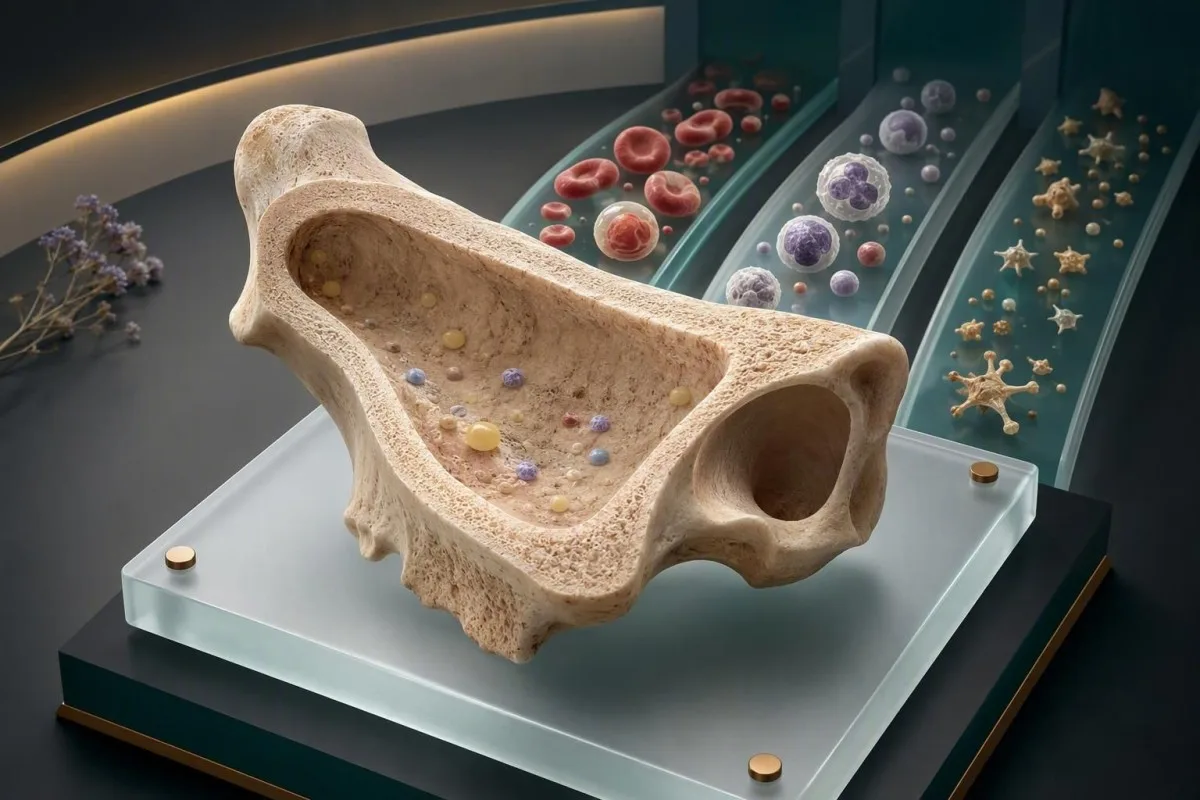
Anemia aplastikoak normalean hiru lerroko CBC eredu nabarmena sortzen du: anemia, leukozito gutxi eta plaketa gutxi, erretikulozito kopuru txikiegia dutenak. Eredu honek berehalako baliozkotze klinikoa behar du, itxura antzekoa izan dezaketen zenbait egoera itzulgarri eta larri daudelako.


- Pancitopenia globulu gorri, globulu zuri eta plaketen gutxitasuna esan nahi du; eredu bat da, ez diagnostiko bat.
- Erretikulozitoen zenbaketa absolutua 20 × 10⁹/L azpitik hezur-muinaren irteera murriztua nabarmen adierazten du anemia dagoenean.
- Anemia aplastiko larria hezur-muin hipozelular batek eta honakoen gutxienez bi, ANC 0,5 × 10⁹/L azpitik, plaketak 20 × 10⁹/L azpitik edo erretikulozitoak 20 × 10⁹/L azpitik zehazten dute.
- ANC 0,5 × 10⁹/L azpitik 38,0°C edo gehiagoko sukarrarekin larrialdietarako ebaluazioa behar du egun berean.
- Plaketak 10 × 10⁹/L azpitik odoljario espontaneoaren arrisku nabarmena dute eta normalean ospitaleko arreta premiazkoa behar dute.
- Makrozitosia anemia aplastikoan gerta daiteke, baina 110 fL-tik gorako MCV batek B12 edo folatoaren gabeziari aktiboki uko egitea eragin beharko lioke klinikariei.
- Blasten, ondoztasun nabarmena, malko formako zelulak edo eskisto ziklo batean, anemia aplastiko konplikatuetatik aldentzen dira eta lan-prozesua aldatzen dute.
- Ez tratatu zeure kabuz hiru lerroko CBC baxua burdinarekin bakarrik; burdinak ez du hezur-muineko produkzioa berrezartzen eta ebaluazio premiazkoa atzeratu dezake.
Anemia aplastikoaren susmoa sortzen duen CBC ereduak
Bat anemia aplastikoa odol-proba normalean zitopenia agerian uzten du: hemoglobinaren, neutropenien eta tronbozitopenien maila baxua aldi berean, erantzun eriktrozitoak baxua izaten jarraitzen duen bitartean, konpentsaziozkoa izan beharrean. Konbinazio horrek medikuaren berrikuspen premiazkoa bultzatu beharko luke, batez ere kontagailuak aurreko CBC gehiago batean baino gehiagotan jaitsi badira.
Helduengan, CBC erreferentzia-tarte tipikoa hemoglobinaren ingurukoa da, 120–155 g/L emakume askorentzat eta 135–175 g/L gizon askorentzat, zelula zuriak 4,0–11,0 × 10⁹/L, eta plaketak 150–400 × 10⁹/L; laborategiek beren mugak ezartzen dituzte. Anemia aplastikoak hiru lerroak jaisten ditu, hezur-muinak ez baitu nahikoa elementu zelular berri ekoizten. Oinarrizko orientazio baterako, ikusi gure gida zer sartzen den CBC batean.
Eredua emaitza baxu isolatu bat baino informatzaileagoa da. 92 g/Lko hemoglobina hileko odoljario handiaren ondoren burdinaren gabeziagatik izan daiteke, aldiz, 92 g/Lko hemoglobina gehi ANC 0,7 × 10⁹/L eta 34 × 10⁹/Lko plaketak hezur-muineko produkzio arazotsua dira, kontrakoa frogatu arte. Nire esperientzia klinikoan, arriskua ez da anemia bakarrik—infekzioa eta odoljario arriskua lasai batera iristea da.
Kantesti bat da. AI odol-analisi analizatzailea CBC osagaiak erlazionatutako eredu gisa irakurtzen dituena, hiru bandal-hondakin desloturatu gisa ez. Gure sistemak txostena eta aurreko emaitzak antolatzen lagun dezake, baina ezin du hezur-muineko porrota diagnostikatu edo hematologiaren ebaluazio premiazkoa ordezkatu. Abuztuaren 26, 2026tik aurrera, hiru lerroko zitopenia berri orok mediku baten berrikuspen erreala merezi du egun gutxiren buruan, ez urteroko jarraipen arrunta.
MCV itxura normalak ez du ztopenia benignu egiten. Anemia aplastiko goiztiarra normozitikoa, mikromazitikoa edo noizbehinka mikrozitikoa izan daiteke burdinaren gabeziarik badago; hezur-muineko erantzunak eta smear periferikoak norabide gehiago ematen dute MCV bakarrik baino. Thomas Klein doktorearen arau praktikoa sinplea da: galdetu ea hezur-muinak erantzuten duen arrazoi nutrizional bat suposatu aurretik.
Zergatik ez da eredu hau askotan hautematen
CBC batek emaitza bakoitza bereizita markatu dezake, beraz, pazienteek zenbaki baxuenera zentratzen dira eta klusterra ahaztu egiten dute. Plaketen jaitsiera 260tik 92 × 10⁹/Lra, nahiz eta teknikoki larrialdi-atalasearen gainetik egon, klinikoki esanguratsua da hemoglobina eta neutropenoak paraleloki jaisten diren bitartean. Odol-analisien joerak askotan aurreratuago erakusten dute txosten bakarra baino.
Anemia eta erretikulozito kopuru txikia: hezur-muinaren irteeraren arrastoak
A erretikulazio-kopuru baxua anemia duen pertsona batean esan nahi du hezur-muinak ez dituela globulu gorriak behar bezala ordezkatzen, eta anemia aplastikoa susmatzeko adierazlerik erabilgarrienetako bat da. Erabili eriktrozitoen zenbaki absolutua eriktrozitoen portzentajea baino garrantzitsuagoa da, izan ere, portzentaje bat engainagarria izan daiteke normala denean globulu gorri totalak baxuak direnean.
Laborategi gehienek helduen eriktrozito absolutuaren erreferentzia-tarte bat jakinarazten dute 25–100 × 10⁹/L inguruan, nahiz eta metodoak desberdinak izan. Anemia aplastiko larriaren irizpideetan, 20 × 10⁹/L azpiko eriktrozito absolutuaren kopurua produkzio baxuko neurrien definizioetako bat da, hezur-muineko zelulartasuna nabarmen murriztuta dagoenean. Xehetasun handiko erretikulocito-kontuaren gida azalduz zergatik portzentaje hutseko emaitzek engainatu dezaketen.
Aitzitik, odoljario akutua edo hemolisia normalean eriktrozitoak igotzera bultzatuko lukete egun batzuen buruan, sarritan 100 × 10⁹/L baino gehiagora, burdina hornidura eta hezur-muineko funtzioa zuzen badaude. Haptoglobina baxua, bilirrubina zuzenaren gorakada eta LDH altxatua hemolisia babesten dute; horiek fisiologia istorio desberdin bat dira aplasiatik. Desberdintasuna garrantzitsua da, “anemia” tratatzea produkzioa edo suntsipena identifikatu gabe atzerapenak gertatzen diren modua baita.
Ikusi nuen paziente batek 76 g/Lko hemoglobina eta %1,2%ko eriktrozito portzentajea zuen, eta hori nabarmena zen kalkulatu arte eriktrozitoen kopuru absolutua 18 × 10⁹/Lkoa izan zen. Hori ez zen berreskuratze-erantzuna. Anemia handia denean, medikuek eriktrozitoen produkzio-indizea erabil dezakete, baina eriktrozito absolutuak, oro har, akats gutxiago izaten dituzte eguneroko triajean.
Eriktrozitoak iragankorrak izan daitezke infekzio larrian, kimioterapiaren ondoren, alkoholen toxikotasunarekin edo giltzurrunetako gaixotasun aurreratuan, beraz, emaitza hau ez da anemia aplastikoarentzat espezifikoa. Young-ek 2018ko New England Journal of Medicine aldizkariko berrikuspenak azpimarratzen du diagnostikoak hezur-muineko ebaluazioa eta aukera heredatu, immunologiko, toxiko eta kloralei baztertzea eskatzen duela —ez isolatutako eriktrozitoen emaitza bat (Young, 2018).
Neutropenia: infekzioaren premia aldatzen duen CBC zenbakia
The neutrofilo kopuru absolutua (ANC) bakterio- eta onddo-infekzio arriskua zenbatzen du globulu zuri guztien kopurua baino hobeto. 0,5 × 10⁹/L-tik beherako ANC neutropenia larria da, eta 38,0 °C-ko edo gorako sukarra behin, edo 38,0 °C-ko sukarra ordubetez mantentzen bada, premiazko ebaluazioa behar du.
ANC globulu zuriak neutrofiloen ehunekoarekin eta banda ehunekoarekin bat eginez kalkulatzen da. Adibidez, WBC 1,4 × 10⁹/L eta neutrofiloekin, ANC 0,56 × 10⁹/L da—kopuru osoa baino askoz ere ekintza gehiago duena. Gure ANC muga-gida adinaren eta haurdunaldiaren aldaketak azaltzen ditu, baina 0,5 × 10⁹/L-ko langa helduentzako arrisku-lerro garrantzitsua izaten jarraitzen du.
Anemia aplasiko larriak neutropenia sortzen du sarri, bakterio-infekzioarekin batera egon daitezkeen kudeaketa toxiko edo ezker-aldaketarik gabe. Hala ere, paziente batek hezur-muinaren porrota eta infekzioa izan ditzake; globulu zuri altuen kopurua ez egoteak ez du inoiz sepsis baztertzen. Sukarra, hotzikarak, nahasmendu berria, arnasestua edo eztarriko mina azkar okertzen bada ez dute itxaron behar kanpoko CBC errepikaturako.
Anemia aplasiko oso larriak ANC langa are baxuagoa erabiltzen du: 0,2 × 10⁹/L azpitik. 0,2 eta 0,5 arteko bereizketaren arrazoia praktikoa da—kopuru horietan, ohiko ahotiko eta larruazaleko organismoak arriskutsu bihur daitezke gorritasun edo pus gutxirekin. Ospitalean, klinikoek kulturak lor ditzakete eta tratamendu antimikrobiano enpirikoa hasi aurretik kausa guztiz finkatu arte.
Linfocito kopuru txiki bat egon daiteke batera, baina ez du ordezkatzen ANC akutuen erabakiak hartzerako orduan. Diferentziala falta bada, eskatu laborategiari edo klinikariari, WBC osoaren arabera asmatu beharrean. Linfocito kopuru txikiaren sintomak jarraipena merezi dute, baina neutrofiloen sakontasunak egun bereko erabakia bultzatzen du.
Sukarrak CBC inprimakiak baino garrantzi handiagoa duenean
38,0 °C-ko tenperatura ANC 0,4 × 10⁹/L duen norbaitengan premiazkoa da, “ongi” sentitzen bada ere eta sukarra jaisten bada paracetamolaren ondoren. Antindarizoek seinale bisuala murriztu dezakete, baina ez dute azpiko arazoa tratatzen. Ekarri CBC eta botiken zerrenda premiazko zainketara; ez hartu soberako antibiotikorik kulturak egin aurretik, klinikari batek agindu ezean.
Plaketen gutxitasuna: hezur-muinaren gutxiegitasun susmagarrian odoljarioaren atalaseak
50 × 10⁹/L-tik beherako plaketek ubeldura eta prozedura-erlazionatutako odoljario arriskua areagotzen dute, eta 10 × 10⁹/L-tik beherako kopuruek odoljario espontaneoa ahalbidetu dezakete. Anemia aplasikoan, tronbozitopenia normalean anemiarekin eta neutropeniarekin batera gertatzen da, plaketen arazo isolatu bat izan beharrean.
Peteziak, 20 minutu baino gehiago irauten duten sudurreko odoljarioak, hortzietako odoljarioak, hileko odoljario astunak, gernuan odola, aulki beltzak edo buruko min bortitz bat premiazko kontaktua behar dute plaketak txikiak direnean. 18 × 10⁹/L-ko plaketa kopurua ez da automatikoki katastrofikoa, baina ez da interneteko aholkuen bidez kudeatu beharreko zenbakia. Ikusi gure eztabaida praktikoa hortz-lanetarako plaketen irizpideei buruz.
Esfreakutak produkzio murriztua suntsipen periferikotik bereizten laguntzen du. Tronbozitopenia immunologikoan, plaketak izan daitezke lerro baxu bakarra eta plaketa gazte handiagoak sarri ikusten dira; anemia aplasikoak maizago du plaketa frakzio heldugabe baxua edo normala, produkzioa bera murriztua baita. Hauek joerak dira, ez arauak, eta morfologo trebatuek irakurri behar dute xafla.
Saihestu aspirina, ibuprofenoa, naproxenoa eta aurrez aurreko arrain-olio megadosiak, klinikari batek tronbozitopenia esanguratsua berrikusi arte, hauek plaketen funtzioa kaltetu dezaketelako, kopuru numerikoa aldatu gabe egonda ere. Alkohola hezur-muinaren zapalketa eta plaketen funtzioa okertu ditzake baita ere. Azetaminofenoa/paracetamol ere ez da unibertsalki egokia—dosia eta gibeleko egoera garrantzitsuak dira oraindik.
Plaketen kopurua faltsuki baxua izan daiteke plaketak EDTA lagin batean bilduta badaude. Laborategiak “plaketen pilaketak aurkeztu dira” eman dezake eta kopurua zitratozko hodian errepikatu; hau pseudotrombozitopenia deitzen da. Plaketa baxu isolatuak azaltzen ditu, ez hezur-muinaren porrota konbentzigarria erredikulo zito kopuru baxuarekin.
Klinikariak anemia aplastiko larria eta oso larria nola gradatzen duten
Anemia aplasiko larriak hezur-muin hipozelularra behar du—normalean eko zelulartasunetik behera—eta gutxienez bi irizpide periferiko: ANC 0,5 × 10⁹/L azpitik, plaketak 20 × 10⁹/L azpitik, edo erredikulozito absolutuak 20 × 10⁹/L azpitik. Oso larria den gaixotasunak irizpide horiek betetzen ditu ANC 0,2 × 10⁹/L azpitik izanda.
Atalase hauek Camitta-ren aspaldiko esparrutik datoz, baina triage eta tratamendu-plangintza tresnak dira, kalkulu-orri bateko diagnostiko bat baino gehiago. Hezur-muina pikardatsua izan daiteke, eta duela gutxi egindako transfusio batek anemiaren itxura alda dezake. Klinikariak sintomak, infekzioen historia, transfusio-beharra, adina, emaile aukerak eta nahaste klonal baten froga ere hartzen dituzte kontuan.
Anemia aplastiko moderatua ez dago hain garbi definituta. 58 × 10⁹/L plaketak, 0,9 × 10⁹/L ANC eta 98 g/L hemoglobinak dituen norbaiti ez zaizkio irizpide larriak betetzen, baina hala ere okerrera egin edo tratamendua behar dezake. Zehaztasunik eza horixe da, hain zuzen ere, zergatik diren garrantzitsuagoak CBC eta hematologia jarraipen segizialak etxean lasaitzen duen etiketa bat esleitzen saiatzea baino.
British Society for Haematology gidak hezur-muineko azterketa, zitogenetika, PNH kloroen probak egiteko fluxu-proba eta hezur-muineko akatsen aurreko ebaluazioa deskribatzen ditu diagnostiko-bidearen zati gisa (Killick et al., 2016). Zitogenetika emaitza normal batek mielodisplasia sindrome batzuen kezka murrizten du, baina ez du berez frogatzen anemia aplastiko inmuna denik.
Kantesti AI-k premiazko atalaseak gainditzen dituzten konbinazioak nabarmentzen ditu, ANC 0,5 × 10⁹/L azpitik eta plaketak 20 × 10⁹/L azpitik barne, erabiltzaileek hitzordua baino lehen klusterra ikusi ahal izateko. Gure analisia segurtasun-abisu bat da, ez larritasun-kalifikazio bat; oinarrian dauden irizpideek azterketa klinikoa eta hezur-muineko aurkikuntzak behar dituzte. Banakako txostenen banderei buruzko testuinguru baterako, irakurri barrutitik kanpo egoteak zer esan nahi duen ulertzen.
MCV, RDW eta CBC eredua findetzen duten odol-filmaren aurkikuntzak
Anemia aplastikoak askotan MCV normala edo apur bat altua izaten du, baina MCV bakarrik ezin da bereizi B12 bitamina gabeziatik, folato gabeziatik, alkoholaren eraginetatik, gibeleko gaixotasunetik edo mielodisplasiatik. Periferia-smeer bat eskuzkoa ezinbestekoa da zito-penia berria, progresiboa edo azaldu gabea denean.
MCV erreferentzia-tarte bat 80–100 fL izaten da. Makrozitosi arina 101–105 fL inguru ager daiteke anemia aplastikoan, hezur-muineko ekoizpen estresatuak globulu gorrien heldutasuna aldatzen duelako, baina 110 fL-tik gorako MCV batek B12, folato, botika, alkohol, tiroide eta gibelaren azterketa zehatza piztu beharko luke. Konparatu gure indizeak MCV vs. MCH gida.
RDW-k globulu gorrien tamainaren aldakortasuna neurtzen du eta askotan 11,5–14,5% izaten da, analizagailuaren arabera. RDW normal batek ez du baztertzen hezur-muineko akatsa; hain zuzen ere, globulu gorri murriztuen populazio nahiko uniformea ager daiteke ekoizpena soilik agortzen denean. RDW altu nabarmen batek, ordea, nahaste konbinatuak, duela gutxi egindako transfusioa, tratamenduaren ondorengo berreskuratzea edo displasiak iradoki ditzake.
Blastoek, promielozitoek, hipogranulazio nabarmenak, pseudo-Pelger neutrofiloek edo forma displastiko esanguratsuak akutuen leuzemia edo sindrome mielodisplasiako kezkak aldatzen dituzte eta espezialista baten ebaluazioa bizkortu beharko lukete. Eskisto-zelulek beste norabait adierazten dute berriz - globulu gorrien hauste mikroangiopatikoa - eta premiazkoak izan daitezke plaketa baxuekin, giltzurruneko lesioekin edo sintoma neurologikoekin parekatuta. Gure esisto-zelulen gida larrialdi eredu hori bereizten du.
Kantesti bat da. AI bidezko odol-analisien analisi-tresna MCV, RDW, erretrozitoak eta aspaldiko zenbakiak alderatu ditzakeena, baina ez du azterketa berrikusia ordezten. Nire esperientzian, smear-a da “CBC baxua” dirudien hori diagnostiko-galdera zorrotz finkatu bat bihurtzen dena. teknologia-gida azaltzen du gure AI-k laborategiko jatorrizko unitateak eta erreferentzia-tarteak nola gordetzen dituen.
B12, folato eta kobrearen gabeziak hezur-muinaren gutxiegitasuna imita dezakete
B12 bitamina, folato eta kobrea gabeziak zito-penia eragin dezakete eta baztertu egin behar dira CBC eredu bat anemia aplastiko deitu aurretik. Gabetze horiek bereziki egokiak dira dieta murriztaileekin, malabsorzioarekin, kirurgia bariatrikoarekin, zink kantitate handiekin edo zenbait botikarekin.
B12 gabeziak normalean makrozitosia, neutrofilo hipersegmentatuak eta azido metilmaloniko altua sortzen ditu, baina paziente batzuek 100 fL azpiko MCV dute burdina gabeziarik dagoenean. Serum B12 148 pmol/L azpitik, gutxi gorabehera 200 pg/mL, gutxiegitzat jotzen da askotan, 148–221 pmol/L-k azido metilmaloniko edo homozisteina baieztapena behar dezakeen bitartean. Gure B12 eta folatoen konparazioa azaltzen du zergatik folato bakarrak zantzu hematologikoak maskaratu ditzakeen kalte neurologikoa etengabean dagoen bitartean.
Folato gabeziak hiru lerroak jaitsi ditzake kasu aurreratuetan, batez ere sarrera gutxirekin, alkoholaren erabilerarekin, malabsorzioarekin, metotrexatoarekin, trimetoprime-rekin edo zenbait sendagai aurkako botikarekin. Globulu gorrien folatoak ehuneko biltegiak hobeto ispilu ditzake serum maila bakar bat baino zenbait egoeratan, baina azterketa eskuragarritasuna eta interpretazioa aldatu egiten dira. Ez hasi azido foliko kantitate handiekin B12 aztertu aurretik, mediku batek arrazoi zehatzik izan ezean.
Kobrea gabeziak ez du ohiko azterketarik egiten, baina anemia eta neutropenia eragin ditzake eta hezur-muineko azterketa batean mielodispasiara antza eman diezaioke. Zinkaren gehiegizko osagarria kausa itzulgarri klasiko bat da, zinkak hesteetako metalotioneina eragiten duelako, kobrea lehentasunez lotzen duena. A kobrea gutxiko lan-taldea bereziki garrantzitsua da protesiaren kremaren esposizioagatik, kirurgia bariatrikoagatik edo eguneko 40 mg-tik gorako zink-dosiengatik.
Elikadurak erantzunaren parte izan daiteke, baina ez luke hezur-muineko ebaluazioa atzeratzeko arrazoi bihurtu behar zito-penia larrietan. Burdin, B12, folato eta kobrearen ordezkapenak egiaztatutako gabezietara eta testuinguru medikora egokitzen dira; osagarri diskriminatu gabeak test emaitza erabilgarriak estali ditzake. Hau da testuinguruak zenbaki mugan dagoen bakar bat baino gehiago balio duen eremu horietako bat.
Pankitopeziaren lehen egiaztatu beharreko botika, toxina eta birus-kausak
Botikek, toxinek eta birus-gaixotasunek hezur-muineko ekoizpena zapaldu dezakete eta zenbaitetan itzulgarria den anemia aplasikoaren antzeko CBC eredua sor dezakete. Esposizioaren historia oso batek agindutako drogak, antibiotiko berriak, aurrez aurrekoak, immunoterapiak, produktu herbalak, disolbatzaileak, alkohola eta substantzia errecreationalak jaso beharko lituzke.
Kimio-terapia kausa nabarmena da, baina agente gutxiago nabarmenen artean daude kloranfenikola oraindik erabiltzen den lekuetan, tiroidaren aurkako drogak, linezolid, zenbait aurrez aurrekoak eta terapia imuno-modulatzaileak. Denborak laguntzen du: drogen zuzeneko toxizitateak hezur-muinean esposizioaren ondoren aste edo hilabete igaro ondoren agertzen dira maiz, drogen erreakzio inmuneak aldiz, ez hain aurreikustekoak izan daitezke. Ez utzi inoiz agindutako botika bat bat-batean hartzeari, zitosia kudeatzen duen medikuarekin hitz egin gabe.
Hepatitisak eragindako anemia aplasikoak hepatitis pasarte akututik aste edo hilabete igaro ondoren gerta daiteke, gazteengan maiz, eta hepatitis A, B, C, E, HIV, EBV, CMV eta parvobirusen azterketa erregularrak historiaren arabera aukeratu daitezke. Birusen baheketa negatibo batek ez du anemia aplasiko inmunea baztertzen. Besterik gabe, azalpen lehiakor garrantzitsuak kentzen ditu eta infekzio-neurriak gidatzen ditu.
Benzolaren esposizioak arrisku profesional eta etxeko garrantzitsua izaten jarraitzen du, aireztapen gutxiko lan industrialak, erregaiak maneiatzea eta zenbait disolbatzaile barne. Medikuak lan-zereginak galdetzen dituzte lan-tituluak baino gehiago, izan ere, “pintura hornitzaile bateko bulego-kudeatzaile” batek noizbehinka biltegiko esposizioa izan dezake. Produktuen izenak edo segurtasun-datuen orriak ekarri eskuragarri badaude; gogorapen lausoa ohikoa da eta inork ez luke errudun sentitu behar.
Birus-gaixotasun esanguratsu baten ondoren laster hartutako CBC bat errepikatu beharko da egun edo aste barru, pertsona egonkorra bada, baina kopuru larriak ez dira pasiboki behatu behar. Gaixotasunaren ondoren CBC aldaketak denbora zehazten lagun dezakete, sukarrak neutropenia larriarekin batera larrialdi bat izaten jarraitzen duen bitartean, susmatutako abiarazlea edozein dela ere.
Anemia aplastikoaren itxura desberdina duten pankitopeziaren kausak
Pankitopeniak kausa asko ditu, eta anemia aplasikoa hezur-muin hipozelular baten bidez bereizten da, infiltrazio gaiztorik edo displasia handirik gabe. Alternatiba nagusien artean leuzemia akuta, sindrome mielodisplasikoa, hezur-muinaren infiltrazioa, hipersplenismoa, defizientzia egoera larriak, sindrome hemophagozitikoak, infekzioa eta botiken eraginak daude.
Leuzemia akutuak kopuru baxuak sor ditzake, blastoak hezur-muin normala baztertzen baitute, baina zirkulazio-blastak ez dira beti ikusten. Sindrome mielodisplasikoa zaharren artean displasia, aldaketa zitogenetiko bereizgarriak edo makrozitosi iraunkorrarekin bihurtzen da litekeena, nahiz eta adina bakarrik ez duen ezer frogatzen. Gurean dagoen bideak odol-minbiziaren proben gida erakusten du zergatik diren osagarriak zikinkeria, zito-metria fluxua eta hezur-muinaren azterketak.
Hipersplenismoak zirkulazio-kopuruak murrizten ditu sekuetrazioaren bidez, normalean splenomegalia, hipertentsio portal, gibeleko gaixotasuna edo zenbait nahaste hematologikoekin. Erretikulo zitoak normalak edo altuak izan daitezke, nabarmen zapaldu beharrean, eta hezur-muinaren zelulartasuna, oro har, mantendu edo handitzen da. Sonografia erabilgarria izan daiteke, baina ez du ezabatzen zikinkeria kezkagarria edo neutropenia larria ikertzeko beharra.
Hemoglobinuria paroxistiko gauekoak (PNH) anemia aplasikoarekin gainjarri daiteke biologikoki, beraz, medikuek maiz eskatzen dute granulozito eta monozitoen GPI-anfasu defizienteen zito-metria fluxuaren sentikortasun altua. Jartze iluna ez da beharrezkoa ezta zehatza ere. PNH klon txiki bat aurkitzeak hezur-muineko porrot inmunearen testuingurua babes dezake, hala ere, kudeaketak klonaren tamaina, hemolisia, tronbosiaren arriskua eta hezur-muinaren irudi orokorraren araberakoak dira.
Kantesti bat da. AI laborategiko proba interpretatzeko zerbitzuan horrek pankitopenia ereduak eta balizko alternatibako pistak sor ditzake, bilirrubina, LDH, gibeleko indizeak eta odoljasa plaketaren beherakada historikoa barne. Ezin du zehaztu hezur-muina hipozelularra, infiltratua edo displasikoa den; horiek dira hematologiaren eta patologiaren galderak. Bigarren iritziaren kontrol zerrenda Pazienteei galdera zehatzak prestatzen lagun diezaieke.
Abisu-seinale premiazkoak: CBC emaitza baxuek larrialdietarako arreta noiz behar duten
Larrialdietako arreta egokia da 38.0 °C edo gehiagoko sukarra ANC 0,5 x 10⁹/L baino gutxiagorekin, kontrolik gabeko odoljasa, aulki beltzak, odola eztula, buruko min berri larria, nahasmena, zorabioak, bularreko mina edo atsedenean arnasa falta izanez gero. Ez itxaron lineako interpretaziorik honako hauetako bat gertatzen bada.
Anemia larriak oxigenoaren hornikuntza oztopatu dezake odoljasa nabaririk gabe ere. Hemoglobina 70 g/L baino gutxiago helduentzako transfusio kontuan hartzeko atalase ohikoa da ospitaleko paziente egonkorretan, baina sintomak, odoljasa aktiboa, gaixotasun kardiobaskularrak, haurdunaldia eta kronikotasunak erabakiak aldatzen dituzte. Hemoglobina 82 g/L duena, zorabioak edo arnasestuka dagoena, ondo dagoen pertsona bat baino premiazkoago ebaluatu behar da kopuru bera duena.
10 x 10⁹/L baino gutxiagoko plaketek sarritan espezialista zuzendutako erabaki premiazkoekin kudeatzen dira, odoljasa mukosala edo barnekoa espontaneoa gertatzeko aukera handiagoa baita. Saihestu kontaktuko kirolak, injekzio intramuskularrak, termometro erretalak eta hortz-prozedurak, tratamendu taldeak kontrakoa aholkatu arte. Buruko traumatismoa edozein plaketa kopuru baxutan izanez gero, bilatu ebaluazio premiazkoa sintomak txikiak diruditen arren.
Tenperatura normal batek ez du segurtasuna bermatzen neutropenia larrian; adinekoek, esteroideak hartzen dituzten pertsonek eta oso gaixo dauden pazienteek ez dute sukarra izan. Aho-ziztu berriak, irentsi mingarria, mina perianala edo nekearen okerrera azkarrak infekzio-pistak goiztiarrak izan daitezke. Sepsis laborategiko ereduak testuingurua ematen dute, baina sintomak eta bizi-seinaleek berehalako ekintza zehazten dute.
Thomas Klein doktoreak gaixoei gomendatzen die jatorrizko txostena argazkiratzea edo deskargatzea, probaren data erregistratzea eta botika eta osagarri guztiak berrikuspen premiazkorako eramatea. Urrats txiki honek askotan denbora-sentsiblearen drogaren esposizio bat identifikatzen du edo argitzen du ea “zenbaki berri” baxua jada joeran zegoen. Ez gidatu autoa zorabiatuta, lurrera erortzeko zorian edo aktiboki odolusten ari bazara.
Zeintzuk probek baimentzen edo kentzen duten anemia aplastikoa CBCaren ondoren
CBC batek ezin du anemia aplasikoa baieztatu; baieztapenak hezur-muinaren aspirazio eta trepanobiopsia bat behar du normalean, hipozelularitatea erakusten duena, baita kausa klonalak, heredatuak, infekziosoak, elikadurazkoak eta esposizioarekin lotutakoak baztertzen dituzten probak ere. Proben erritmoa zenbakien larritasunaren eta sintomen araberakoa da.
Hezur-muinaren laginak zelulartasuna, arkitektura, blastoak, fibrosia, burdin biltegiak eta displasia ebaluatzen ditu. Helduetan, zelulartasun espero dena gutxi gorabehera 100 ken adina da, estimazio irakurgarri gisa, baina hau zehaztugabea da eta espezimenaren kalitateak axola du. 30 urteko pertsona bat 10% zelulartasuneko hezur-muinarekin oso desberdina da 80 urteko pertsona bat 10% zelulartasunarekin baino, baina biak testuinguruan interpretazio aditua behar dute.
Zitogenetika, kromoosomen mikroarrayak edo sekuentziazio panelek lagun dezakete sindrome mielodisplasiko hipozelularra anemia aplasiko eskuratutik bereizten. PNH klonak, telomeroen nahasteak, Fanconi anemia eta beste hezur-muin-hutsegite baldintza heredatuak bilatzen dira adinaren, familiaren historiaren, aurkikuntza fisikoen eta transplanteen plangintzaren arabera. Proba genetikoak ez dira soilik haurrentzat gordeta; helduaroan hasten diren gaixotasun heredatuak gero eta gehiago aitortzen dira.
Oinarrizko probek B12, folatoa, kobrea, gibel eta giltzurrunen profila, tiroide azterketak adierazita badaude, hemolisiaren markatzaileak, birusaren serologia, haurdunaldi probak egokietan, eta historiaren araberako autoimmunitate ikerketak barne hartzen dituzte. Helburua ez da proba guztiak eskatzea. Biderik gabeko kausak ez galtzea da, aldi berean ebaluazio definitiborantz azkar egitea.
Kantesti AI-ak txosten bat kategoria hauetan antolatu dezake eta oinarrizko falta diren gauzak identifikatu, baina gobernantza klinikoak axola du emaitzak garrantzitsuak direnean. Gure baliozkotze medikoko estandarrak AI-lagundutako interpretazioaren eta mediku-diagnostikoaren arteko muga deskribatzen dute. Galdetu nor arituko den hezur-muinaren lagina berrikusten eta hematopatologo batek ebaluatuko duen.
Noiz errepikatu CBC bat emaitza egiazkoa dela suposatu aurretik
CBC bat errepikatzea egokia da lagina koagulatu bada, plaketak elkartu badira, zain barneko fluidoek diluitu badute edo analizagailuaren banderak emaitza desitxura dezakete, baina probak errepikatzeak ez du inoiz atzeratu behar larrialdiko arreta zitopeniak larriak edo sintoma kezkagarriak direnean. Laborategiek jatorrizko hoditik datorren emaitza egiaztatu dezakete ordu gutxiren buruan.
EDTA plaketen metaketak faltsuki plaketen kopuru baxua sor dezake, eta partzialki koagulatutako hodi batek plaketak eta zelula zuriak aurreikusi gabe murriztu ditzake. Eskuzko frota berrikusteak eta zitrato-hodiko plaketen kopuruak arazoa konpon dezakete. hemolisiaren ondoren errepikatu behar den probak azaltzen du zergatik diren espezimenaren kalitateari buruzko iruzkinak klinikoak, ez laborategiko etxeko lanak soilik.
Zain barneko likidoak hemoglobinak eta plaketak diluitu ditzake, bereziki litro batzuk igaro ondoren, baina gutxitan azaltzen du ANC edo erretikulozito kopuru oso baxua. Aitzitik, deshidratazioak balioak aldi baterako kontzentratu eta anemiaren sakontasuna ezkuta dezake. Konparatu odol-hartzearen ordua, azken fluidoak, transakzioak, gaixotasun akutua eta aurreko oinarrizko maila zenbakizko aldaketa batek hezur-muinaren biologia islatzen duela ondorioztatu aurretik.
Transfusioak interpretazioa zailtzen du, emailearen zelula gorriek hemoglobinak hobetu ditzaketelako neutropenia, plaketak edo erretikulozitoak zuzendu gabe. Transfusioaren ondoren hemoglobinaren igoera ez da hezur-muinaren berreskuratze gisa nahastu behar. Beraz, klinikoek transfusio datak jarraitzen dituzte erretikulozitoen joerekin eta hurrengo beharrezko transfusiorako tartearekin batera.
Laborategiko “delta egiaztapen” batek aurreko balioetatik bereizketa nabarmena markatu dezake, baina benetako hezur-muinaren hutsegitea garatu daiteke ohiko proben artean. Txosten batek sinesgaitza dirudien bada, deitu azkar eskatzaileari edo laborategiari; ez errepikatu besterik gabe urruneko toki batean eta ez galdu jarraipena. Jatorrizko laborategiak analizagailuaren banderak eta mikroskopia konpara ditzake.
Zer ez egin hematologia ebaluazio baten zain zaudenean
Ez hasi burdina, folato altua, belar “odol-eraikitzaileak”, azpirina edo antibiotiko soberakinak soilik CBC baxua delako. Anemia aplasiko susmatuetan, lehen urrats seguruenak medikuaren berrikuspen azkarra, infekzioarekiko neurriak, odoljarioarekiko neurriak eta botika eta osagarrien historia osoa dira.
Burdinaren gabezia ohikoa da, baina burdinak ez du neutropenia eta plaketen jaitsierarik azaltzen heldu gehienetan. Egunero 45–65 mg burdin elemental hartzeak goragalea, idorreria eta burdinaren azterketen aldaketa engainagarriak sor ditzake hezur-muinaren hutsegitea zuzendu gabe. Ferritina, transferrinaren saturazioa, CRP eta CBCaren patroi orokorra egiaztatu burdinaren gabeziari nezuea dela suposatu aurretik; gure burdinaren azterketen baliabidea laguntzen du bereizketa horietan.
Saihestu jendez beteriko barruko espazioak eta arnas-sintomak dituzten pertsonekin kontaktua izatea ANC oso baxua bada, baina ez zaitez isolatu beharrezko arreta medikotik. Esku-higieneari, gaixo dagoenean tenperatura azkar egiaztatzeari eta elikagaien segurtasunari jarraitzea zentzuzkoa da. “Dietak neutropeniko” muturrekoek ebidentzia gutxi dute eta elikadura okerragotu dezakete, beraz, galdetu tratamendu taldeari tokian tokiko gomendio egokiak, sare sozialen zerrenda murriztaileei jarraitu beharrean.
Mantendu orrialde bakarreko kronologia: lehenengo CBC anormala, aurreko CBC normala, azken 6 hilabetetan izandako infekzioak, hasitako edo gelditutako drogak, bidaiak, laneko esposizioak, transfusioak, familiaren odol-nahasteak eta odoljarioen sintomak. Informazio honek klinika bisita oso bat aurreztu dezake. Laborategiko emaitzen jarraitzaile bat erregistro praktiko bat eskaintzen du datak eta unitateak erregistratzeko.
Kantesti’s AI biomarkatzaileen interpretazio-plataforma erabiltzaileei XLE hizkuntzatan serieko XLE txostenak alderatzen eta galderak beren hizkuntzan prestatzen lagun diezaieke. Ez da larrialdi zerbitzu bat eta ez ditu sintomak ikusi, gaixoa aztertu edo transfusio-laguntza antolatu. Erabili txostena ulertzeko, eta jarraitu dagoeneko martxan dagoen ibilbide klinikoari.
Hematologia hitzordua erabilgarriagoa egiten duten galderak
Hematologiako galdera erabilgarrienek larritasuna, mekanismo probablea, infekzio eta odoljarioen atalaseak eta diagnostiko-plana galdetzen dute; ez zenbaki bakar bat “txarra” den. Ekarri jatorrizko txostenak, ANC, plaketen, hemoglobinaren, MCV eta erretikulozitoen joerek erabakiak gidatzen baitituzte.
Galdetu: “Aplasia anemia larriaren irizpideak betetzen ditut, eta zein irizpide betetzen ditut?” Erantzunak muinaren zelulartasuna, ANC, plaketen kopurua eta erretikulozito kopuru absolutua izan beharko lituzke. Diagnostikoa zalantzazkoa bada, galdetu zein aurkikuntzak aldeztu mielodadisplasiako sindrome hipozelularra, leuzemia akutua, elikadura-gabeziarik edo drogak eragindako supresioa eta zein probak bereiziko dituen.
Galdetu segurtasun-atalase esplizituak: zer tenperaturan joan beharko nuke premiaz, zein odoljario-sintomak ez daude itxaronaldiaren gainetik, zein min-sendagai ekidin behar ditut, eta bidaiatu al dezaket? Argibide hauek aldatu egiten dira ANC eta plaketen sakoneraren arabera. ANC 1,1 × 10⁹/L eta plaketak 95 × 10⁹/L dituen pertsona batek ANC 0,18 × 10⁹/L eta plaketak 8 × 10⁹/L dituen norbaitengandik desberdina jasotzen du.
Aplasia anemia baieztatzen bada, eztabaidak honako hauek izan ditzake: immunosupresio terapia, eltrombopag protokolo hautatuetan, eta zelula amaren transplantea, adinaren, emailearen erabilgarritasunaren, gaixotasunaren larritasunaren eta tokiko aditu-taldearen arabera. Ez da tratamendu-aukerarik ondorioztatu behar lineako XLE-ren azalpen batetik. Aurreikusitako ikastaroa eta arriskuak pertsonalak dira, batzuetan benetan zalantzazkoak, eta onena muin-gutxiegitasun talde batek erabakitzen du.
Gure Medikuntza Aholku Batzordea XLE edukiak bultzatzen dituzten berrikuspen-printzipio klinikoak ezartzen laguntzen du, arrisku handiko XLE ereduak eskalada profesionala eskatzen duen araua barne. Ekarri lagun bat posible bada; hitzordu hauek ezohiko hitz asko dituzte, eta beste entzule batek oroimena hobetzen du.
Pankitopeziaren CBC anormal baten ondorengo pauso-plan segurua
Pankitopenia berria erretikulozito kopuru txikiarekin muin-produkziorako nahaste posible gisa tratatu behar da, kliniko batek beste kausa bat identifikatuko duen arte. Egun bereko arreta behar da sukarra neutropenia larriarekin, odoljario aktiboa, sintoma neurologikoak, bularreko mina, zorabioak edo atsedenaldian arnasteko zailtasuna izanez gero.
Lehenik, balio zehatzak eta unitateak egiaztatu: hemoglobina, XLE ANCarekin, plaketak, MCV, RDW eta erretikulozito absolutuak. Bigarrenik, konparatu azken XLE erabilgarriarekin, duela 2 urtekoa ere bai. Kopuru txiki egonkor bat eta hiru lineako beherakada azkar bat ez dira arazo kliniko bera; alboko XLE konparazioa aldea ikusgai egon dadin.
Hirugarren, bilatu zure sintomak eta atalaseak behar duten arreta-maila. 0,5 × 10⁹/L baino gutxiagoko ANC sukarrarekin, 10 × 10⁹/L baino gutxiagoko plaketak edo odoljario esanguratsuak ez dute ohiko erreferentzia bat itxaron behar. Pankitopenia egonkor baina argitu gabea izanez gero, antolatu klinikoaren berrikuspen azkarra eta galdetu ea beharrezkoak diren diapositiba-berrikuspena, XLE errepikatzea, elikadura-azterketak, birus-probak eta hematologia-erreferentzia.
Laugarren, ez interpretatu lagun-proba “normal” bakar bat lasaigarri gisa. Ferritin normalak ez du baztertzen B12 gabeziarik, LDH normalak ez du baztertzen muin-gutxiegitasunik, eta MCV normal batek ez du kentzen hiru zelula-lerro txiki. Eredu osoak, bere garaia eta azterketak zehazten dute arriskua.
XLE AIk emaitzen berrikuspen egituratua eta joera historikoen azterketa onartzen ditu, eta diagnostikoa eta tratamendua zure talde klinikoaren esku geratzen dira. Artikulu hau haren arabera deskribatutako estandarren arabera berrikusi zen medikoki. XLEren gainbegiratze prozesu klinikoa. Helburu praktikoa ez da txartel gorri baxu guztiak izutzea; horren ordez, inoiz ahaztu behar ez diren konbinazioak ezagutzea da.
Maiz egiten diren galderak
Zer den anemia aplastikoa CBC batean?
Aplasia anemia normalean zitopenia agertzen da: hemoglobina baxua, zuriak gutxi - batez ere neutrofiloak - eta plaketak gutxi, guztiak aldi berean egindako CBCan. Ekoizpenari eusten dion adierazlea erretikulozito kopuru absolutu eskasa da, normalean 20 × 10⁹/L azpitik gaixotasun larrietan. MCV normala edo apur bat handituta egon daiteke, beraz, MCV normal batek ez du gaixotasuna baztertzen. Diagnostikoak hezur-muineko hipozelularitatearen frogak eta beste zitopenia arrazoi batzuk baztertzea eskatzen ditu.
Aplastiko anemia izan dezake leukozito normalak hasieran?
Bai, anemia aplastiko goiztiarra hasieran eragin diezaieke odoleko zelula lerro bati edo bitan, pankitopenia argia garatu aurretik. Plaketen kopurua jaisteak edo anemia progresiboak, erretikulozito absolutuekin 25 × 10⁹/L ingurukoak baino gutxiago baditu, neutropenia larria ekar dezake. Beraz, klinikoek aurreko CBCak alderatzen dituzte, WBC emaitza normal batean fidatu beharrean. Lerro anitzetan joera beherakada berri batek mediku-kontsulta puntuala piztu beharko luke.
Zer guti zelula kopuruak anemia aplastikoa adierazten du?
Er absolute retikulozito kopuru 20 × 10⁹/L azpikoak, anemia baldin badago, hezur-muinaren azpi-ekoizpen larria babesten du eta anemia aplastiko larriaren irizpideen parte da. Laborategi askok 25–100 × 10⁹/L inguruko helduen erreferentzia-tartea erabiltzen dute, nahiz eta tarte zehatza metodoaren arabera aldatu. Erretikulozitoen portzentajeak nahasgarria izan daiteke anemia larrian normala izatea, beraz, kopuru absolutua nahiago da. Erretikulozito baxuak ez dira anemia aplastiko espezifikoak eta mantenugaien urritasunean, giltzurruneko gaixotasunean, infekzioan eta drogak eragindako zapalkuntzan ere agertzen dira.
Zenbatza da 20ko plaketen kopurua arriskutsua anemia aplastikoan?
Plaken kopurua 20 × 10⁹/L oso baxua da eta premiazko hematologia-ebaluazioa behar du, batez ere sudurreko, hortzetako, hileko odoljario larria, aulki beltzak, gernuan odola edo buruko mina baldin badago. 10 × 10⁹/L azpiko kopuruek berezko odoljarioaren arrisku handiagoa dute eta askotan ospitalean tratatzen dira pertsonaren sintomen eta kausaren arabera. Saihestu aspirina eta AINEak tratamendua egiten duen medikuak berariaz onesten ezean. Premia areagotzen da anemia eta neutropenia ere agertzen direnean.
Noizetrofilo-kopuru baxua larrialdi egoera denean?
0.5 × 10⁹/L az beheko ANC maila beherako neutropenia larria da, eta 38.0 °C-ko edo goragoko tenperaturak premiazko ebaluazioa eskatzen du. Anemia aplasiko oso larriak 0.2 × 10⁹/L azpiko ANC erabiltzen du, non infekzio larriak sintoma lokal gutxirekin gerta daitezkeen. Hotzikarak, nahasmendu berria, arnasa gutxitzea, irenste mingarria edo mina perianala premiazko arreta merezi dute, sukar dokumentaturik egon gabe ere. Zuri-zelulen kopuru osoa bakarrik gutxiago da erabilgarria ANC baino erabaki honetarako.
¿Se puede confundir la deficiencia de vitamina B12 con la anemia aplásica?
B12 bitaminaren gabeziak anemia, leukopenia, tronbozitopenia, makrozitosia eta erretikulozito kopuru txikia sor ditzake, beraz, hasieran anemia aplantikoaren antza izan dezake. Serum B12 <148 pmol/L (110 fL-ko MCV batek B12 edo folatoaren gabeziari laguntzen dio, baina burdinaren gabezi nahasiak makrozitosia ezkuta dezake. Hezur-muineko probak eta odol-probak zuzenduek baldintza hauek bereizten dituzte CBC larria edo zalantzazkoa denean.
Lortu gaur AI bidezko odol-analisien analisia
Batu mundu osoko 2 milioi erabiltzaile baino gehiagok Kantesti-n konfiantza dutenak, laborategiko analisiak berehala eta zehaztasunez aztertzeko. Igo zure odol-analisien emaitzak eta jaso 15,000+ biomarkatzaileen interpretazio integrala segundo gutxitan.
📚 Erreferentziatutako ikerketa-argitalpenak
Klein, T., Mitchell, S., & Weber, H. (2026). Odol-mota B negatiboa, LDH odol-analisia eta erretikulocito-kontaketa gida. Kantesti AI Medical Research.
Klein, T., Mitchell, S., & Weber, H. (2026). Baraualdiaren ondoren beherakoa, gorotzetan orban beltzak eta GI gida 2026. Kantesti AI Medical Research.
📖 Kanpoko erreferentzia medikoak
⚕️ Ohar medikoa
Artikulu hau hezkuntza-helburuetarako da soilik eta ez du mediku-aholkurik ematen. Diagnostiko- eta tratamendu-erabakietarako, beti kontsultatu osasun-profesional kualifikatu bati.
E-E-A-T Konfiantza-seinaleak
Esperientzia
Medikuek gidatutako berrikuspen klinikoa laborategiko interpretazioaren lan-fluxuei buruz.
Espezializazioa
Laborategiko medikuntzaren ikuspegia biomarkatzaileek testuinguru klinikoan nola jokatzen duten aztertzean.
Autoritatea
Dr. Thomas Klein-ek idatzia, eta Dr. Sarah Mitchell eta Prof. Dr. Hans Weber-ek berrikusia.
Fidagarritasuna
Ebidentzian oinarritutako interpretazioa, alarma murrizteko jarraipen-bide argiekin.