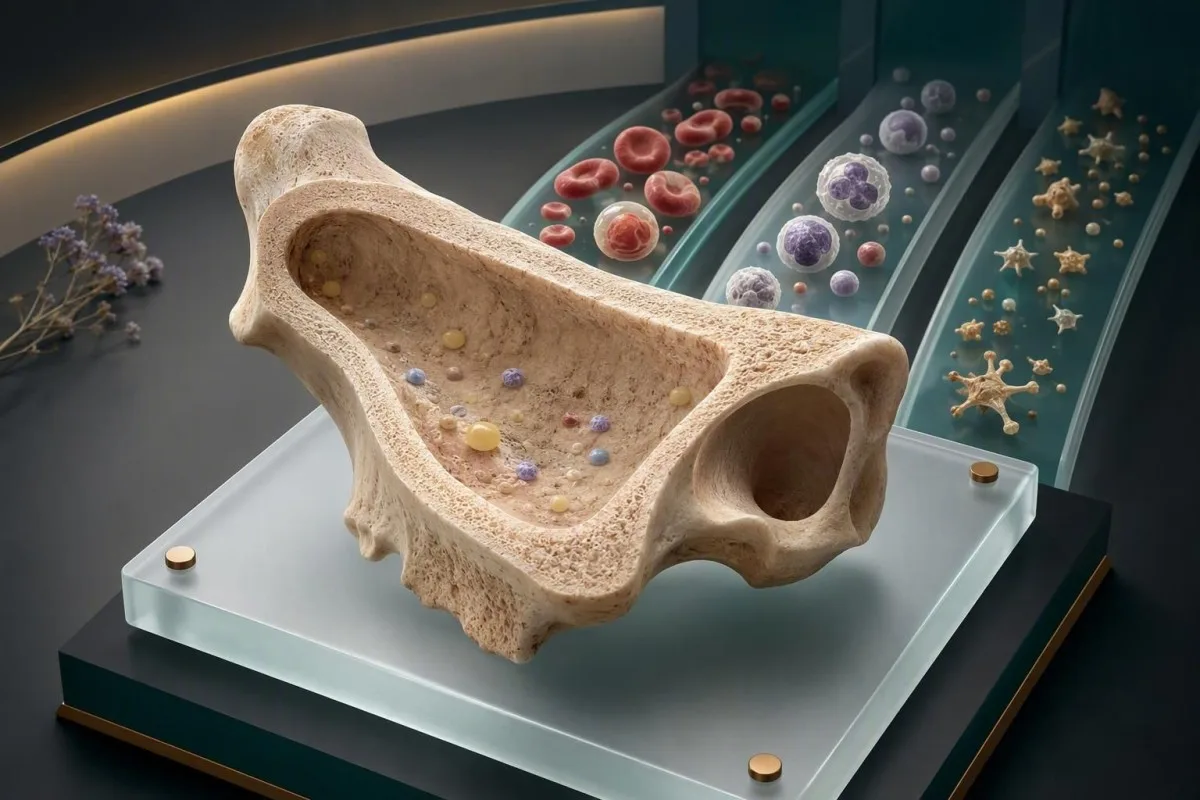
Aplastik anemi genellikle çarpıcı bir üçlü CBC tablosuna yol açar: anemi, düşük beyaz hücre sayısı ve uygunsuz derecede düşük retikülosit sayısıyla birlikte düşük trombosit sayısı. Birkaç geri döndürülebilir ve ciddi durum başlangıçta benzer görünebildiğinden, bu tablonun hızla klinik olarak doğrulanması gerekir.


- Pansitopeni düşük alyuvar, akyuvar ve trombosit sayılarını ifade eder; bu bir tanı değil, bir tablodur.
- Mutlak retikülosit sayımı anemi mevcutken 20 × 10⁹/L'nin altında olması, kemik iliği üretiminin belirgin derecede azaldığını destekler.
- Ağır aplastik anemi hiposelüler kemik iliğine ek olarak şu bulgulardan en az ikisinin bulunmasıyla tanımlanır: ANC'nin 0,5 × 10⁹/L'nin altında olması, trombositlerin 20 × 10⁹/L'nin altında olması veya retikülositlerin 20 × 10⁹/L'nin altında olması.
- 0,5 × 10⁹/L'nin altında ANC 38,0°C veya üzeri ateşle birlikte olduğunda aynı gün acil değerlendirme gerektirir.
- 10 × 10⁹/L'nin altında trombosit sayısı kendiliğinden kanama açısından önemli risk taşır ve genellikle hastane tarafından yönlendirilen acil bakım gerektirir.
- Makrositoz aplastik anemide görülebilir; ancak MCV'nin 110 fL'nin üzerinde olması, klinisyenleri B12 veya folat eksikliğini aktif olarak dışlamaya yöneltmelidir.
- Yaymada blastlar, belirgin displazi, gözyaşı damlası şeklinde hücreler veya şistositler basit aplastik anemiden uzaklaştırır ve inceleme yaklaşımını değiştirir.
- Kendi kendinize tedavi etmeyin yalnızca demir verilerek üç seride düşük CBC düzelmez; demir kemik iliği üretimini yeniden başlatmaz ve acil değerlendirmeyi geciktirebilir.
Aplastik anemi konusunda endişe uyandıran CBC tablosu
Bir aplastik anemi kan testi genellikle pansitopeni gösterir: düşük hemoglobin, düşük nötrofil ve düşük trombosit düzeyleri birlikte görülürken retikülosit yanıtı telafi edici biçimde yükselmek yerine düşük kalır. Özellikle değerler önceki birden fazla CBC’de düşmüşse, bu kombinasyon acilen klinisyen değerlendirmesi gerektirir.
Yetişkinlerde tipik CBC referans aralığı, birçok kadın için yaklaşık 120–155 g/L hemoglobin ve birçok erkek için 135–175 g/L hemoglobin, 4,0–11,0 × 10⁹/L beyaz hücre ve 150–400 × 10⁹/L trombosittir; laboratuvarlar kendi sınırlarını belirler. Aplastik anemide kemik iliği yeterli miktarda yeni hücresel eleman üretemediği için üç serinin tümü azalır. Temel bir genel bakış için şu rehberimize bakın: CBC’nin neleri içerdiği.
Tek başına düşük herhangi bir sonuçtan ziyade örüntü daha bilgilendiricidir. Yoğun menstrual kanama sonrasında 92 g/L hemoglobin demir eksikliği olabilirken, 92 g/L hemoglobin ile birlikte 0,7 × 10⁹/L ANC ve 34 × 10⁹/L trombosit, aksi kanıtlanana kadar kemik iliği üretim sorunudur. Klinik deneyimime göre tehlike yalnızca anemi değildir; enfeksiyon ve kanama riski de sessizce buna eşlik edebilir.
Kantesti bir AI kan testi analizörü CBC bileşenlerini birbiriyle bağlantılı bir örüntü olarak değerlendiren, üç ayrı ilişkisiz alarm bulgusu olarak görmeyen. Sistemimiz raporu ve önceki sonuçları düzenlemeye yardımcı olabilir, ancak kemik iliği yetmezliği tanısı koyamaz veya acil hematoloji değerlendirmesinin yerini tutamaz. 26 Ağustos 2026 itibarıyla, yeni ortaya çıkan herhangi bir üç serili sitopeni, rutin yıllık takip yerine birkaç gün içinde gerçek bir klinisyen tarafından değerlendirilmelidir.
Normal görünümlü bir MCV, pansitopeniyi iyi huylu hale getirmez. Erken aplastik anemi normositik, hafif makrositik veya demir eksikliği eşlik ediyorsa zaman zaman mikrositik olabilir; kemik iliği yanıtı ve periferik yayma çoğu zaman tek başına MCV’den daha fazla yön gösterir. Dr. Thomas Klein’ın pratik kuralı basittir: beslenme kaynaklı bir açıklamayı varsaymadan önce kemik iliğinin yanıt verip vermediğini sorun.
Örüntü neden sıklıkla gözden kaçar
CBC her sonucu ayrı ayrı işaretleyebilir; bu nedenle hastalar bazen en düşük sayıya odaklanıp kümelenmiş bulguları gözden kaçırır. Trombositlerin 260’tan 92 × 10⁹/L’ye düşmesi, teknik olarak acil durum eşiğinin üzerinde olsa bile hemoglobin ve nötrofiller paralel olarak düşüyorsa klinik açıdan anlamlıdır. Kan testi eğilimleri bu seyri çoğu zaman tek bir rapordan daha erken ortaya koyar.
Anemi ve düşük retikülosit sayısı: kemik iliği üretiminin ipucu
A düşük retikülosit sayımı anemili bir kişide kemik iliğinin alyuvarları yeterince yenilemediği anlamına gelir ve aplastik anemiyi destekleyen en yararlı ipuçlarından biridir. Mutlak retikülosit sayısı, retikülosit yüzdesinden daha önemlidir; çünkü toplam alyuvar sayısı düşük olduğunda yüzde aldatıcı biçimde normal görünebilir.
Çoğu laboratuvar yetişkinler için yaklaşık 25–100 × 10⁹/L mutlak retikülosit referans aralığı bildirir, ancak yöntemler farklılık gösterir. Şiddetli aplastik anemi kriterlerinde, kemik iliği hücreselliği belirgin biçimde azaldığında mutlak retikülosit sayısının 20 × 10⁹/L’nin altında olması, düşük üretimi tanımlayan ölçütlerden biridir. Ayrıntılı bir retikülosit sayımı kılavuzu yalnızca yüzdeye dayalı sonuçların neden yanıltıcı olabileceğini açıklar.
Buna karşılık akut kan kaybı veya hemoliz, demir desteği ve kemik iliği işlevi sağlamsa genellikle birkaç gün sonra retikülositleri yükseltmeli, çoğu zaman 100 × 10⁹/L’nin üzerine çıkarmalıdır. Düşük haptoglobin, artan indirekt bilirubin ve yüksek LDH hemolizi destekler; bunlar aplaziden farklı bir fizyolojik tablodur. Ayrım önemlidir; çünkü üretim ile yıkımı belirlemeden “anemiyi” tedavi etmek gecikmelere yol açar.
Hemoglobini 76 g/L olan bir hastamda retikülosit yüzdesi 1.2% idi; mutlak sayı 18 × 10⁹/L olarak hesaplanana kadar bu değer dikkat çekici görünmüyordu. Bu, iyileşmeye yönelik bir yanıt değildi. Anemi belirgin olduğunda klinisyenler retikülosit üretim indeksini kullanabilir, ancak günlük triyajda mutlak retikülosit değerleri genellikle hataya daha az açıktır.
Şiddetli enfeksiyon sırasında geçici olarak, kemoterapi sonrasında, alkol toksisitesinde veya ileri böbrek hastalığında retikülositler düşük olabilir; bu nedenle bu sonuç aplastik anemiye özgü değildir. Young’ın 2018 tarihli New England Journal of Medicine derlemesi, tanının kemik iliği değerlendirmesi ve kalıtsal, immün, toksik ve klonal alternatiflerin dışlanmasını gerektirdiğini; tek başına retikülosit sonucunun yeterli olmadığını vurgular (Young, 2018).
Düşük nötrofil sayısı: enfeksiyon aciliyetini değiştiren CBC değeri
The mutlak nötrofil sayımı (ANC) bakteri ve mantar enfeksiyonu riskini toplam beyaz küre sayımından daha iyi tahmin eder. 0,5 × 10⁹/L'nin altındaki bir ANC ciddi nötropeni anlamına gelir ve 38,0°C veya üzeri ateş bir kez veya bir saat boyunca devam eden 38,0°C, acil değerlendirme gerektirir.
ANC, nötrofil yüzdesi artı band yüzdesi ile çarpılan beyaz küreler olarak hesaplanır. Örneğin, WBC 1,4 × 10⁹/L ve nötrofil ile ANC 0,56 × 10⁹/L'dir—bu, yalnızca toplam sayıdan çok daha eyleme geçirilebilir bir sonuçtur. Bizim ANC kesme noktası kılavuzu ile karşılaştırın yaş ve gebelik varyasyonlarını açıklar, ancak 0,5 × 10⁹/L eşiği yetişkinlerdeki ana tehlike çizgisi olmaya devam etmektedir.
Ciddi aplastik anemi genellikle bakteriyel enfeksiyonla birlikte görülebilen toksik granülasyon veya sola kayma olmaksızın nötropeniye neden olur. Bununla birlikte, bir hastada hem kemik iliği yetmezliği hem de enfeksiyon olabilir; yüksek beyaz küre sayısının yokluğu asla sepsisi dışlamaz. Ateş, titreme, yeni konfüzyon, nefes darlığı veya hızla kötüleşen boğaz ağrısı, ayakta tedavi edilen tekrarlayan bir CBC'yi beklememelidir.
Çok ciddi aplastik anemi daha da düşük bir ANC eşiği kullanır: 0,2 × 10⁹/L'nin altında. 0,2 ile 0,5 arasındaki ayrımın nedeni pratiktir—bu sayılarda, sıradan ağız ve cilt organizmaları, çok az lokal kızarıklık veya irin ile tehlikeli hale gelebilir. Hastanede, bir neden tam olarak belirlenmeden önce klinisyenler kültür alabilir ve ampirik antimikrobiyal tedaviye başlayabilir.
Düşük lenfosit sayısı eşlik edebilir ancak akut risk kararlarında ANC'nin yerini tutmaz. Ayırıcı tanı eksikse, toplam WBC'den tahmin etmek yerine laboratuvardan veya klinisyenden isteyin. Düşük lenfosit semptomları takip gerektirir, ancak nötrofil derinliği aynı gün kararını belirler.
Ateşin CBC çıktısından daha önemli olduğu zamanlar
ANC 0,4 × 10⁹/L olan bir kişide 38,0°C'lik bir sıcaklık, “çoğunlukla iyi” hissetse ve ateş parasetamolden sonra düşse bile acildir. Antipiretikler, altta yatan problemi tedavi etmeden görünür sinyali azaltabilir. Acil servise CBC ve ilaç listesini götürün; bir klinisyen talimat vermedikçe kültürler için artan antibiyotikleri almayın.
Düşük trombosit sayısı: şüpheli kemik iliği yetmezliğinde kanama eşikleri
50 × 10⁹/L'nin altındaki trombositler morarma ve prosedürle ilgili kanama endişelerini artırırken, 10 × 10⁹/L'nin altındaki sayımlar spontan kanamaya izin verebilir. Aplastik anemide, trombositopeni genellikle izole bir trombosit problemi yerine anemi ve nötropeni ile birlikte görülür.
Peteşi, 20 dakikayı aşan burun kanaması, diş eti kanaması, şiddetli adet kanaması, idrarda kan, siyah dışkı veya ani şiddetli baş ağrısı, trombositler düşükken acil tıbbi temas gerektirir. 18 × 10⁹/L'lik bir trombosit sayısı otomatik olarak felaket anlamına gelmez, ancak internet tavsiyesiyle yönetilecek bir sayı değildir. Diş tedavisi öncesi trombosit eşiklerine ilişkin pratik tartışmamıza bakın. diş tedavisi öncesi trombosit eşikleri.
Yayma, azalmış üretimi periferik yıkımdan ayırmaya yardımcı olur. İmmün trombositopenide, trombositler tek düşük çizgi olabilir ve büyük genç trombositler sıklıkla görünür; aplastik anemi, üretim azaldığı için daha sık düşük veya normal bir olgunlaşmamış trombosit fraksiyonuna sahiptir. Bunlar eğilimlerdir, kural değildir ve eğitimli bir morfolg, slaydı okumalıdır.
Aspirin, ibuprofen, naproksen ve reçetesiz balık yağı yüksek dozlarından, bir klinisyen önemli trombositopeniyi değerlendirene kadar kaçının, çünkü sayısal sayı değişmese bile trombosit fonksiyonunu bozabilirler. Alkol de kemik iliği baskılanmasını ve trombosit fonksiyonunu kötüleştirebilir. Asetaminofen/parasetamol de evrensel olarak uygun değildir—doz ve karaciğer durumu hala önemlidir.
EDTA örneğinde trombositlerin kümelenmesi durumunda trombosit sayısı yanlış düşük olabilir. Laboratuvar “trombosit kümeleri mevcut” bildirebilir ve sayımı sitrat tüpünde tekrarlayabilir; buna yalancı trombositopeni denir. İzole düşük trombositleri açıklar, düşük retikülosit sayısı ile ikna edici pansitopeni değildir.
Klinisyenler ağır ve çok ağır aplastik anemiyi nasıl derecelendirir?
Ciddi aplastik anemi, hiposellüler kemik iliği—genellikle 'ten az sellülarite—artı en az iki periferik kriter gerektirir: ANC 0,5 × 10⁹/L'nin altında, trombositler 20 × 10⁹/L'nin altında veya mutlak retikülositler 20 × 10⁹/L'nin altında. Çok ciddi hastalık bu kriterleri ANC 0,2 × 10⁹/L'nin altında karşılar.
Bu eşikler, uzun süredir devam eden Camitta çerçevesinden gelmektedir, ancak bunlar bir tablodan yapılan bir teşhisten ziyade triyaj ve tedavi planlama araçlarıdır. Bir kemik iliği yamalı olabilir ve yakın zamanda yapılan transfüzyon, aneminin nasıl göründüğünü değiştirebilir. Klinisyenler ayrıca semptomları, enfeksiyon geçmişini, transfüzyon gereksinimini, yaşı, donör seçeneklerini ve klonal bir bozukluğa dair kanıtları da dikkate alırlar.
Orta derecede aplastik anemi bu kadar net tanımlanmamıştır. Trombositleri 58 × 10⁹/L, ANC 0.9 × 10⁹/L ve hemoglobin 98 g/L olan biri şiddetli kriterleri karşılamayabilir ancak yine de kötüleşebilir veya tedavi gerektirebilir. Belirsizlik tam da bu yüzden seri CBC'ler ve hematoloji takibi, evde rahatlatıcı bir etiket atamaya çalışmaktan daha önemlidir.
British Society for Haematology kılavuzu, kemik iliği incelemesi, sitogenetik, PNH klozu için akış testi ve kalıtsal kemik iliği yetmezliği değerlendirmesini tanısal yolun parçaları olarak tanımlar (Killick ve diğerleri, 2016). Normal bir sitogenetik sonuç bazı miyelodisplastik sendromlar için endişeyi azaltır, ancak kendi başına immün aplastik anemi kanıtı değildir.
Kantesti AI, ANC'nin 0.5 × 10⁹/L'nin altında ve trombositlerin 20 × 10⁹/L'nin altında olması gibi acil eşikleri aşan kombinasyonları vurgulayarak, kullanıcıların randevularından önce bu kümelenmeyi görmelerini sağlar. Analizimiz bir güvenlik uyarısıdır, şiddet derecelendirmesi değildir; altta yatan kriterler klinik muayene ve kemik iliği bulgularını gerektirir. Bireysel rapor işaretleri hakkında daha fazla bilgi için şunu okuyun referans aralığı dışının ne anlama geldiğini.
CBC tablosunu ayrıntılandıran MCV, RDW ve periferik kan yayması bulguları
Aplastik anemi genellikle normal veya hafif yüksek bir MCV'ye sahiptir, ancak MCV tek başına onu B12 eksikliği, folat eksikliği, alkol etkileri, karaciğer hastalığı veya miyelodisplazi'den ayıramaz. Pancitopeni yeni, ilerleyici veya açıklanamayan durumlarda manuel bir periferik yayma esastır.
Bir MCV referans aralığı yaygın olarak 80-100 fL'dir. Stresli kemik iliği üretimi kırmızı kan hücresi olgunlaşmasını değiştirdiği için aplastik anemide 101-105 fL civarında hafif makrositoz oluşabilir, ancak 110 fL üzerindeki MCV B12, folat, ilaç, alkol, tiroid ve karaciğer değerlendirmesi için belirgin bir inceleme gerektirmelidir. Aşağıdaki indeksleri karşılaştırın MCV'ye karşı MCH kılavuzu.
RDW, kırmızı kan hücresi boyutundaki değişkenliği ölçer ve analizöre bağlı olarak genellikle 11.5–14.5%'dir. Normal bir RDW, kemik iliği yetmezliğini dışlamaz; aslında, üretim azaldığında azalan kırmızı kan hücrelerinin oldukça homojen bir popülasyonu ortaya çıkabilir. Keskin bir şekilde yüksek RDW, karışık eksiklikleri, yakın zamanda transfüzyonu, tedaviden sonra iyileşmeyi veya displaziyi düşündürebilir.
Blestler, promyelositler, belirgin hipogranülasyon, psödo-Pelger nötrofiller veya önemli displastik formlar, akut lösemi veya miyelodisplastik sendrom yönünde endişeyi kaydırır ve uzman değerlendirmesini hızlandırmalıdır. Schistositler farklı bir yöne işaret eder—mikroanjiyopatik kırmızı kan hücresi parçalanması—ve düşük trombositler, böbrek hasarı veya nörolojik semptomlarla eşleştirildiğinde acil olabilir. Bizim schistosit kılavuzumuz o ayrı acil durum modelini kapsar.
Kantesti bir Yapay zekâ destekli kan testi analiz aracı MCV, RDW, retikülositler ve geçmiş sayımları karşılaştırabilen, ancak incelenmiş bir yaymanın yerini tutmayan bir cihazdır. Deneyimlerime göre, bariz bir şekilde basit bir “düşük CBC”nin keskin bir şekilde odaklanmış bir tanısal soruna dönüştüğü yer yaymadır. teknoloji rehberi AI'mızın laboratuvarın orijinal birimlerini ve referans aralıklarını nasıl koruduğunu açıklar.
B12, folat ve bakır eksikliği kemik iliği yetmezliğini taklit edebilir
B12 vitamini, folat ve bakır eksikliği pancitopeniye neden olabilir ve bir CBC modelini aplastik anemi olarak etiketlemeden önce dışlanmalıdır. Bu eksiklikler, kısıtlayıcı diyetler, malabsorbsiyon, bariatrik cerrahi, yoğun çinko kullanımı veya belirli ilaçlarla özellikle olasıdır.
B12 eksikliği yaygın olarak makrositoz, hipersegmentli nötrofiller ve yüksek metilmalonik asit üretir, ancak demir eksikliği birlikte olduğunda bazı hastalarda MCV 100 fL'nin altında olabilir. 148 pmol/L'nin altındaki serum B12, kabaca 200 pg/mL, genellikle yetersiz kabul edilirken, 148–221 pmol/L metilmalonik asit veya homosistein doğrulaması gerektirebilir. Bizim B12 ve folat karşılaştırmamız folatın tek başına nörolojik hasar devam ederken hematolojik bulguları nasıl maskeleyebileceğini açıklar.
Folat eksikliği, özellikle yetersiz alım, alkol kullanımı, malabsorbsiyon, metotreksat, trimetoprim veya belirli antiepileptik ilaçlarla, ileri vakalarda üç hattı da düşürebilir. Kırmızı kan hücresi folatı, bazı durumlarda tek bir serum seviyesinden daha iyi doku depolarını yansıtabilir, ancak tahlil bulunabilirliği ve yorumlanması değişir. Bir klinisyenin özel bir nedeni olmadıkça, B12 değerlendirilmeden yüksek doz folik asit başlamayın.
Bakır eksikliği daha az rutin olarak kontrol edilir, ancak anemiye ve nötrofeniye neden olabilir ve kemik iliği incelemesinde miyelodisplaziye benzeyebilir. Aşırı takviye çinko, çinkonun tercihen bakırı bağlayan intestinal metallotioneini indüklemesi nedeniyle klasik bir geri döndürülebilir nedendir. Bir düşük bakır araştırma özellikle protez krem maruziyeti, bariatrik cerrahi veya günde 40 mg'ın üzerindeki çinko dozları için geçerlidir.
Beslenme, cevabın bir parçası olabilir, ancak şiddetli pancitopide kemik iliği değerlendirmesini ertelemek için bir neden olmamalıdır. Demir, B12, folat ve bakır replasmanı teyit edilmiş eksikliklere ve tıbbi bağlama göre uyarlanır; ayrım gözetmeyen takviye yararlı test sonuçlarını bulanıklaştırabilir. Bu, tek bir sınırda kalan sayıdan daha fazla bağlamın önemli olduğu alanlardan biridir.
Öncelikle araştırılması gereken ilaç, toksin ve viral pansitopeni nedenleri
İlaçlar, toksinler ve viral hastalıklar kemik iliği üretimini baskılayabilir ve bazen geri dönüşümlü olarak aplastik anemiye benzer bir CBC paterni oluşturabilir. Tam bir maruz kalma öyküsü, reçeteli ilaçları, son antibiyotikleri, antikonvülzanları, immünoterapileri, bitkisel ürünleri, çözücüleri, alkolü ve eğlence amaçlı maddeleri içermelidir.
Kemoterapi bariz bir nedendir, ancak daha az bariz ajanlar, hala kullanıldığı bölgelerde kloramfenikol, antitiroid ilaçlar, linezolid, bazı antikonvülzanlar ve bağışıklık modüle edici tedavileri içerir. Zamanlama yardımcı olur: doğrudan ilaç kemik iliği toksisitesi genellikle maruz kaldıktan haftalar ila aylar sonra ortaya çıkarken, immün ilaç reaksiyonları daha az öngörülebilir olabilir. Sitospeniyi yöneten hekime danışmadan reçeteli bir ilacı asla aniden kesmeyin.
Hepatit ilişkili aplastik anemi, akut bir hepatit epizodundan haftalar ila aylar sonra, genellikle genç insanlarda ortaya çıkabilir ve öyküye dayalı olarak rutin hepatit A, B, C, E, HIV, EBV, CMV ve parvovirüs testleri seçilebilir. Negatif bir viral tarama, immün aplastik anemiyi dışlamaz. Sadece önemli rakip açıklamaları ortadan kaldırır ve enfeksiyon önlemlerine rehberlik eder.
Benzen maruziyeti, yetersiz havalandırılan endüstriyel işler, yakıt taşıma ve bazı çözücüler dahil olmak üzere ilgili bir mesleki ve ev riskidir. Hekimler, “boya tedarikçisinde ofis yöneticisi” bile periyodik depo maruziyeti içerebileceği için iş unvanları yerine iş görevlerini sorarlar. Mümkünse ürün adlarını veya güvenlik veri sayfalarını getirin; belirsiz hatırlama yaygındır ve kimse kendini suçlu hissetmemelidir.
Önemli bir viral hastalıktan kısa bir süre sonra alınan bir CBC, kişi stabil ise günler ila haftalar içinde tekrarlanması gerekebilir, ancak ciddi sayımlar pasif olarak izlenmemelidir. Hastalık sonrası CBC değişiklikleri zamanlamayı çerçevelemeye yardımcı olabilir, ciddi nötropeni ile birlikte ateş ise, şüpheli tetikleyiciden bağımsız olarak acil durum olmaya devam eder.
Aplastik anemiden farklı görünen pansitopeni nedenleri
Pansitopeninin birçok nedeni vardır ve aplastik anemi, malign infiltrasyon veya büyük displazi olmadan hiposellüler bir kemik iliği ile ayırt edilir. Başlıca alternatifler arasında akut lösemi, miyelodisplastik sendrom, kemik iliği infiltrasyonu, hipersplenizm, şiddetli yetersizlik durumları, hemopoetik sendromlar, enfeksiyon ve ilaç etkileri yer alır.
Akut lösemi, blastlar normal kemik iliğini dışladığı için düşük sayımlar üretebilir, ancak dolaşan blastlar her zaman görülmez. Miyelodisplastik sendrom, yaşlı yetişkinlerde displazi, karakteristik sitogenetik değişiklikler veya persistan makrositoz ile daha olası hale gelir, ancak tek başına yaş hiçbir şeyi kanıtlamaz. Bizim kan kanseri test rehberi içindeki yol, yayma, akış sitometrisi ve kemik iliği çalışmalarının neden tamamlayıcı olduğunu göstermektedir.
Hipersplenizm, genellikle splenomegali, portal hipertansiyon, karaciğer hastalığı veya belirli hematolojik bozukluklarla birlikte sekestrasyon yoluyla dolaşan sayıları düşürür. Retikülositler normal veya yüksek olabilir, derinlemesine baskılanmış olmaktan ziyade ve kemik iliği hücreliliği genellikle korunmuş veya artmıştır. Ultrason yararlı olabilir, ancak endişe verici bir yayma veya şiddetli nötropeni araştırması ihtiyacını ortadan kaldırmaz.
Paroksismal nokturnal hemoglobinüri (PNH) biyolojik olarak aplastik anemi ile örtüşebilir, bu nedenle hekimler genellikle GPI-çapa eksik granülositler ve monositler için yüksek hassasiyetli akış sitometrisi isteği yaparlar. Koyu idrar ne gereklidir ne de spesifiktir. Küçük bir PNH klonunu bulmak, immün kemik iliği yetmezliği bağlamını destekleyebilir, ancak yönetim klon boyutuna, hemolize, tromboz riskine ve genel kemik iliği resmine bağlıdır.
Kantesti bir AI laboratuvar testi yorumlama hizmetinde yayımlanır. bilirubin, LDH, karaciğer indeksleri ve geçmişteki trombosit düşüşü dahil olmak üzere pansitopeni paternlerini ve potansiyel alternatif ipuçlarını ortaya çıkarabilen. Bir kemik iliğinin hiposellüler mi, infiltrated mi yoksa displastik mi olduğunu belirleyemez - bunlar hematoloji ve patoloji sorularıdır. İkinci bir görüş kontrol listesi hastaların odaklanmış sorular hazırlamasına yardımcı olabilir.
Acil uyarı işaretleri: düşük CBC sonuçları ne zaman acil bakım gerektirir?
Ateşin 38.0°C veya daha yüksek ve ANC'nin 0.5 × 10⁹/L altında olduğu, kontrolsüz kanama, siyah dışkı, kan öksürme, şiddetli yeni baş ağrısı, kafa karışıklığı, bayılma, göğüs ağrısı veya dinlenme halindeyken nefes darlığı durumunda acil bakım uygundur. Bunlardan herhangi biri meydana gelirse çevrimiçi yorum beklemeyin.
Şiddetli anemi, görünür kanama olmasa bile oksijen iletimini bozabilir. 70 g/L altındaki hemoglobin, stabil hastanede yatan hastalarda yaygın olarak kullanılan bir transfüzyon düşünme eşiğidir, ancak semptomlar, aktif kanama, kardiyovasküler hastalık, gebelik ve kroniklik kararları değiştirir. Dinlenme halindeyken bayılan veya nefes darlığı çeken 82 g/L hemoglobinli bir kişi, aynı sayıya sahip sağlıklı bir kişiden daha acil değerlendirme gerektirir.
10 × 10⁹/L altındaki trombositler genellikle acil uzman yönelimli kararlarla yönetilir çünkü spontan mukoza veya iç kanama daha olası hale gelir. Tedavi ekibi aksini belirtmedikçe temas sporlarından, intramüsküler enjeksiyonlardan, rektal termometrelerden ve diş tedavilerinden kaçının. Düşük trombosit sayısında herhangi bir kafa travması durumunda, semptomlar önemsiz görünse bile acil değerlendirme arayın.
Normal bir vücut ısısı, şiddetli nötropenide güvenliği garanti etmez; yaşlı yetişkinler, steroid alan kişiler ve çok hasta hastalar ateş yapamayabilir. Yeni ağız ülserleri, yutkunma ağrısı, perianal ağrı veya hızla kötüleşen yorgunluk erken enfeksiyon ipuçları olabilir. Sepsis laboratuvar modelleri bağlam sağlar, ancak semptomlar ve vital bulgular acil eylemi belirler.
Dr. Thomas Klein hastaları, orijinal raporun fotoğrafını çekmelerini veya indirmelerini, test tarihini kaydetmelerini ve her ilaç ve takviye kabını acil inceleme için getirmelerini tavsiye ediyor. Bu küçük adım genellikle zaman duyarlı bir ilaç maruziyetini belirler veya “yeni” düşük sayımın zaten eğilimde olup olmadığını netleştirir. Başınız dönüyorsa, baygınlık geçiriyorsanız veya aktif olarak kanıyorsanız kendiniz araç kullanmayın.
CBC sonrasında aplastik anemiyi doğrulayan veya dışlayan testler
Bir CBC, aplastik anemiyi doğrulayamaz; doğrulama genellikle hiposelülerite gösteren bir kemik iliği aspirasyonu ve trepan biyopsisi, ayrıca klonal, kalıtsal, enfeksiyöz, beslenme ve maruziyetle ilgili nedenleri dışlayan testler gerektirir. Testlerin hızı, sayım ciddiyeti ve semptomlara bağlıdır.
Kemik iliği örneği selüleriteyi, mimariyi, blastları, fibrozisi, demir depolarını ve displaziyi değerlendirir. Yetişkinlerde beklenen selülerite, kaba bir öğretim tahmini olarak kabaca yaşın 100 eksiğidir, ancak bu kesin değildir ve örnek kalitesi önemlidir. 10% kemik iliği selüleritesine sahip 30 yaşındaki biri ile 10%'ye sahip 80 yaşındaki biri arasında büyük bir fark vardır, ancak her ikisi de bağlam içinde uzman yorumuna ihtiyaç duyar.
Sitogenetik, kromozomal mikroarray veya dizileme panelleri, hiposelüler miyelodisplastik sendromu edinilmiş aplastik anemiden ayırt etmeye yardımcı olabilir. PNH klonları, telomer bozuklukları, Fanconi anemisi ve diğer kalıtsal kemik iliği yetmezliği durumları için testler yaşa, aile öyküsüne, fiziksel bulgulara ve transplant planlamasına göre seçilir. Genetik testler yalnızca çocuklar için değildir; yetişkin başlangıçlı kalıtsal hastalık giderek daha fazla tanınmaktadır.
Temel testler genellikle B12, folat, bakır, karaciğer ve böbrek profili, endike olduğunda tiroid çalışmaları, hemoliz belirteçleri, viral seroloji, ilgili olduğunda gebelik testi ve öyküye göre uyarlanmış otoimmün araştırmaları içerir. Amaç her testi istemek değildir. Amaç, geri dönüşümlü nedenleri gözden kaçırmaktan kaçınırken, hızlı bir şekilde kesin değerlendirmeye doğru ilerlemektir.
Kantesti AI, bir raporu bu kategorilerde organize edebilir ve eksik temelleri belirleyebilir, ancak sonuçlar yüksek riskli olduğunda klinik yönetim önemlidir. Bizim tıbbi doğrulama standartlarımıza AI destekli yorumlama ile tıbbi teşhis arasındaki sınırı açıklayın. Kemik iliği örneğini kimin inceleyeceğini ve hematopatolog tarafından değerlendirilip değerlendirilmeyeceğini sorun.
Sonucun gerçek olduğunu varsaymadan önce CBC ne zaman tekrarlanmalı?
Örnek pıhtılaşması, trombosit kümelenmesi, intravenöz sıvılardan seyreltme veya analizör bayrakları bir sonucu bozabilirse, tekrarlanan bir CBC uygundur, ancak tekrarlanan testler asla şiddetli sitopeniler veya endişe verici semptomlar için acil bakımı geciktirmemelidir. Laboratuvarlar genellikle orijinal tüpten birkaç saat içinde bir sonucu doğrulayabilir.
EDTA trombosit kümelenmesi yanlış düşük bir trombosit sayımı üretebilirken, kısmen pıhtılaşmış bir tüp trombosit ve beyaz küreleri öngörülemeyen bir şekilde düşürebilir. Manuel bir yayma incelemesi ve bir sitrat tüpü trombosit sayımı sorunu çözebilir. hemolizden sonra tekrarlanan testler örnek kalitesi yorumlarının yalnızca laboratuvar işleyişi değil, klinik olarak neden faydalı olduğunu açıklar.
İntravenöz sıvı, özellikle birkaç litre sonra hemoglobin ve trombositleri seyreltebilir, ancak nadiren derin bir ANC veya retikülosit sayısını açıklar. Tersine, dehidrasyon değerleri geçici olarak yoğunlaştırabilir ve anemi derinliğini gizleyebilir. Çekim zamanını, son sıvıları, transfüzyonları, akut hastalığı ve önceki temel değeri, sayısal bir değişikliğin kemik iliği biyolojisini yansıttığına karar vermeden önce karşılaştırın.
Transfüzyon yorumlamayı karmaşıklaştırır çünkü donor kırmızı kan hücreleri nötropeniyi, trombositleri veya retikülositleri düzeltmeden hemoglobin'i iyileştirebilir. Transfüzyon sonrası artan hemoglobin, kemik iliği iyileşmesi olarak yanlış anlaşılmamalıdır. Bu nedenle klinisyenler, transfüzyon tarihlerini retikülosit eğilimleri ve bir sonraki gerekli transfüzyon aralığı ile birlikte izlerler.
Bir laboratuvar “delta kontrolü” önceki değerlerden keskin bir sapmayı işaretleyebilir, ancak gerçek kemik iliği yetmezliği rutin testler arasında gelişebilir. Bir rapor inanılmaz görünüyorsa, sipariş veren klinisyeni veya laboratuvarı derhal arayın; yalnızca uzak bir walk-in sitesinde tekrarlamayın ve sürekliliği kaybetmeyin. Orijinal laboratuvar analizör bayraklarını ve mikroskobunu karşılaştırabilir.
Hematoloji değerlendirmesini beklerken yapılmaması gerekenler
Sadece bir CBC düşük olduğu için demir, yüksek doz folat, bitkisel “kan yapıcılar”, aspirin veya kalan antibiyotikleri kullanmaya başlamayın. Şüpheli aplastik anemide, en güvenli ilk eylemler acil tıbbi değerlendirme, enfeksiyon önlemleri, kanama önlemleri ve kapsamlı bir ilaç ve takviye geçmişidir.
Demir eksikliği yaygındır, ancak demir çoğu yetişkinde düşük nötrofilleri ve trombositleri açıklamaz. Her gün 45-65 mg elementel demir almak mide bulantısı, kabızlık ve kemik iliği yetmezliğini ele almadan yanıltıcı demir çalışması değişikliklerine neden olabilir. Yorgunluğun demir eksikliği anlamına geldiğini varsaymadan önce ferritin, transferrin satürasyonu, CRP ve genel CBC örüntüsünü kontrol edin; bizim demir çalışması kaynağı bu ayrımlarda yardımcı olur.
ANC ciddi şekilde düşükse kalabalık kapalı alanlardan ve solunum yolu belirtileri olan kişilerden uzak durun, ancak gerekli tıbbi bakımdan kendinizi izole etmeyin. El hijyeni, hasta olduğunuzda acil ateş kontrolü ve gıda güvenliği mantıklıdır. Aşırı “nötropenik diyetlerin” kanıtı sınırlıdır ve beslenmeyi kötüleştirebilir, bu nedenle kısıtlayıcı sosyal medya listelerini takip etmek yerine yerel olarak uygun rehberlik için tedavi ekibine sorun.
Tek sayfalık bir zaman çizelgesi tutun: ilk anormal CBC, önceki normal CBC, son 6 ayda geçirilen enfeksiyonlar, başlanan veya bırakılan ilaçlar, seyahat, işyeri maruziyetleri, transfüzyonlar, ailede kan hastalıkları ve kanama belirtileri. Bu bilgiler tüm bir klinik ziyareti kurtarabilir. Bir laboratuvar sonuç takipçisi tarihler ve birimler kaydetmek için pratik bir yapı sunar.
Kantesti’nin Yapay zekâ biyobelirteç yorumlama platformu , 75+ dilde seri CBC raporlarını karşılaştırmaya ve kendi dilinizde sorular hazırlamaya yardımcı olur. Acil bir servis değildir ve belirtileri göremez, hastayı muayene edemez veya transfüzyon desteği ayarlayamaz. Raporu anlamak için kullanın, ardından halihazırda devam eden klinik yolu izleyin.
Hematoloji randevusunu daha yararlı hâle getiren sorular
En yararlı hematoloji soruları, “kötü” izole bir sayı olup olmadığına dair değil, ciddiyet, olası mekanizma, enfeksiyon ve kanama eşikleri ve tanısal plan hakkında sorulardır. Orijinal raporları getirin çünkü ANC, trombosit, hemoglobin, MCV ve retikülositlerdeki eğilimler kararları yönlendirir.
“Şiddetli aplastik anemi kriterlerini karşılıyor muyum ve hangi kriterleri karşılıyorum?” diye sorun. Cevap kemik iliği hücreselliği, ANC, trombosit sayısı ve mutlak retikülosit sayısını içermelidir. Teşhis belirsizliğini koruyorsa, hiposelüler miyelodisplastik sendrom, akut lösemi, besin eksikliği veya ilaçla ilişkili baskılanmayı neyin desteklediğini ve bunları neyin ayıracağını sorun.
Açık güvenlik eşikleri isteyin: Hangi sıcaklıkta acilen başvurmalıyım, hangi kanama belirtileri beklemeyi geçersiz kılar, hangi ağrı kesicilerden kaçınmalıyım ve seyahat edebilir miyim? Bu talimatlar ANC ve trombosit derinliğine göre değişir. ANC'si 1.1 × 10⁹/L ve trombositleri 95 × 10⁹/L olan bir kişi, ANC'si 0.18 × 10⁹/L ve trombositleri 8 × 10⁹/L olan bir kişiden farklı tavsiyeler alır.
Aplastik anemi doğrulanırsa, tartışma immünosupresif tedavi, seçilmiş protokollerde eltrombopag ve yaşa, donör bulunurluğuna, hastalık şiddetine ve yerel uzmanlığa bağlı olarak hematopoietik kök hücre naklini içerebilir. Çevrimiçi bir CBC açıklamasından herhangi bir tedavi seçimi çıkarılmamalıdır. Beklenen seyir ve riskler kişiseldir, bazen gerçekten belirsizdir ve en iyi kemik iliği yetmezliği ekibi tarafından kararlaştırılır.
Bizim Tıbbi Danışma Kurulu , Kantesti içeriğinin arkasındaki klinik inceleme ilkelerini belirlemeye yardımcı olur; yüksek riskli CBC modellerinin profesyonel olarak yükseltilmesini gerektiren kural dahil. Mümkünse bir destek kişisi getirin; bu randevular çok sayıda yabancı terim içerir ve başka bir dinleyici hatırlamayı iyileştirir.
Anormal pansitopeni CBC'si sonrasında güvenli sonraki adım planı
Düşük retikülosit sayımı ile yeni pansitopeni, bir klinisyen başka bir neden belirleyene kadar olası bir kemik iliği üretim bozukluğu olarak ele alınmalıdır. Ateşli şiddetli nötropeni, aktif kanama, nörolojik belirtiler, göğüs ağrısı, bayılma veya istirahatte nefes darlığı için aynı gün bakım gereklidir.
İlk olarak, kesin değerleri ve birimleri doğrulayın: hemoglobin, ANC'li WBC, trombositler, MCV, RDW ve mutlak retikülositler. İkinci olarak, bunları en son mevcut CBC ile karşılaştırın, hatta 2 yıl öncesine ait bir CBC ile bile. Stabil hafif düşük bir sayı ve hızlı bir üçlü düşüş aynı klinik sorun değildir; Yan yana CBC karşılaştırması bu farkı görünür kılabilir.
Üçüncü olarak, belirtilerinizin ve eşiklerinizin gerektirdiği bakım düzeyini arayın. Ateşli ANC 0.5 × 10⁹/L'nin altı, trombositler 10 × 10⁹/L'nin altı veya önemli kanama, standart bir sevk için beklememelidir. Stabil ancak açıklanamayan pansitopeni için hızlı klinisyen incelemesi ayarlayın ve yayma incelemesi, tekrar CBC, beslenme çalışmaları, viral test ve hematoloji sevkini gerekip gerekmediğini sorun.
Dördüncü olarak, tek bir “normal” eşlik eden testin güvence olarak yorumlanmasına izin vermeyin. Normal ferritin B12 eksikliğini dışlamaz, normal LDH kemik iliği yetmezliğini dışlamaz ve normal bir MCV üç düşük hücre hattını iptal etmez. Tüm örüntü, zamanlaması ve muayene riski belirler.
Kantesti AI, yapılandırılmış sonuç incelemesini ve geçmiş eğilim analizini desteklerken, teşhis ve tedavi klinik ekibinizin sorumluluğunda kalır. Bu makale tarafından açıklanan standartlara göre tıbbi olarak incelenmiştir Kantesti'nin klinik denetim süreci. Pratik amaç her düşük işareti korkutmak değil, göz ardı edilmemesi gereken kombinasyonları tanımaktır.
Sıkça Sorulan Sorular
Aplastik anemi, bir CBC'de nasıl görünür?
Aplastik anemi genellikle pansitopeni olarak ortaya çıkar: aynı CBC'de düşük hemoglobin, düşük beyaz küreler - özellikle nötrofiller - ve düşük trombositler. Destekleyici üretim ipucu, şiddetli hastalıkta sıklıkla 20 × 10⁹/L'nin altında olan, uygunsuz şekilde düşük mutlak retikülosit sayısıdır. MCV normal veya hafif yüksek olabilir, bu nedenle normal bir MCV durumu dışlamaz. Tanı, kemik iliği hiposelülerlik kanıtı ve diğer pansitopeni nedenlerinin dışlanmasını gerektirir.
Aplazik anemi başlangıçta normal beyaz kan hücrelerine sahip olabilir mi?
Evet, erken aplastik anemi, belirgin pansitopeni gelişmeden önce başlangıçta bir veya iki kan hücresi çizgisini etkileyebilir. Düşen trombosit sayısı veya mutlak retikülositlerin yaklaşık 25 × 10⁹/L'nin altında olduğu ilerleyici anemi, şiddetli nötropeniden önce gelebilir. Bu nedenle klinisyenler, tek bir normal WBC sonucuna güvenmek yerine önceki CBC'leri karşılaştırırlar. Birden fazla çizgide yeni bir düşüş eğilimi zamanında tıbbi incelemeyi tetiklemelidir.
Retikülosit sayısı ne zaman aplastik anemi düşündürür?
Anemi mevcut olduğunda ciddi kemik iliği yetmezliğini destekleyen ve ciddi aplastik anemi kriterlerinin bir parçası olan mutlak retikülosit sayısı 20 × 10⁹/L'nin altındadır. Birçok laboratuvar, yetişkin referans aralığını 25–100 × 10⁹/L civarında kullanır, ancak kesin aralık yönteme göre değişir. Retikülosit yüzdesi ciddi anemide yanıltıcı şekilde normal olabilir, bu nedenle mutlak sayı tercih edilir. Düşük retikülositler aplastik anemiye özgü değildir ve ayrıca besin eksikliği, böbrek hastalığı, enfeksiyon ve ilaçla ilişkili baskılanmada da görülür.
Aplastik anemide 20 trombosit sayısı tehlikeli midir?
20 × 10⁹/L trombosit sayımı ciddi şekilde düşüktür ve özellikle burun kanaması, diş eti kanaması, şiddetli adet kanaması, siyah dışkı, idrarda kan veya baş ağrısı varsa acil hematoloji yönlendirmeli değerlendirme gerektirir. 10 × 10⁹/L altındaki sayımlar spontan kanama riskini artırır ve genellikle kişinin semptomlarına ve nedenine göre hastanede yönetilir. Tedavi eden klinisyen özellikle onaylamadığı sürece aspirin ve NSAID'lerden kaçının. Anemi ve nötropeni de mevcut olduğunda aciliyet daha da artar.
Düşük nötrofil sayısı ne zaman acil bir durumdur?
0,5 × 10⁹/L'nin altındaki ANC şiddetli nötropeni anlamına gelir ve 38,0°C veya daha yüksek sıcaklık, aynı gün acil değerlendirme gerektirir. Çok şiddetli aplastik anemi, 0,2 × 10⁹/L'nin altındaki ANC'yi kullanır ve burada az sayıda lokal belirti ile ciddi enfeksiyon meydana gelebilir. Ateş belgelenmemiş olsa bile titreme, yeni kafa karışıklığı, nefes darlığı, yutkunma güçlüğü veya perianal ağrı da acil bakım gerektirir. Bu karar için toplam beyaz küre sayısı, ANC'den daha az kullanışlıdır.
B12 vitamini eksikliği aplastik anemi ile karıştırılabilir mi?
B12 vitamini eksikliği anemiye, düşük beyaz kürelere, düşük trombositlere, makrositoza ve düşük retikülosit sayısına neden olabilir, bu nedenle başlangıçta aplastik anemiyi taklit edebilir. Serum B12 seviyesinin 148 pmol/L'nin (yaklaşık 200 pg/mL) altında olması yaygın olarak eksiklik olarak kabul edilirken, sınırdaki sonuçlar metilmalonik asit testi gerektirebilir. Hipersegmentli nötrofiller ve 110 fL'nin üzerindeki MCV, B12 veya folat eksikliğini destekler, ancak karışık demir eksikliği makrositozu gizleyebilir. Kemik iliği testi ve hedefe yönelik kan testleri, CBC şiddetli veya belirsiz olduğunda bu durumları ayırır.
Bugün Yapay Zekâ Destekli Kan Tahlili Analizini Alın
Anlık ve doğru laboratuvar testi analizi için Kantesti’ye güvenen dünya genelindeki 2 milyondan fazla kullanıcıya katılın. Kan testi sonuçlarınızı yükleyin ve saniyeler içinde 15,000+ biyobelirteçlerinin kapsamlı yorumunu alın.
📚 Kaynak Gösterilen Araştırma Yayınları
Klein, T., Mitchell, S., & Weber, H. (2026). B Negatif Kan Grubu, LDH Kan Testi ve Retikülosit Sayımı Rehberi. Kantesti Yapay Zeka Tıbbi Araştırma.
Klein, T., Mitchell, S., & Weber, H. (2026). Oruç Sonrası İshal, Dışkıda Siyah Noktalar ve Sindirim Sistemi Rehberi 2026. Kantesti Yapay Zeka Tıbbi Araştırma.
📖 Harici Tıbbi Kaynaklar
⚕️ Tıbbi Uyarı
Bu makale yalnızca eğitim amaçlıdır ve tıbbi tavsiye niteliği taşımaz. Tanı ve tedavi kararları için her zaman yetkin bir sağlık hizmeti sağlayıcısına danışın.
E-E-A-T Güven Sinyalleri
Deneyim
Hekim liderliğinde laboratuvar yorumlama iş akışlarının klinik incelemesi.
Uzmanlık
Klinik bağlamda biyobelirteçlerin nasıl davrandığına odaklanan laboratuvar tıbbı.
Otorite
Dr. Thomas Klein tarafından yazılmış; Dr. Sarah Mitchell ve Prof. Dr. Hans Weber tarafından gözden geçirilmiştir.
Güvenilirlik
Alarmı azaltmaya yönelik net takip yollarıyla kanıta dayalı yorumlama.