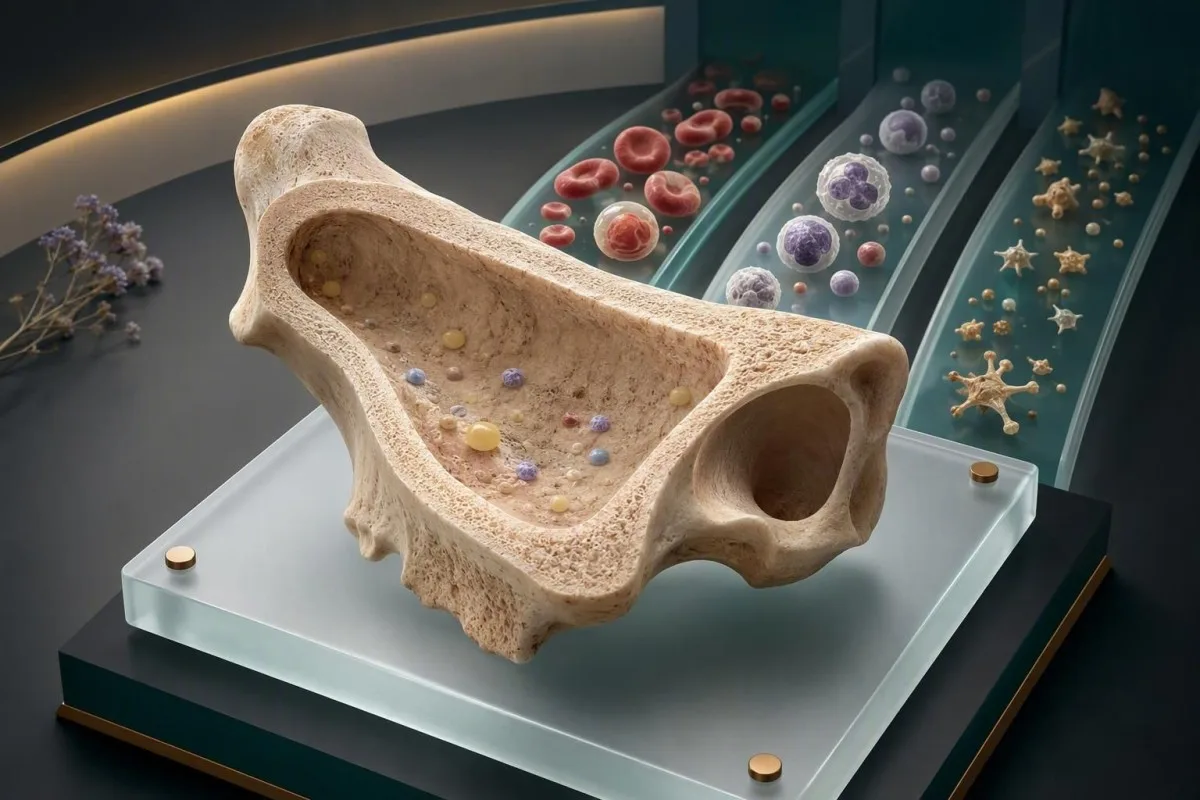
Aplastická anémia zvyčajne vykazuje nápadný trojuholníkový vzorec CBC: anémia, nízke biele krvinky a nízke trombocyty s nepomerne nízkym počtom retikulocytov. Vzor si vyžaduje urýchlené klinické potvrdenie, pretože niekoľko reverzibilných a závažných stavov sa na prvý pohľad môže javiť podobne.


- pancytopénia znamená nízke červené krvinky, biele krvinky a trombocyty; je to vzorec, nie diagnóza.
- Absolútny počet retikulocytov pod 20 × 10⁹/L podporuje výrazne znížený output kostnej drene pri prítomnosti anémie.
- Ťažká aplastická anémia je definovaná hypokelulárnou dreňou plus najmenej dvoma z nasledujúcich: ANC pod 0,5 × 10⁹/L, trombocyty pod 20 × 10⁹/L alebo retikulocyty pod 20 × 10⁹/L.
- ANC pod 0,5 × 10⁹/L s horúčkou 38,0 °C alebo vyššou potrebuje pohotovostné vyšetrenie v ten istý deň.
- Trombocyty pod 10 × 10⁹/L predstavujú značné riziko spontánneho krvácania a zvyčajne vyžadujú urgentnú nemocničnú starostlivosť.
- Makrocytóza sa môže vyskytnúť pri aplastickej anémii, ale MCV nad 110 fL by mal u klinikov viesť k aktívnemu vylúčeniu deficitu B12 alebo folátu.
- Blasty, markovaná dysplázia, slzovité bunky alebo schistocyty na roztere naznačujú iné ako nekomplikovanú aplastickú anémiu a menia prístup k diagnostike.
- Neliečte sa samostatne trojlínková nízka CBC so samotným železom; železo neobnovuje tvorbu kostnej drene a môže oddialiť urgentné vyšetrenie.
Vzor CBC, ktorý vzbudzuje obavy z aplastickej anémie
Jeden vyšetrenie krvi pri aplastickej anémii zvyčajne ukazuje pancytopéniu: nízky hemoglobín, nízke neutrofily a nízke trombocyty vyskytujúce sa súčasne, zatiaľ čo odpoveď retikulocytov zostáva nízka namiesto kompenzačnej. Táto kombinácia by mala vyvolať urgentné lekárske posúdenie, najmä ak počty klesli vo viacerých predchádzajúcich CBC.
U dospelých je typické referenčné rozpätie CBC hemoglobín približne 120–155 g/L u mnohých žien a 135–175 g/L u mnohých mužov, biele krvinky 4,0–11,0 × 10⁹/L a trombocyty 150–400 × 10⁹/L; laboratóriá si stanovujú vlastné limity. Aplastická anémia znižuje všetky tri línie, pretože kostná dreň netvorí dostatok nových bunkových elementov. Základnú orientáciu nájdete v našom sprievodcovi. čo obsahuje CBC.
Vzor je informatívnejší ako akýkoľvek izolovaný nízky výsledok. Hemoglobín 92 g/L po silnom menštruačnom krvácaní môže znamenať nedostatok železa, zatiaľ čo hemoglobín 92 g/L plus ANC 0,7 × 10⁹/L a trombocyty 34 × 10⁹/L je problémom tvorby kostnej drene, kým sa nepreukáže opak. V mojej klinickej praxi nebezpečenstvo nespočíva len v anémii – je to riziko infekcie a krvácania, ktoré prichádzajú ticho spolu s ňou.
Kantesti je Analyzátor krvných testov s umelou inteligenciou ktorý číta komponenty CBC ako prepojený vzor, nie ako tri nesúvisiace červené vlajky. Náš systém môže pomôcť organizovať správu a predchádzajúce výsledky, ale nemôže diagnostikovať zlyhanie kostnej drene ani nahradiť urgentné hematologické posúdenie. Od 26. augusta 2026 si každá nová trojlínková cytopénia zaslúži posúdenie skutočným lekárom do niekoľkých dní, nie bežnú ročnú kontrolu.
Normálne vyzerajúce MCV nerobí pancytopéniu neškodnou. Skorá aplastická anémia môže byť normocytová, mierne makrocytová alebo občas mikrocytová, ak sa súčasne vyskytuje nedostatok železa; odpoveď kostnej drene a náter periférnej krvi často poskytujú viac usmernení ako samotné MCV. Praktické pravidlo Dr. Thomasa Kleina je jednoduché: spýtajte sa, či kostná dreň reaguje, skôr ako predpokladáte výživovú príčinu.
Prečo sa vzor často prehliada
CBC môže označiť každý výsledok osobitne, takže pacienti sa niekedy zameriavajú na najnižšie číslo a prehliadajú zhluky. Pokles trombocytov z 260 na 92 × 10⁹/L, aj keď technicky nad núdzovým prahom, je klinicky významný, keď hemoglobín a neutrofily klesajú paralelne. Trendy krvných testov často odhalia túto trajektóriu skôr ako jeden report.
Anémia plus nízky počet retikulocytov: kľúčový ukazovateľ outputu kostnej drene
A nízky počet retikulocytov u anemického jedinca znamená, že kostná dreň adekvátne nenahrádza červené krvinky, a je to jeden z najužitočnejších ukazovateľov podporujúcich aplastickú anémiu. Absolútny počet retikulocytov je dôležitejší ako percento retikulocytov, pretože percento môže vyzerať klamlivo normálne, keď je celkový počet červených krviniek nízky.
Väčšina laboratórií uvádza referenčné rozpätie pre absolútny počet retikulocytov u dospelých okolo 25–100 × 10⁹/L, hoci metódy sa líšia. V kritériách pre ťažkú aplastickú anémiu je absolútny počet retikulocytov pod 20 × 10⁹/L jedným z definujúcich ukazovateľov nízkej produkcie pri výrazne zníženej celularite kostnej drene. Podrobný sprievodca počtom retikulocytov vysvetľuje, prečo samotné percentuálne výsledky môžu byť zavádzajúce.
Naopak, akútna strata krvi alebo hemolýza by po niekoľkých dňoch zvyčajne mala zvýšiť počet retikulocytov, často nad 100 × 10⁹/L, ak je zásoba železa a funkcia kostnej drene intaktná; nízky haptoglobín, rastúci nepriamy bilirubín a zvýšené LDH podporujú hemolýzu; to je iný fyziologický príbeh ako aplázia. Rozdiel je dôležitý, pretože liečba “anémie” bez identifikácie produkcie verzus deštrukcie je príčinou oneskorení.
Pacientka, ktorú som videl s hemoglobínom 76 g/L, mala percento retikulocytov 1,2%, čo vyzeralo nepozoruhodne, kým sa nevypočítal absolútny počet na 18 × 10⁹/L. To nebola odpoveď zotavenia. Keď je anémia významná, lekári môžu použiť index produkcie retikulocytov, ale absolútne retikulocyty sú pri každodennej triáži zvyčajne menej náchylné na chyby.
Retikulocyty môžu byť prechodne nízke pri závažnej infekcii, po chemoterapii, pri alkoholovej toxicite alebo pri pokročilom ochorení obličiek, takže tento výsledok nie je špecifický pre aplastickú anémiu. Prehľad Younga z roku 2018 v New England Journal of Medicine zdôrazňuje, že diagnóza vyžaduje posúdenie kostnej drene a vylúčenie dedičných, imunitných, toxických a klonálnych alternatív – nie výsledok retikulocytov v izolácii (Young, 2018).
Nízke neutrofily: hodnota CBC, ktorá mení naliehavosť liečby infekcie
Ten/Tá/To absolútny počet neutrofilov (ANC) lepšie predpovedá riziko bakteriálnej a plesňovej infekcie ako celkový počet bielych krviniek. ANC pod 0,5 × 10⁹/L je ťažká neutropénia a horúčka pri 38,0 °C alebo vyššia raz, alebo 38,0 °C trvajúca hodinu, si vyžaduje urgentné vyšetrenie.
ANC sa vypočítava ako biele krvinky vynásobené percentom neutrofilov plus percento tyčiniek. Napríklad WBC 1,4 × 10⁹/L s 40% neutrofilmi dáva ANC 0,56 × 10⁹/L – oveľa použiteľnejšie ako samotný celkový počet. Naše sprievodcom hraničnými hodnotami ANC vysvetľuje variácie podľa veku a tehotenstva, ale prah 0,5 × 10⁹/L zostáva kľúčovou nebezpečnou líniou pre dospelých.
Ťažká aplastická anémia často spôsobuje neutropéniu bez toxickej granulácie alebo posunu doľava, ktoré môžu sprevádzať bakteriálnu infekciu. Avšak pacient môže mať súčasne zlyhanie kostnej drene aj infekciu; absencia vysokého počtu bielych krviniek nikdy nevylučuje sepsu. Horúčka, triaška, nová zmätenosť, dýchavičnosť alebo rýchlo sa zhoršujúca bolesť hrdla by nemali čakať na opakované ambulantné CBC.
Veľmi ťažká aplastická anémia používa ešte nižší prah ANC: pod 0,2 × 10⁹/L. Dôvodom na oddelenie 0,2 od 0,5 je praktický – pri týchto počtoch sa bežné orálne a kožné organizmy môžu stať nebezpečnými s malým lokálnym začervenaním alebo hnisom. V nemocnici môžu lekári odobrať kultúry a začať empirickú antimikrobiálnu liečbu predtým, než je príčina úplne stanovená.
Nízky počet lymfocytov sa môže vyskytovať súčasne, ale nenahrádza ANC pri rozhodovaní o akútnom riziku. Ak chýba diferenciálny rozpočet, požiadajte laboratórium alebo lekára oň, namiesto hádania z celkového WBC. Príznaky nízkych lymfocytov si vyžadujú sledovanie, avšak hĺbka neutropénie riadi rozhodnutie v ten istý deň.
Keď horúčka znamená viac ako výtlačok CBC
Teplota 38,0 °C u niekoho s ANC 0,4 × 10⁹/L je naliehavá, aj keď sa cíti “väčšinou v poriadku” a horúčka po paracetamole klesne. Antipyretiká môžu znížiť viditeľný signál bez liečby základného problému. Prineste CBC a zoznam liekov na urgentný príjem; neužívajte zvyšné antibiotiká pred odberom kultivácií, pokiaľ to lekár nenariadi.
Nízke trombocyty: prahy krvácania pri podozrení na zlyhanie kostnej drene
Trombocyty pod 50 × 10⁹/L zvyšujú modriny a obavy z krvácania súvisiaceho s procedúrami, zatiaľ čo počty pod 10 × 10⁹/L môžu spôsobiť spontánne krvácanie. Pri aplastickej anémii sa trombocytopénia zvyčajne vyskytuje spolu s anémiou a neutropéniou, nie ako izolovaný problém s trombocytmi.
Petéchie, krvácanie z nosa trvajúce viac ako 20 minút, krvácanie z ďasien, silné menštruačné krvácanie, krv v moči, čierna stolica alebo náhla silná bolesť hlavy si vyžadujú urgentný klinický kontakt, keď sú trombocyty nízke. Počet trombocytov 18 × 10⁹/L nie je automaticky katastrofálny, ale nie je to číslo, ktoré by ste riešili prostredníctvom internetových rád. Pozrite si našu praktickú diskusiu o prahoch trombocytov pred zubným zákrokom.
Rozter (náter) pomáha rozlíšiť zníženú produkciu od periférnej deštrukcie. Pri imunitnej trombocytopénii môžu byť trombocyty jedinou nízkou hodnotou a často sú viditeľné väčšie mladé trombocyty; aplastická anémia má častejšie nízky alebo normálny podiel nezrelých trombocytov, pretože samotná produkcia je znížená. Toto sú tendencie, nie pravidlá, a sklenený preparát musí prečítať vyškolený morfológ.
Vyhnite sa aspirínu, ibuprofénu, naproxénu a nepredpisovaným megadávkam rybieho oleja, kým lekár neposúdi významnú trombocytopéniu, pretože môžu narušiť funkciu trombocytov, aj keď sa číselný počet nezmenil. Alkohol môže tiež zhoršiť potlačenie kostnej drene a funkciu trombocytov. Acetaminofén/paracetamol tiež nie je univerzálne vhodný – závisí to od dávky a stavu pečene.
Počet trombocytov môže byť falošne nízky, keď sa trombocyty zhlukujú vo vzorke EDTA. Laboratórium môže hlásiť “zhluky trombocytov prítomné” a opakovať počet v citrátovej skúmavke; toto sa nazýva pseudotrombocytopénia. Vysvetľuje to izolované nízke trombocyty, nie presvedčivú pancytopéniu s nízkym počtom retikulocytov.
Ako klinici klasifikujú ťažkú a veľmi ťažkú aplastickú anémiu
Ťažká aplastická anémia vyžaduje hypokelulárnu kostnú dreň – zvyčajne pod 25% celulárnosťou – plus aspoň dve periférne kritériá: ANC pod 0,5 × 10⁹/L, trombocyty pod 20 × 10⁹/L alebo absolútne retikulocyty pod 20 × 10⁹/L. Veľmi ťažké ochorenie spĺňa tieto kritériá s ANC pod 0,2 × 10⁹/L.
Tieto prahy vychádzajú z dlhodobého rámca Camitta, ale sú nástrojmi na triedenie a plánovanie liečby, nie diagnózou z tabuľky. Kostná dreň môže byť ložisková a nedávna transfúzia môže zmeniť, ako sa prejavuje anémia. Klinici tiež zvažujú symptómy, anamnézu infekcií, potrebu transfúzie, vek, možnosti darcovstva a dôkazy o klonálnom ochorení.
Stredne ťažká aplastická anémia nie je definovaná tak jednoznačne. Osoba s trombocytmi 58 × 10⁹/l, ANC 0,9 × 10⁹/l a hemoglobínom 98 g/l nemusí spĺňať kritériá závažnosti, ale môže sa stále zhoršovať alebo vyžadovať liečbu. Práve táto nejednoznačnosť spôsobuje, že sériové CBC a sledovanie hematológom sú dôležitejšie, než sa doma snažiť priradiť upokojujúci štítok.
Usmernenie Britskej spoločnosti pre hematológiu opisuje vyšetrenie kostnej drene, cytogenetiku, prietokové testovanie na PNH klony a posúdenie dedičného zlyhania kostnej drene ako časti diagnostickej cesty (Killick et al., 2016). Normálny cytogenetický výsledok znižuje obavy z niektorých myelodysplastických syndrómov, ale sám osebe nedokazuje imunitnú aplastickú anémiu.
Kantesti AI zvýrazňuje kombinácie, ktoré prekračujú urgentné prahy, vrátane ANC pod 0,5 × 10⁹/l a trombocytov pod 20 × 10⁹/l, takže používatelia môžu vidieť zoskupenie pred ich stretnutím. Naša analýza je bezpečnostné upozornenie, nie hodnotenie závažnosti; základné kritériá vyžadujú klinické vyšetrenie a nálezy kostnej drene. Pre kontext o vlajkách jednotlivých správ si prečítajte tým, čo znamená mimo referenčného rozsahu.
MCV, RDW a nálezy na krvnom roztere, ktoré upresňujú vzorec CBC
Aplastická anémia má často normálnu alebo mierne zvýšenú MCV, ale samotná MCV ju nedokáže odlíšiť od nedostatku B12, nedostatku folátu, účinkov alkoholu, ochorenia pečene alebo myelodysplázie. Manuálne vyšetrenie periférneho náteru je nevyhnutné, keď je pancytopénia nová, progresívna alebo nevysvetlená.
Referenčný rozsah MCV je bežne 80–100 fL. Mierna makrocytóza okolo 101–105 fL sa môže vyskytnúť pri aplastickej anémii, pretože stresovaná produkcia kostnej drene mení dozrievanie červených krviniek, ale MCV nad 110 fL by mala vyvolať cielené preskúmanie B12, folátu, liekov, alkoholu, štítnej žľazy a pečene. Porovnajte indexy v našej Sprievodca MCV versus MCH.
RDW meria variáciu veľkosti červených krviniek a často je 11,5–14,5%, v závislosti od analyzátora. Normálne RDW nevylučuje zlyhanie kostnej drene; v skutočnosti sa môže vyskytnúť pomerne jednotná populácia znížených červených krviniek, keď produkcia jednoducho klesá. Ostré zvýšenie RDW môže namiesto toho naznačovať zmiešané nedostatky, nedávnu transfúziu, zotavenie po liečbe alebo dyspláziu.
Blasty, promyelocyty, výrazná hypogranulácia, pseudo-Pelgerove neutrofily alebo významné dysplastické formy posúvajú obavy smerom k akútnej leukémii alebo myelodysplastickému syndrómu a mali by urýchliť špecializované posúdenie. Schistocyty ukazujú iným smerom – fragmentáciu červených krviniek pri mikroangiopatii – a môžu byť urgentné v kombinácii s nízkymi trombocytmi, poškodením obličiek alebo neurologickými príznakmi. Naša Sprievodca schistocytmi pokrýva tento samostatný núdzový vzor.
Kantesti je Nástroj na analýzu krvných testov poháňaný AI ktorý môže porovnať MCV, RDW, retikulocyty a historické počty, ale nenahrádza preskúmaný náter. Podľa mojich skúseností je náter miestom, kde sa zjavne jednoduché “nízke CBC” stáva ostro zameranou diagnostickou otázkou. technologický sprievodca vysvetľuje, ako naša AI zachováva pôvodné jednotky a referenčné intervaly laboratória.
Deficit B12, folátu a medi môže napodobniť zlyhanie kostnej drene
Nedostatok vitamínu B12, folátu a medi môže spôsobiť pancytopéniu a musí byť vylúčený pred označením vzoru CBC ako aplastická anémia. Tieto nedostatky sú obzvlášť pravdepodobné pri obmedzujúcich diétach, malabsorpcii, bariatrickej chirurgii, intenzívnom užívaní zinku alebo určitých liekoch.
Nedostatok B12 bežne spôsobuje makrocytózu, hypersegmentované neutrofily a zvýšenú hladinu kyseliny metylmalónovej, napriek tomu niektorí pacienti majú MCV pod 100 fL, keď sa súčasne vyskytuje nedostatok železa. Hladina B12 v sére pod 148 pmol/l, približne 200 pg/ml, sa často považuje za nedostatok, zatiaľ čo 148–221 pmol/l môže vyžadovať potvrdenie kyselinou metylmalónovou alebo homocysteínom. Naše Porovnanie B12 a folátu vysvetľuje, prečo samotný folát môže maskovať hematologické prejavy, zatiaľ čo neurologické poškodenie pokračuje.
Nedostatok folátu môže v pokročilých prípadoch znížiť všetky tri línie, najmä pri zlom príjme, konzumácii alkoholu, malabsorpcii, metotrexáte, trimetoprime alebo určitých antiepileptických liekoch. Folát v červených krvinkách môže v niektorých situáciách lepšie odrážať zásoby v tkanivách ako jednorazová hladina v sére, ale dostupnosť a interpretácia testov sa líšia. Neužívajte vysoké dávky kyseliny listovej predtým, ako sa zhodnotí hladina B12, pokiaľ lekár nemá konkrétny dôvod.
Nedostatok medi sa kontroluje menej rutinne, napriek tomu môže spôsobiť anémiu a neutropéniu a môže sa pri vyšetrení kostnej drene podobať myelodysplázii. Nadbytok doplnkového zinku je klasickou reverzibilnou príčinou, pretože zinok indukuje črevný metalotioneín, ktorý preferenčne viaže meď. Vyšetrenie nízkej hladiny medi je obzvlášť relevantné pri expozícii zubným krémom, bariatrickej chirurgii alebo dávkach zinku nad 40 mg denne.
Výživa môže byť súčasťou odpovede, ale nemala by sa stať dôvodom na odloženie vyšetrenia kostnej drene pri závažnej pancytopénii. Doplnenie železa, B12, folátu a medi je prispôsobené potvrdeným deficitom a lekárskemu kontextu; nerozlišujúce doplnenie môže zastrieť užitočné výsledky testov. Toto je jedna z tých oblastí, kde kontext znamená viac ako jedno hraničné číslo.
Príčiny pancytopénie spôsobené liekmi, toxínmi a vírusmi, ktoré treba najprv skontrolovať
Lieky, toxíny a vírusové ochorenia môžu potlačiť produkciu kostnej drene a spôsobiť obraz CBC podobný aplastickej anémii, niekedy reverzibilne. Kompletná anamnéza expozície by mala zahŕňať predpísané lieky, nedávne antibiotiká, antikonvulzíva, imunoterapie, bylinné produkty, rozpúšťadlá, alkohol a rekreačné látky.
Chemoterapia je zrejmou príčinou, ale menej zrejmé faktory zahŕňajú chloramfenikol v regiónoch, kde sa stále používa, antityroidné lieky, linezolid, niektoré antikonvulzíva a imunitne-modulujúce terapie. Načasovanie pomáha: priama toxickosť liekov pre kostnú dreň sa často objaví týždne až mesiace po expozícii, zatiaľ čo imunitné reakcie na lieky môžu byť menej predvídateľné. Nikdy neprerušujte predpísaný liek náhle bez lekára, ktorý lieči cytopéniu.
Aplastická anémia spojená s hepatitídou sa môže vyskytnúť týždne až mesiace po akútnej epizóde hepatitídy, často u mladších ľudí, a rutinné testovanie na hepatitídu A, B, C, E, HIV, EBV, CMV a parvovirus sa môže vybrať na základe anamnézy. Negatívny vírusový skríning nevylučuje imunitnú aplastickú anémiu. Jednoducho odstraňuje dôležité alternatívne vysvetlenia a usmerňuje infekčné preventívne opatrenia.
Expozícia benzénu zostáva relevantným rizikom v práci aj doma, vrátane slabo vetraných priemyselných prevádzok, manipulácie s palivami a niektorých rozpúšťadiel. Lekári sa pýtajú na pracovné úlohy namiesto pracovných pozícií, pretože “manažér kancelárie dodávateľa farieb” môže stále zahŕňať občasnú expozíciu v sklade. Prineste názvy produktov alebo bezpečnostné listy, ak sú k dispozícii; nejasná spomienka je bežná a nikto by sa nemal cítiť obviňovaný.
CBC odobratý krátko po významnej vírusovej chorobe môže byť potrebné zopakovať do niekoľkých dní až týždňov, ak je pacient stabilný, ale závažné počty by sa nemali pasívne sledovať. Zmeny CBC po chorobe môžu pomôcť určiť načasovanie, zatiaľ čo horúčka so závažnou neutropéniou zostáva núdzovou situáciou bez ohľadu na podozrivý spúšťač.
Príčiny pancytopénie, ktoré sa líšia od aplastickej anémie
Pancytopénia má mnoho príčin a aplastická anémia sa odlišuje hypOcellularnou kosTnou dreňou bez malígnej infiltrácie alebo významnej dysplázie. Hlavné alternatívy zahŕňajú akútnu leukémiu, myelodysplastický syndróm, infiltráciu kostnej drene, hypersplenizmus, závažné deficiencie, hemophagocytické syndrómy, infekciu a účinky liekov.
Akútna leukémia môže spôsobiť nízke počty, pretože blastové bunky vytláčajú normálnu kostnú dreň, ale cirkulujúce blastové bunky nie sú vždy viditeľné. Myelodysplastický syndróm sa stáva pravdepodobnejším pri dysplázii, charakteristických cytogenetických zmenách alebo pretrvávajúcej makrocytóze u starších dospelých, hoci samotný vek nič nedokazuje. Cesta v našej sprievodca testovaním rakoviny krvi ukazuje, prečo sú nátery, prietoková cytometria a štúdie kostnej drene komplementárne.
Hypersplenizmus znižuje cirkulujúce počty sekvestráciou, zvyčajne so splenomegáliou, portálnou hypertenziou, ochorením pečene alebo určitými hematologickými poruchami. Retikulocyty môžu byť normálne alebo zvýšené namiesto hlboko potlačených a celularita kostnej drene je vo všeobecnosti zachovaná alebo zvýšená. Ultrazvuk môže byť užitočný, ale neodstraňuje potrebu vyšetriť znepokojujúci náter alebo závažnú neutropéniu.
Paroxyzmálna nočná hemoglobinúria (PNH) sa môže biologicky prekrývať s aplastickou anémiou, takže lekári často objednávajú prietokovú cytometriu s vysokou citlivosťou pre granulocyty a monocyty s deficienciou GPI-kotvy. Tmavá moč nie je ani nevyhnutná, ani špecifická. Nájdenie malej PNH klonu môže podporiť kontext imunitného zlyhania kostnej drene, ale liečba závisí od veľkosti klonu, hemolýzy, rizika trombózy a celkového obrazu kostnej drene.
Kantesti je službe na interpretáciu výsledkov AI laboratórnych testov ktoré môžu odhaliť vzorce pancytopénie a potenciálne alternatívne indície, vrátane bilirubínu, LDH, pečeňových indexov a historického poklesu krvných doštičiek. Nemôže určiť, či je kostná dreň hypOcellularna, infiltrovaná alebo dysplastická – to sú otázky pre hematológiu a patológiu. Kontrolný zoznam pre druhý názor môže pomôcť pacientom pripraviť cielené otázky.
Urgentné varovné signály: kedy nízke výsledky CBC vyžadujú pohotovostnú starostlivosť
Núdzová starostlivosť je vhodná pri horúčke 38,0 °C alebo vyššej s ANC pod 0,5 × 10⁹/L, nekontrolovanom krvácaní, čiernej stolici, kašľaní krvi, silnej novej bolesti hlavy, zmätenosti, mdlobách, bolesti na hrudníku alebo dýchavičnosti v pokoji. Nečakajte na online interpretáciu, ak sa vyskytne čokoľvek z uvedeného.
Hlboká anémia môže zhoršiť dodávku kyslíka aj bez viditeľného krvácania. Hemoglobín pod 70 g/L je bežne používaný prah na zváženie transfúzie u stabilných hospitalizovaných pacientov, ale symptómy, aktívne krvácanie, kardiovaskulárne ochorenie, tehotenstvo a chronickosť menia rozhodnutia. Osoba s hemoglobínom 82 g/L, ktorá má v pokoji mdloby alebo dýchavičnosť, potrebuje vyšetrenie naliehavejšie ako zdravý človek s rovnakým číslom.
Trombocyty pod 10 × 10⁹/L sa často riešia naliehavými špecializovanými rozhodnutiami, pretože spontánne slizničné alebo vnútorné krvácanie sa stáva pravdepodobnejším. Vyhnite sa kontaktným športom, intramuskulárnym injekciám, rektálnym teplomerom a zubným zákrokom, kým to liečebný tím neurčí inak. Ak dôjde k poraneniu hlavy pri akomkoľvek nízkom počte trombocytov, vyhľadajte naliehavé vyšetrenie, aj keď sa príznaky zdajú byť mierne.
Normálna teplota negarantuje bezpečnosť pri závažnej neutropénii; starší ľudia, ľudia užívajúci steroidy a veľmi chorí pacienti nemusia mať horúčku. Nové vredy v ústach, bolestivé prehĺtanie, bolesť v oblasti perinea alebo rýchlo sa zhoršujúca únava môžu byť skorými príznakmi infekcie. Laboratórne vzorce sepsy poskytujú kontext, ale okamžité konanie určujú príznaky a životné funkcie.
Dr. Thomas Klein odporúča pacientom, aby si pôvodnú správu odfotili alebo stiahli, zaznamenali dátum testu a priniesli všetky nádoby s liekmi a doplnkami na naliehavé preskúmanie. Tento malý krok často identifikuje časovo citlivú expozíciu lieku alebo objasní, či “nový” nízky počet už mal trend. Nechoďte sami autom, ak máte závraty, mdloby alebo aktívne krvácať.
Aké testy potvrdia alebo vylúčia aplastickú anémiu po CBC
CBC nemôže potvrdiť aplastickú anémiu; potvrdenie zvyčajne vyžaduje aspiračnú a trepanovú biopsiu kostnej drene ukazujúcu hypocelularitu, plus testy, ktoré vylučujú klonálne, dedičné, infekčné, výživové a expozíciou spôsobené príčiny. Rýchlosť testovania závisí od závažnosti počtu a príznakov.
Vzorka drene hodnotí celularitu, architektúru, blasty, fibrózu, zásoby železa a dyspláziu. U dospelých je očakávaná celularita zhruba 100 mínus vek ako hrubý odhad, ale toto je nepresné a kvalita vzorky je dôležitá. 30-ročný človek s celularitou drene 10% je veľmi odlišný od 80-ročného človeka s 10%, napriek tomu obaja potrebujú odbornú interpretáciu v kontexte.
Cytogenetika, chromozomálny mikroarray alebo sekvenčné panely môžu pomôcť rozlíšiť hypocelulárny myelodysplastický syndróm od získanej aplastickej anémie. Testovanie na klony PNH, telomerové poruchy, Fanconiho anémiu a iné dedičné stavy zlyhania drene sa vyberá podľa veku, rodinnej anamnézy, fyzických nálezov a plánovania transplantácie. Genetické testovanie nie je vyhradené len pre deti; dospelý nástup dedičného ochorenia je čoraz viac rozpoznávaný.
Základné testy často zahŕňajú B12, foláty, meď, pečeňový a renálny profil, štúdium štítnej žľazy, keď je indikované, markery hemolýzy, vírusovú sérológiu, tehotenský test, keď je relevantný, a autoimunitné vyšetrenia prispôsobené anamnéze. Cieľom nie je objednať každý test. Je to vyhnúť sa prehliadnutiu reverzibilných príčin a zároveň rýchlo postupovať k definitívnemu hodnoteniu.
Kantesti AI dokáže usporiadať správu v týchto kategóriách a identifikovať chýbajúce základy, ale klinické riadenie je dôležité, keď sú výsledky vysoko rizikové. Naša štandardy lekárskej validácie popisuje hranicu medzi interpretáciou asistovanou AI a lekárskou diagnózou. Opýtajte sa, kto bude hodnotiť vzorku drene a či ju bude hodnotiť hematopatológ.
Kedy zopakovať CBC pred predpokladom, že výsledok je správny
Opakované CBC je vhodné, ak zrazenie vzorky, agregácia trombocytov, riedenie infúznymi tekutinami alebo príznaky analyzátora môžu skresliť výsledok, ale opakované testovanie nesmie nikdy oddialiť urgentnú starostlivosť pri závažných cytopéniach alebo znepokojujúcich príznakoch. Laboratóriá môžu často overiť výsledok z pôvodnej skúmavky do niekoľkých hodín.
Agregácia trombocytov v EDTA môže spôsobiť falošne nízky počet trombocytov, zatiaľ čo čiastočne zrazená skúmavka môže nepredvídateľne znížiť trombocyty a biele krvinky. Manuálne preskúmanie náteru a počet trombocytov v skúmavke s citrátom môžu problém vyriešiť. opakované testovanie po hemolýze sprievodca vysvetľuje, prečo sú komentáre o kvalite vzorky klinicky užitočné, nie len laboratórne upratovanie.
Intravenózna tekutina môže zriediť hemoglobín a trombocyty, najmä po niekoľkých litroch, ale zriedka vysvetľuje hlboko nízky ANC alebo počet retikulocytov. Naopak, dehydratácia môže dočasne koncentrovať hodnoty a skryť hĺbku anémie. Porovnajte čas odberu, nedávne tekutiny, transfúzie, akútne ochorenie a predchádzajúce východiskové hodnoty pred záverom, že numerická zmena odráža biológiu drene.
Transfúzia komplikuje interpretáciu, pretože darcovské červené krvinky môžu zlepšiť hemoglobín bez nápravy neutropénie, trombocytov alebo retikulocytov. Zvyšovanie hemoglobínu po transfúzii by sa nemalo zamieňať s regeneráciou drene. Preto lekári sledujú dátumy transfúzií spolu s trendmi retikulocytov a intervalom do ďalšej potrebnej transfúzie.
Laboratórna “delta kontrola” môže označiť ostrý odklon od predchádzajúcich hodnôt, ale skutočné zlyhanie drene sa môže vyvinúť medzi bežnými testami. Ak sa správa zdá byť neuveriteľná, okamžite zavolajte predpisujúcemu lekárovi alebo laboratóriu; neopakujte ju jednoducho na vzdialenom mieste bez objednania a stratíte kontinuitu. Pôvodné laboratórium môže porovnať príznaky analyzátora a mikroskopiu.
Čo nerobiť počas čakania na posúdenie hematológom
Nezačínajte železo, vysokú dávku folátov, bylinné “stavitele krvi”, aspirín alebo zvyšné antibiotiká len preto, že CBC je nízke. V podozrení na aplastickú anémiu sú najbezpečnejšie prvé kroky: naliehavé lekárske vyšetrenie, preventívne opatrenia proti infekciám, preventívne opatrenia proti krvácaniu a kompletná anamnéza liekov a doplnkov.
Nedostatok železa je bežný, ale železo nevysvetľuje nízke neutrofily a trombocyty u väčšiny dospelých. Denné užívanie 45–65 mg elementárneho železa môže spôsobiť nevoľnosť, zápchu a zavádzajúce zmeny v štúdiách železa bez riešenia zlyhania drene. Skontrolujte feritín, saturáciu transferínu, CRP a celkový vzorec CBC pred predpokladom, že únava sa rovná nedostatku železa; naše zdroj štúdií železa pomáha pri týchto rozlíšeniach.
Vyhnite sa preplneným vnútorným priestorom a blízkemu kontaktu s ľuďmi s respiračnými príznakmi, ak je ANC výrazne nízka, ale neizolujte sa od nevyhnutnej lekárskej starostlivosti. Hygiena rúk, včasné kontroly teploty pri nevoľnosti a bezpečnosť potravín sú rozumné. Extrémne “neutropenické diéty” majú obmedzené dôkazy a môžu zhoršiť výživu, preto požiadajte liečebný tím o miestne vhodné pokyny namiesto dodržiavania reštriktívnych zoznamov zo sociálnych médií.
Uchovávajte jednotnú časovú os: prvé abnormálne CBC, predchádzajúce normálne CBC, infekcie za predchádzajúcich 6 mesiacov, začaté alebo ukončené lieky, cestovanie, expozície na pracovisku, transfúzie, rodinné krvné choroby a príznaky krvácania. Tieto informácie môžu ušetriť celú návštevu kliniky. Sledovač laboratórnych výsledkov ponúka praktickú štruktúru na zaznamenávanie dátumov a jednotiek.
Kantesti’s platforma na interpretáciu biomarkerov pomocou AI môže pomôcť používateľom porovnať sériové výsledky CBC a pripraviť otázky v ich vlastnom jazyku v 75+ jazykoch. Nie je to pohotovostná služba a nemôže vidieť symptómy, vyšetriť pacienta ani zariadiť transfúznú podporu. Použite ho na pochopenie výsledku, potom postupujte podľa už prebiehajúcej klinickej cesty.
Otázky, vďaka ktorým je hematologická ambulancia užitočnejšia
Najužitočnejšie otázky z hematológie sa týkajú závažnosti, pravdepodobného mechanizmu, prahov infekcie a krvácania a diagnostického plánu – nie toho, či je jedno izolované číslo “zlé”. Prineste originálne výsledky, pretože trendy v ANC, trombocytoch, hemoglobíne, MCV a retikulocytoch riadia rozhodnutia.
Pýtajte sa: “Spĺňam kritériá pre ťažkú aplastickú anémiu a ktoré kritériá spĺňam?” Odpoveď by mala zahŕňať bunkovosť kostnej drene, ANC, počet trombocytov a absolútny počet retikulocytov. Ak diagnóza zostáva neistá, opýtajte sa, aké nálezy svedčia pre hypokelulárny myelodysplastický syndróm, akútnu leukémiu, nutričný deficit alebo potlačenie vyvolané liekmi a aký test ich odlíši.
Požiadajte o explicitné bezpečnostné prahy: pri akej teplote by som mal vyhľadať pohotovosť, aké príznaky krvácania prevážia čakanie, ktorým liekom proti bolesti sa mám vyhnúť a či môžem cestovať? Tieto pokyny sa líšia v závislosti od ANC a hĺbky trombocytov. Osoba s ANC 1,1 × 10⁹/L a trombocytmi 95 × 10⁹/L dostane iné rady ako osoba s ANC 0,18 × 10⁹/L a trombocytmi 8 × 10⁹/L.
Ak sa potvrdí aplastická anémia, diskusia môže zahŕňať imunosupresívnu terapiu, eltrombopag vo vybraných protokoloch a transplantáciu hematopoetických kmeňových buniek v závislosti od veku, dostupnosti darcu, závažnosti ochorenia a miestnych odborných znalostí. Žiadna voľba liečby by nemala byť odvodená z online vysvetlenia CBC. Očakávaný priebeh a riziká sú osobné, niekedy skutočne neisté a najlepšie ich posúdi tím pre zlyhanie kostnej drene.
Naše Lekárska poradná rada pomáha stanoviť princípy klinického preskúmania obsahu Kantesti, vrátane pravidla, že vzory CBC s vysokým rizikom vyžadujú profesionálne eskalovanie. Vezmite si so sebou sprievodnú osobu, ak je to možné; tieto stretnutia obsahujú veľa neznámych pojmov a ďalší poslucháč zlepšuje zapamätanie.
Bezpečný ďalší postup po abnormálnom výsledku pancytopénie v CBC
Nová pancytopénia s nízkym počtom retikulocytov by sa mala považovať za možnú poruchu produkcie kostnej drene, kým lekár neurčí inú príčinu. Starostlivosť v ten istý deň je potrebná pri horúčke so závažnou neutropéniou, aktívnom krvácaní, neurologických príznakoch, bolesti na hrudi, mdlobách alebo dýchavičnosti v pokoji.
Najprv overte presné hodnoty a jednotky: hemoglobín, WBC s ANC, trombocyty, MCV, RDW a absolútne retikulocyty. Po druhé, porovnajte ich s posledným dostupným CBC, dokonca aj s jedným spred 2 rokov. Stabilný mierny nízky počet a rýchly trojlíniový pokles nie sú rovnakým klinickým problémom; porovnanie CBC vedľa seba môže túto skutočnosť zviditeľniť.
Po tretie, vyhľadajte úroveň starostlivosti, ktorú si vaše symptómy a prahy vyžadujú. ANC pod 0,5 × 10⁹/L s horúčkou, trombocyty pod 10 × 10⁹/L alebo významné krvácanie by nemali čakať na štandardné odporúčanie. V prípade stabilnej, ale nevysvetlenej pancytopénie dohodnite urýchlené lekárske vyšetrenie a opýtajte sa, či sú potrebné prehľad náteru, opakované CBC, nutričné štúdie, vírusové testy a odporúčanie hematológa.
Po štvrté, neinterpretujte jediný “normálny” sprievodný test ako upokojenie. Normálny feritín nevylučuje nedostatok B12, normálna LDH nevylučuje zlyhanie kostnej drene a normálny MCV nevynuluje tri nízke bunkové línie. Celkový vzor, jeho načasovanie a vyšetrenie určujú riziko.
Kantesti AI podporuje štruktúrované preskúmanie výsledkov a analýzu historických trendov, zatiaľ čo diagnóza a liečba zostávajú vo vašom klinickom tíme. Tento článok bol lekársky preskúmaný podľa štandardov opísaných v procese klinického dohľadu Kantesti. Praktickým cieľom nie je vzbudiť strach z každej nízkej vlajky – je to rozpoznať kombinácie, ktoré by sa nikdy nemali ignorovať.
Často kladené otázky
Ako vyzerá aplastická anémia na CBC?
Aplastická anémia sa zvyčajne prejavuje pancytopéniou: nízka hladina hemoglobínu, nízky počet bielych krviniek – najmä neutrofilov – a nízky počet trombocytov na tom istom CBC. Podporujúcim dôkazom produkcie je neprimerane nízky absolútny počet retikulocytov, často pod 20 × 10⁹/L pri závažnom ochorení. MCV môže byť normálny alebo mierne zvýšený, takže normálny MCV nevylučuje toto ochorenie. Diagnóza vyžaduje dôkazy hypokelularity kostnej drene a vylúčenie iných príčin pancytopénie.
Môže mať aplastická anémia na začiatku normálne biele krvinky?
Áno, skorá aplastická anémia môže spočiatku postihnúť jednu alebo dve línie krviniek pred rozvojom jasnej pancytopénie. Klesajúci počet trombocytov alebo progresívna anémia s absolútnymi retikulocytmi pod približne 25 × 10⁹/l môže predchádzať závažnú neutropéniu. Lekári preto porovnávajú predchádzajúce CBC, namiesto toho, aby sa spoliehali na jeden normálny výsledok WBC. Nový klesajúci trend vo viacerých líniách by mal viesť k včasnej lekárskej prehliadke.
Aký počet retikulocytov naznačuje aplastickú anémiu?
Absolútny počet retikulocytov < 20 × 10⁹/L podporuje závažnú nedostatočnú tvorbu kostnej drene pri prítomnosti anémie a je súčasťou kritérií pre ťažkú aplastickú anémiu. Mnoho laboratórií používa referenčný interval pre dospelých blízko 25–100 × 10⁹/L, hoci presný rozsah sa líši v závislosti od metódy. Percento retikulocytov môže byť pri ťažkej anémii zavádzajúco normálne, preto sa preferuje absolútny počet. Nízke retikulocyty nie sú špecifické pre aplastickú anémiu a vyskytujú sa aj pri nedostatku živín, ochorení obličiek, infekcii a potlačení liekmi.
Je počet krvných doštičiek 20 nebezpečný pri aplastickej anémii?
Počet krvných doštičiek 20 × 10⁹/L je vážne nízky a vyžaduje si urgentné posúdenie hematológom, najmä ak sa vyskytne krvácanie z nosa, krvácanie z ďasien, silné menštruačné krvácanie, čierna stolica, krv v moči alebo bolesti hlavy. Počty pod 10 × 10⁹/L predstavujú vyššie riziko spontánneho krvácania a často sa liečia v nemocnici v závislosti od symptómov a príčiny. Vyhnite sa aspirínu a NSAID, pokiaľ ich lekár špecificky neodporučí. Urgentnosť sa zvyšuje, ak sú prítomné aj anémia a neutropénia.
Kedy je nízky počet neutrofilov núdzovým stavom?
ANC niž於 0.5 × 10⁹/L 為嚴重嗜中性球減少症,體溫達 38.0°C 或更高者需當天緊急評估。極嚴重再生不良性貧血定義為 ANC 低於 0.2 × 10⁹/L,此時可能出現嚴重感染但局部症狀很少。即使未記錄到發燒,出現寒顫、新出現的意識模糊、呼吸困難、吞嚥疼痛或肛門周圍疼痛也應立即就醫。總白血球計數本身不如 ANC 對此決策有用。.
Môže sa nedostatok vitamínu B12 zameniť za aplastickú anémiu?
Nedostatok vitamínu B12 môže spôsobiť anémiu, nízky počet bielych krviniek, nízky počet krvných doštičiek, makrocytózu a nízky počet retikulocytov, takže sa môže spočiatku podobať na aplastickú anémiu. Sérum B12 pod 148 pmol/L, približne 200 pg/mL, sa bežne považuje za deficitné, zatiaľ čo hraničné výsledky môžu vyžadovať testovanie kyseliny metylmalónovej. Hypersegmentované neutrofily a MCV nad 110 fL podporujú deficit B12 alebo folátu, ale zmiešaný deficit železa môže maskovať makrocytózu. Vyšetrenie kostnej drene a cielené krvné testy odlišujú tieto stavy, keď je CBC závažné alebo nejasné.
Získajte analýzu krvných testov s podporou AI už dnes
Pridajte sa k viac než 2 miliónom používateľov na celom svete, ktorí dôverujú Kantesti pri okamžitej a presnej analýze laboratórnych testov. Nahrajte svoje výsledky krvných testov a získajte komplexnú interpretáciu biomarkerov 15,000+ v priebehu sekúnd.
📚 Citované publikácie výskumu
Klein, T., Mitchell, S., & Weber, H. (2026). Sprievodca: krvná skupina B negatívna, LDH krvný test a počet retikulocytov. Kantesti AI Medical Research.
Klein, T., Mitchell, S., & Weber, H. (2026). Hnačka po pôste, čierne škvrny v stolici a gastrointestinálny sprievodca 2026. Kantesti AI Medical Research.
📖 Externé lekárske referencie
⚕️ Vyhlásenie o lekárskej starostlivosti
Tento článok je určený len na vzdelávacie účely a nepredstavuje lekárske poradenstvo. Pri rozhodnutiach o diagnostike a liečbe sa vždy poraďte s kvalifikovaným poskytovateľom zdravotnej starostlivosti.
Signály dôvery E-E-A-T Trust Signals
Skúsenosti
Klinické hodnotenie vedené lekárom pracovných postupov interpretácie laboratórnych výsledkov.
Odbornosť
Laboratórna medicína so zameraním na to, ako sa biomarkery správajú v klinickom kontexte.
Autoritatívnosť
Napísané Dr. Thomasom Kleinom, recenzia Dr. Sarah Mitchell a prof. Dr. Hans Weber.
Dôveryhodnosť
Interpretácia založená na dôkazoch s jasnými následnými krokmi na zníženie poplachu.