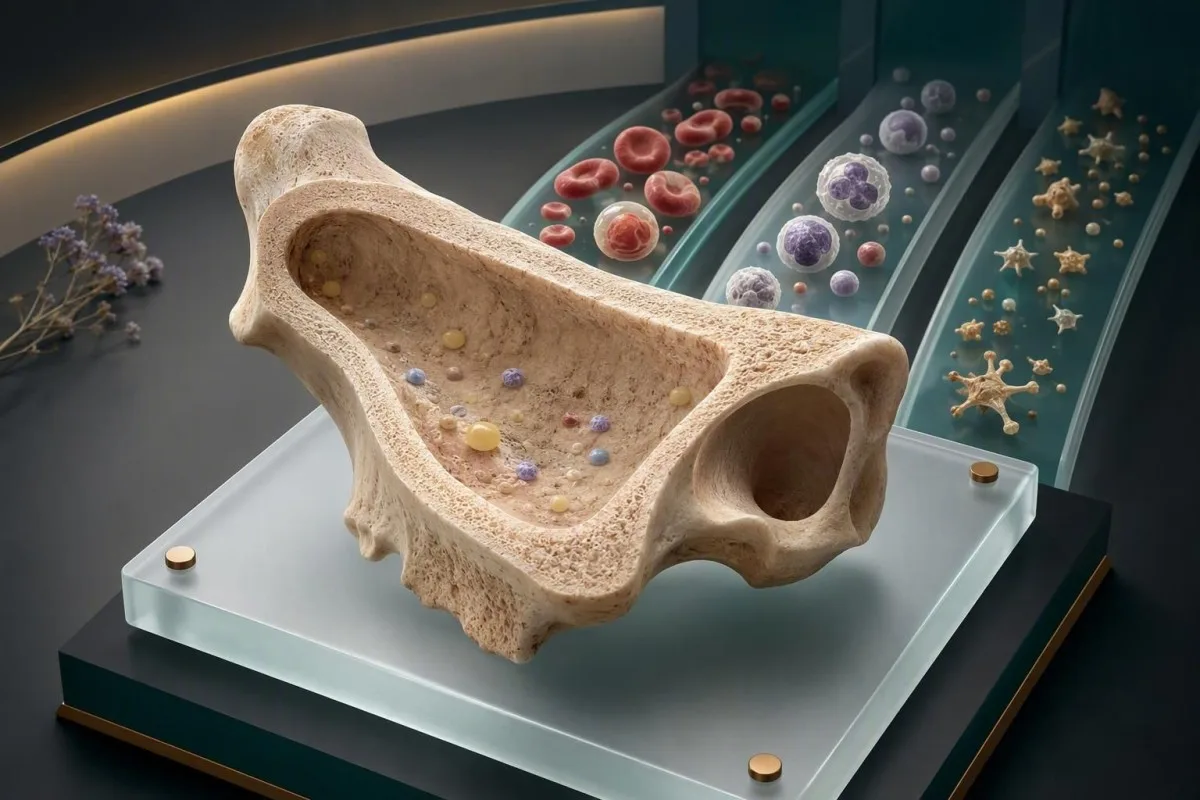
Апластичната анемия обикновено дава ясно изразена трикомпонентна картина при ЦПК: анемия, ниски бели кръвни клетки и ниски тромбоцити с несъответстващо нисък брой ретикулоцити. Картината изисква бързо клинично потвърждение, защото няколко обратими и сериозни състояния могат да изглеждат сходни на пръв поглед.


- Панцитопения означава ниски червени кръвни клетки, бели кръвни клетки и тромбоцити; това е картина, а не диагноза.
- Абсолютен брой ретикулоцити под 20 × 10⁹/L подкрепя значително намалената продукция на костния мозък, когато е налице анемия.
- Тежка апластична анемия се определя от хипоцелуларен костен мозък плюс поне две от следните: ANC под 0,5 × 10⁹/L, тромбоцити под 20 × 10⁹/L или ретикулоцити под 20 × 10⁹/L.
- ANC под 0,5 × 10⁹/L с температура от 38,0°C или по-висока изисква спешна оценка в същия ден.
- Тромбоцити под 10 × 10⁹/L носят значителен риск от спонтанно кървене и обикновено изискват спешна болнична грижа.
- Macrocytosis може да се появи при апластична анемия, но MCV над 110 fL трябва да накара клиницистите активно да изключат дефицит на B12 или фолат.
- Бласти, маркирана дисплазия, сълзовидни клетки или шистоцити в намазка насочват встрани от неусложнена апластична анемия и променят диагностичния подход.
- Не се самолекувайте триреден нисък CBC с само желязо; желязото не възстановява продукцията на костния мозък и може да забави спешната оценка.
Картината при ЦПК, която поражда загриженост за апластична анемия
Един кръвен тест за апластична анемия обикновено показва панцитопения: нисък хемоглобин, ниски неутрофили и ниски тромбоцити, настъпващи заедно, докато ретикулоцитният отговор остава нисък, а не компенсаторен. Тази комбинация трябва да предизвика спешна лекарска оценка, особено ако броят на клетките е спаднал в повече от един предишен CBC.
При възрастни, типичният референтен интервал за CBC е хемоглобин около 120–155 g/L за много жени и 135–175 g/L за много мъже, левкоцити 4,0–11,0 × 10⁹/L и тромбоцити 150–400 × 10⁹/L; лабораториите определят свои собствени граници. Апластичната анемия намалява всички три линии, защото костният мозък не произвежда достатъчно нови клетъчни елементи. За основна ориентация, вижте нашето ръководство за какво включва CBC.
Моделът е по-информативен от всеки изолиран нисък резултат. Хемоглобин 92 g/L след тежка менструална загуба може да бъде желязодефицитна анемия, докато хемоглобин 92 g/L плюс ANC 0,7 × 10⁹/L и тромбоцити 34 × 10⁹/L е проблем с продукцията на костния мозък, докато не се докаже противното. В моя клиничен опит опасността не е самата анемия – това е рискът от инфекция и кървене, които настъпват тихо заедно с нея.
Кантести е един AI кръвен анализатор който разчита компонентите на CBC като свързан модел, а не като три несвързани червени флага. Нашата система може да помогне за организирането на доклада и предишните резултати, но не може да диагностицира костномозъчна недостатъчност или да замени спешната хематологична оценка. Към 26 август 2026 г. всяка нова трилинейна цитопения заслужава преглед от лекар в рамките на дни, а не рутинно годишно проследяване.
Нормално изглеждащ MCV не прави панцитопенията доброкачествена. Ранната апластична анемия може да бъде нормоцитна, леко макроцитна или понякога микроцитна, ако съществува желязодефицит; отговорът на костния мозък и периферната намазка често дават повече насоки, отколкото само MCV. Практическото правило на д-р Томас Клайн е просто: попитайте дали костният мозък реагира, преди да приемете хранително обяснение.
Защо моделът често се пропуска
CBC може да маркира всеки резултат поотделно, така че пациентите понякога се фокусират върху най-ниското число и пренебрегват групата. Спад в тромбоцитите от 260 на 92 × 10⁹/L, дори ако технически е над спешния праг, е клинично значим, когато хемоглобинът и неутрофилите падат паралелно. Тенденции в кръвните тестове често разкриват тази траектория по-рано от единичен доклад.
Анемия плюс нисък брой ретикулоцити: уликата за продукцията от костния мозък
A нисък брой ретикулоцити при анемичен човек означава, че костният мозък не замества адекватно червените кръвни клетки, и това е една от най-полезните улици, подкрепящи апластичната анемия. Абсолютният брой на ретикулоцитите е по-важен от процентното съотношение на ретикулоцитите, защото процентът може да изглежда измамно нормален, когато общият брой на червените кръвни клетки е нисък.
Повечето лаборатории отчитат референтен интервал за абсолютния брой на ретикулоцитите при възрастни около 25–100 × 10⁹/L, въпреки че методите се различават. При критериите за тежка апластична анемия, абсолютен брой на ретикулоцитите под 20 × 10⁹/L е една от определящите мерки за нисък добив, когато клетъчността на костния мозък е значително намалена. Подробно водич за броя на ретикулоцитите обяснява защо само процентните резултати могат да подведат.
За разлика от това, остро кървене или хемолиза обикновено трябва да повишат ретикулоцитите след няколко дни, често над 100 × 10⁹/L, ако снабдяването с желязо и функцията на костния мозък са непокътнати; нисък хаптоглобин, повишен индиректен билирубин и повишена LDH подкрепят хемолизата; те са различна физиологична история от аплазията. Разграничението има значение, защото лечението на “анемия” без идентифициране на продукция срещу разрушаване е причина за забавяне.
При пациент, който видях, с хемоглобин 76 g/L, процентът на ретикулоцитите беше 1,21%, което изглеждаше незначително, докато не се изчисли абсолютният брой на 18 × 10⁹/L. Това не беше отговор на възстановяване. Когато анемията е значителна, клиницистите могат да използват индекс на ретикулоцитна продукция, но абсолютните ретикулоцити обикновено са по-малко податливи на грешки при ежедневното сортиране.
Ретикулоцитите могат да бъдат ниски временно по време на тежка инфекция, след химиотерапия, при алкохолна токсичност или при напреднало бъбречно заболяване, така че този резултат не е специфичен за апластична анемия. Прегледът на Young от 2018 г. в New England Journal of Medicine подчертава, че диагнозата изисква оценка на костния мозък и изключване на наследствени, имунни, токсични и клонални алтернативи – а не резултат от ретикулоцити в изолация (Young, 2018).
Ниски неутрофили: стойността при ЦПК, която променя спешността на инфекцията
The абсолютен брой неутрофили (ANC) предсказва риска от бактериална и гъбична инфекция по-добре от общия брой на белите кръвни клетки. ANC под 0,5 × 10⁹/L е тежка неутропения, а треска при или над 38,0°C веднъж, или 38,0°C поддържана за един час, налага спешна оценка.
ANC се изчислява като бели кръвни клетки, умножени по процент неутрофили плюс процент ивичести форми. Например, WBC 1,4 × 10⁹/L с 40% неутрофили дава ANC 0,56 × 10⁹/L — много по-полезна от самия общ брой. Нашето ръководството за гранични стойности на ANC обяснява вариациите във възрастта и бременността, но прагът от 0,5 × 10⁹/L остава ключовата опасна линия за възрастни.
Тежката апластична анемия често води до неутропения без токсично гранулиране или ляв шифт, които могат да съпътстват бактериална инфекция. Въпреки това, пациентът може да има както недостатъчност на костния мозък, така и инфекция; липсата на висок брой на белите кръвни клетки никога не изключва сепсис. Треска, треперене, нова обърканост, задух или бързо влошаващо се възпалено гърло не трябва да чакат повторен амбулаторен CBC.
Много тежката апластична анемия използва още по-нисък праг на ANC: под 0,2 × 10⁹/L. Причината за отделянето на 0,2 от 0,5 е практическа — при тези стойности обичайните орални и кожни организми могат да станат опасни с малко локално зачервяване или гной. В болницата клиницистите могат да вземат култури и да започнат емпирично антимикробно лечение, преди причината да бъде напълно установена.
Ниският брой на лимфоцитите може да съществува, но не замества ANC при решения за остър риск. Ако диференциалната кръвна картина липсва, попитайте лабораторията или клинициста за нея, вместо да гадаете от общия WBC. Симптоми на ниски лимфоцити заслужават проследяване, но дълбочината на неутропенията определя решението за същия ден.
Когато температурата има по-голямо значение от разпечатката на CBC
Температура от 38,0°C при човек с ANC 0,4 × 10⁹/L е спешна, дори ако той се чувства “предимно добре” и температурата спадне след парацетамол. Антипиретиците могат да намалят видимия сигнал, без да лекуват основния проблем. Занесете CBC и списъка с лекарства в спешно отделение; не приемайте останали антибиотици преди култури, освен ако клиницист не нареди.
Ниски тромбоцити: прагове за кървене при съмнение за недостатъчност на костния мозък
Тромбоцитите под 50 × 10⁹/L увеличават синините и свързаните с процедури кървене, докато броят под 10 × 10⁹/L може да доведе до спонтанно кървене. При апластична анемия тромбоцитопенията обикновено се появява заедно с анемия и неутропения, а не като изолиран проблем с тромбоцитите.
Пезии, кървене от носа, продължаващо над 20 минути, кървене от венците, тежко менструално кървене, кръв в урината, черни изпражнения или внезапно силно главоболие изискват спешен клиничен контакт при ниски тромбоцити. Брой тромбоцити от 18 × 10⁹/L не е автоматично катастрофален, но не е число, което да се управлява чрез онлайн съвети. Вижте нашето практическо обсъждане на праговете на тромбоцитите преди стоматологични процедури.
Намазката помага да се разграничи намаленото производство от периферното разрушаване. При имунна тромбоцитопения тромбоцитите могат да бъдат единственият нисък показател и често се виждат по-големи млади тромбоцити; апластичната анемия по-често има ниска или нормална фракция на незрелите тромбоцити, защото самото производство е намалено. Това са тенденции, а не правила, и обучен морфолог трябва да прочете препарата.
Избягвайте аспирин, ибупрофен, напроксен и непредписани мегадози рибено масло, докато клиницист не прегледа значителна тромбоцитопения, тъй като те могат да нарушат тромбоцитната функция, дори когато численият брой е непроменен. Алкохолът също може да влоши потискането на костния мозък и тромбоцитната функция. Ацетаминофен/парацетамол също не е универсално подходящ — дозата и състоянието на черния дроб все още имат значение.
Броят на тромбоцитите може да бъде фалшиво нисък, когато тромбоцитите се слепват в EDTA проба. Лабораторията може да съобщи “наличие на тромбоцитни агрегати” и да повтори броя в цитратна епруветка; това се нарича псевдотромбоцитопения. Тя обяснява изолирани ниски тромбоцити, а не убедителна панцитопения с нисък брой ретикулоцити.
Как клиницистите оценяват тежка и много тежка апластична анемия
Тежката апластична анемия изисква хипоцелуларен костен мозък — обикновено под 25% клетъчност — плюс поне два периферни критерия: ANC под 0,5 × 10⁹/L, тромбоцити под 20 × 10⁹/L или абсолютни ретикулоцити под 20 × 10⁹/L. Много тежкото заболяване отговаря на тези критерии с ANC под 0,2 × 10⁹/L.
Тези прагове идват от дългогодишната рамка на Camitta, но те са инструменти за триаж и планиране на лечението, а не диагноза, направена от електронна таблица. Костният мозък може да бъде петнист и скорошно преливане на кръв може да промени начина, по който изглежда анемията. Клиницистите също вземат предвид симптомите, историята на инфекции, нуждата от преливане на кръв, възрастта, опциите за донори и доказателствата за клонално заболяване.
Умерената апластична анемия не се дефинира толкова ясно. Някой с тромбоцити 58 × 10⁹/L, ANC 0.9 × 10⁹/L и хемоглобин 98 g/L може да не отговаря на критериите за тежка форма, но все пак може да се влоши или да се нуждае от лечение. Тази неяснота е точно причината, поради която серийните CBC и проследяването от хематолог са по-важни, отколкото опитът да се постави успокояващ етикет у дома.
Насоките на Британското общество по хематология описват изследване на костния мозък, цитогенетика, тестване чрез проточна цитометрия за PNH клонове и оценка на вродени нарушения на костния мозък като части от диагностичния път (Killick et al., 2016). Нормален цитогенетичен резултат намалява притесненията за някои миелодиспластични синдроми, но сам по себе си не доказва имунна апластична анемия.
Kantesti AI подчертава комбинации, които преминават спешните прагове, включително ANC под 0.5 × 10⁹/L и тромбоцити под 20 × 10⁹/L, така че потребителите могат да видят групирането преди срещата си. Нашият анализ е сигнал за безопасност, а не оценка на тежестта; основните критерии изискват клиничен преглед и находки от костния мозък. За контекст относно флагове в индивидуални отчети, прочетете какво означава извън референтните граници.
MCV, RDW и находки от кръвна натривка, които прецизират картината при ЦПК
Апластичната анемия често има нормален или леко повишен MCV, но самият MCV не може да я различи от дефицит на B12, дефицит на фолат, ефекти от алкохол, чернодробно заболяване или миелодисплазия. Периферна натривка под микроскоп е от съществено значение, когато панцитопенията е нова, прогресираща или необяснима.
Референтният диапазон за MCV обикновено е 80–100 fL. Лека макроцитоза около 101–105 fL може да се появи при апластична анемия, тъй като стресираното производство на костния мозък променя узряването на червените кръвни клетки, но MCV над 110 fL трябва да предизвика обстоен преглед за B12, фолат, медикаменти, алкохол, щитовидна жлеза и черен дроб. Сравнете индексите в нашия MCV спрямо MCH ръководство.
RDW измерва вариацията в размера на червените кръвни клетки и често е 11.5–14.5%, в зависимост от анализатора. Нормален RDW не изключва недостатъчност на костния мозък; всъщност, сравнително хомогенна популация от намалени червени кръвни клетки може да възникне, когато производството просто намалява. Рязко висок RDW може вместо това да предполага смесени дефицити, скорошно преливане, възстановяване след лечение или дисплазия.
Бласти, промелоцити, изразена хипогранулация, псевдо-Pelger неутрофили или значителни диспластични форми насочват притесненията към остра левкемия или миелодиспластичен синдром и трябва да ускорят оценка от специалист. Шистоцитите насочват в друга посока – фрагментация на червените кръвни клетки при микроангиопатия – и могат да бъдат спешни, когато са придружени от ниски тромбоцити, бъбречно увреждане или неврологични симптоми. Нашият шистоцит ръководство покрива този отделен спешен модел.
Кантести е един Инструмент за анализ на кръвни изследвания с AI който може да сравнява MCV, RDW, ретикулоцити и исторически брояния, но не замества прегледана натривка. По мои наблюдения, натривката е мястото, където привидно прост “нисък CBC” се превръща в рязко фокусиран диагностичен въпрос. технологичното ръководство обяснява как нашият AI запазва оригиналните единици и референтни интервали на лабораторията.
Дефицит на B12, фолат и мед може да имитира недостатъчност на костния мозък
Дефицитът на витамин B12, фолат и мед може да причини панцитопения и трябва да бъде изключен, преди да се етикетира CBC моделът като апластична анемия. Тези дефицити са особено вероятни при рестриктивни диети, малабсорбция, бариатрична хирургия, висока употреба на цинк или определени лекарства.
Дефицитът на B12 обикновено причинява макроцитоза, хиперсегментирани неутрофили и повишена метилмалонова киселина, въпреки че някои пациенти имат MCV под 100 fL, когато съществува и железен дефицит. Серумен B12 под 148 pmol/L, приблизително 200 pg/mL, често се счита за дефицитен, докато 148–221 pmol/L може да се нуждае от потвърждение с метилмалонова киселина или хомоцистеин. Нашата B12 и фолат сравнение обяснява защо само фолатът може да маскира хематологични признаци, докато неврологичното увреждане продължава.
Дефицитът на фолат може да намали всичките три линии в напреднали случаи, особено при лош прием, употреба на алкохол, малабсорбция, метотрексат, триметоприм или някои антиепилептични лекарства. Червенокръвният фолат може да отразява по-добре тъканните запаси, отколкото еднократно серумно ниво в някои случаи, но наличността и интерпретацията на анализа варират. Не започвайте високодозов фолиева киселина, преди да бъде оценен B12, освен ако клиницистът няма конкретна причина.
Дефицитът на мед се проверява по-рядко, въпреки че може да причини анемия и неутропения и може да наподобява миелодисплазия при изследване на костния мозък. Излишният добавен цинк е класическа обратима причина, тъй като цинкът индуцира интестинален металотионеин, който предпочитателно свързва мед. ниски нива на мед работа е особено релевантна при излагане на пасти за зъби, бариатрична хирургия или дози цинк над 40 mg дневно.
Храненето може да бъде част от отговора, но не трябва да се превръща в причина за отлагане на оценка на костния мозък при тежка панцитопения. Заместването на желязо, B12, фолат и мед се съобразява с потвърдени дефицити и медицински контекст; безразборното добавяне може да замъгли полезни резултати от тестове. Това е една от тези области, където контекстът е по-важен от единично гранично число.
Лекарствени, токсични и вирусни причини за панцитопения, които да се проверят първо
Лекарства, токсини и вирусни заболявания могат да потиснат производството на костен мозък и да доведат до картина на CBC, подобна на апластична анемия, понякога обратима. Пълната анамнеза за експозиция трябва да включва предписани лекарства, скорошни антибиотици, антиконвулсанти, имунотерапии, билкови продукти, разтворители, алкохол и развлекателни вещества.
Химиотерапията е очевидна причина, но по-малко очевидни агенти включват хлорамфеникол в региони, където все още се използва, антитиреоидни лекарства, линезолид, някои антиконвулсанти и имуномодулиращи терапии. Времето е важно: пряката токсичност на лекарствата върху костния мозък често се появява седмици до месеци след експозиция, докато имунните реакции към лекарства могат да бъдат по-непредсказуеми. Никога не спирайте предписано лекарство рязко, без клиницистът, който управлява цитопенията.
Апластичната анемия, свързана с хепатит, може да се появи седмици до месеци след остър епизод на хепатит, често при по-млади хора, а рутинното тестване за хепатит A, B, C, E, HIV, EBV, CMV и парвовирус може да бъде избрано въз основа на анамнезата. Отрицателният вирусен скрининг не изключва имунна апластична анемия. Той просто премахва важни конкуриращи се обяснения и насочва инфекциозните предпазни мерки.
Експозицията на бензен остава релевантен професионален и битов риск, включително работа в лошо вентилирани индустриални помещения, боравене с гориво и някои разтворители. Клиницистите питат за работни задачи, а не за длъжности, защото “офис мениджър при доставчик на бои” все още може да включва периодична експозиция в склад. Носете имена на продукти или информационни листове за безопасност, ако са налични; неясните спомени са често срещани и никой не трябва да се чувства виновен.
CBC, направен скоро след значимо вирусно заболяване, може да се наложи да бъде повторен в рамките на дни до седмици, ако лицето е стабилно, но тежките показатели не трябва да се наблюдават пасивно. Промени в CBC след заболяване могат да помогнат за определяне на времето, докато треската с тежка неутропения остава спешно състояние, независимо от предполагаемия тригер.
Причини за панцитопения, които изглеждат различно от апластична анемия
Панцитопенията има много причини, а апластичната анемия се различава по хипоцелуларен костен мозък без злокачествена инфилтрация или тежка дисплазия. Основните алтернативи включват остра левкемия, миелодиспластичен синдром, инфилтрация на костния мозък, хиперспленизъм, тежки дефицитни състояния, хемофагоцитни синдроми, инфекции и ефекти от медикаменти.
Острата левкемия може да причини ниски нива, тъй като бластните клетки изтласкват нормалния костен мозък, но циркулиращи бластни клетки не винаги се виждат. Миелодиспластичният синдром става по-вероятен при дисплазия, характерни цитогенетични промени или упорита макроцитоза при по-възрастни хора, въпреки че само възрастта не доказва нищо. Пътят в нашия наръчник за тестване за рак на кръвта показва защо изследването на петна, поточна цитометрия и изследвания на костния мозък са допълващи се.
Хиперспленизмът намалява циркулиращите нива чрез секвестрация, обикновено със спленомегалия, портална хипертония, чернодробно заболяване или определени хематологични нарушения. Ретикулоцитите могат да бъдат нормални или високи, вместо дълбоко потиснати, а клетъчността на костния мозък обикновено се запазва или увеличава. Ултразвукът може да бъде полезен, но не премахва нуждата от изследване на съмнително петно или тежка неутропения.
Пароксизмалната нощна хемоглобинурия (PNH) може да се припокрива биологично с апластична анемия, така че клиницистите често поръчват високочувствителна поточна цитометрия за гранулоцити и моноцити с дефицит на GPI-анкер. Тъмна урина не е необходима, нито специфична. Намирането на малък PNH клон може да подкрепи контекста на имунна недостатъчност на костния мозък, но лечението зависи от размера на клона, хемолизата, риска от тромбоза и цялостната картина на костния мозък.
Кантести е един услугата за интерпретация на AI лабораторни тестове които могат да разкрият модели на панцитопения и потенциални алтернативни улики, включително билирубин, LDH, чернодробни индекси и исторически спад на тромбоцитите. Той не може да определи дали костният мозък е хипоцелуларен, инфилтриран или диспластичен – това са въпроси за хематологията и патологията. Чеклист за второ мнение може да помогне на пациентите да подготвят фокусирани въпроси.
Спешни предупредителни знаци: кога ниските резултати от ЦПК изискват спешна помощ
Спешна помощ е подходяща при температура от 38.0°C или по-висока с ANC под 0.5 × 10⁹/L, неконтролирано кървене, черен стол, кашляне на кръв, силно ново главоболие, объркване, припадък, болка в гърдите или задух в покой. Не чакайте онлайн интерпретация, ако се появи някое от тези.
Дълбоката анемия може да наруши доставката на кислород дори без видимо кървене. Хемоглобин под 70 g/L е често използвана граница за обмисляне на трансфузия при стабилни хоспитализирани пациенти, но симптомите, активното кървене, сърдечно-съдовите заболявания, бременността и хроничността променят решенията. Човек с хемоглобин 82 g/L, който припада или има задух в покой, се нуждае от по-спешно оценка, отколкото здрав човек със същия показател.
Тромбоцити под 10 × 10⁹/L често се управляват с спешни решения, насочени от специалист, защото спонтанното кървене от лигавиците или вътрешното кървене става по-вероятно. Избягвайте контактни спортове, интрамускулни инжекции, ректални термометри и стоматологични процедури, докато лекуващият екип не препоръча друго. При нараняване на главата при всяка ниска бройка на тромбоцитите, потърсете спешна оценка, дори ако симптомите изглеждат незначителни.
Нормалната температура не гарантира безопасност при тежка неутропения; по-възрастни хора, хора, приемащи стероиди, и много болни пациенти може да не развият треска. Нови язви в устата, болезнено гълтане, болка в перинеума или бързо влошаваща се умора могат да бъдат ранни признаци на инфекция. Лабораторни модели на сепсис предоставят контекст, но симптомите и жизнените показатели определят незабавните действия.
Д-р Томас Клайн съветва пациентите да снимат или изтеглят оригиналния доклад, да запишат датата на теста и да доведат всички контейнери с лекарства и добавки за спешен преглед. Тази малка стъпка често установява навременно излагане на лекарства или изяснява дали “новият” нисък брой вече е тенденция. Не шофирайте, ако ви се вие свят, припадате или кървите активно.
Какви тестове потвърждават или отхвърлят апластична анемия след ЦПК
Пълната кръвна картина (CBC) не може да потвърди апластична анемия; потвърждението обикновено изисква аспират и трепанова биопсия на костен мозък, показващи хипоцелуларност, плюс тестове, които изключват клонални, наследствени, инфекциозни, хранителни и свързани с експозиция причини. Темпът на тестване зависи от тежестта на броя и симптомите.
Пробата от костния мозък оценява целуларност, архитектура, бластни клетки, фиброза, запаси от желязо и дисплазия. При възрастни, очакваната целуларност е приблизително 100 минус възрастта като груба оценка за обучение, но това е неточно и качеството на пробата има значение. 30-годишен човек с целуларност на костния мозък от 10% е много различен от 80-годишен човек с 10%, но и двамата се нуждаят от експертна интерпретация в контекст.
Цитогенетиката, хромозомният микрочип или секвениращите панели могат да помогнат за разграничаване на хипоцелуларен миелодиспластичен синдром от придобита апластична анемия. Тестването за PNH клонове, теломерни нарушения, анемия на Fanconi и други наследствени състояния на костна недостатъчност се избира според възрастта, семейната история, физикалните находки и планирането на трансплантацията. Генетичното тестване не е запазено само за деца; все повече се разпознават наследствени заболявания, започващи в зряла възраст.
Базовите тестове често включват B12, фолат, мед, чернодробен и бъбречен профил, тиреоидни изследвания, когато са показани, маркери за хемолиза, вирусна серология, тест за бременност, когато е уместно, и автоимунни изследвания, съобразени с историята. Целта не е да се поръча всеки тест. Тя е да се избегнат пропуски на обратими причини, като същевременно се премине бързо към окончателна оценка.
Kantesti AI може да организира доклад по тези категории и да идентифицира липсващи основи, но клиничното управление има значение, когато резултатите са с високи залози. Нашата стандарти за медицинска валидация описва границата между интерпретация, подпомагана от AI, и медицинска диагноза. Попитайте кой ще прегледа пробата от костния мозък и дали тя ще бъде оценена от хематопатолог.
Кога да повторим ЦПК, преди да приемем, че резултатът е верен
Повторна CBC е подходяща, когато съсирването на пробата, агломерацията на тромбоцитите, разреждането от интравенозни течности или флаговете на анализатора могат да изкривят резултата, но повторното тестване никога не трябва да забавя спешна помощ при тежки цитопении или тревожни симптоми. Лабораториите често могат да проверят резултат от оригиналната туба в рамките на часове.
Агломерацията на тромбоцитите в EDTA може да доведе до фалшиво нисък брой тромбоцити, докато частично съсирена туба може непредсказуемо да понижи тромбоцитите и белите кръвни клетки. Преглед на мазка под микроскоп и определяне на броя на тромбоцитите с цитратна туба могат да решат проблема. повторно тестване след хемолиза ръководство обяснява защо коментарите за качеството на пробата са клинично полезни, а не просто лабораторна домакинска работа.
Интравенозната течност може да разреди хемоглобина и тромбоцитите, особено след няколко литра, но рядко обяснява дълбоко нисък ANC или брой ретикулоцити. Обратно, дехидратацията може временно да концентрира стойностите и да скрие дълбочината на анемията. Сравнете времето на вземане, скорошни течности, трансфузии, остро заболяване и предишни базови стойности, преди да заключите, че числената промяна отразява биологията на костния мозък.
Трансфузията усложнява интерпретацията, тъй като донорските червени кръвни клетки могат да подобрят хемоглобина, без да коригират неутропенията, тромбоцитите или ретикулоцитите. Повишаването на хемоглобина след трансфузия не трябва да се бърка с възстановяване на костния мозък. Следователно клиницистите проследяват датите на трансфузия заедно с тенденциите на ретикулоцитите и интервала до следващата необходима трансфузия.
Лабораторната “делта проверка” може да сигнализира за рязко отклонение от предишни стойности, но истинската недостатъчност на костния мозък може да се развие между рутинните тестове. Ако докладът изглежда неправдоподобен, обадете се незабавно на лекуващия лекар или лабораторията; не го повтаряйте просто в отдалечен пункт за свободно посещение и не губете приемственост. Оригиналната лаборатория може да сравни флаговете на анализатора и микроскопията.
Какво да не правим, докато чакаме оценка от хематолог
Не започвайте желязо, фолиева киселина във високи дози, билкови “кръвоспирачки”, аспирин или останали антибиотици само защото CBC е нисък. При съмнение за апластична анемия, най-безопасните първи действия са бърз медицински преглед, предпазни мерки срещу инфекции, предпазни мерки срещу кървене и пълна история на лекарствата и добавките.
Желязодефицитът е често срещан, но желязото не обяснява ниските неутрофили и тромбоцити при повечето възрастни. Приемът на 45–65 mg елементарно желязо всеки ден може да причини гадене, запек и подвеждащи промени в изследванията на желязото, без да адресира недостатъчност на костния мозък. Проверете феритин, сатурация на трансферин, CRP и общия модел на CBC, преди да предположите, че умората е равна на желязодефицит; нашите ресурс за изследвания на желязото помага с тези разлики.
Избягвайте претъпкани затворени пространства и близък контакт с хора с респираторни симптоми, ако ANC е силно нисък, но не се изолирайте от необходимата медицинска помощ. Хигиената на ръцете, навременното измерване на температурата при неразположение и безопасността на храните са разумни. Екстремните “неутропенични диети” имат ограничена доказателствена стойност и могат да влошат храненето, така че поискайте от лекуващия екип местно подходящи насоки, вместо да следвате ограничителни списъци от социалните мрежи.
Водете едностранична хронология: първа анормална CBC, предишна нормална CBC, инфекции през последните 6 месеца, започнати или спрени лекарства, пътувания, експозиции на работното място, трансфузии, фамилни кръвни заболявания и симптоми на кървене. Тази информация може да спести цяло посещение в клиника. проследяващ резултат от лабораторията предлага практическа структура за записване на дати и единици.
Kantesti’s Платформа за интерпретация на биомаркери с AI може да помогне на потребителите да сравняват серийни CBC доклади и да подготвят въпроси на техния собствен език на 75+ езика. Това не е спешна услуга и не може да вижда симптоми, да преглежда пациент или да организира трансфузионна подкрепа. Използвайте го, за да разберете доклада, след което следвайте клиничния път, който вече е в ход.
Въпроси, които правят назначението при хематолог по-полезно
Най-полезните хематологични въпроси са свързани със сериозността, вероятния механизъм, праговете за инфекция и кървене, и диагностичния план — а не дали едно изолирано число е “лошо”. Носете оригиналните доклади, защото тенденциите в ANC, тромбоцитите, хемоглобина, MCV и ретикулоцитите насочват решенията.
Попитайте: “Отговарям ли на критериите за тежка апластична анемия и кои критерии отговарям?” Отговорът трябва да включва клетъчност на костния мозък, ANC, брой тромбоцити и абсолютен брой ретикулоцити. Ако диагнозата остава несигурна, попитайте кои находки подкрепят хипоцелуларен миелодиспластичен синдром, остра левкемия, хранителен дефицит или потискане, свързано с лекарства, и кой тест ще ги разграничи.
Попитайте за изрични прагове за безопасност: при каква температура трябва да потърся спешна помощ, кои симптоми на кървене дават предимство пред изчакването, кои болкоуспокояващи трябва да избягвам и мога ли да пътувам? Тези инструкции варират в зависимост от ANC и дълбочината на тромбоцитите. Човек с ANC 1.1 × 10⁹/L и тромбоцити 95 × 10⁹/L получава различен съвет от човек с ANC 0.18 × 10⁹/L и тромбоцити 8 × 10⁹/L.
Ако апластичната анемия е потвърдена, обсъждането може да включва имуносупресивна терапия, ел ътромбопаг при избрани протоколи и трансплантация на хемопоетични стволови клетки в зависимост от възрастта, наличието на донор, тежестта на заболяването и местния опит. Никое лечение не трябва да се подразбира от онлайн обяснение на CBC. Очакваният ход и рисковете са лични, понякога истински несигурни и най-добре се решават от екип за недостатъчност на костния мозък.
Нашите Медицински консултативен съвет помага за определяне на принципите на клиничния преглед зад съдържанието на Kantesti, включително правилото, че високорисковите CBC модели изискват професионална ескалация. Вземете придружител, ако е възможно; тези срещи съдържат много непознати термини и втори слушател подобрява запомнянето.
Безопасен план за следващи стъпки след анормална ЦПК при панцитопения
Новата панцитопения с нисък брой ретикулоцити трябва да се третира като възможно нарушение на производството на костния мозък, докато клиницистът не установи друга причина. Една и съща дневна грижа е необходима при треска с тежка неутропения, активно кървене, неврологични симптоми, болка в гърдите, припадък или задух в покой.
Първо, проверете точните стойности и единици: хемоглобин, WBC с ANC, тромбоцити, MCV, RDW и абсолютни ретикулоцити. Второ, сравнете ги с последната налична CBC, дори такава от преди 2 години. Стабилен лек нисък брой и бърз трилинеен спад не са един и същ клиничен проблем; сравнение на CBC една до друга може да направи тази разлика видима.
Трето, потърсете нивото на грижа, което вашите симптоми и прагове изискват. ANC под 0.5 × 10⁹/L с треска, тромбоцити под 10 × 10⁹/L или значително кървене не трябва да чакат стандартна насока. За стабилна, но необяснима панцитопения, уговорете навременен преглед от клиницист и попитайте дали са необходими преглед на намазка, повторна CBC, хранителни изследвания, вирусологични изследвания и насочване към хематология.
Четвърто, не интерпретирайте един “нормален” придружителен тест като успокоение. Нормален феритин не изключва дефицит на B12, нормален LDH не изключва недостатъчност на костния мозък, а нормален MCV не отменя три ниски клетъчни линии. Цялата картина, нейното време и прегледът определят риска.
Kantesti AI поддържа структуриран преглед на резултатите и анализ на исторически тенденции, докато диагнозата и лечението остават с вашия клиничен екип. Тази статия е медицински прегледана съгласно стандартите, описани от процеса на клиничен надзор на Kantesti. Практическата цел не е да ви накара да се страхувате от всеки нисък флаг — а да разпознаете комбинациите, които никога не трябва да се пренебрегват.
Често задавани въпроси
Как изглежда апластичната анемия при CBC?
Апластичната анемия обикновено се проявява като панцитопения: нисък хемоглобин, ниски бели кръвни клетки – особено неутрофили – и ниски тромбоцити при едно и също CBC. Подкрепящият показател за производството е неподходящо нисък абсолютен брой ретикулоцити, често под 20 × 10⁹/L при тежко заболяване. MCV може да бъде нормален или леко повишен, така че нормалният MCV не изключва състоянието. Диагнозата изисква данни от костен мозък за хипоцелуларност и изключване на други причини за панцитопения.
Може ли апластичната анемия първоначално да има нормални бели кръвни клетки?
Да, ранната апластична анемия може първоначално да засегне една или две кръвно-клетъчни линии, преди да се развие ясна панцитопения. Намаляващият брой тромбоцити или прогресиращата анемия с абсолютни ретикулоцити под около 25 × 10⁹/L може да предхожда тежка неутропения. Ето защо клиницистите сравняват предишни CBC, вместо да разчитат на един нормален WBC резултат. Нова низходяща тенденция при множество линии трябва да предизвика навременно медицинско преразглеждане.
Какъв брой ретикулоцити предполага апластична анемия?
Абсолютният брой на ретикулоцитите под 20 × 10⁹/L подкрепя тежко недопроизводство на костен мозък при наличие на анемия и е част от критериите за тежка апластична анемия. Много лаборатории използват референтен интервал за възрастни около 25–100 × 10⁹/L, въпреки че точният диапазон варира в зависимост от метода. Процентът на ретикулоцитите може да бъде подвеждащо нормален при тежка анемия, така че абсолютният брой е предпочитан. Ниските ретикулоцити не са специфични за апластична анемия и се срещат също при дефицит на хранителни вещества, бъбречни заболявания, инфекции и свързано с лекарства потискане.
Опасна ли е тромбоцитна проба от 20 при апластична анемия?
Броят на тромбоцитите от 20 × 10⁹/L е силно намален и изисква спешна оценка от хематолог, особено при наличие на кървене от носа, кървене от венците, обилно менструално кървене, черни изпражнения, кръв в урината или главоболие. Брой под 10 × 10⁹/L носи по-висок риск от спонтанно кървене и често се управлява в болнична обстановка в зависимост от симптомите и причината. Избягвайте аспирин и НСПВС, освен ако лекуващият лекар изрично не ги одобри. Спешността се увеличава допълнително при наличие на анемия и неутропения.
Кога ниският брой неутрофили е спешен случай?
ANC под 0,5 × 10⁹/L е тежка неутропения, а температура от 38,0°C или по-висока изисква спешна оценка в същия ден. Много тежка апластична анемия се характеризира с ANC под 0,2 × 10⁹/L, при която може да възникне сериозна инфекция с малко локални симптоми. Втрисане, нова обърканост, задух, болезнено преглъщане или перинеална болка също налагат спешна помощ, дори без документирана температура. Общият брой на белите кръвни клетки сам по себе си е по-малко полезен от ANC за това решение.
Може ли дефицитът на витамин B12 да бъде объркан с апластична анемия?
Дефицитът на витамин B12 може да причини анемия, ниски бели кръвни клетки, ниски тромбоцити, макроцитоза и нисък брой ретикулоцити, така че първоначално може да наподобява апластична анемия. Серумен B12 под 148 pmol/L, приблизително 200 pg/mL, обикновено се счита за дефицитен, докато граничните резултати може да изискват тест за метилмалонова киселина. Хиперсегментирани неутрофили и MCV над 110 fL предполагат дефицит на B12 или фолиева киселина, но смесен железен дефицит може да маскира макроцитоза. Изследване на костен мозък и целенасочени кръвни изследвания разграничават тези състояния, когато CBC е тежък или неясен.
Вземете анализ на кръвен тест с ИИ още днес
Присъединете се към над 2M+ потребители по целия свят, които се доверяват на Kantesti за моментален и точен анализ на лабораторни тестове. Качете резултатите от вашия кръвен тест и получете цялостно тълкуване на биомаркерите 15,000+ за секунди.
📚 Публикации от изследвания с препратки
Klein, T., Mitchell, S., & Weber, H. (2026). Ръководство за кръвна група B отрицателна, LDH кръвен тест и брой на ретикулоцити. Kantesti AI Medical Research.
Klein, T., Mitchell, S., & Weber, H. (2026). Диария след гладуване, черни петънца в изпражненията и ръководство за стомашно-чревния тракт 2026. Kantesti AI Medical Research.
📖 Външни медицински източници
⚕️ Медицинска декларация
Тази статия е само с образователна цел и не представлява медицински съвет. Винаги се консултирайте с квалифициран медицински специалист за решения относно диагностика и лечение.
Сигнали за доверие E-E-A-T
Опит
Медицински преглед, воден от лекар, на работните процеси за интерпретация на лабораторни резултати.
Експертиза
Фокус в лабораторната медицина върху това как се държат биомаркерите в клиничен контекст.
Авторитетност
Написано от д-р Томас Клайн, с преглед от д-р Сара Мичъл и проф. д-р Ханс Вебер.
Надеждност
Интерпретация, основана на доказателства, с ясни последващи стъпки за намаляване на тревогата.