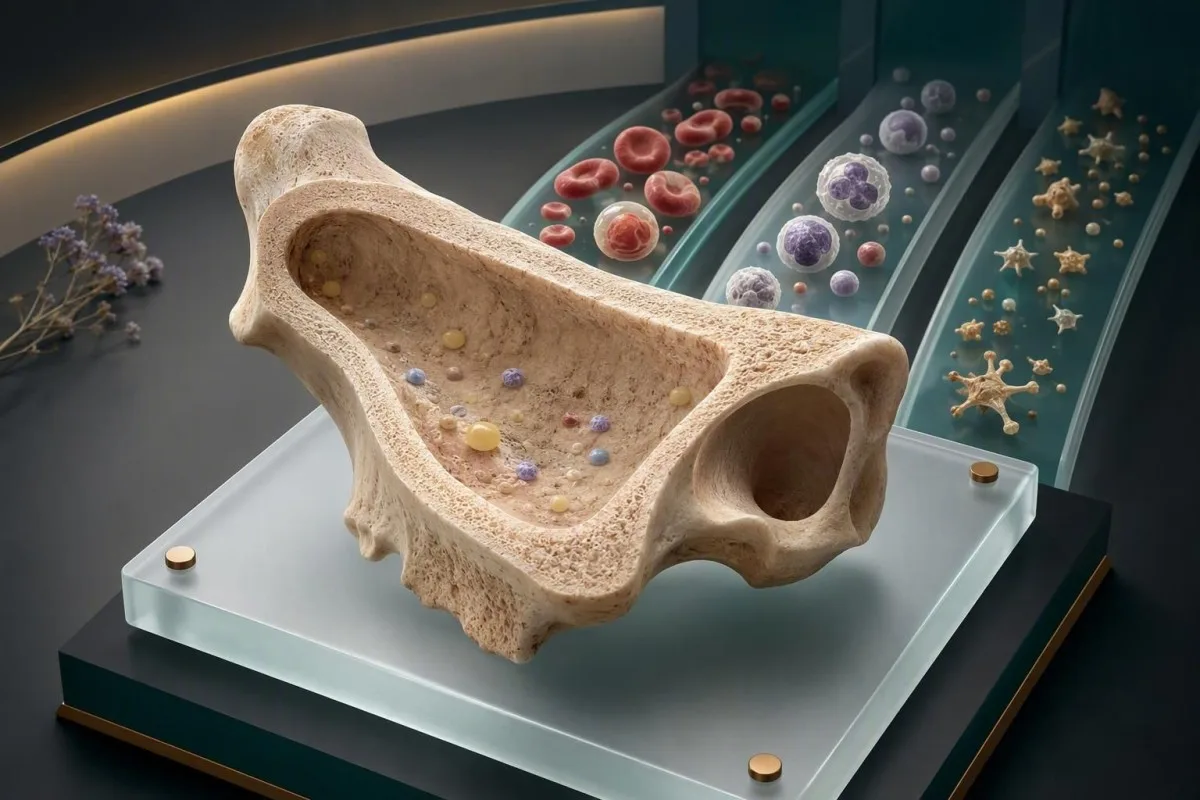
Aplastískt blóðleysi veldur venjulega áberandi þriggja lína CBC mynstur: blóðleysi, lágt magn hvítra blóðkorna og lágt magn blóðflagna með óhóflega lágu retíkúlósítatalningu. Mynstrið þarf skjóta klíníska staðfestingu vegna þess að nokkur afturkræf og alvarleg ástand geta litið svipað út í upphafi.


- Pancytopenia þýðir lágt magn rauðra blóðkorna, hvítra blóðkorna og blóðflagna; það er mynstur, ekki greining.
- Alger retíkúlócýtatala undir 20 × 10⁹/L styður verulega minnkaða framleiðslu beina þegar blóðleysi er til staðar.
- Alvarlegt aplastískt blóðleysi er skilgreint með lítt frumu beinmerg ásamt að minnsta kosti tveimur af: ANC undir 0.5 × 10⁹/L, blóðflögur undir 20 × 10⁹/L, eða retíkúlósítar undir 20 × 10⁹/L.
- ANC undir 0.5 × 10⁹/L með hita sem er 38.0°C eða hærri þarf mat á sama degi á bráðamóttöku.
- Blóðflögur undir 10 × 10⁹/L bera umtalsverða hættu á sjálfsprottinni blæðingu og krefjast venjulega skjótrar sjúkrahúsmeðferðar.
- Makrotsýtósa getur komið fram í aplastísku blóðleysi, en MCV yfir 110 fL ætti að fá lækna til að útiloka virkan B12 eða fólatskort.
- Sprengjur, merkt dysplasia, tárfrumur eða schistocytes á smurfi bendi frá óbrotnum blóðleysi og breyti rannsókninni.
- Ekki meðhöndla sjálf/ur þriggja lína lágt CBC með járni eingöngu; járn endurnýjar ekki framleiðslu í merg og getur seinkað bráðri mati.
CBC mynstur sem vekur áhyggjur af aplastísku blóðleysi
An blóðprufupróf fyrir blóðleysi sýnir venjulega pancytopenia: lágt hemoglobin, lágt neutrophils, og lágt blóðflögur sem koma saman, en reticulocyte svar er lágt frekar en bótafræði. Þessi samsetning ætti að kalla fram bráða læknisúttekt, sérstaklega ef tölur hafa fallið yfir meira en eitt fyrra CBC.
Hjá fullorðnum er venjulegt CBC viðmiðunarbilið um 120–155 g/L fyrir margar konur og 135–175 g/L fyrir marga karla, hvítar frumur 4,0–11,0 × 10⁹/L, og blóðflögur 150–400 × 10⁹/L; rannsóknarstofur setja sín eigin mörk. Aplastískt blóðleysi lækkar allar þrjár línur vegna þess að mergurinn framleiðir ekki nóg af nýjum frumueiningum. Til grundvallar tilvísunar, sjá leiðbeiningar okkar um hvað CBC inniheldur.
Munstrið er upplýsandi en nokkur einangruð lág niðurstaða. Hemóglóbín 92 g/L eftir mikinn tíðarblóðmissi getur verið járnskortur, en hemóglóbín 92 g/L auk ANC 0,7 × 10⁹/L og blóðflögur 34 × 10⁹/L er mergframleiðsluvandamál þar til annað hefur verið sannað. Að minni reynslu er hættan ekki aðeins blóðleysi — það er sýking og blæðingarhætta sem kemur hljóðlega ásamt því.
Kantesti er AI blóðprufugreiningartæki sem les CBC þætti sem tengda mynstur, ekki sem þrjár ótengdar rauðar viðvaranir. Kerfið okkar getur hjálpað til við að skipuleggja skýrsluna og fyrri niðurstöður, en það getur ekki greint mergsbilun eða komið í stað bráðrar blóðfræðilegrar mats. Frá og með 26. ágúst 2026 á öll ný þriggja lína blóðfrumufall að fá mat hjá raunverulegum lækni innan nokkurra daga, ekki venjulega árlega eftirfylgni.
Eðlilegt MCV gerir pancytopenia ekki góðkynja. Snemma aplastískt blóðleysi getur verið normocytic, mildilega macrocytic, eða stundum microcytic ef járnskortur er til staðar; mergs svar og útbreiðsla á jaðri gefa oft meiri stefnu en MCV eingöngu. Hagnýt regla Dr. Thomas Klein er einföld: spyrðu hvort mergurinn bregst við áður en þú gerir ráð fyrir næringarfræðilegri skýringu.
Hvers vegna mynstur er oft misst
CBC getur merkt hverja niðurstöðu sérstaklega, svo sjúklingar einbeita sér stundum að lægsta númerinu og hunsa hópinn. Lækkun á blóðflögum frá 260 til 92 × 10⁹/L, jafnvel þótt það sé tæknilega yfir neyðarmörkum, er klínískt marktækt þegar hemóglóbín og neutrophils eru að falla samhliða. Blóðprufumynstur sýna oft þá stefnu fyrr en eitt skýrsla.
Blóðleysi ásamt lágu retíkúlósítatalningu: vísbendingin um minni framleiðslu
A lág retíkúlócýtatala hjá blóðleysissjúklingi þýðir að mergurinn er ekki að endurnýja rauðu frumurnar nægilega, og það er eitt af gagnlegustu vísbendingunum sem styðja aplastískt blóðleysi. Algjört reticulocyte magn skiptir meira máli en reticulocyte hlutfall vegna þess að hlutfall getur litið blekkjandi eðlilegt út þegar heildar rauðu frumurnar eru lágar.
Flestar rannsóknarstofur skýra frá fullorðnum algjöru reticulocyte viðmiðunarbili um 25–100 × 10⁹/L, þó að aðferðir mismuni. Í alvarlegum aplastískum blóðleysisskilyrðum er algjör reticulocyte fjöldi undir 20 × 10⁹/L ein af skilgreindum lág-útgangs mælingum þegar mergurinn er marktækt minnkaður. Ítarleg leiðarvísir um fjölda retíkúlócýta útskýrir hvers vegna eingöngu hlutfall niðurstöður geta blekkt.
Aftur á móti ætti bráður blóðmissi eða hemólýsa venjulega að ýta reticulocytes upp eftir nokkra daga, oft yfir 100 × 10⁹/L ef járn framboð og mergur virkni eru heilbrigð. Lág haptóglóbín, hækkandi óbein bilirúbín og hækkað LDH styðja hemólýsu; þetta eru önnur lífeðlisfræðileg saga en aplasia. Greinarmunurinn skiptir máli vegna þess að meðhöndlun á “blóðleysi” án þess að greina framleiðslu gegn eyðingu er hvernig tafir gerast.
Sjúklingur sem ég sá með hemóglóbín 76 g/L hafði reticulocyte hlutfall 1,2%, sem leit út fyrir að vera ómerkilegt þar til algjör fjöldi var reiknaður út á 18 × 10⁹/L. Það var ekki bata svar. Þegar blóðleysi er umtalsvert geta læknar notað reticulocyte framleiðsluvísitölu, en algjör reticulocytes eru almennt minna villandi í daglegri þjónustu.
Reticulocytes geta verið lágar tímabundið við alvarlegar sýkingar, eftir kemómeðferð, við áfengiseitrun, eða í langt gengnum nýrnasjúkdómi, svo þessi niðurstaða er ekki sérstök fyrir aplastískt blóðleysi. Young's 2018 New England Journal of Medicine umsögn undirstrikar að greining krefst mats á merg og útilokun arfgengra, ónæmisfræðilegra, eitraðra og klónalra valkosta - ekki reticulocyte niðurstaða í einangrun (Young, 2018).
Lágt magn neutrófila: CBC talan sem breytir bráðleika sýkingar
The algildur daufkyrningafjöldi (ANC) spáir betur fyrir um hættu á bakteríu- og sveppasýkingum en heildarfjöldi hvítra blóðkorna. ANC undir 0,5 × 10⁹/L er alvarleg daufkyrningafæð, og hiti á eða yfir 38,0°C einu sinni, eða 38,0°C viðvarandi í klukkutíma, réttlætir bráða matsþörf.
ANC er reiknað sem hvítfrumur margfaldaðar með daufkyrningahlutfalli auk bands-hlutfalls. Til dæmis, WBC 1,4 × 10⁹/L með 40% daufkyrningum gefur ANC 0,56 × 10⁹/L—mun virkara en heildarfjöldinn einn sér. Okkar ANC viðmiðunarleiðbeiningar útskýrir aldurs- og meðgöngufrávik, en 0,5 × 10⁹/L þröskuldurinn er enn lykilhættulína fullorðinna.
Alvarleg vanstarfsemi beinmergs veldur oft daufkyrningafæð án eituráhrifa eða vinstri hliðar sem getur fylgt bakteríusýkingu. Þó er mögulegt að sjúklingur hafi bæði beinmergsbilun og sýkingu; fjarvera hás hvítfrumufjölda útilokar aldrei blóðsýkingu. Hiti, skjálfti, nýr ruglingur, mæði eða hratt versnandi hálsbólga ætti ekki að bíða eftir endurtekinni CBC á göngudeild.
Mjög alvarleg vanstarfsemi beinmergs notar enn lægri ANC þröskuld: undir 0,2 × 10⁹/L. Ástæðan fyrir að skilja 0,2 frá 0,5 er praktísk—við þessa fjölda geta venjulegar munnhols- og húðörverur orðið hættulegar með litlum staðbundnum roða eða gröftum. Á sjúkrahúsi geta læknar fengið ræktanir og hafið bráðaverndandi sýklalyfjameðferð áður en orsök er að fullu staðfest.
Lágur einkyrningafjöldi getur verið til staðar en kemur ekki í stað ANC í bráðri áhættuskiptingu. Ef mismunurinn vantar, biðjið rannsóknarstofuna eða lækninn um hann fremur en að giska frá heildar-WBC. Einkenni vegna lágs einkyrningafjölda eiga skilið eftirfylgni, samt sem áður ræður daufkyrningadýpt ákvörðun samdægurs.
Þegar hiti skiptir meira máli en CBC útprentun
Hitastig 38,0°C hjá einstaklingi með ANC 0,4 × 10⁹/L er brýnt jafnvel þótt þeir finni “aðallega fyrir” og hitinn lækki eftir parasetamól. Hitalækkandi lyf geta dregið úr sýnilegu merki án þess að meðhöndla undirliggjandi vandamál. Komið með CBC og lyfjalista á bráðamóttöku; takið ekki eftir af eftirleiðis sýklalyf áður en ræktanir eru teknar nema læknir leiðbeini um það.
Lágt magn blóðflagna: blæðingarmörk í grunuðu beinamótsbilun
Blóðflögur undir 50 × 10⁹/L auka marbletti og áhyggjur af blæðingum tengdum aðgerðum, en fjöldi undir 10 × 10⁹/L getur leyft sjálfkrafa blæðingar. Við vanstarfsemi beinmergs kemur blóðflögufæð venjulega fram með blóðleysi og daufkyrningafæð fremur en einangruð blóðflöguvandamál.
Smágrænn, nefblæðing sem varir lengur en 20 mínútur, tannholdblæðing, miklar tíðablæðingar, blóð í þvagi, svört hægð, eða skyndilegur mikill höfuðverkur þarf að hafa samband við lækni bráðlega þegar blóðflögur eru lágar. Blóðflögufjöldi 18 × 10⁹/L er ekki sjálfkrafa hörmulegur, en það er ekki tala til að stjórna í gegnum netráðgjöf. Sjá praktíska umræðu okkar um blóðflögurþröskulda fyrir tannlæknisvinnu.
Smur getur aðskilið minni framleiðslu frá jaðardreifingu. Við ónæmisfræðilega blóðflögufæð geta blóðflögur verið eina lága línan og stærri ungir blóðflögur eru oft sýnilegar; vanstarfsemi beinmergs hefur oftar lágan eða eðlilegan óþroskaðan blóðflöguþátt vegna þess að framleiðsla sjálf er minni. Þetta eru tilhneigingar, ekki reglur, og þjálfaður örverufræðingur verður að lesa glæruna.
Forðastu aspirín, íbúprófen, naproxen og ekki ávísaðar ofskammta af fiskiolíu fyrr en læknir hefur athugað verulega blóðflögufæð þar sem þau geta skert starfsemi blóðflögna jafnvel þegar tölulegt fjöldi er óbreyttur. Áfengi getur versnað beinmergsþungun og starfsemi blóðflögna. Parasetamól/acetaminophen er ekki almennt hentugt heldur—skammtur og lifrarástand skipta enn máli.
Blóðflögufjöldi getur verið ósannur lágur þegar blóðflögur klumpast saman í EDTA sýni. Rannsóknarstofan gæti tilkynnt “blóðflöguklumpur til staðar” og endurtekið fjöldann í sítrat-rör; þetta kallast gerviblóðflögufæð. Það útskýrir einangraða lága blóðflögur, ekki sannfærandi pancytopenia með lágan fjölda retíkúlósíta.
Hvernig læknar meta alvarlegt og mjög alvarlegt aplastískt blóðleysi
Alvarleg vanstarfsemi beinmergs krefst ófrumueinkenna beinmergs—venjulega undir 25% frumumagn—auk að minnsta kosti tveggja jaðarkrita: ANC undir 0,5 × 10⁹/L, blóðflögur undir 20 × 10⁹/L, eða algjör retíkúlósítar undir 20 × 10⁹/L. Mjög alvarlegt sjúkdómur uppfyllir þessi skilyrði með ANC undir 0,2 × 10⁹/L.
Þessir viðmiðunarlistar koma frá löngu stofnaða Camitta-ramma, en þeir eru verkfæri til forgangsröðunar og meðferðaráætlunar frekar en greining úr riti. Beinmergur getur verið flekkóttur og nýleg blóðgjöf getur breytt útliti blóðleysis. Læknar taka einnig tillit til einkenna, smitsögu, þörf fyrir blóðgjöf, aldurs, möguleika á gjafa og vísbendinga um klónal röskun.
Miðlungs mýkjandi blóðleysi er ekki skilgreint jafn skýrt. Einstaklingur með blóðflögur 58 × 10⁹/L, ANC 0,9 × 10⁹/L og blóðrauða 98 g/L uppfyllir kannski ekki alvarleg viðmið en getur samt versnað eða þurft á meðferð að halda. Sá tvíræðni er einmitt ástæðan fyrir því að raðbundnar CBC og eftirfylgni blóðfræði eru mikilvægari en að reyna að gefa róandi merki heima.
Leiðbeiningar breska blóðfræðifélagsins lýsa rannsókn á beinmerg, sétótækni, flóðprófi fyrir PNH klóna og mati á arfgengum beinmergsbilun sem hlutum af greiningarleiðinni (Killick o.fl., 2016). Eðlileg sétótækni minnkar áhyggjur af sumum ákveðnum hvítblæðisjúkdómum en sönnar ekki sjálfkrafa ónæmis mýkjandi blóðleysi.
Kantesti AI undirstrikar samsetningar sem fara yfir bráðarviðmið, þar á meðal ANC undir 0,5 × 10⁹/L og blóðflögur undir 20 × 10⁹/L, svo notendur geti séð hópinn áður en þeir fara í viðtal. Greining okkar er öryggisviðvörun, ekki alvarleikamat; undirliggjandi viðmið krefjast klínískrar rannsóknar og beinmergsniðurstaðna. Til að fá samhengi um einstaka flugvalla, lestu hvað „utan viðmiðunarmörk“ þýðir.
MCV, RDW og blóðfilmufrávik sem fínstilla CBC mynstur
Mýkjandi blóðleysi hefur oft eðlilegt eða örlítið hátt MCV, en MCV eitt getur ekki greint það frá B12 skorti, fólatskorts, áhrifum áfengis, lifrar sjúkdómum eða mýkjandi sjúkdómum. Handvirk útfærsla á útlægum smíri er nauðsynleg þegar blóðfrumnafæð er ný, stigvaxandi eða óútskýrð.
MCV viðmiðunarsvið er almennt 80–100 fL. Vægt stórfrumublóðleysi um 101–105 fL getur komið fram í mýkjandi blóðleysi vegna þess að streituvalandi beinmergsframleiðsla breytir þroska rauðkorna, en MCV yfir 110 fL ætti að kalla fram vísvitandi B12, fólats, lyfja, áfengis, skjaldkirtils og lifrar athugun. Berið saman vísitölur í okkar MCV samanborið við MCH leiðbeiningar.
RDW mælir breytileika í stærð rauðkorna og er oft 11,5–14,5%, háð greinanda. Eðlilegt RDW útilokar ekki beinmergsbilun; í raun getur nokkuð einsleitt safn af minni rauðkorna komið fram þegar framleiðsla einfaldlega dvínar. Skarpri hátt RDW getur í staðinn bent til blandaðra skorta, nýlegrar blóðgjafar, bata eftir meðferð eða dysplasia.
Blöðrur, promyelocytes, merkt hypogranulation, pseudo-Pelger neutrophils, eða marktækar dysplastískar myndir halla áhyggjum í átt að bráðu hvítblæði eða mýkjandi sjúkdómum og ættu að flýta sér fyrir mati sérfræðings. Schistocytes benda í aðra átt aftur - örblóðfrumuþríhæfing - og getur verið áríðandi þegar það er parað við lágt blóðflögur, nýrnaskaða eða taugasjúkdóma. Okkar schistocyte leiðbeiningar fjalla um það sérstaka neyðarmynstur.
Kantesti er AI-knúið blóðprófunargreiningartól sem getur borið saman MCV, RDW, retíklóblasta og sögulega talningu, en það kemur ekki í staðinn fyrir yfirfarið smíð. Að mínu mati er smíð þar sem sýnilega einfalt “lágt CBC” verður skarpt miðað greiningarspurning. Það tæknileiðarvísirinn útskýrir hvernig AI okkar varðveitir upprunalegar einingar og viðmiðunarbil rannsóknarstofunnar.
B12, fólat og koparskortur geta líkt minni bilun
Skortur á B12, fólati og kopar getur valdið blóðfrumnafæð og verður að útiloka áður en CBC mynstur er merkt sem mýkjandi blóðleysi. Þessir skortar eru sérstaklega líklegir við takmarkandi mataræði, vanfrásog, offitu skurðaðgerð, mikla sinkneyslu eða ákveðin lyf.
B12 skortur framkallar oft stórum frumum, ofskiptar daufkyrningar og hækkað metýlmalónsýra, en sumir sjúklingar hafa MCV undir 100 fL þegar járnskortur er til staðar. Serum B12 undir 148 pmol/L, um það bil 200 pg/mL, er oft talið skort, en 148–221 pmol/L gæti þurft staðfestingu á metýlmalónsýru eða homocysteine. Okkar B12 og fólats samanburður útskýrir hvers vegna fólat eitt getur gríma blóðfræðileg einkenni á meðan taugaskemmdir halda áfram.
Fólats skortur getur lækkað allar þrjár línurnar í lengra komnum tilfellum, sérstaklega með lélega inntöku, áfengisneyslu, vanfrásog, metótrexat, trímethoprim, eða ákveðin krampastillandi lyf. Rauðkorna fólat getur betur endurspeglað vefjabirgðir en einn sermisþéttni í sumum aðstæðum, en framboð og túlkun rannsóknarinnar er mismunandi. Ekki byrja háan skammt af fólínsýru áður en B12 hefur verið metið nema læknir hafi sérstaka ástæðu.
Koparskortur er minna reglulega athugaður, en það getur valdið blóðleysi og daufkyrningafæð og getur líkst mýkjandi sjúkdómum við beinmergrannsókn. Umfram viðbótar sink er klassískt hverfanleg orsök vegna þess að sink örvar þarmamálmþíónín, sem bindur kopar með forgangi. A lágt kopar verkfall er sérstaklega viðeigandi fyrir tannkremáhrif, offitu skurðaðgerð, eða sinkskammta yfir 40 mg daglega.
Næring getur verið hluti af svarinu, en það ætti ekki að verða ástæða til að fresta beinmergs mati við alvarlega blóðfrumnafæð. Stuðningur með járni, B12, fólati og kopar er sérsniðinn að staðfestum skorti og læknisfræðilegu samhengi; stefnulaus viðbót getur skyggt á gagnlegar prófaniðurstöður. Þetta er eitt af þessum svæðum þar sem samhengi skiptir meira máli en eitt eða tvö þröng tala.
Lyfja-, eiturefna- og veiruorsökir alsýstopenu til að athuga fyrst
Lyf, eitur og veirusjúkdómar geta bælt framleiðslu beinmergs og myndað CBC mynstur sem líkist ónæmisrof (aplastic anemia), stundum meðan á bata stendur. Fullkomin útsetningarsaga ætti að innihalda lyfseðilsskyld lyf, nýleg sýklalyf, krampastillandi lyf, ónæmisbælandi meðferðir, jurtafæði, leysiefni, áfengi og vímuefni.
Kemómeðferð er augljós orsök, en minna augljósir þættir eru klóramfenikól á svæðum þar sem það er enn notað, skjaldkirtilslyf, línetsólíð, sum krampastillandi lyf og ónæmisbælandi meðferðir. Tímasetning hjálpar: bein eiturverkun lyfja á beinmerg kemur oft fram vikum til mánuðum eftir útsetningu, en ónæmisviðbrögð við lyfjum geta verið ófyrirsjáanlegri. Hættu aldrei lyfseðilsskyldum lyfjum skyndilega án samráðs við lækni sem stýrir blóðfrumnafæðinni.
Lifrarbólgu tengd ónæmisrof getur komið fram vikum til mánuðum eftir bráða lifrarbólgu, oft hjá yngra fólki, og venjubundin lifrarbólga A, B, C, E, HIV, EBV, CMV og parvóveirupróf geta verið valin út frá sögu. Neikvætt veiruskjár útilokar ekki ónæmisrof. Það útilokar einfaldlega mikilvægar samkeppnisútskýringar og leiðbeinir um sýkingarforvarnir.
Bensínútsetning er áfram viðeigandi atvinnu- og heimilishætta, þar með talið illa loftræst iðnaðarvinna, meðhöndlun eldsneytis og sum leysiefni. Læknar spyrja um verkefni frekar en starfsheiti vegna þess að “skrifstofustjóri hjá málningarbirgi” getur samt haft í för með sér reglulega útsetningu á vörugeymslu. Komið með vöruheiti eða öryggisblöð ef þau eru fáanleg; óljósar minningar eru algengar og enginn ætti að finna fyrir sekt.
CBC próf sem tekið er skömmu eftir mikla veirusýkingu gæti þurft að endurtaka innan daga til vikna ef viðkomandi er stöðugur, en alvarleg gildi ætti ekki að fylgjast með án aðgerða. CBC breytingar eftir veikindi geta hjálpað til við að ramma inn tímasetningu, en hiti með alvarlegri daufkyrningafæð er áfram neyðartilvik óháð grun orsakavalds.
Orsökir alsýstopenu sem líta öðruvísi út en aplastískt blóðleysi
Fjórfrumufæð hefur margar orsakir og ónæmisrof greinist með lítið frumugerð í beinmerg án illkynja innrásar eða meiriháttar dysplasia. Helstu valkostir eru bráð hvítblæði, myelodysplastic syndrome, innrás í beinmerg, ofsplensismi, alvarleg skortsástand, hemophagocytic syndrom, sýking og lyfjaáhrif.
Bráð hvítblæði getur valdið lágum fjölda vegna þess að sprengingar troða út eðlilegum beinmerg, en dreifðar sprengingar sjást ekki alltaf. Myelodysplastic syndrome verður líklegra með dysplasia, einkennandi cytogenetic breytingum eða viðvarandi macrocytosis hjá eldri fullorðnum, þó að aldur einn sanni ekkert. Leiðin í okkar leiðarvísi um blóðkrabbameinspróf sýnir hvers vegna smur, flæðifrumufræði og beinmergsrannsóknir eru gagnkvæmar.
Ofsplensismi lækkar dreifðan fjölda með útskilnaði, venjulega með splenosomegaly, portal háþrýstingi, lifrarsjúkdómum eða ákveðnum blóðsjúkdómum. Reticulocytes geta verið eðlilegir eða háir frekar en djúpt bæltir, og beinmergsfrumugerð er almennt varðveitt eða aukin. Úthljóðsskoðun getur verið gagnleg, en hún útilokar ekki þörfina á að rannsaka áhyggjuvekjandi smur eða alvarlega daufkyrningafæð.
Paroxysmal nocturnal hemoglobinuria (PNH) getur haft líffræðileg skörð með ónæmisrof, svo læknar panta oft hátæknilega flæðifrumufræði fyrir GPI-anchor skortandi granulocytes og monocytes. Myrkur þvag er hvorki krafist né sértækt. Að finna lítið PNH klón getur stutt ónæmisbælingu beinmergs, samt sem áður veltur meðferð á klónstærð, blóðlýsu, segamyndunaráhættu og heildarmynd beinmergs.
Kantesti er þjónustu fyrir túlkun á rannsóknarprófum með gervigreind sem getur komið fram í fjórfrumufæðarmynstrum og mögulegum öðrum vísbendingum, þar með talið bilirúbín, LDH, lifrarvísitölur og sögulega blóðflögufall. Það getur ekki ákvarðað hvort beinmerg er lítið frumugerð, innrás eða dysplastic – það eru spurningar fyrir blóðsjúkdómafræði og meinafræði. Vistmi yfirlit yfir annarskoðun getur hjálpað sjúklingum að undirbúa miðaðar spurningar.
Brýn viðvörunarmerki: hvenær lágar CBC niðurstöður þarfnast neyðarviðgerðar
Bráðaþjónusta er viðeigandi fyrir hita sem er 38,0°C eða hærri með ANC undir 0,5 × 10⁹/L, óviðráðanlega blæðingu, svarta hægðir, blóðhósta, alvarlegan nýjan höfuðverk, rugl, yfirlið, brjóstverki eða andnauð í hvíld. Bíddu ekki eftir netútskýringu ef einhver þessara atriða kemur upp.
Alvarlegt blóðleysi getur skert súrefnisflutning jafnvel án sýnilegrar blæðingar. Hemóglóbín undir 70 g/L er algenglega notaður viðmiðunarþröskuldur fyrir blóðgjafir hjá stöðugum sjúklingum á sjúkrahúsi, en einkenni, virk blæðing, hjarta- og æðasjúkdómar, meðganga og langvarandi sjúkdómar breyta ákvörðunum. Einstaklingur með hemóglóbín 82 g/L sem er að fara í yfirlið eða hefur andnauð í hvíld þarfnast mats meira en heilbrigð manneskja með sama gildi.
Blóðflögur undir 10 × 10⁹/L eru oft meðhöndlaðar með skjótum ákvörðunum sérfræðinga vegna þess að spontan slímhúðar- eða innri blæðing verður líklegri. Forðastu snertíþróttir, beinfituinnsprautur, endaþarms hitamæla og tannlæknisaðgerðir þar til meðferðarteymið gefur annað fyrirmæli. Ef um höfuðáverka er að ræða við hvaða lágt blóðflögufjölda sem er, leitaðu tafarlaust mats, jafnvel þótt einkenni virðist lítilvæg.
Eðlilegt hitastig tryggir ekki öryggi við alvarlega daufkyrningafæð; eldri fullorðnir, fólk sem tekur steróíða og mjög veikir sjúklingar kunna ekki að fá hita. Nýir munnsár, sársaukafullur kynging, verkir í endaþarmsopi eða hratt versnandi þreyta geta verið snemma einkenni sýkingar. Sepsis rannsóknarpróf veita samhengi, en einkenni og lífsmarkmið ákvarða tafarlausa aðgerð.
Ráðleggur Dr. Thomas Klein sjúklingum að ljósmynda eða hlaða niður upprunalegu skýrslunni, skrá próftíma og koma með öll lyfja- og fæðubótarefnaílát til bráðrar skoðunar. Þetta litla skref auðkennir oft tímabundna útsetningu fyrir lyfjum eða skýrir hvort “nýja” lága gildið hafi þegar verið á sveimi. Ekiðu ekki sjálf/sjálfur ef þú ert svimi/svimandi, ætlar að falla eða blæðir virkilega.
Hvaða próf staðfesta eða útiloka aplastískt blóðleysi eftir CBC
CBC getur ekki staðfest blóðleysi (aplastic anemia); staðfesting krefst venjulega beinspúða og þræðingarbota sem sýna lítil frumuinnihald, auk prófa sem útiloka klónísk, arfgeng, smitsjúkdóma-, næringar- og útsetningartengdar orsakir. Prófunarhraði fer eftir alvarleika gilda og einkenna.
Frumusamsetning beinmergs matsins metur frumuinnihald, arkitektúr, blastfrumur, bandvefsmyndun, járnbúskap og dysplasia. Hjá fullorðnum er búist við frumuinnihaldi sem er gróft áætlað 100 mínus aldur sem gróft kennslumat, en þetta er óljóst og gæði sýnisins skipta máli. 30 ára gamall með beinmergs frumuinnihald sem er 10% er mjög frábrugðinn 80 ára gamall með 10%, samt þurfa báðir sérfræðilega túlkun í samhengi.
Cytogenetics, krossfrumuskönnun eða genaröðun getur hjálpað til við að greina lítil frumuinnihald myelodysplastic syndrome frá fengnu blóðleysi (aplastic anemia). Prófun á PNH klónum, telomere röskunum, Fanconi blóðleysi og öðrum arfgengum beinmergsbilunarsjúkdómum er valin eftir aldri, fjölskyldusögu, líkamlegum niðurstöðum og áætlun um ígræðslu. Erfðapróf eru ekki aðeins fyrir börn; arfgengir sjúkdómar sem byrja á fullorðinsaldri eru sífellt viðurkenndir.
Grunnpróf innihalda oft B12, fólat, kopar, lifrar- og nýrnapróf, skjaldkirtilskönnun þegar tilskilið er, merki um blóðskilun, veiruserólæði, þungunarpróf þegar við á, og rannsóknir á sjálfónæmissjúkdómum sérsniðnar að sögunni. Markmiðið er ekki að panta hvert próf. Það er að forðast að missa af afturkræfum orsökum á meðan hratt er stefnt að endanlegu mati.
Kantesti AI getur skipulagt skýrslu á þessum flokkum og bent á vantar grunnatriði, en klínísk stjórnun skiptir máli þegar niðurstöður eru háar. Okkar staðla fyrir læknisfræðilega staðfestingu lýsa mörkum milli gervigreindar aðstoðar túlkunar og læknisfræðilegrar greiningar. Spyrjið hver muni skoða beinmergssýnið og hvort það verði metið af blóðsjúkdómalækni.
Hvenær á að endurtaka CBC áður en niðurstaðan er talin raunveruleg
Endurtekið CBC er viðeigandi þegar blóðsýni storknar, blóðflagnafelling, þynning frá bláæðarvökva eða greiningarmerki geta brenglað niðurstöðu, en endurprófun má aldrei tefja bráðaþjónustu vegna alvarlegra fjölfrumubilana eða áhyggjuvekjandi einkenna. Rannsóknastofur geta oft sannreynt niðurstöðu úr upprunalegu rörinu innan nokkurra klukkustunda.
EDTA blóðflagnafelling getur gefið rangt lágt blóðflagnatal, en að hluta til storknuðu rör getur lækkað blóðflögur og hvítfrumur ófyrirsjáanlega. Handvirk smurathugun og blóðflagnafjöldi úr sítrat-rör getur leyst málið. The endurprófun eftir blóðskilun leiðbeiningar útskýrir hvers vegna athugasemdir um gæði sýnis eru klínískt gagnlegar, ekki bara rannsóknarhald.
Bláæðarvökvi getur þynnt blóðrauða og blóðflögur, sérstaklega eftir nokkra lítra, en það skýrir sjaldan djúpt lágan ANC eða reticulocyte fjölda. Aftur á móti getur ofþornun tímabundið þétt gildi og falið dýpt blóðleysis. Berið saman tíma blóðtöku, nýlegar vökva, blóðgjafir, bráða sjúkdóma og fyrri grunn áður en þú telur að tölubreyting endurspegli beinmergs líffræði.
Blóðgjöf flækja túlkun þar sem rauðkorn frá gjafa geta bætt blóðrauða án þess að leiðrétta daufkyrningafæð, blóðflögur eða reticulocytes. Hækkandi blóðrauði eftir blóðgjöf ætti ekki að ruglast saman við bata beinmergsins. Læknar rekja því blóðgjafa dagsetningar ásamt reticulocyte þróun og tíma til næstu nauðsynlegu blóðgjafar.
Rannsóknarstofu “delta athugun” getur bent á skarpa frávik frá fyrri gildum, en raunverulegur beinmergsbilun getur þróast milli venjulegra prófa. Ef skýrsla virðist ótrúleg, hringdu í panta lækni eða rannsóknarstofu tafarlaust; ekki bara endurtaka það á fjarlægum göngustað og missa samfellu. Upprunalega rannsóknarstofan getur borið saman greiningarmerki og smásjárskoðun.
Hvað á ekki að gera á meðan beðið er eftir blóðlækningamat
Byrjaðu ekki á járni, stórum skömmtum af fólati, jurtaríkum “blóðbyggjum”, aspiríni eða eftir á sýklalyfjum eingöngu vegna lágs CBC. Í grunur um blóðleysi (aplastic anemia) eru öruggustu fyrstu aðgerðir tafalaus læknisfræðileg skoðun, smitvarnir, blæðingarvarnir og fullkomin lyfja- og fæðubótarefna saga.
Járnskortur er algengur, en járn útskýrir ekki lága daufkyrninga og blóðflögur hjá flestum fullorðnum. Dagleg inntaka 45–65 mg af frumefnisjárni getur valdið ógleði, hægðatregðu og villandi breytingum á járnrannsóknum án þess að takast á við beinmergsbilun. Athugaðu ferritín, transferrin mettun, CRP og heildar CBC mynstrið áður en þú telur að þreyta jafngildi járnskorts; okkar járnrannsókna auðlind hjálpar við þessar greinargerðir.
Forðist fjölmenna innandyra rými og náinn snertingu við fólk með öndunarfæraeinkenni ef ANC er mjög lágt, en einangraðu þig ekki frá nauðsynlegri læknishjálp. Handhreinsun, tafalaus hitaleit þegar veikur/veik, og matvælaöryggi eru skynsamleg. Alvarlegar “daufkyrningafæðis” mataræði hafa takmarkaðar sannanir og geta versnað næringu, svo biðjið meðferðarteymið um staðbundnar viðeigandi leiðbeiningar frekar en að fylgja takmörkuðum samfélagsmiðla listum.
Halda eins síðu tímalínu: fyrsta óeðlilega CBC, fyrri eðlilega CBC, sýkingar síðustu 6 mánuði, lyf byrjuð eða hætt, ferðalög, útsetning á vinnustað, blóðgjafir, fjölskyldublóðsjúkdómar og blæðingareinkenni. Þessar upplýsingar geta sparað heila heimsókn á heilsugæslustöð. Rannsóknarniðurstaða rekja býður upp á hagnýta uppbyggingu til að skrá dagsetningar og einingar.
Kantesti’s AI lífmerkjatúlkunarvettvangur getur hjálpað notendum að bera saman raðbundnar CBC skýrslur og undirbúa spurningar á sínu eigin tungumáli yfir 75+ tungumál. Það er ekki neyðarþjónusta og getur ekki séð einkenni, rannsakað sjúkling eða útvegað blóðgjöf. Notaðu það til að skilja skýrsluna, fylgdu síðan klínískri leið sem þegar er í gangi.
Spurningar sem gera blóðlækningatíma gagnlegri
Mest gagnlegu blóðfræðispurningarnar snúast um alvarleika, líklega verkunarhátt, þröskulda fyrir sýkingar og blæðingar, og greiningaráætlunina — ekki hvort einstök tala sé “slæm”. Komdu með upprunalegar skýrslur því þróun í ANC, blóðflögum, blóðrauða, MCV og retíklócytum leiða ákvarðanir.
Spurðu: “Uppfylli ég skilyrði fyrir alvarlega blóðleysi og hvaða skilyrði uppfylli ég?” Svarið ætti að innihalda beinmergsfrumuinnihald, ANC, blóðflögufjölda og algjöra retíklócytafjölda. Ef greiningin er enn óviss, spurðu hvaða niðurstöður styðja skjálgræn mergfrumnaæxlissjúkdóm, bráð hvítblæði, næringarskort eða lyfjatengda hömlun og hvaða próf mun aðgreina þau.
Biddu um skýra öryggisþröskulda: við hvaða hitastig ætti ég að leita bráðlega, hvaða blæðingareinkenni vega þyngra en að bíða, hvaða verkjalyf ætti ég að forðast, og get ég ferðast? Þessar leiðbeiningar eru háðar ANC og dýpt blóðflaga. Einstaklingur með ANC 1,1 × 10⁹/L og blóðflögur 95 × 10⁹/L fær aðra ráðgjöf en einstaklingur með ANC 0,18 × 10⁹/L og blóðflögur 8 × 10⁹/L.
Ef blóðleysi er staðfest, getur umræða falið í sér ónæmisbælandi meðferð, eltrombopag í völdum aðferðum og stofnfrumuígræðslu í beinmerg eftir aldri, framboði gjafa, alvarleika sjúkdóms og staðbundinni sérþekkingu. Engin meðferðarúrræði ætti að draga af nettengdri CBC útskýringu. Búist er við að gangur og áhætta séu persónuleg, stundum sannarlega óviss, og best sé að ákveða það af beinmergsbilunarteymi.
Okkar Læknisfræðileg ráðgjafarnefnd hjálpar til við að setja klínískar viðmiðunarreglur á bak við Kantesti efni, þar á meðal þá reglu að hááhættukönnunarbundin CBC mynstur krefjast faglegra útfærslna. Komdu með stuðningsaðila ef mögulegt er; þessar skipanir innihalda mikið af ókunnugum hugtökum og annar hlustandi bætir minni.
Örugg næstu skref eftir óeðlilega alsýstopenu CBC
Ný pancyptopenia með lágu retíklócytafjölda ætti að meðhöndla sem mögulega beinmergsframleiðslutruflun þar til læknir greinir aðra orsök. Sama dags umönnun er nauðsynleg fyrir hita með alvarlegri daufkyrningafæð, virkum blæðingum, taugasjúkdómseinkennum, brjóstverk, yfirlið eða mæði í hvíld.
Í fyrsta lagi, sannreynum nákvæm gildi og einingar: blóðrauða, WBC með ANC, blóðflögur, MCV, RDW og algjörar retíklócyta. Í öðru lagi, berum saman við síðustu fáanlegu CBC, jafnvel einn frá 2 árum síðan. Stöðugur vægur lágur fjöldi og hröð þriggja lína fall eru ekki sama klíníska vandamál; hlið við hlið CBC samanburður getur gert þennan mun sýnilegan.
Í þriðja lagi, leitum að umönnunarstigi sem einkenni þín og þröskuldar krefjast. ANC undir 0,5 × 10⁹/L með hita, blóðflögur undir 10 × 10⁹/L, eða marktækar blæðingar ættu ekki að bíða eftir venjulegri tilvísun. Fyrir stöðuga en óútskýrða pancytopenia, raðið skjótum læknisviðtölum og spyrjið hvort smásjárskoðun, endurtekningu á CBC, næringarprófum, veiruprófum og tilvísun til blóðfræðinga sé þörf.
Í fjórða lagi, ekki túlka eina “eðlilega” fylgipróf sem fullvissu. Eðlilegt ferritín útilokar ekki B12 skort, eðlilegt LDH útilokar ekki beinmergsbilun, og eðlilegt MCV útilokar ekki þrjár lágar frumulínur. Heildarmynstrið, tímasetning þess og rannsóknin ákvarða áhættuna.
Kantesti AI styður skipulagða niðurstöðuskýrslu og sögulega þróunargreiningu, á meðan greining og meðferð eru áfram hjá klíníska teyminu þínu. Þessi grein var læknisfræðilega endurskoðuð samkvæmt stöðlum sem lýst er af Kantesti's klínísku eftirlitsferli. Hagnýta markmiðið er ekki að láta þig óttast hvern lágan merki — það er að þekkja samsetningarnar sem aldrei ætti að hunsa.
Algengar spurningar
Hvernig lítur ónýtheimsmeinans blóðleysi út á blóðtölupróf?
Mýruæxlaanemía birtist yfirleitt sem pansýtópenía: lágt blóðrauða, lágar hvítar blóðfrumur – sérstaklega daufkyrninga – og lágt blóðflögur í sömu blóðrannsókn (CBC). Stuðningsvísbending um framleiðslu er óviðeigandi lágt hlutfall retíklóýtata, oft undir 20 × 10⁹/L í alvarlegum tilfellum. MCV getur verið eðlilegt eða lítið hækkað, svo eðlilegt MCV útilokar ekki ástandið. Greining krefst beinvægissönnunar um minni frumufjölda og útilokun annarra orsaka pansýtópeníu.
Getur blóðleysi haft eðlilegar hvítufrumur í fyrstu?
Já, snemma dreifa blóðleysi getur upphaflega haft áhrif á eina eða tvær blóðfrumulínur áður en greinileg pancytopenia þróast. Lækkandi blóðflögufjöldi eða smám saman blóðleysi með algjörum retíkúlótum undir um það bil 25 × 10⁹/L getur komið á undan alvarlegri neutrópeníu. Læknar bera því saman fyrri CBCs frekar en að reiða sig á eina eðlilega WBC niðurstöðu. Ný samdráttarþróun yfir margar línur ætti að leiða til tímabundinnar læknisfræðilegrar endurskoðunar.
Hvað bendir lágt reticulocyte count til rauðkornadegils?
Hlutfallsofnæmi blóðkorna undir 20 × 10⁹/L styður alvarlega vanvirkni mergjar þegar blóðleysi er til staðar og er hluti af viðmiðum fyrir alvarlegt mergblindulyf. Margir rannsóknarstofur nota viðmiðunarmörk fyrir fullorðna nálægt 25–100 × 10⁹/L, þó nákvæmt bil fari eftir aðferð. Hlutfall retíkúlósíta getur verið villandi eðlilegt við alvarlegt blóðleysi, svo alger fjöldi er æskilegri. Lágir retíkúlósítar eru ekki sértækir fyrir mergblindulyf og koma einnig fram við næringarskort, nýrnasjúkdóma, sýkingar og lyfjameðferðarháða kúgun.
Er en blodplatenotering på 20 farlig ved aplastisk anemi?
Blóðflaggatal sem er 20 × 10⁹/L er afar lágt og krefst bráðrar greiningar af völdum blóðsjúkdómalæknis, sérstaklega ef viðkomandi er með nefblæðingu, tannbleðingu, mikla tíðablæðingu, svartan hægð, blóð í þvagi eða höfuðverk. Tölur undir 10 × 10⁹/L hafa meiri hættu á sjálfsprottnum blæðingum og eru oft meðhöndlaðar á sjúkrahúsi í samræmi við einkenni og orsök. Forðist aspirín og NSAID lyf nema meðferðarlæknir sérstaklega samþykki þau. Bráðleikinn eykst enn frekar þegar blóðleysi og daufkyrningafæð eru einnig til staðar.
Hvenær er lágur fjöldi daufkyrninga neyðartilvik?
ANC undir 0,5 × 10⁹/L er alvarlegt daufkyrningafæði, og hiti upp á 38,0°C eða hærri krefst athugunar á sama degi sem neyðartilfelli. Mjög alvarlegt beinmergsbilun notar ANC undir 0,2 × 10⁹/L, þar sem alvarleg sýking getur komið fram með fáum staðbundnum einkennum. Kuldi, nýr ruglingur, mæði, verkir við kyngingu eða verkir í leggangaopi réttlæta einnig brýna þörf fyrir umönnun jafnvel án staðfestrar hita. Heildarfjöldi hvítfrumna einn er minna gagnlegur en ANC við þessa ákvörðun.
Getur B12-skortur verið ruglað saman við mýluseyðandi blóðleysi?
B12-skort er hindrar blóðleysi, lágan fjölda hvítra blóðkorna, lágan fjölda blóðflagna, stórfrumuseinkun og lágan fjölda retíkúlócýta, svo það getur upphaflega líkst elligildni blóðleysi. Serm B12 undir 148 pmol/L, um það bil 200 pg/mL, er almennt talið skortur, en mörkin gætu þurft próf á metýlmálónínsýru. Ofskiptar neutrófílfrumur og MCV yfir 110 fL styðja B12 eða fólatskort, en blandað járnskort getur hulið stórfrumuseinkun. Beinmergspróf og markviss blóðrannsóknir aðgreina þessi skilyrði þegar CBC er alvarlegt eða óljóst.
Fáðu AI-knúna greiningu á blóðprufum í dag
Vertu með yfir 2 milljónir notenda um allan heim sem treysta Kantesti fyrir tafarlausa og nákvæma greiningu á blóðprufum. Hladdu upp niðurstöðum blóðrannsókna þinna og fáðu yfirgripsmikla túlkun á 15,000+ lífmerkjum á sekúndum.
📚 Tilvísuð rannsóknarútgáfa
Klein, T., Mitchell, S., & Weber, H. (2026). Leiðarvísir fyrir blóðflokk B neikvætt, LDH blóðpróf og fjölda retíkúlócýta. Kantesti AI Medical Research.
Klein, T., Mitchell, S., & Weber, H. (2026). Niðurgangur eftir föstu, svartir blettir í hægðum og meltingarfæraleiðbeiningar 2026. Kantesti AI Medical Research.
📖 Ytri læknisfræðilegar heimildir
⚕️ Fyrirvari vegna læknisfræðilegra mála
Þessi grein er eingöngu til fræðslu og felur ekki í sér læknisráðgjöf. Leitaðu alltaf til hæfs heilbrigðisstarfsmanns vegna ákvarðana um greiningu og meðferð.
E-E-A-T traustmerki
Reynsla
Læknastýrð klínísk yfirferð á vinnuferlum við túlkun rannsóknarniðurstaðna.
Sérþekking
Áhersla á rannsóknarstofulækningar: hvernig lífmarkarar hegða sér í klínísku samhengi.
Yfirvald
Skrifað af Dr. Thomas Klein með yfirferð Dr. Sarah Mitchell og próf. Dr. Hans Weber.
Traustleiki
Rökstudd túlkun byggð á gögnum með skýrum eftirfylgnileiðum til að draga úr ávörun.