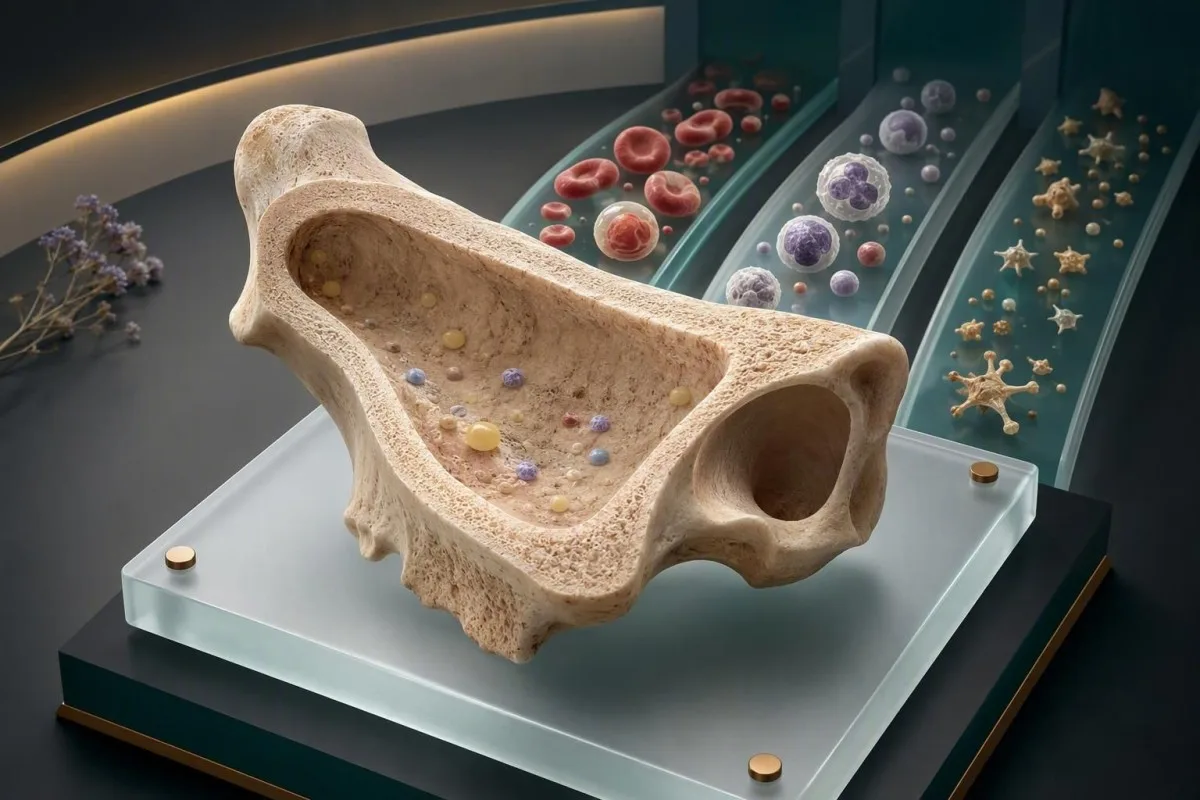
অ্যাপ্লাস্টিক অ্যানিমিয়ায় সাধারণত CBC-তে তিনটি প্যারামিটারে লক্ষণীয় পরিবর্তন দেখা যায়: অ্যানিমিয়া, শ্বেত রক্তকণিকা কমে যাওয়া এবং প্লেটলেট কমে যাওয়া, সঙ্গে অনুপযুক্তভাবে কম রেটিকুলোসাইট কাউন্ট। এই প্যাটার্নের দ্রুত ক্লিনিক্যাল নিশ্চিতকরণ প্রয়োজন, কারণ শুরুতে বেশ কয়েকটি обратযোগ্য ও গুরুতর অবস্থা একই রকম দেখা দিতে পারে।.


- প্যানসাইটোপেনিয়া এর অর্থ লাল রক্তকণিকা, শ্বেত রক্তকণিকা ও প্লেটলেট কমে যাওয়া; এটি একটি প্যাটার্ন, রোগনির্ণয় নয়।.
- অ্যাবসোলিউট রেটিকুলোসাইট কাউন্ট অ্যানিমিয়া উপস্থিত থাকলে 20 × 10⁹/L-এর নিচে থাকা অস্থিমজ্জার উৎপাদন উল্লেখযোগ্যভাবে কমে যাওয়ার পক্ষে সহায়ক।.
- গুরুতর অ্যাপ্লাস্টিক অ্যানিমিয়া হাইপোসেলুলার অস্থিমজ্জার সঙ্গে নিম্নলিখিত অন্তত দুটির উপস্থিতি দ্বারা সংজ্ঞায়িত হয়: ANC 0.5 × 10⁹/L-এর নিচে, প্লেটলেট 20 × 10⁹/L-এর নিচে, অথবা রেটিকুলোসাইট 20 × 10⁹/L-এর নিচে।.
- ANC 0.5 × 10⁹/L-এর নিচে এবং জ্বর 38.0°C বা তার বেশি হলে একই দিনে জরুরি মূল্যায়ন প্রয়োজন।.
- প্লেটলেট 10 × 10⁹/L-এর নিচে এতে স্বতঃস্ফূর্ত রক্তপাতের উল্লেখযোগ্য ঝুঁকি থাকে এবং সাধারণত হাসপাতালের নির্দেশনায় জরুরি চিকিৎসা প্রয়োজন।.
- ম্যাক্রোসাইটোসিস অ্যাপ্লাস্টিক অ্যানিমিয়ায় এটি দেখা দিতে পারে, তবে MCV 110 fL-এর বেশি হলে চিকিৎসকদের সক্রিয়ভাবে B12 বা ফোলেটের ঘাটতি বাদ দিতে হবে।.
- ব্লাস্ট, স্পষ্ট ডিসপ্লাসিয়া, অশ্রুবিন্দু আকৃতির কোষ, অথবা স্কিস্টোসাইট স্মিয়ারে এগুলোর উপস্থিতি সরল অ্যাপ্লাস্টিক অ্যানিমিয়ার সম্ভাবনা কমায় এবং পরীক্ষা-নিরীক্ষার ধরন পরিবর্তন করে।.
- নিজে থেকে চিকিৎসা করবেন না শুধু আয়রন দিয়ে তিনটি কোষীয় লাইনে কম CBC ঠিক করার চেষ্টা করা; আয়রন অস্থিমজ্জার উৎপাদন পুনরুদ্ধার করে না এবং জরুরি মূল্যায়নে বিলম্ব ঘটাতে পারে।.
অ্যাপ্লাস্টিক অ্যানিমিয়ার আশঙ্কা জাগায় এমন CBC প্যাটার্ন
একটি অ্যাপ্লাস্টিক অ্যানিমিয়ার রক্ত পরীক্ষা সাধারণত প্যানসাইটোপেনিয়া দেখা যায়: হিমোগ্লোবিন কম, নিউট্রোফিল কম এবং প্লেটলেট কম—তিনটিই একসঙ্গে কম থাকে; একই সময়ে রেটিকিউলোসাইটের প্রতিক্রিয়া ক্ষতিপূরণমূলকভাবে না বেড়ে কম থাকে। এই সমন্বয়টি জরুরি চিকিৎসক মূল্যায়নের কারণ হওয়া উচিত, বিশেষ করে যখন আগের একাধিক CBC-তে বিভিন্ন কোষীয় গণনা কমে এসেছে।.
প্রাপ্তবয়স্কদের ক্ষেত্রে, একটি সাধারণ CBC রেফারেন্স পরিসর হলো—অনেক নারীর জন্য হিমোগ্লোবিন প্রায় 120–155 g/L এবং অনেক পুরুষের জন্য 135–175 g/L, শ্বেত রক্তকণিকা 4.0–11.0 × 10⁹/L এবং প্লেটলেট 150–400 × 10⁹/L; পরীক্ষাগারভেদে সীমা ভিন্ন হতে পারে। অ্যাপ্লাস্টিক অ্যানিমিয়ায় তিনটি কোষীয় লাইনই কমে যায়, কারণ অস্থিমজ্জা পর্যাপ্ত নতুন কোষীয় উপাদান তৈরি করতে পারে না। প্রাথমিক ধারণার জন্য আমাদের নির্দেশিকা দেখুন CBC-তে কী কী থাকে.
যেকোনো একটি বিচ্ছিন্ন কম ফলাফলের চেয়ে সামগ্রিক ধরণটি বেশি তথ্যবহুল। অতিরিক্ত মাসিক রক্তক্ষরণের পর হিমোগ্লোবিন 92 g/L হলে তা আয়রনের ঘাটতি হতে পারে, কিন্তু হিমোগ্লোবিন 92 g/L-এর সঙ্গে ANC 0.7 × 10⁹/L এবং প্লেটলেট 34 × 10⁹/L থাকলে, বিপরীত প্রমাণ না পাওয়া পর্যন্ত এটিকে অস্থিমজ্জার উৎপাদনজনিত সমস্যা হিসেবে বিবেচনা করতে হবে। আমার ক্লিনিক্যাল অভিজ্ঞতায় বিপদটি শুধু অ্যানিমিয়া নয়—এর সঙ্গে সংক্রমণ ও রক্তপাতের ঝুঁকিও নীরবে দেখা দিতে পারে।.
কান্তেস্তি হল একটি এআই রক্ত পরীক্ষা বিশ্লেষক যা CBC-এর উপাদানগুলোকে তিনটি আলাদা সতর্কসংকেত হিসেবে নয়, পরস্পর-সম্পর্কিত একটি ধরণ হিসেবে বিশ্লেষণ করে। আমাদের সিস্টেম রিপোর্ট ও আগের ফলাফলগুলো সাজাতে সাহায্য করতে পারে, কিন্তু এটি অস্থিমজ্জার অকার্যকারিতা নির্ণয় করতে পারে না বা জরুরি হেমাটোলজি মূল্যায়নের বিকল্প নয়। 26 আগস্ট 2026 অনুযায়ী, নতুন কোনো তিন-লাইন সাইটোপেনিয়া হলে কয়েক দিনের মধ্যে প্রকৃত চিকিৎসকের পর্যালোচনা প্রয়োজন, নিয়মিত বার্ষিক ফলো-আপ নয়।.
স্বাভাবিক দেখানো MCV প্যানসাইটোপেনিয়াকে নিরীহ করে না। প্রাথমিক অ্যাপ্লাস্টিক অ্যানিমিয়ায় নরমোসাইটিক, মৃদু ম্যাক্রোসাইটিক, অথবা সহাবস্থানকারী আয়রনের ঘাটতি থাকলে কখনও মাইক্রোসাইটিক চিত্র দেখা যেতে পারে; শুধু MCV-এর চেয়ে অস্থিমজ্জার প্রতিক্রিয়া ও পেরিফেরাল স্মিয়ার প্রায়ই বেশি দিকনির্দেশনা দেয়। ডা. থমাস ক্লাইনের ব্যবহারিক নিয়মটি সহজ: পুষ্টিগত কারণ ধরে নেওয়ার আগে অস্থিমজ্জা সাড়া দিচ্ছে কি না তা জিজ্ঞাসা করুন।.
কেন এই ধরণটি প্রায়ই ধরা পড়ে না
একটি CBC প্রতিটি ফলাফল আলাদাভাবে চিহ্নিত করতে পারে, তাই রোগীরা কখনও কখনও সবচেয়ে কম সংখ্যাটির দিকে মনোযোগ দেন এবং একসঙ্গে থাকা পরিবর্তনগুলো উপেক্ষা করেন। প্লেটলেট 260 থেকে 92 × 10⁹/L-এ নেমে আসা—জরুরি সীমার ওপরে থাকলেও—হিমোগ্লোবিন ও নিউট্রোফিল সমান্তরালভাবে কমলে ক্লিনিক্যালি গুরুত্বপূর্ণ।. রক্ত পরীক্ষার প্রবণতা প্রায়ই একটি মাত্র রিপোর্টের চেয়ে এই গতিপথটি আগে প্রকাশ করে।.
অ্যানিমিয়ার সঙ্গে কম রেটিকুলোসাইট কাউন্ট: অস্থিমজ্জার উৎপাদন কমে যাওয়ার ইঙ্গিত
A কম রেটিকুলোসাইট কাউন্ট অ্যানিমিয়ায় আক্রান্ত ব্যক্তির ক্ষেত্রে এর অর্থ হলো অস্থিমজ্জা পর্যাপ্তভাবে লোহিত রক্তকণিকা প্রতিস্থাপন করছে না, এবং এটি অ্যাপ্লাস্টিক অ্যানিমিয়ার পক্ষে সবচেয়ে কার্যকর ইঙ্গিতগুলোর একটি। রেটিকিউলোসাইটের শতাংশের চেয়ে পরম রেটিকিউলোসাইট গণনা বেশি গুরুত্বপূর্ণ, কারণ মোট লোহিত রক্তকণিকা কম থাকলে শতাংশটি বিভ্রান্তিকরভাবে স্বাভাবিক দেখাতে পারে।.
অধিকাংশ পরীক্ষাগার প্রাপ্তবয়স্কদের পরম রেটিকিউলোসাইটের রেফারেন্স পরিসর প্রায় 25–100 × 10⁹/L হিসেবে জানায়, যদিও পদ্ধতিভেদে পার্থক্য থাকে। তীব্র অ্যাপ্লাস্টিক অ্যানিমিয়ার মানদণ্ডে, অস্থিমজ্জার কোষীয়তা উল্লেখযোগ্যভাবে কমে গেলে পরম রেটিকিউলোসাইট গণনা 20 × 10⁹/L-এর নিচে থাকা কম উৎপাদনের নির্ণায়ক মাপকাঠিগুলোর একটি। একটি বিস্তারিত রেটিকুলোসাইট কাউন্ট গাইড ব্যাখ্যা করে কেন শুধু শতাংশের ফলাফল বিভ্রান্তিকর হতে পারে।.
বিপরীতে, তীব্র রক্তক্ষরণ বা হিমোলাইসিসে কয়েক দিন পর সাধারণত রেটিকিউলোসাইট বেড়ে যাওয়ার কথা; আয়রনের সরবরাহ ও অস্থিমজ্জার কার্যকারিতা অক্ষুণ্ণ থাকলে তা প্রায়ই 100 × 10⁹/L-এর ওপরে ওঠে। হ্যাপ্টোগ্লোবিন কমে যাওয়া, পরোক্ষ বিলিরুবিন বেড়ে যাওয়া এবং LDH বৃদ্ধি হিমোলাইসিসের পক্ষে যায়; এগুলো অ্যাপ্লাসিয়ার থেকে ভিন্ন শারীরবৃত্তীয় চিত্র। পার্থক্যটি গুরুত্বপূর্ণ, কারণ উৎপাদন কমেছে নাকি রক্তকণিকা ধ্বংস হচ্ছে তা শনাক্ত না করে “অ্যানিমিয়া” চিকিৎসা করলেই বিলম্ব ঘটে।.
আমি যে একজন রোগীকে দেখেছিলাম, তাঁর হিমোগ্লোবিন ছিল 76 g/L এবং রেটিকিউলোসাইটের শতাংশ ছিল 1.2%, যা পরম গণনা 18 × 10⁹/L হিসাব করার আগ পর্যন্ত উল্লেখযোগ্য মনে হয়নি। এটি পুনরুদ্ধারের প্রতিক্রিয়া ছিল না। অ্যানিমিয়া তীব্র হলে চিকিৎসকেরা রেটিকিউলোসাইট উৎপাদন সূচক ব্যবহার করতে পারেন, তবে দৈনন্দিন ট্রায়াজে পরম রেটিকিউলোসাইট সাধারণত কম ত্রুটিপ্রবণ।.
তীব্র সংক্রমণের সময় সাময়িকভাবে, কেমোথেরাপির পর, অ্যালকোহলের বিষক্রিয়ায়, অথবা উন্নত কিডনি রোগে রেটিকিউলোসাইট কম থাকতে পারে; তাই এই ফলাফলটি অ্যাপ্লাস্টিক অ্যানিমিয়ার জন্য নির্দিষ্ট নয়। Young-এর 2018 সালের New England Journal of Medicine পর্যালোচনায় জোর দেওয়া হয়েছে যে রোগ নির্ণয়ের জন্য অস্থিমজ্জা মূল্যায়ন এবং বংশগত, ইমিউন, বিষাক্ত ও ক্লোনাল বিকল্প কারণগুলো বাদ দেওয়া প্রয়োজন—শুধু একটি রেটিকিউলোসাইট ফলাফলের ভিত্তিতে নয় (Young, 2018)।.
নিউট্রোফিল কমে যাওয়া: সংক্রমণের জরুরিতার মাত্রা পরিবর্তনকারী CBC সংখ্যা
দ্য অ্যাবসোলিউট নিউট্রোফিল কাউন্ট (ANC) মোট শ্বেত রক্ত কোষ গণনার চেয়ে ব্যাকটেরিয়াল এবং ছত্রাক সংক্রমণের ঝুঁকি ভালভাবে পূর্বাভাস দেয়। 0.5 × 10⁹/লিটারের নিচে ANC হল গুরুতর নিউট্রোপেনিয়া, এবং 38.0°C বা তার বেশি জ্বর একবার, বা 38.0°C এক ঘন্টা ধরে স্থায়ী হলে, জরুরি মূল্যায়নের প্রয়োজন হয়।.
ANC গণনা করা হয় শ্বেত রক্ত কোষকে নিউট্রোফিল শতাংশের সাথে ব্যান্ড শতাংশ যোগ করে গুণ করে। উদাহরণস্বরূপ, 40% নিউট্রোফিলের সাথে WBC 1.4 × 10⁹/লিটার ANC 0.56 × 10⁹/লিটার দেয়—যা কেবল মোট গণনার চেয়ে অনেক বেশি কার্যকর। আমাদের ANC কাটঅফ গাইডের সাথে তুলনা করুন বয়স এবং গর্ভাবস্থার পার্থক্য ব্যাখ্যা করে, কিন্তু 0.5 × 10⁹/লিটার থ্রেশহোল্ড প্রাপ্তবয়স্কদের জন্য মূল বিপদের সীমা হিসাবে থাকে।.
গুরুতর অ্যাপ্লাস্টিক অ্যানিমিয়া প্রায়শই নিউট্রোপেনিয়া সৃষ্টি করে যা ব্যাকটেরিয়াল সংক্রমণের সাথে সম্পর্কিত টক্সিক গ্রানুলেশন বা বাম শিফ্ট ছাড়াই হয়। তা সত্ত্বেও, একজন রোগীর ম্যারো ফেলিওর এবং সংক্রমণ উভয়ই থাকতে পারে; উচ্চ শ্বেত রক্ত কোষের অভাব সেপসিসকে কখনোই বাতিল করে না। জ্বর, কাঁপুনি, নতুন বিভ্রান্তি, শ্বাসকষ্ট, বা দ্রুত অবনতিশীল গলা ব্যথা পুনরাবৃত্ত বহির্বিভাগের CBC-এর জন্য অপেক্ষা করা উচিত নয়।.
খুব গুরুতর অ্যাপ্লাস্টিক অ্যানিমিয়া আরও কম ANC থ্রেশহোল্ড ব্যবহার করে: 0.2 × 10⁹/লিটারের নিচে। 0.2 এবং 0.5 কে আলাদা করার কারণটি ব্যবহারিক—এই গণনাগুলিতে, সাধারণ মুখের এবং ত্বকের জীবাণু সামান্য স্থানীয় লালভাব বা পুঁজ সহ বিপজ্জনক হয়ে উঠতে পারে। হাসপাতালে, রোগ নির্ণয় সম্পূর্ণরূপে প্রতিষ্ঠিত হওয়ার আগে রোগীরা কালচার সংগ্রহ করতে এবং পরীক্ষামূলক অ্যান্টিমাইক্রোবিয়াল চিকিৎসা শুরু করতে পারে।.
কম লিম্ফোসাইট গণনা সহাবস্থান করতে পারে তবে তীব্র ঝুঁকির সিদ্ধান্তে ANC-এর বিকল্প নয়। যদি ডিফারেনশিয়াল অনুপস্থিত থাকে, তবে মোট WBC থেকে অনুমান করার পরিবর্তে ল্যাবরেটরি বা চিকিৎসকের কাছে জিজ্ঞাসা করুন।. কম লিম্ফোসাইটের উপসর্গ ফলো-আপের যোগ্য, তবুও নিউট্রোফিলের গভীরতা একই দিনের সিদ্ধান্তকে চালিত করে।.
যখন জ্বর CBC প্রিন্টআউটের চেয়ে বেশি গুরুত্বপূর্ণ
ANC 0.4 × 10⁹/লিটার থাকা কারও ক্ষেত্রে 38.0°C তাপমাত্রা জরুরি, এমনকি যদি তারা “বেশ ভালো” অনুভব করে এবং প্যারাসিটামলের পরে জ্বর কমে যায়। অ্যান্টিপাইরেটিক্স দৃশ্যমান সংকেত কমাতে পারে কিন্তু অন্তর্নিহিত সমস্যার চিকিৎসা করে না। CBC এবং ওষুধের তালিকা জরুরি যত্নে নিয়ে আসুন; যদি না কোনো চিকিৎসক নির্দেশ দেন তবে কালচারের জন্য অবশিষ্ট অ্যান্টিবায়োটিক গ্রহণ করবেন না।.
প্লেটলেট কমে যাওয়া: সন্দেহভাজন অস্থিমজ্জা ব্যর্থতায় রক্তপাতের সীমামাত্রা
50 × 10⁹/লিটারের নিচে প্লেটলেটগুলি ক্ষত এবং পদ্ধতি-সম্পর্কিত রক্তপাতের উদ্বেগ বাড়ায়, যখন 10 × 10⁹/লিটারের নিচের গণনা স্বতঃস্ফূর্ত রক্তপাত ঘটাতে পারে। অ্যাপ্লাস্টিক অ্যানিমিয়াতে, থ্রম্বোসাইটোপেনিয়া সাধারণত অ্যানিমিয়া এবং নিউট্রোপেনিয়ার সাথে ঘটে, বিচ্ছিন্ন প্লেটলেট সমস্যা হিসাবে নয়।.
পিটেকিয়া, 20 মিনিটের বেশি স্থায়ী নাক থেকে রক্তপাত, মাড়ি থেকে রক্তপাত, ভারী মাসিক রক্তপাত, প্রস্রাবে রক্ত, কালো মল, বা হঠাৎ গুরুতর মাথাব্যথা প্লেটলেট কম থাকলে জরুরি ক্লিনিকাল যোগাযোগের প্রয়োজন। 18 × 10⁹/লিটার প্লেটলেট গণনা স্বয়ংক্রিয়ভাবে মারাত্মক নয়, তবে এটি ইন্টারনেট পরামর্শের মাধ্যমে পরিচালনা করার মতো কোনো সংখ্যা নয়। দাঁতের কাজের আগে আমাদের প্লেটলেট থ্রেশহোল্ডের ব্যবহারিক আলোচনা দেখুন দাঁতের কাজের আগে প্লেটলেট থ্রেশহোল্ড.
স্মিয়ার কম উৎপাদনকে পেরিফেরাল ধ্বংস থেকে আলাদা করতে সাহায্য করে। ইমিউন থ্রম্বোসাইটোপেনিয়াতে, প্লেটলেটগুলিই একমাত্র কম লাইন হতে পারে এবং বড় তরুণ প্লেটলেটগুলি প্রায়শই দৃশ্যমান হয়; অ্যাপ্লাস্টিক অ্যানিমিয়াতে উৎপাদন নিজেই হ্রাস পাওয়ায় সাধারণত কম বা স্বাভাবিক অপরিণত প্লেটলেট ভগ্নাংশ থাকে। এগুলো প্রবণতা, নিয়ম নয়, এবং একজন প্রশিক্ষিত মরফোলজিস্টকে স্লাইড পড়তে হবে।.
অ্যাসপিরিন, আইবুপ্রোফেন, ন্যাপ্রোক্সেন এবং প্রেসক্রিপশন ছাড়াই মাছের তেলের উচ্চ মাত্রার ব্যবহার এড়িয়ে চলুন যতক্ষণ না একজন চিকিৎসক উল্লেখযোগ্য থ্রম্বোসাইটোপেনিয়া পর্যালোচনা করেন কারণ তারা প্লেটলেট ফাংশন ব্যাহত করতে পারে এমনকি যখন সংখ্যাসূচক গণনা অপরিবর্তিত থাকে। অ্যালকোহল ম্যারো দমন এবং প্লেটলেট ফাংশনকেও আরও খারাপ করতে পারে। অ্যাসিটামিনোফেন/প্যারাসিটামলও সর্বজনীনভাবে উপযুক্ত নয়—মাত্রা এবং লিভারের অবস্থা এখনও গুরুত্বপূর্ণ।.
EDTA নমুনায় প্লেটলেট জমা হলে প্লেটলেট গণনা মিথ্যাভাবে কম হতে পারে। ল্যাবরেটরি “প্লেটলেট জমা উপস্থিত” রিপোর্ট করতে পারে এবং একটি সাইট্রেট টিউবে গণনা পুনরাবৃত্তি করতে পারে; এটিকে সিউডোট্রম্বোসাইটোপেনিয়া বলা হয়। এটি বিচ্ছিন্ন কম প্লেটলেট ব্যাখ্যা করে, কম রেটিকুলোসাইট গণনার সাথে সামঞ্জস্যপূর্ণ প্যানসাইটোপেনিয়া নয়।.
চিকিৎসকেরা কীভাবে গুরুতর ও অত্যন্ত গুরুতর অ্যাপ্লাস্টিক অ্যানিমিয়ার মাত্রা নির্ধারণ করেন
গুরুতর অ্যাপ্লাস্টিক অ্যানিমিয়ার জন্য কম সেলুলার অস্থি ম্যারো প্রয়োজন—সাধারণত 25% সেলুলারিটির নিচে—সাথে কমপক্ষে দুটি পেরিফেরাল মানদণ্ড: 0.5 × 10⁹/লিটারের নিচে ANC, 20 × 10⁹/লিটারের নিচে প্লেটলেট, বা 20 × 10⁹/লিটারের নিচে অ্যাবসোলিউট রেটিকুলোসাইট। খুব গুরুতর রোগে 0.2 × 10⁹/লিটারের নিচে ANC সহ এই মানদণ্ডগুলি পূরণ হয়।.
এই থ্রেশহোল্ডগুলি দীর্ঘস্থায়ী ক্যামিটা ফ্রেমওয়ার্ক থেকে আসে, তবে এগুলি রোগ নির্ণয়ের পরিবর্তে ট্রায়াজ এবং চিকিত্সা-পরিকল্পনার সরঞ্জাম। একটি মারো প্যাচি হতে পারে, এবং সাম্প্রতিক ট্রান্সফিউশন অ্যানিমিয়া কীভাবে উপস্থিত হয় তা পরিবর্তন করতে পারে। চিকিৎসকরা উপসর্গ, সংক্রমণের ইতিহাস, ট্রান্সফিউশনের প্রয়োজনীয়তা, বয়স, দাতা বিকল্প এবং ক্লোনাল ডিসঅর্ডারের প্রমাণও বিবেচনা করেন।.
মাঝারি অ্যাপ্লাস্টিক অ্যানিমিয়া ততটা স্পষ্টভাবে সংজ্ঞায়িত নয়। প্লেটলেট ৫৮ × ১০⁹/লি, ANC ০.৯ × ১০⁹/লি, এবং হিমোগ্লোবিন ৯৮ গ্রাম/লি সহ কেউ গুরুতর মানদণ্ড পূরণ নাও করতে পারে তবে তখনও অবনতি হতে পারে বা চিকিৎসার প্রয়োজন হতে পারে। সেই অস্পষ্টতাই হল কেন সিরিয়াল CBC এবং হেমাটোলজির ফলো-আপ বাড়িতে একটি আশ্বস্তকারী লেবেল নির্ধারণের চেষ্টা করার চেয়ে বেশি গুরুত্বপূর্ণ।.
ব্রিটিশ সোসাইটি ফর হেমাটোলজি নির্দেশিকা মারো পরীক্ষা, সাইটোজেনেটিক্স, পিএনএইচ ক্লোনের জন্য ফ্লো টেস্টিং, এবং উত্তরাধিকারসূত্রে প্রাপ্ত মারো-ফেলিয়ার মূল্যায়নকে ডায়াগনস্টিক পথের অংশ হিসাবে বর্ণনা করে (কিলিঙ্ক এট আল., ২০১৬)। একটি স্বাভাবিক সাইটোজেনেটিক ফলাফল কিছু মায়লোডিসপ্লাস্টিক সিনড্রোমের জন্য উদ্বেগ কমায় কিন্তু নিজে থেকে ইমিউন অ্যাপ্লাস্টিক অ্যানিমিয়া প্রমাণ করে না।.
Kantesti AI জরুরী থ্রেশহোল্ড অতিক্রম করে এমন সংমিশ্রণগুলিকে হাইলাইট করে, যার মধ্যে ANC ০.৫ × ১০⁹/লি এর নিচে এবং প্লেটলেট ২০ × ১০⁹/লি এর নিচে, যাতে ব্যবহারকারীরা তাদের অ্যাপয়েন্টমেন্টের আগে ক্লাস্টার দেখতে পারেন। আমাদের বিশ্লেষণ একটি সুরক্ষা প্রম্পট, তীব্রতা গ্রেডিং নয়; অন্তর্নিহিত মানদণ্ডের জন্য ক্লিনিকাল পরীক্ষা এবং মারো ফাইন্ডিং প্রয়োজন। স্বতন্ত্র প্রতিবেদন ফ্ল্যাগের প্রেক্ষাপটের জন্য, পড়ুন রেঞ্জের বাইরে মানে কী.
CBC প্যাটার্ন আরও স্পষ্ট করতে MCV, RDW এবং রক্তের ফিল্মের ফলাফল
অ্যাপ্লাস্টিক অ্যানিমিয়া প্রায়শই একটি স্বাভাবিক বা সামান্য উচ্চ MCV থাকে, কিন্তু MCV একা এটিকে B12 ঘাটতি, ফোলেট ঘাটতি, অ্যালকোহলের প্রভাব, লিভারের রোগ বা মায়লোডিসপ্লাসিয়া থেকে আলাদা করতে পারে না। প্যানসাইটোপেনিয়া নতুন, প্রগতিশীল বা ব্যাখ্যাতীত হলে একটি ম্যানুয়াল পেরিফেরাল স্মিয়ার অপরিহার্য।.
একটি MCV রেফারেন্স পরিসীমা সাধারণত ৮০-১০০ fL। অ্যাপ্লাস্টিক অ্যানিমিয়াতে প্রায় ১০১-১০৫ fL এর কাছাকাছি হালকা ম্যাক্রোসাইটোসিস ঘটতে পারে কারণ স্ট্রেসড মারো উৎপাদন লোহিত রক্তকণিকার পরিপক্কতা পরিবর্তন করে, কিন্তু ১১০ fL এর উপরের MCV একটি ইচ্ছাকৃত B12, ফোলেট, ওষুধ, অ্যালকোহল, থাইরয়েড এবং লিভার পর্যালোচনার দিকে পরিচালিত করা উচিত। আমাদের সূচকগুলির সাথে তুলনা করুন MCV বনাম MCH গাইড.
RDW লোহিত রক্তকণিকার আকারের ভিন্নতা পরিমাপ করে এবং প্রায়শই ১১.৫-১৪.৫১TP54T হয়, যা অ্যানালাইজারের উপর নির্ভর করে। একটি স্বাভাবিক RDW মারো ফেলিয়ার সম্ভাবনাকে বাতিল করে না; প্রকৃতপক্ষে, লাল কোষের একটি মোটামুটি অভিন্ন জনসংখ্যা ঘটতে পারে যখন উৎপাদন কেবল কমে যায়। একটি তীক্ষ্ণভাবে উচ্চ RDW পরিবর্তে মিশ্র ঘাটতি, সাম্প্রতিক ট্রান্সফিউশন, চিকিৎসার পরে পুনরুদ্ধার, বা ডিসপ্লাসিয়া নির্দেশ করতে পারে।.
ব্লাস্ট, প্রোমায়েলোসাইট, চিহ্নিত হাইপোগ্রানুলেশন, সিউডো-পেলগার নিউট্রোফিল, বা উল্লেখযোগ্য ডিসপ্লাস্টিক ফর্মগুলি তীব্র লিউকেমিয়া বা মায়লোডিসপ্লাস্টিক সিনড্রোমের দিকে উদ্বেগ বাড়ায় এবং বিশেষজ্ঞ মূল্যায়নের গতি বাড়ানো উচিত। সিসটোসাইটগুলি অন্য দিকে নির্দেশ করে - মাইক্রোঅ্যাঞ্জিওপ্যাথিক লোহিত রক্তকণিকার খণ্ডন - এবং কম প্লেটলেট, কিডনির আঘাত, বা স্নায়বিক উপসর্গগুলির সাথে যুক্ত হলে তা জরুরী হতে পারে। আমাদের সিসটোসাইট গাইড সেই পৃথক জরুরি ধরণটি কভার করে।.
কান্তেস্তি হল একটি AI-চালিত রক্ত পরীক্ষা বিশ্লেষণ টুল যা MCV, RDW, রেটিকুলোসাইট, এবং ঐতিহাসিক গণনাগুলির তুলনা করতে পারে, তবে এটি একটি পর্যালোচিত স্মিয়ারের প্রতিস্থাপন করে না। আমার অভিজ্ঞতা অনুসারে, স্মিয়ার হল যেখানে একটি আপাতদৃষ্টিতে সাধারণ “নিম্ন CBC” একটি তীক্ষ্ণভাবে ফোকাস করা ডায়াগনস্টিক প্রশ্নে পরিণত হয়। প্রযুক্তি গাইড ব্যাখ্যা করে কিভাবে আমাদের AI পরীক্ষাগারের আসল ইউনিট এবং রেফারেন্স ব্যবধান সংরক্ষণ করে।.
B12, ফোলেট ও কপার-এর ঘাটতি অস্থিমজ্জা ব্যর্থতার অনুকরণ করতে পারে
ভিটামিন B12, ফোলেট, এবং কপার ঘাটতি প্যানসাইটোপেনিয়া ঘটাতে পারে এবং একটি CBC প্যাটার্নকে অ্যাপ্লাস্টিক অ্যানিমিয়া লেবেল করার আগে বাদ দিতে হবে। এই ঘাটতিগুলি বিশেষভাবে সীমাবদ্ধ খাদ্য, ম্যালঅবসোর্পশন, বেরিয়াট্রিক সার্জারি, ভারী জিঙ্ক ব্যবহার, বা নির্দিষ্ট ওষুধের সাথে সম্ভব।.
B12 ঘাটতি সাধারণত ম্যাক্রোসাইটোসিস, হাইপারসেগমেন্টেড নিউট্রোফিল এবং উন্নত মিথাইলম্যালোনিক অ্যাসিড তৈরি করে, তবুও কিছু রোগীর আয়রন ঘাটতি সহাবস্থান করলে MCV ১০০ fL এর নিচে থাকে। সিরাম B12 ১৪৮ pmol/L এর নিচে, প্রায় ২০০ pg/mL, প্রায়শই ঘাটতিপূর্ণ বলে বিবেচিত হয়, যখন ১৪৮-২২১ pmol/L এর জন্য মিথাইলম্যালোনিক অ্যাসিড বা হোমোসিস্টাইন নিশ্চিতকরণের প্রয়োজন হতে পারে। আমাদের B12 এবং ফোলেট তুলনা ব্যাখ্যা করে কেন ফোলেট একা স্নায়বিক আঘাত অব্যাহত থাকার সময় হেমাটোলজিক লক্ষণগুলিকে মাস্ক করতে পারে।.
ফোলেট ঘাটতি উন্নত ক্ষেত্রে সমস্ত তিনটি রেখাকে কমিয়ে দিতে পারে, বিশেষ করে দুর্বল গ্রহণ, অ্যালকোহল ব্যবহার, ম্যালঅবসোর্পশন, মেথোট্রেক্সেট, ট্রাইমেথোপ্রিম, বা নির্দিষ্ট অ্যান্টিকনভালসেন্ট ওষুধের সাথে। কিছু সেটিংসে লোহিত রক্তকণিকার ফোলেট সিরামের একক স্তরের চেয়ে টিস্যু স্টোরকে আরও ভালভাবে প্রতিফলিত করতে পারে, তবে অ্যাসে উপলব্ধতা এবং ব্যাখ্যা পরিবর্তিত হয়। B12 মূল্যায়ন করার আগে উচ্চ-ডোজ ফলিক অ্যাসিড শুরু করবেন না যদি না একজন চিকিৎসকের নির্দিষ্ট কারণ থাকে।.
কপার ঘাটতি নিয়মিতভাবে পরীক্ষা করা হয় না, তবুও এটি অ্যানিমিয়া এবং নিউট্রোপেনিয়া ঘটাতে পারে এবং মারো পরীক্ষার সময় মায়লোডিসপ্লাসিয়ার মতো দেখতে পারে। অতিরিক্ত সাপ্লিমেন্টাল জিঙ্ক একটি ক্লাসিক বিপরীতযোগ্য কারণ কারণ জিঙ্ক ইন্টেস্টাইনাল মেটাল্লোথিয়নিন প্ররোচিত করে, যা পছন্দেরভাবে কপারকে আবদ্ধ করে। একটি কম কপার ওয়ার্ক-আপ ডেনচার-ক্রিম এক্সপোজার, বেরিয়াট্রিক সার্জারি, বা ৪০ মিলিগ্রাম দৈনিকের চেয়ে বেশি জিঙ্ক ডোজগুলির জন্য বিশেষভাবে প্রাসঙ্গিক।.
পুষ্টি উত্তরের অংশ হতে পারে, তবে এটি গুরুতর প্যানসাইটোপেনিয়াতে মারো মূল্যায়ন বিলম্বিত করার কারণ হওয়া উচিত নয়। আয়রন, B12, ফোলেট, এবং কপার প্রতিস্থাপন নিশ্চিত ঘাটতি এবং চিকিৎসা প্রেক্ষাপটের সাথে সামঞ্জস্যপূর্ণ; নির্বিচারী সম্পূরক দরকারী পরীক্ষার ফলাফলকে অস্পষ্ট করতে পারে। এটি এমন একটি ক্ষেত্র যেখানে প্রসঙ্গ একটি একক প্রান্তিক সংখ্যার চেয়ে বেশি গুরুত্বপূর্ণ।.
প্যানসাইটোপেনিয়ার ওষুধ, বিষাক্ত পদার্থ ও ভাইরাসজনিত কারণ—প্রথমে যেগুলো পরীক্ষা করা উচিত
ওষুধ, বিষ এবং ভাইরাল অসুস্থতাগুলি ম্যারো প্রোডাকশনকে দমন করতে পারে এবং অ্যাপ্লাস্টিক অ্যানিমিয়ার মতো সিবিসি প্যাটার্ন তৈরি করতে পারে, কখনও কখনও বিপরীতযোগ্য। সম্পূর্ণ এক্সপোজার ইতিহাসে প্রেসক্রিপশন করা ওষুধ, সাম্প্রতিক অ্যান্টিবায়োটিক, অ্যান্টিকনভালসেন্ট, ইমিউনোথেরাপি, ভেষজ পণ্য, সলভেন্টস, অ্যালকোহল এবং বিনোদনমূলক পদার্থ অন্তর্ভুক্ত করা উচিত।.
কেমোথেরাপি একটি সুস্পষ্ট কারণ, তবে কম স্পষ্ট এজেন্টগুলির মধ্যে রয়েছে ক্লোরামফেনিকল যেখানে এটি এখনও ব্যবহৃত হয়, অ্যান্টিথাইরয়েড ওষুধ, লিনেজোলিড, কিছু অ্যান্টিকনভালসেন্ট এবং ইমিউন-মডুলেটিং থেরাপি। সময় নির্ধারণ সহায়ক: প্রত্যক্ষ ওষুধের ম্যারো বিষক্রিয়া প্রায়শই এক্সপোজারের কয়েক সপ্তাহ থেকে কয়েক মাসের মধ্যে দেখা দেয়, যেখানে ইমিউন ড্রাগ প্রতিক্রিয়া কম অনুমানযোগ্য হতে পারে। সাইটোপেনিয়া পরিচালনাকারী চিকিৎসকের পরামর্শ ছাড়া কখনও কোনও প্রেসক্রিপশন করা ওষুধ হঠাৎ বন্ধ করবেন না।.
হেপাটাইটিস-সম্পর্কিত অ্যাপ্লাস্টিক অ্যানিমিয়া তীব্র হেপাটাইটিসের পর্বের কয়েক সপ্তাহ থেকে কয়েক মাস পরে ঘটতে পারে, প্রায়শই অল্পবয়সী লোকদের মধ্যে, এবং রুটিন হেপাটাইটিস A, B, C, E, HIV, EBV, CMV, এবং পারভোভাইরাস টেস্টিং ইতিহাসের উপর ভিত্তি করে নির্বাচন করা যেতে পারে। একটি নেতিবাচক ভাইরাল স্ক্রীন ইমিউন অ্যাপ্লাস্টিক অ্যানিমিয়াকে বাদ দেয় না। এটি কেবল গুরুত্বপূর্ণ প্রতিযোগী ব্যাখ্যাগুলি সরিয়ে দেয় এবং সংক্রমণের সতর্কতা নির্দেশ করে।.
বেনজিন এক্সপোজার প্রাসঙ্গিক পেশাগত এবং পারিবারিক ঝুঁকি হিসাবে রয়ে গেছে, যার মধ্যে রয়েছে স্বল্প-বাতাসযুক্ত শিল্প কাজ, জ্বালানী পরিচালনা এবং কিছু সলভেন্টস। চিকিৎসকরা চাকরির উপাধিগুলির পরিবর্তে কাজের কাজগুলি সম্পর্কে জিজ্ঞাসা করেন কারণ “একটি পেইন্ট সরবরাহকারীর অফিস ম্যানেজার” এখনও পর্যায়ক্রমে গুদাম এক্সপোজার জড়িত করতে পারে। উপলভ্য থাকলে পণ্যের নাম বা নিরাপত্তা ডেটা শীট আনুন; অস্পষ্ট স্মৃতি সাধারণ এবং কাউকে দোষী মনে করা উচিত নয়।.
একটি উল্লেখযোগ্য ভাইরাল অসুস্থতার পরপরই নেওয়া একটি সিবিসি, যদি ব্যক্তি স্থিতিশীল থাকে তবে কয়েক দিন থেকে সপ্তাহের মধ্যে পুনরায় করার প্রয়োজন হতে পারে, তবে গুরুতর গণনাগুলি নিষ্ক্রিয়ভাবে পর্যবেক্ষণ করা উচিত নয়।. অসুস্থতার পরে সিবিসি পরিবর্তন সময় নির্ধারণে সহায়তা করতে পারে, যেখানে গুরুতর নিউট্রোপেনিয়ার সাথে জ্বর সন্দেহজনক ট্রিগার নির্বিশেষে জরুরি অবস্থা হিসাবে থাকে।.
অ্যাপ্লাস্টিক অ্যানিমিয়া থেকে ভিন্নভাবে প্রকাশ পায় এমন প্যানসাইটোপেনিয়ার কারণ
প্যানসাইটোপেনিয়ার অনেক কারণ রয়েছে এবং অ্যাপ্লাস্টিক অ্যানিমিয়া ম্যালিগন্যান্ট ইনফিল্ট্রেশন বা বড় ডিসপ্লাসিয়া ছাড়াই হাইপোসেলুলার ম্যারো দ্বারা আলাদা করা হয়। প্রধান বিকল্পগুলির মধ্যে রয়েছে তীব্র লিউকেমিয়া, মায়লোডিসপ্লাস্টিক সিনড্রোম, ম্যারো ইনফিল্ট্রেশন, হাইপারস্প্লেনিজম, গুরুতর অভাবের অবস্থা, হেমোফ্যাগোসাইটিক সিনড্রোম, সংক্রমণ এবং ওষুধের প্রভাব।.
তীব্র লিউকেমিয়া কম গণনা তৈরি করতে পারে কারণ ব্লাস্টগুলি স্বাভাবিক ম্যারোকে ভিড় করে, তবে সঞ্চালিত ব্লাস্টগুলি সবসময় দেখা যায় না। ডিসপ্লাসিয়া, বৈশিষ্ট্যপূর্ণ সাইটোজেনেটিক পরিবর্তন, বা বয়স্ক প্রাপ্তবয়স্কদের মধ্যে অবিরাম ম্যাক্রোসাইটোসিস সহ মায়লোডিসপ্লাস্টিক সিনড্রোম আরও বেশি সম্ভাবনা থাকে, যদিও বয়স একা কিছুই প্রমাণ করে না। আমাদের ব্লাড ক্যান্সার টেস্টিং গাইড এ পথটি দেখায় কেন স্মিয়ার, ফ্লো সাইটোমেট্রি এবং ম্যারো অধ্যয়নগুলি পরিপূরক।.
হাইপারস্প্লেনিজম সাধারণত স্প্লেনোমেগালি, পোর্টাল হাইপারটেনশন, লিভার ডিজিজ বা নির্দিষ্ট হেমাটোলজিক ডিসঅর্ডারগুলির সাথে, সিকেস্ট্রেশন দ্বারা সঞ্চালিত গণনা কমিয়ে দেয়। রেটিকুলোসাইটগুলি গভীরভাবে দমন হওয়ার পরিবর্তে স্বাভাবিক বা বেশি হতে পারে এবং ম্যারো সেলুলারিটি সাধারণত সংরক্ষিত বা বাড়ানো হয়। একটি আল্ট্রাসাউন্ড দরকারী হতে পারে, তবে এটি উদ্বেগের স্মিয়ার বা গুরুতর নিউট্রোপেনিয়া তদন্তের প্রয়োজনীয়তা দূর করে না।.
পারক্সিজমাল নকচার্নাল হিমোগ্লোবিনুরিয়া (PNH) অ্যাপ্লাস্টিক অ্যানিমিয়ার সাথে জৈবিকভাবে ওভারল্যাপ করতে পারে, তাই চিকিৎসকরা প্রায়শই GPI-অ্যাঙ্কর ডেফিসিয়েন্ট গ্রানুলোসাইট এবং মনসাইটগুলির জন্য উচ্চ-সংবেদনশীল ফ্লো সাইটোমেট্রি অর্ডার করেন। গাঢ় প্রস্রাব প্রয়োজন বা নির্দিষ্ট নয়। একটি ছোট PNH ক্লোন খুঁজে পাওয়া একটি ইমিউন ম্যারো-ফেলিওর প্রেক্ষাপটকে সমর্থন করতে পারে, তবুও ব্যবস্থাপনা ক্লোন আকার, হেমোলাইসিস, থ্রম্বোসিস ঝুঁকি এবং সামগ্রিক ম্যারো ছবির উপর নির্ভর করে।.
কান্তেস্তি হল একটি AI ল্যাব টেস্ট ইন্টারপ্রিটেশন সার্ভিসে যা প্যানসাইটোপেনিয়া প্যাটার্ন এবং সম্ভাব্য বিকল্প সূত্র, যেমন বিলিরুবিন, LDH, লিভার সূচক, এবং ঐতিহাসিক প্লেটলেট হ্রাস পৃষ্ঠে আনতে পারে। এটি নির্ধারণ করতে পারে না যে কোনও ম্যারো হাইপোসেলুলার, ইনfiltrated, বা ডিসপ্লাস্টিক কিনা—এইগুলি হেমাটোলজি এবং প্যাথলজির প্রশ্ন।. একটি দ্বিতীয়-মত তালিকা রোগীদেরকে কেন্দ্রিক প্রশ্ন প্রস্তুত করতে সাহায্য করতে পারে।.
জরুরি সতর্কসংকেত: কখন কম CBC ফলাফলের জন্য জরুরি চিকিৎসা প্রয়োজন
38.0°C বা তার বেশি জ্বর এবং ANC 0.5 × 10⁹/L এর নিচে, অনিয়ন্ত্রিত রক্তপাত, কালো মল, রক্ত কাশি, তীব্র নতুন মাথাব্যথা, বিভ্রান্তি, অজ্ঞান হয়ে যাওয়া, বুকে ব্যথা, বা বিশ্রামে শ্বাসকষ্টের জন্য জরুরি যত্ন উপযুক্ত। এর মধ্যে কোনটি ঘটলে অনলাইন ব্যাখ্যার জন্য অপেক্ষা করবেন না।.
গভীর অ্যানিমিয়া দৃশ্যমান রক্তপাত ছাড়াই অক্সিজেন সরবরাহকে ব্যাহত করতে পারে। হিমোগ্লোবিন 70 g/L এর নিচে স্থিতিশীল হাসপাতালের রোগীদের জন্য একটি সাধারণত ব্যবহৃত প্রাপ্তবয়স্ক ট্রান্সফিউশন বিবেচনার থ্রেশহোল্ড, কিন্তু লক্ষণ, সক্রিয় রক্তপাত, কার্ডিওভাসকুলার রোগ, গর্ভাবস্থা এবং দীর্ঘস্থায়ীতা সিদ্ধান্ত পরিবর্তন করে। 82 g/L হিমোগ্লোবিন সহ কেউ যে অজ্ঞান হয়ে যাচ্ছে বা বিশ্রামে শ্বাসকষ্ট করছে তার জন্য একই সংখ্যার একজন সুস্থ ব্যক্তির চেয়ে বেশি জরুরিভাবে মূল্যায়নের প্রয়োজন।.
10 × 10⁹/L এর নিচে প্লেটলেটগুলি প্রায়শই জরুরি বিশেষজ্ঞ-নির্দেশিত সিদ্ধান্তের সাথে পরিচালিত হয় কারণ স্বতঃস্ফূর্ত শ্লেষ্মা বা অভ্যন্তরীণ রক্তপাতের সম্ভাবনা বেশি হয়। কন্টাক্ট স্পোর্টস, ইন্ট্রামাসকুলার ইনজেকশন, রেকটাল থার্মোমিটার এবং দাঁতের পদ্ধতিগুলি এড়িয়ে চলুন যতক্ষণ না চিকিৎসা দল অন্যথায় পরামর্শ দেয়। যদি কোনও কম প্লেটলেট গণনায় মাথায় আঘাত লাগে, তবে লক্ষণগুলি সামান্য মনে হলেও জরুরি মূল্যায়ন চাইতে হবে।.
একটি স্বাভাবিক তাপমাত্রা গুরুতর নিউট্রোপেনিয়াতে নিরাপত্তা নিশ্চিত করে না; বয়স্ক প্রাপ্তবয়স্ক, স্টেরয়েড গ্রহণকারী ব্যক্তি এবং খুব অসুস্থ রোগীরা জ্বর নাও হতে পারে। নতুন মুখের আলসার, গিলতে ব্যথা, পেরিয়ানাল ব্যথা, বা দ্রুত খারাপ হওয়া ক্লান্তি সংক্রমণের প্রাথমিক সূত্র হতে পারে।. সেপসিস ল্যাবরেটরি প্যাটার্ন প্রসঙ্গ সরবরাহ করে, তবে লক্ষণ এবং অত্যাবশ্যক লক্ষণগুলি তাত্ক্ষণিক ক্রিয়া নির্ধারণ করে।.
ডঃ টমাস ক্লেইন রোগীদের আসল রিপোর্টটির ছবি তুলতে বা ডাউনলোড করতে, পরীক্ষার তারিখ রেকর্ড করতে এবং জরুরি পর্যালোচনার জন্য সমস্ত ঔষধ ও সাপ্লিমেন্টের কন্টেইনার আনতে advised করেন। এই ছোট পদক্ষেপটি প্রায়শই সময়-সংবেদনশীল ওষুধের এক্সপোজার সনাক্ত করে বা “নতুন” কম গণনা ইতিমধ্যে ট্রেন্ডিং ছিল কিনা তা স্পষ্ট করে। যদি আপনার মাথা ঘোরায়, অজ্ঞান হয়ে যান, বা সক্রিয়ভাবে রক্তপাত হয় তবে নিজে গাড়ি চালাবেন না।.
CBC-এর পর অ্যাপ্লাস্টিক অ্যানিমিয়া নিশ্চিত বা বাতিল করতে কোন পরীক্ষাগুলো করা হয়
একটি সিবিসি অ্যাপ্লাস্টিক অ্যানিমিয়া নিশ্চিত করতে পারে না; নিশ্চিতকরণের জন্য সাধারণত একটি অস্থি মজ্জা অ্যাসপিরেট এবং ট্রিফিন বায়োপসি প্রয়োজন হয় যা হাইপোসেলুলারিটি দেখায়, সেইসাথে ক্লোনাল, বংশগত, সংক্রামক, পুষ্টিকর এবং এক্সপোজার-সম্পর্কিত কারণগুলিকে বাদ দেওয়ার পরীক্ষা। পরীক্ষার গতি গণনার তীব্রতা এবং উপসর্গের উপর নির্ভর করে।.
ম্যারো নমুনা সেলুলারিটি, আর্কিটেকচার, ব্লাস্ট, ফাইব্রোসিস, আয়রনের সঞ্চয় এবং ডিসপ্লাসিয়া মূল্যায়ন করে। প্রাপ্তবয়স্কদের মধ্যে, আনুমানিক সেলুলারিটি প্রায় ১০০ বিয়োগ বয়স একটি rough teaching estimate হিসাবে, কিন্তু এটি অনির্দিষ্ট এবং নমুনার গুণমান গুরুত্বপূর্ণ। 10% সেলুলারিটি সহ একজন 30 বছর বয়সী একজন 80 বছর বয়সী থেকে 10% সহ অনেক ভিন্ন, তবুও উভয়েরই প্রেক্ষাপটে বিশেষজ্ঞ ব্যাখ্যার প্রয়োজন।.
সাইটোজেনেটিক্স, ক্রোমোজোমাল মাইক্রোঅ্যারে বা সিকোয়েন্সিং প্যানেলগুলি হাইপোসেলুলার মায়লোডিসপ্লাস্টিক সিনড্রোমকে অর্জিত অ্যাপ্লাস্টিক অ্যানিমিয়া থেকে আলাদা করতে সাহায্য করতে পারে। PNH ক্লোন, টেলোমিয়ার ডিসঅর্ডার, ফ্যানকোনি অ্যানিমিয়া এবং অন্যান্য উত্তরাধিকারসূত্রে প্রাপ্ত ম্যারো-ফেলিয়ার অবস্থার জন্য পরীক্ষা বয়স, পারিবারিক ইতিহাস, শারীরিক লক্ষণ এবং ট্রান্সপ্লান্ট পরিকল্পনার উপর নির্ভর করে নির্বাচন করা হয়। জেনেটিক টেস্টিং শুধুমাত্র শিশুদের জন্য সংরক্ষিত নয়; প্রাপ্তবয়স্ক-সূচনা উত্তরাধিকারসূত্রে প্রাপ্ত রোগ ক্রমবর্ধমানভাবে স্বীকৃত হচ্ছে।.
বেসলাইন পরীক্ষাগুলিতে প্রায়শই B12, ফোলেট, কপার, লিভার এবং কিডনি প্রোফাইল, নির্দেশিত হলে থাইরয়েড অধ্যয়ন, হেমোলাইসিস মার্কার, ভাইরাল সেরোলজি, প্রাসঙ্গিক হলে গর্ভাবস্থা পরীক্ষা এবং ইতিহাসের সাথে সামঞ্জস্যপূর্ণ অটোইমিউন তদন্ত অন্তর্ভুক্ত থাকে। লক্ষ্য হল প্রতিটি পরীক্ষা অর্ডার করা নয়। এটি রিভার্সিবল কারণগুলি মিস করা এড়ানো যখন দ্রুত চূড়ান্ত মূল্যায়নের দিকে অগ্রসর হওয়া।.
Kantesti AI এই বিভাগগুলির মধ্যে একটি রিপোর্ট সংগঠিত করতে পারে এবং অনুপস্থিত মৌলিক বিষয়গুলি সনাক্ত করতে পারে, তবে উচ্চ-ঝুঁকিপূর্ণ ফলাফলের ক্ষেত্রে ক্লিনিকাল গভার্নেন্স গুরুত্বপূর্ণ। আমাদের মেডিক্যাল ভ্যালিডেশন স্ট্যান্ডার্ডস এআই-সহায়ক ব্যাখ্যা এবং চিকিৎসা নির্ণয়ের মধ্যেকার সীমানা বর্ণনা করুন। জিজ্ঞাসা করুন কে ম্যারো নমুনা পর্যালোচনা করবে এবং এটি একজন হেমাটোপ্যাথোলজিস্ট দ্বারা মূল্যায়ন করা হবে কিনা।.
ফলাফলটি সত্য ধরে নেওয়ার আগে কখন CBC পুনরায় করা উচিত
যদি নমুনার জমাট বাঁধা, প্লেটলেট জমাট বাঁধা, ইন্ট্রাভেনাস তরল থেকে পাতলা হওয়া, বা অ্যানালাইজার ফ্ল্যাগ ফলাফলের বিকৃতি ঘটাতে পারে তবে একটি পুনরায় সিবিসি উপযুক্ত, কিন্তু বারবার পরীক্ষা কখনও গুরুতর সাইটোপেনিয়াস বা উদ্বেগজনক উপসর্গের জন্য জরুরি যত্ন বিলম্বিত করা উচিত নয়। ল্যাবরেটরিগুলি প্রায়শই কয়েক ঘন্টার মধ্যে আসল টিউব থেকে একটি ফলাফল যাচাই করতে পারে।.
EDTA প্লেটলেট জমাট বাঁধা একটি মিথ্যাভাবে কম প্লেটলেট গণনা তৈরি করতে পারে, যখন আংশিকভাবে জমাট বাঁধা একটি টিউব প্লেটলেট এবং শ্বেত রক্তকণিকা অনির্দিষ্টভাবে কমাতে পারে। একটি ম্যানুয়াল স্মিয়ার পর্যালোচনা এবং একটি সাইট্রেট-টিউব প্লেটলেট গণনা সমস্যাটি সমাধান করতে পারে। হেমোলাইসিস গাইডেন্সের পরে পুনরাবৃত্ত পরীক্ষা ব্যাখ্যা করে কেন নমুনা মানের মন্তব্যগুলি ক্লিনিকালভাবে উপযোগী, কেবল ল্যাবরেটরি হাউসকিপিং নয়।.
ইন্ট্রাভেনাস তরল হিমোগ্লোবিন এবং প্লেটলেট পাতলা করতে পারে, বিশেষ করে কয়েক লিটার পরে, তবে এটি খুব কমই একটি গুরুতর কম ANC বা রেটিকুলোসাইট গণনা ব্যাখ্যা করে। বিপরীতভাবে, ডিহাইড্রেশন সাময়িকভাবে মানগুলিকে ঘন করতে পারে এবং অ্যানিমিয়ার গভীরতা লুকিয়ে রাখতে পারে। ড্র এর সময়, সাম্প্রতিক তরল, ট্রান্সফিউশন, তীব্র অসুস্থতা এবং পূর্ববর্তী বেসলাইন তুলনা করুন সংখ্যার পরিবর্তনকে ম্যারো জীববিজ্ঞান প্রতিফলিত করছে কিনা তা উপসংহারে আসার আগে।.
ট্রান্সফিউশন ব্যাখ্যাকে জটিল করে তোলে কারণ দাতা লোহিত রক্তকণিকা হিমোগ্লোবিন উন্নত করতে পারে নিউট্রোপেনিয়া, প্লেটলেট বা রেটিকুলোসাইট সংশোধন না করে। ট্রান্সফিউশনের পরে হিমোগ্লোবিন বৃদ্ধিকে ম্যারো পুনরুদ্ধারের জন্য ভুল করা উচিত নয়। তাই চিকিৎসকরা রেটিকুলোসাইট ট্রেন্ড এবং পরবর্তী প্রয়োজনীয় ট্রান্সফিউশনের বিরতির পাশাপাশি ট্রান্সফিউশনের তারিখ ট্র্যাক করেন।.
একটি ল্যাবরেটরি “ডেল্টা চেক” পূর্ববর্তী মানগুলি থেকে একটি তীক্ষ্ণ বিচ্যুতি চিহ্নিত করতে পারে, তবে সাধারণ পরীক্ষার মধ্যে প্রকৃত ম্যারো ব্যর্থতা তৈরি হতে পারে। যদি কোনও রিপোর্ট অবিশ্বাস্য মনে হয়, অবিলম্বে অর্ডারিং ক্লিনিশিয়ান বা ল্যাবরেটরিতে কল করুন; কেবল একটি দূরবর্তী ওয়াক-ইন সাইটে এটি পুনরাবৃত্তি করবেন না এবং ধারাবাহিকতা হারাবেন না। আসল ল্যাবরেটরি অ্যানালাইজার ফ্ল্যাগ এবং মাইক্রোস্কোপি তুলনা করতে পারে।.
হেমাটোলজি মূল্যায়নের অপেক্ষায় কী করা উচিত নয়
কেবল CBC কম হওয়ার কারণে আয়রন, উচ্চ-ডোজ ফোলেট, ভেষজ “রক্তের বিল্ডার”, অ্যাসপিরিন, বা অব্যবহৃত অ্যান্টিবায়োটিক শুরু করবেন না। সন্দেহযুক্ত অ্যাপ্লাস্টিক অ্যানিমিয়ার ক্ষেত্রে, সবচেয়ে নিরাপদ প্রথম পদক্ষেপগুলি হল দ্রুত চিকিৎসা পর্যালোচনা, সংক্রমণ সতর্কতা, রক্তপাত সতর্কতা, এবং একটি সম্পূর্ণ ওষুধ এবং সম্পূরক ইতিহাস।.
আয়রনের অভাব সাধারণ, তবে বেশিরভাগ প্রাপ্তবয়স্কদের মধ্যে আয়রন নিউট্রোফিল এবং প্লেটলেট কম হওয়ার ব্যাখ্যা দেয় না। প্রতিদিন 45-65 মিলিগ্রাম মৌলিক আয়রন গ্রহণ করলে বমি বমি ভাব, কোষ্ঠকাঠিন্য এবং ম্যারো ব্যর্থতার সমাধান না করে বিভ্রান্তিকর আয়রন-স্টাডি পরিবর্তন হতে পারে। ক্লান্তি মানেই আয়রনের অভাব ধরে নেওয়ার আগে ফেরিটিন, ট্রান্সফারিন স্যাচুরেশন, CRP এবং সামগ্রিক CBC প্যাটার্ন পরীক্ষা করুন; আমাদের আয়রন স্টাডিজ রিসোর্স সেই পার্থক্যগুলি নিয়ে সাহায্য করে।.
যদি ANC গুরুতরভাবে কম থাকে তবে ভিড়যুক্ত অভ্যন্তরীণ স্থান এবং শ্বাসকষ্টের উপসর্গযুক্ত ব্যক্তিদের সাথে ঘনিষ্ঠ যোগাযোগ এড়িয়ে চলুন, তবে প্রয়োজনীয় চিকিৎসা সেবা থেকে নিজেকে বিচ্ছিন্ন করবেন না। হাত ধোয়া, অসুস্থ হলে দ্রুত তাপমাত্রা পরীক্ষা করা এবং খাদ্যের নিরাপত্তা বুদ্ধিমানের কাজ। চরম “নিউট্রোপেনিক ডায়েট” এর সীমিত প্রমাণ রয়েছে এবং পুষ্টি খারাপ করতে পারে, তাই সীমাবদ্ধ সামাজিক-মিডিয়া তালিকাগুলি অনুসরণ করার পরিবর্তে স্থানীয়ভাবে উপযুক্ত নির্দেশিকার জন্য ট্রিটিং টিমের কাছে জিজ্ঞাসা করুন।.
একটি এক-পৃষ্ঠার টাইমলাইন রাখুন: প্রথম অস্বাভাবিক CBC, পূর্ববর্তী স্বাভাবিক CBC, পূর্ববর্তী 6 মাসে সংক্রমণ, শুরু বা বন্ধ করা ওষুধ, ভ্রমণ, কর্মক্ষেত্রের এক্সপোজার, ট্রান্সফিউশন, পারিবারিক রক্ত রোগ, এবং রক্তপাতের উপসর্গ। এই তথ্য একটি সম্পূর্ণ ক্লিনিক ভিজিট বাঁচাতে পারে।. একটি ল্যাব-ফলাফল ট্র্যাকার তারিখ এবং ইউনিট রেকর্ড করার জন্য একটি ব্যবহারিক কাঠামো প্রদান করে।.
Kantesti-এর AI বায়োমার্কার ব্যাখ্যা প্ল্যাটফর্ম ব্যবহারকারীদের বিভিন্ন ভাষায় সিরিজ CBC রিপোর্ট তুলনা করতে এবং তাদের নিজস্ব ভাষায় প্রশ্ন প্রস্তুত করতে সাহায্য করতে পারে। এটি কোনো জরুরি পরিষেবা নয় এবং উপসর্গ দেখতে, রোগীকে পরীক্ষা করতে বা ট্রান্সফিউশন সাপোর্ট ব্যবস্থা করতে পারে না। রিপোর্টটি বোঝার জন্য এটি ব্যবহার করুন, তারপর ইতিমধ্যে চালু থাকা ক্লিনিকাল পথ অনুসরণ করুন।.
হেমাটোলজি অ্যাপয়েন্টমেন্টকে আরও কার্যকর করে এমন প্রশ্ন
সবচেয়ে দরকারী হেমাটোলজি প্রশ্নগুলি হল তীব্রতা, সম্ভাব্য কারণ, সংক্রমণ এবং রক্তপাত হওয়ার সীমা, এবং রোগ নির্ণয়ের পরিকল্পনা সম্পর্কে - কোনো একটি সংখ্যা “খারাপ” কিনা তা নিয়ে নয়। আসল রিপোর্টগুলি নিয়ে আসুন কারণ ANC, প্লেটলেট, হিমোগ্লোবিন, MCV, এবং রেটিকুলোসাইটের প্রবণতা সিদ্ধান্ত নিতে সাহায্য করে।.
জিজ্ঞাসা করুন: “আমি কি গুরুতর অ্যাপ্লাস্টিক অ্যানিমিয়ার জন্য নির্ধারিত মান পূরণ করি, এবং কোন মানগুলি পূরণ করি?” উত্তরটিতে অস্থি মজ্জার কোষের সংখ্যা, ANC, প্লেটলেট সংখ্যা, এবং অ্যাবসোলিউট রেটিকুলোসাইট সংখ্যা অন্তর্ভুক্ত করা উচিত। যদি রোগ নির্ণয় অনিশ্চিত থাকে, তাহলে জিজ্ঞাসা করুন কোন লক্ষণগুলি হাইপোপ্লাস্টিক মায়লোডিসপ্লাস্টিক সিনড্রোম, অ্যাকিউট লিউকেমিয়া, পুষ্টির অভাব, বা ড্রাগ-সম্পর্কিত দমনকে নির্দেশ করে এবং কোন পরীক্ষাটি সেগুলিকে আলাদা করবে।.
সুস্পষ্ট নিরাপত্তা সীমা জিজ্ঞাসা করুন: কোন তাপমাত্রায় আমার জরুরিভাবে যাওয়া উচিত, কোন রক্তপাতের উপসর্গ অপেক্ষা করার চেয়ে বেশি গুরুত্বপূর্ণ, কোন ব্যথানাশক ওষুধ আমার এড়িয়ে চলা উচিত, এবং আমি কি ভ্রমণ করতে পারি? এই নির্দেশাবলী ANC এবং প্লেটলেটের গভীরতার সাথে পরিবর্তিত হয়। ANC 1.1 × 10⁹/L এবং প্লেটলেট 95 × 10⁹/L যুক্ত একজন ব্যক্তি ANC 0.18 × 10⁹/L এবং প্লেটলেট 8 × 10⁹/L যুক্ত একজন ব্যক্তির থেকে ভিন্ন পরামর্শ পাবেন।.
যদি অ্যাপ্লাস্টিক অ্যানিমিয়া নিশ্চিত হয়, আলোচনার মধ্যে ইমিউনোসাপ্রেসিভ থেরাপি, নির্বাচিত প্রোটোকলগুলিতে এলট্রোম্বোপ্যাগ, এবং বয়স, ডোনারের উপলব্ধতা, রোগের তীব্রতা এবং স্থানীয় দক্ষতার উপর নির্ভর করে হেমাটোপয়েটিক স্টেম-সেল ট্রান্সপ্লান্টেশন অন্তর্ভুক্ত থাকতে পারে। কোনো অনলাইন CBC ব্যাখ্যা থেকে কোনো চিকিৎসার সিদ্ধান্ত নেওয়া উচিত নয়। প্রত্যাশিত কোর্স এবং ঝুঁকি ব্যক্তিগত, কখনও কখনও প্রকৃত অর্থে অনিশ্চিত, এবং এটি একটি অস্থি মজ্জা-ব্যর্থতা দল দ্বারা সিদ্ধান্ত নেওয়া ভাল।.
আমাদের মেডিকেল উপদেষ্টা বোর্ড বিষয়বস্তুর পিছনের ক্লিনিকাল-পর্যালোচনা নীতিগুলি নির্ধারণে সহায়তা করে, যার মধ্যে নিয়ম রয়েছে যে উচ্চ-ঝুঁকিপূর্ণ CBC প্যাটার্নের জন্য পেশাদার এসক্যালেশন প্রয়োজন। সম্ভব হলে একজন সহায়তাকারী নিয়ে আসুন; এই অ্যাপয়েন্টমেন্টগুলিতে অনেক অপরিচিত শব্দ থাকে, এবং অন্য একজন শ্রোতা স্মৃতিশক্তি উন্নত করে।.
অস্বাভাবিক প্যানসাইটোপেনিয়া CBC-এর পর নিরাপদ পরবর্তী পদক্ষেপের পরিকল্পনা
কম রেটিকুলোসাইট সংখ্যা সহ নতুন প্যানসাইটোপেনিয়াকে একটি সম্ভাব্য অস্থি মজ্জা-উৎপাদন ব্যাধি হিসাবে গণ্য করা উচিত যতক্ষণ না একজন চিকিৎসক অন্য কোনো কারণ শনাক্ত করেন। জ্বর সহ গুরুতর নিউট্রোপেনিয়া, সক্রিয় রক্তপাত, স্নায়বিক উপসর্গ, বুকে ব্যথা, অজ্ঞান হয়ে যাওয়া, বা বিশ্রামে শ্বাসকষ্টের জন্য একই দিনে যত্ন প্রয়োজন।.
প্রথমত, সঠিক মান এবং ইউনিটগুলি যাচাই করুন: হিমোগ্লোবিন, WBC সহ ANC, প্লেটলেট, MCV, RDW, এবং অ্যাবসোলিউট রেটিকুলোসাইট। দ্বিতীয়ত, শেষ উপলব্ধ CBC-এর সাথে তাদের তুলনা করুন, এমনকি যদি তা ২ বছর আগেরও হয়। একটি স্থিতিশীল মৃদু কম গণনা এবং একটি দ্রুত তিন-লাইনের পতন একই ক্লিনিকাল সমস্যা নয়; পাশাপাশি CBC তুলনা সেই পার্থক্যটি দৃশ্যমান করতে পারে।.
তৃতীয়ত, আপনার উপসর্গ এবং সীমাগুলির জন্য প্রয়োজনীয় যত্নের স্তর সন্ধান করুন। ANC 0.5 × 10⁹/L এর নিচে জ্বর সহ, প্লেটলেট 10 × 10⁹/L এর নিচে, বা উল্লেখযোগ্য রক্তপাত সহ একটি সাধারণ রেফারেলের জন্য অপেক্ষা করা উচিত নয়। স্থিতিশীল কিন্তু অব্যক্ত প্যানসাইটোপেনিয়ার জন্য, দ্রুত ক্লিনিকাল পর্যালোচনা এবং স্মিয়ার পর্যালোচনা, পুনরাবৃত্তি CBC, পুষ্টির অধ্যয়ন, ভাইরাল পরীক্ষা, এবং হেমাটোলজি রেফারেলের প্রয়োজন আছে কিনা তা জিজ্ঞাসা করুন।.
চতুর্থত, একটি একক “স্বাভাবিক” সহগামী পরীক্ষাকে স্বস্তিদায়ক হিসাবে ব্যাখ্যা করবেন না। স্বাভাবিক ফেরিটিন B12-এর অভাবকে বাতিল করে না, স্বাভাবিক LDH অস্থি মজ্জা ব্যর্থতাকে বাতিল করে না, এবং একটি স্বাভাবিক MCV তিনটি কম সেল লাইনকে বাতিল করে না। সম্পূর্ণ প্যাটার্ন, এর সময়, এবং পরীক্ষা ঝুঁকি নির্ধারণ করে।.
Kantesti AI কাঠামোগত ফলাফল পর্যালোচনা এবং ঐতিহাসিক প্রবণতা বিশ্লেষণকে সমর্থন করে, যেখানে রোগ নির্ণয় এবং চিকিৎসা আপনার ক্লিনিকাল দলের কাছে থাকে। এই নিবন্ধটি দ্বারা বর্ণিত মানগুলির অধীনে চিকিৎসা পর্যালোচনা করা হয়েছিল Kantesti-এর ক্লিনিকাল তত্ত্বাবধান প্রক্রিয়া. । ব্যবহারিক লক্ষ্য হল আপনাকে প্রতিটি কম ফ্ল্যাগকে ভয় দেখানো নয়—এটি সেই সমন্বয়গুলি চিনতে পারা যা কখনই উপেক্ষা করা উচিত নয়।.
সচরাচর জিজ্ঞাস্য
সিবিসি-তে অ্যাপ্লাস্টিক অ্যানিমিয়া দেখতে কেমন হয়?
অ্যাপ্লাস্টিক অ্যানিমিয়া সাধারণত প্যানসাইটোপেনিয়া হিসাবে দেখা দেয়: হিমোগ্লোবিন কম, শ্বেত রক্তকণিকা কম—বিশেষ করে নিউট্রোফিল—এবং একই সিবিসি (CBC)-তে প্লেটলেট কম। সহায়ক উৎপাদনের সূত্র হল অনুপযুক্তভাবে কম অ্যাবসলিউট রেটিকুলোসাইট সংখ্যা, গুরুতর রোগে প্রায়শই ২০ × ১০⁹/L এর নিচে। এমসিভি (MCV) স্বাভাবিক বা সামান্য উন্নত হতে পারে, তাই স্বাভাবিক এমসিভি (MCV) এই রোগকে বাদ দেয় না। রোগ নির্ণয়ের জন্য হাইপোসেলুলারিটির বোন-ম্যারো (bone-marrow) প্রমাণ এবং প্যানসাইটোপেনিয়ার অন্যান্য কারণ বাদ দেওয়া প্রয়োজন।.
অ্যাপ্লাস্টিক অ্যানিমিয়া কি প্রাথমিকভাবে স্বাভাবিক শ্বেত রক্তকণিকা থাকতে পারে?
হ্যাঁ, স্পষ্ট প্যানসাইটোপেনিয়া (pancytopenia) বিকশিত হওয়ার আগে প্রাথমিক অ্যাপ্লাস্টিক অ্যানিমিয়া (aplastic anemia) এক বা দুটি রক্তের কোষের উপর প্রভাব ফেলতে পারে। একটি পতনশীল প্লেটলেট গণনা বা ২৫ × ১০⁹/L এর নিচে অ্যাবসোলিউট রেটিকুলোসাইট (reticulocytes) সহ প্রগতিশীল অ্যানিমিয়া (anemia) গুরুতর নিউট্রোপেনিয়ার (neutropenia) আগে হতে পারে। তাই চিকিৎসকরা একটি স্বাভাবিক WBC ফলাফলের উপর নির্ভর করার পরিবর্তে পূর্ববর্তী CBCs তুলনা করেন। একাধিক লাইনের একটি নতুন নিম্নমুখী প্রবণতা সময়মত চিকিৎসার পর্যালোচনার ইঙ্গিত দেবে।.
অ্যাiesiąটিক অ্যানিমিয়া বোঝাতে রেটিকুলোসাইট কাউন্টের কোন মানটি নির্দেশ করে?
একটি অ্যানিমিয়া উপস্থিত থাকলে ২০ × ১০⁹/লিটারের নিচে অ্যাবসোলিউট রেটিকুলোসাইট কাউন্ট গুরুতর ম্যারো আন্ডারপ্রোডাকশনকে সমর্থন করে এবং এটি গুরুতর অ্যাপ্লাস্টিক অ্যানিমিয়ার মানদণ্ডের অংশ। অনেক ল্যাবরেটরি ২৫–১০০ × ১০⁹/লিটারের কাছাকাছি একটি প্রাপ্তবয়স্ক রেফারেন্স ব্যবধান ব্যবহার করে, যদিও সঠিক পরিসীমা পদ্ধতি অনুসারে পরিবর্তিত হয়। গুরুতর অ্যানিমিয়ায় রেটিকুলোসাইট শতাংশ বিভ্রান্তিকরভাবে স্বাভাবিক হতে পারে, তাই অ্যাবসোলিউট কাউন্ট পছন্দ করা হয়। কম রেটিকুলোসাইট অ্যাপ্লাস্টিক অ্যানিমিয়ার জন্য নির্দিষ্ট নয় এবং পুষ্টির অভাব, কিডনি রোগ, সংক্রমণ এবং ওষুধ-সম্পর্কিত দমনও হতে পারে।.
অ্যাপ্লাস্টিক অ্যানিমিয়াতে ২০ প্লেটলেট গণনা কি বিপজ্জনক?
20 × 10⁹/L এর প্লেটলেট সংখ্যা মারাত্মকভাবে কম এবং এর জরুরি হেমাটোলজি-নির্দেশিত মূল্যায়ন প্রয়োজন, বিশেষ করে যদি নাক দিয়ে রক্তপাত, মাড়ি দিয়ে রক্তপাত, অতিরিক্ত মাসিকের রক্তপাত, কালো মল, প্রস্রাবে রক্ত, বা মাথাব্যথা থাকে। 10 × 10⁹/L এর নিচের সংখ্যাগুলোতে স্বতঃস্ফূর্ত রক্তপাতের ঝুঁকি বেশি থাকে এবং রোগীর উপসর্গ ও কারণ অনুযায়ী হাসপাতালে ভর্তি করে চিকিৎসা করা হয়। চিকিৎসকের বিশেষভাবে অনুমোদন না থাকলে অ্যাসপিরিন এবং NSAIDs এড়িয়ে চলুন। অ্যানিমিয়া এবং নিউট্রোপেনিয়া উপস্থিত থাকলে এর জরুরি অবস্থা আরও বৃদ্ধি পায়।.
কখন কম নিউট্রোফিল গণনা একটি জরুরি অবস্থা?
০.৫ × ১০⁹/লিটারের নিচে ANC হলে গুরুতর নিউট্রোপেনিয়া ধরা হয়, এবং ৩৮.০°C বা তার বেশি জ্বর হলে জরুরিভাবে একই দিনে চিকিৎসার প্রয়োজন। খুব গুরুতর অ্যাপ্লাস্টিক অ্যানিমিয়ার ক্ষেত্রে ANC ০.২ × ১০⁹/লিটারের নিচে থাকে, যেখানে স্থানীয় উপসর্গ তেমন না থাকলেও গুরুতর সংক্রমণ হতে পারে। জ্বর না থাকলেও কাঁপুনি, নতুন বিভ্রান্তি, শ্বাসকষ্ট, গিলতে কষ্ট বা পায়ুপথের ব্যথা হলে অবিলম্বে জরুরি চিকিৎসার প্রয়োজন। এই সিদ্ধান্তের জন্য শুধুমাত্র শ্বেত রক্তকণিকার মোট সংখ্যা ANC-এর চেয়ে কম উপযোগী।.
ভিটামিন বি১২ এর অভাব কি অ্যাপ্লাস্টিক অ্যানিমিয়ার সাথে ভুল করা যেতে পারে?
ভিটামিন বি১২ এর অভাব রক্তাল্পতা, কম শ্বেত রক্তকণিকা, কম প্লেটলেট, ম্যাক্রোসাইটোসিস এবং কম রেটিকুলোসাইট গণনা হতে পারে, তাই এটি প্রাথমিকভাবে অ্যাপ্লাস্টিক অ্যানিমিয়ার মতো মনে হতে পারে। ১৪৮ pmol/L (প্রায় ২০০ pg/mL) এর নিচে সিরাম বি১২ কে সাধারণত অভাব বলে মনে করা হয়, যেখানে বর্ডারলাইন ফলাফলের জন্য মিথাইলম্যালোনিক অ্যাসিড পরীক্ষা করার প্রয়োজন হতে পারে। হাইপারসেগমেন্টেড নিউট্রোফিল এবং ১১০ fL এর বেশি MCV বি১২ বা ফোলেট ঘাটতির পক্ষে থাকে, তবে মিশ্র আয়রনের অভাব ম্যাক্রোসাইটোসিসকে লুকাতে পারে। বোন-ম্যারো পরীক্ষা এবং নির্দিষ্ট রক্ত পরীক্ষা সিবিসি গুরুতর বা অস্পষ্ট হলে এই অবস্থাগুলি পৃথক করে।.
আজই এআই-চালিত রক্ত পরীক্ষার বিশ্লেষণ পান
বিশ্বজুড়ে 2 মিলিয়নেরও বেশি ব্যবহারকারীকে সাথে নিন যারা তাত্ক্ষণিক ও নির্ভুল ল্যাব টেস্ট বিশ্লেষণের জন্য Kantesti-কে বিশ্বাস করেন। আপনার রক্ত পরীক্ষার রিপোর্ট আপলোড করুন এবং কয়েক সেকেন্ডের মধ্যে 15,000+ বায়োমার্কারগুলোর ব্যাপক ব্যাখ্যা পান।.
📚 উদ্ধৃত গবেষণা প্রকাশনা
Klein, T., Mitchell, S., & Weber, H. (2026)।. বি নেগেটিভ রক্তের ধরন, LDH রক্ত পরীক্ষা ও রেটিকুলোসাইট কাউন্ট গাইড.। Kantesti এআই মেডিক্যাল রিসার্চ।.
Klein, T., Mitchell, S., & Weber, H. (2026)।. উপবাসের পর ডায়রিয়া, মলে কালো দাগ এবং জিআই গাইড ২০২৬.। Kantesti এআই মেডিক্যাল রিসার্চ।.
📖 বাহ্যিক চিকিৎসা সংক্রান্ত রেফারেন্স
⚕️ মেডিকেল ডিসক্লেমার
এই প্রবন্ধটি কেবল শিক্ষামূলক উদ্দেশ্যে এবং এটি চিকিৎসা পরামর্শ হিসেবে গণ্য হয় না। রোগ নির্ণয় ও চিকিৎসা সিদ্ধান্তের জন্য সর্বদা একজন যোগ্য স্বাস্থ্যসেবা প্রদানকারীর সাথে পরামর্শ করুন।.
E-E-A-T বিশ্বাসযোগ্যতার সংকেত
অভিজ্ঞতা
চিকিৎসক-নেতৃত্বাধীন ল্যাব ব্যাখ্যা কর্মপ্রবাহের ক্লিনিক্যাল পর্যালোচনা।.
দক্ষতা
ক্লিনিকাল প্রেক্ষাপটে বায়োমার্কারগুলো কীভাবে আচরণ করে, সেটির ওপর ল্যাবরেটরি মেডিসিনের ফোকাস।.
কর্তৃত্ব
ড. থমাস ক্লেইন লিখেছেন; পর্যালোচনা করেছেন ড. সারাহ মিচেল এবং প্রফ. ড. হান্স ওয়েবার।.
বিশ্বাসযোগ্যতা
প্রমাণভিত্তিক ব্যাখ্যা, যাতে সতর্কতা কমাতে স্পষ্ট পরবর্তী পদক্ষেপের পথ থাকে।.