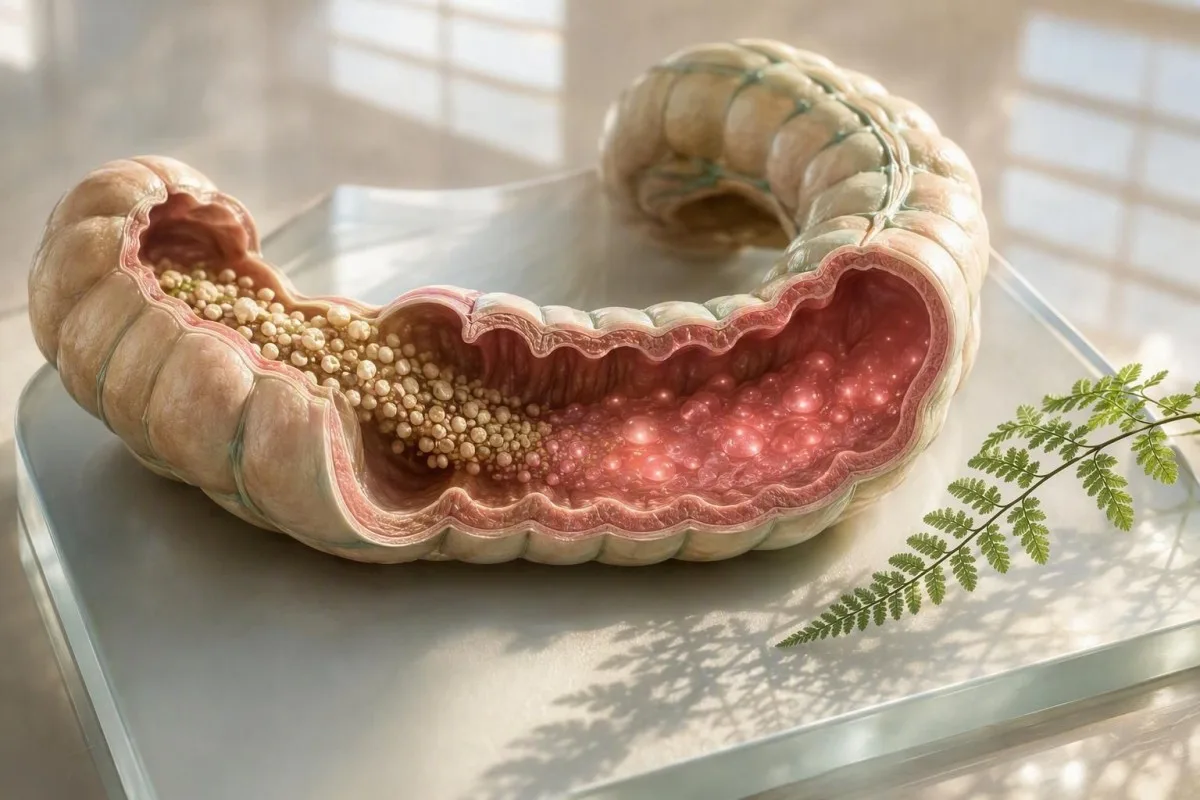
Kyslý stolica môže odrážať fermentáciu nestrávených cukrov, ale je to len náznak – nie diagnóza intolerancie laktózy alebo inej potravinovej intolerancie.


- Nízke pH stolice zvyčajne znamená pH pod 5.5, čo naznačuje kolickú fermentáciu nestráviteľných sacharidov v čerstvej hnačkovej vzorke.
- Znižujúce sa látky môžu podporovať malabsorpciu sacharidov, ale test deteguje niekoľko cukrov a nedokáže identifikovať diétny spúšťač.
- Hnačka u batoliat sa často vyskytuje medzi 6 mesiacmi a 5 rokmi u normálne rastúcich detí, ktoré konzumujú veľké množstvo džúsu, sorbitolu alebo fruktózy.
- Intolerancia na laktózu sa nediagnostikuje iba na základe kyslosti stolice; diétna anamnéza, sledovanie rastu a niekedy dychový test na vodík sú informatívnejšie.
- Čerstvé spracovanie je dôležité pretože baktérie produkujú kyselinu aj po odobratí, čo môže oneskorenému vzorky dodať kyslejší vzhľad.
- Varovné príznaky zahŕňajú krv v stolici, chudnutie, pretrvávajúce zvracanie, horúčku, dehydratáciu, nočnú hnačku alebo nedostatočný lineárny rast.
- Dočasný nedostatok laktázy môže nasledovať po vírusovej gastroenteritíde a často sa zlepší počas dní až týždňov, ako sa črevná sliznica zotavuje.
- Krvné testy môžu hodnotiť dehydratáciu, anémiu, zápal, celiakiu alebo nutričné následky, keď sú príznaky pretrvávajúce alebo je postihnutý rast.
Čo výsledok kyslej stolice skutočne znamená
Nízke pH stolice znamená: čerstvá stolica s pH nižším približne 5.5 môže naznačovať, že nestrávené cukry sa dostali do hrubého čreva a fermentovali na organické kyseliny. Je to fyziologická indícia, nie dôkaz, že dieťa má intoleranciu na laktózu, alergiu na mlieko alebo trvalú tráviacu poruchu.
V praktickom zmysle sa sacharidy, ktoré sa normálne vstrebávajú v tenkom čreve, dostanú do hrubého čreva, kde ich rezidentné baktérie premenia na mastné kyseliny s krátkym reťazcom, vodík, oxid uhličitý a niekedy metán. Výsledná kyselina znižuje pH a môže pritiahnuť vodu do čreva; táto kombinácia vysvetľuje vodnatú, bublinkavú, niekedy ostro kyslo zapáchajúcu stolicu. pH stolice 6,0 až 7,5 je často opisované ako všeobecne očakávané, hoci vek, materské mlieko, strava a laboratórna metóda robia jeden univerzálny rozsah nerealistickým.
Najužitočnejšia otázka nie je “Aký nízky je ten počet?”, ale “Čo sa dialo, keď bol odobratý?” 20-mesačné dieťa s riedkou stolicou po chorobe podobnej norovírusu a pH 5.0 má veľmi odlišný profil pravdepodobnosti ako prosperujúce 3-ročné dieťa s jedným kyslým vzorkom po dni jablkového džúsu. Bristolský vzorec stolice a trojdňový záznam potravy a príznakov často pridávajú diagnostickú hodnotu viac, ako samotné opakované meranie pH.
Ako Thomas Klein, MD, vysvetľujem tento výsledok skôr ako semafor ako nálepku: hovorí nám, aby sme pozorne sledovali expozíciu sacharidom, dĺžku trvania stolice, hydratáciu a rast. Kantesti je AI analyzátor krvných testov, ktorý umiestňuje súvisiace krvné markery – ako je bikarbonát, glukóza, albumín, železné indexy a skríning na celiakiu – do klinického kontextu namiesto toho, aby považoval výsledok stolice za verdikt.
Prečo sa stolica stáva kyslou
Fermentácia produkuje kyselinu mliečnu a mastné kyseliny s krátkym reťazcom po tom, čo sa cukry dostanú do hrubého čreva. Kyslá stolica môže tiež dráždiť perianálnu pokožku, takže dojča alebo batoľa môže mať začervenanie po častej kyslej hnačke, aj keď neexistuje žiadna alergia alebo infekcia.
Ako sa vykonáva test pH stolice – a prečo ho čas mení
A test pH stolice meria koncentráciu vodíkových iónov vo vzorke stolice, zvyčajne pomocou pH papiera alebo elektródy. Hodnota nižšia 5.5 sa tradične považuje za kompatibilné s malabsorpciou sacharidov, ale laboratóriá nepoužívajú plne štandardizovaný protokol odberu ani vyhodnocovania.
Vzorka by mala byť čerstvá a doručená promptne, najmä ak je vodnatá. Baktérie po vylúčení naďalej metabolizujú sacharidy, takže vzorka, ktorá zostane dlhšie pri izbovej teplote, môže byť kyslejšia, ako bola v čreve. Materiál z plienky, kontaminácia močom a nedostatočná tekutá stolica môžu tiež znížiť spoľahlivosť testu.
Videla som rodičov, ktorí boli pochopiteľne znepokojení pH výsledkom 4.8 zo vzorky odobratej predchádzajúci večer. Pred vylúčením potravín by som sa opýtal, či bola vzorka chladená, ako dlho trval transport, či antibiotiká nedávno nezmenili črevnú flóru a či hnačka ešte prebiehala. Kvalita testu môže znamenať rozdiel medzi užitočnou stopou a falošnou stopou.
Laboratórny výsledok pH nerozlišuje medzi laktózou a fruktózou, sacharózou, poruchami transportu glukózy-galaktózy alebo rýchlou pasážou po infekcii. Rovnaký princíp platí pre všetky testy: preanalytické detaily môžu zmeniť interpretáciu, ako to ukazuje náš sprievodca zmenami v laboratórnych parametroch počas choroby v prípade výsledkov krvi.
Čo pH prúžok nedokáže zistiť
pH prúžok nedokáže zmerať, koľko sacharidov bolo malabsorbovaných, pomenovať zapojený sacharid ani určiť, či príznaky pochádzajú z nedostatku enzýmu, infekcie, diétneho vzorca alebo funkčnej hnačky. Taktiež nedokáže diagnostikovať alergiu na potraviny, ktorá je spôsobená imunitnými mechanizmami, nie kyslosťou stolice.
Ako znižujúce sa látky súvisia s kyslou stolicou
Pozitívne znižujúce látky v stolici spolu s pH pod 5,5 môžu podporovať malabsorpciu sacharidov, najmä u dieťaťa s vodnatou hnačkou. Toto spojenie zostáva nespecifické, pretože testy na znižujúce látky detegujú chemické vlastnosti cukru, nie pomenovanú intoleranciu.
Klasický test redukcie medi reaguje so znižujúcimi cukrami, ako sú glukóza, galaktóza, laktóza a fruktóza. Sacharóza nie je redukujúci cukor, pokiaľ nie je najprv rozštiepená hydrolýzou, takže negatívny test nevylučuje symptómy súvisiace so sacharózou alebo nedostatok sucrázy-izomaltázy. Výsledky sú často hlásené od negatívnych až po stopové množstvo, 1+, 2+, 3+a 4+, ale tieto stupne nie sú medzi laboratóriami zameniteľné.
Kyslé pH s pozitívnymi znižujúcimi látkami je najpresvedčivejšie, keď sa objaví počas aktívnej, vysokoobjemovej hnačky a zlepší sa, keď príznaky ustúpia. Naša podrobná revízia pozitívnych znižujúcich látok v stolici vysvetľuje, prečo stopové množstvo v formovanej stolici má oveľa menšiu váhu ako silne pozitívny výsledok v čerstvej tekutej stolici.
Kantesti je služba interpretácie laboratórnych testov poháňaná AI, ktorá môže rodinám pomôcť zorganizovať súvisiace výsledky krvných testov, ale ani naša analýza, ani výsledok znižujúcich látok nemôžu nahradiť pediatrické hodnotenie rastu, hydratácie a skutočnej stravy dieťaťa. Ak sa testovanie používa na zdôvodnenie významného obmedzenia, klinická diagnóza musí byť najprv spoľahlivá.
Častý omyl týkajúci sa mlieka
Pozitívny test na znižujúce látky nedokazuje, že mlieko je vinníkom. Laktóza sa môže nachádzať v stolici po dočasnom postinfekčnom znížení laktázy, napriek tomu ovocné nápoje, lieky obsahujúce sorbitol a rýchla pasáž môžu vytvoriť podobný biochemický obraz.
Prečo malabsorpcia sacharidov spôsobuje hnačku
Malabsorpcia sacharidov spôsobuje hnačku prostredníctvom osmózy a fermentácie: Retencovaný cukor priťahuje vodu do črevného lumenu, potom ho kolónové baktérie premieňajú na kyseliny a plyn. Stolica preto môže byť riedka, kyslá a spojená s nadúvaním alebo podráždením plienkovej oblasti.
Tenké črevo normálne využíva enzýmy a transportéry na štiepenie a vstrebávanie sacharidov. Laktáza sedí na kefkovom okraji a štiepi laktózu na glukózu a galaktózu; keď poškodenie sliznice dočasne znižuje laktázu, laktóza zostáva v lumene. Len 12 až 18 gramov laktózy – čo je množstvo asi v jednej šálke mlieka – môže vyvolať príznaky u vnímavého staršieho dieťaťa, hoci individuálna tolerancia sa značne líši.
Osmotická hnačka sa často zlepší, keď sa zle vstrebateľný sacharid odstráni, a môže sa zhoršiť po kŕmení s vysokým obsahom cukru. Avšak dieťa s vírusovou hnačkou môže mať nízke pH, pretože sa súčasne vyskytuje poškodená sliznica a rýchly tranzit; nazvať to “intoleranciou” môže naznačovať celoživotný stav, keď je biológia zvyčajne dočasná. Recenzia interpretácii kultivácie stolice ak horúčka, cestovanie, epidémie alebo dlhotrvajúce príznaky zvyšujú možnosť infekčnej príčiny.
Ide o to, že fermentácia je v hrubom čreve normálna biológia. Abnormálnosť nie je prítomnosť bakteriálnej produkcie kyselín, ale kombinácia nadmerného substrátu, príznakov a klinických následkov, ako je dehydratácia, zaostávanie v raste alebo nutričná nedostatočnosť.
Plyn neznamená malabsorpciu
Vodík a oxid uhličitý môžu spôsobiť kŕče a distenziu, ale plyn samotný je u zdravých detí bežný. Príznaky, ktoré spoľahlivo nasledujú po dávke konkrétneho sacharidu, sú informatívnejšie ako zápach stolice, bublinky alebo jedna laboratórna hodnota.
Prečo nízke pH stolice nediagnostikuje intoleranciu laktózy alebo alergiu na mlieko
Nízke pH stolice nedokáže diagnostikovať intolerancia laktózy, a nemá žiadnu schopnosť diagnostikovať alergiu na bielkovinu kravského mlieka. Laktózová intolerancia odráža obmedzené trávenie sacharidov; alergia na mlieko je imunitná reakcia a môže spôsobiť vracanie, žihľavku, ekzém, krv alebo hlien v stolici alebo zlý rast.
Primárna laktázová perzistencia je v dojčenskom veku zriedkavá ako symptomatický problém a silne sa líši podľa etnicity a veku. Sekundárny deficit laktázy je pravdepodobnejší po akútnej gastroenteritíde, neliečenej celiakii alebo črevnom zápale. Americká pediatrická akadémia poznamenáva, že laktózová intolerancia by sa mala hodnotiť prostredníctvom anamnézy a vhodného testovania, namiesto toho, aby sa predpokladala z nešpecifických gastrointestinálnych príznakov (Heyman et al., 2006).
Krátka, kontrolovaná redukcia laktózy môže byť po hnačke primeraná, ak jasne zlepšuje príznaky, ale široká eliminácia mlieka má nevýhody. Mnoho detí potrebuje praktické náhradné zdroje vápnika, vitamínu D, bielkovín a energie; dlhodobé obmedzenie bez dietetickej podpory môže byť kontraproduktívne. Pre kontext o pediatrických výživových markeroch, pozri hladiny vápnika u detí.
Thomas Klein, MD, videl v klinickej praxi opačné chyby: rodiny, ktoré naďalej konzumujú laktózu napriek jasným postinfekčným príznakom, a rodiny, ktoré eliminujú všetok mliečny produkt po jednej kyslej stolici. Časovo obmedzený pokus s plánovaným opätovným zavedením je často bezpečnejší ako neobmedzená eliminačná diéta, pokiaľ lekár nepodozrieva alergiu alebo iné ochorenie.
Keď alergia potrebuje urýchlené posúdenie
Okamžitá žihľavka, sipot, opuch tváre, opakované vracanie, letargia alebo obehové príznaky po mlieku si vyžadujú urgentné lekárske posúdenie. Krv v stolici, pretrvávajúci ekzém s ťažkosťami pri kŕmení alebo zaostávanie v raste si zaslúži pediatrické posúdenie namiesto domáceho testovania.
Hnačka u batoliat: bežný diétny kontext
Hnačka u batoliat, nazývaná tiež chronická nešpecifická hnačka, zvyčajne postihuje deti vo veku 6 mesiacov až 5 rokov , ktoré majú časté riedke denné stolice, ale normálnu energiu, vyšetrenie a rast. Nadmerný džús, fruktóza, sorbitol, veľké objemy tekutín a nízky obsah tuku v potrave môžu prispievať ku kyslým stoliciam.
Jablká, hrušky a niektoré ovocné nápoje môžu obsahovať značné množstvo voľného fruktózy a sorbitolu, ktoré sa vstrebávajú rôzne. Dieťa, ktoré pije 500 až 700 ml džúsu alebo sladených nápojov denne, môže mať riedku stolicu napriek tomu, že inak vyzerá zdravo; zníženie množstva džúsu na množstvo primerané veku môže byť užitočnejšie ako testovanie každého jedla. Rámec Rome IV z roku 2016 klasifikuje tento vzor medzi funkčné gastrointestinálne poruchy, ak chýbajú varovné príznaky (Rhoads et al., 2016).
Vzor stolice je vypovedajúci: niekoľko riedkych stolíc počas dňa, viditeľné čiastočky jedla, málo alebo žiadna stolica cez noc a pokračujúci prírastok hmotnosti svedčia o hnačke u batoliat. Naopak, nočné stolice, dieťa, ktoré sa prebudí zo spánku s bolesťou, alebo klesanie hmotnosti cez váhové percentily nie je typické a mení postup diagnostiky. Naša sprievodca tráviacimi príznakmi diskutuje praktický význam načasovania.
Kantesti je nástroj na analýzu krvných testov poháňaný umelou inteligenciou, ktorý sa používa na interpretáciu nutričných a metabolických krvných markerov, keď ich lekár objednal pri pretrvávajúcich tráviacich symptómoch. U prosperujúceho batola s klasickými diétnymi spúšťačmi však krvné testy môžu mať malý prínos; cielená anamnéza stravovania je zvyčajne prvým krokom s vyššou výťažnosťou.
Užitočný formát denníka stravovania
Zaznamenajte nápoje v mililitroch, nielen “pohároch”, spolu s časovaním stolice pre 72 hodín. Zahrňte sladkosti bez cukru, žuvacie vitamíny, prípravky proti kašľu a elektrolytové produkty, pretože sorbitol a fruktóza sa môžu skrývať v produktoch, o ktorých si rodiny nemyslia, že sú jedlom.
Iné dôvody, prečo môže mať dieťa kyslú stolicu
Jeden význam kyslej stolice je širší ako intolerancia sacharidov: akútna vírusová gastroenteritída, rýchly črevný tranzit, nadmerné množstvo diétnych cukrov, zmena mikrobiómu spojená s antibiotikami a zriedkavé vrodené poruchy môžu znížiť pH stolice. Vek dieťaťa a jeho vývoj určujú, ktoré príčiny si zaslúžia testovanie.
Po gastroenteritíde sa môže čepieľkové lemovanie tenkého čreva potrebovať 1 až 3 týždne na obnovenie plnej aktivity laktázy, najmä u dojčiat a batoliat. Počas tohto obdobia môže dieťa trpieť kyslou hnačkou po expozícii laktóze bez toho, aby malo trvalú intoleranciu laktózy. Preto mnohí lekári prehodnocujú toleranciu po zotavení namiesto trvalej zmeny stravy.
Celiakia môže spôsobiť sekundárnu malabsorpciu sacharidov, ale nízke pH stolice nie je skríningovým testom na ňu. Pretrvávajúca hnačka s abdominálnou distenziou, anémiou z nedostatku železa, spomaleným rastom alebo rodinnou anamnézou môže odôvodniť stanovenie anti-transglutaminázových IgA protilátok plus celkových IgA, pretože nedostatok IgA môže viesť k falošne upokojujúcemu celiakálnemu screeningu; pozri Úskalia testovania na IgA a celiakiu.
Zriedkavé poruchy si zaslúžia zmienku bez toho, aby spôsobovali zbytočný strach. Vrodený nedostatok sukrazy-izomaltázy sa často prejavuje pri zavedení škrobov a sacharózy do stravy, zatiaľ čo malabsorpcia glukózy-galaktózy zvyčajne spôsobuje závažnú novorodeneckú vodnatú hnačku a dehydratáciu. Tieto diagnózy sú určené dramatickými klinickými obrazmi a špecializovaným testovaním – nie samotným pH.
Kedy je pravdepodobnejší zápal
Pretrvávajúca krv v stolici, horúčka, strata hmotnosti, anémia alebo zvýšené zápalové markery posúvajú zápalové ochorenie čriev a infekciu vyššie na zozname. V tomto prípade môže byť výsledok fekálneho kalprotektínu klinicky informatívnejší ako opakované meranie pH stolice.
Ktoré testy objasnia príčinu, keď príznaky pretrvávajú
Pretrvávajúca hnačka vyžaduje cielené testovanie, nie rozsiahly nesúvisiaci panel stolice. Lekári vyberajú testy na základe veku, trvania, hydratácie, rastu, anamnézy expozície a toho, či vzor naznačuje malabsorpciu cukrov, zápal, pankreatické ochorenie, infekciu alebo celiakiu.
Dychový test na vodík môže posúdiť malabsorpciu laktózy alebo fruktózy, keď je anamnéza nejasná, hoci príprava a interpretácia sú dôležité. Nárast vodíka vo vydychovanom vzduchu 20 častíc na milión nad východiskovú hodnotu sa bežne používa v protokoloch, ale vyskytujú sa falošné pozitíva z rýchleho tranzitu a falošné negatíva u osôb s nízkou produkciou vodíka. Symptómy počas testu sú rovnako dôležité ako krivka plynu.
Pri hnačke trvajúcej dlhšie ako 14 dňami, lekári môžu zvážiť testovanie stolice na patogény, sérológiu na celiakiu, krvný obraz, elektrolyty, albumín a zápalové markery v závislosti od prezentácie. ESPGHAN a ESPID neodporúčajú rutinné zbytočné zásahy pri akútnej pediatrickej gastroenteritíde, pričom sa zameriavajú skôr na klinické posúdenie dehydratácie a primeranú rehydratáciu (Guarino et al., 2014).
Ak je stolica objemná, mastná, ťažko splachovateľná alebo sprevádzaná slabým prírastkom hmotnosti, otázka sa posúva od spracovania sacharidov k tráveniu tukov. Testovanie tukov v stolici a pankreatické vyšetrenie odpovedajú na inú klinickú otázku ako pH pásik, takže jedno nemôže nahradiť druhé.
Testy by mali odpovedať na definovanú otázku
Test je najužitočnejší, keď pozitívny a negatívny výsledok by viedli k rôznym ďalším krokom. Opakované meranie pH stolice u zdravého dieťaťa, ktorého symptómy zmiznú po znížení príjmu šťavy, zriedka zmení starostlivosť; štruktúrovaný dychový test môže pomôcť, keď diétna anamnéza zostáva rozporuplná.
Rast a hydratácia sú dôležitejšie ako hodnota kyslosti
Dieťa s kyslou stolicou, ktoré pije, močí, je bdelé a sleduje svoju obvyklú rastovú krivku, je zvyčajne menej rizikové ako dieťa s normálnym pH a dehydratáciou alebo úbytkom hmotnosti. Klinický stav má prednosť pred pH stolice pri rozhodovaní o tom, či je potrebné urýchlené vyšetrenie.
Známky dehydratácie zahŕňajú výrazne znížené močenie, sucho v ústach, neprítomnosť sĺz, neobvyklú ospalosť, chladné končatiny a pretrvávajúce vracanie. U dojčiat menej ako 3 mokré plienky za 24 hodín alebo zjavne prepadnutá fontanela si zaslúžia rýchlu lekársku radu; prahy potrebujú kontext, ale rodičia si často všimnú zmenu skôr ako akýkoľvek test.
Keď je hnačka dlhodobá alebo závažná, krvné testy môžu ukázať nízky bikarbonát z úbytku bikarbonátu v stolici, zmenený sodík alebo draslík, zvýšenú močovinu z dehydratácie alebo anémiu z nedostatku železa z podkladovej enteropatie. Naša usmernenie pre elektrolyty vysvetľuje, prečo je bezpečnejšie interpretovať symptómy a niekoľko hodnôt spolu ako jedno číslo mimo rozsahu.
Kantesti AI dokáže organizovať priebežné krvné hodnoty a označiť zmeny na diskusiu, ale nediagnostikuje príčinu pediatrickej hnačky. Vzorka odobratá po slabej perorálnej výžive môže prechodne koncentrovať albumín a hemoglobín, čo môže maskovať nutričné obavy, pokiaľ sa neberie do úvahy stav hydratácie.
Údaje o raste na návštevu
Prineste záznamy o hmotnosti a výške z predchádzajúceho 6 až 12 mesiacov, nielen dnešné číslo. Stabilný percentil je upokojujúci; pretrvávajúci pokles cez dva hlavné percentilové kanály je dôvodom na dôkladnejšie vyšetrenie.
Varovné signály, ktoré si vyžadujú lekárske vyšetrenie namiesto diétnych experimentov
Vyhľadajte urýchlenú lekársku prehliadku pri hnačke s krvou, čierna stolica, žlčové vracanie, silná bolesť brucha, horúčka u malého dojčaťa, dehydratácia, strata hmotnosti alebo znížená ostražitosť. Nízke pH stolice nikdy nie je dôvodom na odklad starostlivosti, ak sú tieto príznaky prítomné.
Krv alebo hlien sa môžu vyskytnúť pri infekciách, kolitíde súvisiacej s alergiou, trhlinách a zápalových ochoreniach čriev; ich prítomnosť nie je vysvetlená jednoduchým malabsorpciou laktózy. Dieťa s krvou v stolici a horúčkou môže vyžadovať testovanie patogénov v stolici a vyšetrenie, zatiaľ čo dieťa s opakovanou krvou a zlým rastom potrebuje širší postup. Prečítajte si náš praktický návod na varovné príznaky hlienu a krvi , na čo sa lekári pýtajú ako prvé.
Hnačka trvajúca dlhšie ako 2 týždňov, opakované epizódy počas niekoľkých mesiacov alebo príznaky, ktoré prerušujú spánok, si vyžadujú riadne preskúmanie, aj keď dieťa pôsobí občas dobre. Ďalšie varovné príznaky zahŕňajú pretrvávajúce nadúvanie brucha, vredy v ústach, kĺbové príznaky, rodinnú anamnézu celiakie alebo zápalových ochorení čriev a nevysvetlenú nízku hladinu hemoglobínu.
Podľa mojich skúseností rodičia sú niekedy upokojení “problémom s jednoduchými sacharidmi” a odkladajú kontrolu, keď dieťa chudne. To je nesprávny smer: dôvodom, prečo sa obávame hnačky sprevádzanej zlým rastom, je to, že spolu naznačujú narušený príjem potravy, malabsorpciu alebo ochorenie čriev, zatiaľ čo samotná riedka stolica je často neškodná.
Čo robiť dnes
Pokračujte v bežnom príjme tekutín a používajte perorálny rehydratačný roztok, keď je odporúčaný; vyhýbajte sa podávaniu samotnej čistej vody u malého dieťaťa so značnými stratami tekutín. Veďte písomný záznam bez fotografií o frekvencii stolice, výstupe moču, teplote, nápojoch a hmotnosti, ak je k dispozícii.
Ako skúsiť diétne zmeny bez nadmerného obmedzovania dieťaťa
Bezpečný diétny pokus je krátky, špecifický a reverzibilný: vymeňte jeden pravdepodobný zdroj sacharidov za 7 až 14 dní, sledujte frekvenciu stolice a pohodlie, potom ho znovu zaveďte, ak sa príznaky zlepšia. Vylúčenie mliečnych výrobkov, ovocia, lepku a viacerých skupín potravín naraz znemožňuje interpretáciu výsledku.
Pri podozrení na hnačku u batoliat začnite s nápojmi: prestaňte podávať džúsy a sladené nápoje, obmedzte nadmerné popíjanie tekutín a ponúkajte vyvážené jedlá s dostatkom tukov primeraných veku. Cieľom nie je nízkosacharidová diéta. Deti potrebujú sacharidy na energiu a ich nahradenie reštriktívnymi “črevnými” produktmi môže znížiť kalórie bez vyriešenia základného problému.
Pri možnej postinfekčnej malabsorpcii laktózy mnoho detí toleruje jogurt alebo tvrdý syr lepšie ako mlieko, pretože kultúry a spracovanie znižujú obsah laktózy. Dietológ môže pomôcť zabezpečiť príjem vápnika; alternatívy mliečnych výrobkov sa široko líšia a iba obohatené produkty poskytujú zmysluplnú náhradu. Pozrite si náš prehľad založený na dôkazoch o potravinách, ktoré ovplyvňujú testy stolice pred vykonaním rozsiahlych zmien.
Kantesti podporuje diskusie o výžive tým, že zobrazuje usporiadané krvné markery v priebehu času, nie predpisovaním eliminačnej diéty na základe výsledku stolice. Kantesti je platforma na interpretáciu biomarkerov AI, ktorá identifikuje vzorce v laboratórnych údajoch objednaných lekárom, zatiaľ čo potravinové výzvy a pediatrické rozhodnutia zostávajú individuálnou klinickou prácou.
Vyhnite sa bežnej testovacej pasci
V ten istý deň nezavádzajte nový probiotikum, vlákninový prášok, bezlaktózovú formulu a obmedzenie džúsu. Ak sa všetky štyri začnú súčasne, zlepšenie na deň 10 nemožno pripísať žiadnej jednotlivej intervencii.
Čo črevný mikrobióm a probiotiká môžu – a nemôžu – vysvetliť
Črevné baktérie produkujú kyseliny zo sacharidov, takže mikrobióm ovplyvňuje pH stolice; nízke pH však nedokazuje škodlivú bakteriálnu nerovnováhu ani nepotvrdzuje potrebu probiotík. Kyslosť stolice je hrubým konečným signálom stravy, tranzitu, mikrobiálneho metabolizmu a podmienok odberu.
Mastné kyseliny s krátkym reťazcom sú všeobecne normálnymi produktmi kolonic fermentácie a môžu podporovať energetický metabolizmus kolónových buniek. Klinický problém nastáva, keď zostane dostatočné množstvo zle absorbovaných sacharidov, ktoré zvýšia objem vody v lúmene a spôsobia symptómy. Tento rozdiel je dôležitý, pretože pokusy o “alkalizáciu” stolice nie sú štandardnou liečbou a môžu odvádzať pozornosť od spúšťačov súvisiacich s hydratáciou alebo stravou.
Dôkazy pre probiotiká pri akútnej hnačke sú špecifické pre kmeň a špecifické pre produkt; účinky nemožno odvodiť z hodnoty pH stolice. U inak zdravých detí odporúčam prediskutovať kmeň, dávku, trvanie a imunitný stav s lekárom namiesto výberu produktu na základe marketingových tvrdení. Naša sprievodca bezpečnosťou probiotík pokrýva tieto praktické hranice.
Antibiotiká môžu meniť vzorce fermentácie, ale nová hnačka počas alebo po antibiotikách tiež vyvoláva obavy z účinkov liekov a, v príslušných klinických situáciách, testovanie patogénov. Nižšie pH po antibiotikách nám nehovorí, či antibiotikum pomohlo, poškodilo, alebo sa jednoducho zhodovalo s prebiehajúcou vírusovou chorobou.
Zápach nie je laboratórny test
Kyslé alebo nezvyčajne štipľavé zápachy stolice môžu sprevádzať fermentáciu sacharidov, ale zápach má nízku diagnostickú presnosť. Pozorovanie rodičov je užitočné v spojení s časovaním, expozíciou potrave, vyrážkou, horúčkou a hydratáciou – nie ako náhrada testovania.
Ako sa pripraviť na užitočnú detskú prehliadku
Najlepšia pediatrická konzultácia začína stručnou časovou osou: frekvencia stolice, konzistencia, nočné symptómy, tekutiny v mL, jedlá, nedávna choroba, lieky, cestovanie, rodinná anamnéza a záznamy o raste. Tieto informácie často zúžia diferenciálnu diagnózu pred objednaním ďalšieho testu.
Prineste presné laboratórne znenie, vrátane hodnoty pH, stupňa redukčných látok, dátumu odberu vzorky a či bola vzorka chladená. pH 5.2 z tekutej vzorky analyzovanej do jednej hodiny znamená viac ako “abnormálny test stolice” skopírovaný do portálu. Je tiež užitočné uviesť, čo dieťa zjedlo za predchádzajúcich 24 hodín a či hnačka nasledovala po vírusovej chorobe.
Položte štyri priame otázky: Aká diagnóza je najpravdepodobnejšia? Aký nález by vás znepokojil z inej príčiny? Je krátka diétna skúška rozumná? Kedy by sme mali prehodnotiť rast? Tieto otázky zabraňujú bežnému skĺznutiu k opakovaným testom bez jasného rozhodovacieho bodu. kontrolný zoznam súhrnu krvných testov môže pomôcť rodinám efektívne zhromaždiť súvisiace výsledky.
Ak lekár objednáva krvné vyšetrenie, použite bezpečný záznam namiesto spoliehania sa na pamäť alebo snímky obrazovky rozptýlené po zariadeniach. Naša sprievodca technológiou Kantesti zameraná na súkromie vysvetľuje, ako naša viacjazyčná technológia Health AI spracováva nahrané laboratórne správy a zároveň udržiava interpretáciu oddelenú od diagnózy.
Čo nepriniesť
Necíťte sa povinní priniesť každú stolicu zo týždenných symptómov, pokiaľ si to klinický tím nevyžiada. Jasný denník a správne odobratá čerstvá vzorka požadovaná pre špecifický test sú zvyčajne užitočnejšie ako viacero neplánovaných vzoriek.
Kde má AI a laboratórna interpretácia jasné limity
AI môže organizovať laboratórne informácie a identifikovať otázky pre lekára, ale žiadny systém AI nemôže diagnostikovať intoleranciu sacharidov len z pH stolice. Diagnóza závisí od načasovania symptómov, stravy, vyšetrenia, rastu a niekedy od formálnych testov dychu, genetických, endoskopických alebo infekčných testov.
Kantesti AI interpretuje nahrané krvné správy približne 60 sekúnd a dokáže identifikovať kombinácie, ako napríklad nízky feritín plus nízky albumín alebo zmeny elektrolytov po dlhodobej hnačke. Táto funkcia je užitočná na prípravu a uvedomenie si trendov, ale nenahrádza pediatra, ktorý môže dieťa vyšetriť, sledovať rast a rozhodnúť, či je výsledok stolice akčný.
Náš lekársky obsah je kontrolovaný podľa klinických noriem, pretože presnosť zahŕňa aj vedomie, kedy si príliš veľa nevyvodzovať. O našej metodike a klinickom dohľade si môžete prečítať v zázname klinického overenia, a spoznať lekárov, ktorí túto prácu riadia, prostredníctvom nášho Lekárska poradná rada.
Od 26. augusta 2026, môj konečný záver je jednoduchý: nízke pH stolice môže zodpovedať malabsorpcii sacharidov, najmä spolu s pozitívnymi redukčnými látkami a vodnatou hnačkou, ale nemôže určiť typ, trvanie alebo príčinu intolerancie. Ak existujú varovné signály, vyhľadajte lekársku pomoc okamžite; ak dieťa prospieva, spolupracujte s lekárom na zmeranom stravovacom pláne a pláne sledovania namiesto toho, aby ste sa obávali jedného kyslého výsledku.
Rozumný ďalší krok
Uložte si pôvodnú správu, zaznamenajte okolnosti odberu a zdieľajte úplný príbeh s lekárom dieťaťa. Ak boli nariadené krvné testy, Sprievodca biomarkerom Kantesti vám môže pomôcť pochopiť termíny pred návštevou bez toho, aby ste si z nich vytvorili samodiagnózu.
Často kladené otázky
Čo znamená nízke pH stolice u dieťaťa?
pH stolice nižšie ako približne 5.5 môže znamenať, že nestrávené sacharidy sa dostali do hrubého čreva a boli fermentované baktériami na kyseliny. Tento vzor sa môže vyskytnúť pri dočasnom nedostatku laktázy po gastroenteritíde, vysokom príjme fruktózy alebo sorbitolu, alebo iných príčinách rýchleho priechodu. Neldiagnostikuje samotnú intoleranciu laktózy, pretože oneskorenie odberu, strava a infekcia môžu tiež ovplyvniť pH. Pediatrický lekár by mal výsledok interpretovať spolu so vzorom stolice, rastom, hydratáciou a príznakmi.
Znamená kyslá stolica intoleranciu laktózy?
Nie, kyslá stolica sama o sebe neznamená intoleranciu laktózy. Malabsorpcia laktózy je jednou z možných príčin pH stolice nižšieho ako 5.5, ale fruktóza, sorbitol, postinfekčný rýchly priechod a iné nestrávené cukry môžu spôsobiť rovnaký nález. Intolerancia laktózy je dôveryhodnejšia, keď príznaky opakovane nasledujú po expozícii laktóze a zlepšujú sa počas krátkeho, kontrolovaného zníženia s neskoršou reintrodukciou. Mliečna alergia je iný imunitný stav a nedá sa diagnostikovať pomocou pH stolice.
Čo sú redukujúce látky v testoch stolice?
Redukčné látky sú cukry, ktoré reagujú v chemickom teste stolice, vrátane glukózy, galaktózy, laktózy a fruktózy. Pozitívny výsledok spolu s vodnatou kyslou stolicou môže podporiť malabsorpciu sacharidov, ale nemôže identifikovať zodpovedný cukor ani závažnosť problému. Sacharóza môže byť prehliadnutá, pretože nie je redukčným cukrom, pokiaľ ju laboratórium najprv nehydrolyzuje. Výsledky hlásené ako stopové množstvo, 1+, alebo vyššie by sa mali vždy čítať pomocou metódy daného laboratória a klinickej anamnézy dieťaťa.
Môže hnačka u batoliatka spôsobiť nízke pH stolice?
Áno, hnačka u batoliat môže spôsobiť nízke pH stolice, keď sa do hrubého čreva dostane nadbytok džúsu, voľná fruktóza, sorbitol alebo veľké množstvo sladkých nápojov. Tento bežný funkčný vzor sa zvyčajne vyskytuje medzi 6 mesiacmi a 5 rokmi a často je sprevádzaný normálnym rastom, normálnou aktivitou a dennými riedkymi stolicami bez krvi. 72-hodinový denník, ktorý zaznamenáva nápoje v mililitroch a časovanie stolice, je často užitočnejší ako opakované testovanie pH. Nočná hnačka, strata hmotnosti, horúčka alebo krv nie sú typické a vyžadujú lekárske vyšetrenie.
Ako dlho môže stolica zostať kyslá po žalúdočnom vírusu?
Stolica môže zostať kyslá približne 1 až 3 týždne po vírusovej gastroenteritíde, pretože kartáčový lem tenkého čreva môže dočasne produkovať menej laktázy a priechod môže zostať rýchly. Mnohé deti sa zotavia bez dlhodobého diétneho obmedzenia, najmä keď sa chuť do jedla a konzistencia stolice normalizujú. Krátkodobé zníženie laktózy sa niekedy môže použiť pod klinickým dohľadom, po ktorom nasleduje plánovaná reintrodukcia. Pretrvávajúce príznaky po 2 týždňov, nedostatočný príjem potravy, dehydratácia alebo zlý rast by mali viesť k prehodnoteniu.
Kedy je nízke pH stolice u dieťaťa naliehavé?
Nízke pH stolice samo o sebe nie je núdzovým stavom, ale naliehavé vyšetrenie je potrebné, ak sa hnačka vyskytne s dehydratáciou, krvou alebo čiernou stolicou, biliárnym vracaním, silnou bolesťou brucha, neobvyklou ospalosťou alebo zníženým močením. U malého dojčaťa je menej ako 3 mokré plienky za 24 hodín znepokojivá zmena hydratácie a si vyžaduje okamžitú lekársku radu. Hnačka trvajúca dlhšie ako 14 dňami alebo spojená so stratou hmotnosti si tiež vyžaduje pediatrické vyšetrenie. Vzhľad dieťaťa, hydratácia a rast sú naliehavejšími indikátormi ako číslo pH.
Získajte analýzu krvných testov s podporou AI už dnes
Pridajte sa k viac než 2 miliónom používateľov na celom svete, ktorí dôverujú Kantesti pri okamžitej a presnej analýze laboratórnych testov. Nahrajte svoje výsledky krvných testov a získajte komplexnú interpretáciu biomarkerov 15,000+ v priebehu sekúnd.
📚 Citované publikácie výskumu
Klein, T., Mitchell, S., & Weber, H. (2026). Kantesti LTD. (2026). C3 C4 komplementový test z krvi a návod na titráciu ANA. Zenodo. https://doi.org/10.5281/zenodo.18353989. Kantesti AI Medical Research.
Klein, T., Mitchell, S., & Weber, H. (2026). Kantesti LTD. (2026). Sprievodca krvným testom na vírus Nipah: skoré odhalenie a diagnostika 2026. Zenodo. https://doi.org/10.5281/zenodo.18487418. Kantesti AI Medical Research.
📖 Externé lekárske referencie
Guarino A a kol. (2014). Európske usmernenia Európskej spoločnosti pre pediatrickú gastroenterológiu, hepatológiu a výživu/Európskej spoločnosti pre pediatrické infekčné choroby založené na dôkazoch pre manažment akútnej gastroenteritídy u detí v Európe: aktualizácia 2014. Journal of Pediatric Gastroenterology and Nutrition.
⚕️ Vyhlásenie o lekárskej starostlivosti
Tento článok je určený len na vzdelávacie účely a nepredstavuje lekárske poradenstvo. Pri rozhodnutiach o diagnostike a liečbe sa vždy poraďte s kvalifikovaným poskytovateľom zdravotnej starostlivosti.
Signály dôvery E-E-A-T Trust Signals
Skúsenosti
Klinické hodnotenie vedené lekárom pracovných postupov interpretácie laboratórnych výsledkov.
Odbornosť
Laboratórna medicína so zameraním na to, ako sa biomarkery správajú v klinickom kontexte.
Autoritatívnosť
Napísané Dr. Thomasom Kleinom, recenzia Dr. Sarah Mitchell a prof. Dr. Hans Weber.
Dôveryhodnosť
Interpretácia založená na dôkazoch s jasnými následnými krokmi na zníženie poplachu.