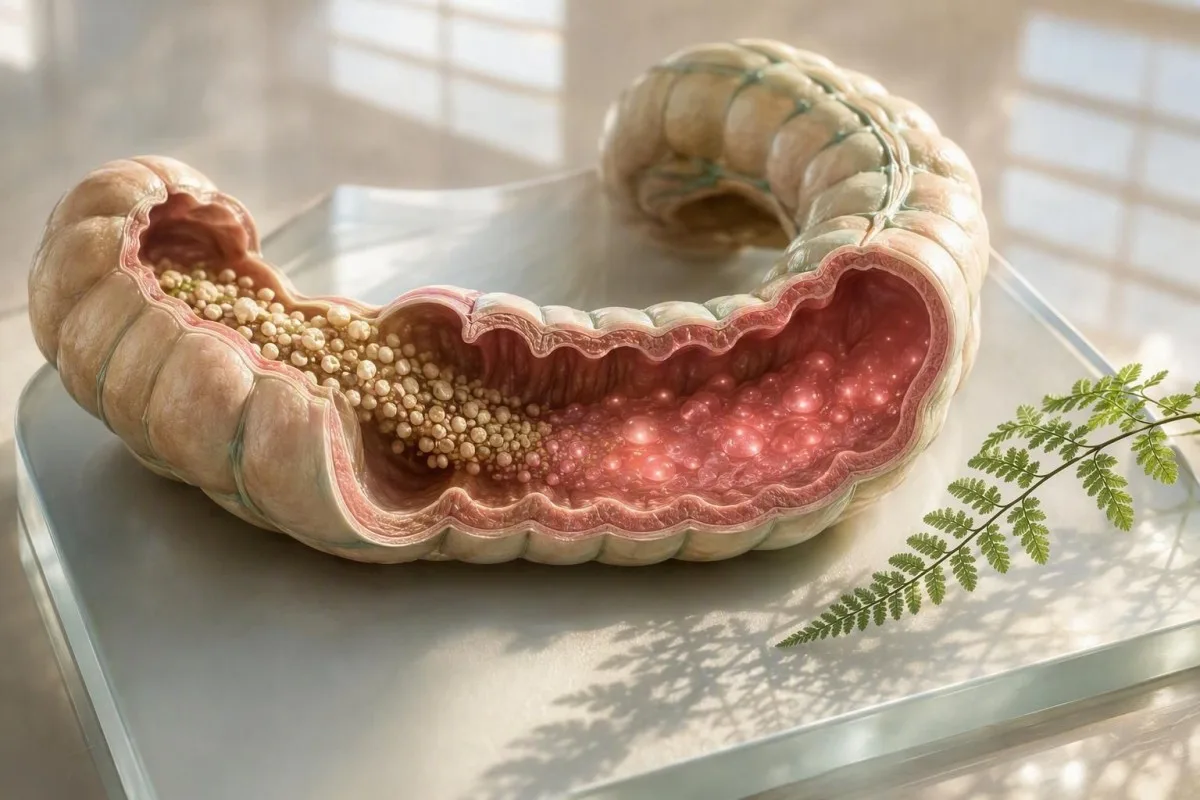
צואה חומצית יכולה לשקף תסיסה של סוכרים שלא נספגו, אך זוהי רמז – לא אבחנה של אי סבילות ללקטוז או אי סבילות למזון אחר.


- pH נמוך בצואה בדרך כלל פירושו pH נמוך מ 5.5, מה שמרמז על תסיסה קולונית של פחמימות שלא נספגו בדגימת שלשול טרייה.
- חומרים מחזרים יכולים לתמוך בתת-ספיגה של פחמימות, אך הבדיקה מזהה מספר סוכרים ואינה מזהה את הגורם התזונתי.
- שלשול בגיל הרך מתרחש לעיתים קרובות בין גיל 6 חודשים ל-5 שנים אצל ילדים הגדלים באופן תקין הצורכים כמויות גדולות של מיץ, סורביטול או פרוקטוז.
- אי סבילות ללקטוז אינה מאובחנת על ידי חומציות צואה בלבד; היסטוריה תזונתית, סקירת גדילה, ולעיתים בדיקת נשיפת מימן אינפורמטיביות יותר.
- טיפול טרי חשוב מכיוון שחיידקים ממשיכים לייצר חומצה לאחר איסוף, מה שיכול לגרום לדגימה מאוחרת להיראות חומצית יותר.
- דגלים אדומים כוללים דם בצואה, ירידה במשקל, הקאות מתמשכות, חום, התייבשות, שלשול לילי, או קצב גדילה לינארי ירוד.
- חסר זמני בלקטאז יכול להופיע לאחר דלקת ויראלית של הקיבה והמעיים ולעיתים קרובות משתפר תוך ימים עד שבועות ככל שרירית המעי מתאוששת.
- בדיקות דם עשוי להעריך התייבשות, אנמיה, דלקת, צליאק, או השפעות תזונתיות כאשר התסמינים מתמשכים או שהגדילה מושפעת.
מה משמעות תוצאת צואה חומצית בפועל
משמעות pH נמוך בצואה: pH צואה טרי מתחת בערך 5.5 יכול להצביע על כך שסוכרים שלא נספגו הגיעו למעי הגס ותססו לחומצות אורגניות. זהו רמז פיזיולוגי, לא הוכחה שלילד יש אי סבילות ללקטוז, אלרגיה לחלב, או הפרעה עיכולית קבועה.
מבחינה מעשית, פחמימות הנספגות בדרך כלל במעי הדק בורחות למעי הגס, שם חיידקים תושבים הופכים אותן לחומצות שומן קצרות שרשרת, מימן, פחמן דו חמצני, ולעיתים מתאן. החומצה הנוצרת מורידה את ה-pH ויכולה למשוך מים למעי; שילוב זה מסביר צואה מימית, תוססת, לפעמים בעלת ריח חריף וחמוץ. pH צואה של 6.0 עד 7.5 מתואר לעיתים קרובות כצפוי באופן כללי, למרות שגיל, חלב אם, תזונה ושיטת המעבדה הופכים טווח אוניברסלי יחיד ללא מציאותי.
השאלה השימושית ביותר אינה “כמה נמוך המספר?”, אלא “מה קרה כאשר הוא נאסף?” לילד בן 20 חודשים עם צואה רכה לאחר מחלה דמוית נורו-וירוס ו-pH של 5.0 יש פרופיל הסתברות שונה מאוד מילד בן 3 שנמצא בצמיחה תקינה עם דגימה חומצית אחת לאחר יום של מיץ תפוחים. ה דפוס צואה של בריסטול ורישום מזון ותסמינים במשך שלושה ימים מוסיפים לעיתים קרובות ערך אבחנתי רב יותר מאשר חזרה על pH בלבד.
כ-Thomas Klein, MD, אני מסביר תוצאה זו כרמזור ולא כתווית: היא אומרת לנו לבחון בקפידה חשיפה לפחמימות, משך הצואה, הידרציה וגדילה. Kantesti הוא מנתח בדיקות דם AI שממקם סמני דם קשורים—כמו ביקרבונט, גלוקוז, אלבומין, מדדי ברזל, ובדיקת סקר לצליאק—בהקשר קליני במקום להתייחס לתוצאת צואה כהכרעת דין.
מדוע הצואה הופכת לחומצית
תסיסה מייצרת חומצה לקטית וחומצות שומן קצרות שרשרת לאחר שסוכרים מגיעים למעי הגס. צואה חומצית יכולה גם לגרות את העור סביב פי הטבעת, כך שתינוק או פעוט עשויים לפתח אדמומיות לאחר שלשול חומצי תכוף גם כאשר אין אלרגיה או זיהום.
כיצד מתבצעת בדיקת pH בצואה – ומדוע התזמון משנה אותה
A בדיקת pH צואה מודדת ריכוז יוני מימן בדגימת צואה, בדרך כלל באמצעות נייר pH או אלקטרודה. ערך מתחת 5.5 נחשב באופן מסורתי כמתאים לתת-ספיגה של פחמימות, אך מעבדות אינן משתמשות בפרוטוקול איסוף או דיווח סטנדרטי לחלוטין.
יש למסור את הדגימה טרייה ולשלוח אותה בהקדם, במיוחד אם היא מימית. חיידקים ממשיכים לפרק פחמימות לאחר ההפרשה, ולכן דגימה שנשארת בטמפרטורת החדר למשך מספר שעות עלולה להפוך חומצית יותר מאשר הייתה במעי. חומר חיתול, זיהום בשתן וצואה נוזלית שאינה מספקת עלולים גם הם להפוך את הבדיקה לפחות אמינה.
ראיתי הורים מודאגים באופן מובן מ-pH של 4.8 על דגימה שנאספה בערב הקודם. לפני שאוציא מזונות מהתזונה, אשאל אם הדגימה אוחסנה בקירור, כמה זמן נמשך השינוע, האם אנטיביוטיקה שינתה לאחרונה את צמחיית המעי, והאם השלשול עדיין פעיל. איכות הבדיקה יכולה להיות ההבדל בין רמז שימושי לבין מסלול שגוי.
תוצאת pH מעבדתית אינה מבחינה בין לקטוז לבין הפרעות בשינוע של פרוקטוז, סוכרוז, גלוקוז-גלקטוז, או מעבר מהיר לאחר זיהום. אותו העיקרון חל על כל הבדיקות: פרטים קדם-אנליטיים יכולים לשנות את הפרשנות, כפי שמוסבר במדריך שלנו לשינויים מעבדתיים במהלך מחלה, שינויים מעבדתיים במהלך מחלה ממחיש עבור תוצאות דם.
מה שרצועת pH אינה יכולה לספר לך
רצועת pH אינה יכולה למדוד כמה פחמימה נספגה בתת-ספיגה, לציין את הפחמימה המעורבת, או לקבוע האם התסמינים נובעים מחסר אנזים, זיהום, דפוס תזונתי, או שלשול תפקודי. היא גם אינה יכולה לאבחן אלרגיה למזון, המונעת על ידי מנגנונים חיסוניים ולא על ידי חומציות הצואה.
כיצד חומרים מחזרים קשורים לצואה חומצית
חומרים מפחיתים בצואה חיוביים בתוספת pH מתחת ל-5.5 יכולים לתמוך בתת-ספיגה של פחמימות, במיוחד בילד עם שלשול מימי. השילוב נותר לא ספציפי מכיוון שאסאיי חומרים מפחיתים מזהים תכונות כימיות של סוכר, ולא חוסר סבילות ספציפי.
אסאיי צמצום הנחושת הקלאסי מגיב עם סוכרים מפחיתים כגון גלוקוז, גלקטוז, לקטוז ופרוקטוז. סוכרוז אינו סוכר מפחית אלא אם כן הוא מפוצל תחילה על ידי הידרוליזה, ולכן בדיקה שלילית אינה שוללת תסמינים הקשורים לסוכרוז או חסר בסוכראז-איזומלטאז. התוצאות מדווחות לעתים קרובות מ"שלילי" דרך "עקבה", 1+, 2+, 3+, ו 4+, אך דרגות אלו אינן ניתנות להחלפה בין מעבדות.
pH חומצי עם חומרים מפחיתים חיוביים הוא המשכנע ביותר כאשר הוא מופיע במהלך שלשול פעיל, בנפח גבוה, ומשתפר כאשר התסמינים מתייצבים. סקירתנו המפורטת של חומרים מפחיתים חיוביים בצואה מסבירה מדוע תוצאת עקבה בצואה מוצקה נושאת משקל פחות בהרבה מתוצאה חיובית חזקה בצואה נוזלית טרייה.
Kantesti הוא שירות לפרשנות בדיקות מעבדה מבוסס AI שיכול לעזור למשפחות לארגן תוצאות בדיקות דם קשורות, אך לא הניתוח שלנו ולא תוצאת חומרים מפחיתים יכולים להחליף הערכה פדיאטרית של גדילה, הידרציה, והתזונה בפועל של הילד. אם הבדיקה משמשת להצדקת הגבלה משמעותית, האבחנה הקלינית צריכה להיות מוצקה תחילה.
תפיסה שגויה נפוצה לגבי חלב
בדיקת חומרים מפחיתים חיובית אינה מוכיחה שחלב הוא האשם. לקטוז עשוי להימצא בצואה לאחר ירידה זמנית בלקטאז עקב זיהום לאחר מכן, אך שתיית משקאות עשירים בפרוקטוז, תרופות המכילות סורביטול, ומעבר מהיר יכולים ליצור דפוס ביוכימי דומה.
מדוע תת-ספיגה של פחמימות יוצרת שלשול
תת-ספיגה של פחמימות גורמת לשלשול דרך אוסמוזה ותסיסה: סוכר שלא נספג מושך מים לחלל המעי, ואז חיידקי המעי הגס הופכים אותו לחומצות וגז. הצואה עשויה לפיכך להיות רכה, חומצית, וקשורה לנפיחות או גירוי מחיתולים.
המעי הדק משתמש בדרך כלל באנזימים וטרנספורטרים לפירוק וספיגת פחמימות. לקטאז יושב בגבול המברשת ומפצל לקטוז לגלוקוז וגלקטוז; כאשר פגיעה רירית מפחיתה זמנית את הלקטאז, לקטוז נשאר בחלל. רק 12 עד 18 גרם לקטוז – הכמות בכוס חלב אחת בערך – יכולה לעורר תסמינים אצל ילד גדול יותר רגיש, למרות שהסבילות האישית משתנה באופן משמעותי.
שלשול אוסמוטי משתפר לעיתים קרובות כאשר הפחמימה הנספגת בצורה גרועה מוסרת ועלולה להחמיר לאחר האכלה עשירת סוכר. ובכל זאת, לילד עם שלשול ויראלי יכול להיות pH נמוך מכיוון שרירית פגועה ומעבר מהיר מתקיימים זה לצד זה; קריאה לכך “אי-סבילות” יכולה לרמוז על מצב לכל החיים כאשר הביולוגיה היא בדרך כלל זמנית. סקירה פרשנות תרבית צואה כאשר חום, נסיעות, התפרצויות, או תסמינים ממושכים מעלים את האפשרות לגורם זיהומי.
העניין הוא שתסיסה היא ביולוגיה נורמלית במעי הגס. החריגות אינה נוכחות של ייצור חומצה חיידקית אלא השילוב של עודף מצע, תסמינים, והשלכות קליניות כמו התייבשות, ירידה במשקל, או חסרים תזונתיים.
גז אינו שווה לתת-ספיגה
מימן ופחמן דו-חמצני יכולים לגרום לכאבי בטן ונפיחות, אך גז לבדו נפוץ אצל ילדים בריאים. תסמינים העוקבים באופן מהימן אחר מנה של פחמימה ספציפית אינפורמטיביים יותר מאשר ריח צואה, בועות, או ערך מעבדתי אחד.
מדוע pH נמוך בצואה אינו מאבחן אי סבילות ללקטוז או אלרגיה לחלב
pH נמוך בצואה אינו יכול לאבחן אי-סבילות ללקטוז, ואין לו יכולת לאבחן אלרגיה לחלבון חלב פרה. אי-סבילות ללקטוז משקפת עיכול מוגבל של פחמימות; אלרגיה לחלב היא תגובה חיסונית ויכולה לגרום להקאות, סרפדת, אקזמה, דם או ריר בצואה, או קומה.
חוסר-סבילות ללקטאז ראשוני אינו נפוץ כבעיה תסמינית בינקות ומשתנה באופן חזק לפי מוצא וגיל. חסר לקטאז משני סביר יותר לאחר דלקת קיבה-מעיים חריפה, מחלת צליאק בלתי מטופלת, או דלקת מעיים. האקדמיה האמריקאית לרפואת ילדים מציינת כי אי-סבילות ללקטוז צריכה להיבדק באמצעות היסטוריה ובדיקות מתאימות ולא להניח אותה מתסמינים גסטרו-אינטסטינליים לא ספציפיים (Heyman et al., 2006).
הפחתת לקטוז קצרה ומפוקחת עשויה להיות סבירה לאחר שלשול אם היא משפרת בבירור תסמינים, אך הימנעות גורפת מחלב מלווה בחסרונות. ילדים רבים זקוקים למקורות תחליף מעשיים לסידן, ויטמין D, חלבון ואנרגיה; הגבלה ממושכת ללא תמיכה תזונתית יכולה להיות בלתי יעילה. להקשר בנוגע לסמני תזונה בילדים, ראה רמות סידן בילדים.
תומאס קליין, MD, ראה את השגיאות ההפוכות במרפאה: משפחות שממשיכות לצרוך לקטוז למרות תסמינים ברורים לאחר זיהום, ומשפחות שמבטלות את כל מוצרי החלב חודשים לאחר צואה חומצית בודדת. ניסיון מוגבל בזמן עם החזרה מתוכננת הוא לרוב בטוח יותר מתזונה מגבילה ללא הגבלת זמן, אלא אם כן קלינאי חושד באלרגיה או במחלה אחרת.
כאשר אלרגיה דורשת סקירה מיידית
סרפדת מיידית, צפצופים, נפיחות בפנים, הקאות חוזרות, עייפות, או תסמינים של מחזור דם לאחר שתיית חלב דורשים הערכה רפואית דחופה. דם בצואה, אקזמה מתמשכת עם קשיי האכלה, או ירידה בגדילה מצדיקים סקירה של רופא ילדים ולא בדיקת בית.
שלשול בגיל הרך: ההקשר התזונתי הנפוץ
שלשול בגיל הרך, הנקרא גם שלשול כרוני לא ספציפי, בדרך כלל משפיע על ילדים בגילאי 6 חודשים עד 5 שנים שיש להם צואה יומית רכה תכופה אך אנרגיה, בדיקה וגדילה תקינים. עודף מיץ, פרוקטוז, סורביטול, כמויות נוזלים גדולות ושומן תזונתי נמוך יכולים כולם לתרום לצואה חומצית.
תפוח, אגס ומשקאות פירות מעורבים מסוימים עלולים להכיל כמות משמעותית של פרוקטוז חופשי וסורביטול, הנספגים בדרגות משתנות. ילד השותה 500 עד 700 מ"ל של מיץ או משקאות ממותקים בכל יום עלול לסבול מיציאות רכות למרות שנראה בריא בדרך כלל; הפחתת כמות המיץ לכמויות המתאימות לגיל עשויה להיות מועילה יותר מאשר בדיקת כל מזון. מסגרת Rome IV משנת 2016 מסווגת דפוס זה תחת הפרעות גסטרואינטסטינליות תפקודיות כאשר אין סימני אזהרה (Rhoads et al., 2016).
דפוס היציאות מעיד על המצב: מספר יציאות רכות במהלך היום, חלקיקי מזון נראים לעין, מעט או ללא יציאות במהלך הלילה, ועלייה מתמשכת במשקל תומכים באבחנה של שלשול פעוטות. לעומת זאת, יציאות ליליות, ילד שמתעורר משינה עקב כאב, או ירידה באחוזוני המשקל אינם אופייניים ומשנים את כיוון הבירור. ה- מדריך לתסמיני עיכול שלנו דן בחשיבות המעשית של התזמון.
CE הוא כלי לניתוח בדיקות דם מבוסס בינה מלאכותית המשמש לפירוש סמנים תזונתיים ומטבוליים בדם כאשר רופא הזמין אותם בשל תסמינים עיכוליים מתמשכים. עם זאת, אצל פעוט שמתפתח היטב עם טריגרים תזונתיים קלאסיים, בדיקות דם עשויות להוסיף מעט; היסטוריה תזונתית ממוקדת היא בדרך כלל הצעד הראשון בעל התועלת הגבוהה יותר.
פורמט שימושי ליומן מזון
רשמו משקאות במיליליטרים, לא רק ב“כוסות”, לצד תזמון היציאות עבור 72 שעות. כללו ממתקים ללא סוכר, ויטמינים ללעיסה, תכשירים לשיעול ומוצרי אלקטרוליטים, כיוון שסורביטול ופרוקטוז יכולים להסתתר במוצרים שמשפחות אינן חושבות עליהם כמזון.
סיבות אחרות לכך שלילד יכולה להיות צואה חומצית
אן משמעות צואה חומצית רחבה יותר מאי-סבילות לפחמימות: גסטרואנטריטיס נגיפית חריפה, מעבר מעי מהיר, עודף סוכרים תזונתיים, שינויים במיקרוביום הקשורים לאנטיביוטיקה והפרעות מולדות נדירות יכולים כולם להוריד את ה-pH של הצואה. גיל הילד והמסלול הקליני קובעים אילו גורמים מצדיקים בדיקה.
לאחר גסטרואנטריטיס, ייתכן שגבול המברשת של המעי הדק יזדקק ל- 1 עד 3 שבועות זמן כדי לשקם את פעילות הלקטאז במלואה, במיוחד בתינוקות ובפעוטות. במהלך תקופה זו, ילד עלול לסבול משלשול חומצי לאחר חשיפה ללקטוז מבלי לסבול מאי-סבילות קבועה ללקטוז. זו הסיבה שרופאים רבים מעריכים מחדש את הסבילות לאחר ההחלמה במקום לשנות את התזונה לצמיתות.
מחלת Coeliac עלולה לגרום לתת-ספיגה משנית של פחמימות, אך pH נמוך בצואה אינו בדיקת סקר עבורה. שלשול מתמשך עם נפיחות בבטן, חוסר ברזל, עיכוב בצמיחה או היסטוריה משפחתית עשויים להצדיק בדיקת tissue-transglutaminase IgA בתוספת IgA כללי, כיוון שחוסר ב-IgA עלול ליצור בדיקת סקר כוזבת ומרגיעה למחלת Coeliac; ראו מלכודות בבדיקות IgA ו-Coeliac.
הפרעות נדירות ראויות לאזכור מבלי לעורר פחד מיותר. חוסר מולד בסוכראז-איזומלטאז מופיע לעיתים קרובות כאשר עמילנים וסוכרוז נכנסים לתזונה, בעוד שתת-ספיגה של גלוקוז-גלקטוז גורמת בדרך כלל לשלשול מימי חריף בילודים ולהתייבשות. אבחנות אלו מונעות על ידי דפוסים קליניים דרמטיים ובדיקות מומחים – לא על ידי ה-pH בלבד.
כאשר דלקת סבירה יותר
דם מתמשך בצואה, חום, ירידה במשקל, אנמיה או סמני דלקת מוגברים מעלים את הסבירות למחלות מעי דלקתיות וזיהומים. במצב זה, תוצאת קלפרוטקטין בצואה יכולה להיות אינפורמטיבית יותר מבחינה קלינית מאשר חזרה על בדיקת ה-pH בצואה.
אילו בדיקות מבהירות את הגורם כאשר התסמינים נמשכים
שלשול מתמשך דורש בדיקות ממוקדות, לא פאנל צואה רחב ולא מובחן. רופאים בוחרים בדיקות על סמך גיל, משך זמן, מצב הידרציה, צמיחה, היסטוריית חשיפה, והאם הדפוס מרמז על תת-ספיגת סוכר, דלקת, מחלת לבלב, זיהום או מחלת Coeliac.
תבחין נשיפה למימן יכול להעריך תת-ספיגה של לקטוז או פרוקטוז כאשר ההיסטוריה אינה ברורה, אם כי להכנה ולפרשנות יש חשיבות. עלייה במימן בנשיפה של 20 חלקים למיליון מעל הבסיס משמשת בדרך כלל בפרוטוקולים, אך מתרחשות תוצאות חיוביות שגויות עקב מעבר מהיר ותוצאות שליליות שגויות אצל יצרני מימן נמוכים. לתסמינים במהלך הבדיקה יש חשיבות רבה כמו לעקומת הגזים.
עבור שלשול הנמשך יותר מ- 14 ימים, רופאים עשויים לשקול בדיקת פתוגנים בצואה, סרולוגיה ל-CE, ספירת דם מלאה, אלקטרוליטים, אלבומין וסמני דלקת, בהתאם להצגה הקלינית. ESPGHAN ו-ESPID מייעצים להימנע מהתערבויות שגרתיות מיותרות בגסטרואנטריטיס חריפה בילדים, ומתמקדים במקום זאת בהערכה קלינית של התייבשות ובהחזר נוזלים מתאים (Guarino et al., 2014).
אם הצואה נפחית, שומנית, קשה להדחה, או מלווה בעלייה לא מספקת במשקל, השאלה עוברת מטיפול בפחמימות לעיכול שומנים. בדיקת שומן בצואה והערכה לבלבית עונים על שאלה קלינית שונה מאשר מקלון pH, ולכן לא ניתן להחליף ביניהם.
בדיקות צריכות לענות על שאלה מוגדרת
בדיקה היא שימושית ביותר כאשר תוצאה חיובית ותוצאה שלילית יובילו לצעדים הבאים שונים. חזרה על בדיקת pH בצואה אצל ילד בריא שתסמינו נעלמים לאחר הפחתת מיצים לעיתים רחוקות משנה את הטיפול; תבחין נשיפה מובנה עשוי לעזור כאשר הסיפור התזונתי נותר סותר.
גדילה והידרציה חשובות יותר ממספר החומציות
ילד עם צואה חומצית ששותה, נותן שתן, ערני ועוקב אחר עקומת הגדילה הרגילה שלו נמצא בדרך כלל בסיכון נמוך יותר מילד עם pH תקין והתייבשות או ירידה במשקל. מצב קליני גובר על pH בצואה בעת ההחלטה אם יש צורך בהערכה דחופה.
סימני התייבשות מדאיגים כוללים הפחתה ניכרת במתן שתן, יובש בפה, היעדר דמעות, ישנוניות חריגה, גפיים קרות והקאות מתמשכות. אצל תינוקות, פחות מ- 3 חיתולים רטובים ב-24 שעות או מרפס שקוע בבירור מצדיקים ייעוץ קליני מהיר; ספים זקוקים להקשר, אך הורים מבחינים בשינוי לעיתים קרובות לפני כל בדיקה.
כאשר השלשול ממושך או חמור, בדיקות דם עשויות להראות ביקרבונט נמוך עקב אובדן ביקרבונט בצואה, נתרן או אשלגן משובשים, אוריאה מוגברת עקב התייבשות, או חוסר ברזל מאנטרופתיה בסיסית. ה- לוח האלקטרוליטים שלנו שלנו מסביר מדוע בטוח יותר לפרש תסמינים ומספר ערכים יחד מאשר מספר אחד מחוץ לטווח.
Kantesti AI יכול לארגן ערכי דם לאורך זמן ולסמן שינויים לדיון, אך הוא אינו מאבחן את הגורם לשלשול בילדים. דגימה שנלקחה לאחר צריכה דלה עלולה לרכז באופן זמני אלבומין והמוגלובין, מה שעלול להסתיר דאגות תזונתיות אלא אם כן נלקח בחשבון מצב ההידרציה.
נתוני גדילה שיש להביא לביקור
הביאו רישומי משקל וגובה מה- 6 עד 12 חודשים, הקודם, לא רק את המספר של היום. אחוזון יציב הוא מרגיע; ירידה מתמשכת על פני שני ערוצי אחוזון עיקריים היא סיבה לחקור בזהירות רבה יותר.
דגלים אדומים הדורשים בחינה רפואית ולא ניסויים תזונתיים
פנו לבדיקה רפואית מהירה עבור שלשול עם דם, צואה שחורה, הקאות מרה, כאבי בטן עזים, חום בתינוק צעיר, התייבשות, ירידה במשקל, או ירידה בעירנות. pH נמוך של צואה לעולם אינו סיבה לעכב טיפול כאשר סימנים אלו קיימים.
דם או ריר יכולים להופיע בזיהומים, קוליטיס על רקע אלרגיה, פיסורות, ומחלות מעי דלקתיות; נוכחותם אינה מוסברת על ידי חוסר סבילות ללקטוז פשוט. ילד עם דם בצואה וחום עשוי להזדקק לבדיקת פתוגנים בצואה ובדיקה, בעוד שילד עם דם חוזר וקשיי גדילה זקוק למסלול רחב יותר. קרא את המדריך המעשי שלנו ל סימני אזהרה של ריר ודם לגבי מה שהרופאים שואלים תחילה.
שלשול הנמשך מעבר ל שבועיים, אפיזודות חוזרות לאורך מספר חודשים, או תסמינים המפריעים לשינה מצדיקים בדיקה נאותה גם כאשר הילד נראה בטוב לסירוגין. סימני אזהרה נוספים כוללים נפיחות בטנית מתמשכת, כיבים בפה, תסמינים מפרקיים, היסטוריה משפחתית של צליאק או מחלות מעי דלקתיות, והמוגלובין נמוך בלתי מוסבר.
מניסיוני, הורים לפעמים מקבלים נחמה מ“בעיית פחמימות פשוטה” ודוחים בדיקה כאשר הילד מאבד משקל. זוהי הכיוון הלא נכון: הסיבה שאנו מודאגים משלשול בתוספת קשיי גדילה היא שהם יחד מרמזים על צריכה לקויה, ספיגה לקויה, או מחלת מעיים, בעוד שצואה רכה בלבד היא לרוב שפירה.
מה לעשות היום
המשך נוזלים רגילים והשתמש בתמיסת החזרת נוזלים דרך הפה כאשר מומלץ; הימנע מאילוץ מים רגילים בלבד בילד צעיר עם אובדן משמעותי. שמור רישום כתוב ללא תמונות של תדירות הצואה, תפוקת שתן, טמפרטורה, שתייה, ומשקל אם זמין.
כיצד לנסות שינויים תזונתיים מבלי להגביל יתר על המידה ילד
ניסיון תזונתי בטוח הוא קצר, ספציפי, וניתן להפיכה: שנה מקור פחמימה סביר אחד עבור 7 עד 14 ימים, עקוב אחר תדירות הצואה ונוחות, ואז החזר אותו אם התסמינים משתפרים. השמטת מוצרי חלב, פירות, גלוטן, וקבוצות מזון מרובות בבת אחת הופכת את התוצאה לבלתי ניתנת לפירוש.
עבור שלשול חשוד בילדים קטנים, התחל עם משקאות: הפסק מיץ ומשקאות ממותקים, הפחת “גרגול” נוזלים מופרז, והצע ארוחות מאוזנות עם שומן תזונתי מספיק לגיל. המטרה אינה דיאטה דלת פחמימות. ילדים זקוקים לפחמימות לאנרגיה, והחלפתן במוצרי "מעיים" מגבילים עלולה להפחית קלוריות מבלי לפתור את הדפוס הבסיסי.
עבור חוסר סבילות ללקטוז אפשרי לאחר זיהום, ילדים רבים סובלים יוגורט או גבינה קשה טוב יותר מחלב מכיוון שתרביות חיידקיות ועיבוד מפחיתים לקטוז. דיאטן/ית יכול/ה לעזור להבטיח צריכת סידן; חלופות לחלב משתנות מאוד, ורק מוצרים מועשרים מספקים תחליף משמעותי. ראה סקירתנו מבוססת הראיות של מזונות המשפיעים על בדיקות צואה לפני ביצוע שינויים דרסטיים.
Kantesti תומך בשיחות תזונה על ידי הצגת סמני דם מסודרים לאורך זמן, לא על ידי מרשם דיאטת השמטה מתוצאת צואה. Kantesti היא פלטפורמת פרשנות של סמנים ביולוגיים מבוססת AI המזהה דפוסים בנתוני מעבדה שהוזמנו על ידי קלינאים, בעוד אתגרי מזון והחלטות פדיאטריות נשארים עבודה קלינית אינדיבידואלית.
הימנע ממלכודת בדיקה נפוצה
אל תכניס פרוביוטיקה חדשה, אבקת סיבים, פורמולה נטולת לקטוז, והגבלת מיץ באותו יום. אם כל הארבעה מתחילים יחד, שיפור ביום 10 לא ניתן לייחס לאף התערבות אחת.
מה מיקרוביום המעי ופרוביוטיקה יכולים – ואינם יכולים – להסביר
חיידקי מעיים מייצרים חומצות מפחמימות, כך שהמיקרוביום משפיע על pH הצואה; עם זאת, pH נמוך אינו מזהה חוסר איזון חיידקי מזיק או מוכיח שיש צורך בפרוביוטיקה. חומציות הצואה היא אות סופי גס של תזונה, מעבר, מטבוליזם מיקרוביאלי, ותנאי איסוף.
חומצות שומן קצרות שרשרת הן בדרך כלל תוצרים של תסיסה במעי הגס ויכולות לתמוך במטבוליזם האנרגטי של תאי המעי. הבעיה הקלינית מתעוררת כאשר שאריות מספיק פחמימות שנספגו בצורה לקויה מגבירות את כמות המים בלומן ואת התסמינים. הבחנה זו חשובה מכיוון שניסיונות ל“החמצת” צואה אינם טיפול סטנדרטי ועשויים להסיח את הדעת מטריגרים של הידרציה או תזונה.
הראיות לפרוביוטיקה בשלשול חריף הן ספציפיות לזן ולמוצר; לא ניתן להסיק השפעות מערך pH של צואה. עבור ילדים בריאים אחרת, אני ממליץ לדון בזן, במינון, במשך הטיפול ובמצב החיסוני עם רופא ולא לבחור מוצר על בסיס טענות שיווקיות. שלנו מדריך בטיחות פרוביוטי מכסה את הגבולות המעשיים הללו.
אנטיביוטיקה יכולה לשנות דפוסי תסיסה, אך שלשול חדש במהלך או לאחר אנטיביוטיקה מעלה גם חשש להשפעות תרופתיות, ובמסגרות קליניות מתאימות, לבדיקת פתוגנים. pH נמוך יותר לאחר אנטיביוטיקה אינו אומר לנו האם האנטיביוטיקה עזרה, הזיקה, או פשוט התרחשה במקביל למחלה ויראלית מתמשכת.
ריח אינו בדיקת מעבדה
ריח צואה חמוץ או בעל ריח חריף במיוחד עשוי ללוות תסיסת פחמימות, אך לריח יש דיוק אבחנתי נמוך. תצפית ההורים שימושית כאשר היא משולבת עם תזמון, חשיפה למזון, פריחה, חום והידרציה — לא כתחליף לבדיקה.
כיצד להתכונן לפגישה מועילה אצל רופא ילדים
הייעוץ הפדיאטרי הטוב ביותר מתחיל בציר זמן תמציתי: תדירות צואה, עקביות, תסמינים ליליים, שתייה ב מ"ל, ארוחות, מחלה אחרונה, תרופות, נסיעות, היסטוריה משפחתית ורשומות גדילה. מידע זה לרוב מצמצם את האבחנה המבדלת לפני הזמנת בדיקה נוספת.
הביאו את הניסוח המדויק של המעבדה, כולל ערך pH, דרגת חומרים מחזרים, תאריך הדגימה, והאם הדגימה נשמרה בקירור. pH של 5.2 מדגימה נוזלית שנבדקה תוך שעה משמעו יותר מ“בדיקת צואה חריגה” שהועתקה לפורטל. כמו כן, מועיל לציין מה הילד אכל ב-24 השעות הקודמות והאם השלשול בא בעקבות מחלה ויראלית.
שאלו ארבע שאלות ישירות: איזו אבחנה היא הסבירה ביותר? איזו ממצא יגרום לכם לדאוג לגבי סיבה אחרת? האם ניסיון תזונתי קצר הוא סביר? מתי עלינו להעריך מחדש את הגדילה? שאלות אלו מונעות את ה"סחיפה" הנפוצה לבדיקות חוזרות ללא נקודת החלטה ברורה. ה סיכום בדיקות דם יכול לעזור למשפחות לאסוף תוצאות קשורות ביעילות.
אם רופא מזמין בדיקות דם, השתמשו ברשומה מאובטחת במקום להסתמך על זיכרון או צילומי מסך מפוזרים בין מכשירים. המדריך שלנו לטכנולוגיית Kantesti, המתמקד בפרטיות, מסביר כיצד הבינה המלאכותית שלנו לבריאות רב-לשונית מעבדת דוחות מעבדה שהועלו, תוך שמירה על הפרדה בין פירוש לאבחנה.
מה לא להביא
אל תרגישו מחויבים להביא כל צואה משבוע של תסמינים אלא אם כן צוות קליני מבקש. יומן ברור ודגימה טרייה שנאספה כראוי המבוקשת עבור בדיקה ספציפית שימושיים בדרך כלל יותר מדגימות מרובות שאינן מתוכננות.
היכן ל-AI ו לפרשנות מעבדה יש גבולות ברורים
AI יכול לארגן מידע מעבדתי ולזהות שאלות לרופא, אך אף מערכת AI אינה יכולה לאבחן אי סבילות לפחמימות מ-pH של צואה בלבד. האבחנה תלויה בתזמון תסמינים, תזונה, בדיקה, גדילה, ולעיתים בדיקות נשימה, גנטיות, אנדוסקופיות או בדיקות זיהום פורמליות.
Kantesti AI מפרש דוחות דם שהועלו בערך 60 שניות ויכול לזהות שילובים כמו רמות נמוכות של פריטין יחד עם רמות נמוכות של אלבומין או שינויים באלקטרוליטים לאחר שלשול ממושך. פונקציה זו שימושית להיערכות ומודעות למגמות, אך אינה מחליפה את רופא הילדים שיכול לבדוק ילד, לעקוב אחר גדילה ולהחליט אם תוצאת צואה ניתנת לפעולה.
התוכן הרפואי שלנו נבדק מול סטנדרטים קליניים מכיוון שדיוק כולל ידיעה מתי לא להסיק יותר מדי. ניתן לקרוא על המתודולוגיה שלנו ועל הפיקוח הקליני שלנו ב תיעוד אימות רפואי, ולהכיר את הרופאים המנחים עבודה זו דרך ה המועצה המייעצת הרפואית.
נכון ל- 26 באוגוסט 2026, השורה התחתונה שלי פשוטה: pH נמוך בצואה יכול להתאים לתת-ספיגה של פחמימות, במיוחד לצד חומרים מחזרים חיוביים ושלשול מימי, אך הוא אינו יכול לקבוע את סוג, משך או סיבת חוסר סבילות. אם ישנם דגלים אדומים, פנה לטיפול מיידי; אם הילד משגשג, עבוד עם איש מקצוע בתחום הבריאות על תוכנית תזונתית ומעקב מדוד ולא על פחד מתוצאה חומצית אחת.
צעד ההמשך ההגיוני
שמרו את הדוח המקורי, רשמו את נסיבות האיסוף, ושתפו את הסיפור המלא עם רופא הילדים. אם הוזמנו בדיקות דם, מדריך הביומרקרים של Kantesti יכולים לעזור לכם להבין את המונחים לפני הפגישה מבלי להפוך אותם לאבחנה עצמית.
שאלות נפוצות
מה משמעות pH נמוך בצואה אצל ילד?
pH צואה מתחת לכ- 5.5 יכול להעיד על כך שפחמימה שלא נספגה הגיעה למעי הגס ועברה תסיסה על ידי חיידקים לחומצות. דפוס זה יכול להופיע עם חוסר אנזים לקטאז זמני לאחר גסטרואנטריטיס, צריכה גבוהה של פרוקטוז או סורביטול, או סיבות אחרות למעבר מהיר. זה לא מאבחן חוסר סבילות ללקטוז בפני עצמו מכיוון שעיכוב באיסוף, תזונה וזיהום יכולים גם הם להשפיע על ה-pH. רופא ילדים צריך לפרש את התוצאה יחד עם דפוס הצואה, הגדילה, ההידרציה והתסמינים.
האם צואה חומצית מעידה על חוסר סבילות ללקטוז?
לא, צואה חומצית בפני עצמה אינה מעידה על חוסר סבילות ללקטוז. תת-ספיגה של לקטוז היא אחת הסיבות האפשריות ל-pH צואה מתחת ל- 5.5, אך פרוקטוז, סורביטול, מעבר מהיר לאחר זיהום וסוכרים אחרים שלא נספגו יכולים להפיק את אותה ממצא. חוסר סבילות ללקטוז סביר יותר כאשר תסמינים עוקבים באופן חוזר ונשנה לאחר חשיפה ללקטוז ומשתפרים במהלך הפחתה קצרה ומפוקחת עם החזרה מאוחרת. אלרגיה לחלב היא מצב חיסוני שונה ולא ניתן לאבחון על ידי pH צואה.
מהם חומרים מחזרים בבדיקת צואה?
חומרים מחזרים הם סוכרים המגיבים במבחן כימי של צואה, כולל גלוקוז, גלקטוז, לקטוז ופרוקטוז. תוצאה חיובית יחד עם צואה חומצית מימית יכולה לתמוך בתת-ספיגה של פחמימות, אך היא אינה יכולה לזהות את הסוכר האחראי או את חומרת הבעיה. סוכרוז עלול להתפספס מכיוון שהוא אינו סוכר מחזר אלא אם המעבדה מפרקת אותו תחילה. תוצאות המדווחות כעקבות, 1+, או גבוה יותר יש לקרוא תמיד תוך שימוש בשיטת המעבדה וב ההיסטוריה הקלינית של הילד.
האם שלשול אצל פעוטות יכול לגרום ל-pH נמוך בצואה?
כן, שלשול בילדים בגיל הרך יכול לייצר pH צואה נמוך כאשר עודף מיץ, פרוקטוז חופשי, סורביטול, או כמויות גדולות של משקאות מתוקים מגיעים למעי הגס. דפוס תפקודי נפוץ זה מתרחש בדרך כלל בין גילאי גיל 6 חודשים ל-5 שנים ולעיתים מלווה בגדילה תקינה, פעילות תקינה, וצואה רכה בשעות היום ללא דם. יומן של 72 שעות המתעד משקאות במ"ל ותזמון צואה הוא לעיתים קרובות שימושי יותר מבדיקת pH חוזרת. שלשול לילי, ירידה במשקל, חום, או דם אינם אופייניים ודורשים בדיקה רפואית.
כמה זמן צואה יכולה להישאר חומצית לאחר וירוס בקיבה?
צואה יכולה להישאר חומצית למשך כ- 1 עד 3 שבועות לאחר גסטרואנטריטיס ויראלית מכיוון שגבול המברשת של המעי הדק עשוי לייצר זמנית פחות לקטאז והמעבר עשוי להישאר מהיר. ילדים רבים מתאוששים ללא הגבלות תזונתיות ארוכות טווח, במיוחד כשהתיאבון ומרקם הצואה מתנרמלים. הפחתת לקטוז קצרה עשויה לשמש לעיתים תחת הנחיה קלינית, ואחריה החזרה מתוכננת. תסמינים מתמשכים מעבר ל- שבועיים, חוסר תיאבון, התייבשות, או גדילה לקויה צריכים להביא להערכה מחדש.
מתי pH נמוך בצואה אצל ילד דורש טיפול דחוף?
pH צואה נמוך בפני עצמו אינו מצב חירום, אך יש צורך בהערכה דחופה אם שלשול מופיע עם התייבשות, צואה עם דם או שחורה, הקאות מרה, כאב בטן חמור, ישנוניות חריגה, או הפחתה במתן שתן. בתינוק צעיר, פחות מ- 3 חיתולים רטובים ב-24 שעות הוא שינוי מדאיג בהידרציה ודורש ייעוץ קליני מיידי. שלשול הנמשך יותר מ- 14 ימים או הקשור לירידה במשקל גם דורש בדיקה אצל רופא ילדים. מראה הילד, ההידרציה והגדילה שלו הם אינדיקטורים דחופים יותר ממספר ה-pH.
קבל ניתוח בדיקות דם מבוסס בינה מלאכותית כבר היום
הצטרף ליותר מ-2 מיליון משתמשים ברחבי העולם שסומכים על Kantesti לצורך ניתוח מיידי ומדויק של בדיקות מעבדה. העלה את תוצאות בדיקות הדם שלך וקבל פרשנות מקיפה של ביומרקרים של 15,000+ בתוך שניות.
📚 פרסומי מחקר עם הפניות
Klein, T., Mitchell, S., & Weber, H. (2026). Kantesti בע"מ (2026). C3 C4 Complement Blood Test & ANA Titer Guide. Zenodo. https://doi.org/10.5281/zenodo.18353989. מחקר רפואי של Kantesti בינה מלאכותית.
Klein, T., Mitchell, S., & Weber, H. (2026). Kantesti LTD. (2026). מדריך בדיקת דם לנגיף Nipah: גילוי מוקדם ואבחון 2026. Zenodo. https://doi.org/10.5281/zenodo.18487418. מחקר רפואי של Kantesti בינה מלאכותית.
📖 הפניות רפואיות חיצוניות
⚕️ הצהרת אחריות רפואית
מאמר זה מיועד למטרות חינוכיות בלבד ואינו מהווה ייעוץ רפואי. תמיד יש להתייעץ עם גורם מוסמך בתחום הבריאות לצורך החלטות אבחון וטיפול.
אותות אמון E-E-A-T
הִתנַסוּת
סקירה קלינית בהובלת רופא של תהליכי עבודה לפענוח בדיקות מעבדה.
מוּמחִיוּת
רפואה מעבדתית מתמקדת באופן שבו סמנים ביולוגיים מתנהגים בהקשר קליני.
סמכותיות
נכתב על ידי ד״ר תומאס קליין, עם סקירה על ידי ד״ר שרה מיטשל ופרופ׳ ד״ר האנס וובר.
אֲמִינוּת
פרשנות מבוססת-ראיות עם מסלולי המשך ברורים כדי להפחית בהלה.