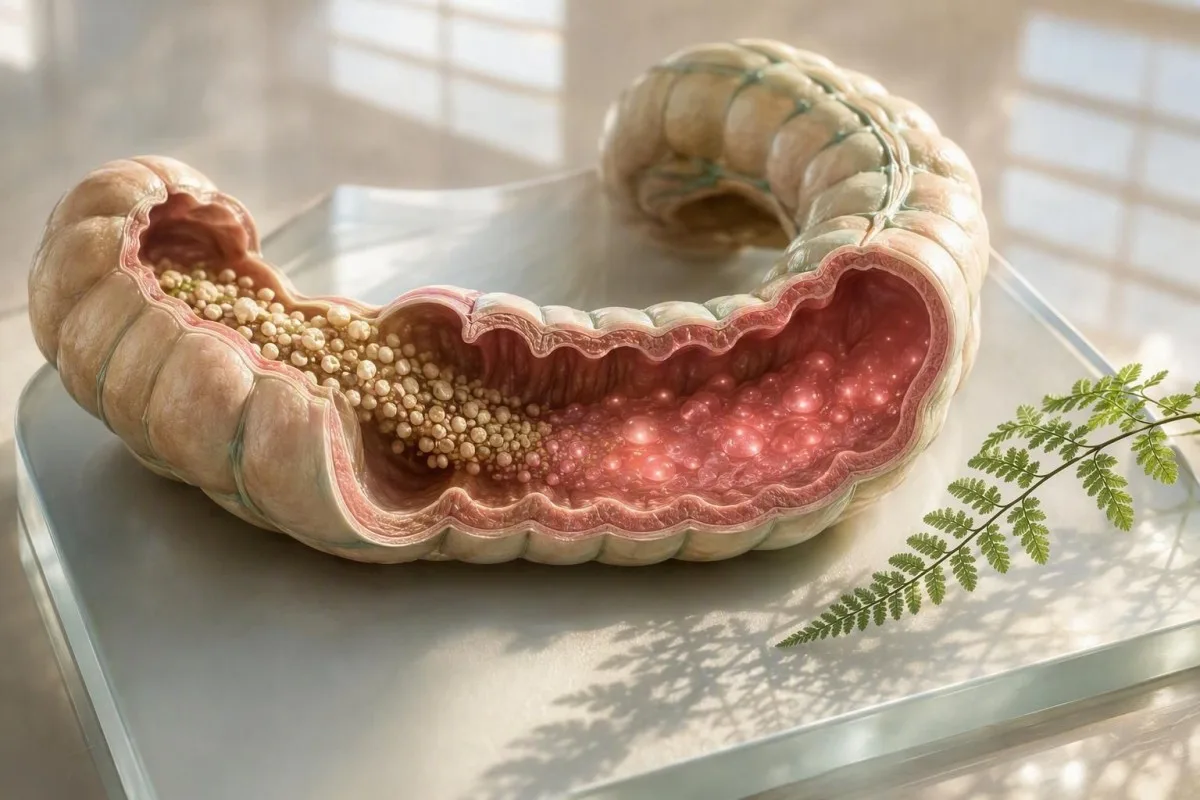
A savanyú széklet az emésztetlen cukrok fermentációját tükrözheti, de ez csak egy jel, nem a laktózintolerancia vagy más ételintolerancia diagnózisa.


- Alacsony széklet-pH általában egy pH-t jelent alatta 5.5, ami friss, hasmenéses mintában az emésztetlen szénhidrát vastagbélbeli fermentációjára utal.
- Redukáló anyagok támogathatják a szénhidrát-malabszorpciót, de a teszt több cukrot kimutat, és nem azonosítja az étrendi kiváltó okot.
- Tipegőhasmenés gyakran fordul elő 6 hónapos és 5 éves kor között normálisan növekvő gyermekeknél, akik nagy mennyiségű gyümölcslevet, szorbitot vagy fruktózt fogyasztanak.
- Laktóz intolerancia nem diagnosztizálható csak széklet savassága alapján; étrendi anamnézis, növekedés megfigyelése és néha hidrogén kilégzési tesztelés informatívabb.
- A friss kezelés számít mert a baktériumok a gyűjtés után is savat termelnek, ami késleltetett mintát savasabbnak tűnhet.
- Vörös zászlók tartalmazhat vért a székletben, fogyást, tartós hányást, lázat, kiszáradást, éjszakai hasmenést vagy gyenge lineáris növekedést.
- Átmeneti laktáz hiány vírusos gastroenteritis után következhet be, és gyakran napokon vagy heteken belül javul, ahogy a bélhám helyreáll.
- Vérvizsgálatok kiszáradást, vérszegénységet, gyulladást, coeliakiát vagy táplálkozási hatásokat értékelhet, ha a tünetek tartósak vagy a növekedést befolyásolja.
Mit is jelent valójában a savanyú széklet eredménye
Alacsony széklet pH jelentése: friss széklet pH körülbelül 5.5 jelezheti, hogy a fel nem szívódott cukrok a vastagbélbe jutottak és szerves savakká fermentálódtak. Ez egy fiziológiai jelzés, nem bizonyíték arra, hogy a gyermek laktóz intoleranciában, tejallergiában vagy tartós emésztési rendellenességben szenved.
Gyakorlatilag a vékonybélben normálisan felszívódó szénhidrátok a vastagbélbe jutnak, ahol a jelenlévő baktériumok rövid szénláncú zsírsavakká, hidrogénné, szén-dioxiddá és néha metánná alakítják őket. Az így keletkező sav csökkenti a pH-t és vizet vonhat a bélbe; ez a kombináció magyarázza a vizes, buborékos, néha erősen savanyú szagú székleteket. A széklet pH értéke 6.0 és 7.5 között gyakran általánosan elvárhatónak írható le, bár az életkor, az anyatej, az étrend és a laboratóriumi módszer miatt egyetlen univerzális tartomány irreális.
A leghasznosabb kérdés nem az, hogy “Milyen alacsony a szám?”, hanem az, hogy “Mi történt, amikor gyűjtötték?” Egy 20 hónapos gyermek laza széklettel, norovírus-szerű betegség után és pH-val 5.0 nagyon eltérő valószínűségi profillal rendelkezik, mint egy egészséges 3 éves gyermek, akinek savas mintája van egy nap alma juice után. A Bristol székletmintázat és egy háromnapos étel- és tünetnapló gyakran több diagnosztikai értéket ad, mint az önmagában ismételt pH.
Mint Thomas Klein, MD, ezt az eredményt inkább közlekedési lámpaként magyarázom, mintsem címkeként: arra késztet bennünket, hogy alaposan vizsgáljuk meg a szénhidrát-expozíciót, a széklet időtartamát, a hidratációt és a növekedést. A Kantesti egy AI vérvizsgálati analizátor, amely a kapcsolódó vérvizsgálati markereket - mint például a bikarbonát, glükóz, albumin, vasindexek és coeliakia szűrés - klinikai kontextusba helyezi, ahelyett, hogy a széklet eredményét ítéletként kezelné.
Miért válik savassá a széklet
A fermentáció tejsavat és rövid szénláncú zsírsavakat termel, miután a cukrok a vastagbélbe jutnak. A savas széklet irritálhatja a perianális bőrt is, így egy csecsemő vagy kisgyermek vörösséget tapasztalhat gyakori savas hasmenés után, még akkor is, ha nincs allergia vagy fertőzés.
Hogyan végezzük el a széklet pH-tesztet – és miért változtatja meg az időzítés
A széklet pH teszt méri a hidrogénion-koncentrációt egy székletmintában, általában pH-papírral vagy elektróddal. Egy érték alatti 5.5 összefüggésben áll a szénhidrát-malabszorpcióval, de a laboratóriumok nem használnak teljesen egységes gyűjtési vagy jelentési protokollt.
A mintát frissnek kell lennie, és gyorsan be kell juttatni, különösen, ha vizes. A baktériumok az emésztés után is tovább metabolizálják a szénhidrátot, így egy meleg helyen több órán át álló minta savasabb lehet, mint a bélben volt. A pelenka anyaga, a vizelet-szennyezés és az elégtelen híg széklet szintén kevésbé megbízhatóvá teheti a vizsgálatot.
Láttam már aggódó szülőket egy pH érték miatt 4.8 az előző este gyűjtött mintán. Ételek kizárása előtt megkérdezném, hogy a mintát hűtőszekrényben tárolták-e, mennyi ideig tartott a szállítás, a közelmúltban szedett-e antibiotikumokat, amelyek megváltoztathatták a bélflórát, és hogy a hasmenés még mindig aktív volt-e. A teszt minősége különbséget jelenthet egy hasznos nyom és egy téves irány között.
A laboratóriumi pH eredmény nem tesz különbséget a laktóz és a fruktóz, a szacharóz, a glükóz-galaktóz transzportzavarok, vagy a fertőzés utáni gyors tranzit között. Ugyanez az elv érvényes a tesztelésre: az előkészítő részletek befolyásolhatják az értelmezést, ahogyan a betegség alatti laboratóriumi változások útmutatónk is illusztrálja a véreredmények esetében.
Amit egy pH csík nem tud megmondani
A pH csík nem tudja mérni, mennyi szénhidrát szívódott fel rosszul, nem tudja megnevezni az érintett szénhidrátot, vagy nem tudja megállapítani, hogy a tünetek enzimhiányból, fertőzésből, étrendből vagy funkcionális hasmenésből származnak-e. Nem tudja diagnosztizálni az ételallergiát sem, amelyet az immunmechanizmusok, nem pedig a széklet savassága vált ki.
Hogyan kapcsolódik a redukáló anyagok kimutatása a savanyú széklethez
Pozitív székletben lévő redukáló anyagok plusz 5,5 alatti pH érték támogathatja a szénhidrát-malabszorpciót, különösen vízi hasmenésben szenvedő gyermekeknél. A párosítás nem specifikus marad, mert a redukáló anyagok kimutatására szolgáló vizsgálatok a kémiai cukortulajdonságokat mutatják ki, nem pedig azonosított intoleranciát.
A klasszikus rézredukciós vizsgálat olyan redukáló cukrokkal reagál, mint a glükóz, galaktóz, laktóz és fruktóz. A szacharóz nem redukáló cukor, hacsak nem hidrolízissel először fel nem bontják, így a negatív teszt nem zárja ki a szacharózhoz kapcsolódó tüneteket vagy a szukráz-izomaltáz hiányt. Az eredményeket gyakran negatívtól nyomig terjedő skálán jelentik, 1+, 2+, 3+, és 4+, de ezek az osztályzatok nem csereszabatosak a laboratóriumok között.
Savanyú pH pozitív redukáló anyagokkal a legmeggyőzőbb, amikor aktív, nagy volumenű hasmenés során jelenik meg, és javul, ahogy a tünetek enyhülnek. Részletes áttekintésünk a pozitív székletben lévő redukáló anyagokról magyarázza el, miért hordoz a formált székletben lévő nyom jóval kisebb súlyt, mint a friss, híg székletben lévő, erősen pozitív eredmény.
A Kantesti egy AI laboratóriumi tesztértékelő szolgáltatás, amely segíthet a családoknak a kapcsolódó véreredmények rendszerezésében, de sem az elemzésünk, sem a redukáló anyagok eredménye nem helyettesítheti a gyermek növekedésének, hidratációjának és tényleges étrendjének gyermekgyógyászati értékelését. Ha a tesztelést egy nagy korlátozás igazolására használják, akkor először meg kell állapítani a klinikai diagnózist.
Gyakori tévedés a tejjel kapcsolatban
A pozitív redukáló anyagok vizsgálat nem bizonyítja, hogy a tej a bűnös. A laktóz jelen lehet a székletben átmeneti, fertőzés utáni laktázcsökkenés esetén, mégis a fruktózban gazdag italok, a szorbitolt tartalmazó gyógyszerek és a gyors tranzit hasonló biokémiai mintázatot hozhatnak létre.
Miért okoz hasmenést a szénhidrát-malabszorpció
A szénhidrát-malabszorpció ozmózison és fermentáción keresztül okoz hasmenést: A megkötött cukor vizet vonz a bélüregbe, majd a vastagbélbaktériumok savakká és gázzá alakítják. Ezért a széklet lazává, savassá, puffadással vagy pelenkakiütéssel járhat.
A vékonybél normálisan enzimek és transzporterek segítségével bontja le és szívja fel a szénhidrátokat. A laktáz az ecsetes szélén helyezkedik el, és a laktózt glükózzá és galaktózzá hasítja; amikor a nyálkahártya sérülése átmenetileg csökkenti a laktázt, a laktóz a lumenben marad. Csak 12-18 gramm laktóz – körülbelül egy csésze tej mennyisége – tüneteket válthat ki egy erre hajlamosabb idősebb gyermeknél, bár az egyéni tűrőképesség jelentősen változik.
Az ozmotikus hasmenés gyakran javul, ha az alul felszívódott szénhidrátot eltávolítják, és súlyosbodhat magas cukortartalmú táplálás után. Mégis, egy vírusos hasmenésben szenvedő gyermeknek alacsony pH-ja lehet, mert a sérült nyálkahártya és a gyors tranzit együtt jár; ezt “intoleranciának” nevezni olyan, mintha életre szóló állapotra utalnánk, amikor a biológia általában átmeneti. Tekintse át székletkultúra-értékelés láz, utazás, járványok vagy elhúzódó tünetek esetén, amelyek fertőző ok gyanúját vetik fel.
A lényeg az, hogy a fermentáció a normális biológia a vastagbélben. A rendellenesség nem a bakteriális savtermelés jelenléte, hanem a felesleges szubsztrátum, a tünetek és a klinikai következmények, mint például kiszáradás, súlyromlás vagy táplálkozási hiány kombinációja.
A gáz nem egyenlő a malabszorpcióval
A hidrogén és a szén-dioxid okozhat görcsöket és puffadást, de a gáz önmagában gyakori egészséges gyermekeknél. A specifikus szénhidrát dózisát megbízhatóan követő tünetek informatívabbak, mint a széklet szaga, buborékok vagy egyetlen laboratóriumi érték.
Miért nem diagnosztizálja a laktózintoleranciát vagy tejallergiát az alacsony széklet-pH
Az alacsony széklet-pH nem diagnosztizálható laktózintolerancia, és nem tudja diagnosztizálni a tehéntej-fehérje allergiát. A laktózintolerancia korlátozott szénhidrát-emésztést tükröz; a tejallergia immunreakció, és hányást, csalánkiütést, ekcémát, vért vagy nyákot a székletben, vagy rossz növekedést okozhat.
Az elsődleges laktáz-nem-perzisztencia ritkán jelent tüneteket csecsemőkorban, és erősen függ az őstől és az életkortól. A másodlagos laktázhiány valószínűbb akut gyomor-bélhurut, kezeletlen coeliakia vagy bélgyulladás után. Az Amerikai Gyermekgyógyászati Akadémia megjegyzi, hogy a laktózintoleranciát anamnézis és megfelelő vizsgálatok útján kell felmérni, nem pedig nem specifikus gyomor-bél tünetekből (Heyman et al., 2006) feltételezni.
Hasmenés után egy rövid, felügyelt laktózcsökkentés ésszerű lehet, ha egyértelműen javítja a tüneteket, de a széles körű tejkerülésnek vannak hátrányai. Sok gyermeknek szüksége van kalcium, D-vitamin, fehérje és energia praktikus pótló forrásaira; a diétás támogatás nélküli hosszan tartó korlátozás ellenproduktív lehet. A gyermekek táplálkozási markereinek kontextusáért lásd a kalciumszintet gyermekeknél.
Dr. Thomas Klein a klinikán az ellenkező hibákat látta: olyan családokat, amelyek egyértelmű posztinfekciós tünetek ellenére is folytatják a laktózt, és olyan családokat, amelyek egyetlen savanyú széklet után hónapokig minden tejterméket kizárnak. Az időben korlátozott próba, tervezett újbóli bevezetéssel gyakran biztonságosabb, mint egy határozatlan idejű kizáró diéta, hacsak egy orvos nem gyanakszik allergiára vagy más betegségre.
Amikor az allergia azonnali értékelést igényel
Azonnali csalánkiütés, zihálás, arcduzzanat, ismételt hányás, levertség vagy keringési tünetek tejfogyasztás után sürgős orvosi értékelést igényelnek. Vér a székletben, tartós ekcéma étkezési nehézségekkel, vagy súlygyarapodási problémák gyermekorvosi felülvizsgálatot érdemelnek otthoni tesztelés helyett.
Tipegőhasmenés: a gyakori étkezési kontextus
Tipegőhasmenés, más néven krónikus nem specifikus hasmenés, általában olyan gyermekeket érint, akiknek életkora 6 hónapos és 5 éves kor közötti , és akiknek gyakori, laza nappali székletük van, de normális energiájuk, fizikális vizsgálati leletük és növekedésük van. A túlzott gyümölcslé, fruktóz, szorbit, nagy folyadékmennyiség és alacsony étrendi zsír mind hozzájárulhat a savanyú széklethez.
Az alma, a körte és néhány vegyes gyümölcsital jelentős mennyiségű szabad fruktózt és szorbitot tartalmazhat, amelyek felszívódása változó. Egy gyermek, aki napi 500-700 ml gyümölcslevet vagy édesített italt fogyaszt, híg székletürítést tapasztalhat, annak ellenére, hogy egyébként jól néz ki; a gyümölcslé csökkentése életkornak megfelelő mennyiségre hasznosabb lehet, mint minden étel tesztelése. A 2016-os Rome IV keretrendszer ezt a mintázatot a funkcionális gastrointestinális rendellenességek közé sorolja, ha nincsenek figyelmeztető jelek (Rhoads et al., 2016).
A széklet mintázata árulkodó: naponta több híg széklet, látható ételdarabok, kevés vagy semmi széklet éjszaka, és folyamatos súlygyarapodás alátámasztja a kisgyermekek hasmenését. Ezzel szemben az éjszakai székletürítés, fájdalom miatt alvásból felkelő gyermek, vagy a testsúly százalékos görbéjének lefelé történő átlépése nem tipikus, és megváltoztatja a kivizsgálást. A mi emésztési tünetek útmutatója megvitatja az időzítés gyakorlati fontosságát.
A Kantesti egy mesterséges intelligenciával működő vérvizsgálati elemző eszköz, amelyet a táplálkozási és anyagcsere vérjelzők értelmezésére használnak, amikor egy klinikus tartós emésztési tünetek miatt rendelte el őket. Azonban egy egészséges kisgyermek esetében klasszikus diétás kiváltó okokkal a vérvizsgálatok keveset adhatnak hozzá; a célzott étrendi anamnézis általában a nagyobb hozamú első lépés.
Egy hasznos étkezési napló formátum
Jegyezze fel az italokat milliliterben, ne csak “csészékben”, a széklet időzítésével együtt 72 órán át kerüld a kemény edzéseket.. Tartsa bele a cukormentes édességeket, a rágótablettákat, a köhögéscsillapító készítményeket és az elektrolit termékeket, mert a szorbit és a fruktóz olyan termékekben rejtőzhet, amelyekről a családok nem gondolják, hogy élelmiszerek.
Más okok, amiért egy gyermeknek savanyú széklete lehet
Egy savanyú széklet jelentése szélesebb, mint a szénhidrát-intolerancia: akut vírusos gastroenteritis, gyors bélmozgás, túlzott diétás cukrok, antibiotikum-asszociált mikrobiomváltozás és ritka veleszületett rendellenességek mind csökkenthetik a széklet pH-értékét. A gyermek életkora és fejlődése határozza meg, hogy mely okok érdemelnek kivizsgálást.
Gastroenteritis után a vékonybél kefefalának lehet, hogy szüksége van 1–3 hét a teljes laktáz aktivitás helyreállítására, különösen csecsemőknél és kisgyermekeknél. Ebben az időszakban egy gyermeknek savanyú hasmenése lehet laktózexpozíció után anélkül, hogy állandó laktózintoleranciája lenne. Ezért sok klinikus az étrend állandó megváltoztatása helyett az étvágy helyreállítása után újraértékeli a toleranciát.
A coeliákia másodlagos szénhidrát-malabszorpciót okozhat, de a csökkent széklet pH nem szűrési teszt rá. A hasi puffadással, vashiánnyal, lassú növekedéssel vagy családi anamnézissel járó tartós hasmenés indokolhatja a szöveti transzglutamináz IgA plusz teljes IgA vizsgálatot, mivel az IgA-hiány hamisan megnyugtató coeliákia szűrést eredményezhet; lásd IgA és coeliákia teszt buktatói.
Ritka rendellenességek megemlítést érdemelnek anélkül, hogy szükségtelen félelmet keltenének. A veleszületett szukráz-izomaltáz hiány gyakran akkor jelentkezik, amikor keményítők és szacharóz kerülnek az étrendbe, míg a glükóz-galaktóz malabszorpció általában súlyos újszülöttkori vizes hasmenést és kiszáradást okoz. Ezeket a diagnózisokat drámai klinikai mintázatok és szakértői vizsgálatok vezérlik – nem csak a pH.
Amikor a gyulladás valószínűbb
A tartós vérzés, láz, súlyvesztés, anaemia vagy emelkedett gyulladásos markerek a gyulladásos bélbetegséget és a fertőzést magasabbra helyezik a listán. Ebben az esetben egy széklet kalprotektin eredmény klinikailag informatívabb lehet, mint a széklet pH ismételt vizsgálata.
Mely vizsgálatok tisztázzák az okot, ha a tünetek fennállnak
A tartós hasmenés célzott vizsgálatot, igényel, nem egy nagyobb, válogatás nélküli székletpanel. Az orvosok a teszteket az életkor, a tartósság, a hidratáltság, a növekedés, az expozíciós anamnézis és az alapján választják ki, hogy a minta cukor malabszorpciót, gyulladást, hasnyálmirigy-betegséget, fertőzést vagy coeliákiát jelez-e.
A hidrogén kilégzési teszt képes a laktóz- vagy fruktózmalabszorpció értékelésére, ha a kórtörténet nem egyértelmű, bár a felkészülés és az értelmezés is számít. A kilégzett hidrogén emelkedése 20 ppm (parts per million) a kiindulási érték felett gyakran használatos protokollokban, de előfordulhatnak téves pozitív eredmények a gyors bélmozgás miatt, és téves negatív eredmények az alacsony hidrogéntermelők esetében. A teszt során tapasztalt tünetek legalább annyira számítanak, mint a gázgörbe.
Több mint 14 nap, napig tartó hasmenés esetén a klinikusok megfontolhatják a széklet kórokozóinak vizsgálatát, cöliákia szerológiát, teljes vérképet, elektrolitokat, albumint és gyulladásos markereket, a megjelenéstől függően. Az ESPGHAN és ESPID óva int a rutinszerű, felesleges beavatkozásoktól akut gyermekgyógyászati gastroenteritisben, ehelyett a klinikai kiszáradás értékelésére és a megfelelő rehidrálásra összpontosítanak (Guarino et al., 2014).
Ha a széklet bőséges, olajos, nehezen öblíthető, vagy rossz súlygyarapodással jár, a kérdés a szénhidrát-anyagcsere helyett a zsír emésztésére tevődik át. Fekália zsírtartalmának vizsgálata és a hasnyálmirigy értékelése eltérő klinikai kérdésre ad választ, mint egy pH-csík, így az egyik nem helyettesítheti a másikat.
A vizsgálatoknak egyértelmű kérdésre kell válaszolniuk
Egy vizsgálat akkor a leghasznosabb, ha egy pozitív és egy negatív eredmény eltérő következő lépésekhez vezet. Egy jól teljesítő, tünetmentes gyermeknél a gyümölcslé csökkentése után megszűnő tünetek esetén a széklet pH-jának ismételt vizsgálata ritkán változtatja meg a gondozást; egy strukturált kilégzési teszt segíthet, ha az étrendi anamnézis továbbra is ellentmondásos.
A növekedés és a hidratáció fontosabb, mint a savasság száma
Savanyú székletű, de iszik, vizel, éber és követi szokásos növekedési görbéjét, általában alacsonyabb kockázatú, mint egy normál pH-jú, kiszáradt vagy súlyvesztett gyermek. A klinikai állapot felülírja a széklet pH-ját a sürgős kivizsgálás szükségességének eldöntésekor.
A kiszáradás jelei közé tartozik a jelentősen csökkent vizeletürítés, száraz száj, könnymentes szem, szokatlan álmosság, hideg végtagok és tartós hányás. Csecsemőknél kevesebb mint 3 nedves pelenka 24 óra alatt vagy egyértelműen beesett kutacs azonnali orvosi tanácsot érdemel; a küszöbértékek kontextust igényelnek, de a szülők gyakran észreveszik a változást, mielőtt bármelyik teszt kimutatná.
Hosszú vagy súlyos hasmenés esetén a vérvizsgálatok kimutathatnak alacsony bicarbonátot a széklet bikarbonátvesztése miatt, megváltozott nátrium- vagy káliumszintet, kiszáradás miatti emelkedett urea-szintet, vagy vashiányt egy alapul szolgáló enteropátia miatt. A mi elektrolit panelünk megmagyarázza, miért biztonságosabb az egyedi, határértéken kívüli értékeket együtt értelmezni a tünetekkel és több adattal, mint egyetlen kiugró számot.
A Kantesti AI képes rendszerezni a longitudinális vérértékeket és kiemelni a változásokat megbeszélésre, de nem diagnosztizálja a gyermekhasmenés okát. Az alacsony bevitel után vett minta átmenetileg koncentrálhatja az albumint és a hemoglobint, ami elrejthet táplálkozási aggályokat, hacsak nem veszik figyelembe a hidratáltsági állapotot.
A látogatásra magával hozandó növekedési adatok
Hozza el az elmúlt 6–12 hónap múlva, súly- és magasságrekordjait, ne csak a mai számot. A stabil percentilis megnyugtató; két fő percentilis csatornán keresztüli tartós esés okot ad a gondosabb kivizsgálásra.
Vörös zászlók, amelyek orvosi kivizsgálást igényelnek, nem pedig diétás kísérletezést
Kérjen sürgős orvosi felülvizsgálatot hasmenés esetén vérrel, fekália fekete, epe hányás, súlyos hasi fájdalom, láz fiatal csecsemőnél, kiszáradás, fogyás, vagy csökkent éberség. Az alacsony széklet pH soha nem ok a gondozás késleltetésére, ha ezek a jelek jelen vannak.
Vér vagy nyálka fertőzésekkel, allergia-okozta colitis-szal, fisztrulákkal és gyulladásos bélbetegséggel fordulhat elő; jelenlétét nem magyarázza az egyszerű laktóz malabszorpció. Vér a székletben és láz esetén lévő gyermeknek szükség lehet széklet patogén tesztelésre és vizsgálatra, míg a visszatérő vérzéses és rossz növekedésű gyermeknek szélesebb utat kell követnie. Olvassa el gyakorlati útmutatónkat a nyálka és vér figyelmeztető jelei témában, hogy mit kérdeznek először a klinikusok.
Hasmenés, amely túl 2 hét, ismétlődő epizódok több hónapon keresztül, vagy alvást zavaró tünetek megfelelő áttekintést igényelnek, még akkor is, ha a gyermek időnként jól néz ki. Egyéb figyelmeztető jelek közé tartozik a tartós hasi puffadás, szájfekélyek, ízületi tünetek, a cöliákia vagy gyulladásos bélbetegség családi anamnézise, valamint az ismeretlen eredetű alacsony hemoglobin.
Tapasztalatom szerint a szülők néha megnyugodnak egy “egyszerű szénhidrát problémától”, és elhalasztják az ellenőrzést, amikor a gyermek fogy. Ez a rossz irány: azért aggódunk a hasmenés és a növekedési elmaradás miatt, mert együtt arra utalnak, hogy csökkent bevitel, malabszorpció vagy bélbetegség áll fenn, míg az önmagában laza széklet gyakran jóindulatú.
Mit kell tenni ma
Folytassa a szokásos folyadékbevitelt, és használjon orális rehidrációs oldatot, amikor ajánlott; kerülje a tiszta víz erőltetését egy fiatal gyermeknél jelentős veszteségek esetén. Vezessen fotómentes írásbeli feljegyzést a széklet gyakoriságáról, vizeletürítésről, hőmérsékletről, italokról és súlyról, ha rendelkezésre áll.
Hogyan próbáljunk ki diétás változtatásokat anélkül, hogy túlzottan korlátoznánk egy gyermeket
Biztonságos diétás próba rövid, specifikus és visszafordítható: cserélje ki az egyik valószínű szénhidrátforrást 7–14 nap, figyelje a széklet gyakoriságát és komfortérzetét, majd vezesse be újra, ha a tünetek javulnak. A tejtermékek, gyümölcsök, glutén és több élelmiszercsoport egyidejű kizárása lehetetlenné teszi az eredmény értelmezését.
A feltételezett kisgyermekkori hasmenés esetén kezdje italokkal: hagyja abba a gyümölcslevet és az édesített italokat, csökkentse a túlzott folyadékbevitelt, és kínáljon kiegyensúlyozott, életkornak megfelelő ételeket elegendő étrendi zsírral. A cél nem egy alacsony szénhidráttartalmú étrend. A gyermekeknek szénhidrátra van szükségük az energiához, és annak korlátozó “bél” termékekkel való helyettesítése csökkentheti a kalóriabevitelt anélkül, hogy megoldaná az alapvető problémát.
A lehetséges fertőzés utáni laktóz malabszorpció esetén sok gyermek jobban tolerálja a joghurtot vagy a kemény sajtot, mint a tejet, mert a baktériumkultúrák és a feldolgozás csökkentik a laktózt. Dietetikus segíthet a kalciumbevitel biztosításában; a tejtermék alternatívák széles skálán mozognak, és csak a dúsított termékek nyújtanak érdemi pótlékot. Lásd a bizonyítékokon alapuló áttekintést az élelmiszerekről, amelyek befolyásolják a székletvizsgálatokat , mielőtt drasztikus változtatásokat eszközölne.
A Kantesti támogatja a táplálkozási beszélgetéseket azáltal, hogy a klinikus által rendelt vérvizsgálati eredményeket mutatja idővel, nem pedig egy székletvizsgálati eredmény alapján történő eliminációs diéta előírásával. A Kantesti egy mesterséges intelligencia által vezérelt biomarkerek értelmezésére szolgáló platform, amely mintázatokat azonosít a klinikus által rendelt laboratóriumi adatokban, miközben az élelmiszer kihívások és a gyermekgyógyászati döntések továbbra is egyéni klinikai munka.
Kerülje a gyakori tesztelési csapdát
Ne vezessen be új probiotikumot, rostport, laktózmentes tápszert és gyümölcslé korlátozást ugyanazon a napon. Ha mind a négy együtt kezdődik, a 10 napon bekövetkező javulás nem tulajdonítható egyetlen beavatkozásnak sem.
Mit magyarázhatnak (és mit nem) a bél mikrobiomja és a probiotikumok
A bélbaktériumok savakat termelnek a szénhidrátból, így a mikrobiom befolyásolja a széklet pH-ját; azonban az alacsony pH nem azonosít káros bakteriális egyensúlyhiányt, és nem bizonyítja, hogy probiotikumra van szükség. A széklet savassága a diéta, a tranzit, a mikrobiális metabolizmus és a gyűjtési körülmények durva végső jele.
A rövid szénláncú zsírsavak általában a vastagbél fermentációjának normális termékei, és támogathatják a vastagbélsejtek energia-anyagcseréjét. A klinikai probléma akkor merül fel, ha elegendő rosszul felszívódó szénhidrát marad vissza, ami növeli a luminalis vizet és a tüneteket. Ez a megkülönböztetés azért fontos, mert a széklet “lúgosítására” irányuló kísérletek nem standard kezelési módszerek, és elvonhatják a figyelmet a hidratációról vagy az étrendi kiváltó okokról.
Az akut hasmenés esetén alkalmazott probiotikumokra vonatkozó bizonyítékok törzs-specifikusak és termék-specifikusak; a hatások nem következtethetők le a széklet pH-értékéből. Különben egészséges gyermekek esetében javaslom, hogy a törzsről, adagról, időtartamról és imm státuszról egy klinikusával egyeztessen, ahelyett, hogy marketing állítások alapján választana egy terméket. A mi probiotikum biztonsági útmutatónk lefedi ezeket a gyakorlati határokat.
Az antibiotikumok megváltoztathatják a fermentációs mintákat, de az antibiotikumok alatt vagy után jelentkező új hasmenés aggodalomra ad okot a gyógyszeres hatások miatt is, és megfelelő klinikai környezetben kórokozótesztelést is felvet. Az antibiotikumok utáni alacsonyabb pH nem mondja meg, hogy az antibiotikum segített-e, ártott-e, vagy egyszerűen egy közbeeső vírusos betegséggel esett-e egybe.
A szag nem laboratóriumi vizsgálat
A savanyú vagy szokatlanul erős szagú széklet szénhidrát-fermentációval járhat együtt, de a szagnak rossz a diagnosztikai pontossága. A szülők megfigyelése hasznos, ha párosul az időzítéssel, étel expozícióval, kiütéssel, lázzal és hidratációval – nem pedig a vizsgálat helyettesítésére.
Hogyan készüljünk fel egy hasznos gyermekgyógyászati konzultációra
A legjobb gyermekgyógyászati konzultáció egy tömör idővonallal kezdődik: széklet gyakorisága, állaga, éjszakai tünetek, italok mL, -ben, étkezések, közelmúltbeli betegség, gyógyszerek, utazás, családi anamnézis és növekedési nyilvántartások. Ezek az információk gyakran leszűkítik a differenciáldiagnózist, mielőtt további vizsgálatot rendelnének el.
Hozza el a pontos laboratóriumi megfogalmazást, beleértve a pH-értéket, a redukáló-anyagok fokozatát, a minta dátumát, és hogy a mintát hűtve tárolták-e. A folyékony mintából egy órán belül elemzett pH többet jelent, mint egy portálra másolt "abnormális széklet teszt". Hasznos továbbá megadni, hogy a gyermek az előző 24 órában mit evett, és hogy a hasmenés vírusos betegséget követett-e. 5.2 A pontos tüneti idővonal segíti a klinikusokat a megfelelő vizsgálatok kiválasztásában.
Tegyen fel négy közvetlen kérdést: Mi a legvalószínűbb diagnózis? Milyen lelet aggasztana egy másik ok miatt? Ésszerű egy rövid étrendi próba? Mikor értékeljük újra a növekedést? Ezek a kérdések megakadályozzák a gyakori sodródást ismételt vizsgálatok felé világos döntési pont nélkül. A vérvizsgálati összefoglaló ellenőrző lista segíthet a családoknak a kapcsolódó eredmények hatékony összegyűjtésében.
Ha egy klinikus vérvizsgálatot rendel el, használjon biztonságos feljegyzést ahelyett, hogy memóriára vagy eszközökön szétszórt képernyőképekre támaszkodna. A mi adatvédelmi fókuszú Kantesti technológiai útmutatónk elmagyarázza, hogyan dolgozza fel többnyelvű Egészségügyi AI-nk a feltöltött laboratóriumi jelentéseket, miközben az értelmezést elkülöníti a diagnózistól.
Mit ne hozzon
Ne érezze magát kötelesnek minden székletet elhozni egy hét tünetei közül, hacsak a klinikai csapat nem kéri. Egy világos napló és egy megfelelően gyűjtött friss minta egy specifikus vizsgálatra kérve általában hasznosabb, mint több nem tervezett minta.
Hol vannak egyértelmű határai a mesterséges intelligencia és a laboratóriumi értelmezésnek
Az AI képes rendezni a laboratóriumi információkat és kérdéseket azonosítani a klinikus számára, de egyetlen AI rendszer sem tudja diagnosztizálni a szénhidrát-intoleranciát kizárólag a széklet pH alapján. A diagnózis a tünetek időzítésétől, az étrendtől, a vizsgálattól, a növekedéstől, és néha formális légzés-, genetikai-, endoszkópos vagy fertőzéses vizsgálattól függ.
A Kantesti AI mintegy 60 másodperc elemzi a feltöltött vérvizsgálati eredményeket, és olyan kombinációkat tud kiemelni, mint az alacsony ferritin és az alacsony albumin, vagy az elektrolit-eltérések hosszan tartó hasmenés után. Ez a funkció hasznos az előkészítéshez és a trendek megismeréséhez, de nem helyettesíti a gyermekorvost, aki megvizsgálhatja a gyermeket, felrajzolhatja a növekedést, és eldöntheti, hogy egy székleteredmény kezelhető-e.
Orvosi tartalmainkat a klinikai szabványok szerint vizsgáljuk felül, mert a pontosság magában foglalja azt is, hogy tudjuk, mikor ne vonjunk le túl sok következtetést. Módszertanunkról és klinikai felügyeletünkről a orvosi validációs dokumentáció, -ben olvashat, orvosainkat pedig, akik ezt a munkát irányítják, a Orvosi Tanácsadó Testület.
2026-tól 2026. augusztus 26., -en ismerheti meg. Az én lényegem egyszerű: az alacsony széklet pH-érték összefüggésbe hozható a szénhidrát-malabszorpcióval, különösen pozitív redukáló anyagok és vizes hasmenés mellett, de nem tudja megállapítani az intolerancia típusát, időtartamát vagy okát. Ha vészjelzők vannak, kérjen gyors orvosi segítséget; ha a gyermek fejlődik, dolgozzon együtt egy orvossal egy mérsékelt étrendi és utánkövetési terven, ahelyett, hogy egy savanyú eredménytől félne.
Ésszerű következő lépés
Őrizze meg az eredeti jelentést, rögzítse a gyűjtés körülményeit, és ossza meg a teljes történetet a gyermek orvosával. Ha vérvizsgálatot rendeltek el, a, Az Kantesti biomarker-útmutatója segíthet megérteni a kifejezéseket az időpont előtt, anélkül, hogy öndiagnózissá alakítaná őket.
Gyakran Ismételt Kérdések
Mit jelent az alacsony széklet pH gyermekeknél?
A széklet pH-ja körülbelül 5.5 alatt azt jelentheti, hogy emésztetlen szénhidrát érte el a vastagbelet, és a baktériumok savakká fermentálták. Ez a minta előfordulhat átmeneti laktázhiány esetén gyomor-bélhurut után, magas fruktóz- vagy szorbitbevitel esetén, vagy más gyors tranzit okok miatt. Önmagában nem diagnosztizálja a laktózintoleranciát, mert a gyűjtés késedelme, az étrend és a fertőzés is befolyásolhatja a pH-t. Egy gyermekorvosnak a székletmintázat, a növekedés, a hidratáltság és a tünetek mellett kell értelmeznie az eredményt.
Savanyú széklet jelent laktózintoleranciát?
Nem, a savas széklet önmagában nem jelenti a laktózintoleranciát. A laktózmalabszorpció az egyik lehetséges oka a széklet pH-jának 5.5, alatt, de a fruktóz, a szorbit, a fertőzés utáni gyors tranzit és más emésztetlen cukrok is hasonló eredményt adhatnak. A laktózintolerancia hitelesebb, ha a tünetek ismételten jelentkeznek a laktózexpozíciót követően, és javulnak egy rövid, felügyelt csökkentés és későbbi újbóli bevezetés során. A tejallergia egy másfajta immunrendszeri állapot, és nem diagnosztizálható széklet pH alapján.
Mik azok a redukáló anyagok a székletvizsgálatban?
A redukáló anyagok olyan cukrok, amelyek kémiai székletvizsgálatban reagálnak, beleértve a glükózt, galaktózt, laktózt és fruktózt. A pozitív eredmény a vizes, savas széklettel együtt támogathatja a szénhidrát-malabszorpciót, de nem tudja azonosítani a felelős cukrot vagy a probléma súlyosságát. A szukróz kieshet, mert nem redukáló cukor, hacsak a laboratórium nem hidrolizálja először. Az eredményeket nyomokban, 1+, vagy magasabb értékekkel mindig az adott laboratórium módszerét és a gyermek klinikai kórtörténetét figyelembe véve kell értékelni.
Tudja a kisgyermekkori hasmenés okozni az alacsony széklet-pH-t?
Igen, a totyogó hasmenés alacsony széklet pH-t eredményezhet, amikor túlzott gyümölcslé, szabad fruktóz, szorbit vagy nagy mennyiségű édes ital éri el a vastagbelet. Ez a gyakori funkcionális minta általában 6 hónapos és 5 éves kor között között fordul elő, és gyakran normális növekedéssel, normális aktivitással és nappali laza széklettel, vér nélkül jár. A 72 órás napló, amely rögzíti az elfogyasztott italokat milliliterben és a széklet időzítését, gyakran hasznosabb, mint a pH ismételt mérése. Az éjszakai hasmenés, súlyvesztés, láz vagy vér nem jellemző, és orvosi vizsgálatot igényel.
Meddig maradhat savas a széklet gyomorvírus után?
A széklet körülbelül 1–3 hét után is savanyú maradhat vírusos gyomor-bélhurut esetén, mert a vékonybél kefeszegélye átmenetileg kevesebb laktázt termelhet, és a tranzit továbbra is gyors lehet. Sok gyermek hosszú távú étrendi korlátozás nélkül gyógyul, különösen, ahogy az étvágy és a széklet állaga normalizálódik. Rövid ideig tartó laktázcsökkentés néha klinikai útmutatás mellett alkalmazható, majd tervezett újbóli bevezetés következik. A tartós tünetek 2 hét, után, rossz táplálkozás, kiszáradás vagy rossz növekedés esetén újraértékelést kell végezni.
Mikor sürgős a gyermek alacsony széklet-pH-ja?
Az alacsony széklet pH önmagában nem sürgős eset, de sürgős értékelésre van szükség, ha a hasmenés kiszáradással, véres vagy fekete széklettel, epés hányással, súlyos hasi fájdalommal, szokatlan álmossággal vagy csökkent vizeletürítéssel jár. Fiatal csecsemőnél kevesebb mint 3 nedves pelenka 24 óra alatt aggasztó hidratáltsági változás, és azonnali orvosi tanácsot igényel. A 14 nap -nél hosszabb ideig tartó hasmenés vagy súlyvesztéssel társuló hasmenés gyermekorvosi felülvizsgálatot is igényel. A gyermek megjelenése, hidratáltsága és növekedése sürgetőbb mutatók, mint a pH-szám.
Végezzen mesterséges intelligencia által támogatott vérvizsgálat-elemzést még ma
Csatlakozzon világszerte több mint 2 millió felhasználóhoz, akik az Kantesti-t bízzák meg azonnali, pontos laborvizsgálat-elemzésért. Töltse fel a vérvizsgálat eredményeit, és kapjon átfogó értelmezést az 15,000+ biomarkerekről másodpercek alatt.
📚 Hivatkozott kutatási publikációk
Klein, T., Mitchell, S., & Weber, H. (2026). Kantesti LTD. (2026). C3 C4 Komplement Vérvizsgálat és ANA Titer Útmutató. Zenodo. https://doi.org/10.5281/zenodo.18353989. Kantesti mesterséges intelligencia orvosi kutatás.
Klein, T., Mitchell, S., & Weber, H. (2026). Kantesti LTD. (2026). Nipah vírus vérvizsgálat: korai felismerés és diagnosztikai útmutató 2026. Zenodo. https://doi.org/10.5281/zenodo.18487418. Kantesti mesterséges intelligencia orvosi kutatás.
📖 Külső orvosi hivatkozások
Guarino A és mtsai. (2014). Európai Gyermek Gasztroenterológiai, Hepatológiai és Táplálkozási Társaság/Európai Gyermek Fertőző Betegségek Társasága bizonyítékokon alapuló irányelvek az akut gyomor-bélhurut kezelésére Európában: frissítés 2014. Gyermekgasztroenterológiai és Táplálkozástudományi folyóirat.
⚕️ Orvosi nyilatkozat
A cikk kizárólag oktatási célokat szolgál, és nem minősül orvosi tanácsadásnak. A diagnózisra és a kezelési döntésekre vonatkozóan mindig konzultáljon szakképzett egészségügyi szolgáltatóval.
E-E-A-T bizalmi jelzések
Tapasztalat
Orvosok által vezetett klinikai áttekintés a laboratóriumi értelmezési munkafolyamatokról.
Szakértelem
Laboratóriumi medicina fókusz: hogyan viselkednek a biomarkerek klinikai környezetben.
Tekintélyesség
Dr. Thomas Klein írta, Dr. Sarah Mitchell és Prof. Dr. Hans Weber általi felülvizsgálattal.
Megbízhatóság
Bizonyítékokon alapuló értelmezés, világos követési útvonalakkal a riadalom csökkentésére.