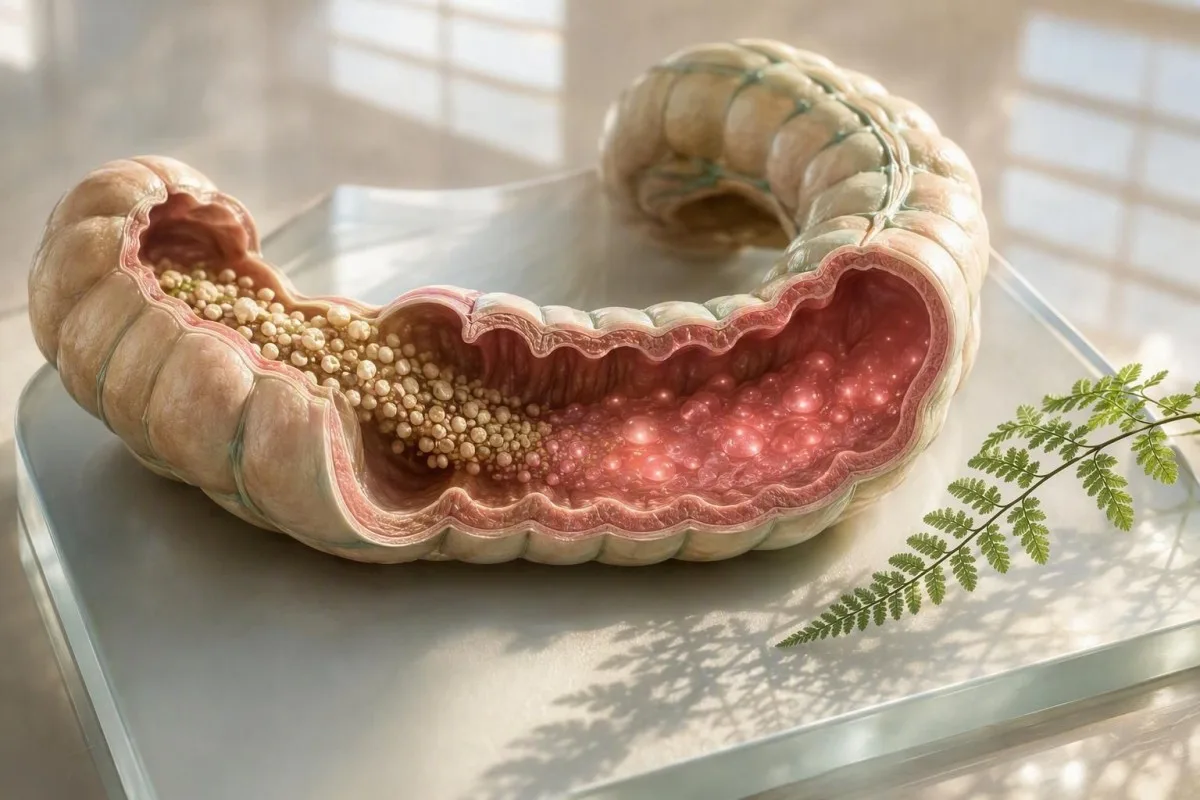
Happeline väljaheide võib peegeldada imendumata suhkrute fermentatsiooni, kuid see on vihje – mitte laktoositalumatuse või muu toidutalumatuse diagnoos.


- Madal väljaheite pH tähendab tavaliselt pH alla 5.5, mis viitab mittesööödud süsivesikute kolooni fermentatsioonile värskes kõhulahtisuse proovis.
- Redutseerivad ained võivad toetada süsivesikute malabsorptsiooni, kuid test tuvastab mitmeid suhkruid ega tuvasta toitumissüüdlaseid.
- Väikelaste kõhulahtisus esineb sageli vahemikus 6 kuud kuni 5 aastat normaalselt kasvavatel lastel, kes tarbivad suures koguses mahla, sorbitooli või fruktoosi.
- Laktoositalumatus ei diagnoosita ainult rooja happesuse alusel; toitumise ajalugu, kasvu hindamine ja mõnikord vesiniku hingustestid on informatiivsemad.
- Värske käitlemine on oluline kuna bakterid jätkavad happe tootmist pärast kogumist, mis võib viivitatud proovi happelisemaks muuta.
- Punased lipud hõlmavad verd roojas, kaalulangust, pidevat oksendamist, palavikku, dehüdratsiooni, öist kõhulahtisust või aeglast kasvu.
- Ajutine laktaasipuudulikkus võib tekkida pärast viiruslikku gastroenteriiti ja paraneb sageli päevade või nädalate jooksul, kui soolestiku limaskest taastub.
- Vereanalüüsid võivad hinnata dehüdratsiooni, aneemiat, põletikku, tsöliaakiat või toitainete mõju, kui sümptomid on püsivad või kasv on mõjutatud.
Mida happelise väljaheite tulemus tegelikult tähendab
Madal rooja pH tähendus: värske rooja pH allpool ligikaudu 5.5 võib näidata, et imendumata suhkrud jõudsid käärsoolde ja fermenteeriti orgaanilisteks hapeteks. See on füsioloogiline vihje, mitte tõestus selle kohta, et lapsel on laktoositalumatus, piimaallergia või püsiv seedetrakti häire.
Praktilises mõttes süsivesikud, mis tavaliselt imenduvad peensooles, jõuavad käärsoolde, kus elavad bakterid muundavad need lühikese ahelaga rasvhapeteks, vesinikuks, süsinikdioksiidiks ja mõnikord metaaniks. Tekkiv hape alandab pH-d ja võib tõmmata vett soolde; see kombinatsioon selgitab vesiseid, mullitavaid, mõnikord teravalt hapu lõhnaga väljaheiteid. Rojasid 6.0–7.5 kirjeldatakse sageli laialdaselt oodatavana, kuigi vanus, rinnapiim, toitumine ja laboratoorne meetod muudavad ühe universaalse vahemiku ebarealistlikuks.
Kõige kasulikum küsimus ei ole “Kui madal number on?”, vaid “Mis toimus, kui see koguti?” 20-kuusel lapsel, kellel on noroviirusetaolise haiguse järel lahtine väljaheide ja pH 5.0 on väga erinev tõenäosusprofiil kui heal järjel oleval 3-aastasel, kellel on pärast õunamahla joomise päeva üks happeline proov. Bristol väljaheidete muster ja kolmepäevane toidu- ja sümptomite päevik lisavad sageli rohkem diagnostilist väärtust kui ainult pH korduv mõõtmine.
Thomas Klein, MD, selgitan seda tulemust pigem liiklusvalguse kui sildina: see annab meile juhiseid hoolikalt uurida süsivesikute tarbimist, rooja kestust, vedelikutasakaalu ja kasvu. Kantesti on AI vereanalüsaator, mis asetab seotud vereanalüüsid – nagu bikarbonaat, glükoos, albumiin, rauaindeksid ja tsöliaakia sõeltest – kliinilisse konteksti, mitte ei käsitle roojaproovi tulemust otsusena.
Miks rooja muutub happeliseks
Fermentatsioon toodab piimhapet ja lühikese ahelaga rasvhappeid pärast seda, kui suhkrud jõuavad käärsoolde. Happeline rooja võib ärritada ka anaalpiirkonna nahka, nii et imikul või väikelapsel võib tekkida punetus pärast sagedast happelist kõhulahtisust isegi siis, kui allergiat või infektsiooni pole.
Kuidas väljaheite pH-testi tehakse – ja miks ajastus seda muudab
A rooja pH test mõõdab vesinikioonide kontsentratsiooni roojaproovis, tavaliselt pH-paberi või elektroodi abil. Väärtus alla 5.5 peetakse traditsiooniliselt sobivaks süsivesikute malabsorptsiooniks, kuid laborid ei kasuta täielikult standardiseeritud kogumis- ega aruandlusprotokolli.
Proov peab olema värske ja kiiresti kohale toimetatud, eriti kui see on vesine. Bakterid jätkavad süsivesikute metabolismiga pärast eritumist, nii et soojas mitu tundi seisev proov võib muutuda happelisemaks, kui see oli soolestikus. Mähkmematerjal, uriini saastumine ja ebapiisav vedel väljaheide võivad samuti muuta testimise vähem usaldusväärseks.
Ma olen näinud lapsevanemaid arusaadavalt häiritud pH tasemest 4.8 eelmisel õhtul kogutud proovil. Enne toiduainete väljajätmist küsiksin, kas proovi hoiti külmkapis, kui kaua transport aega võttis, kas antibiootikumid olid hiljuti muutnud soolefloorat ja kas kõhulahtisus oli endiselt aktiivne. Testi kvaliteet võib olla erinevus kasuliku vihje ja vale jälje vahel.
Laboratoorne pH tulemus ei erista laktoosi fruktoosist, sahharoosist, glükoosi-galaktoosi transpordihäiretest ega kiirest transiidist pärast infektsiooni. Sama põhimõte kehtib kogu testimisel: preanalüütilised detailid võivad tõlgendust muuta, nagu meie juhend haiguse ajal laboriuuringute muudatuste kohta illustreerib vereanalüüside puhul.
Mida pH-riba ei saa öelda
pH-riba ei saa mõõta, kui palju süsivesikuid imendus halvasti, nimetada kaasatud süsivesikut ega kindlaks teha, kas sümptomid tulenevad ensüümipuudusest, infektsioonist, toitumismustrist või funktsionaalsest kõhulahtisusest. Samuti ei saa see diagnoosida toiduallergiat, mida põhjustavad immuunmehhanismid, mitte väljaheite happesus.
Kuidas redutseerivad ained sobivad happelise väljaheitega
Positiivsed väljaheite redutseerivad ained pluss pH alla 5,5 võivad toetada süsivesikute malabsorptsiooni, eriti lapsel, kellel on vesine kõhulahtisus. Paariline jääb mittespetsiifiliseks, kuna redutseerivate ainete analüüsid tuvastavad keemilisi suhkruomadusi, mitte nimetatud talumatust.
Klassikaline vase-redutseerimise analüüs reageerib redutseerivate suhkrutega nagu glükoos, galaktoos, laktoos ja fruktoos. Sahharoos ei ole redutseeriv suhkur, välja arvatud juhul, kui see on esmalt hüdrolüüsiga lõhutud, seega negatiivne test ei välista sahharoosi-seotud sümptomeid ega sahharaasi-isomaltase puudulikkust. Tulemused on sageli esitatud negatiivsest kuni jäljeni, 1+, 2+, 3+ja 4+, kuid need hinded ei ole laborite vahel vahetatavad.
Happeline pH positiivsete redutseerivate ainetega on kõige veenvam, kui see ilmneb aktiivse, suure koguse kõhulahtisuse ajal ja paraneb sümptomite taandudes. Meie üksikasjalik ülevaade positiivsetest väljaheite redutseerivatest ainetest selgitab, miks jäljetulemus vormunud väljaheites on palju väiksema kaaluga kui tugevasti positiivne tulemus värskes vedelas väljaheites.
Kantesti on AI laboritesti tõlgendamise teenus, mis aitab peredel korraldada seotud vereanalüüside tulemusi, kuid ei meie analüüs ega redutseerivate ainete tulemus ei saa asendada lastearsti hinnangut kasvu, vedeliku taseme ja lapse tegeliku toitumise kohta. Kui testimist kasutatakse olulise piirangu õigustamiseks, peab kliiniline diagnoos olema kõigepealt tugev.
Sagedane eksiarvamus piima kohta
Positiivne redutseerivate ainete test ei tõesta, et piim on süüdlane. Laktoos võib olla väljaheites pärast ajutist postinfektsioosset laktaasi vähenemist, kuid fruktoosirikkad joogid, sorbitooli sisaldavad ravimid ja kiire transiit võivad tekitada sarnase biokeemilise mustri.
Miks süsivesikute malabsorptsioon põhjustab kõhulahtisust
Süsivesikute malabsorptsioon põhjustab kõhulahtisust osmoosi ja fermentatsiooni kaudu: retentsioonisuhkur tõmbab vett soolevalendikku, seejärel lagundavad käärsoole bakterid selle hapeteks ja gaasiks. Seetõttu võib väljaheide olla lahtine, happeline ning sellega võib kaasneda puhitus või mähkmelööve.
Peensool kasutab süsivesikute lagundamiseks ja imendumiseks normaalselt ensüüme ja transpordiproteiine. Laktaas paikneb harjasservas ja lõhustab laktoosi glükoosiks ja galaktoosiks; kui limaskesta kahjustus laktaasi ajutiselt vähendab, jääb laktoos valendikku. 12 kuni 18 grammi laktoosi – umbes ühe tassi piima kogus – võib tundlikul vanemal lapsel sümptomeid esile kutsuda, kuigi individuaalne taluvus varieerub oluliselt.
Osmootne kõhulahtisus paraneb sageli siis, kui halvasti imenduva süsivesiku tarbimist vähendatakse, ja võib süveneda pärast kõrge suhkrusisaldusega toitmist. Siiski võib viirusliku kõhulahtisusega lapsel olla madal pH, kuna kahjustunud limaskest ja kiire transiit esinevad samaaegselt; seda “talumatuseks” nimetamine võib viidata eluaegsele seisundile, kui bioloogia on tavaliselt ajutine. Vaata väljaheite külvi tõlgendamine kui palavik, reisid, puhangud või pikaajalised sümptomid viitavad nakkuslikule põhjusele.
Asi on selles, et fermentatsioon on käärsooles normaalne bioloogia. Ebanormaalsus ei seisne bakteriaalse happe tootmise olemasolus, vaid liigse substraadi, sümptomite ja kliiniliste tagajärgede, nagu dehüdratsioon, kaalulangus või alatoitumus, kombinatsioonis.
Gaas ei võrdu malabsorptsiooniga
Vesinik ja süsinikdioksiid võivad põhjustada krampe ja puhitust, kuid gaas üksi on tervetel lastel tavaline. Sümptomid, mis usaldusväärselt järgnevad konkreetse süsivesiku annusele, on informatiivsemad kui väljaheite lõhn, mullid või üks laborinäitaja.
Miks madal väljaheite pH ei diagnoosi laktoositalumatust ega piimaallergiat
Madal väljaheite pH ei saa diagnoosida laktoositalumatus, ja sellel puudub võime diagnoosida lehmapiimavalkude allergiat. Laktoositalumatus peegeldab piiratud süsivesikute seedumist; piimaallergia on immuunvastus ja võib põhjustada oksendamist, nõgeslöövet, ekseemi, verd või lima väljaheites või kasvupeetust.
Primaarne laktaasi mittepüsivus on imikuiga sümptomaatilise probleemina haruldane ning varieerub tugevalt esinemise ja vanuse järgi. Sekundaarne laktaasi puudulikkus on tõenäolisem ägeda gastroenteriidi, ravimata tsöliaakia või soolepõletiku järel. Ameerika Pediaatrite Akadeemia märgib, et laktoositalumatust tuleks hinnata anamneesi ja sobivate uuringute abil, mitte eeldada seda mittespetsiifilistest seedetrakti sümptomitest (Heyman jt, 2006).
Lühiajaline, järelvalve all olev laktoosi vähendamine võib pärast kõhulahtisust olla põhjendatud, kui see selgelt parandab sümptomeid, kuid laiaulatuslik piimast loobumine on kahjulik. Paljud lapsed vajavad praktilisi kaltsiumi, D-vitamiini, valgu ja energia asendusallikaid; pikaajaline piiramine ilma dieediabita võib olla vastupidine. Paiaatriatrilise toitumise markerite konteksti vaatamiseks vt kaltsiumi tase lastel.
Thomas Klein, MD, on kliinikus näinud vastupidiseid vigu: peresid, kes jätkavad laktoosi tarbimist vaatamata selgetele postinfektsioossetele sümptomitele, ja peresid, kes välistavad kogu piimatoodete tarbimise kuudeks pärast ühte happelist väljaheidet. Ajutiselt piiratud prooviga, millele järgneb planeeritud uuesti kasutuselevõtt, on sageli ohutum kui määramata aja kestusega eliminatsioonidieet, välja arvatud juhul, kui arst kahtlustab allergiat või muud haigust.
Kui allergia vajab kiiret ülevaatamist
Vahetu nõgeslööve, vilin, näo turse, korduv oksendamine, letargia või vereringesümptomid pärast piima tarbimist nõuavad kiiret meditsiinilist hindamist. Veri väljaheites, püsiv ekseem koos toitumisraskustega või kasvupeetus väärib hindamist pediaatri poolt, mitte koduseid uuringuid.
Väikelaste kõhulahtisus: tavaline toitumiskontekst
Väikelaste kõhulahtisus, tavaliselt nimetatakse krooniliseks mittespetsiifiliseks kõhulahtisuseks, mõjutab lapsi vanuses 6 kuud kuni 5 aastat , kellel on sagedased lahtised päevased väljaheited, kuid normaalne energia, uurimine ja kasv. Liigne mahl, fruktoos, sorbitool, suured vedelikumahud ja madal rasvasisaldus toidus võivad kõik põhjustada happelisi väljaheiteid.
Õunad, pirnid ja mõned segatud puuviljamahlad võivad sisaldada märkimisväärselt vaba fruktoosi ja sorbitooli, mis imenduvad erinevalt. Laps, kes joob 500–700 mL mahla või magustatud jooke iga päev, võib vaatamata muidu heale enesetundele väljaheiteid lahti teha; mahla vähendamine lapsele sobivasse kogusesse võib olla tõhusam kui iga toiduainete testimine. 2016. aasta Rooma IV raamistik klassifitseerib selle mustri funktsionaalsete seedetrakti häirete hulka, kui hoiatusmärgid puuduvad (Rhoads jt, 2016).
Väljaheite muster on iseloomulik: mitu lahtist väljaheidet päevas, nähtavad toidukuhjad, vähe või üldse mitte väljaheidet öösel ja jätkuv kaaluiib, mis soodustab väikelapse kõhulahtisust. Seevastu öine roojamine, laps, kes ärkab valuga unest, või kaalukõveratest allapoole liikumine ei ole tüüpiline ja muudab uurimist. Meie Seedetrakti sümptomite juhend käsitleb ajastuse praktilist tähtsust.
Kantesti on AI-põhine vereanalüüsi tööriist, mida kasutatakse toitainete ja metaboolsete vere näitajate tõlgendamiseks, kui arst on need määranud püsivate seedeprobleemide korral. Tervel väikelapsel, kellel on klassikalised toitumisalased vallandajad, võivad vereanalüüsid aga vähe anda; sihipärane toitumise ajalugu on tavaliselt suurema saagikusega esimene samm.
Kasulik toidupäeviku vorming
Märkige joogid milliliitrites, mitte ainult “topsides”, koos roojamise ajastusega 72 tunniks. Sisaldage suhkruvabu maiustusi, närimisvitamiine, köhasiirupeid ja elektrolüütide preparaate, kuna sorbitool ja fruktoos võivad peituda toodetes, mida pered ei pea toiduks.
Muud põhjused, miks lapsel võib olla happeline väljaheide
Üks happeline väljaheide tähendus on laiem kui süsivesikute talumatus: äge viiruslik gastroenteriit, kiire soole transiit, liigne toidusuhkur, antibiootikumidega seotud mikrobioomi muutus ja haruldased kaasasündinud häired võivad kõik vähendada väljaheite pH-d. Lapse vanus ja trajektoor määravad, millised põhjused väärivad testimist.
Pärast gastroenteriiti võib peensoole harjasääris vajada 1 kuni 3 nädalat täieliku laktaasiaktiivsuse taastamiseks, eriti imikutel ja väikelastel. Selle aja jooksul võib lapsel esineda happelist kõhulahtisust pärast laktoosi kokkupuudet, ilma et tal oleks püsivat laktoositalumatust. Sellepärast hindavad paljud arstid taastumise asemel taluvust uuesti pärast taastumist, mitte ei muuda dieeti püsivalt.
Tsöliaakia võib põhjustada sekundaarset süsivesikute malabsorptsiooni, kuid madal väljaheite pH ei ole selle sõeluuring. Püsiv kõhulahtisus kõhu paisumisega, rauavaegus, aeglane kasv või perekonnaliikmete anamnees võib õigustada kudesid-transglutaminaasi IgA koos kogu IgA-ga, kuna IgA puudulikkus võib luua valesti rahuldava tsöliaakia sõeluuringu; vt IgA ja tsöliaakia testi lõksud.
Haruldasi haigusi tasub mainida ilma tarbetu hirmu tekitamiseta. Kaasasündinud sukraas-isomaltaasi puudulikkus ilmneb sageli, kui dieeti lisatakse tärklised ja sahharoos, samas kui glükoos-galaktoosi malabsorptsioon põhjustab tavaliselt vastsündinutel tõsist vesist kõhulahtisust ja dehüdratsiooni. Neid diagnoose juhivad dramaatilised kliinilised mustrid ja spetsialisti testimine – mitte ainult pH.
Kui põletik on tõenäolisem
Püsiv veri, palavik, kaalulangus, aneemia või kõrgenenud põletikumarkerid viivad põletikulise soolehaiguse ja infektsiooni kõrgemale. Sellises olukorras võib väljaheite kalprotektiini tulemus olla kliiniliselt informatiivsem kui väljaheite pH kordamine.
Millised testid selgitavad põhjuse, kui sümptomid püsivad
Püsiv kõhulahtisus vajab sihipärast testimist, mitte laiemat ükskõikset väljaheidete paneeli. Arstid valivad testid sõltuvalt vanusest, kestusest, vedeliku tasemest, kasvust, kokkupuute ajaloost ja sellest, kas muster viitab suhkrute malabsorptsioonile, põletikule, kõhunäärmehaigusele, infektsioonile või tsöliaakiale.
Vesiniku hingamistest võib hinnata laktoosi või fruktoosi malabsorptsiooni, kui anamnees on ebaselge, kuigi ettevalmistus ja tõlgendus on olulised. Hingamisteede vesiniku tõus 20 miljondikosa (ppm) võrra üle algtaseme kasutatakse tavaliselt protokollides, kuid esineb kiiret transiiti põhjustatud valepositiivseid ja vähese vesinikutootjaid põhjustatud valenegatiivseid tulemusi. Sümptomid testi ajal on sama olulised kui gaasikõver.
Diarröa korral, mis kestab kauem kui 14 päeva, võivad arstid sõltuvalt esitlusest kaaluda väljaheidete patogeenide testimist, tsöliaakia seroloogiat, täielik verepilt, elektrolüüte, albumiini ja põletikumarkereid. ESPGHAN ja ESPID ei soovita ägeda laste gastroenteriidi korral rutiinseid tarbetuid sekkumisi, keskendudes selle asemel kliinilisele dehüdratsiooni hindamisele ja sobivale rehidratsioonile (Guarino et al., 2014).
Kui väljaheited on paksud, õlised, raskesti loputatavad või kaasnevad kehva kaalutõusuga, nihkub küsimus süsivesikute käitlemiselt rasva seedimisele. Fekaalrasva testimine ja pankrease hindamine vastavad erinevale kliinilisele küsimusele kui pH-riba, nii et üks ei saa teist asendada.
Testid peaksid vastama määratletud küsimusele
Test on kõige kasulikum, kui positiivne ja negatiivne tulemus viivad erinevate järgmiste sammudeni. Hästi toimuva lapse, kelle sümptomid kaovad pärast mahla tarbimise vähendamist, väljaheite pH korduv määramine harva muudab ravi; struktureeritud hingamistest võib aidata, kui toitumisloolugu jääb vastuoluliseks.
Kasv ja vedelikupuudus on olulisemad kui happelisuse number
Happelise väljaheitega laps, kes joob, urineerib, on ärkvel ja järgib oma tavalist kasvukõverat, on tavaliselt väiksema riskiga kui laps, kellel on normaalne pH ja dehüdratsioon või kaalukaotus. Kliiniline seisund kaalub üles väljaheite pH , kui otsustatakse, kas kiire hindamine on vajalik.
Dehüdratsiooni tunnuste hulka kuuluvad märkimisväärselt vähenenud urineerimine, suukuivus, pisarate puudumine, ebatavaline unisus, jahedad jäsemed ja püsiv oksendamine. Imikutel vähem kui 3 märga mähet 24 tunni jooksul või selgelt langenud suur fontanell vajab kiiret kliinilist nõu; lävendid vajavad konteksti, kuid vanemad märkavad muutust sageli enne, kui ükski test seda teeb.
Kui kõhulahtisus on pikaajaline või raske, võivad vereanalüüsid näidata madalat bikarbonaati väljaheite bikarbonaadi kadu tõttu, muutunud naatriumi või kaaliumi, dehüdratsioonist tingitud suurenenud uureat või enteropaatiast tingitud rauavaegust. Meie elektrolüütide paneeli juhend selgitab, miks sümptomid ja mitmed väärtused koos on turvalisemad tõlgendada kui üks normist väljas olev number.
Kantesti AI saab korraldada pikaajalisi vereväärtusi ja märkida muudatusi aruteluks, kuid see ei diagnoosi laste kõhulahtisuse põhjust. Pärast ebapiisavat tarbimist võetud proov võib ajutiselt kontsentreerida albumiini ja hemoglobiini, mis võib varjata toitumisprobleeme, kui hüdratsioonistaatust ei arvestata.
Kasvuandmed, mida näidata visiidil
Kaasa võtke varasemad kaalu- ja pikkuseandmed 6–12 kuu pärast, mitte ainult tänane number. Stabiilne protsentiil on rahustav; püsiv langus kahel suurel protsentiilikanalil on põhjus hoolikamalt uurida.
Hoiatusmärgid, mis vajavad meditsiinilist ülevaatust, mitte dieetikatseid
Otsige kiiret meditsiinilist abi kõhulahtisuse korral koos verega, mustjas väljaheide, bilioosne oksendamine, tugev kõhuvalu, palavik vastsündinul, dehüdratsioon, kaalulangus või vähenenud erksus. Madal väljaheite pH ei ole kunagi põhjus ravi edasilükkamiseks, kui need nähud esinevad.
Verd või lima võib esineda nakkuste, allergilise koliidi, fissuuride ja põletikuliste soolehaiguste korral; selle esinemist ei selgita lihtne laktoosi malabsorptsioon. Vere ja palavikuga laps võib vajada väljaheite patogeenide testimist ja uurimist, samas kui korduva vere ja halva kasvuga laps vajab laiemat lähenemist. Lugege meie praktilist juhendit lima ja vere hoiatusmärgid , mida arstid esmalt küsivad.
Kõhulahtisus, mis jätkub pärast 2 nädala, korduvad episoodid mitme kuu jooksul või uni segavad sümptomid õigustavad korralikku ülevaatust, isegi kui laps tundub vahepeal terve. Muud hoiatusmärgid hõlmavad püsivat kõhu täiskõhutunnet, suuhaavandeid, liigese sümptomeid, tsöliaakia või põletikulise soolehaiguse perekonna anamneesi ja seletamatut madalat hemoglobiini.
Minu kogemus näitab, et vanemad tunnevad end mõnikord “lihtsa süsivesikute probleemiga” rahustatuna ja lükkavad ülevaatuse edasi, kui laps kaalust alla võtab. See on vale suund: põhjus, miks me oleme mures kõhulahtisuse ja halva kasvu pärast, on see, et koos viitavad need häirivale tarbimisele, malabsorptsioonile või soolehaigusele, samas kui ainult lahtine väljaheide on sageli healoomuline.
Mida teha täna
Jätkake tavaliste vedelike manustamist ja kasutage suukaudset rehidreerimislahust, kui see on soovitatav; vältige puhta vee sundimist noorel lapsel, kellel on märkimisväärsed kaotused. Pidage fotodeta fotodeta kirjalikku arvestust väljaheite sageduse, uriini väljutuse, temperatuuri, jookide ja kaalu kohta, kui see on saadaval.
Kuidas proovida dieedimuudatusi ilma last üleliia piiramata
Ohutu dieedi proovimine on lühiajaline, spetsiifiline ja pöörduv: vahetage üks tõenäoline süsivesikute allikas 7 kuni 14 päeva, jälgige väljaheite sagedust ja mugavust, seejärel taastage see, kui sümptomid paranevad. Piimatoodete, puuviljade, gluteeni ja mitme toidugrupi korraga väljajätmine muudab tulemuse tõlgendamatuks.
Kahtlustatava väikelaste kõhulahtisuse korral alustage jookidest: lõpetage mahl ja magustatud joogid, vähendage liigset vedeliku joomist ja pakkuge tasakaalustatud toite, mis sisaldavad lapsele sobivalt rasva. Eesmärk ei ole madala süsivesikute sisaldusega dieet. Lapsed vajavad energiat süsivesikutest ja selle asendamine piiravate “soolestiku” toodetega võib vähendada kaloreid ilma algpõhjust lahendamata.
Võimaliku postinfektsioosse laktoosi malabsorptsiooni korral taluvad paljud lapsed jogurtit või kõva juustu paremini kui piima, kuna bakterikultuurid ja töötlemine vähendavad laktoosi. Dietoloog saab aidata tagada kaltsiumi tarbimist; piimatoodete alternatiivid on väga erinevad ja ainult rikastatud tooted pakuvad tähenduslikku asendust. Vaadake meie tõenduspõhist ülevaadet toidud, mis mõjutavad väljaheite teste enne ulatuslike muudatuste tegemist.
Kantesti toetab toitumisalaseid vestlusi, näidates tellitud vereanalüüsi markereid aja jooksul, mitte elimineerimisdieedi määramisel väljaheidetesti tulemuste põhjal. Kantesti on AI-põhine bioloogiliste markerite interpretatsiooniplatvorm, mis tuvastab arsti poolt tellitud laborandmete mustreid, samas kui toidutestid ja laste otsused jäävad individuaalseks kliiniliseks tööks.
Vältige tavalist testimislõksu
Ärge manustage uut probiootikumi, kiudainepulbrit, laktoosivaba piimasegu ja piirake mahla samal päeval. Kui kõik neli algavad koos, ei saa päeva lõpus paranemist omistada ühele sekkumisele. 10 ei saa omistada ühele sekkumisele.
Mida soolestiku mikrobioom ja probiootikumid võivad – ja ei saa – selgitada
Soolestiku bakterid genereerivad süsivesikutest happeid, seega mõjutab mikrobioom väljaheite pH-d; madal pH ei tuvasta aga kahjulikku bakteriaalset tasakaaluhäiret ega tõesta, et probiootikum on vajalik. Väljaheite happesus on toitumise, transiidi, mikroobide metabolismi ja kogumistingimuste jäme lõplik signaal.
Lühikese ahelaga rasvhapped on tavalised käärsoole fermentatsiooni saadused ja võivad toetada käärsoole rakkude energiat. Probleem tekib, kui jääb piisavalt halvasti imenduvaid süsivesikuid, mis suurendavad valguse veesisaldust ja sümptomeid. See erinevus on oluline, sest väljaheite “leelistamine” ei ole standardravi ja võib tähelepanu kõrvale juhtida vedeliku tarbimise või toitumise põhjustajatelt.
Probiootikumide tõhusus akuutse kõhulahtisuse korral on tüve- ja tootepõhine; mõju ei saa järeldada väljaheite pH väärtusest. Muidu tervete laste puhul soovitan arstiga arutada tüve, annust, kestust ja immuunsüsteemi seisundit, mitte valida toodet turundusväidete põhjal. Meie probiootikumide ohutusjuhend hõlmab neid praktilisi piiranguid.
Antibiootikumid võivad muuta fermentatsiooni mustreid, kuid uus kõhulahtisus antibiootikumide ajal või pärast seda tekitab muret ka ravimite mõju pärast ja sobivates kliinilistes tingimustes patogeenide testimise pärast. Madalam pH pärast antibiootikume ei näita, kas antibiootikum aitas, kahjustas või lihtsalt langes kokku vahepealse viirushaigusega.
Lõhn ei ole laboratoorne test
Happeline või ebatavaliselt tugev kõhulahtisuse lõhn võib kaasneda süsivesikute fermentatsiooniga, kuid lõhnal on halb diagnostiline täpsus. Vanemate tähelepanek on kasulik, kui see on seotud ajastuse, toiduga kokkupuute, lööbe, palaviku ja vedelikutarbimise ajaga – mitte testide asendajana.
Kuidas valmistuda kasulikuks pediaatriliseks vastuvõtuks
Parim pediaatriline konsultatsioon algab täpse ajaskaalaga: väljaheite sagedus, konsistents, öised sümptomid, joogid mL, toidukorrad, hiljutine haigus, ravimid, reisid, perekonna ajalugu ja kasvuandmed. See teave kitsendab sageli diferentsiaaldiagnoosi enne, kui teine test tellitakse.
Tuua täpne laboratoorne sõnastus, sealhulgas pH väärtus, redutseerivate ainete tase, proovi kuupäev ja kas proovi hoiti külmkapis. pH 5.2 vedelast proovist, mida analüüsiti tunni jooksul, tähendab rohkem kui “ebatavaline väljaheite test”, mis on portaali kopeeritud. Samuti on kasulik märkida, mida laps sõi eelmisel 24 tunnil ja kas kõhulahtisus järgnes viirushaigusele.
Küsige neli otsest küsimust: Milline diagnoos on kõige tõenäolisem? Milline leid tekitaks muret teise põhjuse pärast? Kas lühike dieetikatse on mõistlik? Millal peaksime kasvu uuesti hindama? Need küsimused takistavad tavapärast korduvate testide tegemist ilma selge otsustuspunktita. vereanalüüsi kokkuvõtte kontroll-loend võib aidata peredel tõhusalt koguda seotud tulemusi.
Kui arst määrab vereanalüüsi, kasutage turvalist salvestust, mitte mälu või erinevate seadmete vahel laiali olevate ekraanipiltide peale lootmist. Meie privaatsust silmas pidav Kantesti tehnoloogiajuhend selgitab, kuidas meie mitmekeelne Health AI töötleb üleslaaditud laboriaruandeid, jättes tõlgenduse diagnoosist eraldi.
Mida mitte tuua
Ärge tundke end kohustatuna tooma igat väljaheidet nädala aja jooksul kestnud sümptomite korral, välja arvatud juhul, kui kliiniline meeskond seda nõuab. Selge logi ja õigesti kogutud värske proov, mida on tellitud konkreetseks analüüsiks, on tavaliselt kasulikumad kui mitu planeerimata proovi.
Kus tehisintellektil ja laboratoorsel tõlgendusel on selged piirid
AI suudab korraldada laboriteavet ja tuvastada arstile küsimusi, kuid ükski AI süsteem ei saa diagnoosida süsivesikute talumatust ainult väljaheite pH alusel. Diagnoos sõltub sümptomite ajastusest, dieedist, läbivaatusest, kasvust ja mõnikord ka ametlikust hingamis-, geneetilisest, endoskoopilisest või nakkuslikust testimisest.
Kantesti AI tõlgendab üles laaditud vereanalüüsi aruandeid umbes 60 sekundiga ja võib tuvastada kombinatsioone, nagu madal ferritiini ja madal albumiinitase või elektrolüütide muutused pärast pikaajalist kõhulahtisust. See funktsioon on kasulik ettevalmistuseks ja trendide teadvustamiseks, kuid see ei asenda lastearsti, kes saab last uurida, kasvu jälgida ja otsustada, kas väljaheite tulemus on käsitletav.
Meie meditsiiniline sisu vaadatakse üle kliiniliste standardite järgi, sest täpsus hõlmab ka teadmist, millal mitte liiga palju järeldada. Meie metoodika ja kliinilise järelevalve kohta saate lugeda meditsiinilise valideerimise dokumendis, ja tutvuda arstidega, kes seda tööd juhendavad, meie kaudu Meditsiininõukogu.
Alates 26. august 2026, minu põhisõnum on lihtne: madal väljaheite pH võib sobida süsivesikute malabsorptsiooniga, eriti koos positiivsete redutseerivate ainetega ja vesise kõhulahtisusega, kuid see ei saa kindlaks teha talumatuse tüüpi, kestust ega põhjust. Kui on punaseid lippe, otsige abi kiiresti; kui laps areneb hästi, töötage koos arstiga välja mõõdetud toitumis- ja jälgimisplaan, selle asemel et karta ühte happelist tulemust.
Mõistlik järgmine samm
Salvestage originaalaruanne, märkige üles kogumise asjaolud ja jagage täielikku lugu lapse arstiga. Kui vereanalüüsid määrati, Kantesti biomarkeri juhend aitab teil enne vastuvõttu termineid mõista, ilma et neid enesediagnostikaks muudaksite.
Korduma kippuvad küsimused
Mida tähendab madal lapse väljaheite pH?
Väljaheite pH alla umbes 5.5 võib tähendada, et imendumata süsivesikud jõudsid käärsoolde ja bakterid fermenteerisid need hapeteks. See muster võib esineda ajutise laktaasipuudulikkuse korral pärast gastroenteriiti, suure fruktoosi või sorbitooli tarbimise korral või muudel kiiret transiiti põhjustav üldistel põhjustel. See ei diagnoosi iseenesest laktoositalumatust, kuna ka kogumise viivitus, dieet ja infektsioon võivad pH-d mõjutada. Lastearst peaks tulemust tõlgendama koos väljaheite mustri, kasvu, hüdratatsiooni ja sümptomitega.
Kas happeline väljaheide tähendab laktoositalumatust?
Ei, happeline väljaheide ei tähenda iseenesest laktoositalumatust. Laktoosi malabsorptsioon on üks võimalik põhjus väljaheite pH alla 5.5, kuid ka fruktoos, sorbitool, postinfektsioosne kiire transiit ja muud imendumata suhkrud võivad anda sama tulemuse. Laktoositalumatus on usutavam, kui sümptomid järgnevad korduvalt laktoosi tarbimisele ja paranevad lühikese, järelevalve all toimunud vähendamise ja hilisema uuesti manustamisega. Piimaallergia on erinev immuunhaigus ja seda ei saa väljaheite pH järgi diagnoosida.
Mis on redutseerivad ained väljaheitest?
Redutseerivad ained on suhkrud, mis reageerivad keemilisel väljaheiteanalüüsil, sealhulgas glükoos, galaktoos, laktoos ja fruktoos. Positiivne tulemus koos vesise happelise väljaheitega võib toetada süsivesikute malabsorptsiooni, kuid see ei suuda tuvastada vastutavat suhkrut ega probleemi raskust. Sahharoosi võib jääda märkamata, kuna see ei ole redutseeriv suhkur, välja arvatud juhul, kui laboratoorium seda esmalt hüdrolüüsib. Tulemused, mis on märgitud kui jälg (trace), 1+, või kõrgemad, tuleks alati lugeda, kasutades selle labori meetodit ja lapse kliinilist ajalugu.
Kas teie väikelapse kõhulahtisus võib põhjustada madalat väljaheite pH-d?
Jah, väikelaste kõhulahtisus võib põhjustada madalat väljaheite pH, kui käärsoolde jõuab liigne mahl, vaba fruktoos, sorbitool või suured kogused magusaid jooke. See tavaline funktsionaalne muster ilmneb tavaliselt vanuses 6 kuud kuni 5 aastat ja seda saadavad sageli normaalne kasv, normaalne aktiivsus ja päevased lahtised väljaheited ilma vereta. 72-tunnine päevik, mis salvestab vedelikke milliliitrites ja väljaheidete ajastust, on sageli kasulikum kui korduv pH testimine. Öine kõhulahtisus, kaalulangus, palavik või veri ei ole tüüpilised ja vajavad meditsiinilist läbivaatust.
Kui kaua võib väljaheide pärast maovärki happeline olla?
Väljaheide võib jääda happeliseks umbes 1 kuni 3 nädalat pärast viiruslikku gastroenteriiti, kuna peensoole harjajätkeline serv võib ajutiselt toota vähem laktaasi ja transiit võib jääda kiireks. Paljud lapsed paranevad ilma pikaajalise dieedipiiranguta, eriti kui isu ja väljaheite konsistents normaliseeruvad. Lühiajalist laktoosi vähendamist võib mõnikord kasutada arsti juhendamisel, millele järgneb plaaniline uuesti manustamine. Püsivad sümptomid pärast 2 nädala, halb isu, dehüdratsioon või halb kasv peaksid põhjustama uuesti hindamist.
Millal on lapse madal väljaheite pH akuutne?
Madal väljaheite pH iseenesest ei ole hädaolukord, kuid kiire hindamine on vajalik, kui kõhulahtisusega kaasneb dehüdratsioon, veri või must väljaheide, sapisoolik, tugev kõhuvalu, ebatavaline unisus või vähenenud urineerimine. Väikesel imikul on vähem kui 3 märga mähet 24 tunni jooksul murettekitav hüdratatsiooni muutus ja see vajab kiiresti meditsiinilist nõu. Kõhulahtisus, mis kestab kauem kui 14 päeva või millega kaasneb kaalulangus, vajab samuti lastearsti läbivaatust. Lapse välimus, hüdratatsioon ja kasv on pH-numbrist kiiremad näitajad.
Hangi AI-toega vereanalüüsi analüüs juba täna
Liitu enam kui 2 miljoni kasutajaga üle maailma, kes usaldavad Kantesti-d kohese ja täpse laborianalüüsi jaoks. Laadi üles oma vereanalüüsi tulemused ja saad põhjaliku tõlgenduse 15,000+ biomarkerite kohta sekunditega.
📚 Viidatud teaduspublikatsioonid
Klein, T., Mitchell, S., & Weber, H. (2026). Kantesti LTD. (2026). C3 C4 Komplement vereanalüüsi ja ANA tiitri juhend. Zenodo. https://doi.org/10.5281/zenodo.18353989. Kantesti AI Medical Research.
Klein, T., Mitchell, S., & Weber, H. (2026). Kantesti OÜ. (2026). Nipah viiruse vereanalüüs: varajase avastamise ja diagnoosimise juhend 2026. Zenodo. https://doi.org/10.5281/zenodo.18487418. Kantesti AI Medical Research.
📖 Välised meditsiinilised viited
⚕️ Meditsiiniline lahtiütlus
Käesolev artikkel on mõeldud üksnes hariduslikel eesmärkidel ega kujuta endast meditsiinilist nõuannet. Diagnoosi ja ravivalikute otsuste tegemiseks konsulteeri alati kvalifitseeritud tervishoiutöötajaga.
E-E-A-T usaldussignaalid
Kogemus
Arsti juhitud kliiniline ülevaade labori tõlgendamise töövoogudest.
Ekspertiis
Laborimeditsiin keskendub sellele, kuidas biomarkerid käituvad kliinilises kontekstis.
Autoriteetsus
Kirjutanud dr Thomas Klein, ülevaade: dr Sarah Mitchell ja prof dr Hans Weber.
Usaldusväärsus
Tõenduspõhine tõlgendus selgete edasiste sammudega, et vähendada ärevust.