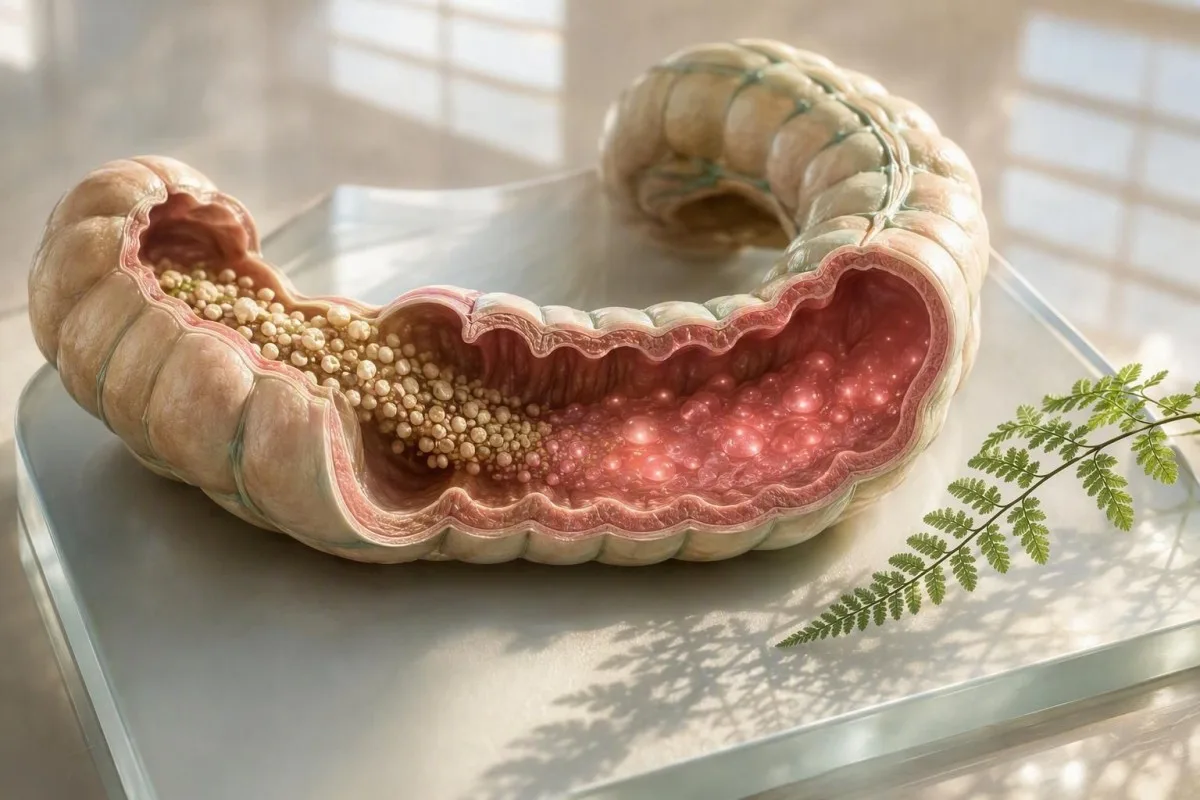
ಆಮ್ಲೀಯ ಮಲವು ಹೀರಿಕೊಳ್ಳದ ಸಕ್ಕರೆಗಳ ಹುದುಗುವಿಕೆಯನ್ನು ಪ್ರತಿಬಿಂಬಿಸಬಹುದು, ಆದರೆ ಇದು ಲ್ಯಾಕ್ಟೋಸ್ ಅಸಹಿಷ್ಣುತೆ ಅಥವಾ ಇನ್ನಿತರ ಆಹಾರದ ಅಸಹಿಷ್ಣುತೆಗೆ ರೋಗನಿರ್ಣಯವಲ್ಲ, ಕೇವಲ ಒಂದು ಸೂಚನೆಯಾಗಿದೆ.


- ಕಡಿಮೆ ಮಲದ pH ಸಾಮಾನ್ಯವಾಗಿ pH ಗಿಂತ ಕಡಿಮೆ 5.5, ಹೊಸ ಅತಿಸಾರ ಮಾದರಿಯಲ್ಲಿ ಹೀರಿಕೊಳ್ಳದ ಕಾರ್ಬೋಹೈಡ್ರೇಟ್ನ ಕರುಳಿನ ಹುದುಗುವಿಕೆಯನ್ನು ಸೂಚಿಸುತ್ತದೆ.
- ಕಡಿಮೆ ಪ್ರಮಾಣದ ವಸ್ತುಗಳು ಕಾರ್ಬೋಹೈಡ್ರೇಟ್ ಸರಿಯಾಗಿ ಹೀರಿಕೊಳ್ಳದಿರುವುದನ್ನು ಬೆಂಬಲಿಸಬಹುದು, ಆದರೆ ಪರೀಕ್ಷೆಯು ಹಲವಾರು ಸಕ್ಕರೆಗಳನ್ನು ಪತ್ತೆಹಚ್ಚುತ್ತದೆ ಮತ್ತು ಆಹಾರದ ಪ್ರಚೋದಕವನ್ನು ಗುರುತಿಸುವುದಿಲ್ಲ.
- ಮಗುವಿನ ಅತಿಸಾರ ಸಾಮಾನ್ಯವಾಗಿ 6 ತಿಂಗಳುಗಳ ನಡುವೆ ಸಂಭವಿಸುತ್ತದೆ 6 ತಿಂಗಳುಗಳು ಮತ್ತು 5 ವರ್ಷ ಸಾಮಾನ್ಯವಾಗಿ ಬೆಳೆಯುತ್ತಿರುವ ಮಕ್ಕಳಲ್ಲಿ, ಅಧಿಕ ಪ್ರಮಾಣದ ಜ್ಯೂಸ್, ಸೋರ್ಬಿಟಾಲ್, ಅಥವಾ ಫ್ರಕ್ಟೋಸ್ ಸೇವಿಸುವವರಲ್ಲಿ.
- ಲ್ಯಾಕ್ಟೋಸ್ ಅಸಹಿಷ್ಣುತೆ ಅನ್ನು ಕೇವಲ ಮಲದ ಆಮ್ಲೀಯತೆಯಿಂದ ರೋಗನಿರ್ಣಯ ಮಾಡಲಾಗುವುದಿಲ್ಲ; ಆಹಾರದ ಇತಿಹಾಸ, ಬೆಳವಣಿಗೆಯ ವಿಮರ್ಶೆ, ಮತ್ತು ಕೆಲವೊಮ್ಮೆ ಹೈಡ್ರೋಜನ್ ಉಸಿರಾಟ ಪರೀಕ್ಷೆಗಳು ಹೆಚ್ಚು ಮಾಹಿತಿ ನೀಡುತ್ತವೆ.
- ತಾಜಾ ನಿರ್ವಹಣೆ ಮುಖ್ಯ ಏಕೆಂದರೆ ಬ್ಯಾಕ್ಟೀರಿಯಾಗಳು ಸಂಗ್ರಹಿಸಿದ ನಂತರವೂ ಆಮ್ಲವನ್ನು ಉತ್ಪಾದಿಸುತ್ತಲೇ ಇರುತ್ತವೆ, ಇದು ತಡವಾದ ಮಾದರಿಯನ್ನು ಹೆಚ್ಚು ಆಮ್ಲೀಯವಾಗಿ ಕಾಣುವಂತೆ ಮಾಡುತ್ತದೆ.
- ಕೆಂಪು ಧ್ವಜಗಳು ಮಲದಲ್ಲಿ ರಕ್ತ, ತೂಕ ನಷ್ಟ, ನಿರಂತರ ವಾಂತಿ, ಜ್ವರ, ನಿರ್ಜಲೀಕರಣ, ರಾತ್ರಿಯ ಭೇದಿ, ಅಥವಾ ಕಡಿಮೆ ಬೆಳವಣಿಗೆಯನ್ನು ಒಳಗೊಂಡಿರುತ್ತದೆ.
- ತಾತ್ಕಾಲಿಕ ಲ್ಯಾಕ್ಟೇಸ್ ಕೊರತೆ ವೈರಲ್ ಗ್ಯಾಸ್ಟ್ರೋಎಂಟೆರೈಟಿಸ್ ನಂತರ ಸಂಭವಿಸಬಹುದು ಮತ್ತು ಕರುಳಿನ ಒಳಪದರವು ಚೇತರಿಸಿಕೊಳ್ಳುವುದರಿಂದ ದಿನಗಳು ಅಥವಾ ವಾರಗಳಲ್ಲಿ ಸುಧಾರಿಸುತ್ತದೆ.
- ರಕ್ತ ಪರೀಕ್ಷೆಗಳು ಲಕ್ಷಣಗಳು ನಿರಂತರವಾಗಿದ್ದಾಗ ಅಥವಾ ಬೆಳವಣಿಗೆಯ ಮೇಲೆ ಪರಿಣಾಮ ಬೀರಿದಾಗ ನಿರ್ಜಲೀಕರಣ, ರಕ್ತಹೀನತೆ, ಉರಿಯೂತ, ಕೋಲಿಯಾಕ್ ಕಾಯಿಲೆ, ಅಥವಾ ಪೌಷ್ಟಿಕಾಂಶದ ಪರಿಣಾಮಗಳನ್ನು ನಿರ್ಣಯಿಸಬಹುದು.
ಆಮ್ಲೀಯ ಮಲದ ಫಲಿತಾಂಶವು ನಿಜವಾಗಿ ಏನು ಸೂಚಿಸುತ್ತದೆ
ಕಡಿಮೆ ಮಲ pH ಅರ್ಥ: ಸುಮಾರು ಕೆಳಗಿನ ತಾಜಾ ಮಲ pH 5.5 ಅಜೀರ್ಣವಾದ ಸಕ್ಕರೆಗಳು ಕರುಳನ್ನು ತಲುಪಿದವು ಮತ್ತು ಸಾವಯವ ಆಮ್ಲಗಳಾಗಿ ಹುದುಗಿದವು ಎಂಬುದನ್ನು ಸೂಚಿಸುತ್ತದೆ. ಇದು ಮಗುವಿಗೆ ಲ್ಯಾಕ್ಟೋಸ್ ಅಸಹಿಷ್ಣುತೆ, ಹಾಲಿನ ಅಲರ್ಜಿ, ಅಥವಾ ಶಾಶ್ವತ ಜೀರ್ಣಕಾರಿ ಅಸ್ವಸ್ಥತೆ ಇದೆ ಎಂಬುದಕ್ಕೆ ಪುರಾವೆಯಲ್ಲ, ಬದಲಿಗೆ ಶರೀರಶಾಸ್ತ್ರದ ಸುಳಿವು.
ಪ್ರಾಯೋಗಿಕವಾಗಿ, ಸಣ್ಣ ಕರುಳಿನಲ್ಲಿ ಸಾಮಾನ್ಯವಾಗಿ ಹೀರಲ್ಪಡುವ ಕಾರ್ಬೋಹೈಡ್ರೇಟ್ಗಳು ಕರುಳಿಗೆ ತಪ್ಪಿಸಿಕೊಳ್ಳುತ್ತವೆ, ಅಲ್ಲಿ ನಿವಾಸಿ ಬ್ಯಾಕ್ಟೀರಿಯಾಗಳು ಅವುಗಳನ್ನು ಕಿರು-ಚೈನ್ ಕೊಬ್ಬಿನಾಮ್ಲಗಳು, ಹೈಡ್ರೋಜನ್, ಕಾರ್ಬನ್ ಡೈಆಕ್ಸೈಡ್, ಮತ್ತು ಕೆಲವೊಮ್ಮೆ ಮೀಥೇನ್ ಆಗಿ ಪರಿವರ್ತಿಸುತ್ತವೆ. ಇದರ ಫಲಿತಾಂಶದ ಆಮ್ಲವು pH ಅನ್ನು ಕಡಿಮೆ ಮಾಡುತ್ತದೆ ಮತ್ತು ಕರುಳಿಗೆ ನೀರನ್ನು ಸೆಳೆಯಬಹುದು; ಆ ಸಂಯೋಜನೆಯು ನೀರಿನಂತಹ, ಗುಳ್ಳೆಗಳಂತಹ, ಕೆಲವೊಮ್ಮೆ ತೀವ್ರ ಹುಳಿ-ವಾಸನೆಯ ಮಲವನ್ನು ವಿವರಿಸುತ್ತದೆ. pH 6.0 ಗಿಂತ ಕಡಿಮೆ ಇರುವ ಮಲ 6.0 ರಿಂದ 7.5 ಅನ್ನು ಸಾಮಾನ್ಯವಾಗಿ ನಿರೀಕ್ಷಿತವೆಂದು ವಿವರಿಸಲಾಗುತ್ತದೆ, ಆದರೂ ವಯಸ್ಸು, ತಾಯಿಯ ಹಾಲು, ಆಹಾರ, ಮತ್ತು ಪ್ರಯೋಗಾಲಯದ ವಿಧಾನವು ಒಂದೇ ಸಾರ್ವತ್ರಿಕ ವ್ಯಾಪ್ತಿಯನ್ನು ಅವಾಸ್ತವಿಕಗೊಳಿಸುತ್ತದೆ.
ಅತ್ಯಂತ ಉಪಯುಕ್ತ ಪ್ರಶ್ನೆಯೆಂದರೆ “ಸಂಖ್ಯೆ ಎಷ್ಟು ಕಡಿಮೆಯಾಗಿದೆ?” ಎಂಬುದಲ್ಲ, ಬದಲಿಗೆ “ಅದನ್ನು ಸಂಗ್ರಹಿಸಿದಾಗ ಏನಾಗುತ್ತಿತ್ತು?” ಎಂಬುದಾಗಿದೆ. ನೋರೊವೈರಸ್ ತರಹದ ಕಾಯಿಲೆಯ ನಂತರ ಸಡಿಲವಾದ ಮಲವನ್ನು ಹೊಂದಿರುವ 20 ತಿಂಗಳ ಮಗು ಮತ್ತು pH 5.5 ರಷ್ಟಿದ್ದರೆ, ಸೇಬು ರಸದ ಒಂದು ದಿನದ ನಂತರ ಆಮ್ಲೀಯ ಮಾದರಿಯನ್ನು ಹೊಂದಿರುವ 3 ವರ್ಷದ ಆರೋಗ್ಯವಂತ ಮಗುವಿನಿಂದ ಬಹಳ ವಿಭಿನ್ನ ಸಂಭವನೀಯತೆಯ ಪ್ರೊಫೈಲ್ ಅನ್ನು ಹೊಂದಿರುತ್ತಾನೆ. 5.0 5.5 ಬ್ರಿಸ್ಟಲ್ ಮಲ ಮಾದರಿ ಮತ್ತು ಮೂರು ದಿನಗಳ ಆಹಾರ-ಮತ್ತು-ಲಕ್ಷಣಗಳ ದಾಖಲೆಯು pH ಅನ್ನು ಪುನರಾವರ್ತಿಸುವುದಕ್ಕಿಂತ ಹೆಚ್ಚು ರೋಗನಿರ್ಣಯ ಮೌಲ್ಯವನ್ನು ಸೇರಿಸುತ್ತದೆ.
ಥಾಮಸ್ ಕ್ಲೈನ್, MD, ನಾನು ಈ ಫಲಿತಾಂಶವನ್ನು ಲೇಬಲ್ ಬದಲಿಗೆ ಟ್ರಾಫಿಕ್ ಲೈಟ್ ಆಗಿ ವಿವರಿಸುತ್ತೇನೆ: ಇದು ಕಾರ್ಬೋಹೈಡ್ರೇಟ್ ಮಾನ್ಯತೆ, ಮಲದ ಅವಧಿ, ಹೈಡ್ರೇಷನ್, ಮತ್ತು ಬೆಳವಣಿಗೆಯನ್ನು ಎಚ್ಚರಿಕೆಯಿಂದ ನೋಡಲು ನಮಗೆ ಹೇಳುತ್ತದೆ. Kantesti ಒಂದು AI ರಕ್ತ ಪರೀಕ್ಷೆಯ ವಿಶ್ಲೇಷಕವಾಗಿದ್ದು, ಇದು ಬೈಕಾರ್ಬೊನೇಟ್, ಗ್ಲೂಕೋಸ್, ಅಲ್ಬುಮಿನ್, ಕಬ್ಬಿಣದ ಸೂಚ್ಯಂಕಗಳು, ಮತ್ತು ಕೋಲಿಯಾಕ್ ಸ್ಕ್ರೀನಿಂಗ್ನಂತಹ ಸಂಬಂಧಿತ ರಕ್ತದ ಗುರುತುಗಳನ್ನು ಕ್ಲಿನಿಕಲ್ ಸಂದರ್ಭದಲ್ಲಿ ಇರಿಸುತ್ತದೆ, ಬದಲಿಗೆ ಮಲದ ಫಲಿತಾಂಶವನ್ನು ತೀರ್ಪಿನಂತೆ ಪರಿಗಣಿಸುತ್ತದೆ.
ಮಲ ಏಕೆ ಆಮ್ಲೀಯವಾಗುತ್ತದೆ
ಸಕ್ಕರೆಗಳು ಕರುಳನ್ನು ತಲುಪಿದ ನಂತರ ಹುದುಗುವಿಕೆಯು ಲ್ಯಾಕ್ಟಿಕ್ ಆಮ್ಲ ಮತ್ತು ಕಿರು-ಚೈನ್ ಕೊಬ್ಬಿನಾಮ್ಲಗಳನ್ನು ಉತ್ಪಾದಿಸುತ್ತದೆ. ಆಮ್ಲೀಯ ಮಲವು ಪೆರಿಯಾನಲ್ ಚರ್ಮವನ್ನು ಕೆರಳಿಸಬಹುದು, ಆದ್ದರಿಂದ ಶಿಶು ಅಥವಾ ಮಗು ಅಲರ್ಜಿ ಅಥವಾ ಸೋಂಕು ಇಲ್ಲದಿದ್ದರೂ ಆಗಾಗ್ಗೆ ಆಮ್ಲೀಯ ಅತಿಸಾರದಿಂದ ಕೆಂಪು ಬಣ್ಣವನ್ನು ಬೆಳೆಸಿಕೊಳ್ಳಬಹುದು.
ಮಲದ pH ಪರೀಕ್ಷೆಯನ್ನು ಹೇಗೆ ಮಾಡಲಾಗುತ್ತದೆ—ಮತ್ತು ಸಮಯವು ಅದನ್ನು ಏಕೆ ಬದಲಾಯಿಸುತ್ತದೆ
A ಮಲ pH ಪರೀಕ್ಷೆ ಎಂಬುದು ಮಲದ ಮಾದರಿಯಲ್ಲಿ ಹೈಡ್ರೋಜನ್ ಅಯಾನ್ ಸಾಂದ್ರತೆಯನ್ನು ಅಳೆಯುತ್ತದೆ, ಸಾಮಾನ್ಯವಾಗಿ pH ಪೇಪರ್ ಅಥವಾ ಎಲೆಕ್ಟ್ರೋಡ್ನೊಂದಿಗೆ. ಕೆಳಗಿನ ಮೌಲ್ಯ 5.5 ಕಾರ್ಬೋಹೈಡ್ರೇಟ್ ಅರೆಜೀರ್ಣತೆಗೆ ಹೊಂದಿಕೆಯಾಗುತ್ತದೆ ಎಂದು ಸಾಂಪ್ರದಾಯಿಕವಾಗಿ ಪರಿಗಣಿಸಲಾಗುತ್ತದೆ, ಆದರೆ ಪ್ರಯೋಗಾಲಯಗಳು ಸಂಪೂರ್ಣವಾಗಿ ಪ್ರಮಾಣೀಕರಿಸಿದ ಸಂಗ್ರಹಣೆ ಅಥವಾ ವರದಿ ಮಾಡುವ ಪ್ರೋಟೋಕಾಲ್ ಅನ್ನು ಬಳಸುವುದಿಲ್ಲ.
ಮಾದರಿಯು ತಾಜಾವಾಗಿರಬೇಕು ಮತ್ತು ತ್ವರಿತವಾಗಿ ತಲುಪಿಸಬೇಕು, ವಿಶೇಷವಾಗಿ ಅದು ನೀರಿನಂತಿದ್ದರೆ. ಬ್ಯಾಕ್ಟೀರಿಯಾಗಳು ಹಾದುಹೋದ ನಂತರ ಕಾರ್ಬೋಹೈಡ್ರೇಟ್ ಅನ್ನು ಚಯಾಪಚಯಗೊಳಿಸುತ್ತಲೇ ಇರುತ್ತವೆ, ಆದ್ದರಿಂದ ಕೆಲವು ಗಂಟೆಗಳ ಕಾಲ ಬೆಚ್ಚಗಿರುವ ಮಾದರಿಯು ಕರುಳಿನಲ್ಲಿ ಇದ್ದುದಕ್ಕಿಂತ ಹೆಚ್ಚು ಆಮ್ಲೀಯವಾಗಬಹುದು. ಡೈಪರ್ ವಸ್ತು, ಮೂತ್ರದ ಮಾಲಿನ್ಯ ಮತ್ತು ಅಸಮರ್ಪಕ ದ್ರವ ಮಲವು ಪರೀಕ್ಷೆಯನ್ನು ಕಡಿಮೆ ವಿಶ್ವಾಸಾರ್ಹವಾಗಿಸಬಹುದು.
ನಾನು ಪೋಷಕರು ಅರ್ಥಮಾಡಿಕೊಳ್ಳುವಂತೆ ಆಘಾತಕ್ಕೊಳಗಾಗುವುದನ್ನು ನೋಡಿದ್ದೇನೆ 4.8 ಹಿಂದಿನ ಸಂಜೆ ಸಂಗ್ರಹಿಸಿದ ಮಾದರಿಯಲ್ಲಿ. ಆಹಾರವನ್ನು ಹೊರತುಪಡಿಸುವ ಮೊದಲು, ಮಾದರಿಯನ್ನು ರೆಫ್ರಿಜರೇಟ್ ಮಾಡಲಾಗಿದೆಯೇ, ಸಾರಿಗೆಗೆ ಎಷ್ಟು ಸಮಯ ತೆಗೆದುಕೊಂಡಿತು, ಪ್ರತಿಜೀವಕಗಳು ಇತ್ತೀಚೆಗೆ ಕರುಳಿನ ಸಸ್ಯವರ್ಗವನ್ನು ಬದಲಾಯಿಸಿದ್ದವೆಯೇ ಮತ್ತು ಅತಿಸಾರವು ಸಕ್ರಿಯವಾಗಿದೆಯೇ ಎಂದು ನಾನು ಕೇಳುತ್ತೇನೆ. ಪರೀಕ್ಷೆಯ ಗುಣಮಟ್ಟವು ಉಪಯುಕ್ತವಾದ ಸುಳಿವು ಮತ್ತು ಸುಳ್ಳು ದಾರಿಯ ನಡುವಿನ ವ್ಯತ್ಯಾಸವಾಗಿರಬಹುದು.
ಪ್ರಯೋಗಾಲಯದ pH ಫಲಿತಾಂಶವು ಲ್ಯಾಕ್ಟೋಸ್ ಅನ್ನು ಫ್ರಕ್ಟೋಸ್, ಸುಕ್ರೋಸ್, ಗ್ಲೂಕೋಸ್-ಗ್ಯಾಲಕ್ಟೋಸ್ ಸಾರಿಗೆ ಅಸ್ವಸ್ಥತೆಗಳು, ಅಥವಾ ಸೋಂಕಿನ ನಂತರ ವೇಗವಾದ ಸಾರಿಗೆಯಿಂದ ಪ್ರತ್ಯೇಕಿಸುವುದಿಲ್ಲ. ಅದೇ ತತ್ವವು ಪರೀಕ್ಷೆಯಾದ್ಯಂತ ಅನ್ವಯಿಸುತ್ತದೆ: ಪ್ರಿ-ಅನಲಿಟಿಕ್ ವಿವರಗಳು ವ್ಯಾಖ್ಯಾನವನ್ನು ಬದಲಾಯಿಸಬಹುದು, ನಮ್ಮ ಮಾರ್ಗದರ್ಶಿಯಂತೆ ಅನಾರೋಗ್ಯದ ಸಮಯದಲ್ಲಿ ಲ್ಯಾಬ್ ಬದಲಾವಣೆಗಳು ರಕ್ತದ ಫಲಿತಾಂಶಗಳಿಗೆ ವಿವರಿಸುತ್ತದೆ.
pH ಸ್ಟ್ರಿಪ್ ನಿಮಗೆ ಏನು ಹೇಳಲು ಸಾಧ್ಯವಿಲ್ಲ
pH ಸ್ಟ್ರಿಪ್ ಎಷ್ಟು ಕಾರ್ಬೋಹೈಡ್ರೇಟ್ ಅರೆಜೀರ್ಣಗೊಂಡಿದೆ ಎಂಬುದನ್ನು ಅಳೆಯಲು ಸಾಧ್ಯವಿಲ್ಲ, ತೊಡಗಿರುವ ಕಾರ್ಬೋಹೈಡ್ರೇಟ್ ಅನ್ನು ಹೆಸರಿಸಲು ಸಾಧ್ಯವಿಲ್ಲ, ಅಥವಾ ರೋಗಲಕ್ಷಣಗಳು ಕಿಣ್ವದ ಕೊರತೆ, ಸೋಂಕು, ಆಹಾರ ಮಾದರಿ, ಅಥವಾ ಕ್ರಿಯಾತ್ಮಕ ಅತಿಸಾರದಿಂದ ಬಂದಿವೆಯೇ ಎಂದು ಸ್ಥಾಪಿಸಲು ಸಾಧ್ಯವಿಲ್ಲ. ಇದು ಆಹಾರ ಅಲರ್ಜಿಯನ್ನು ನಿರ್ಣಯಿಸಲು ಸಾಧ್ಯವಿಲ್ಲ, ಇದು ಮಲದ ಆಮ್ಲೀಯತೆಗಿಂತ ನಿರೋಧಕ ಕಾರ್ಯವಿಧಾನಗಳಿಂದ ನಡೆಸಲ್ಪಡುತ್ತದೆ.
ಕಡಿಮೆ ಪ್ರಮಾಣದ ವಸ್ತುಗಳು ಆಮ್ಲೀಯ ಮಲದೊಂದಿಗೆ ಹೇಗೆ ಹೊಂದಿಕೆಯಾಗುತ್ತವೆ
ಧನಾತ್ಮಕ ಮಲವನ್ನು ಕಡಿಮೆ ಮಾಡುವ ಪದಾರ್ಥಗಳು ಮತ್ತು pH 5.5 ಕ್ಕಿಂತ ಕಡಿಮೆಯಿರುತ್ತದೆ ಕಾರ್ಬೋಹೈಡ್ರೇಟ್ ಅರೆಜೀರ್ಣತೆಯನ್ನು ಬೆಂಬಲಿಸುತ್ತದೆ, ವಿಶೇಷವಾಗಿ ನೀರಿನ ಅತಿಸಾರ ಹೊಂದಿರುವ ಮಗುವಿನಲ್ಲಿ. ಕಡಿಮೆ-ಪದಾರ್ಥ ಪರೀಕ್ಷೆಗಳು ರಾಸಾಯನಿಕ ಸಕ್ಕರೆ ಗುಣಲಕ್ಷಣಗಳನ್ನು ಪತ್ತೆಹಚ್ಚುವುದರಿಂದ, ಹೆಸರಿಸದ ಅಸಹಿಷ್ಣುತೆಯನ್ನು ಅಲ್ಲ, ಆದ್ದರಿಂದ ಜೋಡಿಕೆಯು ನಿರ್ದಿಷ್ಟವಲ್ಲ.
ಕ್ಲಾಸಿಕ್ ಕಾಪರ್-ರಿಡಕ್ಷನ್ ಅಸೆ w ು ಗ್ಲೂಕೋಸ್, ಗ್ಯಾಲಕ್ಟೋಸ್, ಲ್ಯಾಕ್ಟೋಸ್ ಮತ್ತು ಫ್ರಕ್ಟೋಸ್ ನಂತಹ ಕಡಿಮೆ-ಸಕ್ಕರೆಗಳೊಂದಿಗೆ ಪ್ರತಿಕ್ರಿಯಿಸುತ್ತದೆ. ಸುಕ್ರೋಸ್ ಕಡಿಮೆ-ಸಕ್ಕರೆ ಅಲ್ಲ, ಅದನ್ನು ಮೊದಲು ಜಲವಿಶ್ಲೇಷಣೆಯಿಂದ ವಿಭಜಿಸದ ಹೊರತು, ಆದ್ದರಿಂದ ಋಣಾತ್ಮಕ ಪರೀಕ್ಷೆಯು ಸುಕ್ರೋಸ್-ಸಂಬಂಧಿತ ರೋಗಲಕ್ಷಣಗಳು ಅಥವಾ ಸುಕ್ರೇಸ್-ಐಸೊಮால்ಟೇಸ್ ಕೊರತೆಯನ್ನು ತಳ್ಳಿಹಾಕುವುದಿಲ್ಲ. ಫಲಿತಾಂಶಗಳನ್ನು ಋಣಾತ್ಮಕದಿಂದ ಟ್ರೇಸ್ ಮೂಲಕ ಸಾಮಾನ್ಯವಾಗಿ ವರದಿ ಮಾಡಲಾಗುತ್ತದೆ, 1+, 2+, 3+, ಮತ್ತು 4+, ಆದರೆ ಆ ದರ್ಜೆಯನ್ನು ಪ್ರಯೋಗಾಲಯಗಳ ನಡುವೆ ವಿನಿಮಯ ಮಾಡಲಾಗುವುದಿಲ್ಲ.
ಧನಾತ್ಮಕ ಕಡಿಮೆ ಮಾಡುವ ಪದಾರ್ಥಗಳೊಂದಿಗೆ ಆಮ್ಲೀಯ pH ಅತ್ಯಂತ ಮನವರಿಕೆಯಾಗುತ್ತದೆ, ಸಕ್ರಿಯ, ಹೆಚ್ಚಿನ-ಪ್ರಮಾಣದ ಅತಿಸಾರ ಸಮಯದಲ್ಲಿ ಕಾಣಿಸಿಕೊಳ್ಳುವಾಗ ಮತ್ತು ರೋಗಲಕ್ಷಣಗಳು ನೆಲೆಗೊಳ್ಳುವಾಗ ಸುಧಾರಿಸುತ್ತದೆ. ನಮ್ಮ ವಿವರವಾದ ವಿಮರ್ಶೆ ಧನಾತ್ಮಕ ಮಲವನ್ನು ಕಡಿಮೆ ಮಾಡುವ ಪದಾರ್ಥಗಳು ರೂಢಿಯಿಲ್ಲದ ಮಲದಲ್ಲಿ ಒಂದು ಟ್ರೇಸ್ ಫಲಿತಾಂಶವು ತಾಜಾ ದ್ರವ ಮಲದಲ್ಲಿ ಬಲವಾಗಿ ಧನಾತ್ಮಕ ಫಲಿತಾಂಶಕ್ಕಿಂತ ಏಕೆ ಕಡಿಮೆ ತೂಕವನ್ನು ಹೊಂದಿದೆ ಎಂಬುದನ್ನು ವಿವರಿಸುತ್ತದೆ.
Kantesti ಒಂದು AI ಲ್ಯಾಬ್ ಟೆಸ್ಟ್ ಇಂಟರ್ಪ್ರಿಟೇಶನ್ ಸೇವೆಯಾಗಿದ್ದು, ಇದು ಕುಟುಂಬಗಳಿಗೆ ಸಂಬಂಧಿತ ರಕ್ತದ ಫಲಿತಾಂಶಗಳನ್ನು ಸಂಘಟಿಸಲು ಸಹಾಯ ಮಾಡುತ್ತದೆ, ಆದರೆ ನಮ್ಮ ವಿಶ್ಲೇಷಣೆ ಅಥವಾ ಕಡಿಮೆ-ಪದಾರ್ಥಗಳ ಫಲಿತಾಂಶವು ಬೆಳವಣಿಗೆ, ಹೈಡ್ರೇಶನ್ ಮತ್ತು ಮಗುವಿನ ನಿಜವಾದ ಆಹಾರದ ಮಕ್ಕಳ ಮೌಲ್ಯಮಾಪನವನ್ನು ಬದಲಾಯಿಸಲು ಸಾಧ್ಯವಿಲ್ಲ. ಪರೀಕ್ಷೆಯನ್ನು ಪ್ರಮುಖ ನಿರ್ಬಂಧವನ್ನು ಸಮರ್ಥಿಸಲು ಬಳಸುತ್ತಿದ್ದರೆ, ಕ್ಲಿನಿಕಲ್ ರೋಗನಿರ್ಣಯವು ಮೊದಲು ದೃಢವಾಗಿರಬೇಕು.
ಹಾಲಿನ ಬಗ್ಗೆ ಆಗಾಗ್ಗೆ ತಪ್ಪು ಕಲ್ಪನೆ
ಧನಾತ್ಮಕ ಕಡಿಮೆ-ಪದಾರ್ಥಗಳ ಪರೀಕ್ಷೆಯು ಹಾಲೇ ಅಪರಾಧಿ ಎಂದು ಸಾಬೀತುಪಡಿಸುವುದಿಲ್ಲ. ಲ್ಯಾಕ್ಟೋಸ್ ತಾತ್ಕಾಲಿಕ ಪೋಸ್ಟ್-ಇನ್ಫೆಕ್ಷಿಯಸ್ ಲ್ಯಾಕ್ಟೇಸ್ ಕಡಿತದ ನಂತರ ಮಲದಲ್ಲಿ ಇರಬಹುದು, ಆದರೆ ಫ್ರಕ್ಟೋಸ್-ಸಮೃದ್ಧ ಪಾನೀಯಗಳು, ಸೋರ್ಬಿಟಾಲ್ ಹೊಂದಿರುವ ಔಷಧಿಗಳು, ಮತ್ತು ವೇಗವಾದ ಸಾರಿಗೆಯು ಇದೇ ರೀತಿಯ ಜೀವರಾಸಾಯನಿಕ ಮಾದರಿಯನ್ನು ರಚಿಸಬಹುದು.
ಕಾರ್ಬೋಹೈಡ್ರೇಟ್ ಸರಿಯಾಗಿ ಹೀರಿಕೊಳ್ಳದಿರುವುದು ಅತಿಸಾರಕ್ಕೆ ಏಕೆ ಕಾರಣವಾಗುತ್ತದೆ
ಕಾರ್ಬೋಹೈಡ್ರೇಟ್ ಅರೆಜೀರ್ಣತೆಯು ಆಸ್ಮಾಸಿಸ್ ಮತ್ತು ಹುದುಗುವಿಕೆಯ ಮೂಲಕ ಅತಿಸಾರಕ್ಕೆ ಕಾರಣವಾಗುತ್ತದೆ: ಉಳಿದ ಸಕ್ಕರೆಗಳು ಕರುಳಿನ ಲುಮೆನ್ಗೆ ನೀರನ್ನು ಸೆಳೆಯುತ್ತವೆ, ನಂತರ ಕರುಳಿನ ಬ್ಯಾಕ್ಟೀರಿಯಾಗಳು ಅದನ್ನು ಆಮ್ಲಗಳು ಮತ್ತು ಅನಿಲವಾಗಿ ಪರಿವರ್ತಿಸುತ್ತವೆ. ಆದ್ದರಿಂದ ಮಲವು ಸಡಿಲ, ಆಮ್ಲೀಯ ಮತ್ತು ಉಬ್ಬುವುದು ಅಥವಾ ಡೈಪರ್ ಕಿರಿಕಿರಿಯೊಂದಿಗೆ ಸಂಬಂಧ ಹೊಂದಿರಬಹುದು.
ಸಣ್ಣ ಕರುಳು ಸಾಮಾನ್ಯವಾಗಿ ಕಾರ್ಬೋಹೈಡ್ರೇಟ್ಗಳನ್ನು ಒಡೆಯಲು ಮತ್ತು ಹೀರಿಕೊಳ್ಳಲು ಕಿಣ್ವಗಳು ಮತ್ತು ಟ್ರಾನ್ಸ್ಪೋರ್ಟರ್ಗಳನ್ನು ಬಳಸುತ್ತದೆ. ಲ್ಯಾಕ್ಟೇಸ್ ಬ್ರಷ್ ಬಾರ್ಡರ್ನಲ್ಲಿ ಕುಳಿತು ಲ್ಯಾಕ್ಟೋಸ್ ಅನ್ನು ಗ್ಲೂಕೋಸ್ ಮತ್ತು ಗ್ಯಾಲಕ್ಟೋಸ್ಗೆ ಒಡೆಯುತ್ತದೆ; ಲೋಪದರ್ಶಿಯ ಗಾಯವು ತಾತ್ಕಾಲಿಕವಾಗಿ ಲ್ಯಾಕ್ಟೇಸ್ ಅನ್ನು ಕಡಿಮೆ ಮಾಡಿದಾಗ, ಲ್ಯಾಕ್ಟೋಸ್ ಲುಮೆನ್ನಲ್ಲಿ ಉಳಿಯುತ್ತದೆ. ಕೇವಲ 12 ರಿಂದ 18 ಗ್ರಾಂ ಲ್ಯಾಕ್ಟೋಸ್-ಒಂದು ಕಪ್ ಹಾಲಿನಲ್ಲಿರುವ ಮೊತ್ತ-ಒಂದು ಸೂಕ್ಷ್ಮ ಹಳೆಯ ಮಗುವಿನಲ್ಲಿ ರೋಗಲಕ್ಷಣಗಳನ್ನು ಉಂಟುಮಾಡಬಹುದು, ಆದರೂ ವೈಯಕ್ತಿಕ ಸಹಿಷ್ಣುತೆ ಗಣನೀಯವಾಗಿ ಬದಲಾಗುತ್ತದೆ.
ಹೀರಿಕೊಳ್ಳದ ಕಾರ್ಬೋಹೈಡ್ರೇಟ್ ಅನ್ನು ತೆಗೆದುಹಾಕಿದಾಗ ಆಸ್ಮೋಟಿಕ್ ಅತಿಸಾರವು ಸಾಮಾನ್ಯವಾಗಿ ಸುಧಾರಿಸುತ್ತದೆ ಮತ್ತು ಅಧಿಕ ಸಕ್ಕರೆಯ ಆಹಾರದ ನಂತರ ಹದಗೆಡಬಹುದು. ಆದರೂ ವೈರಲ್ ಅತಿಸಾರದ ಮಗುವು ಕಡಿಮೆ pH ಅನ್ನು ಹೊಂದಬಹುದು ಏಕೆಂದರೆ ಗಾಯಗೊಂಡ ಲೋಪದರ್ಶಿ ಮತ್ತು ವೇಗದ ಸಾಗಣೆಯು ಸಹಬಾಳ್ವೆ ನಡೆಸುತ್ತದೆ; ಇದನ್ನು “ಅಸಹಿಷ್ಣುತೆ” ಎಂದು ಕರೆಯುವುದು ಜೀವಮಾನದ ಸ್ಥಿತಿಯನ್ನು ಸೂಚಿಸುತ್ತದೆ, ಆದರೆ ಜೀವಶಾಸ್ತ್ರವು ಸಾಮಾನ್ಯವಾಗಿ ತಾತ್ಕಾಲಿಕವಾಗಿರುತ್ತದೆ. ವಿಮರ್ಶೆ ಮಲ ಸಂಸ್ಕೃತಿ (ಸ್ಟೂಲ್ ಕಲ್ಚರ್) ವ್ಯಾಖ್ಯಾನ ಜ್ವರ, ಪ್ರಯಾಣ, ಏಕಾಏಕಿ, ಅಥವಾ ದೀರ್ಘಕಾಲದ ರೋಗಲಕ್ಷಣಗಳು ಸಾಂಕ್ರಾಮಿಕ ಕಾರಣದ ಸಾಧ್ಯತೆಯನ್ನು ಹೆಚ್ಚಿಸಿದಾಗ.
ವಿಷಯವೆಂದರೆ, ಹುದುಗುವಿಕೆ ಕರುಳಿನಲ್ಲಿ ಸಾಮಾನ್ಯ ಜೀವಶಾಸ್ತ್ರವಾಗಿದೆ. ಅಸಹಜತೆ ಬ್ಯಾಕ್ಟೀರಿಯಾದ ಆಮ್ಲ ಉತ್ಪಾದನೆಯ ಉಪಸ್ಥಿತಿಯು ಅಲ್ಲ, ಆದರೆ ಅಧಿಕ ಉಪಸ್ಥಿತಿ, ರೋಗಲಕ್ಷಣಗಳು ಮತ್ತು ನಿರ್ಜಲೀಕರಣ, ತೂಕವನ್ನು ಕಳೆದುಕೊಳ್ಳುವುದು, ಅಥವಾ ಪೋಷಣೆಯ ಕೊರತೆಯಂತಹ ಕ್ಲಿನಿಕಲ್ ಪರಿಣಾಮಗಳ ಸಂಯೋಜನೆಯಾಗಿದೆ.
ಅನಿಲವು ಹೀರಿಕೊಳ್ಳದಿರುವುದಕ್ಕೆ ಸಮನಲ್ಲ
ಹೈಡ್ರೋಜನ್ ಮತ್ತು ಕಾರ್ಬನ್ ಡೈಆಕ್ಸೈಡ್ ಸೆಳೆತ ಮತ್ತು ಉಬ್ಬುವುದಕ್ಕೆ ಕಾರಣವಾಗಬಹುದು, ಆದರೆ ಆರೋಗ್ಯವಂತ ಮಕ್ಕಳಲ್ಲಿ ಅನಿಲವು ಸಾಮಾನ್ಯವಾಗಿದೆ. ನಿರ್ದಿಷ್ಟ ಕಾರ್ಬೋಹೈಡ್ರೇಟ್ ಡೋಸ್ಗೆ ವಿಶ್ವಾಸಾರ್ಹವಾಗಿ ಅನುಸರಿಸುವ ರೋಗಲಕ್ಷಣಗಳು ಮಲದ ವಾಸನೆ, ಗುಳ್ಳೆಗಳು, ಅಥವಾ ಒಂದು ಪ್ರಯೋಗಾಲಯದ ಮೌಲ್ಯಕ್ಕಿಂತ ಹೆಚ್ಚು ಮಾಹಿತಿ ನೀಡುತ್ತವೆ.
ಕಡಿಮೆ ಮಲದ pH ಲ್ಯಾಕ್ಟೋಸ್ ಅಸಹಿಷ್ಣುತೆ ಅಥವಾ ಹಾಲಿನ ಅಲರ್ಜಿಯನ್ನು ಏಕೆ ರೋಗನಿರ್ಣಯ ಮಾಡುವುದಿಲ್ಲ
ಕಡಿಮೆ ಮಲ pH ರೋಗನಿರ್ಣಯ ಮಾಡಲು ಸಾಧ್ಯವಿಲ್ಲ ಲ್ಯಾಕ್ಟೋಸ್ ಅಸಹಿಷ್ಣುತೆ, ಮತ್ತು ಇದು ರೋಗನಿರ್ಣಯ ಮಾಡುವ ಸಾಮರ್ಥ್ಯವನ್ನು ಹೊಂದಿಲ್ಲ ಹಸುವಿನ ಹಾಲಿನ ಪ್ರೋಟೀನ್ ಅಲರ್ಜಿ. ಲ್ಯಾಕ್ಟೋಸ್ ಅಸಹಿಷ್ಣುತೆ ಸೀಮಿತ ಕಾರ್ಬೋಹೈಡ್ರೇಟ್ ಜೀರ್ಣಕ್ರಿಯೆಯನ್ನು ಪ್ರತಿಬಿಂಬಿಸುತ್ತದೆ; ಹಾಲಿನ ಅಲರ್ಜಿ ಒಂದು ರೋಗನಿರೋಧಕ ಪ್ರತಿಕ್ರಿಯೆಯಾಗಿದೆ ಮತ್ತು ವಾಂತಿ, ಗುಳ್ಳೆಗಳು, ಎಸ್ಜಿಮಾ, ಮಲದಲ್ಲಿ ರಕ್ತ ಅಥವಾ ಲೋಳೆ, ಅಥವಾ ಕಡಿಮೆ ಬೆಳವಣಿಗೆಗೆ ಕಾರಣವಾಗಬಹುದು.
ಪ್ರಾಥಮಿಕ ಲ್ಯಾಕ್ಟೇಸ್ ಸ್ಥಿರವಲ್ಲದಿರುವುದು ಶಿಶುಗಳಲ್ಲಿ ರೋಗಲಕ್ಷಣದ ಸಮಸ್ಯೆಯಾಗಿ ಅಪರೂಪವಾಗಿದೆ ಮತ್ತು ಪೂರ್ವಜರು ಮತ್ತು ವಯಸ್ಸಿನಿಂದ ಬಲವಾಗಿ ಬದಲಾಗುತ್ತದೆ. ತೀವ್ರವಾದ ಗ್ಯಾಸ್ಟ್ರೋಎಂಟೆರೈಟಿಸ್, ಚಿಕಿತ್ಸೆ ನೀಡದ ಸೆಲಿಯಾಕ್ ರೋಗ, ಅಥವಾ ಕರುಳಿನ ಉರಿಯೂತದ ನಂತರ ದ್ವಿತೀಯ ಲ್ಯಾಕ್ಟೇಸ್ ಕೊರತೆಯು ಹೆಚ್ಚು ಸಂಭವನೀಯವಾಗಿದೆ. ಅಮೇರಿಕನ್ ಅಕಾಡೆಮಿ ಆಫ್ ಪೀಡಿಯಾಟ್ರಿಕ್ಸ್ ಗಮನಿಸುತ್ತದೆ, ಲ್ಯಾಕ್ಟೋಸ್ ಅಸಹಿಷ್ಣುತೆಯನ್ನು ವೈದ್ಯಕೀಯ ಇತಿಹಾಸ ಮತ್ತು ಸೂಕ್ತ ಪರೀಕ್ಷೆಯ ಮೂಲಕ ನಿರ್ಣಯಿಸಬೇಕು, ನಿರ್ದಿಷ್ಟವಲ್ಲದ ಜೀರ್ಣಾಂಗ ರೋಗಲಕ್ಷಣಗಳಿಂದ ಊಹಿಸಬಾರದು (ಹೈಮನ್ ಎಟ್ ಅಲ್., 2006).
ಅತಿಸಾರದ ನಂತರ ರೋಗಲಕ್ಷಣಗಳನ್ನು ಸ್ಪಷ್ಟವಾಗಿ ಸುಧಾರಿಸಿದರೆ, ಸ್ವಲ್ಪ ಮೇಲ್ವಿಚಾರಣೆಯ ಲ್ಯಾಕ್ಟೋಸ್ ಕಡಿತವು ಸಮಂಜಸವಾಗಿರಬಹುದು, ಆದರೆ ವಿಶಾಲವಾದ ಹಾಲಿನ ತಪ್ಪಿಸುವಿಕೆಗೆ ಅನಾನುಕೂಲಗಳಿವೆ. ಅನೇಕ ಮಕ್ಕಳಿಗೆ ಕ್ಯಾಲ್ಸಿಯಂ, ವಿಟಮಿನ್ ಡಿ, ಪ್ರೋಟೀನ್, ಮತ್ತು ಶಕ್ತಿಯ ಪ್ರಾಯೋಗಿಕ ಬದಲಿಯಾಗಿ ಮೂಲಗಳು ಬೇಕಾಗುತ್ತವೆ; ಆಹಾರ ತಜ್ಞರ ಬೆಂಬಲವಿಲ್ಲದೆ ದೀರ್ಘಕಾಲದ ನಿರ್ಬಂಧವು ಪ್ರತಿಕೂಲ ಪರಿಣಾಮ ಬೀರಬಹುದು. ಮಕ್ಕಳ ಪೋಷಣೆ ಗುರುತುಗಳ ಮೇಲೆ ಸಂದರ್ಭಕ್ಕಾಗಿ, ನೋಡಿ ಮಕ್ಕಳಲ್ಲಿ ಕ್ಯಾಲ್ಸಿಯಂ ಮಟ್ಟ.
ಥಾಮಸ್ ಕ್ಲೈನ್, MD, ಕ್ಲಿನಿಕ್ನಲ್ಲಿ ವಿರುದ್ಧ ತಪ್ಪುಗಳನ್ನು ನೋಡಿದ್ದಾರೆ: ನಿರ್ದಿಷ್ಟ ಪೋಸ್ಟ್-ಇನ್ಫೆಕ್ಷಿಯಸ್ ರೋಗಲಕ್ಷಣಗಳ ಹೊರತಾಗಿಯೂ ಲ್ಯಾಕ್ಟೋಸ್ ಅನ್ನು ಮುಂದುವರಿಸುವ ಕುಟುಂಬಗಳು, ಮತ್ತು ಒಂದೇ ಆಮ್ಲೀಯ ಮಲದ ನಂತರ ತಿಂಗಳುಗಳವರೆಗೆ ಎಲ್ಲಾ ಡೈರಿಯನ್ನು ತೆಗೆದುಹಾಕುವ ಕುಟುಂಬಗಳು. ಅಲರ್ಜಿ ಅಥವಾ ಇನ್ನೊಂದು ರೋಗವನ್ನು ವೈದ್ಯರು ಶಂಕಿಸಿದ ಹೊರತು, ಯೋಜಿತ ಪುನರಾರಂಭದೊಂದಿಗೆ ಸಮಯ-ಸೀಮಿತ ಪ್ರಯೋಗವು ಸಾಮಾನ್ಯವಾಗಿ ಅನिश्चित ನಿರ್ಮೂಲನ ಆಹಾರಕ್ಕಿಂತ ಸುರಕ್ಷಿತವಾಗಿರುತ್ತದೆ.
ಅಲರ್ಜಿ ತಕ್ಷಣದ ವಿಮರ್ಶೆಯನ್ನು ಬಯಸಿದಾಗ
ತಕ್ಷಣದ ಗುಳ್ಳೆಗಳು, ಮೂಗಿನ ಬಿರುಕು, ಮುಖದ ಊತ, ಪುನರಾವರ್ತಿತ ವಾಂತಿ, ತೂಕಡಿಕೆ, ಅಥವಾ ಹಾಲಿನ ನಂತರ ರಕ್ತಪರಿಚಲನೆ ಲಕ್ಷಣಗಳು ತಕ್ಷಣದ ವೈದ್ಯಕೀಯ ಮೌಲ್ಯಮಾಪನವನ್ನು ಬಯಸುತ್ತವೆ. ಮಲದಲ್ಲಿ ರಕ್ತ, ಆಹಾರ ಸೇವನೆಯಲ್ಲಿ ತೊಂದರೆಯೊಂದಿಗೆ ನಿರಂತರ ಎಸ್ಜಿಮಾ, ಅಥವಾ ಬೆಳವಣಿಗೆ ಕುಂಠಿತವಾಗುವುದು ಮನೆಯಲ್ಲಿ ಪರೀಕ್ಷಿಸುವ ಬದಲು ಮಕ್ಕಳ ವೈದ್ಯರ ವಿಮರ್ಶೆಗೆ ಯೋಗ್ಯವಾಗಿದೆ.
ಮಗುವಿನ ಅತಿಸಾರ: ಸಾಮಾನ್ಯ ಆಹಾರದ ಸಂದರ್ಭ
ಮಗುವಿನ ಅತಿಸಾರ, ಇದನ್ನು ಕ್ರೋನಿಕ್ ನಾನ್-ಸ್ಪೆಸಿಫಿಕ್ ಡಯಾರಿಯಾ ಎಂದೂ ಕರೆಯುತ್ತಾರೆ, ಸಾಮಾನ್ಯವಾಗಿ ವಯಸ್ಸಿನ ಮಕ್ಕಳ ಮೇಲೆ ಪರಿಣಾಮ ಬೀರುತ್ತದೆ 6 ತಿಂಗಳಿಂದ 5 ವರ್ಷ ಹಗಲಿನ ವೇಳೆ ಸಡಿಲವಾದ ಮಲವಿದ್ದು, ಸಾಮಾನ್ಯ ಶಕ್ತಿ, ಪರೀಕ್ಷೆ ಮತ್ತು ಬೆಳವಣಿಗೆಯನ್ನು ಹೊಂದಿರುವವರು. ಅಧಿಕ ರಸ, ಫ್ರಕ್ಟೋಸ್, ಸೋರ್ಬಿಟಾಲ್, ದೊಡ್ಡ ದ್ರವ ಪ್ರಮಾಣ, ಮತ್ತು ಕಡಿಮೆ ಆಹಾರದ ಕೊಬ್ಬು all ಆಮ್ಲೀಯ ಮಲಕ್ಕೆ ಕೊಡುಗೆ ನೀಡಬಹುದು.
ಸೇಬು, ಪಿಯರ್ ಮತ್ತು ಕೆಲವು ಮಿಶ್ರ ಹಣ್ಣಿನ ಪಾನೀಯಗಳಲ್ಲಿ ಗಣನೀಯ ಪ್ರಮಾಣದ ಮುಕ್ತ ಫ್ರಕ್ಟೋಸ್ ಮತ್ತು ಸೊರ್ಬಿಟಾಲ್ ಇರಬಹುದು; ಇವು ದೇಹದಲ್ಲಿ ಬದಲಾಗುವ ಪ್ರಮಾಣದಲ್ಲಿ ಹೀರಲ್ಪಡುತ್ತವೆ. ಇಂತಹ ಪಾನೀಯವನ್ನು ಕುಡಿಯುವ ಮಗು 500 ರಿಂದ 700 ಮಿ.ಲೀ. ರಸ ಅಥವಾ ಸಿಹಿಪಡಿಸಿದ ಪಾನೀಯಗಳನ್ನು ಪ್ರತಿದಿನ ಕುಡಿಯುವ ಮಗುವಿಗೆ, ಬೇರೆ ರೀತಿಯಲ್ಲಿ ಆರೋಗ್ಯವಾಗಿಯೇ ಕಂಡರೂ, ಸಡಿಲ ಮಲವಾಗಬಹುದು; ಪ್ರತಿಯೊಂದು ಆಹಾರವನ್ನು ಪರೀಕ್ಷಿಸುವುದಕ್ಕಿಂತ ರಸದ ಪ್ರಮಾಣವನ್ನು ವಯಸ್ಸಿಗೆ ಸೂಕ್ತ ಮಟ್ಟಕ್ಕೆ ಕಡಿಮೆ ಮಾಡುವುದು ಹೆಚ್ಚು ಉಪಯುಕ್ತವಾಗಬಹುದು. ಎಚ್ಚರಿಕೆ ಸೂಚನೆಗಳಿಲ್ಲದಿದ್ದಾಗ, 2016ರ Rome IV ಚೌಕಟ್ಟು ಈ ಮಾದರಿಯನ್ನು ಕಾರ್ಯಾತ್ಮಕ ಜಠರಾಂತ್ರ ಅಸ್ವಸ್ಥತೆಗಳಲ್ಲೊಂದಾಗಿ ವರ್ಗೀಕರಿಸುತ್ತದೆ (Rhoads et al., 2016).
ಮಲದ ಮಾದರಿ ಬಹಳ ಮಾಹಿತಿದಾಯಕವಾಗಿದೆ: ದಿನದಲ್ಲಿ ಹಲವು ಬಾರಿ ಸಡಿಲ ಮಲ, ಕಣ್ಣಿಗೆ ಕಾಣುವ ಆಹಾರಕಣಗಳು, ರಾತ್ರಿ ವೇಳೆ ಕಡಿಮೆ ಅಥವಾ ಮಲವಿಸರ್ಜನೆ ಇಲ್ಲದಿರುವುದು ಮತ್ತು ತೂಕ ನಿರಂತರವಾಗಿ ಹೆಚ್ಚಾಗುವುದು—ಇವು ಟಾಡ್ಲರ್ ಡಯರಿಯಾವನ್ನು ಸೂಚಿಸುತ್ತವೆ. ಇದಕ್ಕೆ ವಿರುದ್ಧವಾಗಿ, ರಾತ್ರಿ ಮಲವಿಸರ್ಜನೆ, ನೋವಿನಿಂದ ನಿದ್ರೆಯಿಂದ ಎಚ್ಚರಗೊಳ್ಳುವ ಮಗು ಅಥವಾ ತೂಕದ ಶೇಕಡಾವಾರು ಸ್ಥಾನಗಳಲ್ಲಿ ಕೆಳಕ್ಕೆ ಇಳಿಯುವುದು ಸಾಮಾನ್ಯವಲ್ಲ ಮತ್ತು ಪರೀಕ್ಷಾ ಕ್ರಮವನ್ನು ಬದಲಿಸುತ್ತದೆ. ನಮ್ಮ ಜೀರ್ಣಕ್ರಿಯೆಯ ಲಕ್ಷಣಗಳ ಮಾರ್ಗದರ್ಶಿ ಸಮಯದ ಪ್ರಾಯೋಗಿಕ ಮಹತ್ವವನ್ನು ಚರ್ಚಿಸುತ್ತದೆ.
Kantesti ಎಂಬುದು ವೈದ್ಯರು ನಿರಂತರ ಜೀರ್ಣಾಂಗ ಲಕ್ಷಣಗಳಿಗಾಗಿ ಪರೀಕ್ಷೆಗಳನ್ನು ಸೂಚಿಸಿದಾಗ, ಪೋಷಕಾಂಶ ಮತ್ತು ಚಯಾಪಚಯ ರಕ್ತಮಾರ್ಕರ್ಗಳನ್ನು ವ್ಯಾಖ್ಯಾನಿಸಲು ಬಳಸುವ ಕೃತಕ ಬುದ್ಧಿಮತ್ತೆ ಆಧಾರಿತ ರಕ್ತಪರೀಕ್ಷಾ ವಿಶ್ಲೇಷಣಾ ಸಾಧನವಾಗಿದೆ. ಆದರೆ, ಉತ್ತಮವಾಗಿ ಬೆಳೆಯುತ್ತಿರುವ ಮತ್ತು ಆಹಾರದಿಂದ ಉಂಟಾಗುವ ವಿಶಿಷ್ಟ ಪ್ರಚೋದಕಗಳಿರುವ ಟಾಡ್ಲರ್ನಲ್ಲಿ ರಕ್ತಪರೀಕ್ಷೆಗಳು ಹೆಚ್ಚಿನ ಹೆಚ್ಚುವರಿ ಮಾಹಿತಿ ನೀಡದೇ ಇರಬಹುದು; ಉದ್ದೇಶಿತ ಆಹಾರ ಇತಿಹಾಸವು ಸಾಮಾನ್ಯವಾಗಿ ಹೆಚ್ಚು ಉಪಯುಕ್ತವಾದ ಮೊದಲ ಹೆಜ್ಜೆಯಾಗಿದೆ.
ಉಪಯುಕ್ತ ಆಹಾರ ದಿನಚರಿ ಮಾದರಿ
ಪಾನೀಯಗಳನ್ನು ಕೇವಲ “ಕಪ್ಗಳು” ಎಂದು ಬರೆಯದೆ, ಮಿಲಿಲೀಟರ್ಗಳಲ್ಲಿ ದಾಖಲಿಸಿ; ಜೊತೆಗೆ ಮಲವಿಸರ್ಜನೆಯ ಸಮಯವನ್ನೂ ದಾಖಲಿಸಿ 72 ಗಂಟೆಗಳ ಕಾಲ ಕಠಿಣ ವ್ಯಾಯಾಮಗಳನ್ನು ತಪ್ಪಿಸಿ. ಸಕ್ಕರೆರಹಿತ ಸಿಹಿತಿಂಡಿಗಳು, ಚೆವ್ ಮಾಡಬಹುದಾದ ವಿಟಮಿನ್ಗಳು, ಕೆಮ್ಮಿನ ಔಷಧೀಯ ತಯಾರಿಕೆಗಳು ಮತ್ತು ಎಲೆಕ್ಟ್ರೋಲೈಟ್ ಉತ್ಪನ್ನಗಳನ್ನು ಕೂಡ ಸೇರಿಸಿ, ಏಕೆಂದರೆ ಕುಟುಂಬಗಳು ಆಹಾರವೆಂದು ಪರಿಗಣಿಸದ ಉತ್ಪನ್ನಗಳಲ್ಲಿಯೂ ಸೊರ್ಬಿಟಾಲ್ ಮತ್ತು ಫ್ರಕ್ಟೋಸ್ ಅಡಗಿರಬಹುದು.
ಮಗುವಿಗೆ ಆಮ್ಲೀಯ ಮಲ ಬರಲು ಇತರ ಕಾರಣಗಳು
ಒಂದು ಆಮ್ಲೀಯ ಮಲದ ಅರ್ಥ ಕಾರ್ಬೋಹೈಡ್ರೇಟ್ ಅಸಹಿಷ್ಣುತೆಗೆ ಮಾತ್ರ ಸೀಮಿತವಾಗಿಲ್ಲ: ತೀವ್ರ ವೈರಲ್ ಜಠರಾಂತ್ರಶೋಥ, ವೇಗವಾದ ಅಂತರಚಲನ, ಆಹಾರದಲ್ಲಿನ ಅಧಿಕ ಸಕ್ಕರೆಗಳು, ಆಂಟಿಬಯಾಟಿಕ್ಗೆ ಸಂಬಂಧಿಸಿದ ಮೈಕ್ರೋಬಯೋಮ್ ಬದಲಾವಣೆ ಮತ್ತು ಅಪರೂಪದ ಜನ್ಮಜಾತ ಅಸ್ವಸ್ಥತೆಗಳು—ಇವೆಲ್ಲವೂ ಮಲದ pH ಅನ್ನು ಕಡಿಮೆ ಮಾಡಬಹುದು. ಯಾವ ಕಾರಣಗಳಿಗೆ ಪರೀಕ್ಷೆ ಅಗತ್ಯವಿದೆ ಎಂಬುದನ್ನು ಮಗುವಿನ ವಯಸ್ಸು ಮತ್ತು ಬೆಳವಣಿಗೆಯ ಪಥ ನಿರ್ಧರಿಸುತ್ತವೆ.
ಜಠರಾಂತ್ರಶೋಥದ ನಂತರ, ಸಣ್ಣ ಅಂತರದ ಬ್ರಷ್ ಬಾರ್ಡರ್ಗೆ ಸಂಪೂರ್ಣ ಲ್ಯಾಕ್ಟೇಸ್ ಚಟುವಟಿಕೆಯನ್ನು ಪುನಃಸ್ಥಾಪಿಸಲು 1 ರಿಂದ 3 ವಾರಗಳು ಸ್ವಲ್ಪ ಸಮಯ ಬೇಕಾಗಬಹುದು, ವಿಶೇಷವಾಗಿ ಶಿಶುಗಳು ಮತ್ತು ಟಾಡ್ಲರ್ಗಳಲ್ಲಿ. ಆ ಅವಧಿಯಲ್ಲಿ, ಲ್ಯಾಕ್ಟೋಸ್ ಸೇವಿಸಿದ ನಂತರ ಮಗುವಿಗೆ ಆಮ್ಲೀಯ ಅತಿಸಾರವಾಗಬಹುದು; ಇದರಿಂದ ಶಾಶ್ವತ ಲ್ಯಾಕ್ಟೋಸ್ ಅಸಹಿಷ್ಣುತೆ ಇದೆ ಎಂದರ್ಥವಲ್ಲ. ಆದ್ದರಿಂದ ಅನೇಕ ವೈದ್ಯರು ಆಹಾರವನ್ನು ಶಾಶ್ವತವಾಗಿ ಬದಲಾಯಿಸುವ ಬದಲು, ಚೇತರಿಕೆಯ ನಂತರ ಸಹಿಷ್ಣುತೆಯನ್ನು ಮರುಮೌಲ್ಯಮಾಪನ ಮಾಡುತ್ತಾರೆ.
ಸೀಲಿಯಾಕ್ ರೋಗವು ದ್ವಿತೀಯಕ ಕಾರ್ಬೋಹೈಡ್ರೇಟ್ ಅಶೋಷಣೆಗೆ ಕಾರಣವಾಗಬಹುದು, ಆದರೆ ಕಡಿಮೆ ಮಲದ pH ಅದನ್ನು ಪತ್ತೆಹಚ್ಚುವ ಸ್ಕ್ರೀನಿಂಗ್ ಪರೀಕ್ಷೆಯಲ್ಲ. ಹೊಟ್ಟೆ ಉಬ್ಬರ, ಕಬ್ಬಿಣದ ಕೊರತೆ, ನಿಧಾನವಾದ ಬೆಳವಣಿಗೆ ಅಥವಾ ಕುಟುಂಬದ ಇತಿಹಾಸದೊಂದಿಗೆ ನಿರಂತರ ಅತಿಸಾರವಿದ್ದರೆ, ಟಿಷ್ಯೂ-ಟ್ರಾನ್ಸ್ಗ್ಲುಟಾಮಿನೇಸ್ IgA ಜೊತೆಗೆ ಒಟ್ಟು IgA ಪರೀಕ್ಷೆ ಸಮರ್ಥನೀಯವಾಗಬಹುದು, ಏಕೆಂದರೆ IgA ಕೊರತೆಯಿಂದ ಸೀಲಿಯಾಕ್ ಸ್ಕ್ರೀನಿಂಗ್ ತಪ್ಪಾಗಿ ಭರವಸೆ ನೀಡುವ ಫಲಿತಾಂಶವನ್ನು ನೀಡಬಹುದು; ನೋಡಿ IgA ಮತ್ತು ಸೀಲಿಯಾಕ್ ಪರೀಕ್ಷೆಯ ದೋಷಗಳು.
ಅಪರೂಪದ ಅಸ್ವಸ್ಥತೆಗಳನ್ನು ಅನಗತ್ಯ ಭಯ ಹುಟ್ಟಿಸದೆ ಉಲ್ಲೇಖಿಸುವುದು ಅಗತ್ಯ. ಪಿಷ್ಟ ಮತ್ತು ಸುಕ್ರೋಸ್ ಆಹಾರದಲ್ಲಿ ಸೇರಲು ಆರಂಭಿಸಿದಾಗ ಜನ್ಮಜಾತ ಸುಕ್ರೇಸ್-ಐಸೋಮಾಲ್ಟೇಸ್ ಕೊರತೆ ಸಾಮಾನ್ಯವಾಗಿ ಕಾಣಿಸಿಕೊಳ್ಳುತ್ತದೆ; ಗ್ಲೂಕೋಸ್-ಗ್ಯಾಲಾಕ್ಟೋಸ್ ಅಶೋಷಣೆಯ ಕೊರತೆಯಲ್ಲಿ ಸಾಮಾನ್ಯವಾಗಿ ತೀವ್ರ ನವಜಾತ ಜಲೀಯ ಅತಿಸಾರ ಮತ್ತು ನಿರ್ಜಲೀಕರಣ ಉಂಟಾಗುತ್ತದೆ. ಈ ನಿರ್ಣಯಗಳು ಕೇವಲ pH ಆಧಾರಿತವಾಗಿರದೆ, ತೀವ್ರವಾದ ವೈದ್ಯಕೀಯ ಮಾದರಿಗಳು ಮತ್ತು ತಜ್ಞರ ಪರೀಕ್ಷೆಗಳಿಂದ ನಿರ್ಧರಿಸಲಾಗುತ್ತವೆ.
ಉರಿಯೂತದ ಸಾಧ್ಯತೆ ಹೆಚ್ಚಿರುವಾಗ
ನಿರಂತರ ರಕ್ತಸ್ರಾವ, ಜ್ವರ, ತೂಕ ಇಳಿಕೆ, ಅನೀಮಿಯಾ ಅಥವಾ ಹೆಚ್ಚಿದ ಉರಿಯೂತಕಾರಿ ಮಾರ್ಕರ್ಗಳು ಇದ್ದರೆ, ಉರಿಯೂತಕಾರಿ ಅಂತರರೋಗ ಮತ್ತು ಸೋಂಕುಗಳ ಸಾಧ್ಯತೆ ಪಟ್ಟಿಯಲ್ಲಿ ಮೇಲಕ್ಕೆ ಬರುತ್ತವೆ. ಈ ಸಂದರ್ಭದಲ್ಲಿ, ಮಲದ ಫೀಕಲ್ ಕ್ಯಾಲ್ಪ್ರೊಟೆಕ್ಟಿನ್ ಫಲಿತಾಂಶ ಮಲದ pH ಅನ್ನು ಮರುಮರು ಪರೀಕ್ಷಿಸುವುದಕ್ಕಿಂತ ವೈದ್ಯಕೀಯವಾಗಿ ಹೆಚ್ಚು ಮಾಹಿತಿದಾಯಕವಾಗಬಹುದು.
ರೋಗಲಕ್ಷಣಗಳು ಮುಂದುವರಿದರೆ ಕಾರಣವನ್ನು ಸ್ಪಷ್ಟಪಡಿಸುವ ಪರೀಕ್ಷೆಗಳು ಯಾವುವು
ನಿರಂತರ ಅತಿಸಾರಕ್ಕೆ ಉದ್ದೇಶಿತ ಪರೀಕ್ಷೆಗಳು, ಅಗತ್ಯವಿವೆ, ದೊಡ್ಡದಾದ ವಿವೇಕರಹಿತ ಮಲ ಪರೀಕ್ಷಾ ಪ್ಯಾನೆಲ್ ಅಲ್ಲ. ವಯಸ್ಸು, ಅವಧಿ, ದೇಹದ ಜಲಾಂಶ, ಬೆಳವಣಿಗೆ, ಸಂಪರ್ಕದ ಇತಿಹಾಸ ಮತ್ತು ಮಾದರಿಯು ಸಕ್ಕರೆ ಅಶೋಷಣೆಯ ಕೊರತೆ, ಉರಿಯೂತ, ಅಗ್ನ್ಯಾಶಯದ ರೋಗ, ಸೋಂಕು ಅಥವಾ ಸೀಲಿಯಾಕ್ ರೋಗವನ್ನು ಸೂಚಿಸುತ್ತದೆಯೇ ಎಂಬುದರ ಆಧಾರದ ಮೇಲೆ ವೈದ್ಯರು ಪರೀಕ್ಷೆಗಳನ್ನು ಆಯ್ಕೆ ಮಾಡುತ್ತಾರೆ.
ಇತಿಹಾಸವು ಸ್ಪಷ್ಟವಾಗಿಲ್ಲದಾಗ ಲ್ಯಾಕ್ಟೋಸ್ ಅಥವಾ ಫ್ರಕ್ಟೋಸ್ ಮಾಲ್ಅಬ್ಸಾರ್ಪ್ಶನ್ ಅನ್ನು ಮೌಲ್ಯಮಾಪನ ಮಾಡಲು ಹೈಡ್ರೋಜನ್ ಉಸಿರಾಟ ಪರೀಕ್ಷೆಯನ್ನು ಬಳಸಬಹುದು, ಆದರೆ ಸಿದ್ಧತೆ ಮತ್ತು ವ್ಯಾಖ್ಯಾನ ಮುಖ್ಯವಾಗಿವೆ. ಉಸಿರಾಟದಲ್ಲಿನ ಹೈಡ್ರೋಜನ್ನ ಏರಿಕೆ 20 parts per million ಹೆಚ್ಚಳ ಅನ್ನು ಪ್ರೋಟೋಕಾಲ್ಗಳಲ್ಲಿ ಸಾಮಾನ್ಯವಾಗಿ ಬಳಸಲಾಗುತ್ತದೆ, ಆದರೆ ವೇಗವಾದ ಅಂತರಾಯಣ ಸಂಚಾರದಿಂದ ತಪ್ಪು-ಧನಾತ್ಮಕ ಫಲಿತಾಂಶಗಳು ಮತ್ತು ಕಡಿಮೆ ಹೈಡ್ರೋಜನ್ ಉತ್ಪಾದಕರಲ್ಲಿ ತಪ್ಪು-ಋಣಾತ್ಮಕ ಫಲಿತಾಂಶಗಳು ಸಂಭವಿಸಬಹುದು. ಪರೀಕ್ಷೆಯ ಸಮಯದಲ್ಲಿನ ಲಕ್ಷಣಗಳು ಅನಿಲದ ವಕ್ರರೇಖೆಯಷ್ಟೇ ಮಹತ್ವವುಳ್ಳವು.
ಅತಿಸಾರವು 14 ದಿನಗಳೊಳಗೆ ತೆಗೆದ ನಕಾರಾತ್ಮಕ ಮಾದರಿಯನ್ನು ನಂತರ, ಕ್ಕಿಂತ ಹೆಚ್ಚು ಕಾಲ ಮುಂದುವರಿದರೆ, ಪ್ರಸ್ತುತ ಸ್ಥಿತಿಯನ್ನು ಅವಲಂಬಿಸಿ ವೈದ್ಯರು ಮಲದ ರೋಗಕಾರಕ ಪರೀಕ್ಷೆ, ಸೀಲಿಯಾಕ್ ಸೀರಾಲಜಿ, ಸಂಪೂರ್ಣ ರಕ್ತ ಎಣಿಕೆ, ಎಲೆಕ್ಟ್ರೋಲೈಟ್ಗಳು, ಆಲ್ಬ್ಯುಮಿನ್ ಮತ್ತು ಉರಿಯೂತ ಸೂಚಕಗಳನ್ನು ಪರಿಗಣಿಸಬಹುದು. ತೀವ್ರ ಮಕ್ಕಳ ಗ್ಯಾಸ್ಟ್ರೋಎಂಟರೈಟಿಸ್ನಲ್ಲಿ ಅಗತ್ಯವಿಲ್ಲದ ನಿಯಮಿತ ಹಸ್ತಕ್ಷೇಪಗಳನ್ನು ತಪ್ಪಿಸಿ, ಕ್ಲಿನಿಕಲ್ ನಿರ್ಜಲೀಕರಣದ ಮೌಲ್ಯಮಾಪನ ಮತ್ತು ಸೂಕ್ತ ಪುನರ್ಜಲೀಕರಣಕ್ಕೆ ಗಮನಹರಿಸಲು ESPGHAN ಮತ್ತು ESPID ಸಲಹೆ ನೀಡುತ್ತವೆ (Guarino et al., 2014).
ಮಲವು ದೊಡ್ಡ ಪ್ರಮಾಣದಲ್ಲಿದ್ದು, ಎಣ್ಣೆಯುಕ್ತವಾಗಿದ್ದು, ಫ್ಲಷ್ ಮಾಡಲು ಕಷ್ಟವಾಗಿದ್ದು ಅಥವಾ ಕಡಿಮೆ ತೂಕವೃದ್ಧಿಯೊಂದಿಗೆ ಇದ್ದರೆ, ಪ್ರಶ್ನೆಯು ಕಾರ್ಬೊಹೈಡ್ರೇಟ್ ನಿರ್ವಹಣೆಯಿಂದ ಕೊಬ್ಬಿನ ಜೀರ್ಣಕ್ರಿಯೆಯತ್ತ ಬದಲಾಗುತ್ತದೆ. ಮಲದ ಕೊಬ್ಬಿನ ಪರೀಕ್ಷೆ ಮತ್ತು ಅಗ್ನ್ಯಾಶಯದ ಮೌಲ್ಯಮಾಪನವು pH ಸ್ಟ್ರಿಪ್ಗಿಂತ ವಿಭಿನ್ನವಾದ ಕ್ಲಿನಿಕಲ್ ಪ್ರಶ್ನೆಗೆ ಉತ್ತರಿಸುತ್ತವೆ; ಆದ್ದರಿಂದ ಒಂದನ್ನು ಮತ್ತೊಂದರ ಬದಲಿಗೆ ಬಳಸಲಾಗುವುದಿಲ್ಲ.
ಪರೀಕ್ಷೆಗಳು ನಿರ್ದಿಷ್ಟ ಪ್ರಶ್ನೆಗೆ ಉತ್ತರಿಸಬೇಕು
ಧನಾತ್ಮಕ ಮತ್ತು ಋಣಾತ್ಮಕ ಫಲಿತಾಂಶಗಳು ವಿಭಿನ್ನ ಮುಂದಿನ ಹಂತಗಳಿಗೆ ದಾರಿ ಮಾಡಿಕೊಡುವಾಗ ಪರೀಕ್ಷೆಯು ಅತ್ಯಂತ ಉಪಯುಕ್ತವಾಗಿರುತ್ತದೆ. ರಸವನ್ನು ಕಡಿಮೆ ಮಾಡಿದ ನಂತರ ಲಕ್ಷಣಗಳು ಮಾಯವಾಗುವ ಆರೋಗ್ಯವಂತ ಮಗುವಿನಲ್ಲಿ ಮಲದ pH ಅನ್ನು ಪುನಃಪುನಃ ಪರೀಕ್ಷಿಸುವುದರಿಂದ ಆರೈಕೆಯಲ್ಲಿ ಅಪರೂಪವಾಗಿ ಬದಲಾವಣೆ ಬರುತ್ತದೆ; ಆಹಾರ ಇತಿಹಾಸವು ಇನ್ನೂ ವಿರೋಧಾಭಾಸಿಯಾಗಿರುವಾಗ ಸಂರಚಿತ ಉಸಿರಾಟ ಪರೀಕ್ಷೆ ಸಹಾಯಕವಾಗಬಹುದು.
ಬೆಳವಣಿಗೆ ಮತ್ತು ಆರ್ದ್ರತೆಯು ಆಮ್ಲೀಯತೆಯ ಸಂಖ್ಯೆಗಿಂತ ಹೆಚ್ಚು ಮುಖ್ಯ
ಆಮ್ಲೀಯ ಮಲವಿದ್ದರೂ ದ್ರವ ಸೇವಿಸುತ್ತಿರುವ, ಮೂತ್ರವಿಸರ್ಜನೆ ಮಾಡುತ್ತಿರುವ, ಎಚ್ಚರವಾಗಿರುವ ಮತ್ತು ತನ್ನ ಸಾಮಾನ್ಯ ಬೆಳವಣಿಗೆಯ ವಕ್ರರೇಖೆಯನ್ನು ಅನುಸರಿಸುತ್ತಿರುವ ಮಗು ಸಾಮಾನ್ಯವಾಗಿ ಸಾಮಾನ್ಯ pH ಇದ್ದರೂ ನಿರ್ಜಲೀಕರಣ ಅಥವಾ ತೂಕನಷ್ಟ ಹೊಂದಿರುವ ಮಗುವಿಗಿಂತ ಕಡಿಮೆ ಅಪಾಯದಲ್ಲಿರುತ್ತದೆ. ಕ್ಲಿನಿಕಲ್ ಸ್ಥಿತಿಯು ಮಲದ pH ಗಿಂತ ಹೆಚ್ಚು ಮಹತ್ವದ್ದಾಗಿದೆ ತುರ್ತು ಮೌಲ್ಯಮಾಪನ ಅಗತ್ಯವಿದೆಯೇ ಎಂದು ನಿರ್ಧರಿಸುವಾಗ.
ಗಮನಾರ್ಹ ನಿರ್ಜಲೀಕರಣದ ಲಕ್ಷಣಗಳಲ್ಲಿ ಬಹಳ ಕಡಿಮೆಯಾದ ಮೂತ್ರವಿಸರ್ಜನೆ, ಒಣ ಬಾಯಿ, ಕಣ್ಣೀರು ಇಲ್ಲದಿರುವುದು, ಅಸಾಮಾನ್ಯ ನಿದ್ರಾವಸ್ಥೆ, ತಂಪಾದ ಕೈಕಾಲುಗಳು ಮತ್ತು ನಿರಂತರ ವಾಂತಿ ಸೇರಿವೆ. ಶಿಶುಗಳಲ್ಲಿ 24 ಗಂಟೆಗಳಲ್ಲಿ 3 ಕ್ಕಿಂತ ಕಡಿಮೆ ಒದ್ದೆಯಾದ ನ್ಯಾಪಿಗಳು ಅಥವಾ ಸ್ಪಷ್ಟವಾಗಿ ಕುಸಿದ ಫಾಂಟನೇಲ್ ತಕ್ಷಣದ ಕ್ಲಿನಿಕಲ್ ಸಲಹೆಗೆ ಕಾರಣವಾಗುತ್ತದೆ; ಮಿತಿಗಳಿಗೆ ಸಂದರ್ಭದ ಅಗತ್ಯವಿದೆ, ಆದರೆ ಯಾವುದೇ ಪರೀಕ್ಷೆಗಿಂತ ಮೊದಲು ಬದಲಾವಣೆಯನ್ನು ಪೋಷಕರು ಗಮನಿಸುವ ಸಾಧ್ಯತೆಯಿದೆ.
ಅತಿಸಾರವು ದೀರ್ಘಕಾಲಿಕವಾಗಿದ್ದಾಗ ಅಥವಾ ತೀವ್ರವಾಗಿದ್ದಾಗ, ಮಲದ ಬೈಕಾರ್ಬೊನೇಟ್ ನಷ್ಟದಿಂದ ಕಡಿಮೆ ಬೈಕಾರ್ಬೊನೇಟ್, ಬದಲಾಗಿರುವ ಸೋಡಿಯಂ ಅಥವಾ ಪೊಟ್ಯಾಸಿಯಂ, ನಿರ್ಜಲೀಕರಣದಿಂದ ಹೆಚ್ಚಿದ ಯೂರಿಯಾ ಅಥವಾ ಅಡಗಿರುವ ಎಂಟರೋಪಥಿಯಿಂದ ಕಬ್ಬಿಣದ ಕೊರತೆಯನ್ನು ರಕ್ತ ಪರೀಕ್ಷೆಗಳು ತೋರಿಸಬಹುದು. ನಮ್ಮ ಎಲೆಕ್ಟ್ರೋಲೈಟ್ ಪ್ಯಾನೆಲ್ ಮಾರ್ಗದರ್ಶಿ ಒಂದು ಮಿತಿಗಿಂತ ಹೊರಗಿನ ಸಂಖ್ಯೆಯಿಗಿಂತ ಲಕ್ಷಣಗಳು ಮತ್ತು ಹಲವಾರು ಮೌಲ್ಯಗಳನ್ನು ಒಟ್ಟಾಗಿ ವ್ಯಾಖ್ಯಾನಿಸುವುದು ಏಕೆ ಹೆಚ್ಚು ಸುರಕ್ಷಿತವೆಂದು ವಿವರಿಸುತ್ತದೆ.
Kantesti AI ಕಾಲಕ್ರಮದ ರಕ್ತದ ಮೌಲ್ಯಗಳನ್ನು ವ್ಯವಸ್ಥಿತಗೊಳಿಸಿ, ಚರ್ಚೆಗಾಗಿ ಬದಲಾವಣೆಗಳನ್ನು ಗುರುತಿಸಬಹುದು; ಆದರೆ ಇದು ಮಕ್ಕಳ ಅತಿಸಾರದ ಕಾರಣವನ್ನು ನಿರ್ಣಯಿಸುವುದಿಲ್ಲ. ಕಡಿಮೆ ಆಹಾರ ಸೇವನೆಯ ನಂತರ ತೆಗೆದುಕೊಂಡ ಮಾದರಿಯು ಆಲ್ಬ್ಯುಮಿನ್ ಮತ್ತು ಹೀಮೋಗ್ಲೋಬಿನ್ ಅನ್ನು ತಾತ್ಕಾಲಿಕವಾಗಿ ಸಾಂದ್ರಗೊಳಿಸಬಹುದು; ಜಲಸಂಚಯನ ಸ್ಥಿತಿಯನ್ನು ಪರಿಗಣಿಸದಿದ್ದರೆ ಇದು ಪೌಷ್ಟಿಕಾಂಶದ ಸಮಸ್ಯೆಗಳನ್ನು ಮರೆಮಾಡಬಹುದು.
ಭೇಟಿಗೆ ತರಬೇಕಾದ ಬೆಳವಣಿಗೆಯ ಮಾಹಿತಿಗಳು
ಹಿಂದಿನ 6 ರಿಂದ 12 ತಿಂಗಳಲ್ಲಿ, ಅವಧಿಯ ತೂಕ ಮತ್ತು ಎತ್ತರದ ದಾಖಲೆಗಳನ್ನು ತನ್ನಿ, ಇಂದಿನ ಸಂಖ್ಯೆಯನ್ನು ಮಾತ್ರವಲ್ಲ. ಸ್ಥಿರ ಪರ್ಸೆಂಟೈಲ್ ಭರವಸೆ ನೀಡುತ್ತದೆ; ಎರಡು ಪ್ರಮುಖ ಪರ್ಸೆಂಟೈಲ್ ಚಾನೆಲ್ಗಳಾದ್ಯಂತ ನಿರಂತರ ಕುಸಿತವು ಹೆಚ್ಚು ಜಾಗರೂಕತೆಯಿಂದ ತನಿಖೆ ನಡೆಸಬೇಕಾದ ಕಾರಣವಾಗಿದೆ.
ಆಹಾರ ಪ್ರಯೋಗಗಳ ಬದಲಿಗೆ ವೈದ್ಯಕೀಯ ಪರಿಶೀಲನೆ ಅಗತ್ಯವಿರುವ ಕೆಂಪು ಧ್ವಜಗಳು
ಇದರೊಂದಿಗೆ ಇರುವ ಅತಿಸಾರಕ್ಕಾಗಿ ತಕ್ಷಣ ವೈದ್ಯಕೀಯ ಪರಿಶೀಲನೆ ಪಡೆಯಿರಿ ರಕ್ತ, ಕಪ್ಪು ಬಣ್ಣದ ಮಲ, ಪಿತ್ತರಸದ ವಾಂತಿ, ತೀವ್ರವಾದ ಹೊಟ್ಟೆ ನೋವು, ಶಿಶುವಿನಲ್ಲಿ ಜ್ವರ, ನಿರ್ಜಲೀಕರಣ, ತೂಕ ನಷ್ಟ, ಅಥವಾ ಎಚ್ಚರ ತಪ್ಪುವಿಕೆ. ಈ ಲಕ್ಷಣಗಳು ಕಂಡುಬಂದಾಗ ಮಲದ ಕಡಿಮೆ pH ಮಟ್ಟವು ಚಿಕಿತ್ಸೆಯನ್ನು ವಿಳಂಬಗೊಳಿಸಲು ಎಂದಿಗೂ ಕಾರಣವಾಗಬಾರದು.
ಸೋಂಕುಗಳು, ಅಲರ್ಜಿ-ಸಂಬಂಧಿತ ಕೊಲೈಟಿಸ್, ಫಿಶರ್ಸ್ ಮತ್ತು ಇನ್ಫ್ಲಮೇಟರಿ ಬೌಲ್ ಡಿಸೀಸ್ (inflammatory bowel disease) ನಿಂದಾಗಿ ಮಲದಲ್ಲಿ ರಕ್ತ ಅಥವಾ ಲೋಳೆ ಕಾಣಿಸಿಕೊಳ್ಳಬಹುದು; ಕೇವಲ ಲ್ಯಾಕ್ಟೋಸ್ ಹೀರಿಕೊಳ್ಳುವಿಕೆಯ ಸಮಸ್ಯೆಯಿಂದ ಇದನ್ನು ವಿವರಿಸಲು ಸಾಧ್ಯವಿಲ್ಲ. ಮಲದಲ್ಲಿ ರಕ್ತ ಮತ್ತು ಜ್ವರವಿರುವ ಮಗುವಿಗೆ ಮಲದ ರೋಗಕಾರಕ ಪರೀಕ್ಷೆ ಮತ್ತು ತಪಾಸಣೆ ಅಗತ್ಯವಿರಬಹುದು, ಆದರೆ ಮರುಕಳಿಸುವ ರಕ್ತಸ್ರಾವ ಮತ್ತು ಬೆಳವಣಿಗೆ ಕುಂಠಿತವಾಗಿರುವ ಮಗುವಿಗೆ ಹೆಚ್ಚಿನ ತಪಾಸಣೆ ಅಗತ್ಯ. ನಮ್ಮ ಪ್ರಾಯೋಗಿಕ ಮಾರ್ಗದರ್ಶಿಯನ್ನು ಓದಿ ಲೋಳೆ ಮತ್ತು ರಕ್ತದ ಎಚ್ಚರಿಕೆಯ ಚಿಹ್ನೆಗಳು ವೈದ್ಯರು ಮೊದಲು ಏನು ಕೇಳುತ್ತಾರೆ ಎಂಬುದಕ್ಕಾಗಿ.
ಅತಿಸಾರವು ಮುಂದುವರಿಯುವುದು 2 ವಾರಗಳು, ಹಲವಾರು ತಿಂಗಳುಗಳ ಕಾಲ ಮರುಕಳಿಸುವ ಕಂತುಗಳು, ಅಥವಾ ನಿದ್ರೆಗೆ ಭಂಗ ತರುವ ಲಕ್ಷಣಗಳು ಮಗು ಆಗಾಗ ಆರೋಗ್ಯವಾಗಿ ಕಂಡುಬಂದರೂ ಸರಿಯಾದ ಪರಿಶೀಲನೆಯನ್ನು ಬಯಸುತ್ತವೆ. ಇತರ ಎಚ್ಚರಿಕೆಯ ಚಿಹ್ನೆಗಳಲ್ಲಿ ನಿರಂತರ ಹೊಟ್ಟೆಯ ಉಬ್ಬರ, ಬಾಯಿಯ ಹುಣ್ಣುಗಳು, ಕೀಲುಗಳ ಲಕ್ಷಣಗಳು, ಸೀಲಿಯಾಕ್ ಡಿಸೀಸ್ (coeliac disease) ಅಥವಾ ಇನ್ಫ್ಲಮೇಟರಿ ಬೌಲ್ ಡಿಸೀಸ್ನ ಕೌಟುಂಬಿಕ ಇತಿಹಾಸ ಮತ್ತು ವಿವರಿಸಲಾಗದ ಕಡಿಮೆ ಹಿಮೋಗ್ಲೋಬಿನ್ ಸೇರಿವೆ.
ನನ್ನ ಅನುಭವದಲ್ಲಿ, ಪೋಷಕರು ಕೆಲವೊಮ್ಮೆ “ಸರಳ ಕಾರ್ಬೋಹೈಡ್ರೇಟ್ ಸಮಸ್ಯೆ” ಎಂದು ಸಮಾಧಾನಗೊಂಡು ಮಗು ತೂಕ ಕಳೆದುಕೊಳ್ಳುತ್ತಿದ್ದರೂ ವೈದ್ಯಕೀಯ ತಪಾಸಣೆಯನ್ನು ಮುಂದೂಡುತ್ತಾರೆ. ಅದು ತಪ್ಪು ದಾರಿ: ಅತಿಸಾರ ಮತ್ತು ಬೆಳವಣಿಗೆ ಕುಂಠಿತವಾಗುವುದರ ಬಗ್ಗೆ ನಾವು ಏಕೆ ಚಿಂತಿಸುತ್ತೇವೆಂದರೆ, ಇವೆರಡೂ ಒಟ್ಟಾಗಿ ಸೇವನೆಯ ಕೊರತೆ, ಹೀರಿಕೊಳ್ಳುವಿಕೆಯ ಸಮಸ್ಯೆ ಅಥವಾ ಕರುಳಿನ ಕಾಯಿಲೆಯನ್ನು ಸೂಚಿಸುತ್ತವೆ, ಆದರೆ ಸಡಿಲವಾದ ಮಲ ಮಾತ್ರ ಸಾಮಾನ್ಯವಾಗಿ ಹಾನಿಕಾರಕವಲ್ಲ.
ಇಂದು ಏನು ಮಾಡಬೇಕು
ಸಾಮಾನ್ಯ ದ್ರವಗಳನ್ನು ಮುಂದುವರಿಸಿ ಮತ್ತು ಶಿಫಾರಸು ಮಾಡಿದಾಗ ಓರಲ್ ರಿಹೈಡ್ರೇಶನ್ ಸೊಲ್ಯೂಷನ್ (oral rehydration solution) ಬಳಸಿ; ಗಮನಾರ್ಹವಾಗಿ ದ್ರವ ನಷ್ಟ ಹೊಂದಿರುವ ಚಿಕ್ಕ ಮಗುವಿಗೆ ಕೇವಲ ನೀರನ್ನು ಮಾತ್ರ ಬಲವಂತವಾಗಿ ನೀಡಬೇಡಿ. ಮಲದ ಆವರ್ತನ, ಮೂತ್ರ ವಿಸರ್ಜನೆ, ತಾಪಮಾನ, ಪಾನೀಯಗಳು ಮತ್ತು ಲಭ್ಯವಿದ್ದರೆ ತೂಕದ ಬಗ್ಗೆ ಫೋಟೋ-ರಹಿತ ಲಿಖಿತ ದಾಖಲೆಯನ್ನು ಇರಿಸಿ.
ಮಗುವನ್ನು ಅತಿಯಾಗಿ ನಿರ್ಬಂಧಿಸದೆ ಆಹಾರ ಬದಲಾವಣೆಗಳನ್ನು ಹೇಗೆ ಪ್ರಯತ್ನಿಸುವುದು
ಸುರಕ್ಷಿತ ಆಹಾರ ಪ್ರಯೋಗವು ಚಿಕ್ಕದಾಗಿ, ನಿರ್ದಿಷ್ಟವಾಗಿ ಮತ್ತು ಬದಲಾಯಿಸಬಹುದಾದಂತಿರಬೇಕು: ಸಂಭವನೀಯ ಕಾರ್ಬೋಹೈಡ್ರೇಟ್ ಮೂಲವನ್ನು ಬದಲಾಯಿಸಿ 7 ರಿಂದ 14 ದಿನಗಳಲ್ಲಿ, ಮಲದ ಆವರ್ತನ ಮತ್ತು ಮಗುವಿನ ಸ್ಥಿತಿಯನ್ನು ಗಮನಿಸಿ, ನಂತರ ಲಕ್ಷಣಗಳು ಸುಧಾರಿಸಿದರೆ ಅದನ್ನು ಮತ್ತೆ ಪರಿಚಯಿಸಿ. ಡೈರಿ, ಹಣ್ಣು, ಗ್ಲುಟನ್ ಮತ್ತು ಅನೇಕ ಆಹಾರ ಗುಂಪುಗಳನ್ನು ಒಂದೇ ಬಾರಿಗೆ ತೆಗೆದುಹಾಕುವುದರಿಂದ ಫಲಿತಾಂಶವನ್ನು ಅರ್ಥೈಸಲು ಅಸಾಧ್ಯವಾಗುತ್ತದೆ.
ದಟ್ಟಗಾಲಿಡುವ ಮಕ್ಕಳ ಅತಿಸಾರ ಎಂದು ಶಂಕಿಸಿದರೆ, ಪಾನೀಯಗಳಿಂದ ಪ್ರಾರಂಭಿಸಿ: ಜ್ಯೂಸ್ ಮತ್ತು ಸಿಹಿಯಾದ ಪಾನೀಯಗಳನ್ನು ನಿಲ್ಲಿಸಿ, ಅತಿಯಾದ ದ್ರವ ಸೇವನೆಯನ್ನು ಕಡಿಮೆ ಮಾಡಿ ಮತ್ತು ವಯಸ್ಸಿಗೆ ಅನುಗುಣವಾಗಿ ಸಮತೋಲಿತ ಆಹಾರವನ್ನು ನೀಡಿ. ಗುರಿಯು ಕಡಿಮೆ-ಕಾರ್ಬೋಹೈಡ್ರೇಟ್ ಆಹಾರವಲ್ಲ. ಮಕ್ಕಳಿಗೆ ಶಕ್ತಿಗಾಗಿ ಕಾರ್ಬೋಹೈಡ್ರೇಟ್ ಅಗತ್ಯವಿದೆ, ಮತ್ತು ಅದನ್ನು ನಿರ್ಬಂಧಿತ “ಕರುಳಿನ” ಉತ್ಪನ್ನಗಳೊಂದಿಗೆ ಬದಲಾಯಿಸುವುದು ಮೂಲಭೂತ ಸಮಸ್ಯೆಯನ್ನು ಪರಿಹರಿಸದೆ ಕ್ಯಾಲೊರಿಗಳನ್ನು ಕಡಿಮೆ ಮಾಡಬಹುದು.
ಸೋಂಕಿನ ನಂತರದ ಲ್ಯಾಕ್ಟೋಸ್ ಹೀರಿಕೊಳ್ಳುವಿಕೆಯ ಸಮಸ್ಯೆಯ ಸಾಧ್ಯತೆ ಇದ್ದರೆ, ಅನೇಕ ಮಕ್ಕಳು ಹಾಲಿನ ಬದಲಿಗೆ ಮೊಸರು ಅಥವಾ ಗಟ್ಟಿಯಾದ ಚೀಸ್ ಅನ್ನು ಚೆನ್ನಾಗಿ ಸಹಿಸಿಕೊಳ್ಳುತ್ತಾರೆ ಏಕೆಂದರೆ ಬ್ಯಾಕ್ಟೀರಿಯಾದ ಸಂಸ್ಕೃತಿಗಳು ಮತ್ತು ಸಂಸ್ಕರಣೆಯು ಲ್ಯಾಕ್ಟೋಸ್ ಅನ್ನು ಕಡಿಮೆ ಮಾಡುತ್ತದೆ. ಕ್ಯಾಲ್ಸಿಯಂ ಸೇವನೆಯನ್ನು ಖಚಿತಪಡಿಸಿಕೊಳ್ಳಲು ಡಯಟಿಷಿಯನ್ ಸಹಾಯ ಮಾಡಬಹುದು; ಡೈರಿ ಪರ್ಯಾಯಗಳು ಬಹಳವಾಗಿ ಬದಲಾಗುತ್ತವೆ ಮತ್ತು ಬಲವರ್ಧಿತ ಉತ್ಪನ್ನಗಳು ಮಾತ್ರ ಅರ್ಥಪೂರ್ಣ ಬದಲಿಯನ್ನು ಒದಗಿಸುತ್ತವೆ. ನಮ್ಮ ಸಾಕ್ಷ್ಯಾಧಾರಿತ ಅವಲೋಕನವನ್ನು ನೋಡಿ ಮಲ ಪರೀಕ್ಷೆಗಳ ಮೇಲೆ ಪರಿಣಾಮ ಬೀರುವ ಆಹಾರಗಳು ದೊಡ್ಡ ಬದಲಾವಣೆಗಳನ್ನು ಮಾಡುವ ಮೊದಲು.
Kantesti ಮಲದ ಫಲಿತಾಂಶದಿಂದ ಎಲಿಮಿನೇಶನ್ ಡಯಟ್ ಅನ್ನು ಸೂಚಿಸುವ ಬದಲು, ಕಾಲಾನಂತರದಲ್ಲಿ ಕ್ರಮಬದ್ಧವಾದ ರಕ್ತದ ಗುರುತುಗಳನ್ನು ತೋರಿಸುವ ಮೂಲಕ ಪೌಷ್ಟಿಕಾಂಶದ ಸಂಭಾಷಣೆಗಳನ್ನು ಬೆಂಬಲಿಸುತ್ತದೆ. Kantesti ಎನ್ನುವುದು AI ಬಯೋಮಾರ್ಕರ್ ವ್ಯಾಖ್ಯಾನ ವೇದಿಕೆಯಾಗಿದ್ದು, ಇದು ವೈದ್ಯರು ಸೂಚಿಸಿದ ಪ್ರಯೋಗಾಲಯದ ಡೇಟಾದಲ್ಲಿನ ಮಾದರಿಗಳನ್ನು ಗುರುತಿಸುತ್ತದೆ, ಆದರೆ ಆಹಾರ ಸವಾಲುಗಳು ಮತ್ತು ಮಕ್ಕಳ ವೈದ್ಯಕೀಯ ನಿರ್ಧಾರಗಳು ವೈಯಕ್ತಿಕ ವೈದ್ಯಕೀಯ ಕೆಲಸವಾಗಿ ಉಳಿಯುತ್ತವೆ.
ಸಾಮಾನ್ಯ ಪರೀಕ್ಷಾ ಬಲೆಯನ್ನು ತಪ್ಪಿಸಿ
ಹೊಸ ಪ್ರೋಬಯಾಟಿಕ್, ಫೈಬರ್ ಪೌಡರ್, ಲ್ಯಾಕ್ಟೋಸ್-ಮುಕ್ತ ಫಾರ್ಮುಲಾ ಮತ್ತು ಜ್ಯೂಸ್ ನಿರ್ಬಂಧವನ್ನು ಒಂದೇ ದಿನದಲ್ಲಿ ಪರಿಚಯಿಸಬೇಡಿ. ಇವೆಲ್ಲವೂ ಒಟ್ಟಿಗೆ ಪ್ರಾರಂಭವಾದರೆ, ದಿನದಂದು ಸುಧಾರಣೆ 10 ಯಾವುದೇ ಒಂದು ಹಸ್ತಕ್ಷೇಪಕ್ಕೆ ಕಾರಣವೆಂದು ಹೇಳಲಾಗುವುದಿಲ್ಲ.
ಕರುಳಿನ ಸೂಕ್ಷ್ಮಜೀವಿಗಳು ಮತ್ತು ಪ್ರೋಬಯಾಟಿಕ್ಗಳು ಏನು-ಮತ್ತು ಏನು-ವಿವರಿಸಬಹುದು
ಕರುಳಿನ ಬ್ಯಾಕ್ಟೀರಿಯಾಗಳು ಕಾರ್ಬೋಹೈಡ್ರೇಟ್ನಿಂದ ಆಮ್ಲಗಳನ್ನು ಉತ್ಪಾದಿಸುತ್ತವೆ, ಆದ್ದರಿಂದ ಮೈಕ್ರೋಬಯೋಮ್ ಮಲದ pH ಮೇಲೆ ಪ್ರಭಾವ ಬೀರುತ್ತದೆ; ಆದಾಗ್ಯೂ, ಕಡಿಮೆ pH ಹಾನಿಕಾರಕ ಬ್ಯಾಕ್ಟೀರಿಯಾದ ಅಸಮತೋಲನವನ್ನು ಗುರುತಿಸುವುದಿಲ್ಲ ಅಥವಾ ಪ್ರೋಬಯಾಟಿಕ್ ಅಗತ್ಯವಿದೆ ಎಂದು ಸಾಬೀತುಪಡಿಸುವುದಿಲ್ಲ. ಮಲದ ಆಮ್ಲೀಯತೆಯು ಆಹಾರ, ಸಾಗಣೆ, ಸೂಕ್ಷ್ಮಜೀವಿಯ ಚಯಾಪಚಯ ಮತ್ತು ಸಂಗ್ರಹಣೆಯ ಪರಿಸ್ಥಿತಿಗಳ ಒಂದು ಒರಟಾದ ಅಂತಿಮ ಸಂಕೇತವಾಗಿದೆ.
ಶಾರ್ಟ್-ಚೈನ್ ಫ್ಯಾಟಿ ಆಸಿಡ್ಗಳು ಸಾಮಾನ್ಯವಾಗಿ ಕೊಲೊನಿಕ್ ಹುದುಗುವಿಕೆಯ ಸಾಮಾನ್ಯ ಉತ್ಪನ್ನಗಳಾಗಿವೆ ಮತ್ತು ಕೊಲೊನ್-ಕೋಶಗಳ ಶಕ್ತಿಯ ಚಯಾಪಚಯ ಕ್ರಿಯೆಯನ್ನು ಬೆಂಬಲಿಸುತ್ತವೆ. ಕರುಳಿನ ಕುಳಿಯಲ್ಲಿ ನೀರನ್ನು ಹೆಚ್ಚಿಸಲು ಮತ್ತು ರೋಗಲಕ್ಷಣಗಳನ್ನು ಉಂಟುಮಾಡಲು ಸಾಕಷ್ಟು ಪ್ರಮಾಣದ ಕಳಪೆಯಾಗಿ ಹೀರಿಕೊಳ್ಳಲ್ಪಟ್ಟ ಕಾರ್ಬೋಹೈಡ್ರೇಟ್ ಉಳಿದಿರುವಾಗ ಕ್ಲಿನಿಕಲ್ ಸಮಸ್ಯೆ ಉಂಟಾಗುತ್ತದೆ. ಈ ವ್ಯತ್ಯಾಸವು ಮುಖ್ಯವಾಗಿದೆ ಏಕೆಂದರೆ ಮಲವನ್ನು “ಕ್ಷಾರೀಯಗೊಳಿಸುವ” ಪ್ರಯತ್ನಗಳು ಪ್ರಮಾಣಿತ ಚಿಕಿತ್ಸೆಯಲ್ಲ ಮತ್ತು ಇವು ಜಲಸಂಚಯನ ಅಥವಾ ಆಹಾರದ ಪ್ರಚೋದಕಗಳಿಂದ ಗಮನವನ್ನು ಬೇರೆಡೆಗೆ ಸೆಳೆಯಬಹುದು.
ತೀವ್ರವಾದ ಅತಿಸಾರದಲ್ಲಿ ಪ್ರೋಬಯಾಟಿಕ್ಗಳಿಗಾಗಿನ ಪುರಾವೆಗಳು ಸ್ಟ್ರೈನ್-ನಿರ್ದಿಷ್ಟ ಮತ್ತು ಉತ್ಪನ್ನ-ನಿರ್ದಿಷ್ಟವಾಗಿವೆ; ಮಲದ pH ಮೌಲ್ಯದಿಂದ ಪರಿಣಾಮಗಳನ್ನು ಊಹಿಸಲು ಸಾಧ್ಯವಿಲ್ಲ. ಆರೋಗ್ಯವಂತ ಮಕ್ಕಳಿಗಾಗಿ, ಮಾರ್ಕೆಟಿಂಗ್ ಹಕ್ಕುಗಳ ಆಧಾರದ ಮೇಲೆ ಉತ್ಪನ್ನವನ್ನು ಆಯ್ಕೆ ಮಾಡುವ ಬದಲು, ಸ್ಟ್ರೈನ್, ಡೋಸ್, ಅವಧಿ ಮತ್ತು ರೋಗನಿರೋಧಕ ಸ್ಥಿತಿಯ ಬಗ್ಗೆ ವೈದ್ಯರೊಂದಿಗೆ ಚರ್ಚಿಸಲು ನಾನು ಶಿಫಾರಸು ಮಾಡುತ್ತೇನೆ. ನಮ್ಮ ಪ್ರೋಬಯಾಟಿಕ್ ಸುರಕ್ಷತಾ ಮಾರ್ಗದರ್ಶಿ ಆ ಪ್ರಾಯೋಗಿಕ ಮಿತಿಗಳನ್ನು ಒಳಗೊಂಡಿದೆ.
ಪ್ರತಿಜೀವಕಗಳು ಹುದುಗುವಿಕೆಯ ಮಾದರಿಗಳನ್ನು ಬದಲಾಯಿಸಬಹುದು, ಆದರೆ ಪ್ರತಿಜೀವಕಗಳ ಸಮಯದಲ್ಲಿ ಅಥವಾ ನಂತರ ಹೊಸದಾಗಿ ಉಂಟಾಗುವ ಅತಿಸಾರವು ಔಷಧಿಗಳ ಪರಿಣಾಮಗಳ ಬಗ್ಗೆ ಮತ್ತು ಸೂಕ್ತ ಕ್ಲಿನಿಕಲ್ ಸನ್ನಿವೇಶಗಳಲ್ಲಿ ರೋಗಕಾರಕ ಪರೀಕ್ಷೆಯ ಬಗ್ಗೆ ಕಳವಳವನ್ನು ಉಂಟುಮಾಡುತ್ತದೆ. ಪ್ರತಿಜೀವಕಗಳ ನಂತರದ ಕಡಿಮೆ pH ಮಟ್ಟವು ಪ್ರತಿಜೀವಕವು ಸಹಾಯ ಮಾಡಿತೇ, ಹಾನಿ ಮಾಡಿತೇ ಅಥವಾ ವೈರಲ್ ಕಾಯಿಲೆಯೊಂದಿಗೆ ಕಾಕತಾಳೀಯವಾಗಿ ಸಂಭವಿಸಿದೆಯೇ ಎಂಬುದನ್ನು ನಮಗೆ ತಿಳಿಸುವುದಿಲ್ಲ.
ವಾಸನೆಯು ಪ್ರಯೋಗಾಲಯದ ಪರೀಕ್ಷೆಯಲ್ಲ
ಹುಳಿ ಅಥವಾ ಅಸಾಮಾನ್ಯವಾಗಿ ತೀಕ್ಷ್ಣವಾದ ಮಲದ ವಾಸನೆಯು ಕಾರ್ಬೋಹೈಡ್ರೇಟ್ ಹುದುಗುವಿಕೆಯೊಂದಿಗೆ ಇರಬಹುದು, ಆದರೆ ವಾಸನೆಯು ಕಳಪೆ ರೋಗನಿರ್ಣಯದ ನಿಖರತೆಯನ್ನು ಹೊಂದಿದೆ. ಸಮಯ, ಆಹಾರದ ಸೇವನೆ, ದದ್ದು, ಜ್ವರ ಮತ್ತು ಜಲಸಂಚಯನದೊಂದಿಗೆ ಜೋಡಿಸಿದಾಗ ಪೋಷಕರ ಅವಲೋಕನವು ಉಪಯುಕ್ತವಾಗಿರುತ್ತದೆ—ಪರೀಕ್ಷೆಗೆ ಬದಲಿಯಾಗಿ ಅಲ್ಲ.
ಉಪಯುಕ್ತ ಮಕ್ಕಳ ಅಪಾಯಿಂಟ್ಮೆಂಟ್ಗೆ ಹೇಗೆ ತಯಾರಿ ನಡೆಸಬೇಕು
ಅತ್ಯುತ್ತಮ ಮಕ್ಕಳ ವೈದ್ಯಕೀಯ ಸಮಾಲೋಚನೆಯು ಸಂಕ್ಷಿಪ್ತ ಟೈಮ್ಲೈನ್ನೊಂದಿಗೆ ಪ್ರಾರಂಭವಾಗುತ್ತದೆ: ಮಲದ ಆವರ್ತನ, ಸ್ಥಿರತೆ, ರಾತ್ರಿಯ ರೋಗಲಕ್ಷಣಗಳು, ಪಾನೀಯಗಳು ( mL, ), ಊಟ, ಇತ್ತೀಚಿನ ಅನಾರೋಗ್ಯ, ಔಷಧಗಳು, ಪ್ರಯಾಣ, ಕುಟುಂಬದ ಇತಿಹಾಸ ಮತ್ತು ಬೆಳವಣಿಗೆಯ ದಾಖಲೆಗಳು. ಮತ್ತೊಂದು ಪರೀಕ್ಷೆಯನ್ನು ಆದೇಶಿಸುವ ಮೊದಲು ಈ ಮಾಹಿತಿಯು ಸಾಮಾನ್ಯವಾಗಿ ಡಿಫರೆನ್ಷಿಯಲ್ ರೋಗನಿರ್ಣಯವನ್ನು ಕಿರಿದಾಗಿಸುತ್ತದೆ.
pH ಮೌಲ್ಯ, ರೆಡ್ಯೂಸಿಂಗ್-ಸಬ್ಸ್ಟೆನ್ಸ್ ಗ್ರೇಡ್, ಮಾದರಿಯ ದಿನಾಂಕ ಮತ್ತು ಮಾದರಿಯನ್ನು ರೆಫ್ರಿಜರೇಟರ್ನಲ್ಲಿ ಇರಿಸಲಾಗಿದೆಯೇ ಎಂಬಿತ್ಯಾದಿ ನಿಖರವಾದ ಪ್ರಯೋಗಾಲಯದ ಪದಗಳನ್ನು ತನ್ನಿ. ಒಂದು ಗಂಟೆಯೊಳಗೆ ವಿಶ್ಲೇಷಿಸಲಾದ ದ್ರವ ಮಾದರಿಯಿಂದ ಪಡೆದ 5.2 pH ಮೌಲ್ಯವು ಪೋರ್ಟಲ್ನಲ್ಲಿ ನಕಲಿಸಲಾದ “ಅಸಹಜ ಮಲ ಪರೀಕ್ಷೆ” ಗಿಂತ ಹೆಚ್ಚಿನ ಅರ್ಥವನ್ನು ನೀಡುತ್ತದೆ. ಹಿಂದಿನ 24 ಗಂಟೆಗಳಲ್ಲಿ ಮಗು ಏನು ತಿಂದಿದೆ ಮತ್ತು ಅತಿಸಾರವು ವೈರಲ್ ಕಾಯಿಲೆಯ ನಂತರ ಸಂಭವಿಸಿದೆಯೇ ಎಂದು ತಿಳಿಸುವುದು ಸಹಾಯಕವಾಗಿದೆ.
ನಾಲ್ಕು ನೇರ ಪ್ರಶ್ನೆಗಳನ್ನು ಕೇಳಿ: ಯಾವ ರೋಗನಿರ್ಣಯವು ಹೆಚ್ಚು ಸಂಭವನೀಯವಾಗಿದೆ? ಯಾವ ಸಂಶೋಧನೆಯು ಮತ್ತೊಂದು ಕಾರಣದ ಬಗ್ಗೆ ನಿಮ್ಮನ್ನು ಚಿಂತೆಗೀಡು ಮಾಡುತ್ತದೆ? ಸಣ್ಣ ಆಹಾರ ಪ್ರಯೋಗವು ಸಮಂಜಸವೇ? ನಾವು ಬೆಳವಣಿಗೆಯನ್ನು ಯಾವಾಗ ಮರುಪರಿಶೀಲಿಸಬೇಕು? ಈ ಪ್ರಶ್ನೆಗಳು ಸ್ಪಷ್ಟವಾದ ನಿರ್ಧಾರದ ಹಂತವಿಲ್ಲದೆ ಪದೇ ಪದೇ ಪರೀಕ್ಷೆಗಳನ್ನು ಮಾಡುವ ಸಾಮಾನ್ಯ ಪ್ರವೃತ್ತಿಯನ್ನು ತಡೆಯುತ್ತವೆ. ರಕ್ತ-ಪರೀಕ್ಷೆಯ ಸಾರಾಂಶ ಪರಿಶೀಲನಾ ಪಟ್ಟಿ ಸಂಬಂಧಿತ ಫಲಿತಾಂಶಗಳನ್ನು ಪರಿಣಾಮಕಾರಿಯಾಗಿ ಸಂಗ್ರಹಿಸಲು ಸಹಾಯ ಮಾಡುತ್ತದೆ.
ವೈದ್ಯರು ರಕ್ತ ಪರೀಕ್ಷೆಯನ್ನು ಆದೇಶಿಸಿದರೆ, ಸಾಧನಗಳಾದ್ಯಂತ ಹರಡಿರುವ ಸ್ಕ್ರೀನ್ಶಾಟ್ಗಳು ಅಥವಾ ನೆನಪಿನ ಮೇಲೆ ಅವಲಂಬಿತವಾಗುವ ಬದಲು ಸುರಕ್ಷಿತ ದಾಖಲೆಯನ್ನು ಬಳಸಿ. ನಮ್ಮ ಗೌಪ್ಯತೆ-ಕೇಂದ್ರಿತ Kantesti ತಂತ್ರಜ್ಞಾನ ಮಾರ್ಗದರ್ಶಿ ನಮ್ಮ ಬಹುಭಾಷಾ ಹೆಲ್ತ್ AI ಅಪ್ಲೋಡ್ ಮಾಡಿದ ಪ್ರಯೋಗಾಲಯ ವರದಿಗಳನ್ನು ಹೇಗೆ ಪ್ರಕ್ರಿಯೆಗೊಳಿಸುತ್ತದೆ ಮತ್ತು ವ್ಯಾಖ್ಯಾನವನ್ನು ರೋಗನಿರ್ಣಯದಿಂದ ಹೇಗೆ ಪ್ರತ್ಯೇಕವಾಗಿ ಇರಿಸುತ್ತದೆ ಎಂಬುದನ್ನು ವಿವರಿಸುತ್ತದೆ.
ಏನು ತರಬಾರದು
ಕ್ಲಿನಿಕಲ್ ತಂಡವು ಕೇಳದ ಹೊರತು ಒಂದು ವಾರದ ರೋಗಲಕ್ಷಣಗಳ ನಂತರದ ಪ್ರತಿಯೊಂದು ಮಲವನ್ನು ತರಲು ಬದ್ಧರಾಗಿರಬೇಡಿ. ಸ್ಪಷ್ಟವಾದ ಲಾಗ್ ಮತ್ತು ನಿರ್ದಿಷ್ಟ ಪರೀಕ್ಷೆಗಾಗಿ ಸರಿಯಾಗಿ ಸಂಗ್ರಹಿಸಿದ ತಾಜಾ ಮಾದರಿಯು ಸಾಮಾನ್ಯವಾಗಿ ಅನೇಕ ಯೋಜಿತವಲ್ಲದ ಮಾದರಿಗಳಿಗಿಂತ ಹೆಚ್ಚು ಉಪಯುಕ್ತವಾಗಿದೆ.
AI ಮತ್ತು ಪ್ರಯೋಗಾಲಯ ವ್ಯಾಖ್ಯಾನವು ಸ್ಪಷ್ಟ ಮಿತಿಗಳನ್ನು ಎಲ್ಲಿ ಹೊಂದಿದೆ
AI ಪ್ರಯೋಗಾಲಯದ ಮಾಹಿತಿಯನ್ನು ಸಂಘಟಿಸಬಹುದು ಮತ್ತು ವೈದ್ಯರಿಗಾಗಿ ಪ್ರಶ್ನೆಗಳನ್ನು ಗುರುತಿಸಬಹುದು, ಆದರೆ ಯಾವುದೇ AI ವ್ಯವಸ್ಥೆಯು ಕೇವಲ ಮಲದ pH ನಿಂದ ಕಾರ್ಬೋಹೈಡ್ರೇಟ್ ಅಸಹಿಷ್ಣುತೆಯನ್ನು ಪತ್ತೆಹಚ್ಚಲು ಸಾಧ್ಯವಿಲ್ಲ. ರೋಗನಿರ್ಣಯವು ರೋಗಲಕ್ಷಣದ ಸಮಯ, ಆಹಾರ, ಪರೀಕ್ಷೆ, ಬೆಳವಣಿಗೆ ಮತ್ತು ಕೆಲವೊಮ್ಮೆ ಔಪಚಾರಿಕ ಉಸಿರಾಟ, ಆನುವಂಶಿಕ, ಎಂಡೋಸ್ಕೋಪಿಕ್ ಅಥವಾ ಸೋಂಕು ಪರೀಕ್ಷೆಯನ್ನು ಅವಲಂಬಿಸಿರುತ್ತದೆ.
Kantesti AI ಅಪ್ಲೋಡ್ ಮಾಡಿದ ರಕ್ತ ವರದಿಗಳನ್ನು ಅಂದಾಜು ಸಮಯದಲ್ಲಿ ಅರ್ಥೈಸುತ್ತದೆ 60 ಸೆಕೆಂಡುಗಳಲ್ಲಿ ಮತ್ತು ಕಡಿಮೆ ಫೆರಿಟಿನ್ ಜೊತೆಗೆ ಕಡಿಮೆ ಅಲ್ಬುಮಿನ್ ಅಥವಾ ಅತೀವ ಭೇದಿಯ ನಂತರ ಎಲೆಕ್ಟ್ರೋಲೈಟ್ ಬದಲಾವಣೆಗಳಂತಹ ಸಂಯೋಜನೆಗಳನ್ನು ಗುರುತಿಸಬಹುದು. ಆ ಕಾರ್ಯವು ಸಿದ್ಧತೆ ಮತ್ತು ಪ್ರವೃತ್ತಿ ಅರಿವಿಗೆ ಉಪಯುಕ್ತವಾಗಿದೆ, ಆದರೆ ಅದು ಮಗುವನ್ನು ಪರೀಕ್ಷಿಸುವ, ಬೆಳವಣಿಗೆಯನ್ನು ಪ್ಲಾಟ್ ಮಾಡುವ ಮತ್ತು ಮಲ ಫಲಿತಾಂಶವು ಕ್ರಮ ಕೈಗೊಳ್ಳುವಂತಿದೆಯೇ ಎಂದು ನಿರ್ಧರಿಸುವ ശിശുತಜ್ಞರನ್ನು ಬದಲಿಸುವುದಿಲ್ಲ.
ನಮ್ಮ ವೈದ್ಯಕೀಯ ವಿಷಯವನ್ನು ಕ್ಲಿನಿಕಲ್ ಮಾನದಂಡಗಳ ವಿರುದ್ಧ ಪರಿಶೀಲಿಸಲಾಗುತ್ತದೆ ಏಕೆಂದರೆ ನಿಖರತೆಯು ಅತಿಯಾಗಿ ಊಹಿಸದಿರುವಿಕೆಯನ್ನು ತಿಳಿದುಕೊಳ್ಳುವುದನ್ನು ಒಳಗೊಂಡಿರುತ್ತದೆ. ನಮ್ಮ ಕಾರ್ಯವಿಧಾನ ಮತ್ತು ಕ್ಲಿನಿಕಲ್ ಮೇಲ್ವಿಚಾರಣೆಯ ಬಗ್ಗೆ ನೀವು ನಮ್ಮ ವೈದ್ಯಕೀಯ ಮೌಲ್ಯೀಕರಣ ದಾಖಲೆಯಲ್ಲಿ, ನಲ್ಲಿ ಓದಬಹುದು, ಮತ್ತು ನಮ್ಮ ವೈದ್ಯಕೀಯ ಸಲಹಾ ಮಂಡಳಿ.
ರಿಂದ ಆಗಸ್ಟ್ 26, 2026, ಮೂಲಕ ಈ ಕೆಲಸವನ್ನು ನಿರ್ದೇಶಿಸುವ ವೈದ್ಯರನ್ನು ಭೇಟಿಯಾಗಬಹುದು, ನನ್ನ ಅಂತಿಮ ತೀರ್ಮಾನ ಸರಳವಾಗಿದೆ: ಕಡಿಮೆ ಮಲ pH ಕಾರ್ಬೋಹೈಡ್ರೇಟ್ ಮಾಲಾಬ್ಸರ್ಪ್ಷನ್ ನೊಂದಿಗೆ ಹೊಂದಿಕೆಯಾಗಬಹುದು, ವಿಶೇಷವಾಗಿ ಧನಾತ್ಮಕ ಕಡಿಮೆ ಮಾಡುವ ವಸ್ತುಗಳು ಮತ್ತು ನೀರಿನ ಭೇದಿಯ ಜೊತೆಗೆ, ಆದರೆ ಅದು ಅಸಹಿಷ್ಣುತೆಯ ಪ್ರಕಾರ, ಅವಧಿ ಅಥವಾ ಕಾರಣವನ್ನು ಸ್ಥಾಪಿಸಲು ಸಾಧ್ಯವಿಲ್ಲ. ಕೆಂಪು ಧ್ವಜಗಳಿದ್ದರೆ, ತಕ್ಷಣವೇ ವೈದ್ಯಕೀಯ ಸಹಾಯ ಪಡೆಯಿರಿ; ಮಗು ಆರೋಗ್ಯವಾಗಿದ್ದರೆ, ಒಂದೇ ಆಮ್ಲೀಯ ಫಲಿತಾಂಶಕ್ಕೆ ಹೆದರುವುದಕ್ಕಿಂತ, ವೈದ್ಯರೊಂದಿಗೆ ಯೋಜಿತ ಆಹಾರ ಮತ್ತು ಅನುಸರಣಾ ಯೋಜನೆಯಲ್ಲಿ ಕೆಲಸ ಮಾಡಿ.
ಒಂದು ಸೂಕ್ತವಾದ ಮುಂದಿನ ಹೆಜ್ಜೆ
ಮೂಲ ವರದಿಯನ್ನು ಉಳಿಸಿ, ಸಂಗ್ರಹದ ಸಂದರ್ಭಗಳನ್ನು ರೆಕಾರ್ಡ್ ಮಾಡಿ, ಮತ್ತು ಮಗುವಿನ ವೈದ್ಯರೊಂದಿಗೆ ಸಂಪೂರ್ಣ ಕಥೆಯನ್ನು ಹಂಚಿಕೊಳ್ಳಿ. ರಕ್ತದ ಫಲಿತಾಂಶಗಳನ್ನು ಆದೇಶಿಸಿದ್ದರೆ, ನೇಮಕಾತಿಯ ಮೊದಲು ಅವುಗಳನ್ನು ಸ್ವಯಂ-ರೋಗನಿರ್ಣಯವಾಗಿ ಪರಿವರ್ತಿಸದೆ ಪದಗಳನ್ನು ಅರ್ಥಮಾಡಿಕೊಳ್ಳಲು, Kantesti's ಬಯومಾರ್ಕರ್ ಗೈಡ್ ಸಹಾಯ ಮಾಡಬಹುದು.
ಪದೇ ಪದೇ ಕೇಳಲಾಗುವ ಪ್ರಶ್ನೆಗಳು
ಮಕ್ಕಳಲ್ಲಿ ಮಲದ pH ಕಡಿಮೆ ಇರುವುದರ ಅರ್ಥವೇನು?
ಸುಮಾರು 5.5 ಗಿಂತ ಕಡಿಮೆ ಇರುವ ಮಲ pH, ಜೀರ್ಣವಾಗದ ಕಾರ್ಬೋಹೈಡ್ರೇಟ್ ಕರುಳನ್ನು ತಲುಪಿದೆ ಮತ್ತು ಬ್ಯಾಕ್ಟೀರಿಯಾಗಳಿಂದ ಆಮ್ಲಗಳಾಗಿ ಹುದುಗಿದೆ ಎಂದು ಅರ್ಥೈಸಬಹುದು. ಈ ಮಾದರಿಯು ಜಠರಗರುಳಿನ ನಂತರ ತಾತ್ಕಾಲಿಕ ಲ್ಯಾಕ್ಟೇಸ್ ಕೊರತೆ, ಫ್ರಕ್ಟೋಸ್ ಅಥವಾ ಸೋರ್ಬಿಟಾಲ್ ಅಧಿಕವಾಗಿ ಸೇವನೆ, ಅಥವಾ ವೇಗದ ಸಾಗಾಟದ ಇತರ ಕಾರಣಗಳೊಂದಿಗೆ ಸಂಭವಿಸಬಹುದು. ಇದು ಲ್ಯಾಕ್ಟೋಸ್ ಅಸಹಿಷ್ಣುತೆಯನ್ನು ತನ್ನದೇ ಆದ ರೀತಿಯಲ್ಲಿ ರೋಗನಿರ್ಣಯ ಮಾಡುವುದಿಲ್ಲ ಏಕೆಂದರೆ ಸಂಗ್ರಹ ವಿಳಂಬ, ಆಹಾರ ಮತ್ತು ಸೋಂಕು pH ಮೇಲೆ ಪರಿಣಾಮ ಬೀರಬಹುದು. ಒಂದು ശിശു ವೈದ್ಯಕೀಯ ವೈದ್ಯರು ಫಲಿತಾಂಶವನ್ನು ಮಲ ಮಾದರಿ, ಬೆಳವಣಿಗೆ, ಆರ್ದ್ರತೆ ಮತ್ತು ರೋಗಲಕ್ಷಣಗಳೊಂದಿಗೆ ವ್ಯಾಖ್ಯಾನಿಸಬೇಕು.
ಆಮ್ಲೀಯ ಮಲವು ಲ್ಯಾಕ್ಟೋಸ್ ಅಸಹಿಷ್ಣುತೆಯನ್ನು ಸೂಚಿಸುತ್ತದೆಯೇ?
ಇಲ್ಲ, ಆಮ್ಲೀಯ ಮಲವು ತನ್ನದೇ ಆದ ರೀತಿಯಲ್ಲಿ ಲ್ಯಾಕ್ಟೋಸ್ ಅಸಹಿಷ್ಣುತೆಯನ್ನು ಸೂಚಿಸುವುದಿಲ್ಲ. ಲ್ಯಾಕ್ಟೋಸ್ ಮಾಲಾಬ್ಸರ್ಪ್ಷನ್ ಕಡಿಮೆ ಇರುವ ಮಲ pH ನ ಒಂದು ಸಂಭಾವ್ಯ ಕಾರಣವಾಗಿದೆ, ಆದರೆ ಫ್ರಕ್ಟೋಸ್, ಸೋರ್ಬಿಟಾಲ್, ಸೋಂಕಿನ ನಂತರದ ವೇಗದ ಸಾಗಾಟ, ಮತ್ತು ಇತರ ಜೀರ್ಣವಾಗದ ಸಕ್ಕರೆಗಳು ಅದೇ ಫಲಿತಾಂಶವನ್ನು ಉಂಟುಮಾಡಬಹುದು. ಲ್ಯಾಕ್ಟೋಸ್ ಅಸಹಿಷ್ಣುತೆ ಹೆಚ್ಚು ವಿಶ್ವಾಸಾರ್ಹವಾಗುತ್ತದೆ, ರೋಗಲಕ್ಷಣಗಳು ಲ್ಯಾಕ್ಟೋಸ್ ಸೇವನೆಯ ನಂತರ ಪುನರಾವರ್ತಿತವಾಗಿ ಸಂಭವಿಸಿದಾಗ ಮತ್ತು ಮೇಲ್ವಿಚಾರಣೆಯ ಕಡಿಮೆ ಬಳಕೆಯ ಸಮಯದಲ್ಲಿ ಸುಧಾರಿಸಿದಾಗ, ನಂತರ ಪುನಃ ಪರಿಚಯಿಸಿದಾಗ. ಹಾಲಿನ ಅಲರ್ಜಿ ಒಂದು ವಿಭಿನ್ನ ರೋಗನಿರೋಧಕ ಸ್ಥಿತಿಯಾಗಿದ್ದು, ಮಲ pH ಮೂಲಕ ರೋಗನಿರ್ಣಯ ಮಾಡಲು ಸಾಧ್ಯವಿಲ್ಲ. 5.5, ಆದರೆ ಫ್ರಕ್ಟೋಸ್, ಸೋರ್ಬಿಟಾಲ್, ಸೋಂಕಿನ ನಂತರದ ವೇಗದ ಸಾಗಾಟ, ಮತ್ತು ಇತರ ಜೀರ್ಣವಾಗದ ಸಕ್ಕರೆಗಳು ಅದೇ ಫಲಿತಾಂಶವನ್ನು ಉಂಟುಮಾಡಬಹುದು. ಲ್ಯಾಕ್ಟೋಸ್ ಅಸಹಿಷ್ಣುತೆ ಹೆಚ್ಚು ವಿಶ್ವಾಸಾರ್ಹವಾಗುತ್ತದೆ, ರೋಗಲಕ್ಷಣಗಳು ಲ್ಯಾಕ್ಟೋಸ್ ಸೇವನೆಯ ನಂತರ ಪುನರಾವರ್ತಿತವಾಗಿ ಸಂಭವಿಸಿದಾಗ ಮತ್ತು ಮೇಲ್ವಿಚಾರಣೆಯ ಕಡಿಮೆ ಬಳಕೆಯ ಸಮಯದಲ್ಲಿ ಸುಧಾರಿಸಿದಾಗ, ನಂತರ ಪುನಃ ಪರಿಚಯಿಸಿದಾಗ. ಹಾಲಿನ ಅಲರ್ಜಿ ಒಂದು ವಿಭಿನ್ನ ರೋಗನಿರೋಧಕ ಸ್ಥಿತಿಯಾಗಿದ್ದು, ಮಲ pH ಮೂಲಕ ರೋಗನಿರ್ಣಯ ಮಾಡಲು ಸಾಧ್ಯವಿಲ್ಲ.
ಮಲ ಪರೀಕ್ಷೆಯಲ್ಲಿ ಕಡಿಮೆ ಮಾಡುವ ಪದಾರ್ಥಗಳು ಎಂದರೇನು?
ಕಡಿಮೆ ಮಾಡುವ ವಸ್ತುಗಳು ರಾಸಾಯನಿಕ ಮಲ ಪರೀಕ್ಷೆಯಲ್ಲಿ ಪ್ರತಿಕ್ರಿಯಿಸುವ ಸಕ್ಕರೆಗಳಾಗಿವೆ, ಗ್ಲೂಕೋಸ್, ಗ್ಯಾಲಕ್ಟೋಸ್, ಲ್ಯಾಕ್ಟೋಸ್ ಮತ್ತು ಫ್ರಕ್ಟೋಸ್ ಸೇರಿದಂತೆ. ನೀರಿನ ಆಮ್ಲೀಯ ಮಲದೊಂದಿಗೆ ಧನಾತ್ಮಕ ಫಲಿತಾಂಶವು ಕಾರ್ಬೋಹೈಡ್ರೇಟ್ ಮಾಲಾಬ್ಸರ್ಪ್ಷನ್ ಅನ್ನು ಬೆಂಬಲಿಸಬಹುದು, ಆದರೆ ಇದು ಜವಾಬ್ದಾರಿಯುತ ಸಕ್ಕರೆ ಅಥವಾ ಸಮಸ್ಯೆಯ ತೀವ್ರತೆಯನ್ನು ಗುರುತಿಸಲು ಸಾಧ್ಯವಿಲ್ಲ. ಸುಕ್ರೋಸ್ ತಪ್ಪಿಹೋಗಬಹುದು ಏಕೆಂದರೆ ಅದು ಕಡಿಮೆ ಮಾಡುವ ಸಕ್ಕರೆಯಲ್ಲ, ಪ್ರಯೋಗಾಲಯವು ಮೊದಲು ಅದನ್ನು ಜಲವಿಚ್ಛೇದನೆ ಮಾಡದ ಹೊರತು. ಟ್ರೇಸ್, 1+, ಅಥವಾ ಹೆಚ್ಚಿನ ಪ್ರಮಾಣದಲ್ಲಿ ವರದಿ ಮಾಡಲಾದ ಫಲಿತಾಂಶಗಳನ್ನು ಯಾವಾಗಲೂ ಆ ಪ್ರಯೋಗಾಲಯದ ವಿಧಾನ ಮತ್ತು ಮಗುವಿನ ಕ್ಲಿನಿಕಲ್ ಇತಿಹಾಸವನ್ನು ಬಳಸಿಕೊಂಡು ಓದಬೇಕು.
ಮಕ್ಕಳಲ್ಲಿ ಅತಿಸಾರವು ಕಡಿಮೆ ಮಲದ pH ಗೆ ಕಾರಣವಾಗಬಹುದೇ?
ಹೌದು, ಶಿಶುಗಳ ಭೇದಿಯು ಅಧಿಕ ಜ್ಯೂಸ್, ಉಚಿತ ಫ್ರಕ್ಟೋಸ್, ಸೋರ್ಬಿಟಾಲ್, ಅಥವಾ ಹೆಚ್ಚಿನ ಪ್ರಮಾಣದ ಸಿಹಿ ಪಾನೀಯಗಳು ಕರುಳನ್ನು ತಲುಪಿದಾಗ ಕಡಿಮೆ ಮಲ pH ಅನ್ನು ಉಂಟುಮಾಡಬಹುದು. ಈ ಸಾಮಾನ್ಯ ಕ್ರಿಯಾತ್ಮಕ ಮಾದರಿಯು ಸಾಮಾನ್ಯವಾಗಿ 6 ತಿಂಗಳುಗಳು ಮತ್ತು 5 ವರ್ಷ ರ ನಡುವೆ ಸಂಭವಿಸುತ್ತದೆ ಮತ್ತು ಸಾಮಾನ್ಯವಾಗಿ ಸಾಮಾನ್ಯ ಬೆಳವಣಿಗೆ, ಸಾಮಾನ್ಯ ಚಟುವಟಿಕೆ, ಮತ್ತು ರಕ್ತವಿಲ್ಲದ ಹಗಲಿನ ಸಡಿಲವಾದ ಮಲದಿಂದ ಕೂಡಿದೆ. ಮಿಲಿಲೀಟರ್ಗಳಲ್ಲಿ ಪಾನೀಯಗಳು ಮತ್ತು ಮಲದ ಸಮಯವನ್ನು ದಾಖಲಿಸುವ 72-ಗಂಟೆಗಳ ಡೈರಿ pH ಅನ್ನು ಪದೇ ಪದೇ ಪರೀಕ್ಷಿಸುವುದಕ್ಕಿಂತ ಹೆಚ್ಚು ಉಪಯುಕ್ತವಾಗಿದೆ. ರಾತ್ರಿ ಭೇದಿ, ತೂಕ ನಷ್ಟ, ಜ್ವರ, ಅಥವಾ ರಕ್ತ ಸಾಮಾನ್ಯವಲ್ಲ ಮತ್ತು ವೈದ್ಯಕೀಯ ವಿಮರ್ಶೆಯ ಅಗತ್ಯವಿದೆ.
ಕರುಳಿನಲ್ಲಿನ ವೈರಸ್ನ ನಂತರ ಎಷ್ಟು ಸಮಯದವರೆಗೆ ಮಲ ಆಮ್ಲೀಯವಾಗಿರಬಹುದು?
ವೈರಲ್ ಜಠರಗರುಳಿನ ನಂತರ ಸುಮಾರು 1 ರಿಂದ 3 ವಾರಗಳು ವರೆಗೆ ಮಲ ಆಮ್ಲೀಯವಾಗಿ ಉಳಿಯಬಹುದು ಏಕೆಂದರೆ ಸಣ್ಣ ಕರುಳಿನ ಬ್ರಷ್ ಬಾರ್ಡರ್ ತಾತ್ಕಾಲಿಕವಾಗಿ ಕಡಿಮೆ ಲ್ಯಾಕ್ಟೇಸ್ ಅನ್ನು ಉತ್ಪಾದಿಸಬಹುದು ಮತ್ತು ಸಾಗಾಟವು ವೇಗವಾಗಿ ಉಳಿಯಬಹುದು. ಅನೇಕ ಮಕ್ಕಳು ದೀರ್ಘಕಾಲೀನ ಆಹಾರ ನಿರ್ಬಂಧವಿಲ್ಲದೆ ಚೇತರಿಸಿಕೊಳ್ಳುತ್ತಾರೆ, ವಿಶೇಷವಾಗಿ ಹಸಿವು ಮತ್ತು ಮಲ ಸ್ಥಿರತೆ ಸಾಮಾನ್ಯವಾದಾಗ. ಕ್ಲಿನಿಕಲ್ ಮಾರ್ಗದರ್ಶನದಲ್ಲಿ ಕೆಲವೊಮ್ಮೆ ಕಡಿಮೆ ಲ್ಯಾಕ್ಟೋಸ್ ಬಳಕೆಯನ್ನು ಬಳಸಬಹುದು, ನಂತರ ಯೋಜಿತ ಪುನಃ ಪರಿಚಯ ಮಾಡಲಾಗುತ್ತದೆ. 2 ವಾರಗಳು, ರ ನಂತರ ನಿರಂತರ ರೋಗಲಕ್ಷಣಗಳು, ಕಡಿಮೆ ಸೇವನೆ, ನಿರ್ಜಲೀಕರಣ, ಅಥವಾ ಕಡಿಮೆ ಬೆಳವಣಿಗೆ ಮರು-ಮೌಲ್ಯಮಾಪನವನ್ನು ಪ್ರೇರೇಪಿಸಬೇಕು.
ಮಕ್ಕಳಲ್ಲಿ ಕಡಿಮೆ ಮಲದ pH ಯಾವಾಗ ತುರ್ತು?
ಕಡಿಮೆ ಮಲ pH ಸ್ವತಃ ತುರ್ತು ಪರಿಸ್ಥಿತಿಯಲ್ಲ, ಆದರೆ ನಿರ್ಜಲೀಕರಣ, ರಕ್ತ ಅಥವಾ ಕಪ್ಪು ಮಲ, ಪಿತ್ತರಸ ವಾಂತಿ, ತೀವ್ರವಾದ ಹೊಟ್ಟೆ ನೋವು, ಅಸಾಮಾನ್ಯ ನಿದ್ರೆ, ಅಥವಾ ಮೂತ್ರ ವಿಸರ್ಜನೆ ಕಡಿಮೆಯಾದಾಗ ತುರ್ತು ಮೌಲ್ಯಮಾಪನ ಅಗತ್ಯ. ಚಿಕ್ಕ ಮಗುವಿನಲ್ಲಿ, 3 ಕ್ಕಿಂತ ಕಡಿಮೆ ಒದ್ದೆಯಾದ ನ್ಯಾಪಿಗಳು ಗಿಂತ ಕಡಿಮೆ ಮೂತ್ರ ವಿಸರ್ಜನೆಯು ಚಿಂತೆ-ಹುಟ್ಟಿಸುವ ಆರ್ದ್ರತೆಯ ಬದಲಾವಣೆಯಾಗಿದೆ ಮತ್ತು ತಕ್ಷಣದ ಕ್ಲಿನಿಕಲ್ ಸಲಹೆಯನ್ನು ಅರ್ಹವಾಗಿದೆ. 14 ದಿನಗಳೊಳಗೆ ತೆಗೆದ ನಕಾರಾತ್ಮಕ ಮಾದರಿಯನ್ನು ನಂತರ ಕ್ಕಿಂತ ಹೆಚ್ಚು ಕಾಲ ಉಳಿಯುವ ಭೇದಿ ಅಥವಾ ತೂಕ ನಷ್ಟದೊಂದಿಗೆ ಸಂಬಂಧಿಸಿದ ಭೇದಿಯು ശിശു ವೈದ್ಯಕೀಯ ವಿಮರ್ಶೆಯ ಅಗತ್ಯವನ್ನು ಹೊಂದಿದೆ. ಮಗುವಿನ ನೋಟ, ಆರ್ದ್ರತೆ, ಮತ್ತು ಬೆಳವಣಿಗೆ pH ಸಂಖ್ಯೆಗಿಂತ ಹೆಚ್ಚು ತುರ್ತು ಸೂಚಕಗಳಾಗಿವೆ.
ಇಂದು AI-ಸಕ್ರಿಯ ರಕ್ತ ಪರೀಕ್ಷೆ ವಿಶ್ಲೇಷಣೆಯನ್ನು ಪಡೆಯಿರಿ
ತಕ್ಷಣದ, ನಿಖರವಾದ ಲ್ಯಾಬ್ ಪರೀಕ್ಷಾ ವಿಶ್ಲೇಷಣೆಗೆ Kantesti ಅನ್ನು ನಂಬುವ ವಿಶ್ವದಾದ್ಯಂತ 2 ಮಿಲಿಯನ್ಗಿಂತ ಹೆಚ್ಚು ಬಳಕೆದಾರರಿಗೆ ಸೇರಿ. ನಿಮ್ಮ ರಕ್ತ ಪರೀಕ್ಷೆ ಫಲಿತಾಂಶಗಳನ್ನು ಅಪ್ಲೋಡ್ ಮಾಡಿ ಮತ್ತು ಕೆಲವೇ ಸೆಕೆಂಡುಗಳಲ್ಲಿ 15,000+ ಬಯೋಮಾರ್ಕರ್ಗಳ ಸಮಗ್ರ ಅರ್ಥೈಸಿಕೆಯನ್ನು ಪಡೆಯಿರಿ.
📚 ಉಲ್ಲೇಖಿತ ಸಂಶೋಧನಾ ಪ್ರಕಟಣೆಗಳು
Klein, T., Mitchell, S., & Weber, H. (2026). Kantesti LTD. (2026). C3 C4 ಕಾಂಪ್ಲಿಮೆಂಟ್ ರಕ್ತ ಪರೀಕ್ಷೆ & ANA ಟೈಟರ್ ಗೈಡ್. Zenodo. https://doi.org/10.5281/zenodo.18353989. Kantesti AI ವೈದ್ಯಕೀಯ ಸಂಶೋಧನೆ.
Klein, T., Mitchell, S., & Weber, H. (2026). Kantesti LTD. (2026). ನಿಪಾಹ್ ವೈರಸ್ ರಕ್ತ ಪರೀಕ್ಷೆ: ಆರಂಭಿಕ ಪತ್ತೆ & ರೋಗನಿರ್ಣಯ ಮಾರ್ಗದರ್ಶಿ 2026. Zenodo. https://doi.org/10.5281/zenodo.18487418. Kantesti AI ವೈದ್ಯಕೀಯ ಸಂಶೋಧನೆ.
📖 ಬಾಹ್ಯ ವೈದ್ಯಕೀಯ ಉಲ್ಲೇಖಗಳು
ಗುಆರಿನೋ A ಇತರರು (2014). ಯುರೋಪಿಯನ್ ಸೊಸೈಟಿ ಫಾರ್ ಪೆಡಿಯಾಟ್ರಿಕ್ ಗ್ಯಾಸ್ಟ್ರೋಎಂಟರಾಲಜಿ, ಹೆಪಟಾಲಜಿ, ಮತ್ತು ನ್ಯೂಟ್ರಿಷನ್/ಯೂರೋಪಿಯನ್ ಸೊಸೈಟಿ ಫಾರ್ ಪೆಡಿಯಾಟ್ರಿಕ್ ಇನ್ಫೆಕ್ಶಿಯಸ್ ಡಿಸೀಸಸ್ ಎವಿಡೆನ್ಸ್-ಬೇಸ್ಡ್ ಗೈಡ್ಲೈನ್ಸ್ ಫಾರ್ ಮ್ಯಾನೇಜ್ಮೆಂಟ್ ಆಫ್ ಅಕ್ಯೂಟ್ ಗ್ಯಾಸ್ಟ್ರೋಎಂಟರೈಟಿಸ್ ಇನ್ ಚಿಲ್ಡ್ರನ್ ಇನ್ ಯುರೋಪ್: ಅಪ್ಡೇಟ್ 2014. ಪೀಡಿಯಾಟ್ರಿಕ್ ಗ್ಯಾಸ್ಟ್ರೋಎಂಟರಾಲಜಿ ಮತ್ತು ನ್ಯುಟ್ರಿಷನ್ ಜರ್ನಲ್.
⚕️ ವೈದ್ಯಕೀಯ ಹಕ್ಕುತ್ಯಾಗ
ಈ ಲೇಖನವು ಕೇವಲ ಶಿಕ್ಷಣ ಉದ್ದೇಶಗಳಿಗಾಗಿ이며 ವೈದ್ಯಕೀಯ ಸಲಹೆಯನ್ನು ನೀಡುವುದಿಲ್ಲ. ರೋಗನಿರ್ಣಯ ಮತ್ತು ಚಿಕಿತ್ಸೆ ನಿರ್ಧಾರಗಳಿಗಾಗಿ ಸದಾ ಅರ್ಹ ಆರೋಗ್ಯ ಸೇವಾ ಪೂರೈಕೆದಾರರನ್ನು ಸಂಪರ್ಕಿಸಿ.
E-E-A-T ವಿಶ್ವಾಸ ಸಂಕೇತಗಳು
ಅನುಭವ
ಲ್ಯಾಬ್ ಅರ್ಥೈಸುವ ಕಾರ್ಯಪ್ರವಾಹಗಳ ಮೇಲೆ ವೈದ್ಯರಿಂದ ನೇತೃತ್ವದ ಕ್ಲಿನಿಕಲ್ ವಿಮರ್ಶೆ.
ಪರಿಣಿತಿ
ಕ್ಲಿನಿಕಲ್ ಸಂದರ್ಭದಲ್ಲಿನ ಬಯೋಮಾರ್ಕರ್ಗಳು ಹೇಗೆ ವರ್ತಿಸುತ್ತವೆ ಎಂಬುದರ ಮೇಲೆ ಪ್ರಯೋಗಾಲಯ ವೈದ್ಯಕೀಯದ ಕೇಂದ್ರೀಕರಣ.
ಅಧಿಕಾರಯುತತೆ
ಡಾ. ಥಾಮಸ್ ಕ್ಲೈನ್ ಬರಹ; ಡಾ. ಸಾರಾ ಮಿಚೆಲ್ ಮತ್ತು ಪ್ರೊ. ಡಾ. ಹಾನ್ಸ್ ವೆಬರ್ ಅವರ ವಿಮರ್ಶೆಯೊಂದಿಗೆ.
ವಿಶ್ವಾಸಾರ್ಹತೆ
ಎಚ್ಚರಿಕೆಯನ್ನು ಕಡಿಮೆ ಮಾಡಲು ಸ್ಪಷ್ಟವಾದ ಮುಂದಿನ ಹಂತಗಳೊಂದಿಗೆ ಸಾಕ್ಷ್ಯಾಧಾರಿತ ಅರ್ಥೈಸಿಕೆ.