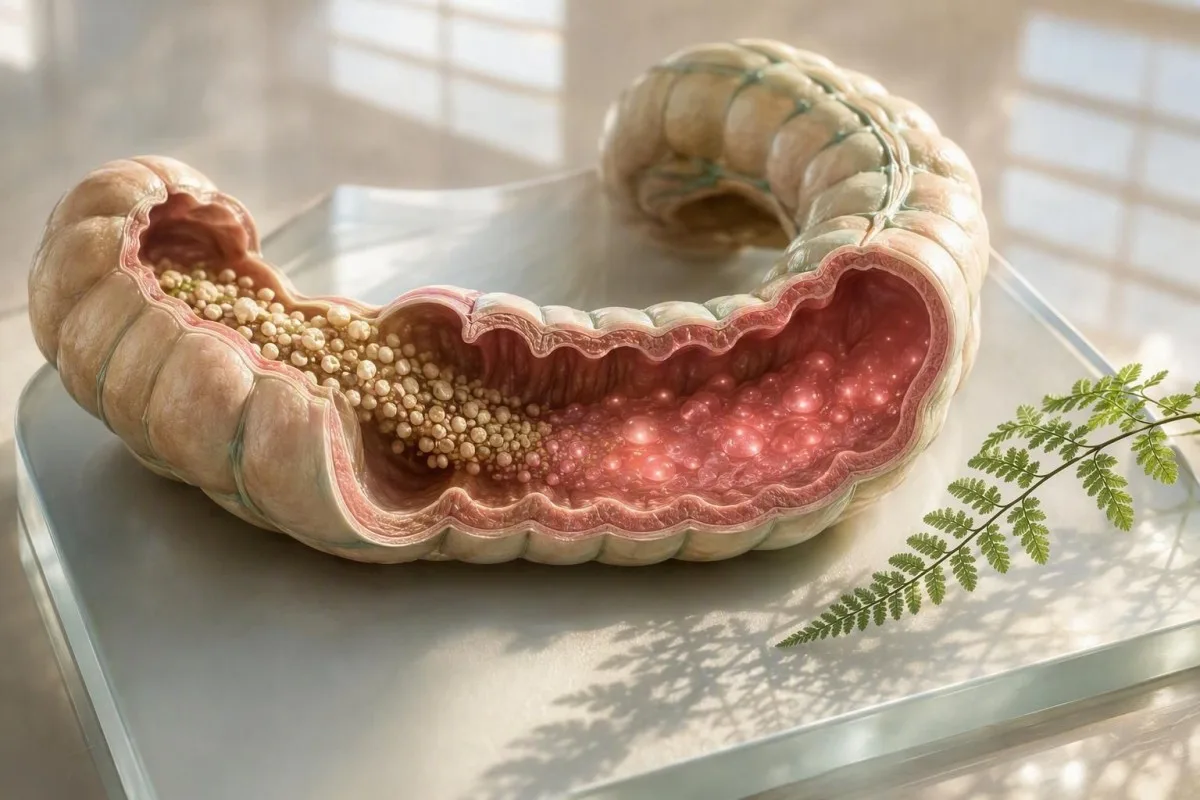
酸性粪便可能反映未吸收糖类的发酵,但它只是一个线索,而不是乳糖不耐受或其他食物不耐受的诊断。.


- 低粪便pH值 通常意味着pH值低于 5.5, ,提示在新鲜腹泻样本中结肠发酵了未吸收的碳水化合物。.
- 还原性物质 可以支持碳水化合物吸收不良,但该测试可检测多种糖类,而无法确定饮食诱因。.
- 幼儿腹泻 通常发生在 6个月至5岁 之间,发生在正常生长的儿童中,这些儿童摄入大量果汁、山梨糖醇或果糖。.
- 乳糖不耐受 不能仅凭粪便酸度诊断;饮食史、生长评估和有时进行的氢呼气试验更有参考价值。.
- 新鲜处理很重要 因为细菌在收集后会继续产生酸,这可能会导致延迟的样本显得更酸。.
- 红旗信号 包括粪便带血、体重减轻、持续呕吐、发烧、脱水、夜间腹泻或线性生长迟缓。.
- 暂时性乳糖酶缺乏 可继发于病毒性胃肠炎,随着肠道内壁的恢复,通常在几天到几周内改善。.
- 血液检查 在症状持续或生长受影响时,可能评估脱水、贫血、炎症、CE 或营养不良的影响。.
酸性粪便结果的实际意义
粪便pH值低意味着: 新鲜粪便pH值大致低于 5.5 可能表明未吸收的糖分到达结肠并被发酵成有机酸。这是一个生理学线索,而不是孩子患有乳糖不耐受、牛奶过敏或永久性消化障碍的证据。.
实际上,碳水化合物正常情况下在小肠吸收,但如果逃逸到结肠,结肠中的定植细菌会将其转化为短链脂肪酸、氢气、二氧化碳,有时还有甲烷。产生的酸会降低pH值,并可能将水分吸入肠道;这种组合解释了水样、泡沫状、有时带有尖锐酸味的粪便。粪便pH值为 6.0 至 7.5 通常被描述为大致预期范围,尽管年龄、母乳、饮食和实验室方法使得单一的普遍范围不切实际。.
最有用的问题不是“数值有多低?”而是“收集时发生了什么?”一个20个月大的孩子,在经历类似诺如病毒的疾病后出现稀便,pH值为 5.0 与一个精力充沛的3岁孩子一天喝苹果汁后的一次酸性样本相比,其可能性特征截然不同。 Bristol 粪便形态 和为期三天的饮食和症状记录通常比仅重复pH值更能增加诊断价值。.
作为 Thomas Klein, MD,我将此结果解释为交通信号灯而非标签:它提示我们仔细检查碳水化合物摄入、粪便持续时间、水合作用和生长情况。. Kantesti 是一款人工智能血液分析仪,它将相关的血液标志物——如碳酸氢盐、葡萄糖、白蛋白、铁指数和 CE 筛查——置于临床背景下,而不是将粪便结果视为定论。.
粪便为何变酸
糖分到达结肠后,发酵会产生乳酸和短链脂肪酸。酸性粪便还会刺激肛周皮肤,因此即使没有过敏或感染,婴儿或幼儿也可能在频繁的酸性腹泻后出现发红。.
粪便pH测试是如何进行的——以及为什么时机改变它
A 粪便pH值测试 测量粪便样本中的氢离子浓度,通常使用pH试纸或电极。低于 5.5 存在碳水化合物吸收不良时,通常认为 pH 值是可接受的,但各实验室在样本采集和报告方案上并不完全标准化。.
样本应新鲜并尽快送检,尤其是水样便。细菌在排出后会继续代谢碳水化合物,因此放置在温暖环境中数小时的样本可能比在肠道内时更具酸性。尿布、尿液污染以及稀便量不足也会降低检测的可靠性。.
我曾见过父母对昨晚收集的样本的 pH 值感到担忧。 4.8 在排除某些食物之前,我会询问样本是否冷藏,运输时间有多长,最近是否使用过抗生素改变了肠道菌群,以及腹泻是否仍在进行中。检测质量可能是在有用的线索和错误的线索之间做出区分。.
实验室的 pH 值结果无法区分乳糖、果糖、蔗糖、葡萄糖-半乳糖转运障碍,或感染后的快速转运。同样的原理适用于所有检测:分析前细节会影响解释,正如我们关于疾病期间实验室变化的指南 疾病期间的实验室变化 对血液结果的说明一样。.
pH 试纸无法告诉你的信息
pH 试纸无法测量吸收了多少碳水化合物,也无法确定涉及的是哪种碳水化合物,或确定症状是源于酶缺乏、感染、饮食模式还是功能性腹泻。它也无法诊断食物过敏,食物过敏是由免疫机制而非粪便酸度引起的。.
还原性物质如何与酸性粪便相关
粪便还原物质阳性且 pH 值低于 5.5 可以支持碳水化合物吸收不良的诊断,尤其是在有水样腹泻的儿童中。这种组合仍然是非特异性的,因为还原物质测定检测的是化学糖的特性,而不是特定的不耐受。.
经典的铜还原测定法与葡萄糖、半乳糖、乳糖和果糖等还原糖发生反应。. 蔗糖不是还原糖,除非它先通过水解分解, ,因此阴性测试不能排除蔗糖相关的症状或蔗糖酶-异麦芽糖酶缺乏。结果通常从阴性到痕量报告, 1+, 2+, 3+, 和 4+, ,但这些等级在不同实验室之间是不可互换的。.
带有阳性还原物质的酸性 pH 值在出现活动性、大便量多的腹泻时最能说明问题,并且随着症状的缓解而改善。我们对 阳性粪便还原物质 的详细回顾解释了为什么成形粪便中的痕量结果远不如新鲜稀便中的强阳性结果有说服力。.
Kantesti 是一项人工智能实验室检测解读服务,可以帮助家庭整理相关的血液结果,但我们的分析或还原物质结果都不能替代儿科医生对生长、水合作用和儿童实际饮食的评估。. 如果检测被用来证明需要严格限制饮食,那么首先需要有可靠的临床诊断。.
关于牛奶的一个常见误解
阳性的还原物质检测并不能证明牛奶是罪魁祸首。在感染后暂时性乳糖酶缺乏的情况下,粪便中可能存在乳糖,但富含果糖的饮料、含有山梨糖醇的药物以及快速转运都可能产生相似的生化模式。.
为什么碳水化合物吸收不良会导致腹泻
碳水化合物吸收不良通过渗透作用和发酵引起腹泻: 滞留的糖会将水吸入肠腔,然后结肠细菌将其转化为酸和气体。因此,大便可能稀薄、酸性,并伴有腹胀或尿布皮炎。.
小肠通常使用酶和转运蛋白来分解和吸收碳水化合物。乳糖酶位于刷状缘,将乳糖分解为葡萄糖和半乳糖;当黏膜损伤暂时性减少乳糖酶时,乳糖会残留在肠腔中。 12 至 18 克 乳糖——大约一杯牛奶的量——可能在易感的较大儿童中引发症状,尽管个体耐受性差异很大。.
渗透性腹泻通常在去除吸收不良的碳水化合物后会有所改善,并在高糖喂养后可能加重。然而,病毒性腹泻的儿童可能因黏膜损伤和快速的肠道转运而导致pH值偏低;称之为“不耐受”可能暗示是一种终生性疾病,而实际上其生物学过程通常是暂时的。参阅 粪便培养结果的解读 当出现发热、旅行、疫情或症状持续存在时,应考虑感染性原因。.
问题在于,发酵是结肠的正常生理过程。异常的不是细菌产酸的存在,而是过多的底物、症状以及脱水、生长迟缓或营养不良等临床后果的结合。.
气体不等于吸收不良
氢气和二氧化碳可能引起痉挛和腹胀,但单独的气体在健康儿童中很常见。与特定碳水化合物剂量后可靠出现的症状相比,粪便气味、气泡或单一实验室数值信息量更少。.
为什么低粪便pH值无法诊断乳糖不耐受或牛奶过敏
低粪便 pH 值无法诊断 乳糖不耐受, ,也无法诊断 牛奶蛋白过敏. 。乳糖不耐受反映了有限的碳水化合物消化;牛奶过敏是一种免疫反应,可能引起呕吐、荨麻疹、湿疹、粪便带血或黏液,或生长迟缓。.
原发性乳糖酶非持续性作为婴儿期症状性问题并不常见,且在不同祖先和年龄之间差异很大。继发性乳糖酶缺乏在急性胃肠炎、未经治疗的乳糜泻或肠道炎症后更可能发生。美国儿科学会指出,乳糖不耐受应通过病史和适当的检测进行评估,而不是根据非特异性胃肠道症状(Heyman et al., 2006)来推断。.
腹泻后,如果短暂、监督下的乳糖限制能明显改善症状,则可能是合理的,但广泛避免牛奶存在弊端。许多儿童需要钙、维生素 D、蛋白质和能量的实际替代来源;在没有营养支持的情况下长期限制可能适得其反。有关儿科营养标志的背景信息,请参阅 儿童钙水平.
Thomas Klein, MD,在临床中见过相反的错误:有些家庭尽管有明显的感染后症状,仍然继续摄入乳糖;有些家庭在一次酸性粪便后就长期避免所有乳制品。除非临床医生怀疑过敏或其他疾病,否则有计划地重新引入的限时试验通常比无限期排除性饮食更安全。.
何时需要及时评估过敏
饮用牛奶后立即出现荨麻疹、喘息、面部肿胀、反复呕吐、嗜睡或循环系统症状,需要紧急就医。粪便带血、持续性湿疹伴喂养困难或生长迟缓,应寻求儿科医生评估,而不是在家进行测试。.
幼儿腹泻:常见的饮食背景
幼儿腹泻, ,也称为慢性非特异性腹泻,通常影响年龄在 6 个月至 5 岁 的儿童,他们有频繁的稀便,但精力、体格检查和生长均正常。过量的果汁、果糖、山梨糖醇、大量液体摄入和低膳食脂肪都可能导致粪便酸化。.
苹果、梨和一些混合果汁可能含有大量果糖和山梨糖醇,这些物质的吸收率因人而异。一个孩子 每天饮用 500 至 700 毫升 果汁或含糖饮料,尽管看起来身体状况良好,但可能会出现稀便;将果汁减量至适合年龄的量,比测试每种食物都更有用。2016 年 Rome IV 标准在没有警示信号的情况下将这种模式归类为功能性胃肠病(Rhoads 等人,2016 年)。.
大便的模式很有说明性:白天几次稀便,可见食物颗粒,夜间大便少或无,并且持续增重,这些都倾向于幼儿腹泻。相比之下,夜间排便、孩子从睡眠中痛醒或体重百分比向下穿越则不典型,需要改变检查方法。我们的 消化系统症状指南 讨论了时间安排的实际重要性。.
Kantesti 是一种人工智能驱动的血液分析工具,用于在临床医生为持续性消化症状开具检查单后,解读营养和代谢血液标记物。. 然而,对于健康的幼儿,如果存在典型的饮食诱因,血液检查可能作用不大;有针对性的饮食史通常是更高产出的第一步。.
有用的饮食日记格式
记录饮用的毫升数,而不仅仅是“杯”,以及大便的时间安排,用于 72小时. 。包括无糖糖果、咀嚼维生素、止咳药和电解质产品,因为山梨糖醇和果糖可能隐藏在家人认为是食物之外的产品中。.
导致儿童粪便呈酸性的其他原因
一个 酸性粪便的含义 比碳水化合物不耐受更广泛:急性病毒性胃肠炎、肠道转运过快、过量的膳食糖、抗生素相关的微生物组改变以及罕见的先天性疾病都会导致粪便 pH 值降低。孩子的年龄和生长轨迹决定了哪些原因值得检测。.
胃肠炎后,小肠绒毛膜可能需要 1到3周 才能恢复完整的乳糖酶活性,尤其是在婴儿和幼儿中。在此期间,即使没有永久性乳糖不耐受,儿童在接触乳糖后也可能出现酸性腹泻。这就是为什么许多临床医生在恢复后重新评估耐受性,而不是永久改变饮食。.
乳糜泻可引起继发性碳水化合物吸收不良,但粪便 pH 值低不是其筛查测试。持续性腹泻伴腹胀、缺铁、生长迟缓或家族史可能需要进行组织转谷氨酰胺酶 IgA 和总 IgA 检测,因为 IgA 缺乏可能导致假阴性的乳糜泻筛查结果;参见 IgA 和乳糜泻检测的陷阱.
罕见疾病值得提及,但不必引起不必要的恐惧。先天性蔗糖酶-异麦芽糖酶缺乏症通常在淀粉和蔗糖进入饮食后出现,而葡萄糖-半乳糖吸收不良通常会引起严重的婴儿期水样腹泻和脱水。这些诊断是由显著的临床表现和专家检测驱动的——而不是仅凭 pH 值。.
当炎症更可能发生时
持续性出血、发烧、体重减轻、贫血或炎症标志物升高,会使炎症性肠病和感染的可能性更高。在这种情况下, 粪便钙卫蛋白结果 可能比重复检测粪便 pH 值更具临床信息。.
症状持续时,哪些检查可以阐明病因
持续性腹泻需要 针对性检测, ,而不是进行更广泛的、不加区分的粪便检测。医生根据年龄、病程、水合状态、生长情况、暴露史以及是否提示糖吸收不良、炎症、胰腺疾病、感染或乳糜泻等情况选择检测项目。.
当病史不明确时,氢呼气试验可用于评估乳糖或果糖吸收不良,但准备和解读很重要。呼气氢升高 比基线高 20 ppm 常用于方案中,但快速转运会引起假阳性,低氢生产者会引起假阴性。试验期间的症状与气体曲线同样重要。.
对于持续超过 14天, 的腹泻,医生可根据表现考虑粪便病原体检测、乳糜泻血清学检查、血常规检查、电解质、白蛋白和炎症标志物。欧洲儿科胃肠病学、肝病学和营养学学会 (ESPGHAN) 和欧洲儿科感染病学学会 (ESPID) 反对在急性儿科胃肠炎中常规进行不必要的干预,而是将重点放在临床脱水评估和适当的补水上(Guarino 等人,2014 年)。.
如果粪便量大、油腻、难以冲净,或伴有体重增长不良,问题就从碳水化合物处理转移到脂肪消化。. 粪便脂肪检测 和胰腺评估回答的问题与pH试纸不同,因此不能相互替代。.
检测应回答明确的问题
当阳性和阴性结果会导致不同的下一步措施时,检测最有价值。在症状在减少果汁后消失的健康儿童中重复粪便pH检测很少会改变护理;当饮食史仍然矛盾时,结构化的呼气试验可能有帮助。.
生长和水合比酸度数值更重要
粪便呈酸性的儿童,如果饮水、排尿、精神警觉且生长曲线正常,通常比pH正常但有脱水或体重减轻的儿童风险更低。. 临床状况比粪便pH更重要 在决定是否需要紧急评估时。.
脱水迹象包括排尿明显减少、口干、无泪、异常嗜睡、四肢末端冰冷和持续呕吐。婴儿在 24 小时内少于 3 块湿尿布 或明显囟门凹陷,应立即就医;阈值需要背景,但父母通常在任何检测之前都能注意到变化。.
当腹泻持续或严重时,血液检查可能显示由于粪便碳酸氢盐丢失导致碳酸氢盐水平低、钠或钾改变、由于脱水导致尿素升高,或由于潜在的肠病导致铁缺乏。我们的 电解质面板 解释了为什么症状和几个数值一起解释比一个超出范围的数字更安全。.
Kantesti AI 可以整理纵向血液数值并标记变化以供讨论,但它不能诊断儿科腹泻的原因。在摄入不足后采集的样本可能会暂时浓缩白蛋白和血红蛋白,从而掩盖营养问题,除非考虑了水合状态。.
就诊时携带的生长数据
携带先前就诊的体重和身高记录 6到12个月, ,而不仅仅是今天的数字。稳定的百分位图令人放心;连续跨越两个主要百分位图的持续下降是需要仔细调查的原因。.
需要医疗评估而非饮食实验的危险信号
对于伴有 血液的腹泻,请立即就医。, 、黑便、胆汁性呕吐、严重腹痛、低龄婴儿发热、脱水、体重下降或警觉性降低。出现这些症状时,粪便 pH 偏低绝不是延误就医的理由。.
感染、过敏相关性结肠炎、肛裂和炎症性肠病均可能导致便中带血或黏液;其出现不能用单纯乳糖吸收不良来解释。便中带血且发热的儿童可能需要进行粪便病原体检测和体格检查,而反复便血并伴生长不良的儿童则需要更全面的评估流程。请阅读我们的实用指南 黏液和便血警示信号 了解临床医生首先会询问什么。.
腹泻持续超过 2周, 、数月内反复发作,或症状影响睡眠,即使儿童间歇性看起来状况良好,也应进行适当复查。其他警示信号包括持续性腹胀、口腔溃疡、关节症状、乳糜泻或炎症性肠病家族史,以及无法解释的低血红蛋白。.
根据我的经验,家长有时会因“单纯的碳水化合物问题”而感到安心,在孩子体重下降时推迟复查。这是错误的方向:我们担心腹泻伴生长发育不良,是因为两者合并提示摄入不足、吸收不良或肠道疾病,而单纯稀便通常是良性的。.
今天该怎么做
继续给予平时的液体;在医生建议时使用口服补液盐。对于有大量液体丢失的幼儿,不要只强行喂白水。如有条件,请以书面形式记录排便次数、尿量、体温、饮水量和体重,不要拍照记录。.
如何在不过度限制儿童饮食的情况下尝试饮食改变
安全的饮食试验应当是 短期、明确且可逆的:一次改变一种可能相关的碳水化合物来源,持续记录排便次数和舒适度;如果症状改善,再重新引入该食物。一次性排除乳制品、水果、麸质和多个食物类别,会使结果无法解读。 7到14天, 每次只进行一种有记录的饮食改变,才能获得更清晰的临床信息。.
对于可能存在的感染后乳糖吸收不良,许多儿童对酸奶或硬质奶酪的耐受性优于牛奶,因为细菌培养和加工过程会减少乳糖。营养师可以帮助确保钙摄入;乳制品替代品差异很大,只有强化产品才能提供有意义的替代营养。进行大范围饮食调整前,请参阅我们基于证据的概述:.
会影响粪便检测的食物 。 Kantesti 通过展示随时间变化的有序血液标志物,支持营养相关沟通,而不是根据粪便结果开具排除饮食。.
Kantesti 是一个 AI 生物标志物解读平台,用于识别临床医生开具的实验室数据中的模式;食物激发试验和儿科决策仍属于个体化临床工作。. 避免常见的检测误区.
不要在同一天开始使用新的益生菌、纤维粉、无乳糖配方奶,并限制果汁。如果四项措施同时开始,到了第
天的改善就无法归因于其中任何一项干预。 10 肠道细菌会从碳水化合物生成酸,因此肠道微生物群会影响粪便 pH;但是,pH 偏低并不能确定存在有害的细菌失衡,也不能证明需要使用益生菌。粪便酸度只是饮食、肠道转运、微生物代谢和样本采集条件共同产生的粗略终末信号。.
肠道微生物组和益生菌能解释什么(和不能解释什么)
肠道细菌通过碳水化合物产生酸,因此微生物组会影响粪便的 pH 值;然而,低 pH 值并不能表明有害的细菌失衡,也不能证明需要益生菌。粪便的酸度是饮食、肠道转运、微生物代谢和收集条件的粗略最终信号。.
短链脂肪酸通常是结肠发酵的正常产物,并可支持结肠细胞的能量代谢。临床问题在于,当足量吸收不良的碳水化合物残留时,会增加肠腔内的水分并引发症状。这一区别很重要,因为试图“碱化”粪便并非标准治疗,反而可能使人忽视补液或饮食诱因。.
益生菌用于急性腹泻的证据具有菌株特异性和产品特异性;不能根据粪便 pH 值推断其效果。对于其他方面健康的儿童,我建议与临床医生讨论菌株、剂量、疗程和免疫状态,而不是根据营销宣传选择产品。我们的 益生菌安全指南 介绍了这些实际界限。.
抗生素可能改变发酵模式,但抗生素使用期间或使用后出现的新发腹泻,也应考虑药物影响;在适当的临床情况下,还应考虑进行病原体检测。抗生素使用后 pH 降低,并不能说明抗生素究竟是起效、有害,还是仅仅与并发的病毒感染 coincided。.
气味不是实验室检测
酸味或异常刺鼻的粪便气味可能伴随碳水化合物发酵,但气味的诊断准确性较低。家长的观察在结合出现时间、食物暴露、皮疹、发热和水合状态时很有用,但不能替代检测。.
如何为有用的儿科就诊做准备
儿科咨询最好从一份简明的时间线开始:排便频率、性状、夜间症状、饮品摄入量(以 毫升, 计)、进餐情况、近期疾病、药物、旅行史、家族史和生长记录。这些信息通常能在安排其他检查前缩小鉴别诊断范围。.
请携带实验室报告中的准确原文,包括 pH 值、还原物质分级、标本日期,以及样本是否冷藏。液体样本在一小时内完成分析时的 pH 值,其参考价值高于门户网站中笼统复制的“粪便检查异常”。说明孩子前24小时吃过什么,以及腹泻是否发生在病毒感染之后,也很有帮助。 5.2 从在一小时内分析的液体样本中获得的结果,比输入到门户网站中的“异常粪便检查”更有意义。同时,说明孩子在过去 24 小时内吃了什么,以及腹泻是否发生在病毒感染之后,也很有帮助。.
直接询问四个问题:最可能的诊断是什么?什么发现会让您担心其他病因?进行短期饮食试验是否合理?我们应在什么时候重新评估生长情况?这些问题可以避免反复检查却没有明确决策节点的常见情况。该 血液检查摘要清单 可以帮助家庭高效收集相关检查结果。.
如果临床医生开具血液检查,请使用安全的医疗记录,而不要依赖记忆或散落在不同设备上的截图。我们的注重隐私的 Kantesti 技术指南 介绍了我们的多语言 Health AI 如何处理上传的实验室报告,同时将结果解读与诊断分开。.
不要携带的材料
除非医疗团队要求,否则不必觉得必须带来一周内每次排出的粪便。清晰的记录,以及为特定检测而按要求正确采集的新鲜样本,通常比多份未经计划的标本更有用。.
人工智能和实验室解释的明确局限性
AI 可以整理实验室信息并帮助确定需要向临床医生提出的问题,但 任何 AI 系统都无法仅凭粪便 pH 值诊断碳水化合物不耐受. 。诊断取决于症状出现的时间、饮食、体格检查、生长情况,有时还需要正式的呼气试验、基因检测、内镜检查或感染检测。.
Kantesti AI 会在约 60 秒 并能呈现低铁蛋白加低白蛋白或长期腹泻后电解质改变等组合。该功能有助于准备和了解趋势,但不能取代儿科医生,儿科医生可以检查孩子、绘制生长曲线并决定粪便结果是否可操作。.
我们的医疗内容会根据临床标准进行审核,因为准确性包括知道何时不过度推断。您可以在 医学验证记录, ,并认识指导这项工作的医生。 医疗顾问委员会.
截至 2026年8月26日, ,我的最终结论很简单:低粪便 pH 值可能与碳水化合物吸收不良有关,特别是伴有阳性还原物质和水样腹泻,但它不能确定不耐受的类型、持续时间或原因。如果出现危险信号,请及时就医;如果孩子发育良好,请与临床医生合作制定一个有计划的饮食和随访计划,而不是害怕一个酸性结果。.
一个合理的下一步
保存原始报告,记录采集情况,并与孩子的临床医生分享完整情况。如果订购了血液检查,, Kantesti的生物标志物指南 可以帮助您在就诊前了解这些术语,而不会将它们变成自我诊断。.
常见问题
儿童粪便 pH 值偏低意味着什么?
粪便 pH 值低于约 5.5 可能意味着未吸收的碳水化合物进入了结肠,并被细菌发酵成酸。这种模式可能发生在肠胃炎后暂时性乳糖酶缺乏、果糖或山梨糖醇摄入量高,或其他导致肠道转运过快的原因。它本身不能诊断乳糖不耐受,因为采集延迟、饮食和感染也会影响 pH 值。儿科医生应结合粪便性状、生长、水合作用和症状来解读结果。.
酸性粪便意味着乳糖不耐受吗?
不,酸性粪便本身并不意味着乳糖不耐受。乳糖吸收不良是粪便 pH 值偏低的一个可能原因 5.5, ,但果糖、山梨糖醇、感染后肠道转运过快和其他未吸收的糖类也会产生相同的发现。当症状反复出现在摄入乳糖后,并且在短暂、受监督的减少摄入量后重新引入时症状有所改善,乳糖不耐受的可信度更高。牛奶过敏是一种不同的免疫性疾病,不能通过粪便 pH 值诊断。.
粪便中的还原物质是什么?
还原糖是在化学粪便测定中发生反应的糖类,包括葡萄糖、半乳糖、乳糖和果糖。阳性结果与水样酸性粪便一起可以支持碳水化合物吸收不良,但它无法识别引起问题的糖类或问题的严重程度。蔗糖可能会被漏掉,因为它不是还原糖,除非实验室首先将其水解。结果报告为痕量,, 1+, 或更高,应始终结合该实验室的方法和患儿的临床病史来解读。.
婴儿腹泻会导致粪便pH值偏低吗?
是的,幼儿腹泻当过量果汁、游离果糖、山梨糖醇或大量甜饮料进入结肠时,会产生低粪便 pH 值。这种常见的机能性模式通常发生在 6个月至5岁 且通常伴有生长正常、活动正常和日间大便稀溏无血。一份记录饮水量(毫升)和排便时间的 72 小时日记,通常比反复检测 pH 值更有用。夜间腹泻、体重减轻、发热或便血不常见,需要就医。.
胃部病毒感染后,粪便可以保持酸性多长时间?
粪便可保持酸性约 1到3周 病毒性肠胃炎后,因为小肠绒毛膜暂时可能产生的乳糖酶减少,并且肠道转运可能仍然过快。许多儿童无需长期饮食限制即可康复,尤其是在食欲和粪便稠度正常化后。有时可以在临床指导下短暂减少乳糖摄入,然后计划重新引入。持续症状超过 2周, 、摄入不足、脱水或生长不良应促使重新评估。.
什么时候儿童低粪便pH值需要紧急处理?
粪便 pH 值本身不高并非紧急情况,但如果腹泻伴有脱水、粪便带血或黑便、胆汁性呕吐、严重腹痛、异常嗜睡或尿量减少,则需要紧急评估。在婴儿早期,少于 3 块湿尿布 是令人担忧的水合作用变化,需要及时的临床建议。持续时间超过 14天 或伴有体重减轻也需要儿科复查。患儿的外观、水合作用和生长比 pH 值更紧急。.
立即获取AI驱动的血液检测分析
加入全球超过2,000,000名用户,他们信任Kantesti进行即时、准确的检验分析。上传你的血液检查结果,并在几秒内获得对15,000+生物标志物的全面解读。.
📚 参考研究论文
Klein, T., Mitchell, S., & Weber, H. (2026). Kantesti LTD. (2026). C3 C4 补体血检 & ANA 滴度指南. Zenodo. https://doi.org/10.5281/zenodo.18353989. Kantesti AI医学研究。.
Klein, T., Mitchell, S., & Weber, H. (2026). Kantesti LTD.(2026)。尼帕病毒血液检测:早期发现与诊断指南2026。Zenodo。https://doi.org/10.5281/zenodo.18487418. Kantesti AI医学研究。.
📖 外部医学参考资料
⚕️ 医疗免责声明
本文仅用于教育目的,不构成医疗建议。诊断和治疗决策请始终咨询合格的医疗专业人员。.
E-E-A-T信任信号
经验
由医生主导的临床审阅:实验室解读工作流程。.
专业知识
实验室医学重点:生物标志物在临床情境中的表现。.
权威
由 Thomas Klein 博士撰写,并由 Sarah Mitchell 博士与 Hans Weber 教授审阅。.
可信度
基于循证的解读,并提供清晰的后续路径以减少警报。.