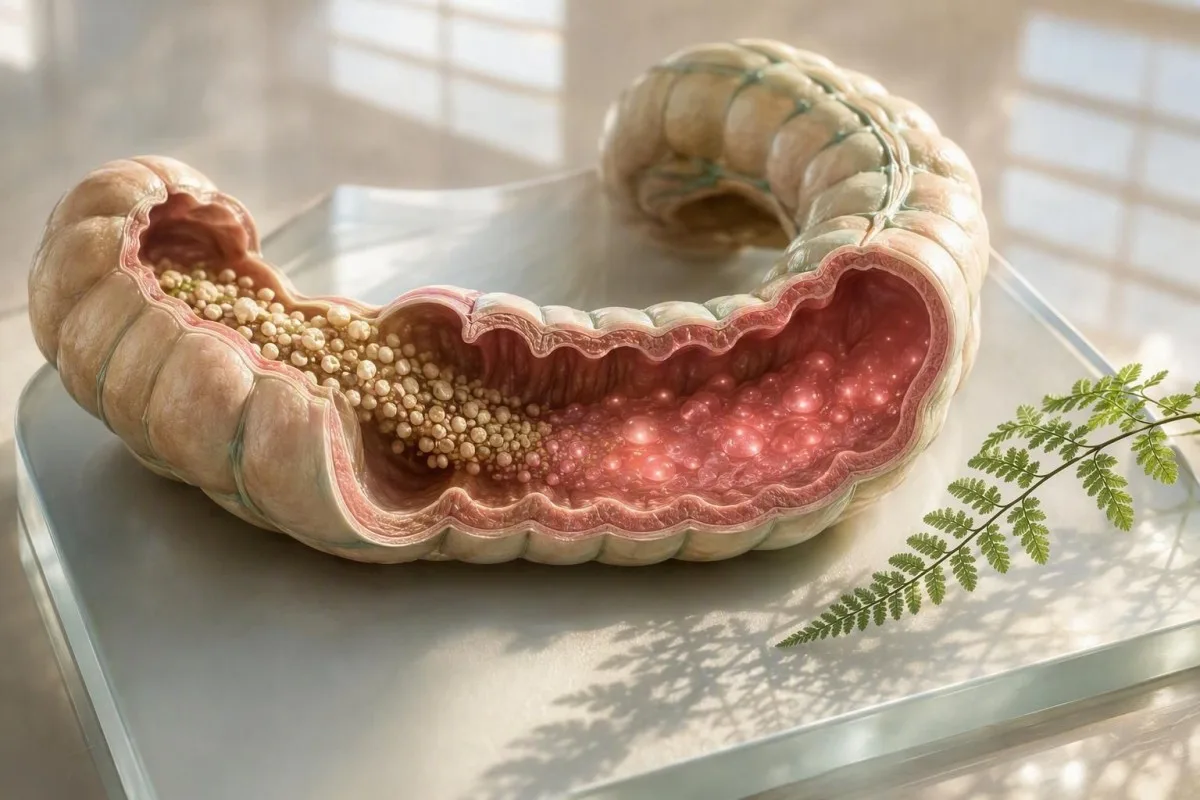
Μια όξινη κένωση μπορεί να υποδηλώνει ζύμωση μη απορροφημένων σακχάρων, αλλά είναι μια ένδειξη—όχι διάγνωση δυσανεξίας στη λακτόζη ή άλλης δυσανεξίας σε τρόφιμα.


- Χαμηλό pH κοπράνων συνήθως σημαίνει pH κάτω από 5.5, υποδηλώνοντας ζύμωση στο κόλον μη απορροφημένων υδατανθράκων σε ένα φρέσκο υγρό δείγμα κοπράνων.
- Αναγωγικές ουσίες μπορούν να υποστηρίξουν τη δυσαπορρόφηση υδατανθράκων, αλλά η εξέταση ανιχνεύει διάφορα σάκχαρα και δεν προσδιορίζει το διατροφικό εκλυτικό παράγοντα.
- Διάρροια σε νήπια συχνά συμβαίνει μεταξύ 6 μηνών και 5 ετών σε παιδιά που αναπτύσσονται φυσιολογικά και καταναλώνουν μεγάλες ποσότητες χυμού, σορβιτόλης ή φρουκτόζης.
- Δυσανεξία στη λακτόζη δεν διαγιγνώσκεται μόνο από την οξύτητα των κοπράνων. Το ιστορικό διατροφής, η αξιολόγηση της ανάπτυξης και μερικές φορές ο έλεγχος αναπνοής υδρογόνου είναι πιο πληροφοριακά.
- Η άμεση επεξεργασία έχει σημασία επειδή τα βακτήρια συνεχίζουν να παράγουν οξύ μετά τη συλλογή, κάτι που μπορεί να κάνει ένα καθυστερημένο δείγμα να φαίνεται πιο όξινο.
- Σημεία συναγερμού περιλαμβάνουν αίμα στα κόπρανα, απώλεια βάρους, επίμονο εμετό, πυρετό, αφυδάτωση, νυχτερινή διάρροια ή κακή γραμμική ανάπτυξη.
- Παροδική ανεπάρκεια λακτάσης μπορεί να ακολουθήσει ιογενή γαστρεντερίτιδα και συχνά βελτιώνεται σε ημέρες έως εβδομάδες καθώς η εντερική επένδυση αναρρώνει.
- Εξετάσεις αίματος μπορεί να εκτιμήσει την αφυδάτωση, την αναιμία, τη φλεγμονή, τη νόσο celia, ή τις διατροφικές επιπτώσεις όταν τα συμπτώματα είναι επίμονα ή η ανάπτυξη επηρεάζεται.
Τι σημαίνει πραγματικά ένα αποτέλεσμα όξινης κένωσης
Σημασία χαμηλού pH κοπράνων: ένα φρέσκο pH κοπράνων κάτω από περίπου 5.5 μπορεί να υποδηλώνει ότι τα μη απορροφημένα σάκχαρα έφτασαν στο παχύ έντερο και ζυμώθηκαν σε οργανικά οξέα. Είναι ένα φυσιολογικό στοιχείο, όχι απόδειξη ότι ένα παιδί έχει δυσανεξία στη λακτόζη, αλλεργία στο γάλα ή μόνιμη πεπτική διαταραχή.
Πρακτικά, οι υδατάνθρακες που συνήθως απορροφώνται στο λεπτό έντερο διαφεύγουν στο παχύ έντερο, όπου τα ενδημικά βακτήρια τα μετατρέπουν σε λιπαρά οξέα βραχείας αλύσου, υδρογόνο, διοξείδιο του άνθρακα και μερικές φορές μεθάνιο. Το προκύπτον οξύ μειώνει το pH και μπορεί να τραβήξει νερό στο έντερο. αυτός ο συνδυασμός εξηγεί τα υδαρή, φυσαλιδωτά, μερικές φορές έντονα ξινόμηλα κόπρανα. Ένα pH κοπράνων 6,0 έως 7,5 περιγράφεται συχνά ως ευρέως αναμενόμενο, αν και η ηλικία, το μητρικό γάλα, η διατροφή και η εργαστηριακή μέθοδος καθιστούν ένα μόνο καθολικό εύρος μη ρεαλιστικό.
Η πιο χρήσιμη ερώτηση δεν είναι “Πόσο χαμηλός είναι ο αριθμός;” αλλά “Τι συνέβαινε όταν συλλέχθηκε;” Ένα 20 μηνών με χαλαρά κόπρανα μετά από ασθένεια τύπου norovirus και pH 5.0 έχει ένα πολύ διαφορετικό προφίλ πιθανότητας από ένα αναπτυσσόμενο 3χρονο με ένα όξινο δείγμα μετά από μια μέρα χυμού μήλου. Το πρότυπο κοπράνων Bristol και ένα ρεκόρ τροφών-συμπτωμάτων τριών ημερών συχνά προσθέτουν περισσότερη διαγνωστική αξία από την επανάληψη μόνο του pH.
Ως Thomas Klein, MD, εξηγώ αυτό το αποτέλεσμα ως φωτεινό σηματοδότη αντί για ετικέτα: μας λέει να εξετάσουμε προσεκτικά την έκθεση σε υδατάνθρακες, τη διάρκεια των κοπράνων, την ενυδάτωση και την ανάπτυξη. Το Kantesti είναι ένας αναλυτής αιματολογικών εξετάσεων AI που τοποθετεί σχετικά δείκτες αίματος —όπως διττανθρακικό, γλυκόζη, λευκώματα, δείκτες σιδήρου και έλεγχο για celia— στο κλινικό πλαίσιο αντί να αντιμετωπίζει ένα αποτέλεσμα κοπράνων ως ετυμηγορία.
Γιατί τα κόπρανα γίνονται όξινα
Η ζύμωση παράγει γαλακτικό οξύ και λιπαρά οξέα βραχείας αλύσου αφού τα σάκχαρα φτάσουν στο παχύ έντερο. Τα όξινα κόπρανα μπορούν επίσης να ερεθίσουν το περιπρωκτικό δέρμα, οπότε ένα βρέφος ή νήπιο μπορεί να εμφανίσει ερυθρότητα μετά από συχνή όξινη διάρροια ακόμη και όταν δεν υπάρχει αλλεργία ή μόλυνση.
Πώς γίνεται η μέτρηση του pH των κοπράνων—και γιατί η χρονική στιγμή το αλλάζει
A τεστ pH κοπράνων μετρά τη συγκέντρωση ιόντων υδρογόνου σε δείγμα κοπράνων, συνήθως με χαρτί pH ή ηλεκτρόδιο. Μια τιμή κάτω 5.5 θεωρείται παραδοσιακά συμβατό με δυσαπορρόφηση υδατανθράκων, αλλά τα εργαστήρια δεν χρησιμοποιούν ένα πλήρως τυποποιημένο πρωτόκολλο συλλογής ή αναφοράς.
Το δείγμα πρέπει να είναι φρέσκο και να παραδοθεί άμεσα, ειδικά αν είναι υδαρές. Τα βακτήρια συνεχίζουν να μεταβολίζουν υδατάνθρακες μετά την αποβολή, οπότε ένα δείγμα που παραμένει ζεστό για αρκετές ώρες μπορεί να γίνει πιο όξινο από ό,τι ήταν στο έντερο. Το υλικό της πάνας, η μόλυνση από ούρα και η ανεπαρκής ποσότητα υγρών κοπράνων μπορούν επίσης να μειώσουν την αξιοπιστία της εξέτασης.
Έχω δει γονείς που ανησυχούν κατανοητά από ένα pH 4.8 σε ένα δείγμα που συλλέχθηκε το προηγούμενο βράδυ. Πριν αποκλείσετε τροφές, θα ρωτούσα αν το δείγμα ψύχθηκε, πόσο χρόνο πήρε η μεταφορά, αν τα αντιβιοτικά είχαν πρόσφατα αλλάξει την εντερική χλωρίδα και αν η διάρροια ήταν ακόμα ενεργή. Η ποιότητα της εξέτασης μπορεί να είναι η διαφορά μεταξύ μιας χρήσιμης ένδειξης και μιας λανθασμένης διαδρομής.
Το αποτέλεσμα pH ενός εργαστηρίου δεν διακρίνει δυσανεξία λακτόζης από δυσανεξία φρουκτόζης, σακχαρόζης, διαταραχές μεταφοράς γλυκόζης-γαλακτόζης, ή ταχεία διάβαση μετά από λοίμωξη. Η ίδια αρχή ισχύει σε όλες τις εξετάσεις: οι προ-αναλυτικές λεπτομέρειες μπορούν να αλλάξουν την ερμηνεία, όπως ο οδηγός μας για αλλαγές στο εργαστήριο κατά τη διάρκεια ασθένειας απεικονίζει για αποτελέσματα αίματος.
Τι δεν μπορεί να σας πει μια ταινία pH
Μια ταινία pH δεν μπορεί να μετρήσει πόσοι υδατάνθρακες απορροφήθηκαν, να ονομάσει τον υδατάνθρακα που εμπλέκεται, ή να καθορίσει εάν τα συμπτώματα προέρχονται από έλλειψη ενζύμου, λοίμωξη, διατροφικό μοτίβο, ή λειτουργική διάρροια. Επίσης, δεν μπορεί να διαγνώσει τροφική αλλεργία, η οποία καθοδηγείται από ανοσολογικούς μηχανισμούς παρά από οξύτητα κοπράνων.
Πώς οι αναγωγικές ουσίες σχετίζονται με μια όξινη κένωση
Θετικές μειωτικές ουσίες στα κόπρανα συν μια pH κάτω από 5,5 μπορούν να υποστηρίξουν τη δυσαπορρόφηση υδατανθράκων, ιδιαίτερα σε ένα παιδί με υδαρές διάρροια. Ο συνδυασμός παραμένει μη ειδικός επειδή οι δοκιμές μειωτικών ουσιών ανιχνεύουν χημικές ιδιότητες σακχάρων, όχι μια ονομαστική δυσανεξία.
Η κλασική δοκιμή με χαλκό-αναγωγή αντιδρά με μειωτικά σάκχαρα όπως γλυκόζη, γαλακτόζη, λακτόζη και φρουκτόζη. Η σακχαρόζη δεν είναι μειωτικό σάκχαρο εκτός εάν πρώτα διασπαστεί με υδρόλυση, οπότε μια αρνητική δοκιμή δεν αποκλείει συμπτώματα που σχετίζονται με τη σακχαρόζη ή έλλειψη σουκραζης-ισομαλτάσης. Τα αποτελέσματα αναφέρονται συχνά από αρνητικό έως ίχνος, 1+, 2+, 3+, και 4+, αλλά αυτές οι βαθμίδες δεν είναι εναλλάξιμες μεταξύ εργαστηρίων.
Ένα όξινο pH με θετικές μειωτικές ουσίες είναι πιο πειστικό όταν εμφανίζεται κατά τη διάρκεια ενεργού, υψηλού όγκου διάρροιας και βελτιώνεται καθώς τα συμπτώματα υποχωρούν. Η λεπτομερής ανασκόπησή μας για θετικές μειωτικές ουσίες στα κόπρανα εξηγεί γιατί ένα ίχνος αποτέλεσμα σε ένα σχηματισμένο κόπρανο έχει πολύ μικρότερο βάρος από ένα ισχυρά θετικό αποτέλεσμα σε φρέσκα υγρά κόπρανα.
Το Kantesti είναι μια υπηρεσία ερμηνείας εργαστηριακών εξετάσεων AI που μπορεί να βοηθήσει τις οικογένειες να οργανώσουν σχετικά αποτελέσματα αίματος, αλλά ούτε η ανάλυσή μας ούτε ένα αποτέλεσμα μειωτικών ουσιών μπορούν να αντικαταστήσουν την παιδιατρική αξιολόγηση της ανάπτυξης, της ενυδάτωσης και της πραγματικής διατροφής του παιδιού. Εάν η εξέταση χρησιμοποιείται για να δικαιολογήσει έναν σοβαρό περιορισμό, η κλινική διάγνωση πρέπει να είναι στέρεα πρώτα.
Μια συχνή παρεξήγηση σχετικά με το γάλα
Μια θετική δοκιμή μειωτικών ουσιών δεν αποδεικνύει ότι το γάλα είναι ο ένοχος. Η λακτόζη μπορεί να υπάρχει στα κόπρανα μετά από προσωρινή μετα-λοιμώδη μείωση της λακτάσης, ωστόσο ποτά πλούσια σε φρουκτόζη, φάρμακα που περιέχουν σορβιτόλη και η ταχεία διάβαση μπορούν να δημιουργήσουν ένα παρόμοιο βιοχημικό μοτίβο.
Γιατί η δυσαπορρόφηση υδατανθράκων προκαλεί διάρροια
Η δυσαπορρόφηση υδατανθράκων προκαλεί διάρροια μέσω όσμωσης και ζύμωσης: Η παρακρατούμενη ζάχαρη έλκει νερό στον αυλό του εντέρου, στη συνέχεια τα βακτήρια του παχέος εντέρου τη μετατρέπουν σε οξέα και αέρια. Τα κόπρανα μπορεί επομένως να είναι χαλαρά, όξινα και να σχετίζονται με φούσκωμα ή ερεθισμό πάνας.
Το λεπτό έντερο φυσιολογικά χρησιμοποιεί ένζυμα και μεταφορείς για να διασπάσει και να απορροφήσει υδατάνθρακες. Η λακτάση βρίσκεται στην ατραπιαία ακμή και διασπά τη λακτόζη σε γλυκόζη και γαλακτόζη· όταν ο βλεννογόνος τραυματισμός μειώνει προσωρινά τη λακτάση, η λακτόζη παραμένει στον αυλό. Απλώς 12 έως 18 γραμμάρια λακτόζης—η ποσότητα σε περίπου ένα φλιτζάνι γάλα—μπορεί να προκαλέσει συμπτώματα σε ένα ευαίσθητο μεγαλύτερο παιδί, αν και η ατομική ανοχή ποικίλλει σημαντικά.
Η ωσμωτική διάρροια συχνά βελτιώνεται όταν αφαιρείται ο κακώς απορροφούμενος υδατάνθρακας και μπορεί να επιδεινωθεί μετά από μια τροφή υψηλής περιεκτικότητας σε σάκχαρα. Ωστόσο, ένα παιδί με ιογενή διάρροια μπορεί να έχει χαμηλό pH επειδή ο τραυματισμένος βλεννογόνος και η γρήγορη διάβαση συνυπάρχουν· η ονομασία αυτού “δυσανεξία” μπορεί να υποδηλώνει μια δια βίου κατάσταση όταν η βιολογία είναι συνήθως προσωρινή. Επισκόπηση ερμηνεία καλλιέργειας κοπράνων όταν πυρετός, ταξίδι, εστίες ή παρατεταμένα συμπτώματα αυξάνουν την πιθανότητα μιας μολυσματικής αιτίας.
Το θέμα είναι ότι η ζύμωση είναι φυσιολογική βιολογία στο παχύ έντερο. Η ανωμαλία δεν είναι η παρουσία βακτηριακής παραγωγής οξέων, αλλά ο συνδυασμός υπερβολικού υποστρώματος, συμπτωμάτων και κλινικών επιπτώσεων όπως αφυδάτωση, καθυστέρηση ανάπτυξης ή διατροφική ανεπάρκεια.
Τα αέρια δεν ισοδυναμούν με δυσαπορρόφηση
Το υδρογόνο και το διοξείδιο του άνθρακα μπορούν να προκαλέσουν κράμπες και διάταση, αλλά τα αέρια από μόνα τους είναι συχνά σε υγιή παιδιά. Τα συμπτώματα που ακολουθούν αξιόπιστα μια δόση ενός συγκεκριμένου υδατάνθρακα είναι πιο ενημερωτικά από την οσμή των κοπράνων, τις φυσαλίδες ή μια εργαστηριακή τιμή.
Γιατί το χαμηλό pH των κοπράνων δεν διαγιγνώσκει δυσανεξία στη λακτόζη ή αλλεργία στο γάλα
Ένα χαμηλό pH κοπράνων δεν μπορεί να διαγνώσει δυσανεξία στη λακτόζη, και δεν έχει καμία ικανότητα να διαγνώσει αλλεργία στην πρωτεΐνη γάλακτος αγελάδας. Η δυσανεξία στη λακτόζη αντικατοπτρίζει περιορισμένη πέψη υδατανθράκων· η αλλεργία στο γάλα είναι μια ανοσολογική απόκριση και μπορεί να προκαλέσει εμετό, κνίδωση, έκζεμα, αίμα ή βλέννα στα κόπρανα, ή κακή ανάπτυξη.
Η πρωτοπαθής μη-εμμονή της λακτάσης είναι σπάνια ως συμπτωματικό πρόβλημα στη βρεφική ηλικία και ποικίλλει έντονα ανάλογα με την καταγωγή και την ηλικία. Η δευτεροπαθής ανεπάρκεια λακτάσης είναι πιο πιθανή μετά από οξεία γαστρεντερίτιδα, μη θεραπευμένη κοιλιοκάκη ή εντερική φλεγμονή. Η Αμερικανική Ακαδημία Παιδιατρικής σημειώνει ότι η δυσανεξία στη λακτόζη πρέπει να αξιολογείται μέσω ιστορικού και κατάλληλων εξετάσεων αντί να υποτίθεται από μη ειδικά γαστρεντερικά συμπτώματα (Heyman et al., 2006).
Μια σύντομη, επιβλεπόμενη μείωση της λακτόζης μπορεί να είναι λογική μετά τη διάρροια εάν βελτιώνει σαφώς τα συμπτώματα, αλλά η γενικευμένη αποφυγή γάλακτος έχει μειονεκτήματα. Πολλά παιδιά χρειάζονται πρακτικές πηγές αντικατάστασης ασβεστίου, βιταμίνης D, πρωτεΐνης και ενέργειας· η παρατεταμένη στέρηση χωρίς διαιτολογική υποστήριξη μπορεί να είναι αντιπαραγωγική. Για το πλαίσιο σχετικά με τους δείκτες παιδιατρικής διατροφής, δείτε επίπεδα ασβεστίου σε παιδιά.
Ο Thomas Klein, MD, έχει δει τα αντίθετα λάθη στην κλινική πράξη: οικογένειες που συνεχίζουν τη λακτόζη παρά τα σαφή μετα-μολυσματικά συμπτώματα, και οικογένειες που αποκλείουν όλα τα γαλακτοκομικά για μήνες μετά από ένα μόνο όξινο κόπρανο. Μια χρονικά περιορισμένη δοκιμή με προγραμματισμένη επανεισαγωγή είναι συχνά ασφαλέστερη από μια αόριστη δίαιτα αποκλεισμού, εκτός εάν ένας κλινικός υποψιάζεται αλλεργία ή άλλη ασθένεια.
Πότε η αλλεργία χρειάζεται άμεση αξιολόγηση
Άμεση κνίδωση, συριγμός, πρήξιμο προσώπου, επαναλαμβανόμενος εμετός, λήθαργος ή κυκλοφορικά συμπτώματα μετά την κατανάλωση γάλακτος απαιτούν επείγουσα ιατρική αξιολόγηση. Αίμα στα κόπρανα, επίμονο έκζεμα με δυσκολία στη σίτιση ή καθυστέρηση ανάπτυξης αξίζει παιδιατρική αξιολόγηση αντί για οικιακές εξετάσεις.
Διάρροια σε νήπια: το κοινό διατροφικό πλαίσιο
Διάρροια σε νήπια, που ονομάζεται επίσης χρόνια μη ειδική διάρροια, συνήθως προσβάλλει παιδιά ηλικίας 6 μηνών έως 5 ετών που έχουν συχνά χαλαρά ημερήσια κόπρανα αλλά φυσιολογική ενέργεια, εξέταση και ανάπτυξη. Υπερβολικός χυμός, φρουκτόζη, σορβιτόλη, μεγάλες ποσότητες υγρών και χαμηλό διαιτητικό λίπος μπορούν όλα να συμβάλουν σε όξινα κόπρανα.
Τα μήλα, τα αχλάδια και ορισμένοι χυμοί ανάμεικτων φρούτων μπορούν να περιέχουν σημαντική ελεύθερη φρουκτόζη και σορβιτόλη, οι οποίες απορροφώνται μεταβλητά. Ένα παιδί που πίνει 500 έως 700 mL χυμού ή γλυκών ροφημάτων καθημερινά μπορεί να έχει χαλαρές κενώσεις, παρόλο που κατά τα άλλα φαίνεται καλά. Η μείωση του χυμού σε ποσότητες κατάλληλες για την ηλικία μπορεί να είναι πιο χρήσιμη από τον έλεγχο κάθε τροφής. Το πλαίσιο Rome IV του 2016 κατατάσσει αυτό το μοτίβο μεταξύ των λειτουργικών γαστρεντερικών διαταραχών όταν απουσιάζουν προειδοποιητικά σημάδια (Rhoads et al., 2016).
Το μοτίβο των κενώσεων είναι ενδεικτικό: αρκετές χαλαρές κενώσεις κατά τη διάρκεια της ημέρας, ορατά σωματίδια τροφής, λίγες ή καθόλου κενώσεις κατά τη διάρκεια της νύχτας και συνεχής αύξηση βάρους ευνοούν τη διάρροια νηπίων. Αντίθετα, νυχτερινές κενώσεις, ένα παιδί που ξυπνά από τον ύπνο με πόνο, ή πτώση μέσω των καμπυλών του βάρους δεν είναι τυπικά και αλλάζουν τη διερεύνηση. Η Οδηγός για συμπτώματα του πεπτικού συστήματος μας συζητά την πρακτική σημασία του χρονισμού.
Το Kantesti είναι ένα εργαλείο ανάλυσης αιματολογικών εξετάσεων με τεχνητή νοημοσύνη που χρησιμοποιείται για την ερμηνεία διατροφικών και μεταβολικών δεικτών αίματος όταν ένας κλινικός ιατρός τους έχει παραγγείλει για επίμονες πεπτικές ενοχλήσεις. Ωστόσο, σε ένα υγιές νήπιο με κλασικά διαιτητικά ερεθίσματα, οι εξετάσεις αίματος μπορεί να προσφέρουν ελάχιστα. Ένα στοχευμένο ιστορικό διατροφής είναι συνήθως το πρώτο βήμα με μεγαλύτερη απόδοση.
Μια χρήσιμη μορφή ημερολογίου τροφίμων
Καταγράψτε τα ροφήματα σε χιλιοστόλιτρα, όχι μόνο “κούπες”, μαζί με τον χρόνο των κενώσεων για 72 ώρες. Συμπεριλάβετε γλυκά χωρίς ζάχαρη, βιταμίνες μασώμενες, σιρόπια για τον βήχα και ηλεκτρολυτικά προϊόντα, επειδή η σορβιτόλη και η φρουκτόζη μπορούν να κρύβονται σε προϊόντα που οι οικογένειες δεν θεωρούν τρόφιμο.
Άλλοι λόγοι για τους οποίους ένα παιδί μπορεί να έχει όξινη κένωση
Ενα τι σημαίνει όξινη κένωση είναι ευρύτερη από τη δυσανεξία σε υδατάνθρακες: οξεία ιογενής γαστρεντερίτιδα, ταχεία εντερική δίοδος, υπερβολικά διαιτητικά σάκχαρα, αλλαγή της μικροχλωρίδας του εντέρου που σχετίζεται με αντιβιοτικά και σπάνιες συγγενείς διαταραχές μπορούν όλοι να μειώσουν το pH των κοπράνων. Η ηλικία και η πορεία του παιδιού καθορίζουν ποιες αιτίες χρήζουν διερεύνησης.
Μετά από γαστρεντερίτιδα, η επιθηλιακή επιφάνεια του λεπτού εντέρου μπορεί να χρειαστεί 1 έως 3 εβδομάδες για την αποκατάσταση της πλήρους δραστηριότητας της λακτάσης, ειδικά σε βρέφη και νήπια. Κατά τη διάρκεια αυτού του διαστήματος, ένα παιδί μπορεί να έχει όξινη διάρροια μετά από έκθεση σε λακτόζη χωρίς να έχει μόνιμη δυσανεξία στη λακτόζη. Αυτός είναι ο λόγος για τον οποίο πολλοί κλινικοί ιατροί επανεκτιμούν την ανοχή μετά την ανάρρωση αντί να αλλάζουν μόνιμα τη διατροφή.
Η κοιλιοκάκη μπορεί να προκαλέσει δευτεροπαθή δυσαπορρόφηση υδατανθράκων, αλλά το χαμηλό pH των κοπράνων δεν είναι μια δοκιμασία διαλογής γι' αυτήν. Επίμονη διάρροια με κοιλιακή διάταση, σιδηροπενία, βραδύνοντα ρυθμό ανάπτυξης ή οικογενειακό ιστορικό μπορεί να δικαιολογήσει τον έλεγχο αντι-τ rans γλουταμινάσης IgA και ολικής IgA, επειδή η ανεπάρκεια IgA μπορεί να δημιουργήσει μια ψευδώς καθησυχαστική εξέταση για την κοιλιοκάκη· δείτε παγίδες δοκιμών IgA και κοιλιοκάκης.
Σπάνιες διαταραχές αξίζουν αναφοράς χωρίς να προκαλούνται περιττοί φόβοι. Η συγγενής ανεπάρκεια σουκράσης-ισομαλτάσης εμφανίζεται συχνά όταν οι αμυλούχες ουσίες και η σακχαρόζη εισέρχονται στη διατροφή, ενώ η δυσαπορρόφηση γλυκόζης-γαλακτόζης συνήθως προκαλεί σοβαρή νεογνική υδαρή διάρροια και αφυδάτωση. Αυτές οι διαγνώσεις καθοδηγούνται από δραματικά κλινικά μοτίβα και εξειδικευμένες εξετάσεις - όχι μόνο από το pH.
Όταν η φλεγμονή είναι πιο πιθανή
Επίμονο αίμα, πυρετός, απώλεια βάρους, αναιμία ή αυξημένοι φλεγμονώδεις δείκτες ανεβάζουν την ελκώδη νόσο του εντέρου και τις λοιμώξεις ψηλότερα στη λίστα. Σε αυτό το πλαίσιο, ένα αποτέλεσμα κοπρανικής καλπροτεκτίνης μπορεί να είναι πιο κλινικά ενημερωτικό από την επανάληψη του pH των κοπράνων.
Ποιες εξετάσεις διευκρινίζουν την αιτία όταν τα συμπτώματα επιμένουν
Η επίμονη διάρροια χρειάζεται στοχευμένες εξετάσεις, όχι ένα μεγαλύτερο, μη επιλεκτικό πάνελ κοπράνων. Οι γιατροί επιλέγουν εξετάσεις με βάση την ηλικία, τη διάρκεια, την ενυδάτωση, την ανάπτυξη, το ιστορικό έκθεσης και εάν το μοτίβο υποδηλώνει δυσαπορρόφηση σακχάρων, φλεγμονή, παγκρεατική νόσο, λοίμωξη ή κοιλιοκάκη.
Η δοκιμασία αναπνοής με υδρογόνο μπορεί να αξιολογήσει τη δυσανεξία στη λακτόζη ή στη φρουκτόζη όταν το ιστορικό είναι ασαφές, αν και η προετοιμασία και η ερμηνεία έχουν σημασία. Η αύξηση του υδρογόνου στην αναπνοή 20 ppm (μέρη ανά εκατομμύριο) πάνω από την αρχική τιμή χρησιμοποιείται συχνά σε πρωτόκολλα, αλλά εμφανίζονται ψευδώς θετικά από ταχεία διέλευση και ψευδώς αρνητικά σε παραγωγούς χαμηλού υδρογόνου. Τα συμπτώματα κατά τη διάρκεια της δοκιμασίας έχουν σημασία όσο και η καμπύλη αερίων.
Για διάρροια που διαρκεί περισσότερο από 14 ημέρες, οι κλινικοί γιατροί μπορεί να εξετάσουν τον έλεγχο παθογόνων κοπράνων, την κοιλιοκάκη ορολογία, τη γενική εξέταση αίματος, ηλεκτρολύτες, αλβουμίνη και δείκτες φλεγμονής ανάλογα με την παρουσίαση. Η ESPGHAN και η ESPID συμβουλεύουν κατά των ρουτίνας άσκοπων παρεμβάσεων στην οξεία παιδιατρική γαστρεντερίτιδα, εστιάζοντας αντ' αυτού στην κλινική εκτίμηση της αφυδάτωσης και την κατάλληλη επανυδάτωση (Guarino et al., 2014).
Εάν τα κόπρανα είναι ογκώδη, λιπαρά, δύσκολα να ξεπλυθούν, ή συνοδεύονται από κακή αύξηση βάρους, το ερώτημα μετατοπίζεται από τη διαχείριση υδατανθράκων στην πέψη λίπους. Έλεγχος κοπράνων για λίπος και η αξιολόγηση του παγκρέατος απαντούν σε ένα διαφορετικό κλινικό ερώτημα από μια ταινία pH, οπότε το ένα δεν μπορεί να υποκαταστήσει το άλλο.
Οι εξετάσεις πρέπει να απαντούν σε ένα καθορισμένο ερώτημα
Μια εξέταση είναι πιο χρήσιμη όταν ένα θετικό και ένα αρνητικό αποτέλεσμα θα οδηγήσουν σε διαφορετικά επόμενα βήματα. Η επανάληψη του pH κοπράνων σε ένα υγιές παιδί του οποίου τα συμπτώματα εξαφανίζονται μετά τη μείωση του χυμού σπάνια αλλάζει τη φροντίδα· μια δομημένη δοκιμασία αναπνοής μπορεί να βοηθήσει όταν η διαιτητική ιστορία παραμένει αντιφατική.
Η ανάπτυξη και η ενυδάτωση έχουν μεγαλύτερη σημασία από τον αριθμό της οξύτητας
Ένα παιδί με όξινα κόπρανα που πίνει, ουρεί, είναι σε εγρήγορση και ακολουθεί την συνήθη καμπύλη ανάπτυξής του έχει συνήθως χαμηλότερο κίνδυνο από ένα παιδί με φυσιολογικό pH και αφυδάτωση ή απώλεια βάρους. Η κλινική κατάσταση υπερτερεί του pH κοπράνων κατά τη λήψη απόφασης για το αν απαιτείται επείγουσα αξιολόγηση.
Τα σημάδια αφυδάτωσης περιλαμβάνουν σημαντικά μειωμένη ούρηση, ξηροστομία, απουσία δακρύων, ασυνήθιστη υπνηλία, ψυχρά άκρα και επίμονο εμετό. Στα βρέφη, λιγότερες από 3 υγρές πάνες σε 24 ώρες ή μια εμφανώς βυθισμένη πηγή χρήζουν άμεσης κλινικής συμβουλής· τα όρια χρειάζονται πλαίσιο, αλλά οι γονείς συχνά παρατηρούν την αλλαγή πριν από οποιαδήποτε εξέταση.
Όταν η διάρροια είναι παρατεταμένη ή σοβαρή, οι εξετάσεις αίματος μπορεί να δείξουν χαμηλή διττανθρακική από απώλεια διττανθρακικών στα κόπρανα, αλλοιωμένο νάτριο ή κάλιο, αυξημένη ουρία από αφυδάτωση, ή σιδηροπενία από υποκείμενη εντεροπάθεια. Η δική μας οδηγός ηλεκτρολυτών εξηγεί γιατί τα συμπτώματα και πολλές τιμές μαζί είναι ασφαλέστερες στην ερμηνεία από έναν μόνο αριθμό εκτός ορίων.
Η Kantesti AI μπορεί να οργανώσει διαχρονικές τιμές αίματος και να επισημάνει αλλαγές για συζήτηση, αλλά δεν διαγιγνώσκει την αιτία της παιδιατρικής διάρροιας. Ένα δείγμα που λαμβάνεται μετά από κακή πρόσληψη μπορεί να συμπυκνώσει παροδικά την αλβουμίνη και την αιμοσφαιρίνη, οι οποίες μπορούν να αποκρύψουν διατροφικές ανησυχίες, εκτός αν ληφθεί υπόψη η κατάσταση ενυδάτωσης.
Δεδομένα ανάπτυξης για να φέρετε στην επίσκεψη
Φέρτε αρχεία βάρους και ύψους από την προηγούμενη 6 έως 12 μήνες, όχι μόνο τον σημερινό αριθμό. Ένα σταθερό ποσοστό είναι καθησυχαστικό· μια παρατεταμένη πτώση σε δύο κύρια κανάλια ποσοστών είναι λόγος για πιο προσεκτική διερεύνηση.
Σημάδια κινδύνου που απαιτούν ιατρική αξιολόγηση αντί για διατροφικά πειράματα
Ζητήστε άμεση ιατρική εξέταση για διάρροια με αίμα, μαύρα κόπρανα, χολώδη εμετό, σοβαρό κοιλιακό άλγος, πυρετό σε βρέφος, αφυδάτωση, απώλεια βάρους ή μειωμένη εγρήγορση. Το χαμηλό pH κοπράνων ποτέ δεν αποτελεί λόγο για καθυστέρηση της φροντίδας όταν αυτά τα σημάδια είναι παρόντα.
Αίμα ή βλέννα μπορεί να εμφανιστούν με λοιμώξεις, κολίτιδα σχετιζόμενη με αλλεργίες, ραγάδες και φλεγμονώδη νόσο του εντέρου· η παρουσία τους δεν εξηγείται από απλή δυσανεξία στη λακτόζη. Ένα παιδί με αίμα στα κόπρανα και πυρετό μπορεί να χρειαστεί εξέταση κοπράνων για παθογόνους μικροοργανισμούς και κλινική εξέταση, ενώ ένα παιδί με υποτροπιάζον αίμα και κακή ανάπτυξη χρειάζεται ευρύτερη διερεύνηση. Διαβάστε τον πρακτικό μας οδηγό για σημάδια προειδοποίησης για βλέννα και αίμα για το τι ρωτούν οι κλινικοί γιατροί αρχικά.
Διάρροια που συνεχίζεται πέραν 2 εβδομάδες, υποτροπιάζοντα επεισόδια για αρκετούς μήνες, ή συμπτώματα που διαταράσσουν τον ύπνο, δικαιολογούν μια σωστή ανασκόπηση ακόμη και όταν το παιδί φαίνεται διαλειπόντως καλά. Άλλα προειδοποιητικά σημάδια περιλαμβάνουν επίμονη κοιλιακή διάταση, στοματικά έλκη, αρθρικά συμπτώματα, οικογενειακό ιστορικό κοιλιοκάκης ή φλεγμονώδους νόσου του εντέρου, και μια ανεξήγητη χαμηλή αιμοσφαιρίνη.
Κατά την εμπειρία μου, οι γονείς μερικές φορές καθησυχάζονται από ένα “απλό πρόβλημα υδατανθράκων” και αναβάλλουν την επανεξέταση όταν το παιδί χάνει βάρος. Αυτή είναι η λάθος κατεύθυνση: ο λόγος που ανησυχούμε για διάρροια συν αυξημένης ανάπτυξης είναι ότι μαζί υποδηλώνουν μειωμένη πρόσληψη, δυσαπορρόφηση ή εντερική νόσο, ενώ τα χαλαρά κόπρανα από μόνα τους είναι συχνά καλοήθη.
Τι να κάνετε σήμερα
Συνεχίστε τα συνήθη υγρά και χρησιμοποιήστε διάλυμα από του στόματος επανενυδάτωσης όταν συνιστάται· αποφύγετε την επιβολή μόνο καθαρού νερού σε ένα νεαρό παιδί με σημαντικές απώλειες. Κρατήστε μια γραπτή καταγραφή χωρίς φωτογραφίες της συχνότητας των κοπράνων, της παραγωγής ούρων, της θερμοκρασίας, των ποτών και του βάρους, εάν είναι διαθέσιμο.
Πώς να δοκιμάσετε διατροφικές αλλαγές χωρίς υπερβολικούς περιορισμούς για ένα παιδί
Μια ασφαλής διατροφική δοκιμή είναι σύντομη, συγκεκριμένη και αναστρέψιμη: αλλάξτε μια πιθανή πηγή υδατανθράκων για 7 έως 14 ημέρες, παρακολουθήστε τη συχνότητα και την άνεση των κοπράνων, στη συνέχεια επανεισάγετέ την εάν τα συμπτώματα βελτιωθούν. Η αφαίρεση γαλακτοκομικών, φρούτων, γλουτένης και πολλαπλών ομάδων τροφίμων ταυτόχρονα καθιστά το αποτέλεσμα αδύνατο να ερμηνευθεί.
Για την υποψία διάρροιας σε νήπια, ξεκινήστε με ροφήματα: σταματήστε τον χυμό και τα ζαχαρούχα ροφήματα, μειώστε την υπερβολική κατανάλωση υγρών, και προσφέρετε ισορροπημένα γεύματα με επαρκή διατροφικά λιπαρά για την ηλικία. Ο στόχος δεν είναι μια δίαιτα χαμηλή σε υδατάνθρακες. Τα παιδιά χρειάζονται υδατάνθρακες για ενέργεια, και η αντικατάστασή τους με περιοριστικά “εντερικά” προϊόντα μπορεί να μειώσει τις θερμίδες χωρίς να λύσει το υποκείμενο πρότυπο.
Για πιθανή μετα-λοιμώδη δυσανεξία στη λακτόζη, πολλά παιδιά ανέχονται το γιαούρτι ή το σκληρό τυρί καλύτερα από το γάλα επειδή οι βακτηριακές καλλιέργειες και η επεξεργασία μειώνουν τη λακτόζη. Ένας διαιτολόγος μπορεί να βοηθήσει στη διασφάλιση της πρόσληψης ασβεστίου· οι εναλλακτικές λύσεις γαλακτοκομικών ποικίλλουν ευρέως, και μόνο τα εμπλουτισμένα προϊόντα παρέχουν ουσιαστική αντικατάσταση. Δείτε την τεκμηριωμένη επισκόπησή μας για τρόφιμα που επηρεάζουν τις εξετάσεις κοπράνων πριν κάνετε δραστικές αλλαγές.
Το Kantesti υποστηρίζει συζητήσεις για τη διατροφή δείχνοντας ταξινομημένους δείκτες αίματος με την πάροδο του χρόνου, όχι συνταγογραφώντας μια δίαιτα αποκλεισμού με βάση ένα αποτέλεσμα κοπράνων. Το Kantesti είναι μια πλατφόρμα ερμηνείας βιοδεικτών AI που εντοπίζει μοτίβα σε εργαστηριακά δεδομένα που έχουν παραγγείλει κλινικοί γιατροί, ενώ οι τροφικές δοκιμές και οι παιδιατρικές αποφάσεις παραμένουν ατομική κλινική εργασία.
Αποφύγετε μια κοινή παγίδα δοκιμών
Μην εισάγετε ένα νέο προβιοτικό, φυτική σκόνη, φόρμουλα χωρίς λακτόζη και περιορισμό χυμών την ίδια ημέρα. Εάν και τα τέσσερα ξεκινήσουν μαζί, η βελτίωση την ημέρα 10 δεν μπορεί να αποδοθεί σε καμία μεμονωμένη παρέμβαση.
Τι μπορούν—και τι δεν μπορούν—να εξηγήσουν το μικροβίωμα του εντέρου και τα προβιοτικά
Τα βακτήρια του εντέρου παράγουν οξέα από υδατάνθρακες, έτσι το μικροβίωμα επηρεάζει το pH των κοπράνων· ωστόσο, ένα χαμηλό pH δεν προσδιορίζει μια επιβλαβή βακτηριακή ανισορροπία ή αποδεικνύει ότι χρειάζεται ένα προβιοτικό. Η οξύτητα των κοπράνων είναι ένα αδρό τελικό σήμα της διατροφής, της διόδου, του μικροβιακού μεταβολισμού και των συνθηκών συλλογής.
Τα λιπαρά οξέα βραχείας αλύσου είναι γενικά φυσιολογικά προϊόντα της εντερικής ζύμωσης και μπορούν να υποστηρίξουν τον ενεργειακό μεταβολισμό των κυττάρων του παχέος εντέρου. Το κλινικό πρόβλημα προκύπτει όταν παραμένει επαρκής ποσότητα δυσπεπτών υδατανθράκων για να αυξηθεί το υγρό του αυλού και τα συμπτώματα. Αυτή η διάκριση έχει σημασία επειδή οι προσπάθειες “αλκαλοποίησης” των κοπράνων δεν αποτελούν τυπική θεραπεία και μπορεί να αποσπάσουν την προσοχή από την ενυδάτωση ή τα διατροφικά ερεθίσματα.
Η τεκμηρίωση για τα προβιοτικά στην οξεία διάρροια είναι ειδική για το στέλεχος και ειδική για το προϊόν. τα αποτελέσματα δεν μπορούν να συναχθούν από μια τιμή pH κοπράνων. Για υγιή παιδιά, συνιστώ να συζητήσετε το στέλεχος, τη δόση, τη διάρκεια και την ανοσολογική κατάσταση με έναν κλινικό ιατρό αντί να επιλέξετε ένα προϊόν με βάση διαφημιστικούς ισχυρισμούς. Ο οδηγός ασφάλειας προβιοτικών καλύπτει αυτά τα πρακτικά όρια.
Τα αντιβιοτικά μπορούν να μετατοπίσουν τα πρότυπα ζύμωσης, αλλά η νέα διάρροια κατά τη διάρκεια ή μετά από αντιβιοτικά εγείρει επίσης ανησυχία για τις επιδράσεις του φαρμάκου και, σε κατάλληλα κλινικά περιβάλλοντα, για τον έλεγχο παθογόνων. Ένα χαμηλότερο pH μετά από αντιβιοτικά δεν μας λέει εάν το αντιβιοτικό βοήθησε, έβλαψε ή απλώς συνέπεσε με μια συνυπάρχουσα ιογενή ασθένεια.
Η οσμή δεν είναι εργαστηριακή εξέταση
Η ξινή ή ασυνήθιστα έντονη οσμή κοπράνων μπορεί να συνοδεύει τη ζύμωση υδατανθράκων, αλλά η όσφρηση έχει χαμηλή διαγνωστική ακρίβεια. Η παρατήρηση των γονέων είναι χρήσιμη όταν συνδυάζεται με τον χρόνο, την έκθεση σε τρόφιμα, εξάνθημα, πυρετό και ενυδάτωση - όχι ως υποκατάστατο εξετάσεων.
Πώς να προετοιμαστείτε για μια χρήσιμη παιδιατρική επίσκεψη
Η καλύτερη παιδιατρική συμβουλευτική ξεκινά με ένα συνοπτικό χρονοδιάγραμμα: συχνότητα κοπράνων, συνέπεια, συμπτώματα κατά τη διάρκεια της νύχτας, ποτά σε mL, γεύματα, πρόσφατη ασθένεια, φάρμακα, ταξίδια, οικογενειακό ιστορικό και αρχεία ανάπτυξης. Αυτές οι πληροφορίες συχνά περιορίζουν τη διαφορική διάγνωση πριν από τη διαταγή άλλης εξέτασης.
Φέρτε την ακριβή εργαστηριακή διατύπωση, συμπεριλαμβανομένης της τιμής pH, του βαθμού αναγωγικών ουσιών, της ημερομηνίας του δείγματος και του εάν το δείγμα ψύχθηκε. Ένα pH 5.2 από ένα υγρό δείγμα που αναλύθηκε εντός μίας ώρας σημαίνει περισσότερα από ένα “μη φυσιολογικό τεστ κοπράνων” που αντιγράφηκε σε μια πύλη. Είναι επίσης χρήσιμο να αναφέρετε τι έφαγε το παιδί τις προηγούμενες 24 ώρες και εάν η διάρροια ακολούθησε ιογενή ασθένεια.
Κάντε τέσσερις άμεσες ερωτήσεις: Ποια διάγνωση είναι η πιο πιθανή; Ποιο εύρημα θα σας ανησυχούσε για άλλη αιτία; Είναι λογική μια σύντομη διατροφική δοκιμή; Πότε πρέπει να επανεκτιμήσουμε την ανάπτυξη; Αυτές οι ερωτήσεις αποτρέπουν τη συνηθισμένη μετάβαση σε επαναλαμβανόμενες εξετάσεις χωρίς ένα σαφές σημείο απόφασης. Το λίστα ελέγχου περιλήψεων αιματολογικών εξετάσεων μπορεί να βοηθήσει τις οικογένειες να συγκεντρώσουν αποτελεσματικά σχετικά αποτελέσματα.
Εάν ένας κλινικός ιατρός διατάξει αιματολογικές εξετάσεις, χρησιμοποιήστε ένα ασφαλές αρχείο αντί να βασίζεστε στη μνήμη ή σε στιγμιότυπα οθόνης που είναι διάσπαρτα σε συσκευές. Ο οδηγός τεχνολογίας Kantesti με εστίαση στην ιδιωτικότητα εξηγεί πώς η πολυγλωσσική τεχνητή νοημοσύνη υγείας μας επεξεργάζεται τις μεταφορτωμένες εργαστηριακές εκθέσεις, διατηρώντας την ερμηνεία ξεχωριστή από τη διάγνωση.
Τι να μην φέρετε
Μην αισθάνεστε υποχρεωμένοι να φέρετε όλα τα κόπρανα από μια εβδομάδα συμπτωμάτων, εκτός εάν το κλινικό προσωπικό ζητήσει. Ένα σαφές ημερολόγιο και ένα σωστά συλλεγμένο φρέσκο δείγμα που ζητείται για μια συγκεκριμένη ανάλυση είναι συνήθως πιο χρήσιμα από πολλά μη προγραμματισμένα δείγματα.
Πού η τεχνητή νοημοσύνη και η εργαστηριακή ερμηνεία έχουν σαφή όρια
Η AI μπορεί να οργανώσει εργαστηριακές πληροφορίες και να εντοπίσει ερωτήσεις για έναν κλινικό ιατρό, αλλά κανένα σύστημα AI δεν μπορεί να διαγνώσει δυσανεξία σε υδατάνθρακες μόνο από το pH των κοπράνων. Η διάγνωση εξαρτάται από το χρονοδιάγραμμα των συμπτωμάτων, τη διατροφή, την εξέταση, την ανάπτυξη και μερικές φορές από επίσημες εξετάσεις αναπνοής, γενετικές, ενδοσκοπικές ή εξετάσεις λοίμωξης.
Kantesti AI ερμηνεύει τις μεταφορτωμένες αιματολογικές εξετάσεις σε περίπου 60 δευτερόλεπτα και μπορεί να αναδείξει συνδυασμούς όπως χαμηλή φερριτίνη συν χαμηλή αλβουμίνη ή ηλεκτρολυτικές αλλαγές μετά από παρατεταμένη διάρροια. Αυτή η λειτουργία είναι χρήσιμη για προετοιμασία και ενημέρωση σχετικά με τις τάσεις, αλλά δεν αντικαθιστά τον παιδίατρο που μπορεί να εξετάσει ένα παιδί, να καταγράψει την ανάπτυξη και να αποφασίσει αν ένα αποτέλεσμα κοπράνων είναι διαχειρίσιμο.
Το ιατρικό μας περιεχόμενο ελέγχεται σύμφωνα με κλινικά πρότυπα, επειδή η ακρίβεια περιλαμβάνει τη γνώση πότε να μην γίνονται υπερβολικές υποθέσεις. Μπορείτε να διαβάσετε για τη μεθοδολογία και την κλινική μας εποπτεία στο ιατρικό αρχείο επικύρωσης, και να γνωρίσετε τους ιατρούς που καθοδηγούν αυτό το έργο μέσω του Ιατρική Συμβουλευτική Επιτροπή.
Από 26 Αυγούστου 2026, το τελικό μου συμπέρασμα είναι απλό: το χαμηλό pH κοπράνων μπορεί να υποδηλώνει δυσαπορρόφηση υδατανθράκων, ειδικά σε συνδυασμό με θετικές αναγωγικές ουσίες και υδαρείς διαρροϊκές κενώσεις, αλλά δεν μπορεί να καθορίσει τον τύπο, τη διάρκεια ή την αιτία μιας δυσανεξίας. Εάν υπάρχουν προειδοποιητικά σημάδια, αναζητήστε ιατρική φροντίδα άμεσα. εάν το παιδί αναπτύσσεται καλά, συνεργαστείτε με έναν κλινικό ιατρό για ένα μετρημένο διατροφικό πλάνο και πλάνο παρακολούθησης αντί να φοβάστε ένα όξινο αποτέλεσμα.
Ένα λογικό επόμενο βήμα
Φυλάξτε την αρχική εξέταση, καταγράψτε τις συνθήκες συλλογής και μοιραστείτε την πλήρη ιστορία με τον κλινικό ιατρό του παιδιού. Εάν παραγγέλθηκαν αιματολογικές εξετάσεις, Οδηγός βιοδεικτών Kantesti μπορεί να σας βοηθήσει να κατανοήσετε τους όρους πριν από το ραντεβού, χωρίς να τους μετατρέψετε σε αυτοδιάγνωση.
Συχνές Ερωτήσεις
Τι σημαίνει χαμηλό pH κοπράνων σε ένα παιδί;
Ένα pH κοπράνων κάτω από περίπου 5.5 μπορεί να σημαίνει ότι μη απορροφημένοι υδατάνθρακες έφτασαν στο παχύ έντερο και ζυμώθηκαν από βακτήρια σε οξέα. Αυτό το μοτίβο μπορεί να εμφανιστεί με προσωρινή ανεπάρκεια λακτάσης μετά από γαστρεντερίτιδα, υψηλή πρόσληψη φρουκτόζης ή σορβιτόλης, ή άλλες αιτίες ταχείας διάβασης. Δεν διαγιγνώσκει από μόνη της δυσανεξία στη λακτόζη, διότι η καθυστέρηση στη συλλογή, η διατροφή και η μόλυνση μπορούν επίσης να επηρεάσουν το pH. Ένας παιδιατρικός κλινικός ιατρός θα πρέπει να ερμηνεύει το αποτέλεσμα μαζί με το μοτίβο των κοπράνων, την ανάπτυξη, την ενυδάτωση και τα συμπτώματα.
Σημαίνει η όξινη κένωση δυσανεξία στη λακτόζη;
Όχι, τα όξινα κόπρανα δεν σημαίνουν από μόνα τους δυσανεξία στη λακτόζη. Η δυσαπορρόφηση λακτόζης είναι μία πιθανή αιτία χαμηλού pH κοπράνων κάτω από 5.5, αλλά η φρουκτόζη, η σορβιτόλη, η μετα-λοιμώδης ταχεία διάβαση και άλλα μη απορροφημένα σάκχαρα μπορούν να προκαλέσουν το ίδιο εύρημα. Η δυσανεξία στη λακτόζη είναι πιο πιστευτή όταν τα συμπτώματα ακολουθούν επανειλημμένα την έκθεση στη λακτόζη και βελτιώνονται κατά τη διάρκεια μιας σύντομης, επόπτευσης μείωσης με μεταγενέστερη επανεισαγωγή. Η αλλεργία στο γάλα είναι μια διαφορετική ανοσολογική πάθηση και δεν μπορεί να διαγνωστεί από το pH των κοπράνων.
Τι είναι οι αναγωγικές ουσίες στις εξετάσεις κοπράνων;
Οι αναγωγικές ουσίες είναι σάκχαρα που αντιδρούν σε μια χημική ανάλυση κοπράνων, συμπεριλαμβανομένης της γλυκόζης, της γαλακτόζης, της λακτόζης και της φρουκτόζης. Ένα θετικό αποτέλεσμα μαζί με υδαρείς όξινους κενώσεις μπορεί να υποστηρίξει τη δυσαπορρόφηση υδατανθράκων, αλλά δεν μπορεί να αναγνωρίσει το υπεύθυνο σάκχαρο ή τη σοβαρότητα του προβλήματος. Η σακχαρόζη μπορεί να μην ανιχνευθεί διότι δεν είναι αναγωγικό σάκχαρο, εκτός αν το εργαστήριο την υδρολύσει πρώτα. Αποτελέσματα που αναφέρονται ως ίχνη, 1+, ή υψηλότερα πρέπει πάντα να διαβάζονται χρησιμοποιώντας τη μέθοδο του συγκεκριμένου εργαστηρίου και το κλινικό ιστορικό του παιδιού.
Μπορεί η διάρροια σε νήπια να προκαλέσει χαμηλό pH κοπράνων;
Ναι, η διάρροια νηπίων μπορεί να προκαλέσει χαμηλό pH κοπράνων όταν υπερβολικοί χυμοί, ελεύθερη φρουκτόζη, σορβιτόλη ή μεγάλες ποσότητες γλυκών ροφημάτων φτάνουν στο παχύ έντερο. Αυτό το κοινό λειτουργικό μοτίβο συνήθως εμφανίζεται μεταξύ 6 μηνών και 5 ετών και συχνά συνοδεύεται από φυσιολογική ανάπτυξη, φυσιολογική δραστηριότητα και ημερήσιες χαλαρές κενώσεις χωρίς αίμα. Ένα ημερολόγιο 72 ωρών που καταγράφει τα ροφήματα σε χιλιοστόλιτρα και την ώρα των κενώσεων είναι συχνά πιο χρήσιμο από την επαναλαμβανόμενη μέτρηση του pH. Η νυχτερινή διάρροια, η απώλεια βάρους, ο πυρετός ή το αίμα δεν είναι τυπικά και απαιτούν ιατρική αξιολόγηση.
Πόσο καιρό μπορεί τα κόπρανα να παραμείνουν όξινα μετά από γαστρικό ιό;
Τα κόπρανα μπορεί να παραμείνουν όξινα για περίπου 1 έως 3 εβδομάδες μετά από ιογενή γαστρεντερίτιδα, επειδή η βούρτσα του λεπτού εντέρου μπορεί προσωρινά να παράγει λιγότερη λακτάση και η διάβαση μπορεί να παραμείνει γρήγορη. Πολλά παιδιά αναρρώνουν χωρίς μακροχρόνιο διατροφικό περιορισμό, ιδιαίτερα καθώς η όρεξη και η σύσταση των κοπράνων ομαλοποιούνται. Μια σύντομη μείωση της λακτόζης μπορεί μερικές φορές να χρησιμοποιηθεί υπό κλινική καθοδήγηση, ακολουθούμενη από προγραμματισμένη επανεισαγωγή. Επίμονες συμπτώματα πέραν 2 εβδομάδες, κακή λήψη τροφής, αφυδάτωση ή κακή ανάπτυξη πρέπει να προκαλέσουν επανεκτίμηση.
Πότε είναι επείγουσα η χαμηλή τιμή pH στα κόπρανα ενός παιδιού;
Το χαμηλό pH κοπράνων από μόνο του δεν είναι έκτακτη ανάγκη, αλλά απαιτείται επείγουσα αξιολόγηση εάν η διάρροια συνοδεύεται από αφυδάτωση, αιματηρές ή μαύρες κενώσεις, χολώδη έμετο, σοβαρό κοιλιακό πόνο, ασυνήθιστη υπνηλία ή μειωμένη ούρηση. Σε ένα βρέφος, λιγότερες από 3 υγρές πάνες σε 24 ώρες είναι μια ανησυχητική αλλαγή στην ενυδάτωση και χρήζει άμεσης κλινικής συμβουλής. Διάρροια που διαρκεί περισσότερο από 14 ημέρες ή που σχετίζεται με απώλεια βάρους απαιτεί επίσης παιδιατρική αξιολόγηση. Η εμφάνιση, η ενυδάτωση και η ανάπτυξη του παιδιού είναι πιο επείγοντες δείκτες από τον αριθμό του pH.
Λάβετε σήμερα ανάλυση εξετάσεων αίματος με AI
Εγγραφείτε σε πάνω από 2 εκατομμύρια χρήστες παγκοσμίως που εμπιστεύονται το Kantesti για άμεση, ακριβή ανάλυση εργαστηριακών εξετάσεων. Ανεβάστε τα αποτελέσματα εξετάσεων αίματος και λάβετε ολοκληρωμένη ερμηνεία βιοδεικτών του 15,000+ μέσα σε δευτερόλεπτα.
📚 Παραπομπές σε δημοσιεύσεις έρευνας
Klein, T., Mitchell, S., & Weber, H. (2026). Kantesti LTD. (2026). Οδηγός Συμπληρώματος C3 C4 Αίματος & Τίτλου ANA. Zenodo. https://doi.org/10.5281/zenodo.18353989. Ιατρική έρευνα του Kantesti με AI.
Klein, T., Mitchell, S., & Weber, H. (2026). Kantesti LTD. (2026). Οδηγός για εξέταση αίματος για τον Ιό Nipah: Έγκαιρη ανίχνευση & διάγνωση 2026. Zenodo. https://doi.org/10.5281/zenodo.18487418. Ιατρική έρευνα του Kantesti με AI.
📖 Εξωτερικές ιατρικές αναφορές
Guarino A et al. (2014). Οδηγίες βασισμένες σε τεκμήρια της Ευρωπαϊκής Εταιρείας Παιδιατρικής Γαστρεντερολογίας, Ηπατολογίας και Διατροφής/Ευρωπαϊκής Εταιρείας Παιδιατρικών Λοιμωδών Νοσημάτων για τη διαχείριση της οξείας γαστρεντερίτιδας σε παιδιά στην Ευρώπη: ενημέρωση 2014. Journal of Pediatric Gastroenterology and Nutrition.
⚕️ Ιατρική αποποίηση ευθύνης
Αυτό το άρθρο προορίζεται μόνο για εκπαιδευτικούς σκοπούς και δεν αποτελεί ιατρική συμβουλή. Συμβουλεύεστε πάντα έναν κατάλληλο επαγγελματία υγείας για αποφάσεις σχετικά με τη διάγνωση και τη θεραπεία.
Σήματα εμπιστοσύνης E-E-A-T
Εμπειρία
Κλινική ανασκόπηση από ιατρό για τις ροές εργασίας ερμηνείας εργαστηριακών αποτελεσμάτων.
Πραγματογνωμοσύνη
Εστίαση στην εργαστηριακή ιατρική στο πώς συμπεριφέρονται οι βιοδείκτες στο κλινικό πλαίσιο.
Αυθεντικότητα
Γραμμένο από τον Δρ. Thomas Klein με ανασκόπηση από την Δρ. Sarah Mitchell και τον Καθ. Dr. Hans Weber.
Αξιοπιστία
Ερμηνεία βασισμένη σε τεκμηριωμένα δεδομένα με σαφείς οδούς παρακολούθησης για τη μείωση του συναγερμού.