小児における低便pHの意味:炭水化物の手がかり

カテゴリー
記事
小児消化器病学 検査の解釈 2026年の更新 患者さん向け

酸性の便は未吸収糖の醗酵を反映する可能性がありますが、それは乳糖不耐症やその他の食物不耐症の診断ではなく、手がかりにすぎません。.

📖 約11分 📅
📝 公開: 🩺 医学的監修: ✅ エビデンスに基づく
⚡ 簡単な概要 v1.0 —
  1. 便pHの低下 通常、pHが 5.5, 未満であることを意味し、新鮮な下痢便検体における未吸収炭水化物の結腸内醗酵を示唆します。.
  2. 還元物質 は炭水化物吸収不良を支持する可能性がありますが、この検査は複数の糖を検出するため、食事による原因物質を特定することはできません。.
  3. 幼児の下痢 は、 生後6ヶ月から5歳 の、正常に成長しており、大量のジュース、ソルビトール、またはフルクトースを摂取している子供によく見られます。.
  4. 乳糖不耐症 は便酸性度のみで診断されるのではなく、食事歴、成長評価、および場合によっては水素呼気試験の方がより有用です。.
  5. 生鮮管理が重要 採取後も細菌が酸を生成し続けるため、遅延した検体がより酸性に見える可能性があります。.
  6. 赤信号 便中血、体重減少、持続性嘔吐、発熱、脱水、夜間下痢、または成長不良を含みます。.
  7. 一時的なラクターゼ欠乏症 ウイルス性胃腸炎に続発することがあり、腸粘膜が回復するにつれて数日から数週間で改善することがよくあります。.
  8. 血液検査 脱水、貧血、炎症、セリアック病、または症状が持続したり成長に影響が出たりした場合の栄養効果を評価する場合があります。.

酸性の便の結果が実際に意味すること

便のpHが低いことの意味: おおよそ以下の新鮮な便のpH 5.5 未吸収の糖が結腸に到達し、有機酸に発酵したことを示唆する可能性があります。これは乳糖不耐症、牛乳アレルギー、または永続的な消化器疾患の証明ではなく、生理学的な手がかりです。.

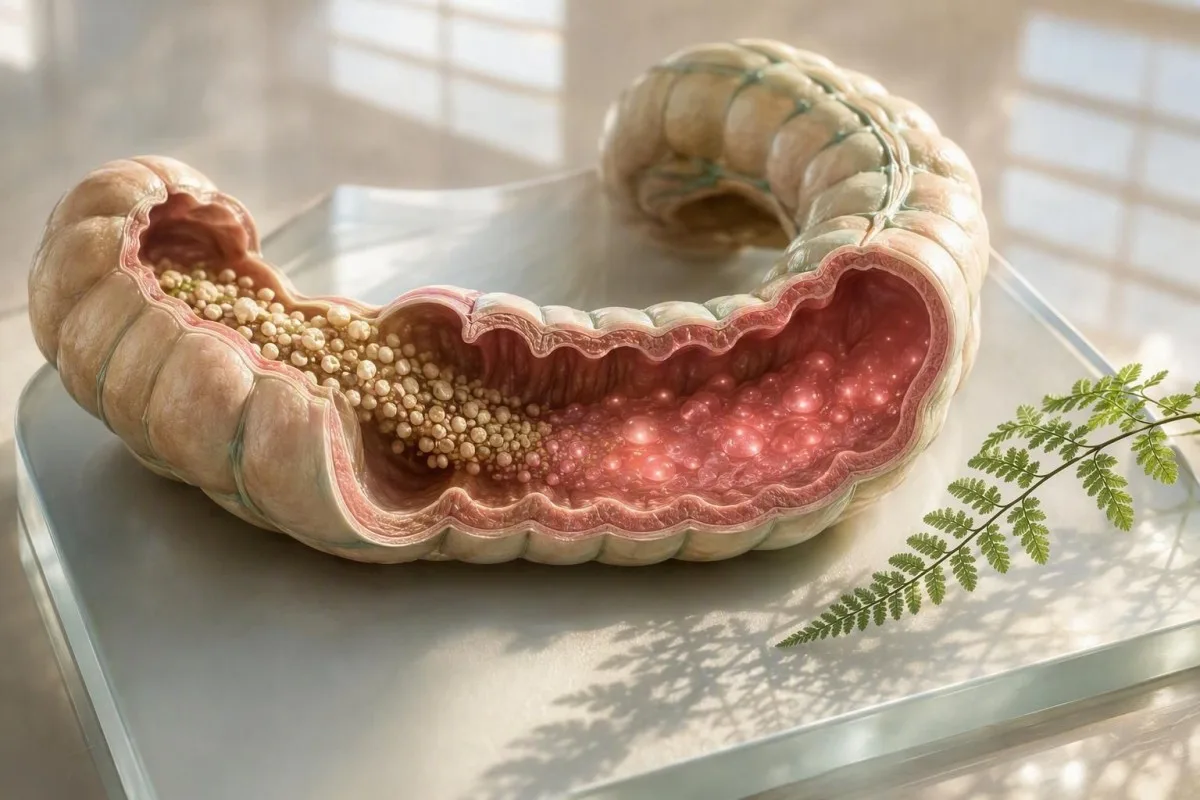
Low stool pH meaning shown through an anatomical colon model and acidic fermentation droplets
図1: 未吸収糖の結腸発酵は便の酸性度を低下させることができます。.

実際には、炭水化物は通常小腸で吸収されますが、結腸に移行し、そこに生息する細菌が短鎖脂肪酸、水素、二酸化炭素、場合によってはメタンに変換します。結果として生じる酸はpHを低下させ、水分を腸に引き込む可能性があり、その組み合わせが水様で泡立ち、時折鋭く酸っぱい臭いのする便を説明します。便のpH 6.0~7.5 はしばしば広く予想される範囲と記述されますが、年齢、母乳、食事、および検査方法により、単一の普遍的な範囲は非現実的です。.

最も有用な質問は「数字はどれくらい低いか?」ではなく「採取されたとき何が起きていたか?」です。ノロウイルス様疾患後の下痢便があり、pHが 5.0 の20ヶ月児は、リンゴジュースを飲んだ日の後に酸性サンプルが1つあった元気な3歳児とは非常に異なる確率プロファイルを持っています。 ブリストル便パターン および3日間の食事と症状の記録は、pHを繰り返すことよりも診断価値を高めることがよくあります。.

Thomas Klein MDとして、私はこの結果をラベルではなく信号機として説明します。それは、炭水化物の摂取量、便の持続期間、水分補給、および成長を注意深く調べることを示しています。. Kantestiは、便の結果を最終決定として扱うのではなく、関連する血液マーカー(重炭酸塩、グルコース、アルブミン、鉄指標、およびセリアックスクリーニングなど)を臨床的文脈に置くAI血液検査アナライザーです。.

便が酸性になる理由

糖が結腸に到達した後、発酵により乳酸と短鎖脂肪酸が生成されます。酸性便は肛門周囲の皮膚を刺激することもあり、乳児または幼児はアレルギーや感染がない場合でも、頻繁な酸性下痢の後に発赤を発症することがあります。.

便pH検査の実施方法と、タイミングによって結果が変わる理由

A 便pH検査 は、便検体中の水素イオン濃度を測定するもので、一般的にはpH紙または電極を使用します。以下の値 5.5 は伝統的に炭水化物吸収不良と整合すると考えられていますが、検査室では完全に標準化された採取・報告プロトコルが一つに統一されているわけではありません。.

Fresh stool pH test setup with specimen container, pH strip, and laboratory bench
図2: 新鮮な検体を用い、速やかに分析することで、保存による誤解を招く酸性化を抑えられます。.

検体は新鮮な状態で、速やかに提出する必要があります。特に水様便の場合は重要です。排便後も細菌は炭水化物の代謝を続けるため、暖かい場所に数時間置かれた検体は、腸内にあった時より酸性になることがあります。おむつの素材、尿の混入、液状便の量不足も、検査の信頼性を低下させます。.

前日の夕方に採取した検体のpHが 4.8 だったことで、当然ながら不安になった保護者をこれまでに見てきました。食物を除外する前に、検体が冷蔵されていたか、搬送にどのくらい時間がかかったか、抗菌薬によって最近腸内フローラが変化していないか、下痢がまだ続いているかを確認します。検査の質が、有用な手がかりと誤った手がかりの分かれ目になることがあります。.

検査室で測定したpHからは、乳糖、果糖、ショ糖、グルコース・ガラクトース輸送障害、または感染後の通過時間短縮を区別できません。同じ原則は検査全般に当てはまります。検査前の諸条件が解釈を変える可能性があることは、血液検査結果について 病気の経過中にみられる検査値の変化 を解説した当ガイドにも示されています。.

pH試験紙ではわからないこと

pH試験紙では、どの程度の炭水化物が吸収不良になったか、関与する炭水化物の種類、または症状が酵素欠乏、感染症、食事パターン、機能性下痢のいずれによるものかを判定できません。また、食物アレルギーは便の酸性度ではなく免疫機序によって生じるため、これを診断することもできません。.

還元物質と酸性の便の関連性

便中還元物質陽性かつpH 5.5未満 は、特に水様下痢のある小児では、炭水化物吸収不良を支持する所見となり得ます。ただし、還元物質検査は特定の不耐症ではなく、糖の化学的性質を検出するため、この組み合わせも特異的ではありません。.

Reducing substances stool assay with colored reagent reaction in a pediatric laboratory
図3: 還元糖検査は、診断的というより補助的な証拠を提供します。.

古典的な銅還元法は、グルコース、ガラクトース、乳糖、果糖などの還元糖と反応します。. ショ糖は、加水分解によってあらかじめ分解されない限り還元糖ではありません, 。したがって、検査が陰性でも、ショ糖に関連する症状やスクラーゼ・イソマルターゼ欠損症を否定することはできません。結果は陰性から微量, 1+, 2+, 3+、 そして 4+, までの段階で報告されることが多いものの、これらの判定は検査室間で互換性がありません。.

還元物質陽性を伴う酸性pHは、活動性で便量の多い下痢の最中に認められ、症状が落ち着くにつれて改善する場合に、最も説得力があります。当ガイドの 便中還元物質陽性 に関する詳細な解説では、成形便での微量陽性結果が、新鮮な液状便での強陽性結果よりはるかに重みが小さい理由を説明しています。.

Kantestiは、家族が関連する血液検査結果を整理するのに役立つAI検査結果解釈サービスですが、当社の解析も還元物質検査の結果も、成長、脱水状態、実際の食事内容について小児科医が行う評価に取って代わるものではありません。. 大幅な食事制限を正当化するために検査を用いる場合は、まず臨床診断が確かなものでなければなりません。.

牛乳に関するよくある誤解

還元物質検査が陽性でも、牛乳が原因だと証明されたわけではありません。一過性の感染後ラクターゼ低下により便中に乳糖が存在することがありますが、果糖を多く含む飲料、ソルビトールを含む薬剤、通過時間の短縮でも、同様の生化学的パターンが生じることがあります。.

炭水化物吸収不良が下痢を引き起こす理由

炭水化物吸収不良は、浸透圧と発酵によって下痢を引き起こします。 retained sugar pulls water into the intestinal lumen, then colonic bacteria convert it into acids and gas. The stool may therefore be loose, acidic, and associated with bloating or diaper irritation.

Carbohydrate malabsorption pathway through small intestine and colon fermentation model
図4: Unabsorbed sugars retain water before bacterial fermentation in the colon.

The small intestine normally uses enzymes and transporters to break down and absorb carbohydrates. Lactase sits at the brush border and splits lactose into glucose and galactose; when mucosal injury temporarily reduces lactase, lactose remains in the lumen. Just 12 to 18 grams of lactose—the amount in about one cup of milk—can provoke symptoms in a susceptible older child, although individual tolerance varies considerably.

Osmotic diarrhea often improves when the poorly absorbed carbohydrate is removed and may worsen after a high-sugar feed. Yet a child with viral diarrhea can have low pH because injured mucosa and fast transit coexist; calling this “intolerance” can imply a lifelong condition when the biology is usually temporary. Review 糞便培養の解釈 when fever, travel, outbreaks, or prolonged symptoms raise the possibility of an infectious cause.

The thing is, fermentation is normal biology in the colon. The abnormality is not the presence of bacterial acid production but the combination of excess substrate, symptoms, and clinical consequences such as dehydration, faltering weight, or nutritional deficiency.

Gas does not equal malabsorption

Hydrogen and carbon dioxide can cause cramping and distension, but gas alone is common in healthy children. Symptoms that reliably follow a dose of a specific carbohydrate are more informative than stool odour, bubbles, or one laboratory value.

便のpHが低いことが乳糖不耐症や牛乳アレルギーを診断しない理由

A low stool pH cannot diagnose 乳糖不耐症, and it has no ability to diagnose cow’s-milk protein allergy. Lactose intolerance reflects limited carbohydrate digestion; milk allergy is an immune response and may cause vomiting, hives, eczema, blood or mucus in stool, or poor growth.

Comparison of lactose digestion and milk protein immune response in a clinical illustration
図5: Carbohydrate digestion problems differ fundamentally from milk protein allergy.

Primary lactase non-persistence is uncommon as a symptomatic issue in infancy and varies strongly by ancestry and age. Secondary lactase deficiency is more plausible after acute gastroenteritis, untreated coeliac disease, or intestinal inflammation. The American Academy of Pediatrics notes that lactose intolerance should be assessed through history and appropriate testing rather than assumed from nonspecific gastrointestinal symptoms (Heyman et al., 2006).

A short, supervised lactose reduction may be reasonable after diarrhea if it clearly improves symptoms, but broad milk avoidance has downsides. Many children need practical replacement sources of calcium, vitamin D, protein, and energy; prolonged restriction without dietetic support can be counterproductive. For context on paediatric nutrition markers, see calcium levels in children.

Thomas Klein, MD, has seen the opposite errors in clinic: families who continue lactose despite clear post-infectious symptoms, and families who eliminate all dairy for months after a single acidic stool. A time-limited trial with planned reintroduction is often safer than an indefinite elimination diet, unless a clinician suspects allergy or another disease.

When allergy needs prompt review

Immediate hives, wheeze, facial swelling, repeated vomiting, lethargy, or circulatory symptoms after milk require urgent medical assessment. Blood in stool, persistent eczema with feeding difficulty, or faltering growth deserves paediatric review rather than home testing.

幼児の下痢:一般的な食事の文脈

幼児の下痢, also called chronic nonspecific diarrhea, usually affects children aged 6 months to 5 years who have frequent loose daytime stools but normal energy, examination, and growth. Excess juice, fructose, sorbitol, large fluid volumes, and low dietary fat can all contribute to acidic stools.

Toddler diarrhea dietary review with fruit juice cup and food diary on clinic table
図6: Juice, sorbitol, and rapid transit commonly drive toddler diarrhea.

Apple, pear, and some mixed fruit drinks can contain substantial free fructose and sorbitol, which are variably absorbed. A child who drinks 500 to 700 mL of juice or sweetened drinks each day may have loose stools despite otherwise looking well; reducing juice to age-appropriate amounts can be more useful than testing every food. The 2016 Rome IV framework classifies this pattern among functional gastrointestinal disorders when warning signs are absent (Rhoads et al., 2016).

The stool pattern is telling: several loose stools during the day, visible food particles, little or no stool overnight, and continued weight gain favour toddler diarrhea. By contrast, nocturnal stooling, a child who wakes from sleep with pain, or crossing downward through weight percentiles is not typical and changes the work-up. Our 消化器症状ガイド discusses the practical importance of timing.

Kantesti is an AI-powered blood test analysis tool used to interpret nutritional and metabolic blood markers when a clinician has ordered them for persistent digestive symptoms. In a thriving toddler with classic dietary triggers, however, blood tests may add little; a targeted diet history is usually the higher-yield first step.

A useful food diary format

Record drinks in millilitres, not just “cups,” alongside stool timing for 72時間は激しい運動を避けてください。. Include sugar-free sweets, chewable vitamins, cough preparations, and electrolyte products because sorbitol and fructose can hide in products families do not think of as food.

子供が酸性の便を呈するその他の理由

アン acidic stool meaning is broader than carbohydrate intolerance: acute viral gastroenteritis, rapid intestinal transit, excessive dietary sugars, antibiotic-associated microbiome change, and rare congenital disorders can all lower stool pH. The child’s age and trajectory determine which causes deserve testing.

Pediatric gastrointestinal differential assessment with stool container and clinician notes
図7: Several dietary, infectious, and intestinal factors may lower stool pH.

After gastroenteritis, the small-intestinal brush border may need 1〜3週間 to restore full lactase activity, especially in infants and toddlers. During that interval, a child can have acidic diarrhea after lactose exposure without having permanent lactose intolerance. This is why many clinicians reassess tolerance after recovery instead of permanently changing the diet.

Coeliac disease can cause secondary carbohydrate malabsorption, but low stool pH is not a screening test for it. Persistent diarrhea with abdominal distension, iron deficiency, slowed growth, or a family history may justify tissue-transglutaminase IgA plus total IgA, because IgA deficiency can create a falsely reassuring coeliac screen; see IgA and coeliac test pitfalls.

Rare disorders deserve mention without causing unnecessary fear. Congenital sucrase-isomaltase deficiency often appears when starches and sucrose enter the diet, while glucose-galactose malabsorption usually produces severe neonatal watery diarrhea and dehydration. These diagnoses are driven by dramatic clinical patterns and specialist testing—not by pH alone.

When inflammation is more likely

Persistent blood, fever, weight loss, anaemia, or elevated inflammatory markers moves inflammatory bowel disease and infection higher on the list. In that setting, a fecal calprotectin result can be more clinically informative than repeating stool pH.

症状が続く場合の原因を明らかにする検査

Persistent diarrhea needs targeted testing, not a larger indiscriminate stool panel. Doctors select tests based on age, duration, hydration, growth, exposure history, and whether the pattern suggests sugar malabsorption, inflammation, pancreatic disease, infection, or coeliac disease.

Diagnostic pathway objects for pediatric diarrhea including breath test and stool containers
図8: Clinical history guides selective testing beyond stool pH and reducing sugars.

A hydrogen breath test can evaluate lactose or fructose malabsorption when the history is unclear, although preparation and interpretation matter. A rise in breath hydrogen of 20 parts per million is commonly used in protocols, but false positives from rapid transit and false negatives in low hydrogen producers occur. Symptoms during the test matter as much as the gas curve.

For diarrhea lasting more than 14日, clinicians may consider stool pathogen testing, coeliac serology, complete blood count, electrolytes, albumin, and inflammatory markers depending on the presentation. ESPGHAN and ESPID advise against routine unnecessary interventions in acute pediatric gastroenteritis, focusing instead on clinical dehydration assessment and appropriate rehydration (Guarino et al., 2014).

If stools are bulky, oily, difficult to flush, or accompanied by poor weight gain, the question shifts from carbohydrate handling to fat digestion. Fecal fat testing and pancreatic evaluation answer a different clinical question than a pH strip, so one cannot substitute for the other.

Tests should answer a defined question

A test is most useful when a positive and a negative result would lead to different next steps. Repeating stool pH in a well child whose symptoms vanish after reducing juice rarely changes care; a structured breath test may help when the dietary story remains contradictory.

成長と水分補給は酸性の数値よりも重要

A child with acidic stool who is drinking, urinating, alert, and following their usual growth curve is usually lower risk than a child with a normal pH and dehydration or weight loss. Clinical status outweighs stool pH when deciding whether urgent evaluation is needed.

Pediatric hydration and growth assessment with measuring tools and electrolyte laboratory sample
図9: Hydration and growth provide stronger safety signals than stool acidity alone.

Concerning dehydration signs include markedly reduced urination, dry mouth, absent tears, unusual sleepiness, cool extremities, and persistent vomiting. In infants, fewer than 3 wet nappies in 24 hours or a clearly sunken fontanelle merits prompt clinical advice; thresholds need context, but parents often notice the change before any test does.

When diarrhea is prolonged or severe, blood tests may show low bicarbonate from stool bicarbonate loss, altered sodium or potassium, raised urea from dehydration, or iron deficiency from an underlying enteropathy. Our 電解質パネルのガイド explains why symptoms and several values together are safer to interpret than one out-of-range number.

Kantesti AI can organise longitudinal blood values and flag changes for discussion, but it does not diagnose the cause of pediatric diarrhea. A sample taken after poor intake can transiently concentrate albumin and haemoglobin, which can conceal nutritional concerns unless hydration status is considered.

Growth data to bring to the visit

Bring weight and height records from the prior 6〜12か月, not just today’s number. A stable percentile is reassuring; a sustained fall across two major percentile channels is a reason to investigate more carefully.

食事療法で試すのではなく、医学的レビューが必要な危険信号

Seek prompt medical review for diarrhea with blood, black stool, bilious vomiting, severe abdominal pain, fever in a young infant, dehydration, weight loss, or reduced alertness. Low stool pH is never a reason to delay care when these signs are present.

Pediatric urgent symptom triage tools with stool sample container in a calm clinical setting
図10: Red-flag symptoms require timely assessment irrespective of stool acidity.

Blood or mucus can occur with infections, allergy-related colitis, fissures, and inflammatory bowel disease; its presence is not explained by simple lactose malabsorption. A child with blood in stool and fever may require stool pathogen testing and examination, while a child with recurrent blood and poor growth needs a broader pathway. Read our practical guide to mucus and blood warning signs for what clinicians ask first.

Diarrhea continuing beyond 2週間, recurrent episodes over several months, or symptoms that interrupt sleep warrant a proper review even when the child appears intermittently well. Other warning signs include persistent abdominal distension, mouth ulcers, joint symptoms, a family history of coeliac disease or inflammatory bowel disease, and an unexplained low haemoglobin.

In my experience, parents sometimes feel reassured by a “simple carbohydrate issue” and postpone review when the child is losing weight. That is the wrong direction: the reason we worry about diarrhea plus faltering growth is that together they suggest impaired intake, malabsorption, or intestinal disease, whereas loose stool alone is often benign.

What to do today

Continue usual fluids and use oral rehydration solution when recommended; avoid forcing plain water alone in a young child with substantial losses. Keep a photo-free written record of stool frequency, urine output, temperature, drinks, and weight if available.

子供を過度に制限することなく食事療法を試す方法

A safe dietary trial is short, specific, and reversible: change one likely carbohydrate source for 7〜14日, track stool frequency and comfort, then reintroduce it if symptoms improve. Eliminating dairy, fruit, gluten, and multiple food groups at once makes the result impossible to interpret.

Structured child food diary with lactose-free dairy, fruit portions, and measuring cup
図11: One measured dietary change at a time produces clearer clinical information.

For suspected toddler diarrhea, start with beverages: stop juice and sweetened drinks, reduce excessive fluid grazing, and offer balanced meals with adequate dietary fat for age. The goal is not a low-carbohydrate diet. Children need carbohydrate for energy, and replacing it with restrictive “gut” products can reduce calories without solving the underlying pattern.

For possible post-infectious lactose malabsorption, many children tolerate yogurt or hard cheese better than milk because bacterial cultures and processing reduce lactose. A dietitian can help ensure calcium intake; dairy alternatives vary widely, and only fortified products provide meaningful replacement. See our evidence-based overview of foods that affect stool tests before making sweeping changes.

Kantesti supports nutrition conversations by showing ordered blood markers over time, not by prescribing an elimination diet from a stool result. Kantesti is an AI biomarker interpretation platform that identifies patterns in clinician-ordered laboratory data, while food challenges and pediatric decisions remain individual clinical work.

Avoid a common testing trap

Do not introduce a new probiotic, fiber powder, lactose-free formula, and juice restriction on the same day. If all four begin together, improvement at day 10 cannot be attributed to any one intervention.

腸内微生物叢とプロバイオティクスが説明できること・できないこと

Gut bacteria generate acids from carbohydrate, so the microbiome influences stool pH; however, a low pH does not identify a harmful bacterial imbalance or prove that a probiotic is needed. Stool acidity is a crude final signal of diet, transit, microbial metabolism, and collection conditions.

Gut microbiome fermentation visualization with probiotic culture dish and colon model
図12: Bacterial fermentation affects acidity but does not define a microbiome diagnosis.

Short-chain fatty acids are generally normal products of colonic fermentation and can support colon-cell energy metabolism. The clinical problem arises when enough poorly absorbed carbohydrate remains to increase luminal water and symptoms. This distinction matters because attempts to “alkalise” stool are not a standard treatment and may distract from hydration or dietary triggers.

Evidence for probiotics in acute diarrhea is strain-specific and product-specific; effects cannot be inferred from a stool pH value. For otherwise healthy children, I recommend discussing strain, dose, duration, and immune status with a clinician rather than choosing a product based on marketing claims. Our probiotic safety guide covers those practical boundaries.

Antibiotics can shift fermentation patterns, but new diarrhea during or after antibiotics also raises concern for medication effects and, in appropriate clinical settings, pathogen testing. A lower pH after antibiotics does not tell us whether the antibiotic helped, harmed, or simply coincided with an intercurrent viral illness.

Odour is not a laboratory test

Sour or unusually pungent stool odour may accompany carbohydrate fermentation, but smell has poor diagnostic precision. Parents’ observation is useful when paired with timing, food exposure, rash, fever, and hydration—not as a substitute for testing.

有益な小児科受診の準備方法

The best pediatric consultation begins with a concise timeline: stool frequency, consistency, overnight symptoms, drinks in mL, meals, recent illness, medicines, travel, family history, and growth records. This information often narrows the differential diagnosis before another test is ordered.

Parent preparing pediatric diarrhea timeline with food diary and growth chart materials
図13: A precise symptom timeline helps clinicians select the right tests.

Bring the exact laboratory wording, including pH value, reducing-substances grade, specimen date, and whether the sample was refrigerated. A pH of 5.2 from a liquid sample analysed within an hour means more than “abnormal stool test” copied into a portal. It is also helpful to state what the child ate in the previous 24 hours and whether diarrhea followed a viral illness.

Ask four direct questions: What diagnosis is most likely? What finding would make you worry about another cause? Is a short dietary trial reasonable? When should we reassess growth? These questions prevent the common drift into repeated tests without a clear decision point. The 血液検査の概要チェックリスト can help families gather related results efficiently.

If a clinician orders blood work, use a secure record rather than relying on memory or screenshots scattered across devices. Our privacy-focused Kantesti technology guide explains how our multilingual Health AI processes uploaded laboratory reports while keeping interpretation separate from diagnosis.

What not to bring

Do not feel obliged to bring every stool from a week of symptoms unless the clinical team asks. A clear log and a correctly collected fresh sample requested for a specific assay are usually more useful than multiple unplanned specimens.

AIと臨床検査の解釈に明確な限界がある領域

AI can organise laboratory information and identify questions for a clinician, but no AI system can diagnose carbohydrate intolerance from stool pH alone. The diagnosis depends on symptom timing, diet, examination, growth, and sometimes formal breath, genetic, endoscopic, or infection testing.

Clinician reviewing pediatric laboratory trends beside stool pH sample in medical center
図14: Clinical context remains necessary when interpreting stool and blood findings.

Kantesti AI interprets uploaded blood reports in about 60秒 and can surface combinations such as low ferritin plus low albumin or electrolyte changes after prolonged diarrhea. That function is useful for preparation and trend awareness, but it does not replace the paediatrician who can examine a child, plot growth, and decide whether a stool result is actionable.

Our medical content is reviewed against clinical standards because accuracy includes knowing when not to infer too much. You can read about our methodology and clinical oversight in the 医療検証記録, and meet the physicians who guide this work through our 医療諮問委員会.

〜時点で 2026年8月26日, my bottom line is simple: low stool pH can fit carbohydrate malabsorption, especially alongside positive reducing substances and watery diarrhea, but it cannot establish the type, duration, or cause of an intolerance. If there are red flags, seek care promptly; if the child is thriving, work with a clinician on a measured dietary and follow-up plan rather than fearing one acidic result.

A sensible next step

Save the original report, record the circumstances of collection, and share the complete story with the child’s clinician. If blood results were ordered, Kantestiのバイオマーカーガイド can help you understand the terms before the appointment without turning them into a self-diagnosis.

よくある質問

小児における便pHの低値とはどういう意味ですか?

A stool pH below about 5.5 can mean that unabsorbed carbohydrate reached the colon and was fermented by bacteria into acids. This pattern can occur with temporary lactase deficiency after gastroenteritis, high intake of fructose or sorbitol, or other causes of rapid transit. It does not diagnose lactose intolerance by itself because collection delay, diet, and infection can also affect pH. A pediatric clinician should interpret the result alongside stool pattern, growth, hydration, and symptoms.

酸性の便は乳糖不耐症を意味しますか?

No, acidic stool does not by itself mean lactose intolerance. Lactose malabsorption is one possible cause of stool pH below 5.5, but fructose, sorbitol, post-infectious rapid transit, and other unabsorbed sugars can produce the same finding. Lactose intolerance is more credible when symptoms repeatedly follow lactose exposure and improve during a brief, supervised reduction with later reintroduction. Milk allergy is a different immune condition and cannot be diagnosed by stool pH.

便検査における還元物質とは何ですか?

Reducing substances are sugars that react in a chemical stool assay, including glucose, galactose, lactose, and fructose. A positive result together with watery acidic stool can support carbohydrate malabsorption, but it cannot identify the responsible sugar or severity of the problem. Sucrose may be missed because it is not a reducing sugar unless the laboratory first hydrolyses it. Results reported as trace, 1+, or higher should always be read using that laboratory’s method and the child’s clinical history.

乳幼児の下痢は便のpHを低下させますか?

Yes, toddler diarrhea can produce a low stool pH when excess juice, free fructose, sorbitol, or large volumes of sweet drinks reach the colon. This common functional pattern usually occurs between 生後6ヶ月から5歳 and is often accompanied by normal growth, normal activity, and daytime loose stools without blood. A 72-hour diary that records drinks in millilitres and stool timing is often more useful than repeatedly testing pH. Nocturnal diarrhea, weight loss, fever, or blood are not typical and need medical review.

胃腸炎の後、便が酸性である期間はどのくらいですか?

Stool can remain acidic for approximately 1〜3週間 after viral gastroenteritis because the small-intestinal brush border may temporarily produce less lactase and transit can remain fast. Many children recover without long-term dietary restriction, particularly as appetite and stool consistency normalize. A short lactose reduction may sometimes be used under clinical guidance, followed by planned reintroduction. Persistent symptoms beyond 2週間, poor intake, dehydration, or poor growth should prompt reassessment.

子供の便のpHが低いのはどのような場合が緊急ですか?

Low stool pH itself is not an emergency, but urgent assessment is needed if diarrhea occurs with dehydration, blood or black stool, bilious vomiting, severe abdominal pain, unusual sleepiness, or reduced urination. In a young infant, fewer than 3 wet nappies in 24 hours is a concerning hydration change and deserves prompt clinical advice. Diarrhea lasting longer than 14日 or associated with weight loss also needs a pediatric review. The child’s appearance, hydration, and growth are more urgent indicators than the pH number.

今日、AIによる血液検査分析を

いますぐ利用しませんか。即時で正確な検査分析を提供するKantestiを信頼する、世界中の200万人以上のユーザーに参加してください。血液検査結果をアップロードすると、15,000+のバイオマーカーについて数秒で包括的な解釈が得られます。.

📚 Referenced Research Publications

1

Klein, T., Mitchell, S., & Weber, H. (2026). Kantesti LTD. (2026). C3 C4 Complement Blood Test & ANA Titer Guide. Zenodo. https://doi.org/10.5281/zenodo.18353989.。 Kantesti AI Medical Research.

2

Klein, T., Mitchell, S., & Weber, H. (2026). Kantesti LTD.(2026)。ニパウイルス血液検査:早期検出&診断ガイド2026。Zenodo。https://doi.org/10.5281/zenodo.18487418.。 Kantesti AI Medical Research.

📖 外部の医学的参考文献

3

Heyman MB et al. (2006). 乳幼児、小児、および青年における乳糖不耐症.。 Pediatrics。.

4

Guarino A ほか (2014). European Society for Pediatric Gastroenterology, Hepatology, and Nutrition/European Society for Pediatric Infectious Diseases evidence-based guidelines for management of acute gastroenteritis in children in Europe: update 2014.。.

5

Rhoads JM et al. (2016). Childhood functional gastrointestinal disorders: child/adolescent.。.

200万以上分析されたテスト
127+
75+言語

⚕️ 医療免責事項

E-E-A-T 信頼性シグナル

経験

医師主導による、検査結果解釈ワークフローの臨床レビュー。.

📋

専門知識

臨床的な文脈においてバイオマーカーがどのように振る舞うかに焦点を当てた検査医学。.

👤

権威

トーマス・クライン博士が執筆し、サラ・ミッチェル博士およびハンス・ヴェーバー教授によるレビュー。.

🛡️

信頼性

アラームを減らすための明確なフォローアップ経路を備えた、エビデンスに基づく解釈。.

🏢 カンテスティ株式会社 イングランドおよびウェールズに登録 · 会社番号. 17090423 ロンドン、イギリス · kantesti.net
blank
Prof. Dr. Thomas Kleinによる

トーマス・クライン博士は、Kantesti AIにおける最高医療責任者(CMO)を務める、ボード認定の臨床血液専門医です。検査医学における15年以上の経験に加え、「血液検査結果」のAI支援による解釈に強い関心を持ち、新しい技術を日常の臨床実践につなげることに取り組んでいます。関心領域には、バイオマーカー解析、臨床意思決定支援の研究、集団特異的な基準範囲の最適化が含まれます。CMOとして、同プラットフォームの内部ベンチマークに対する臨床的インプットを提供し、Kantestiの教育レポートの医療品質に関する臨床的監督を行います。.

コメントを残す

メールアドレスが公開されることはありません。 が付いている欄は必須項目です