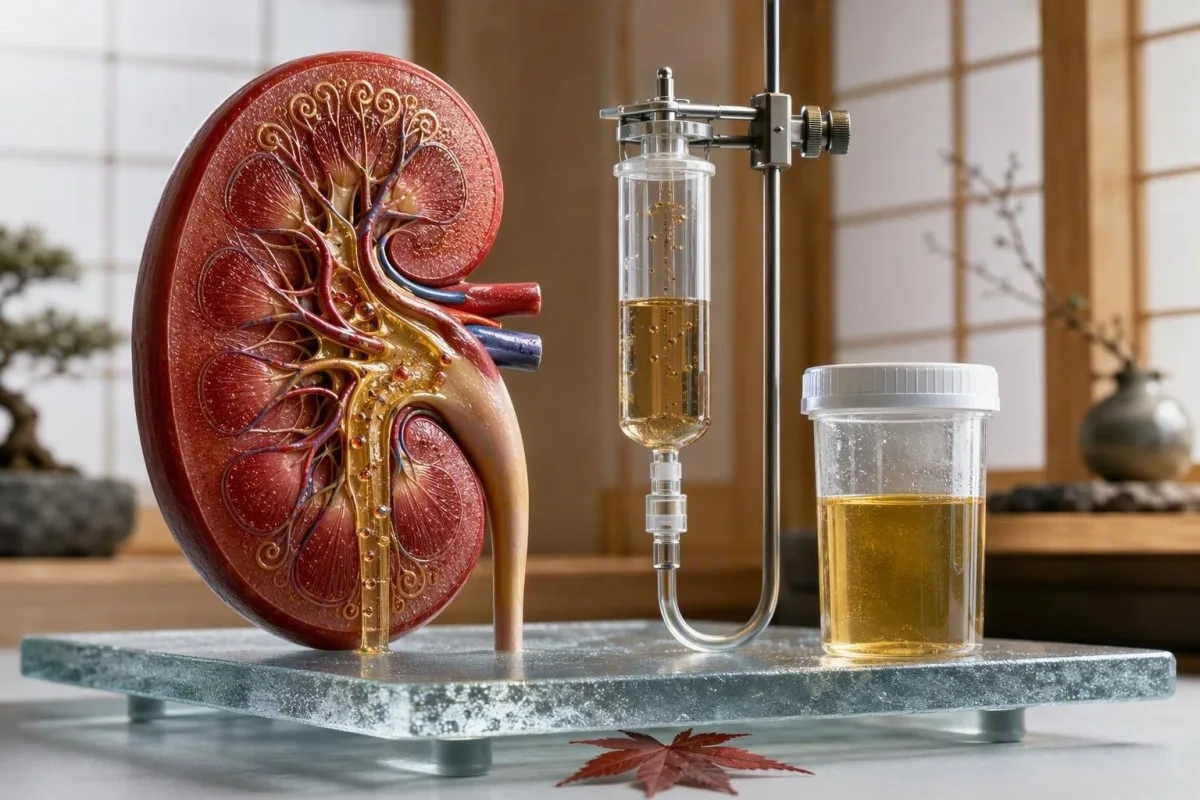
SIADH یوه تشخیصي نمایه ده، نه یوه غیر معمولي پایله. ګټورې نښې د وینې او پیشاب له اخیستلو څخه راځي چې په ورته وخت کې اخیستل شوي، بیا د درملو، د تایرایډ دندې، کورټیسول او حجم وضعیت سره تفسیر کیږي.


- ریښتینی هایپوټونک هایپوناتریمیا د سیرم سوډیم د 135 mmol/L څخه ټیټ وي او اندازه شوي سیرم اوسمولالیټي معمولا د 275 mOsm/kg څخه ټیټ وي.
- د SIADH پیشاب اوسمولالیټي د ټیټ سیرم اوسمولالیټي سره سره په غیر مناسب ډول د 100 mOsm/kg څخه لوړ وي؛ پښتورګي اوبه ساتي کله چې دوی باید رنګه پیشاب جوړ کړي.
- د ادرار سوډیم د 30 mmol/L څخه لوړ یوازې د ډیوریتیکس، اډرینال ناکافي، تایرایډ ناروغۍ او کلینیکي توګه د مایعاتو کمښت له خارجولو وروسته د SIADH ملاتړ کوي.
- د بېاوبهتوب بڼه معمولا د 30 mmol/L څخه کم پیشاب سوډیم، لوړ شوي یوریا یا BUN، او د کم شويcirculating حجم نښو سره متمرکز پیشاب تولیدوي.
- د اډرینال کمکاري (Adrenal insufficiency) کولی شي د SIADH سره تقریبا ورته ښکاري، نو د سهار د کورټیسول کمښت یا equivocal پایله د SIADH له تشخیص دمخه عاجل کلینیکي تعقیب ته اړتیا لري.
- سختې نښې لکه د قبضې، ګډوډۍ، تکراري کانګې یا د سوډیم کمښت سره د هوش کمښت عاجل پاملرنې ته اړتیا لري؛ درملنه باید د آنلاین تفسیر انتظار ونه کړي.
- د سمون خوندیتوب الأمور: في نقص صوديوم الدم المزمن، لا ينبغي أن يرتفع صوديوم المصل بشكل عام بأكثر من 8 مليمول/لتر في أي فترة 24 ساعة للمرضى المعرضين لخطر كبير للإزالة الميلية.
- وخت مهم دی لأن تسريب محلول ملحي وريدي، أو جرعة مدر للبول، أو عدة لترات من الماء يمكن أن يغير صوديوم البول وتوتره الأسموزي في غضون ساعات.
ولې SIADH د وینې او پیشاب د ازموینې ته اړتیا لري
A اختبار الدم لمتلازمة الإفراز غير الملائم للهرمون المضاد لإدرار البول يتميز بنقص صوديوم المصل مع انخفاض توتر أسموزي المصل المقاس، مقترنًا ببول يظل شديد التركيز وغني نسبيًا بالصوديوم. من الناحية العملية، يحتوي الجسم على ماء زائد بالنسبة للصوديوم لأن نشاط الهرمون المضاد لإدرار البول لا ينطفئ بشكل طبيعي؛ لا يمكن لقيمة الصوديوم وحدها إثبات ذلك.
صوديوم المصل أقل من 135 mmol/L څخه کم يعرف نقص صوديوم الدم، لكن الصوديوم هو تركيز بدلاً من قياس إجمالي صوديوم الجسم. يمكن أن يعاني الشخص من انخفاض الصوديوم بسبب احتباس الماء، أو فقدان الملح، أو ارتفاع نسبة الجلوكوز، أو خطأ مخبري، أو مزيج من هذه؛ دليلنا لـ د ټیټ سوډیم نښو لارښود يوضح لماذا تتبع شدة الأعراض غالبًا سرعة الانخفاض أكثر من الرقم الدقيق.
أول مفترق مفيد هو توتر أسموزي المصل المقاس: أقل من 275 مللي أسمول/كجم يشير إلى نقص صوديوم الدم ناقص التوتر، وهو الإعداد الذي يتم فيه اعتبار متلازمة الإفراز غير الملائم للهرمون المضاد لإدرار البول. قاعدة الدكتور توماس كلاين السريرية بسيطة: لا تسمي متلازمة الإفراز غير الملائم للهرمون المضاد لإدرار البول أبدًا من لوحة استقلاب أساسية قبل فحص الجلوكوز والدهون الثلاثية والبروتين الكلي، ويفضل توتر أسموزي مقاس.
کانټیسټي یو دی د AI د وینې معاینې شنونکی يقرأ الصوديوم والجلوكوز واليوريا والكرياتينين ونتائج البول المقترنة كمشكلة فسيولوجية واحدة بدلاً من مجموعة من العلامات. في مراجعاتنا، الخطأ الأكثر خطورة هو الطمأنينة بعد صوديوم 122 مليمول/لتر عندما لا تحتوي التقارير على دراسات بول معاصرة أو تاريخ أعراض؛; حالات الاستخدام السريري لدينا توضح لماذا يؤدي فقدان السياق إلى تغيير الخطوة التالية.
ما تعنيه متلازمة الإفراز غير الملائم للهرمون المضاد لإدرار البول حقًا
ترمز متلازمة الإفراز غير الملائم للهرمون المضاد لإدرار البول إلى متلازمة عدم ملاءمة إدرار البول، والتي كانت تسمى تاريخيًا إفراز الهرمون المضاد لإدرار البول غير الملائم. يمكن أن تنشأ المتلازمة من الأدوية، والغثيان، واضطرابات الرئة أو الجهاز العصبي المركزي، والألم، والإجهاد بعد الجراحة، وأحيانًا الأورام الخبيثة؛ نمط المختبر يحدد معالجة الماء، وليس المحفز الأساسي.
د سیرم سوډیم او اوسمولالیټي: د اوبو د زیاتوالي تصدیق کول
تأكيد توتر أسموزي المصل أقل من 275 مللي أسمول/كجم مع صوديوم أقل من 135 مليمول/لتر لنقص صوديوم الدم ناقص التوتر, ، ولكنه لا يحدد متلازمة الإفراز غير الملائم للهرمون المضاد لإدرار البول بحد ذاته. يشير توتر أسموزي طبيعي أو مرتفع إلى الأطباء نحو الجلوكوز، والمانيتول، وعوامل التباين، والكحول، أو نقص صوديوم الدم الكاذب بدلاً من ذلك.
تقوم معظم المختبرات بإبلاغ توتر أسموزي محسوب، ويقدر عادةً بـ 2 × صوديوم + جلوكوز + يوريا في مليمول/لتر، ولكن توتر أسموزي مقاس مفضل عندما يكون التشخيص غير واضح. يمكن أن تكشف الفجوة ذات المغزى بين القيم المقاسة والمحسوبة عن جزيئات أسموزية غير مقاسة؛ هذا هو أحد الأسباب التي تجعل نتيجة الصوديوم حقيقية سريريًا ولكنها لا تمثل متلازمة الإفراز غير الملائم للهرمون المضاد لإدرار البول.
جلوكوز أعلى من حوالي 13.9 مليمول/لتر (250 ملجم/ديسيلتر) يقلل من الصوديوم المقاس عن طريق انتقال الماء من الخلايا إلى البلازما. يضيف تصحيح شائع الاستخدام حوالي 1.6 إلى 2.4 مليمول/لتر صوديوم لكل 5.6 مليمول/لتر (100 ملجم/ديسيلتر) جلوكوز أعلى من 5.6 مليمول/لتر، على الرغم من أن الأطباء يختلفون بشأن العامل الدقيق عند مستويات الجلوكوز العالية جدًا.
لوړ ټرای ګلیسریډز یا پاراپروټینز کولی شي د غیر مستقیم آئن-انتخابي assays سره pseudohyponatremia رامینځته کړي، پداسې حال کې چې د اندازه شوي اوسمولیتي نورمال پاتې کیږي. د سوډیم پایله د بنسټیز میتابولیک پینل سره پرتله کړئ او پوښتنه وکړئ چې ایا لابراتوار مستقیم یا غیر مستقیم الیکټروډ کارولی و مخکې لدې چې د اوبو توازن اختلال فرض کړئ.
د SIADH پیشاب اوسمولالیټي: د پښتورګو نښه چې قضیه بدله کوي
په هایپوټونیک ناروغ کې د 100 mOsm/kg څخه پورته د پیشاب اسمولالیټ پدې معنی دی چې د انټي ډیوریتیک هورمون فعالیت شتون لري. په SIADH کې، د پیشاب اسمولالیټ اکثرا 200 تر 600 mOsm/kg وي، که څه هم د پیشاب هیڅ یوه ارزښت تشخیصي ندی.
د ادرار اسمولالیټي 100 mOsm/kg یا ټیټ د پیشاب نږدې اعظمي حد ته رقیق کول په ګوته کوي او SIADH ناممکن کوي. دا نمونې د لومړني پولیډیپسیا یا د مالګې کم مصرف سره مطابقت لري، چیرې چې د اوبو مصرف له وړتیا څخه ډیریږي چې پښتورګي وړیا اوبه خارج کړي؛ دا په ځانګړي توګه په خلکو کې د پام وړ دی چې خورا لږ پروټین او مالګه مصرفوي.
دلته غیر متوقع ټکی دی: غلظت لرونکی پیشاب په اتوماتيک ډول د کم اوبو معنی نلري. دواړه هایپووولیمیا او SIADH انټي ډیوریتیک هورمون لوړوي، مګر کم اوبه د دوران ساتلو لپاره په مناسب ډول دا کوي، پداسې حال کې چې SIADH دا د کلینیکي پلوه کافي اغیزمن شریاني حجم سره سره کوي.
د اروپا د هایپوناتریمیا لارښود د پیشو اوسمولیتي د لومړني توپیر کونکي په توګه وړاندیز کوي ځکه چې د حجم فزیکي ارزونه اکثرا د اعتبار وړ نه وي (Spasovski et al., 2014). زموږ ژور توضیح ولولئ د ادرار اوسمولالیټي ازموینه که ستاسو راپور د ډیپ سټیک ځانګړي ثقل پرځای mOsm/kg کاروي.
ولې یوه پیشاب نمونه کولی شي غلط وهڅوي
د پیشاب اسمولالیټ وروسته له دې چې زړه بدوالی آرام شي، درد کنټرول شي، یا یو ناوړه درمل ودرول شي، ژر تر ژره کمیږي. که پیشاب د انټي وینی مایع وروسته، د لوپ ډیوریتیک وروسته، یا د وینې نمونې څو ساعته وروسته راټول شوی وي، زه دا د یو نښه په توګه چلند کوم نه د ثبوت په توګه.
د پیشاب سوډیم: SIADH په مقابل کې وچیدل او د حجم کمښت
د 30 mmol/L څخه پورته د پیشاب سوډیم د SIADH ملاتړ کوي په هایپوټونیک هایپوناتریمیا کې کله چې د رژیم مالګې مصرف معمول وي او ډیوریتیکس شتون نلري. د 30 mmol/L څخه ښکته د پیشاب سوډیم ډیر ځله د رینل سوډیم ساتنې د کانګو، اسهال، خولې، د زړه ناکامي، سرروسس، یا د اوبو ریښتینې کمښت له امله په ګوته کوي.
په غیر پیچلي SIADH کې، پښتورګي د سوډیم لیوالتیا نلري، نو د پیشاب سوډیم اکثرا له 30 mmol/L څخه پورته او ممکن له 60 mmol/L څخه زیات شي. یوریا اکثرا ټیټ وي، او د سیرم یوریټ اسید ممکن د 4 mg/dL (0.24 mmol/L) څخه ښکته وي ځکه چې د حجم معتدل پراخول د یورات پاکولو زیاتوي.
یو 68 کلن چې هایدروکلوروتیازید اخلي ممکن د 55 mmol/L د پیشاب سوډیم او د معدې ویروس وروسته غلظت لرونکی پیشاب ولري؛ دا SIADH نه ټاکي. د تیازید پورې تړلی هایپوناتریمیا کولی شي د هر کلاسیک لابراتواري ځانګړتیا تقلید کړي، له همدې امله د درملو لیست اداري تفصیل نه بلکې د تشخیصي معلوماتو دی.
د ډیوریتیکس وروسته د پیشو سوډیم لږ معتبر دی، د پښتورګو د پرمختللي ناروغۍ سره، یا د خورا ټیټ رژیم سوډیم سره. دا د کریټینین، یوریا او د الکترولایټ پینل سره جوړه کړئ د 30 mmol/L کټ آف په سخت دیوال په توګه درملنه کولو پرځای.
د یورات فریکشنل اخراج
د یوریک اسید یو تناسبي اخراج له 12% کولی شي د SIADH ملاتړ وکړي، په ځانګړې توګه کله چې ډیوریتیکس د پیشاب سوډیم پټوي. دا معمولا د SIADH له سمون وروسته نورمال کیږي، پداسې حال کې چې د پښتورګو مالګې ضایع کیدونکي حالتونه کولی شي دا لوړ وساتي؛ دا د متخصص ساحه ده، مګر کله چې کیسه مناسبه نه وي دا ګټور کیدی شي.
په لابراتواري ازموینو کې وچیدل د SIADH په څیر څنګه ښکاري
ډیهایډریشن معمولا متمرکز پیشاب د کم پیشاب سوډیم، د کریټینین په پرتله لوړ یوریا، او د حجم ضایع کیدو کلینیکي شواهدو سره لامل کیږي. SIADH هم ډیری وختونه متمرکز پیشاب تولیدوي، مګر ناروغان معمولا کلینیکي پلوه euvolemic وي او د ورته مالګې ساتلو پښتورګو عکس العمل نه لري.
د کانګې، اسهال یا سختې خولې سره، پښتورګی معمولا د پیشاب سوډیم کموي له 20-30 mmol/L څخه کم پداسې حال کې چې د پیشاب اسمولالیټي له 100 mOsm/kg څخه لوړه کیږي. یوریا ممکن د کریټینین په پرتله په غیر متناسب ډول لوړه شي، مګر دا تناسب د پروټین مصرف، د معدې خونریزي، سټرایډونو او د ځيګر فعالیت لخوا اغیزمن کیږي، نو دا یو ملاتړی دی نه حتمي.
په SIADH کې، د وینې فشار او معاینه ممکن عادي ښکاري، بیا هم د پام وړ موندنې مهم دي: هیڅ ارتوسټاټیک علایم نه، هیڅ وچ مغز غشا نه، هیڅ څنډه اذیما نه، او هیڅ زړه راښکونکې معدې ضایع نه. ما ناروغان لیدلي چې یوازې د دوی د پیشاب د تیاره کیدو له امله "ډیهایډریټ" بلل شوي؛ د پیشاب رنګ د سوډیم فیزیولوژی لپاره ضعیف پراکسي دی، لکه څنګه چې زموږ د تیاره ادرار لارښود بحث کوي.
د احتیاط سره د isotonic سالین چیلنج کولی شي په غوره شوي څارل شوي ترتیباتو کې مرسته وکړي: hypovolemic hyponatremia تمایل لري چې ښه شي لکه څنګه چې حجم انټي ډیوریتیک هورمون فشار راولي. په SIADH کې، مالګه ممکن په سوډیم کې لوړوالی کې پاتې شي یا دا خراب کړي کله چې پیشاب د انفیوژن په پرتله خورا ډیر متمرکز وي؛ دا هیڅکله هم کورني تجربې نه وي.
ولې مالګه کولی شي SIADH خراب کړي
د 0.9% مالګې یو لیتر 154 mmol سوډیم لري، مګر یو پښتورګی چې په 600 mOsm/kg کې پیشاب تولیدوي ممکن سوډیم خارج کړي پداسې حال کې چې تناسبي توګه ډیرې اوبه ساتي. دا "ډیسالینیشن" اغیز خورا احتمال لري کله چې د پیشاب سوډیم او پوتاشیم د سیرم سوډیم په پرتله لوړ وي.
د اډرینال ناکافي: د SIADH تقلید کونکي چې کلینیکان باید خارج کړي
د اډرینال ناکافي کیدنه کولی شي کم سوډیم، کم سیرم اسمولالیټي، د پیشاب اسمولالیټي له 100 mOsm/kg څخه لوړه، او د پیشاب سوډیم له 30 mmol/L څخه لوړه شي—نږدې د SIADH په څیر ورته نمونه. له همدې امله د کورټیسول ارزونه د خوندي SIADH کاري پروسې برخه ده، په ځانګړې توګه د ستړیا، د وزن کمیدو، د وینې کم فشار، هایپرکالیمیا یا سټرایډ افشا کیدو سره.
د سهار سیرم کورټیسول له شاوخوا 15-18 مایکروګرام/dL (414-497 nmol/L) معمولا کلینیکي پلوه د پام وړ اډرینال ناکافي کیدنه ناممکن کوي، د ازموینې او ترتیباتو پورې اړه لري. ارزښتونه له 3-5 micrograms/dL (83-138 nmol/L) څخه کم اندیښمن دي، پداسې حال کې چې منځمهاله پایلې ډیری وختونه د اټکل پرځای د ACTH سټیمولیشن ازموینې ته اړتیا لري.
لومړنۍ اډرینال ناکافي کیدنه ډیری وختونه لوړ پوتاشیم لامل کیږي ځکه چې الډوسټیرون ضعیف دی، مګر ثانوي اډرینال ناکافي کیدنه کولی شي عادي پوتاشیم ولري او لاهم شدید هایپوناتریمیا لامل کیږي. میکانیزم د کورټیسول کمښت دی چې د انټي ډیوریتیک هورمون خوشې کیدو زیاتوي، نه یوازې د مالګې ضایع.
د 2013 متخصص پینل چې مشري یې ویربالیس پر غاړه وه، د SIADH په پریکړه کولو دمخه د اډرینال ناکافي کیدنه ردولو مشوره ورکوي (Verbalis et al., 2013). که دا امکان ستاسو په راپور کې وي، زموږ لیدنه د اډیسون ناروغۍ لابراتواري اشارې ممکن تاسو سره د عاجل کلینیکي بیاکتنې لپاره په نښه شوي پوښتنو چمتو کولو کې مرسته وکړي.
سټیرایډ درمل ازموینه پیچلې کوي
پردنیزولون، هایدروکارتیسون او ځینې انجیکشن شوي سټیرایډونه کولی شي د کورټیسول تفسیر بدل کړي او د اډرینال محور فشار کړي. له وړاندیز شوي سټیرایډونو څخه لاس مه اخلئ ترڅو "یو پاک ازموینه ترلاسه کړئ"؛ ناڅاپي بندیدل کولی شي د اډرینال بحران ته لار هواره کړي.
د تایرایډ ازموینې: کله چې هایپوتایرایډیزم واقعیا د سوډیم کمښت تشریح کوي
شدید هایپوتایرایډیزم کولی شي د اوبو اخراج کې اختلال رامینځته کړي، مګر معمولي فرعي کلینیکي هایپوتایرایډیزم په ندرت سره د پام وړ هایپوناتریمیا تشریح کوي. TSH او وړیا T4 د SIADH تشخیص دمخه معاینه کیږي ځکه چې ژور تایرایډ ناکامي د درملنې وړ ده او ممکن د نورو لاملونو سره یوځای شي.
کلینیکي پلوه مهم هایپوتایرایډ هایپوناتریمیا په شدید ناروغۍ کې خورا ممکنه ده، په ځانګړي توګه د میکسیدما فیزیولوژي سره د ټیټ وړیا T4، برادیکارډیا، هایپوټرمیا یا د زړه د تولید کمیدو سره. د 6 mIU/L TSH د نورمال وړیا T4 سره عام دی او باید د 121 mmol/L سوډیم لپاره اسانه توضیح نه شي.
Kantesti AI یو AI د وینې ازموینې تشریح پلیټفارم چې TSH او وړیا T4 د سوډیم، د پښتورګو د فعالیت او د درملو وخت سره پرتله کوي، ځکه چې د TSH ضعیف پایله کیدای شي له یو ډیر عاجل اډرینال یا د درملو پورې اړوند لامل څخه پام واړوي. نورمال TSH مرکزي هایپوتایرایډیزم رد نه کوي؛ د ټیټ وړیا T4 سره د غیر لوړ شوي TSH لپاره مختلف لاره مستحقه ده، زموږ په مقاله کې تشریح شوې د نورمال TSH سره ټیټ وړیا T4.
د تایرایډ بدیل باید د تایرایډ ثابت شوي اشارو لپاره تنظیم شي، نه د چټک سوډیم درملنې په توګه. زما په تجربه کې، سوډیم اکثرا یوازې وروسته ښه کیږي کله چې د اوبو د ساتلو اصلي چلوونکی - زړه بدوالی، درمل، د کورټیسول کمښت، یا ناروغي - هم اداره شي.
د پیټیوټري ناروغي کاري پروسه بدلوي
سر درد، د لید ساحې نښې، ټیټ لیبیډو، ناڅاپي ټیټ فشار یا د پیټیوټري هورمونونو کمښت د مرکزي پیټیوټري ناروغۍ اندیښنه رامینځته کوي. په هغه حالت کې، د لیوتایرونین پیل کولو دمخه کورټیسول چیک کړئ ځکه چې د تایرایډ هورمون کولی شي د کورټیسول پاکول زیات کړي.
د امیندوارۍ، زوړ عمر او د بدن اندازې توپیرونه د SIADH په تفسیر کې
امیندوارۍ د عادي اسموټیک حد او د سیرم سوډیم شاوخوا 4-5 mmol/L ته راټیټوي، نو د امیندوارۍ په پیل کې شاوخوا 130 mmol/L سوډیم فیزیولوژیکي کیدی شي مګر لاهم شرایطو ته اړتیا لري. زوړ خلک د درملو پورې اړوند هایپوناتریمیا لوړ خطر لري او اکثرا د تندې پرځای د سقوط یا ګډوډي سره وړاندې کیږي.
د پیچلتیاوو پرته امیندوارۍ په جریان کې، د سیرم اسمولیت معمولا شاوخوا کم کیږي 5-10 mOsm/kg او سوډیم ممکن د 130-134 mmol/L په شاوخوا کې ودریږي ځکه چې د اوسموستات بیا تنظیم کیږي. د 130 mmol/L څخه ښکته سوډیم، عصبي نښې، لوړ فشار، د جگر غیرمعمولیتونه یا پروټینوریا د نورمال امیندوارۍ بدلون په توګه ردولو پرځای عاجل نسایی معاینې ته اړتیا لري.
په 75 کلنو خلکو کې، SSRIs، thiazides، carbamazepine، desmopressin او لږ محلول لرونکي رژیمونه په عام ډول سره یوځای کیږي. یوازې 5 mmol/L د سوډیم کمیدل کیدی شي کله چې د دماغ پیژندنه نازکه وي؛ د تګلو پاتې کیدل او سقوط ممکن لومړي د لیدلو وړ نښې وي.
د پښتورګو فلټریشن په امیندوارۍ کې په طبیعي ډول بدلیږي، او تفسیر باید د امیندوارۍ-خبرو حوالو څخه کار واخلي؛ زموږ لارښود ته د امیندوارۍ eGFR ارزښتونه تشریح کوي چې ولې راپور شوي eGFR په امیندوارۍ کې تل تایید شوي ندي. د مایعاتو محدودیت باید په امیندوارۍ او ضعف کې په انفرادي ډول تنظیم شي، نه د یو عام SIADH لاسوند څخه کاپي شي.
د بدن ټیټ ډله یو بې معنی تفصیل نه دی
45 کیلوګرامه شخص د 100 کیلوګرامه شخص په پرتله لږ ټول بدن اوبه لري، نو ورته د اوبو بار یا درملو خوراک کولی شي د سوډیم لوی بدلون رامینځته کړي. ضعیف ناروغان هم لږ فیزیولوژیکي زېرمه لري که چیرې سوډیم په چټکۍ سره بدلون ومومي.
د درملو اغیزې چې د SIADH تقلید یا هڅوي
تیازایډ ډیوریتیکس، SSRIs، SNRIs، کاربامازپین، اوکسکاربازپین، ډیسموپریسین او ځینې انټي سایکوټیکونه د هایپوټونیک هایپوناتریمیا عام درملو لاملونه دي. ځینې یې د ریښتینې SIADH فیزیولوژي تولیدوي، پداسې حال کې چې تیازایډونه د اختلال او سوډیم ضایع کیدو له امله د SIADH تقلید کولی شي.
د تیازید پورې تړلې هایپوناتریمیا ډیری وختونه په لومړي] 2 اونیو وروسته له دې چې خوراک پیل یا زیات شي ، بیا هم دا وروسته په میاشتو کې پیښ کیدی شي کله چې ناروغي ، خواړه کم شي یا اضافي اوبه وڅښل شي. لوپ ډیوریتیکس احتمال لري چې دا ځانګړې ب patternه رامینځته کړي ځکه چې دوی د پښتورګو غلظت ظرفیت کموي.
د SSRI سره تړلې هایپوناتریمیا په زړو خلکو ، خلکو کې د بدن وزن کم او هغه خلکو کې عام دي چې ډیوریتیکس هم اخلي. یو نوی انټي ډیپریشن درمل په اتوماتيک ډول مجرم نه دی ، میاشت په میاشت د کتاب لیست څخه ډیر مهم دی: په تیرو 30 ورځو کې د هر پیل ، بند او دوز بدلون مستند کړئ.
د معالج څخه پرته د ضبط ، رواني ، هورمون یا د وینې فشار درملو بند مه کوئ څوک چې نښې پیژني. لږ کلورایډ ممکن د ډیوریتیک کارولو او کانګو سره مل وي؛ زموږ د وضاحت] د کم کلورایډ پایلې کولی شي د پراخو الکترولیت نمونې توپیر کې مرسته وکړي.
له پلورنځي څخه بهر مرسته کونکي]
د ډیسموپریسین کارول د نوکټوریا لپاره ځانګړې پاملرنې مستحق دي ځکه چې له یو دوز وروسته آزاد څښاک کولی شي د اوبو ناڅاپي ساتلو لامل شي. NSAIDs کولی شي په زیان منونکو خلکو کې د انټي ډیوریتیک هورمون عمل هم پیاوړي کړي ، په ځانګړي توګه د ناروغۍ په جریان کې.
د محلول کم مصرف او د اوبو زیاتوالی: نمونې چې SIADH نه دي
لومړني پولیډیپسیا او د خواړو خورا کم محلول غلظت معمولا د 100 mOsm/kg یا لږ د پیشاب غلظت لامل کیږي ، د کلاسیک SIADH برخلاف. توپیر مهم دی ځکه چې یوازې د مایعاتو سخت محدودیت ممکن د malnutrition ، د الکول پورې تړلي ناروغۍ ، یا د محلول غلظت بیا پیل کیدو وروسته خطرناک ګړندي سمون له لاسه ورکړي.
پښتورګي د اوبو ایستلو لپاره محلول - په عمده توګه د پروټین څخه یوریا او الکترولیتونه - ته اړتیا لري. یوازې د 250 mOsm محلول سره په ورځ کې شتون لري ، یو سړی کولی شي په 100 mOsm/kg کې 2.5 لیتره پیشاب خارج کړي ، مګر یوازې 1 لیتر که انټي ډیوریتیک هورمون پیشاب په 250 mOsm/kg وساتي.
په لومړني پولیډیپسیا کې ، پیشاب اکثرا په زړه راښکونکي ډول لږ وي او تاریخ ممکن له دې څخه ډیر ښکاره کړي] 4-6 L هره ورځ د مایعاتو مصرف ، که څه هم یادونه کامل ندي. په کم محلول هایپوناتریمیا کې ، یوریا ممکن کم وي او د خواړو تاریخ کولی شي د پروټین او مالګې کم مصرف وروستۍ دوره ښکاره کړي.
کیټونز ، کم یوریا او د وزن له لاسه ورکول ممکن د SIADH پرځای انډرنریشمنټ یا اوږدې روژه په نښه کړي. زموږ مقاله د] د پیشاب کیټونز که کیټوسس شتون ولري؛ د ډایبېټیک کیټوآسیډوسس یوه جلا بیړنۍ حالت دی او کولی شي د سوډیم تفسیر بدل کړي.
د بیا تغذیه خطر]
کله چې تغذیه بیرته راشي ، سوډیم کولی شي له تمې څخه چټک لوړ شي ځکه چې پښتورګی د محلول اخراج بیا ترلاسه کوي. د روغتون ټیمونه په لوړ خطر لرونکو ناروغانو کې په مکرر ډول سوډیم څارنه کوي ، ځینې وختونه د فعال سمون په جریان کې هر 2-4 ساعتونو کې.
د پښتورګو، زړه او ځیګر ناروغۍ: د SIADH پرته د سوډیم کمښت
د زړه ناکامي ، سرروسس او پرمختللي پښتورګي ناروغي د کم موثره شریان حجم له امله هایپوناتریمیا رامینځته کوي ، نه لومړني SIADH. دا شرایط لاهم متمرکز پیشاب تولید کولی شي ، مګر اذیما ، کم شوي پرفیوژن ، کم البومین یا اختلال فلټریشن معمولا ټول عکس بدلوي.
د زړه ناکامي او سرروسس په حالت کې ، بدن ممکن اضافي اوبه او سوډیم ولري مګر د شریان ډکولو ناکافي احساس کوي ، انټي ډیوریتیک هورمون او د سوډیم ساتلو لاره فعالوي. د پیشاب سوډیم اکثرا لاندې وي] 30 mmol/L پرته له دې چې ډیوریتیکس یا د پښتورګو زیان پایله ګډوډ کړي.
د پښتورګو وروستۍ ناروغي د اوبو د ایستلو او د پیشاب د غلظت دواړه محدودوي، نو د پیشاب اوسمولالی ممکن نږدې وي 250-350 mOsm/kg. په هغه حالت کې، د SIADH دودیز حدونه دقت له لاسه ورکوي او د nephrology مشورې د تکراري پیشاب ازموینې څخه ډیر ګټور دي.
پروټینوریا، کاسټ، البومین، کریټینین رجحان او اذیما اړخیزې مسلې ندي؛ دوی د فزیولوژی په پیژندلو کې مرسته کوي. زموږ عملي لارښود د ادرار ځانګړی وزن تشریح کوي چې ولې د ډیپ سټیک اټکل د پیچلي پښتورګو په قضیه کې د اندازه شوي پیشاب اوسمولالي ځای نه شي نیولی.
اذیما خطر نه له منځه وړي
هغه شخص چې اذیما لري لاهم کولی شي د سوډیم له 120 mmol/L څخه ټیټ وي شدید عصبي علایم رامینځته کړي. د مایع حالت د علت تشریح کوي مګر د شدید علامتي هایپوناتریمیا عاجل حالت کم نه کوي.
د نمونې اخیستلو وخت، IV مایعات او لابراتواري غلطۍ
وینې او پیشاب باید په مثبته توګه د IV مایعاتو دمخه او د یو بل څخه په څو ساعتونو کې راټول شي، ځکه چې درملنه کولی شي د SIADH لابراتواري پایلې په چټکۍ سره بدل کړي. د پیشاب یوه ځنډنۍ نمونه ممکن د هایپوناتریمیا د لامل په پرتله د درملنې غبرګون تشریح کړي.
د مالګې یوه لیتر، د فیوروسیمایډ خوراک، د ضد التهاب درملنه، د درد راحت، یا د ډیسموپریسین بندول کولی شي په څو ساعتونو کې د پیشاب تولید او اوسمولالي بدل کړي. د راټولولو دقیق وختونه، وروستی مایع مصرف، IV درملنه او درمل ثبت کړئ؛ دا عادي جزئیات اکثرا ښکاره شوي متضاد SIADH لابراتواري پایلې حل کوي.
هیمولیز معمولا په غلطۍ سره ټیټ سوډیم نه پیدا کوي، مګر لوی هایپرلیپیډیمیا، هایپرپروټینیمیا او نمونې ککړتیا کولی شي. د سوډیم پایله چې د تیره ورځې له ارزښت سره په کلینیکي وضاحت پرته په تیزۍ سره توپیر لري باید د سپریډ شیټ لخوا تشخیص پرځای د بیا رسم یا مستقیم ion-selective electrode اندازه کولو لامل شي.
Kantesti AI نیټې پرتله کوي او ناممکن بدلونونه په نښه کوي، مګر دا نشي کولی نه ثبت شوی مالګین انفیوژن یا ورک شوی خوراک وګوري. د وینې ازموینې مهالویش د ناروغۍ، تمرین، روژه، مایع مصرف او درملو پیښو یادولو لپاره د پایلې سره ترڅنګ وکاروئ.
د پیشاب ځانګړی ثقل اوسمولالي نه ده
ځانګړی ثقل د ذراتو د ډله او همدارنګه د غلظت منعکس کوي او د ګلوکوز، پروټین یا برعکس رسنیو لخوا تحریف کیدی شي. 1.020 ارزښت په هر ناروغ کې په یوه ځانګړي mOsm/kg ارزښت کې په معتبره توګه نه ژباړي.
د SIADH متمرکز څیړنه چې کلینیکان معمولا امر کوي
د SIADH یوه خوندي ارزونه معمولا په سیرم سوډیم، پوتاشیم، ګلوکوز، یوریا، کریټینین، اندازه شوي سیرم اوسمولالي، پیشاب اوسمولالي، پیشاب سوډیم، TSH، وړیا T4 او سهارنۍ کورټیسول شامل دي. هدف دا دی چې هایپوټونیک هایپوناتریمیا تایید کړي او د SIADH لیبل ورکولو دمخه د بیرته راګرځیدونکي تقلید کونکو څخه خارج شي.
اضافي ازموینې شرایطو پورې اړه لري: د یوریک اسید، د جگر نښې، د لیپید پروفایل، ټول پروټین، ACTH، د سینې عکس اخیستل، د دماغ عکس اخیستل یا د درملو بیاکتنه مناسبه کیدی شي. په ظاهري ډول ایووولیمیک ناروغ کې د 126 mmol/L سوډیم سره، د همغږي اوسمولالي جوړه او کورټیسول معمولا پراخو، غیر متمرکزو ازموینې څخه ډیر معلوماتي وي.
د هورن او زیټس لارښود پرتله کول په ګوته کوي چې یوازې د حجم معاینه محدود تشخیصي دقت لري او د پیشاب لومړۍ بایو کیمیاوي طریقې ملاتړ کوي (هورن او زیټس، 2017). له همدې امله یو عادي ښکاري معاینه باید د 550 mOsm/kg د پیشاب اوسمولالي او 260 mOsm/kg د سیرم اوسمولالي له مینځه ونه وړي.
ډاکټر توماس کلین د لیدو دمخه د هر پایلې پاڼې، په شمول د راټولولو وخت، د حوالې وقفه او د درملو لیست، د عکس اخیستلو سپارښتنه کوي. زموږ AI طبي راپور د خوندیتوب چک لیست تشریح کوي چې څنګه د سرچینې توضیحات چې تفسیر ته اړتیا لري وساتل شي.
کله چې د عکس اخیستلو اړوند شي
نوي، پرله پسې SIADH پرته له روښانه درملو یا شدیدې ناروغۍ ممکن د سينې عکس اخیستنې ته وهڅوي، په ځانګړي توګه په زړو خلکو کې د سګرټ څکولو د افشا کیدو یا تنفسي نښو سره. عکس اخیستنه د تاریخ او معاینې لخوا په نښه کیږي؛ دا د هر سوډیم لپاره په اتوماتيک ډول اړین ندي د 132 mmol/L.
د درملنې شمیرې څه معنی لري او ولې د سوډیم سمون خطرناک کیدی شي
جدي علامتي هایپوناتریمیا په روغتون کې د احتیاطي نظارت شوي هایپرټونیک مالګین سره درملنه کیږي، پداسې حال کې چې د اوږدمهاله SIADH مدیریت لامل او د کنټرول شوي اوبو توازن په نښه کوي. خطر دوه اړخیز دی: غیر درملنه شوی د مغزو پړسوب او خورا چټک اصلاح دواړه د دایمي عصبي زیان لامل کیدی شي.
د قبض، کوما، ژور ګډوډي یا شدید کانګې لپاره د هایپوناتریمیا له امله، لارښوونې معمولا کارول کیږي 100-150 mL 3% مالګین د وقفې وقفې په توګه د تکراري سوډیم چکونو سره. لومړنی هدف د دماغ اذیما کمولو لپاره شاوخوا 4-6 mmol/L کوچنی لوړوالی دی، نه سمدستي نورمال کول.
د اوږدمهاله هایپوناتریمیا لپاره، ډیری کلینیکونه اصلاح محدودوي ۸ mmol/L څخه زیاتول د لوړ خطر لرونکي خلکو لپاره د عصب پteri د تخریب خطر، په شمول د الکولیزم، malnutrition، جدي جگر ناروغۍ، hypokalemia یا ډیر ټیټ ابتدايي سوډیم. ځینې لارښوونې د لومړي ورځې لپاره د 10 mmol/L اجازه ورکوي د ټیټ خطر لرونکي ناروغانو لپاره، مګر زه احتیاط غوره کوم ځکه چې یوه شمیره کیدی شي ناڅاپه لوړه شي کله چې د انټي ډیوریتیک هورمون راټیټ شي.
د مایعاتو محدودیت په ورځ کې شاوخوا 800-1,000 mL پیل کیږي په باثباته SIADH کې، مګر د هغې بریالیتوب د پیشاب د غلظت او محلول په مصرف پورې اړه لري. یوریا، د مالګې سره د لوپ diuretics، یا vasopressin antagonists د متخصص پریکړې دي؛ Kantesti یو د AI پر بنسټ د وینې ازموینې تحلیل وسیله ډیزاین شوی ترڅو اړونده نمونې ته نښه کړي، نه د بیړني پاملرنې سپارښتنه یا بدلولو لپاره. زموږ بیاکتنه وکړئ تخنیکي کلینیکي څارنه کله چې په پام کې نیولو سره چې څنګه اتوماتیک تفسیر په طبي توګه بیاکتنه کیږي.
د پوتاشیم اصلاح هم سوډیم لوړوي
پوتاشیم یو اغیزمن اوسمول دی، نو د هایپوکالیمیا درملنه کولی شي د مالګین پرته سیرم سوډیم لوړ کړي. دا په اسانۍ سره له پامه غورځول کیږي کله چې د 24 ساعتونو مجموعي اصلاح نرخ محاسبه کیږي.
کله چې د سوډیم کمښت یا احتمالي SIADH عاجل طبي پاملرنې ته اړتیا لري
د قبض، بې هوښۍ، نوي شدید ګډوډي، نښو ستړیا، تکراري کانګې، شدید سر درد یا تنفسي ستونزې لپاره اوس د بیړني پاملرنې غوښتنه وکړئ د پیژندل شوي یا شکمن ټیټ سوډیم سره. د 120 mmol/L څخه ټیټ سوډیم د ورته ورځې کلینیکي ارزونې مستحق دی حتی که علایم لږ ښکاري، په ځانګړې توګه کله چې راټیټیدل ممکن نوي وي.
د سوډیم لپاره سمدستي هغه کلینیکین ته زنګ ووهئ چې ازموینه یې امر کړې 125-129 mmol/L, نوی درمل معرفي کول، د سرطان درملنه، امیندوارۍ، د اډرینال نښې، یا د پام وړ لاندې رجحان. د انفرادي مشورې ترلاسه کولو دمخه په قصدي ډول اضافي اوبه مه څښئ، مالګه لرونکي ټابلیټونه واخلئ، یا ټول مایعات محدود کړئ؛ هر عمل کولی شي مختلف لامل خراب کړي.
د 2026 کال د اګست تر 27 نیټې پورې، ترټولو ګټور ناروغ مرسته یوه دقیقه تاریخي کیسه ده: ورځني مایعات، د الکول مصرف، وروستۍ کانګې یا اسهال، ټول نسخې او اضافي درمل، IV مایعات، درد، زړه بدوالی، سږو نښې او پخواني سوډیم ارزښتونه. هغه تاریخي کیسه ډیری وخت د اضافي جلا کیمیا پینل په پرتله په مؤثره توګه د لنډمهاله انټي ډیوریتیک هورمون خوشې کیدو او پرله پسې SIADH ترمنځ توپیر کوي.
د Kantesti طبي ټیم د ډاکټر له نظارت سره د نمونې پر بنسټ د پایلو بیاکتنې کاروي؛ لوستونکي کولی شي هغه کلینیکین وګوري چې پدې پروسې کې زموږ په د طبي مشورتي بورډ. که پایلې ګډوډ وي، اصلي لابراتواري راپور او دا جوړه شوې ازموینې چوکاټ یو جواز لرونکي کلینیکین ته راوړئ د سوډیم شمیرې له ځانه درملنې پرځای.
هغه پوښتنې چې ستاسو د ملاقات پر مهال یې له ځان سره یوسئ
وپوښتئ چې ایا هایپوناتریمیا د هایپوټونک په توګه تایید شوی، ایا درملنه مخکې ادرار راټول شوی و، ایا کورټیسول او وړیا T4 معاینه شوي وو، او ایا درمل یا د ټیټ محلول مصرف کولی شي دا نمونې تشریح کړي. هغه څلور پوښتنې د درملنې د بدلون لاملونو باندې بحث متمرکز ساتي.
پوښتل شوې پوښتنې
د کومو وینې ازموینې پایلې SIADH په ګوته کوي؟
يُقترح متلازمة عدم إفراز ADH بشكل مناسب (SIADH) بواسطة صوديوم المصل أقل من 135 ملي مول/لتر، وأسمولالية المصل المقاسة أقل من 275 ملي أسمول/كجم، وأسمولالية البول أعلى من 100 ملي أسمول/كجم، وصوديوم البول عادة فوق 30 ملي مول/لتر. يكون الشخص عادةً متوازن السوائل سريريًا، مع عدم وجود جفاف مقنع، أو وذمة، أو فشل كلوي، أو قصور كظري، أو قصور درقية شديد. يمكن أن يضيف انخفاض اليوريا وحمض اليوريك في المصل أقل من حوالي 4 ملغ/ديسيلتر دعمًا، ولكن لا يعتبر أي منهما تشخيصيًا بمفرده. يجب على الأطباء تفسير هذه الاختبارات من الدم والبول المجمعة في نفس الوقت تقريبًا.
ما هي نسبة الأسمولية البولية النموذجية في متلازمة الإفراز غير الملائم للهرمون المضاد لإدرار البول (SIADH)؟
يعتبر أسمولال البول في متلازمة الإفراز غير الملائم للهرمون المضاد لإدرار البول (SIADH) أعلى بشكل غير مناسب من 100 مللي أسمول/كجم على الرغم من انخفاض أسمولال المصل، ولدى العديد من المرضى قيم تتراوح بين 200 و 600 مللي أسمول/كجم. يشير أسمولال البول البالغ 100 مللي أسمول/كجم أو أقل إلى عدم وجود SIADH لأنه يوضح أن الكلى يمكنها تخفيف البول بشكل مناسب. يمكن للجفاف أيضًا أن ينتج عنه أسمولال بول أعلى من 100 مللي أسمول/كجم، لذلك يلزم تقييم صوديوم البول وتقييم حجم السوائل السريري. قد تكون العينة المجمعة بعد علاج الملح أو مدرات البول أو علاج الغثيان مضللة.
هل يمكن أن يسبب الجفاف انخفاض صوديوم الدم ويبدو مثل SIADH؟
نعم، يمكن أن يسبب الجفاف الناتج عن القيء أو الإسهال أو التعرق أو ضعف المدخول نقص صوديوم الدم ناقص التوتر مع بول مركز فوق 100 مللي أسمول/كجم. في الجفاف المباشر، عادة ما يكون صوديوم البول أقل من 20-30 مللي مول/لتر لأن الكلى تحتفظ بالصوديوم، وقد يرتفع اليوريا مقارنة بالكرياتينين. غالبًا ما يكون لمتلازمة الإفراز غير الملائم للهرمون المضاد لإدرار البول (SIADH) صوديوم بول أعلى من 30 مللي مول/لتر بدون علامات واضحة لنقص السوائل. يمكن أن تؤدي مدرات البول إلى طمس هذا التمييز، لذا فإن تاريخ الأدوية ضروري.
لماذا يتم فحص الكورتيزول عند اشتباه الأطباء في متلازمة الإفراز غير الملائم للهرمون المضاد لإدرار البول؟
يتم فحص الكورتيزول لأن قصور الغدة الكظرية يمكن أن يسبب نفس نمط نقص الصوديوم، انخفاض الأسمولالية المصلية، والبول المركز مثل SIADH. عادةً ما يجعل مستوى الكورتيزول الصباحي الذي يزيد عن 15-18 ميكروغرام/ديسيلتر تقريبًا، اعتمادًا على الفحص والسياق السريري، قصور الغدة الكظرية الكبير غير مرجح؛ أما النتيجة الأقل من 3-5 ميكروغرام/ديسيلتر فهي مقلقة. القيم المتوسطة غالبًا ما تحتاج إلى اختبار تحفيز ACTH. إن إغفال قصور الغدة الكظرية أمر خطير لأنه يتطلب استبدال الستيرويدات، وليس مجرد تقييد السوائل.
هل يمكن أن يسبب مثبط استرداد السيروتونين الانتقائي (SSRI) أو مدر للبول نتائج مختبرية متلازمة الإفراز غير الملائم للهرمون المضاد لإدرار البول (SIADH)؟
أدوية مثبطات استرداد السيروتونين الانتقائية (SSRIs)، ومثبطات استرداد السيروتونين والنورإبينفرين (SNRIs)، والكاربامازيبين، والأوكسكاربازيبين، والدزموبريسين يمكن أن تحفز احتباس الماء الشبيه بـ SIADH، بينما يمكن لأقراص الماء الثيازيدية أن تحاكي عن كثب النتائج المخبرية لـ SIADH. غالباً ما يحدث نقص صوديوم الدم المرتبط بالثيازيد في غضون 14 يومًا من بدء العلاج أو زيادته، ولكن الأمراض المتزامنة يمكن أن تحفزه لاحقًا. قد يظل صوديوم البول أعلى من 30 ملي مول/لتر في أي من الحالتين، لذا فإن الجدول الزمني للأدوية حاسم سريريًا. يجب على المرضى عدم التوقف عن تناول الأدوية النفسية أو أدوية الصرع أو أدوية ضغط الدم الموصوفة دون استشارة الطبيب.
ما هي سرعة تصحيح نقص صوديوم الدم بأمان؟
في نقص صوديوم الدم المزمن، يهدف العديد من الأطباء إلى إبقاء تصحيح الصوديوم عند 8 مليمول/لتر أو أقل خلال 24 ساعة للمرضى المعرضين لخطر كبير للإصابة بتلف المايلين التناضحي، مثل أولئك الذين يعانون من سوء التغذية أو إدمان الكحول أو أمراض الكبد الشديدة أو نقص بوتاسيوم الدم أو انخفاض شديد في الصوديوم. قد تتطلب الأعراض الطارئة جرعات 100-150 مل من محلول ملحي 3% في المستشفى لتحقيق ارتفاع أولي يبلغ حوالي 4-6 مليمول/لتر. يعتمد الهدف الدقيق على المدة والأعراض وعوامل الخطر. يتطلب علاج الصوديوم فحوصات دم متكررة لأن إدرار البول المائي التلقائي يمكن أن يؤدي إلى تسريع التصحيح بشكل غير متوقع.
همدا نن د AI په مرسته د وینې ازموینې تحلیل ترلاسه کړئ
له 2M+ څخه زیات کاروونکي په ټوله نړۍ کې زموږ په Kantesti باور لري چې د لابراتوار ازموینو تحلیل په فوري او دقیق ډول کوي. خپل د وینې ازموینې پایلې اپلوډ کړئ او په ثانیو کې د 15,000+ بایومارکرونو بشپړه تشریح ترلاسه کړئ.
📚 د څېړنې خپرونې چې حواله شوې دي
کلین، ټي، مېچېل، ایس، او وېبر، ایچ. (2026). د ښځو د روغتیا لارښود: تخمدان، مینوپاز او هورمونل نښې. Kantesti د AI طبي څېړنه.
کلین، ټي، مېچېل، ایس، او وېبر، ایچ. (2026). د هانتا ویروس د ابتدایی له پامه غورځولو لپاره څو ژبنی AI مرسته شوي کلینیکي پریکړې ملاتړ: ډیزاین، انجینري اعتبار، او د ۵۰,۰۰۰ تفسیر شوي وینې ازموینې راپورونو په اوږدو کې ریښتینې نړۍ پلي کول. Kantesti د AI طبي څېړنه.
📖 بهرني طبي مراجع
Spasovski G et al. (2014). د هایپوناتریمیا د تشخیص او درملنې کلینیکي عملي لارښود. European Journal of Endocrinology.
Verbalis JG et al. (2013). د هایپوناټریمیا تشخیص، ارزونه، او درملنه: د متخصصینو د پینل سپارښتنې. د امریکایي طب ژورنال.
Hoorn EJ او Zietse R (2017). د Hyponatremia تشخیص او درملنه: د لارښوونو ټولګه. د امریکا د نیفرولوژۍ ټولنې ژورنال.
⚕️ طبي ردونه
دا مقاله یوازې د زده کړې لپاره ده او طبي مشوره نه جوړوي. د تشخیص او درملنې د پرېکړو لپاره تل د وړ روغتیايي خدمت وړاندې کوونکي سره سلا وکړئ.
د E-E-A-T باور نښې
تجربه
د ډاکټر تر مشرۍ لاندې کلینیکي بیاکتنه د لابراتواري تفسیر د کاري بهیرونو لپاره.
تخصص
د لابراتواري طب تمرکز پر دې چې بایومارکرونه په کلینیکي شرایطو کې څنګه چلند کوي.
واک ورکول
د ډاکټر توماس کلاین له خوا لیکل شوی، د ډاکټر سارا میچل او پروف. ډاکټر هانس ویبر له خوا بیاکتنه.
اعتبار
د شواهدو پر بنسټ تفسیر د روښانه تعقیبي لارو چارو سره، تر څو اندیښنه کمه شي.