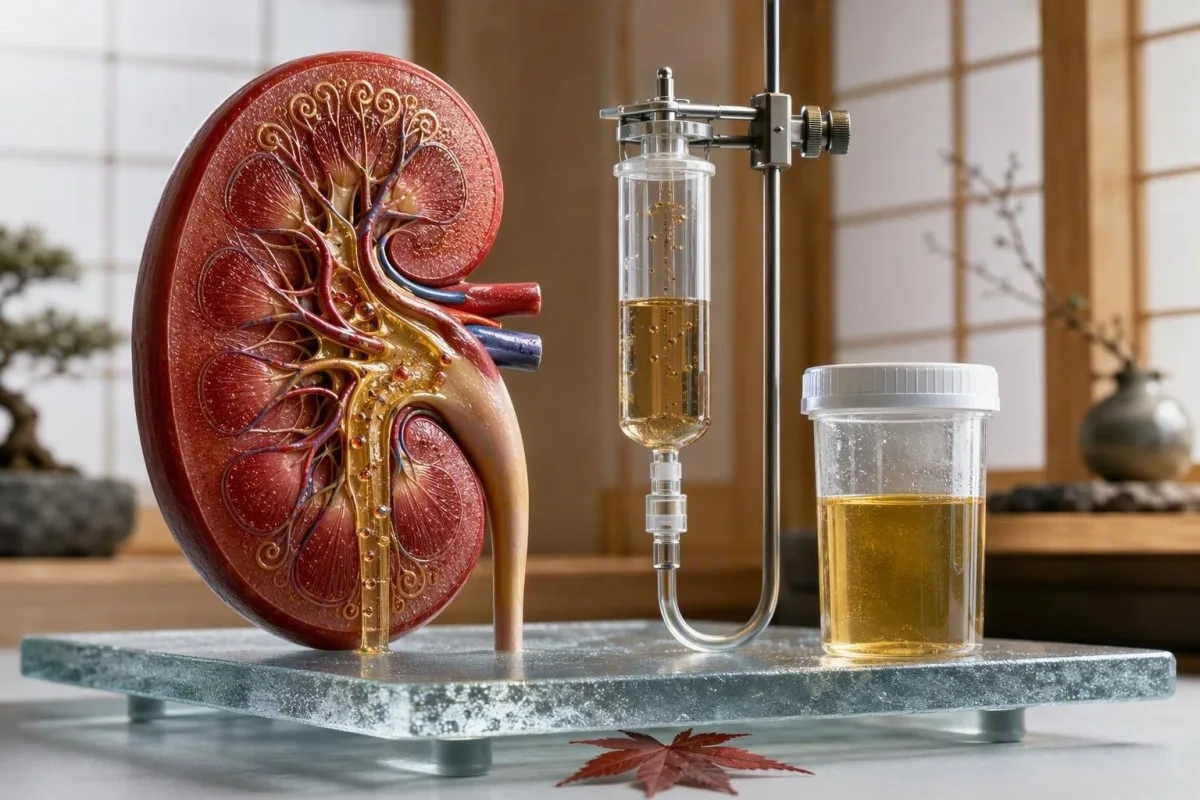
SIADH የክስተት ምርመራ እንጂ አንድ መደበኛ ያልሆነ ውጤት አይደለም። ጠቃሚ ፍንጮች የሚመጡት ከደም እና ከሽንት ሲሆን በግምት በተመሳሳይ ጊዜ የሚሰበሰቡ፣ ከዚያም ከህክምና ጋር፣ የታይሮይድ ምርመራ፣ የኮርቲሶል እና የድምጽ መጠን ሁኔታ ጋር ተዳምረው ይተረጎማሉ።.


- እውነተኛ ሃይፖቶኒክ ሃይፖናትሬሚያ የሴረም ሶዲየም ከ 135 mmol/L በታች እና የተለካው የሴረም ኦስሞላሊቲ አብዛኛውን ጊዜ ከ 275 mOsm/kg በታች መሆኑን ያሳያል።.
- SIADH የሽንት ኦስሞላሊቲ ዝቅተኛ የሴረም ኦስሞላሊቲ ቢኖርም ከ 100 mOsm/kg በላይ በሆነ ሁኔታ ላይ ነው; ኩላሊቶቹ በሚገባቸው ጊዜ ቀጭን ሽንት በሚፈጥሩበት ጊዜ ውሃን ይይዛሉ።.
- የሽንት ሶዲየም ከ 30 mmol/L በላይ ከሆነ SIADHን ይደግፋል ያለ ዳይሬቲክስ፣ አድሬናል እጥረት፣ የታይሮይድ በሽታ እና በግልጽ የሚታይ የፈሳሽ እጥረት ከተገለለ በኋላ ብቻ።.
- የድርቀት ንድፍ አብዛኛውን ጊዜ ከ 30 mmol/L በታች የሆነ የሽንት ሶዲየም፣ የጨመረ ዩሪያ ወይም BUN፣ እና የተቀነሰ የደም ዝውውር ምልክቶች ጋር የተጠናከረ ሽንት ያመጣል።.
- የአድሬናል እጥረት (Adrenal insufficiency) ከ SIADH ጋር ሊመሳሰል ይችላል፣ ስለዚህ ዝቅተኛ የጠዋት ኮርቲሶል ወይም የማይታወቅ ውጤት SIADH ከመታወቁ በፊት አስቸኳይ ክሊኒካዊ ክትትል ያስፈልገዋል።.
- ከባድ ምልክቶች እንደ መናድ፣ ግራ መጋባት፣ ተደጋጋሚ ማስታወክ ወይም የንቃተ ህሊና መቀነስ ከዝቅተኛ ሶዲየም ጋር አስቸኳይ እንክብካቤ ያስፈልጋቸዋል; ህክምናው በመስመር ላይ ትርጓሜ መጠበቅ የለበትም።.
- የደህንነት እርማት ጉዳዮች፡ በከባድ ሃይፖናትሬሚያ፣ የሴረም ሶዲየም በአጠቃላይ ከ8 mmol/L በላይ በ24-ሰአት ጊዜ ውስጥ ለኦስሞቲክ ዴሚሊኔሽን ከፍተኛ ተጋላጭ ለሆኑ ታካሚዎች ከፍ ሊል አይገባም።.
- ጊዜ ጉዳይ ነው ምክንያቱም IV ሳላይን ኢንfusion፣ የሽንት መሽናት መድሃኒት መጠን፣ ወይም በርካታ ሊትር ውሃ ባዮሎጂካል ዩሪን ሶዲየም እና ኦስሞላሊቲን በጥቂት ሰአታት ውስጥ ሊቀይሩ ይችላሉ።.
SIADH ለምን ተጣምሮ የደም እና የሽንት ምርመራ ያስፈልገዋል
A SIADH የደም ምርመራ ስርዓተ-ጥለት ዝቅተኛ የሴረም ሶዲየም ከዝቅተኛ የሴረም ኦስሞላሊቲ ጋር ነው፣ ይህም ከማይፈስ እና በአንጻራዊ ሁኔታ ከሶዲየም የበዛ ሽንት ጋር ተጣምሯል። በተግባራዊ ሁኔታ፣ ሰውነት ከሶዲየም ጋር ሲነጻጸር ከመጠን በላይ ውሃ አለው ምክንያቱም ፀረ-ሽንት ሆርሞን እንቅስቃሴ በተለመደው ሁኔታ ስለማይጠፋ፤ የሶዲየም እሴት ብቻ ይህንን ማረጋገጥ አይችልም።.
የሴረም ሶዲየም ከ 135 mmol/L በታች ሃይፖናትሬሚያን ይገልጻል, ነገር ግን ሶዲየም የጠቅላላው የሰውነት ሶዲየም መለኪያ ሳይሆን የክምችት መጠን ነው። አንድ ሰው ከውሃ መቆጠብ፣ የጨው መጥፋት፣ ከፍተኛ ግሉኮስ፣ የላቦራቶሪ አርትፋክት፣ ወይም የነዚህ ድብልቅ ነገሮች የሶዲየም መጠን ዝቅተኛ ሊሆን ይችላል፤ የእኛ መመሪያ ለ ዝቅተኛ ሶዲየም ምልክቶች የበሽታው ክብደት ብዙውን ጊዜ ከትክክለኛው ቁጥር ይልቅ የመውረድ ፍጥነትን እንደሚከታተል ያብራራል።.
የመጀመሪያው ጠቃሚ መከፋፈያ የተለካው የሴረም ኦስሞላሊቲ ነው፡ ከ 275 mOsm/kg ያነሰ ሃይፖቶኒክ ሃይፖናትሬሚያን ያሳያል, SIADH የሚወሰደውም በዚህ ሁኔታ ውስጥ ነው። የዶክተር ቶማስ ክላይን የክሊኒካዊ ህግ ቀላል ነው፡ ግሉኮስን፣ ትራይግሊሰሪድስን፣ አጠቃላይ ፕሮቲን እና በተለይም የተለካውን ኦስሞላሊቲ ሳያረጋግጡ በbasic metabolic panel ላይ SIADHን በጭራሽ አትለማመድ።.
ካንቴስቲ እ.ኤ.አ. AI የደም ምርመራ ተንታኝ ሶዲየምን፣ ግሉኮስን፣ ዩሪያን፣ ክሬቲኒንን እና የተጣመሩ የሽንት ግኝቶችን እንደ አንድ የፊዚዮሎጂ ችግር እንጂ የባህሪያት ስብስብ አድርጎ የሚመለከት ነው። በእኛ ግምገማዎች፣ በጣም አደገኛ የሆነው ስህተት የ122 mmol/L ሶዲየም በኋላ የሚያረጋጋበት ጊዜ የሽንት ጥናቶች ወይም የበሽታው ታሪክ በማይኖርበት ጊዜ ነው።; የእኛ ክሊኒካዊ አጠቃቀም ጉዳዮች የተደበቀው አውድ ቀጣዩን እርምጃ እንዴት እንደሚቀይር ያሳያሉ።.
SIADH በእውነቱ ምን ማለት ነው
SIADH ማለት የተሳሳተ የፀረ-ሽንት ሲንድሮም ማለት ሲሆን፣ ታሪካዊ በሆነ መንገድ የተሳሳተ የፀረ-ሽንት ሆርሞን ምስጢር ተብሎ ይጠራ ነበር። ሲንድሮሙ ከመድሀኒቶች፣ ከማቅለሽለሽ፣ ከሳንባ ወይም ከማዕከላዊ የነርቭ ሥርዓት ችግሮች፣ ከህመም፣ ከቀዶ ጥገና በኋላ ውጥረት፣ እና አልፎ አልፎ ከካንሰር ሊመጣ ይችላል፤ የላቦራቶሪ ስርዓተ-ጥለት የውሃ አያያዝን እንጂ መሰረታዊውን ምክንያት አይለይም።.
የሴረም ሶዲየም እና ኦስሞላሊቲ፡ እውነተኛ የውሃ ከመጠን በላይ ማረጋገጥ
ከ 135 mmol/L በታች የሆነ የሴረም ኦስሞላሊቲ ከ 275 mOsm/kg በታች በሆነ ሶዲየም ሃይፖቶኒክ ሃይፖናትሬሚያን ያረጋግጣል።, ነገር ግን SIADHን በራሱ ለይቶ አያሳይም። መደበኛ ወይም ከፍተኛ ኦስሞላሊቲ ሐኪሞችን ወደ ግሉኮስ፣ ማኒቶል፣ ንፅፅር ወኪሎች፣ አልኮሆል፣ ወይም የውሸት ሃይፖናትሬሚያ እንዲመለከቱ ያደርጋል።.
አብዛኞቹ ላቦራቶሪዎች የተሰላውን ኦስሞላሊቲ ያቀርባሉ፣ ይህም በተለምዶ 2 × ሶዲየም + ግሉኮስ + ዩሪያ በ mmol/L ይሰላል፣ ነገር ግን የተለካው ኦስሞላሊቲ ምርመራው ግልጽ በማይሆንበት ጊዜ ተመራጭ ነው። በመለካም እና በተሰላው እሴቶች መካከል ያለው ጉልህ ልዩነት ያልተለኩ ኦስሞሎችን ሊያሳይ ይችላል፤ ይህ የሶዲየም ውጤት በክሊኒካዊ መንገድ እውነት ሆኖ SIADHን የማይወክልበት አንዱ ምክንያት ነው።.
ከግሉኮስ በላይ 13.9 mmol/L (250 mg/dL) ውሃ ከሴሎች ወደ ፕላዝማ በማስተላለፍ የተለካውን ሶዲየም ይቀንሳል። በተለምዶ ጥቅም ላይ የሚውለው ማስተካከያ ከ 5.6 mmol/L በላይ ለሆነ ለእያንዳንዱ 5.6 mmol/L (100 mg/dL) ግሉኮስ ወደ 1.6 እስከ 2.4 mmol/L ሶዲየም ይጨምራል፣ ምንም እንኳን ዶክተሮች በከፍተኛ ግሉኮስ ላይ ትክክለኛውን ምክንያት ባይስማሙም።.
የትራይግሊሰરાይድ መጠን ወይም የፓራፕሮቲኖች በጣም ከፍ ያለ ከሆነ፣ በተዘዋዋሪ የኤሌክትሮን-በ-ኤሌክትሮን ዘዴዎች የውሸት ሃይፖናትሬሚያን ሊያስከትሉ ይችላሉ፣ ይህም የሽንት ኦስሞላሊቲ መደበኛ እንዲሆን ያደርገዋል። የሶዲየም ውጤቱን ከ መሰረታዊ ሜታቦሊክ ፓነል ጋር ያወዳድሩ እና የውሃ ሚዛን መዛባትን ከመገመትዎ በፊት ላቦራቶሪው ቀጥተኛ ወይም ተዘዋዋሪ ኤሌክትሮድ ይጠቀም እንደሆነ ይጠይቁ።.
SIADH የሽንት ኦስሞላሊቲ፡ ጉዳዩን የሚቀይረው የኩላሊት ፍንጭ
የሽንት ኦስሞላሊቲ ከ100 mOsm/kg በላይ ከሆነ በሃይፖቶኒክ በሽተኛ ላይ antidiuretic hormone (ADH) እንቅስቃሴ መኖሩን ያሳያል።. በ SIADH ውስጥ፣ የሽንት ኦስሞላሊቲ ብዙውን ጊዜ ከ200 እስከ 600 mOsm/kg ነው፣ ምንም እንኳን አንድ የሽንት እሴት እንኳን ምርመራ ባይሆንም።.
Մեզի օսմոլալությունը 100 mOsm/kg ወይም ከዚያ ያነሰ የሽንት ከፍተኛው መሟጠጥን ያሳያል እና SIADH የማይቻል ያደርገዋል። ይህ ሁኔታ የጀርባ አጥንት ፖሊዲፕሲያ (primary polydipsia) ወይም ዝቅተኛ የሶልዩት (solute) intake ሁኔታ ጋር ይስማማል፣ ውሃ መጠጣት ከኩላሊት የነጻ ውሃን የማስወጣት አቅም ይበልጣል፤ በተለይ ጥቂት ፕሮቲን እና ጨው ለሚወስዱ ሰዎች ጠቃሚ ነው።.
እዚህ ያለው ተቃራኒው ነጥብ ይህ ነው፡ የተጠናከረ ሽንት ሁልጊዜ ድርቀት ማለት አይደለም። ሁለቱም hypovolemia እና SIADH ADH ን ይጨምራሉ፣ ነገር ግን ድርቀት ዝውውርን ለመጠበቅ በትክክል ያደርገዋል፣ SIADH ግን ምንም እንኳን በቂ የደም ዝውውር መጠን ቢኖርም ያደርገዋል።.
የአውሮፓው የሃይፖናትሬሚያ መመሪያ የሽንት ኦስሞላሊቲን እንደ ቀደምት ተለያይ (discriminator) ይመክራል ምክንያቱም የድምጽ መጠን አካላዊ ግምገማ ብዙውን ጊዜ አስተማማኝ ስላልሆነ (Spasovski et al., 2014)። የእኛን ጥልቅ ማብራሪያ በ የሽንት ኦስሞላሊቲ ምርመራ ላይ ያንብቡ፣ ሪፖርትዎ mOsm/kg ን ከማንጠባጠቢያ ወረቀት (dipstick) የተወሰደ የዘፈቀደ ክብደት (specific gravity) ይልቅ ከተጠቀመ።.
አንድ የሽንት ናሙና ለምን ሊሳሳት ይችላል
ማቅለሽለሽ ከተረጋጋ፣ ህመም ከተቆጣጠረ፣ ወይም የሚያበሳጭ መድሃኒት ከተቋረጠ የሽንት ኦስሞላሊቲ በፍጥነት ሊወድቅ ይችላል። ሽንት ከደም ሥር ፈሳሽ በኋላ፣ ከሉፕ ዳይሬቲክ (loop diuretic) በኋላ፣ ወይም ከደም ናሙና በኋላ ሰአታት ከተሰበሰበ፣ እንደ ማረጋገጫ ሳይሆን እንደ ፍንጭ እቆጥረዋለሁ።.
የሽንት ሶዲየም፡ SIADH ከድርቀት እና ዝቅተኛ ውጤታማ የድምጽ መጠን ጋር
የሽንት ሶዲየም ከ30 mmol/L በላይ ከሆነ፣ በሃይፖቶኒክ ሃይፖናትሬሚያ ውስጥ፣ የአመጋገብ የጨው መጠን የተለመደ ከሆነ እና ዳይሬቲክስ (diuretics) ከሌሉ SIADH ን ይደግፋል።. የሽንት ሶዲየም ከ30 mmol/L በታች ከሆነ፣ ከማስታወክ፣ ተቅማጥ፣ ላብ፣ የልብ ድካም፣ የጉበት ሲሮሲስ (cirrhosis) ወይም እውነተኛ ድርቀት የተነሳ የኩላሊት ሶዲየም ጥበቃን ያሳያል።.
ባልተወሳሰበ SIADH ውስጥ፣ ኩላሊቶቹ የሶዲየም ፈላጊ አይደሉም፣ ስለዚህ የሽንት ሶዲየም የተለመደ ነው። ከ 30 mmol/L በላይ እና ከ60 mmol/L ሊበልጥ ይችላል። ዩሪያ (Urea) ብዙ ጊዜ ዝቅተኛ ነው፣ እና የሴረም uric acid ከ4 mg/dL (0.24 mmol/L) በታች ሊሆን ይችላል ምክንያቱም መጠነኛ የድምጽ መጠን መስፋፋት የዩሬት (urate) ማስወጣትን ይጨምራል።.
ሃይድሮክሎሮቲያዛይድ (hydrochlorothiazide) የሚወስድ 68 ዓመት የሆነ ሰው ከሆድ ቫይረስ በኋላ 55 mmol/L የሽንት ሶዲየም እና የተጠናከረ ሽንት ሊኖረው ይችላል፤ ይህ SIADH ን አያረጋግጥም። ከታይዛይድ (thiazide) ጋር ተያይዞ የሚከሰት ሃይፖናትሬሚያ እያንዳንዱን ክላሲክ የላቦራቶሪ ባህሪ ሊመስል ይችላል፣ ለዚህም ነው የመድኃኒት ዝርዝር የአስተዳደር ዝርዝር ሳይሆን የምርመራ መረጃ የሆነው።.
የሽንት ሶዲየም ከዳይሬቲክስ በኋላ፣ ከከባድ የኩላሊት በሽታ ጋር፣ ወይም በጣም ዝቅተኛ የአመጋገብ ሶዲየም ጋር ያነሰ አስተማማኝ ነው። ከ creatinine፣ urea እና የኤሌክትሮላይት ፓነል ጋር ያጣምሩት እንጂ የ30 mmol/L መቆራረጥን እንደ ጥብቅ ግድግዳ ከመቁጠር ይልቅ።.
የዩሬት ክፍልፋይ መውጣት
የዩሬት ክፍልፋይ መውጣት ከ 12% SIADH ን መደገፍ ይችላል፣ በተለይም ዳይሬቲክስ የሽንት ሶዲየምን በሚያደበዝዙበት ጊዜ። SIADH ከተስተካከለ በኋላ በተለምዶ መደበኛ ይሆናል፣ የኩላሊት ጨው መውጣት ግን ከፍ ያለ ሊሆን ይችላል። ይህ የባለሙያ ግዛት ነው፣ ነገር ግን ታሪኩ በማይመጥንበት ጊዜ ጠቃሚ ሊሆን ይችላል።.
የላቦራቶሪ ምርመራዎች ላይ ድርቀት ከ SIADH እንዴት በተለየ ሁኔታ እንደሚታይ
ድርቀት በተለምዶ የተጠናከረ ሽንት ዝቅተኛ የሽንት ሶዲየም፣ ከ creatinine ጋር ሲነፃፀር የዩሪያ መጨመር እና የድምጽ መጠን መቀነስ ክሊኒካዊ ማስረጃ ያስከትላል።. SIADH እንዲሁ የተጠናከረ ሽንት ሊያስከትል ይችላል፣ ነገር ግን ታካሚዎች በተለምዶ ክሊኒካዊ euvolemic ሲሆኑ ተመሳሳይ የሶዲየም-አጠባበቅ የኩላሊት ምላሽ የላቸውም።.
በማስታወክ፣ ተቅማጥ ወይም ከባድ ላብ ጋር፣ ኩላሊቱ በተለምዶ የሽንት ሶዲየምን ይቀንሳል ከ 20-30 mmol/L በታች የሽንት osmolality ከ 100 mOsm/kg በላይ በሚጨምርበት ጊዜ። ዩሪያ ከ creatinine ጋር በማይመጣጠን ሁኔታ ሊጨምር ይችላል፣ ነገር ግን ይህ ሬሾ የፕሮቲን መጠን፣ የጨጓራና ትራክት ደም መፍሰስ፣ ስቴሮይድ እና የጉበት ተግባር ላይ ተጽዕኖ ያሳድራል፣ ስለዚህም ደጋፊ እንጂ ወሳኝ አይደለም።.
በ SIADH፣ የደም ግፊት እና ምርመራ መደበኛ ሊመስሉ ይችላሉ፣ ነገር ግን አስቸጋሪ ግኝቶች አስፈላጊ ናቸው፡ ምንም orthostatic ምልክቶች የሉም፣ ደረቅ ሙክሳል ሽፋን የለም፣ ምንም የዳርቻ እብጠት የለም፣ እና ምንም አሳማኝ የጨጓራና ትራክት መጥፋት የለም። ሽንታቸው ጨለማ ስለሆነ ብቻ "የደረቁ" ተብለው የተጠሩ ሕመምተኞቼን አይቻለሁ፤ የሽንት ቀለም የሶዲየም ፊዚዮሎጂ ደካማ ምትክ ነው፣ ምክንያቱም የእኛ የጥቁር ሽንት መመሪያ ይወያያል።.
ጥንቃቄ የተሞላበት isotonic የጨው ፈተና በተመረጡ ክትትል በሚደረግባቸው ሁኔታዎች ላይ ሊረዳ ይችላል፡ hypovolemic hyponatremia የድምጽ መጠን antidiuretic hormone ን ስለሚገታ ይሻሻላል። በ SIADH፣ ጨው ሶዲየምን ከፍ ለማድረግ ሳይችል ሊቀር ይችላል ወይም ሽንት ከኢንፌክሽኑ የበለጠ በተጠናከረ ጊዜ ሊያባብሰው ይችላል፤ በጭራሽ የቤት ውስጥ ሙከራ መሆን የለበትም።.
ለምንድነው ጨው SIADH ን ሊያባብሰው የሚችለው
አንድ ሊትር 0.9% ጨው 154 mmol ሶዲየም ይይዛል፣ ነገር ግን በ 600 mOsm/kg የሚያመርት ኩላሊት የሶዲየምን ሲያስወጣ በተመጣጠነ ሁኔታ የበለጠ ውሃ ሊይዝ ይችላል። ይህ "የመላመድ" ውጤት የሽንት ሶዲየም ከፖታሺየም ጋር ከሴረም ሶዲየም ጋር ሲነፃፀር ከፍተኛ በሚሆንበት ጊዜ በጣም አይቀርም።.
የአድሬናል እጥረት፡ ዶክተሮች ማግለል ያለባቸው SIADH አስመሳይ
የአድሬናል እጥረት ዝቅተኛ ሶዲየም፣ ዝቅተኛ የሴረም osmolality፣ የሽንት osmolality ከ 100 mOsm/kg በላይ እና የሽንት ሶዲየም ከ 30 mmol/L በላይ ሊያስከትል ይችላል—ልክ እንደ SIADH።. የ Cortisol ግምገማ ስለዚህ ለደህንነቱ የተጠበቀ SIADH የሥራ ሂደት አካል ነው፣ በተለይም ድካም፣ ክብደት መቀነስ፣ ዝቅተኛ የደም ግፊት፣ hyperkalemia ወይም የስቴሮይድ ተጋላጭነት።.
የጠዋት የሴረም Cortisol ከግምት በላይ 15-18 ማይክሮግራም/ዲኤል (414-497 nmol/L) በተለምዶ ክሊኒካዊ ጉልህ የሆነ የአድሬናል እጥረት የማይቻል ያደርገዋል፣ ይህም በአሳዩ እና በቦታው ላይ የተመሰረተ ነው። ከታች ያሉ እሴቶች 3-5 ማይክሮግራም/ዲኤል (83-138 nmol/L) አሳሳቢ ናቸው፣ መካከለኛ ውጤቶች ደግሞ ግምትን ከመጠቀም ይልቅ ACTH ማነቃቂያ ምርመራ ያስፈልጋቸዋል።.
የመጀመሪያ የአድሬናል እጥረት አልዶስተሮን ስለሌለ ከፍተኛ ፖታሺየም ያስከትላል፣ ነገር ግን ሁለተኛ ደረጃ የአድሬናል እጥረት መደበኛ ፖታሺየም ሊኖረው እና ከባድ hyponatremia ሊያስከትል ይችላል። ዘዴው የ Cortisol እጥረት antidiuretic hormone መውጣትን መጨመር እንጂ በቀላሉ የጨው መጥፋት አይደለም።.
በ 2013 በ Verbalis የሚመራው የባለሙያ ፓነል SIADH ን ከመወሰኑ በፊት የአድሬናል እጥረት ማግለልን ይመክራል (Verbalis et al., 2013)። ይህ ዕድል በእርስዎ ሪፖርት ላይ ከሆነ፣ የእኛ አጠቃላይ እይታ የ Addison በሽታ ላቦራቶሪ ፍንጮች ለድንገተኛ ክሊኒክ ግምገማ የዒላማ ጥያቄዎችን እንድታዘጋጁ ሊረዳችሁ ይችላል።.
ስቴሮይድ መድኃኒቶች ምርመራን ያሳሳቱታል
ፕሬድኒሶሎን፣ ሃይድሮኮርቲሶን እና አንዳንድ የተወጉ ስቴሮይዶች የኮርቲሶል ትርጉምን ሊለውጡ እና አድሬናል ዘንግ ሊገቱ ይችላሉ። "ንጹህ ምርመራ ለማግኘት" የታዘዙ ስቴሮይዶችን ማቆም የለብዎትም; ድንገተኛ መቋረጥ የአድሬናል ቀውስ ሊያስከትል ይችላል።.
የታይሮይድ ምርመራዎች፡ ሃይፖታይሮይዲዝም ዝቅተኛ ሶዲየም በትክክል ሲገልፅ
ከባድ ሃይፖታይሮይዲዝም ውሃን የማስወጣትን ሊያደናቅፍ ይችላል፣ ነገር ግን የተለመደው ንዑስ ክሊኒካዊ ሃይፖታይሮይዲዝም የከባድ hyponatremia ምክንያታዊ ማብራሪያ ብዙም አይሆንም።. SIADH ከመመርመሩ በፊት TSH እና ነፃ T4 ይፈተሻሉ ምክንያቱም ከፍተኛ የታይሮይድ እጥረት ሊታከም የሚችል እና ከሌሎች ምክንያቶች ጋር ሊኖር ይችላል።.
ክሊኒካዊ ጠቀሜታ ያለው ሃይፖታይሮይድ hyponatremia በከባድ በሽታ ውስጥ በጣም ሊታመን ይችላል፣ በተለይም ዝቅተኛ ነፃ T4፣ ብራዲካርዲያ፣ ሃይፖሰርሚያ ወይም የልብ ምት መቀነስ ጋር የተያያዘው myxedema ፊዚዮሎጂ። የ 6 mIU/L TSH ከ 121 mmol/L ሶዲየም ምቹ ማብራሪያ መሆን የለበትም።.
Kantesti AI یو AI የደም ምርመራ ውጤት ትርጓሜ መድረክ TSH እና ነፃ T4 ከሶዲየም፣ ከኩላሊት ተግባር እና የመድኃኒት ሰዓት ጋር የሚያነፃፅር፣ ምክንያቱም የተሰየመ TSH ውጤት ይበልጥ አስቸኳይ የአድሬናል ወይም ከእፅዋት ጋር የተገናኘ ምክንያት ትኩረትን ሊሰርዝ ይችላል። መደበኛ TSH ማዕከላዊ ሃይፖታይሮይዲዝምን አይከለክልም; ዝቅተኛ ነፃ T4 ከማይጨምር TSH ጋር የተለየ መንገድ ይገባዋል፣ በእኛ ጽሑፋችን ላይ ተብራርቷል ከማይጨምር TSH ጋር ዝቅተኛ ነፃ T4.
የታይሮይድ ምትክ መተካት የታይሮይድ ምልክቶች ላይ ተመስርቶ መስተካከል አለበት እንጂ እንደ ፈጣን የሶዲየም ህክምና መዋል የለበትም። በኔ ልምድ፣ እውነተኛ የውሃ-ማቆየት አሽከርካሪ—ማቅለሽለሽ፣ መድሃኒት፣ ኮርቲሶል እጥረት ወይም ሕመም—እንዲሁም ከተፈታ በኋላ ሶዲየም ብዙ ጊዜ ይሻሻላል።.
የፒቱታሪ በሽታ ምርመራውን ይለውጣል
ራስ ምታት፣ የእይታ-መስክ ምልክቶች፣ ዝቅተኛ የፍትወት ፍላጎት፣ ያልተገለጸ ዝቅተኛ የደም ግፊት ወይም በርካታ ዝቅተኛ የፒቱታሪ ሆርሞኖች ለማዕከላዊ ፒቱታሪ በሽታ ስጋት ይፈጥራሉ። በዚያ ሁኔታ, የታይሮይድ ሆርሞን የኮርቲሶልን ማስወገድ ሊጨምር ስለሚችል ሌቮታይሮክሲን ከመጀመርዎ በፊት ኮርቲሶልን ይፈትሹ።.
እርግዝና፣ የገፋ ዕድሜ እና የሰውነት መጠን ልዩነቶች በ SIADH ትርጓሜ
እርግዝና መደበኛውን የኦስሞቲክ ገደብ እና የሴረም ሶዲየም በግምት ከ4-5 mmol/L ይቀንሳል፣ ስለዚህ በ 130 mmol/L አካባቢ ያለው ሶዲየም በእርግዝና መጀመሪያ ላይ ፊዚዮሎጂያዊ ሊሆን ይችላል ነገር ግን አሁንም የዐውደ-ጽሑፉን ይገባዋል።. አረጋውያን የመድኃኒት-ነክ hyponatremia የመጋለጥ እድላቸው ከፍተኛ ነው እና ብዙ ጊዜ የጥማት ሳይሆን በመውደቅ ወይም ግራ መጋባት ያሳያሉ።.
ባልተወሳሰበ እርግዝና ወቅት የሴረም ኦስሞላሊቲ በተለምዶ በዙሪያው ይቀንሳል 5-10 mOsm/kg እና የ 130-134 mmol/L ሶዲየም ሊቀመጥ ይችላል ምክንያቱም ኦስሞስታት እንደገና ስለሚቀመጥ። ከ 130 mmol/L በታች የሆነ ሶዲየም፣ የነርቭ ምልክቶች፣ የደም ግፊት መጨመር፣ የጉበት እክሎች ወይም ፕሮቲንዩሪያ አስቸኳይ የማህፀን ምርመራ እንጂ እንደ መደበኛ የእርግዝና ለውጥ መገለል የለበትም።.
ከ 75 ዓመት በላይ በሆኑ ሰዎች ላይ፣ SSRIs፣ thiazides፣ carbamazepine፣ desmopressin እና ዝቅተኛ-የሟሟት ምግቦች በተለምዶ ይደራረባሉ። የመሠረታዊ የእውቀት (cognition) አቅም ሲዳከም የ 5 mmol/L የሶዲየም ውድቀት ብቻ አስፈላጊ ሊሆን ይችላል; የመራመጃ መረጋጋት እና መውደቅ የመጀመሪያዎቹ የሚታዩ ምልክቶች ሊሆኑ ይችላሉ።.
የኩላሊት ማጣሪያ በእርግዝና ወቅት በተፈጥሮ ይለወጣል፣ እና ትርጉሙ የእርግዝና-አስተዋይ ማጣቀሻዎችን መጠቀም አለበት፤ መመሪያችን ለ የእርግዝና eGFR እሴቶች ሪፖርት የተደረገው eGFR በእርግዝና ወቅት ብዙ ጊዜ ትክክል ያልሆነበትን ምክንያት ያብራራል። የፈሳሽ ገደብ በእርግዝና እና በደካማነት ግለሰባዊ መሆን አለበት እንጂ ከጄኔሪክ SIADH ወረቀት መቅዳት የለበትም።.
ዝቅተኛ የሰውነት ብዛት ቀላል ዝርዝር አይደለም
45 ኪሎ ግራም ሰው ከ100 ኪሎ ግራም ሰው ያነሰ ጠቅላላ የሰውነት ውሃ አለው፣ ስለዚህ አንድ አይነት የውሃ ጭነት ወይም የመድኃኒት መጠን ትልቅ የሶዲየም ለውጥ ሊያስከትል ይችላል። ደካማ ሕመምተኞችም የሶዲየም ለውጥ በፍጥነት ከሆነ አነስተኛ የፊዚዮሎጂያዊ መጠባበቂያ አላቸው።.
SIADHን የሚያስመስሉ ወይም የሚያነቃቁ የመድኃኒት ውጤቶች
Thiazide diuretics, SSRIs, SNRIs, carbamazepine, oxcarbazepine, desmopressin እና አንዳንድ antipsychotics የ hypotonic hyponatremia ተደጋጋሚ የመድኃኒት ምክንያቶች ናቸው።. አንዳንዶቹ እውነተኛ SIADH ፊዚዮሎጂን ያመጣሉ, ሌሎች ደግሞ thiazides በደካማነት በማቅለጥ እና በሶዲየም መጥፋት SIADHን ሊመስሉ ይችላሉ.
ከታይዛይድ ጋር ተያይዞ የሚከሰት ሃይፖናትሬሚያ ብዙ ጊዜ የሚጀምረው መድሃኒቱን ከጀመሩ ወይም መጠኑን ከጨመሩ በኋላ ባሉት የመጀመሪያዎቹ 2 ሳምንታት ቀናት ውስጥ ነው፤ ሆኖም ግን ሕመም፣ የንጥረ-ምግብ መቀነስ ወይም የውሃ መጠጣት መጨመር ሲኖር በወራት በኋላ ሊከሰት ይችላል። የሉፕ ዳይሬቲክስ የኩላሊቱን የማጎልበት አቅም ስለሚቀንሱ ይህንን የተለየ የውጤት አይነት የመፍጠር ዕድላቸው አነስተኛ ነው።.
በኤስኤስአርአይ (SSRI) ምክንያት የሚከሰት ሃይፖናትሬሚያ በዕድሜ የገፉ አዋቂዎች፣ ዝቅተኛ የሰውነት ክብደት ያላቸው ሰዎች እና በተጨማሪም ዳይሬቲክስ የሚወስዱ ሰዎች ላይ የተለመደ ነው። አዲስ የጭንቀት ማስታገሻ መድሃኒት የችግሩ መንስኤ ላይሆን ይችላል፣ ነገር ግን በ30 ቀናት ውስጥ የተከሰቱ የጀመሩ፣ ያቆሙ እና የመጠን ለውጦች ላይ ያተኮረ ጊዜያዊ ቅደም ተከተል ከመጽሐፍ ዝርዝር በላይ አስፈላጊ ነው።.
የቁርጠት፣ የአእምሮ ሕመም፣ የሆርሞን ወይም የደም ግፊት መድኃኒቶችን ሐኪሙ ካላማከሩ በስተቀር አያቁሙ። የክሎራይድ መጠን ዝቅተኛ መሆን ከዳይሬቲክስ አጠቃቀም እና ከማስታወክ ጋር አብሮ ሊከሰት ይችላል፤ የ ዝቅተኛ የክሎራይድ ውጤቶችን በተመለከተ ያደረግነው ማብራሪያ ሰፋ ያለ የኤሌክትሮላይት ሁኔታን ለመለየት ሊረዳ ይችላል።.
ያለሀኪም ትዕዛዝ የሚገዙ ተባባሪዎች
ለሊት መሽናት የሚሰጠው ዴስሞፕሬሲን (Desmopressin) ልዩ ትኩረት ሊሰጠው ይገባል ምክንያቱም ከተወሰደ በኋላ በነጻነት መጠጣት ድንገተኛ የውሃ መከማቸት ሊያስከትል ይችላል። ኤንአይዲዎች (NSAIDs) ለተጋለጡ ሰዎች፣ በተለይም በወቅታዊ ህመም ጊዜ፣ የፀረ-ሽንት ሆርሞን (antidiuretic hormone) ተግባርን ሊያባብሱ ይችላሉ።.
ዝቅተኛ የሟሟ ንጥረ ነገሮች መጠን እና ከመጠን በላይ ውሃ፡ SIADH ያልሆኑ ቅጦች
የመጀመሪያ ደረጃ ፖሊዲፕሲያ (Primary polydipsia) እና በጣም ዝቅተኛ የአመጋገብ የሟሟት (solute) መጠን መውሰድ ብዙውን ጊዜ ከክላሲክ ኤስአይኤዲኤች (SIADH) በተቃራኒ የሽንት ኦስሞላሊቲ (urine osmolality) 100 mOsm/kg ወይም ከዚያ በታች ያደርገዋል።. ይህ ልዩነት አስፈላጊ ነው ምክንያቱም ጥብቅ የፈሳሽ ገደብ ብቻ የተመጣጠነ ምግብ እጥረት፣ ከአልኮል ጋር የተያያዘ ህመም ወይም የሟሟት መጠን እንደገና በሚጀምርበት ጊዜ ከፍተኛ የሆነ የጥፋት መጠን ሊያመልጥ ይችላል።.
ኩላሊቱ ውሃን ለማስወጣት ሟሟት - በዋናነት ከፕሮቲን የሚገኝ ዩሪያ (urea) እና ኤሌክትሮላይቶች - ያስፈልገዋል። በየቀኑ 250 mOsm ሟሟት ብቻ ሲኖር፣ አንድ ሰው 100 mOsm/kg የሆነ 2.5 ሊትር ሽንት ሊያስወጣ ይችላል፣ ነገር ግን የፀረ-ሽንት ሆርሞን ሽንትን 250 mOsm/kg ላይ ካቆየው 1 ሊትር ብቻ ነው።.
በፕራይመሪ ፖሊዲፕሲያ (Primary polydipsia) ውስጥ፣ ሽንት ብዙውን ጊዜ አስደናቂ በሆነ መልኩ የተበረዘ ሲሆን ታሪኩ ከ 4-6 ሊትር በላይ የፈሳሽ ፍጆታ በየቀኑ ሊያሳይ ይችላል፣ ምንም እንኳን ትዝታው ፍጽምና የጎደለው ቢሆንም። በዝቅተኛ የሟሟት ሃይፖናትሬሚያ (low-solute hyponatremia) ውስጥ ዩሪያ ዝቅተኛ ሊሆን ይችላል እና የአመጋገብ ታሪክ የቅርብ ጊዜ የፕሮቲን እና የጨው እጥረት ጊዜን ሊያሳይ ይችላል።.
ኬቶኖች (Ketones)፣ ዝቅተኛ ዩሪያ (urea) እና የክብደት መቀነስ ከኤስአይኤዲኤች (SIADH) ይልቅ የንጥረ-ምግብ እጥረት ወይም ረጅም ጾምን ሊያመለክቱ ይችላሉ። ኬቶሲስ (ketosis) ካለ የ የሽንት ኬቶኖችን (urine ketones) በተመለከተ ያለንን ጽሑፍ ይከልሱ፤ የስኳር ህመም ኬቶአሲዶሲስ (diabetic ketoacidosis) የተለየ ድንገተኛ አደጋ ሲሆን የሶዲየምን ትርጓሜ ሊያዛባ ይችላል።.
የመመገብ አደጋ
ንጥረ-ምግብ ወደነበረበት ሲመለስ፣ ኩላሊቱ የሟሟት መውጣትን ሲያገግም፣ ሶዲየም ከሚጠበቀው በላይ በፍጥነት ሊጨምር ይችላል። የሆስፒታል ቡድኖች ከፍተኛ ተጋላጭነት ያላቸውን ታካሚዎች ሶዲየም በተደጋጋሚ ይከታተላሉ፣ አንዳንድ ጊዜ ንቁ በሆነ ማስተካከያ ጊዜ በየ 2-4 ሰዓቱ።.
የኩላሊት፣ የልብ እና የጉበት በሽታ፡ SIADH የሌለው ዝቅተኛ ሶዲየም
የልብ ድካም፣ የጉበት ሲርሆሲስ (cirrhosis) እና የላቀ የኩላሊት በሽታ የመጀመሪያ ደረጃ ኤስአይኤዲኤች (SIADH) ሳይሆን በዝቅተኛ የደም ወሳጅ ደም መጠን ምክንያት ሃይፖናትሬሚያን ያስከትላሉ።. እነዚህ ሁኔታዎች አሁንም የተጠናከረ ሽንት ሊፈጥሩ ቢችሉም፣ እብጠት፣ የቀነሰ የደም ፍሰት፣ ዝቅተኛ አልቡሚን (albumin) ወይም የተዳከመ ማጣራት በአጠቃላይ ስዕሉን ይለውጣሉ።.
በልብ ድካም እና በሲርሆሲስ (cirrhosis) ውስጥ ሰውነት ከመጠን በላይ የውሃ እና የሶዲየም መጠን ሊይዝ ይችላል ነገር ግን በቂ የደም ወሳጅ የደም መጠን እንደሌለው ይሰማዋል፣ ይህም የፀረ-ሽንት ሆርሞን እና የሶዲየም መጠን የመጠበቅ ሂደቶችን ያነቃቃል። የሽንት ሶዲየም ብዙ ጊዜ ከ 30 mmol/L except diuretics or kidney injury confound the result.
يحد مرض الكلى المتقدم من كل من إخراج الماء وتركيز البول ، لذلك قد تكون أسمولالية البول قريبة من أسمولالية البلازما في حدود 250-350 mOsm/kg. في هذه الحالة ، تفقد عتبات SIADH الكلاسيكية الدقة ويكون إدخال أمراض الكلى أكثر فائدة من الاختبارات المتكررة للبول الفوري.
البروتينية ، الأسطوانات ، الألبومين ، اتجاه الكرياتين ، والوذمة ليست قضايا هامشية ؛ فهي تساعد في تحديد الفسيولوجيا. دليلنا العملي لـ የሽንት ልዩ ክብደት يوضح لماذا لا يمكن لتقدير الشريط التشخيصي أن يحل محل أسمولالية البول المقاسة في حالة معقدة من أمراض الكلى.
لا تستبعد الوذمة الخطر
يمكن للشخص المصاب بالوذمة أن يصاب بأعراض عصبية شديدة عند صوديوم أقل من 120 مليمول/لتر. حالة السوائل تفسر السبب ولكنها لا تقلل من إلحاح نقص صوديوم الدم المصحوب بأعراض حادة.
የናሙና ጊዜ፣ IV ፈሳሾች እና የላቦራቶሪ ወጥመዶች
يجب جمع الدم والبول بشكل مثالي قبل السوائل الوريدية وفي غضون ساعات قليلة من بعضها البعض ، لأن العلاج يمكن أن يغير نتائج مختبر SIADH بسرعة. قد تصف عينة البول المتأخرة الاستجابة للعلاج بدلاً من سبب نقص صوديوم الدم.
يمكن أن تؤدي لتر واحد من محلول ملحي ، وجرعة فوروسيميد ، وعلاج مضاد للغثيان ، وتسكين الألم ، أو إيقاف الديسموبريسين إلى تغيير إنتاج البول وأسمولاليته في غضون ساعات. سجل أوقات الجمع الدقيقة ، وتناول السوائل الأخيرة ، والعلاج الوريدي والأدوية ؛ غالبًا ما يؤدي هذا التفصيل العادي إلى حل نتائج مختبر SIADH المتناقضة ظاهريًا.
لا يؤدي انحلال الدم عادةً إلى انخفاض خاطئ في الصوديوم ، ولكن فرط شحميات الدم الشديد ، وفرط بروتينات الدم ، وتلوث العينة يمكن أن يحدث ذلك. نتيجة الصوديوم التي تختلف بشكل حاد عن قيمة الأمس دون تفسير سريري يجب أن تدفع إلى إعادة السحب أو قياس مباشر بمستشعر أيوني ، وليس تشخيصًا بواسطة جدول بيانات.
Kantesti AI تقارن التواريخ وتحدد التغييرات غير المعقولة ، لكنها لا تستطيع رؤية تسريب محلول ملحي غير مسجل أو جرعة فائتة. استخدم የደም ምርመራ ጊዜ መስመር لتدوين أحداث المرض ، التمرين ، الصيام ، تناول السوائل ، والأدوية بجانب كل نتيجة.
الجاذبية النوعية للبول ليست أسمولالية
تعكس الجاذبية النوعية كتلة الجسيمات بالإضافة إلى التركيز ويمكن تشويهها بواسطة الجلوكوز أو البروتين أو وسائط التباين. قيمة 1.020 لا تترجم بشكل موثوق إلى قيمة mOsm/kg معينة في كل مريض.
ዶክተሮች በተለምዶ የሚያዝዙት የተጠናከረ SIADH ምርመራ
يشمل تقييم SIADH الآمن عادةً الصوديوم في الدم ، والبوتاسيوم ، والجلوكوز ، واليوريا ، والكرياتينين ، وقياس أسمولالية المصل ، وأسمولالية البول ، والصوديوم في البول ، و TSH ، و T4 الحر ، والكورتيزول الصباحي. الهدف هو تأكيد نقص صوديوم الدم منخفض الأسمولية واستبعاد المقلدات القابلة للعكس قبل تعيين تسمية SIADH.
تعتمد الاختبارات الإضافية على السياق: حمض اليوريك ، واختبارات وظائف الكبد ، وتحليل الدهون ، والبروتين الكلي ، وهرمون ACTH ، وتصوير الصدر ، وتصوير الدماغ ، أو مراجعة الأدوية قد تكون مناسبة. في مريض يبدو متوازن الحجم مع صوديوم 126 مليمول/لتر ، يكون زوج الأسمولالية المتزامن والكورتيزول عادةً أكثر إفادة من الاختبارات الواسعة وغير المركزة.
تؤكد مقارنة الإرشادات من قبل هورن وزيتسي أن فحص الحجم وحده له دقة تشخيصية محدودة وتدعم نهجًا كيميائيًا حيويًا يعتمد على البول أولاً (هورن وزيتسي ، 2017). هذا هو السبب في أن الفحص الذي يبدو طبيعيًا لا ينبغي أن يلغي أسمولالية البول البالغة 550 مللي أسمول/كجم وأسمولالية المصل البالغة 260 مللي أسمول/كجم.
يوصي الدكتور توماس كلاين بالتقاط صورة لكل صفحة نتيجة ، بما في ذلك وقت الجمع ، وفترة المرجع ، وقائمة الأدوية ، قبل الزيارة. AI قائمة التحقق من سلامة تقرير الطبي يشرح كيفية الحفاظ على التفاصيل المصدرية التي يحتاجها التفسير.
େቚጯጰጰዂዂጰዂጰጰጰጰ
ጰጰጰጰ ጰጰጰጰጰጰጰጰጰ ጰጰጰጰጰጰጰጰጰጰጰጰጰጰጰጰጰጰጰጰጰጰጰጰጰጰጰጰጰጰጰጰጰጰጰጰጰጰጰጰጰጰጰጰጰጰጰጰጰጰጰጰጰጰጰጰጰጰጰጰጰጰጰጰጰጰጰጰጰጰጰጰጰጰጰጰጰጰጰጰጰጰጰጰጰጰጰጰጰጰጰጰጰጰጰጰጰጰጰጰጰጰጰጰጰጰጰጰጰጰጰጰጰጰጰጰጰጰጰጰጰጰጰጰጰጰጰጰጰጰጰጰጰጰጰጰጰጰጰጰጰጰጰጰጰጰጰጰጰጰጰጰጰጰጰጰጰጰጰጰጰጰጰጰጰጰጰጰጰጰጰጰጰጰጰጰጰጰጰጰጰጰጰጰጰጰጰጰጰጰጰጰጰጰጰጰጰጰጰጰጰጰጰጰጰጰጰጰጰጰጰጰጰጰጰጰጰጰጰጰጰጰጰጰጰጰጰጰጰጰጰጰጰጰጰጰጰጰጰጰጰጰጰጰጰጰጰጰጰጰጰጰጰጰጰጰጰጰጰጰጰጰጰጰጰጰጰጰጰጰጰጰጰጰጰጰጰጰጰጰጰጰጰጰጰጰጰጰጰጰጰጰጰጰጰጰጰጰጰጰጰጰጰጰጰጰጰጰጰጰጰጰጰጰጰጰጰጰጰጰጰጰጰጰጰጰጰጰጰጰጰጰጰጰጰጰጰጰጰጰጰጰጰጰጰጰጰጰጰጰጰጰጰጰጰጰጰጰጰጰጰጰጰጰጰጰጰጰጰጰጰጰጰጰጰጰጰጰጰጰጰጰጰጰጰጰጰጰጰጰጰጰጰጰጰጰጰጰጰጰጰጰጰጰጰጰጰጰጰጰጰጰጰጰጰጰጰጰጰጰጰጰጰጰጰጰጰጰጰጰጰጰጰጰጰጰጰጰጰጰጰጰጰጰጰጰጰጰጰጰጰጰጰጰጰጰጰጰጰጰጰጰጰጰጰጰጰጰጰጰጰጰጰጰጰጰጰጰጰጰጰጰጰጰጰጰጰጰጰጰጰጰጰጰጰጰጰጰጰጰጰጰጰጰጰጰጰጰጰጰጰጰጰጰጰጰጰጰጰጰጰጰጰጰጰጰጰጰጰጰጰጰጰጰጰጰጰጰጰጰጰጰጰጰጰጰጰጰጰጰጰጰጰጰጰጰጰጰጰጰጰጰጰጰጰጰጰጰጰጰጰጰጰጰጰጰጰጰጰጰጰጰጰጰጰጰጰጰጰጰጰጰጰጰጰጰጰጰጰጰጰጰጰጰጰጰጰጰጰጰጰጰጰጰጰጰጰጰጰጰጰጰጰጰጰጰጰጰጰጰጰጰጰጰጰጰጰጰጰጰጰጰጰጰጰጰጰጰጰጰጰጰጰጰጰጰጰጰጰጰጰጰጰጰጰጰጰጰጰጰጰጰጰጰጰጰጰጰጰጰጰጰጰጰጰጰጰጰጰጰጰጰጰጰጰጰጰጰጰጰጰጰጰጰጰጰጰጰጰጰጰጰጰጰጰጰጰጰጰጰጰጰጰጰጰጰጰጰጰጰጰጰጰጰጰጰጰጰጰጰጰጰጰጰጰጰጰጰጰጰጰጰጰጰጰጰጰጰጰጰጰጰጰጰጰጰጰጰጰጰጰጰጰጰጰጰጰጰጰጰጰጰጰጰጰጰጰጰጰጰጰጰጰጰጰጰጰጰጰጰጰጰጰጰጰጰጰጰጰጰጰጰጰጰጰጰጰጰጰጰጰጰጰጰጰጰጰጰጰጰጰጰጰጰጰጰጰጰጰጰጰጰጰጰጰጰጰጰጰጰጰጰጰጰጰጰጰጰጰጰጰጰጰጰጰጰጰጰጰጰጰጰጰጰጰጰጰጰጰጰጰጰጰጰጰጰጰጰጰጰጰጰጰጰጰጰጰጰጰጰጰጰጰጰጰጰጰጰጰጰጰጰጰጰጰጰጰጰጰጰጰጰጰጰጰጰጰጰጰጰጰጰጰጰጰጰጰጰጰጰጰጰጰጰጰጰጰጰጰጰጰጰጰጰጰጰጰጰጰጰጰጰጰጰጰጰጰጰጰጰጰጰጰጰጰጰጰጰጰጰጰጰጰጰጰጰጰጰጰጰጰጰጰጰጰጰጰጰጰጰጰጰጰጰጰጰጰጰጰጰጰጰጰጰጰጰጰጰጰጰጰጰጰጰጰጰጰጰጰጰጰጰጰጰጰጰጰጰጰጰጰጰጰጰጰጰጰጰጰጰጰጰጰጰጰጰጰጰጰጰጰጰጰጰጰጰጰጰጰጰጰጰጰጰጰጰጰጰጰጰጰጰጰጰጰጰጰጰጰጰጰጰጰጰጰጰጰጰጰጰጰጰጰጰጰጰጰጰጰጰጰጰጰጰጰጰጰጰጰጰጰጰጰጰጰጰጰጰጰጰጰጰጰጰጰጰጰጰጰጰጰጰጰጰጰጰጰጰጰጰጰጰጰጰጰጰጰጰጰጰጰጰጰጰጰጰጰጰጰጰጰጰጰጰጰጰጰጰጰጰጰጰጰጰጰጰጰጰጰጰጰጰጰጰጰጰጰጰጰጰጰጰጰጰጰጰጰጰጰጰጰጰጰጰጰጰጰጰጰጰጰጰጰጰጰጰጰጰጰጰጰጰጰጰጰጰጰጰጰጰጰጰጰጰጰጰጰጰጰጰጰጰጰጰጰጰጰጰጰጰጰጰጰጰጰጰጰጰጰጰጰጰጰጰጰጰጰጰጰጰጰጰጰጰጰጰጰጰጰጰጰጰጰጰጰጰጰጰጰጰጰጰጰጰጰጰጰጰጰጰጰጰጰጰጰጰጰጰጰጰጰጰጰጰጰጰጰጰጰጰጰጰጰጰጰጰጰጰጰጰጰጰጰጰጰጰጰጰጰጰጰጰጰጰጰጰጰጰጰጰጰጰጰጰጰጰጰጰጰጰጰጰጰጰጰጰጰጰጰጰጰጰጰጰጰጰጰጰጰጰጰጰጰጰጰጰጰጰጰጰጰጰጰጰጰጰጰጰጰጰጰጰጰጰጰጰጰጰጰጰጰጰጰጰጰጰጰጰጰጰጰጰጰጰጰጰጰጰጰጰጰጰጰጰጰጰጰጰጰጰጰጰጰጰጰጰጰጰጰጰጰጰጰጰጰጰጰጰጰጰጰጰጰጰጰጰጰጰጰጰጰጰጰጰጰጰጰጰጰጰጰጰጰጰጰጰጰጰጰጰጰጰጰጰጰጰጰጰጰጰጰጰጰጰጰጰጰጰጰጰጰጰጰጰጰጰጰጰጰጰጰጰጰጰጰጰጰጰጰጰጰጰጰጰጰጰጰጰጰጰጰጰጰጰጰጰጰጰጰጰጰጰጰጰጰጰጰጰጰጰጰጰጰጰጰጰጰጰጰጰጰጰጰጰጰጰጰጰጰጰጰጰጰጰጰጰጰጰጰጰጰጰጰጰጰጰጰጰጰጰጰጰጰጰጰጰጰጰጰጰጰጰጰጰጰጰጰጰጰጰጰጰጰጰጰጰጰጰጰጰጰጰጰጰጰጰጰጰጰጰጰጰጰጰጰጰጰጰጰጰጰጰጰጰጰጰጰጰጰጰጰጰጰጰጰጰጰጰጰጰጰጰጰጰጰጰጰጰጰጰጰጰጰጰጰጰጰጰጰጰጰጰጰጰጰጰጰጰጰጰጰጰጰጰጰጰጰጰጰጰጰጰጰጰጰጰጰጰጰጰጰጰጰጰጰጰጰጰጰጰጰጰጰጰጰጰጰጰጰጰጰጰጰጰጰጰጰጰጰጰጰጰጰጰጰጰጰጰጰጰጰጰጰጰጰጰጰጰጰጰጰጰጰጰጰጰጰጰጰጰጰጰጰጰጰጰጰጰጰጰጰጰጰጰጰጰጰጰጰጰጰጰጰጰጰጰጰጰጰጰጰጰጰጰጰጰጰጰጰጰጰጰጰጰጰጰጰጰጰጰጰጰጰጰጰጰጰጰጰጰጰጰጰጰጰጰጰጰጰጰጰጰጰጰጰጰጰጰጰጰጰጰጰጰጰጰጰጰጰጰጰጰጰጰጰጰጰጰጰጰጰጰጰጰጰጰጰጰጰጰጰጰጰጰጰጰጰጰጰጰጰጰጰጰጰጰጰጰጰጰጰጰጰጰጰጰጰጰጰጰጰጰጰጰጰጰጰጰጰጰጰጰጰጰጰጰጰጰጰጰጰጰጰጰጰጰጰጰጰጰጰጰጰጰጰጰጰጰጰጰጰጰጰጰጰጰጰጰጰጰጰጰጰጰጰጰጰጰጰጰጰጰጰጰጰጰጰጰጰጰጰጰጰጰጰጰጰጰጰጰጰጰጰጰጰጰጰጰጰጰጰጰጰጰጰጰጰጰጰጰጰጰጰጰጰጰጰጰጰጰጰጰጰጰጰጰጰጰጰጰጰጰጰጰጰጰጰጰጰጰጰጰጰጰጰጰጰጰጰጰጰጰጰጰጰጰጰጰጰጰጰጰጰጰጰጰጰጰጰጰጰጰጰጰጰጰጰጰጰጰጰጰጰጰጰጰጰጰጰጰጰጰጰጰጰጰጰጰጰጰጰጰጰጰጰጰጰጰጰጰጰጰጰጰጰጰጰጰጰጰጰጰጰጰጰጰጰጰጰጰጰጰጰጰጰጰጰጰጰጰጰጰጰጰጰጰጰጰጰጰጰጰጰጰጰጰጰጰጰጰጰጰጰጰጰጰጰጰጰጰጰጰጰጰጰጰጰጰጰጰጰጰጰጰጰጰጰጰጰጰጰጰጰጰጰጰጰጰጰጰጰጰጰጰጰጰጰጰጰጰጰጰጰጰጰጰጰጰጰጰጰጰጰጰጰጰጰጰጰጰጰጰጰጰጰጰጰጰጰጰጰጰጰጰጰጰጰጰጰጰጰጰጰጰጰጰጰጰጰጰጰጰጰጰጰጰጰጰጰጰጰጰጰጰጰጰጰጰጰጰጰጰጰጰጰጰጰጰጰጰጰጰጰጰጰጰጰጰጰጰጰጰጰጰጰጰጰጰጰጰጰጰጰጰጰጰጰጰጰጰጰጰጰጰጰጰጰጰጰጰጰጰጰጰጰጰጰጰጰጰጰጰጰጰጰጰጰጰጰጰጰጰጰጰጰጰጰጰጰጰጰጰጰጰጰጰጰጰጰጰጰጰጰጰጰጰጰጰጰጰጰጰጰጰጰጰጰጰጰጰጰጰጰጰጰጰጰጰጰጰጰጰጰጰጰጰጰጰጰጰጰጰጰጰጰጰጰጰጰጰጰጰጰጰጰጰጰጰጰጰጰጰጰጰጰጰጰጰጰጰጰጰጰጰጰጰጰጰጰጰጰጰጰጰጰጰጰጰጰጰጰጰጰጰጰጰጰጰጰጰጰጰጰጰጰጰጰጰጰጰጰጰጰጰጰጰጰጰጰጰጰጰጰጰጰጰጰጰጰጰጰጰጰጰጰጰጰጰጰጰጰጰጰጰጰጰጰጰጰጰጰጰጰጰጰጰጰጰጰጰጰጰጰጰጰጰጰጰጰጰጰጰጰጰጰጰጰጰጰጰጰጰጰጰጰጰጰጰጰጰጰጰጰጰጰጰጰጰጰጰጰጰጰጰጰጰጰጰጰጰጰጰጰጰጰጰጰጰጰጰጰጰጰጰጰጰጰጰጰጰጰጰጰጰጰጰጰጰጰጰጰጰጰጰጰጰጰጰጰጰጰጰጰጰጰጰጰጰጰጰጰጰጰጰጰጰጰጰጰጰጰጰጰጰጰጰጰጰጰጰጰጰጰጰጰጰጰጰጰጰጰጰጰጰጰጰጰጰጰጰጰጰጰጰጰጰጰጰጰጰጰጰጰጰጰጰጰጰጰጰጰጰጰጰጰጰጰጰጰጰጰጰጰጰጰጰጰጰጰጰጰጰጰጰጰጰጰጰጰጰጰጰጰጰጰጰጰጰጰጰጰጰጰጰጰጰጰጰጰጰጰጰጰጰጰጰጰጰጰጰጰጰጰጰጰጰጰጰጰጰጰጰጰጰጰጰጰጰጰጰጰጰጰጰጰጰጰጰጰጰጰጰጰጰጰጰጰጰጰጰጰጰጰጰጰጰጰጰጰጰጰጰጰጰጰጰጰጰጰጰጰጰጰጰጰጰጰጰጰጰጰጰጰጰጰጰጰጰጰጰጰጰጰጰጰጰጰጰጰጰጰጰጰጰጰጰጰጰጰጰጰጰጰጰጰጰጰጰጰጰጰጰጰጰጰጰጰጰጰጰጰጰጰጰጰጰጰጰጰጰጰጰጰጰጰጰጰጰጰጰጰጰጰጰጰጰጰጰጰጰጰጰጰጰጰጰጰጰጰጰጰጰጰጰጰጰጰጰጰጰጰጰጰጰጰጰጰጰጰጰጰጰጰጰጰጰጰጰጰጰጰጰጰጰጰጰጰጰጰጰጰጰጰጰጰጰጰጰጰጰጰጰጰጰጰጰጰጰጰጰጰጰጰጰጰጰጰጰጰጰጰጰጰጰጰጰጰጰጰጰጰጰጰጰጰጰጰጰጰጰጰጰጰጰጰጰጰጰጰጰጰጰጰጰጰጰጰጰጰጰጰጰጰጰጰጰጰጰጰጰጰጰጰጰጰጰጰጰጰጰጰጰጰጰጰጰጰጰጰጰጰጰጰጰጰጰጰጰጰጰጰጰጰጰጰጰጰጰጰጰጰጰጰጰጰጰጰጰጰጰጰጰጰጰጰጰጰጰጰጰጰጰጰጰጰጰጰጰጰጰጰጰጰጰጰጰጰጰጰጰጰጰጰጰጰጰጰጰጰጰጰጰጰጰጰጰጰጰጰጰጰጰጰጰጰጰጰጰጰጰጰጰጰጰጰጰጰጰጰጰጰጰጰጰጰጰጰጰጰጰጰጰጰጰጰጰጰጰጰጰጰጰጰጰጰጰጰጰጰጰጰጰጰጰጰጰጰጰጰጰጰጰጰጰጰጰጰጰጰጰጰጰጰጰጰጰጰጰጰጰጰጰጰጰጰጰጰጰጰጰጰጰጰጰጰጰጰጰጰጰጰጰጰጰጰጰጰጰጰጰጰጰጰጰጰጰጰጰጰጰጰጰጰጰጰጰጰጰጰጰጰጰጰጰጰጰጰጰጰጰጰጰጰጰጰጰጰጰጰጰጰጰጰጰጰጰጰጰጰጰጰጰጰጰጰጰጰጰጰጰጰጰጰጰጰጰጰጰጰጰጰጰጰጰጰጰጰጰጰጰጰጰጰጰጰጰጰጰጰጰጰጰጰጰጰጰጰጰጰጰጰጰጰጰጰጰጰጰጰጰጰጰጰጰጰጰጰጰጰጰጰጰጰጰጰጰጰጰጰጰጰጰጰጰጰጰጰጰጰጰጰጰጰጰጰጰጰጰጰጰጰጰጰጰጰጰጰጰጰጰጰጰጰጰጰጰጰጰጰጰጰጰጰጰጰጰጰጰጰጰጰጰጰጰጰጰጰጰጰጰጰጰጰጰጰጰጰጰጰጰጰጰጰጰጰጰጰጰጰጰጰጰጰጰጰጰጰጰጰጰጰጰጰጰጰጰጰጰጰጰጰጰጰጰጰጰጰጰጰጰጰጰጰጰጰጰጰጰጰጰጰጰጰጰጰጰጰጰጰጰጰጰጰጰጰጰጰጰጰጰጰጰጰጰጰጰጰጰጰጰጰጰጰጰጰጰጰጰጰጰጰጰጰጰጰጰጰጰጰጰጰጰጰጰጰጰጰጰጰጰጰጰጰጰጰጰጰጰጰጰጰጰጰጰጰጰጰጰጰጰጰጰጰጰጰጰጰጰጰጰጰጰጰጰጰጰጰጰጰጰጰጰጰጰጰጰጰጰጰጰጰጰጰጰጰጰጰጰጰጰጰጰጰጰጰጰጰጰጰጰጰጰጰጰጰጰጰጰጰጰጰጰጰጰጰጰጰጰጰጰጰጰጰጰጰጰጰጰጰጰጰጰጰጰጰጰጰጰጰጰጰጰጰጰጰጰጰጰጰጰጰጰጰጰጰጰጰጰጰጰጰጰጰጰጰጰጰጰጰጰጰጰጰጰጰጰጰጰጰጰጰጰጰጰጰጰጰጰጰጰጰጰጰጰጰጰጰጰጰጰጰጰጰጰጰጰጰጰጰጰጰጰጰጰጰጰጰጰጰጰጰጰጰጰጰጰጰጰጰጰጰጰጰጰጰጰጰጰጰጰጰጰጰጰጰጰጰጰጰጰጰጰጰጰጰጰጰጰጰጰጰጰጰጰጰጰጰጰጰጰጰጰጰጰጰጰጰጰጰጰጰጰጰጰጰጰጰጰጰጰጰጰጰጰጰጰጰጰጰጰጰጰጰጰጰጰጰጰጰጰጰጰጰጰጰጰጰጰጰጰጰጰጰጰጰጰጰጰጰጰጰጰጰጰጰጰጰጰጰጰጰጰጰጰጰጰጰጰጰጰጰጰጰጰጰጰጰጰጰጰጰጰጰጰጰጰጰጰጰጰጰጰጰጰጰጰጰጰጰጰጰጰጰጰጰጰጰጰጰጰጰጰጰጰጰጰጰጰጰጰጰጰጰጰጰጰጰጰጰጰጰጰጰጰጰጰጰጰጰጰጰጰጰጰጰጰጰጰጰጰጰጰጰጰጰጰጰጰጰጰጰጰጰጰጰጰጰጰጰጰጰጰጰጰጰጰጰጰጰጰጰጰጰጰጰጰጰጰጰጰጰጰጰጰጰጰጰጰጰጰጰጰጰጰጰጰጰጰጰጰጰጰጰጰጰጰጰጰጰጰጰጰጰጰጰጰጰጰጰጰጰጰጰጰጰጰጰጰጰጰጰጰጰጰጰጰጰጰጰጰጰጰጰጰጰጰጰጰጰጰጰጰጰጰጰጰጰጰጰጰጰጰጰጰጰጰጰጰጰጰጰጰጰጰጰጰጰጰጰጰጰጰጰጰጰጰጰጰጰጰጰጰጰጰጰጰጰጰጰጰጰጰጰጰጰጰጰጰጰጰጰጰጰጰጰጰጰጰጰጰጰጰጰጰጰጰጰጰጰጰጰጰጰጰጰጰጰጰጰጰጰጰጰጰጰጰጰጰጰጰጰጰጰጰጰጰጰጰጰጰጰጰጰጰጰጰጰጰጰጰጰጰጰጰጰጰጰጰጰጰጰጰጰጰጰጰጰጰጰጰጰጰጰጰጰጰጰጰጰጰጰጰጰጰጰጰጰጰጰጰጰጰጰጰጰጰጰጰጰጰጰጰጰጰጰጰጰጰጰጰጰጰጰጰጰጰጰጰጰጰጰጰጰጰጰጰጰጰጰጰጰጰጰጰጰጰጰጰጰጰጰጰጰጰጰጰጰጰጰጰጰጰጰጰጰጰጰጰጰጰጰጰጰጰጰጰጰጰጰጰጰጰጰጰጰጰጰጰጰጰጰጰጰጰጰጰጰጰጰጰጰጰጰጰጰጰጰጰጰጰጰጰጰጰጰጰጰጰጰጰጰጰጰጰጰጰጰጰጰጰጰጰጰጰጰጰጰጰጰጰጰጰጰጰጰጰጰጰጰጰጰጰጰጰጰጰጰጰጰጰጰጰጰጰጰጰጰጰጰጰጰጰጰጰጰጰጰጰጰጰጰጰጰጰጰጰጰጰጰጰጰጰጰጰጰጰጰጰጰጰጰጰጰጰጰጰጰጰጰጰጰጰጰጰጰጰጰጰጰጰጰጰጰጰጰጰጰጰጰጰጰጰጰጰጰጰጰጰጰጰጰጰጰጰጰጰጰጰጰጰጰጰጰጰጰጰጰጰጰጰጰጰጰጰጰጰጰጰጰጰጰጰጰጰጰጰጰጰጰጰጰጰጰጰጰጰጰጰጰጰጰጰጰጰጰጰጰጰጰጰጰጰጰጰጰጰጰጰጰጰጰጰጰጰጰጰጰጰጰጰጰጰጰጰጰጰጰጰጰጰጰጰጰጰጰጰጰጰጰጰጰጰጰጰጰጰጰጰጰጰጰጰጰጰጰጰጰጰጰጰጰጰጰጰጰጰጰጰጰጰጰጰጰጰጰጰጰጰጰጰጰጰጰጰጰጰጰጰጰጰጰጰጰጰጰጰጰጰጰጰጰጰጰጰጰጰጰጰጰጰጰጰጰጰጰጰጰጰጰጰጰጰጰጰጰጰጰጰጰጰጰጰጰጰጰጰጰጰጰጰጰጰጰጰጰጰጰጰጰጰጰጰጰጰጰጰጰጰጰጰጰጰጰጰጰጰጰጰጰጰጰጰጰጰጰጰጰጰጰጰጰጰጰጰጰጰጰጰጰጰጰጰጰጰጰጰጰጰጰጰጰጰጰጰጰጰጰጰጰጰጰጰጰጰጰጰጰጰጰጰጰጰጰጰጰጰጰጰጰጰጰጰጰጰጰጰጰጰጰጰጰጰጰጰጰጰጰጰጰጰጰጰጰጰጰጰጰጰጰጰጰጰጰጰጰጰጰጰጰጰጰጰጰጰጰጰጰጰጰጰጰጰጰጰጰጰጰጰጰጰጰጰጰጰጰጰጰጰጰጰጰጰጰጰጰጰጰጰጰጰጰጰጰጰጰጰጰጰጰጰጰጰጰጰጰጰጰጰጰጰጰጰጰጰጰጰጰጰጰጰጰጰጰጰጰጰጰጰጰጰጰጰጰጰጰጰጰጰጰጰጰጰጰጰጰጰጰጰጰጰጰጰጰጰጰጰጰጰጰጰጰጰጰጰጰጰጰጰጰጰጰጰጰጰጰጰጰጰጰጰጰጰጰጰጰጰጰጰጰጰጰጰጰጰጰጰጰጰጰጰጰጰጰጰጰጰጰጰጰጰጰጰጰጰጰጰጰጰጰጰጰጰጰጰጰጰጰጰጰጰጰጰጰጰጰጰጰጰጰጰጰጰጰጰጰጰጰጰጰጰጰጰጰጰጰጰጰጰጰጰጰጰጰጰጰጰጰጰጰጰጰጰጰጰጰጰጰጰጰጰጰጰጰጰጰጰጰጰጰጰጰጰጰጰጰጰጰጰጰጰጰጰጰጰጰጰጰጰጰጰጰጰጰጰጰጰጰጰጰጰጰጰጰጰጰጰጰጰጰጰጰጰጰጰጰጰጰጰጰጰጰጰጰጰጰጰጰጰጰጰጰጰጰጰጰጰጰጰጰጰጰጰጰጰጰጰጰጰጰጰጰጰጰጰጰጰጰጰጰጰጰጰጰጰጰጰጰጰጰጰጰጰጰጰጰጰጰጰጰጰጰጰጰጰጰጰጰጰጰጰጰጰጰጰጰጰጰጰጰጰጰጰጰጰጰጰጰጰጰጰጰጰጰጰጰጰጰጰጰጰጰጰጰጰጰጰጰጰጰጰጰጰጰጰጰጰጰጰጰጰጰጰጰጰጰጰጰጰጰጰጰጰጰጰጰጰጰጰጰጰጰጰጰጰጰጰጰጰጰጰጰጰጰጰጰጰጰጰጰጰጰጰጰጰጰጰጰጰጰጰጰጰጰጰጰጰጰጰጰጰጰጰጰጰጰጰጰጰጰጰጰጰጰጰጰጰጰጰጰጰጰጰጰጰጰጰጰጰጰጰጰጰጰጰጰጰጰጰጰጰጰጰጰጰጰጰጰጰጰጰጰጰጰጰጰጰጰጰጰጰጰጰጰጰጰጰጰጰጰጰጰጰጰጰጰጰጰጰጰጰጰጰጰጰጰጰጰጰጰጰጰጰጰጰጰጰጰጰጰጰጰጰጰጰጰጰጰጰጰጰጰጰጰጰጰጰጰጰጰጰጰጰጰጰጰጰጰጰጰጰጰጰጰጰጰጰጰጰጰጰጰጰጰጰጰጰጰጰጰጰጰጰ.
የህክምና ቁጥሮች ምን ማለት ናቸው እና ለምን የሶዲየም እርማት አደገኛ ሊሆን ይችላል
ከባድ ሲኦል ያለበት ሃይፖናትሬሚያ በሆስፒታል በጥንቃቄ በተቆጣጠረ የሃይፐርቶኒክ ሳላይን ይታከማል፣ ሥር የሰደደ SIADH አስተዳደር መንስኤውን እና የውሃ ሚዛንን ይቆጣጠራል።. አደጋው ባለ ሁለት ጎን ነው፡ ያልታከመ የአንጎል እብጠት እና በጣም ፈጣን ማስተካከያ ሁለቱም ቋሚ የነርቭ ጉዳት ሊያስከትሉ ይችላሉ።.
ለመናወጥ፣ ኮማ፣ ጥልቅ ግራ መጋባት ወይም ከባድ ማስታወክ በሃይፖናትሬሚያ ምክንያት፣ መመሪያዎች በተለምዶ ይጠቀማሉ 100-150 ሚሊ ሊትር የ 3% ሳላይን እንደ መሃል ባለው ቦለስ ከደጋገመ የሶዲየም ፍተሻ ጋር። የመጀመሪያው ዓላማ የሴሬብራል እብጠትን ለመቀነስ ትንሽ መነሳት ነው, ይህም ወደ 4-6 mmol/L አካባቢ ነው, ወዲያውኑ መደበኛ ለማድረግ አይደለም.
ለሥር የሰደደ ሃይፖናትሬሚያ፣ ብዙ ክሊኒኮች ማስተካከያ ይገድባሉ በ24 ሰዓት ውስጥ ከ8 mmol/L በላይ ማሳደግ ለአልኮል ሱሰኝነት፣ የተመጣጠነ ምግብ እጥረት፣ ከባድ የጉበት በሽታ፣ ሃይፖካሌሚያ ወይም በጣም ዝቅተኛ የመነሻ ሶዲየም የሚያጠቃልሉ ኦስሞቲክ ዴሚዬሊኔሽን የመጋለጥ ከፍተኛ ተጋላጭነት ላላቸው ሰዎች። አንዳንዶቹ መመሪያዎች ዝቅተኛ ተጋላጭነት ላላቸው ታካሚዎች በቀን 10 mmol/L ይፈቅዳሉ፣ ነገር ግን ፀረ-ዲዩሬቲክ ሆርሞን ሲቀንስ ቁጥር በድንገት ሊጨምር ስለሚችል ጥንቃቄ እመርጣለሁ።.
ፈሳሽ ገደብ በተረጋጋ SIADH ውስጥ በቀን ወደ 800-1,000 ሚሊ ሊትር አካባቢ ይጀምራል፣ ነገር ግን ስኬቱ በሽንት ክምችት እና በሶሉቱት ፍጆታ ላይ የተመሰረተ ነው። ዩሪያ፣ የሉፕ ዲዩሪቲክስ ከጨው ጋር፣ ወይም ቫሶፕሬሲን ተቃዋሚዎች የልዩ ባለሙያ ውሳኔዎች ናቸው፤ Kantesti ነው። በ AI የተጎላበተ የደም ምርመራ ትንተና መሳሪያ ተዛማጅ የሆነውን ንድፍ ለማሳየት የተነደፈ እንጂ አስቸኳይ እንክብካቤን ለመሾም ወይም ለመተካት አይደለም። የእኛን ይገምግሙ ቴክኒካዊ ክሊኒካዊ ክትትል አውቶማቲክ ትርጓሜ በህክምና እንዴት እንደሚገመገም ግምት ውስጥ በማስገባት።.
የፖታስየም ማስተካከያም ሶዲየም ይጨምራል
ፖታስየም ውጤታማ ኦስሞል ነው፣ ስለዚህ ሃይፖካሌሚያን ማከም ያለ ሳላይን እንኳን የሴረም ሶዲየም ሊጨምር ይችላል። አጠቃላይ የ24-ሰዓት የማስተካከያ መጠንን በሚሰላበት ጊዜ ይህ በቀላሉ ይዘነጋል።.
ዝቅተኛ ሶዲየም ወይም ሊሆን የሚችል SIADH አስቸኳይ የህክምና እንክብካቤ በሚያስፈልግበት ጊዜ
ለመናወጥ፣ ራስን መሳት፣ አዲስ ከባድ ግራ መጋባት፣ የተገለጸ እንቅልፍ ማጣት፣ ተደጋጋሚ ማስታወክ፣ ከባድ ራስ ምታት ወይም የመተንፈስ ችግር ከታወቀ ወይም ከተጠረጠረ ዝቅተኛ ሶዲየም ጋር አሁን አስቸኳይ እንክብካቤ ይጠይቁ።. ከ120 mmol/L በታች የሆነ ሶዲየም በዚያው ቀን ክሊኒካዊ ግምገማ ይገባዋል፣ ምንም እንኳን ምልክቶች ቀላል ቢመስሉም፣ በተለይም ውድቀቱ የቅርብ ጊዜ ሊሆን ስለሚችል ነው።.
ለሶዲየም የተፈቀደለትን ክሊኒሺያን በሰዓቱ ይደውሉ 125-129 mmol/L, አዲስ የመድሃኒት ተጋላጭነት፣ የካንሰር ህክምና፣ እርግዝና፣ የአድሬናል ምልክቶች፣ ወይም ትርጉም ያለው ዝቅተኛ አዝማሚያ። የግለሰብ ምክር ከመቀበልዎ በፊት ሆን ብለው ውሃ አይጠጡ፣ የጨው ክኒኖችን አይወስዱ ወይም ሁሉንም ፈሳሾች አይገድቡ፤ እያንዳንዱ ድርጊት የተለያየ ምክንያት ሊያባብስ ይችላል።.
እ.ኤ.አ. ነሐሴ 27 ቀን 2026 ጀምሮ በጣም ጠቃሚው የሕመምተኛ አስተዋጽኦ ትክክለኛ ታሪክ ነው-ዕለታዊ ፈሳሾች ፣ የአልኮል ፍጆታ ፣ የቅርብ ጊዜ ማስታወክ ወይም ተቅማጥ ፣ ሁሉም ማዘዣዎች እና ተጨማሪዎች ፣ IV ፈሳሾች ፣ ህመም ፣ ማቅለሽለሽ ፣ የሳንባ ምልክቶች እና የቀድሞ የሶዲየም እሴቶች። ያ ታሪክ ተደጋጋሚ antidiuretic hormone ከመለቀቁ ይልቅ ቋሚ SIADH መሆኑን ከማንኛውም የተለየ ኬሚስትሪ ፓነል ይልቅ በብቃት ያስወግዳል።.
Kantesti's የህክምና ቡድን የዶክተር ክትትል ያለው ንድፍ-ተኮር የውጤት ግምገማ ይጠቀማል፤ አንባቢዎች በኛ ላይ ባሉ ዶክተሮች ሂደቱን ማየት ይችላሉ። የሕክምና አማካሪ ቦርድ. ውጤቶቹ ግራ የሚያጋቡ ከሆኑ፣ ኦሪጅናል የላብራቶሪ ሪፖርት እና ይህን የተጣመረ-ፈተና ማዕቀፍ ወደ ፍቃድ ያለው ክሊኒሺያን ያምጡ እንጂ የሶዲየም ቁጥርን በራስ-መታከም የለብዎትም።.
ለቀጠሮዎ ሊወስዱ የሚገቡ ጥያቄዎች
ሃይፖናትሬሚያ እንደ hypotonic የተረጋገጠ መሆኑን፣ ህክምና ከመጀመሩ በፊት ሽንት የተሰበሰበ መሆኑን፣ ኮርቲሶል እና ነፃ T4 ተፈትሸው እንደሆነ፣ እና መድሃኒት ወይም ዝቅተኛ-ሶሉቱት ፍጆታ ንድፉን ሊያስረዳው እንደሚችል ጠይቁ። ያ አራት ጥያቄዎች ውይይቱን ወደ ህክምናን የሚቀይሩ ምክንያቶች ላይ ያተኩራል።.
በተደጋጋሚ የሚጠየቁ ጥያቄዎች
የ SIADH ን የሚያመለክቱ የደም ምርመራ ውጤቶች ምንድናቸው?
በደም ውስጥ ያለው የሶዲየም መጠን ከ 135 mmol/L በታች፣ የሰረም ኦስሞላሊቲ ከ 275 mOsm/kg በታች፣ የሽንት ኦስሞላሊቲ ከ 100 mOsm/kg በላይ እና የሽንት ሶዲየም በተለምዶ ከ 30 mmol/L በላይ ከሆነ SIADH ይጠቁማል። ግለሰቡ በተለምዶ በክሊኒካዊ መንገድ የሰውነት ፈሳሽ ሚዛኑ ትክክል የሆነ፣ ምንም አይነት ከፍተኛ ድርቀት፣ እብጠት፣ የኩላሊት ውድቀት፣ የአድሬናል እጥረት ወይም ከባድ የታይሮይድ ዕጢ በሽታ የሌለበት ይሆናል። ዝቅተኛ የዩሪያ እና የሰረም ዩሪክ አሲድ መጠን ከ 4 mg/dL በታች ከሆነ ተጨማሪ ድጋፍ ሊሰጥ ይችላል፣ ነገር ግን አንዳቸውም በራሳቸው የምርመራ ውጤቶች አይደሉም። ሐኪሞች እነዚህን ምርመራዎች በተመሳሳይ ጊዜ ከተሰበሰበ ደም እና ሽንት መተርጎም አለባቸው።.
በ SIADH ውስጥ የተለመደው የሽንት ኦስሞላሊቲ ምንድን ነው?
- SIADH
0
0
0
0
0
0
0
0
.በድርቀት ምክንያት የሶዲየም መጠን ሊቀንስና እንደ SIADH ሊመስል ይችላል?
ஆம், வாந்தி, வயிற்றுப்போக்கு, வியர்வை அல்லது போதிய அளவு உட்கொள்ளாமை ஆகியவற்றால் ஏற்படும் நீரிழப்பு, 100 mOsm/kg க்கும் அதிகமான செறிவான சிறுநீருடன் ஹைபோடோனிக் ஹைபோனாட்ரீமியாவை ஏற்படுத்தும். நேரடியான நீரிழப்பில், சிறுநீரகங்கள் சோடியத்தைக் காப்பதால், சிறுநீர் சோடியம் பொதுவாக 20-30 mmol/L க்குக் குறைவாக இருக்கும், மேலும் யூரியா கிரியேட்டினினுடன் ஒப்பிடும்போது உயரக்கூடும். SIADH பெரும்பாலும் 30 mmol/L க்கும் அதிகமான சிறுநீர் சோடியத்தைக் கொண்டிருக்கும், மேலும் திரவக் குறைபாட்டின் தெளிவான அறிகுறிகள் எதுவும் இருக்காது. டையூரிடிக்ஸ் இந்த வேறுபாட்டை மங்கலாக்கக்கூடும், எனவே மருந்து வரலாறு அவசியம்.
የSIADH በሽታ ተጠርጥሮ የኮርቲሶል ምርመራ ለምን ይደረጋል?
የኮርቲሶል መጠን የሚመረመረው የአድሬናል እጥረት (adrenal insufficiency) SIADH የሚያስከትለውን ተመሳሳይ ዝቅተኛ ሶዲየም፣ ዝቅተኛ የሴረም ኦስሞላሊቲ እና የተጠናከረ ሽንት እንዲያስከትል ስለሚያደርግ ነው። የጠዋት ኮርቲሶል ከ15-18 ማይክሮግራም/ዲኤል በላይ፣ እንደ ምርመራው እና የክሊኒካዊ ሁኔታው መወሰን፣ ጉልህ የሆነ የአድሬናል እጥረት የመሆን እድልን ያስወግዳል፤ ከ3-5 ማይክሮግራም/ዲኤል በታች ያለው ውጤት ያሳስባል። የመሃል እሴቶች ብዙ ጊዜ የACTH ማነቃቂያ ምርመራ (ACTH stimulation test) ያስፈልጋቸዋል። የአድሬናል እጥረት አለመገኘቱ አደገኛ ነው ምክንያቱም የፈሳሽ ገደብ ብቻ ሳይሆን የስትሮይድ ምትክ (steroid replacement) ስለሚያስፈልገው ነው።.
ፀረ-ጭንቀት መድሀኒቶች (SSRI) ወይም የውሃ ክኒን የ SIADH ምርመራ ውጤት ሊያስከትሉ ይችላሉ?
SSRIs, SNRIs, carbamazepine, oxcarbazepine, aai desmopressin yene SIADH-like water retention aagala, thiazide water pills yene SIADH laboratory findings ayishshaa galoo yene. Thiazide-associated hyponatremia yene yene 14 days waldee treatment yene yene yene, aai illness yene yene yene. Urine sodium yene 30 mmol/L yene aai medicine timeline yene. Patients yene psychiatric, seizure aai blood-pressure medicine yene prescriber yene advice aai aaga.
የዝቅተኛ ሶዲየም መጠንን በደህና በፍጥነት ማስተካከል ይቻላል?
ሥር የሰደደ የሶዲየም እጥረት ባለባቸው ታካሚዎች, ብዙ ሐኪሞች በምግብ እጦት, አልኮል መጠጥ, ከባድ የጉበት በሽታ, የፖታሺየም እጥረት ወይም በጣም ዝቅተኛ የሶዲየም መጠን የመያዝ አደጋ ላለባቸው ታካሚዎች የሶዲየም ማስተካከያ በ 24 ሰዓት ውስጥ ከ 8 mmol/L በታች ወይም እኩል ለማድረግ ያነጣጠራሉ። የድንገተኛ ጊዜ ምልክቶች በሆስፒታል ውስጥ 100-150 mL የ 3% ሳላይን ቦለሶች በማድረግ የመጀመሪያውን 4-6 mmol/L ከፍታ ማሳካት ሊፈልጉ ይችላሉ። ትክክለኛው ግብ የሚወሰነው በቆይታው, በምልክቶቹ እና በአደጋ ምክንያቶች ላይ ነው። የሶዲየም ሕክምና ተደጋጋሚ የደም ምርመራዎችን ይፈልጋል ምክንያቱም ድንገተኛ የውሃ ሽንት ማስተካከያው በማይጠበቅ ሁኔታ እንዲፋጠን ሊያደርግ ይችላል።.
ዛሬ የAI-የኃይል የደም ምርመራ ትንተና ያግኙ
በፍጥነት እና ትክክለኛ የላቦራቶሪ ምርመራ ትንተና ለማግኘት Kantestiን የሚያምኑ ከ2 ሚሊዮን በላይ ተጠቃሚዎችን ይቀላቀሉ። የደም ምርመራ ውጤትዎን ይስቀሉ እና በ15,000+ ባዮማርከሮች ላይ የተሟላ ትርጓሜን በሰከንዶች ውስጥ ይቀበሉ።.
📚 የተጠቀሱ የምርምር ህትመቶች
Klein, T., Mitchell, S., & Weber, H. (2026). የሴቶች የጤና መመሪያ፡ የእንቁላል መፈጠር፣ የወር አበባ ማቆም እና የሆርሞን ምልክቶች. Kantesti AI የሕክምና ምርምር።.
Klein, T., Mitchell, S., & Weber, H. (2026). ባለብዙ ቋንቋ በAI የታገዘ የክሊኒካል ውሳኔ ድጋፍ ለቀደምት የሃንታቫይረስ ትርያጅ፦ ንድፍ፣ መሐንዲስነት ማረጋገጫ እና በእውነተኛ ሁኔታ ማሰማራት በ50,000 በተተረጎሙ የደም ምርመራ ሪፖርቶች ላይ. Kantesti AI የሕክምና ምርምር።.
📖 ውጫዊ የሕክምና ማጣቀሻዎች
⚕️ የሕክምና ማስተባበያ
ይህ ጽሑፍ ለትምህርታዊ ዓላማ ብቻ ነው እና የሕክምና ምክር አይደለም። ለምርመራ እና ለሕክምና ውሳኔዎች ሁልጊዜ ብቁ የጤና ባለሙያን ያማክሩ።.
የE-E-A-T እምነት ምልክቶች
ልምድ
በሐኪም መሪነት የላቦራቶሪ ትርጓሜ የስራ ፍሰቶች ክሊኒካዊ ግምገማ።.
ባለሙያነት
በክሊኒካዊ አውድ ውስጥ ባዮማርከሮች እንዴት እንደሚሰሩ ላይ የላቦራቶሪ ሕክምና ትኩረት።.
ስልጣን ያለው
በዶክተር ቶማስ ክላይን የተፃፈ ከዶክተር ሳራ ሚቸል እና ፕሮፌሰር ዶክተር ሃንስ ዌበር ግምገማ ጋር።.
አስተማማኝነት
ለማስጠንቀቂያ ምላሽ መቀነስ ግልጽ የቀጣይ መንገዶች ያለው በማስረጃ የተደገፈ ትርጓሜ።.