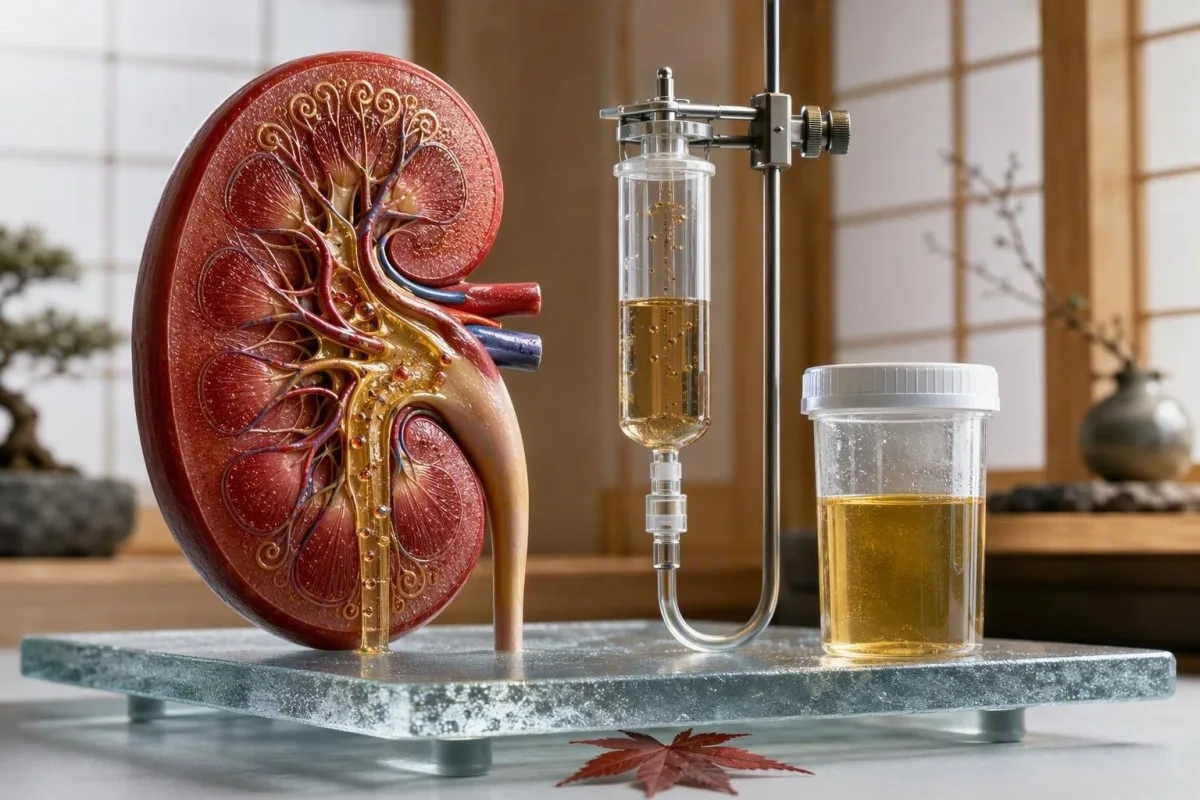
SIADH היא אבחנה דפוסית, לא תוצאה חריגה אחת. הרמזים השימושיים מגיעים מדם ושתן שנאספו בערך באותו זמן, ואז מפורשים לצד תרופות, תפקוד בלוטת התריס, קורטיזול ומצב נפח.


- היפונתרמיה היפוטונית אמיתית פירושו שנתרן בסרום נמוך מ-135 mmol/L ו-osmolality בסרום הנמדד הוא בדרך כלל מתחת ל-275 mOsm/kg.
- SIADH osmolality בשתן גבוה באופן לא הולם מעל 100 mOsm/kg למרות osmolality נמוך בסרום; הכליות שומרות מים כאשר הן אמורות לייצר שתן מדולל.
- נתרן בשתן מעל 30 mmol/L תומך ב-SIADH רק לאחר שלילת משתנים, אי ספיקה אדרנלית, מחלות בלוטת התריס ודלדול נוזלים ברור קלינית.
- דפוס התייבשות בדרך כלל מייצר שתן מרוכז עם נתרן בשתן מתחת ל-30 mmol/L, רמות אוריאה או BUN מוגברות, וסימנים של נפח מחזור מופחת.
- אי-ספיקה של יותרת הכליה יכול להיראות כמעט זהה ל-SIADH, ולכן רמת קורטיזול בוקר נמוכה או תוצאה דו-משמעית דורשת מעקב קליני דחוף לפני שאבחון SIADH.
- תסמינים חמורים כמו התקף, בלבול, הקאות חוזרות או הכרה ירודה עם נתרן נמוך דורשים טיפול חירום; הטיפול אסור להמתין לפרשנות מקוונת.
- בטיחות תיקון עניינים: בהיפונתרמיה כרונית, נתרן בסרום בדרך כלל לא יעלה ביותר מ-8 מילימול/ליטר בכל תקופת 24 שעות עבור חולים בסיכון גבוה לדמיאלינציה אוסמוטית.
- תזמון חשוב מכיוון שעירוי סליין תוך-ורידי, מינון של משתן, או מספר ליטרים של מים יכולים לשנות את ריכוז הנתרן בשתן ואת האוסמולליות תוך שעות.
מדוע SIADH דורש בדיקות דם ושתן מזווגות
A בדיקת דם ל-SIADH התבנית היא נתרן בסרום נמוך עם אוסמולליות בסרום נמוכה שנמדדה, יחד עם שתן שנותר מרוכז מדי ועשיר יחסית בנתרן. במונחים מעשיים, לגוף יש עודף מים ביחס לנתרן מכיוון שפעילות הורמון נוגד השתנה אינה נכבית כרגיל; ערך נתרן בלבד אינו יכול להוכיח זאת.
נתרן בסרום מתחת 135 ממול/ל׳ מגדיר היפונתרמיה, אך נתרן הוא ריכוז ולא מדד של סך הנתרן בגוף. אדם יכול להיות עם נתרן נמוך עקב אצירת מים, איבוד מלח, רמת גלוקוז גבוהה, ארטיפקט מעבדתי, או שילוב של אלה; המדריך שלנו ל- תסמיני נתרן נמוך מסביר מדוע חומרת התסמינים עוקבת לעיתים קרובות אחר מהירות הירידה ולא אחר המספר המדויק.
המפצל השימושי הראשון הוא אוסמולליות בסרום שנמדדה: פחות מ-275 מיליאוסמול/ק"ג מצביע על היפונתרמיה היפוטונית, ההקשר שבו נשקל SIADH. כלל קליני של ד"ר תומאס קליין פשוט: לעולם אל תציין SIADH מלוחית מטבולית בסיסית לפני בדיקת גלוקוז, טריגליצרידים, חלבון כללי, ורצוי אוסמולליות שנמדדה.
קנטסטי הוא מנתח בדיקות דם בינה מלאכותית שקורא נתרן, גלוקוז, שתנן, קריאטינין וממצאים בשתן זוגיים כבעיה פיזיולוגית אחת ולא כאוסף של דגלים. בסקירות שלנו, השגיאה המסוכנת ביותר היא הרגעה לאחר נתרן של 122 מילימול/ליטר כאשר לדוח אין בדיקות שתן עכשוויות או היסטוריה של תסמינים; מקרי שימוש קליניים שלנו מראים מדוע הקשר חסר משנה את הצעד הבא.
מה SIADH באמת אומר
SIADH מייצג תסמונת של נוגדות השתנה לא הולמת, שנקראה היסטורית הפרשת הורמון נוגד השתנה לא הולמת. התסמונת יכולה לנבוע מתרופות, בחילות, הפרעות בריאות או במערכת העצבים המרכזית, כאב, מתח לאחר ניתוח, ולעיתים ממאירות; התבנית המעבדתית מזהה את עיבוד המים, לא את הטריגר הבסיסי.
נתרן ו-osmolality בסרום: אישור עודף מים אמיתי
אוסמולליות בסרום מתחת ל-275 מיליאוסמול/ק"ג עם נתרן מתחת ל-135 מילימול/ליטר מאשרת היפונתרמיה היפוטונית, אך היא אינה מזהה SIADH בפני עצמה. אוסמולליות תקינה או גבוהה מפנה את הרופאים לגלוקוז, מניטול, חומרי ניגוד, אלכוהולים, או פסאודו-היפונתרמיה במקום זאת.
רוב המעבדות מדווחות על אוסמולליות מחושבת, המוערכת בדרך כלל כ-2 × נתרן + גלוקוז + שתנן במילימול/ליטר, אך אוסמולליות נמדדת עדיפה כאשר האבחנה אינה ברורה. פער משמעותי בין ערכים נמדדים ומחושבים יכול לחשוף אוסמולים לא נמדדים; זוהי אחת הסיבות שתוצאת נתרן יכולה להיות אמיתית מבחינה קלינית אך לא לייצג SIADH.
גלוקוז מעל כ- 13.9 מילימול/ליטר (250 מ"ג/ד"ל) מוריד נתרן נמדד על ידי מעבר מים מתאים לתאים לפלזמה. תיקון נפוץ מוסיף בערך 1.6 עד 2.4 מילימול/ליטר נתרן לכל 5.6 מילימול/ליטר (100 מ"ג/ד"ל) גלוקוז מעל 5.6 מילימול/ליטר, למרות שהקלינאים חלוקים על הגורם המדויק ברמות גלוקוז גבוהות מאוד.
טריגליצרידים גבוהים מאוד או פרפרוטאינים יכולים לגרום להפנונתרמיה מדומה עם בדיקות סלקטיביות יוניות עקיפות, בעוד שהאושרמוזלליות הנמדדת נותרת תקינה. השוו את תוצאת הנתרן עם פאנל מטבולי בסיסי ושאלו אם המעבדה השתמשה באלקטרודה ישירה או עקיפה לפני שאתם מניחים הפרעת מאזן מים.
SIADH osmolality בשתן: רמז הכליה שמשנה את המקרה
אושרמוזלליות בשתן מעל 100 mOsm/kg בחולה היפוטוני מצביעה על נוכחות של הורמון נוגד משתן. ב-SIADH, אושרמוזלליות בשתן היא לרוב 200 עד 600 mOsm/kg, למרות שאין ערך שתן יחיד שהוא אבחנתי.
אוסמולריות של שתן של 100 mOsm/kg או פחות מצביע על שתן מדולל כמעט באופן מקסימלי והופך SIADH לבלתי סביר. דפוס זה מתאים לפולידיפסיה ראשונית או צריכה נמוכה של מומסים, כאשר צריכת המים עולה על יכולת הכליה להפריש מים חופשיים; זה רלוונטי במיוחד אצל אנשים הצורכים מעט מאוד חלבון ומלח.
כאן הנקודה האינטואיטיבית-נגדית: שתן מרוכז לא בהכרח אומר התייבשות. גם היפווולמיה וגם SIADH מגבירים את הורמון נוגד השתן, אך התייבשות עושה זאת באופן מתאים כדי לשמר את זרימת הדם, בעוד ש-SIADH עושה זאת למרות נפח עורקי אפקטיבי תקין מבחינה קלינית.
ההנחיה האירופית להיפונתרמיה ממליצה על אושרמוזלליות בשתן כמבדיל מוקדם מכיוון שהערכה פיזית של נפח היא לעיתים קרובות לא אמינה (Spasovski et al., 2014). קראו את ההסבר המעמיק שלנו על בדיקת אוסמולליות בשתן אם הדוח שלכם משתמש ב-mOsm/kg במקום בצפיפות סגולית של מקלון בדיקה.
מדוע דגימת שתן אחת יכולה להטעות
אושרמוזלליות בשתן יכולה לרדת במהירות לאחר שהבחילה נרגעה, הכאב נשלט, או שתרופה פוגענית הופסקה. אם השתן נאסף לאחר נוזלים תוך-ורידיים, לאחר משתן לולאה, או שעות לאחר דגימת הדם, אני מתייחס לכך כרמז ולא כהוכחה.
נתרן בשתן: SIADH לעומת התייבשות ונפח אפקטיבי נמוך
נתרן בשתן מעל 30 mmol/L תומך ב-SIADH בהיפונתרמיה היפוטונית כאשר צריכת המלח התזונתי היא רגילה והשתן נעדר. נתרן בשתן מתחת ל-30 mmol/L מצביע לעיתים קרובות יותר על שימור נתרן בכליה כתוצאה מהקאות, שלשולים, הזעה, אי ספיקת לב, צמקת, או התייבשות אמיתית.
ב-SIADH לא מסובך, הכליות אינן "חמדניות" לנתרן, ולכן נתרן בשתן הוא בדרך כלל מעל 30 mmol/L ויכול לעלות על 60 mmol/L. אוריאה היא לעיתים קרובות נמוכה, וחומצת שתן בסרום עשויה להיות מתחת ל-4 מ"ג/ד"ל (0.24 mmol/L) מכיוון שהתרחבות נפח קלה מגדילה את פינוי החומצה השתן.
אישה בת 68 הנוטלת הידרוכלורותיאזיד עשויה להראות נתרן בשתן של 55 mmol/L ושתן מרוכז לאחר וירוס בקיבה; זה לא מוכיח SIADH. היפונתרמיה הקשורה לתיאזיד יכולה לחקות כל מאפיין מעבדתי קלאסי, וזו הסיבה שרשימת התרופות אינה פרט אדמיניסטרטיבי אלא נתון אבחוני.
נתרן בשתן פחות אמין לאחר שימוש במשתנים, במחלת כליות מתקדמת, או עם צריכת נתרן תזונתי נמוכה מאוד. צמד אותו עם קריאטינין, אוריאה וה לוח אלקטרוליטים במקום לטפל בסף של 30 mmol/L כחומה קשיחה.
אקסקרציה פרקציונלית של חומצת שתן
ירידה בתפוקה הפרקתית של חומצת שתן מעל 12% יכולה לתמוך ב-SIADH, במיוחד כאשר משתנים מטשטשים את נתרן השתן. זה בדרך כלל חוזר לנורמה לאחר תיקון של SIADH, בעוד שמצבי איבוד מלח כלייתי עשויים לשמור אותו מוגבר; זהו תחום מומחים, אבל זה יכול להיות שימושי כאשר הסיפור לא מסתדר.
איך התייבשות נראית שונה מ-SIADH בבדיקות מעבדה
התייבשות גורמת בדרך כלל לשתן מרוכז עם נתרן שתן נמוך, עלייה באוריאה ביחס לקריאטינין, ועדויות קליניות לאובדן נפח. SIADH מייצר לעיתים קרובות גם שתן מרוכז, אך המטופלים בדרך כלל נמצאים במצב נוזלים תקין (euvolemic) מבחינה קלינית ואין להם את אותה תגובה כלייתית משמרת נתרן.
עם הקאות, שלשולים או הזעה מרובה, הכליה בדרך כלל מורידה את נתרן השתן ל- מתחת ל-20-30 mmol/L בעוד שאוסמולליות השתן עולה מעל 100 mOsm/kg. אוריאה עשויה לעלות באופן לא פרופורציונלי לקריאטינין, אך יחס זה מושפע מצריכת חלבון, דימום במערכת העיכול, סטרואידים ותפקוד כבד, ולכן הוא תומך ולא סופי.
ב-SIADH, לחץ הדם ובדיקה עשויים להיראות תקינים, אך ממצאים עדינים חשובים: אין תסמינים אורתוסטטיים, אין ריריות יבשות, אין בצקת היקפית, ואין איבוד מובהק במערכת העיכול. ראיתי מטופלים שכונו "מיובשים" רק משום ששתנם היה כהה; צבע השתן הוא מדד גרוע לפיזיולוגיית הנתרן, כפי ש- לשתן כהה דן.
אתגר זהירות של תמיסת מלח איזוטונית יכול לעזור במצבים מפוקחים נבחרים: היפונתרמיה היפווולמית נוטה להשתפר כאשר נפח מדכא את הורמון נוגד השתנה. ב-SIADH, תמיסת מלח עשויה להיכשל בהעלאת נתרן או להחמיר אותו כאשר השתן הרבה יותר מרוכז מהעירוי; זה לעולם אסור שיהיה ניסוי ביתי.
מדוע תמיסת מלח יכולה להחמיר SIADH
ליטר אחד של 0.9% תמיסת מלח מכיל 154 mmol נתרן, אך כליה המייצרת שתן ב-600 mOsm/kg עשויה להפריש את הנתרן תוך שמירה פרופורציונלית יותר של מים. אפקט "הסרת מלח" זה הוא הסביר ביותר כאשר נתרן השתן בתוספת אשלגן גבוה ביחס לנתרן בדם.
אי ספיקה אדרנלית: החיקוי של SIADH שהקלינאים חייבים לשלול
אי ספיקה אדרנלית יכולה לייצר נתרן נמוך, אוסמולליות נמוכה בדם, אוסמולליות שתן מעל 100 mOsm/kg ונתרן שתן מעל 30 mmol/L — כמעט אותו דפוס כמו SIADH. לכן הערכת קורטיזול היא חלק מבדיקה בטוחה של SIADH, במיוחד עם עייפות, ירידה במשקל, לחץ דם נמוך, היפרקלמיה או חשיפה לסטרואידים.
קורטיזול בוקר בדם מעל בערך 15-18 מיקרוגרם/ד"ל (414-497 nmol/L) בדרך כלל גורם לאי ספיקה אדרנלית משמעותית מבחינה קלינית פחות סבירה, תלוי במדד ובמצב. ערכים מתחת ל- 3-5 מיקרוגרם/ד"ל (83-138 nmol/L) מדאיגים, בעוד שתוצאות ביניים לעיתים קרובות דורשות מבחן גירוי ACTH ולא ניחושים.
אי ספיקה אדרנלית ראשונית גורמת לעיתים קרובות לאשלגן גבוה מכיוון שאדרנלין חסר, אך אי ספיקה אדרנלית משנית יכולה להיות עם אשלגן תקין ועדיין לגרום להיפונתרמיה קשה. המנגנון הוא חסר קורטיזול המגביר שחרור הורמון נוגד השתנה, לא פשוט איבוד מלח.
פאנל המומחים משנת 2013 בראשות Verbalis ממליץ לשלול אי ספיקה אדרנלית לפני שמגיעים למסקנה של SIADH (Verbalis et al., 2013). אם אפשרות זו מופיעה בדוח שלך, סקירתנו של רמזי מעבדה למחלת אדיסון עשויה לעזור לך להכין שאלות ממוקדות לבדיקה דחופה של רופא.
תרופות סטרואידיות מסבכות בדיקות
פרדניזון, הידרוקורטיזון וסטרואידים מסוימים המוזרקים לווריד עלולים לשנות את פרשנות הקורטיזול ולדכא את ציר יותרת הכליה. אין להפסיק סטרואידים שניתנו במרשם כדי "לקבל בדיקה נקייה"; הפסקה פתאומית עלולה להוביל למשבר יותרת הכליה.
בדיקת בלוטת התריס: מתי תת פעילות בלוטת התריס באמת מסבירה נתרן נמוך
תת-פעילות בלוטת התריס חמורה עלולה לפגוע בהפרשת מים, אך תת-פעילות תת-קלינית שכיחה בדרך כלל אינה מסבירה היפונתרמיה משמעותית. TSH ו-free T4 נבדקים לפני אבחון SIADH מכיוון שכשל בלוטת התריס עמוק ניתן לטיפול ועשוי להופיע יחד עם סיבות אחרות.
היפונתרמיה הקשורה לתת-פעילות בלוטת התריס, בעלת חשיבות קלינית, סבירה ביותר במחלה קשה, במיוחד בפיזיולוגיה של מיקסדמה עם T4 נמוך, ברדיקרדיה, היפותרמיה או תפוקת לב מופחתת. TSH של 6 mIU/L עם free T4 תקין נפוץ ואין להפוך אותו להסבר נוח לנתרן של 121 mmol/L.
Kantesti AI הוא פלטפורמת פענוח בדיקות דם של AI המשווה TSH ו-free T4 עם נתרן, תפקוד כליות ותזמון תרופות, מכיוון שתוצאת TSH מסומנת יכולה להסיח את הדעת מסיבה דחופה יותר הקשורה יותרת הכליה או לתרופות. TSH תקין אינו שולל תת-פעילות בלוטת התריס מרכזית; free T4 נמוך עם TSH שאינו מוגבר ראוי למסלול שונה, המוסבר במאמר שלנו על free T4 נמוך עם TSH תקין.
יש להתאים טיפול חלופי לבלוטת התריס לפי אינדיקציות ידועות לבלוטת התריס, ולא להשתמש בו כטיפול מהיר לנתרן. מניסיוני, הנתרן משתפר לעיתים קרובות רק לאחר שהגורם האמיתי לאיבוד מים - בחילות, תרופות, מחסור בקורטיזול, או מחלה - טופל גם כן.
מחלת בלוטת יותרת המוח משנה את הבירור
כאבי ראש, תסמינים בשדה הראייה, ליבידו נמוך, לחץ דם נמוך בלתי מוסבר או מספר הורמוני בלוטת יותרת המוח נמוכים מעוררים חשש למחלת בלוטת יותרת המוח מרכזית. במצב זה, בדוק קורטיזול לפני תחילת לבוטירקסין מכיוון שהורמון בלוטת התריס יכול להגביר את פינוי הקורטיזול.
הריון, גיל מבוגר והבדלים בגודל הגוף בפרשנות SIADH
הריון מוריד את הסף האוסמוטי הנורמלי ואת נתרן בסרום בכ-4-5 mmol/L, כך שנתרן קרוב ל-130 mmol/L עשוי להיות פיזיולוגי בתחילת הריון אך עדיין מצריך הקשר. קשישים נמצאים בסיכון גבוה יותר להיפונתרמיה הקשורה לתרופות ולעיתים קרובות מציגים נפילות או בלבול במקום צמא.
במהלך הריון ללא סיבוכים, האוסמולליות בסרום יורדת בדרך כלל בכ- 5-10 mOsm/kg והנתרן עשוי להתייצב קרוב ל-130-134 mmol/L מכיוון שהאוסמוסטט מתאפס. נתרן מתחת ל-130 mmol/L, תסמינים נוירולוגיים, יתר לחץ דם, חריגות בכבד או חלבון בשתן דורשים הערכה מיידית של מיילדות ולא דחייה כשינוי הריון תקין.
אצל אנשים מעל גיל 75, SSRIs, תיאזידים, קרבמזפין, דזמופרסין ודיאטות דלות מומסים חופפים לעיתים קרובות. ירידת נתרן של 5 mmol/L בלבד יכולה להיות משמעותית כאשר קוגניציה בסיסית שברירית; חוסר יציבות בהליכה ונפילות עשויים להיות הסימנים הראשונים הנצפים.
סינון כליות משתנה באופן טבעי במהלך הריון, והפרשנות צריכה להשתמש בהפניות מודעות להריון; המדריך שלנו ל ערכי eGFR בהריון מסביר מדוע eGFR מדווח לעיתים קרובות אינו מאומת בהריון. הגבלת נוזלים צריכה להיות אינדיבידואלית בהריון ובחולשה, ולא מועתקת מחוברת SIADH גנרית.
מסת גוף נמוכה אינה פרט של מה בכך
לאדם במשקל 45 ק"ג יש פחות מים בגוף כולו מאשר לאדם במשקל 100 ק"ג, כך שאותה כמות מים או מינון תרופה יכולים לגרום לשינוי נתרן גדול יותר. לחולים חלשים יש גם פחות רזרבה פיזיולוגית אם הנתרן משתנה במהירות.
השפעות תרופתיות המחקים או מפעילים SIADH
משתני תיאזיד, SSRIs, SNRIs, קרבמזפין, אוקסקרבזפין, דזמופרסין וכמה אנטי-פסיכוטיים הם סיבות תרופתיות תכופות להיפונתרמיה היפוטונית. חלקם מייצרים פיזיולוגיה אמיתית של SIADH, בעוד שתיאזידים יכולים לחקות SIADH באמצעות פגיעה בדילול ואיבוד נתרן.
היפונתרמיה הקשורה לתיאזידים מתחילה לעיתים קרובות תוך שבועיים לאחר תחילת או הגדלת מינון, אך היא יכולה להתרחש חודשים לאחר מכן כאשר מחלה, צריכת מזון מופחתת או צריכת מים נוספת מתווספות. משתנים לולאתיים (Loop diuretics) פחות סבירים לגרום לדפוס זה מכיוון שהם מפחיתים את יכולת הריכוז של הכליה.
היפונתרמיה הקשורה ל-SSRI שכיחה ביותר אצל מבוגרים, אנשים בעלי משקל גוף נמוך, ואלו הנוטלים גם משתנים. תרופה חדשה נוגדת דיכאון אינה בהכרח הגורם, אך הרצף הזמני חשוב יותר מרשימת לימודים: יש לתעד כל התחלה, הפסקה ושינוי מינון במהלך 30 הימים שקדמו.
אין להפסיק תרופות נגד פרכוסים, פסיכיאטריות, הורמונליות או תרופות ללחץ דם ללא רופא המכיר את האינדיקציה. כלוריד נמוך יכול ללוות שימוש במשתנים והקאות; ההסבר שלנו ל תוצאות כלוריד נמוך יכול לעזור להבדיל את דפוס האלקטרוליטים הרחב יותר.
תורמים ללא מרשם
דסמופרסין (Desmopressin) המשמש לכאבי לילה ראוי לתשומת לב מיוחדת מכיוון ששתייה חופשית לאחר מנה יכולה לגרום להחזקת מים פתאומית. NSAIDs יכולים גם להגביר את פעילות ההורמון הנוגד השתנה אצל אנשים רגישים, במיוחד במהלך מחלה חריפה.
צריכת מומסים נמוכה ועודף מים: דפוסים שאינם SIADH
פולידיפסיה ראשונית וצריכת מומסים תזונתיים נמוכה מאוד גורמות בדרך כלל לאוסמולליות בשתן של 100 mOsm/kg או פחות, בניגוד ל-SIADH קלאסי. ההבחנה חשובה מכיוון שמגבלת נוזלים קפדנית בלבד עלולה לפספס תת-תזונה, מחלה הקשורה לאלכוהול, או תיקון מהיר מסוכן לאחר חידוש צריכת המומסים.
הכליה זקוקה למומסים – בעיקר שתנן (urea) מחלבון ואלקטרוליטים – כדי להפריש מים. עם רק 250 mOsm של מומסים זמינים ביום, אדם יכול להפריש כ-2.5 ליטר שתן בריכוז 100 mOsm/kg, אך רק 1 ליטר אם ההורמון הנוגד השתנה שומר על השתן בריכוז 250 mOsm/kg.
בפולידיפסיה ראשונית, השתן לרוב מדולל באופן בולט וההיסטוריה עשויה לחשוף יותר מ 4-6 ליטר צריכת נוזלים יומית, למרות שהזיכרון אינו מושלם. בהיפונתרמיה עם מומסים נמוכים, השתנן עשוי להיות נמוך והיסטוריה תזונתית יכולה לחשוף תקופה אחרונה של צריכת חלבון ומלח ירודה.
קטונים, שתנן נמוך וירידה במשקל יכולים לאותת על תת-תזונה או צום ממושך ולא על SIADH. עיין במאמר שלנו על קטונים בשתן אם קטטוזיס קיים; חמצת קטוטית סוכרתית היא מצב חירום נפרד ויכולה לעוות את פירוש הנתרן.
סיכון ההזנה מחדש
כאשר התזונה משוחזרת, הנתרן יכול לעלות מהר מהצפוי כאשר הכליה מחדשת את הפרשת המומסים. צוותי בית החולים עוקבים אחר הנתרן בתדירות גבוהה בחולים בסיכון גבוה, לעיתים כל 2-4 שעות במהלך תיקון פעיל.
מחלות כליה, לב וכבד: נתרן נמוך ללא SIADH
אי ספיקת לב, שחמת ומחלות כליה מתקדמות גורמות להיפונתרמיה דרך נפח עורקי יעיל נמוך, ולא SIADH ראשוני. מצבים אלו עדיין יכולים לייצר שתן מרוכז, אך בצקת, פרפוזיה מופחתת, אלבומין נמוך או סינון פגום בדרך כלל משנים את התמונה הכוללת.
באי ספיקת לב ושחמת, הגוף עשוי להכיל עודף מים ונתרן כולל, אך חש חוסר סיפוק של מילוי עורקי, מה שמפעיל את ההורמון הנוגד השתנה ומסלולים המשמרים נתרן. נתרן בשתן לרוב מתחת ל 30 ממול/ליטר אלא אם כן משתנים משתנים או פגיעה בכליות מעוותים את התוצאה.
מחלת כליות מתקדמת מגבילה הן את הפרשת המים והן את ריכוז השתן, כך שאוסמולליות השתן עשויה להיות קרובה לאוסמולליות הפלזמה בסביבות 250-350 mOsm/kg. במצב זה, ספי הסיכום הקלאסיים של SIADH מאבדים את דיוקם והתערבות נפרולוגית שימושית יותר מבדיקות שתן נקודתיות חוזרות.
פרוטאינוריה, גלילים, אלבומין, מגמת קריאטינין ובצקת אינם נושאים צדדיים; הם עוזרים לזהות את הפיזיולוגיה. המדריך המעשי שלנו ל צפיפות שתן ספציפית מסביר מדוע הערכת מקלון אינה יכולה להחליף אוסמולליות שתן נמדדת במקרה כליה מורכב.
בצקת אינה שוללת סכנה
אדם עם בצקת עדיין יכול לפתח תסמינים נוירולוגיים חמורים בנתרן מתחת ל-120 mmol/L. מצב הנוזלים מסביר את הגורם אך אינו מפחית את הדחיפות של היפונתרמיה סימפטומטית חריפה.
תזמון דגימה, נוזלי IV ומלכודות מעבדה
יש לאסוף דם ושתן באופן אידיאלי לפני מתן נוזלים IV ובתוך מספר שעות זה מזה, מכיוון שהטיפול יכול לשנות במהירות את תוצאות המעבדה של SIADH. דגימת שתן מאוחרת עשויה לתאר את התגובה לטיפול ולא את הסיבה להיפונתרמיה.
ליטר של סליין, מנה של פוּרוֹסמיד, טיפול נוגד בחילה, הקלה על כאבים, או הפסקת דזמופרסין יכולים לשנות את תפוקת השתן ואת האוסמולליות תוך שעות. רשמו את זמני האיסוף המדויקים, צריכת הנוזלים האחרונה, טיפול IV ותרופות; פרט טכני זה לרוב פותר תוצאות מעבדה של SIADH שנראות סותרות.
המוליזה בדרך כלל אינה יוצרת נתרן נמוך באופן כוזב, אך היפרליפידמיה חמורה, היפרפרוטאינמיה וזיהום דגימה יכולים. תוצאת נתרן השונה בחדות מהערך של אתמול ללא הסבר קליני צריכה להצדיק שאיבה חוזרת או מדידת אלקטרודה ישירה מבוססת יונים, ולא אבחנה באמצעות גיליון אלקטרוני.
Kantesti AI משווה תאריכים ומדגיש שינויים לא סבירים, אך הוא אינו יכול לראות עירוי סליין שלא נרשם או מנה שהוחמצה. השתמש ב ציר זמן של בדיקת דם לרישום מחלה, פעילות גופנית, צום, צריכת נוזלים ואירועי תרופות לצד כל תוצאה.
צפיפות סגולית של שתן אינה אוסמולליות
צפיפות סגולית משקפת מסת חלקיקים וכן ריכוז ויכולה להיות מעוותת על ידי גלוקוז, חלבון או חומר ניגוד. ערך של 1.020 אינו מתורגם באופן אמין לערך mOsm/kg מסוים בכל מטופל.
עבודת הבירור הממוקדת של SIADH שהקלינאים בדרך כלל מזמינים
הערכת SIADH בטוחה בדרך כלל כוללת נתרן בסרום, אשלגן, גלוקוז, שתנן, קריאטינין, אוסמולליות בסרום נמדדת, אוסמולליות שתן, נתרן בשתן, TSH, T4 חופשי וקורטיזול בבוקר. המטרה היא לאשר היפונתרמיה היפוטונית ולשלול חיקויים הפיכים לפני הקצאת התווית SIADH.
בדיקות נוספות תלויות בהקשר: חומצה אורית, מדדי כבד, פרופיל שומנים, חלבון כולל, ACTH, הדמיית חזה, הדמיית מוח או סקירת תרופות עשויים להיות מתאימים. במטופל שנראה כיואולמי עם נתרן של 126 mmol/L, זוג האוסמולליות הסימולטני והקורטיזול הם בדרך כלל אינפורמטיביים יותר מבדיקות רחבות ולא ממוקדות.
השוואת ההנחיות של Hoorn ו-Zietse מדגישה שבחינת נפח בלבד יש לה דיוק אבחנתי מוגבל ותומכת בגישה ביוכימית המובילה לשתן (Hoorn ו-Zietse, 2017). זו הסיבה שבדיקה שנראית תקינה אינה אמורה לגבור על אוסמולליות שתן של 550 mOsm/kg ואוסמולליות סרום של 260 mOsm/kg.
ד"ר תומאס קליין ממליץ לצלם כל דף תוצאות, כולל זמן איסוף, טווח ייחוס ורשימת תרופות, לפני ביקור. רשימת תיוג בטיחות לדו"ח רפואי מבוסס בינה מלאכותית מסביר כיצד לשמר את פרטי המקור שפירוש זקוק להם.
כאשר הדמיה הופכת לרלוונטית
SIADH חדש, מתמשך ללא תרופה ברורה או מחלה חריפה עשוי להצדיק הדמיה של בית החזה, במיוחד אצל מבוגרים עם היסטוריה של עישון או תסמינים נשימתיים. הדמיה מכוונת על ידי היסטוריה ובדיקה; היא אינה נדרשת אוטומטית עבור כל נתרן של 132 mmol/L.
מה משמעות מספרי הטיפול ולמה תיקון נתרן יכול להיות מסוכן
היפונתרמיה סימפטומטית חמורה מטופלת בבית חולים עם תמיסת מלח היפרטונית במעקב קפדני, בעוד שניהול SIADH כרוני מכוון לגורם ולאיזון מים מבוקר. הסכנה היא דו-צדדית: בצקת מוחית ללא טיפול ותיקון מהיר מדי עלולים לגרום שניהם לפגיעה נוירולוגית קבועה.
עבור פרכוסים, תרדמת, בלבול עמוק או הקאות חמורות עקב היפונתרמיה, ההנחיות משתמשות בדרך כלל 100-150 מ"ל של 3% תמיסת מלח כבולוס לסירוגין עם בדיקות נתרן חוזרות. המטרה הראשונית היא עלייה קטנה של כ-4-6 mmol/L להפחתת בצקת מוחית, לא נורמליזציה מיידית.
עבור היפונתרמיה כרונית, קלינאים רבים מגבילים את התיקון ל 8 ממול/ליטר בתוך 24 שעות עבור אנשים בסיכון גבוה לתסמונת פירוק אוסמוטי, כולל אלכוהוליזם, תת תזונה, מחלות כבד חמורות, היפוקלמיה או נתרן התחלתי נמוך מאוד. הנחיות מסוימות מתירות 10 mmol/L ביום הראשון לחולים בסיכון נמוך יותר, אך אני מעדיף זהירות מכיוון שמספר יכול לעלות באופן בלתי צפוי ברגע שהורמון נוגד השתנה יורד.
הגבלת נוזלים מתחילה לעיתים קרובות סביב 800-1,000 מ"ל ליום ב-SIADH יציב, אך הצלחתה תלויה בריכוז השתן ובצריכת המומסים. שתנן, משתנים לולאה עם מלח, או אנטגוניסטים של ואזופרסין הן החלטות מומחים; Kantesti הוא כלי לניתוח בדיקות דם מבוסס AI שנועד לסמן את הדפוס הרלוונטי, לא לרשום או להחליף טיפול דחוף. עיין ב פיקוח קליני טכני שלנו בעת שקילת האופן שבו פרשנות אוטומטית נבדקת מבחינה רפואית.
תיקון אשלגן גם מעלה נתרן
אשלגן הוא אוסמול יעיל, ולכן טיפול בהיפוקלמיה יכול להעלות את נתרן בסרום גם ללא תמיסת מלח. הדבר מתפספס בקלות בעת חישוב שיעור התיקון הכולל של 24 שעות.
מתי נתרן נמוך או SIADH אפשרי דורשים טיפול רפואי דחוף
פנה לטיפול חירום מיידי עבור פרכוסים, עילפון, בלבול חמור חדש, ישנוניות ניכרת, הקאות חוזרות, כאב ראש חמור או קשיי נשימה עם נתרן נמוך ידוע או חשוד. נתרן מתחת ל-120 mmol/L מצדיק הערכה קלינית באותו יום, גם אם התסמינים נראים קלים, במיוחד כאשר הירידה עשויה להיות עדכנית.
התקשר לרופא שהזמין את הבדיקה מיד עבור נתרן 125-129 ממול/ליטר, חשיפה לתרופה חדשה, טיפול בסרטן, הריון, תסמינים של בלוטת יותרת הכליה, או מגמה יורדת משמעותית. אל תשתה בכוונה מים נוספים, קח טבליות מלח, או הגבל את כל הנוזלים לפני קבלת ייעוץ אישי; כל פעולה יכולה להחמיר גורם שונה.
החל מה-27 באוגוסט 2026, התרומה השימושית ביותר של המטופל היא היסטוריה מדויקת: נוזלים יומיים, צריכת אלכוהול, הקאות או שלשולים אחרונים, כל המרשמים והתוספים, נוזלים תוך-ורידיים, כאב, בחילות, תסמיני ריאות וערכי נתרן קודמים. היסטוריה זו מבחינה לעיתים קרובות בין שחרור הורמון נוגד השתנה חולף ל-SIADH מתמשך בצורה יעילה יותר מאשר פאנל כימיה מבודד נוסף.
צוות רפואי של Kantesti משתמש בסקירת תוצאות מבוססת דפוסים עם פיקוח רופאים; קוראים יכולים לראות את הקלינאים מאחורי תהליך זה ב המועצה המייעצת הרפואית. שלנו אם התוצאות מבלבלות, הבא את דוח המעבדה המקורי ואת מסגרת הבדיקה התואמת הזו אצל קלינאי מורשה ולא לטפל בעצמך במספר נתרן.
שאלות לקחת איתך לפגישה
שאל אם ההיפונתרמיה מאושרת כהיפוטונית, אם נאסף שתן לפני טיפול, אם נבדקו קורטיזול ו-T4 חופשי, ואם תרופה או צריכת מומסים נמוכה יכולים להסביר את הדפוס. ארבע השאלות הללו שומרות על הדיון ממוקד בגורמים שמשנים את הטיפול.
שאלות נפוצות
אילו תוצאות בדיקות דם מעלות חשד ל-SIADH?
תסמונת SIADH מוצעת על ידי נתרן בדם מתחת ל-135 mmol/L, אוסמולליות בסרום שנמדדה מתחת ל-275 mOsm/kg, אוסמולליות בשתן מעל 100 mOsm/kg, ונתרן בשתן לרוב מעל 30 mmol/L. הנבדק לרוב במצב אובולימי קליני, ללא התייבשות משכנעת, בצקת, אי ספיקת כליות, אי ספיקת אדרנל או תת פעילות בלוטת התריס חמורה. רמות נמוכות של שתנן (Urea) וחומצת שתן (Uric acid) בדם מתחת לכ-4 מ"ג/ד"ל יכולות להוסיף תמיכה, אך אף אחת מהן אינה אבחנתית בפני עצמה. על הרופאים לפרש בדיקות אלו מדגימות דם ושתן שנאספו כמעט באותו הזמן.
מהי אוסמולליות השתן האופיינית ב-SIADH?
אוסמולליות השתן ב-SIADH גבוהה באופן בלתי הולם מעל 100 mOsm/kg למרות אוסמולליות נמוכה בסרום, ולרבים מהחולים יש ערכים בין 200 ל-600 mOsm/kg. אוסמולליות שתן של 100 mOsm/kg או פחות פועלת נגד SIADH מכיוון שהיא מראה שהכליה יכולה לדלל שתן כראוי. התייבשות יכולה גם לייצר אוסמולליות שתן מעל 100 mOsm/kg, ולכן יש צורך בנתרן בשתן והערכת נפח קלינית. דגימה שנאספה לאחר טיפול בסליין, משתנים או בחילות עלולה להיות מטעה.
האם התייבשות יכולה לגרום לרמות נמוכות של נתרן ולהיראות כמו SIADH?
כן, התייבשות מהקאות, שלשולים, הזעה או צריכה לקויה יכולה לגרום להיפונתרמיה היפוטונית עם שתן מרוכז מעל 100 mOsm/kg. בהתייבשות פשוטה, נתרן בשתן הוא בדרך כלל מתחת ל-20-30 mmol/L מכיוון שהכליות חוסכות נתרן, ושתנן עשוי לעלות ביחס לקריאטינין. SIADH לרוב מציג נתרן בשתן מעל 30 mmol/L ללא סימנים ברורים של דלדול נוזלים. משתנים יכולים לטשטש הבחנה זו, ולכן היסטוריית תרופות חיונית.
מדוע בודקים קורטיזול כאשר רופאים חושדים ב-SIADH?
קורטיזול נבדק מכיוון שתת-פעילות של בלוטת יותרת הכליה (אדרנל) עלולה לגרום לדפוס זהה של נתרן נמוך, אוסמולליות נמוכה בסרום, ושתן מרוכז, בדומה ל-SIADH. רמת קורטיזול בבוקר מעל כ-15-18 מיקרוגרם/ד"ל, בהתאם לבדיקה וההקשר הקליני, בדרך כלל שוללת תת-פעילות משמעותית של בלוטת יותרת הכליה; תוצאה מתחת ל-3-5 מיקרוגרם/ד"ל מדאיגה. ערכים בינוניים דורשים לעיתים קרובות מבחן גירוי ACTH. החמצת תת-פעילות של בלוטת יותרת הכליה מסוכנת מכיוון שהיא דורשת טיפול סטרואידי חלופי, ולא רק הגבלת נוזלים.
האם SSRI או כדור משתן יכולים לגרום לתוצאות מעבדה של SIADH?
תרופות מסוג SSRI, SNRI, קרבמזפין, אוקסקראבזפין ודסמופרסין עלולות לגרום להחזקת מים דמוית SIADH, בעוד שמשתני תיאזיד (כדורי מים) יכולים לחקות באופן קרוב את ממצאי המעבדה של SIADH. היפונתרמיה הקשורה לתיאזיד מתפתחת לעתים קרובות תוך 14 יום מהתחלת טיפול או העלאת מינון, אך מחלה חריפה עלולה לעורר אותה מאוחר יותר. נתרן בשתן עשוי להישאר מעל 30 ממ"ל/ליטר בשני המצבים, כך שתזמון התרופות הוא מכריע מבחינה קלינית. אסור למטופלים להפסיק טיפול תרופתי פסיכיאטרי, נגד אפילפסיה או נגד יתר לחץ דם שניתן במרשם ללא ייעוץ מהרופא המטפל.
במהירות ניתן לתקן רמות נתרן נמוכות בבטחה?
בהיפונתרמיה כרונית, קלינאים רבים שואפים לשמור על תיקון נתרן של 8 מילימול/ליטר או פחות ב-24 שעות עבור חולים בסיכון גבוה לדמיאלינציה אוסמוטית, כגון אלה עם תת-תזונה, אלכוהוליזם, מחלת כבד קשה, היפוקלמיה או נתרן נמוך מאוד. תסמיני חירום עשויים לדרוש מנות של 100-150 מ"ל של תמיסת 3% סליין בבית חולים להשגת עלייה ראשונית של כ-4-6 מילימול/ליטר. היעד המדויק תלוי במשך, בתסמינים ובגורמי סיכון. טיפול בנתרן דורש בדיקות דם חוזרות מכיוון שדיורזיס מים ספונטני יכול לגרום לתיקון להאיץ באופן בלתי צפוי.
קבל ניתוח בדיקות דם מבוסס בינה מלאכותית כבר היום
הצטרף ליותר מ-2 מיליון משתמשים ברחבי העולם שסומכים על Kantesti לצורך ניתוח מיידי ומדויק של בדיקות מעבדה. העלה את תוצאות בדיקות הדם שלך וקבל פרשנות מקיפה של ביומרקרים של 15,000+ בתוך שניות.
📚 פרסומי מחקר עם הפניות
Klein, T., Mitchell, S., & Weber, H. (2026). מדריך בריאות האישה: ביוץ, גיל המעבר ותסמינים הורמונליים. מחקר רפואי של Kantesti בינה מלאכותית.
Klein, T., Mitchell, S., & Weber, H. (2026). סיוע קליני רב-לשוני מבוסס בינה מלאכותית לטריאז' מוקדם של האנטאווירוס: תכנון, אימות הנדסי ופריסה בעולם האמיתי על פני 50,000 דוחות בדיקות דם מפורשים. מחקר רפואי של Kantesti בינה מלאכותית.
📖 הפניות רפואיות חיצוניות
⚕️ הצהרת אחריות רפואית
מאמר זה מיועד למטרות חינוכיות בלבד ואינו מהווה ייעוץ רפואי. תמיד יש להתייעץ עם גורם מוסמך בתחום הבריאות לצורך החלטות אבחון וטיפול.
אותות אמון E-E-A-T
הִתנַסוּת
סקירה קלינית בהובלת רופא של תהליכי עבודה לפענוח בדיקות מעבדה.
מוּמחִיוּת
רפואה מעבדתית מתמקדת באופן שבו סמנים ביולוגיים מתנהגים בהקשר קליני.
סמכותיות
נכתב על ידי ד״ר תומאס קליין, עם סקירה על ידי ד״ר שרה מיטשל ופרופ׳ ד״ר האנס וובר.
אֲמִינוּת
פרשנות מבוססת-ראיות עם מסלולי המשך ברורים כדי להפחית בהלה.