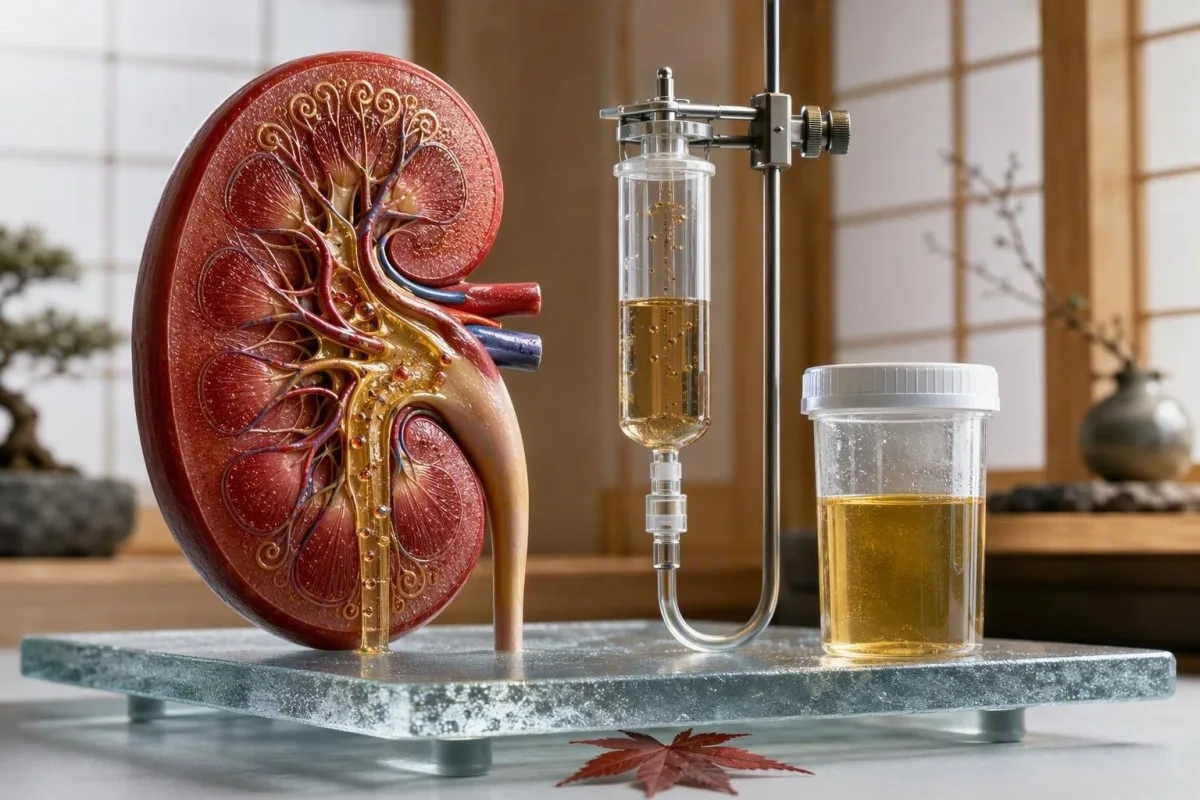
SIADH یک تشخیص الگو است، نه یک نتیجه غیرطبیعی واحد. سرنخهای مفید از خون و ادرار جمعآوری شده در زمان تقریباً یکسان به دست میآیند، سپس در کنار داروها، عملکرد تیروئید، کورتیزول و وضعیت حجمی تفسیر میشوند.


- هیپوناترمی هیپوتونیک واقعی به این معنی است که سدیم سرم کمتر از 135 میلیمول بر لیتر و اسمولالی سرم اندازهگیری شده معمولاً کمتر از 275 میلیاسمول بر کیلوگرم است.
- اسمولالی ادرار SIADH به طور نامناسبی بالاتر از 100 میلیاسمول بر کیلوگرم است علیرغم اسمولالی سرم پایین؛ کلیهها در زمانی که باید ادرار رقیق تولید کنند، آب را حفظ میکنند.
- سدیم ادرار بالاتر از 30 میلیمول بر لیتر تنها پس از رد کردن دیورتیکها، نارسایی آدرنال، بیماری تیروئید و کاهش واضح حجم مایعات از نظر بالینی، از SIADH حمایت میکند.
- الگوی کمآبی معمولاً ادرار غلیظ با سدیم ادرار کمتر از 30 میلیمول بر لیتر، اوره یا BUN بالا و علائم کاهش حجم در گردش ایجاد میکند.
- نارسایی آدرنال میتواند تقریباً شبیه SIADH به نظر برسد، بنابراین سطح پایین کورتیزول صبحگاهی یا نتیجه مبهم نیاز به پیگیری بالینی فوری قبل از تشخیص SIADH دارد.
- علائم شدید مانند تشنج، گیجی، استفراغ مکرر یا کاهش سطح هوشیاری همراه با سدیم پایین، نیاز به مراقبتهای اورژانسی دارد؛ درمان نباید منتظر تفسیر آنلاین بماند.
- ایمنی اصلاح مسائل: در هیپوناترمی مزمن، سدیم سرم معمولاً نباید بیش از 8 میلی مول در لیتر در هر دوره 24 ساعته برای بیماران در معرض خطر بالای دمیلیناسیون اسمزی افزایش یابد.
- زمانبندی مهم است زیرا تزریق سرم داخل وریدی، دوز دیورتیک یا چندین لیتر آب میتواند سدیم ادرار و اسمولالیته را در عرض چند ساعت تغییر دهد.
چرا SIADH به آزمایشهای جفتی خون و ادرار نیاز دارد
A آزمایش خون SIADH الگو شامل سدیم سرم پایین با اسمولالیته سرم اندازهگیری شده پایین، همراه با ادراری است که غلیظ و نسبتاً غنی از سدیم باقی میماند. از نظر عملی، بدن به دلیل اینکه فعالیت هورمون ضد ادراری به طور عادی خاموش نمیشود، آب اضافی نسبت به سدیم دارد؛ یک مقدار سدیم به تنهایی نمیتواند این را اثبات کند.
سدیم سرم پایینتر از 135 میلیمول بر لیتر هیپوناترمی را تعریف میکند، اما سدیم یک غلظت است تا اندازهگیری کل سدیم بدن. یک فرد میتواند سدیم پایین ناشی از احتباس آب، از دست دادن نمک، قند بالا، مصنوع آزمایشگاهی یا ترکیبی از اینها داشته باشد؛ راهنمای ما برای علائم سدیم پایین توضیح میدهد که چرا شدت علائم اغلب بیشتر از عدد دقیق، سرعت کاهش را دنبال میکند.
اولین انشعاب مفید، اسمولالیته سرم اندازهگیری شده است: کمتر از 275 میلی اسمول بر کیلوگرم هیپوناترمی هیپوتونیک را نشان میدهد، وضعیتی که در آن SIADH در نظر گرفته میشود. قانون بالینی دکتر توماس کلاین ساده است: هرگز SIADH را از یک پنل متابولیک پایه برچسب نزنید قبل از بررسی گلوکز، تری گلیسیرید، پروتئین کل، و در حالت ایدهآل اسمولالیته اندازهگیری شده.
کانتستی یک آنالایزر آزمایش خون هوش مصنوعی که سدیم، گلوکز، اوره، کراتینین و یافتههای ادراری جفتی را به عنوان یک مشکل فیزیولوژیکی واحد به جای مجموعهای از پرچمها تفسیر میکند. در بررسیهای ما، خطرناکترین خطا، اطمینان خاطر پس از سدیم 122 میلی مول در لیتر است، زمانی که گزارش هیچ مطالعه ادراری همزمان یا سابقه علائم ندارد.; موارد استفاده بالینی ما نشان میدهد که چرا زمینه از دست رفته، گام بعدی را تغییر میدهد.
SIADH واقعاً به چه معناست
SIADH مخفف سندرم ضد ادرار نامتناسب است که به طور تاریخی ترشح هورمون ضد ادرار نامتناسب نامیده میشد. این سندرم میتواند ناشی از داروها، تهوع، اختلالات ریوی یا سیستم عصبی مرکزی، درد، استرس پس از جراحی و گاهی بدخیمی باشد؛ الگوی آزمایشگاهی، مدیریت آب را شناسایی میکند، نه محرک زمینهای.
سدیم و اسمولالی سرم: تأیید افزایش واقعی آب
اسمولالیته سرم کمتر از 275 میلی اسمول بر کیلوگرم با سدیم کمتر از 135 میلی مول در لیتر، هیپوناترمی هیپوتونیک را تأیید میکند, ، اما به تنهایی SIADH را شناسایی نمیکند. اسمولالیته طبیعی یا بالا، پزشکان را به سمت گلوکز، مانیتول، عوامل کنتراست، الکلها یا شبه هیپوناترمی هدایت میکند.
اکثر آزمایشگاهها اسمولالیته محاسبه شده را گزارش میکنند، که معمولاً به صورت 2 × سدیم + گلوکز + اوره در میلی مول در لیتر تخمین زده میشود، اما یک اسمولالیته اندازهگیری شده در صورت نامشخص بودن تشخیص، ارجح است. یک شکاف معنیدار بین مقادیر اندازهگیری شده و محاسبه شده میتواند اسمولهای اندازهگیری نشده را آشکار کند؛ این یکی از دلایلی است که یک نتیجه سدیم میتواند از نظر بالینی واقعی باشد اما نشاندهنده SIADH نباشد.
گلوکز بالاتر از حدود 13.9 میلی مول در لیتر (250 میلی گرم در دسی لیتر) با جابجایی آب از سلولها به پلاسما، سدیم اندازهگیری شده را کاهش میدهد. یک تصحیح رایج، تقریباً 1.6 تا 2.4 میلی مول در لیتر سدیم را به ازای هر 5.6 میلی مول در لیتر (100 میلی گرم در دسی لیتر) گلوکز بالاتر از 5.6 میلی مول در لیتر اضافه میکند، اگرچه پزشکان در مورد ضریب دقیق در مقادیر بسیار بالای گلوکز اختلاف نظر دارند.
تریگلیسیرید بسیار بالا یا پاراپروتئینها میتوانند با سنجشهای انتخابی غیرمستقیم باعث هیپوناترمی کاذب شوند، در حالی که اسمولالی اندازهگیری شده طبیعی باقی میماند. نتیجه سدیم را با پنل متابولیک پایه مقایسه کنید و بپرسید که آیا آزمایشگاه قبل از فرض اختلال تعادل آب از الکترود مستقیم یا غیرمستقیم استفاده کرده است.
اسمولالی ادرار SIADH: سرنخ کلیه که پرونده را تغییر میدهد
اسمولالی ادرار بالاتر از 100 میلیاسمول/کیلوگرم در بیمار هیپوتونیک به معنای وجود فعالیت هورمون ضد ادراری است. در SIADH، اسمولالی ادرار اغلب 200 تا 600 میلیاسمول/کیلوگرم است، اگرچه هیچ مقدار ادراری واحدی تشخیصی نیست.
اسمولالیتهٔ ادرارِ 100 میلیاسمول/کیلوگرم یا کمتر ادرار تقریباً کاملاً رقیق را نشان می دهد و SIADH را بعید می کند. این الگو با پرنوشی اولیه یا مصرف کم مواد محلول مطابقت دارد، جایی که مصرف آب از توانایی کلیه برای دفع آب آزاد فراتر می رود. این امر به ویژه در افرادی که پروتئین و نمک بسیار کمی مصرف می کنند، مرتبط است.
نکته متناقض اینجاست: ادرار غلیظ به طور خودکار به معنای کم آبی نیست. هم هیپوولمی و هم SIADH هورمون ضد ادراری را افزایش می دهند، اما کم آبی برای حفظ گردش خون به طور مناسب این کار را انجام می دهد، در حالی که SIADH علیرغم حجم شریانی موثر کافی بالینی این کار را انجام می دهد.
دستورالعمل اروپایی هیپوناترمی، اسمولالی ادرار را به عنوان یک تبعیضکننده زودهنگام توصیه میکند، زیرا ارزیابی فیزیکی حجم اغلب غیرقابل اعتماد است (Spasovski et al., 2014). توضیح عمیقتر ما را در مورد تست اسمولالیته ادرار بخوانید اگر گزارش شما از mOsm/kg به جای چگالی سنج استفاده میکند.
چرا یک نمونه ادرار میتواند گمراهکننده باشد
اسمولالی ادرار میتواند پس از فروکش تهوع، کنترل درد، یا قطع داروی مسبب به سرعت کاهش یابد. اگر ادرار پس از مایع داخل وریدی، پس از دیورتیک حلقوی، یا چند ساعت پس از نمونه خون جمعآوری شده باشد، من آن را سرنخ میدانم تا مدرک.
سدیم ادرار: SIADH در مقابل کمآبی و حجم مؤثر کم
سدیم ادرار بالاتر از 30 میلیمول/لیتر در هیپوناترمی هیپوتونیک، زمانی که مصرف نمک رژیم غذایی معمول است و دیورتیکها وجود ندارند، از SIADH حمایت میکند. سدیم ادرار کمتر از 30 میلیمول/لیتر بیشتر نشاندهنده حفظ سدیم کلیوی ناشی از استفراغ، اسهال، تعریق، نارسایی قلبی، سیروز یا کم آبی واقعی است.
در SIADH بدون عارضه، کلیهها تمایل به جذب سدیم ندارند، بنابراین سدیم ادرار معمولاً بالاتر از 30 میلیمول بر لیتر است و ممکن است از 60 میلیمول/لیتر تجاوز کند. اوره اغلب پایین است و اسید اوریک سرم ممکن است زیر 4 میلیگرم/دسیلیتر (0.24 میلیمول/لیتر) باشد زیرا انبساط خفیف حجم باعث افزایش ترخیص اورات میشود.
یک فرد 68 ساله که هیدروکلروتیازید مصرف میکند ممکن است پس از یک ویروس معده، سدیم ادرار 55 میلیمول/لیتر و ادرار غلیظ داشته باشد؛ این SIADH را ایجاد نمیکند. هیپوناترمی مرتبط با تیازید میتواند با تمام ویژگیهای کلاسیک آزمایشگاهی تقلید کند، به همین دلیل لیست داروها جزئیات اداری نیست، بلکه داده تشخیصی است.
سدیم ادرار پس از مصرف دیورتیکها، با بیماری کلیوی پیشرفته، یا با سدیم غذایی بسیار پایین، کمتر قابل اعتماد است. آن را با کراتینین، اوره و پنل الکترولیت جفت کنید نه اینکه آستانه 30 میلیمول/لیتر را به عنوان یک دیوار سخت در نظر بگیرید.
دفع کسری اورات
دفع ادراری جزئی اورات بالاتر از 12% می تواند از SIADH حمایت کند، به ویژه هنگامی که ادرار آورها سدیم ادرار را مبهم می کنند. این معمولاً پس از اصلاح SIADH به حالت طبیعی برمی گردد، در حالی که حالات از دست دادن نمک کلیوی ممکن است آن را بالا نگه دارند؛ این قلمرو متخصصان است، اما زمانی که داستان مناسب نیست، می تواند مفید باشد.
چگونگی تفاوت کمآبی با SIADH در آزمایشهای آزمایشگاهی
کمبود آب معمولاً باعث ادرار غلیظ با سدیم ادرار پایین، افزایش اوره نسبت به کراتینین و شواهد بالینی از دست دادن حجم می شود. SIADH نیز اغلب باعث غلیظ شدن ادرار می شود، اما بیماران معمولاً از نظر بالینی ایووولمیک هستند و پاسخ کلیه برای حفظ سدیم مشابه را ندارند.
با استفراغ، اسهال یا تعریق شدید، کلیه به طور معمول سدیم ادرار را به زیر 20-30 میلی مول در لیتر کاهش می دهد در حالی که اسمولالیته ادرار بالاتر از 100 میلی اسمول بر کیلوگرم افزایش می یابد. اوره ممکن است نامتناسب با کراتینین افزایش یابد، اما این نسبت تحت تأثیر مصرف پروتئین، خونریزی دستگاه گوارش، استروئیدها و عملکرد کبد قرار می گیرد، بنابراین حمایتی است تا قطعی.
در SIADH، فشار خون و معاینه ممکن است طبیعی به نظر برسند، اما یافته های ظریف مهم هستند: عدم وجود علائم ارتواستاتیک، عدم وجود غشاهای مخاطی خشک، عدم وجود ادم محیطی و عدم وجود از دست دادن قابل توجه دستگاه گوارش. من بیمارانی را دیده ام که صرفاً به دلیل تیره بودن ادرارشان "کم آب" نامیده شده اند؛ رنگ ادرار یک معیار ضعیف برای فیزیولوژی سدیم است، همانطور که بحث ما در برای ادرار تیره به آن اشاره می کند.
یک چالش احتیاطی با محلول نمکی ایزوتونیک می تواند در محیط های تحت نظر منتخب کمک کند: هیپوناترمی هیپوولمیک تمایل به بهبود دارد زیرا حجم، هورمون ضد ادراری را سرکوب می کند. در SIADH، محلول نمکی ممکن است در بالا بردن سدیم ناموفق باشد یا زمانی که ادرار بسیار غلیظ تر از مایع تزریقی باشد، آن را بدتر کند؛ این نباید یک آزمایش خانگی باشد.
چرا محلول نمکی می تواند SIADH را بدتر کند
یک لیتر محلول نمکی 0.9% حاوی 154 میلی مول سدیم است، اما کلیه ای که ادرار با غلظت 600 میلی اسمول بر کیلوگرم تولید می کند، ممکن است سدیم را دفع کرده و در عین حال نسبت بیشتری از آب را حفظ کند. این اثر "نمک زدایی" زمانی محتمل ترین است که سدیم به علاوه پتاسیم ادرار نسبت به سدیم سرم بالا باشد.
نارسایی آدرنال: تقلیدکننده SIADH که پزشکان باید آن را رد کنند
نارسایی آدرنال می تواند باعث کاهش سدیم، کاهش اسمولالیته سرم، اسمولالیته ادرار بالاتر از 100 میلی اسمول بر کیلوگرم و سدیم ادرار بالاتر از 30 میلی مول در لیتر شود - تقریباً همان الگوی SIADH. بنابراین، ارزیابی کورتیزول بخشی از بررسی ایمن SIADH است، به ویژه با خستگی، کاهش وزن، فشار خون پایین، هیپرکالمی یا مواجهه با استروئید.
سطح کورتیزول صبحگاهی بالاتر از حدود 15-18 میکروگرم بر دسی لیتر (414-497 نانومول بر لیتر) معمولاً نارسایی آدرنال از نظر بالینی مهم را بعید می سازد، بسته به روش آزمایش و شرایط. مقادیر پایین تر از 3-5 میکروگرم بر دسی لیتر (83-138 نانومول بر لیتر) نگران کننده است، در حالی که نتایج میانی اغلب به جای حدس و گمان، به تست تحریک ACTH نیاز دارند.
نارسایی اولیه آدرنال اغلب باعث افزایش پتاسیم می شود زیرا آلدوسترون کمبود دارد، اما نارسایی ثانویه آدرنال می تواند پتاسیم طبیعی داشته باشد و همچنان باعث هیپوناترمی شدید شود. مکانیسم آن، کمبود کورتیزول است که ترشح هورمون ضد ادراری را افزایش می دهد، نه صرفاً از دست دادن نمک.
هیئت متخصصان سال 2013 به رهبری ور بالیس توصیه می کند قبل از تشخیص SIADH، نارسایی آدرنال رد شود (Verbalis et al., 2013). اگر این احتمال در گزارش شما وجود دارد، مروری بر سرنخ های آزمایشگاهی بیماری آدیسون ممکن است به شما کمک کند تا سوالات هدفمند را برای یک بررسی فوری بالینی آماده کنید.
داروهای استروئیدی آزمایش را پیچیده میکنند
پردنیزولون، هیدروکورتیزون و برخی استروئیدهای تزریقی میتوانند تفسیر کورتیزول را تغییر داده و محور آدرنال را سرکوب کنند. برای "آزمایش پاک" مصرف استروئیدهای تجویز شده را قطع نکنید؛ قطع ناگهانی میتواند منجر به بحران آدرنال شود.
آزمایشهای تیروئید: زمانی که کمکاری تیروئید واقعاً سدیم پایین را توضیح میدهد
کمکاری شدید تیروئید میتواند دفع آب را مختل کند، اما کمکاری تیروئید بالینی خفیف به ندرت هیپوناترمی قابل توجهی را توضیح میدهد. TSH و T4 آزاد قبل از تشخیص SIADH بررسی میشوند زیرا نارسایی شدید تیروئید قابل درمان است و ممکن است همراه با سایر علل وجود داشته باشد.
هیپوناترمی هیپوتیروئید بالینی مهم در بیماری شدید، به ویژه فیزیولوژی میکزدم با T4 آزاد پایین، برادیکاردی، هیپوترمی یا برونده قلبی کاهش یافته، محتملتر است. TSH 6 mIU/L با T4 آزاد طبیعی رایج است و نباید به عنوان توضیحی راحت برای سدیم 121 mmol/L در نظر گرفته شود.
Kantesti AI یک پلتفرم تفسیر آزمایش خون AI که TSH و T4 آزاد را با سدیم، عملکرد کلیه و زمانبندی دارو مقایسه میکند، زیرا نتیجه مشکوک TSH میتواند از علت فوریتر آدرنال یا مرتبط با دارو منحرف شود. TSH طبیعی کمکاری تیروئید مرکزی را رد نمیکند؛ T4 آزاد پایین با TSH غیربالا، مسیر متفاوتی را میطلبد که در مقاله ما در مورد آن توضیح داده شده است. T4 آزاد پایین با TSH طبیعی.
جایگزینی تیروئید باید بر اساس اندیکاسیونهای تیروئیدی تثبیت شده تنظیم شود، نه به عنوان یک درمان سریع سدیم. در تجربه من، سدیم اغلب تنها پس از رفع راننده واقعی احتباس آب - تهوع، دارو، کمبود کورتیزول یا بیماری - بهبود مییابد.
بیماری هیپوفیز روند بررسی را تغییر میدهد
سردرد، علائم میدان بینایی، کاهش میل جنسی، فشار خون پایین غیرقابل توضیح یا هورمونهای متعدد پایین هیپوفیز، نگرانی در مورد بیماری مرکزی هیپوفیز را افزایش میدهد. در این شرایط، قبل از شروع لووتیروکسین، کورتیزول را بررسی کنید زیرا هورمون تیروئید میتواند پاکسازی کورتیزول را افزایش دهد.
تفاوتهای بارداری، سن بالا و اندازه بدن در تفسیر SIADH
بارداری آستانه اسمزی و سدیم سرم را حدود 4-5 میلی مول در لیتر کاهش میدهد، بنابراین سدیم نزدیک به 130 میلی مول در لیتر ممکن است در اوایل بارداری فیزیولوژیک باشد اما همچنان نیاز به در نظر گرفتن زمینه دارد. افراد مسنتر بیشتر در معرض خطر هیپوناترمی ناشی از دارو هستند و اغلب با افتادن یا گیجی به جای تشنگی مراجعه میکنند.
در طول بارداری بدون عارضه، اسمولالیته سرم معمولاً حدود 5-10 mOsm/kg کاهش مییابد و سدیم ممکن است نزدیک به 130-134 میلی مول در لیتر تثبیت شود زیرا اسمواستات مجدداً تنظیم میشود. سدیم زیر 130 میلی مول در لیتر، علائم عصبی، فشار خون بالا، ناهنجاریهای کبدی یا پروتئینوری نیاز به ارزیابی فوری مامایی دارد نه رد شدن به عنوان تغییر طبیعی بارداری.
در افراد بالای 75 سال، SSRIs، تیازیدها، کاربامازپین، دسموپرسین و رژیمهای غذایی کممحلول اغلب همزمان وجود دارند. کاهش تنها 5 میلی مول در لیتر سدیم میتواند مهم باشد زمانی که شناختی پایه شکننده است؛ بیثباتی در راه رفتن و افتادن ممکن است اولین علائم قابل مشاهده باشند.
فیلتراسیون کلیه به طور طبیعی در طول بارداری تغییر میکند و تفسیر باید از مراجع آگاه به بارداری استفاده کند؛ راهنمای ما برای مقادیر eGFR بارداری توضیح میدهد که چرا eGFR گزارش شده اغلب در بارداری معتبر نیست. محدودیت مایعات باید در بارداری و ضعف فردی تنظیم شود، نه اینکه از یک برگه راهنمای عمومی SIADH کپی شود.
وزن کم بدن یک جزئیات ناچیز نیست
یک فرد 45 کیلوگرمی نسبت به یک فرد 100 کیلوگرمی آب کل بدن کمتری دارد، بنابراین همان بار مایع یا دوز دارو میتواند تغییرات بیشتری در سدیم ایجاد کند. بیماران ضعیف نیز ذخیره فیزیولوژیکی کمتری دارند اگر سدیم به سرعت تغییر کند.
اثرات دارویی که SIADH را تقلید یا تحریک میکنند
دیورتیکهای تیازیدی، SSRIs، SNRIs، کاربامازپین، اکسبازپین، دسموپرسین و برخی داروهای ضد روانپریشی علل دارویی شایع هیپوناترمی هیپوتونیک هستند. برخی فیزیولوژی واقعی SIADH را ایجاد میکنند، در حالی که تیازیدها میتوانند از طریق اختلال در رقیقسازی و از دست دادن سدیم، SIADH را تقلید کنند.
هیپوناترمی مرتبط با تیازید اغلب در عرض چند روز اول شروع یا افزایش دوز رخ میدهد، اما ممکن است ماهها بعد در صورت بیماری، کاهش دریافت غذا یا افزایش مصرف آب رخ دهد. دیورتیکهای حلقوی کمتر احتمال دارد که این الگوی خاص را ایجاد کنند زیرا ظرفیت تغلیظ کننده کلیه را کاهش میدهند. 2 هفته پس از شروع یا افزایش دوز، اما ممکن است ماهها بعد در صورت بیماری، کاهش دریافت غذا یا افزایش مصرف آب رخ دهد. دیورتیکهای حلقوی کمتر احتمال دارد که این الگوی خاص را ایجاد کنند زیرا ظرفیت تغلیظ کننده کلیه را کاهش میدهند.
هیپوناترمی مرتبط با SSRI در افراد مسن، افراد با وزن کم و کسانی که دیورتیک مصرف میکنند، شایعتر است. یک داروی ضدافسردگی جدید به طور خودکار مقصر نیست، اما توالی زمانی بیش از یک فهرست کتاب درسی اهمیت دارد: هر شروع، توقف و تغییر دوز را در 30 روز گذشته مستند کنید.
داروهای ضد تشنج، روانپزشکی، هورمونی یا فشار خون را بدون تجویز پزشک معالج که اندیکاسیون را میداند، قطع نکنید. کلراید پایین ممکن است با مصرف دیورتیک و استفراغ همراه باشد؛ توضیح ما در مورد نتایج کلراید پایین میتواند به تمایز الگوی وسیعتر الکترولیت کمک کند.
عوامل تشدید کننده بدون نسخه
دسموپرسین که برای شب ادراری استفاده میشود، شایای توجه ویژه است زیرا نوشیدن آزادانه پس از مصرف دوز میتواند باعث احتباس آب ناگهانی شود. NSAIDها همچنین میتوانند اثر هورمون ضد ادراری را در افراد مستعد، به ویژه در طول بیماری حاد، تقویت کنند.
مصرف کم املاح و آب اضافی: الگوهایی که SIADH نیستند
پلیدیپسی اولیه و مصرف بسیار کم محلول در رژیم غذایی معمولاً باعث اسمولالیته ادرار 100 میلیاسمول/کیلوگرم یا کمتر میشود، برخلاف SIADH کلاسیک. تمایز اهمیت دارد زیرا محدودیت صرف مایعات ممکن است سوءتغذیه، بیماری مرتبط با الکل یا اصلاح سریع خطرناک پس از از سرگیری مصرف محلول را نادیده بگیرد.
کلیه برای دفع آب به محلول - عمدتاً اوره از پروتئین و الکترولیتها - نیاز دارد. با تنها 250 میلیاسمول محلول موجود روزانه، یک فرد میتواند حدود 2.5 لیتر ادرار در 100 میلیاسمول/کیلوگرم دفع کند، اما تنها 1 لیتر اگر هورمون ضد ادراری ادرار را در 250 میلیاسمول/کیلوگرم نگه دارد.
در پلیدیپسی اولیه، ادرار اغلب به طرز چشمگیری رقیق است و سابقه ممکن است بیش از 4-6 لیتر مصرف مایعات در روز را نشان دهد، اگرچه یادآوری ناقص است. در هیپوناترمی با محلول کم، اوره ممکن است کم باشد و تاریخچه رژیم غذایی میتواند دورهای اخیر از مصرف ناکافی پروتئین و نمک را نشان دهد.
کتونها، اوره پایین و کاهش وزن میتوانند نشاندهنده سوءتغذیه یا روزهداری طولانی مدت باشند تا SIADH. مقاله ما در مورد کتونهای ادراری را در صورت وجود کتوز مرور کنید؛ کتواسیدوز دیابتی یک اورژانس جداگانه است و میتواند تفسیر سدیم را مخدوش کند.
خطر تغذیه مجدد
هنگامی که تغذیه بازگردانده میشود، سدیم میتواند سریعتر از حد انتظار افزایش یابد زیرا کلیه دفع محلول را دوباره به دست میآورد. تیمهای بیمارستانی سدیم را به طور مکرر در بیماران پرخطر، گاهی هر 2-4 ساعت در طول اصلاح فعال، پایش میکنند.
بیماری کلیه، قلب و کبد: سدیم پایین بدون SIADH
نارسایی قلبی، سیروز و بیماری پیشرفته کلیه هیپوناترمی را از طریق حجم شریانی مؤثر کم، نه SIADH اولیه، ایجاد میکنند. این شرایط همچنان میتوانند ادرار غلیظ تولید کنند، اما ادم، کاهش پرفیوژن، آلبومین پایین یا اختلال در فیلتراسیون معمولاً تصویر کلی را تغییر میدهند.
در نارسایی قلبی و سیروز، بدن ممکن است آب و سدیم کل اضافی داشته باشد اما حجم ناکافی شریانی را حس کند و هورمون ضد ادراری و مسیرهای حفظ سدیم را فعال کند. سدیم ادرار اغلب کمتر از 30 میلیمول بر لیتر است مگر اینکه دیورتیکها یا آسیب کلیه در نتیجه اختلال ایجاد کنند.
نارسایی پیشرفته کلیه، هم دفع آب و هم تغلیظ ادرار را محدود میکند، بنابراین اسمولالیته ادرار ممکن است در حدود 250-350 میلی اسمول بر کیلوگرم. در آن شرایط، معیارهای کلاسیک SIADH دقت خود را از دست میدهند و ورودی نفرولوژی بیش از آزمایشهای مکرر ادرار نقطهای مفید است.
پروتئینوریا، سیلندرها، آلبومین، روند کراتینین و ادم مسائل جانبی نیستند؛ آنها به شناسایی فیزیولوژی کمک میکنند. راهنمای عملی ما به وزن مخصوص ادرار توضیح میدهد که چرا تخمین با نوار تست نمیتواند جایگزین اندازهگیری اسمولالیته ادرار در یک مورد پیچیده کلیه شود.
ادم خطر را رد نمیکند
فردی با ادم همچنان میتواند علائم عصبی شدید را در سدیم زیر 120 میلی مول در لیتر تجربه کند. وضعیت مایعات علت را توضیح میدهد اما فوریت هیپوناترمی علامتدار حاد را کاهش نمیدهد.
زمانبندی نمونهگیری، مایعات داخل وریدی و مشکلات آزمایشگاهی
خون و ادرار به طور ایدهآل باید قبل از تزریق مایعات داخل وریدی و در عرض چند ساعت از یکدیگر جمعآوری شوند، زیرا درمان میتواند به سرعت نتایج آزمایشگاهی SIADH را تغییر دهد. نمونه ادرار با تأخیر ممکن است به جای علت هیپوناترمی، پاسخ به درمان را توصیف کند.
یک لیتر نرمال سالین، یک دوز فوروزماید، درمان ضد تهوع، تسکین درد، یا قطع دسماسپرسین میتواند خروجی ادرار و اسمولالیته را در عرض چند ساعت تغییر دهد. زمانهای دقیق جمعآوری، مصرف اخیر مایعات، درمان داخل وریدی و داروها را ثبت کنید؛ این جزئیات معمولی اغلب نتایج آزمایشگاهی ظاهراً متناقض SIADH را حل میکند.
همولیز معمولاً باعث ایجاد سدیم کاذب پایین نمیشود، اما هیپرلیپیدمی شدید، هیپرپروتئینمی و آلودگی نمونه میتواند. نتیجه سدیم که به شدت با مقدار دیروز متفاوت است و دلیل بالینی ندارد، باید منجر به نمونهگیری مجدد یا اندازهگیری مستقیم الکترود انتخابی یونی شود، نه تشخیص با صفحه گسترده.
هوش مصنوعی ما تاریخها را مقایسه کرده و تغییرات نامحتمل را پرچمگذاری میکند، اما نمیتواند تزریق سالین ثبت نشده یا دوز فراموش شده را ببیند. از جدول زمانی آزمایش خون برای ثبت بیماری، ورزش، روزه داری، مصرف مایعات و رویدادهای دارویی در کنار هر نتیجه استفاده کنید.
وزن مخصوص ادرار، اسمولالیته نیست
وزن مخصوص، توده ذرات و همچنین غلظت را منعکس میکند و میتواند توسط گلوکز، پروتئین یا مواد حاجب تحریف شود. مقدار 1.020 به طور قابل اعتماد به مقدار خاصی میلی اسمول بر کیلوگرم در هر بیمار ترجمه نمیشود.
بررسی متمرکز SIADH که پزشکان معمولاً سفارش میدهند
ارزیابی ایمن SIADH معمولاً شامل سدیم سرم، پتاسیم، گلوکز، اوره، کراتینین، اسمولالیته سرم اندازهگیری شده، اسمولالیته ادرار، سدیم ادرار، TSH، T4 آزاد و کورتیزول صبحگاهی است. هدف، تأیید هیپوناترمی هیپوتونیک و رد تقلید کنندگان برگشتپذیر قبل از نسبت دادن برچسب SIADH است.
آزمایشهای اضافی به زمینه بستگی دارد: اسید اوریک، نشانگرهای کبدی، پروفایل چربی، پروتئین کل، ACTH، تصویربرداری قفسه سینه، تصویربرداری مغز یا بررسی داروها ممکن است مناسب باشد. در بیمار ظاهراً ایووولمیک با سدیم 126 میلی مول در لیتر، جفت اسمولالیته همزمان و کورتیزول معمولاً آموزندهتر از آزمایشهای وسیع و نامتمرکز هستند.
مقایسه دستورالعملهای Hoorn و Zietse تأکید میکند که بررسی صرف حجم، دقت تشخیصی محدودی دارد و از رویکرد بیوشیمیایی با اولویت ادرار (Hoorn و Zietse، 2017) حمایت میکند. به همین دلیل است که یک معاینه با ظاهر طبیعی نباید اسمولالیته ادرار 550 میلی اسمول بر کیلوگرم و اسمولالیته سرم 260 میلی اسمول بر کیلوگرم را نادیده بگیرد.
دکتر توماس کلین توصیه میکند قبل از ویزیت از هر صفحه نتیجه، از جمله زمان جمعآوری، فاصله مرجع و لیست داروها، عکس بگیرید. چک لیست ایمنی گزارش پزشکی هوش مصنوعی توضیح میدهد که چگونه جزئیات منبع را که تفسیر به آنها نیاز دارد، حفظ کنید.
زمانی که تصویربرداری مرتبط میشود
سیستمی که باعث کاهش سدیم خون میشود (SIADH) جدید و مداوم بدون مصرف داروی مشخص یا بیماری حاد، ممکن است به تصویربرداری قفسه سینه نیاز داشته باشد، به خصوص در افراد مسن با سابقه مصرف سیگار یا علائم تنفسی. تصویربرداری بر اساس شرح حال و معاینه انجام میشود؛ این اقدام برای هر سطح سدیم 132 میلیمول بر لیتر لازم نیست.
اعداد درمان چه معنایی دارند و چرا اصلاح سدیم میتواند خطرناک باشد
هیپوناترمی علامتدار شدید در بیمارستان با سرم نمکی هیپرتونیک که به دقت تحت نظر است، درمان میشود، در حالی که مدیریت مزمن SIADH علت آن و تعادل آب را هدف قرار میدهد. خطر دوطرفه است: تورم مغزی درمان نشده و اصلاح بیش از حد سریع هر دو میتوانند باعث آسیب دائمی عصبی شوند.
برای تشنج، کما، گیجی شدید یا استفراغ شدید ناشی از هیپوناترمی، دستورالعملها معمولاً از 100-150 میلیلیتر سرم 3% استفاده میکنند به صورت تزریق وریدی متناوب با بررسیهای مکرر سدیم. هدف اولیه، افزایش کم حدود 4-6 میلیمول بر لیتر برای کاهش ادم مغزی است، نه نرمالسازی فوری.
برای هیپوناترمی مزمن، بسیاری از پزشکان اصلاح را به 8 میلیمول در لیتر در 24 ساعت برای افراد در معرض خطر بالای دمیلیناسیون اسمزی، از جمله اعتیاد به الکل، سوء تغذیه، بیماری شدید کبدی، هیپوکالمی یا سدیم اولیه بسیار پایین محدود میکنند. برخی از دستورالعملها برای بیماران کمخطرتر، 10 میلیمول بر لیتر در روز اول را مجاز میدانند، اما من احتیاط را ترجیح میدهم زیرا پس از کاهش هورمون ضد ادراری، عدد میتواند به طور غیرمنتظرهای افزایش یابد.
محدودیت مایعات اغلب در SIADH پایدار حدود 800-1000 میلیلیتر در روز شروع میشود، اما موفقیت آن به غلظت ادرار و مصرف مواد محلول بستگی دارد. اوره، دیورتیکهای حلقوی همراه با نمک، یا آنتاگونیستهای وازوپرسین تصمیمات تخصصی هستند؛ Kantesti یک ابزار تحلیل آزمایش خون مبتنی بر AI است که برای علامتگذاری الگوی مرتبط طراحی شده است، نه برای تجویز یا جایگزینی مراقبتهای فوری. هنگام در نظر گرفتن نحوه بازبینی تفسیر خودکار پزشکی، نظارت فنی بالینی ما را مرور کنید.
اصلاح پتاسیم نیز سدیم را افزایش میدهد
پتاسیم یک اسمول موثر است، بنابراین درمان هیپوکالمی حتی بدون سرم نیز میتواند سدیم سرم را افزایش دهد. این مورد هنگام محاسبه نرخ اصلاح کل 24 ساعته به راحتی نادیده گرفته میشود.
چه زمانی سدیم پایین یا SIADH احتمالی نیاز به مراقبت فوری پزشکی دارد
برای تشنج، غش، گیجی شدید جدید، خوابآلودگی شدید، استفراغ مکرر، سردرد شدید یا مشکل تنفسی همراه با سدیم پایین شناخته شده یا مشکوک، فوراً مراقبتهای اورژانسی دریافت کنید. سدیم کمتر از 120 میلیمول بر لیتر حتی اگر علائم خفیف به نظر برسند، مستلزم ارزیابی بالینی در همان روز است، به خصوص زمانی که افت ممکن است اخیر باشد.
برای سدیم، قرار گرفتن در معرض داروی جدید، درمان سرطان، بارداری، علائم آدرنال، یا روند نزولی معنیدار، فوراً با پزشک تجویز کننده آزمایش تماس بگیرید. قبل از دریافت مشاوره فردی، به طور عمدی آب اضافی ننوشید، قرص نمک مصرف نکنید، یا تمام مایعات را محدود نکنید؛ هر اقدامی میتواند علت متفاوتی را تشدید کند. 125-129 میلیمول بر لیتر, .
از 27 اوت 2026، مفیدترین مشارکت بیمار، شرح حال دقیق است: مایعات روزانه، مصرف الکل، استفراغ یا اسهال اخیر، تمام نسخهها و مکملها، مایعات وریدی، درد، تهوع، علائم ریوی و مقادیر قبلی سدیم. این شرح حال اغلب انتشار گذرا هورمون ضد ادراری را از SIADH پایدار مؤثرتر از یک پنل شیمیایی مجزا تشخیص میدهد.
تیم پزشکی Kantesti از بازبینی نتایج مبتنی بر الگو با نظارت پزشک استفاده میکند؛ خوانندگان میتوانند پزشکان پشت این فرآیند را در هیئت مشاوره پزشکی. مشاهده کنند. اگر نتایج گیج کننده است، گزارش آزمایشگاهی اصلی و این چارچوب آزمایش جفت شده را به جای خوددرمانی عدد سدیم، به یک پزشک دارای مجوز ببرید.
پرسشهایی که باید در ویزیتتان مطرح کنید
بپرسید که آیا هیپوناترمی به عنوان هیپوتونیک تأیید شده است، آیا قبل از درمان ادرار جمعآوری شده است، آیا کورتیزول و T4 آزاد بررسی شدهاند، و آیا یک دارو یا مصرف مواد محلول کم میتواند الگو را توضیح دهد. این چهار سوال بحث را بر علل تغییر دهنده درمان متمرکز نگه میدارد.
سوالات متداول
نتایج آزمایش خون چه چیزی را برای SIADH پیشنهاد می دهد؟
SIADH با سدیم سرم کمتر از ۱۳۵ میلیمول بر لیتر، اسمولالیته سرم اندازهگیری شده کمتر از ۲۷۵ میلیاسمول بر کیلوگرم، اسمولالیته ادرار بالاتر از ۱۰۰ میلیاسمول بر کیلوگرم و سدیم ادرار معمولاً بالاتر از ۳۰ میلیمول بر لیتر پیشنهاد میشود. فرد معمولاً از نظر بالینی ایووولمیک (euvolemic) است و هیچ کمآبی، ادم، نارسایی کلیه، نارسایی غدد فوق کلیوی یا کمکاری شدید تیروئید قانعکنندهای وجود ندارد. اوره پایین و اسید اوریک سرم زیر حدود ۴ میلیگرم بر دسیلیتر میتواند حمایتکننده باشد، اما هیچکدام به تنهایی تشخیصی نیستند. پزشکان باید این آزمایشها را از خون و ادرار که تقریباً در یک زمان جمعآوری شدهاند، تفسیر کنند.
اسمولالیته ادرار در SIADH چقدر است؟
اسمولالی ادرار در SIADH علیرغم اسمولالی پایین سرم، به طور نامناسبی بالاتر از ۱۰۰ میلیاسمول بر کیلوگرم است و بسیاری از بیماران مقادیری بین ۲۰۰ تا ۶۰۰ میلیاسمول بر کیلوگرم دارند. اسمولالی ادرار ۱۰۰ میلیاسمول بر کیلوگرم یا کمتر، به دلیل نشان دادن توانایی کلیه در رقیق کردن مناسب ادرار، علیه SIADH استدلال میکند. کمآبی بدن نیز میتواند اسمولالی ادرار را بالاتر از ۱۰۰ میلیاسمول بر کیلوگرم تولید کند، بنابراین سدیم ادرار و ارزیابی بالینی حجم مورد نیاز است. نمونه جمعآوری شده پس از سرم، دیورتیکها یا درمان تهوع میتواند گمراهکننده باشد.
آیا کمآبی بدن میتواند باعث کاهش سدیم شود و شبیه SIADH به نظر برسد؟
بله، کم آبی ناشی از استفراغ، اسهال، تعریق یا مصرف ناکافی مایعات میتواند باعث هیپوناترمی هیپوتونیک با ادرار غلیظ بالاتر از ۱۰۰ میلیاسمول بر کیلوگرم شود. در کم آبی ساده، سدیم ادرار معمولاً زیر ۲۰-۳۰ میلیمول بر لیتر است زیرا کلیهها سدیم را حفظ میکنند، و ممکن است اوره نسبت به کراتینین افزایش یابد. SIADH بیشتر اوقات دارای سدیم ادرار بالاتر از ۳۰ میلیمول بر لیتر بدون علائم واضح کمبود مایعات است. دیورتیکها میتوانند این تمایز را محو کنند، بنابراین سابقه دارویی ضروری است.
چرا سطح کورتیزول هنگام شک به SIADH بررسی میشود؟
کورتیزول بررسی میشود زیرا نارسایی غده فوق کلیه میتواند الگوی مشابهی از هیپوناترمی (سدیم پایین)، اوسمولالیته سرم پایین و ادرار غلیظ را مانند SIADH ایجاد کند. سطح کورتیزول صبحگاهی بالاتر از حدود 15-18 میکروگرم در دسیلیتر، بسته به روش آزمایشگاهی و شرایط بالینی، معمولاً نارسایی قابل توجه غده فوق کلیه را بعید میسازد؛ نتیجه زیر 3-5 میکروگرم در دسیلیتر نگرانکننده است. مقادیر میانی اغلب نیاز به تست تحریک ACTH دارند. نادیده گرفتن نارسایی غده فوق کلیه خطرناک است زیرا نیازمند جایگزینی استروئید است، نه فقط محدودیت مایعات.
آیا SSRI یا قرص ادرار آور میتواند باعث نتایج آزمایشگاهی SIADH شود؟
SSRI ها، SNRI ها، کاربامازپین، اکسبازپین و دسموپرسین میتوانند احتباس آب شبیه SIADH را ایجاد کنند، در حالی که قرصهای آب تیازیدی میتوانند یافتههای آزمایشگاهی SIADH را به طور دقیق تقلید کنند. هیپوناترمی مرتبط با تیازید اغلب ظرف ۱۴ روز پس از شروع یا افزایش درمان ایجاد میشود، اما بیماری همزمان میتواند آن را دیرتر ایجاد کند. سدیم ادرار ممکن است در هر دو وضعیت بالاتر از ۳۰ میلیمول بر لیتر باقی بماند، بنابراین جدول زمانی دارو از نظر بالینی تعیینکننده است. بیماران نباید داروهای روانپزشکی، ضد تشنج یا فشار خون تجویز شده را بدون مشورت با پزشک قطع کنند.
با چه سرعتی میتوان هیپوناترمی را با خیال راحت اصلاح کرد؟
در هیپوناترمی مزمن، بسیاری از پزشکان هدف خود را بر تصحیح سدیم در حد 8 میلیمول در لیتر یا کمتر در 24 ساعت برای بیمارانی که در معرض خطر بالای دمیلیناسیون اسمزی هستند، مانند افراد مبتلا به سوء تغذیه، الکلیسم، بیماری شدید کبدی، هیپوکالمی یا سدیم بسیار پایین، قرار میدهند. علائم اورژانسی ممکن است نیاز به تزریق 100-150 میلیلیتر محلول سالین 3% در بیمارستان برای دستیابی به افزایش اولیه حدود 4-6 میلیمول در لیتر داشته باشد. هدف دقیق به مدت زمان، علائم و عوامل خطر بستگی دارد. درمان سدیم نیازمند آزمایش خون مکرر است زیرا دیورز آب خود به خودی میتواند باعث تسریع غیرمنتظره تصحیح شود.
همین امروز آنالیز آزمایش خون با هوش مصنوعی را دریافت کنید
به بیش از 2 میلیون کاربر در سراسر جهان بپیوندید که Kantesti را برای تحلیل فوری و دقیق آزمایشهای آزمایشگاهی مورد اعتماد قرار میدهند. نتایج آزمایش خون خود را بارگذاری کنید و در عرض چند ثانیه، تفسیر جامع 15,000+ از نشانگرهای زیستی را دریافت کنید.
📚 انتشارات پژوهشی ارجاعشده
کلاین، تی.، میچل، اس.، و وبر، اچ. (۲۰۲۶). راهنمای سلامت زنان: تخمکگذاری، یائسگی و علائم هورمونی. پژوهش پزشکی مبتنی بر هوش مصنوعی Kantesti.
کلاین، تی.، میچل، اس.، و وبر، اچ. (۲۰۲۶). پشتیبانی بالینی با هوش مصنوعی چندزبانه برای غربالگری زودهنگام هانتاویروس: طراحی، اعتبارسنجی مهندسی و استقرار در دنیای واقعی در بیش از ۵۰,۰۰۰ گزارش آزمایش خون تفسیر شده. پژوهش پزشکی مبتنی بر هوش مصنوعی Kantesti.
📖 منابع پزشکی خارجی
⚕️ سلب مسئولیت پزشکی
این مقاله فقط برای اهداف آموزشی است و توصیه پزشکی محسوب نمیشود. برای تصمیمهای مربوط به تشخیص و درمان، همیشه با یک ارائهدهنده مراقبتهای بهداشتی واجد شرایط مشورت کنید.
سیگنالهای اعتماد E-E-A-T
تجربه
بازبینی بالینی مبتنی بر نظر پزشک از فرایندهای تفسیر آزمایشگاه.
تخصص
تمرکز بر پزشکی آزمایشگاهی و اینکه نشانگرهای زیستی در زمینه بالینی چگونه رفتار میکنند.
اقتدارگرایی
نوشتهشده توسط دکتر توماس کلاین، با بازبینی توسط دکتر سارا میچل و پروفسور دکتر هانس وبر.
قابل اعتماد بودن
تفسیر مبتنی بر شواهد با مسیرهای پیگیری روشن برای کاهش هشدارها.