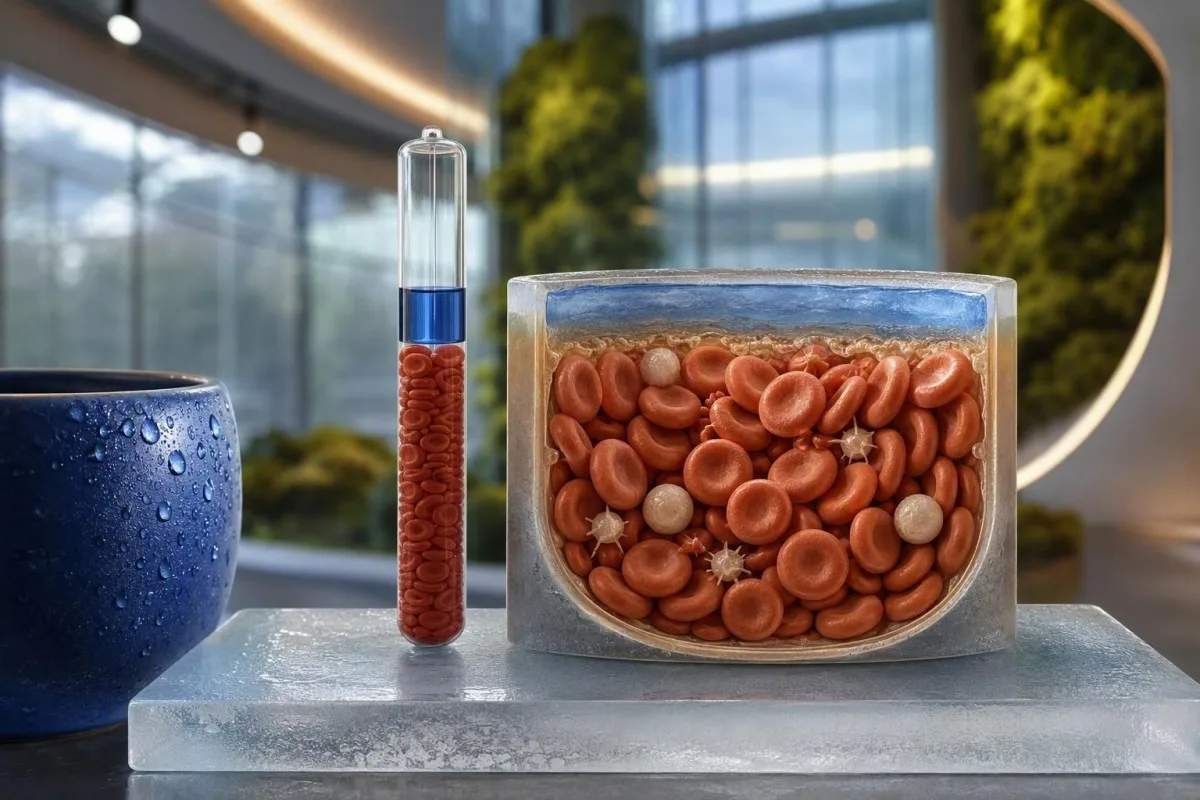
Hár fjöldi rauðra blóðkorna getur endurspeglað þétt blóð fremur en of mörg rauð blóðkorn. Fyrsta verkefnið er að greina tímabundið vökvatap frá viðvarandi hækkun sem þarfnast viðeigandi uppvinnslu.


- Afstæð rauðkornamennska þýðir að vatn í blóðvökvanum hefur minnkað, þannig að fjöldi RBC, blóðrauði og hematókrít virðast hækkuð án þess að ný rauð blóðkorn hafi myndast.
- WHO-mörk gildi sem styðja mögulega fjölcythemia vera eru blóðrauði yfir 16,5 g/dL hjá körlum eða 16,0 g/dL hjá konum, eða hematókrít yfir 49% og 48%, í sömu röð.
- Endurmat eftir vökvagjöf er yfirleitt eðlilegt að gera við vægri, einangraðri hækkun eftir uppköst, niðurgang, hitaálag, föstu eða erfiða líkamshreyfingu—ef þér líður annars vel.
- Þvagræsilyf getur hækkað hematókrít vegna vökvataps; ekki hætta ávísaðri meðferð án samráðs við lækninn sem ávísaði henni.
- mynstrið skiptir máli: hátt albúmín, heildarprótein, natríum, BUN/kreatínín-hlutfall og eðlisþyngd þvags styðja fremur ofþornun en raunverulega offramleiðslu rauðra blóðkorna.
- Endurtekningartímasetning er yfirleitt gert 1–2 vikum eftir bata, með eðlilegri vökvainntöku og eftir 24–48 klukkustundir án óvenju erfiðrar hreyfingar, nema bráð einkenni séu til staðar.
- viðvarandi hækkun eftir góða vökvun krefst mats á útsetningu fyrir reykingum, öndunartruflunum í svefni, hæð yfir sjávarmáli, testósteróni, lungna- eða nýrnasjúkdómi, rauðkornavaka og oft JAK2-prófs.
- Bráð einkenni meðal annars brjóstverkur, nýtilkomin mæði, máttleysi öðru megin, sjónmissir, ruglástand eða sársaukafullur bólginn fótur; þetta krefst tafarlausrar meðferðar en ekki endurtekinnar heimamælingar.
Hvað hátt RBC-gildi þýðir yfirleitt
Hátt RBC-gildi getur verið falskt hækkað vegna ofþornunar þegar vökvatap þéttir frumuhluta blóðsins; það þýðir ekki sjálfkrafa að beinmergurinn sé að framleiða of mörg rauð blóðkorn. Lykilatriðið er hvort hemóglóbín og hematókrít verði eðlileg eftir bata og eðlilega vökvainntöku, í stað þess að haldast hækkuð í vel undirbúinni endurtekinni CBC-rannsókn.
RBC-talningin sýnir fjölda rauðra blóðkorna á lítra, en blóðrauða sýnir hlutfall heildarblóðsins sem þessi blóðkorn taka upp. Viðmiðunargildi fullorðinna eru mismunandi eftir rannsóknastofum, en margar nota u.þ.b. 4,5–5,9 × 10¹²/L fyrir karla og 4,1–5,1 × 10¹²/L fyrir konur. Gildi sem er rétt yfir viðmiðunarmörkum er oft minna upplýsandi en hemóglóbínið og hematókrítið sem koma fram við hlið þess; leiðbeiningar okkar um hvað CBC inniheldur útskýrir hvers vegna.
Ofþornun dregur úr fljótandi hluta blóðsins innan nokkurra klukkustunda, þannig að sami massi rauðra blóðkorna tekur upp minna mælt rúmmál. Á heilsugæslunni sé ég þetta oft eftir magapest: RBC 5,8 × 10¹²/L, hemóglóbín 17,1 g/dL, hematókrít 51%, og síðan eðlileg gildi eftir bata. Þetta er afstæð rauðkornafjölgun, ekki rannsóknaskekkja og ekki endilega sjúkdómur.
Kantesti er AI blóðprufugreiningartæki sem les RBC, hemóglóbín, hematókrít, vísitölur rauðra blóðkorna, nýrnagildi og fyrri niðurstöður saman. Frá og með 5. september 2026 lítur klínískt endurskoðunarferli okkar á eitt CBC-gildi rétt yfir viðmiðunarmörkum sem tilefni til að kanna undirbúning og þróun gildisins — ekki sem greiningu.
RBC-talning er ekki það sama og massi rauðra blóðkorna
CBC getur ekki mælt heildarmassa rauðra blóðkorna beint. Hún mælir styrk, sem hækkar þegar rúmmál blóðvökva minnkar; sérhæfðar samsæturannsóknir á massa rauðra blóðkorna eru nú sjaldan nauðsynlegar, en þær sýna hvers vegna þétt CBC getur virst áhyggjuefni án raunverulegrar fjölgunar blóðkorna.
Hlutfallsleg rauðkornafjölgun samanborið við raunverulegt ofgnótt rauðra blóðkorna
Afstæð rauðkornafjölgun er hátt RBC-, hemóglóbín- eða hematókrítgildi af völdum minnkaðs rúmmáls blóðvökva, en algild rauðkornafjölgun endurspeglar raunverulega aukningu á massa rauðra blóðkorna. Vökvagjöf getur leiðrétt fyrra mynstrið en ekki hið síðara.
Raunveruleg rauðkornafjölgun getur verið frumkomin, eins og við polycythemia vera, eða afleidd vegna aukins erýtrópóetíns við súrefnisskort, lyfjanotkun eða, sjaldnar, nýrnavandamál. Viðmiðanir Alþjóðaheilbrigðismálastofnunarinnar frá 2016 nota hemóglóbín yfir 16,5 g/dL hjá körlum eða 16,0 g/dL hjá konum sem mörk sem ættu að vekja spurningu um polycythemia vera, einkum þegar gildið er viðvarandi (Arber o.fl., 2016). Eitt stakt gildi nægir ekki til að greina sjúkdóminn.
Hagnýtur greinarmunur byggist á öðrum niðurstöðum blóðrannsóknarinnar. Hátt RBC-gildi vegna ofþornunar einkennist oft af háu albúmíni, heildarpróteini, þvagefni/BUN, natríumgildi og þéttu þvagi; við algilda rauðkornafjölgun geta þessi gildi verið óbreytt. Lestu markvissa grein okkar um lítillega hækkað hemóglóbín ef hemóglóbínið, fremur en RBC eitt og sér, er niðurstaðan sem er merkt.
Eðlilegt RBC-gildi útilokar ekki rauðkornafjölgun ef hemóglóbín eða hematókrít er hátt, og hækkað RBC-gildi eitt og sér getur komið fram þegar rauð blóðkorn eru smá vegna járnskorts eða arfblendins β-talassemíu. Þess vegna skipta MCV og ferritín máli; hátt RBC-gildi ásamt MCV undir 80 fL kallar á annars konar klínískt mat.
Hvernig ofþornun breytir CBC og nýrnamælingum
Ofþornun hækkar yfirleitt RBC, hemóglóbín og hematókrít saman og hækkar oft einnig albúmín, heildarprótein, þvagefni/BUN, kreatínín og þéttni þvags. Ósamræmd niðurstaða — til dæmis hátt RBC-gildi ásamt lágu hemóglóbíni — samræmist ekki vel einfaldri blóðþéttingu.
BUN/kreatínín-hlutfall yfir um það bil 20:1 samkvæmt bandarískum einingum getur stutt grun um skert blóðflæði um nýru vegna vökvataps, þótt blæðing úr meltingarvegi, próteinneysla, barksterar og lítill vöðvamassi geti breytt hlutfallinu. Kreatínín getur hækkað lítillega eftir hita eða langt hlaup vegna þess að bæði síun og efnaskipti í vöðvum breytast. Okkar leiðbeiningar um ofþornun og eGFR fjallar um hvenær endurtaka ætti mælingu á lágu eGFR.
Eðlisþyngd þvags 1,025 eða hærri samræmist þéttu þvagi, en hún er ekki bein mæling á vökvun. Glúkósi, prótein og sum skuggaefni við myndrannsóknir geta einnig hækkað hana, þannig að læknir ætti að túlka hana með hliðsjón af einkennum og blóðsöltum. Ein viðmiðun fyrir eðlisþyngd þvags er gagnleg þegar CBC og þvagreining voru gerð sama dag.
Ég ráðlegg því að reyna ekki að koma prófi í eðlilegt horf með því að drekka nokkra lítra rétt fyrir blóðsýnatöku. Of mikil vökvainntaka á skömmum tíma getur lækkað natríum og gefur annað ódæmigert sýni; fyrir fólk án vökvatakmarkana eru venjulegar máltíðir og eðlileg vökvainntaka eftir þorsta í 24–48 klukkustundir yfirleitt öruggari.
Uppköst, niðurgangur, hiti, fasta og þvagræsilyf
Uppköst, niðurgangur, mikil svitamyndun, langvarandi fasta og þvagræsilyf geta öll valdið tímabundinni hárri RBC-styrk með því að draga úr vatnsmagni blóðvökvans. Hversu mikil hækkunin er ræðst frekar af vökvatapi og vökvauppbót en af því hversu veikri manneskju líður.
Bráð uppköst valda oft lágum klóríðgildum og stundum háu bíkarbónati vegna þess að magasýra og vökvi tapast. Lykkjuþvagræsilyf á borð við fúrósemíð og tíazíð geta valdið svipuðu rúmmálssamdráttarprófíli, einkum hjá eldra fólki. Lágt klóríðgildi þarf að túlka í sama klíníska samhengi; sjá klóríðvísbendingar við uppköst og notkun þvagræsilyfja mynstrið.
Ekki hætta að taka ávísað þvagræsilyf til að bæta CBC án læknisráðs. Fólk sem tekur þessi lyf vegna hjartabilunar, skorpulifrar, meðferðarþrýstingsháþrýstings eða nýrnasjúkdóms gæti þurft sérsniðna vökvaáætlun, þar sem ómarkviss vökvainntaka getur aukið bjúg eða mæði. Rétta spurningin er hvort lyfjaskammtur, einkenni, þyngd, blóðþrýstingur og niðurstöður nýrnaprófa passi saman.
Þorsti er gagnleg vísbending en ófullkominn hjá fólki yfir 65 ára aldri og fólki með sykursýki, nýrnasjúkdóm eða tilteknar taugasjúkdóma. Dökkgult þvag, munnþurrkur, svimi við að standa upp, minnkuð þvagmyndun og 1 kg þyngdartap á 24 klukkustundum geta stutt grun um vökvatap, en alvarleg einkenni krefjast mats fremur en sjálfsmeðferðar.
Hreyfing getur tímabundið þétt blóðið
Erfið þolþjálfun getur hækkað hematókrít og hemóglóbín í nokkrar klukkustundir vegna svitamissis og breytinga á rúmmáli blóðvökva, þótt endurtekin þjálfun geti lækkað grunngildi hematókríts vegna aukins blóðvökvarúmmáls. Tímasetning skiptir því óvenju miklu máli fyrir íþróttafólk.
90 mínútna hlaup í hlýju veðri getur valdið 1–3 lítra vökvatapi, háð líkamsstærð, loftslagi og svitamyndun. Sýni sem tekið er strax eftir keppni getur einnig sýnt hærri gildi kreatíníns, CK, albúmíns og heildarprótíns; það samsetta mynstur er gagnlegra en RBC-gildi eitt og sér. Okkar leiðbeiningar um tímasetningu blóðrannsókna eftir maraþon fjalla um bataþætti sem breytast oft.
Fyrir hefðbundið eftirlit mæli ég yfirleitt með því að forðast óvenju mikla áreynslu 24–48 klukkustunda fyrir blóðsýnatökuna, mæta úthvíld(ur) og drekka eðlilega daginn áður. Þetta er ekki algild regla fyrir rannsóknastofur og eftirlit með afreksíþróttafólki kann vísvitandi að fara fram við álag — en samkvæmni skiptir meira máli en fullkomnun. Dr. Thomas Klein hefur séð margar óþarfa tilvísanir hverfa þegar íþróttamaður er rannsakaður aftur eftir venjulega bataviku.
Kantesti’s Rannsóknarleiðarvísir um BUN og kreatínín er sérstaklega gagnlegt þegar úthaldsíþróttamaður er bæði með hátt hematókrít og jaðargildi sem gefur til kynna nýrnavanda. Þyngdartap, hár eðlisþyngdarstuðull þvags og stutt batabil gera blóðþéttingu líklega; vöðvaverkir, kókalitað þvag eða mjög hátt CK kalla á meiri varúð.
Örugg áætlun um endurtekningu á vægt hækkuðu CBC
Lítilsháttar hækkað RBC-gildi má yfirleitt mæla aftur eftir 1–2 vikna bata, eðlilega vökvainntöku og stöðuga lyfjanotkun ef þú ert ekki með viðvörunareinkenni. Endurtaktu rannsóknina fyrr aðeins ef læknirinn þinn óskar þess eða upphaflega gildið var verulega hækkað.
Fyrir endurtekna rannsókn skaltu skrá hvort þú hafir verið með niðurgang, uppköst, hita, neytt áfengis, farið í gufubað, ferðast langt, dvalið í mikilli hæð, fastað eða stundað mikla áreynslu síðustu 72 klukkustundir. Haltu venjulegu mataræði og lyfjaáætlun nema læknirinn segi annað. Þessi leiðbeiningar um undirbúning fyrir grunnblóðrannsókn innihalda hagnýtan gátlista til að forðast óviljandi breytileika.
Notaðu sömu rannsóknastofu þegar það er mögulegt, því aðferðir mælitækja og viðmiðunargildi eru mismunandi. Biddu um CBC með hemóglóbíni, hematókríti, MCV, RDW, fjölda hvítra blóðkorna og blóðflögum; viðvarandi hækkun ásamt háum fjölda blóðflagna eða hvítra blóðkorna vekur meiri grun um sjúklegt ferli í beinmerg en einangruð rauðkornamyndun. Nýleg veikindi geta haft áhrif á þessar frumugerðir í gagnstæðar áttir, svo heildarrannsóknin skiptir máli.
Kantesti er þjónustu fyrir túlkun á rannsóknarprófum með gervigreind sem ber nýtt CBC saman við fyrri gildi og gefur til kynna breytingar sem fara umfram eðlilegan breytileika. Aðferð okkar við að fylgjast með þróun kemur ekki í stað læknis, en hún getur varðveitt mikilvægt samhengi — hreyfingu, veikindi, lyf og fyrra hematókrít — sem glatast oft þegar eitt niðurstaðugildi er skoðað eitt og sér.
Hvenær endurtekið hátt gildi krefst rannsókna vegna rauðkornafjölgunar
Viðvarandi hátt hemóglóbín, yfir 16,5 g/dL hjá körlum eða 16,0 g/dL hjá konum, eða hematókrít yfir 49% hjá körlum eða 48% hjá konum, ætti að leiða til þess að læknir meti rauðkornamyndun eftir að ofþornun hefur verið útilokuð. Algengustu fyrstu rannsóknirnar eru endurtekið CBC, mæling á erýtrópóíetíni, mat á súrefnisstöðu og JAK2-stökkbreytingarannsókn þegar það á við.
Polycythemia vera er mergfjölgunaræxli þar sem JAK2-stökkbreytingar finnast hjá um 95% þeirra sem eru með sjúkdóminn. Lágt gildi erýtrópóíetíns í sermi styður við ofmyndun í beinmerg, en ekki ætti að túlka neina einstaka blóðrannsókn einangraða. Breska blóðsjúkdómafélagið mælir í leiðbeiningum sínum með skipulegri nálgun sem greinir frumkomna frá afleiddri rauðkornamyndun (McMullin o.fl., 2019).
Einkennin geta verið væg: höfuðverkur, þokusýn, kláði eftir heita sturtu, óvenjulegur roði í andliti, þreyta eða fyrri blóðtappi geta skipt meira máli en nákvæmt RBC-gildi. Fyrir ítarlegri útskýringu á hematókríti, erýtrópóíetíni og JAK2 skaltu lesa okkar einkennaleiðarvísi um fjölhringfrumufjölgun (polycythemia). Margir með væga hækkun á rannsóknargildum hafa engin þessara einkenna.
Ég gæti þess að gefa ekki í skyn að sérhver viðvarandi hækkun sé krabbamein. Kolmónoxíð vegna reykinga, ómeðhöndlað kæfisvefn, lungnasjúkdómar, testósterón, mikil hæð og sumir nýrnasjúkdómar eru algengari skýringar í mörgum læknisstofum. Þó er viðvarandi hækkun einmitt ástæðan fyrir því að endurtekið CBC ætti ekki að verða að endalausum hring tilviljanakenndra endurtekninga.
Lágt súrefni, reykingar og kæfisvefn sem orsakir hás RBC
Langvarandi súrefnisskortur getur örvað erýtrópóíetín og valdið raunverulega hækkuðum fjölda rauðra blóðkorna; kæfisvefn, kolmónoxíð vegna reykinga og lungnasjúkdómar eru algengar orsakir. Eðlileg súrefnismettun yfir daginn útilokar ekki að fullu súrefnisfall yfir nótt.
Teppandi kæfisvefn getur valdið vægri rauðkornamyndun, einkum þegar umtalsverð súrefnismettunarlækkun verður yfir nótt. Miklar hrotur, staðfest öndunarhlé, höfuðverkur að morgni, háþrýstingur sem svarar illa meðferð og syfja að degi til ættu að leiða til ítarlegrar spurninga um svefn fremur en þeirrar ályktunar að ofþornun útskýri allt. A leiðarvísir að blóðprófum við mæði lýsir samhengi lungna- og hjartastarfsemi í víðara samhengi.
Reykingar auka karboxýhemóglóbín, sem dregur úr súrefnisflutningi þrátt fyrir puls oxymeter sem getur litið róandi út. Vaping skapar ekki sömu kolmónoxíðsútsetningu og brennanlegt tóbak, en það hefur aðra heilsufarsáhættu og ætti samt að ræða heiðarlega. Kolmónoxíð próf eða co-oximetry er stundum gagnlegra en venjulegur súrefnis mettun.
Kantesti AI túlkar hátt RBC niðurstöðu ásamt hemóglóbíni, hematokrít, nýrnastöfum og tilkynntum svefn- eða reykingarþáttum frekar en að kynna almenna orsaka listann. Sú samhengis lesning er sérstaklega verðmæt þegar hematokrít er 50% eftir vökvun og sjúklingurinn tilkynnir óuppfrískandi svefn.
Hæð yfir sjávarmáli, testósterón og lyf sem hækka RBC
Að búa eða æfa í hæð og nota testósterón getur aukið rauðkorna framleiðslu, svo hækkunin getur verið raunveruleg frekar en þurrkunartengd. Tímasetning útsetningar svarar oft meira en upphaflega talan.
Í hæð örvar lægri súrefnisþrýstingur efropóetín og eykur hemóglóbín yfir daga til vikna; væntanlegt svið fer eftir hæð, lengd, uppruna og rannsóknarstofu tilvísunargögnum. CBC sem safnað er á meðan eða skömmu eftir fjallferð ætti að túlka gegn þeirri útsetningu. Okkar leiðbeiningar um endurtekin hæðarmælingar á hemóglóbíni útskýra hvers vegna tímasetningar aftur til sjávarmáls skiptir máli.
Testósterón stungulyf, gel, kögglar og sum anabólísk efni geta valdið rauðkornaaukningu. Margar skammtareglur minnka eða stöðva meðferð þegar hematokrít nær 54%, þó einstök áhættuskipti séu mismunandi, sérstaklega hjá fólki með hjartasjúkdóma eða kæfisvefn. Gefðu aldrei blóð eða breyttu ávísaðri skammti sem staðgengill fyrir að ræða niðurstöðuna við lækninn.
Sjaldnar geta SGLT2 sykursýkislyf valdið lítilsháttar hækkun á hematokrít, að hluta til vegna áhrifa á plasmagæði og hugsanlega efropóetín boð. Lyfjalisti ætti að innihalda lausasölufurðir af testósteróni, stungulyf og nýlegar breytingar – ekki aðeins lyf prentuð í rafrænu skrá.
Vísbendingar í CBC sem breyta mati á áhættu
Hár RBC er meira áhyggjuefni þegar hemóglóbín og hematokrít eru einnig há, sérstaklega með auknum blóðflögum, hvítum frumum, lágu efropóetíni, eða óeðlilegum frumum á smur. Hár RBC með lágu MCV vísar oft frekar til smáfrumutengdra sjúkdóma.
MCV undir 80 fL með hlutfallslega hátt RBC fjöldi getur komið fram í talasemíu, þar sem frumur eru litlar en fjölmennar. Járnskortur getur einnig lækkað MCV, þó það lækki hemóglóbín oftar með tímanum; ferritín og transferrin mettun skýra muninn. Okkar MCV og MCH samanburður útskýrir hvers vegna RBC talan ein og sér blekkir.
Hár hvítkorn eða blóðflögur ásamt háu hematokrít greinir ekki fjölkornurvef (polycythemia vera), en þau lækka þröskuldinn fyrir blóðfrumnafræðilega endurskoðun. Hringrásar smur, ferritín, efropóetín, JAK2 próf, og stundum beinmergsmat geta fylgt. Okkar blóðkrabbameinsprófunarferli sýnir hvers vegna þessi próf eru röðuð frekar en pöntuð af handahófi.
Hugmynd Dr. Thomas Klein er einföld: leita samkomulags á milli sjálfstæðra merkja. Hematokrít 52%, blóðflögur 520 × 10⁹/L, og lágt efropóetín er grundvallaratriði öðruvísi mynstur en hematokrít 50% eftir hitabylgju með albúmíni 5,3 g/dL og þéttu þvagi.
Einkenni og hætta á blóðtappa: hvenær hátt RBC er brátt ástand
Leitaðu bráðrar umönnunar vegna hátt RBC niðurstöðu með brjóstverk, skyndilegum andþrengslum, blóðhósta, yfirlið, nýja veikleika, talörðugleika, sjónleysi, eða sársaukafullum bólgnum fæti. Þessi einkenni geta endurspeglað blóðtappa eða annað bráð ástand og ætti aldrei að bíða eftir endurtekinni CBC.
Hærra hematokrít getur aukið seigju blóðsins, en einkenni og heildar æðaáhætta ákvarða brýnt meira áreiðanlega en hóflegt einangrað hækkun. Fjölkornurvef (polycythemia vera) ber með sér viðurkennda segamyndunaráhættu, sérstaklega með hærri aldri, fyrri segamyndun, hjarta- og æðasjúkdómaáhættuþætti og óviðráðanlegar tölur. Endurskoðun Tefferis og Barbui frá 2021 lýsir áhættuviðmiðandi meðferð frekar en að meðhöndla hverja hækkaða fjölda á sama hátt.
Höfuðverkur einn er algengur og óljós; höfuðverkur með nýjum sjónrænum einkennum, veikleika eða ruglingi er það ekki. Sömuleiðis getur kláði eftir heitt bað komið fram í fjölkornurvef (polycythemia vera) en einnig í þurrum húð og ofnæmi, svo það er vísbending, ekki sönnun. Yfirlit blóðprufu viðvörunarskilti fyrir brjóstverkjum ef einkenni eru hluti af ástæðunni fyrir því að prófið var pantað.
Ekki taka aspirín eingöngu vegna þess að RBC gildi er há nema læknirinn ráðleggur það. Aspirín hefur blæðingarhættu og getur verið óviðeigandi við magasár, segavarnarlyf, lágt blóðflögur, eða ákveðnar læknisfræðilegar sögu. Neyðarþjónusta er öruggari kostur þegar fókale einkenni taugakerfis eða hjarta- og lungna koma fram.
Hvers vegna fyrri CBC-rannsóknir þínar kunna að svara spurningunni
Stöðugt örlítið hátt RBC gildi yfir árum hefur aðra merkingu en hröð hækkun yfir vikur, og þróun getur greint persónulegt grunnlínugildi frá nýjum sjúkdómi. Berið niðurstöður saman með því að nota hemóglóbín, hematocrit, MCV, og sama rannsóknarstofu þegar mögulegt er.
Líffræðileg fjölbreytni og fjölbreytni greiningartækja þýðir að lítil breyting er ekki alltaf raunveruleg lífeðlisfræðileg breyting. 0,3 g/dL munur á hemóglóbíni milli tveggja sýna getur endurspeglað vökva, líkamsstöðu, tímasetningu eða venjulega fjölbreytni; viðvarandi hækkun frá 15,2 til 17,3 g/dL á skili meiri athygli. Grein okkar um marktækar breytingar á rannsóknarstofu útskýrir hugtakið viðmiðunarbreytingargildi.
Geymið einfalda skrá yfir hæð yfir sjávarmáli, reykingastöðu, testósterónskammt, veikindi, mikla hreyfingu, tíðablæðingar og vökvatap við hverja blóðsýnatöku. Þessi skrá er klínískt gagnlegri en að elta eitt nákvæmt “tilvalið” RBC gildi. Að minni reynslu er skortur á þessu samhengi ástæðan fyrir því að sjúklingar fá mótsagnakenndar útskýringar frá mismunandi tíma.
Kantesti, sem AI lífmerkjatúlkunarvettvangur, getur sýnt röð CBC gildis við hlið nýrna- og próteinmerkja til að bera kennsl á styrkleikamynstur. Við hvetjum notendur til að líta á þróunargreiningu sem undirbúning fyrir samtal við lækni, ekki staðgengil fyrir skoðun eða markvissa prófun.
Atriði varðandi meðgöngu, hærri aldur og langvinna sjúkdóma
Meðganga lækkar venjulega hemóglóbín og hematocrit vegna aukinnar plasmagæða, svo hátt gildi á meðgöngu á skili læknisathugun frekar en einfaldri þurrkunarþátttöku. Hjá eldra fólki og fólki með hjarta- eða nýrnasjúkdóma verður að einstaklinga ráðleggingar um vökva.
Meðan á meðgöngu eykst plasmagæði um gróflega 40–50%, sem skapar lífeðlisfræðilega þynningu; margir fæðingarþjónustur rannsaka hemóglóbín yfir 16,0 g/dL vegna þess að það getur gefið til kynna ófullnægjandi plasmagæði eða önnur áhyggjuefni. Alvarlegt uppköst snemma á meðgöngu getur enn þétt CBC, en viðvarandi hækkun ætti að ræða við fæðingarteymið. Sjá meðgöngublóðprófa rauðu flaggarnir okkar fyrir sama-dags aðstæður.
Eldra fólk gæti ekki tilkynnt þorsta áreiðanlega, en hjartaófullnægja og langt gengið nýrnasjúkdómur getur gert umfram vökva hættulegan. Hratt breyting í öndun í ökkla, þyngd, mæði eða þvagi skiptir meira máli en að reyna að ná almennu vatnsmarkmiði. Breytingar á þvagræsilyfjum tilheyra lækni sem sér um undirliggjandi ástand.
Börn hafa aldurssértæk hemóglóbín svið, og gildi sem lítur hátt út á fullorðins gátt getur verið viðeigandi á tilteknum aldri eða hæð. Barnalæknir ætti að túlka viðvarandi hækkun, sérstaklega með blásýru, meðfæddum hjartagöllum, eða lélegum vexti.
Spurningar sem þú getur borið undir lækninn eftir hátt RBC-gildi
Spyrðu hvort niðurstaðan þín endurspegli hemósamþjöppun, hvort hemóglóbín og hematocrit séu einnig há, og hvaða endurteknar aðstæður eru viðeigandi fyrir heilsufarssögu þína. Góðar spurningar koma í veg fyrir bæði ótímabæra viðvörun og misheppnaða viðvarandi rauðkornabólgu.
Komið með alla skýrsluna, ekki aðeins merkt RBC gildi, auk fyrri CBC og núverandi lyfjalista. Spyrðu: “Voru albúmín, heildarprótein, natríum, kreatínín, BUN/þvagefni og þéttni þvags í samræmi við vökvatap?” Þetta um leiðbeiningar um sermi-prótein getur hjálpað þér að skilja hvers vegna albúmín tilheyrir þeirri umræðu.
Ef hækkunin heldur áfram, spurðu hvort súrefnismat, svefnpróf, rauðkornavaka, ferritín, JAK2 próf, eða blóðfræðilegt tilvísun passi við þitt mynstur. Svarið mun vera öðruvísi fyrir 28 ára íþróttamann í langhlaupi með hematocrit 50% og 67 ára reykingamann með hematocrit 55% og fyrra blóðtappa. Sérstök saga breytir rannsókninni.
Klínísk aðferðafræði Kantesti er eftirlit með útgefnum gæðastöðlum og inntak lækna; lesendur geta skoðað okkar læknisfræðilega staðfestingarleið okkar áður en þú notar sjálfvirka túlkun. Dr. Thomas Klein's botnlína er að vökvun sé rökrétt fyrsta athugun fyrir væga einangraða niðurstöðu, en viðvarandi há gildi eiga skilið raunverulega skýringu.
Hagnýta niðurstaðan varðandi ofþornun og hátt RBC
Þúrvirðing getur valdið ósennilega háum RBC niðurstöðum með því að þétta blóðið, en hún ætti aðeins að vera talin starfhæf skýring þegar klínískt samhengi og sambærilegar rannsóknarniðurstöður samræmast. Eðlileg endurtekning eftir bata er fullvissandi; viðvarandi hækkun ætti að rannsaka.
Fyrir einangraða, væga hækkun eftir hita, meltingarbólgu, föstu eða erfiðar æfingar, náðu þér eðlilega og endurtaktu CBC við stöðugar aðstæður eftir um það bil 1–2 vikur. Forðastu mikla vökvainntöku og breyttu ekki þvagræsilyfjum, testósteróni eða öðrum ávísuðum lyfjum án ráðlegginga. Ef þú ert óviss hvort niðurstaða þín er aðeins jaðartengd, okkar niðurstaða utan viðmiða leiðarvísir útskýrir rannsóknarmerki.
Fyrir endurtekið hematocrit yfir 49% hjá körlum eða 48% hjá konum, eða blóðrauða yfir 16,5 g/dL eða 16,0 g/dL, biðjið um beina mati frekar en að endurtaka endalaust. Reykingaráhrif, kæfisvefn, hæð, lyfjaáhrif, rauðkornavaka, og JAK2 staða eru almennt talin í næsta áfanga. Einkenni sem benda til blóðtappa eða heilablóðfalls þurfa bráða meðferð.
Kantesti er AI-knúið blóðprófunargreiningartól byggt til að skipuleggja þessar niðurstöður og þróun þeirra fyrir upplýsta læknisumræðu. Læknisritarar okkar og Læknisfræðileg ráðgjafarnefnd leggja áherslu á sama meginreglu: samhengi fyrst, endurtekin próf þegar það er öruggt, og skjót klínísk endurskoðun þegar mynstrið helst.
Algengar spurningar
Getur ofþornun valdið háum RBC-gildum?
Já. Vökvaskortur getur valdið háum RBC-fjölda vegna þess að tap á vatni úr blóðvökva þéttir rauð blóðkorn í minna blóðrúmmáli, mynstur sem kallast hlutfallsleg rauðkornamergð. Blóðrauði og blóðkornahlutfall hækka yfirleitt samhliða RBC-fjöldanum, og albúmín, heildarprótein, BUN/þvagefni eða eðlisþyngd þvags geta einnig verið há. Væg, einangruð hækkun gengur oft til baka eftir bata og eðlilega vökvun, en viðvarandi blóðkornahlutfall yfir 49% hjá körlum eða 48% hjá konum krefst klínísks mats.
Hversu mikið vatn ætti ég að drekka áður en ég endurtek próf sem sýndi hátt RBC?
Flest fullorðnir ættu að drekka sitt venjulega magn eftir þorsta í 24–48 klukkustundir fyrir endurtekna CBC-rannsókn, í stað þess að drekka vísvitandi óhóflegt magn. Hagnýtt markmið er fölgult þvag og eðlilegar þvaglátur, ekki alveg tært þvag eða þvinguð vatnsdrykkja. Fólk með hjartabilun, langt genginn nýrnasjúkdóm, skorpulifur eða sem hefur fengið fyrirmæli um að takmarka vökvainntöku ætti að spyrja lækninn sinn um einstaklingsmiðað plan. Að drekka nokkra lítra á skömmum tíma getur lækkað natríumgildi og leitt til niðurstöðu sem endurspeglar ekki raunverulegt ástand.
Hversu löngu eftir ofþornun ætti ég að endurtaka CBC?
Endurtekið CBC er yfirleitt gert 1–2 vikum eftir að uppköst, niðurgangur, hiti, hitaálag eða veruleg líkamleg áreynsla hefur gengið yfir. Ef breytingarnar tengjast áreynslu skal forðast óvenju erfiða þjálfun í 24–48 klukkustundir fyrir sýnatöku og halda eðlilegri vökvainntöku. Tímasetningin kann að vera fyrr ef hematókrít er verulega hækkað, einkenni eru til staðar eða nýrnagildi eru óeðlileg. Notið sama rannsóknarstofu eftir því sem kostur er, svo samanburður á viðmiðunargildum og aðferðum greiningartækja sé sem bestur.
Hvaða RBC-fjöldi telst hættulega hár?
Það er ekkert eitt RBC-gildi sem skilgreinir hættu, því áhættan ræðst frekar af hlutfalli rauðra blóðkorna (hematókríti), blóðrauða, einkennum, orsök og sögu um blóðtappa. Hæmatókrít í kringum 60% eða hærra kallar almennt á skjótt klínískt mat samdægurs, en viðvarandi gildi yfir 49% hjá körlum eða 48% hjá konum réttlæta uppvinnu vegna rauðkornamyndunar. Brjóstverkur, skyndileg mæði, sjónmissir, máttleysi, talerfiðleikar eða sársaukafullur bólginn fótur eru bráðaeinkenni óháð nákvæmu gildi. Við slík einkenni þarf bráðamat í stað þess að bíða eftir að vökvun eða endurteknum mælingum.
Geta þvagræsilyf valdið hækkuðum fjölda rauðra blóðkorna?
Þvagræsilyf geta valdið hækkuðum styrk rauðra blóðkorna með því að minnka plasmarúmmál, einkum eftir skammtahækkanir, í heitu veðri, við litla vökvainntöku, uppköst eða niðurgang. Þau valda yfirleitt ekki því að beinmergurinn framleiði fleiri rauð blóðkorn, þannig að áhrifin geta gengið til baka þegar vökvajafnvægið hefur verið leiðrétt. Ekki hætta sjálf(ur) að taka fúrósemíð, hýdróklórtíazíð eða annað ávísað þvagræsilyf, þar sem þessi lyf kunna að halda hjartabilun, blóðþrýstingi eða bjúg í skefjum. Ræðið niðurstöður úr CBC ásamt líkamsþyngd, blóðþrýstingi, kreatíníni, natríum, kalíum og einkennum.
Þýðir hátt RBC-gildi alltaf fjölcytemíu vera?
Nei. Flest há RBC-gildi þýða ekki sjálfkrafa fjölcythemia vera; ofþornun, kolmónoxíð vegna reykinga, kæfisvefn, dvöl í mikilli hæð, lungnasjúkdómar og testósterón eru algengar aðrar skýringar. Fjölcythemia vera verður líklegri þegar hemóglóbín helst yfir 16.5 g/dL hjá körlum eða 16.0 g/dL hjá konum, blóðkornahlutfall helst yfir 49% eða 48%, rauðkornamyndunarhormón er lágt og JAK2-próf er jákvætt. Fjölcythemia vera tengist JAK2-stökkbreytingu í um 98% tilvika. Læknir ætti að túlka þessar niðurstöður sem heildarmynstur en ekki greina sjúkdóminn út frá einu CBC-fráviki.
Fáðu AI-knúna greiningu á blóðprufum í dag
Vertu með yfir 2 milljónir notenda um allan heim sem treysta Kantesti fyrir tafarlausa og nákvæma greiningu á blóðprufum. Hladdu upp niðurstöðum blóðrannsókna þinna og fáðu yfirgripsmikla túlkun á 15,000+ lífmerkjum á sekúndum.
📚 Tilvísuð rannsóknarútgáfa
Klein, T., Mitchell, S., & Weber, H. (2026). Útskýring á BUN/kreatínínhlutfalli: Leiðbeiningar um nýrnastarfsemipróf. Kantesti AI Medical Research.
Klein, T., Mitchell, S., & Weber, H. (2026). Þvagþéttniþvagefni í þvagprófi: Leiðarvísir um heildarþvaggreining 2026. Kantesti AI Medical Research.
📖 Ytri læknisfræðilegar heimildir
⚕️ Fyrirvari vegna læknisfræðilegra mála
Þessi grein er eingöngu til fræðslu og felur ekki í sér læknisráðgjöf. Leitaðu alltaf til hæfs heilbrigðisstarfsmanns vegna ákvarðana um greiningu og meðferð.
E-E-A-T traustmerki
Reynsla
Læknastýrð klínísk yfirferð á vinnuferlum við túlkun rannsóknarniðurstaðna.
Sérþekking
Áhersla á rannsóknarstofulækningar: hvernig lífmarkarar hegða sér í klínísku samhengi.
Yfirvald
Skrifað af Dr. Thomas Klein með yfirferð Dr. Sarah Mitchell og próf. Dr. Hans Weber.
Traustleiki
Rökstudd túlkun byggð á gögnum með skýrum eftirfylgnileiðum til að draga úr ávörun.