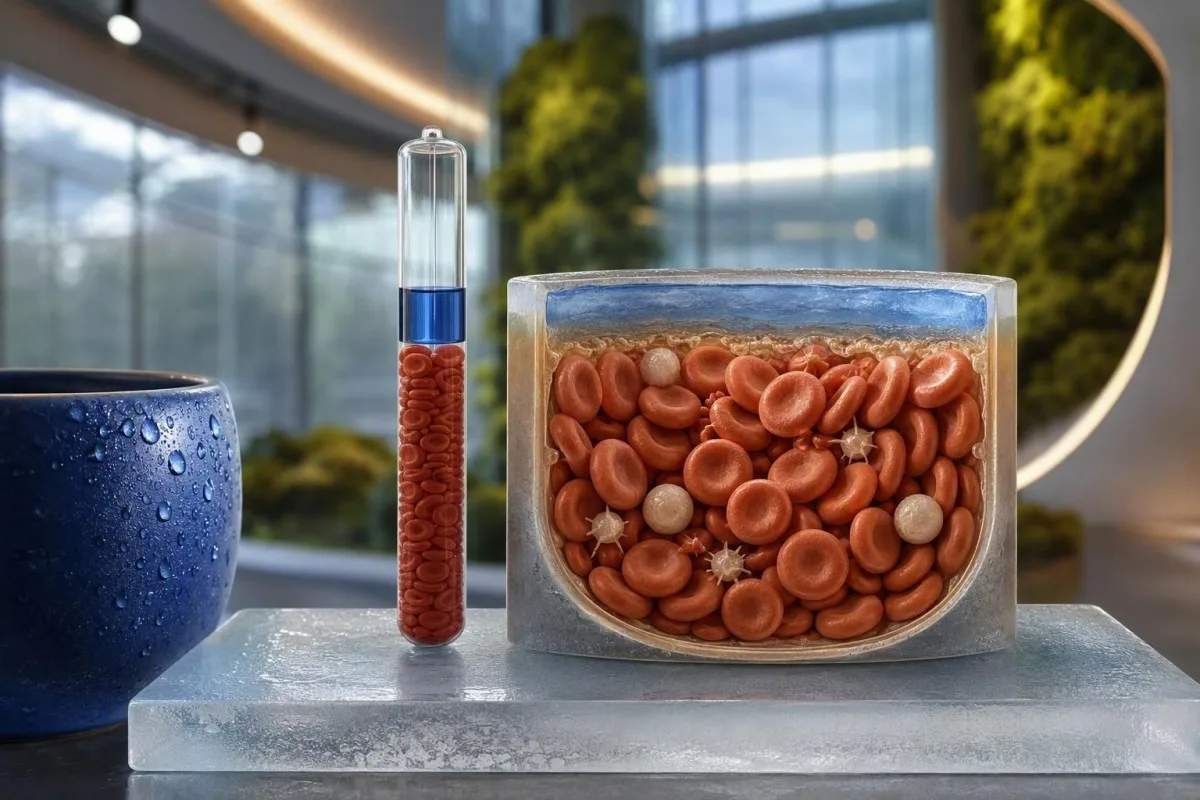
يمكن أن يعكس ارتفاع عدد RBC الدم المركز بدلاً من وجود خلايا دم حمراء إضافية. المهمة الأولى هي التمييز بين فقدان السوائل المؤقت وبين الارتفاع المستمر الذي يحتاج إلى فحص دقيق.


- كثرة الكريات الحمر النسبية تعني أن نسبة الماء في البلازما قد انخفضت، مما يجعل عدد RBC والهيموغلوبين والهيماتوكريت تبدو مرتفعة دون تكوين خلايا جديدة.
- عتبة منظمة الصحة العالمية القيم التي تدعم احتمالية الإصابة بكثرة الحمر الحقيقية هي الهيموغلوبين فوق 16.5 جم/ديسيلتر عند الرجال أو 16.0 جم/ديسيلتر عند النساء، أو الهيماتوكريت فوق 49% و48% على التوالي.
- إعادة الفحص بعد الإماهة هو إجراء منطقي عادةً في حالات الارتفاع الطفيف والمعزول بعد القيء أو الإسهال أو التعرض للحرارة أو الصيام أو التمارين الشاقة—إذا كنت بصحة جيدة بخلاف ذلك.
- المدرّات البولية يمكن أن ترفع الهيماتوكريت من خلال فقدان السوائل؛ لا توقف الأدوية الموصوفة دون استشارة الطبيب الذي وصفها.
- النمط مهم: ارتفاع الألبومين، والبروتين الكلي، والصوديوم، ونسبة BUN/الكرياتينين، والوزن النوعي للبول تدعم الجفاف أكثر من دعمها للإنتاج المفرط لخلايا الدم الحمراء الحقيقي.
- توقيت التكرار يكون عادةً بعد أسبوع إلى أسبوعين من التعافي، وتناول السوائل بشكل طبيعي، ومرور 24-48 ساعة دون ممارسة تمارين شاقة غير معتادة، ما لم تكن هناك أعراض عاجلة.
- استمرار الارتفاع بعد الإماهة الجيدة تستوجب التقييم لاحتمالية التعرض للتدخين، واضطرابات التنفس أثناء النوم، والارتفاع عن سطح البحر، والتستوستيرون، وأمراض الرئة أو الكلى، والإريثروبويتين، وغالباً إجراء فحص JAK2.
- أعراض عاجلة تشمل ألم الصدر، وضيق التنفس الجديد، والضعف في جانب واحد من الجسم، وفقدان الرؤية، والارتباك، أو تورم الساق المؤلم؛ هذه الأعراض تتطلب رعاية فورية، وليست إعادة فحص منزلي.
ماذا يعني عادةً ارتفاع نتيجة RBC
يمكن أن يكون ارتفاع عدد RBC نتيجة خاطئة بسبب الجفاف عندما يؤدي فقدان السوائل إلى تركيز الجزء الخلوي من الدم؛ ولا يعني ذلك تلقائياً أن نخاع العظم ينتج الكثير من خلايا الدم الحمراء. الدليل هو ما إذا كانت مستويات الهيموغلوبين والهيماتوكريت تعود إلى طبيعتها بعد التعافي وشرب السوائل بشكل اعتيادي، بدلاً من بقائها مرتفعة في فحص CBC مكرر تم إجراؤه في ظروف جيدة.
يشير عدد RBC إلى عدد خلايا الدم الحمراء لكل لتر، بينما الهيماتوكريت يشير إلى النسبة التي تشغلها تلك الخلايا من حجم الدم الكلي. تختلف النطاقات المرجعية للبالغين باختلاف المختبر، لكن الكثير منها يستخدم تقريباً 4.5–5.9 × 10¹²/لتر للرجال و 4.1–5.1 × 10¹²/لتر للنساء. غالباً ما تكون القيمة التي تزيد قليلاً عن النطاق الطبيعي أقل أهمية من قيم الهيموغلوبين والهيماتوكريت المصاحبة لها؛ دليلنا إلى ما الذي يتضمنه CBC لماذا.
يؤدي الجفاف إلى خفض المكون السائل في الدم في غضون ساعات، لذا فإن نفس كتلة خلايا الدم الحمراء تشغل حجماً مقاساً أصغر. في العيادة، أرى هذا عادةً بعد اضطرابات المعدة: RBC 5.8 × 10¹²/لتر، هيموغلوبين 17.1 غرام/ديسيلتر، هيماتوكريت 51%، ثم قيم طبيعية بعد التعافي. هذه هي كثرة الكريات الحمر النسبية, ، وليست خطأً مختبرياً وليست بالضرورة مرضاً.
كانتيستي هو محلل تحليل الدم بالذكاء الاصطناعي التي تقرأ نتائج RBC والهيموغلوبين والهيماتوكريت ومؤشرات خلايا الدم الحمراء وعلامات الكلى والنتائج السابقة معاً. اعتباراً من 5 سبتمبر 2026، يتعامل سير عمل المراجعة السريرية الخاص بنا مع نتيجة CBC واحدة عند الحد الفاصل كحافز للتحقق من التحضير والاتجاه - وليس كتشخيص.
عدد RBC ليس هو نفسه كتلة خلايا الدم الحمراء
لا يمكن لفحص CBC قياس كتلة خلايا الدم الحمراء الكلية مباشرة. فهو يقيس التركيز، الذي يرتفع عندما ينكمش حجم البلازما؛ نادراً ما تكون دراسات كتلة خلايا الدم الحمراء المتخصصة باستخدام النظائر ضرورية الآن، لكنها توضح لماذا يمكن أن يبدو فحص CBC المركز مثيراً للقلق دون زيادة فعلية في عدد الخلايا.
كثرة كريات الدم الحمراء النسبية مقابل الزيادة الحقيقية في خلايا الدم الحمراء
كثرة الكريات الحمر النسبية هي ارتفاع في عدد RBC أو الهيموغلوبين أو الهيماتوكريت ناتج عن انخفاض حجم البلازما، في حين تعكس كثرة الكريات الحمر المطلقة زيادة حقيقية في كتلة خلايا الدم الحمراء. يمكن للترطيب تصحيح النمط الأول لكنه لن يصحح النمط الثاني.
قد تكون كثرة الكريات الحمر الحقيقية أولية، كما في كثرة الحمر الحقيقية (Polycythemia vera)، أو ثانوية نتيجة زيادة الإريثروبويتين بسبب نقص الأكسجين، أو الأدوية، أو نادراً بسبب عملية كلوية. تستخدم معايير منظمة الصحة العالمية لعام 2016 مستوى هيموغلوبين أعلى من 16.5 غرام/ديسيلتر للرجال أو 16.0 غرام/ديسيلتر للنساء كحدود يجب أن تثير التساؤل حول كثرة الحمر الحقيقية، خاصة عندما تكون مستمرة (Arber et al., 2016). القيمة الواحدة ليست كافية للتشخيص.
التمييز العملي يكمن في بقية نتائج الفحص. عدد RBC المرتفع بسبب الجفاف غالباً ما تتضمن الأنماط ارتفاعاً في الألبومين، والبروتين الكلي، واليوريا/BUN، والصوديوم، وتركيز البول؛ بينما قد تظل هذه المؤشرات طبيعية في حالة كثرة الكريات الحمر المطلقة. راجع مقالتنا المركزة حول ارتفاع الهيموغلوبين الطفيف إذا كان الهيموغلوبين، بدلاً من RBC وحدها، هو النتيجة التي تم وضع علامة عليها.
لا يستبعد عدد RBC الطبيعي كثرة الكريات الحمر إذا كان الهيموغلوبين أو الهيماتوكريت مرتفعاً، ويمكن أن يحدث ارتفاع عدد RBC وحده مع خلايا دم حمراء صغيرة ناتجة عن نقص الحديد أو سمة الثلاسيميا. لهذا السبب تعتبر قيم MCV والفيريتين مهمة؛ فعدد RBC المرتفع مع MCV أقل من 80 فيمتولتر يمثل سياقاً سريرياً مختلفاً.
كيف يؤثر الجفاف على CBC ومؤشرات الكلى
عادة ما يؤدي الجفاف إلى رفع عدد RBC والهيموغلوبين والهيماتوكريت معاً، وغالباً ما يرفع الألبومين، والبروتين الكلي، واليوريا/BUN، والكرياتينين، وتركيز البول. النتيجة غير المتوافقة - على سبيل المثال، ارتفاع RBC مع انخفاض الهيموغلوبين - لا تتناسب جيداً مع التمركز الدموي البسيط.
يمكن أن تدعم نسبة BUN/الكرياتينين التي تزيد عن نحو 20:1 بوحدات الولايات المتحدة انخفاض تروية الكلى بسبب فقدان السوائل، رغم أن النزف المعدي المعوي، وتناول البروتين، والكورتيكوستيرويدات، وانخفاض الكتلة العضلية قد تغيّر هذه النسبة. وقد يرتفع الكرياتينين ارتفاعًا طفيفًا بعد التعرض للحرارة أو الجري لمسافة طويلة بسبب تغير كلٍّ من الترشيح واستقلاب العضلات. لدينا الجفاف و eGFR يغطي هذا متى ينبغي إعادة فحص eGFR المنخفض.
تتوافق الكثافة النوعية للبول التي تبلغ 1.025 أو أكثر مع البول المركز، لكنها ليست مقياسًا مباشرًا للترطيب. كما يمكن أن يزيدها الغلوكوز والبروتين وبعض مواد التباين المستخدمة في التصوير، لذلك ينبغي للطبيب تفسيرها بالاقتران مع الأعراض والشوارد. إن مرجع الكثافة النوعية للبول مفيد عندما جُمعت CBC وتحليل البول في اليوم نفسه.
أنصح بعدم محاولة إعادة نتيجة الفحص إلى المعدل الطبيعي قسرًا بشرب عدة لترات مباشرة قبل سحب العينة. فقد يؤدي الإفراط السريع في الشرب إلى خفض الصوديوم، كما أنه ينتج عينة أخرى غير ممثلة للحالة؛ وتكون الوجبات المعتادة والسوائل العادية وفقًا للعطش لمدة 24–48 ساعة أكثر أمانًا عمومًا للأشخاص الذين لا يفرض عليهم تقييد السوائل.
القيء، الإسهال، الحرارة، الصيام، ومدرات البول
يمكن أن يسبب القيء والإسهال والتعرق الشديد والصيام المطول والأدوية المدرة للبول ارتفاعًا مؤقتًا في تركيز RBC، وذلك من خلال تقليل ماء البلازما. تعتمد درجة الارتفاع على فقدان السوائل وتعويضها أكثر مما تعتمد على مدى شعور الشخص بالمرض.
غالبًا ما يؤدي القيء الحاد إلى انخفاض الكلوريد وارتفاع البيكربونات أحيانًا، بسبب فقدان حمض المعدة والسوائل. ويمكن لمدرات البول العروية مثل الفوروسيميد ومدرات الثيازيد أن تُحدث نمطًا مشابهًا من انكماش حجم السوائل، ولا سيما لدى كبار السن. وينبغي تفسير انخفاض الكلوريد ضمن الإطار السريري نفسه؛ انظر مؤشرات الكلوريد المرتبطة بالقيء ومدرات البول النمط.
لا توقف مدرّ البول الموصوف لتحسين CBC دون استشارة طبية. فقد يحتاج الأشخاص الذين يتناولون هذه الأدوية لعلاج قصور القلب أو تشمع الكبد أو ارتفاع ضغط الدم المقاوم أو أمراض الكلى إلى خطة سوائل مخصصة، لأن الإفراط العشوائي في الشرب قد يؤدي إلى تفاقم التورم أو ضيق النفس. والسؤال الصحيح هو ما إذا كانت الجرعة والأعراض والوزن وضغط الدم ونتائج وظائف الكلى متوافقة معًا.
يكون العطش مفيدًا لكنه غير مثالي لدى البالغين الذين تزيد أعمارهم على 65 عامًا ولدى المصابين بالسكري أو أمراض الكلى أو بعض الحالات العصبية. وقد يدعم البول الأصفر الداكن وجفاف الفم والدوخة عند الوقوف وانخفاض التبول وانخفاض الوزن بمقدار 1 كغ خلال 24 ساعة احتمال فقدان السوائل، لكن الأعراض الشديدة تستلزم التقييم بدلًا من العلاج الذاتي.
يمكن للتمارين الرياضية أن تؤدي إلى تركيز الدم مؤقتاً
يمكن أن تؤدي تمارين التحمل الشاقة إلى ارتفاع الهيماتوكريت والهيموغلوبين لعدة ساعات بسبب فقدان العرق وتحولات حجم البلازما، رغم أن التدريب المتكرر قد يخفض خط الأساس للهيماتوكريت نتيجة توسع حجم البلازما. ولذلك يكون التوقيت مهمًا على نحو استثنائي لدى الرياضيين.
يمكن أن يؤدي الجري لمدة 90 دقيقة في الطقس الدافئ إلى فقدان 1–3 لترات من السوائل، تبعًا لحجم الجسم والمناخ ومعدل التعرق. وقد تُظهر العينة المأخوذة مباشرة بعد السباق أيضًا ارتفاعًا في الكرياتينين وCK والألبومين والبروتين الكلي؛ وتكون هذه المجموعة من المؤشرات أكثر فائدة من نتيجة RBC وحدها. دليلنا حول توقيت تحاليل الدم الخاصة بسباق الماراثون يناقش مؤشرات التعافي التي تتغير عادةً.
للمراقبة الروتينية، أوصي عادةً بتجنب ممارسة التمارين الشديدة بصورة غير معتادة لمدة 24 إلى 48 ساعة قبل سحب العينة، والحضور وأنت مرتاح، والشرب بصورة طبيعية في اليوم السابق. وهذه ليست قاعدة مخبرية عامة، وقد تُجرى مراقبة الرياضيين النخبة عمدًا أثناء بذل الجهد—لكن الاتساق أهم من المثالية. وقد رأى الدكتور توماس كلاين إحالات غير ضرورية كثيرة تختفي بمجرد إعادة فحص الرياضي بعد أسبوع تعافٍ طبيعي.
Kantesti’s دليل أبحاث BUN والكرياتينين يكون مفيدًا بشكل خاص عندما يعاني رياضي التحمل من ارتفاع كلٍّ من الهيماتوكريت ووجود مؤشر حدودي على مشكلة كلوية. ويجعل انخفاض الوزن وارتفاع الكثافة النوعية للبول وقِصر فترة التعافي احتمالَ تركّز الدم أمرًا معقولًا؛ أما ألم العضلات أو البول بلون الكولا أو الارتفاع الشديد جدًا في CK فتتطلب مستوى مختلفًا من الحذر.
خطة آمنة لإعادة فحص CBC المرتفع بشكل طفيف
يمكن عادةً إعادة فحص ارتفاع عدد RBC بدرجة بسيطة بعد 1–2 أسبوع من التعافي، والترطيب المعتاد، واستقرار استخدام الأدوية، عندما لا تكون لديك أعراض إنذار. أعد الفحص في وقت أقرب فقط إذا طلب طبيبك ذلك أو كانت النتيجة الأولية مرتفعة بدرجة كبيرة.
قبل إعادة الفحص، سجّل ما إذا كنت قد عانيت من الإسهال أو القيء أو الحمى، أو تناولت الكحول، أو استخدمت الساونا، أو سافرت لمسافة طويلة، أو تعرضت للمرتفعات، أو صمت، أو مارست تمارين شديدة خلال فترة الـ72 ساعة السابقة. حافظ على نظامك الغذائي المعتاد وجدول تناول أدويتك ما لم يطلب منك طبيبك خلاف ذلك. ويحتوي دليلنا للتحضير الأساسي لتحاليل الدم على قائمة عملية لتجنب التباين غير المقصود.
استخدم المختبر نفسه متى أمكن، لأن طرق أجهزة التحليل والفواصل المرجعية تختلف. واطلب إجراء CBC مع قياس الهيموغلوبين والهيماتوكريت وMCV وRDW وعدد خلايا الدم البيضاء والصفائح الدموية؛ فاستمرار الارتفاع المصحوب بارتفاع عدد الصفائح أو خلايا الدم البيضاء يثير قلقًا أكبر بشأن وجود اضطراب في نخاع العظم مقارنةً بكثرة الحمر المعزولة. وقد يؤثر مرض حديث في هذه السلاسل باتجاهات متعاكسة، ولذلك فإن اللوحة الكاملة مهمة.
كانتيستي هو خدمة تفسير اختبارات مختبر الذكاء الاصطناعي الذي يقارن CBC جديدًا بالقيم السابقة ويشير إلى التغيرات التي تتجاوز التباين المعتاد. ولا يحل نهجنا القائم على تتبع الاتجاهات محل الطبيب، لكنه قد يحافظ على السياق المهم—التمارين والمرض والأدوية والهيماتوكريت السابق—الذي غالبًا ما يُفقد عند النظر إلى نتيجة واحدة بمعزل عن غيرها.
متى تتطلب النتيجة المرتفعة المتكررة إجراء فحص كثرة كريات الدم الحمراء
ينبغي أن يدفع استمرار ارتفاع الهيموغلوبين فوق 16.5 غ/دل لدى الرجال أو 16.0 غ/دل لدى النساء، أو ارتفاع الهيماتوكريت فوق 49% أو 48%، الطبيبَ إلى تقييم كثرة الحمر بعد استبعاد الجفاف. وتشمل الفحوصات الأولية المعتادة إعادة CBC، وقياس مستوى الإريثروبويتين، وتقييم الأكسجين، واختبار طفرة JAK2 عند الاقتضاء.
كثرة الحمر الحقيقية هي ورم نقوي تكاثري، وتوجد طفرات JAK2 لدى نحو 98% من المرضى المصابين. ويدعم انخفاض مستوى الإريثروبويتين في المصل فرطَ الإنتاج الأولي في نخاع العظم، لكن لا ينبغي تفسير أي فحص دم منفردًا بمعزل عن غيره. ويوصي دليل الجمعية البريطانية لأمراض الدم باتباع نهج منظم يميّز بين كثرة الحمر الأولية والثانوية (McMullin وآخرون، 2019).
قد تكون الأعراض خفية: فالصداع، وتشوش الرؤية، والحكة بعد الاستحمام الدافئ، واحمرار الوجه غير المعتاد، والتعب، أو وجود جلطة سابقة قد تكون أهم من قيمة RBC الدقيقة. ولشرح أشمل للهيماتوكريت والإريثروبويتين وJAK2، اقرأ دليل أعراض كثرة الحمر. ولا يعاني كثير من الأشخاص الذين لديهم ارتفاع مخبري بسيط من أيٍّ من هذه السمات.
أحرص على ألا أوحي بأن كل ارتفاع مستمر في العدد يعني الإصابة بالسرطان. فالتعرض لأول أكسيد الكربون المرتبط بالتدخين، وانقطاع النفس النومي غير المعالج، وأمراض الرئة، والتستوستيرون، والعيش على ارتفاعات شاهقة، وبعض أمراض الكلى، كلها تفسيرات أكثر شيوعًا في كثير من الممارسات الطبية. ومع ذلك، فإن استمرار الارتفاع هو تحديدًا سبب عدم تحول إعادة CBC إلى دورة لا تنتهي من إعادة الفحوصات بصورة عابرة.
نقص الأكسجين، التدخين، وانقطاع النفس أثناء النوم كأسباب لارتفاع RBC
يمكن لنقص الأكسجين المزمن أن يحفز الإريثروبويتين ويسبب ارتفاعًا حقيقيًا في عدد خلايا الدم الحمراء؛ ويُعد انقطاع النفس النومي والتعرض لأول أكسيد الكربون المرتبط بالتدخين وأمراض الرئة من الأسباب الشائعة. ولا يستبعد تشبع الأكسجين الطبيعي أثناء النهار تمامًا حدوث انخفاضات في الأكسجين ليلًا.
يمكن لانقطاع النفس الانسدادي النومي أن يسبب كثرة حمر متوسطة، ولا سيما عند حدوث انخفاضات كبيرة في تشبع الأكسجين أثناء الليل. وينبغي أن يؤدي الشخير المرتفع، وتوقف التنفس الملحوظ أثناء النوم، والصداع الصباحي، وارتفاع ضغط الدم المقاوم للعلاج، والنعاس أثناء النهار إلى أخذ تاريخ مرضي يركز على النوم، بدلًا من افتراض أن الجفاف يفسر كل شيء. وهناك دليل فحص الدم لضيق التنفس يستعرض السياق القلبي الرئوي الأوسع.
يرفع تدخين السجائر مستوى الكاربوكسي هيموغلوبين، مما يقلل إيصال الأكسجين رغم أن قراءة مقياس التأكسج النبضي قد تبدو مطمئنة. لا يسبب التدخين الإلكتروني التعرض نفسه لأول أكسيد الكربون الذي يسببه التبغ القابل للاحتراق، لكنه ينطوي على مخاطر صحية أخرى، وينبغي مناقشته بصراحة أيضًا. وقد يكون اختبار أول أكسيد الكربون أو قياس التأكسج المشترك أكثر فائدة أحيانًا من قياس تشبع الأكسجين الروتيني.
يفسّر Kantesti AI نتيجة RBC المرتفعة بالاقتران مع الهيموغلوبين والهيماتوكريت ومؤشرات وظائف الكلى والعوامل المتعلقة بالنوم أو التدخين التي يذكرها المريض، بدلًا من عرض قائمة عامة بالأسباب. وتكتسب هذه القراءة السياقية قيمة خاصة عندما يكون الهيماتوكريت 50% بعد ترطيب الجسم ويذكر المريض أن نومه غير منعش.
الارتفاع عن سطح البحر، التستوستيرون، والأدوية التي ترفع RBC
يمكن للعيش أو التدريب على ارتفاعات عالية واستخدام التستوستيرون أن يزيدا إنتاج كريات الدم الحمراء، لذلك قد يكون الارتفاع حقيقيًا وليس مرتبطًا بالجفاف. غالبًا ما يجيب توقيت التعرض عن أسئلة أكثر مما يجيب عنها الرقم الأولي.
في المرتفعات، يحفز انخفاض ضغط الأكسجين إنتاج الإريثروبويتين ويرفع الهيموغلوبين خلال أيام إلى أسابيع؛ ويعتمد النطاق المتوقع على الارتفاع ومدة التعرض والأصل العرقي وبيانات القيم المرجعية للمختبر. وينبغي تفسير فحص CBC الذي يُجرى أثناء الإقامة في الجبال أو بعد العودة منها بفترة وجيزة في ضوء ذلك التعرض. دليلنا لإعادة فحص الهيموغلوبين بعد الإقامة في المرتفعات يوضح سبب أهمية توقيت العودة إلى مستوى سطح البحر.
يمكن لحقن التستوستيرون وجلّاته وغرزه وبعض العوامل البنائية أن تسبب كثرة الكريات الحمر. وتخفض بروتوكولات وصف العلاج أو توقفه عند وصول الهيماتوكريت إلى 54%, ، رغم اختلاف قرارات المخاطر الفردية، ولا سيما لدى الأشخاص المصابين بأمراض القلب والأوعية الدموية أو انقطاع النفس النومي. لا تتبرع بالدم أو تغيّر الجرعة الموصوفة كبديل عن مناقشة النتيجة مع الطبيب الواصف.
في حالات أقل شيوعًا، يمكن لأدوية السكري من فئة SGLT2 أن تسبب ارتفاعًا طفيفًا في الهيماتوكريت، جزئيًا بسبب تأثيراتها في حجم البلازما وربما بسبب إشارات الإريثروبويتين. وينبغي أن تتضمن قائمة الأدوية منتجات الأندروجين المتاحة دون وصفة طبية والعلاجات القابلة للحقن والتغييرات الحديثة، لا الأدوية المطبوعة في السجل الإلكتروني فحسب.
مؤشرات في CBC تغير مستوى القلق
تكون زيادة RBC أكثر إثارة للقلق عندما يكون الهيموغلوبين والهيماتوكريت مرتفعين أيضًا، ولا سيما مع ارتفاع الصفائح الدموية أو كريات الدم البيضاء أو انخفاض الإريثروبويتين أو وجود خلايا غير طبيعية في لطاخة الدم. غالبًا ما تشير زيادة RBC مع انخفاض MCV بدلًا من ذلك إلى اضطرابات الخلايا صغيرة الحجم.
يمكن أن يحدث انخفاض MCV إلى أقل من 80 fL مع ارتفاع نسبي في عدد RBC في سمة الثلاسيميا، حيث تكون الخلايا صغيرة لكنها كثيرة. كما يمكن لنقص الحديد أن يخفض MCV، رغم أنه يخفض الهيموغلوبين غالبًا بمرور الوقت؛ ويساعد الفيريتين وتشبع الترانسفيرين في توضيح الفرق. يوضح دليلنا بين MCV وMCH سبب تضليل عدد RBC وحده.
لا يشخّص ارتفاع كريات الدم البيضاء أو الصفائح الدموية بالتزامن مع ارتفاع الهيماتوكريت كثرة الحمر الحقيقية، لكنه يخفض عتبة الإحالة إلى اختصاصي أمراض الدم. وقد يتبع ذلك إجراء لطاخة دم محيطية وقياس الفيريتين والإريثروبويتين واختبار JAK2، وأحيانًا تقييم نخاع العظم. يوضح دليلنا مسار فحوصات سرطان الدم لدينا سبب ترتيب هذه الاختبارات بدلًا من طلبها عشوائيًا.
قاعدة الدكتور توماس كلاين العملية بسيطة: ابحث عن التوافق بين المؤشرات المستقلة. فنمط هيماتوكريت قدره 52%، وصفائح دموية قدرها 520 × 10⁹/L، وانخفاض الإريثروبويتين يختلف اختلافًا جوهريًا عن هيماتوكريت قدره 50% بعد موجة حر، مع ألبومين قدره 5.3 g/dL وبول مركز.
الأعراض وخطر التجلط: متى يكون ارتفاع RBC أمراً عاجلاً
اطلب الرعاية العاجلة عند وجود نتيجة RBC مرتفعة مع ألم في الصدر أو ضيق نفس مفاجئ أو سعال مصحوب بالدم أو إغماء أو ضعف جديد أو صعوبة في الكلام أو فقدان البصر أو ساق مؤلمة ومتورمة. قد تعكس هذه الأعراض جلطة أو حالة حادة أخرى، ولا ينبغي أبدًا انتظار إعادة فحص CBC.
يمكن لارتفاع الهيماتوكريت أن يزيد لزوجة الدم، لكن الأعراض والمخاطر الوعائية الإجمالية تحدد درجة الاستعجال بصورة أكثر موثوقية من الارتفاع المنفرد البسيط. وترتبط كثرة الحمر الحقيقية بخطر معروف للإصابة بالجلطات، ولا سيما مع التقدم في العمر أو وجود جلطة سابقة أو عوامل خطر قلبية وعائية أو ارتفاعات غير مسيطر عليها في تعداد الدم. وتصف مراجعة تيـفيري وباربوي لعام 2021 علاجًا متكيفًا مع المخاطر بدلًا من معاملة كل ارتفاع في التعداد بالطريقة نفسها.
الصداع وحده شائع وغير نوعي؛ أما الصداع المصحوب بأعراض بصرية جديدة أو ضعف أو ارتباك فليس كذلك. وبالمثل، قد تحدث حكة بعد الاستحمام بالماء الدافئ في كثرة الحمر الحقيقية، لكنها قد تحدث أيضًا بسبب جفاف الجلد والحساسية، ولذلك فهي علامة إرشادية وليست دليلًا قاطعًا. راجع علامات التحذير في تحليل الدم لألم الصدر إذا كانت الأعراض جزءًا من سبب طلب الفحص.
لا تتناول الأسبرين لمجرد ارتفاع عدد RBC ما لم يوصِ به طبيبك. للأسبرين مخاطر تتعلق بالنزيف، وقد لا يكون مناسبًا مع القرحة أو مضادات التخثر أو انخفاض الصفائح الدموية أو بعض السوابق المرضية. تكون خدمات الطوارئ الخيار الأكثر أمانًا عند ظهور أعراض عصبية بؤرية أو أعراض قلبية رئوية.
لماذا قد تجيب فحوصات CBC السابقة الخاصة بك على السؤال
إن ثبات ارتفاع طفيف في عدد RBC على مدى سنوات يختلف في دلالته عن الارتفاع السريع خلال أسابيع، ويمكن للاتجاهات أن تميز بين خط الأساس الشخصي والمرض الجديد. قارن النتائج باستخدام الهيموغلوبين والهيماتوكريت وMCV والمختبر نفسه كلما أمكن.
يعني التباين البيولوجي وتباين أجهزة التحليل أن التغير الصغير لا يمثل دائمًا تغيرًا فسيولوجيًا حقيقيًا. فقد يعكس فرق قدره 0.3 غ/دل في الهيموغلوبين بين فحصين الترطيب أو وضعية الجسم أو توقيت الفحص أو التباين المعتاد؛ أما الارتفاع المستمر من 15.2 إلى 17.3 غ/دل فيستحق مزيدًا من الاهتمام. مقالنا عن تغييرات مخبرية ذات معنى يشرح مفهوم قيمة التغير المرجعية.
احتفظ بسجل بسيط للارتفاع عن سطح البحر، وحالة التدخين، وجرعة التستوستيرون، والمرض، والتمارين الشديدة، ونزف الدورة الشهرية، وفقدان السوائل عند كل فحص. فهذا السجل أكثر فائدة سريريًا من محاولة الوصول إلى عدد “مثالي” دقيق لـRBC. ومن واقع خبرتي، فإن غياب هذا السياق هو سبب تلقي المرضى تفسيرات متضاربة في مواعيد مختلفة.
Kantesti، وهو منصة تفسير المؤشرات الحيوية بواسطة الذكاء الاصطناعي, ، يمكنه عرض قيم CBC المتسلسلة بجانب مؤشرات وظائف الكلى والبروتينات لتحديد أنماط التركيز. ونشجع المستخدمين على اعتبار تحليل الاتجاهات استعدادًا لمناقشة الطبيب، وليس بديلًا عن الفحص أو الاختبارات الموجهة.
اعتبارات الحمل، التقدم في السن، والأمراض المزمنة
يؤدي الحمل عادةً إلى انخفاض الهيموغلوبين والهيماتوكريت بسبب توسع حجم البلازما، ولذلك يستدعي ارتفاع القيمة أثناء الحمل مراجعة الطبيب بدل افتراض الجفاف بشكل عابر. لدى كبار السن والأشخاص المصابين بأمراض القلب أو الكلى، يجب تخصيص النصائح المتعلقة بالسوائل لكل حالة.
أثناء الحمل، يزداد حجم البلازما بنحو 40–50%، مما يؤدي إلى التخفيف الفسيولوجي؛ وتتحرى كثير من خدمات رعاية الأمومة عن هيموغلوبين يتجاوز 16.0 غ/دل لأنه قد يشير إلى عدم كفاية توسع البلازما أو إلى مخاوف أخرى. وقد يؤدي القيء الشديد في بداية الحمل إلى زيادة تركيز CBC، لكن ينبغي مناقشة الارتفاع المستمر مع فريق رعاية الأمومة. راجع علاماتنا التحذيرية في فحص دم الحمل للاطلاع على الحالات التي تستدعي التقييم في اليوم نفسه.
قد لا يعبّر كبار السن عن العطش بشكل موثوق، في حين قد يجعل قصور القلب ومرض الكلى المتقدم الإفراط في تناول السوائل أمرًا خطيرًا. ويكون التغير السريع في تورم الكاحلين أو الوزن أو ضيق التنفس أو كمية البول أهم من محاولة تحقيق هدف عام لشرب الماء. ويجب أن تتم تعديلات مدرات البول مع الطبيب الذي يتولى علاج الحالة الأساسية.
لدى الأطفال نطاقات خاصة بالعمر للهيموغلوبين، وقد تكون القيمة التي تبدو مرتفعة في بوابة مخصصة للبالغين مناسبة لعمر أو ارتفاع معين عن سطح البحر. ينبغي لطبيب الأطفال تفسير الارتفاع المستمر، ولا سيما مع الزرقة أو أمراض القلب الخلقية أو ضعف النمو.
أسئلة تطرحها على طبيبك بعد الحصول على عدد مرتفع من RBC
اسأل عما إذا كانت نتيجتك تمثل تركيز الدم، وما إذا كان الهيموغلوبين والهيماتوكريت مرتفعين أيضًا، وما ظروف إعادة الفحص المناسبة لتاريخك الصحي. تساعد الأسئلة المحددة على تجنب الهلع المبكر وتفويت كثرة الكريات الحمر المستمرة.
أحضر التقرير الكامل، وليس قيمة RBC التي ظهرت عليها علامة فقط، إضافةً إلى تحاليل CBC السابقة وقائمة الأدوية الحالية. اسأل: “هل كان الألبومين والبروتين الكلي والصوديوم والكرياتينين وBUN/اليوريا وتركيز البول متوافقًا مع فقدان السوائل؟” يمكن لهذا دليل بروتينات المصل لدينا أن يساعدك على فهم سبب إدراج الألبومين في هذه المناقشة.
إذا استمر الارتفاع، فاسأل عما إذا كان تقييم الأكسجين أو فحص النوم أو قياس الإريثروبويتين أو الفيريتين أو اختبار JAK2 أو الإحالة إلى اختصاصي أمراض الدم مناسبًا لنمط حالتك. ستختلف الإجابة بين رياضي تحمّل يبلغ من العمر 28 عامًا لديه هيماتوكريت 50% ومدخن يبلغ من العمر 67 عامًا لديه هيماتوكريت 55% وسابقة جلطة. فالتاريخ المرضي المحدد يغير خطوات الاستقصاء.
تخضع المنهجية السريرية لـKantesti للإشراف وفق معايير جودة منشورة وبمساهمة الأطباء؛ ويمكن للقراء مراجعة نهج التحقق الطبي لدينا قبل استخدام أي تفسير آلي. وخلاصة رأي الدكتور توماس كلاين هي أن الترطيب يمثل فحصًا أوليًا معقولًا للنتيجة المنعزلة المرتفعة بشكل طفيف، لكن القيم المرتفعة المستمرة تستحق تفسيرًا حقيقيًا.
الخلاصة العملية حول الجفاف وارتفاع RBC
قد يسبب الجفاف نتيجة مرتفعة خادعة لـ RBC بسبب تركيز الدم، ولكن يجب ألا يُعتبر هذا التفسير سوى تفسير مبدئي إلا إذا توافق مع السياق السريري والمؤشرات المخبرية المصاحبة. النتيجة الطبيعية عند إعادة التحليل بعد التعافي تعتبر مطمئنة؛ أما الارتفاع المستمر فيجب تقصيه.
في حالات الارتفاع الطفيف والمعزول بعد التعرض للحرارة، أو أمراض الجهاز الهضمي، أو الصيام، أو التمارين الشاقة، يُنصح بالتعافي بشكل طبيعي وإعادة تحليل الدم الشامل (CBC) تحت ظروف متسقة خلال أسبوع إلى أسبوعين تقريبًا. تجنب الإفراط الشديد في شرب الماء، ولا تقم بتغيير مدرات البول، أو التستوستيرون، أو أي أدوية موصوفة أخرى دون استشارة طبية. إذا كنت غير متأكد مما إذا كانت نتيجتك هامشية فقط، فإن النتيجة خارج النطاق يشرح مؤشرات المختبر.
في حال تكرار نتائج الهيماتوكريت فوق 49% لدى الرجال أو 48% لدى النساء، أو الهيموغلوبين فوق 16.5 جم/ديسيلتر أو 16.0 جم/ديسيلتر، اطلب تقييمًا موجهًا بدلاً من التكرار اللانهائي للتحليل. عادةً ما يتم النظر في التعرض للتدخين، وتوقف التنفس أثناء النوم، والارتفاعات الجغرافية، وتأثيرات الأدوية، والإريثروبويتين، وحالة JAK2 في المرحلة التالية. الأعراض التي تشير إلى وجود جلطة أو سكتة دماغية تتطلب رعاية عاجلة.
كانتيستي هو أداة تحليل فحوصات الدم المدعومة بالذكاء الاصطناعي صُمم لتنظيم هذه النتائج واتجاهاتها من أجل إجراء نقاش طبي مستنير. يؤكد أطباؤنا المراجعون و المجلس الاستشاري الطبي على نفس المبدأ: السياق أولاً، وإعادة الاختبار عند توفر الأمان، والمراجعة السريرية الفورية عندما يستمر النمط.
الأسئلة الشائعة
هل يمكن أن يسبب الجفاف ارتفاع عدد كريات الدم الحمراء (RBC)؟
نعم. يمكن أن يسبب الجفاف ارتفاع عدد RBC لأن فقدان ماء البلازما يؤدي إلى تركيز خلايا الدم الحمراء في حجم دم أصغر، ويُسمى هذا النمط كثرة الكريات الحمر النسبية. ويرتفع عادةً كل من الهيموغلوبين والهيماتوكريت مع عدد RBC، وقد تكون مستويات الألبومين والبروتين الكلي وBUN/اليوريا أو الكثافة النوعية للبول مرتفعة أيضًا. وغالبًا ما يعود الارتفاع الطفيف والمعزول إلى طبيعته بعد التعافي والحصول على كمية كافية من السوائل، لكن استمرار الهيماتوكريت فوق 49% لدى الرجال أو 48% لدى النساء يتطلب تقييمًا سريريًا.
ما كمية الماء التي ينبغي أن أشربها قبل إعادة فحص ارتفاع RBC؟
ينبغي لمعظم البالغين شرب الكمية المعتادة استجابةً للعطش لمدة 24–48 ساعة قبل إعادة إجراء CBC، بدلاً من تعمّد شرب كميات مفرطة. والهدف العملي هو أن يكون البول أصفر فاتحًا مع التبوّل بصورة طبيعية، وليس أن يكون شفافًا تمامًا أو أن يتم شرب الماء قسرًا. وينبغي للأشخاص المصابين بفشل القلب، أو مرض كلوي متقدم، أو تليّف الكبد، أو الذين فُرض عليهم تقييد السوائل، استشارة الطبيب لوضع خطة فردية. فشرب عدة لترات بسرعة قد يؤدي إلى انخفاض مستوى الصوديوم وإعطاء نتيجة غير ممثلة للحالة.
ما هي المدة التي يجب أن أنتظرها بعد الجفاف لإعادة إجراء تحليل CBC؟
يُجرى فحص CBC تكراري عادةً بعد مرور أسبوع إلى أسبوعين على زوال القيء، أو الإسهال، أو الحمى، أو التعرض للحرارة، أو ممارسة الرياضة الشاقة. بالنسبة للتغيرات المرتبطة بالرياضة، يجب تجنب التدريب الشاق غير المعتاد لمدة 24–48 ساعة قبل أخذ العينة والحفاظ على معدل تناول السوائل الطبيعي. قد يكون التوقيت أبكر في حال كان مستوى الهيماتوكريت مرتفعاً بشكل ملحوظ، أو في حال وجود أعراض، أو عند وجود خلل في مؤشرات الكلى. يُنصح باستخدام المختبر نفسه قدر الإمكان لتكون النطاقات المرجعية وطرق التحليل قابلة للمقارنة.
ما هو عدد الـ RBC الذي يُعتبر مرتفعاً بشكل خطير؟
لا يوجد عدد محدد لخلايا الـ RBC يحدد وجود خطر، لأن المخاطر تعتمد بشكل أكبر على الهيماتوكريت، والهيموغلوبين، والأعراض، والمسبب، والتاريخ المرضي للإصابة بجلطات. وتستدعي قيم الهيماتوكريت التي تبلغ 60% أو أكثر عمومًا تقييمًا سريريًا فوريًا في نفس اليوم، في حين أن القيم المستمرة التي تتجاوز 49% لدى الرجال أو 48% لدى النساء تستوجب إجراء فحص شامل لكثرة كريات الدم الحمراء. وتعتبر حالات ألم الصدر، أو ضيق التنفس المفاجئ، أو فقدان الرؤية، أو الضعف، أو صعوبة النطق، أو تورم الساق المؤلم حالات طارئة بغض النظر عن العدد الدقيق. تتطلب هذه الأعراض تقييمًا عاجلاً بدلاً من الانتظار لتعويض السوائل أو إعادة الاختبار.
هل يمكن لمدرات البول أن تسبب ارتفاعاً في عدد كريات الدم الحمراء؟
يمكن أن تتسبب مدرات البول في ارتفاع تركيز خلايا الدم الحمراء عن طريق تقليل حجم البلازما، خاصةً بعد زيادة الجرعة، أو في الطقس الحار، أو عند ضعف تناول السوائل، أو القيء، أو الإسهال. وعادةً لا تدفع مدرات البول نخاع العظم إلى إنتاج خلايا دم حمراء إضافية، لذا قد يزول هذا التأثير عند تصحيح توازن السوائل. لا تتوقف عن تناول "فوروسيميد" (furosemide) أو "هيدروكلوروثيازيد" (hydrochlorothiazide) أو أي مدر بول آخر موصوف لك من تلقاء نفسك، لأن هذه الأدوية قد تكون ضرورية للسيطرة على فشل القلب أو ضغط الدم أو التورم. ناقش نتائج الـ CBC مع الوزن وضغط الدم والكرياتينين والصوديوم والبوتاسيوم والأعراض.
هل يعني ارتفاع عدد RBC دائمًا كثرة الكريات الحمر الحقيقية (polycythemia vera)؟
لا. معظم نتائج RBC المرتفعة لا تعني تلقائياً الإصابة بكثرة الحمر الحقيقية؛ إذ أن الجفاف، وأول أكسيد الكربون الناتج عن التدخين، وتوقف التنفس أثناء النوم، والارتفاع عن سطح البحر، وأمراض الرئة، والتستوستيرون هي بدائل شائعة. تصبح الإصابة بكثرة الحمر الحقيقية أكثر احتمالاً عندما يظل الهيموغلوبين أعلى من 16.5 جم/ديسيلتر لدى الرجال أو 16.0 جم/ديسيلتر لدى النساء، ويبقى الهيماتوكريت أعلى من 49% أو 48%، ويكون الإريثروبويتين منخفضاً، وتكون نتيجة اختبار JAK2 إيجابية. تحتوي كثرة الحمر الحقيقية على طفرة JAK2 في حوالي 1% من الحالات. يجب على الطبيب تفسير هذه الاختبارات كنمط متكامل، وليس التشخيص بناءً على مؤشر واحد في CBC.
احصل على تحليل الدم بالذكاء الاصطناعي اليوم
انضم إلى أكثر من 2 مليون مستخدم حول العالم يثقون في Kantesti لتحليل فوري ودقيق لفحوصات المختبر. ارفع نتائج تحليل الدم واحصل على تفسير شامل لمؤشرات 15,000+ الحيوية خلال ثوانٍ.
📚 منشورات بحثية مُشار إليها
كلاين، تي.، ميتشل، إس.، & ويبر، إتش. (2026). شرح نسبة اليوريا في الدم/الكرياتينين: دليل اختبار وظائف الكلى. Kantesti أبحاث طبية بالذكاء الاصطناعي.
كلاين، تي.، ميتشل، إس.، & ويبر، إتش. (2026). اختبار اليوروبيلينوجين في تحليل البول: دليل تحليل البول الشامل 2026. Kantesti أبحاث طبية بالذكاء الاصطناعي.
📖 مراجع طبية خارجية
⚕️ إخلاء مسؤولية طبية
هذه المقالة لأغراض تعليمية فقط ولا تشكل نصيحة طبية. استشر دائمًا مقدم رعاية صحية مؤهلًا لاتخاذ قرارات التشخيص والعلاج.
إشارات الثقة E-E-A-T
خبرة
مراجعة سريرية تقودها طبيبة/طبيب لخطوات تفسير نتائج المختبر.
خبرة
تركيز طب المختبر على كيفية سلوك المؤشرات الحيوية في السياق السريري.
السلطة
تمّت الكتابة بواسطة الدكتور توماس كلاين مع مراجعة من الدكتور سارة ميتشل والأستاذ الدكتور هانس فيبر.
الجدارة بالثقة
تفسير قائم على الأدلة مع مسارات متابعة واضحة لتقليل حالة الإنذار.