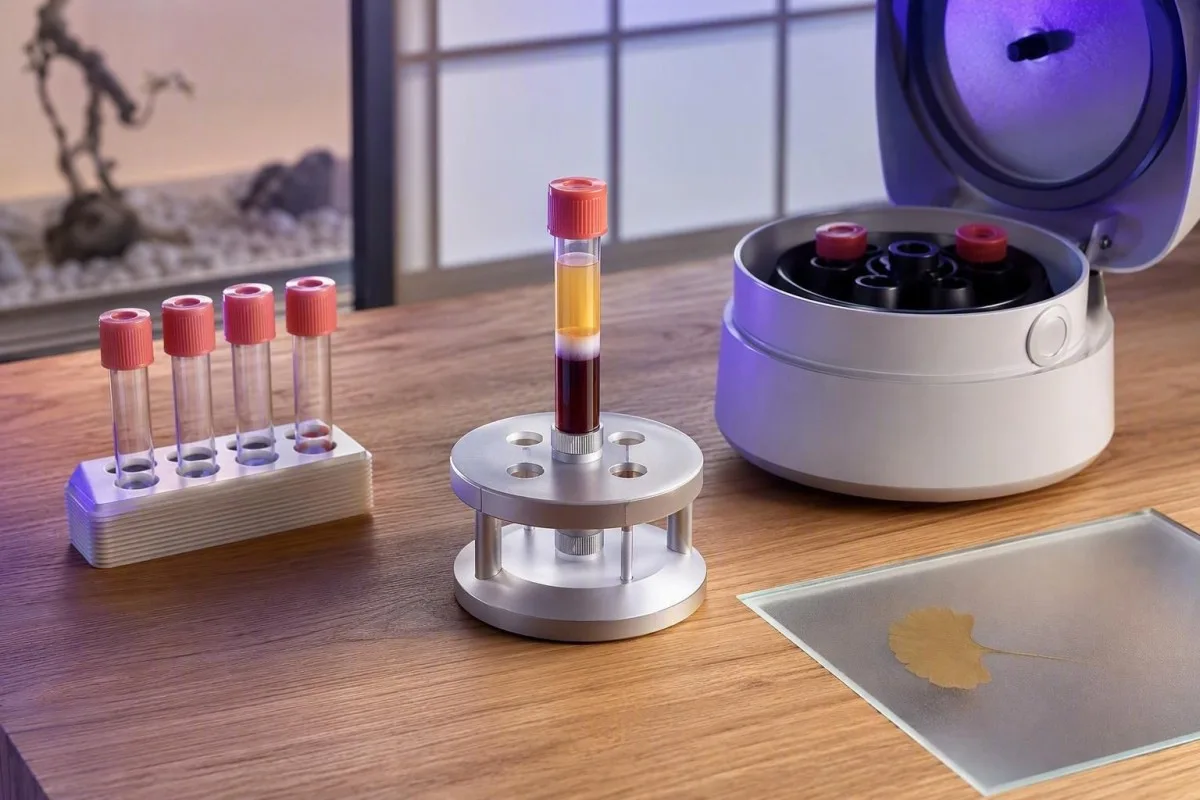
एक उपयोगी पहला रक्त परीक्षण आपकी सामान्य शारीरिक स्थिति को रिकॉर्ड करता है, न कि पिछले दिन के वर्कआउट, पेय, खराब नींद, या गुजरते हुए वायरस की जैव रासायनिक गूँज को। इसका उद्देश्य दोहराने योग्य संदर्भ है जिसका आप वर्षों तक उपयोग कर सकते हैं।.


- बेसलाइन समय: यदि उपवास ग्लूकोज, ट्राइग्लिसराइड्स, आयरन अध्ययन, या इंसुलिन शामिल हैं, तो 8-12 घंटे के उपवास के बाद सुबह का परीक्षण बुक करें।.
- व्यायाम विराम: नियमित बेसलाइन परीक्षण से 24-48 घंटे पहले असामान्य रूप से कठिन प्रतिरोध प्रशिक्षण, अंतराल, या धीरज की घटनाओं से बचें।.
- शराब विंडो: ट्राइग्लिसराइड और लिवर-एंजाइम परीक्षण से कम से कम 48 घंटे पहले शराब का सेवन बंद कर दें; अत्यधिक शराब का सेवन लंबे समय तक परिणामों को विकृत कर सकता है।.
- बीमारी नियम: बुखार या महत्वपूर्ण श्वसन या जठरांत्र संबंधी लक्षणों के ठीक होने के कम से कम 2 सप्ताह बाद तक वेलनेस बेसलाइन को स्थगित करें।.
- जलयोजन लक्ष्य: सामान्य रूप से पिछले दिन पिएं और संग्रह से 2 घंटे पहले 250-500 मिलीलीटर पानी पिएं, जब तक कि तरल पदार्थ प्रतिबंधित न हो।.
- बायोटिन सावधानी: कई इम्यूनोएसेज़ से 48-72 घंटे पहले गैर-निर्धारित उच्च-खुराक बायोटिन बंद कर दें, लेकिन कभी भी निर्धारित उपचार को प्रदाता से पूछे बिना बंद न करें।.
- चक्र संदर्भ: एस्ट्रोजेन, प्रोजेस्टेरोन, एलएच, एफएसएच और कभी-कभी लिपिड के लिए चक्र दिन रिकॉर्ड करें; यह कई लोगों की अपेक्षा से अधिक व्याख्या को बदलता है।.
- पुनरावृत्ति: एक ही प्रयोगशाला, समान सुबह का समय, और समय के साथ प्रयोगशाला परिणामों को ट्रैक करते समय समान तैयारी पैटर्न का उपयोग करें।.
एक पहला रक्त परीक्षण वास्तव में बेसलाइन क्या बनाता है?
A बेसलाइन रक्त परीक्षण तब सबसे उपयोगी होता है जब यह एक सामान्य सप्ताह को दर्शाता है: स्थिर भोजन, सामान्य जलयोजन, कोई तीव्र बीमारी नहीं, और कोई असाधारण प्रशिक्षण या शराब नहीं। अधिकांश वयस्कों के लिए, मैं सुबह का नमूना 8-12 घंटे के उपवास के बाद लेने की सलाह देता हूं जब ग्लूकोज, ट्राइग्लिसराइड्स, आयरन मार्कर, या इंसुलिन मापा जा रहा हो।.
व्यावहारिक लक्ष्य परिणामों को बेहतर दिखाना नहीं है। यह कम करने के लिए है प्री-एनालिटिकल भिन्नता—विश्लेषक के नमूना देखने से पहले होने वाले परिवर्तन। 96 मिलीग्राम/डीएल का उपवास ग्लूकोज और 105 मिलीग्राम/डीएल का ट्राइग्लिसराइड स्तर दोनों पूरी तरह से सामान्य हो सकते हैं, फिर भी यदि व्यक्ति देर से खाया हो, 10 किमी दौड़ा हो, या 3 घंटे सोया हो तो उनका अर्थ बदल जाता है।.
अपने नैदानिक कार्य में, मैं रोगियों से पहले ड्रॉ को एक संदर्भ तस्वीर की तरह मानने के लिए कहता हूं। जागने का समय, उपवास की अवधि, दवाएं, पूरक, पिछले 72 घंटों में शराब, पिछले 48 घंटों में व्यायाम, मासिक धर्म चक्र का दिन और हाल ही में संक्रमण का संक्षिप्त रिकॉर्ड रखें। यह रिकॉर्ड अक्सर दूसरे परीक्षण पर एक एकल “सामान्य” ध्वज से अधिक उपयोगी होता है।.
कांटेस्टी एक एआई रक्त परीक्षण विश्लेषक को उस व्यावहारिक संदर्भ के साथ परिणामों को पढ़ने के लिए डिज़ाइन किया गया है, बजाय इसके कि हर हाइलाइटेड मान को बीमारी माना जाए। एक विवेकपूर्ण परीक्षण सूची के लिए, हमारे वार्षिक रक्त कार्य गाइड से शुरू करें और अपने इतिहास को जानने वाले चिकित्सक के साथ अतिरिक्त पर सहमत हों।.
बेसलाइन व्यक्तिगत है, केवल “रेंज में” नहीं”
एक प्रयोगशाला संदर्भ अंतराल में आमतौर पर चयनित जनसंख्या से मानों का केंद्रीय 95% होता है; यह आपके सबसे स्वस्थ या सबसे सुरक्षित व्यक्तिगत संख्या को परिभाषित नहीं करता है। एक क्रिएटिनिन परिणाम प्रयोगशाला सीमा के भीतर रह सकता है जबकि आपके स्वयं के दोहराए गए मान से काफी बढ़ रहा है, यही कारण है कि बेसलाइन दस्तावेज़ीकरण महत्वपूर्ण है।.
उपवास और पिछले दिन के भोजन परिणामों को कैसे आकार देते हैं
का केवल एक हिस्सा है। 8-12 घंटे ट्राइग्लिसराइड्स, उपवास ग्लूकोज, इंसुलिन और सीरम आयरन के लिए सबसे स्वच्छ पहली तुलना उत्पन्न करता है, हालांकि कई लिपिड पैनल उपवास के बिना व्याख्या की जा सकती हैं। पानी की अनुमति है और आमतौर पर सहायक होता है; कॉफी, जूस, च्यूइंग गम और कैलोरी युक्त पेय एक सच्चा उपवास नहीं हैं।.
100 मिलीग्राम/डीएल से नीचे का उपवास प्लाज्मा ग्लूकोज आम तौर पर सामान्य होता है, 100-125 मिलीग्राम/डीएल बिगड़ा हुआ उपवास ग्लूकोज इंगित करता है, और 126 मिलीग्राम/डीएल या उससे ऊपर की पुष्टि की आवश्यकता होती है जब तक कि लक्षण और चिह्नित हाइपरग्लेसेमिया मौजूद न हो। HbA1c मोटे तौर पर पिछले 8-12 हफ्तों को दर्शाता है, इसलिए एक नाश्ता इसे महत्वपूर्ण रूप से कम नहीं कर सकता है; ADA प्रयोगशाला मार्गदर्शन बताता है कि ग्लूकोज और HbA1c अलग-अलग प्रश्नों का उत्तर क्यों देते हैं (Sacks et al., 2023)।.
ट्राइग्लिसराइड्स विशेष रूप से भोजन-संवेदनशील होते हैं। 150 मिलीग्राम/डीएल से नीचे का मान पारंपरिक रूप से वांछनीय है, जबकि 500 मिलीग्राम/डीएल या उससे ऊपर का मान अग्नाशयशोथ के जोखिम के लिए चिंता पैदा करता है और तत्काल नैदानिक मूल्यांकन की आवश्यकता होती है। एक समृद्ध देर रात का भोजन या शराब एक भ्रामक रूप से उच्च पहला परिणाम बना सकता है, इसलिए एक ट्राइग्लिसराइड रीटेस्ट योजना का उपयोग करें, बजाय इसके कि एक दिन के लिए “पूरी तरह से खाएं” की कोशिश करें।.
कांटेस्टी एक AI ब्लड टेस्ट रिपोर्ट समझें प्लेटफॉर्म जो प्रत्येक पैनल के बगल में उपवास की स्थिति को बनाए रख सकते हैं, जिससे बाद की तुलनाएँ कम त्रुटि-प्रवण हो जाती हैं। हमारा बायोमार्कर गाइड बताता है कि कौन से परीक्षण वास्तव में भोजन-संवेदनशील हैं और कौन से नहीं।.
व्यायाम कैसे असामान्य लिवर और किडनी परीक्षणों की नकल कर सकता है
कठिन व्यायाम अस्थायी रूप से बढ़ा सकता है CK, AST, ALT, क्रिएटिनिन, श्वेत रक्त कोशिकाएं, और कभी-कभी पोटेशियम, इसलिए बेसलाइन पैनल से 24-48 घंटे पहले अपरिचित या उच्च-तीव्रता वाले प्रशिक्षण से बचें। हल्की सैर और सामान्य दैनिक हलचल ठीक है।.
एक 52 वर्षीय मैराथन धावक जिसकी मैंने समीक्षा की, उसकी एक लंबी दौड़ के बाद AST 89 IU/L, ALT 36 IU/L और CK 2,000 IU/L से अधिक थी। यह पैटर्न यकृत की चोट के बजाय व्यायाम की हुई मांसपेशी की ओर अधिक मजबूती से इशारा कर रहा था, लेकिन इसके लिए सुधार के बाद दोहराने की आवश्यकता थी; अलग-अलग संख्याएँ शायद ही कभी पर्याप्त होती हैं। इसके बारे में और पढ़ें व्यायाम के बाद AST यकृत की समस्या मानने से पहले।.
क्रिएटिन काइनेज संदर्भ सीमाएं प्रयोगशाला, लिंग, वंश, मांसपेशी द्रव्यमान और प्रशिक्षण की स्थिति के अनुसार भिन्न होती हैं, लेकिन कई प्रयोगशालाएं लगभग 200-300 IU/L से ऊपर के मानों को चिह्नित करती हैं। सामान्य से 5 गुना अधिक CK का होना आम है; 5,000 IU/L से अधिक CK के साथ गहरा मूत्र, गंभीर मांसपेशियों में दर्द, या मूत्र उत्पादन में कमी के लिए तत्काल मूल्यांकन की आवश्यकता होती है।.
क्रिएटिनिन तीव्र गतिविधि के बाद आंशिक रूप से मांसपेशियों के टूटने और द्रव हानि से गुर्दे में रक्त प्रवाह कम होने के कारण बढ़ जाता है। दौड़ के बाद के नमूने से कम eGFR को सुधार परीक्षण के बिना पुरानी गुर्दे की बीमारी के रूप में न समझें; हमारा व्यायाम क्रिएटिनिन गाइड सुरक्षित रीड्रा विंडो की व्याख्या करता है।.
48 घंटे का रीसेट हर किसी के लिए नियम नहीं है
मनोरंजक जिम सत्र के लिए, 24 घंटे अक्सर पर्याप्त होते हैं। अल्ट्रा मैराथन, क्रॉसफिट प्रतियोगिता, भारी विलक्षण भारोत्तोलन, या गर्मी के संपर्क के बाद, यदि उद्देश्य स्थिर बेसलाइन का मूल्यांकन करना है, न कि घटना का मूल्यांकन करना है, तो मैं अक्सर 48-72 घंटे प्रतीक्षा करता हूं।.
शराब को 48 घंटे का बेसलाइन ठहराव क्यों देना चाहिए
कम से कम 48 घंटे के लिए शराब से परहेज बेसलाइन रक्त परीक्षण से पहले ट्राइग्लिसराइड्स, ग्लूकोज, GGT, AST, हाइड्रेशन मार्कर और नींद से संबंधित फिजियोलॉजी में अल्पकालिक विकृति को कम करता है। एक अकेला भारी शाम कई रोगियों की अपेक्षा से अधिक मायने रख सकती है।.
शराब यकृत द्वारा बहुत कम घनत्व वाले लिपोप्रोटीन उत्पादन को बढ़ाकर ट्राइग्लिसराइड्स बढ़ा सकती है, खासकर उच्च-कार्बोहाइड्रेट भोजन के बाद। प्रभाव परिवर्तनशील है: एक व्यक्ति का परिणाम 24 घंटे में बेसलाइन पर वापस आ जाता है, जबकि वसायुक्त यकृत, मधुमेह, या अधिक सेवन वाले व्यक्ति में कई दिनों तक परिवर्तन दिखाई दे सकता है। सप्ताहांत के दौरान पेय पीने के बाद 220 मिलीग्राम/डीएल का उपवास ट्राइग्लिसराइड्स किसी को भी इसे एक निश्चित चयापचय समस्या कहने से पहले दोहराया जाना चाहिए।.
GGT संवेदनशील लेकिन गैर-विशिष्ट है। कई प्रयोगशालाएं पुरुषों के लिए लगभग 55-60 IU/L और महिलाओं के लिए 35-40 IU/L की ऊपरी सीमा का उपयोग करती हैं, फिर भी दवाएं, कोलेस्टेसिस, वसायुक्त यकृत और शराब सभी इसे बढ़ा सकते हैं। सार्थक पैटर्न GGT के साथ ALT, ALP, बिलीरुबिन, प्लेटलेट काउंट और शराब का इतिहास है; देखें हमारा लिवर पैनल की व्याख्या कि ये टुकड़े कैसे फिट होते हैं।.
1 सितंबर, 2026 तक, मैं अभी भी यकृत के परिणामों को बेहतर बनाने के लिए “डिटॉक्स” या अत्यधिक उपवास के खिलाफ सलाह देता हूं। सामान्य भोजन, सामान्य पानी, कोई शराब नहीं, और एक प्रलेखित अंतराल क्लीनर विज्ञान है। कई हफ्तों के अंतराल पर दो नमूनों पर प्रयोगशाला की ऊपरी सीमा से ऊपर लगातार ALT के लिए चिकित्सा समीक्षा की आवश्यकता होती है, न कि इंटरनेट क्लींज की।.
बीमारी या टीकाकरण को वेलनेस ड्रा में देरी क्यों करनी चाहिए
बुखार, सक्रिय गैस्ट्रोइंटेस्टाइनल बीमारी, महत्वपूर्ण श्वसन संक्रमण, या ठीक होने के पहले 1-2 सप्ताह के दौरान कल्याण की आधार रेखा में देरी करें क्योंकि CRP, फेरिटिन, श्वेत कोशिकाएं, प्लेटलेट्स, ग्लूकोज और थायराइड टेस्ट अस्थायी रूप से बदल सकते हैं। तत्काल नैदानिक परीक्षण अलग है: जब आप अस्वस्थ हों तो इसमें देरी न करें।.
सी-रिएक्टिव प्रोटीन आमतौर पर सूजन संबंधी उत्तेजना के 6-8 घंटों के भीतर बढ़ जाता है और ट्रिगर के ठीक होने पर जल्दी से गिर सकता है। हृदय संबंधी जोखिम स्तरीकरण के लिए अक्सर 3 मिलीग्राम/लीटर से कम CRP का उपयोग केवल तब किया जाता है जब व्यक्ति चिकित्सकीय रूप से ठीक हो; सर्दी के दौरान 18 मिलीग्राम/लीटर का परिणाम दीर्घकालिक संवहनी जोखिम के बारे में बहुत कम बताता है। CRP और एल्ब्यूमिन पैटर्न अकेले किसी भी परिणाम से अधिक जानकारीपूर्ण है।.
फेरिटिन एक लौह-भंडारण प्रोटीन और एक तीव्र-चरण अभिकारक दोनों है। संक्रमण के दौरान 110 एनजी/एमएल का फेरिटिन कम लौह भंडार को छिपा सकता है, जबकि 15 एनजी/एमएल से कम फेरिटिन अन्यथा स्वस्थ वयस्क में लौह की कमी के लिए अत्यधिक विशिष्ट है। यही कारण है कि मैं फेरिटिन को ट्रांसफरिन संतृप्ति, CRP, हीमोग्लोबिन और नैदानिक कहानी के साथ जोड़ता हूं।.
टीकाकरण से CRP और श्वेत रक्त कोशिका उपसमूहों में क्षणिक परिवर्तन सहित एक संक्षिप्त प्रतिरक्षा प्रतिक्रिया हो सकती है। यदि लक्ष्य एक शांत आधार रेखा है तो नियमित परीक्षण आमतौर पर टीकाकरण के 3-7 दिनों के बाद प्रतीक्षा कर सकता है, लेकिन दवा की निगरानी के लिए एक निर्धारित सुरक्षा पैनल निर्धारित चिकित्सक के निर्देशों का पालन करना चाहिए। हमारी पोस्ट-वैक्सिनेशन लैब गाइड व्यावहारिक विभेदक को कवर करती है।.
दो सप्ताह के नियम के अपवाद हैं
निमोनिया, अस्पताल में भर्ती, संक्रामक मोनोन्यूक्लिओसिस, या पुरानी बीमारी के गंभीर प्रकोप के बाद, दो सप्ताह पर्याप्त नहीं हो सकते हैं। उन मामलों में, मैं अक्सर कैलेंडर के बजाय लक्षण वसूली, CRP प्रवृत्ति और चिकित्सक के निर्णय का उपयोग करता हूं।.
नींद की कमी और समय रक्त परीक्षण को कैसे बदलते हैं
नींद की एक खराब रात से उपवास ग्लूकोज, कोर्टिसोल, रक्तचाप और सूजन संकेत बढ़ सकते हैं, जबकि समय टेस्टोस्टेरोन, कोर्टिसोल, लोहा और TSH को बदल सकता है। पहली आधार रेखा के लिए, लक्ष्य रखें 7-9 घंटे की सामान्य नींद और यदि संभव हो तो सुबह लगभग 7 से 10 बजे के बीच नमूना लें।.
कोर्टिसोल एक मजबूत दैनिक लय का अनुसरण करता है। सुबह के सीरम कोर्टिसोल को आमतौर पर सुबह 8 बजे के आसपास मापा जाता है, लेकिन संग्रह समय, लक्षणों और अक्सर ACTH परीक्षण के बिना एक मान अधिवृक्क ग्रंथि रोग का निदान नहीं कर सकता है। पिछले सुबह 8 बजे के नमूने की तुलना में एक दोपहर का नमूना एक मान्य प्रवृत्ति नहीं है, भले ही एक ही प्रयोगशाला दोनों करती हो।.
4-5 घंटे का नींद प्रतिबंध अगली सुबह इंसुलिन संवेदनशीलता को खराब कर सकता है और भूख हार्मोन को बदल सकता है; प्रयोगशाला परिवर्तन का आकार व्यक्ति के अनुसार काफी भिन्न होता है। मैं इसे अक्सर शिफ्ट श्रमिकों, नए माता-पिता और लगातार यात्रियों में देखता हूं, जहां एक “आधार रेखा” को एक आदर्शवादी के बजाय उनके वास्तविक कार्यक्रम का प्रतिनिधित्व करने की आवश्यकता होती है। हमारी खराब नींद लैब गाइड एक उपयोगी एनोटेशन चेकलिस्ट प्रदान करती है।.
डॉ. थॉमस क्लेन की व्यावहारिक सलाह सरल है: आप बुरी तरह सोए होने के कारण आवश्यक परीक्षण रद्द न करें, बल्कि इसे रिकॉर्ड करें। यदि खराब रात के बाद सीमा रेखा वाला उपवास ग्लूकोज 103 मिलीग्राम/डीएल है, तो प्री-डायबिटिज के बारे में निष्कर्ष निकालने से पहले सामान्य परिस्थितियों में दोहराएं।.
कैफीन हमेशा हानिरहित तैयारी नहीं होती है
ब्लैक कॉफ़ी का कई पैनलों पर बहुत कम प्रभाव पड़ सकता है, लेकिन यह ग्लूकोज, कैटेकोलामाइन, रक्तचाप और कुछ विशिष्ट एंडोक्राइन परीक्षणों को प्रभावित कर सकती है। जब उपवास इंसुलिन, ग्लूकोज, कोर्टिसोल, या मेटानफ्रीन का आदेश दिया जाता है, तो सादा पानी सबसे कम अस्पष्ट विकल्प है।.
किन सप्लीमेंट्स और दवाओं को रिकॉर्ड करने की आवश्यकता है
किसी बेसलाइन रक्त परीक्षण के लिए निर्धारित दवाएं तब तक बंद न करें जब तक कि डॉक्टर आपको ऐसा करने के लिए न कहे, लेकिन खुराक और समय के साथ हर दवा और सप्लीमेंट को रिकॉर्ड करें।. बायोटिन, आयरन, B12, क्रिएटिन, आयोडीन, कॉर्टिकोस्टेरॉइड्स, और डिकॉन्गेस्टेंट या तो जीव विज्ञान या परीक्षण परख को बदल सकते हैं।.
उच्च-खुराक बायोटिन, अक्सर बालों और नाखूनों के उत्पादों में प्रतिदिन 5,000-10,000 माइक्रोग्राम, कुछ स्ट्रेप्टाविडिन-बायोटिन इम्यूनोएसेज़ में हस्तक्षेप कर सकता है। यह परख डिज़ाइन के आधार पर झूठा कम TSH या झूठा उच्च फ्री T4, ट्रोपोनिन, या हार्मोन परिणाम बना सकता है। गैर-निर्धारित बायोटिन के लिए 48-72 घंटे का विराम आमतौर पर उपयोग किया जाता है, लेकिन जो लोग इसे किसी चिकित्सीय स्थिति के लिए ले रहे हैं, उन्हें पहले अपने चिकित्सक से पूछना चाहिए।.
मौखिक आयरन सीरम आयरन को क्षणिक रूप से बढ़ा सकता है, और क्रिएटिन सप्लीमेंट वास्तविक फ़िल्टरेशन को कम किए बिना क्रिएटिनिन को बढ़ा सकते हैं। कॉर्टिकोस्टेरॉइड्स ग्लूकोज और श्वेत रक्त कोशिकाओं को बढ़ा सकते हैं; प्रोटॉन-पंप इनहिबिटर समय के साथ मैग्नीशियम और B12 को प्रभावित कर सकते हैं। सही प्रतिक्रिया संदर्भ है, न कि अचानक आत्म-बंद करना; हमारा सप्लीमेंट उपवास गाइड सामान्य अपवादों की व्याख्या करता है।.
कांटेस्टी एक AI-संचालित रक्त परीक्षण विश्लेषण उपकरण जो परिणामों के बगल में रिपोर्ट किए गए सप्लीमेंट्स को रिकॉर्ड करता है ताकि स्पष्ट थायराइड या गुर्दे के परिवर्तन की समीक्षा उस जोखिम के साथ की जा सके जो इसे समझा सकता है। मरीज़ हमारे द्वारा रिपोर्ट किए गए परिणामों की तुलना भी कर सकते हैं नैदानिक सटीकता चेकलिस्ट किसी अप्रत्याशित झंडे पर कार्रवाई करने से पहले।.
दवा का समय प्रिस्क्रिप्शन का हिस्सा हो सकता है
थायराइड रिप्लेसमेंट, टेस्टोस्टेरोन थेरेपी, इंसुलिन, मूत्रवर्धक, और थक्कारोधी दवाओं में से प्रत्येक के परीक्षण-विशिष्ट समय नियम होते हैं। उदाहरण के लिए, स्थिरता की निगरानी करते समय थायराइड परीक्षण अक्सर दिन की लेवोथायरोक्सिन खुराक से पहले लिए जाते हैं, लेकिन निर्धारित चिकित्सक के प्रोटोकॉल को प्राथमिकता दी जानी चाहिए।.
मासिक धर्म का समय हार्मोन बेसलाइन को कैसे प्रभावित करता है
प्रजनन हार्मोन परीक्षण के लिए, चक्र का दिन परिणाम का हिस्सा है।. FSH, LH, एस्ट्रैडियोल, प्रोजेस्टेरोन, टेस्टोस्टेरोन, प्रोलैक्टिन, और कभी-कभी लिपिड चक्र के दौरान पर्याप्त रूप से भिन्न हो सकते हैं कि एक अनरिकाॅर्डेड तिथि व्याख्या को कमजोर करती है।.
प्रारंभिक-फोलिकुलर परीक्षण, अक्सर चक्र के दिन 2-5, प्रजनन क्षमता के मूल्यांकन में बेसलाइन FSH, LH, और एस्ट्रैडियोल के लिए सामान्य रूप से उपयोग किया जाता है। प्रोजेस्टेरोन को आमतौर पर ओव्यूलेशन के लगभग 7 दिन बाद मापा जाता है - स्वचालित रूप से “दिन 21” नहीं, क्योंकि 35-दिन का चक्र एक अलग जीव विज्ञान का अनुसरण करता है। लगभग 3 ng/mL से ऊपर प्रोजेस्टेरोन मान कई सेटिंग्स में हाल ही में ओव्यूलेशन का समर्थन कर सकता है, लेकिन सटीक व्याख्या परख और समय पर निर्भर करती है।.
प्रोलैक्टिन तनाव, हाल के व्यायाम, यौन गतिविधि, और नमूना संग्रह में कठिनाई के प्रति संवेदनशील है। हल्के एलिवेशन को अक्सर 20-30 मिनट के शांत आराम के बाद दोहराया जाता है, आदर्श रूप से सुबह में; 100 ng/mL से ऊपर लगातार स्तर को तत्काल एंडोक्राइन मूल्यांकन की आवश्यकता होती है, हालांकि दवा के प्रभाव आम बने हुए हैं। हमारे देखें प्रोलैक्टिन रीटस्ट गाइड समझदारी भरे अगले कदमों के लिए।.
चक्र-संबंधित लिपिड बदलाव वास्तविक हैं लेकिन आमतौर पर वजन, आहार, शराब, मधुमेह, या आनुवंशिकी में होने वाले बदलावों से छोटे होते हैं। यदि आप वर्षों से रक्त परीक्षणों के माध्यम से स्वास्थ्य की निगरानी करना चाहते हैं, तो जब भी संभव हो, दोहराए जाने वाले लिपिड और हार्मोन पैनल के लिए एक समान चक्र चरण चुनें, खासकर लक्षणों या उपचार का मूल्यांकन करते समय।.
हार्मोनल गर्भनिरोधक प्रश्न बदल देता है
संयुक्त हार्मोनल गर्भनिरोधक अंतर्जात FSH, LH, एस्ट्रैडियोल, और एंड्रोजन माप को दबा सकता है, इसलिए ये परिणाम अनुपचारित शरीर विज्ञान का वर्णन नहीं कर सकते हैं। गर्भावस्था के जोखिम और परीक्षण के नैदानिक कारण पर विचार किए बिना बेसलाइन प्राप्त करने के लिए केवल गर्भनिरोधक बंद न करें।.
जलयोजन, मुद्रा और संग्रह तकनीक क्यों मायने रखती है
सामान्य जलयोजन और संग्रह से पहले 10-15 मिनट का बैठे आराम दोहराव में सुधार करता है क्योंकि निर्जलीकरण, लंबे समय तक खड़े रहना और मुश्किल से खून निकालना कई परिणामों को केंद्रित या विकृत कर सकता है। पिछले दिन सामान्य रूप से पीएं और, जब तक तरल पदार्थ प्रतिबंधित न हो, 250-500 मिली पानी नियुक्ति से पहले 2 घंटे में।.
प्लाज्मा वॉल्यूम संकुचन हीमोग्लोबिन, हेमटोक्रिट, एल्बुमिन, कैल्शियम, कुल प्रोटीन और क्रिएटिनिन को सामान्य जलयोजन की तुलना में अधिक दिखा सकता है। इसके विपरीत, परीक्षण से ठीक पहले तुरंत लीटर पानी पीने से सोडियम और अन्य माप पतले हो सकते हैं। एक सामान्य सोडियम सीमा आम तौर पर 135-145 mmol/L होती है, लेकिन एक अप्रत्याशित परिणाम की व्याख्या हमेशा जलयोजन और ग्लूकोज की स्थिति के साथ की जानी चाहिए।.
मुद्रा विज्ञान जितना लोग समझते हैं उससे कहीं अधिक मायने रखता है। खड़े होने से तरल पदार्थ के बदलाव के माध्यम से एल्बुमिन और प्रोटीन-बाध्य एनालिटिक्स बढ़ सकते हैं, जबकि लंबे समय तक टूर्निकेट समय और बार-बार मुट्ठी भींचने से पोटेशियम और लैक्टेट बढ़ सकते हैं। गुर्दे की बीमारी, लक्षणों या ईसीजी परिवर्तनों के बिना 5.5 mmol/L से ऊपर का पोटेशियम अक्सर तुरंत फिर से जांचा जाता है क्योंकि संग्रह कलाकृति आम है; हमारा पोटेशियम ड्रॉ-एरर गाइड पर हमारा लेख बताता है कि क्यों।.
मासिक धर्म, दस्त से हाल ही में तरल पदार्थ का नुकसान, मूत्रवर्धक और सौना का उपयोग सभी को ड्रॉ से जुड़ी नोट में शामिल किया जाना चाहिए। यदि निर्जलीकरण के बाद eGFR अप्रत्याशित रूप से कम है, तो सामान्य सेवन ठीक करें और दोहराए जाने वाले परीक्षण पर चर्चा करें; देखें अस्थायी eGFR परिवर्तन स्थायी गुर्दे की क्षति मानने से पहले।.
लाल ट्यूब निदान नहीं है
ट्यूब का रंग प्रयोगशाला प्रसंस्करण के लिए उपयोग किए जाने वाले योजक की पहचान करता है, न कि परीक्षण की गंभीरता की। चिकित्सकीय रूप से क्या मायने रखता है वह सही ट्यूब चयन, परिवहन तापमान, प्रसंस्करण में देरी और क्या प्रयोगशाला हेमोलिसिस या अपर्याप्त नमूने की रिपोर्ट करती है।.
बाद के परिणामों को पहले रक्त परीक्षण के तुलनीय कैसे बनाएं
जब आप समय के साथ लैब परिणामों को ट्रैक करते हैं तो एक ही प्रयोगशाला, एक समान संग्रह समय और एक समान तैयारी दिनचर्या का उपयोग करें। एक वास्तविक जैविक परिवर्तन परख विधि, उपवास की स्थिति, व्यायाम और सामान्य दिन-प्रतिदिन भिन्नता के संयुक्त प्रभाव से छोटा हो सकता है।.
LDL कोलेस्ट्रॉल को सीधे मापा जाने के बजाय गणना की जा सकती है, और जैसे-जैसे ट्राइग्लिसराइड्स बढ़ता है, गणना कम विश्वसनीय हो जाती है। 2018 AHA/ACC कोलेस्ट्रॉल दिशानिर्देश कई लोगों में गैर-उपवास स्क्रीनिंग का समर्थन करता है लेकिन कुछ परिस्थितियों में उपवास मूल्यांकन की सिफारिश करता है, जिसमें बहुत अधिक ट्राइग्लिसराइड्स और नैदानिक अनिश्चितता शामिल है (Grundy et al., 2019)। महत्वपूर्ण बात स्थिरता है, पूर्णता नहीं।.
रेफरेंस चेंज वैल्यू, या RCV, व्यक्तिगत की सामान्य जैविक भिन्नता के साथ विश्लेषणात्मक अमिश्रण को जोड़ती है। एक मार्कर में 10% आंदोलन शोर हो सकता है जबकि दूसरे में 30% परिवर्तन सार्थक हो सकता है; हर परीक्षण पर लागू होने वाली कोई सार्वभौमिक प्रतिशत नहीं है। हमारा क्या यह परिवर्तन वास्तविक गाइड है दिखाता है कि रुझानों को रंग-कोडित तीरों से अधिक की आवश्यकता क्यों है।.
Kantesti AI केवल असामान्य झंडे गिनने के बजाय परख इकाइयों, संदर्भ अंतरालों, संग्रह तिथियों और संबंधित बायोमार्कर की तुलना करके बार-बार पैनलों की व्याख्या करता है। हमारा AI तुलना वर्कफ़्लो इस अनुदैर्ध्य प्रश्न के लिए बनाया गया है: ध्यान देने योग्य क्या बदला है?
मूल रिपोर्ट रखें
पीडीएफ या स्पष्ट तस्वीर सहेजें, न कि केवल टाइप किया गया परिणाम। यूनिट रूपांतरण, प्रयोगशाला रेंज, हेमोलिसिस के बारे में टिप्पणियाँ, और क्या LDL की गणना की गई थी, यह भविष्य के चिकित्सक द्वारा प्रवृत्ति को पढ़ने के तरीके को महत्वपूर्ण रूप से बदल सकता है।.
हर रक्त परीक्षण के साथ सहेजने के लिए संदर्भ नोट
एक छोटा संदर्भ नोट अलग-अलग संख्याओं को प्रयोग करने योग्य अनुदैर्ध्य डेटा में बदल देता है। रिकॉर्ड प्रत्येक ड्रॉ पर तिथि, समय, उपवास घंटे, नींद, व्यायाम, शराब, बीमारी, दवाएं, पूरक, चक्र दिन, वजन परिवर्तन और नए लक्षण ।.
मेरी न्यूनतम नोट में आठ मदें हैं: संग्रह का समय; उपवास की अवधि; 48 घंटों के भीतर व्यायाम; 72 घंटों के भीतर शराब; वर्तमान बीमारी; नुस्खे में बदलाव; सप्लीमेंट की खुराक और आखिरी खुराक; और मासिक धर्म या गर्भावस्था की स्थिति जहां प्रासंगिक हो। यात्रा, जेट लैग और ऊंचाई जोड़ें जब वे लागू होते हैं, क्योंकि प्रत्येक जलयोजन, कोर्टिसोल, हीमोग्लोबिन और नींद-संवेदनशील मार्करों को स्थानांतरित कर सकता है।.
10 दिनों में 1.5 किलोग्राम वजन कम होना, नया उच्च-प्रोटीन आहार, या कई रातों की खंडित नींद समय के साथ मामूली रक्त परीक्षण परिवर्तनों की व्याख्या कर सकती है। यह परिणाम को महत्वहीन नहीं बनाता है—यह इसे व्याख्या योग्य बनाता है। पुन: प्रयोज्य संस्करण के लिए, हमारा लैब संदर्भ ट्रैकर उन विवरणों को शामिल करता है जिन्हें मरीज सबसे अधिक बार भूल जाते हैं।.
डॉ. थॉमस क्लेन घर छोड़ने से पहले नोट लिखने की सलाह देते हैं, न कि परिणाम का इंतजार करते हुए। अप्रत्याशित झंडे के बाद स्मृति अविश्वसनीय हो जाती है, और लोग समझदारी से संख्या में फिट होने के लिए पिछले सप्ताह का पुनर्निर्माण करते हैं।.
“फिक्स” के रूप में क्या रिकॉर्ड न करें”
केवल एक आकर्षक पहला बेसलाइन प्राप्त करने के लिए आहार, पानी का सेवन, व्यायाम, या पूरक आहार में हेरफेर न करें। एक बेसलाइन आपके जीवन का प्रतिनिधित्व करनी चाहिए; अन्यथा अगली परीक्षा केवल इसलिए खराब दिख सकती है क्योंकि वह अधिक ईमानदार है।.
किन सीमांत निष्कर्षों को चिंता करने से पहले दोहराया जाना चाहिए
कई सीमावर्ती बेसलाइन परिणामों को रोग के रूप में माने जाने से पहले स्थिर परिस्थितियों में दोहराया जाना चाहिए, विशेष रूप से यकृत एंजाइम, क्रिएटिनिन, पोटेशियम, प्रोलैक्टिन, न्यूट्रोफिल और ट्राइग्लिसराइड्स में अलग-थलग मामूली परिवर्तन। गंभीर लक्षण या स्पष्ट रूप से असामान्य मान अपवाद हैं।.
शराब, कठिन व्यायाम, या अंतरवर्ती बीमारी जैसे अस्थायी योगदानकर्ताओं को हटाने के बाद आमतौर पर 2 गुना प्रयोगशाला ऊपरी सीमा से कम ALT और सामान्य बिलीरुबिन, ALP, और लक्षण अनुपस्थित होने पर पुन: जांच की जाती है। 3 मिलीग्राम/डीएल से ऊपर का बिलीरुबिन स्तर पीलिया, गहरे रंग के मूत्र, हल्के मल, बुखार, या पेट दर्द के साथ अलग होता है और नियमित बेसलाइन रीड्रा का इंतजार नहीं करना चाहिए।.
एक मामूली कम न्यूट्रोफिल गिनती वायरल बीमारी के बाद हो सकती है या किसी व्यक्ति के स्थिर सामान्य को दर्शाती है। 1.0-1.5 × 10⁹/L की पूर्ण न्यूट्रोफिल गिनती आमतौर पर हल्की न्यूट्रोपेनिया होती है, जबकि 0.5 × 10⁹/L से नीचे संक्रमण का काफी अधिक जोखिम होता है और तत्काल चिकित्सा मार्गदर्शन की आवश्यकता होती है, खासकर बुखार के साथ। हमारा न्यूट्रोफिल फॉलो-अप गाइड सामान्य रीटेस्ट को रेड फ्लैग से अलग करता है।.
सबसे उपयोगी सुरक्षा उपायों में से एक पैटर्न जांच है। उदाहरण के लिए, दमित पैराथाइरॉइड हार्मोन के साथ उच्च कैल्शियम का क्षय हार्मोन के साथ उच्च कैल्शियम की तुलना में एक अलग तात्कालिकता है और एल्ब्यूमिन वृद्धि; हम संयोजनों के बारे में क्यों चिंतित हैं इसका कारण यह है कि जीव विज्ञान शायद ही कभी एक मार्कर को अकेले बदलता है।.
बेसलाइन रक्त परीक्षण को चिकित्सा देखभाल का स्थान कब नहीं लेना चाहिए
जब आपके पास रेड-फ्लैग लक्षण, तेजी से बिगड़ती बीमारी, गर्भावस्था जटिलताएं, या एक गंभीर प्रयोगशाला चेतावनी हो तो बेसलाइन प्रोटोकॉल उपयुक्त नहीं है। सीने में दर्द, सांस की गंभीर तकलीफ, भ्रम, बेहोशी, पीलिया, काला मल, या गंभीर निर्जलीकरण के लिए तत्काल नैदानिक मूल्यांकन की आवश्यकता होती है—एक बेहतर तैयार दोहरा परीक्षण नहीं।.
6.0 mmol/L या उससे अधिक पोटेशियम, 120 mmol/L से कम सोडियम, उल्टी या भ्रम के साथ 300 mg/dL से अधिक ग्लूकोज, या लगभग 7 g/dL हीमोग्लोबिन ऐसे परिणाम हैं जिन पर तत्काल कार्रवाई की आवश्यकता हो सकती है, हालांकि पूरी नैदानिक स्थिति महत्वपूर्ण है। प्रयोगशालाएं आमतौर पर महत्वपूर्ण मूल्यों के बारे में ऑर्डरिंग टीम से संपर्क करती हैं, लेकिन रोगियों को यह नहीं मानना चाहिए कि छूटी हुई कॉल का मतलब परिणाम सुरक्षित है।.
यदि आप गर्भवती हैं, क्रोनिक किडनी रोग से पीड़ित हैं, इंसुलिन लेती हैं, एंटीकोआगुलंट्स का उपयोग करती हैं, कीमोथेरेपी प्राप्त करती हैं, या यकृत रोग से पीड़ित हैं, तो तैयारी के निर्देश वेलनेस टेम्प्लेट से भिन्न हो सकते हैं। मधुमेह वाले कुछ लोगों के लिए उपवास अवधि असुरक्षित हो सकती है, और दवा का समय महत्वपूर्ण हो सकता है। हमारा कितनी बार परीक्षण करें गाइड बताता है कि जोखिम समूह योजना को क्यों बदलता है।.
कांटेस्टी एक AI लैब टेस्ट इंटरप्रिटेशन सर्विस जो चिकित्सकों के लिए प्रश्न पहचानने में मदद करता है, तत्काल मूल्यांकन या निदान का विकल्प नहीं है। हमारे काम के पीछे के नैदानिक सुरक्षा उपाय और चिकित्सा समीक्षा सिद्धांत हमारे द्वारा वर्णित हैं चिकित्सा सलाहकार बोर्ड.
आपके पहले बेसलाइन के लिए एक व्यावहारिक 72-घंटे का प्रोटोकॉल
एक उपयोगी पहली आधार रेखा के लिए, 72 घंटे के लिए अपनी दिनचर्या बनाए रखें, 48 घंटे के लिए शराब छोड़ दें, 24-48 घंटे के लिए ज़ोरदार व्यायाम से बचें, सामान्य रूप से सोएं, संकेत मिलने पर 8-12 घंटे उपवास करें, पानी पिएं, और अपने संदर्भ को रिकॉर्ड करें। स्थिरता ही हस्तक्षेप है।.
सत्तर-दो से 48 घंटे पहले: कोई नया पूरक, क्रैश आहार, क्लींज, या प्रशिक्षण ब्लॉक शुरू न करें। यदि आप पहले से ही कोई पूरक लेती हैं, तो सटीक खुराक रिकॉर्ड करें; यदि इसमें उच्च-खुराक बायोटिन शामिल है, तो ऑर्डरिंग चिकित्सक या फार्मासिस्ट से पूछें कि क्या 48-72 घंटे का होल्ड उचित है। 48 घंटे के लिए शराब से बचें और सक्रिय बीमारी होने पर नियमित परीक्षण स्थगित करें।.
एक दिन पहले: अपना सामान्य भोजन करें, सामान्य रूप से हाइड्रेट करें, सौना या धीरज की घटनाओं से बचें, और बिस्तर में 7-9 घंटे की योजना बनाएं। उपवास पैनल के लिए, अपॉइंटमेंट से 8-12 घंटे पहले भोजन समाप्त करें; पानी ठीक है। ड्रॉ की सुबह, यदि ग्लूकोज, इंसुलिन, कोर्टिसोल, कैटेकोलामाइन, या विशेष एंडोक्राइन परीक्षण की योजना है तो कॉफी और निकोटीन से बचें।.
परिणाम आने के बाद, कुछ भी बदलने से पहले मूल रिपोर्ट और उसके संदर्भ नोट को सहेजें। Kantesti AI परिणामों को एक अनुदैर्ध्य दृश्य में व्यवस्थित कर सकता है, जबकि हमारा प्रौद्योगिकी और नैदानिक-विधि गाइड बताता है कि पैटर्न पहचान के लिए अभी भी लक्षणों, प्रमुख असामान्यताओं और उपचार निर्णयों के लिए मानव चिकित्सा फॉलो-अप की आवश्यकता क्यों है।.
अक्सर पूछे जाने वाले प्रश्नों
मैं बेसलाइन रक्त परीक्षण की तैयारी कैसे करूं?
सामान्य दिनचर्या बनाए रखकर, 48 घंटे तक शराब से परहेज करके, 24-48 घंटे तक ज़ोरदार व्यायाम से परहेज करके, सामान्य रूप से सोकर, और दवाओं और सप्लीमेंट्स का दस्तावेज़ीकरण करके एक बेसलाइन रक्त परीक्षण की तैयारी करें। यदि आदेश में फास्टिंग ग्लूकोज, ट्राइग्लिसराइड्स, इंसुलिन, या आयरन स्टडीज शामिल हैं, तो 8-12 घंटे का उपवास रखें; आमतौर पर पानी की अनुमति है। सामान्य रूप से पिएं, बजाय ज़्यादा पानी पीने के, और सुबह 7 से 10 बजे के बीच संग्रह का समय निर्धारित करें जब हार्मोन या आयरन शामिल हों। तीव्र बीमारी के दौरान वेलनेस बेसलाइन को स्थगित करें जब तक कि उस बीमारी के मूल्यांकन के लिए परीक्षण की आवश्यकता न हो।.
क्या मुझे अपने पहले रक्त परीक्षण के लिए उपवास करना चाहिए?
8-12 घंटे का उपवास पहले रक्त परीक्षण के लिए सबसे उपयोगी है जिसमें ट्राइग्लिसराइड्स, फास्टिंग ग्लूकोज, इंसुलिन, या सीरम आयरन शामिल हैं, हालांकि कई नियमित लिपिड पैनलों के लिए अब उपवास की आवश्यकता नहीं होती है। सादा पानी उपवास को नहीं तोड़ता है और यह कठिन संग्रह या निर्जलीकरण-संबंधी सांद्रता प्रभावों को रोकने में मदद करता है। कॉफी, जूस, दूध, शराब, च्यूइंग गम और सप्लीमेंट्स चयनित परिणामों को बदल सकते हैं या इच्छित तैयारी को अमान्य कर सकते हैं। यदि आपके चिकित्सक एक अलग उपवास अवधि प्रदान करते हैं तो क्रम-विशिष्ट निर्देशों का पालन करें।.
क्या व्यायाम अगले दिन रक्त जांच रिपोर्ट को प्रभावित कर सकता है?
हाँ, ज़ोरदार व्यायाम 24-72 घंटों तक क्रिएटिन काइनेज, AST, ALT, क्रिएटिनिन, श्वेत रक्त कोशिकाएं, और कभी-कभी पोटेशियम को बढ़ाकर रक्त जांच रिपोर्ट को प्रभावित कर सकता है। कठिन प्रतिरोध प्रशिक्षण, मैराथन दौड़ना, उच्च-तीव्रता वाले अंतराल, और गर्मी के संपर्क में आने से सामान्य चलने की तुलना में बड़े बदलाव होते हैं। एक स्थिर कल्याण बेसलाइन के लिए, 24-48 घंटों तक असामान्य या तीव्र व्यायाम से बचें; एक बड़ी सहनशक्ति घटना के बाद, 48-72 घंटे अक्सर अधिक यथार्थवादी होते हैं। गंभीर मांसपेशियों में दर्द, गहरे रंग का मूत्र, कमजोरी, या मूत्र उत्पादन में कमी जैसे लक्षणों के लिए तत्काल परीक्षण में देरी न करें।.
रक्त परीक्षण से पहले मुझे कितनी देर तक शराब से परहेज करना चाहिए?
आधारभूत रक्त परीक्षण से कम से कम 48 घंटे पहले शराब का सेवन न करें, खासकर जब ट्राइग्लिसराइड्स, ग्लूकोज, GGT, AST, ALT, या हाइड्रेशन-संवेदनशील मार्करों का मूल्यांकन किया जा रहा हो। शराब एक बार भारी शाम के बाद भी ट्राइग्लिसराइड्स बढ़ा सकती है, और मधुमेह, फैटी लिवर, या सामान्य रूप से अधिक सेवन करने वाले लोगों में इसका प्रभाव कई दिनों तक रह सकता है। 500 mg/dL या उससे अधिक का ट्राइग्लिसराइड परिणाम तत्काल चिकित्सकीय मूल्यांकन की आवश्यकता है क्योंकि पैन्क्रियाटाइटिस का खतरा काफी बढ़ जाता है। इसके बाद कोई क्लींज या गंभीर उपवास करने का प्रयास न करें; सामान्य भोजन और जलयोजन एक अधिक सटीक पुनरावृत्ति परिणाम उत्पन्न करते हैं।.
क्या खराब नींद रक्त जांच रिपोर्ट को बदल सकती है?
खराब नींद अगली सुबह के फास्टिंग ग्लूकोज, कोर्टिसोल, रक्तचाप और कुछ सूजन संकेतों को बदल सकती है, खासकर 4-5 घंटे की नींद या रात की शिफ्ट के बाद। यह HbA1c को महत्वपूर्ण रूप से नहीं बदलता है, जो लगभग 8-12 सप्ताह में औसत ग्लाइसेमिया को दर्शाता है। यदि नींद रहित रात के बाद एक गैर-जरूरी बेसलाइन परिणाम सीमा रेखा पर है, तो नींद की कमी दर्ज करें और सामान्य परिस्थितियों में परीक्षण दोहराने पर विचार करें। आवश्यक परीक्षण अभी भी जारी रहना चाहिए, क्योंकि लक्षण और स्पष्ट असामान्यताएं आदर्श तैयारी से अधिक महत्वपूर्ण होती हैं।.
क्या मुझे अपने मासिक धर्म चक्र के किसी विशिष्ट दिन हार्मोन का परीक्षण करवाना चाहिए?
हाँ, हार्मोन परीक्षण को नैदानिक प्रश्न के अनुसार समयबद्ध किया जाना चाहिए और मासिक धर्म चक्र के दिन को हमेशा दर्ज किया जाना चाहिए। FSH, LH, और एस्ट्रैडियोल का अक्सर प्रारंभिक-पुटक आधार रेखा के लिए चक्र के दिन 2-5 पर मूल्यांकन किया जाता है, जबकि प्रोजेस्टेरोन आमतौर पर डिंबोत्सर्जन के लगभग 7 दिन बाद जांचा जाता है, न कि स्वचालित रूप से दिन 21 पर। लगभग 3 ng/mL से ऊपर प्रोजेस्टेरोन का स्तर हाल ही में डिंबोत्सर्जन का समर्थन कर सकता है, लेकिन प्रयोगशालाएं और नैदानिक स्थितियां भिन्न होती हैं। हार्मोनल गर्भनिरोधक एंडोजेनस हार्मोन के परिणामों को बदल देता है, इसलिए चिकित्सीय सलाह के बिना केवल परीक्षण के लिए इसे बंद न करें।.
आज ही एआई-संचालित ब्लड टेस्ट विश्लेषण प्राप्त करें
दुनिया भर में 2 मिलियन से अधिक उपयोगकर्ता जुड़ें जो त्वरित, सटीक लैब टेस्ट विश्लेषण के लिए Kantesti पर भरोसा करते हैं। अपनी रक्त जांच रिपोर्ट अपलोड करें और कुछ सेकंड में 15,000+ बायोमार्कर की व्यापक व्याख्या प्राप्त करें।.
📚 संदर्भित शोध प्रकाशन
क्लाइन, टी., मिशेल, एस., और वेबर, एच. (2026)।. Kantesti LTD. (2026)। C3 C4 कॉम्प्लीमेंट ब्लड टेस्ट और ANA टाइटर गाइड। ज़ेनोडो।.. Kantesti एआई मेडिकल रिसर्च।.
क्लाइन, टी., मिशेल, एस., और वेबर, एच. (2026)।. Kantesti LTD. (2026). निपाह वायरस ब्लड टेस्ट: प्रारंभिक पहचान और निदान गाइड 2026. Zenodo.. Kantesti एआई मेडिकल रिसर्च।.
📖 बाहरी चिकित्सा संदर्भ
⚕️ चिकित्सा संबंधी अस्वीकरण
यह लेख केवल शैक्षिक उद्देश्यों के लिए है और चिकित्सा सलाह का गठन नहीं करता। निदान और उपचार संबंधी निर्णयों के लिए हमेशा किसी योग्य स्वास्थ्य सेवा प्रदाता से परामर्श करें।.
E-E-A-T भरोसा संकेत
अनुभव
चिकित्सक-नेतृत्व वाली लैब व्याख्या वर्कफ़्लो की क्लिनिकल समीक्षा।.
विशेषज्ञता
लैबोरेटरी मेडिसिन का फोकस इस पर कि बायोमार्कर क्लिनिकल संदर्भ में कैसे व्यवहार करते हैं।.
अधिकारिता
डॉ. थॉमस क्लाइन द्वारा लिखित, और डॉ. सारा मिशेल तथा प्रो. डॉ. हैंस वेबर द्वारा समीक्षा की गई।.
विश्वसनीयता
साक्ष्य-आधारित व्याख्या, जिसमें अलार्म कम करने के लिए स्पष्ट फॉलो-अप मार्ग शामिल हैं।.