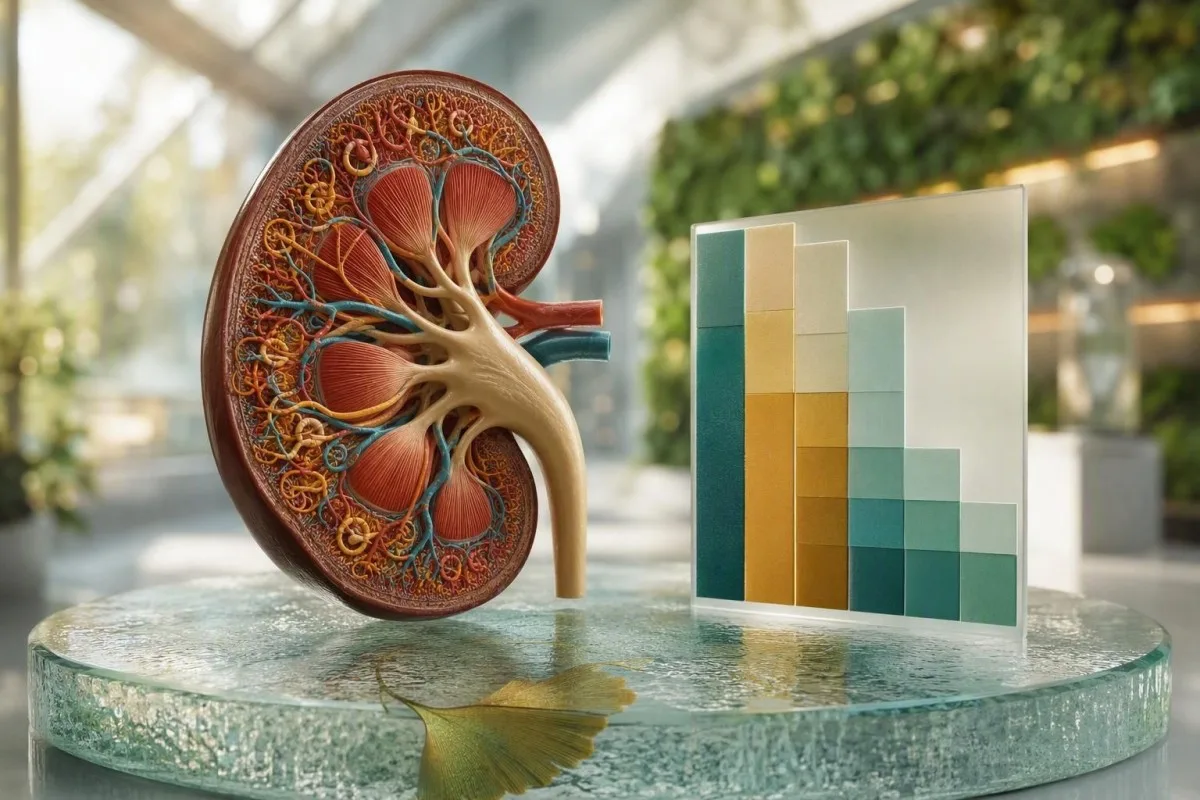
गुर्दे के अनुकूल भोजन कभी भी एक सार्वभौमिक खाद्य सूची नहीं होती है। एक उपयोगी योजना प्रयोगशाला के रुझान, दवाओं, लक्षणों, मूत्र निष्कर्षों और गुर्दे की बीमारी के चरण से शुरू होती है—न कि केवल एक “उच्च” या “निम्न” परिणाम से।.


- eGFR स्टेजिंग के लिए कम से कम 3 महीने तक लगातार बने रहने की आवश्यकता होती है; निर्जलीकरण या तीव्र व्यायाम के बाद एक कम अनुमान क्रोनिक किडनी रोग स्थापित नहीं करता है।.
- पोटेशियम 6.0 mmol/L या उससे अधिक खतरनाक हो सकता है, विशेष रूप से कमजोरी, धड़कन, या ECG परिवर्तनों के साथ, और घर पर प्रबंधित करने के लिए यह कोई आहार-योजना समस्या नहीं है।.
- प्रोटीन सेवन आम तौर पर गैर-डायलिसिस CKD वाले कई वयस्कों के लिए लगभग 0.6-0.8 ग्राम/किग्रा/दिन के आसपास व्यक्तिगत रूप से निर्धारित किया जाता है, जबकि डायलिसिस आमतौर पर जरूरतों को लगभग 1.0-1.2 ग्राम/किग्रा/दिन तक बढ़ा देता है।.
- पेशाब ACR 30 mg/g या उससे अधिक एल्ब्यूमिन्यूरिया है और यह आहार, रक्तचाप और दवा चर्चाओं को बदल देता है, भले ही eGFR संरक्षित दिखे।.
- फॉस्फेट 1.45 mmol/L के पास प्रयोगशाला ऊपरी सीमा से ऊपर की मात्रा को एडिटिव्स, बाइंडर, विटामिन डी थेरेपी और गुर्दे के चरण की समीक्षा की आवश्यकता होती है—सिर्फ सभी प्रोटीन खाद्य पदार्थों से परहेज नहीं।.
- सोडियम KDIGO द्वारा अधिकांश CKD वाले लोगों के लिए 2 ग्राम/दिन से कम का सेवन, जो नमक के 5 ग्राम/दिन से कम के बराबर है, की सिफारिश की जाती है, जब तक कि कोई चिकित्सक अलग लक्ष्य न दे।.
- एआई पोषण विशेषज्ञ सिफ़ारिशों में बार-बार की गई लैब वैल्यू और दवा डेटा का उपयोग किया जाना चाहिए, फिर सार्थक प्रतिबंधों से पहले गुर्दा रोग विशेषज्ञ या गुर्दा आहार विशेषज्ञ द्वारा इसकी जाँच की जानी चाहिए।.
- लाल झंडे पोटेशियम 6.0 mmol/L या अधिक, तेजी से घटता eGFR, नई गंभीर सांस की तकलीफ, भ्रम, सीने में लक्षण, या मूत्र उत्पादन में उल्लेखनीय कमी शामिल है।.
एक AI पोषण विशेषज्ञ गुर्दे के आहार के लिए सुरक्षित रूप से क्या अनुकूलित कर सकता है
एक एआई पोषण विशेषज्ञ बार-बार किए गए eGFR, पोटेशियम, बाइकार्बोनेट, फॉस्फेट, मूत्र एल्ब्यूमिन, मधुमेह मार्कर और दवाओं को एक साथ पढ़कर गुर्दा-अनुकूल भोजन विकल्पों को व्यवस्थित करने में सुरक्षित रूप से मदद कर सकता है; यह गुर्दे की बीमारी का निदान नहीं कर सकता या गुर्दा आहार विशेषज्ञ का स्थान नहीं ले सकता। सुरक्षित आउटपुट स्पष्ट एस्केलेशन नियमों के साथ एक अस्थायी व्यक्तिगत पोषण योजना है, न कि एक कठोर कम-पोटेशियम मेनू।.
1 सितंबर, 2026 तक, एआई की उपयोगी भूमिका पैटर्न पहचान और व्यावहारिक अनुवाद है: यह पहचानना कि ACE अवरोधक परिवर्तन के बाद पोटेशियम 4.5 से 5.4 mmol/L हो गया है, फिर एक केले को दोष देने के बजाय दवा-और-भोजन की समीक्षा का सुझाव देना।. Kantesti एक AI रक्त परीक्षण विश्लेषक है प्रयोगशाला संदर्भ की व्याख्या करने और नैदानिक अनुवर्ती कार्रवाई के लिए प्रश्नों को उजागर करने के लिए डिज़ाइन किया गया है। हमारा किडनी स्टेज गाइड से परिणामों की तुलना कर सकते हैं बताता है कि eGFR और मूत्र ACR एक साथ क्यों मायने रखते हैं।.
एक एकल सामान्य दिखने वाला रीनल पैनल “रीनल डाइट” का उपयोग करने की अनुमति नहीं है। मेरे नैदानिक कार्य में, व्यापक प्रतिबंध से सबसे अधिक नुकसान उठाने वाले लोग अक्सर वृद्ध वयस्क होते हैं जो एक साथ फल, सब्जियां, डेयरी और प्रोटीन काट लेते हैं, फिर वजन कम कर लेते हैं या कब्ज हो जाते हैं जबकि उनका पोटेशियम कभी भी बढ़ा हुआ नहीं था।.
डॉ. थॉमस क्लेन का व्यावहारिक नियम सरल है: एआई सिफ़ारिश में लैब की तारीख, इकाई, प्रवृत्ति दिशा और सुरक्षा सीमा बताई जानी चाहिए। यदि इनमें से कोई भी गायब है, तो यह व्यक्तिगत पोषण नहीं है; यह सामान्य कल्याण प्रतिलिपि है।.
एआई के लिए सही कार्य
एआई चिकित्सक-अनुमोदित लक्ष्यों को खरीदारी स्वैप, नुस्खा भागों और दोहराई-परीक्षण अनुस्मारक में परिवर्तित कर सकता है। इसे सांस्कृतिक खाद्य वरीयताओं को बनाए रखना चाहिए और जब प्रयोगशाला समय, दवा सूची, या डायलिसिस स्थिति अनुपस्थित हो तो अनिश्चितता को झंडा दिखाना चाहिए।.
eGFR एक अनुमान क्यों है, न कि आहार पर्चे
3 महीने या उससे अधिक समय से 60 mL/min/1.73 m² से कम eGFR लगातार होने पर क्रोनिक किडनी रोग का समर्थन करता है, लेकिन यह अपने आप पोटेशियम, द्रव या प्रोटीन प्रतिबंधों को निर्धारित नहीं करता है। eGFR क्रिएटिनिन या सिस्टैटिन सी से फिल्ट्रेशन का अनुमान लगाता है और मांसपेशियों के द्रव्यमान, आहार, जलयोजन और कुछ दवाओं के साथ बदल सकता है।.
एक मैराथन के बाद 35 वर्षीय एक मांसल व्यक्ति में 52 mL/min/1.73 m² का eGFR, 82 वर्षीय एल्ब्यूमिन्यूरिया और उच्च रक्तचाप वाले व्यक्ति के समान परिणाम से एक अलग प्रतिक्रिया का हकदार है। ज़ोरदार व्यायाम के बाद क्रिएटिनिन बढ़ जाता है और निर्जलीकरण अस्थायी रूप से eGFR को कम कर सकता है; हमारे गाइड को देखें अस्थायी eGFR परिवर्तन.
KDIGO G3a CKD को eGFR 45-59 के रूप में और G3b को 30-44 mL/min/1.73 m² के रूप में परिभाषित करता है जब परिवर्तन कम से कम 3 महीने तक बना रहता है (KDIGO CKD Work Group, 2024)। दोहराए जाने वाले परीक्षण पर 20% या उससे अधिक की गिरावट अपेक्षित जैविक भिन्नता से अधिक है, जो समीक्षा के योग्य है, खासकर गुर्दा-सक्रिय दवा शुरू करने के बाद।.
Kantesti का तंत्रिका नेटवर्क eGFR को एक प्रवृत्ति के रूप में मानता है, न कि एक निर्णय के रूप में।. Kantesti एक AI blood test interpretation platform है जो दिनांकित रिपोर्टों की तुलना कर सकता है, लेकिन केवल उपचार करने वाला चिकित्सक ही तय कर सकता है कि क्या गिरावट CKD प्रगति, तीव्र बीमारी, रुकावट, दवा प्रभाव, या प्रयोगशालाओं के बीच रिपोर्टिंग अंतर को दर्शाती है।.
पोटेशियम के परिणाम भोजन की सलाह कैसे बदलते हैं
सीरम पोटेशियम 3.5–5.0 mmol/L कई वयस्क प्रयोगशालाओं में सामान्य है, जबकि 5.5 mmol/L या इससे अधिक के लिए आमतौर पर समय पर नैदानिक समीक्षा की आवश्यकता होती है।. पोटेशियम प्रतिबंध केवल तब उपयुक्त होता है जब वृद्धि लगातार बनी रहती है या जोखिम अधिक होता है; सीकेडी वाले कई लोग अभी भी सुरक्षित रूप से प्लांट-फॉरवर्ड भोजन खा सकते हैं।.
पोटेशियम गुर्दे के उत्सर्जन, इंसुलिन, एसिड-बेस स्थिति, कब्ज और एसीई अवरोधकों, एआरबी, स्पिरोनोलैक्टोन, ट्राइमेथोप्रिम और एनएसएआईडी जैसी दवाओं से प्रभावित होता है। 17 mmol/L बाइकार्बोनेट और कब्ज के साथ 5.7 mmol/L का मान, एक स्पष्ट रूप से हेमोलिसिस वाले संग्रह के बाद 5.7 से एक अलग नैदानिक तस्वीर है; संग्रह-संबंधित झूठी वृद्धि आश्चर्यजनक रूप से आम है।.
पोटैशियम का 6.0 mmol/L या उससे अधिक तत्काल उसी दिन मूल्यांकन की आवश्यकता होती है, और धड़कन, बेहोशी, गंभीर कमजोरी, सीने में लक्षण, या असामान्य ईसीजी के साथ आपातकालीन देखभाल उपयुक्त है। भोजन परिवर्तन दिनों में काम करता है, मिनटों में नहीं, इसलिए एआई पोषण विशेषज्ञ को गंभीर हाइपरकेलेमिया के उपचार के रूप में कभी भी नुस्खा प्रस्तुत नहीं करना चाहिए।.
कम स्पष्ट बिंदु: प्रसंस्कृत मांस के विकल्प, तत्काल पेय, और कम-सोडियम नमक के विकल्प में पोटेशियम योजक पूरे सेब या दालों में स्वाभाविक रूप से पैक किए गए पोटेशियम की तुलना में अधिक अवशोषित हो सकते हैं। एक आहार विशेषज्ञ सब्जियों को उबालने और निकालने जैसी तैयारी विधियों का उपयोग कर सकता है, लेकिन मैं व्यक्तिगत लक्ष्य के बिना व्यापक भिगोने की रस्मों की सलाह नहीं देता। हमारा गाइड पढ़ें थोड़ा बढ़ा हुआ पोटैशियम.
प्रोटीन लक्ष्य CKD चरण और डायलिसिस के साथ बदलते हैं
डायलिसिस-रहित सीकेडी और डायलिसिस के बीच प्रोटीन की आवश्यकताएं अलग-अलग होती हैं।. कई मेटाबोलिक रूप से स्थिर वयस्क, जिन्हें डायलिसिस नहीं मिल रहा है, उन्हें लगभग 0.6–0.8 ग्राम/किग्रा/दिन निर्धारित किया जाता है, जबकि हेमोडायलिसिस में अक्सर अमीनो-एसिड की कमी की भरपाई के लिए 1.0–1.2 ग्राम/किग्रा/दिन की आवश्यकता होती है।.
2020 केडीओक्यूआई पोषण दिशानिर्देश चयापचय रूप से स्थिर (इकिज़लर एट अल., 2020) सीकेडी वाले चयनित वयस्कों के लिए आहार विशेषज्ञ की देखरेख में प्रोटीन प्रतिबंध का समर्थन करता है। 70 किलोग्राम के व्यक्ति के लिए, 0.8 ग्राम/किग्रा/दिन लगभग 56 ग्राम प्रतिदिन है - “प्रोटीन से बचें” नहीं, और फलियां स्वतः समाप्त करने का कारण नहीं है।.
प्रोटीन-ऊर्जा बर्बादी समीकरण को बदल देती है। 3 महीनों में शरीर के वजन का 5% से अधिक का अनैच्छिक नुकसान, भूख कम लगना, सूजन के साथ व्याख्या किया गया एल्बुमिन, या दुर्बलता को अधिक सख्त प्रोटीन सीमा के बजाय गुर्दे के आहार विशेषज्ञ के मूल्यांकन को प्रेरित करना चाहिए। हमारा एल्ब्यूमिन और प्रोटीन गाइड बताता है कि सीरम एल्बुमिन प्रत्यक्ष खाद्य डायरी क्यों नहीं है।.
एक कस्टम भोजन योजना रक्त परीक्षण वर्कफ़्लो को डायलिसिस प्रकार, गर्भावस्था, सक्रिय घाव, कैंसर उपचार, संक्रमण, व्यायाम की मात्रा, और प्रोटीन की गणना करने से पहले शरीर के वजन की प्रवृत्ति के बारे में पूछना चाहिए। खराब भूख वाले पेरिटोनियल डायलिसिस पर 62 वर्षीय व्यक्ति को एक आसीन व्यक्ति की तुलना में अधिक प्रोटीन-घने योजना की आवश्यकता होती है, जिसमें G3a CKD होता है; एक ही eGFR संख्या आपको गुमराह करेगी।.
पादप प्रोटीन स्वतः वर्जित नहीं है
पादप प्रोटीन सीकेडी खाने के पैटर्न में फिट हो सकते हैं, लेकिन परोसने का आकार, पोटेशियम, फॉस्फेट योजक, मधुमेह नियंत्रण और प्रोटीन लक्ष्य मायने रखता है। नैदानिक लक्ष्य पर्याप्त पोषण है जिसमें उपयुक्त होने पर कम गुर्दे का भार हो, न कि एक सरल पशु-बनाम-पादप प्रतियोगिता।.
फास्फेट, कैल्शियम और PTH को एक जुड़े हुए रीडिंग की आवश्यकता होती है
उन्नत सीकेडी में लगभग 1.45 mmol/L (4.5 mg/dL) से ऊपर लगातार फॉस्फेट की समीक्षा के लायक है, लेकिन एक मामूली वृद्धि आहार की अधिकता को साबित नहीं करती है।. गुर्दे के खनिज-हड्डी विकार की व्याख्या फॉस्फेट, सही कैल्शियम, पैराथाइरॉइड हार्मोन, विटामिन डी थेरेपी, गुर्दे के चरण और बाइंडर टाइमिंग के माध्यम से की जाती है।.
प्रसंस्कृत खाद्य पदार्थों से फॉस्फेट आमतौर पर अनाज, फलियां, मेवे, या डेयरी में स्वाभाविक रूप से मौजूद फॉस्फेट की तुलना में अधिक कुशलता से अवशोषित होता है। एक एआई पोषण विशेषज्ञ को पहले सामग्री पैटर्न को चिह्नित करना चाहिए और फॉस्फेट बाइंडर के बारे में पूछना चाहिए, बजाय इसके कि पौष्टिक पादप खाद्य पदार्थों को अनुबंधित रूप से काटा जाए। हमारा लेख उच्च phosphate से प्रासंगिक गैर-आहार कारणों को कवर करता है।.
कम एल्बुमिन होने पर सही कैल्शियम सूत्र अपूर्ण होते हैं, और आयनित कैल्शियम चयनित तीव्र स्थितियों में अधिक जानकारीपूर्ण हो सकता है। कैल्शियम-आधारित बाइंडर, कैल्सिट्रियल और विटामिन डी की खुराक विपरीत दिशाओं में कैल्शियम और फॉस्फेट को स्थानांतरित कर सकती है, यही कारण है कि भोजन की सलाह को नुस्खे की समीक्षा से अलग नहीं किया जा सकता है।.
डॉ. थॉमस क्लेन ने मरीजों को फॉस्फेट 1.5 mmol/L देखने के बाद सभी डेयरी उत्पाद बंद करते देखा है, फिर उन्हें फॉस्फेट एडिटिव्स वाले प्रोसेस्ड स्नैक्स से बदल दिया है। अधिक उपयोगी प्रश्न यह है कि क्या फॉस्फेट 2-3 परीक्षणों में लगातार उच्च है, क्या PTH बढ़ रहा है, और क्या निर्धारित बाइंडर भोजन के साथ निर्देशित रूप से लिया जा रहा है।.
बाइकार्बोनेट, सोडियम और द्रव की स्थिति भोजन योजना को बदल देती है
CKD में सीरम बाइकार्बोनेट 22 mmol/L से नीचे होना मेटाबोलिक एसिडोसिस का संकेत देता है और चिकित्सक समीक्षा के योग्य है क्योंकि यह मांसपेशियों के टूटने और हड्डियों पर प्रभाव को तेज कर सकता है।. सोडियम में कमी रक्तचाप और द्रव संतुलन में मदद करती है, लेकिन द्रव प्रतिबंध आमतौर पर एडिमा, मूत्र उत्पादन, सोडियम, हृदय की स्थिति और डायलिसिस प्रिस्क्रिप्शन पर आधारित होता है - अकेले eGFR पर नहीं।.
KDIGO 2024 CKD वाले अधिकांश लोगों के लिए प्रतिदिन 2 ग्राम से कम सोडियम सेवन, लगभग 5 ग्राम नमक प्रतिदिन का सुझाव देता है। सबसे बड़ा सोडियम स्रोत अक्सर पैक्ड ब्रेड, सॉस, सुविधा भोजन और रेस्तरां के भोजन होते हैं, न कि नमक का डिब्बा; DASH प्रयोगशाला गाइड व्यावहारिक बदलावों में मदद कर सकता है।.
कम बाइकार्बोनेट सामान्य पोटेशियम परिणाम के साथ सह-अस्तित्व में हो सकता है, इसलिए इसे रक्त परीक्षण आधारित आहार में नजरअंदाज नहीं किया जाना चाहिए। फल और सब्जी की रणनीतियाँ कुछ रोगियों को लाभ पहुंचा सकती हैं, लेकिन उन्नत CKD, हाइपरकेलेमिया का जोखिम और मधुमेह की दवाएं एक गैर-निगरानी “क्षारीय आहार” को असुरक्षित बना सकती हैं।.
सूजन इस बात का प्रमाण नहीं है कि किसी व्यक्ति ने बहुत अधिक पानी पिया है। कम एल्ब्यूमिन, बढ़ते क्रिएटिनिन, सांस फूलना, या तेजी से वजन बढ़ने के साथ नई टखने की सूजन के लिए हृदय, गुर्दे, यकृत, या शिरापरक कारणों का आकलन करने की आवश्यकता होती है; हमारा सूजन लैब गाइड ओवरलैप की रूपरेखा तैयार करता है।.
मूत्र ACR अक्सर अकेले क्रिएटिनिन से अधिक क्यों मायने रखता है
30 mg/g से नीचे मूत्र एल्ब्यूमिन-क्रिएटिनिन अनुपात (ACR) A1 है, 30-300 mg/g A2 है, और 300 mg/g से ऊपर A3 एल्ब्यूमिनुरिया है।. ACR गुर्दे की क्षति और हृदय संबंधी जोखिम का पता लगाता है जिसे क्रिएटिनिन-आधारित eGFR, विशेष रूप से मधुमेह या उच्च रक्तचाप के शुरुआती चरणों में, चूक सकता है।.
पहली बार बढ़ा हुआ ACR दोहराया जाना चाहिए, अधिमानतः सुबह के शुरुआती नमूने का उपयोग करके, क्योंकि बुखार, जोरदार व्यायाम, मूत्र पथ संक्रमण, मासिक धर्म और गंभीर हाइपरग्लाइसीमिया अस्थायी रूप से एल्ब्यूमिन उत्सर्जन को बढ़ा सकते हैं। हमारे व्यावहारिक ACR तैयारी गाइड परीक्षण से पहले से बचाए जा सकने वाली त्रुटियों का विवरण दिया गया है।.
Kantesti AI, यह पहचानने के लिए कि भोजन सलाह दवा अनुकूलन से विचलित नहीं होनी चाहिए, ACR को eGFR और रक्तचाप से संबंधित मार्करों के साथ पढ़ता है।. Kantesti एक AI-संचालित रक्त परीक्षण विश्लेषण उपकरण है जो अपलोड की गई रिपोर्ट से ACR प्रवृत्ति को सतह पर ला सकता है, लेकिन मूत्र डिपस्टिक प्रोटीन, ACR, और 24-घंटे के नमूने विनिमेय परीक्षण नहीं हैं।.
आहार डिजाइन के लिए, लगातार A3 एल्ब्यूमिनुरिया सोडियम, मधुमेह प्रबंधन, रक्तचाप लक्ष्य, और ACE अवरोधक या ARB के पालन पर चर्चा को मजबूत कर सकता है। यह स्वचालित रूप से गंभीर पोटेशियम, फॉस्फेट, या द्रव प्रतिबंध को उचित नहीं ठहराता है जब वे मान सामान्य हों।.
दवा सूची सामान्य भोजन सलाह को ओवरराइड कर सकती है
ACE अवरोधक, ARB, मिनरलोकॉर्टिकॉइड रिसेप्टर विरोधी, SGLT2 अवरोधक, मूत्रवर्धक, इंसुलिन, फॉस्फेट बाइंडर, और पोटेशियम पूरक प्रत्येक तरीके को बदलते हैं जिससे गुर्दे की प्रयोगशालाओं को पढ़ा जाना चाहिए।. किसी भी भोजन योजना में जिसमें वर्तमान दवा सूची न हो, वह असुरक्षित हो सकती है।.
ACE अवरोधक और ARB समय के साथ एल्ब्यूमिनुरिया को कम करते हुए क्रिएटिनिन में मामूली प्रारंभिक वृद्धि का कारण बन सकते हैं; SGLT2 अवरोधक के बाद eGFR में गिरावट भी अपेक्षित हेमोडायनामिक डिप हो सकती है। सही प्रतिक्रिया आमतौर पर निर्धारित निगरानी होती है, न कि गुर्दे की सुरक्षा करने वाली दवा को रोकना या भोजन पर अत्यधिक प्रतिबंध लगाना; देखें SGLT2 दवाओं के साथ eGFR परिवर्तन.
ACE अवरोधक, ARB, या स्पिरोनोलैक्टोन लेने वाले लोगों में पोटेशियम-आधारित नमक विकल्प एक सामान्य अंध बिंदु हैं। वे सोडियम के संपर्क को कम कर सकते हैं फिर भी पोटेशियम को ऊपर धकेल सकते हैं, खासकर जब eGFR 45 mL/min/1.73 m² से नीचे हो।.
NSAIDs को विशेष सावधानी की आवश्यकता है: आइबुप्रोफेन, नैप्रोक्सन और इसी तरह के उत्पाद गुर्दे के परफ्यूजन को खराब कर सकते हैं, पोटेशियम बढ़ा सकते हैं, और मूत्रवर्धक को कम कर सकते हैं। एआई को ओवर-द-काउंटर उत्पादों और हर्बल तैयारियों के बारे में पूछना चाहिए, क्योंकि मरीज अक्सर उन्हें दवाओं के रूप में वर्गीकृत नहीं करते हैं।.
एकल गुर्दे के परिणाम से प्रयोगशाला के रुझान अधिक क्यों मायने रखते हैं
एक सार्थक गुर्दे की प्रवृत्ति के लिए तुलनीय परीक्षण, तिथियां, इकाइयां और नैदानिक संदर्भ की आवश्यकता होती है।. क्रिएटिनिन, पोटेशियम और यूरिया बीमारी, निर्जलीकरण, एक कठिन कसरत, स्टेरॉयड उपयोग, या प्रयोगशाला विधि में परिवर्तन के बाद बदल सकते हैं; समय के बिना उनकी व्याख्या करना झूठी आहार प्रतिबंध उत्पन्न करता है।.
जब मैं 88 से 103 µmol/L तक क्रिएटिनिन वृद्धि की समीक्षा करता हूं, तो मैं पहले समय के बारे में पूछता हूं: क्या व्यक्ति उपवास कर रहा था, निर्जलित था, बुखार था, क्रिएटिन ले रहा था, या भारी व्यायाम के बाद परीक्षण किया गया था? सामान्य परिस्थितियों में एक दोहराव उस दोपहर को पूरे आहार को बदलने से अधिक जानकारीपूर्ण हो सकता है। पढ़ें व्यायाम के बाद क्रिएटिनिन.
Kantesti का प्रवृत्ति विश्लेषण दिनांकित मानों की तुलना करता है और मूल इकाइयों को बनाए रखता है, जिससे यह देखना आसान हो जाता है कि पोटेशियम 0.1 mmol/L या 0.8 mmol/L चला गया या नहीं। हमारा लैब-चेंज एक्सप्लेनर रेफरेंस चेंज वैल्यू पर भी चर्चा करता है - यह अक्सर नजरअंदाज किया जाने वाला विचार कि कुछ छोटे बदलाव विश्लेषणात्मक शोर हैं।.
सबसे उपयोगी दोहराव अनुसूची भिन्न होती है। पोटेशियम जोखिम वाले दवा परिवर्तन के लिए 1-2 सप्ताह में परीक्षण की आवश्यकता हो सकती है, जबकि स्थिर G3a CKD की निगरानी हर 6-12 महीने में की जा सकती है; उपचार टीम इसे जोखिम के आधार पर निर्धारित करती है, न कि किसी ऐप के आधार पर।.
AI के साथ गुर्दे के अनुकूल भोजन बनाने के लिए एक सुरक्षित वर्कफ़्लो
प्रयोगशाला परिणाम भूख, भोजन की पहुंच, चबाने की क्षमता, सांस्कृतिक प्रधान, खाना पकाने के कौशल, कमजोरी, या क्या कोई व्यक्ति सुझाए गए भोजन का खर्च उठा सकता है, को नहीं माप सकते।. वे केवल नियमित रसायन शास्त्र से गुर्दे की बीमारी का कारण भी निर्धारित नहीं कर सकते हैं।.
पोटेशियम का परिणाम यह नहीं बता सकता कि उच्च मान नमक के विकल्प, कब्ज, छूटी हुई डायलिसिस, मेटाबोलिक एसिडोसिस, दवा परस्पर क्रिया, या त्रुटिपूर्ण संग्रह से आए हैं या नहीं। कम एल्ब्यूमिन परिणाम यह नहीं बता सकता कि आहार सेवन खराब है, सूजन मौजूद है, द्रव अधिभार ने नमूने को पतला कर दिया है, या यकृत रोग योगदान देता है।.
यहीं पर एक व्यक्तिगत पोषण योजना को निश्चितता का दावा करने के बजाय सुधार को आमंत्रित करना चाहिए। दाल, कसावा, चावल, मक्का, फ्लैटब्रेड, टोफू, मछली, या स्थानीय सब्जियों पर निर्भर रहने वाले व्यक्ति को कैलोरी और पहचान बनाए रखने के लिए हिस्से-आधारित अनुकूलन की आवश्यकता होती है, न कि एक सामान्य पश्चिमी गुर्दे के मेनू से प्रत्यारोपण।.
Kantesti 75+ भाषाओं का समर्थन करता है और प्रयोगशाला रिपोर्ट को परिवारों में चर्चा करना आसान बना सकता है, लेकिन यह साझा निर्णय लेने का विकल्प नहीं है। हमारा परिवार लैब-शेयरिंग गाइडेंस किसी अन्य व्यक्ति के परिणामों को देखने से पहले रिश्तेदारों के लिए सहमति को कवर करता है।.
AI के साथ किडनी-अनुकूल भोजन बनाने के लिए एक सुरक्षित कार्यप्रवाह
सबसे सुरक्षित AI वर्कफ़्लो में पाँच चरण होते हैं: रिपोर्ट सत्यापित करें, गुर्दे का चरण और मूत्र ACR पहचानें, दवाओं का समाधान करें, चिकित्सक-अनुमोदित लक्ष्य निर्धारित करें, और परिवर्तनों के बाद फिर से परीक्षण करें।. दवा या लक्षण की जांच को छोड़ना असुरक्षित सामान्य सलाह का सबसे आम रास्ता है।.
एक स्पष्ट रिपोर्ट के साथ शुरू करें जिसमें संग्रह तिथि, इकाइयां, संदर्भ अंतराल, क्रिएटिनिन, eGFR, पोटेशियम, बाइकार्बोनेट, कैल्शियम, फॉस्फेट, ग्लूकोज या HbA1c, और जब उपलब्ध हो तो मूत्र ACR शामिल हो। PDF निष्कर्षण त्रुटियां होती हैं, खासकर दशमलव बिंदुओं और इकाइयों के साथ; हमारे OCR सत्यापन चेकलिस्ट का उपयोग करें।.
फिर सिस्टम को डायलिसिस, प्रत्यारोपण, गर्भावस्था, मधुमेह, रक्तचाप, वजन परिवर्तन, आंत्र पैटर्न, खाद्य एलर्जी, और हर नुस्खे और पूरक के बारे में बताएं। यह नुस्खा सुझावों को सीमित विकल्पों में बदल देता है: उदाहरण के लिए, “इस दैनिक खाएं” के बजाय, “पोटेशियम समीक्षा लंबित कम-सोडियम दोपहर के भोजन के विकल्प”।”
Kantesti अपलोड की गई रिपोर्ट के लिए गोपनीयता-केंद्रित, GDPR-अनुरूप हैंडलिंग का उपयोग करता है और लगभग 60 सेकंड में एक व्याख्या लौटाता है, लेकिन नैदानिक निर्णय व्यक्ति की देखभाल टीम के साथ बने रहते हैं। कार्यप्रणाली और निरीक्षण के लिए, हमारी समीक्षा करें तकनीकी सत्यापन दृष्टिकोण.
कम-पोटेशियम वाला आहार कब नुकसान पहुंचा सकता है
कम पोटेशियम वाला आहार उन लोगों को नुकसान पहुंचा सकता है जिनका पोटेशियम सामान्य है, भूख कम लगती है, कब्ज, मधुमेह, या हृदय संबंधी उच्च जोखिम है, क्योंकि यह अनावश्यक रूप से फाइबर युक्त खाद्य पदार्थों को कम करता है।. पोटेशियम प्रतिबंध प्रयोगशाला में वृद्धि और नैदानिक परिस्थितियों को लक्षित किया जाना चाहिए, न कि स्वचालित रूप से हर सीकेडी चरण को सौंपा जाना चाहिए।.
कई पोटेशियम युक्त खाद्य पदार्थ फाइबर, फोलेट, विटामिन सी, मैग्नीशियम और पौधे प्रोटीन भी प्रदान करते हैं। उन्हें अंधाधुंध हटाने से कब्ज खराब हो सकती है—जो स्वयं पोटेशियम बढ़ा सकती है—और ग्लाइसेमिक नियंत्रण को कठिन बना सकती है यदि उन्हें परिष्कृत स्टार्च से बदला जाता है।.
खाना पकाने की तकनीक एक मध्य मार्ग प्रदान करती है। कुछ सब्जियों के लिए, भरपूर पानी में उबालने और पानी को त्यागने से भाप की तुलना में पोटेशियम अधिक कम हो जाता है; फिर भी वास्तविक लाभ हिस्से के आकार और कुल दैनिक सेवन पर निर्भर करता है, इसलिए विधि एक निर्धारित लक्ष्य का पालन करनी चाहिए।.
यही सावधानी पूरक आहार पर भी लागू होती है। “किडनी क्लींज” पाउडर, मैग्नीशियम युक्त जुलाब, और पोटेशियम इलेक्ट्रोलाइट पेय कम गुर्दे के कार्य में जोखिम भरे हो सकते हैं; हमारी सीकेडी सप्लीमेंट सुरक्षा गाइड देखें.
लाल झंडे जिन्हें एक एल्गोरिथम के बजाय एक चिकित्सक की आवश्यकता होती है
पोटेशियम 6.0 mmol/L या उससे अधिक, eGFR में तेजी से गिरावट, गंभीर सांस की तकलीफ, भ्रम, सीने में लक्षण, बेहोशी, या मूत्र उत्पादन में तेज कमी के लिए तत्काल मानव मूल्यांकन की आवश्यकता होती है।. एक एआई पोषण विशेषज्ञ इन ट्रिगर्स की पहचान कर सकता है लेकिन उसे खाद्य सलाह के माध्यम से उनका प्रबंधन करने का प्रयास नहीं करना चाहिए।.
पोटेशियम 5.5–5.9 mmol/L के लिए उसी दिन चिकित्सा सलाह लें जब सीकेडी, प्रासंगिक दवा का उपयोग, लक्षण, या बढ़ती प्रवृत्ति हो; स्थानीय चिकित्सक तत्काल दोहराव, ईसीजी, दवा समायोजन, या आपातकालीन मूल्यांकन की सलाह दे सकते हैं। पोटेशियम 6.5 mmol/L या उससे अधिक को अक्सर एक आपातकालीन सीमा माना जाता है, हालांकि स्थानीय प्रोटोकॉल भिन्न होते हैं।.
क्रिएटिनिन में अचानक वृद्धि, मूत्र में नया रक्त, बगल में दर्द के साथ बुखार, या तेजी से विकसित होने वाली एडिमा के लिए आहार को ठीक करने से पहले निदान की आवश्यकता होती है। संभावित कारणों में रुकावट, संक्रमण, प्रतिरक्षा रोग, दवा क्षति, और गुर्दे का रक्त प्रवाह कम होना शामिल हैं; भोजन शायद ही कभी पूरी व्याख्या होती है।.
डॉ. थॉमस क्लेन रोगियों को एक दिनांकित दवा सूची और तत्काल समीक्षा के लिए मूल प्रयोगशाला पीडीएफ रखने की सलाह देते हैं। यदि अनिश्चितता बनी रहती है, तो हमारी सेकंड-ओपिनियन चेकलिस्ट एक चिकित्सक के लिए केंद्रित प्रश्न तैयार करने में मदद कर सकती है।.
अपने गुर्दे के चिकित्सक या आहार विशेषज्ञ से पूछने के लिए प्रश्न
सबसे अच्छे गुर्दे वाले आहार के प्रश्न विशिष्ट होते हैं: मेरे लिए कौन सा लक्ष्य लागू होता है, कौन सा परिणाम बदल रहा है, और इसे कब फिर से जांचा जाना चाहिए? एक गुर्दे का आहार विशेषज्ञ इन उत्तरों को ऐसे हिस्सों, खाना पकाने की विधियों और भोजन में बदल सकता है जो कैलोरी और प्रोटीन की जरूरतों को पूरा करते हैं।.
पूछें कि क्या आपके eGFR परिवर्तन स्थायी है, क्या मूत्र ACR की जाँच की गई है, और क्या पोटेशियम, बाइकार्बोनेट, फॉस्फेट और कैल्शियम को अब आहार संबंधी कार्रवाई की आवश्यकता है। अपने रिपोर्ट की इकाइयों में लक्ष्य मांगें; “पोटेशियम देखें” 10 दिनों में पुनः परीक्षण से पहले “पोटेशियम को 5.2 mmol/L से नीचे रखें” की तुलना में कम कार्रवाई योग्य है।”
पेय, नमक के विकल्प, प्रोटीन पाउडर, जुलाब, और हर्बल उत्पादों सहित 3-दिवसीय भोजन रिकॉर्ड लाएं। रिकॉर्ड अक्सर स्मृति-आधारित साक्षात्कार की तुलना में छिपे हुए सोडियम या पोटेशियम योजक को अधिक स्पष्ट रूप से प्रकट करता है, और यह उन खाद्य पदार्थों को संरक्षित करने में मदद करता है जिनका आप वास्तव में आनंद लेते हैं।.
हमारे डॉक्टर Kantesti सामग्री के पीछे नैदानिक सुरक्षा सिद्धांतों की समीक्षा करते हैं, जबकि व्यक्तिगत देखभाल आपकी अपनी टीम के साथ बनी रहती है। आप हमारी Medical Advisory Board पेज पर दिया गया है, पर प्रासंगिक नैदानिक शासन देख सकते हैं, और अपने अगले परामर्श को अधिक कुशल बनाने के लिए चर्चा का उपयोग कर सकते हैं।.
बॉटम लाइन: गार्डरेल के रूप में प्रयोगशालाओं का उपयोग करें, न कि भोजन नियमों के रूप में
प्रयोगशाला-संचालित गुर्दे पोषण तब सबसे अच्छा काम करता है जब प्रयोगशालाएँ गार्डरेल के रूप में कार्य करती हैं: eGFR और ACR जोखिम को परिभाषित करते हैं, पोटेशियम और बाइकार्बोनेट तत्काल सुरक्षा को परिभाषित करते हैं, और दवाएं कई परिवर्तनों की व्याख्या करती हैं।. अंतिम भोजन योजना को पोषण, जीवन की गुणवत्ता और गुर्दे की सुरक्षा को एक साथ सुरक्षित रखना चाहिए।.
रक्त परीक्षण पर आधारित आहार तब सबसे मजबूत होता है जब यह कम से कम दो समय बिंदुओं, वर्तमान दवाओं, मूत्र डेटा और लक्षणों का उपयोग करता है। यह तब सबसे कमजोर होता है जब यह एक क्रिएटिनिन मान को एक लंबी प्रतिबंध सूची में बदल देता है। संरचित प्रयोगशाला व्याख्या पर अतिरिक्त संदर्भ के लिए, हमारी देखें AI रिपोर्ट सुरक्षा चेकलिस्ट.
व्यवहार में, अधिकांश लोग कुछ बदलावों से बेहतर करते हैं: उच्च-सोडियम वाले पैकेट वाले भोजन को बदलें, जोखिम होने पर पोटेशियम नमक के विकल्प से बचें, प्रोटीन को CKD या डायलिसिस स्थिति से मिलाएं, और समय पर प्रासंगिक परीक्षणों को दोहराएं। यह “आदर्श गुर्दे मेनू” की तुलना में कम ग्लैमरस है, लेकिन इसी तरह सुरक्षित देखभाल काम करती है।.
Kantesti एक AI लैब टेस्ट इंटरप्रिटेशन सेवा है जो उपयोगकर्ताओं को उनके चिकित्सक के लिए प्रयोगशाला रुझानों से प्रश्नों को व्यवस्थित करने में मदद करती है; यह उपचार निर्धारित नहीं करती है। हमारे विश्लेषण के काम करने के तरीके के पारदर्शी स्पष्टीकरण के लिए, देखें एआई तकनीक गाइड.
अक्सर पूछे जाने वाले प्रश्नों
क्या AI पोषण विशेषज्ञ रक्त परीक्षणों से किडनी आहार बना सकता है?
एआई न्यूट्रिशनिस्ट दोहराए गए प्रयोगशाला परिणामों से गुर्दे के लिए अनुकूल भोजन की एक प्रारंभिक रूपरेखा बना सकता है, लेकिन यह अकेले एक रक्त परीक्षण से सुरक्षित रूप से गुर्दे की आहार योजना नहीं बता सकता है। eGFR, पोटेशियम, बाइकार्बोनेट, फॉस्फेट, मूत्र एसीआर, दवाओं की सूची, डायलिसिस की स्थिति, वजन का रुझान और लक्षण सभी उपयुक्त योजना को प्रभावित करते हैं। उदाहरण के लिए, 5.6 mmol/L का पोटेशियम तत्काल दवा और दोहराए गए परीक्षण की समीक्षा का वारंट कर सकता है, जबकि 4.4 mmol/L का पोटेशियम आमतौर पर कम पोटेशियम वाले आहार को उचित नहीं ठहराता है। एक गुर्दे के चिकित्सक या आहार विशेषज्ञ को महत्वपूर्ण प्रोटीन, तरल पदार्थ, पोटेशियम, या फॉस्फेट प्रतिबंधों को मंजूरी देनी चाहिए।.
किडनी आहार के लिए कितने eGFR की आवश्यकता होती है?
केवल ईजीएफआर (eGFR) का कोई एक मान अपने आप में प्रतिबंधित किडनी आहार की आवश्यकता को नहीं दर्शाता है। लगातार 3 महीने या उससे अधिक समय तक 60 एमएल/मिनट/1.73 एम² से कम ईजीएफआर (eGFR) सीकेडी (CKD) का समर्थन करता है, लेकिन आहार के लक्ष्य मूत्र एसीआर (ACR), पोटेशियम, फॉस्फेट, बाइकार्बोनेट, मधुमेह, रक्तचाप, कुपोषण के जोखिम और डायलिसिस के उपयोग पर निर्भर करते हैं। सीकेडी (CKD) जी3ए (G3a) का ईजीएफआर (eGFR) 45–59 एमएल/मिनट/1.73 एम² है, जबकि जी4 (G4) का 15–29 एमएल/मिनट/1.73 एम² है। जी3ए (G3a) और सामान्य पोटेशियम वाले व्यक्ति को व्यापक खाद्य प्रतिबंध के बजाय सोडियम में कमी और पर्याप्त प्रोटीन की आवश्यकता हो सकती है।.
मुझे किस पोटेशियम स्तर पर उच्च पोटेशियम वाले खाद्य पदार्थों से बचना चाहिए?
5.0–5.5 mmol/L से अधिक पोटेशियम की लगातार मात्रा एक चिकित्सक को पोटेशियम सेवन को व्यक्तिगत बनाने के लिए प्रेरित कर सकती है, खासकर जब eGFR कम हो या पोटेशियम बढ़ाने वाली दवाएं ली जा रही हों। 6.0 mmol/L या उससे अधिक पोटेशियम के लिए आहार परिवर्तन के माध्यम से स्व-उपचार के बजाय तत्काल नैदानिक मूल्यांकन की आवश्यकता होती है। नमूना हेमोलिसिस के साथ झूठा उच्च परिणाम हो सकता है, इसलिए जब परिणाम नैदानिक तस्वीर के विपरीत हो तो बार-बार नमूना लेना आवश्यक हो सकता है। यदि आपको CKD है या आप ACE अवरोधक, ARB, या स्पिरोनोलैक्टोन लेते हैं तो चिकित्सकीय सलाह के बिना पोटेशियम-आधारित नमक के विकल्प का उपयोग न करें।.
सीकेडी वाले व्यक्ति को कितना प्रोटीन खाना चाहिए?
कई मेटाबॉलिक रूप से स्थिर वयस्क जिनमें CKD है और जो डायलिसिस नहीं करवा रहे हैं, उन्हें प्रतिदिन शरीर के वजन के अनुसार लगभग 0.6–0.8 ग्राम प्रोटीन का सेवन करने की सलाह दी जाती है, लेकिन लक्ष्य को व्यक्तिगत आवश्यकतानुसार तय किया जाना चाहिए। 0.8 ग्राम/किलोग्राम/दिन के हिसाब से 70 किलोग्राम का वयस्क प्रतिदिन लगभग 56 ग्राम प्रोटीन का सेवन करेगा। जो लोग हीमोडायलिसिस करवा रहे हैं, उन्हें आमतौर पर प्रतिदिन 1.0–1.2 ग्राम/किलोग्राम की आवश्यकता होती है क्योंकि डायलिसिस अमीनो एसिड को हटा देता है। गर्भावस्था, दुर्बलता, सक्रिय बीमारी, वजन कम होना और भूख न लगना प्रोटीन की आवश्यकता को बढ़ा सकते हैं और इसके लिए आहार विशेषज्ञ की सलाह की आवश्यकता होती है।.
क्या मैं क्रोनिक किडनी रोग (Chronic Kidney Disease) के साथ फल और सब्जियां खा सकता हूँ?
अधिकांश क्रोनिक किडनी रोग वाले लोग फल और सब्जियां खा सकते हैं, और कई लोगों को कम पोटेशियम वाले आहार की आवश्यकता नहीं होती है। पोटेशियम लगातार ऊंचा होने पर, अक्सर 5.0–5.5 mmol/L से ऊपर, या जब कोई रीनल क्लिनिशियन उच्च जोखिम की पहचान करता है, तो आम तौर पर प्रतिबंध पर विचार किया जाता है। भोजन को केवल अच्छा या बुरा के रूप में लेबल करने से अधिक हिस्से का आकार, पकाने की विधि, कब्ज, एसिड-बेस स्थिति, दवाएं और पोटेशियम एडिटिव्स मायने रखते हैं। सभी उपज को परिष्कृत खाद्य पदार्थों से बदलने से फाइबर कम हो सकता है और समग्र आहार गुणवत्ता खराब हो सकती है।.
व्यक्तिगत पोषण योजना के लिए मुझे कौन सी किडनी लैब रिपोर्ट अपलोड करनी चाहिए?
गुर्दे के पोषण की एक उपयोगी समीक्षा में क्रिएटिनिन, eGFR, पोटेशियम, सोडियम, बाइकार्बोनेट या कुल CO2, कैल्शियम, फॉस्फेट, यूरिया या BUN, ग्लूकोज या HbA1c, और जब उपलब्ध हो तो मूत्र ACR शामिल हैं। जब संभव हो तो कम से कम दो दिनांकित रिपोर्ट शामिल करें क्योंकि 80 से 100 µmol/L तक क्रिएटिनिन में परिवर्तन अस्थायी या नैदानिक रूप से सार्थक हो सकता है जो समय और संदर्भ पर निर्भर करता है। दवा सूची, डायलिसिस की स्थिति, रक्तचाप, शरीर का वजन और भोजन का पैटर्न समान रूप से आवश्यक हैं। केवल क्रिएटिनिन परिणाम पर आधारित योजना अधूरी है।.
आज ही एआई-संचालित ब्लड टेस्ट विश्लेषण प्राप्त करें
दुनिया भर में 2 मिलियन से अधिक उपयोगकर्ता जुड़ें जो त्वरित, सटीक लैब टेस्ट विश्लेषण के लिए Kantesti पर भरोसा करते हैं। अपनी रक्त जांच रिपोर्ट अपलोड करें और कुछ सेकंड में 15,000+ बायोमार्कर की व्यापक व्याख्या प्राप्त करें।.
📚 संदर्भित शोध प्रकाशन
क्लाइन, टी., मिशेल, एस., और वेबर, एच. (2026)।. aPTT सामान्य सीमा: डी-डाइमर, प्रोटीन सी रक्त जमाव संबंधी दिशानिर्देश. Kantesti एआई मेडिकल रिसर्च।.
क्लाइन, टी., मिशेल, एस., और वेबर, एच. (2026)।. सीरम प्रोटीन गाइड: ग्लोबुलिन, एल्ब्यूमिन और ए/जी अनुपात रक्त परीक्षण. Kantesti एआई मेडिकल रिसर्च।.
📖 बाहरी चिकित्सा संदर्भ
⚕️ चिकित्सा संबंधी अस्वीकरण
यह लेख केवल शैक्षिक उद्देश्यों के लिए है और चिकित्सा सलाह का गठन नहीं करता। निदान और उपचार संबंधी निर्णयों के लिए हमेशा किसी योग्य स्वास्थ्य सेवा प्रदाता से परामर्श करें।.
E-E-A-T भरोसा संकेत
अनुभव
चिकित्सक-नेतृत्व वाली लैब व्याख्या वर्कफ़्लो की क्लिनिकल समीक्षा।.
विशेषज्ञता
लैबोरेटरी मेडिसिन का फोकस इस पर कि बायोमार्कर क्लिनिकल संदर्भ में कैसे व्यवहार करते हैं।.
अधिकारिता
डॉ. थॉमस क्लाइन द्वारा लिखित, और डॉ. सारा मिशेल तथा प्रो. डॉ. हैंस वेबर द्वारा समीक्षा की गई।.
विश्वसनीयता
साक्ष्य-आधारित व्याख्या, जिसमें अलार्म कम करने के लिए स्पष्ट फॉलो-अप मार्ग शामिल हैं।.