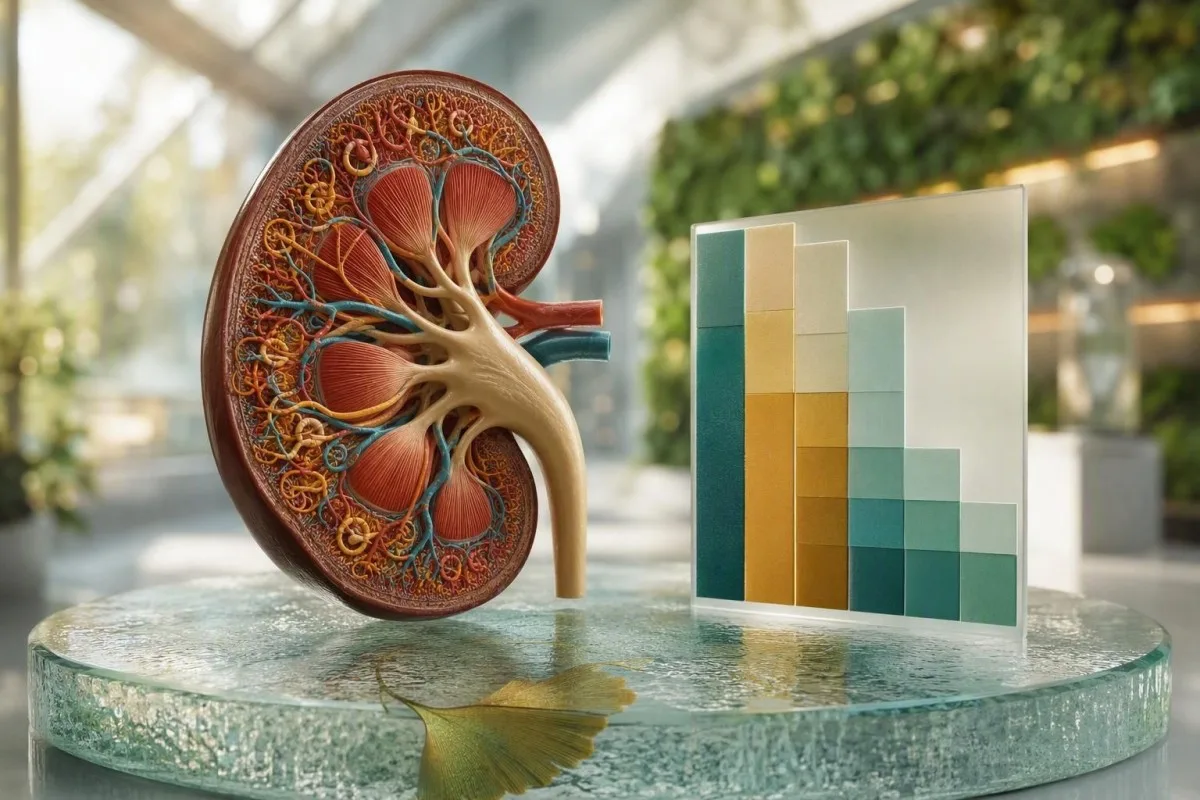
ការញ៉ាំដែលល្អចំពោះតម្រងនោមមិនមែនជាបញ្ជីអាហារតែមួយសម្រាប់មនុស្សគ្រប់គ្នាទេ។ ផែនការដ៏មានប្រយោជន៍ចាប់ផ្តើមដោយនិន្នាការមន្ទីរពិសោធន៍ ថ្នាំពេទ្យ រោគសញ្ញា លទ្ធផលទឹកនោម និងដំណាក់កាលនៃជំងឺតម្រងនោម — មិនមែនជាលទ្ធផលតែមួយដែល“ខ្ពស់” ឬ“ទាប”ទេ។.


- ការចែកដំណាក់កាល eGFR ត្រូវការការតាំងចិត្តយ៉ាងហោចណាស់ 3 ខែ; ការប៉ាន់ប្រមាណទាបតែមួយដងបន្ទាប់ពីខ្វះជាតិទឹក ឬការហាត់ប្រាណខ្លាំងក្លាមិនបញ្ជាក់ពីជំងឺតម្រងនោមរ៉ាំរ៉ៃទេ។.
- ប៉ូតាស្យូម នៃ 6.0 mmol/L ឬខ្ពស់ជាងនេះអាចមានគ្រោះថ្នាក់ ជាពិសេសនៅពេលមានភាពទន់ខ្សោយ ការញ័រទ្រូង ឬការផ្លាស់ប្តូរ ECG ហើយមិនមែនជាបញ្ហាផែនការរបបអាហារដែលត្រូវគ្រប់គ្រងនៅផ្ទះទេ។.
- ការទទួលទានប្រូតេអ៊ីន ជាទូទៅត្រូវបានរៀបចំជាលក្ខណៈបុគ្គលក្នុងកម្រិតប្រហែល 0.6–0.8 g/kg/ថ្ងៃ សម្រាប់មនុស្សពេញវ័យជាច្រើនដែលមាន CKD ដោយមិនបានលាងឈាម ខណៈពេលដែលការលាងឈាមជាទូទៅបង្កើនតម្រូវការដល់ប្រហែល 1.0–1.2 g/kg/ថ្ងៃ។.
- ACR ក្នុងទឹកនោម នៃ 30 mg/g ឬច្រើនជាងនេះគឺជា albuminuria ហើយវាផ្លាស់ប្តូរការពិភាក្សាអំពីរបបអាហារ ការគ្រប់គ្រងសម្ពាធឈាម និងថ្នាំពេទ្យ សូម្បីតែនៅពេលដែល eGFR មើលទៅមានលក្ខណៈល្អក៏ដោយ។.
- Phosphate លើសពីដែនកំណត់ខាងលើនៃមន្ទីរពិសោធន៍ជិត 1.45 mmol/L ត្រូវការការពិនិត្យឡើងវិញនូវសារធាតុបន្ថែម សារធាតុផ្សារភ្ជាប់ ការព្យាបាលដោយវីតាមីន D និងដំណាក់កាលតម្រងនោម — មិនមែនត្រឹមតែការចៀសវាងអាហារប្រូតេអ៊ីនទាំងអស់ទេ។.
- សូដ្យូម ការទទួលទានក្រោម 2 g/ថ្ងៃ ដែលស្មើនឹងអំបិលក្រោម 5 g/ថ្ងៃ ត្រូវបានណែនាំដោយ KDIGO សម្រាប់មនុស្សភាគច្រើនដែលមាន CKD លុះត្រាតែគ្រូពេទ្យកំណត់គោលដៅផ្សេងទៀត។.
- អ្នកជំនួយអាហារូបត្ថម្ភដោយ AI ការណែនាំគួរតែប្រើប្រវត្តិនៃលទ្ធផលមន្ទីរពិសោធន៍ និងទិន្នន័យថ្នាំ បន្ទាប់មកពិនិត្យដោយវេជ្ជបណ្ឌិតជំនាញផ្នែកតម្រងនោម ឬអ្នកជំនាញអាហារូបត្ថម្ភផ្នែកតម្រងនោម មុនពេលមានការរឹតបន្តឹងដែលមានអត្ថន័យ។.
- សញ្ញាព្រមាន (Red flags) រួមមាន ប៉ូតាស្យូម 6.0 mmol/L ឬខ្ពស់ជាងនេះ, eGFR ធ្លាក់ចុះយ៉ាងលឿន, ពិបាកដកដង្ហើមធ្ងន់ធ្ងរថ្មី, វិកលចរិត, រោគសញ្ញាទ្រូង, ឬការបញ្ចេញទឹកនោមថយចុះគួរឱ្យកត់សម្គាល់។.
អ្វីដែលអ្នកជំនាញអាហារូបត្ថម្ភ AI អាចធ្វើផ្ទាល់ខ្លួនដោយសុវត្ថិភាពសម្រាប់របបអាហារតម្រងនោម
មួយ អ្នកជំនួយអាហារូបត្ថម្ភដោយ AI អាចជួយរៀបចំជម្រើសអាហារដែលល្អចំពោះតម្រងនោមបានយ៉ាងមានសុវត្ថិភាព នៅពេលដែលវាអានប្រវត្តិនៃ eGFR, ប៉ូតាស្យូម, ប៊ីកាបូណាត, ផូស្វាត, អាល់ប៊ុយមីនក្នុងទឹកនោម, សញ្ញានៃជំងឺទឹកនោមផ្អែម, និងថ្នាំរួមគ្នា; វាមិនអាចធ្វើរោគវិនិច្ឆ័យជំងឺតម្រងនោម ឬជំនួសអ្នកជំនាញអាហារូបត្ថម្ភផ្នែកតម្រងនោមបានទេ។ លទ្ធផលដែលមានសុវត្ថិភាព គឺជាផែនការអាហារូបត្ថម្ភផ្ទាល់ខ្លួនបណ្ដោះអាសន្ន ជាមួយនឹងច្បាប់នៃការបង្កើនប្រសិទ្ធភាពដែលច្បាស់លាស់ មិនមែនជាម៉ឺនុយដែលមានការរឹតបន្តឹងប៉ូតាស្យូមតឹងរ៉ឹងទេ។.
គិតត្រឹមថ្ងៃទី 1 ខែកញ្ញា ឆ្នាំ 2026 តួនាទីដ៏មានប្រយោជន៍របស់ AI គឺការសម្គាល់គំរូ និងការបកប្រែជាក់ស្តែង៖ សម្គាល់ថាប៉ូតាស្យូមបានកើនឡើងពី 4.5 ទៅ 5.4 mmol/L បន្ទាប់ពីការផ្លាស់ប្តូរថ្នាំ ACE inhibitor រួចណែនាំឱ្យពិនិត្យថ្នាំ និងអាហារឡើងវិញ ជាជាងបន្ទោសចេកមួយផ្លែ។. Kantesti គឺជាឧបករណ៍វិភាគតេស្តឈាមដោយ AI ត្រូវបានរចនាឡើងដើម្បីបកស្រាយបរិបទមន្ទីរពិសោធន៍ និងបញ្ជាក់សំណួរសម្រាប់ការតាមដានដោយគ្លីនិក។ ការណែនាំដំណាក់កាលតម្រងនោម ពន្យល់ថាហេតុអ្វីបានជា eGFR និង urine ACR ត្រូវតែនៅជាមួយគ្នា។.
ការធ្វើតេស្តក្រលៀនធម្មតាតែមួយមុខមិនមែនជាការអនុញ្ញាតឲ្យប្រើ“របបអាហារសម្រាប់ក្រលៀន”ទូទៅនោះទេ។ ក្នុងការងារព្យាបាលរបស់ខ្ញុំ អ្នកដែលរងគ្រោះខ្លាំងបំផុតដោយការរឹតបន្តឹងទូលំទូលាយច្រើនតែជាមនុស្សចាស់ដែលកាត់ផ្លែឈើ បន្លែ ផលិតផលទឹកដោះគោ និងប្រូតេអ៊ីនក្នុងពេលតែមួយ បន្ទាប់មកស្រកទម្ងន់ ឬទល់លាមក ខណៈដែលប៉ូតាស្យូមរបស់ពួកគេមិនដែលខ្ពស់ឡើយ។.
ច្បាប់អនុវត្តជាក់ស្តែងរបស់លោកវេជ្ជបណ្ឌិត Thomas Klein គឺសាមញ្ញ៖ ការណែនាំដោយ AI គួរតែបញ្ជាក់កាលបរិច្ឆេទនៃមន្ទីរពិសោធន៍ឯកតាទិសដៅនៃនិន្នាការ និងដែនសុវត្ថិភាព។ ប្រសិនបើណាមួយក្នុងចំណោមនោះបាត់ វាមិនមែនជាអាហារូបត្ថម្ភដែលមានលក្ខណៈផ្ទាល់ខ្លួនទេ វាគ្រាន់តែជាអត្ថបទសុខុមាលភាពទូទៅប៉ុណ្ណោះ។.
កិច្ចការត្រឹមត្រូវសម្រាប់ AI
AI អាចបម្លែងគោលដៅដែលបានយល់ព្រមដោយគ្រូពេទ្យទៅជាការផ្លាស់ប្តូរការទិញទំនិញ ចំណែកនៃរូបមន្ត និងការរំលឹកការធ្វើតេស្តឡើងវិញ។ វាគួរតែរក្សាចំណង់ចំណូលចិត្តអាហារតាមវប្បធម៌ និងសម្គាល់ភាពមិនប្រាកដប្រជានៅពេលដែលកាលវិភាគមន្ទីរពិសោធន៍បញ្ជីថ្នាំ ឬស្ថានភាពលាងឈាមអវត្តមាន។.
ហេហេ eGFR គឺជាការប៉ាន់ប្រមាណ មិនមែនជាវេជ្ជបញ្ជារបបអាហារ
eGFR ក្រោម 60 mL/min/1.73 m² រយៈពេល 3 ខែ ឬច្រើនជាងនេះ គាំទ្រជំងឺតម្រងនោមរ៉ាំរ៉ៃនៅពេលដែលវាមានសភាពជាប់លាប់ ប៉ុន្តែវាមិនកំណត់ដោយខ្លួនឯងនូវការរឹតបន្តឹងប៉ូតាស្យូម ជាតិទឹក ឬប្រូតេអ៊ីនទេ។ eGFR ប៉ាន់ប្រមាណការច្រោះចេញពី creatinine ឬ cystatin C ហើយអាចប្រែប្រួលតាមម៉ាស់សាច់ដុំ របបអាហារ ការផ្តល់ជាតិទឹក និងថ្នាំមួយចំនួន។.
ការមាន eGFR 52 mL/min/1.73 m² ចំពោះបុរសអាយុ 35 ឆ្នាំដែលមានសាច់ដុំច្រើនបន្ទាប់ពីការរត់ម៉ារ៉ាតុន គឺសមនឹងទទួលបានប្រតិកម្មខុសពីលទ្ធផលដូចគ្នាចំពោះមនុស្សអាយុ 82 ឆ្នាំដែលមានជំងឺអាល់ប៊ុយមីននូរី និងលើសឈាម។ Creatinine កើនឡើងបន្ទាប់ពីការហាត់ប្រាណខ្លាំង និងការខ្វះជាតិទឹកអាចបន្ថយ eGFR ជាបណ្ដោះអាសន្ន។ សូមមើលសៀវភៅណែនាំរបស់យើងអំពី ការផ្លាស់ប្តូរ eGFR បណ្ដោះអាសន្ន.
KDIGO កំណត់ CKD G3a ថា eGFR 45–59 និង G3b ថា 30–44 mL/min/1.73 m² នៅពេលដែលការផ្លាស់ប្តូរនោះកើតមានរយៈពេលយ៉ាងហោចណាស់ 3 ខែ (KDIGO CKD Work Group, 2024)។ ការធ្លាក់ចុះ 20% ឬច្រើនជាងនេះលើការធ្វើតេស្តឡើងវិញ គឺលើសពីការប្រែប្រួលជីវសាស្ត្រដែលរំពឹងទុកគ្រប់គ្រាន់ដើម្បីសមនឹងទទួលបានការពិនិត្យ ជាពិសេសបន្ទាប់ពីចាប់ផ្តើមប្រើថ្នាំដែលប៉ះពាល់ដល់តម្រងនោម។.
เครือข่ายประสาทเทียมของ Kantesti ปฏิบัติต่อ eGFR เป็นแนวโน้ม ไม่ใช่คำตัดสิน. Kantesti គឺជាវេទិកា AI សម្រាប់ការបកស្រាយលទ្ធផលឈាម ដែលអាចប្រៀបធៀបរបាយការណ៍ដែលមានកាលបរិច្ឆេទ ប៉ុន្តែមានតែវេជ្ជបណ្ឌិតដែលកំពុងព្យាបាលប៉ុណ្ណោះដែលអាចសម្រេចចិត្តថាតើការថយចុះដែលមើលឃើញនោះឆ្លុះបញ្ចាំងពីការវិវត្តនៃ CKD ជំងឺស្រួចស្រាវ ការស្ទះ ការប៉ះពាល់ពីថ្នាំ ឬភាពខុសគ្នានៃការរាយការណ៍រវាងមន្ទីរពិសោធន៍។.
លទ្ធផលប៉ូតាស្យូមផ្លាស់ប្តូរការណែនាំអាហារដោយរបៀបណា
កម្រិតប៉ូតាស្យូមក្នុងឈាមពី 3.5–5.0 mmol/L គឺជារឿងធម្មតាសម្រាប់មន្ទីរពិសោធន៍មនុស្សពេញវ័យជាច្រើន ខណៈពេលដែល 5.5 mmol/L ឬខ្ពស់ជាងនេះ ជាធម្មតាតម្រូវឱ្យមានការពិនិត្យព្យាបាលទាន់ពេលវេលា។. ការដាក់កម្រិតប៉ូតាស្យូមគឺសមរម្យ លុះត្រាតែការកើនឡើងមានសភាពរ៉ាំរ៉ៃ ឬហានិភ័យមានកម្រិតខ្ពស់។ មនុស្សជាច្រើនដែលមានជំងឺ CKD នៅតែអាចទទួលទានអាហារដែលមានបន្លែជាច្រើនដោយសុវត្ថិភាព។.
ប៉ូតាស្យូមត្រូវបានរងផលប៉ះពាល់ដោយការបញ្ចេញចោលតាមតម្រងនោម អាំងស៊ុយលីន ស្ថានភាពអាស៊ីត-មូលដ្ឋាន ទល់លាមក និងថ្នាំដូចជា ACE inhibitors, ARBs, spironolactone, trimethoprim, និង NSAIDs។ លទ្ធផល 5.7 mmol/L ជាមួយនឹងប៊ីកាបូណាត 17 mmol/L និងទល់លាមក គឺជាស្ថានភាពគ្លីនិកខុសពី 5.7 បន្ទាប់ពីការប្រមូលសំណាកដែលមានការបែកបាក់ឈាមដែលមើលឃើញ។; ការកើនឡើងមិនពិតដែលទាក់ទងនឹងការប្រមូលសំណាក គឺជារឿងធម្មតាគួរឱ្យភ្ញាក់ផ្អើល។.
ប៉ូតាស្យូមនៃ 6.0 mmol/L ឬខ្ពស់ជាងនេះ តម្រូវឱ្យមានការវាយតម្លៃជាបន្ទាន់ក្នុងថ្ងៃតែមួយ ហើយការព្យាបាលបន្ទាន់គឺសមរម្យក្នុងករណីមានការញ័រទ្រូង សន្លប់ ខ្សោយខ្លាំង រោគសញ្ញាទ្រូង ឬ ECG មិនប្រក្រតី។ ការផ្លាស់ប្តូររបបអាហារមានប្រសិទ្ធភាពក្នុងរយៈពេលជាច្រើនថ្ងៃ មិនមែនប៉ុន្មាននាទីទេ ដូច្នេះអ្នកជំនាញផ្នែកអាហារូបត្ថម្ភ AI មិនត្រូវបង្ហាញរូបមន្តណាមួយថាជាការព្យាបាលសម្រាប់ជំងឺ hyperkalaemia ធ្ងន់ធ្ងរឡើយ។.
ចំណុចដែលមើលឃើញតិចតួច៖ បន្ថែមប៉ូតាស្យូមក្នុងផលិតផលសាច់ជំនួស ភេសជ្ជៈបន្ទាន់ និងអំបិលជំនួសដែលមានជាតិសូដ្យូមទាប អាចស្រូបយកបានច្រើនជាងប៉ូតាស្យូមដែលមានក្នុងផ្លែប៉ោមទាំងមូល ឬសណ្តែក។ អ្នកជំនាញផ្នែកអាហារូបត្ថម្ភអាចប្រើវិធីសាស្រ្តរៀបចំដូចជា ការស្ងោរ និងបង្ហូរទឹកបន្លែ ប៉ុន្តែខ្ញុំមិនណែនាំការត្រាំជាទូទៅដោយគ្មានគោលដៅជាក់លាក់បុគ្គលទេ។ សូមអានការណែនាំរបស់យើងស្តីពី ប៉ូតាស្យូមខ្ពស់បន្តិច.
គោលដៅប្រូតេអ៊ីនផ្លាស់ប្តូរទៅតាមដំណាក់កាល CKD និងការលាងឈាម
តម្រូវការប្រូតេអ៊ីនមានភាពខុសប្លែកគ្នាយ៉ាងខ្លាំងរវាងជំងឺ CKD ដែលមិនទាន់ធ្វើការលាងឈាម និងអ្នកដែលធ្វើការលាងឈាម។. មនុស្សពេញវ័យដែលមានជំងឺ CKD G3–G5 ដែលមានស្ថិរភាពខាងមេតាបូលីស និងមិនទាន់ធ្វើការលាងឈាម ត្រូវបានចេញវេជ្ជបញ្ជាឱ្យទទួលទានប្រូតេអ៊ីនប្រហែល 0.6–0.8 ក្រាម/គីឡូក្រាម/ថ្ងៃ ខណៈពេលដែលការលាងឈាមដោយម៉ាស៊ីន haemodialysis តែងតែតម្រូវឱ្យមាន 1.0–1.2 ក្រាម/គីឡូក្រាម/ថ្ងៃ ដើម្បីទូទាត់ការបាត់បង់អាស៊ីតអាមីណូ។.
សេចក្តីណែនាំផ្នែកអាហារូបត្ថម្ភ KDOQI ឆ្នាំ 2020 គាំទ្រការដាក់កម្រិតប្រូតេអ៊ីនក្រោមការត្រួតពិនិត្យរបស់អ្នកជំនាញផ្នែកអាហារូបត្ថម្ភសម្រាប់អ្នកជំងឺ CKD ដែលមានស្ថិរភាពខាងមេតាបូលីស (Ikizler et al., 2020)។ សម្រាប់មនុស្សដែលមានទម្ងន់ 70 គីឡូក្រាម ការទទួលទាន 0.8 ក្រាម/គីឡូក្រាម/ថ្ងៃ គឺប្រហែល 56 ក្រាមក្នុងមួយថ្ងៃ—មិនមែន “ជៀសវាងប្រូតេអ៊ីន” និងមិនមែនជាហេតុផលដើម្បីលុបបំបាត់ប្រភេទ legumes ដោយស្វ័យប្រវត្តិទេ។.
ការខាតបង់ប្រូតេអ៊ីន-ថាមពល បង្កើតសមីការមួយផ្សេង។ ការស្រកទម្ងន់ដោយមិនបានตั้งใจលើសពី 5% ក្នុងរយៈពេល 3 ខែ កាត់បន្ថយចំណង់អាហារ អាល់ប៊ុយមីនដែលបកស្រាយរួមជាមួយការរលាក ឬភាពទន់ខ្សោយគួរតែជំរុញឱ្យអ្នកជំនាញផ្នែកអាហារូបត្ថម្ភតម្រងនោមវាយតម្លៃ ជាជាងដាក់កម្រិតប្រូតេអ៊ីនតឹងរ៉ឹងជាងនេះ។ ឯកសាររបស់យើងស្តីពី ការណែនាំ albumin និងប្រូតេអ៊ីនរបស់យើង ពន្យល់ពីមូលហេតុដែល serum albumin មិនមែនជាកំណត់ហេតុចំណីអាហារផ្ទាល់ទេ។.
វដ្តការងារនៃការធ្វើតេស្តឈាមតាមផែនការអាហារផ្ទាល់ខ្លួនគួរតែសួរអំពីប្រភេទការលាងឈាម ការមានផ្ទៃពោះ ដំបៅដែលកំពុងកើតមាន ការព្យាបាលជំងឺមហារីក ការឆ្លងមេរោគ បរិមាណលំហាត់ប្រាណ និងនិន្នាការទម្ងន់ខ្លួន មុនពេលគណនាប្រូតេអ៊ីន។ អ្នកជំងឺអាយុ 62 ឆ្នាំដែលកំពុងទទួលការព្យាបាលដោយការលាងឈាមតាមភ្នាស peritoneal dialysis ដែលមានចំណង់អាហារមិនល្អ ត្រូវការផែនការដែលមានប្រូតេអ៊ីនច្រើនជាងអ្នកដែលមានជំងឺ CKD G3a ដែលមិនសូវធ្វើលំហាត់ប្រាណ។ លេខ eGFR ដូចគ្នានឹងនាំអ្នកទៅរកការយល់ច្រឡំ។.
ប្រូតេអ៊ីនពីបន្លែ មិនមែនជាការហាមឃាត់ដោយស្វ័យប្រវត្តិទេ។
ប្រូតេអ៊ីនពីបន្លែអាចបញ្ចូលទៅក្នុងទម្លាប់នៃការញ៉ាំជំងឺ CKD បាន ប៉ុន្តែទំហំចំណែក ប៉ូតាស្យូម ប៉ូតាស្យូមដែលបន្ថែម ភាពគ្រប់គ្រងជំងឺទឹកនោមផ្អែម និងគោលដៅប្រូតេអ៊ីនមានសារៈសំខាន់។ គោលដៅព្យាបាលគឺអាហារូបត្ថម្ភគ្រប់គ្រាន់ជាមួយនឹងបន្ទុកតម្រងនោមទាបជាងតាមភាពសមស្រប មិនមែនជាការប្រកួតប្រជែងរវាងប្រូតេអ៊ីនសត្វ និងបន្លែដែលសាមញ្ញទេ។.
ផូស្វ័រ កាល់ស្យូម និង PTH ត្រូវការការអានដែលភ្ជាប់គ្នា
កម្រិតផូស្វាតខ្ពស់ជាងប្រហែល 1.45 mmol/L (4.5 mg/dL) ក្នុងជំងឺ CKD ដំណាក់កាលខ្ពស់ តម្រូវឱ្យមានការពិនិត្យ ប៉ុន្តែការកើនឡើងបន្តិចបន្តួចមួយមិនបញ្ជាក់ពីការទទួលទានច្រើនពេកពីអាហារទេ។. ជំងឺរ៉ែ-ឆ្អឹងរបស់តម្រងនោមត្រូវបានបកស្រាយតាមរយៈផូស្វាត កាល់ស្យូមដែលបានកែតម្រូវ អ័រម៉ូនប៉ារ៉ា tydroid ការព្យាបាលវីតាមីន D ដំណាក់កាលតម្រងនោម និងពេលវេលានៃការប្រើប្រាស់ binder ។.
ផូស្វាតពីសារធាតុបន្ថែម ជាធម្មតាត្រូវបានស្រូបយកបានយ៉ាងមានប្រសិទ្ធភាពជាងផូស្វាតដែលមាននៅក្នុងធញ្ញជាតិ សណ្តែក គ្រាប់ ឬផលិតផលទឹកដោះគោ។ អ្នកជំនាញផ្នែកអាហារូបត្ថម្ភ AI គួរតែបង្ហាញលំនាំគ្រឿងផ្សំ និងសួរអំពី phosphate binders ជាមុនសិន ជាជាងការកាត់បន្ថយអាហារបន្លែដែលមានជីវជាតិចម្រើនដោយស្វ័យប្រវត្តិ។ អត្ថបទរបស់យើងស្តីពី phosphate ខ្ពស់បណ្តាលឲ្យ គ្របដណ្តប់លើមូលហេតុដែលមិនមែនជាអាហារដែលពាក់ព័ន្ធ។.
រូបមន្តកាល់ស្យូមដែលបានកែតម្រូវ គឺមិនល្អឥតខ្ចោះនៅពេលដែលអាល់ប៊ុយមីនទាប ហើយ ionized calcium អាចមានព័ត៌មានច្រើនជាងក្នុងស្ថានភាពស្រួចស្រាវដែលបានជ្រើសរើស។ ថ្នាំ binder ដែលមានមូលដ្ឋានកាល់ស្យូម calcitriol និងការបំពេញបន្ថែមវីតាមីន D អាចផ្លាស់ប្តូរកាល់ស្យូម និងផូស្វាតទៅទិសផ្ទុយគ្នា ដែលជាមូលហេតុដែលការណែនាំអាហារមិនអាចបំបែកចេញពីការពិនិត្យវេជ្ជបញ្ជាបានទេ។.
លោកវេជ្ជបណ្ឌិត Thomas Klein បានឃើញអ្នកជំងឺឈប់ទទួលទានផលិតផលពីទឹកដោះគោទាំងអស់ បន្ទាប់ពីឃើញកម្រិតផូស្វ័រ 1.5 mmol/L បន្ទាប់មកក៏ជំនួសដោយអាហារសម្រន់ដែលកែច្នៃដែលមានសារធាតុបន្ថែមផូស្វ័រ។ សំណួរដែលមានប្រយោជន៍ជាងនេះ គឺថាតើកម្រិតផូស្វ័រខ្ពស់ជាប់លាប់ក្នុងការធ្វើតេស្ត ២-៣ ដងដែរឬទេ? តើកម្រិត PTH កំពុងកើនឡើងដែរឬទេ? ហើយតើថ្នាំចងផូស្វ័រដែលបានចេញវេជ្ជបញ្ជា កំពុងត្រូវបានគេលេបជាមួយអាហារតាមការណែនាំដែរឬទេ?.
ស្ថានភាព ប៊ីកាបូណាត សូដ្យូម និងស្ថានភាពសារធាតុរាវផ្លាស់ប្តូរផែនការអាហារ
កម្រិតប៊ីកាបូណាតក្នុងឈាមទាបជាង 22 mmol/L ក្នុងជំងឺខ្សោយតម្រងនោម បង្ហាញពីជំងឺអាស៊ីតក្នុងឈាម និងសមនឹងទទួលបានការពិនិត្យពីវេជ្ជបណ្ឌិត ពីព្រោះវាអាចបង្កើនការបំបែកសាច់ដុំ និងផលប៉ះពាល់ដល់ឆ្អឹង។. ការកាត់បន្ថយសូដ្យូមជួយដល់សម្ពាធឈាម និងតុល្យភាពសារធាតុរាវ ប៉ុន្តែការដាក់កម្រិតសារធាតុរាវ ជាធម្មតាផ្អែកលើការហើម ការបញ្ចេញទឹកនោម កម្រិតសូដ្យូម ស្ថានភាពបេះដូង និងការចេញវេជ្ជបញ្ជាលាងឈាម — មិនមែនដោយសារតែ eGFR តែមួយមុខទេ។.
KDIGO 2024 បានណែនាំការទទួលទានសូដ្យូមក្រោម 2 ក្រាម/ថ្ងៃ ប្រហែល 5 ក្រាមនៃអំបិលក្នុងមួយថ្ងៃ សម្រាប់មនុស្សភាគច្រើនដែលមានជំងឺខ្សោយតម្រងនោម។ ប្រភពសូដ្យូមធំជាងគេ គឺជារឿយៗនំប៉័ងវេចខ្ចប់ ទឹកជ្រលក់ អាហារងាយស្រួល និងអាហារភោជនីយដ្ឋាន ជាជាងកែវអំបិល។ មគ្គុទ្ទេសក៍មន្ទីរពិសោធន៍ DASH អាចជួយជាមួយនឹងការផ្លាស់ប្តូរជាក់ស្តែង។.
កម្រិតប៊ីកាបូណាតទាប អាចកើតឡើងរួមជាមួយនឹងលទ្ធផលប៉ូតាស្យូមធម្មតា ដូច្នេះវាមិនគួរត្រូវបានមើលរំលងនៅក្នុងរបបអាហារដោយផ្អែកលើការធ្វើតេស្តឈាមទេ។ យុទ្ធសាស្ត្រផ្លែឈើ និងបន្លែអាចមានអត្ថប្រយោជន៍ដល់អ្នកជំងឺខ្លះ ប៉ុន្តែជំងឺខ្សោយតម្រងនោមដំណាក់កាលខ្ពស់ ហានិភ័យ hyperkalaemia និងថ្នាំព្យាបាលជំងឺទឹកនោមផ្អែម អាចធ្វើឱ្យ “របបអាហារអាល់កាឡាំង” ដែលមិនមានការត្រួតពិនិត្យ មិនមានសុវត្ថិភាព។.
ការហើម មិនមែនជាភស្តុតាងដែលថា មនុស្សម្នាក់បានផឹកទឹកច្រើនពេកទេ។ ការហើមកជើងថ្មី រួមជាមួយនឹងកម្រិតអាល់ប៊ុយមីនទាប កម្រិត creatinine កើនឡើង ពិបាកដកដង្ហើម ឬការឡើងទម្ងន់យ៉ាងឆាប់រហ័ស ត្រូវការការវាយតម្លៃសម្រាប់មូលហេតុបេះដូង តម្រងនោម ថ្លើម ឬសរសៃឈាម។ មគ្គុទ្ទេសក៍ lab ស្ដីពីការហើម បង្ហាញពីភាពត្រួតស៊ីគ្នា។.
ហេហេ ACR ក្នុងទឹកនោមច្រើនតែសំខាន់ជាង creatinine តែមួយ
សមាមាត្រអាល់ប៊ុយមីន-creatinine ក្នុងទឹកនោម (ACR) ក្រោម 30 mg/g គឺ A1, 30–300 mg/g គឺ A2, និងលើសពី 300 mg/g គឺ A3 albuminuria។. ACR ច្រើនតែរកឃើញការខូចខាតតម្រងនោម និងហានិភ័យជំងឺបេះដូង ដែល eGFR ដែលផ្អែកលើ creatinine អាចនឹងខកខាន ជាពិសេសនៅដំណាក់កាលដំបូងនៃជំងឺទឹកនោមផ្អែម ឬជំងឺលើសឈាម។.
ACR កើនឡើងលើកដំបូង គួរតែត្រូវបានធ្វើម្តងទៀត ជាពិសេសដោយប្រើសំណាកទឹកនោមពេលព្រឹក ដោយសារតែក្តៅខ្លួន ការធ្វើលំហាត់ប្រាណខ្លាំង ការឆ្លងមេរោគក្នុងផ្លូវទឹកនោម រដូវ និងកម្រិតជាតិស្ករក្នុងឈាមខ្ពស់ខ្លាំង អាចបង្កើនការបញ្ចេញអាល់ប៊ុយមីនជាបណ្តោះអាសន្ន។ ព័ត៌មានជាក់ស្តែងរបស់យើង คู่มือการเตรียม ACR បង្ហាញលម្អិតពីកំហុសមុនពេលធ្វើតេស្តដែលអាចជៀសវាងបាន។.
Kantesti AI អាន ACR រួមជាមួយនឹង eGFR និងសញ្ញាសម្គាល់ដែលទាក់ទងនឹងសម្ពាធឈាម ដើម្បីកំណត់ថាតើការណែនាំអំពីអាហារគួរតែរំខានដល់ការធ្វើឱ្យប្រសើរឡើងនៃការព្យាបាលដោយថ្នាំដែរឬទេ។. Kantesti គឺជាឧបករណ៍វិភាគតេស្តឈាមដែលប្រើ AI ដែលអាចបង្ហាញពីនិន្នាការ ACR ពីរបាយការណ៍ដែលបានផ្ទុកឡើង ប៉ុន្តែការធ្វើតេស្តប្រូតេអ៊ីនក្នុងទឹកនោមដោយឈុត ការធ្វើតេស្ត ACR និងការប្រមូលទឹកនោម ២៤ ម៉ោង មិនអាចជំនួសគ្នាបានទេ។.
សម្រាប់ការរចនាអាហារ ជំងឺ albuminuria ដំណាក់កាល A3 ដែលកើតឡើងជាបន្តបន្ទាប់ អាចពង្រឹងការពិភាក្សាអំពីសូដ្យូម ការគ្រប់គ្រងជំងឺទឹកនោមផ្អែម ការកំណត់សម្ពាធឈាម និងការអនុលោមតាមថ្នាំ ACE inhibitor ឬ ARB។ វាមិនមែនជាការ justification ដោយស្វ័យប្រវត្តិ សម្រាប់ការកំណត់កម្រិតប៉ូតាស្យូម ផូស្វ័រ ឬសារធាតុរាវយ៉ាងតឹងរ៉ឹង នៅពេលដែលតម្លៃទាំងនោះធម្មតា។.
បញ្ជីថ្នាំអាចលុបចោលការណែនាំអាហារទូទៅ
ថ្នាំ ACE inhibitors, ARBs, mineralocorticoid receptor antagonists, SGLT2 inhibitors, diuretics, insulin, phosphate binders, និង supplements ប៉ូតាស្យូម នីមួយៗ ផ្លាស់ប្តូរពីរបៀបដែលការធ្វើតេស្តតម្រងនោមគួរតែត្រូវបានអាន។. ផែនការអាហារណាមួយដែលខ្វះបញ្ជីថ្នាំបច្ចុប្បន្ន អាចមិនមានសុវត្ថិភាព។.
ថ្នាំ ACE inhibitors និង ARBs អាចបណ្តាលឱ្យមានការកើនឡើង creatinine ដំបូងតិចតួច ខណៈពេលដែលកាត់បន្ថយ albuminuria ក្នុងរយៈពេលយូរ។ ការធ្លាក់ចុះ eGFR បន្ទាប់ពីថ្នាំ SGLT2 inhibitor ក៏អាចជាការធ្លាក់ចុះ hemodynamics ដែលរំពឹងទុកផងដែរ។ ការឆ្លើយតបត្រឹមត្រូវ ជាធម្មតាគឺជាការតាមដានតាមកាលវិភាគ មិនមែនការបញ្ឈប់ថ្នាំការពារតម្រងនោម ឬការកំណត់អាហារច្រើនពេកទេ។ សូមមើល ការផ្លាស់ប្តូរ eGFR ជាមួយនឹងថ្នាំ SGLT2.
ផលិតផលជំនួសអំបិលដែលមានមូលដ្ឋានលើប៉ូតាស្យូម គឺជាចំណុចខ្វាក់ដ៏ញឹកញាប់ចំពោះមនុស្សដែលប្រើថ្នាំ ACE inhibitors, ARBs, ឬ spironolactone។ ពួកវាអាចកាត់បន្ថយការប៉ះពាល់នឹងសូដ្យូម ប៉ុន្តែបង្កើនកម្រិតប៉ូតាស្យូម ជាពិសេសនៅពេលដែល eGFR ទាបជាង 45 mL/min/1.73 m²។.
ថ្នាំ NSAIDs ត្រូវតែប្រយ័ត្នជាពិសេស៖ ibuprofen, naproxen និងផលិតផលស្រដៀងគ្នាអាចធ្វើឲ្យឈាមរត់ទៅកាន់តម្រងនោមអាក្រក់ជាងមុន បង្កើនកម្រិតប៉ូតាស្យូម និងធ្វើឲ្យថ្នាំបញ្ចេញទឹកនោមមានប្រសិទ្ធភាពតិច។ AI គួរតែសួរអំពីផលិតផលដែលទិញតាមបញ្ជរ និងការត្រៀមឱសថបុរាណ ដោយសារអ្នកជំងឺច្រើនតែមិនចាត់ទុកថាជាថ្នាំ។.
ហេហេ និន្នាការមន្ទីរពិសោធន៍សំខាន់ជាងលទ្ធផលតម្រងនោមតែមួយ
និន្នាការតម្រងនោមដែលមានអត្ថន័យទាមទារឲ្យមានការធ្វើតេស្ត, កាលបរិច្ឆេទ, ខ្នាត, និងបរិបទគ្លីនិកដែលអាចប្រៀបធៀបបាន។. Creatinine, ប៉ូតាស្យូម, និង urea អាចផ្លាស់ប្តូរបានបន្ទាប់ពីមានជំងឺ, ខ្វះជាតិទឹក, ការហាត់ប្រាណខ្លាំង, ការប្រើប្រាស់ស្តេរ៉ tudo, ឬការផ្លាស់ប្តូរវិធីសាស្រ្តមន្ទីរពិសោធន៍; ការបកស្រាយដោយគ្មានពេលវេលា បង្កើតការរឹតត្បិតផ្នែកអាហារូបត្ថម្ភដែលមិនត្រឹមត្រូវ។.
នៅពេលដែលខ្ញុំពិនិត្យការកើនឡើង creatinine ពី 88 ទៅ 103 µmol/L, ខ្ញុំសួរអំពីពេលវេលាជាមុនសិន៖ តើបុគ្គលនោះតមអាហារ, ខ្វះជាតិទឹក, មានគ្រុនក្តៅ, កំពុងប្រើ creatine, ឬត្រូវបានធ្វើតេស្តបន្ទាប់ពីហាត់ប្រាណខ្លាំង? ការធ្វើតេស្តម្តងទៀតក្រោមលក្ខខណ្ឌធម្មតា អាចផ្តល់ព័ត៌មានច្រើនជាងការផ្លាស់ប្តូររបបអាហារទាំងមូលនៅរសៀលនោះ។ អាន creatinine បន្ទាប់ពីការហាត់ប្រាណ.
ការវិភាគនិន្នាការរបស់ Kantesti ប្រៀបធៀបតម្លៃដែលមានកាលបរិច្ឆេទ និងរក្សាមាតិកាមូលដ្ឋានដើម ធ្វើឲ្យវាងាយស្រួលក្នុងការមើលថាតើប៉ូតាស្យូមផ្លាស់ប្តូរ 0.1 mmol/L ឬ 0.8 mmol/L។ របស់យើង អ្នកពន្យល់ពីការផ្លាស់ប្តូរមន្ទីរពិសោធន៍ ក៏ពិភាក្សាអំពីតម្លៃផ្លាស់ប្តូរយោង — គំនិតដែលតែងតែខកខានថា ការផ្លាស់ប្តូរតូចៗខ្លះគឺជាសំលេងរំខានពីការវិភាគ។.
កាលវិភាគធ្វើតេស្តម្តងទៀតដ៏មានប្រយោជន៍បំផុតប្រែប្រួល។ ការផ្លាស់ប្តូរថ្នាំដែលមានហានិភ័យប៉ូតាស្យូមអាចតម្រូវឲ្យធ្វើតេស្តក្នុងរយៈពេល 1–2 សប្តាហ៍ ខណៈពេលដែលជំងឺ CKD G3a ដែលមានស្ថិរភាពអាចត្រូវបានតាមដានរៀងរាល់ 6–12 ខែ; ក្រុមគ្រូពេទ្យជាអ្នកកំណត់នេះដោយផ្អែកលើហានិភ័យ មិនមែនដោយកម្មវិធីទេ។.
អ្វីដែលទិន្នន័យមន្ទីរពិសោធន៍មិនអាចប្រាប់អ្នកជំនាញអាហារូបត្ថម្ភ AI បាន
លទ្ធផលមន្ទីរពិសោធន៍មិនអាចវាស់ចំណង់អាហារ, ការទទួលបានអាហារ, សមត្ថភាពទំពារ, អាហារជាមូលដ្ឋានតាមវប្បធម៌, ជំនាញធ្វើម្ហូប, ភាពទន់ខ្សោយ, ឬថាតើបុគ្គលម្នាក់អាចមានលទ្ធភាពទិញអាហារដែលបានណែនាំបានទេ។. វាក៏មិនអាចកំណត់មូលហេតុនៃជំងឺតម្រងនោមពីគីមីវិទ្យាធម្មតាបានតែឯង។.
លទ្ធផលប៉ូតាស្យូមមិនអាចប្រាប់បានទេថាតើតម្លៃខ្ពស់មកពីអំបិលជំនួស, ទល់លាមក, រំលងការលាងឈាម, អាស៊ីតក្នុងឈាម, ផលกระทบនៃថ្នាំ, ឬការប្រមូលសំណាកមានកំហុស។ លទ្ធផលអាល់ប៊ុយមិនទាបមិនអាចប្រាប់បានទេថាតើការទទួលទានអាហារមិនល្អ, មានការរលាក, ការមានជាតិទឹកលើសបានធ្វើឲ្យសំណាកមានការរលាយ, ឬជំងឺថ្លើមជាមូលហេតុ។.
នេះជាកន្លែងដែលផែនការអាហារូបត្ថម្ភផ្ទាល់ខ្លួនត្រូវតែទទួលយកការកែតម្រូវ ជាជាងការអះអាងពីភាពប្រាកដនិយម។ បុគ្គលម្នាក់ដែលពឹងផ្អែកលើសណ្តែក, កាកាវ, បាយ, ពោត, នំបុ័ង, តៅហ៊ូ, ត្រី, ឬបន្លែក្នុងស្រុក ត្រូវការការសម្របតាមផ្នែកដោយរក្សាកាឡូរី និងអត្តសញ្ញាណ មិនមែនការបញ្ចូលពីមុខម្ហូបតម្រងនោមលោកខាងលិចទូទៅទេ។.
Kantesti គាំទ្រភាសា 75+ ហើយអាចធ្វើឲ្យរបាយការណ៍មន្ទីរពិសោធន៍ងាយស្រួលក្នុងការពិភាក្សាគ្នាក្នុងគ្រួសារ ប៉ុន្តែវាមិនមែនជាការជំនួសការសម្រេចចិត្តរួមគ្នាទេ។ ការណែនាំការចែករំលែកលទ្ធផលមន្ទីរពិសោធន៍ក្នុងគ្រួសាររបស់យើង គ្របដណ្តប់លើការយល់ព្រម មុនពេលសាច់ញាតិមើលលទ្ធផលរបស់នរណាម្នាក់។ Workflows AI ដែលមានសុវត្ថិភាពបំផុតមានប្រាំជំហាន៖ ផ្ទៀងផ្ទាត់របាយការណ៍, កំណត់ដំណាក់កាលតម្រងនោម និង ACR ទឹកនោម, ប្រៀបធៀបថ្នាំ, កំណត់គោលដៅដែលបានយល់ព្រមដោយវេជ្ជបណ្ឌិត, និងធ្វើតេស្តឡើងវិញបន្ទាប់ពីមានការផ្លាស់ប្តូរ។.
ហេហេ វិធីការងារដែលមានសុវត្ថិភាពជាងសម្រាប់បង្កើតអាហារដែលល្អចំពោះតម្រងនោមជាមួយ AI
ការរំលងការត្រួតពិនិត្យថ្នាំ ឬរោគសញ្ញា គឺជាផ្លូវទូទៅបំផុតក្នុងការផ្តល់ប្រឹក្សាទូទៅដែលមិនមានសុវត្ថិភាព។. Workflow តាមដំណាក់កាល ធ្វើឲ្យការពិនិត្យគ្លីនិកនៅពីមុខការបង្កើតរូបមន្ត។.
មុនពេលអនុវត្តតាមលទ្ធផល។ បន្ទាប់មកប្រាប់ប្រព័ន្ធអំពីការលាងឈាម, ការប្តូរសរីរាង្គ, ការមានផ្ទៃពោះ, ជំងឺទឹកនោមផ្អែម, សម្ពាធឈាម, ការផ្លាស់ប្តូរទម្ងន់, លំនាំពោះវៀន, អាឡែរហ្ស៊ីអាហារ, និងថ្នាំតាមវេជ្ជបញ្ជា និងអាហារបំប៉នទាំងអស់។ នេះប្រែក្លាយការស្នើរសុំរូបមន្ត ទៅជាជម្រើសដែលមានដែនកំណត់៖ ឧទាហរណ៍ "ជម្រើសអាហារថ្ងៃត្រង់ដែលមានជាតិសូដ្យូមទាប រង់ចាំការពិនិត្យប៉ូតាស្យូម" ជាជាង "ញ៉ាំនេះជារៀងរាល់ថ្ងៃ"។ Kantesti ប្រើប្រព័ន្ធគ្រប់គ្រងដែលផ្តោតលើឯកជនភាព និងអនុលោមតាម GDPR សម្រាប់របាយការណ៍ដែលបានផ្ទុកឡើង ហើយផ្តល់ការបកស្រាយក្នុងរយៈពេលប្រហែល 60 វិនាទី ប៉ុន្តែការសម្រេចចិត្តគ្លីនិកនៅតែស្ថិតក្រោមការគ្រប់គ្រងរបស់ក្រុមថែទាំអ្នកជំងឺ។ សម្រាប់វិធីសាស្រ្ត និងការត្រួតពិនិត្យ សូមពិនិត្យមើល.
បន្ទាប់មកប្រាប់ប្រព័ន្ធអំពីការព្យាបាលដោយការលាងឈាម ការប្តូរសរីរាង្គ ការមានផ្ទៃពោះ ជំងឺទឹកនោមផ្អែម សម្ពាធឈាម ការប្រែប្រួលទម្ងន់ ការបន្ទោបង់ អាឡែរហ្សីអាហារ និងរាល់វេជ្ជបញ្ជា និងអាហារបំប៉ន។ នេះប្រែក្លាយការផ្តល់រូបមន្តទៅជាជម្រើសដែលមានដែនកំណត់៖ ឧទាហរណ៍ “ជម្រើសអាហារថ្ងៃត្រង់ដែលមានជាតិសូដ្យូមទាប ដោយរង់ចាំការពិនិត្យប៉ូតាស្យូម” ជាជាង “បរិភោគនេះជារៀងរាល់ថ្ងៃ”
Kantesti ប្រើប្រាស់ការគ្រប់គ្រងដែលផ្តោតលើឯកជនភាព និងអនុលោមតាម GDPR សម្រាប់របាយការណ៍ដែលបានផ្ទុកឡើង ហើយផ្តល់ការបកស្រាយក្នុងរយៈពេលប្រហែល 60 វិនាទី ប៉ុន្តែការសម្រេចចិត្តផ្នែកវេជ្ជសាស្ត្រនៅតែស្ថិតក្នុងក្រុមថែទាំរបស់អ្នកជំងឺ។ សម្រាប់វិធីសាស្រ្ត និងការត្រួតពិនិត្យ សូមពិនិត្យមើល វិធីសាស្ត្រផ្ទៀងផ្ទាត់បច្ចេកទេស.
ហេហេ របបអាហារកាត់បន្ថយប៉ូតាស្យូមទាបអាចបង្កគ្រោះថ្នាក់
របបអាហារដែលមានជាតិប៉ូតាស្យូមទាបអាចបង្កគ្រោះថ្នាក់ដល់អ្នកដែលមានជាតិប៉ូតាស្យូមធម្មតា មិនឃ្លាន ឈឺទល់លាមក ជំងឺទឹកនោមផ្អែម ឬមានហានិភ័យខ្ពស់នៃជំងឺបេះដូង ដោយកាត់បន្ថយអាហារសម្បូរជាតិសរសៃដោយមិនចាំបាច់។. ការកម្រិតជាតិប៉ូតាស្យូមគួរត្រូវបានកំណត់គោលដៅទៅលើកម្រិតក្នុងមន្ទីរពិសោធន៍ និងស្ថានភាពគ្លីនិក មិនមែនត្រូវបានអនុវត្តដោយស្វ័យប្រវត្តិចំពោះគ្រប់ដំណាក់កាលនៃជំងឺតម្រងនោមរ៉ាំរ៉ៃទេ។.
អាហារសម្បូរជាតិប៉ូតាស្យូមជាច្រើនក៏ផ្ដល់ជាតិសរសៃ អាស៊ីតហ្វូលិក វីតាមីន C ម៉ាញ៉េស្យូម និងប្រូតេអ៊ីនពីរុក្ខជាតិផងដែរ។ ការដកពួកវាចេញដោយគ្មានការរើសអើងអាចធ្វើឲ្យទល់លាមកកាន់តែអាក្រក់ទៅ ៖ ដែលវាផ្ទាល់អាចបង្កើនជាតិប៉ូតាស្យូម ‐ និងអាចធ្វើឲ្យការគ្រប់គ្រងជាតិស្ករកាន់តែពិបាក ប្រសិនបើពួកវាត្រូវបានជំនួសដោយម្សៅចម្រាញ់។.
វិធីចម្អិនផ្តល់នូវមធ្យោបាយកណ្តាល។ សម្រាប់បន្លែខ្លះ ការស្ងោរក្នុងទឹកច្រើន និងការបោះទឹកចេញ កាត់បន្ថយជាតិប៉ូតាស្យូមច្រើនជាងការចំហុយ ៖ ប៉ុន្តែអត្ថប្រយោជន៍ពិតប្រាកដអាស្រ័យលើទំហំចំណែក និងការទទួលទានសរុបប្រចាំថ្ងៃ ដូច្នេះវិធីនេះគួរតែអនុវត្តតាមគោលដៅដែលបានកំណត់។.
ការប្រុងប្រយ័ត្នដូចគ្នានេះអនុវត្តចំពោះអាហារបំប៉ន។ ម្សៅ“លាងតម្រងនោម” ថ្នាំបញ្ចុះលាមកដែលមានម៉ាញ៉េស្យូម និងភេសជ្ជៈអេឡិចត្រូលីតប៉ូតាស្យូម អាចមានហានិភ័យក្នុងមុខងារតម្រងនោមដែលថយចុះ ៖ សូមមើល មគ្គុទ្ទេសក៍សុវត្ថិភាពអាហារបំប៉នជំងឺតម្រងនោមរ៉ាំរ៉ៃ.
ហេហេ ការព្រមានដែលទាមទារគ្រូពេទ្យ មិនមែនអាល់ហ្គោริทึม
ប៉ូតាស្យូម 6.0 mmol/L ឬខ្ពស់ជាងនេះ ការថយចុះ eGFR យ៉ាងលឿន ពិបាកដកដង្ហើមធ្ងន់ធ្ងរ ភ័ន្តច្រឡំ រោគសញ្ញាឈឺទ្រូង សន្លប់ ឬការបញ្ចេញទឹកនោមថយចុះយ៉ាងខ្លាំង ត្រូវការការវាយតម្លៃដោយមនុស្សជាបន្ទាន់។. អ្នកជំនាញផ្នែកអាហារូបត្ថម្ភ AI អាចកំណត់អត្តសញ្ញាណកត្តាជំរុញទាំងនេះបាន ប៉ុន្តែមិនត្រូវព្យាយាមគ្រប់គ្រងពួកវាតាមរយៈការណែនាំអំពីអាហារឡើយ។.
សូមស្វែងរកការប្រឹក្សាផ្នែកវេជ្ជសាស្ត្រនៅថ្ងៃដដែលសម្រាប់ប៉ូតាស្យូម 5.5–5.9 mmol/L នៅពេលមានជំងឺតម្រងនោមរ៉ាំរ៉ៃ ការប្រើប្រាស់ថ្នាំដែលពាក់ព័ន្ធ រោគសញ្ញា ឬនិន្នាការកើនឡើង ៖ គ្រូពេទ្យមូលដ្ឋានអាចណែនាំការធ្វើម្តងទៀតជាបន្ទាន់ ECG ការកែសម្រួលថ្នាំ ឬការវាយតម្លៃបន្ទាន់។ ប៉ូតាស្យូម 6.5 mmol/L ឬខ្ពស់ជាងនេះ ត្រូវបានចាត់ទុកជាកម្រិតអាសន្នជាញឹកញាប់ ទោះបីជាពិធីសារមូលដ្ឋានខុសគ្នាក៏ដោយ។.
ការកើនឡើង creatinine ភ្លាមៗ ឈាមថ្មីក្នុងទឹកនោម គ្រុនក្តៅជាមួយនឹងការមិនស្រួលនៅចង្កេះ ឬការហើមដែលវិវឌ្ឍយ៉ាងឆាប់រហ័ស ត្រូវការការធ្វើរោគវិនិច្ឆ័យមុនពេលធ្វើការល Fine-tuning ផ្នែកអាហារូបត្ថម្ភ។ មូលហេតុដែលអាចកើតមានរួមមាន ការស្ទះ ការឆ្លងមេរោគ ជំងឺប្រព័ន្ធភាពស៊ាំ ការខូចខាតដោយថ្នាំ និងការថយចុះលំហូរឈាមទៅតម្រងនោម ៖ អាហារកម្រជាការពន្យល់ទាំងមូលណាស់។.
លោកវេជ្ជបណ្ឌិត Thomas Klein ណែនាំអ្នកជំងឺឲ្យរក្សាបញ្ជីថ្នាំដែលមានកាលបរិច្ឆេទ និងឯកសារ PDF ដើមពីមន្ទីរពិសោធន៍សម្រាប់ការពិនិត្យជាបន្ទាន់។ ប្រសិនបើនៅតែមានការមិនប្រាកដប្រជា សូម បញ្ជីត្រួតពិនិត្យសម្រាប់ការពិនិត្យមតិទីពីរ អាចជួយរៀបចំសំណួរដែលផ្តោតលើអ្នកជំនាញផ្នែកវេជ្ជសាស្ត្រ។.
សំណួរដើម្បីសួរគ្រូពេទ្យតម្រងនោម ឬអ្នកជំនាញអាហារូបត្ថម្ភរបស់អ្នក
សំណួរល្អបំផុតអំពីរបបអាហារសម្រាប់តម្រងនោមគឺជាក់លាក់ ៖ តើគោលដៅណាដែលអនុវត្តចំពោះខ្ញុំលទ្ធផលណាដែលកំពុងផ្លាស់ប្តូរ និងពេលណាដែលវាគួរត្រូវបានពិនិត្យឡើងវិញ? អ្នកជំនាញផ្នែកអាហារូបត្ថម្ភផ្នែកតម្រងនោមអាចបកប្រែចម្លើយទាំងនេះទៅជាចំណែក វិធីចម្អិន និងអាហារដែលបំពេញតម្រូវការកាឡូរី និងប្រូតេអ៊ីន។.
សួរថាតើការផ្លាស់ប្តូរ eGFR របស់អ្នកមានភាពជាប់លាប់ឬទេ តើ ACR ទឹកនោមត្រូវបានពិនិត្យឬទេ និងតើប៉ូតាស្យូម ប៊ីកាបូណាត ផូស្វាត និងកាល់ស្យូម ត្រូវការសកម្មភាពផ្នែកអាហារូបត្ថម្ភឥឡូវនេះឬទេ? សួររកគោលដៅក្នុងឯកតានៃរបាយការណ៍របស់អ្នក ៖ “ឃ្លាំមើលប៉ូតាស្យូម” គឺមានប្រសិទ្ធភាពតិចជាង “រក្សាប៉ូតាស្យូមក្រោម 5.2 mmol/L រហូតដល់ការពិនិត្យឡើងវិញក្នុងរយៈពេល 10 ថ្ងៃ”។”
យកកំណត់ត្រាអាហាររយៈពេល 3 ថ្ងៃ រួមទាំងភេសជ្ជៈ អំបិលជំនួស ម្សៅប្រូតេអ៊ីន ថ្នាំបញ្ចុះលាមក និងផលិតផលរុក្ខជាតិ។ កំណត់ត្រានេះបង្ហាញពីសារធាតុបន្ថែមសូដ្យូម ឬប៉ូតាស្យូមដែលលាក់ទុកកាន់តែច្បាស់ជាងការសម្ភាសដោយការចងចាំ ហើយវាជួយរក្សាអាហារដែលអ្នកពិតជារីករាយ។.
គ្រូពេទ្យរបស់យើងពិនិត្យឡើងវិញនូវគោលការណ៍សុវត្ថិភាពគ្លីនិកដែលនៅពីក្រោយខ្លឹមសារ Kantesti ខណៈពេលដែលការថែទាំផ្ទាល់ខ្លួននៅតែស្ថិតក្នុងក្រុមរបស់អ្នក។ អ្នកអាចមើលការគ្រប់គ្រងគ្លីនិកដែលពាក់ព័ន្ធលើ ទំព័រ Medical Advisory Board, ហើយប្រើការពិភាក្សាដើម្បីធ្វើឲ្យការពិគ្រោះយោបល់លើកក្រោយរបស់អ្នកមានប្រសិទ្ធភាពជាងមុន។.
ហេហេ ចំណុចសំខាន់៖ ប្រើលទ្ធផលមន្ទីរពិសោធន៍ជារបងការពារ មិនមែនជាច្បាប់អាហារ
អាហារូបត្ថម្ភតម្រងនោមដែលណែនាំដោយមន្ទីរពិសោធន៍ដំណើរការល្អបំផុតនៅពេលមន្ទីរពិសោធន៍ធ្វើជាអ្នកការពារ ៖ eGFR និង ACR កំណត់ហានិភ័យ ប៉ូតាស្យូម និងប៊ីកាបូណាត កំណត់សុវត្ថិភាពជាបន្ទាន់ និងថ្នាំពន្យល់ការផ្លាស់ប្តូរជាច្រើន។. ផែនការអាហារចុងក្រោយគួរតែការពារអាហារូបត្ថម្ភ គុណភាពជីវិត និងសុវត្ថិភាពតម្រងនោមក្នុងពេលតែមួយ។.
របបអាហារដែលផ្អែកលើការពិនិត្យឈាមគឺរឹងមាំបំផុតនៅពេលវាប្រើយ៉ាងហោចណាស់ពីរចំណុចពេលវេលា ថ្នាំបច្ចុប្បន្ន ទិន្នន័យទឹកនោម និងរោគសញ្ញា។ វាខ្សោយបំផុតនៅពេលវាបម្លែងតម្លៃ creatinine មួយទៅក្នុងបញ្ជីហាមឃាត់វែង។ សម្រាប់បរិបទបន្ថែមស្តីពីការបកស្រាយលទ្ធផលមន្ទីរពិសោធន៍ដែលមានរចនាសម្ព័ន្ធ សូមមើល បញ្ជីត្រួតពិនិត្យសុវត្ថិភាពរបាយការណ៍ AI.
នៅក្នុងការអនុវត្តជាក់ស្តែង មនុស្សភាគច្រើនធ្វើបានល្អប្រសើរជាមួយនឹងការផ្លាស់ប្តូរតិចតួច៖ ជំនួសអាហារវេចខ្ចប់ដែលមានជាតិសូដ្យូមខ្ពស់ បដិសេធសារធាតុជំនួសអំបិលប៉ូតាស្យូម ប្រសិនបើមានហានិភ័យ ផ្គូផ្គងប្រូតេអ៊ីនទៅតាមស្ថានភាព CKD ឬស្ថានភាពលាងឈាម ហើយធ្វើតេស្តដែលពាក់ព័ន្ធឡើងវិញតាមកាលវិភាគ។ នោះមិនសូវទាក់ទាញជាង “បញ្ជីមុខម្ហូបតម្រងនោមល្អឥតខ្ចោះ” ទេ ប៉ុន្តែវាជាវិធីដែលការថែទាំប្រកបដោយសុវត្ថិភាពតែងតែដំណើរការ។.
Kantesti គឺជាសេវាកម្មបកស្រាយលទ្ធផលតេស្តរបស់ AI ដែលជួយអ្នកប្រើរៀបចំសំណួរពីនិន្នាការមន្ទីរពិសោធន៍សម្រាប់គ្រូពេទ្យរបស់ពួកគេ។ វាមិនចេញវេជ្ជបញ្ជាការព្យាបាលទេ។ សម្រាប់ការពន្យល់ដែលមានតម្លាភាពអំពីរបៀបការវិភាគរបស់យើងដំណើរការ សូមមើល មគ្គុទេសក៍បច្ចេកវិទ្យា AI.
សំណួរដែលសួរញឹកញាប់
តើអ្នកជំនួយផ្នែកអាហារូបត្ថម្ភ AI អាចបង្កើតរបបអាហារសម្រាប់តម្រងនោមពីការពិនិត្យឈាមបានទេ?
អ្នកជំនួយផ្នែកអាហារូបត្ថម្ភដែលប្រើប្រព័ន្ធ AI អាចបង្កើតបាននូវគំរូនៃរបបអាហារដែលល្អចំពោះតម្រងនោមពីលទ្ធផលមន្ទីរពិសោធន៍ដែលបានធ្វើម្តងហើយម្តងទៀត ប៉ុន្តែវាមិនអាចចេញវេជ្ជបញ្ជារបបអាហារសម្រាប់អ្នកជំងឺតម្រងនោមដោយសុវត្ថិភាពពីការធ្វើតេស្តឈាមតែមួយបានឡើយ។ eGFR, ប៉ូតាស្យូម, ប៊ីកាបូណាត, ផូស្វាត, ACR ទឹកនោម, បញ្ជីថ្នាំ, ស្ថានភាពលាងឈាម, ការប្រែប្រួលទម្ងន់, និងរោគសញ្ញាសុទ្ធតែប៉ះពាល់ដល់ផែនការសមស្រប។ ឧទាហរណ៍ ប៉ូតាស្យូម 5.6 mmol/L អាចតម្រូវឲ្យមានការប្រើថ្នាំបន្ទាន់ និងការពិនិត្យឡើងវិញ, ខណៈដែលប៉ូតាស្យូម 4.4 mmol/L ជាធម្មតាមិនតម្រូវឲ្យមានរបបអាហារមានប៉ូតាស្យូមទាបទេ។ វេជ្ជបណ្ឌិតឯកទេសជំងឺតម្រងនោម ឬអ្នកជំនាញផ្នែកចំណីអាហារគួរតែអនុម័តការកម្រិតប្រូតេអ៊ីន, ជាតិទឹក, ប៉ូតាស្យូម, ឬផូស្វាតដែលសំខាន់។.
តើ eGFR ប៉ុន្មានទើបតម្រូវឱ្យមានរបបអាហារសម្រាប់តម្រងនោម?
គ្មាន單一 eGFR 值會自動需要限制性腎臟飲食。持續 3 個月以上 eGFR 低於 60 mL/min/1.73 m² 支持慢性腎臟病,但飲食目標取決於尿液 ACR、鉀、磷酸鹽、碳酸氫鹽、糖尿病、血壓、營養不良風險以及是否使用透析。CKD G3a 是 eGFR 45–59 mL/min/1.73 m²,而 G4 是 15–29 mL/min/1.73 m²。患有 G3a 和鉀水平正常的人可能需要減少鈉和足夠的蛋白質,而不是全面的食物禁令。.
នៅកម្រិតប៉ូតាស្យូមប៉ុន្មានទើបខ្ញុំគួរចៀសវាងអាហារសម្បូរជាតិប៉ូតាស្យូម?
ប៉ូតាស្យូមដែលបន្តលើសពី 5.0–5.5 mmol/L អាចជំរុញឱ្យគ្រូពេទ្យពិចារណាលើការទទួលទានប៉ូតាស្យូមជាលក្ខណៈបុគ្គល ជាពិសេសនៅពេលដែល eGFR ថយចុះ ឬប្រើថ្នាំបង្កើនប៉ូតាស្យូម។ ប៉ូតាស្យូម 6.0 mmol/L ឬខ្ពស់ជាងនេះ ត្រូវការការវាយតម្លៃផ្នែកវេជ្ជសាស្ត្របន្ទាន់ ជាជាងការព្យាបាលដោយខ្លួនឯងតាមរយៈការផ្លាស់ប្តូររបបអាហារ។ លទ្ធផលខ្ពស់មិនពិតអាចកើតឡើងជាមួយនឹងការរលួយនៃគំរូ ដូច្នេះការប្រមូលគំរូឡើងវិញអាចចាំបាច់នៅពេលលទ្ធផលផ្ទុយនឹងស្ថានភាពគ្លីនិក។ កុំប្រើថ្នាំជំនួសអំបិលដែលមានមូលដ្ឋានប៉ូតាស្យូមដោយគ្មានការប្រឹក្សាផ្នែកវេជ្ជសាស្ត្រ ប្រសិនបើអ្នកមាន CKD ឬប្រើថ្នាំ ACE inhibitor, ARB, ឬ spironolactone ។.
តើអ្នកដែលមានជំងឺไตរ៉ាំរ៉ៃ (CKD) គួរញ៉ាំប្រូតេអ៊ីនប៉ុន្មាន?
មនុស្សពេញវ័យដែលមានសុខភាពមេតាប៉ូលីសល្អ និងមានជំងឺតម្រងនោមរ៉ាំរ៉ៃ (CKD) ដែលមិនទាន់បានលាងឈាម ត្រូវបានណែនាំឲ្យទទួលទានប្រូតេអ៊ីនប្រហែល 0.6–0.8 ក្រាមក្នុងមួយគីឡូក្រាមនៃទម្ងន់រាងកាយក្នុងមួយថ្ងៃ ប៉ុន្តែគោលដៅត្រូវតែផ្អែកលើបុគ្គលម្នាក់ៗ។ មនុស្សពេញវ័យទម្ងន់ 70 គីឡូក្រាម ដោយប្រើកម្រិត 0.8 ក្រាម/គីឡូក្រាម/ថ្ងៃ នឹងទទួលទានប្រូតេអ៊ីនប្រហែល 56 ក្រាមក្នុងមួយថ្ងៃ។ មនុស្សដែលកំពុងទទួលការព្យាបាលដោយការលាងឈាមជាញឹកញាប់ ត្រូវការប្រូតេអ៊ីនប្រហែល 1.0–1.2 ក្រាម/គីឡូក្រាម/ថ្ងៃ ដោយសារតែការលាងឈាមធ្វើឲ្យបាត់បង់អាស៊ីតអាមីណូ។ ការមានផ្ទៃពោះ ភាពទន់ខ្សោយ ជំងឺដែលកំពុងកើតឡើង ការសម្រកទម្ងន់ និងចំណង់អាហារមិនល្អ អាចបង្កើនតម្រូវការប្រូតេអ៊ីន និងតម្រូវឱ្យមានការប្រឹក្សាពីអ្នកជំនាញខាងចំណីអាហារ។.
តើខ្ញុំអាចញ៉ាំផ្លែឈើ និងបន្លែបានទេ បើសិនជាមានជំងឺតម្រងនោមរ៉ាំរ៉ៃ?
មនុស្សភាគច្រើនដែលមានជំងឺតម្រងនោមរ៉ាំរ៉ៃអាចបរិភោគផ្លែឈើ និងបន្លែបាន ហើយជាច្រើនមិនតម្រូវឱ្យមានរបបអាហារកាត់បន្ថយប៉ូតាស្យូមទេ។ ការកាត់បន្ថយជាទូទៅត្រូវបានពិចារណានៅពេលដែលកម្រិតប៉ូតាស្យូមកើនឡើងជាប្រចាំ ដែលច្រើនតែលើសពី 5.0–5.5 mmol/L ឬនៅពេលដែលគ្រូពេទ្យឯកទេសផ្នែកតម្រងនោមកំណត់ពីហានិភ័យខ្ពស់។ ទំហំនៃចំណែក វិធីធ្វើម្ហូប ការទល់លាមក ស្ថានភាពអាស៊ីត-មូលដ្ឋាន ថ្នាំ និងសារធាតុបន្ថែមប៉ូតាស្យូមមានសារៈសំខាន់ជាងការដាក់ស្លាកចំណីអាហារថាល្អឬអាក្រក់ទេ។ ការជំនួសផលិតផលទាំងអស់ដោយអាហារកែច្នៃអាចកាត់បន្ថយជាតិសរសៃ និងធ្វើឲ្យគុណភាពអាហារដោយรวมកាន់តែអាក្រក់ទៅទៀត។.
តើខ្ញុំគួរបញ្ចូលលទ្ធផលតេស្តឈាមអំពីតម្រងនោមណាខ្លះសម្រាប់ផែនការអាហារូបត្ថម្ភដែលសមស្របតាមបុគ្គល?
ការពិនិត្យអាហារូបត្ថម្ភតម្រងនោមដ៏មានប្រយោជន៍រួមមាន creatinine, eGFR, ប៉ូតាស្យូម, សូដ្យូម, ប៊ីកាបូណាតឬ total CO2, កាល់ស្យូម, ផូស្វាត, អ៊ុយឬ BUN, គ្លុយកូសឬ HbA1c, និង urine ACR នៅពេលមាន។ សូមបញ្ចូលរបាយការណ៍ដែលមានកាលបរិច្ឆេទយ៉ាងហោចណាស់ពីរ ពេលអាចធ្វើបាន ដោយសារការផ្លាស់ប្តូរ creatinine ពី 80 ទៅ 100 µmol/L អាចជាបណ្តោះអាសន្ន ឬមានសារៈសំខាន់ខាងគ្លីនិក អាស្រ័យលើពេលវេលា និងបរិបទ។ បញ្ជីថ្នាំ ស្ថានភាព ការលាងឈាម សម្ពាធឈាម ទម្ងន់ខ្លួន និងរបបអាហារ គឺចាំបាច់ដូចគ្នា។ ផែនការ ដោយផ្អែកលើលទ្ធផល creatinine តែមួយគឺមិនពេញលេញទេ។.
ទទួលការវិភាគឈាមដោយ AI ដែលមានថាមពលថ្ងៃនេះ
ចូលរួមជាមួយអ្នកប្រើប្រាស់ជាង 2 លាននាក់នៅទូទាំងពិភពលោក ដែលទុកចិត្ត Kantesti សម្រាប់ការវិភាគលទ្ធផលតេស្តមន្ទីរពិសោធន៍ភ្លាមៗ និងត្រឹមត្រូវ។ ផ្ទុកឡើងលទ្ធផលពិនិត្យឈាមរបស់អ្នក ហើយទទួលការបកស្រាយយ៉ាងទូលំទូលាយនៃសញ្ញាសម្គាល់ (biomarkers) 15,000+ ក្នុងរយៈពេលប៉ុន្មានវិនាទី។.
📚 ឯកសារស្រាវជ្រាវដែលបានយោង
Klein, T., Mitchell, S., & Weber, H. (2026). ជួរធម្មតា aPTT៖ D-Dimer, ប្រូតេអ៊ីន C ការណែនាំអំពីការកកឈាម.។ ការស្រាវជ្រាវវេជ្ជសាស្ត្រដោយ AI របស់ Kantesti។.
Klein, T., Mitchell, S., & Weber, H. (2026). ការណែនាំអំពីប្រូតេអ៊ីនសេរ៉ូម៖ ការធ្វើតេស្តឈាមសម្រាប់គ្លូប៊ុយលីន អាល់ប៊ុយមីន និងសមាមាត្រ A/G.។ ការស្រាវជ្រាវវេជ្ជសាស្ត្រដោយ AI របស់ Kantesti។.
📖 ឯកសារយោងវេជ្ជសាស្ត្រខាងក្រៅ
KDIGO CKD Work Group (2024). ប្រការណែនាំអនុវត្តគ្លីនិក KDIGO ឆ្នាំ 2024 ស្ដីពីការវាយតម្លៃ និងការគ្រប់គ្រងជំងឺតម្រងនោមរ៉ាំរ៉ៃ.។ Kidney International.
Ikizler TA et al. (2020). KDOQI Clinical Practice Guideline for Nutrition in CKD: 2020 Update.។ ទស្សនាវដ្តីអាមេរិកស្តីពីជំងឺតម្រងនោម។.
⚕️ ការបដិសេធផ្នែកវេជ្ជសាស្ត្រ
អត្ថបទនេះមានគោលបំណងសម្រាប់ការអប់រំប៉ុណ្ណោះ ហើយមិនមែនជាការផ្តល់ដំបូន្មានផ្នែកវេជ្ជសាស្ត្រទេ។ សូមពិគ្រោះជាមួយអ្នកផ្តល់សេវាសុខភាពដែលមានសមត្ថភាពជានិច្ច សម្រាប់ការសម្រេចចិត្តអំពីការធ្វើរោគវិនិច្ឆ័យ និងការព្យាបាល។.
សញ្ញាទុកចិត្ត E-E-A-T
បទពិសោធន៍
ការពិនិត្យព្យាបាលដោយវេជ្ជបណ្ឌិតលើដំណើរការការបកស្រាយលទ្ធផលមន្ទីរពិសោធន៍។.
ជំនាញ
ផ្តោតលើវិទ្យាសាស្ត្រមន្ទីរពិសោធន៍ថា សញ្ញាសម្គាល់ (biomarkers) មានឥរិយាបថយ៉ាងដូចម្តេចក្នុងបរិបទព្យាបាល។.
ភាពមានសិទ្ធិអំណាច
សរសេរដោយវេជ្ជបណ្ឌិត Thomas Klein ជាមួយការពិនិត្យឡើងវិញដោយវេជ្ជបណ្ឌិត Sarah Mitchell និងសាស្ត្រាចារ្យវេជ្ជបណ្ឌិត Hans Weber។.
ភាពគួរឱ្យទុកចិត្ត
ការបកស្រាយដោយផ្អែកលើភស្តុតាង ជាមួយផ្លូវបន្តតាមដានច្បាស់លាស់ ដើម្បីកាត់បន្ថយការភ័យខ្លាច។.