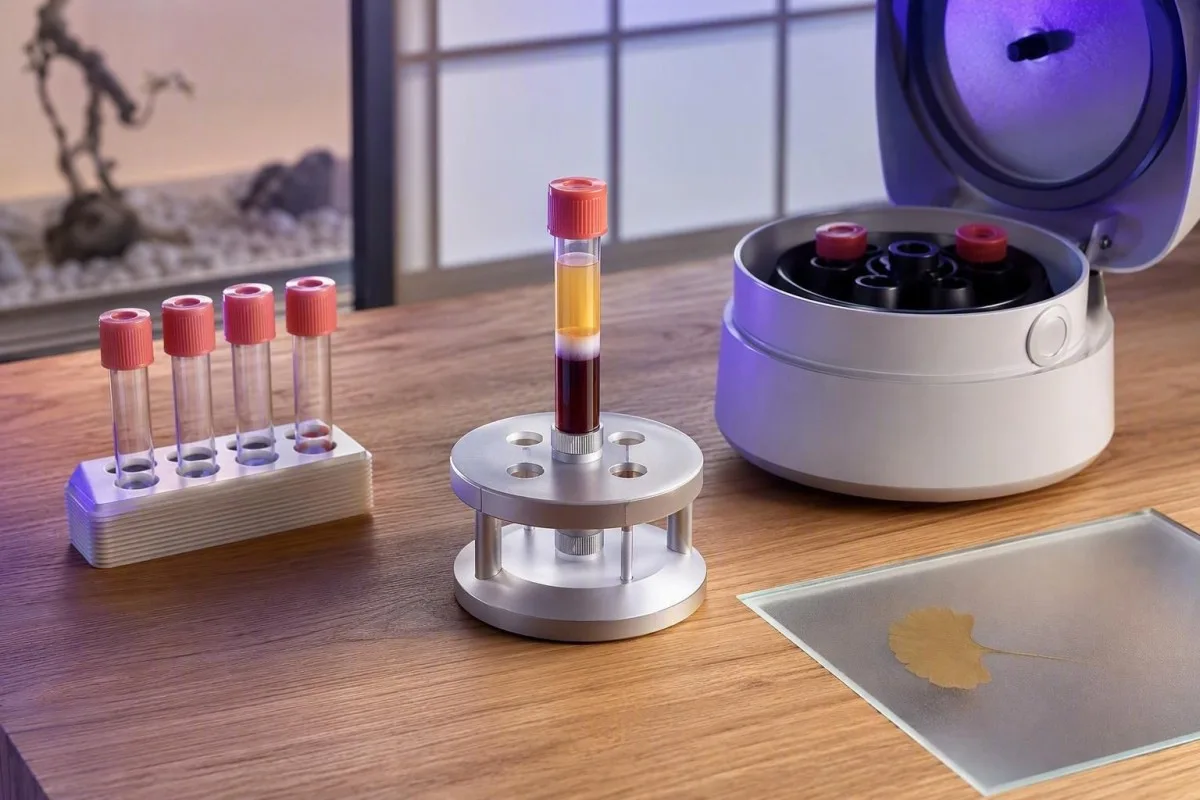
Hyödyllinen ensimmäinen näyte tallentaa tavanomaisen fysiologiasi, ei eilisen harjoituksen, juomien, huonojen yöunien tai ohimenevän viruksen biokemiallista kaikua. Tavoitteena on toistettava konteksti, jota voit käyttää vuosien ajan.


- Perustestauksen ajoitus: varaa aamunäyte 8-12 tunnin paaston jälkeen, jos siihen sisältyy paastoglukoosi, triglyseridit, rautatutkimukset tai insuliini.
- Liikuntatauko: vältä tavallista raskaampaa voimaharjoittelua, intervalliharjoittelua tai kestävyysjuoksua 24-48 tuntia ennen rutiininomaista perustestausta.
- Alkoholitauko: vältä alkoholia vähintään 48 tuntia ennen triglyseridi- ja maksaentsyymitestausta; runsas alkoholin käyttö voi vääristää tuloksia pidempään.
- Sairauskäytäntö: siirrä hyvinvointiperustesti vähintään 2 viikkoa kuumeen tai merkittävien hengitys- tai ruoansulatusoireiden paranemisen jälkeen.
- Nesteytystavoite: juo normaalisti edellisenä päivänä ja 250-500 ml vettä 2 tuntia ennen näytteenottoa, ellei nesteen nauttimista ole rajoitettu.
- Biotiinivaroitus: lopeta määräämättömät korkea-annoksiset biotiinivalmisteet 48-72 tuntia ennen monia immunomäärityksiä, mutta älä koskaan lopeta määrättyä hoitoa kysymättä lääkäriltä.
- Kierron konteksti: kirjaa kierron päivä estrogeenin, progesteronin, LH:n, FSH:n ja joskus lipidien kohdalla; se muuttaa tulkintaa enemmän kuin monet odottavat.
- Toistettavuus: käytä samaa laboratoriota, samankaltaista aamuajankohtaa ja samaa valmistautumismallia, kun seuraat laboratoriotuloksia ajan mittaan.
Mikä tekee ensimmäisestä verinäytteestä todellisen perustestin?
A perusverikoe on hyödyllisin, kun se kuvaa tavallista viikkoa: vakaat ateriat, tavallinen nesteytys, ei akuuttia sairautta ja ei poikkeuksellista harjoittelua tai juomista. Useimmille aikuisille suosittelen aamunäytettä 8-12 tunnin paaston jälkeen, kun mitataan glukoosia, triglyseridejä, rautamarkkereita tai insuliinia.
Käytännön tavoitteena ei ole saada tuloksia näyttämään paremmilta. Tavoitteena on vähentää esianalyyttistä vaihtelua—muutokset, jotka tapahtuvat ennen kuin analysaattori edes näkee näytettä. Paastoglukoosi 96 mg/dL ja triglyseriditaso 105 mg/dL voivat molemmat olla täysin tavallisia, mutta niiden merkitys muuttuu, jos henkilö söi myöhään, juoksi 10 km tai nukkui 3 tuntia.
Kliinisessä työssäni pyydän potilaita kohtelemaan ensimmäistä verinäytettä kuin valokuvaa. Pidä lyhyt kirja heräämisajasta, paaston kestosta, lääkkeistä, lisäravinteista, alkoholista edeltävän 72 tunnin aikana, liikunnasta edeltävän 48 tunnin aikana, kuukautiskierron päivästä ja hiljattain sairastetuista infektioista. Tuo kirjaus on usein hyödyllisempi toisessa testissä kuin yksittäinen “normaali” merkintä.
Kantesti on Tekoälyinen verikoeanalysaattori suunniteltu lukemaan tuloksia yhdessä tuon käytännön kontekstin kanssa sen sijaan, että jokaista korostettua arvoa pidettäisiin sairautena. Järjellisen testilistan laatimiseksi aloita meidän vuosittaisesta verikoeoppaastamme ja sovi lisäyksistä lääkärin kanssa, joka tuntee historiasi.
Perustaso on henkilökohtainen, ei pelkästään “viitealueella”
Laboratorion viiteväli sisältää yleensä keskimääräisen 95% arvoista valitusta populaatiosta; se ei määritä terveellisintä tai turvallisinta henkilökohtaista numeroasi. Kreatiniinitulos voi pysyä laboratorion viitealueella noustessaan merkittävästi omasta toistetusta arvostasi, minkä vuoksi perustason dokumentointi on tärkeää.
Miten paasto ja edellisen päivän ateriat muokkaavat tuloksia
Paastoaminen 8–12 tuntia tuottaa puhtaimman ensimmäisen vertailun triglyserideille, paastoglukoosille, insuliinille ja seerumin raudalle, vaikka monet lipidipaneelit voidaan tulkita ilman paastoa. Veden juonti on sallittua ja yleensä hyödyllistä; kahvi, mehu, purukumi ja kaloripitoiset juomat eivät ole todellinen paasto.
Paastoplasman glukoosi alle 100 mg/dL on yleensä normaali, 100-125 mg/dL osoittaa heikentynyttä paastoglukoosia, ja 126 mg/dL tai enemmän vaatii varmistusta, ellei oireita ja merkittävää hyperglykemiaa ole läsnä. HbA1c heijastaa karkeasti edeltäviä 8-12 viikkoa, joten yksi aamiainen ei voi merkittävästi laskea sitä; ADA:n laboratorion ohjeet selittävät, miksi glukoosi ja HbA1c vastaavat eri kysymyksiin (Sacks et al., 2023).
Triglyseridit ovat erityisen herkkiä aterioille. Arvo alle 150 mg/dL on yleisesti toivottava, kun taas 500 mg/dL tai enemmän herättää huolta haimatulehduksen riskistä ja vaatii nopeaa kliinistä arviointia. Rikas myöhäisillan ateria tai alkoholi voi tuottaa harhaanjohtavan korkean ensimmäisen tuloksen, joten käytä triglyseridien uusintatestisuunnitelmaa sen sijaan, että yrittäisit “syödä täydellisesti” yhden päivän ajan.
Kantesti on AI verikoe-tulkinta-alusta joka voi säilyttää paaston tilan jokaisen paneelin vieressä, mikä tekee myöhemmistä vertailuista vähemmän virhealtteja. Meidän biomarkkerioppaamme selittää, mitkä testit ovat todella ateriaherkkiä ja mitkä eivät.
Miten liikunta voi jäljitellä epänormaaleja maksa- ja munuaistestejä
Raskas liikunta voi tilapäisesti nostaa CK, AST, ALT, kreatiniini, valkosolut ja joskus kalium, joten vältä tuntematonta tai korkeatehoista harjoittelua 24–48 tuntia ennen perustason paneelia. Kevyt kävely ja normaali päivittäinen liikkuminen ovat sallittuja.
Arvioin 52-vuotiasta maratonjuoksijaa, jolla oli AST 89 IU/L pitkän kilpailun jälkeen, ALT 36 IU/L ja CK yli 2 000 IU/L. Tämä kuvio viittasi enemmän harjoitettuun lihakseen kuin maksavaurioon, mutta se vaati silti uusintatarkastuksen toipumisen jälkeen; yksittäiset arvot eivät juuri koskaan riitä. Lue lisää AST harjoituksen jälkeen ennen maksavaurion olettamista.
Kreatiinikinaasin viitearvot vaihtelevat laboratoriosta, sukupuolesta, etnisyydestä, lihasmassasta ja harjoittelutilasta riippuen, mutta monet laboratoriot merkitsevät yli noin 200–300 IU/L olevat arvot. CK, joka ylittää 5-kertaisesti yläviitearvon rasituksen jälkeen, on yleinen; CK yli 5 000 IU/L tumman virtsan, vakavan lihaskivun tai vähentyneen virtsanerityksen kanssa vaatii kiireellistä arviointia rasitusrabdomyolyysin varalta.
Kreatiniini nousee intensiivisen toiminnan jälkeen osittain lihasten hajoamisen ja nestehukasta johtuvan vähentyneen munuaisten verenvirtauksen vuoksi. Älä tulkitse kilpailun jälkeisen näytteen alentunutta eGFR:ää krooniseksi munuaissairaudeksi ilman toipumistestausta; meidän harjoitus kreatiniinin opas selittää turvallisemman uudelleentestausikkunan.
48 tunnin nollaus ei ole sääntö kaikille
Vapaamuotoiseen salitreeniin 24 tuntia on usein riittävä. Ultramaratonin, CrossFit-kilpailun, raskaan eksentrisen nostamisen tai kuumassa altistumisen jälkeen odotan usein 48–72 tuntia, jos tavoitteena on vakaa perusarvo pikemmin kuin tapahtuman itsensä arviointi.
Miksi alkoholille on syytä antaa 48 tunnin tauko perustestauksessa
Alkoholin välttäminen vähintään 48 tunnissa ennen perustason verikoetta vähentää triglyseridien, glukoosin, GGT:n, AST:n, nesteytysmarkkereiden ja unen fysiologiaan liittyvien tekijöiden lyhytaikaista vääristymistä. Yksi raskas ilta voi vaikuttaa enemmän kuin monet potilaat odottavat.
Alkoholi voi nostaa triglyseridejä lisäämällä maksan erittäin pienitiheyksisten lipoproteiinien tuotantoa, erityisesti runsaasti hiilihydraatteja sisältävien aterioiden jälkeen. Vaikutus on vaihteleva: yhden henkilön tulos palaa perustasolle 24 tunnissa, kun taas toisella rasvamaksa-, diabetes- tai runsaampaa nauttimista esiintyy useiden päivien ajan. Paaston triglyseridit 220 mg/dL viikonlopun juomien jälkeen tulisi toistaa ennen kuin kukaan leimaa sen pysyväksi aineenvaihdunnan ongelmaksi.
GGT on herkkä, mutta epäspesifinen. Monet laboratoriot käyttävät ylärajoja noin 55–60 IU/L miehillä ja 35–40 IU/L naisilla, mutta lääkkeet, kolestaasi, rasvamaksa ja alkoholi voivat kaikki nostaa sitä. Merkityksellinen kuvio on GGT yhdessä ALT:n, ALP:n, bilirubiinin, verihiutaleiden määrän ja alkoholin käytön historian kanssa; katso meidän maksan toimintakokeiden selityksestä kuinka nämä palaset sopivat yhteen.
1. syyskuuta 2026 alkaen suosittelen edelleen välttämään “detox-kuureja” tai liiallista paastoa maksatulosten parantamiseksi. Normaali ruoka, normaali vesi, ei alkoholia ja dokumentoitu väli ovat puhtaampaa tiedettä. Jatkuva ALT, joka ylittää laboratorion ylärajan kahdessa näytteessä useiden viikkojen välein, vaatii lääketieteellistä arviota, ei internet-puhdistusta.
Milloin sairaus tai rokotus tulisi siirtää hyvinvointinäytettä
Viivästytä hyvinvointiperustason määritystä kuumeen, aktiivisen ruoansulatuskanavan sairauden, merkittävän hengitystieinfektion tai ensimmäisten 1–2 viikon aikana toipumisen jälkeen, koska CRP, ferritiini, valkosolut, verihiutaleet, glukoosi ja kilpirauhastutkimus voivat muuttua väliaikaisesti. Kiireellinen diagnostinen testaus on eri asia: älä viivytä sitä ollessasi sairas.
C-reaktiivinen proteiini nousee tyypillisesti 6–8 tunnin kuluessa tulehdusärsykkeestä ja voi laskea nopeasti, kun laukaiseva tekijä on rauhoittunut. Alle 3 mg/l:n CRP-arvoa käytetään usein sydän- ja verisuonitautien riskiluokitteluun vain, kun henkilö on kliinisesti terve; 18 mg/l:n tulos flunssan aikana kertoo vähän pitkäaikaisesta verisuoniriskistä. CRP:n ja albumiinin kuvio on informatiivisempi kuin kumpikaan tulos yksinään.
Ferritiini on sekä rautaa varastoiva proteiini että akuutin vaiheen reaktantti. 110 ng/ml:n ferritiini-arvo infektion aikana voi peittää raudanpuutoksen, kun taas alle 15 ng/ml:n ferritiini on erittäin spesifinen raudanpuutokselle muuten terveellä aikuisella. Siksi yhdistän ferritiinin transferriinin saturaation, CRP:n, hemoglobiinin ja kliinisen kuvan kanssa.
Rokotus voi aiheuttaa lyhytaikaisen immuunivasteen, mukaan lukien ohimeneviä muutoksia CRP:ssä ja valkosolujen alatyypeissä. Rutiinitestaus voi yleensä odottaa 3–7 päivää rokotuksen jälkeen, jos tavoitteena on hiljainen perustaso, mutta lääkeseurantaan tarkoitettu suunniteltu turvallisuuspaneeli tulisi tehdä lääkärin ohjeiden mukaisesti. Meidän rokotuksen jälkeinen laboratoriopohjainen ohje kattaa käytännön erot.
Kahden viikon sääntöön on poikkeuksia
Keuhkokuumeen, sairaalahoidon, tartuntataudin mononukleoosin tai kroonisen sairauden vaikean pahenemisen jälkeen kaksi viikkoa ei välttämättä riitä. Näissä tapauksissa käytän usein oireiden lievittymistä, CRP-trendia ja kliinistä harkintaa kalenterin sijaan.
Miten univaje ja ajoitus muuttavat verikoetta
Huono yöuni voi nostaa paastoglukoosia, kortisolia, verenpainetta ja tulehdussignaaleja, kun taas ajoitus voi muuttaa testosteronia, kortisolia, rautaa ja TSH:ta. Ensimmäistä perustasoa varten pyri 7–9 tuntiin tavallista unta ja ota näyte mahdollisuuksien mukaan noin klo 7–10 aamulla.
Kortisoli noudattaa vahvaa vuorokausirytmiä. Aamun seerumikortisolia mitataan yleisesti noin klo 8 aamulla, mutta arvo ei voi diagnosoida lisämunuaisen sairautta ilman näytteenottoaikaa, oireita ja usein ACTH-testausta. Iltapäivän näyte verrattuna edelliseen aamunäytteeseen ei ole luotettava trendi, vaikka sama laboratorio suorittaisikin molemmat.
4–5 tunnin unenpuute voi heikentää seuraavan aamun insuliiniherkkyyttä ja muuttaa ruokahalua sääteleviä hormoneja; laboratoriotulosten muutosten laajuus vaihtelee huomattavasti henkilöittäin. Näen tätä useimmiten vuorotyöläisillä, uusilla vanhemmilla ja usein matkustavilla, joilla “perustason” tulee edustaa heidän todellista aikatauluaan eikä idealisoitua sellaista. Meidän huonon unen laboratoriotestausopas tarjoaa hyödyllisen tarkistuslistan.
Tri Thomas Kleinin käytännön neuvo on yksinkertainen: älä peruuta tarpeellista testiä, koska olet nukkunut huonosti, vaan kirjaa se ylös. Jos rajatapaus paastoglukoosiarvo on 103 mg/dl yhden valvomisen jälkeen, toista se normaaleissa olosuhteissa ennen esidiabeteksen johtopäätösten tekemistä.
Kahvi ei aina ole vaaratonta valmistautumista
Musta kahvi voi vaikuttaa vähän moniin paneeleihin, mutta se voi vaikuttaa glukoosiin, katekoliamiineihin, verenpaineeseen ja joihinkin erikoistuneisiin endokriinisiin testeihin. Kun tilataan paastoinsuliinia, glukoosia, kortisolia tai metanefriinejä, tavallinen vesi on vähiten monitulkintainen valinta.
Mitkä lisäravinteet ja lääkkeet on tallennettava
Älä lopeta määrättyjä lääkkeitä perustason verikokeeseen, ellei määräävä lääkäri toisin ohjeista, mutta kirjaa ylös jokainen lääke ja lisäravinne annostuksineen ja ajoituksineen. Biotiini, rauta, B12, kreatiini, jodi, kortikosteroidit ja nenän tukkoisuutta poistavat aineet voivat muuttaa joko biologiaa tai testianalyysiä.
Suuriannoksinen biotiini, usein 5 000–10 000 mikrogrammaa päivässä hius- ja kynsituotteissa, voi häiritä tiettyjä streptavidiini-biotiini-immunomäärityksiä. Se voi aiheuttaa virheellisesti matalan TSH:n tai virheellisesti korkean vapaan T4:n, troponiinin tai hormonitulokset analyysimallista riippuen. 48–72 tunnin taukoa käytetään yleisesti ilman reseptiä saatavalle biotiinille, mutta henkilöiden, jotka käyttävät sitä sairauden vuoksi, tulisi ensin kysyä lääkäriltään.
Suun kautta otettava rauta voi nostaa seerumin rautapitoisuutta ohimenevästi, ja kreatiinilisät voivat nostaa kreatiniinia vähentämättä todellista suodatusta. Kortikosteroidit voivat nostaa glukoosin ja valkosolujen määrää; protonipumpun estäjät voivat pitkällä aikavälillä vaikuttaa magnesiumiin ja B12-vitamiiniin. Oikea vastaus on konteksti, ei äkillinen itse lopettaminen; meidän lisäravinteiden paasto-opas selittää yleisiä poikkeuksia.
Kantesti on AI-pohjainen verikokeiden analyysityökalu joka kirjaa ilmoitetut lisäravinteet tulosten rinnalle, jotta näennäinen kilpirauhasen tai munuaisten muutos voidaan tarkistaa siihen altistumisen yhteydessä, joka voi selittää sen. Potilaat voivat myös verrata ilmoitettuja tuloksia meidän kliiniseen tarkkuustarkistuslistaan ennen kuin toimivat odottamattoman merkinnän perusteella.
Lääkityksen ajoitus voi olla osa reseptiä
Kilpirauhasen korvaushoidolla, testosteronihoidolla, insuliinilla, diureeteilla ja antikoagulanteilla on jokaisella testikohtaiset ajoitussäännöt. Esimerkiksi kilpirauhastutkimukset otetaan usein ennen päivän levotyroksiiniannosta johdonmukaisuuden seurannassa, mutta määräävän lääkärin protokollan tulisi olla etusijalla.
Miten kuukautiskierron vaihe vaikuttaa ensimmäiseen hormonaaliseen perustestiin
Lisääntymishormonitutkimuksissa kierron päivä on osa tulosta. FSH, LH, estradioli, progesteroni, testosteroni, prolaktiini ja joskus lipidit voivat vaihdella syklissä riittävästi, jotta tallentamaton päivämäärä heikentää tulkintaa.
Varhaisen follikkelivaiheen tutkimus, usein kierron päivät 2–5, on yleinen perustason FSH-, LH- ja estradiolin mittauksessa hedelmällisyysarvioinnissa. Progesteroni mitataan yleensä noin 7 päivää ovulaation jälkeen – ei automaattisesti “päivä 21”, koska 35 päivän kierto seuraa erilaista biologiaa. Progesteroniarvo yli noin 3 ng/mL voi tukea tuoretta ovulaatiota monissa tilanteissa, mutta tarkka tulkinta riippuu analyysistä ja ajoituksesta.
Prolaktiini on herkkä stressille, äskettäiselle liikunnalle, sukupuoliselle toiminnalle ja vaikealle näytteen keräykselle. Lievät nousut toistetaan usein 20–30 minuutin hiljaisen lepoajan jälkeen, mieluiten aamulla; taso, joka pysyy jatkuvasti yli 100 ng/mL, ansaitsee nopean endokriinisen arvioinnin, vaikka lääkevaikutukset ovat edelleen yleisiä. Katso meidän prolaktiinin uudelleenmittausopas järkevien jatkotoimenpiteiden osalta.
Sykliin liittyvät lipidivaihtelut ovat todellisia, mutta yleensä pienempiä kuin painon, ruokavalion, alkoholin, diabeteksen tai genetiikan aiheuttamat muutokset. Jos aiot seurata terveyttäsi verikokeilla vuosien aikana, valitse samankaltainen kiertovaihe toistuvia lipidipaneeleja ja hormonipaneeleja varten aina kun mahdollista, erityisesti arvioitaessa oireita tai hoitoa.
Hormonaalinen ehkäisy muuttaa kysymystä
Yhdistetty hormonaalinen ehkäisy voi tukahduttaa endogeeniset FSH-, LH-, estradioli- ja androgeenimittaukset, joten nämä tulokset eivät välttämättä kuvaa hoitamatonta fysiologiaa. Älä lopeta ehkäisyä vain saadaksesi perustason ilman raskauden riskiä ja testauksen kliinistä syytä.
Miksi nesteytys, asento ja näytteenottotekniikka ovat tärkeitä
Normaali nesteytys ja 10-15 minuutin istumalepo ennen näytteenottoa parantavat toistettavuutta, koska nestehukka, pitkäaikainen seisominen ja vaikea verinäytteenotto voivat keskittää tai vääristää useita tuloksia. Juo normaalisti edellisenä päivänä ja, ellei nesteytystä ole rajoitettu, ota 250-500 mL vettä 2 tuntia ennen vastaanottoaikaa.
Plasman tilavuuden supistuminen voi saada hemoglobiinin, hematokriitin, albumiinin, kalsiumin, kokonaisproteiinin ja kreatiniinin näyttämään korkeammilta kuin ne olisivat normaalissa nesteytyksessä. Päinvastoin, litran veden aggressiivinen juominen juuri ennen testausta voi laimentaa natriumin ja muita mittauksia. Normaali natriumarvo on yleensä 135-145 mmol/L, mutta odottamaton tulos tulisi aina tulkita nesteytyksen ja glukoosistatuksen perusteella.
Asennolla on enemmän merkitystä kuin useimmat ihmiset tajuavat. Seisominen voi lisätä albumiinin ja proteiinisitoutuneiden analyyttien pitoisuutta nesteen siirtymisen vuoksi, kun taas pitkittynyt kiristyssideaika ja toistuva nyrkin puristelu voivat virheellisesti nostaa kaliumin ja laktaatin tasoja. Kaliumpitoisuus yli 5,5 mmol/L ilman munuaissairautta, oireita tai EKG-muutoksia tarkistetaan usein nopeasti uudelleen, koska näytteenottoartefakti on yleinen; meidän kaliumnäytteenottovirheopas selittää miksi.
Kuukautiset, äskettäinen nestehukka ripulin vuoksi, diureetit ja saunominen kuuluvat kaikki näytteenottoon liitettävään muistiinpanoon. Jos eGFR on odottamattoman matala nestehukan jälkeen, palauta normaali saanti ja keskustele uusintatestauksesta; katso väliaikaiset eGFR-muutokset ennen kuin oletat pysyvää munuaisvauriota.
Punainen putki ei ole diagnoosi
Putken väri tunnistaa laboratoriokäsittelyyn käytetyn lisäaineen, ei testin vakavuutta. Kliinisesti tärkeää on oikea putkivalinta, kuljetuslämpötila, käsittelyn viive ja se, raportoiko laboratorio hemolyysiä tai riittämätöntä näytettä.
Miten tulevista tuloksista tehdään vertailukelpoisia ensimmäisen näytteen kanssa
Käytä samaa laboratorioita, samanlaista näytteenottoaikaa ja samanlaista valmistelurutiinia aina, kun seuraat laboratoriotuloksia ajan mittaan. Todellinen biologinen muutos voi olla pienempi kuin määritysmenetelmän, paaston, liikunnan ja tavanomaisen päivittäisen vaihtelun yhdistetty vaikutus.
LDL-kolesteroli voidaan laskea sen sijaan, että se mitattaisiin suoraan, ja laskenta muuttuu epäluotettavammaksi triglyseridien noustessa. Vuoden 2018 AHA/ACC-kolesteroliohjeistus tukee paastoamattomia seulontoja monilla ihmisillä, mutta suosittelee paastoseulontaa tietyissä tilanteissa, mukaan lukien erittäin korkeat triglyseridit ja diagnosointi epävarmuus (Grundy et al., 2019). Tärkeintä on johdonmukaisuus, ei täydellisyys.
Reference change value, tai RCV, yhdistää analyyttisen epätarkkuuden yksilön normaaliin biologiseen vaihteluun. 10% liike yhdessä merkissä voi olla kohinaa, kun taas 30% muutos toisessa on merkityksellinen; ei ole olemassa yleismaailmallista prosenttia, joka koskisi jokaista testiä. Meidän onko tämä muutos todellinen opas näyttää, miksi trendit vaativat enemmän kuin värillisiä nuolia.
Kantesti AI tulkitsee toistuvia paneeleja vertaamalla määritysyksiköitä, viitevälejä, näytteenottopäiviä ja liittyviä biomarkkereita sen sijaan, että se vain laskisi poikkeavia lippuja. Meidän AI:n vertailutyönkulku on rakennettu tätä pitkittäiskysymystä varten: mikä muuttui tarpeeksi ansaitakseen huomiota?
Säilytä alkuperäinen raportti
Tallenna PDF tai selkeä valokuva, ei vain kirjoitettua tulosta. Yksikkömuunnokset, laboratorioalueet, kommentit hemolyysistä ja oliko LDL laskettu voivat merkittävästi muuttaa sitä, miten tuleva kliinikko lukee trendiä.
Kontekstihuomautus, joka tallennetaan jokaisen verikokeen yhteyteen
Lyhyt kontekstimuistiinpano muuttaa erilliset numerot käyttökelpoisiksi pitkittäisiksi tiedoiksi. Kirjaa päivämäärä, aika, paastotunnit, uni, liikunta, alkoholi, sairaudet, lääkkeet, lisäravinteet, syklipäivä, painonmuutokset ja uudet oireet jokaisella näytteenotolla.
Minimi huomautukseni sisältää kahdeksan kohtaa: keräysaika; paaston kesto; liikunta 48 tunnin sisällä; alkoholi 72 tunnin sisällä; nykyinen sairaus; reseptimuutokset; lisäravinteiden annos ja viimeisin annos sekä kuukautis- tai raskausstatus soveltuvin osin. Lisää matkustaminen, aikaerorasitus ja korkeus, kun ne ovat kyseessä, koska jokainen voi vaikuttaa nesteytykseen, kortisoliin, hemoglobiiniin ja uneen liittyvien merkkien muutoksiin.
1,5 kg painonpudotus 10 päivässä, uusi proteiinipitoinen ruokavalio tai useat yöt pirstaloitunutta unta voivat selittää maltillisia verikokeiden muutoksia ajan myötä. Se ei tee tuloksesta merkityksetöntä – se tekee siitä tulkittavan. Uudelleenkäytettävää versiota varten meidän laboratoriokontekstin seurantatyökalu sisältää tiedot, jotka potilaat useimmiten unohtavat.
Tri Thomas Klein suosittelee muistiinpanon kirjoittamista ennen kotoa lähtöä, ei tuloksia odotellessa. Muisti muuttuu epäluotettavaksi odottamattoman hälytyksen jälkeen, ja ihmiset rakentavat ymmärrettävästi edellisen viikon uudelleen numeron mukaiseksi.
Mitä ei pidä kirjata “korjauksena”
Älä manipuloi ruokavaliota, veden saantia, liikuntaa tai lisäravinteita pelkästään saadaksesi houkuttelevamman ensimmäisen perustason. Perustason tulee edustaa elämääsi; muuten seuraava testi voi näyttää huonommalta vain siksi, että se on rehellisempi.
Mitkä rajatapaukset tulisi toistaa ennen huolestumista
Monet rajatapauksina pidettävät perustulokset tulisi toistaa vakaissa olosuhteissa ennen kuin niitä käsitellään sairauksina, erityisesti maksan entsyymien, kreatiniinin, kaliumin, prolaktiinin, neutrofiilien ja triglyseridien erilliset lievät muutokset. Kiireelliset oireet tai huomattavasti poikkeavat arvot ovat poikkeus.
ALT alle 2 kertaa laboratorion yläraja normaalin bilirubiinin, ALP:n ja oireettomuuden ollessa kyseessä, tarkistetaan yleensä uudelleen väliaikaisten vaikuttajien, kuten alkoholin, kovan liikunnan tai samanaikaisen sairauden poistamisen jälkeen. Bilirubiinitaso yli 3 mg/dL kellertymän, tumman virtsan, vaaleiden ulosteiden, kuumeen tai vatsakivun ollessa kyseessä, on erilainen eikä sen pidä odottaa rutiininomaista perustason uusintatestausta.
Lievästi alhainen neutrofiilimäärä voi seurata virusinfektiota tai heijastaa yksilön vakaata normaalia tilaa. Absoluuttinen neutrofiilimäärä 1,0–1,5 × 10⁹/l on yleensä lievä neutropenia, kun taas alle 0,5 × 10⁹/l kantaa huomattavasti suurempaa infektioriskiä ja vaatii kiireellistä lääketieteellistä ohjausta, erityisesti kuumeen yhteydessä. Meidän neutrofiilien seurantaopas erottaa yleiset uusintatestaukset punaisista lipuista.
Yksi hyödyllisimmistä suojakeinoista on kuvion tunnistaminen. Esimerkiksi korkea kalsium matalalla lisäkilpirauhashormonilla on erilainen kiireellisyys kuin korkea kalsium, johon liittyy nestehukka ja albumiinin nousu; syy siihen, miksi olemme huolissamme yhdistelmistä, on se, että biologia muuttaa harvoin vain yhtä merkkiä.
Milloin perustason verikoe ei saa korvata lääketieteellistä hoitoa
Perustason protokolla ei sovellu, kun sinulla on punaisia lippuja aiheuttavia oireita, nopeasti paheneva sairaus, raskauskomplikaatioita tai kriittinen laboratoriovaroitus. Rintakipu, vaikea hengenahdistus, sekavuus, pyörtyminen, kellertymä, mustat ulosteet tai vaikea nestehukka vaativat kliinistä arviointia nyt – ei paremmin valmisteltua uusintatestiä.
Kaliumpitoisuus 6,0 mmol/L tai enemmän, natrium alle 120 mmol/L, glukoosi yli 300 mg/dL oksentelun tai sekavuuden kanssa tai hemoglobiini lähellä 7 g/dL ovat esimerkkejä tuloksista, jotka saattavat vaatia kiireellistä toimenpidettä, vaikka täysi kliininen tilanne onkin merkityksellinen. Laboratoriot ottavat yleensä yhteyttä tilaavaan tiimiin kriittisistä arvoista, mutta potilaiden ei pidä olettaa, että vastaamaton puhelu tarkoittaa, että tulos on turvallinen.
Jos olet raskaana, sinulla on krooninen munuaissairaus, käytät insuliinia, käytät antikoagulantteja, saat kemoterapiaa tai tiedät sinulla olevan maksasairaus, valmisteluohjeet voivat poiketa hyvinvointimallista. Paastoaika voi olla vaarallinen joillekin diabeetikoille, ja lääkityksen ajoitus voi olla välttämätöntä. Meidän ohjeet testaustiheyteen selittävät, miksi riskiryhmä muuttaa suunnitelmaa.
Kantesti on AI-laboratoriotestien tulkintapalvelu joka auttaa tunnistamaan kysymyksiä kliinikoille, ei korvaa kiireellistä arviota tai diagnoosia. Kliiniset turvatoimet ja lääketieteelliset tarkastusperiaatteet työmme takana on kuvattu meidän Lääketieteellinen neuvoa-antava toimikunta.
Käytännön 72 tunnin protokolla ensimmäiseen perustestiin
Hyvää ensimmäistä perustasoa varten säilytä rutiinisi 72 tuntia, vältä alkoholia 48 tuntia, vältä rasittavaa liikuntaa 24-48 tuntia, nuku normaalisti, paastoa 8-12 tuntia tarvittaessa, juo vettä ja kirjaa kontekstisi. Johdonmukaisuus on toimenpide.
Seitsemänkymmentäkaksi–48 tuntia ennen: älä aloita uutta lisäravinnetta, dieettiä, puhdistusta tai harjoitusjaksoa. Jos käytät jo lisäravinnetta, kirjaa tarkka annos; jos se sisältää suuria määriä biotiinia, kysy tilaavalta kliinikolta tai apteekkihenkilökunnalta, onko 48–72 tunnin tauko asianmukainen. Vältä alkoholia 48 tuntia ja lykkää rutiinitestausta, jos sairaus on aktiivinen.
Edellisenä päivänä: syö tavalliset ateriasi, juo normaalisti, vältä saunaa tai kestävyyskilpailuja ja suunnittele 7–9 tuntia vuoteen. Paastopaneeleita varten lopeta syöminen 8–12 tuntia ennen tapaamista; vesi on sallittua. Näytteenottoaamuna vältä kahvia ja nikotiinia, jos suunnitteilla on glukoosi-, insuliini-, kortisoli-, katekoliamiini- tai erikoisendokriininen testaus.
Kun tulos saapuu, tallenna alkuperäinen raportti ja sen kontekstimuistiinpano ennen kuin muutat mitään. Kantesti AI voi järjestää tulokset pitkittäisnäkymään, kun taas meidän teknologia- ja kliininen opas selittää, miksi kuvioiden tunnistaminen vaatii edelleen ihmisen lääketieteellistä seurantaa oireiden, merkittävien poikkeamien ja hoitopäätösten osalta.
Usein kysytyt kysymykset
Miten valmistaudun perusverenkuvan ottoon?
Valmistaudu perustason verikokeeseen noudattamalla tavallista rutiiniasi, välttäen alkoholia 48 tuntia, välttäen raskasta liikuntaa 24–48 tuntia, nukkuen normaalisti ja kirjaamalla ylös lääkkeet ja lisäravinteet. Paastoa 8–12 tuntia, jos pyyntö sisältää paastoverensokerin, triglyseridien, insuliinin tai rautatutkimukset; vettä saa yleensä juoda. Juo normaalisti ylihydratoinnin sijaan ja ajoita aamunäyte noin klo 7–10 välille, jos se sisältää hormoneja tai rautaa. Siirrä hyvinvointitason perustason mittausta akuutin sairauden aikana, ellei testiä tarvita kyseisen sairauden arvioimiseksi.
Pitäisikö minun paastota ensimmäistä verikoettani varten?
8–12 tunnin paasto on hyödyllisin ensimmäiselle verikokeelle, joka sisältää triglyseridit, paastoverensokeri, insuliini tai seerumin rauta, vaikka monet rutiininomaiset lipidipaneelit eivät enää vaadi paastoa. Tavallinen vesi ei riko paastoa ja auttaa ehkäisemään vaikeaa näytteenottoa tai kuivumiseen liittyviä pitoisuusvaikutuksia. Kahvi, mehu, maito, alkoholi, purukumi ja lisäravinteet voivat muuttaa valittuja tuloksia tai mitätöidä tarkoitetun valmistautumisen. Noudata tilauskohtaisia ohjeita, jos lääkärisi antaa erilaisen paastoajan.
Voiko liikunta vaikuttaa verikoetuloksiin seuraavana päivänä?
Kyllä, rasittava liikunta voi vaikuttaa verikoetulokset 24–72 tunnin ajan kohottamalla kreatiinikinaasi-, AST-, ALT-, kreatiniini-, valkosoluarvoja ja ajoittain kaliumia. Kova voimaharjoittelu, maratonjuoksu, korkeatehoiset intervallit ja altistuminen kuumuudelle aiheuttavat suurempia muutoksia kuin tavallinen kävely. Vakaan yleiskunnon perustason saavuttamiseksi vältä epätavallista tai voimakasta liikuntaa 24–48 tunnin ajan; suuren kestävyyssuorituksen jälkeen 48–72 tuntia on usein realistisempaa. Älä viivyttele kiireellistä testausta oireiden, kuten voimakkaan lihaskivun, tumman virtsan, heikkouden tai virtsanerityksen vähenemisen, vuoksi.
Kuinka kauan minun tulee välttää alkoholia ennen verikoetta?
Vältä alkoholia vähintään 48 tuntia ennen perusverikoetta, erityisesti kun arvioidaan triglyseridejä, glukoosia, GGT:tä, AST:tä, ALT:tä tai nesteytysherkkiä merkkiaineita. Alkoholi voi nostaa triglyseridejä jo yhden raskaan illan jälkeen, ja vaikutus voi kestää useita päiviä diabeetikoilla, rasvamaksaa sairastavilla tai tavallisesti runsaammin juovilla. Triglyseridipitoisuus 500 mg/dL tai korkeampi vaatii välitöntä kliinistä arviointia, koska haimatulehduksen riski kasvaa merkittävästi. Älä yritä puhdistautumista tai tiukkaa paastoa sen jälkeen; tavalliset ateriat ja nesteytys tuottavat rehellisemmän uusintatuloksen.
Voiko huono uni muuttaa verikoetuloksia?
Huono uni voi muuttaa seuraavan aamun paastoverensokeria, kortisolia, verenpainetta ja joitakin tulehdusmerkkiaineita, erityisesti 4–5 tunnin unien tai yövuoron jälkeen. Se ei merkittävästi muuta HbA1c-arvoa, joka heijastaa keskimääräistä glykemiaa noin 8–12 viikon ajalta. Jos ei-kiireellinen perustulos on rajatapaus univajeen jälkeen, kirjaa ylös unihäiriö ja harkitse testin uusimista tavallisissa olosuhteissa. Tarvittavat testit tulee silti tehdä, koska oireet ja selvät poikkeavuudet ovat tärkeämpiä kuin optimaalinen valmistautuminen.
Pitäisikö hormonitestit tehdä tiettynä kuukautiskierron päivänä?
Kyllä, hormonitestaus tulee ajoittaa kliinisen kysymyksen mukaan ja kuukautiskierron päivä tulee aina kirjata. FSH, LH ja estradioli arvioidaan usein kierron päivinä 2-5 varhaisen follikkelivaiheen perustasojen määrittämiseksi, kun taas progesteronia tarkistetaan yleensä noin 7 päivää ovulaation jälkeen eikä automaattisesti päivänä 21. Progesteronitaso, joka on noin 3 ng/mL, voi tukea äskettäistä ovulaatiota, mutta laboratoriot ja kliiniset tilanteet vaihtelevat. Hormonaalinen ehkäisy muuttaa endogeenisten hormonien tuloksia, joten älä lopeta sitä pelkästään testausta varten ilman lääketieteellistä neuvontaa.
Hanki tekoälypohjainen verikoeanalyysi tänään
Liity yli 2 miljoonan käyttäjän joukkoon maailmanlaajuisesti, jotka luottavat Kantesti:hen saadakseen välittömän ja tarkan laboratoriotestianalyysin. Lataa verikoetuloksesi ja saat kattavan tulkinnan 15,000+-biomarkkereista sekunneissa.
📚 Viitatut tutkimusjulkaisut
Klein, T., Mitchell, S., & Weber, H. (2026). Kantesti LTD. (2026). C3 C4-komplementtiverikoe & ANA-titteriopas. Zenodo.. Kantesti AI Medical Research.
Klein, T., Mitchell, S., & Weber, H. (2026). Kantesti LTD. (2026). Nipah-viruksen verikoe: varhaisen havaitsemisen ja diagnostiikan opas 2026. Zenodo.. Kantesti AI Medical Research.
📖 Ulkoiset lääketieteelliset lähteet
⚕️ Lääketieteellinen vastuuvapauslauseke
Tämä artikkeli on tarkoitettu vain koulutustarkoituksiin eikä se muodosta lääketieteellistä neuvontaa. Ota aina yhteyttä pätevään terveydenhuollon ammattilaiseen diagnoosi- ja hoitopäätöksiä varten.
E-E-A-T-luottamussignaalit
Kokea
Lääkärin johtama kliininen arviointi laboratoriotulkinnan työnkuluista.
Asiantuntemus
Laboratoriolääketiede keskittyy siihen, miten biomarkkerit käyttäytyvät kliinisessä kontekstissa.
Auktoriteetti
Kirjoittanut tohtori Thomas Klein, tarkistanut tohtori Sarah Mitchell ja professori tohtori Hans Weber.
Luotettavuus
Näyttöön perustuva tulkinta selkeillä jatkopoluilla, jotka vähentävät hälytystä.