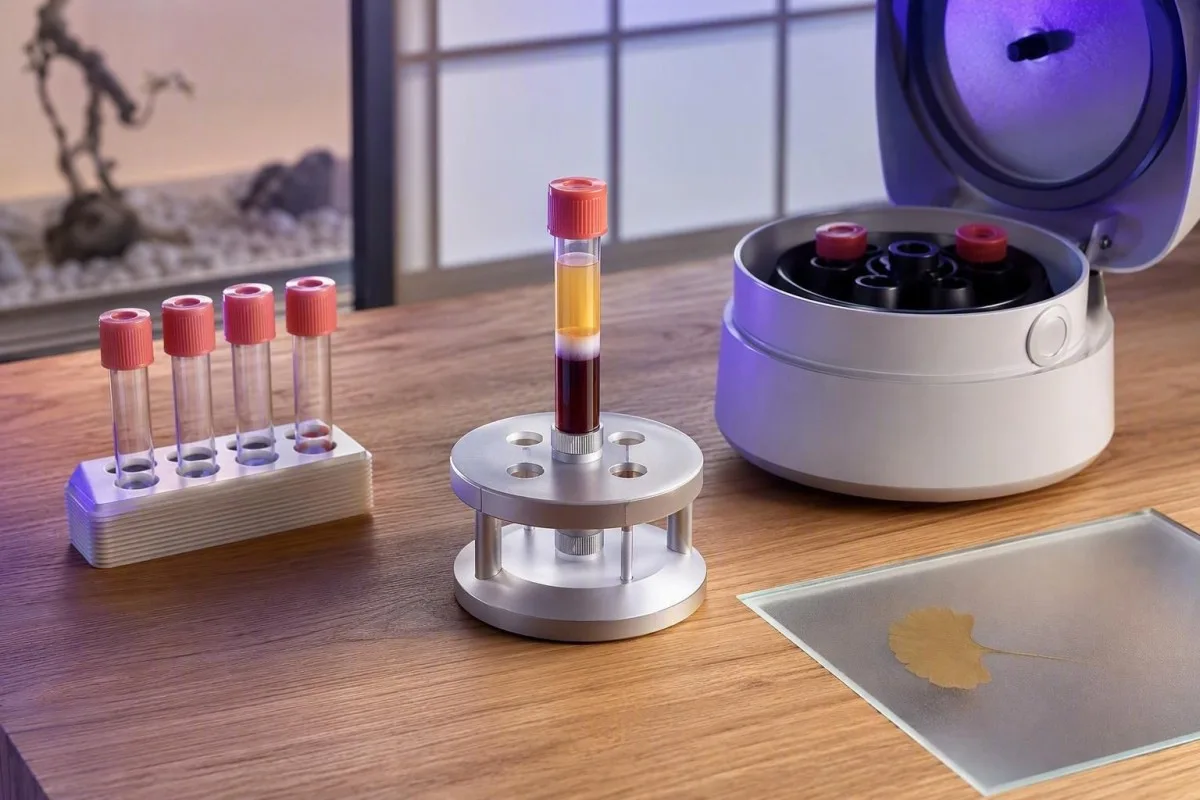
Koristan prvi nalaz bilježi vašu uobičajenu fiziologiju, a ne biohemijski odjek jučerašnjeg treninga, pića, lošeg sna ili prolaznog virusa. Cilj je ponovljivi kontekst koji možete koristiti godinama.


- Vrijeme osnovnog testiranja: zakazati jutarnje uzimanje uzorka nakon 8-12 sati bez hrane ako su uključeni glukoza natašte, trigliceridi, testovi željeza ili inzulin.
- Pauza od vježbanja: izbjegavajte neuobičajeno teško trening s opterećenjem, intervalne ili izdržljivostne vježbe 24-48 sati prije rutinskog osnovnog testiranja.
- Period bez alkohola: izbjegavati alkohol najmanje 48 sati prije testiranja triglicerida i jetrenih enzima; teško pijenje može iskriviti rezultate duže.
- Pravilo o bolesti: odgoditi wellness osnovni nalaz dok se najmanje 2 tjedna ne povuku simptomi povišene temperature ili značajni respiratorni ili gastrointestinalni simptomi.
- Cilj hidratacije: piti normalno dan prije i popijte 250-500 mL vode 2 sata prije uzimanja uzorka, osim ako nije ograničen unos tekućine.
- Biotin – oprez: prestanite uzimati biotin visoke doze koji nije na recept 48-72 sata prije mnogih imunoloških analiza, ali nikada nemojte prestati s propisanim liječenjem bez savjetovanja s liječnikom.
- Kontekst ciklusa: zabilježite dan ciklusa za estradiol, progesteron, LH, FSH i ponekad lipide; to više mijenja interpretaciju nego što mnogi očekuju.
- Ponavljanje: koristite istu laboratoriju, slično jutarnje vrijeme i isti obrazac pripreme kada pratite laboratorijske rezultate tijekom vremena.
Šta čini prvi nalaz krvi istinskim osnovnim?
A osnovni krvni test je najkorisniji kada obuhvaća uobičajeni tjedan: stabilni obroci, uobičajena hidratacija, bez akutne bolesti i bez iznimnog treninga ili konzumacije alkohola. Za većinu odraslih preporučujem jutarnji uzorak nakon 8-12 sati gladovanja kada se mjere glukoza, trigliceridi, markeri željeza ili inzulin.
Praktični cilj nije uljepšati rezultate. Cilj je smanjiti predanalitičku varijaciju—promjene koje se događaju prije nego što analizator uopće vidi uzorak. Vrednost glukoze natašte od 96 mg/dL i nivo triglicerida od 105 mg/dL mogu biti potpuno uobičajeni, ali njihovo značenje se mijenja ako je osoba jela kasno, pretrčala 10 km ili spavala 3 sata.
U svom kliničkom radu, tražim od pacijenata da prvi uzorak tretiraju kao referentnu fotografiju. Vodite kratku evidenciju o vremenu buđenja, trajanju gladovanja, lijekovima, suplementima, alkoholu u prethodnih 72 sata, vježbanju u prethodnih 48 sati, danu menstrualnog ciklusa i nedavnoj infekciji. Ta evidencija je često korisnija pri drugom testiranju nego jedinstvena “normalna” oznaka.
Kantesti je AI analizator krvi osmišljeni za čitanje rezultata uz taj praktični kontekst, umjesto da svaku istaknutu vrijednost tretiramo kao bolest. Za razuman popis testova, započnite s našim vodičem za godišnju krvnu analizu i dogovorite dopune s kliničarem koji poznaje vašu povijest bolesti.
Osnovica je osobna, a ne samo “u rasponu”
Laboratorijski referentni interval obično sadrži središnji 95% vrijednosti iz odabrane populacije; ne definira vaš najzdraviji ili najsigurniji osobni broj. Rezultat kreatinina može ostati unutar laboratorijskog raspona, a istovremeno značajno rasti od vaše vlastite ponovljene vrijednosti, zbog čega je dokumentacija osnovice važna.
Kako post i obroci prethodnog dana utiču na rezultate
. Post je obično najbolji kada se 8–12 sati proizvodi najčišću prvu usporedbu za trigliceride, glukozu natašte, inzulin i serumske proteine, iako se mnogi lipidni paneli mogu tumačiti bez gladovanja. Voda je dopuštena i obično korisna; kafa, sok, žvakaće gume i kalorična pića nisu pravo gladovanje.
Vrednost glukoze u plazmi natašte ispod 100 mg/dL je uglavnom normalna, 100-125 mg/dL ukazuje na oštećenu glukozu natašte, a 126 mg/dL ili više zahtijeva potvrdu osim ako postoje simptomi i izražena hiperglikemija. HbA1c odražava otprilike prethodnih 8-12 tjedana, tako da jedan doručak ga ne može značajno sniziti; smjernice ADA laboratorije objašnjavaju zašto glukoza i HbA1c odgovaraju na različita pitanja (Sacks et al., 2023).
Trigliceridi su posebno osjetljivi na obroke. Vrednost ispod 150 mg/dL je konvencionalno poželjna, dok 500 mg/dL ili više povećava zabrinutost za rizik od pankreatitisa i zaslužuje hitnu kliničku procjenu. Bogat kasni obrok ili alkohol mogu stvoriti lažno visoki prvi rezultat, stoga koristite plan ponovnog testiranja triglicerida umjesto da pokušavate “jesti savršeno” jedan dan.
Kantesti je AI platforma za tumačenje krvne slike koji može očuvati status posta pored svakog panela, što čini kasnije usporedbe manje podložnim greškama. Naš vodič za biomarkere objašnjava koji su testovi zaista osjetljivi na obroke, a koji nisu.
Kako vježbanje može oponašati abnormalne testove jetre i bubrega
Intenzivno vježbanje može privremeno povisiti CK, AST, ALT, kreatinin, bijela krvna zrnca, a ponekad i kalij, stoga izbjegavajte nepoznate ili visokointenzivne treninge 24-48 sati prije početnog panela. Lagana šetnja i normalno dnevno kretanje su u redu.
52-godišnji maratonac kojeg sam pregledao imao je AST 89 IU/L nakon duge utrke, s ALT 36 IU/L i CK iznad 2.000 IU/L. Taj obrazac je snažnije ukazivao na vježbane mišiće nego na oštećenje jetre, ali je i dalje zahtijevao ponavljanje nakon oporavka; izolirani brojevi rijetko su dovoljni. Pročitajte više o AST nakon vježbanja prije nego što pretpostavite problem s jetrom.
Referentne granice kreatin kinaze variraju ovisno o laboratoriji, spolu, porijeklu, mišićnoj masi i statusu treninga, ali mnoge laboratorije označavaju vrijednosti iznad otprilike 200-300 IU/L. CK koji prelazi 5 puta gornju referentnu granicu nakon napora je uobičajen; CK iznad 5.000 IU/L s tamnim urinom, jakim bolovima u mišićima ili smanjenim izlučivanjem urina zahtijeva hitnu procjenu rabdomiolize izazvane naporom.
Kreatinin raste nakon intenzivne aktivnosti dijelom zbog razgradnje mišića i smanjenog protoka krvi u bubrezima zbog gubitka tekućine. Nemojte interpretirati niži eGFR iz uzorka nakon utrke kao kroničnu bolest bubrega bez testiranja nakon oporavka; naš vodič za kreatinin pri vježbanju objašnjava sigurniji prozor za ponovno uzimanje uzorka.
48-satni reset nije pravilo za sve
Za rekreativnu posjetu teretani, 24 sata je često dovoljno. Nakon ultramaratona, CrossFit natjecanja, teškog ekscentričnog dizanja ili izlaganja toplini, obično čekam 48-72 sata ako je svrha stabilna osnovna linija, a ne procjena samog događaja.
Zašto alkohol zaslužuje 48-satnu pauzu od osnovnog testiranja
Izbjegavanje alkohola najmanje 48 sati prije početnog testiranja krvi smanjuje kratkoročno izobličenje triglicerida, glukoze, GGT, AST, markera hidratacije i fiziologije povezane sa spavanjem. Jedna teška večer može imati veći utjecaj nego što mnogi pacijenti očekuju.
Alkohol može povećati trigliceride povećanjem proizvodnje lipoproteina vrlo niske gustoće u jetri, posebno nakon obroka bogatih ugljikohidratima. Učinak je varijabilan: rezultati jedne osobe vraćaju se na osnovnu liniju za 24 sata, dok kod druge osobe s masnom jetrom, dijabetesom ili težim unosom promjene mogu trajati nekoliko dana. Natašte trigliceridi od 220 mg/dL nakon vikenda konzumiranja pića trebaju se ponoviti prije nego što ih itko označi kao fiksni metabolički problem.
GGT je osjetljiv, ali nespecifičan. Mnoge laboratorije koriste gornje granice oko 55-60 IU/L za muškarce i 35-40 IU/L za žene, međutim lijekovi, kolestaza, masna jetra i alkohol mogu ga povisiti. Značajan obrazac je GGT s ALT, ALP, bilirubinom, brojem trombocita i poviješću konzumiranja alkohola; pogledajte naš objašnjenjem jetrenog panela kako se ove stvari uklapaju.
Od 1. septembra 2026., i dalje savjetujem protiv “detoksikacije” ili pretjeranog gladovanja radi poboljšanja rezultata jetre. Normalna hrana, normalna voda, bez alkohola i dokumentirani interval čišća su nauka. Uporni ALT iznad gornje laboratorijske granice na dva uzorka s razmakom od nekoliko tjedana opravdava medicinski pregled, a ne internet čišćenje.
Kada bolest ili vakcinacija trebaju odgoditi wellness nalaz
Odgodite osnovne wellness pretrage tijekom vrućice, aktivne gastrointestinalne bolesti, značajne respiratorne infekcije ili prva 1-2 tjedna nakon oporavka jer CRP, feritin, bijele krvne stanice, trombociti, glukoza i pretrage štitnjače se mogu privremeno promijeniti. Hitno dijagnostičko testiranje je drugačije: nemojte ga odgađati kada ste bolesni.
C-reaktivni protein obično se povećava unutar 6-8 sati od upalnog podražaja i može brzo pasti kada se uzrok smiri. CRP ispod 3 mg/L često se koristi za stratifikaciju kardiovaskularnog rizika samo kada je osoba klinički dobro; rezultat od 18 mg/L tijekom prehlade malo govori o dugoročnom vaskularnom riziku. Obrazac CRP i albumina informativniji je od bilo kojeg pojedinačnog rezultata.
Feritin je proteinski protein za skladištenje željeza i reaktant akutne faze. Feritin od 110 ng/mL tijekom infekcije može prikriti iscrpljene zalihe željeza, dok je feritin ispod 15 ng/mL vrlo specifičan za nedostatak željeza kod inače zdrave odrasle osobe. Zbog toga feritin kombiniram sa saturacijom transferina, CRP-om, hemoglobinom i kliničkom anamnezom.
Cijepljenje može uzrokovati kratkotrajan imunološki odgovor, uključujući prolazne promjene u CRP-u i podskupovima bijelih krvnih stanica. Rutinska testiranja obično mogu pričekati 3-7 dana nakon cijepljenja ako je cilj mirna osnovna linija, ali zakazani sigurnosni panel za praćenje lijekova trebao bi slijediti upute liječnika koji je propisao lijek. Naš vodič za laboratorij nakon cijepljenja pokriva praktične razlike.
Pravilo od dva tjedna ima iznimke
Nakon upale pluća, hospitalizacije, zarazne mononukleoze ili teškog pogoršanja kronične bolesti, dva tjedna možda neće biti dovoljno. U tim slučajevima često koristim oporavak simptoma, trend CRP-a i kliničku prosudbu umjesto samo kalendara.
Kako gubitak sna i vrijeme mijenjaju krvni test
Jedna loša noć sna može povisiti nivo glukoze natašte, kortizola, krvnog tlaka i upalnih signala, dok vrijeme može promijeniti razinu testosterona, kortizola, željeza i TSH. Za prvu osnovnu liniju, ciljajte na 7-9 sati uobičajenog sna i uzimajte uzorke između otprilike 7 i 10 sati ujutro, kada je moguće.
Kortizol prati snažan dnevni ritam. Jutarnji serumski kortizol se obično mjeri oko 8 sati ujutro, ali vrijednost ne može dijagnosticirati bolest nadbubrežne žlijezde bez vremena prikupljanja, simptoma i često ACTH testiranja. Poslijepodnevni uzorak u usporedbi s prethodnim uzorkom od 8 sati ujutro nije valjan trend, čak i ako oba provodi ista laboratorija.
Ograničenje sna od 4-5 sati može pogoršati osjetljivost na inzulin sljedećeg jutra i promijeniti hormone apetita; veličina laboratorijske promjene znatno varira ovisno o osobi. Ovo najčešće viđam kod smjenskih radnika, novopečenih roditelja i čestih putnika, gdje “osnovna linija” treba predstavljati njihov stvarni raspored, a ne idealizirani. Naš vodič za laboratoriju lošeg sna nudi korisnu kontrolnu listu za anotacije.
Praktični savjet dr. Thomasa Kleina je jednostavan: nemojte otkazati potreban test jer ste loše spavali, ali zabilježite to. Ako je granična vrijednost glukoze natašte 103 mg/dL nakon cijele noći, ponovite je uobičajenim uvjetima prije donošenja zaključaka o predijabetesu.
Kofein nije uvijek bezopasna priprema
Crna kafa može imati mali uticaj na mnoge panele, ali može uticati na glukozu, kateholamine, krvni pritisak i neke specijalizovane endokrine testove. Kada se naruče testovi za insulin, glukozu, kortizol ili metanefrine natašte, obična voda je najmanje dvosmislena opcija.
Koje suplemente i lijekove treba zabilježiti
Nemojte prestati uzimati propisane lijekove za osnovni test krvi osim ako vam ljekar to ne kaže, ali zabilježite svaki lijek i suplement sa dozom i vremenom primjene. Biotin, željezo, B12, kreatin, jod, kortikosteroidi i dekongestivi mogu promijeniti biologiju ili analizu testa.
Visoke doze biotina, često 5.000-10.000 mikrograma dnevno u proizvodima za kosu i nokte, mogu ometati određene streptavidin-biotinского imunološke analize. To može stvoriti lažno nizak TSH ili lažno visok nivo slobodnog T4, troponina ili hormona, u zavisnosti od dizajna analize. Pauza od 48-72 sata se obično koristi za biotin koji nije na recept, ali osobe koje ga uzimaju zbog medicinskog stanja trebaju prvo pitati svog kliničara.
Oralno željezo može prolazno povećati serumske nivoe željeza, a suplementi kreatina mogu povećati kreatinin bez smanjenja stvarne filtracije. Kortikosteroidi mogu povećati glukozu i bijela krvna zrnca; inhibitori protonske pumpe mogu s vremenom utjecati na magnezij i B12. Pravilan odgovor je kontekst, a ne naglo samostalno prekidanje; naš vodič za suplemente natašte objašnjava uobičajene izuzetke.
Kantesti je Alat za analizu krvnih nalaza uz pomoć AI-a koji bilježi prijavljene suplemente pored rezultata, tako da se očigledna promjena štitnjače ili bubrega može pregledati uz izlaganje koje je može objasniti. Pacijenti također mogu uporediti prijavljene rezultate sa našim kontrolnim listom kliničke tačnosti prije nego što poduzmu korake na osnovu neočekivanog upozorenja.
Vrijeme primjene lijekova može biti dio recepta
Supstitucija štitnjače, terapija testosteronom, insulin, diuretici i antikoagulansi imaju pravila o vremenu primjene specifična za testove. Na primjer, pretrage štitnjače se često rade prije dnevne doze levotiroksina prilikom praćenja konzistentnosti, ali protokol ljekara koji je propisao lijek treba da ima prioritet.
Kako menstrualni ciklus utiče na početni hormonski osnovni nalaz
Za testiranje reproduktivnih hormona, dan ciklusa je dio rezultata. FSH, LH, estradiol, progesteron, testosteron, prolaktin, a ponekad i lipidi mogu se toliko razlikovati tokom ciklusa da neevidentirani datum slabi interpretaciju.
Rana folikularna ispitivanja, često dani ciklusa 2-5, često se koriste za bazalni FSH, LH i estradiol u procjeni plodnosti. Progesteron se obično mjeri oko 7 dana nakon ovulacije - ne automatski “21. dan”, jer 35-dnevni ciklus slijedi drugačiju biologiju. Vrijednost progesterona iznad približno 3 ng/mL može podržati nedavnu ovulaciju u mnogim situacijama, ali tačna interpretacija ovisi o analizi i vremenu primjene.
Prolaktin je osjetljiv na stres, nedavni fizičku aktivnost, seksualnu aktivnost i teško prikupljanje uzoraka. Blaga povišenja se često ponavljaju nakon 20-30 minuta mirnog odmora, idealno ujutro; nivo koji trajno prelazi 100 ng/mL zaslužuje hitnu endokrinu evaluaciju, iako su efekti lijekova i dalje česti. Pogledajte naš vodič za ponovno testiranje prolaktina za razumne sljedeće korake.
Promjene lipida povezane s ciklusom su stvarne, ali obično manje od promjena uzrokovanih težinom, ishranom, alkoholom, dijabetesom ili genetikom. Ako namjeravate pratiti zdravlje krvnim testovima tokom godina, odaberite sličnu fazu ciklusa za ponovljene panele lipida i hormona kad god je to moguće, posebno pri procjeni simptoma ili liječenja.
Hormonska kontracepcija mijenja pitanje
Kombinovana hormonska kontracepcija može potisnuti endogene mjerenja FSH, LH, estradiola i androgena, tako da ovi rezultati možda neće opisivati neliječenu fiziologiju. Nemojte prestati uzimati kontracepciju samo da biste dobili osnovne podatke, a da ne uzmete u obzir rizik od trudnoće i klinički razlog za testiranje.
Zašto hidratacija, držanje tijela i tehnika uzimanja uzorka imaju značaj
Normalna hidratacija i 10-15 minuta sjedećeg odmora prije uzimanja uzoraka poboljšavaju ponovljivost jer dehidracija, dugotrajno stajanje i otežano vađenje krvi mogu koncentrirati ili iskriviti nekoliko rezultata. Pijte normalno dan prije i, osim ako nije ograničen unos tekućine, popijte 250-500 mL vode 2 sata prije termina.
Smanjenje volumena plazme može uzrokovati da hemoglobin, hematokrit, albumin, kalcij, ukupni protein i kreatinin izgledaju više nego što bi bili pri normalnoj hidrataciji. Nasuprot tome, agresivno pijenje litara vode neposredno prije testiranja može razrijediti natrij i druga mjerenja. Normalan raspon natrija općenito je 135-145 mmol/L, ali neočekivani rezultat uvijek treba tumačiti uzimajući u obzir status hidratacije i glukoze.
Položaj tijela je važniji nego što većina ljudi shvaća. Stajanje može povećati albumin i analite vezane za proteine zbog pomaka tekućine, dok produženo vrijeme primjene podveza i ponovljeno stiskanje šake može lažno povisiti kalij i laktat. Kalij iznad 5,5 mmol/L bez bolesti bubrega, simptoma ili promjena EKG-a često se brzo ponovno provjerava jer su artefakti pri uzimanju uzoraka česti; naš vodič za greške pri uzimanju kalija objašnjava zašto.
Menstruacija, nedavni gubitak tekućine zbog proljeva, diuretici i korištenje saune sve se bilježe u napomeni uz uzorak. Ako je eGFR neočekivano nizak nakon dehidracije, vratite normalan unos i razgovarajte o ponovnom testiranju; pogledajte privremene promjene eGFR prije pretpostavke o trajnom oštećenju bubrega.
Crvena epruveta nije dijagnoza
Boja epruvete identificira aditiv korišten za laboratorijsku obradu, a ne ozbiljnost testa. Klinički je važno ispravan odabir epruvete, temperatura transporta, kašnjenje u obradi i je li laboratorij prijavio hemolizu ili nedovoljan uzorak.
Kako učiniti kasniji rezultate uporedivim s prvim nalazom
Koristite istu laboratoriju, slično vrijeme uzimanja uzorka i sličnu rutinu pripreme kad god pratite laboratorijske rezultate tijekom vremena. Stvarna biološka promjena može biti manja od kombiniranog učinka metode analize, statusa posta, vježbanja i uobičajene dnevne varijacije.
LDL kolesterol može biti izračunat umjesto izravno mjeren, a izračun postaje manje pouzdan kako trigliceridi rastu. Smjernice AHA/ACC iz 2018. za kolesterol podržavaju probir bez posta kod mnogih osoba, ali preporučuju procjenu natašte u određenim okolnostima, uključujući vrlo visoke trigliceride i dijagnostičku nesigurnost (Grundy et al., 2019). Ključna je dosljednost, a ne savršenstvo.
Referentna promjena vrijednosti, ili RCV, kombinira analitičku nepreciznost s normalnom biološkom varijacijom pojedinca. Pomak od 10% kod jednog markera može biti šum, dok je promjena od 30% kod drugog značajna; ne postoji univerzalni postotak koji se primjenjuje na svaki test. Naš vodič je li ova promjena stvarna pokazuje zašto trendovi zahtijevaju više od kodiranih strelica u boji.
Kantesti AI tumači ponovljene panele uspoređujući jedinice analize, referentne intervale, datume uzimanja uzoraka i povezane biomarkere umjesto jednostavnog brojanja abnormalnih zastavica. Naš AI radni tok za poređenje je izgrađen za ovo longitudinalno pitanje: što se dovoljno promijenilo da zaslužuje pažnju?
Sačuvajte originalni nalaz
Spremite PDF ili jasnu fotografiju, ne samo upisani rezultat. Pretvorbe jedinica, laboratorijski rasponi, komentari o hemolizi i je li LDL bio izračunat mogu bitno promijeniti način na koji budući kliničar čita trend.
Napomena o kontekstu koju treba sačuvati uz svaki krvni test
Kratka napomena o kontekstu pretvara izolirane brojeve u upotrebljive longitudinalne podatke. Zabilježite datum, vrijeme, sate posta, san, vježbanje, alkohol, bolest, lijekove, suplemente, dan ciklusa, promjene težine i nove simptome pri svakom uzimanju uzorka.
Moja minimalna napomena sadrži osam stavki: vrijeme uzimanja uzorka; trajanje gladovanja; vježbanje unutar 48 sati; alkohol unutar 72 sata; trenutna bolest; promjene u receptima; doza i posljednja doza suplementa; te status menstruacije ili trudnoće gdje je relevantno. Dodajte putovanje, džet leg i nadmorsku visinu kada se oni primjenjuju, jer svaki od njih može utjecati na hidrataciju, kortizol, hemoglobin i markere osjetljive na san.
Gubitak težine od 1,5 kg za 10 dana, nova dijeta s visokim udjelom proteina ili nekoliko noći isprekidanog sna mogu objasniti umjerene promjene u krvnim testovima tijekom vremena. To ne čini rezultat nevažnim – čini ga interpretativnim. Za verziju koja se može ponovno koristiti, naš kontekstni tragač za laboratoriju uključuje detalje koje pacijenti najčešće zaboravljaju.
Dr. Thomas Klein preporučuje pisanje napomene prije nego što napustite dom, a ne dok čekate rezultate. Pamćenje postaje nepouzdano nakon neočekivanog upozorenja, a ljudi razumljivo rekonstruiraju prethodni tjedan kako bi odgovarao broju.
Što ne bilježiti kao “popravak”
Nemojte manipulirati prehranom, unosom vode, vježbanjem ili suplementima isključivo kako biste dobili privlačniji prvi početni nivo. Početni nivo treba predstavljati vaš život; inače sljedeći test može izgledati lošije samo zato što je iskreniji.
Koje granične vrijednosti treba ponoviti prije brige
Mnogi granični početni rezultati trebaju se ponoviti u stabilnim uvjetima prije nego što se tretiraju kao bolest, posebno izolirane blage promjene u jetrenim enzimima, kreatininu, kalijumu, prolaktinu, neutrofilima i trigliceridima. Hitni simptomi ili izrazito abnormalne vrijednosti su iznimka.
ALT manji od 2 puta gornje laboratorijske granice s normalnim bilirubinom, ALP i bez simptoma se obično ponovno provjerava nakon uklanjanja privremenih faktora kao što su alkohol, naporno vježbanje ili interkurentne bolesti. Nivo bilirubina iznad 3 mg/dL sa žuticom, tamnim urinom, blijedom stolicom, groznicom ili bolovima u trbuhu je drugačiji i ne bi trebao čekati rutinsko ponovno uzimanje početnog nivoa.
Blago nizak broj neutrofila može uslijediti nakon virusne bolesti ili odražavati stabilan individualni normalni nivo. Apsolutni broj neutrofila od 1,0-1,5 × 10⁹/L je obično blaga neutropenija, dok ispod 0,5 × 10⁹/L nosi znatno veći rizik od infekcije i zahtijeva hitno medicinsko savjetovanje, posebno uz groznicu. Naš vodič za praćenje neutrofila razdvaja uobičajene ponovne provjere od alarmantnih signala.
Jedna od najkorisnijih zaštita je provjera obrazaca. Na primjer, visoki kalcij sa suprimiranim paratiroidnim hormonom ima drugačiju hitnost od visokog kalcija uz dehidraciju i povišenje albumina; razlog zbog kojeg brinemo o kombinacijama je taj što biologija rijetko mijenja samo jedan marker.
Kada osnovni krvni test ne treba zamijeniti medicinsku njegu
Protokol za početni nivo nije prikladan kada imate alarmantne simptome, brzo pogoršanje bolesti, komplikacije trudnoće ili kritično laboratorijsko upozorenje. Bol u prsima, jaka kratkoća daha, zbunjenost, nesvjestica, žutica, crna stolica ili teška dehidracija zahtijevaju kliničku procjenu sada – ne bolje pripremljen ponovni test.
Kalijum od 6,0 mmol/L ili više, natrijum ispod 120 mmol/L, glukoza iznad 300 mg/dL sa povraćanjem ili konfuzijom, ili hemoglobin blizu 7 g/dL su primjeri rezultata kojima je možda potrebno hitno djelovanje, iako je cjelokupni klinički kontekst bitan. Laboratorije obično kontaktiraju naručeni tim o kritičnim vrijednostima, ali pacijenti ne bi trebali pretpostaviti da propušten poziv znači da je rezultat siguran.
Ako ste trudni, imate hroničnu bolest bubrega, uzimate insulin, koristite antikoagulante, primate kemoterapiju ili imate poznatu bolest jetre, upute za pripremu se mogu razlikovati od predloška za dobrobit. Period posta može biti nesiguran za neke osobe sa dijabetesom, a vrijeme uzimanja lijekova može biti ključno. Naš vodič o tome kako često testirati objašnjava zašto grupa rizika mijenja plan.
Kantesti je usluzi za tumačenje laboratorijskih testova AI koji pomaže u identifikaciji pitanja za kliničare, a ne zamjena za hitnu procjenu ili dijagnozu. Kliničke zaštite i principi medicinske revizije koji stoje iza našeg rada opisani su našim Medicinski savjetodavni odbor.
Praktični protokol od 72 sata za vaše prvo osnovno testiranje
Za korisnu prvu osnovnu liniju, pridržavajte se svoje rutine 72 sata, preskočite alkohol 48 sati, izbjegavajte naporne vježbe 24-48 sati, spavajte normalno, postite 8-12 sati kada je indicirano, pijte vodu i zabilježite svoj kontekst. Konzistentnost je intervencija.
Sedamdeset i dva do 48 sati prije: nemojte započinjati novi suplement, naglo dijetu, čišćenje ili blok treninga. Ako već uzimate suplement, zabilježite tačnu dozu; ako sadrži biotin u visokoj dozi, pitajte naručenog kliničara ili farmaceuta da li je primjeren prekid od 48-72 sata. Izbjegavajte alkohol 48 sati i odgodite rutinsko testiranje ako je bolest aktivna.
Dan prije: jedite svoje uobičajene obroke, hidrirajte se normalno, izbjegavajte saunu ili događaje izdržljivosti i planirajte 7-9 sati u krevetu. Za panele na post, završite sa jelom 8-12 sati prije termina; voda je u redu. Ujutro vađenja krvi, izbjegavajte kafu i nikotin ako se planira testiranje glukoze, insulina, kortizola, kateholamina ili specijalizirano endokrino testiranje.
Nakon što rezultat stigne, sačuvajte originalni izvještaj i njegovu napomenu o kontekstu prije nego što bilo šta promijenite. Kantesti AI može organizirati rezultate u longitudinalnom prikazu, dok naš vodič za tehnologiju i kliničku metodu objašnjava zašto prepoznavanje obrazaca i dalje zahtijeva ljudsko medicinsko praćenje simptoma, velikih abnormalnosti i odluka o liječenju.
Često postavljana pitanja
Kako se pripremiti za osnovni test krvi?
Pripremite se za početni krvni test tako što ćete zadržati svoju uobičajenu rutinu, izbegavati alkohol 48 sati, izbegavati naporan vežbanje 24-48 sati, normalno spavati i dokumentovati lekove i suplemente. Postite 8-12 sati ako narudžbina uključuje nivo glukoze na prazan želudac, trigliceride, insulin ili analizu gvožđa; voda je generalno dozvoljena. Pijte normalno, a ne preterano hidrirajte, i zakažite jutarnje uzorkovanje između otprilike 7 i 10 sati ujutro kada su uključeni hormoni ili gvožđe. Odložite početni wellness test tokom akutne bolesti, osim ako test nije potreban za procenu te bolesti.
Trebam li postiti prije prve analize krvi?
Post od 8-12 sati je najkorisniji za prvi test krvi koji uključuje trigliceride, glukozu natašte, inzulin ili serumsko željezo, iako mnogi rutinski lipidni paneli više ne zahtijevaju post. Obična voda ne prekida post i pomaže u sprječavanju poteškoća pri uzorkovanju ili efekata koncentracije povezanih s dehidracijom. Kafa, sok, mlijeko, alkohol, žvakaće gume i suplementi mogu promijeniti odabrane rezultate ili učiniti nevažećom željenu pripremu. Slijedite upute specifične za narudžbu ako vaš ljekar daje drugačije trajanje posta.
Može li vježbanje utjecati na rezultate krvne slike sljedeći dan?
Da, naporan trening može utjecati na rezultate krvne slike 24-72 sata povišenjem kreatin kinaze, AST, ALT, kreatinina, bijelih krvnih stanica i povremeno kalija. Jaki trening otpora, maratonsko trčanje, intervali visokog intenziteta i izlaganje vrućini uzrokuju veće promjene nego uobičajena šetnja. Za stabilnu osnovnu razinu dobrobiti, izbjegavajte neobične ili intenzivne vježbe 24-48 sati; nakon većeg izdržljivostnog događaja, 48-72 sata je često realnije. Nemojte odgađati hitno testiranje zbog simptoma kao što su jaka bol u mišićima, tamni urin, slabost ili smanjeno izlučivanje urina.
Koliko dugo trebam izbjegavati alkohol prije vađenja krvi?
Izbjegavajte alkohol najmanje 48 sati prije osnovnog testa krvi, posebno kada se procjenjuju trigliceridi, glukoza, GGT, AST, ALT ili markeri osjetljivi na hidrataciju. Alkohol može povisiti trigliceride čak i nakon jedne teške večeri, a učinak može trajati nekoliko dana kod osoba s dijabetesom, masnom jetrom ili većim uobičajenim unosom. Rezultat triglicerida od 500 mg/dL ili više zahtijeva hitnu kliničku procjenu jer značajno raste rizik od pankreatitisa. Nemojte pokušavati čišćenje ili teški post nakon toga; uobičajeni obroci i hidratacija daju iskreniji ponovni rezultat.
Može li loš san promijeniti rezultate krvne slike?
Loš san može promijeniti jutarnju serumske glukozu natašte, kortizol, krvni tlak i neke upalne signale, osobito nakon 4-5 sati sna ili noćne smjene. Ne mijenja značajno HbA1c, koji odražava prosječnu glikemiju u približno 8-12 tjedana. Ako je nehitni bazalni rezultat graničan nakon neprospavane noći, zabilježite gubitak sna i razmotrite ponavljanje testa u uobičajenim uvjetima. Potrebna testiranja bi se ipak trebala nastaviti, jer simptomi i izrazite abnormalnosti znače više od idealne pripreme.
Trebam li testirati hormone određenog dana menstrualnog ciklusa?
Da, testiranje hormona treba tempirati prema kliničkom pitanju i dan menstrualnog ciklusa uvijek treba zabilježiti. FSH, LH i estradiol se često procjenjuju od 2-5 dana ciklusa za baznu liniju rane folikularne faze, dok se progesteron obično provjerava oko 7 dana nakon ovulacije, a ne automatski 21. dan. Nivo progesterona iznad približno 3 ng/mL može potvrditi nedavnu ovulaciju, ali laboratoriji i kliničke situacije se razlikuju. Hormonska kontracepcija mijenja rezultate endogenih hormona, stoga je nemojte prekidati samo radi testiranja bez medicinskog savjeta.
Nabavite analizu krvne slike uz AI već danas
Pridružite se više od 2 miliona korisnika širom svijeta koji vjeruju Kantesti-u za trenutnu i tačnu analizu laboratorijskih testova. Otpremite svoje rezultate krvne slike i dobijte sveobuhvatno tumačenje 15,000+ biomarkera za nekoliko sekundi.
📚 Referisane naučne publikacije
Klein, T., Mitchell, S., & Weber, H. (2026). Kantesti LTD. (2026). C3 C4 test komplementa u krvi i vodič za ANA titraciju. Zenodo.. Kantesti AI Medical Research.
Klein, T., Mitchell, S., & Weber, H. (2026). Kantesti LTD. (2026). Krvni test za virus Nipah: vodič za ranu detekciju i dijagnozu 2026. Zenodo.. Kantesti AI Medical Research.
📖 Eksterne medicinske reference
⚕️ Medicinska izjava o odricanju odgovornosti
Ovaj članak je samo u edukativne svrhe i ne predstavlja medicinski savjet. Za odluke o dijagnozi i liječenju uvijek se posavjetujte s kvalifikovanim zdravstvenim radnikom.
E-E-A-T signal(i) povjerenja
Iskustvo
Klinička revizija radnih tokova tumačenja laboratorijskih nalaza koju vodi ljekar.
Stručnost
Fokus laboratorijske medicine na to kako se biomarkeri ponašaju u kliničkom kontekstu.
Autoritativnost
Napisao dr. Thomas Klein, uz recenziju dr. Sarah Mitchell i prof. dr. Hans Weber.
Pouzdanost
Tumačenje zasnovano na dokazima, s jasnim sljedećim koracima kako bi se smanjila uzbuna.