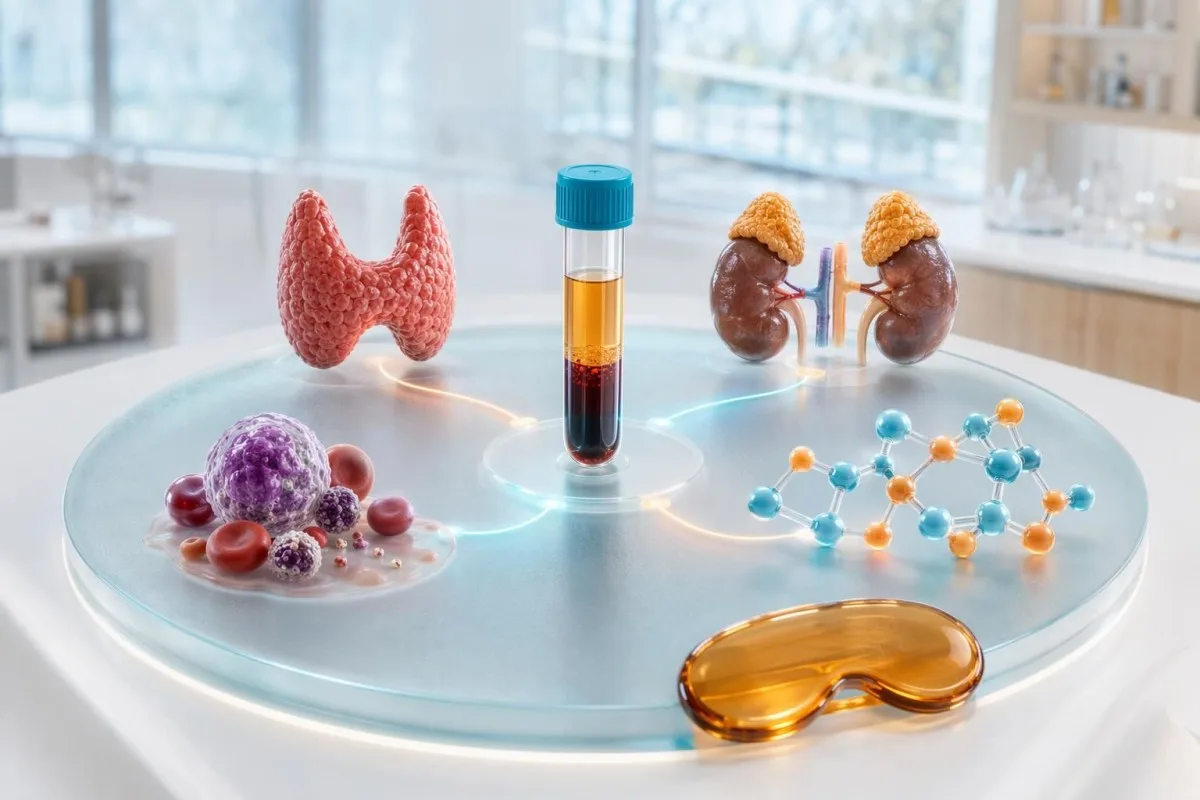
Burnout is not diagnosed by a lab value. The right blood work can still uncover medical lookalikes that make exhaustion, brain fog and poor recovery feel like burnout.

- Blood test for burnout cannot confirm burnout; burnout is a work-related clinical syndrome, not a biomarker diagnosis.
- CBC and ferritin can find anemia or early iron depletion; ferritin below 30 ng/mL often supports iron deficiency even if hemoglobin is still normal.
- TSH and free T4 help rule out thyroid disease; TSH above about 4.0 mIU/L with low free T4 suggests primary hypothyroidism.
- CRP and ESR can flag inflammation; CRP above 10 mg/L usually points beyond ordinary stress and needs clinical context.
- HbA1c below 5.7% is generally normal, 5.7–6.4% suggests prediabetes, and 6.5% or higher supports diabetes if confirmed.
- Morning cortisol is not a reliable stress score; cortisol below 3 µg/dL at 8 a.m. can suggest adrenal insufficiency in the right clinical setting.
- Vitamin B12 below 200 pg/mL is commonly treated as deficient, but methylmalonic acid can uncover functional B12 problems when serum B12 looks borderline.
- Adrenal fatigue is not a validated endocrine diagnosis; targeted cortisol testing is used to evaluate adrenal insufficiency or Cushing syndrome, not burnout.
- Trend analysis matters because one normal lab result can miss slow drift in ferritin, HbA1c, TSH or liver enzymes over 6–18 months.
Can a blood test diagnose burnout?
No single blood test for burnout can prove burnout. Burnout is a clinical work-stress syndrome, while burnout blood tests are useful mainly to rule out lookalikes such as anemia, thyroid disease, inflammatory illness, diabetes risk, sleep-related metabolic strain and nutrient deficiency. I’m Thomas Klein, MD, and in my clinical work I treat the lab panel as a safety net, not a burnout detector.

The first mistake I see is ordering a huge “stress blood test” and expecting one red flag to explain 18 months of exhaustion. A normal panel can coexist with genuine burnout, and an abnormal panel can coexist with genuine burnout; the clinical story still matters.
Kantesti is an AI blood test analyzer that helps patients read lab patterns in context rather than treating one number as a diagnosis. For readers new to our work, our clinical and engineering background is described on our organisation page.
A practical fatigue blood workup usually starts with CBC, ferritin or iron studies, TSH with free T4, metabolic panel, HbA1c, CRP or ESR, vitamin B12 and vitamin D. For mental health symptoms, I often point patients toward our guide to mental health labs because depression, insomnia and burnout frequently overlap.
What burnout means medically, not online
Burnout is defined as an occupational phenomenon with exhaustion, mental distance from work and reduced professional efficacy. The World Health Organization’s ICD-11 places burnout in the context of chronic workplace stress rather than as a disease category, which is why a lab cannot “turn positive” for burnout (World Health Organization, 2019).
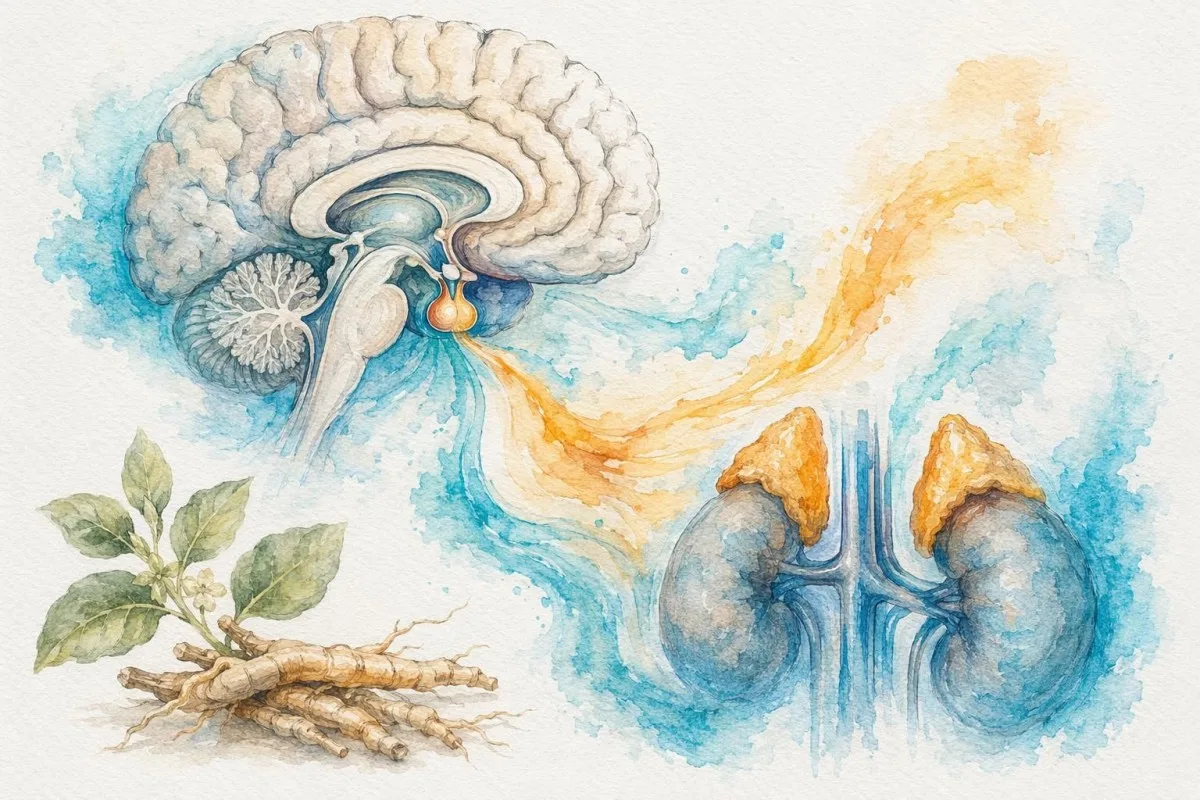
The phrase gets used loosely now. In clinic, I separate burnout from major depression by asking whether mood improves on non-work days, whether pleasure outside work is preserved, and whether the main trigger is sustained job demand rather than global hopelessness.
Burnout can still produce measurable body effects. Short sleep, skipped meals, reduced exercise and higher alcohol intake can move glucose, triglycerides, ALT, blood pressure and resting heart rate within 8–12 weeks; those shifts are consequences, not proof.
Office workers often have a very specific pattern: normal CBC, borderline HbA1c, low vitamin D, rising triglycerides and a normal thyroid panel. Our article on desk-job lab risks covers that pattern because it is more common than exotic endocrine disease.
When a fatigue blood workup is worth doing
A fatigue blood workup is worth doing when exhaustion is persistent, new, worsening, associated with physical symptoms, or not clearly explained by workload. I usually investigate fatigue lasting more than 4–6 weeks, sooner if there is weight loss, fever, breathlessness, palpitations, heavy periods, night sweats or fainting.
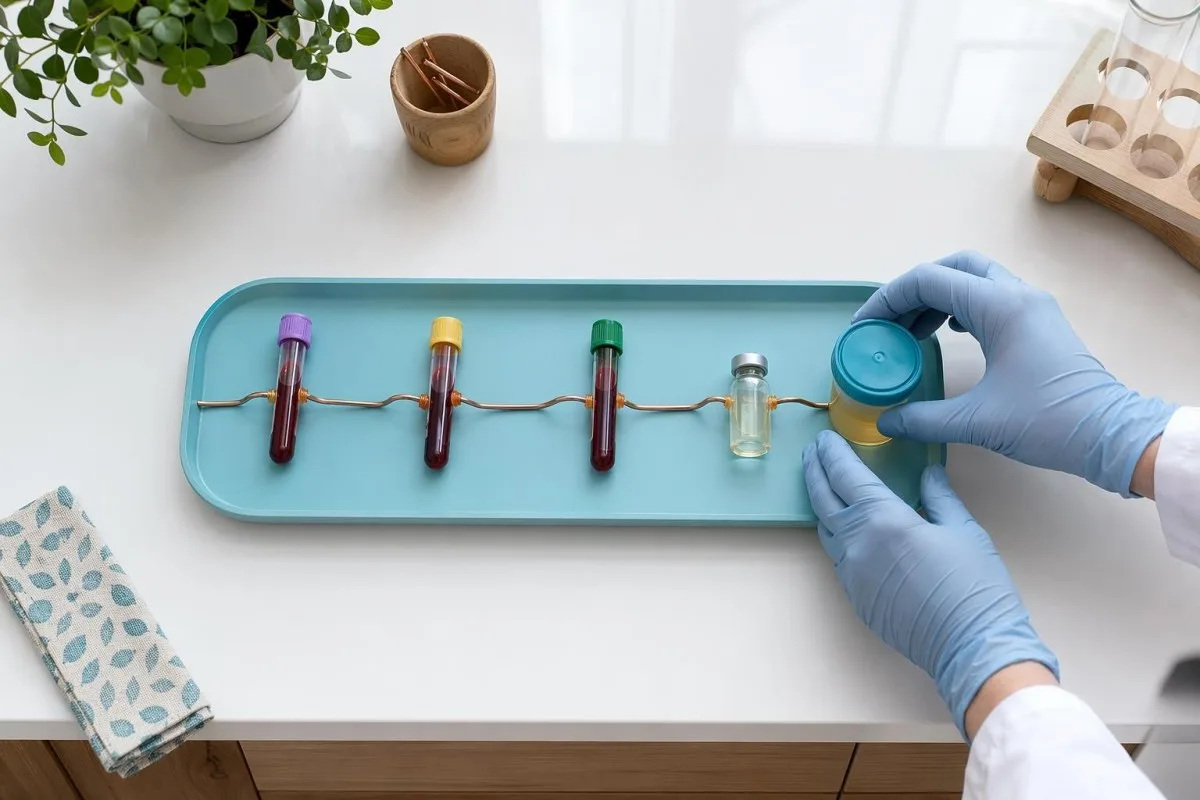
The “Friday afternoon collapse” after 70-hour weeks is different from waking exhausted after 9 hours of sleep, losing 4 kg without trying, and feeling short of breath climbing stairs. The second story needs labs even if the patient is convinced it is just stress.
A sensible first-pass panel often includes CBC with differential, ferritin, transferrin saturation, TSH, free T4, creatinine, eGFR, ALT, AST, albumin, calcium, sodium, potassium, fasting glucose or HbA1c, CRP and vitamin B12. If a new clinician is involved, our checklist for a new doctor visit helps avoid repeating scattered tests.
I am cautious with “full body” panels that add 80 markers without a clinical reason. More markers mean more false positives; if 5% of healthy people fall outside a reference range, a 40-test panel can easily produce two flagged results by chance.
CBC, iron and B12: the common burnout mimics
CBC, ferritin and B12 testing can reveal anemia or nutrient-related fatigue that feels exactly like burnout. Adult hemoglobin is commonly about 13.5–17.5 g/dL in men and 12.0–15.5 g/dL in women, though lab ranges vary by method, altitude and pregnancy status.
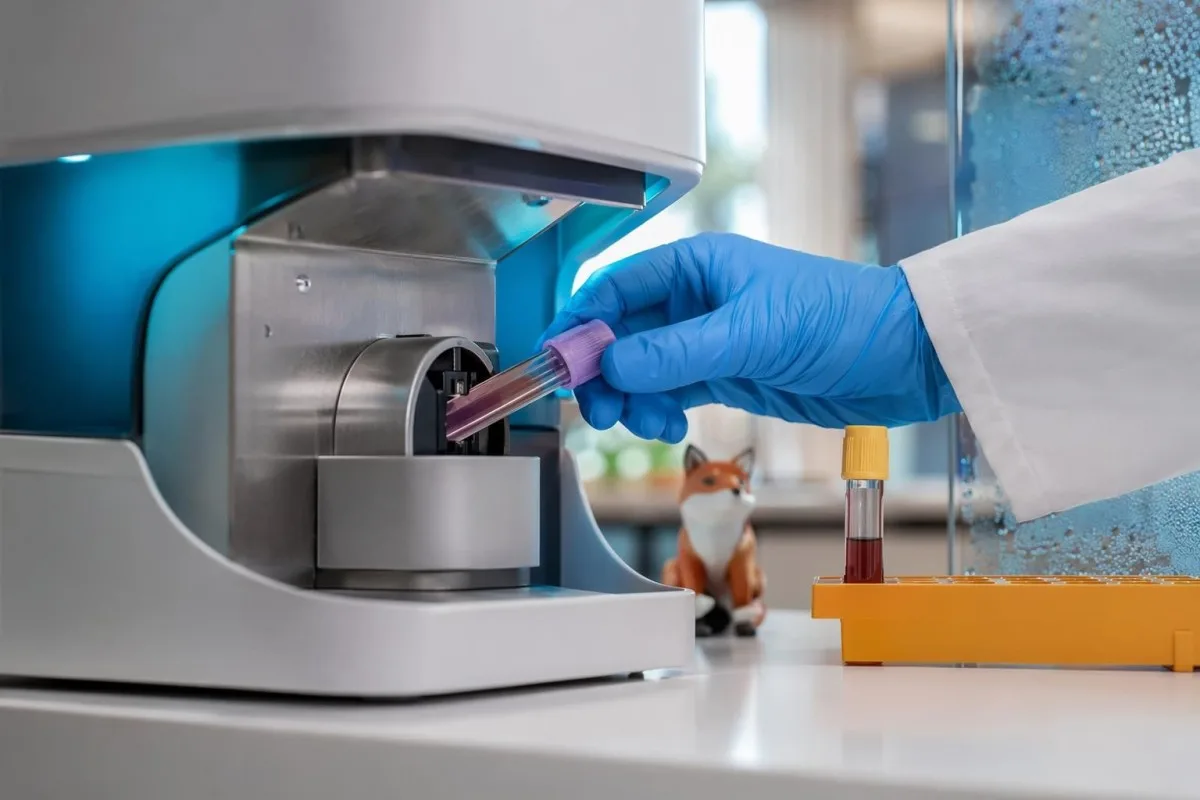
A patient I remember well was a 34-year-old teacher with “classic burnout”: crying after work, brain fog and no exercise tolerance. Her hemoglobin was 11.2 g/dL, MCV 76 fL and ferritin 7 ng/mL; after treating iron deficiency and fixing the bleeding source, her resilience returned faster than any coaching plan would have achieved.
Ferritin below 15 ng/mL is highly suggestive of depleted iron stores, but many clinicians use below 30 ng/mL as a practical cutoff when symptoms fit. Transferrin saturation below 20% supports iron-restricted red cell production, especially when MCV and MCH are low; our CBC contents guide explains those indices in plain language.
Kantesti is an AI-powered blood test analysis tool used by 2M+ people across 127 countries, and our AI checks ferritin against CBC indices rather than reading it alone. That matters because ferritin can rise with inflammation, fatty liver or recent infection, so a ferritin of 90 ng/mL does not always mean iron status is perfect.
Vitamin B12 below 200 pg/mL is commonly treated as deficient, while 200–350 pg/mL can still be clinically suspicious if methylmalonic acid is high. For deeper iron interpretation, our iron studies guide shows why serum iron alone is a noisy marker.
Thyroid disease can masquerade as burnout
Thyroid testing is useful in burnout-like fatigue because both hypothyroidism and hyperthyroidism can change energy, mood, sleep and cognition. A typical adult TSH reference interval is about 0.4–4.0 mIU/L, but age, pregnancy, iodine intake, biotin and lab method can shift interpretation.
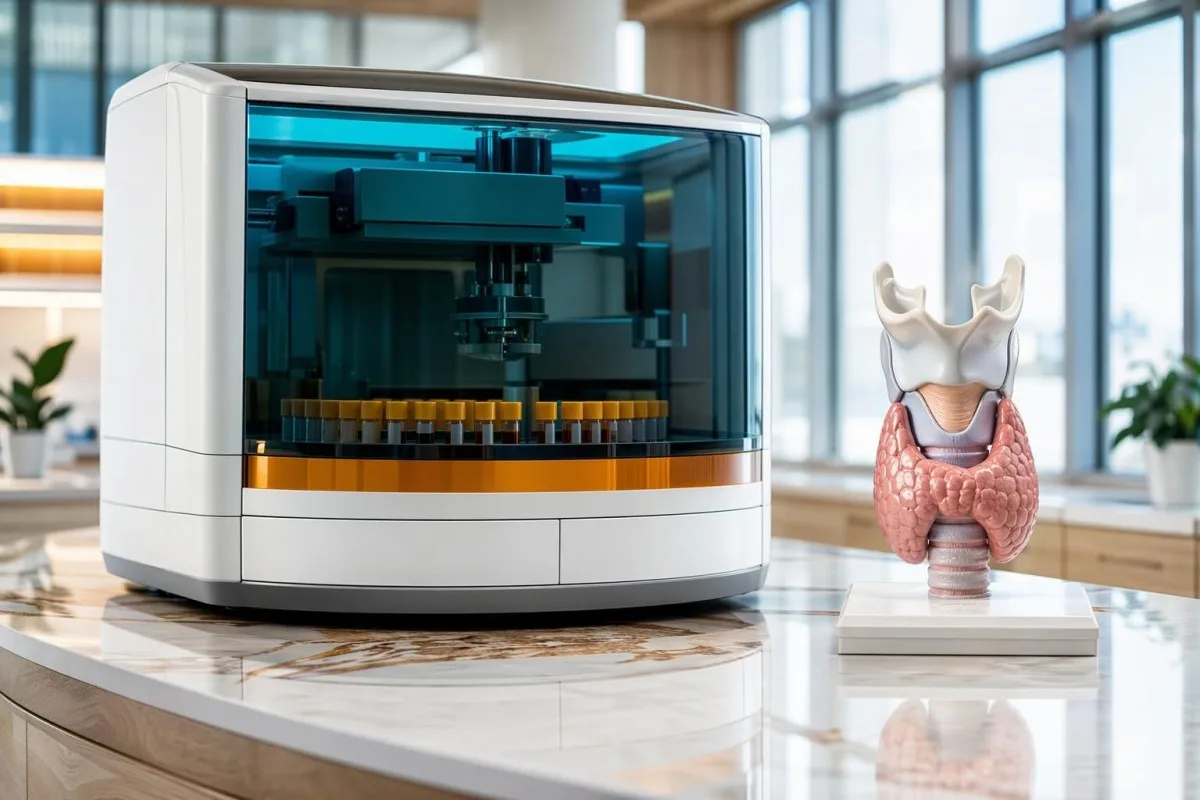
Hypothyroidism can look like burnout with slowed thinking, cold intolerance, constipation, dry skin, heavier periods and weight gain. Hyperthyroidism can look like anxiety-driven burnout with palpitations, heat intolerance, tremor, insomnia, weight loss and frequent stools.
NICE thyroid guidance recommends TSH and free T4 as core tests for suspected thyroid dysfunction, with antibody testing when autoimmune thyroid disease is suspected (NICE, 2019). For pattern reading beyond one value, our thyroid panel guide explains when free T3 and antibodies add useful information.
Biotin is a sneaky problem. High-dose biotin supplements, often 5,000–10,000 micrograms daily for hair or nails, can distort some thyroid immunoassays and make results look falsely reassuring or falsely alarming.
A TSH of 5.2 mIU/L with normal free T4 is not the same as a TSH of 18 mIU/L with low free T4. If your result sits near the cutoff, our guide to normal TSH ranges is a good companion before assuming the thyroid explains everything.
Inflammation markers can redirect the diagnosis
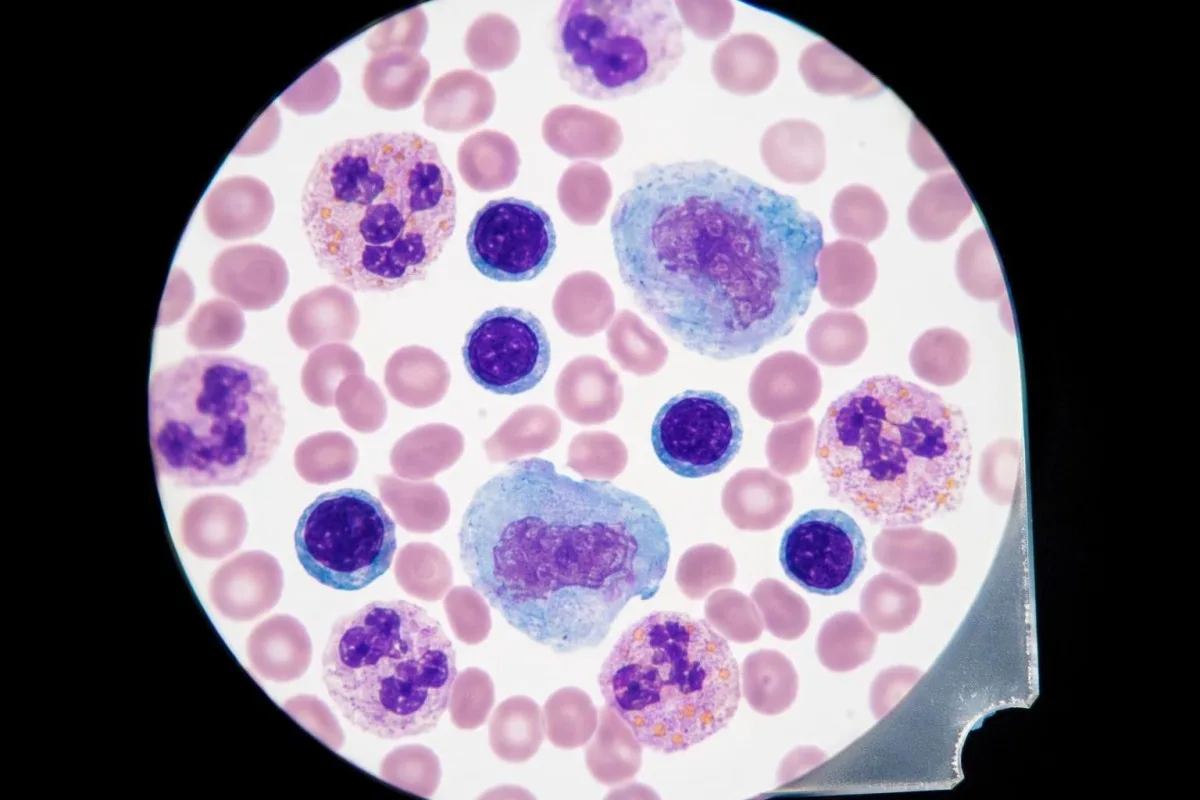
CRP, ESR and white cell patterns do not diagnose burnout, but they can expose inflammation, infection or autoimmune disease. A CRP below 3 mg/L is often low-grade, while CRP above 10 mg/L usually deserves a search for infection, inflammatory disease, tissue injury or another non-burnout cause.
I pay attention when fatigue comes with morning stiffness lasting over 45 minutes, mouth ulcers, rashes, swollen joints, persistent fever or unexplained weight loss. That cluster is not ordinary work stress, even if the patient has a brutal job.
ESR is slower and less specific than CRP; it can rise with age, anemia, pregnancy, kidney disease and high immunoglobulins. Our guide to CRP versus hs-CRP helps patients understand why a cardiac hs-CRP result is not the same as an infection-focused CRP.
White blood cell count is typically about 4.0–11.0 x 10^9/L in adults, and the differential often tells the real story. Neutrophilia with bands can point toward acute infection, lymphocytosis can follow viral illness, and eosinophilia may suggest allergy, drug reaction or parasites depending on geography and exposure.
Sleep-related metabolic strain shows up in labs
Poor sleep and shift work can move metabolic markers long before a person meets criteria for diabetes or liver disease. HbA1c below 5.7% is generally normal, 5.7–6.4% suggests prediabetes, and 6.5% or higher supports diabetes when confirmed by repeat testing or another diagnostic test.
The pattern I see in chronically sleep-deprived professionals is subtle: fasting glucose 101–110 mg/dL, triglycerides creeping above 150 mg/dL, HDL drifting down, ALT mildly high and blood pressure no longer ideal. None of those proves burnout, but together they show physiological strain.
Obstructive sleep apnea is a frequent miss. People may report burnout, brain fog and morning headaches while their labs show rising hematocrit, insulin resistance and sometimes higher liver enzymes; our guide to sleep apnea lab clues covers what annual blood work can and cannot suggest.
HbA1c can mislead in anemia, kidney disease, recent blood loss and some hemoglobin variants. If HbA1c and finger-stick or fasting glucose disagree, our HbA1c range guide explains why the “three-month average” is not always a clean average.
ALT above roughly 35 IU/L in women or 45 IU/L in men may be mild, but in a tired patient with central weight gain and high triglycerides I think about fatty liver and insulin resistance. The combination matters more than the single enzyme.
Cortisol testing is not an adrenal fatigue score
Morning cortisol testing can help evaluate adrenal insufficiency or cortisol excess, but it does not validate an “adrenal fatigue” diagnosis. A typical 8 a.m. serum cortisol range is roughly 5–25 µg/dL, with values below 3 µg/dL raising concern for adrenal insufficiency in the right clinical context.
The evidence for adrenal fatigue is honestly weak, and mainstream endocrinology does not recognise it as a validated diagnosis. What we can diagnose are conditions such as primary adrenal insufficiency, secondary adrenal insufficiency and Cushing syndrome.
The Endocrine Society guideline for primary adrenal insufficiency supports morning cortisol and ACTH testing, followed by ACTH stimulation testing when results are indeterminate (Bornstein et al., 2016). Our cortisol pattern guide explains why timing is the whole game here.
A cortisol of 14 µg/dL at 4 p.m. is not interpreted like 14 µg/dL at 8 a.m. Steroid inhalers, prednisone tablets, opioid medicines, oral estrogen and severe illness can all distort cortisol physiology or cortisol-binding proteins.
I get worried when fatigue comes with low blood pressure, salt craving, unexplained weight loss, darkening skin, low sodium or high potassium. Before buying adrenal stacks, patients should read about adrenal supplement safety because some products contain undisclosed steroid-like ingredients.
Nutrient gaps that look like burnout
Vitamin D, B12, folate, magnesium, zinc and protein status can influence fatigue, sleep quality and cognitive sharpness. Vitamin D deficiency is commonly defined as 25-OH vitamin D below 20 ng/mL, while 20–29 ng/mL is often called insufficient, although clinicians disagree about ideal targets.

I am wary of blaming every tired person on vitamin D. Still, a night-shift worker with 25-OH vitamin D of 11 ng/mL, low dietary calcium and bone aches deserves correction, not another productivity app.
B12 is another common miss, especially with vegan diets, metformin, proton pump inhibitors, bariatric surgery or autoimmune gastritis. Our vitamin deficiency marker guide separates markers that diagnose deficiency from markers that only hint.
Serum magnesium is usually about 1.7–2.2 mg/dL, but it can look normal despite low intracellular stores. Zinc is typically around 60–120 µg/dL, and both low and high zinc can matter because excess zinc may lower copper and worsen anemia-like symptoms.
For borderline B12, methylmalonic acid above about 0.40 µmol/L supports functional B12 deficiency, especially with numbness or macrocytosis. The active B12 test can be useful when serum B12 sits in that frustrating grey zone.
Hormones can matter, but timing changes everything
Sex hormones can contribute to burnout-like symptoms, but random testing often confuses more than it clarifies. Testosterone should usually be checked in the morning, and estradiol, progesterone, LH and FSH must be interpreted against age, cycle timing, contraception and menopausal status.
In men, total testosterone below 300 ng/dL on two separate morning samples can support hypogonadism if symptoms fit. In women, perimenopause can produce insomnia, palpitations, night sweats and cognitive fog while standard labs fluctuate from month to month.
I rarely order a broad hormone panel as the first fatigue test unless the story points that way. Loss of libido, erectile dysfunction, irregular periods, hot flushes, infertility, galactorrhea or major cycle change are stronger reasons than “I feel stressed.”
Kantesti AI interprets hormone results by checking collection time and neighbouring markers such as SHBG, albumin, LH, FSH, prolactin and thyroid results. Our hormone panel patterns show why a single estradiol or testosterone result can be misleading.
Medications, supplements and workouts can fake disease
Many abnormal burnout blood tests come from medicines, supplements, dehydration or hard training rather than a new disease. Creatine kinase can rise above 1,000 IU/L after intense exercise, and AST may rise with muscle injury even when ALT and bilirubin are normal.

A 52-year-old marathon runner once came to me with AST 89 IU/L and panic about liver disease. Her ALT was 32 IU/L, bilirubin normal, CK 1,740 IU/L and she had raced 36 hours earlier; the liver was not the main story.
Common lab-shifting drugs include statins, steroids, antipsychotics, isotretinoin, diuretics, thyroid medicine, metformin and proton pump inhibitors. Our guide to medication monitoring gives safer retest windows by drug class.
Exercise can temporarily raise CK, AST, LDH, WBC and sometimes creatinine for 24–72 hours. The guide on exercise lab shifts is worth reading before repeating a panel after a brutal training week.
Supplements are not innocent by default. Biotin can interfere with thyroid and cardiac assays, iron can spike serum iron if taken just before testing, and high-dose vitamin D can push calcium upward if dosing is excessive.
How AI should read burnout blood tests
AI should interpret burnout blood tests as patterns, not as a yes-or-no burnout label. Kantesti is an AI biomarker interpretation platform that evaluates relationships between markers, units, reference ranges, age, sex and trends so patients can discuss results more clearly with clinicians.

Kantesti’s neural network looks for combinations such as low ferritin plus high RDW, high TSH plus low free T4, high CRP plus low albumin, or rising HbA1c plus high triglycerides. Those clusters carry more clinical meaning than a lonely asterisk on a report.
Our methodology is described in the technology guide, including how uploaded PDF or photo results are normalised across units and languages. In practice, the hardest part is not reading “high” or “low”; it is knowing which abnormality deserves attention first.
Privacy matters when someone uploads health records from a stressful workplace or family account. Kantesti’s GDPR-aligned handling, multilingual support across 75+ languages and clinical oversight are covered in our validation standards.
Trend analysis is where AI can be genuinely useful. A ferritin drift from 58 to 22 ng/mL over 14 months or HbA1c rising from 5.2% to 5.8% may matter even if each individual report looked only mildly abnormal.
How to prepare, test and act without spiralling
Good preparation makes burnout blood tests more interpretable and reduces false alarms. For most routine fatigue panels, avoid unusually intense exercise for 48 hours, keep hydration normal, record supplements and ask whether fasting is needed for glucose, triglycerides or insulin.
Water is allowed before most blood tests unless your clinician gives unusual instructions. Our fasting rules guide explains which markers shift after food and which barely move.
Do not retest everything in 48 hours because one value is slightly outside range. Ferritin, HbA1c, TSH and vitamin D usually need weeks to months to show meaningful change, while potassium, sodium, creatinine or a very abnormal CBC may need faster repeat testing.
The practical threshold is symptoms plus numbers. If fatigue comes with chest pain, fainting, black stools, severe breathlessness, confusion, suicidal thoughts, fever over 38.5°C or glucose above 300 mg/dL, that is urgent care territory, not a wellness retest.
For borderline abnormalities, our guide on repeating abnormal labs gives timelines that prevent both neglect and over-testing. Most patients find that one planned repeat is calmer than checking a new panel every week.
Research notes and the bottom line for 2026
As of June 14, 2026, the honest answer remains: a blood test can support a burnout evaluation, but it cannot diagnose burnout. I, Thomas Klein, MD, would use labs to rule out treatable medical causes first, then address workload, sleep, recovery, mental health and occupational risk directly.

Kantesti is an AI lab test interpretation service with physician review processes designed to keep outputs clinically cautious, especially for YMYL topics such as fatigue and burnout. Our doctors and advisors are listed through the Medical Advisory Board, because readers should know who stands behind medical interpretation.
Kantesti LTD. (2026). C3 C4 Complement Blood Test & ANA Titer Guide. Zenodo. DOI: 10.5281/zenodo.18353989. ResearchGate: publication search. Academia.edu: publication search. Related clinical background is available in our complement guide.
Kantesti LTD. (2026). Nipah Virus Blood Test: Early Detection & Diagnosis Guide 2026. Zenodo. DOI: 10.5281/zenodo.18487418. ResearchGate: publication search. Academia.edu: publication search.
Bottom line: order burnout blood tests when symptoms are persistent, atypical or physically suggestive, but do not chase an adrenal fatigue label. If labs are normal and the story still fits burnout, that is not “nothing wrong”; it means the next intervention is likely workload redesign, sleep repair, mental health care and recovery time.
Frequently Asked Questions
Is there a blood test for burnout?
There is no single blood test for burnout because burnout is diagnosed clinically from work-related exhaustion, detachment and reduced performance, not from a biomarker. Blood tests can still be useful to rule out anemia, thyroid disease, diabetes, inflammation, kidney or liver problems and nutrient deficiencies. A sensible first panel often includes CBC, ferritin, TSH, free T4, metabolic panel, HbA1c, CRP and vitamin B12.
What blood tests should I ask for if I feel burned out?
For burnout-like fatigue lasting more than 4–6 weeks, many clinicians start with CBC with differential, ferritin, transferrin saturation, TSH, free T4, electrolytes, kidney function, liver enzymes, HbA1c, CRP or ESR, vitamin B12 and vitamin D. These tests look for common medical mimics such as anemia, hypothyroidism, inflammation and glucose dysregulation. Extra tests should be guided by symptoms, age, medications, menstrual history, sleep pattern and family history.
Can cortisol prove that I am stressed or burned out?
Cortisol cannot prove burnout, and a random cortisol level is a poor stress score. An 8 a.m. cortisol below 3 µg/dL can suggest adrenal insufficiency in the right clinical setting, while values above about 15–18 µg/dL often make adrenal insufficiency less likely depending on the assay. Cortisol testing is mainly used for suspected adrenal insufficiency or cortisol excess, not for confirming ordinary chronic workplace stress.
Is adrenal fatigue real on blood tests?
Adrenal fatigue is not a validated endocrine diagnosis, and routine blood tests cannot confirm it. Recognised adrenal disorders include primary adrenal insufficiency, secondary adrenal insufficiency and Cushing syndrome, which require specific testing such as morning cortisol, ACTH and sometimes stimulation or suppression tests. Symptoms such as low blood pressure, salt craving, weight loss, low sodium or high potassium should be assessed medically rather than treated with unverified adrenal supplements.
Can low iron feel like burnout?
Low iron can feel very much like burnout because it can cause fatigue, poor exercise tolerance, restless legs, headaches, breathlessness and brain fog. Ferritin below 15 ng/mL strongly suggests depleted iron stores, and many clinicians treat ferritin below 30 ng/mL as iron deficiency when symptoms fit. Iron deficiency can occur before hemoglobin becomes low, so a normal CBC does not always rule it out.
Can thyroid problems be mistaken for burnout?
Thyroid disease is one of the more common medical conditions that can be mistaken for burnout. Hypothyroidism can cause fatigue, cold intolerance, constipation, low mood and slowed thinking, while hyperthyroidism can cause insomnia, anxiety, palpitations and weight loss. TSH around 0.4–4.0 mIU/L is commonly considered typical in adults, but free T4, symptoms, age, pregnancy status and medications change interpretation.
What if all my burnout blood tests are normal?
Normal blood tests do not rule out burnout because burnout is a clinical and occupational problem, not a lab abnormality. If CBC, ferritin, thyroid tests, metabolic panel, HbA1c, CRP and key nutrient markers are reassuring, the next step is usually to address sleep, workload, recovery time, depression or anxiety screening, alcohol intake and exercise tolerance. Persistent severe fatigue still deserves follow-up, especially if new symptoms appear over the next 4–12 weeks.
Get AI-Powered Blood Test Analysis Today
Join over 2 million users worldwide who trust Kantesti for instant, accurate lab test analysis. Upload your blood test results and receive comprehensive interpretation of 15,000+ biomarkers in seconds.
📚 Referenced Research Publications
Klein, T., Mitchell, S., & Weber, H. (2026). C3 C4 Complement Blood Test & ANA Titer Guide. Kantesti AI Medical Research.
Klein, T., Mitchell, S., & Weber, H. (2026). Nipah Virus Blood Test: Early Detection & Diagnosis Guide 2026. Kantesti AI Medical Research.
📖 External Medical References
World Health Organization (2019). International Classification of Diseases 11th Revision: Burn-out as an occupational phenomenon. WHO ICD-11.
National Institute for Health and Care Excellence (2019). Thyroid disease: assessment and management. NICE Guideline NG145.

⚕️ Medical Disclaimer
This article is for educational purposes only and does not constitute medical advice. Always consult a qualified healthcare provider for diagnosis and treatment decisions.
E-E-A-T Trust Signals
Experience
Physician-led clinical review of lab interpretation workflows.
Expertise
Laboratory medicine focus on how biomarkers behave in clinical context.
Authoritativeness
Written by Dr. Thomas Klein with review by Dr. Sarah Mitchell and Prof. Dr. Hans Weber.
Trustworthiness
Evidence-based interpretation with clear follow-up pathways to reduce alarm.