
Manganese testing is usually an exposure investigation, not part of a wellness panel. The sample type, workplace history, and timing often matter more than a single result.



- Useful indication: A manganese blood test is most helpful after sustained inhalation exposure, contaminated nutrition support, liver dysfunction with exposure, or a credible industrial incident.
- Preferred specimen: Whole blood manganese is generally more useful than serum for exposure assessment because manganese partitions substantially into red cellular elements.
- Typical reference interval: Many laboratories use approximately 4.7-18.3 µg/L (ng/mL) for adult whole blood, but the laboratory-specific interval controls interpretation.
- No universal toxicity cutoff: A result above the reference interval supports exposure but does not, by itself, diagnose manganese neurotoxicity or predict brain accumulation.
- Deficiency is rare: Adult adequate intake is 2.3 mg/day for men and 1.8 mg/day for women in US guidance; isolated dietary manganese deficiency is exceptionally uncommon.
- Supplement limit: The US adult tolerable upper intake level is 11 mg/day from food and supplements combined; occupational inhalation risk can occur at much lower absorbed doses.
- High-risk setting: Welding, manganese alloy work, dry battery production, mining, and poorly controlled parenteral nutrition justify a focused exposure history before testing.
- Urgent symptoms: New gait slowing, tremor, rigidity, speech change, confusion, or marked behavioural change after exposure needs prompt clinical assessment rather than repeat testing alone.
Who Actually Benefits From Manganese Testing?
A manganese blood test is usually useful when there is a believable exposure story—especially repeated welding fume exposure, manganese dust work, long-term parenteral nutrition, or unexplained neurological symptoms in somebody with impaired liver clearance. It is not a sensible screening test for most healthy adults with tiredness, hair loss, or vague muscle aches.

The test answers a narrow question: has manganese entered the circulation recently enough to be measured? In my 15 years of clinical practice, I have found it most useful in workers with months or years of fume exposure, not after a one-off encounter. Kantesti AI is an AI blood test analyzer that places a manganese result beside the collection date, blood count, liver markers, and stated exposure rather than treating it as a diagnosis.
A practical trigger is a worker who has spent at least several shifts each week in confined or poorly ventilated welding, cutting, or ferromanganese handling and develops slowed movement, reduced hand dexterity, irritability, or concentration change. A normal result does not erase a compelling history because circulating manganese reflects recent exposure more reliably than cumulative brain burden. For broader nutrient concerns, start with the more common causes discussed in our mineral deficiency guide.
Testing can also be reasonable when total parenteral nutrition has continued for more than 30 days, particularly in cholestasis or advanced liver disease. Thomas Klein, MD, would not order manganese merely because a multivitamin contains 1-2 mg; dietary intake and ordinary supplements rarely create the pattern seen with inhaled industrial exposure or intravenous accumulation. The US adult upper intake level of 11 mg/day is a population safety benchmark, not a toxicity threshold for an individual.
Situations that usually do not justify a test
Routine manganese testing is not recommended for annual health checks, vegetarian diets, athletic training, or nonspecific fatigue. A clinician can usually learn more from a CBC, ferritin, thyroid testing, metabolic panel, sleep review, and medication history than from an isolated trace-element result.
Why Routine Manganese Deficiency Screening Is Uncommon
Manganese deficiency is so uncommon in free-living adults that no major guideline recommends population screening. Blood concentration is also a poor standalone measure of functional manganese status, which is why clinicians do not use it the way they use ferritin or vitamin B12.

Manganese participates in mitochondrial manganese superoxide dismutase, arginase, pyruvate carboxylase, and glycosyltransferases. Yet there is no validated symptom-and-level pattern that lets us diagnose mild dietary deficiency from a low whole-blood value. The National Academies set adequate intake at 1.8 mg/day for adult women and 2.3 mg/day for adult men, rather than an RDA, because evidence was insufficient to establish a precise requirement.
True deficiency has mainly been described in tightly controlled experimental diets and in unusual clinical circumstances involving prolonged artificial nutrition without adequate trace elements. Reported features can include dermatitis, impaired growth, altered lipid metabolism, and skeletal change, but none is specific enough to justify a manganese test as the first investigation. Patients considering broad supplements should read our age-based multivitamin guide before adding manganese independently.
The thing is, a low result may reflect specimen handling, low red-cell mass, or inter-laboratory method differences rather than depletion. In a person with anaemia, manganese carried in cellular elements may appear lower simply because haematocrit is low; that is one reason I interpret the CBC alongside the result. Food-first correction is sensible when intake is clearly restricted, but high-dose manganese supplements are not a harmless shortcut.
Food intake versus a laboratory deficiency diagnosis
Whole grains, legumes, nuts, leafy vegetables, tea, and many spices contain manganese, so usual mixed diets commonly meet adequate intake without calculation. Supplement labels delivering 10 mg or more deserve scrutiny because that amount approaches the adult upper intake level before dietary manganese is counted.
Why Whole Blood Is Preferred for Exposure Assessment
Whole blood manganese is preferred for most exposure assessments because manganese is distributed between plasma and red cellular elements. Serum or plasma values are lower, more vulnerable to contamination, and may miss the cellular fraction that a whole-blood measurement captures.
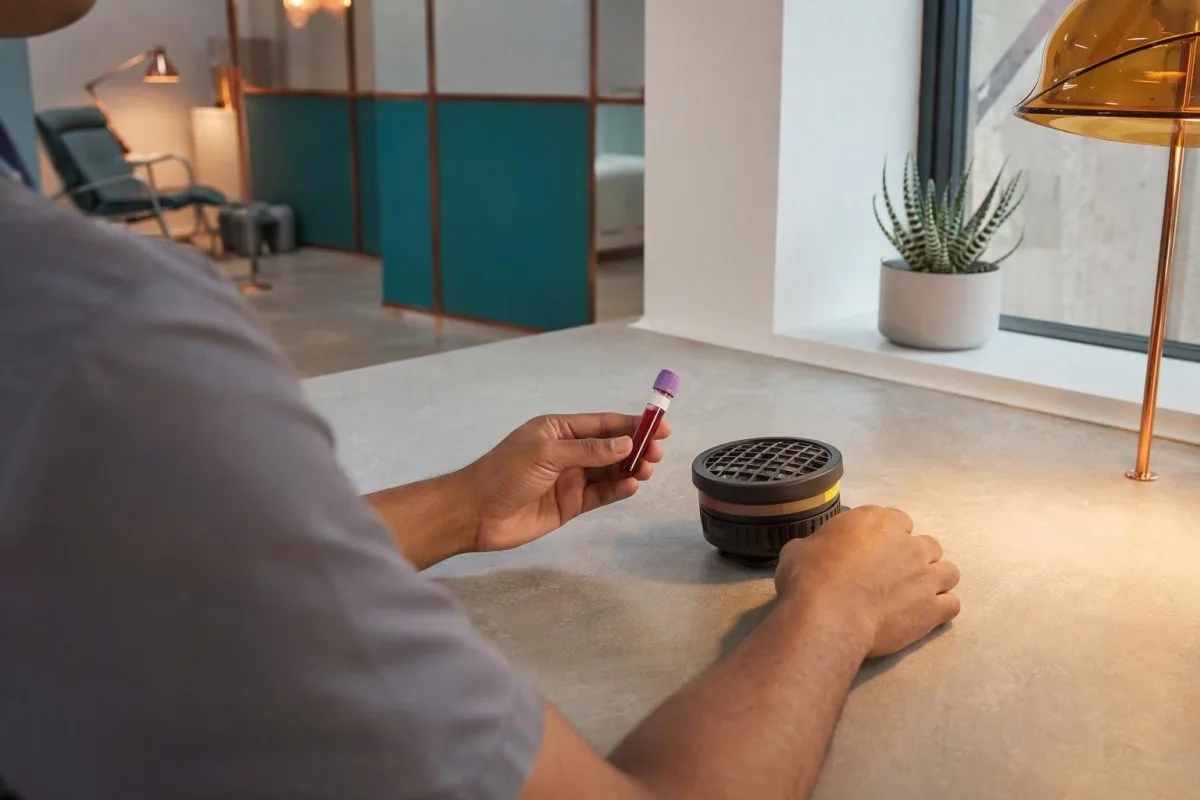
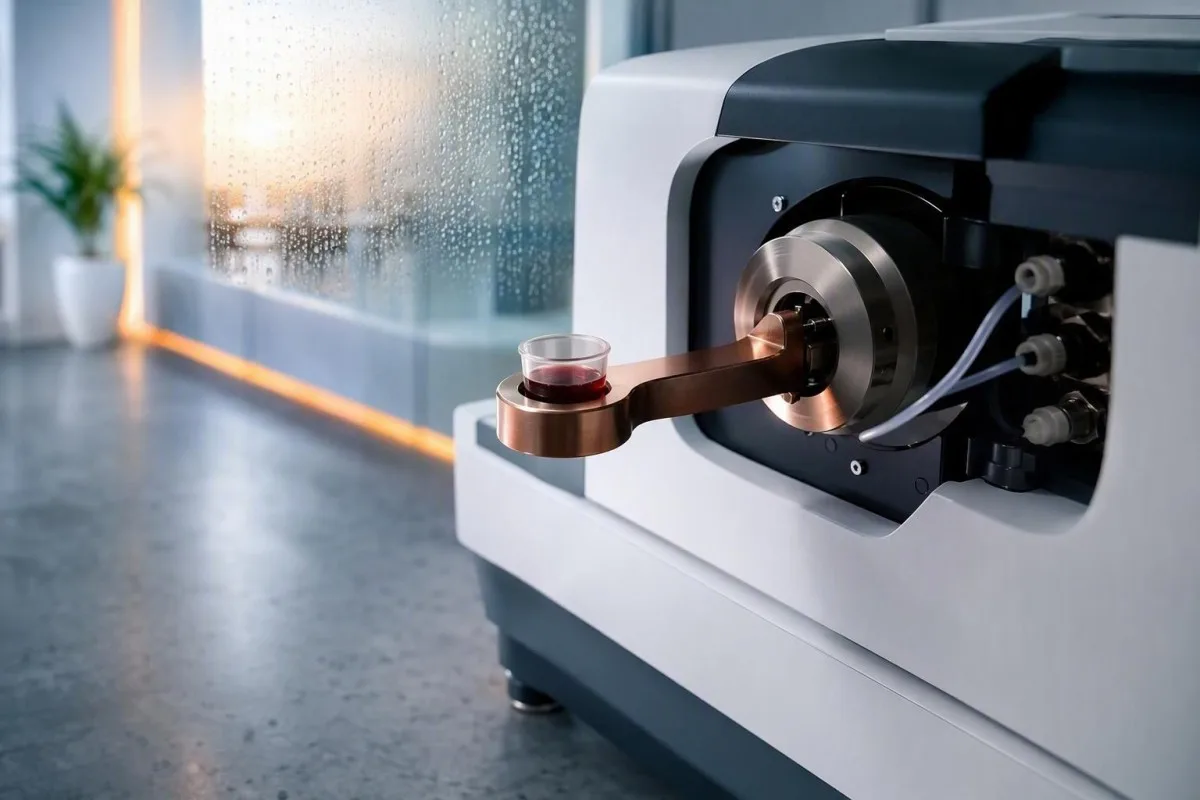
Most specialist laboratories measure manganese in EDTA whole blood by inductively coupled plasma mass spectrometry, often abbreviated ICP-MS. A typical adult reference interval is about 4.7-18.3 µg/L, equivalent to ng/mL, although intervals such as 4.2-16.5 µg/L also appear in accredited laboratories. Use the range printed by the performing laboratory—not a range copied from another country or assay.
A serum manganese test and a whole-blood manganese test should never be compared as if they were interchangeable. Hemolysis, trace-metal contamination from collection supplies, and a delayed separation can distort serum or plasma results; whole blood avoids the separation step but still requires a trace-element tube and careful laboratory handling. Our explainer on serum, plasma, and whole blood covers why specimen type changes meaning.
O'Neal and Zheng's review of manganese overexposure stresses that blood and urine biomarkers have limited ability to represent chronic neurological dose (O'Neal & Zheng, 2015). That limitation is not a reason to dismiss testing; it means the result belongs with exposure intensity, ventilation records, neurological examination, and sometimes imaging. Kantesti is an AI blood test interpretation platform that identifies the reported specimen and assay before comparing a result with its correct reference interval; its methodology is described in our technology guide.
When a Clinician Should Order a Manganese Test
Clinicians should order a manganese test when the result can change exposure control, occupational referral, nutrition formulation, or neurological evaluation. A test ordered without a defined decision is more likely to create confusion than useful care.

Before requesting the assay, I ask four questions: what material was handled, was it heated or aerosolised, was ventilation effective, and when was the last shift? Manganese fume from welding is more concerning than handling intact metal because inhaled fine particles bypass the digestive controls that limit absorption from food. A result collected on Monday after a week away from work can understate a weekday exposure pattern.
Testing is reasonable after an accidental high-exposure event only if the occupational clinician or poison service believes biological monitoring will inform follow-up. For most acute inhalation events, airway symptoms, oxygen saturation, chest assessment, and exposure control take priority; manganese neurotoxicity usually concerns repeated exposure over time, not an isolated brief event. The related principles in our chromium testing guide explain why different metals need different specimens.
Long-term intravenous nutrition is the other classic indication. Manganese is normally excreted primarily in bile, so cholestasis can increase retention even when the supplied dose seems modest; checking bilirubin, alkaline phosphatase, GGT, and the nutrition prescription together is more informative than manganese alone. See our guide to what a liver panel includes for the companion markers.
The order should name the specimen
The requisition should specify whole blood manganese when exposure assessment is intended. A generic “trace elements” order may produce serum testing in some systems, and that methodological mismatch can derail an otherwise careful investigation.
Occupational Exposure: What the Test Can and Cannot Show
Workers who weld, manufacture manganese alloys, mine ore, produce dry batteries, or handle manganese-containing powders are the main group for whom whole-blood manganese may be informative. The test indicates internal exposure around the time of sampling; it does not grade workplace safety by itself.

Air monitoring remains central because it measures the hazard at its source. The US NIOSH recommended exposure limit for manganese compounds is 1 mg/m³ as a ceiling concentration, while occupational limits differ by jurisdiction and compound. If an employer has no air measurements, a blood result cannot reconstruct the dose a worker inhaled last year.
Laohaudomchok and colleagues found that blood manganese and welding-exposure metrics relate imperfectly, reflecting variable particle size, respirator use, timing, and individual handling (Laohaudomchok et al., 2011). In clinic, I have seen two workers with similar job titles but sharply different risk because one welded overhead in a tank and the other worked at a ventilated bench. A mercury exposure testing review offers a useful contrast: blood levels are more interpretable for some exposure windows than others.
A raised whole-blood result should prompt occupational medicine review, industrial hygiene assessment, and a focused neurological history. It should not be used to decide fitness for work in isolation. Kantesti AI can organize serial values and accompanying liver tests, but a workplace exposure decision belongs with the treating clinician, employer safety team, and local regulations.
Timing the sample around work
Document the date and time of the last exposure, number of shifts in the preceding 7 days, respiratory protection, and whether the person changed jobs recently. Those details often explain a borderline result better than repeating an expensive assay without context.
Environmental, Water, and Dietary Sources Put in Perspective
Dietary manganese and ordinary drinking-water exposure rarely justify testing in adults without a specific local contamination concern. Inhalation and intravenous delivery bypass or overwhelm the body's usual control points more readily than food does.
Adults absorb only a small fraction of dietary manganese, and absorption falls when intake rises; iron status also affects uptake. A person eating oats, lentils, nuts, and tea may consume several milligrams daily without toxicity. This is why I discourage attempts to “lower manganese” by removing nutritious staple foods unless an exposure specialist has identified a real source.
Water deserves investigation when a household well has an abnormal metal report, an infant formula is mixed with that water, or multiple household members have a credible exposure pathway. The result to pursue first is usually a certified water analysis, not a manganese blood test in every family member. For supplements, look at the entire formula; our before-and-after supplement labs guide explains how to avoid meaningless retesting.
People with iron deficiency may absorb more manganese through shared intestinal transport systems, although this does not mean iron deficiency causes manganese poisoning. The clinically useful move is to identify and treat iron deficiency properly with ferritin, transferrin saturation, and a cause-directed evaluation. Manganese testing does not replace an iron studies interpretation.
How to Prepare for a Whole-Blood Manganese Test
Most people do not need to fast for a whole-blood manganese test, but they should avoid avoidable contamination and give the laboratory an accurate supplement and exposure history. The collection tube and pre-analytic handling are unusually important for trace elements.
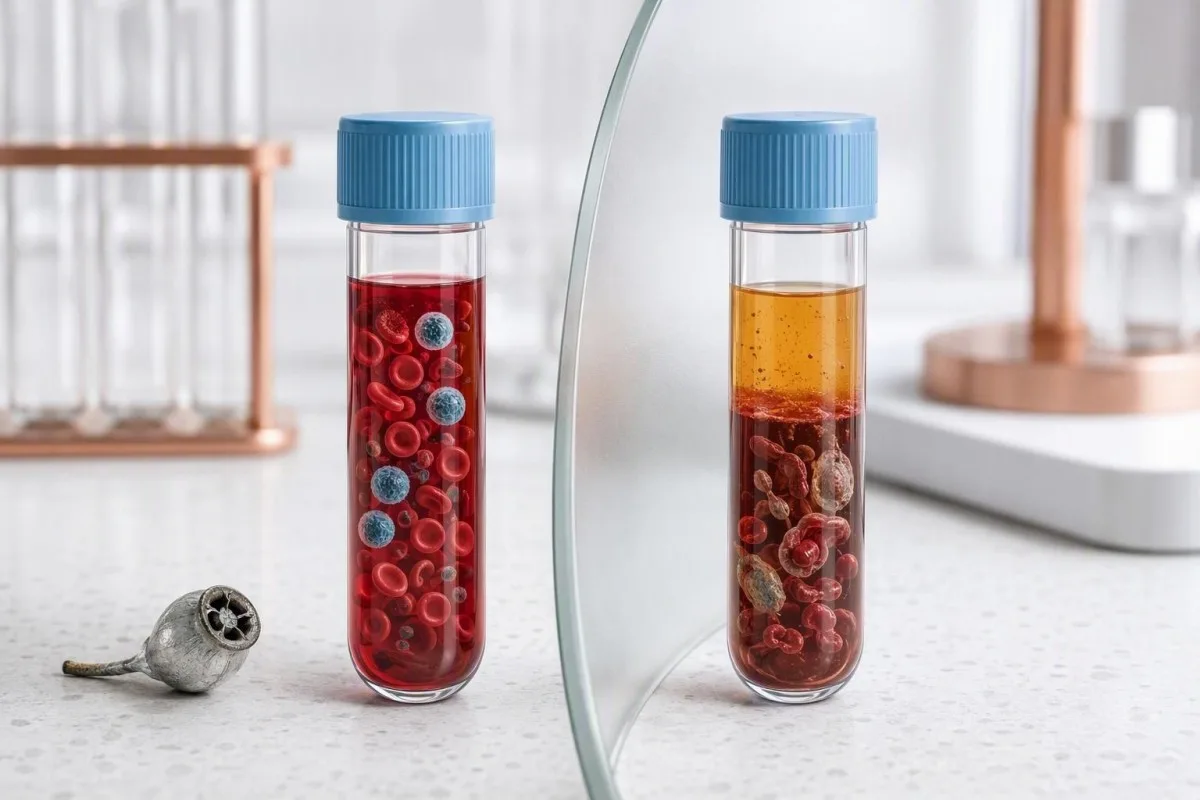
Ask the ordering clinician or laboratory whether they require a royal-blue trace-element tube or a validated EDTA whole-blood tube. Do not transfer a sample between tubes at home or request a test through a non-specialist collection point that cannot verify trace-metal handling. Our blood-test tube color guide explains why the additive is part of the test method.
There is no evidence that skipping breakfast meaningfully improves exposure interpretation, but record supplements taken in the previous 72 hours, recent iron therapy, and occupational shifts in the previous 7 days. If a multivitamin contains manganese, do not quietly stop it for weeks before the draw unless your clinician asks; the goal is to measure the real-world situation, not manufacture a reassuring number.
A severely hemolysed or incorrectly collected sample may be rejected or require recollection. This is good laboratory practice, not a failure. Since red cellular elements contain manganese, specimen quality matters more here than in many routine serum tests; Thomas Klein, MD, advises patients to keep the laboratory report, specimen description, and collection date together for any later review.
How to Read a Manganese Result Without Overreacting
A whole-blood result within the laboratory reference interval usually argues against substantial recent systemic manganese exposure, but it cannot rule out prior cumulative exposure. A high result confirms neither brain toxicity nor a cause until the specimen, timing, and exposure route are checked.
Many laboratories report adult whole-blood manganese around 4.7-18.3 µg/L as their reference interval. Values just above the upper limit deserve confirmation of sample type, collection integrity, supplement use, and timing before anyone labels toxicity. Different ICP-MS methods and local reference populations can produce slightly different intervals, so a universal internet cutoff is unsafe.
A level several-fold above a laboratory upper limit, particularly with active inhalation exposure or intravenous nutrition, warrants clinician-led evaluation and usually repeat sampling after source control. There is no universally accepted blood concentration at which symptoms begin, and neurologic susceptibility varies. That uncertainty is exactly why an “H” flag is not the same thing as a diagnosis; our guide to out-of-range lab flags explains the distinction.
Kantesti AI interprets whole blood manganese by checking units, specimen type, laboratory range, co-reported liver markers, and the direction of prior results. It does not convert a marginal elevation into a disease label. A declining value after workplace controls is often more clinically reassuring than one isolated value, provided samples use the same method and similar timing.
Why a High Manganese Result Is Not a Toxicity Diagnosis
A high manganese result identifies an exposure signal, not manganese poisoning by itself. Toxicity is a clinical diagnosis built from repeated exposure, neurological findings, alternative diagnoses, and sometimes specialised imaging or neuropsychological assessment.
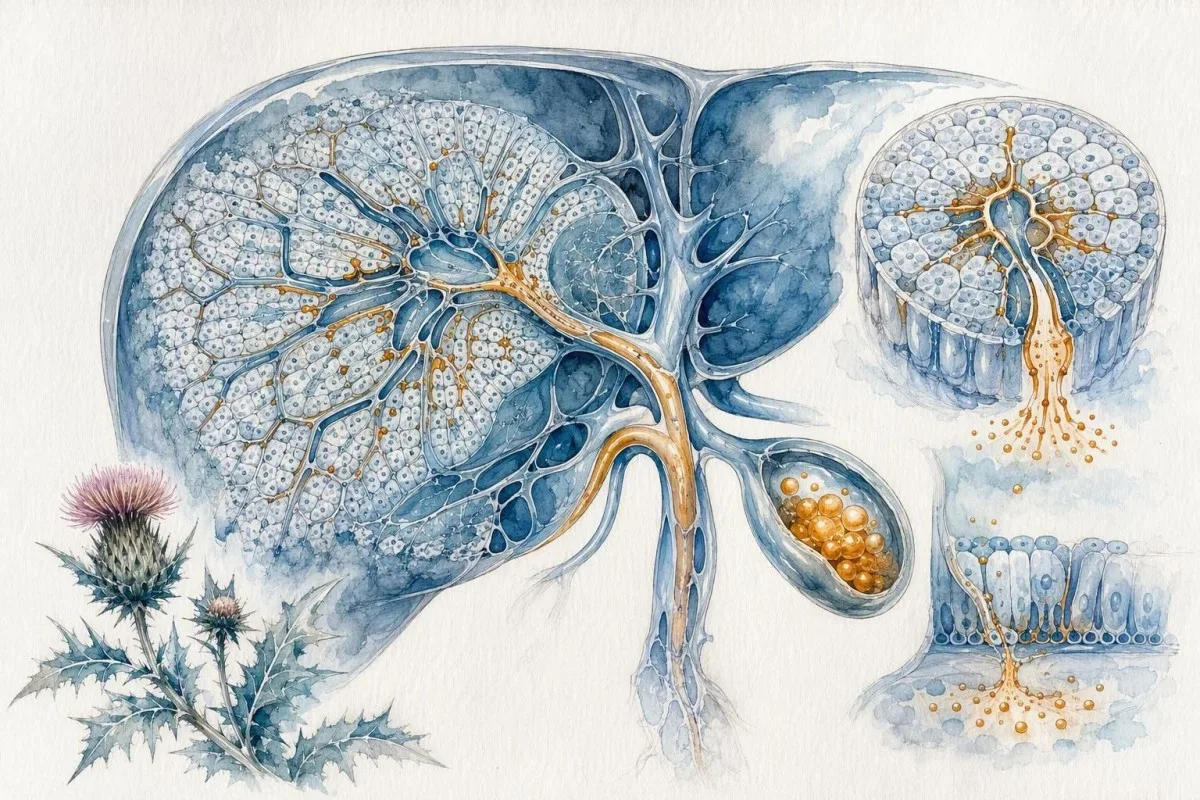
The neurological syndrome associated with chronic excessive exposure can resemble parkinsonism, with bradykinesia, rigidity, gait imbalance, altered speech, and mood or cognitive change. It often differs from idiopathic Parkinson disease in pattern and treatment response, but there is considerable overlap. A normal or mildly high blood level cannot settle that distinction.
Liver impairment changes the calculation because manganese excretion is largely biliary. Elevated bilirubin, alkaline phosphatase, or GGT alongside a high manganese result raises a different question—reduced clearance rather than only external exposure. Patterns matter, so compare values over time with our lab trend analysis guide instead of reading one date in isolation.
In my experience, the commonest avoidable error is repeating manganese every few weeks while exposure continues unchanged. First remove or control the source, verify respiratory protection and ventilation, then let occupational medicine determine a defensible retest interval. Kantesti can preserve the time sequence, but it cannot substitute for a neurological examination or industrial hygiene assessment.
Symptoms That Need Prompt Medical Assessment
New movement changes, confusion, severe headache, breathing difficulty, or major behavioural change after a credible manganese exposure need medical assessment promptly. A manganese toxicity test should not delay emergency evaluation when symptoms are acute or progressive.
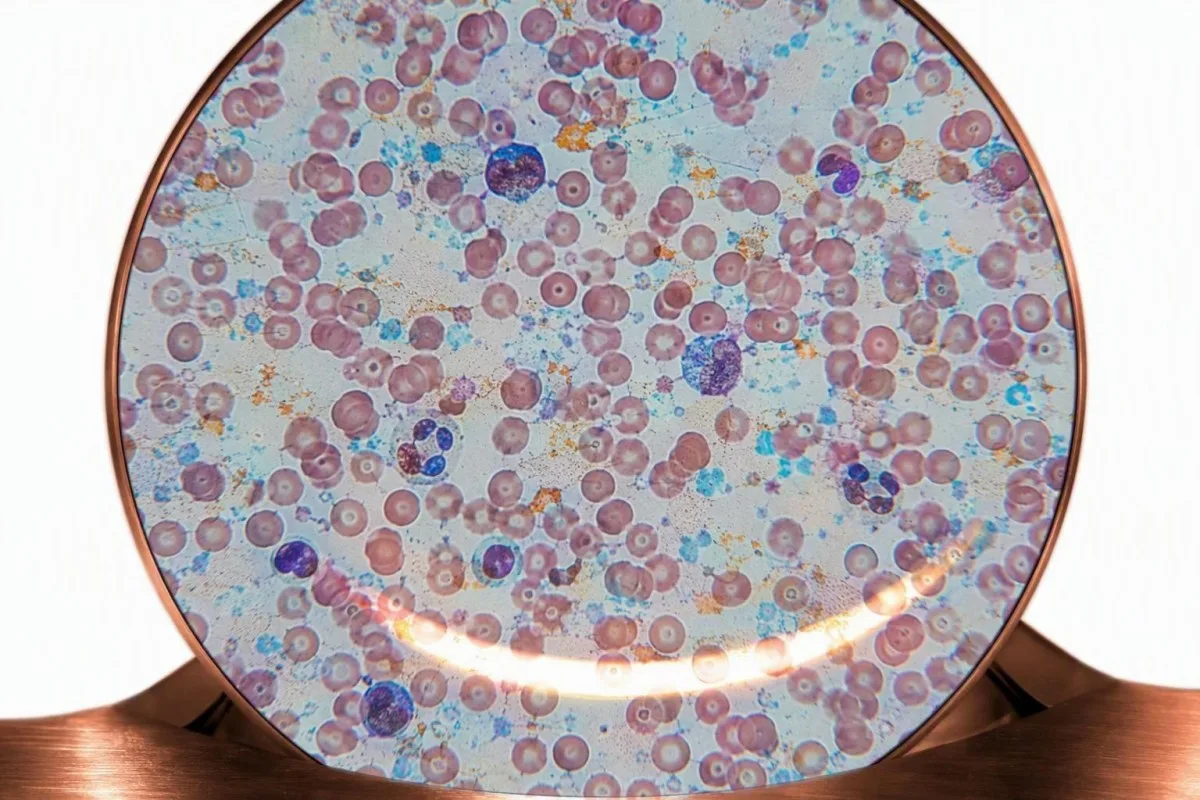
Chronic manganese neurotoxicity usually develops gradually, but the symptoms deserve attention: slower walking, reduced facial expression, tremor, impaired balance, handwriting change, irritability, or executive-function difficulty. Symptoms may appear after months to years of exposure and are not specific to manganese. A careful medication review is vital because dopamine-blocking drugs, alcohol, thyroid disease, and Wilson disease can create overlapping signs.
For a patient with a new tremor plus occupational exposure, I would check vital signs, neurological examination, medication list, liver tests, CBC, metabolic panel, and selected tests guided by the examination. Memory complaints alone are common and broad; our blood-test approach to memory loss outlines more frequent reversible contributors such as B12 and thyroid abnormalities.
Aschner and colleagues describe how manganese transport and basal-ganglia accumulation can affect dopaminergic systems, but research biomarkers still do not reliably predict individual clinical severity (Aschner et al., 2009). Call emergency services for sudden weakness on one side, facial asymmetry, speech loss, collapse, severe confusion, or severe shortness of breath—those are not symptoms to attribute to a trace mineral result.
What a Low Whole-Blood Manganese Result Usually Means
A low whole-blood manganese value usually does not prove clinically meaningful deficiency in an otherwise well adult. It should prompt a check of sample method, CBC and nutrition context before anyone prescribes manganese.

There is no broadly accepted diagnostic cutoff for adult manganese deficiency. A value below a laboratory interval can occur with low cellular mass, reduced intake during severe illness, analytic variation, or collection differences. The lower limit is a statistical reference boundary, not evidence that a person needs a supplement.
People at higher theoretical risk include those receiving long-term artificial nutrition, with severe malabsorption, or on unusually restricted diets for extended periods. Even then, clinicians assess several trace elements and the nutrition regimen together because zinc, copper, selenium, iron, and protein-calorie status often matter more. Our low-zinc evaluation guide illustrates the same principle: symptoms need corroborating evidence.
Do not self-treat a low result with high-dose manganese. Supplements that combine 5-10 mg of manganese with other minerals can unintentionally push total intake toward the 11 mg/day upper limit, while offering no proven benefit for nonspecific fatigue or joint pain. Food variety and clinician-supervised nutrition review are safer first steps.
Why anaemia can complicate interpretation
Because whole blood includes red cellular elements, a low haematocrit can influence concentration measurements. If haemoglobin or haematocrit is low, interpret manganese alongside the CBC and investigate the anaemia rather than assuming an isolated trace-mineral deficit.
Special Groups: Parenteral Nutrition, Liver Disease, and Children
People receiving long-term parenteral nutrition and those with cholestatic liver disease are the clearest non-occupational groups for manganese monitoring. Their risk arises from intravenous delivery and reduced biliary excretion, not from ordinary meals.
Trace elements in parenteral nutrition require individualisation, especially when conjugated bilirubin rises or cholestasis persists. Manganese can accumulate because bile is the main elimination route; in many specialist protocols, clinicians reduce or omit manganese in cholestasis and reassess the full trace-element prescription. This is specialist nutrition work, not something to alter from a consumer supplement label.
Infants and young children need particular caution because exposure per kilogram is higher and developing brains are more vulnerable. Testing should be directed by paediatric, nutrition, or toxicology teams using paediatric laboratory intervals; adult intervals such as 4.7-18.3 µg/L cannot simply be copied across ages. Parents can review age-sensitive laboratory interpretation in our paediatric range guide.
Advanced liver disease can produce neurological features from several mechanisms, including hepatic encephalopathy, medication effects, infection, sodium disturbance, and manganese retention. A high manganese value may contribute to the clinical picture, but ammonia, liver function, cognition, and physical examination remain decisive. For nutrition transitions, our refeeding laboratory guide explains why phosphate, potassium, and magnesium often need more urgent monitoring.
Pregnancy and breastfeeding
Pregnancy changes plasma volume and trace-element physiology, but routine manganese testing is not recommended in uncomplicated pregnancy. A specialist may assess exposure after a clear occupational or environmental concern; otherwise, standard prenatal nutrition and iron status are the more useful priorities.
What to Do After an Abnormal Manganese Test
After an elevated manganese result, confirm the specimen and exposure history, control the source, and arrange clinician-led follow-up rather than trying to detox at home. The right next test depends on whether the likely route is inhalation, intravenous nutrition, or impaired biliary clearance.

Start by retaining the original report and recording its units, specimen type, laboratory range, collection time, supplements, job tasks, and last exposure. Repeat testing is most useful after a defined change—improved ventilation, respirator correction, job reassignment, or nutrition-formula adjustment—not merely because the first number caused anxiety. Comparable timing around work shifts makes serial results easier to interpret.
For occupational exposure, ask for occupational medicine or a regional toxicology referral; they can coordinate air sampling, neurological assessment, and employer controls. For parenteral nutrition, the prescribing nutrition team should review the trace-element formulation and liver profile. A patient-facing side-by-side result comparison can help prepare questions, but it cannot determine work clearance.
Kantesti is an AI-powered blood test analysis tool that can organise manganese trends with liver markers and CBC results across visits, flagging a change in specimen method or units that can create a false trend. As of July 28, 2026, our approach is deliberately conservative: an abnormal trace-element result is a prompt for medical review, not a supplement recommendation.
Manganese Test Misconceptions That Cause Harm
The biggest misconception is that a manganese test is a general “mineral balance” screen. It is primarily an exposure-oriented assay, and unnecessary testing can lead to unnecessary restriction diets or supplements.

“High” does not mean a person should avoid every plant food. Whole grains, beans, nuts, and tea contain manganese but also provide fibre, protein, and micronutrients; removing them without identifying a real source can worsen overall nutrition. The exposure route matters: inhaled fume and intravenous manganese are fundamentally different from dietary intake.
“Normal” does not necessarily mean a workplace is safe. A single whole-blood result can miss prior exposure or fail to capture a fluctuating pattern, especially after time away from work. Workers need engineering controls and air monitoring, while clinicians need symptoms and examination findings; biological monitoring is one supporting piece.
“Detox” products do not have good evidence for lowering manganese safely, and some contain additional minerals that complicate the picture. If you are unsure whether a report is meaningful, use our blood-test second-opinion checklist to gather the right questions before changing treatment.
Using Digital Result Interpretation Safely for Manganese
Digital interpretation can clarify units, specimen type, trends, and companion results, but it cannot diagnose manganese neurotoxicity or replace an occupational assessment. A useful report should make uncertainty visible rather than pretend a trace-element number is definitive.
Kantesti's neural network reads laboratory PDFs and photos in context, including whether the report says whole blood, serum, or plasma and whether values are in µg/L or ng/mL. This prevents a surprisingly common error: comparing different specimen types as though they represent the same biomarker. Accuracy also depends on clear source documents, as described in our PDF upload quality checklist.
A clinically responsible interpretation should separate three statements: the result is outside that laboratory's interval; the result may reflect recent exposure; and symptoms require independent medical evaluation. Those statements are not interchangeable. Our biomarker reference guide helps users understand how assay methodology and reference populations shape many less-common tests.
Kantesti works with physician oversight, and our Medical Advisory Board reviews the clinical boundaries that AI summaries should respect. Thomas Klein, MD, recommends taking the original result, workplace or nutrition history, and any symptom timeline to the appointment; that small preparation often makes the consultation far more productive.
For readers assessing the reliability of a digital interpretation, our medical validation standards explain the distinction between data extraction, pattern recognition, and clinical diagnosis. The safe endpoint for a concerning manganese result is a human clinician with the ability to examine you and address the source of exposure.
Frequently Asked Questions
What is the normal range for whole blood manganese?
Many laboratories use a whole-blood manganese reference interval of approximately 4.7-18.3 µg/L, which is numerically the same as 4.7-18.3 ng/mL. The exact interval varies by laboratory, assay calibration, age group, and specimen handling, so the range printed on the report should take priority. A result above the interval indicates that exposure or altered clearance should be considered, but no universal blood concentration diagnoses manganese neurotoxicity. Persistent elevation with occupational exposure, parenteral nutrition, liver disease, or neurological symptoms needs clinician-led assessment.
Is whole blood manganese better than serum manganese?
Whole blood manganese is generally preferred for exposure assessment because manganese is present in both plasma and red cellular elements. Serum and plasma concentrations are lower and are more susceptible to contamination, separation delays, and loss of the cellular component. A serum value should not be compared directly with a whole-blood reference range, even if both reports use µg/L. The ordering clinician should specify whole blood when investigating occupational or parenteral manganese exposure.
When should I get a manganese toxicity test?
A manganese toxicity test is most appropriate after sustained inhalation exposure from welding fumes, manganese alloy work, mining, powder handling, or long-term parenteral nutrition, particularly with cholestatic liver disease. It can also be considered after a documented environmental contamination event under guidance from occupational medicine or toxicology. Routine testing for fatigue, hair loss, anxiety, or an ordinary multivitamin is usually not useful. New tremor, slowed walking, rigidity, balance problems, or cognitive change after credible exposure requires clinical assessment even if the laboratory result is pending.
Can a manganese blood test diagnose Parkinson disease?
No, a manganese blood test cannot diagnose Parkinson disease or distinguish it reliably from manganese-related parkinsonism. Chronic manganese overexposure can cause bradykinesia, rigidity, gait changes, tremor, and cognitive or behavioural symptoms, but these features overlap with several neurological disorders. The diagnosis depends on exposure history, neurological examination, medication review, liver status, and sometimes specialist imaging or neuropsychological testing. A high whole-blood manganese result supports recent internal exposure but does not prove that manganese is causing symptoms.
Should I stop taking a multivitamin before a manganese test?
Do not stop a multivitamin before a manganese test unless the ordering clinician specifically advises it. Record the product name, manganese dose, and use during the prior 72 hours so the result reflects actual exposure and can be interpreted honestly. Typical multivitamin manganese doses of 1-2 mg/day are below the US adult upper intake level of 11 mg/day, although diet also contributes. High-dose standalone manganese products or multiple overlapping supplements should be discussed with a clinician rather than stopped and restarted repeatedly around testing.
What does a low manganese result mean?
A low whole-blood manganese result does not reliably diagnose manganese deficiency in most adults. There is no broadly accepted clinical cutoff for deficiency, and low values can reflect specimen differences, low haematocrit, illness, restricted intake, or analytic variation. True deficiency is uncommon outside prolonged artificial nutrition, severe malabsorption, or highly unusual restrictive feeding situations. High-dose manganese supplementation is not an appropriate response to a low result without a nutrition or medical assessment.
Get AI-Powered Blood Test Analysis Today
Join over 2 million users worldwide who trust Kantesti for instant, accurate lab test analysis. Upload your blood test results and receive comprehensive interpretation of 15,000+ biomarkers in seconds.
📚 Referenced Research Publications
Klein, T., Mitchell, S., & Weber, H. (2026). Kantesti Research Team. (2026). Serum Proteins Guide: Globulins, Albumin & A/G Ratio Blood Test. Zenodo. https://doi.org/10.5281/zenodo.18316300. ResearchGate: https://www.researchgate.net/search.Search.html?query=Serum%20Proteins%20Guide%20Globulins%20Albumin%20A%2FG%20Ratio%20Blood%20Test. Academia.edu: https://www.academia.edu/search?q=Serum%20Proteins%20Guide%20Globulins%20Albumin%20A%2FG%20Ratio%20Blood%20Test. Kantesti AI Medical Research.
Klein, T., Mitchell, S., & Weber, H. (2026). Kantesti Research Team. (2026). C3 C4 Complement Blood Test & ANA Titer Guide. Zenodo. https://doi.org/10.5281/zenodo.18353989. ResearchGate: https://www.researchgate.net/search.Search.html?query=C3%20C4%20Complement%20Blood%20Test%20ANA%20Titer%20Guide. Academia.edu: https://www.academia.edu/search?q=C3%20C4%20Complement%20Blood%20Test%20ANA%20Titer%20Guide. Kantesti AI Medical Research.
📖 External Medical References






⚕️ Medical Disclaimer
This article is for educational purposes only and does not constitute medical advice. Always consult a qualified healthcare provider for diagnosis and treatment decisions.
E-E-A-T Trust Signals
Experience
Physician-led clinical review of lab interpretation workflows.
Expertise
Laboratory medicine focus on how biomarkers behave in clinical context.
Authoritativeness
Written by Dr. Thomas Klein with review by Dr. Sarah Mitchell and Prof. Dr. Hans Weber.
Trustworthiness
Evidence-based interpretation with clear follow-up pathways to reduce alarm.