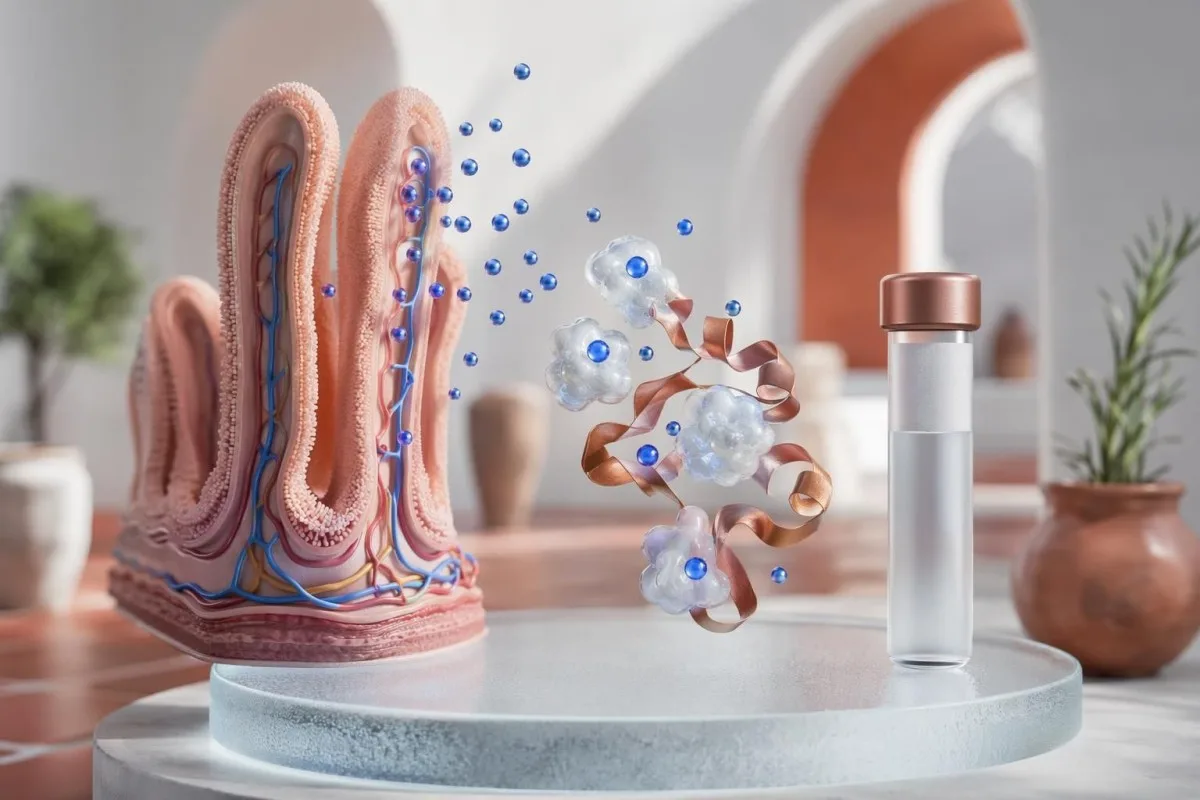
A low zinc result is not always a simple deficiency. Timing, inflammation, albumin, gut disease and medication history can change the number before your diet has changed.


- Low serum zinc is commonly defined as below about 70 mcg/dL, or 10.7 micromol/L, but lab ranges vary by sex, age and collection time.
- Morning fasting testing is preferred because serum zinc can fall after meals and drift by roughly 10-20% across the day.
- Inflammation can lower serum zinc even when total body zinc is not depleted; CRP above 10 mg/L makes interpretation much less reliable.
- Low albumin can make zinc look low because about 60% of circulating zinc is carried on albumin.
- Dietary causes include low animal protein intake, high-phytate diets, eating disorders, restricted weight-loss plans and poor protein intake.
- Gut causes include coeliac disease, inflammatory bowel disease, chronic diarrhoea, pancreatic insufficiency and bariatric surgery.
- Medicine clues include long-term proton pump inhibitors, diuretics, penicillamine and high-dose iron or calcium taken close to meals.
- Before supplementing, recheck zinc when well, fasting, in a trace-element tube, and review CRP, albumin, copper, ceruloplasmin, ALP and CBC.
- Zinc safety matters: the adult tolerable upper intake level is 40 mg/day, and chronic high dosing can trigger copper deficiency.
What a low zinc blood test usually means
Low zinc causes include low intake, reduced gut absorption, inflammation-related redistribution, low albumin, increased urinary or stool losses, and medicine effects. A low zinc blood test should be repeated before long-term supplements, especially if CRP is high, albumin is low, or the sample was not collected in a trace-element tube.
In clinic, I treat low serum zinc as a clue rather than a diagnosis. Kantesti is an AI blood test analyzer that reads zinc beside albumin, CRP, alkaline phosphatase, CBC and copper markers, because a serum zinc of 62 mcg/dL means different things in a well vegetarian than in someone recovering from pneumonia.
The usual adult serum zinc reference interval is roughly 70-120 mcg/dL or 10.7-18.4 micromol/L, although some European laboratories use slightly different lower limits. If you are comparing results from different countries, our biomarker guide is useful because zinc may be reported in mcg/dL, mcg/L or micromol/L.
I’m Thomas Klein, MD, and I have seen more than a few people start 50 mg zinc tablets after one borderline result, then return with low copper and worsening fatigue 4-6 months later. The safer first move is boring but effective: confirm the result under good conditions and check why it is low.
Reference ranges change with timing and sample quality
Zinc reference ranges depend on fasting status, time of day, tube type and lab method. A borderline zinc of 65-72 mcg/dL can be real, but it can also reflect afternoon collection, recent food, inflammation or a non-trace-element collection process.
Serum zinc is one of the more fussy micronutrient tests. Lowe et al. described in the American Journal of Clinical Nutrition that serum and plasma zinc respond to recent meals, infection and stress, which is why a single low value has only moderate sensitivity for true deficiency (Lowe et al., 2009).
Morning fasting serum zinc is often preferred because post-meal dilution and redistribution can lower results by about 10-20% in some people. If your report only says “low” without the collection time, compare carefully using a guide to lab units changing results, not just the flag.
Specimen contamination usually raises zinc, not lowers it, because zinc can leach from rubber stoppers or collection equipment. The opposite problem is also common: EDTA, citrate or the wrong tube can make a trace mineral result unusable, even if the portal still shows a number.
A practical rule: if zinc is mildly low but symptoms are vague and CRP, albumin or collection details are missing, I repeat before prescribing months of treatment.
Diet patterns that make zinc run low
Dietary zinc deficiency causes usually involve low animal protein, high-phytate grains or legumes, restricted eating, poor total protein intake, or prolonged low-calorie dieting. Adult requirements are about 11 mg/day for men and 8 mg/day for women, with higher needs in pregnancy and breastfeeding.
The highest zinc foods are oysters, beef, crab, turkey, dairy, eggs, pumpkin seeds, lentils and chickpeas, but absorption differs wildly. WHO and FAO guidance notes that high-phytate diets reduce zinc bioavailability, which is why the same 10 mg intake can be adequate in one diet and marginal in another (WHO/FAO, 2004).
Vegetarian and vegan patients are not automatically zinc deficient; many do perfectly well. The risk rises when legumes, bran cereals and unleavened whole grains dominate the plate and protein intake falls below roughly 0.8 g/kg/day, a pattern we also discuss in foods high in zinc.
A clinical detail I ask about: “Did you change breakfast?” People who replace eggs or yoghurt with bran cereal, coffee and a calcium-fortified drink may reduce zinc absorption before lunch even begins. Soaking, sprouting and fermenting beans or grains can lower phytate and improve absorption without abandoning a plant-forward diet.
Low zinc from diet alone usually develops gradually over months, not days. If zinc drops suddenly from 92 to 51 mcg/dL over 3 weeks, I look harder for inflammation, diarrhoea, medication changes or lab handling.
Gut problems can block absorption or increase losses
Gut-related low zinc causes include coeliac disease, inflammatory bowel disease, chronic diarrhoea, pancreatic insufficiency, short bowel syndrome and bariatric surgery. Zinc is absorbed mainly in the small intestine, so repeated stool losses or damaged villi can push serum zinc below 70 mcg/dL.
I pay attention when low zinc appears with loose stools, bloating, low ferritin or low vitamin D. That cluster suggests malabsorption more than a simple diet gap, and it often overlaps with the workup described in our guide to gut health blood tests.
Coeliac disease can lower zinc even before obvious weight loss appears. In a patient with zinc 55 mcg/dL, ferritin 12 ng/mL and mild ALT elevation, I would rather test tissue transglutaminase IgA and total IgA than simply add a multivitamin.
Inflammatory bowel disease and chronic diarrhoea can increase intestinal zinc losses; stool output above 3 loose stools/day for several weeks is enough to matter clinically. After bariatric surgery, zinc deficiency is more common after bypass-type procedures than purely restrictive procedures because the absorptive surface and mixing with digestive secretions change.
The clue is repetition. One stomach bug can dip zinc temporarily, but zinc that stays low at 8-12 weeks deserves a gut-focused history.
Inflammation can make zinc look falsely low
Inflammation lowers serum zinc by moving zinc from the bloodstream into liver and immune cells. If CRP is above 10 mg/L, a low serum zinc result may reflect the acute-phase response rather than depleted total body zinc.
King et al. in the BOND zinc review emphasised that serum zinc is affected by infection, inflammation, fasting and recent intake, which limits its use as a stand-alone biomarker (King et al., 2016). This is one reason Kantesti AI does not treat zinc as an isolated “deficiency” label when CRP, ESR or white cell patterns suggest immune activity.
CRP and zinc often move in opposite directions during acute illness. A CRP of 38 mg/L with zinc 58 mcg/dL after bronchitis is not the same clinical story as CRP 0.6 mg/L with zinc 58 mcg/dL and 6 months of diarrhoea.
For readers comparing inflammation markers, the distinction between standard CRP and high-sensitivity CRP matters; the interpretation is different in our CRP test guide. Standard CRP above 10 mg/L usually points to infection, injury or active inflammation, not cardiovascular risk refinement.
My usual advice is to repeat zinc at least 2-4 weeks after a clear infection has settled, sooner only if there are severe deficiency signs such as extensive rash, persistent diarrhoea or impaired wound repair.
Medicines and supplements that lower or confuse zinc
Medicines can lower zinc by reducing absorption, increasing urinary loss, or binding zinc in the gut. Long-term proton pump inhibitors, thiazide or loop diuretics, penicillamine, and poorly timed iron or calcium supplements are common clues.
Proton pump inhibitors do not cause low zinc in everyone, but long-term acid suppression can make mineral absorption less efficient in susceptible patients. If someone has used omeprazole, pantoprazole or lansoprazole daily for more than 12 months, I review magnesium, B12, iron and zinc together, as covered in long-term PPI monitoring.
Diuretics can increase urinary zinc loss. I see this most with older adults on thiazide or loop diuretics who also eat lightly; zinc may sit at 55-65 mcg/dL while albumin and protein intake are borderline.
Penicillamine can chelate zinc, and high-dose iron can compete with zinc absorption when taken together on an empty stomach. Calcium supplements, tetracyclines and quinolones are more about spacing doses than causing deficiency, but the timing still matters: separate zinc from iron, calcium or certain antibiotics by 2-6 hours, depending on the drug.
Bring the actual bottles. “A multivitamin” can mean 5 mg zinc, 25 mg zinc, or no zinc at all.
Other lab clues that explain low zinc
Low zinc is best interpreted with albumin, CRP, alkaline phosphatase, CBC, copper and ceruloplasmin. A zinc result below 70 mcg/dL is more convincing when albumin is normal, CRP is low and related deficiency markers point in the same direction.
Albumin matters because roughly 60% of circulating zinc is albumin-bound. If albumin is below 3.5 g/dL, serum zinc can look low because the carrier protein is low, a pattern that overlaps with our serum proteins guide.
Alkaline phosphatase, or ALP, is a zinc-dependent enzyme, and persistently low ALP can support the deficiency story. A typical adult ALP interval is roughly 35-120 IU/L, so an ALP of 24 IU/L with zinc 52 mcg/dL deserves attention, especially if thyroid and nutrition causes are excluded.
Copper is the safety counterweight. Typical serum copper is about 70-140 mcg/dL, and ceruloplasmin often sits around 20-35 mg/dL in adults, though inflammation and oestrogen can raise both; our copper range guide explains why zinc and copper should be paired.
The CBC can show consequences rather than causes. Unexplained anaemia, neutropenia or high RDW after months of high-dose zinc makes me worry about copper deficiency caused by treatment, not zinc deficiency itself.
What to recheck before taking zinc long term
Before long-term zinc supplementation, recheck serum or plasma zinc fasting in the morning, ideally when you are well, and add CRP, albumin, copper, ceruloplasmin, ALP and CBC. This avoids treating a temporary redistribution as if it were true deficiency.
Kantesti is an AI lab test interpretation service that flags low zinc differently when a retest is missing key context such as CRP, albumin or copper. The same zinc number can be “repeat first,” “diet review,” or “speak to your clinician soon,” depending on the surrounding pattern.
A clean retest plan is simple: morning draw, fasting if possible, no acute infection, no zinc supplement for 24-48 hours unless your clinician says otherwise, and a trace-element tube. If an abnormal result persists, our guide on repeating abnormal labs gives a practical timing framework.
I often recheck borderline zinc after 8-12 weeks if diet changes are the first intervention. If there are severe symptoms, ongoing diarrhoea, pregnancy, a malabsorptive surgery history or zinc below 40 mcg/dL, waiting 12 weeks may be too slow.
Do not forget the medication list. A perfect retest can still mislead if the patient started a diuretic, doubled an iron tablet, or had a flare of inflammatory bowel disease between tests.
Who needs faster attention for low zinc
Low zinc needs faster review in infants, pregnant people, older adults with poor intake, patients after bariatric surgery, and anyone with chronic diarrhoea, poor wound healing, severe rash or repeated infections. A zinc level below 40 mcg/dL is not a “watch and wait” result.
Zinc supports epithelial repair, taste function and immune cell activity, so the symptoms that matter are practical: slow healing, mouth soreness, loss of taste, hair shedding, brittle nails and recurrent infections. For wounds that lag beyond 2-4 weeks, zinc is only one marker in a broader slow wound healing workup.
Pregnancy changes the conversation because zinc requirements rise to about 11 mg/day, and nausea or restricted diets can reduce intake. I am more cautious with self-prescribing here because prenatal vitamins already contain variable zinc, iron and copper amounts.
Older adults often have several small risks at once: low appetite, dentures that change food choices, PPI use, diuretics and lower protein intake. A 79-year-old eating toast, tea and soup can become zinc-depleted without dramatic weight loss.
Children need paediatric ranges and clinician guidance. Rare inherited zinc absorption disorders usually appear early in life with rash, diarrhoea and growth concerns, not just a mildly low adult-style lab number.
Safe zinc supplementing: dose, form and copper
Zinc supplements should usually be modest, time-limited and paired with a plan to recheck labs. The adult tolerable upper intake level is 40 mg/day from food and supplements combined, and chronic higher dosing can cause copper deficiency.
For confirmed mild deficiency, many clinicians use 15-30 mg elemental zinc/day for 8-12 weeks, then reassess. Higher doses such as 50 mg/day may be used short term in selected cases, but I do not like seeing that dose continued for 6 months without copper monitoring.
Zinc gluconate, citrate, acetate and picolinate can all work; the elemental zinc amount is what counts. Our guide to zinc deficiency supplements explains why a “50 mg zinc compound” label may not equal 50 mg elemental zinc.
Copper deficiency from excess zinc is not theoretical. Zinc increases intestinal metallothionein, which traps copper in gut cells; over time, copper can fall and cause anaemia, neutropenia or neurological symptoms.
A reasonable long-term plan, when zinc must continue, is to check copper and ceruloplasmin every 3-6 months and keep zinc near nutritional rather than pharmacological dosing unless a clinician is treating a defined condition.
When low zinc is not the main problem
Low zinc can accompany hair shedding, nail changes, fatigue or skin problems, but it is often not the only abnormality. Ferritin, thyroid markers, B12, folate, vitamin D, albumin and inflammatory markers often explain more of the symptom pattern than zinc alone.
A common scenario: zinc is 64 mcg/dL, ferritin is 9 ng/mL, TSH is 5.8 mIU/L and vitamin D is 18 ng/mL. In that case, treating zinc alone is like fixing one loose tile while the roof is leaking.
Nail ridging, white spots and brittle nails are blamed on zinc far more often than the evidence supports. Our nail problem lab guide looks at iron, protein, thyroid and inflammatory patterns because those are frequently missed.
Hair shedding after illness is another trap. Telogen effluvium can start 6-12 weeks after fever, surgery, childbirth or major stress, and zinc may be low because the inflammatory event changed distribution.
If symptoms are severe but zinc is only borderline low, widen the lens. I would rather find coeliac disease, hypothyroidism or iron deficiency early than celebrate a tiny zinc increase on a repeat test.
Exercise, alcohol, fasting and weight loss clues
Exercise, alcohol, fasting and rapid weight loss can all change zinc status or the lab context around zinc. The pattern is most convincing when low zinc appears with low intake, sweating, gastrointestinal symptoms, abnormal liver enzymes or low protein markers.
Endurance athletes lose small amounts of zinc through sweat and urine, and heavy training can alter inflammation markers for 24-72 hours. If a marathon runner tests zinc the morning after a hard session, I read it beside CK, AST, sodium and iron markers, similar to our endurance athlete labs.
Alcohol adds several mechanisms: lower intake, diarrhoea, liver stress and increased urinary losses. A zinc of 50 mcg/dL with GGT 120 IU/L and albumin 3.2 g/dL is not just a supplement question; it is a nutrition and liver-risk conversation.
Fasting and aggressive weight-loss diets are easy to miss because the patient may feel proud of the discipline. If calories are under 1,200 kcal/day for weeks and protein is low, zinc intake usually falls with iron, B vitamins and essential fats.
Timing the retest after a normal training week gives a cleaner answer. I often ask athletes to avoid unusually hard sessions for 48 hours before micronutrient and inflammatory testing.
How Kantesti AI reads low zinc in context
Kantesti AI interprets low zinc by looking for patterns: inflammation, low carrier proteins, gut-loss clues, medicine effects, copper risk and nutritional clusters. That is safer than treating zinc as a single red flag.
Kantesti is an AI biomarker interpretation platform used by people across 127+ countries, so unit conversion and country-specific reference intervals are not small details. A result in micromol/L can be misread by patients used to mcg/dL unless the conversion is handled correctly.
Our neural network weighs zinc with albumin, CRP, CBC, ALP, copper, ferritin, liver enzymes and symptom notes, then flags whether the pattern looks like intake, malabsorption, inflammation or supplement risk. The methodology sits under physician oversight and technical review, described in our AI technology guide.
Thomas Klein, MD and the Kantesti medical team are especially cautious when zinc is low and copper is already borderline. In that scenario, generic “take more zinc” advice can make the next lab panel worse.
For clinical governance, Kantesti’s neural network is evaluated against structured test cases and clinician review standards; readers who want methodology detail can read our medical validation page.
Research notes, limits and medical review
As of July 1, 2026, serum zinc remains an imperfect but useful marker when interpreted with timing, inflammation and carrier proteins. No zinc blood test can prove total body zinc stores by itself.
The honest limitation is that zinc has no perfect routine biomarker. Serum zinc is accessible and clinically useful, but it is influenced by meals, infection, hormones, albumin and collection conditions; that uncertainty is exactly why repeat testing beats reflex supplementation.
This article was medically reviewed within Kantesti LTD’s clinical governance process, with oversight from physicians familiar with laboratory medicine and digital health interpretation. You can see the doctors behind our review standards on the medical advisory board.
Kantesti research publications also support our broader lab-interpretation work: Thomas Klein. (2026). aPTT Normal Range: D-Dimer, Protein C Blood Clotting Guide. Zenodo. DOI: https://doi.org/10.5281/zenodo.18262555. ResearchGate: https://www.researchgate.net/search/publication?q=aPTT%20Normal%20Range%20D-Dimer%20Protein%20C%20Blood%20Clotting%20Guide. Academia.edu: https://www.academia.edu/search?q=aPTT%20Normal%20Range%20D-Dimer%20Protein%20C%20Blood%20Clotting%20Guide.
A second related methods publication is: Thomas Klein. (2026). Serum Proteins Guide: Globulins, Albumin & A/G Ratio Blood Test. Zenodo. DOI: https://doi.org/10.5281/zenodo.18316300. ResearchGate: https://www.researchgate.net/search/publication?q=Serum%20Proteins%20Guide%20Globulins%20Albumin%20A%2FG%20Ratio%20Blood%20Test. Academia.edu: https://www.academia.edu/search?q=Serum%20Proteins%20Guide%20Globulins%20Albumin%20A%2FG%20Ratio%20Blood%20Test.
Frequently Asked Questions
What are the most common low zinc causes on labs?
The most common low zinc causes are low dietary intake, high-phytate diets, gut malabsorption, chronic diarrhoea, inflammation, low albumin and medication effects. Serum zinc below about 70 mcg/dL is usually considered low in adults, but timing and lab method matter. A result collected after a meal or during infection can look lower than your true baseline. Recheck fasting in the morning if the clinical picture does not fit.
Can inflammation cause low serum zinc?
Yes, inflammation can cause low serum zinc by shifting zinc from the blood into liver and immune cells. When CRP is above 10 mg/L, zinc is less reliable as a stand-alone deficiency marker. A zinc result of 58 mcg/dL during pneumonia or a bowel flare may improve after recovery. Repeating zinc 2-4 weeks after the illness settles is often more informative.
What zinc blood test level is considered low?
Many adult laboratories use a serum zinc reference range of roughly 70-120 mcg/dL, or 10.7-18.4 micromol/L. Borderline values around 60-69 mcg/dL should be interpreted with fasting status, time of day, albumin and CRP. Values below 40 mcg/dL are more concerning, especially with rash, diarrhoea, poor wound healing or malnutrition. Always use the reference interval printed on your own report.
Which medicines can lower zinc?
Medicines linked with low zinc or zinc loss include long-term proton pump inhibitors, thiazide diuretics, loop diuretics and penicillamine. High-dose iron or calcium can reduce zinc absorption if taken at the same time, especially on an empty stomach. Zinc should usually be separated from iron, calcium and certain antibiotics by 2-6 hours. Do not stop prescribed medicines without discussing it with your clinician.
Should I take zinc if my blood test is low?
You should not take high-dose zinc long term from one low result without checking the context. A safer plan is to repeat zinc fasting in the morning and review CRP, albumin, copper, ceruloplasmin, ALP and CBC. If deficiency is confirmed, many clinicians use 15-30 mg elemental zinc daily for 8-12 weeks, then recheck. The adult upper intake limit is 40 mg/day, and chronic excess zinc can cause copper deficiency.
Can a vegan or vegetarian diet cause low zinc?
A vegan or vegetarian diet can contribute to low zinc when intake is low or the diet is high in phytate-rich grains, bran and legumes without preparation methods such as soaking, sprouting or fermentation. Adult zinc requirements are about 11 mg/day for men and 8 mg/day for women, but bioavailability can be lower in high-phytate diets. Good plant sources include pumpkin seeds, beans, lentils, chickpeas and fortified foods. Persistent zinc below 70 mcg/dL should also prompt a gut and inflammation review, not just a diet label.
Should I stop my multivitamin before a repeat zinc blood test?
Ask the ordering clinician or laboratory before testing, because collection instructions vary and recent zinc-containing supplements may affect interpretation. Do not stop a prescribed nutrition plan or treatment without professional advice.
Get AI-Powered Blood Test Analysis Today
Join over 2 million users worldwide who trust Kantesti for instant, accurate lab test analysis. Upload your blood test results and receive comprehensive interpretation of 15,000+ biomarkers in seconds.
📚 Referenced Research Publications
Klein, T., Mitchell, S., & Weber, H. (2026). Thomas Klein. (2026). aPTT Normal Range: D-Dimer, Protein C Blood Clotting Guide. Zenodo.. Kantesti AI Medical Research.
Klein, T., Mitchell, S., & Weber, H. (2026). Thomas Klein. (2026). Serum Proteins Guide: Globulins, Albumin & A/G Ratio Blood Test. Zenodo.. Kantesti AI Medical Research.
📖 External Medical References
World Health Organization and Food and Agriculture Organization (2004). Vitamin and mineral requirements in human nutrition, second edition. WHO/FAO guideline.
⚕️ Medical Disclaimer
This article is for educational purposes only and does not constitute medical advice. Always consult a qualified healthcare provider for diagnosis and treatment decisions.
E-E-A-T Trust Signals
Experience
Physician-led clinical review of lab interpretation workflows.
Expertise
Laboratory medicine focus on how biomarkers behave in clinical context.
Authoritativeness
Written by Dr. Thomas Klein with review by Dr. Sarah Mitchell and Prof. Dr. Hans Weber.
Trustworthiness
Evidence-based interpretation with clear follow-up pathways to reduce alarm.