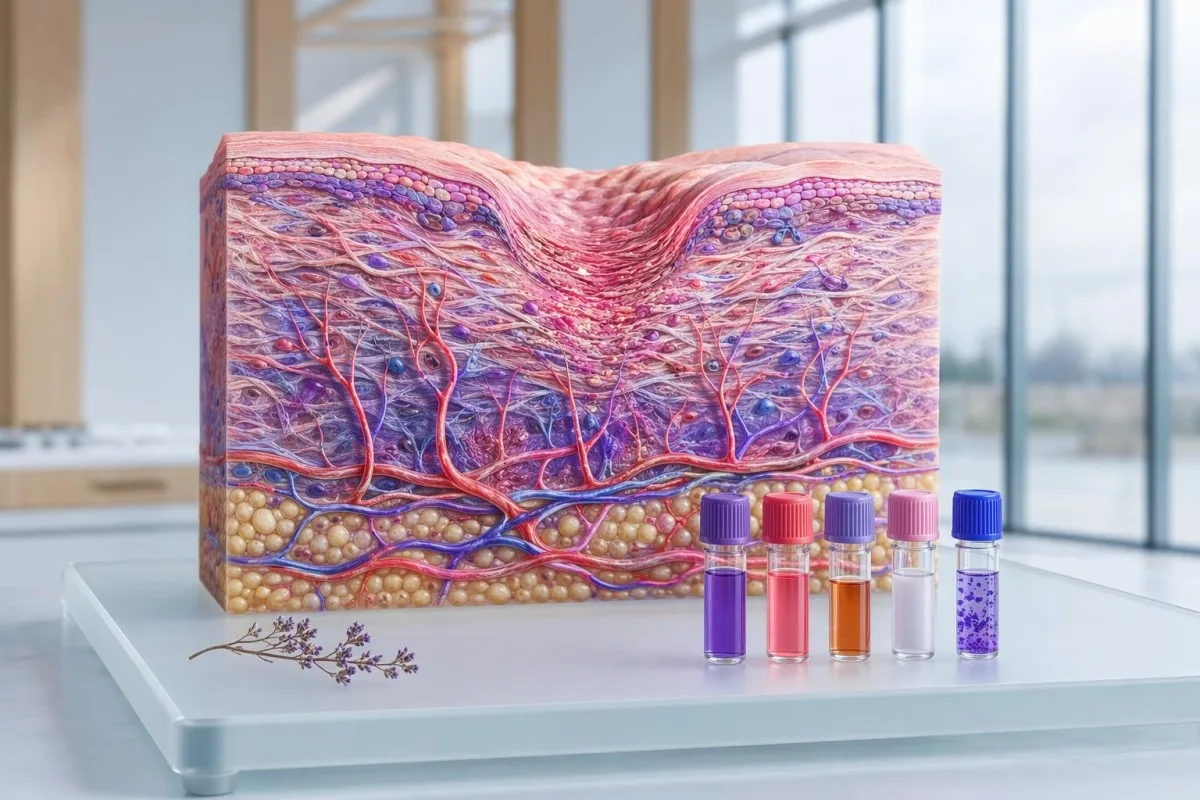
When a cut, ulcer, or surgical incision refuses to close, doctors look for patterns rather than one magic result. The useful clues usually sit across glucose control, oxygen-carrying capacity, protein status, inflammation, and immune risk.


- HbA1c of 6.5% or higher supports diabetes diagnosis, and many surgeons prefer tighter pre-op control before elective procedures.
- Random glucose above 200 mg/dL with classic symptoms is a diabetes-range result and can slow collagen formation.
- Hemoglobin below 13 g/dL in men or 12 g/dL in non-pregnant women suggests anemia that may reduce oxygen delivery to healing tissue.
- Ferritin below 30 ng/mL often supports iron deficiency, but high CRP can make ferritin look falsely reassuring.
- Albumin below 3.5 g/dL can reflect poor protein status, inflammation, kidney loss, or liver disease — not diet alone.
- CRP above 10 mg/L often means active inflammation or infection, especially when WBC or neutrophils are also elevated.
- ANC below 1.5 x 10^9/L is neutropenia, and infection risk rises sharply below 0.5 x 10^9/L.
- Serum zinc is commonly reported around 70-120 µg/dL, but zinc deficiency wound healing decisions should include diet, CRP, albumin, and supplement history.
Which blood tests are usually checked first for slow healing?
A blood test for slow wound healing is usually a panel, not one single test: doctors often check HbA1c or glucose, CBC, ferritin and iron studies, albumin or total protein, CRP or ESR, kidney and liver markers, and sometimes zinc, vitamin C, vitamin D, or immune counts. If the wound is hot, spreading, deep, or foul-smelling, labs support care — they do not replace an exam.
I am Thomas Klein, MD, and the first thing I tell patients is this: a neat-looking lab report can still miss a bad local problem. Pressure, poor circulation, retained suture material, smoking exposure, edema, or repeated trauma can keep tissue open even when the CBC and glucose look fine.
Kantesti is an AI blood test interpretation platform that reads common wound-healing markers together rather than treating each flagged result as a separate scare. Our biomarker guide is built around pattern recognition because a mildly low albumin plus high CRP means something different from a mildly low albumin by itself.
In our analysis of 2M+ uploaded lab reports across 127+ countries, the most common missed pairing is glucose dysregulation with borderline anemia. A fasting glucose of 118 mg/dL and hemoglobin of 11.8 g/dL may not look dramatic, but together they can explain why a surgical incision is crawling instead of closing.
A practical starter set is CBC with differential, HbA1c, fasting or random glucose, CMP, CRP, ESR, ferritin with transferrin saturation, albumin, total protein, and urinalysis if kidney protein loss is suspected. For patients unsure how to frame results for a visit, our doctor visit checklist helps turn scattered numbers into focused questions.
How do glucose and HbA1c affect wound closure?
Glucose and HbA1c are often the highest-yield labs in slow healing because high sugar impairs neutrophil function, collagen cross-linking, and small-vessel blood flow. An HbA1c of 6.5% or higher is diabetes-range, while 5.7-6.4% is prediabetes-range in ADA diagnostic criteria.
The ADA Standards of Care in Diabetes—2026 keep the familiar diagnostic cutoffs: fasting plasma glucose of 126 mg/dL or higher, 2-hour OGTT glucose of 200 mg/dL or higher, or HbA1c of 6.5% or higher on appropriate testing. In practice, I get more worried when the wound story and the trend match — for example, A1c rising from 6.1% to 7.4% over 9 months.
A diabetes slow wound healing test usually means HbA1c plus a current glucose, not HbA1c alone. A patient can have an A1c of 6.2% but post-meal glucose spikes over 220 mg/dL, especially after steroids, infection, sleep disruption, or tube feeds; our diabetes testing guide explains why diagnostic and monitoring tests answer different questions.
Armstrong, Boulton, and Bus noted in the New England Journal of Medicine that diabetic foot ulcers recur frequently and are strongly shaped by neuropathy, pressure, vascular disease, and glycemic exposure, not sugar alone (Armstrong et al., 2017). That distinction matters because lowering glucose will not fix an unoffloaded heel ulcer.
If the wound appeared after starting or increasing steroids, ask whether a same-day glucose or home glucose log was checked. Steroid-related glucose can peak later in the day, so a normal 8 a.m. fasting glucose may miss the afternoon problem; patients tracking improvement may find our 90-day A1c plan useful for realistic retest timing.
When can HbA1c mislead the wound-healing workup?
HbA1c can mislead when red blood cell lifespan is abnormal, recent bleeding occurred, iron deficiency is present, or transfusion happened within the past 2-3 months. In those cases, clinicians often add fasting glucose, fructosamine, CGM data, or repeat testing.
HbA1c reflects glycation over roughly 8-12 weeks, but that average assumes red cells live a fairly normal lifespan. Iron deficiency can push HbA1c upward in some patients, while hemolysis or recent blood loss can pull it down; the evidence is messy enough that I avoid making wound decisions from A1c alone when the CBC is abnormal.
Kantesti AI interprets HbA1c beside hemoglobin, MCV, RDW, ferritin, creatinine, and liver markers because those surrounding values change how much confidence we should place in the number. Our A1c accuracy guide goes deeper into the classic mismatch: an A1c that says “fine” while fingerstick readings say otherwise.
Fructosamine and glycated albumin can reflect shorter-term glycemia, often around 2-3 weeks, but low albumin or heavy protein loss can distort them too. This is one of those areas where context matters more than the test name.
For patients using continuous glucose monitoring, time above 180 mg/dL can be more actionable than a single fasting glucose. If a wound stalls after dinner-time spikes, the fix may be meal timing, steroid timing, infection treatment, or medication adjustment rather than another supplement.
What does a CBC reveal about oxygen delivery to tissue?
A CBC checks hemoglobin, red cell indices, white cells, neutrophils, lymphocytes, and platelets — all relevant when tissue is not repairing normally. Hemoglobin below 13 g/dL in adult men or 12 g/dL in non-pregnant adult women is commonly used to define anemia.
Oxygen is not just a nice extra; fibroblasts need it for collagen deposition and bacterial killing. I once saw a gym-fit 41-year-old with a stubborn shin cut and hemoglobin of 10.9 g/dL — the issue was not training discipline, it was occult iron loss from frequent blood donation.
MCV below about 80 fL suggests microcytosis, often iron deficiency or thalassemia trait, while MCV above 100 fL suggests macrocytosis from B12, folate, alcohol, liver disease, hypothyroidism, or medications. Our anemia pattern guide is useful because hemoglobin alone rarely tells the cause.
RDW above the lab range can show mixed cell sizes before hemoglobin crashes. A high RDW with normal MCV is a sneaky early pattern; our RDW and MCV guide explains why early iron loss, B12 deficiency, and recovery from bleeding can all look like a mixed picture.
Platelets often rise above 450 x 10^9/L in iron deficiency or inflammation, and that can be a clue rather than a separate disease. If platelets are low below 150 x 10^9/L, clinicians think about marrow suppression, drugs, liver disease, viral illness, or immune causes.
Why do doctors pair ferritin with CRP in slow healing?
Ferritin below 30 ng/mL often supports iron deficiency, but ferritin can rise during inflammation and hide low usable iron. That is why clinicians often pair ferritin with CRP, transferrin saturation, serum iron, and TIBC.
A ferritin of 75 ng/mL can be reassuring in a well person and misleading in someone with CRP of 48 mg/L. When CRP is high, ferritin behaves partly like an acute-phase reactant, so I pay more attention to transferrin saturation and the clinical story.
Kantesti is an AI-powered blood test analysis tool that reviews ferritin, serum iron, TIBC, transferrin saturation, RDW, MCV, and CRP as a cluster. For a deeper explanation of iron binding capacity and saturation, see our iron studies guide.
Transferrin saturation below about 20% often suggests limited circulating iron availability, even if ferritin is not frankly low. In inflammatory wounds, clinicians sometimes call this functional iron deficiency: the iron may be stored, but it is not easily available for red cell production and tissue repair.
Do not start high-dose iron just because a wound is slow. Iron can worsen constipation, obscure stool color, and create confusion in people with high ferritin or hemochromatosis risk; our ferritin and CRP article walks through the inflammation trap in more detail.
What do albumin and total protein say about repair fuel?
Albumin below 3.5 g/dL can signal higher wound risk, but it is not a pure nutrition marker. Low albumin may come from inflammation, kidney protein loss, liver disease, fluid overload, or inadequate protein intake.
Normal albumin is commonly about 3.5-5.0 g/dL, and total protein often sits around 6.0-8.3 g/dL, depending on the lab. When albumin is 2.8 g/dL, I ask about edema, urine protein, diarrhea, liver enzymes, appetite, recent hospitalization, and whether the patient has been living on tea and toast.
Prealbumin changes faster, often over 2-3 days, but it drops sharply with inflammation and kidney disease, so it can overstate malnutrition during acute illness. If CRP is high, a low prealbumin may simply be the body’s stress response talking loudly.
Our medical reviewers at Kantesti compare albumin with globulin, A/G ratio, creatinine, urine protein, ALT, AST, bilirubin, and CRP before suggesting nutrition questions. The serum proteins guide explains why low total protein and low albumin point to different follow-up paths.
A useful target for many healing patients is roughly 1.2-1.5 g/kg/day of protein, but kidney disease, liver disease, and frailty change the plan. If a patient weighs 70 kg, that often means 84-105 g/day, split into meals rather than one heroic dinner.
When should zinc, vitamin C, or vitamin D be checked?
Zinc, vitamin C, and vitamin D are usually second-line tests for slow healing, ordered when diet risk, malabsorption, bariatric surgery, chronic diarrhea, alcohol use, or long-term restrictive eating is present. Serum zinc is commonly reported around 70-120 µg/dL, but interpretation is fragile.
Zinc deficiency wound healing concerns are real, but the blood test is imperfect because serum zinc falls during inflammation and after meals. A low zinc with CRP of 60 mg/L may reflect acute-phase redistribution rather than total-body depletion.
Wilkinson and Hawke’s Cochrane review of oral zinc for arterial and venous leg ulcers found limited evidence for routine zinc treatment unless deficiency is likely or documented (Wilkinson & Hawke, 2014). That matches my clinical experience: zinc helps some clearly deficient patients, but it is not a universal wound-closing pill.
Vitamin C deficiency becomes more plausible with bruising, gum problems, very low fruit and vegetable intake, smoking, alcoholism, eating disorders, or dialysis. Plasma vitamin C below about 11 µmol/L is often used to support deficiency; our vitamin C guide covers the scurvy clues patients still miss in 2026.
Vitamin D does not “seal” a wound by itself, but 25-OH vitamin D below 20 ng/mL is common in people with low sun exposure, malabsorption, obesity, or darker winter climates. If zinc is being supplemented, keep copper in mind; our zinc dosing guide explains why chronic high-dose zinc can push copper down.
Which labs suggest infection or active inflammation?
CRP, ESR, WBC count, neutrophils, and sometimes procalcitonin help clinicians judge whether inflammation or infection is contributing to slow healing. CRP above 10 mg/L often indicates active inflammation, while values above 100 mg/L raise concern for significant infection, trauma, or severe inflammatory disease.
WBC is commonly around 4.0-11.0 x 10^9/L in adults, though each lab varies. A normal WBC does not exclude infection, especially in older adults, people on steroids, chemotherapy patients, or those with diabetes.
ESR rises and falls slowly, so it can stay elevated for weeks after the acute trigger improves. CRP usually moves faster; our CRP timing guide explains why a falling CRP can reassure clinicians before ESR catches up.
Procalcitonin can help in some bacterial infection decisions, especially systemic illness, but it is not a wound swab and it should not be used casually for every red incision. A spreading red area, fever, worsening pain, or new confusion needs same-day assessment even if yesterday’s CRP was only 18 mg/L.
Kantesti AI flags combinations such as high CRP plus neutrophilia plus rising glucose because infection can drive sugar up and sugar can worsen infection control. Patients comparing CRP with hs-CRP should read our CRP test distinction before assuming a heart-risk assay answers a wound question.
What immune blood tests matter when wounds keep reopening?
The most useful immune clues in routine slow-healing workups are absolute neutrophil count, lymphocyte count, immunoglobulins when indicated, and CD4/CD8 testing in selected patients. ANC below 1.5 x 10^9/L is neutropenia, and infection risk rises markedly below 0.5 x 10^9/L.
Percentages can mislead. A neutrophil percentage of 42% may look low, but if the WBC is 8.0 x 10^9/L, the ANC is still about 3.4 x 10^9/L, which is usually adequate.
Lymphopenia below about 1.0 x 10^9/L can appear after steroids, viral infections, malnutrition, chemotherapy, autoimmune disease, or advanced age. When recurrent infections accompany slow healing, our immune system testing guide shows when clinicians go beyond a standard CBC.
Immunoglobulins matter when the story fits: repeated sinus infections, unusual organisms, poor vaccine responses, or chronic diarrhea with low protein. A single low-normal IgG in an otherwise well person is not the same as immune deficiency.
Kantesti’s neural network treats low neutrophils differently when medications such as methotrexate, antithyroid drugs, clozapine, or chemotherapy appear in the user’s context. For patients seeing an ANC flag for the first time, our low neutrophil guide explains the cutoffs without panic.
Why do kidney, liver, and thyroid labs enter the picture?
Kidney, liver, and thyroid labs matter because they shape protein balance, fluid status, metabolism, medication safety, and anemia risk. Slow healing is rarely explained by TSH, creatinine, or ALT alone, but abnormal results can change the whole plan.
Creatinine and eGFR help clinicians decide whether swelling, poor clearance, or medication dosing is part of the wound problem. eGFR below 60 mL/min/1.73 m² for 3 months or more supports chronic kidney disease if persistent, and urine albumin can uncover early kidney protein loss.
Liver markers matter because albumin, clotting factors, immune proteins, and many drug pathways run through the liver. ALT above the lab range may suggest liver cell injury, but a low albumin with high INR can point toward reduced synthetic function rather than a minor enzyme bump.
TSH is worth checking when slow healing appears with cold intolerance, constipation, heavy periods, bradycardia, high cholesterol, or unexplained fatigue. Our TSH range guide covers why a borderline thyroid result can be meaningful in one person and noise in another.
I often see this after surgery: mild kidney strain, low albumin, and high glucose all move together for 1-2 weeks. A one-off abnormal panel after a tough hospitalization may need trend review rather than an instant chronic-disease label.
Which medication and lifestyle patterns change the labs?
Steroids, chemotherapy, immunosuppressants, anticoagulants, smoking exposure, heavy alcohol use, and under-eating can all alter wound-healing labs. The medication list often explains a confusing panel faster than another rare test.
Prednisone can raise glucose within days, lower eosinophils, raise neutrophils by demargination, and blunt fever. A patient on 40 mg/day may have infection without the classic lab drama we expect.
Methotrexate, azathioprine, biologics, chemotherapy, and some antibiotics can lower counts or change liver markers. Patients on long-term medicines may benefit from our medication monitoring timeline because a result drawn 2 days after a dose change can tell a different story than one drawn at steady state.
Smoking and nicotine reduce tissue oxygen delivery and microvascular function, and they can coexist with higher hemoglobin or hematocrit rather than anemia. In smokers, a hemoglobin of 16.8 g/dL does not guarantee excellent oxygen delivery at the tissue level.
Alcohol complicates wound healing through nutrition, liver function, platelets, sleep, and immune effects. If MCV is high, AST exceeds ALT, platelets are low, and albumin is drifting down, I think about alcohol exposure even before the patient volunteers it.
How should patients prepare for retesting and trend review?
The best slow-healing lab review compares results over time, using the same units when possible and noting infection, surgery date, medications, fasting status, and supplements. A single abnormal value is less useful than a 4-12 week pattern.
As of June 26, 2026, I still see patients arrive with screenshots but no dates, no units, and no medication context. That makes a ferritin of 42 ng/mL, CRP of 9 mg/L, or albumin of 3.3 g/dL much harder to interpret.
Kantesti is an AI biomarker interpretation platform that can compare uploaded PDFs or photos in about 60 seconds, then show trends in glucose, CBC indices, ferritin, albumin, and inflammatory markers. Our trend analysis guide explains why slow drift often matters more than a single red flag.
Before retesting, write down antibiotics, steroids, iron, zinc, vitamin C, protein supplements, recent exercise, fever, menstrual bleeding, and whether the draw was fasting. Our lab result tracker gives patients a simple structure that saves 5-10 minutes in the appointment.
If the result seems wildly inconsistent — WBC suddenly 28 x 10^9/L without symptoms, potassium dangerously high after a difficult draw, or albumin changing 1.0 g/dL overnight — ask whether repeat testing or lab error review is appropriate. Our lab error checks covers the patterns that deserve a second look.
When should slow healing prompt urgent medical review?
Slow healing needs urgent review if redness is spreading, pain is worsening, fever occurs, black tissue appears, drainage increases, glucose is very high, or the wound exposes deeper structures. Labs help triage risk, but the wound itself decides urgency.
A same-day call is reasonable for fever above 38°C, rapidly expanding redness, new confusion, severe pain, red streaking, glucose above 300 mg/dL with illness, or a post-surgical incision that opens. If the person is immunosuppressed or has diabetes, I lower the threshold.
Kantesti AI is not a wound diagnosis service; it helps patients and clinicians interpret lab context around the wound. Our clinical safety standards are reviewed through medical validation and physician oversight, because a lab panel without a skin exam can never rule out a dangerous local problem.
For non-urgent cases, upload the most recent 2-3 lab reports, note the wound start date, and list current medicines and supplements. A pattern such as A1c 7.8%, hemoglobin 10.6 g/dL, ferritin 14 ng/mL, albumin 3.2 g/dL, and CRP 24 mg/L gives your clinician a much clearer starting point than “it just won’t heal.”
Thomas Klein, MD, and the Kantesti medical team built this approach to make the patient visit more precise, not to replace it. You can read more about the clinicians behind our reviews on the Medical Advisory Board page.
Frequently Asked Questions
What blood test is best for slow wound healing?
There is no single best blood test for slow wound healing; doctors usually order a panel that includes HbA1c or glucose, CBC with differential, ferritin and iron studies, albumin or total protein, CRP or ESR, kidney markers, and liver markers. HbA1c of 6.5% or higher supports diabetes-range glucose exposure, while hemoglobin below 13 g/dL in men or 12 g/dL in non-pregnant women supports anemia. The wound exam still matters most when redness spreads, fever occurs, or drainage increases.
Can diabetes cause slow wound healing even if HbA1c is only borderline?
Yes, diabetes or prediabetes can contribute to slow wound healing even when HbA1c is only borderline, especially if post-meal glucose spikes are high. HbA1c of 5.7-6.4% is prediabetes-range, but a person can still have glucose peaks above 180-200 mg/dL after meals, steroids, or infection. Clinicians may add fasting glucose, random glucose, glucose logs, or CGM data when the wound story does not fit the HbA1c.
Does low iron make wounds heal slowly?
Low iron can contribute to slow wound healing when it causes anemia or limits oxygen delivery to tissue. Ferritin below 30 ng/mL often supports iron deficiency, but ferritin can be falsely normal or high when CRP is elevated. Doctors often interpret ferritin with transferrin saturation, TIBC, hemoglobin, MCV, RDW, and CRP rather than using ferritin alone.
Should I test zinc deficiency for wound healing?
Zinc testing can be reasonable when slow healing occurs with poor intake, malabsorption, bariatric surgery, chronic diarrhea, alcoholism, or long-term restrictive diets. Serum zinc is often reported around 70-120 µg/dL, but it can fall during inflammation and after meals, so a low value is not always true deficiency. Routine high-dose zinc is not advised because chronic excess zinc can lower copper and worsen anemia or nerve symptoms.
What CRP level suggests an infected wound?
CRP above 10 mg/L often suggests active inflammation, and values above 100 mg/L raise concern for significant infection, severe inflammation, trauma, or another major trigger. CRP cannot diagnose a wound infection by itself because surgery, autoimmune disease, burns, and other conditions can also raise it. A worsening wound with fever, spreading redness, increasing pain, or confusion needs prompt medical review even if CRP is only mildly elevated.
Can low albumin slow surgical wound healing?
Low albumin is associated with poorer healing risk, but it is not a pure nutrition test. Albumin below 3.5 g/dL may reflect inflammation, kidney protein loss, liver disease, fluid overload, or inadequate protein intake. Clinicians usually pair albumin with CRP, total protein, urine protein, liver enzymes, kidney function, edema, and diet history before recommending a nutrition plan.
When is slow wound healing an emergency?
Slow wound healing becomes urgent when redness spreads quickly, pain worsens sharply, fever exceeds 38°C, drainage increases, black tissue appears, the wound opens after surgery, or glucose is above 300 mg/dL with illness. People with diabetes, chemotherapy, transplant medicines, high-dose steroids, or neutrophils below 0.5 x 10^9/L need a lower threshold for same-day care. Blood tests can support triage, but they cannot safely replace a clinician looking at the wound.
Can poor circulation delay wound healing even when my blood tests are normal?
Yes. Blood tests can identify body-wide barriers, but they do not measure circulation at the wound. A clinician may examine pulses and arrange vascular testing; seek prompt care for a cold, pale, blue, painful, numb, or blackening foot.
Should my wound be swabbed or cultured if it is healing slowly?
A wound culture is most useful when there are signs of infection, such as increasing drainage, odor, redness, warmth, pain, or fever. Swabbing a clean, dry wound without infection signs can detect harmless skin bacteria and may not guide treatment.
Get AI-Powered Blood Test Analysis Today
Join over 2 million users worldwide who trust Kantesti for instant, accurate lab test analysis. Upload your blood test results and receive comprehensive interpretation of 15,000+ biomarkers in seconds.
📚 Referenced Research Publications
Klein, T., Mitchell, S., & Weber, H. (2026). Klein, T. (2026). Iron Studies Guide: TIBC, Iron Saturation & Binding Capacity. Zenodo. https://doi.org/10.5281/zenodo.18248745. Kantesti AI Medical Research.
Klein, T., Mitchell, S., & Weber, H. (2026). Klein, T. (2026). aPTT Normal Range: D-Dimer, Protein C Blood Clotting Guide. Zenodo. https://doi.org/10.5281/zenodo.18262555. Kantesti AI Medical Research.
📖 External Medical References
American Diabetes Association Professional Practice Committee (2026). Standards of Care in Diabetes—2026. Diabetes Care.
⚕️ Medical Disclaimer
This article is for educational purposes only and does not constitute medical advice. Always consult a qualified healthcare provider for diagnosis and treatment decisions.
E-E-A-T Trust Signals
Experience
Physician-led clinical review of lab interpretation workflows.
Expertise
Laboratory medicine focus on how biomarkers behave in clinical context.
Authoritativeness
Written by Dr. Thomas Klein with review by Dr. Sarah Mitchell and Prof. Dr. Hans Weber.
Trustworthiness
Evidence-based interpretation with clear follow-up pathways to reduce alarm.