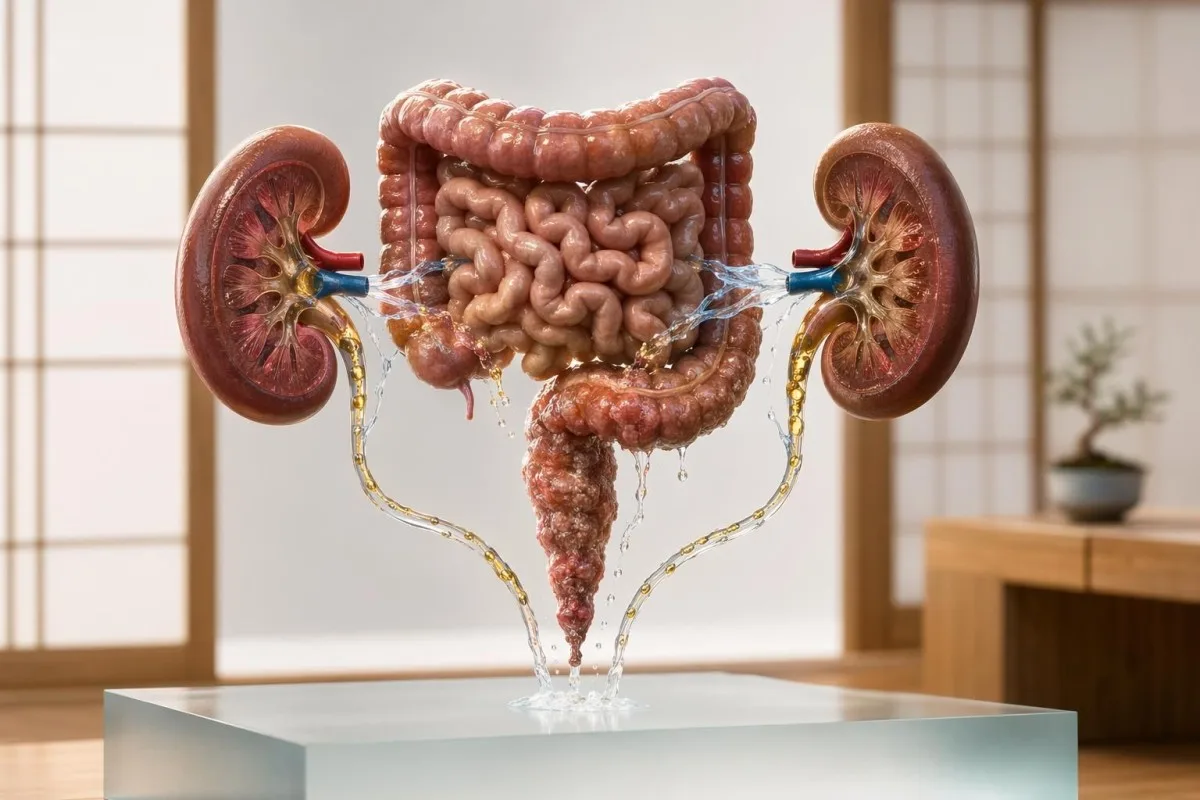
Most short episodes of diarrhea do not need lab work. Blood tests become useful when the story suggests fluid loss, invasive infection, inflammatory bowel disease, medication injury, kidney strain or sepsis.


- Blood test for diarrhea is usually needed when diarrhea lasts more than 3 days, causes faintness, fever, blood in stool, severe pain, pregnancy risk, older age or immune suppression.
- Electrolytes after diarrhea usually means sodium, potassium, chloride, bicarbonate or CO2, urea or BUN, creatinine and glucose.
- Sodium is normally about 135-145 mmol/L in adults; levels below 130 mmol/L or above 150 mmol/L can become neurologically dangerous.
- Potassium is normally about 3.5-5.0 mmol/L; diarrhea can push it below 3.0 mmol/L, increasing weakness and heart rhythm risk.
- Bicarbonate or CO2 is usually 22-29 mmol/L; a result below 18 mmol/L after diarrhea suggests meaningful acid loss or poor perfusion.
- CBC clues separate concentration from infection: high hematocrit can reflect dehydration, while high neutrophils or band forms can suggest bacterial stress.
- CRP and procalcitonin may support infection or tissue inflammation, but neither test proves the cause of diarrhea without stool testing and clinical context.
- Urgent red flags include lactate 2 mmol/L or higher with low blood pressure, creatinine rising from baseline, confusion, persistent vomiting, severe abdominal tenderness or black stools.
When does diarrhea need blood work?
A blood test for diarrhea is needed when diarrhea is severe, prolonged, bloody, associated with fever, causing dehydration, or occurring in a high-risk patient. In my practice, the first question is not “which test?” but “is this simple gastroenteritis, fluid loss, inflammation, kidney stress, or early sepsis?”
As of June 26, 2026, most adults with watery diarrhea for less than 48 hours, normal urination, no fever above 38.5 °C and no blood in stool do not need immediate blood work. Kantesti is an AI blood test analyzer that helps interpret CBC, electrolytes and kidney markers after diarrhea, but the decision to test still starts with symptoms and risk.
I’m Thomas Klein, MD, and I see the same pattern repeatedly: patients wait through 5 days of diarrhea, then arrive with dizziness and a creatinine jump that could have been caught earlier. For context on how our organization handles medical data and clinical governance, see our company background.
Blood work is more likely to help if stool output is frequent enough to stop normal eating or drinking, if urine becomes very dark, or if there are more than 6 loose stools in 24 hours. If the main issue is bloating, intermittent loose stools, or long-running gut symptoms without dehydration, our deeper guide to gut blood testing may fit better.
What CBC markers do doctors check first?
The first CBC clues in diarrhea are white blood cell count, absolute neutrophil count, hemoglobin, hematocrit and platelets. A CBC does not diagnose the germ, but it quickly separates dehydration concentration, bacterial stress, anemia from bleeding, and platelet patterns that can point toward systemic illness.
A typical adult WBC range is about 4.0-11.0 × 10^9/L, though each lab sets its own limits. A WBC above 15 × 10^9/L with neutrophil predominance is more concerning for bacterial infection or severe physiologic stress than a mildly raised count of 11.5 × 10^9/L after vomiting and poor sleep.
Hematocrit often tells the hydration story. If a patient’s usual hematocrit is 41% and it returns at 49% during diarrhea, I think about hemoconcentration before I think about a new blood disorder; our CBC primer explains what is included in a standard CBC.
Platelets can move in both directions. Platelets above 450 × 10^9/L may rise with inflammation or iron deficiency, while falling platelets below 150 × 10^9/L during severe diarrhea can be a red flag for sepsis, hemolytic uremic syndrome, or another systemic process.
Which electrolytes after diarrhea matter most?
Electrolytes after diarrhea usually means sodium, potassium, chloride and bicarbonate or total CO2, plus kidney markers and glucose. These numbers tell us whether fluid loss is mild, whether oral rehydration is enough, and whether the heart, brain or kidneys are under strain.
Adult sodium is usually 135-145 mmol/L, and diarrhea can move it either way depending on what the patient drinks. Drinking only plain water after heavy stool losses may push sodium below 130 mmol/L, while dehydration with poor intake can push sodium above 150 mmol/L.
Potassium is normally about 3.5-5.0 mmol/L; levels below 3.0 mmol/L after diarrhea can cause weakness, cramps and abnormal heart rhythm risk. UK reports often call this panel U&E, and our explanation of U&E results is useful if your report uses British lab terminology.
Chloride often shadows sodium, but it becomes especially helpful when paired with CO2. A chloride above 110 mmol/L with CO2 below 18 mmol/L can fit non-gap metabolic acidosis from diarrhea; see our separate guide to the chloride blood test for the pattern.
How does blood work show dehydration?
Blood work suggests dehydration when urea or BUN rises, creatinine rises from baseline, sodium becomes abnormal, bicarbonate falls, hematocrit concentrates, or albumin appears unexpectedly high. No single result proves dehydration; the pattern matters more than one flagged number.
ER doctors often order a basic metabolic panel first because it returns quickly and catches sodium, potassium, CO2, glucose, BUN and creatinine. If you want the emergency-room logic behind that order, our BMP guide explains why it is often the fastest useful panel.
Kantesti AI flags dehydration more confidently when several markers point in the same direction: BUN high, creatinine up, sodium drifting high, urine concentrated, and hematocrit above the patient’s baseline. A single high BUN after a steak-heavy meal is weaker evidence than BUN 38 mg/dL with creatinine 1.5 mg/dL and dizziness on standing.
The practical bedside test still matters. If someone has dry mouth, fast pulse, low urine output for 8-12 hours, and gets lightheaded when standing, I take a borderline lab pattern seriously even if every result is only slightly outside range.
Can blood tests identify a diarrhea infection?
Diarrhea infection blood work can suggest bacterial severity, dehydration and systemic stress, but stool testing usually identifies the organism. The Infectious Diseases Society of America guideline recommends stool testing when diarrhea is bloody, febrile, severe, persistent or linked to outbreak risk (Shane et al., 2017).
A WBC of 18 × 10^9/L with neutrophils 14 × 10^9/L, fever 39 °C and severe cramps pushes me toward invasive bacterial disease or C. difficile, not routine viral gastroenteritis. But blood work cannot reliably distinguish Salmonella from Campylobacter, Shigella or toxin-mediated illness.
Stool culture, molecular stool panels and C. difficile toxin testing do the organism-level work. Our article on stool culture results explains why normal flora wording does not always mean the patient’s symptoms are imaginary.
Travel, daycare exposure, undercooked food, antibiotics in the last 12 weeks, and persistent diarrhea beyond 7-14 days change the test strategy. If parasites are possible, a single stool sample may miss them, so the ova and parasites test is often repeated across separate days.
How do labs separate infection from inflammation?
Labs separate infection from inflammation by combining CBC differential, CRP, ESR, albumin, platelets and stool markers such as fecal calprotectin. CRP rises quickly, ESR lags, and calprotectin points more directly to intestinal neutrophil activity than a routine blood test does.
CRP below 5 mg/L is often reassuring, while CRP above 50 mg/L during diarrhea deserves closer attention, especially with fever, blood, weight loss or night symptoms. CRP above 100 mg/L is not specific, but in my experience it rarely belongs to simple IBS.
ESR can stay elevated for weeks after the trigger has started to settle, which is why a high ESR with improving symptoms can be confusing. Fecal calprotectin is more gut-specific; values below 50 µg/g are commonly considered low, while values above 250 µg/g are more consistent with active intestinal inflammation, as discussed in our calprotectin range guide.
Platelets and albumin add quiet clues. Platelets above 450 × 10^9/L and albumin below 3.5 g/dL in chronic diarrhea make me think about inflammatory bowel disease, protein loss, chronic infection or malignancy rather than a one-off stomach bug.
When do diarrhea labs suggest sepsis?
Diarrhea labs suggest sepsis risk when lactate is 2 mmol/L or higher, kidney function worsens, platelets fall, WBC is very high or very low, and the patient has low blood pressure, confusion or rapid breathing. Lactate is a perfusion marker, not a diarrhea test.
The 2021 Surviving Sepsis Campaign guideline treats lactate as a severity marker and recommends prompt reassessment when lactate is elevated in suspected sepsis (Evans et al., 2021). A lactate of 2.3 mmol/L with normal blood pressure may still matter; a lactate of 4.0 mmol/L is much more urgent.
Kantesti is an AI lab test interpretation service that reads lactate, CBC and kidney markers together rather than treating one abnormal value as the whole diagnosis. For a deeper comparison of CBC, CRP and procalcitonin, our infection marker guide lays out where each test helps and misleads.
Procalcitonin above 0.5 ng/mL can support bacterial systemic infection, but it is not routinely needed for every diarrhea case. If diarrhea is paired with low blood pressure, fast pulse, confusion or cold extremities, our sepsis marker review is the better next read.
What do BUN, creatinine and albumin reveal?
BUN, creatinine and albumin reveal whether diarrhea is straining kidney blood flow or concentrating the bloodstream. BUN rises early with dehydration, creatinine shows kidney filtration impact, and albumin can look falsely high when plasma water is reduced.
A BUN-to-creatinine ratio above 20:1 often suggests prerenal dehydration in the right clinical setting, although protein intake, steroids and gastrointestinal bleeding can also raise BUN. Our research article on the BUN creatinine ratio gives the country-by-country naming issue and interpretation traps.
Creatinine is most useful when compared with the patient’s baseline. A rise from 0.8 to 1.2 mg/dL may look “normal” on some reports, but that is a 50% relative change; I worry more about the change than the flag.
Albumin above 5.0 g/dL is not usually a nutrition win during acute diarrhea. It often reflects hemoconcentration, and our discussion of high albumin explains why this result should be read with BUN, sodium and urine concentration.
Why do doctors add urine tests for diarrhea?
Doctors add urine tests because urine concentration can confirm whether the kidneys are conserving water during diarrhea. Urine specific gravity, ketones and urinalysis patterns often clarify borderline blood tests for diarrhea and dehydration.
Urine specific gravity usually runs about 1.005-1.030. A value above 1.025 during diarrhea supports concentrated urine, while very dilute urine despite dehydration symptoms makes me ask about excess water intake, diuretics, diabetes insipidus or a collection issue.
Ketones in urine are common after poor intake, especially in children, pregnancy, low-carb diets and prolonged vomiting. Trace or small ketones can simply mean under-fueling; large ketones with high glucose is a different problem and needs urgent diabetes assessment.
Urinalysis can also find kidney involvement that a basic blood panel misses. Our complete urinalysis guide covers urobilinogen, bilirubin, protein and concentration patterns that sometimes explain why diarrhea is not the only issue.
Which acid-base and mineral shifts are easy to miss?
The easy-to-miss shifts after diarrhea are low bicarbonate, low potassium, low magnesium and sometimes low phosphate. These results explain weakness, palpitations, tingling and slower recovery even when the infection itself is already improving.
Total CO2 on a metabolic panel approximates bicarbonate, with a typical adult range of 22-29 mmol/L. A CO2 below 18 mmol/L after diarrhea suggests bicarbonate loss or lactic acidosis; our BMP CO2 guide explains why the name confuses patients.
Potassium below 3.0 mmol/L can cause marked muscle weakness and raises rhythm risk, especially if the patient takes digoxin, diuretics or certain heart medicines. A potassium above 5.5 mmol/L during diarrhea is less typical and makes me ask about kidney injury, lab hemolysis or medication effects.
Magnesium is usually 0.7-1.0 mmol/L in many international labs, though units vary. Kantesti AI is careful with unit conversion because a magnesium result of 1.7 mg/dL and 0.70 mmol/L may look different but tell a similar story; our potassium range guide is a good companion.
Why check liver and pancreas markers with diarrhea?
Doctors check liver and pancreas markers when diarrhea comes with jaundice, pale stool, dark urine, severe upper abdominal pain, alcohol risk, medication exposure or travel. ALT, AST, ALP, GGT, bilirubin, amylase and lipase can reveal that the gut symptom is not just intestinal.
ALT is often below 35-45 IU/L in adults, depending on sex and lab method. ALT above 200 IU/L during diarrheal illness makes me think beyond routine gastroenteritis, especially if bilirubin is high or the patient has hepatitis exposure.
AST can rise from liver, muscle or hemolysis, so AST 89 IU/L after a marathon plus diarrhea means something different from AST 89 IU/L with jaundice. Our ALT blood test article explains why ALT is usually more liver-specific than AST.
Lipase above 3 times the upper reference limit, especially with severe upper abdominal pain radiating to the back, supports pancreatitis workup rather than simple infectious diarrhea. Pale stool with dark urine and direct bilirubin elevation points toward impaired bile flow, not dehydration.
Which diarrhea lab results need same-day care?
Same-day care is needed when diarrhea labs show severe electrolyte disturbance, acute kidney injury, lactate elevation, falling platelets, severe anemia, or evidence of systemic infection. Symptoms decide urgency too; a “borderline” result can be dangerous in a frail patient.
Sodium below 125 mmol/L, sodium above 155 mmol/L, potassium below 2.8 mmol/L, potassium above 6.0 mmol/L, CO2 below 15 mmol/L, or lactate 4 mmol/L or higher should not wait for a routine appointment. These are the calls where I would rather over-triage than apologize later.
A creatinine increase of 0.3 mg/dL within 48 hours can meet acute kidney injury criteria in the right setting. When that rise happens with low urine output, confusion or persistent vomiting, the patient needs fluids and monitoring, not a supplement plan.
High lactate is one of the most misunderstood urgent markers because exercise, seizures, beta-agonist inhalers and poor sample handling can all move it. Still, our guide to high lactate explains why lactate plus low blood pressure changes the risk calculation fast.
When should abnormal diarrhea labs be repeated?
Abnormal diarrhea labs are usually repeated within 24-72 hours if kidney function, sodium, potassium or bicarbonate are significantly abnormal, and within 1-3 weeks if mild changes are improving. The retest timing depends on risk, not convenience.
If potassium is 3.1 mmol/L and symptoms are improving, a clinician may recheck within a few days after oral replacement. If potassium is 2.7 mmol/L, the next step is usually same-day care because tablets at home may not be enough or fast enough.
Kantesti is an AI-powered blood test analysis tool used by 2M+ people across 127 countries, and trend comparison is where AI support becomes genuinely useful. A creatinine of 1.1 mg/dL can be fine for one person and a warning for another whose baseline is 0.65 mg/dL.
Our technical work is reviewed against defined clinical standards, not just generic reference ranges; the details sit in our medical validation materials. If an abnormality is mild and symptoms have resolved, our guide on repeating abnormal labs gives realistic retest windows.
How should patients use AI interpretation safely?
Patients should use AI interpretation to organize lab patterns, spot dangerous combinations and prepare better questions, not to replace urgent clinical care. Diarrhea can move from harmless to dangerous within hours when fluids, salts and kidney blood flow collapse together.
Kantesti's neural network reads dehydration and infection clues by grouping biomarkers into clinical patterns: CBC, electrolytes, kidney markers, liver enzymes, inflammatory markers and urinalysis where available. The method is described in our technology guide, including how the system handles units and repeated reports.
I tell patients to bring three things to a doctor visit: the lab PDF, a 24-hour stool count, and a list of fluids and medicines taken since symptoms began. That little timeline often explains why sodium, potassium or creatinine changed more clearly than the lab report alone.
Our medical team reviews high-risk interpretation logic because diarrhea labs can become safety-critical in older adults, pregnancy, transplant patients, infants and people taking diuretics, ACE inhibitors or SGLT2 inhibitors. You can see the clinical oversight structure on our medical advisory board page.
Frequently Asked Questions
What blood test is done for diarrhea?
The most common blood tests for diarrhea are a CBC, electrolytes, kidney function tests and sometimes liver enzymes, CRP or lactate. A CBC checks WBC, neutrophils, hemoglobin, hematocrit and platelets, while electrolytes check sodium, potassium, chloride and bicarbonate or CO2. Blood tests show severity and dehydration risk, but stool culture or molecular stool testing is usually needed to identify the organism.
Can a blood test show dehydration from diarrhea?
A blood test can strongly suggest dehydration from diarrhea when BUN or urea rises, creatinine rises from baseline, sodium becomes abnormal, bicarbonate falls, or hematocrit and albumin look concentrated. A BUN-to-creatinine ratio above 20:1 often supports prerenal dehydration in the right clinical setting. Doctors still interpret those results with pulse, blood pressure, urine output and oral intake.
Which electrolytes drop after diarrhea?
Potassium and bicarbonate commonly drop after significant diarrhea, while sodium may become low or high depending on fluid intake. Potassium below 3.0 mmol/L can cause weakness and heart rhythm risk, and bicarbonate or CO2 below 18 mmol/L suggests meaningful acid-base disturbance. Chloride may rise when bicarbonate is lost through stool.
Does high WBC mean bacterial diarrhea?
A high WBC can support bacterial diarrhea, but it does not prove the cause by itself. A WBC above 15 × 10^9/L with high neutrophils, fever and bloody stool is more concerning than a mild WBC rise after stress, dehydration or steroid use. Stool testing is usually needed when diarrhea is severe, bloody, persistent or linked to travel or outbreak exposure.
When should diarrhea labs be urgent?
Diarrhea labs are urgent when sodium is below 125 mmol/L or above 155 mmol/L, potassium is below 2.8 mmol/L or above 6.0 mmol/L, CO2 is below 15 mmol/L, lactate is 4 mmol/L or higher, or creatinine rises quickly. Urgent symptoms include confusion, fainting, low urine output, severe abdominal pain, black stool, blood in stool or persistent vomiting. Older adults, pregnant patients, infants and immune-suppressed patients need a lower threshold for same-day care.
Can CRP tell if diarrhea is inflammatory bowel disease?
CRP can support inflammation, but it cannot diagnose inflammatory bowel disease alone. CRP above 50 mg/L with diarrhea, weight loss, blood in stool or night symptoms deserves closer medical review, while CRP above 100 mg/L is less typical for simple IBS. Fecal calprotectin is more gut-specific, with values above 250 µg/g often suggesting active intestinal inflammation.
Should I retest electrolytes after diarrhea improves?
Electrolytes should be retested after diarrhea if sodium, potassium, CO2, BUN or creatinine were abnormal, symptoms were severe, or you take medicines that affect kidneys or salts. Significant abnormalities are often rechecked within 24-72 hours, while mild improving changes may be rechecked in 1-3 weeks. Retesting is especially important if weakness, palpitations, dizziness or low urine output continues.
Can I take loperamide while waiting for diarrhea test results?
For uncomplicated watery diarrhea, an adult may use loperamide briefly if they have no fever, blood in the stool, or severe abdominal pain. Avoid it and seek medical advice if diarrhea followed antibiotics, symptoms are worsening, or you suspect invasive infection, because slowing the bowel may be unsafe.
How should I collect a stool sample if my clinician orders one?
Collect the sample in the provided sterile container without mixing it with urine or toilet water. You usually need only a small sample; follow the kit’s delivery instructions because delays or improper storage can reduce accuracy.
Get AI-Powered Blood Test Analysis Today
Join over 2 million users worldwide who trust Kantesti for instant, accurate lab test analysis. Upload your blood test results and receive comprehensive interpretation of 15,000+ biomarkers in seconds.
📚 Referenced Research Publications
Klein, T., Mitchell, S., & Weber, H. (2026). BUN/Creatinine Ratio Explained: Kidney Function Test Guide. Kantesti AI Medical Research.
Klein, T., Mitchell, S., & Weber, H. (2026). Urobilinogen in Urine Test: Complete Urinalysis Guide 2026. Kantesti AI Medical Research.
📖 External Medical References
⚕️ Medical Disclaimer
This article is for educational purposes only and does not constitute medical advice. Always consult a qualified healthcare provider for diagnosis and treatment decisions.
E-E-A-T Trust Signals
Experience
Physician-led clinical review of lab interpretation workflows.
Expertise
Laboratory medicine focus on how biomarkers behave in clinical context.
Authoritativeness
Written by Dr. Thomas Klein with review by Dr. Sarah Mitchell and Prof. Dr. Hans Weber.
Trustworthiness
Evidence-based interpretation with clear follow-up pathways to reduce alarm.