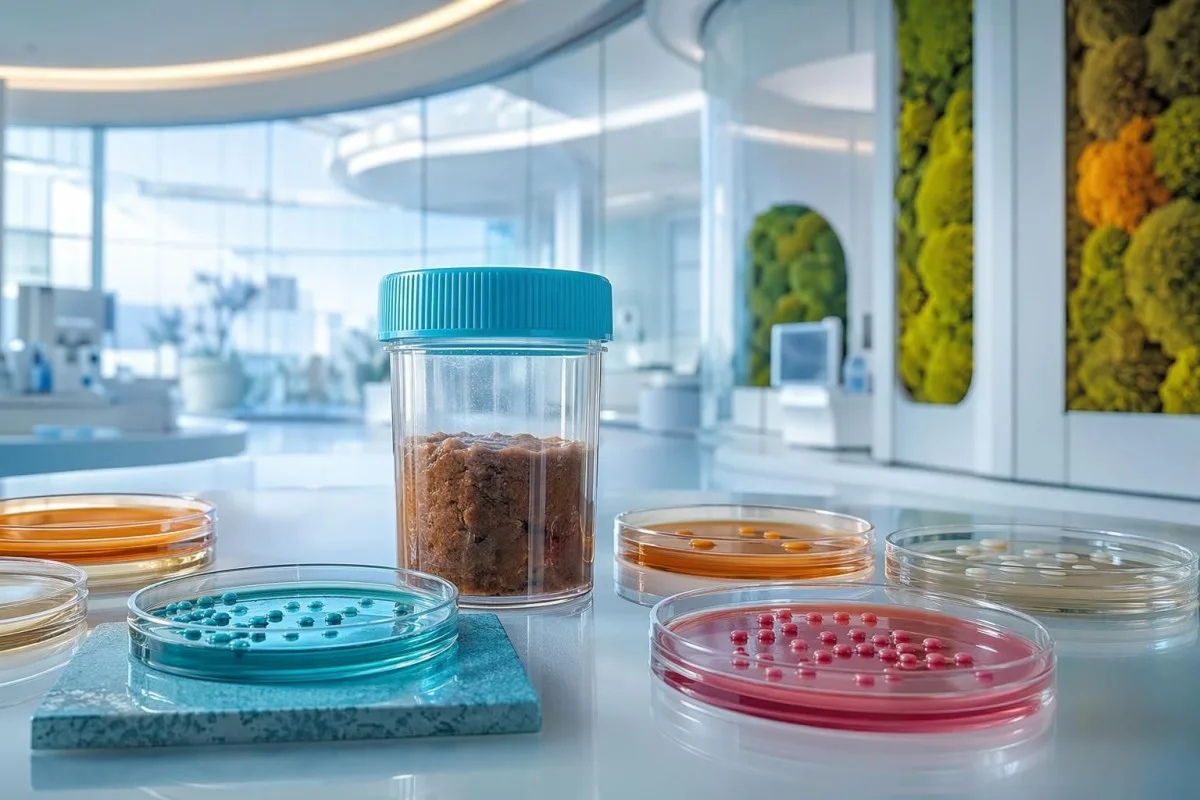
A stool report can look deceptively simple: positive, negative, or mixed flora. The clinical meaning depends on the organism, symptoms, timing, and whether blood tests show dehydration, kidney stress, or inflammation.


- Positive stool culture means a reportable enteric bacterium grew, usually Salmonella, Shigella, Campylobacter, or certain E. coli strains; urgency depends on fever, blood, dehydration, and age.
- Negative stool culture usually means no routinely screened bacterial pathogen was isolated after about 48-72 hours; it does not rule out viruses, parasites, C. difficile, or inflammatory bowel disease.
- Normal flora on stool culture results means expected intestinal bacteria grew; it is not the same as a sterile or infection-free bowel.
- Mixed growth is common in stool because the colon contains roughly 10^11 organisms per gram of stool; the key phrase is whether a pathogen was isolated.
- STEC or E. coli O157 is urgent because antibiotics and loperamide can increase hemolytic uremic syndrome risk; platelets and creatinine should be watched for 5-10 days after bloody diarrhea begins.
- Blood in stool causes include bacterial colitis, inflammatory bowel disease, ischemic colitis, hemorrhoids, fissures, diverticular bleeding, and colorectal cancer; stool culture answers only part of that list.
- Stool test for parasites is usually considered when diarrhea lasts more than 7-14 days, follows travel, affects an immunocompromised person, or comes with weight loss or eosinophilia.
- Follow-up blood tests often include CBC, creatinine, electrolytes, CRP, liver enzymes, and sometimes blood cultures when fever, low blood pressure, or confusion appears.
How to read stool culture results in the first minute
Stool culture results are read in 3 steps: look for the organism name, check whether the lab says no enteric pathogens isolated, and separate normal flora from a true pathogen. As of June 22, 2026, a negative report usually rules out only the bacteria that lab routinely cultured, not parasites, viruses, C. difficile, or inflammatory bowel disease.
I am Thomas Klein, MD, and when I review these reports with patients, I start with the exact wording. No Salmonella, Shigella, or Campylobacter isolated is very different from normal enteric flora present, and both differ from mixed growth with no pathogen.
Kantesti is an AI blood test interpretation platform that helps read CBC, kidney, electrolyte, and inflammation results beside a stool culture, because the dangerous part of diarrhea is sometimes not the organism but dehydration, kidney strain, or a falling platelet count. If you are trying to decode several lab pages at once, our guide to reading lab patterns is a useful companion.
Most routine cultures take 24-72 hours because bacteria must grow before identification and susceptibility testing can be finalized. If the report changes from preliminary to final on day 3, the final line carries more weight than the first 24-hour update.
What a positive stool culture really means
A positive stool culture means the lab grew or identified a bacterial organism considered clinically relevant, but it does not automatically mean you need antibiotics. The organism name, symptom duration, fever, blood, and immune status decide the next step.
The 2017 IDSA guideline by Shane et al. recommends stool testing for Salmonella, Shigella, Campylobacter, Yersinia, C. difficile, and Shiga toxin-producing E. coli when diarrhea comes with fever, bloody stool, severe abdominal cramping, or sepsis features. In plain terms: a positive culture in a mildly ill 28-year-old and a positive culture in a frail 78-year-old are not the same event.
Salmonella often resolves without antibiotics in 4-7 days, but treatment is more likely for infants under 3 months, adults over 50 with vascular disease, transplant patients, or anyone with severe systemic symptoms. Shigella is different; even a small inoculum can spread in households, childcare, and food work, so public health advice often matters as much as medication.
A positive Campylobacter result after 5 days of improving diarrhea may simply confirm what already happened. When fever is high or pain is severe, doctors often pair the stool result with a CBC and CRP pattern to decide whether the illness is staying local in the gut or becoming systemic.
Why a negative stool culture can still miss the cause
A negative stool culture does not mean nothing is wrong; it means no routinely cultured bacterial pathogen was found in that specimen. Norovirus, rotavirus, Giardia, Cryptosporidium, C. difficile toxin, and inflammatory bowel disease can all produce a negative routine culture.
Timing changes yield. Stool culture is most useful in the first 3-4 days of acute diarrhea and before antibiotics; after 1 or 2 antibiotic doses, some bacteria stop growing even while symptoms continue.
The ACG guideline by Riddle et al., 2016, notes that most acute diarrheal illness is self-limited and that diagnostic testing should be targeted rather than automatic. I see the opposite problem online: patients treat a negative culture as a complete clearance certificate, then miss persistent Giardia, medication colitis, or early inflammatory bowel disease.
Repeat testing makes sense when symptoms persist beyond 7 days, blood appears, fever returns, or the first sample was delayed in transport for more than a few hours. For broader thinking about when abnormal or unresolved results deserve another look, see our guide on repeating abnormal labs.
Normal flora, mixed growth, and why stool is different
Normal flora on a stool culture means expected intestinal bacteria grew, not that the sample was contaminated. Stool naturally contains dense bacterial communities, so the lab is searching for specific pathogens hiding within a crowd.
The adult colon contains roughly 10^11 bacteria per gram of stool, while a urine culture may be considered contaminated when several unrelated organisms grow. That is why mixed growth has a very different meaning in stool than in urine.
Some labs report heavy mixed enteric flora, normal fecal flora, or no predominant pathogen. In practice, all 3 phrases usually mean the same thing: the lab did not isolate a reportable bacterial cause from the routine panel.
Patients often bring me a stool report after reading about mixed urine cultures and panic. If that comparison confused you too, our article on mixed urine culture results explains why specimen site changes the interpretation.
Which bacteria on a stool culture report are urgent
The urgent stool culture bacteria are Shiga toxin-producing E. coli, Shigella, typhoidal Salmonella, Vibrio cholerae, and invasive infections with dehydration or sepsis signs. Campylobacter and non-typhoidal Salmonella can be serious too, especially in infants, older adults, pregnancy, and immunosuppression.
STEC, including E. coli O157, deserves special caution because hemolytic uremic syndrome can begin about 5-10 days after diarrhea starts. The warning triad is falling platelets, rising creatinine, and anemia after bloody diarrhea.
Vibrio is often missed unless the lab uses special media or the clinician mentions seafood, seawater exposure, or travel. Yersinia also may need a specific request, particularly after pork exposure or pseudo-appendicitis symptoms in children.
If a patient has fever above 38.5°C, low blood pressure, confusion, lactate elevation, or severe dehydration, the stool result becomes only one part of the risk picture. Our sepsis marker guide explains why lactate, white cell count, creatinine, and bicarbonate can change the urgency within hours.
Blood in stool: when culture is not enough
Blood in stool causes include infectious colitis, inflammatory bowel disease, ischemic colitis, diverticular bleeding, hemorrhoids, fissures, and colorectal cancer. A stool culture can identify some bacterial causes, but it cannot safely explain every episode of bleeding.
Bright red blood coating stool often suggests a distal source such as hemorrhoids or fissure, but red diarrhea with cramps and fever points more toward colitis. Black, tarry stool or dizziness with bleeding should be treated as urgent because hemoglobin can drop quickly.
Same-day care is sensible for bloody diarrhea with fever above 38.5°C, severe abdominal pain, fainting, pregnancy, age over 65, immune suppression, or fewer than 3 urinations in 24 hours. In clinic, I also worry when the pain is out of proportion to the exam; ischemic colitis and mesenteric ischemia can masquerade as gastroenteritis early.
A positive culture does not cancel colon cancer screening if bleeding persists after the infection clears. When the question becomes FIT testing, colonoscopy, and cancer prevention, our FIT versus colonoscopy guide explains the trade-offs.
Antibiotic susceptibility: why treatment is not automatic
Antibiotic susceptibility results show which drugs inhibited the cultured organism in the lab, but diarrhea treatment still depends on the person. Some stool pathogens are harmed by antibiotics, some are helped, and some become more dangerous if treated incorrectly.
Campylobacter resistance to fluoroquinolones is high in many regions, which is why azithromycin is often preferred for severe cases. Shigella susceptibility matters because resistance to ampicillin, trimethoprim-sulfamethoxazole, and ciprofloxacin varies widely by country and outbreak.
STEC is the classic exception. If Shiga toxin is suspected or confirmed, many clinicians avoid antibiotics and antimotility drugs because toxin release and slower clearance may increase hemolytic uremic syndrome risk.
Kantesti's neural network does not prescribe antibiotics; it contextualizes related blood markers such as WBC, neutrophils, creatinine, bicarbonate, ALT, and CRP. The clinical logic behind that workflow is described in our AI technology guide, including why safety rules matter more than a single flagged number.
When to add a stool test for parasites
A stool test for parasites is usually considered when diarrhea lasts more than 7-14 days, follows travel or unsafe water exposure, occurs in childcare outbreaks, or affects an immunocompromised person. Routine bacterial culture does not reliably diagnose Giardia, Cryptosporidium, Entamoeba histolytica, or helminths.
The old ova and parasites exam is not one magic test. Because shedding can be intermittent, clinicians may request 2-3 stool specimens collected on separate days, often across a 7-10 day window.
For Giardia and Cryptosporidium, antigen or PCR testing is often more sensitive than microscopy, especially when symptoms include foul gas, bloating, weight loss, and greasy stools. Eosinophilia on a CBC is not typical for Giardia, but it can support worm infection in the right travel or exposure history.
If your report says no ova or parasites seen, ask whether Giardia antigen, Cryptosporidium antigen, or a multiplex PCR panel was included. Our dedicated ova and parasite guide breaks down which result names matter.
C. difficile, viruses, and PCR panels versus culture
Routine stool culture usually does not diagnose C. difficile, norovirus, rotavirus, adenovirus, or most viral gastroenteritis. These require toxin assays, antigen tests, or molecular PCR panels depending on the suspected cause.
C. difficile testing should generally be done on unformed stool, especially after antibiotics, hospitalization, chemotherapy, immune suppression, or long-term acid suppression. A PCR-positive, toxin-negative result can mean colonization rather than toxin-driven disease, which is why symptoms still matter.
PCR panels can detect 10-20 or more organisms within hours, but they may identify DNA from organisms that are no longer alive. Culture is slower, yet it can provide isolates for susceptibility testing and outbreak tracking.
Do not confuse H. pylori stool antigen testing with a stool culture; it answers a stomach infection question, not acute infectious diarrhea. If that appears on your report, our H. pylori stool test article explains positive results and retest timing after treatment.
Follow-up tests when diarrhea or bleeding persists
Persistent diarrhea, mucus, or bleeding after stool culture often needs inflammation and safety tests, not just another culture. Common follow-ups include CBC, electrolytes, creatinine, CRP, ESR, fecal calprotectin, FIT, C. difficile testing, parasite testing, and sometimes colonoscopy.
Fecal calprotectin below 50 µg/g usually argues against active inflammatory bowel disease, while values above 250 µg/g are more concerning for active intestinal inflammation. NICE diagnostics guidance DG11 supports fecal calprotectin as a tool to help distinguish inflammatory bowel disease from irritable bowel syndrome in appropriate patients.
A CBC can show anemia from bleeding, neutrophilia with bacterial inflammation, or platelets rising above 450 x 10^9/L during active inflammation. Creatinine and bicarbonate tell me whether diarrhea is stressing the kidneys or causing metabolic acidosis.
Kantesti is an AI-powered blood test analysis tool that reads these blood patterns in context, rather than treating CRP, hemoglobin, and creatinine as isolated boxes. For the stool-side marker, see our fecal calprotectin guide.
Collection mistakes that change stool culture results
Stool culture accuracy depends heavily on collection timing, transport medium, refrigeration, and avoiding contamination with urine or toilet water. A good specimen collected early can be more useful than 3 late specimens after antibiotics.
If the sample sits warm for many hours, fastidious organisms may die while ordinary flora overgrow. Many labs prefer transport in Cary-Blair medium and delivery the same day, although exact rules vary by laboratory and country.
Antibiotics taken within the previous 24-72 hours can reduce bacterial growth enough to produce a falsely negative culture. Bismuth, magnesium laxatives, and recent colonoscopy prep can also change stool consistency and timing, which may affect which tests are accepted.
I ask patients to record symptom start date, fever, travel, foods, antibiotics, and collection time because those 6 details often explain a confusing report. A simple template like our lab result tracker can prevent a lot of back-and-forth.
Special rules for children, pregnancy, and older adults
Children, pregnant patients, older adults, and immunocompromised people have lower margins for dehydration and complications from bacterial diarrhea. In these groups, stool culture results should be interpreted with weight, urine output, fever, and blood tests rather than symptoms alone.
A toddler can become dehydrated after 6-8 watery stools in a day, especially with vomiting. Red flags include no tears, dry mouth, unusual sleepiness, sunken eyes, or no urine for 8 hours.
Pregnancy changes the threshold for calling because fever, dehydration, and certain infections can affect both mother and fetus. Listeria is not a standard stool culture diagnosis; fever with flu-like illness in pregnancy needs clinician-led assessment, often including blood cultures.
In adults over 65, I watch creatinine, sodium, potassium, and bicarbonate closely because dehydration can destabilize kidney function and heart rhythm within 24-48 hours. Parents can also compare age-specific lab differences in our pediatric ranges guide.
How blood tests change the next step after stool culture
Blood tests help decide whether a stool culture result is clinically mild, moderate, or urgent. A positive stool culture with normal creatinine, stable hemoglobin, and mild CRP is usually different from the same organism with kidney injury, anemia, acidosis, or very high inflammation.
A WBC count above 15 x 10^9/L, CRP above 100 mg/L, bicarbonate below 18 mmol/L, or creatinine rising more than 26 µmol/L within 48 hours changes my tone quickly. The stool name matters, but physiology tells us how much reserve the patient has left.
Kantesti reads uploaded CBC, CMP, renal, liver, iron, and inflammation panels in about 60 seconds, then shows patterns that may deserve clinician review. If you already have recent blood results alongside your stool report, you can try a free upload rather than guessing from isolated flags.
Kantesti is an AI lab test interpretation service used by people in 127+ countries, and our doctors still emphasize that stool microbiology must be matched to symptoms. For a broader view of what blood tests can and cannot say about digestion, see gut health blood tests.
Kantesti research, medical review, and safe next steps
The safest next step after confusing stool culture results is to combine the report wording with symptoms, exposure history, and objective blood markers. Kantesti is an AI biomarker interpretation platform built to make that combined reading faster while keeping clinician review and patient safety at the center.
Our work is described by our organization and reviewed with input from our medical advisory board, because diarrheal illness is one of those areas where a single test can mislead. Thomas Klein, MD, reviews Kantesti medical content with the practical question I use in clinic: what would make this result dangerous in the next 24 hours?
Kantesti Clinical Research Group. (2026). Women's Health Guide: Ovulation, Menopause & Hormonal Symptoms. Figshare. DOI: https://doi.org/10.6084/m9.figshare.31830721. ResearchGate link: ResearchGate. Academia.edu link: Academia.edu.
Kantesti Clinical Research Group. (2026). Multilingual AI Assisted Clinical Decision Support for Early Hantavirus Triage: Design, Engineering Validation, and Real-World Deployment Across 50,000 Interpreted Blood Test Reports. Figshare. DOI: https://doi.org/10.6084/m9.figshare.32230290. ResearchGate link: ResearchGate publication profile. Academia.edu link: Academia.edu research profile.
For technical standards, our clinical validation page explains how Kantesti tests model behavior against medically reviewed cases. If your main symptom is diarrhea with stool changes rather than a culture report, the deeper digestive symptoms guide may help you prepare better questions for your clinician.
Frequently Asked Questions
What does normal flora mean on stool culture results?
Normal flora on stool culture results means expected intestinal bacteria grew and no routine bacterial pathogen was isolated. The colon contains roughly 10^11 bacteria per gram of stool, so growth itself is normal. The clinically useful question is whether the lab found Salmonella, Shigella, Campylobacter, STEC, Vibrio, Yersinia, or another named pathogen. Normal flora does not rule out viruses, parasites, C. difficile, or inflammatory bowel disease.
Can stool culture results be negative even if I still have an infection?
Yes, stool culture results can be negative even when symptoms are caused by something infectious. Routine culture often misses viruses, Giardia, Cryptosporidium, C. difficile toxin disease, and bacteria affected by recent antibiotics. Culture yield is usually best in the first 3-4 days of diarrhea and before antibiotics. Persistent diarrhea beyond 7-14 days often needs parasite testing, C. difficile testing, or PCR rather than another routine culture alone.
Which positive stool culture results are urgent?
Positive stool culture results are urgent when they show Shiga toxin-producing E. coli, E. coli O157, typhoidal Salmonella, Vibrio cholerae, or Shigella with severe symptoms. Any positive result becomes more urgent with bloody diarrhea, fever above 38.5°C, fainting, confusion, severe abdominal pain, pregnancy, age over 65, or very low urine output. STEC needs special caution because kidney and platelet complications can appear 5-10 days after diarrhea begins. Same-day medical advice is appropriate if any of those features are present.
Do I need antibiotics for a positive stool culture?
Not always; many positive stool culture results do not require antibiotics. Non-typhoidal Salmonella and Campylobacter often improve with fluids and time, while Shigella is more often treated because it spreads easily. STEC is usually managed without antibiotics or loperamide because of hemolytic uremic syndrome concerns. Antibiotic decisions depend on the organism, severity, immune status, age, pregnancy, and local resistance patterns.
When should I ask for a stool test for parasites?
A stool test for parasites is reasonable when diarrhea lasts more than 7-14 days, follows travel, occurs after untreated water exposure, causes weight loss, or affects an immunocompromised person. Ova and parasite microscopy may need 2-3 specimens collected on different days because parasite shedding can be intermittent. Giardia and Cryptosporidium are often better detected by antigen or PCR tests than by routine microscopy. A negative bacterial stool culture does not rule out parasites.
What blood tests are useful after bloody diarrhea?
Useful blood tests after bloody diarrhea often include CBC, platelet count, creatinine, electrolytes, bicarbonate, CRP, and sometimes liver enzymes or blood cultures. Platelets falling below 150 x 10^9/L with rising creatinine after suspected STEC can signal hemolytic uremic syndrome. Hemoglobin helps assess bleeding severity, while creatinine and bicarbonate show dehydration and kidney stress. These blood tests can change urgency even when stool culture results are still pending.
How long do stool culture results take?
Most stool culture results take about 24-72 hours, depending on the organism, lab workflow, and whether susceptibility testing is needed. A preliminary result at 24 hours may change before the final report. Some organisms, such as Vibrio or Yersinia, may require special media or a specific request, which can add time. PCR panels can return faster, sometimes the same day, but they do not always provide antibiotic susceptibility.
Can I return to work or school while I have diarrhea or am waiting for a stool culture?
Stay home while you have active diarrhea, especially if you handle food, work in health care, or attend childcare. Return rules may be stricter for Salmonella, Shigella, STEC, or certain jobs, so ask your clinician or local public-health department before returning.
Should family members be tested if my stool culture is positive?
Most symptom-free household members do not need testing. Testing may be advised for people with diarrhea, during an outbreak, or for those who work with food, patients, or young children, depending on local public-health guidance.
Get AI-Powered Blood Test Analysis Today
Join over 2 million users worldwide who trust Kantesti for instant, accurate lab test analysis. Upload your blood test results and receive comprehensive interpretation of 15,000+ biomarkers in seconds.
📚 Referenced Research Publications
Klein, T., Mitchell, S., & Weber, H. (2026). Women's Health Guide: Ovulation, Menopause & Hormonal Symptoms. Kantesti AI Medical Research.
Klein, T., Mitchell, S., & Weber, H. (2026). Multilingual AI Assisted Clinical Decision Support for Early Hantavirus Triage: Design, Engineering Validation, and Real-World Deployment Across 50,000 Interpreted Blood Test Reports. Kantesti AI Medical Research.
📖 External Medical References
National Institute for Health and Care Excellence (2013). Faecal calprotectin diagnostic tests for inflammatory diseases of the bowel. NICE Diagnostics Guidance DG11.
⚕️ Medical Disclaimer
This article is for educational purposes only and does not constitute medical advice. Always consult a qualified healthcare provider for diagnosis and treatment decisions.
E-E-A-T Trust Signals
Experience
Physician-led clinical review of lab interpretation workflows.
Expertise
Laboratory medicine focus on how biomarkers behave in clinical context.
Authoritativeness
Written by Dr. Thomas Klein with review by Dr. Sarah Mitchell and Prof. Dr. Hans Weber.
Trustworthiness
Evidence-based interpretation with clear follow-up pathways to reduce alarm.