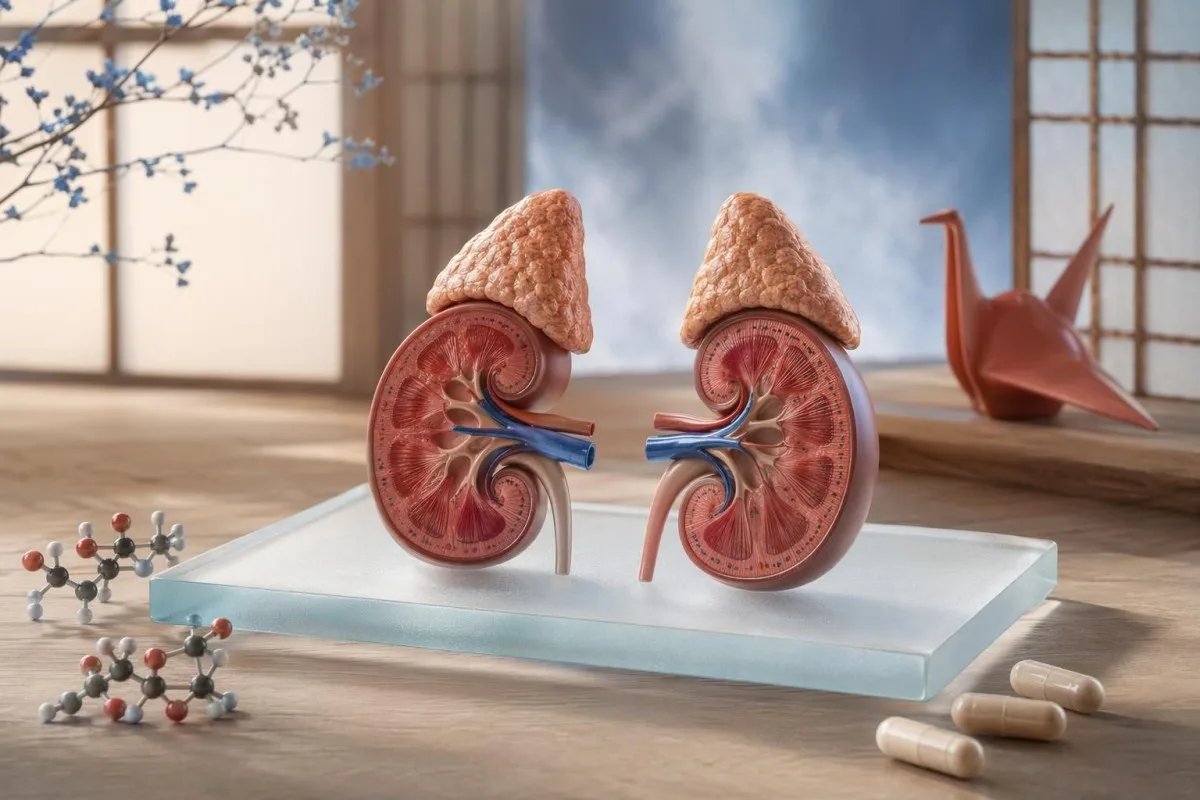
A physician-led, lab-first look at adrenal support supplements, cortisol testing, electrolytes, sleep rhythm, and medication safety. The goal is not to dismiss fatigue; it is to stop guesswork from hiding treatable disease.


- Adrenal fatigue is not a formal endocrine diagnosis as of May 26, 2026, but fatigue with abnormal sleep, stress, glucose, thyroid, iron, or medication patterns is measurable.
- Morning cortisol is usually checked around 8–9 a.m.; values below 3–5 µg/dL can suggest adrenal insufficiency, while values above 15–18 µg/dL often make it less likely.
- Sodium and potassium matter before adrenal support supplements; sodium is typically 135–145 mmol/L and potassium is usually 3.5–5.0 mmol/L in adults.
- Licorice root can raise blood pressure and lower potassium, especially above about 100 mg/day of glycyrrhizin or when combined with diuretics.
- DHEA supplements can change acne, hair growth, mood, PSA, menstrual patterns, and hormone labs; do not use them blindly if you have hormone-sensitive cancer risk.
- Ashwagandha has modest stress and cortisol evidence in small trials, but rare liver injury and thyroid stimulation reports make baseline labs sensible.
- Best supplements for fatigue are often not adrenal-specific: iron, B12, vitamin D, magnesium, and protein help only when history and labs support a deficiency.
- Cortisol supplements marketed online may mean harmless blends, glandular extracts, or steroid-like products; prescription hydrocortisone should never be self-started.
- Retesting after starting any supplement is usually reasonable at 6–8 weeks for electrolytes, liver enzymes, thyroid markers, glucose, and the symptom you are trying to improve.
Should you take supplements for adrenal fatigue?
Supplements for adrenal fatigue should not be used to treat true adrenal disease; the safer first step is to check morning cortisol, electrolytes, glucose, CBC, thyroid, iron, B12, and medication effects. As of May 26, 2026, adrenal fatigue is not a formal endocrine diagnosis, but fatigue with disturbed cortisol rhythm is real and measurable. In practice, I consider magnesium, vitamin D, B12, iron, and occasionally ashwagandha only when labs, sleep pattern, and medication history fit.
I’m Thomas Klein, MD, and the pattern I see most often is not “burned-out adrenals”; it is a tired patient with 5–6 hours of sleep, ferritin below 30 ng/mL, borderline TSH, high caffeine use, or a medication that shifts cortisol physiology. A practical starting point is our fatigue lab checklist, because it catches the boring causes that actually respond.
Kantesti is an AI blood test interpretation platform that reads cortisol-adjacent patterns in context: sodium, potassium, glucose, eosinophils, liver enzymes, thyroid results, iron status, B12, vitamin D, and medication flags. A single “normal” cortisol does not prove you are well, and a single “low-normal” cortisol does not prove adrenal failure.
Here is the thing patients rarely hear in supplement advertising: real adrenal insufficiency can be dangerous, but most tired people do not have it. The clinical job is to separate a low-risk fatigue pattern from red flags such as unexplained weight loss, salt craving, low blood pressure, recurrent vomiting, sodium below 130 mmol/L, or potassium above 5.5 mmol/L.
How is adrenal fatigue different from adrenal insufficiency?
Adrenal fatigue is a popular wellness term, while adrenal insufficiency is a diagnosable endocrine disorder with defined cortisol and ACTH testing. The Endocrine Society guideline by Bornstein et al. recommends biochemical confirmation when primary adrenal insufficiency is suspected, usually with morning cortisol, ACTH, and cosyntropin stimulation testing (Bornstein et al., 2016).
Primary adrenal insufficiency classically causes low cortisol with high ACTH, and many patients also develop low aldosterone physiology. Adult sodium below 135 mmol/L plus potassium above 5.0 mmol/L is not diagnostic by itself, but it raises the stakes far beyond a supplement conversation.
Secondary adrenal insufficiency, often from pituitary disease or steroid exposure, can show low cortisol with low or inappropriately normal ACTH. I worry about it after repeated steroid injections, long courses of prednisone, high-dose inhaled steroids, or abrupt withdrawal from steroid creams used over large areas.
Kantesti’s clinical standards are reviewed against physician-built safety rules, and our approach is described in our clinical standards. The key distinction is simple: fatigue language may be vague, but cortisol, ACTH, sodium, potassium, glucose, and eosinophils are measurable.
Which cortisol tests are safest before adrenal support supplements?
The safest cortisol test before adrenal support supplements is usually an 8–9 a.m. serum cortisol interpreted with symptoms, ACTH, electrolytes, and recent steroid exposure. A morning cortisol below 3–5 µg/dL can suggest adrenal insufficiency, while a value above 15–18 µg/dL often makes clinically significant adrenal insufficiency less likely.
Cortisol has a steep daily rhythm: it peaks shortly after waking and usually falls to very low levels near midnight. If your sample was taken at 2 p.m., compare it with afternoon reference ranges, not morning cutoffs; our morning cortisol timing guide explains why the hour matters.
Late-night salivary cortisol is mainly used to screen for cortisol excess, not to prove adrenal fatigue. The Endocrine Society Cushing guideline recommends late-night salivary cortisol, 24-hour urinary free cortisol, or 1 mg overnight dexamethasone suppression as first-line screening tests when Cushing syndrome is suspected (Nieman et al., 2008).
Cosyntropin stimulation testing is the usual confirmatory test when adrenal insufficiency remains possible after screening. Many laboratories consider a stimulated cortisol around 18 µg/dL or higher reassuring, although newer assays can use lower cutoffs because modern immunoassays and LC-MS/MS read cortisol differently.
What electrolytes and CBC clues matter before buying adrenal supplements?
Sodium, potassium, glucose, CO2, eosinophils, and white cell patterns matter because cortisol and aldosterone affect fluid balance, vascular tone, and immune cell distribution. Adult sodium is typically 135–145 mmol/L, and adult potassium is usually 3.5–5.0 mmol/L.
Low sodium can come from many causes: diuretics, vomiting, kidney disease, heart failure, SIADH, endurance exercise, or adrenal insufficiency. The reason clinicians care about sodium plus potassium together is that low aldosterone physiology tends to push sodium down and potassium up; see our electrolyte patterns explainer if your CMP looks confusing.
A fasting glucose below 70 mg/dL is not proof of adrenal disease, but recurrent low glucose with weight loss, nausea, and low morning cortisol deserves prompt review. Cortisol supports gluconeogenesis, so low cortisol can make prolonged fasting and illness harder to tolerate.
CBC clues are subtle. Very low eosinophils, for example below 0.05 x 10^9/L, can appear after steroid exposure or acute physiological stress, while unexpectedly high eosinophils can occur in some adrenal insufficiency patterns; our low eosinophil guide covers that trap.
Which common fatigue causes look like adrenal problems?
Iron deficiency, hypothyroidism, B12 deficiency, vitamin D deficiency, sleep apnea, depression, overtraining, alcohol use, and insulin resistance can all feel like “adrenal fatigue.” The best supplements for fatigue are often deficiency corrections, not adrenal-specific products.
Ferritin below 30 ng/mL can produce fatigue, restless legs, hair shedding, and exercise intolerance before hemoglobin becomes low. If ferritin is the issue, our low ferritin guide is more useful than an adrenal blend.
TSH above the lab range with low free T4 suggests hypothyroidism, but a normal TSH does not automatically explain every symptom. In clinic, I pause when TSH, ferritin, B12, and vitamin D are all borderline at once; none is dramatic, but together they can flatten a person.
Vitamin B12 below 200 pg/mL is commonly treated as deficient, and many clinicians investigate 200–350 pg/mL when nerve symptoms or macrocytosis are present. Vitamin D below 20 ng/mL is widely considered deficient, though symptom improvement after repletion is variable and honestly less predictable than supplement adverts imply.
Which adrenal support supplements are lower risk?
Lower-risk adrenal support supplements are usually nutrients that correct documented gaps: magnesium, vitamin D, B12, iron, protein, and sometimes vitamin C. They support energy metabolism and sleep quality, but they do not “repair” adrenal glands in a proven medical sense.
Magnesium glycinate at 100–200 mg elemental magnesium in the evening can help some patients with sleep onset, cramps, or migraine tendency. Serum magnesium is usually around 0.75–0.95 mmol/L, but it can look normal despite low intake; our magnesium form guide compares common options.
Vitamin D3 dosing is usually guided by 25-OH vitamin D: a result below 20 ng/mL often needs repletion, while levels above 100 ng/mL raise toxicity concern, particularly with high calcium. I dislike blind high-dose vitamin D because calcium, kidney function, and parathyroid physiology can be pulled into the mess.
Kantesti AI interprets supplement-related labs by linking nutrient levels with CBC, kidney function, liver enzymes, glucose, and thyroid markers rather than ranking products by popularity. For patients already taking multiple capsules, our biomarker guide helps identify which results actually monitor safety.
Does ashwagandha lower cortisol safely?
Ashwagandha may modestly lower perceived stress and cortisol in some adults, but the evidence is mixed and safety depends on thyroid, liver, pregnancy status, autoimmune disease, and medication history. A randomized trial by Lopresti et al. reported stress reduction and cortisol changes with ashwagandha extract over 8 weeks, but it was not a trial of adrenal insufficiency treatment (Lopresti et al., 2019).
Typical commercial ashwagandha doses range from 300–600 mg/day of standardized root extract, but standardization varies widely. I avoid it in pregnancy, active hyperthyroidism, unexplained abnormal liver enzymes, and patients with prior supplement-related liver injury; our ashwagandha safety review goes deeper.
Rhodiola is usually taken at 100–400 mg/day, often earlier in the day because it can feel stimulating. The evidence for fatigue is thinner than the marketing, and I have seen anxious patients sleep worse after adding it at 4 p.m.
Kantesti is an AI biomarker interpretation platform that can flag whether an adaptogen trial coincides with rising ALT, falling TSH, changing glucose, or drifting sleep-related markers. That does not prove causality, but it gives you a safer stop-or-continue signal than mood alone.
Which cortisol supplements and glandular products are risky?
High-risk cortisol supplements include licorice root, DHEA, pregnenolone, adrenal glandular extracts, and any product implying steroid-like cortisol support. These products can alter potassium, blood pressure, hormones, acne, mood, liver enzymes, and prescription steroid testing.
Licorice root can inhibit 11β-hydroxysteroid dehydrogenase type 2, making cortisol act more like aldosterone at the kidney. The result can be high blood pressure, swelling, low potassium, and metabolic alkalosis; if you take diuretics or blood pressure drugs, read our supplement timing guide before experimenting.
DHEA is not a vitamin. DHEA-S reference ranges vary sharply by age and sex, and a dose as low as 25 mg/day can change acne, hair growth, menstrual bleeding, irritability, HDL cholesterol, and prostate monitoring labs.
Adrenal glandular products worry me most because quality and contents vary. If a product contains undeclared steroid activity, it can suppress your own hypothalamic-pituitary-adrenal axis, making later cortisol tests misleading and withdrawal potentially unpleasant.
How do sleep and caffeine change cortisol safety?
Sleep timing, night shifts, alcohol, and caffeine can change cortisol rhythm enough to confuse supplement decisions. A person sleeping 2 a.m. to 10 a.m. should not interpret an 8 a.m. cortisol the same way as someone who sleeps 10 p.m. to 6 a.m.
The cortisol awakening response normally rises within about 30–45 minutes after waking. Testing too soon after a night shift, illness, transcontinental travel, or a 3-hour sleep night can create a result that looks more endocrine than it really is.
Caffeine is not evil, but 300–400 mg/day after midday can worsen sleep continuity and then be blamed on adrenals the next morning. If insomnia is part of your fatigue pattern, our insomnia lab clues piece is a better starting point than a stimulant adaptogen.
A practical clinical test is boring but revealing: keep wake time within 60 minutes for 10–14 days, stop caffeine after 10 a.m., and track resting heart rate, sleep duration, and morning symptoms. If fatigue improves by 30–50%, the adrenal supplement was probably not the main treatment.
Which medications make adrenal supplements unsafe?
Adrenal supplements become riskier with steroids, thyroid medication, blood pressure drugs, diuretics, diabetes medication, anticoagulants, sedatives, antidepressants, and hormone therapies. The main danger is not a single ingredient; it is a supplement changing a lab result or drug effect you rely on.
Prednisone, hydrocortisone, methylprednisolone, dexamethasone, steroid injections, inhaled steroids, and potent topical steroids can suppress ACTH and endogenous cortisol. If you have used steroids for more than 2–3 weeks, abrupt stopping can be unsafe; our medication monitoring timelines explain retest intervals.
Licorice plus thiazide or loop diuretics is a classic setup for low potassium. Potassium below 3.0 mmol/L can trigger weakness, palpitations, and dangerous rhythm problems, especially in patients taking digoxin or with known heart disease.
Ashwagandha may add sedation with sleep medications and may complicate thyroid treatment if TSH is already low. DHEA can interfere with hormone-sensitive conditions, fertility treatment, acne therapy, PSA monitoring, and some psychiatric symptoms; I usually want baseline labs before a patient starts it.
When should labs be repeated after starting a supplement?
Most supplement safety labs should be repeated after 6–8 weeks, unless symptoms or baseline abnormalities require earlier testing. Electrolytes, liver enzymes, kidney function, thyroid markers, glucose, CBC, and the deficient nutrient are the usual follow-up set.
If you start magnesium, B12, vitamin D, or iron, the target lab determines timing. Ferritin often moves meaningfully over 8–12 weeks, B12 can rise within days to weeks, and 25-OH vitamin D is commonly rechecked after about 8–12 weeks of a stable dose.
If you start ashwagandha, DHEA, licorice, pregnenolone, or glandular products, I prefer earlier safety checks when risk is higher: CMP and blood pressure in 2–4 weeks for licorice, and liver enzymes plus thyroid markers at 4–8 weeks for ashwagandha. Our trend analysis article shows why a “normal but moving” result can still matter.
Kantesti is an AI lab test interpretation service that compares repeat panels against your own prior baseline, not only the lab’s population reference interval. That matters when sodium drifts from 141 to 134 mmol/L or ALT doubles from 18 to 36 IU/L while still sitting inside a broad reference range.
What symptoms mean you should not self-treat?
Do not self-treat with adrenal support supplements if you have fainting, severe weakness, vomiting, dehydration, confusion, very low blood pressure, sodium below 130 mmol/L, potassium above 5.5 mmol/L, or rapid unexplained weight loss. These patterns can signal adrenal crisis, severe electrolyte disturbance, infection, bleeding, or another urgent illness.
Adrenal crisis is uncommon, but missing it is dangerous. Classic clues include abdominal pain, vomiting, profound weakness, low blood pressure, fever, confusion, and sometimes glucose below 70 mg/dL in a vulnerable patient.
Low blood pressure is not automatically adrenal disease; athletes, small adults, dehydration, autonomic dysfunction, and medications can all lower readings. Still, repeated readings below 90/60 mmHg with dizziness deserve a real evaluation, and our low blood pressure labs guide lists the first checks.
Cushing-type red flags point the other direction: easy bruising, proximal muscle weakness, new diabetes, purple stretch marks, severe hypertension, or osteoporosis at a young age. In that pattern, cortisol-lowering supplements are not a diagnostic plan; formal cortisol excess screening is.
How can Kantesti help make supplement decisions safer?
Kantesti can help by reading adrenal-related labs as a pattern: cortisol timing, electrolytes, glucose, CBC differential, thyroid, iron, B12, vitamin D, kidney function, liver enzymes, and medication context. It does not diagnose adrenal fatigue; it helps identify what is measurable and what needs clinician review.
Kantesti is an AI-powered blood test analysis tool used by people who upload PDFs or photos of lab reports and want plain-language interpretation in about 60 seconds. If you are comparing several panels before and after supplements, the PDF upload workflow keeps units, dates, and reference ranges from getting mixed up.
Our platform can flag combinations a patient may miss: low-normal sodium with rising potassium, low eosinophils after steroid exposure, high ALT after a new herbal product, or low ferritin hiding behind a normal hemoglobin. It also handles international units, which matters when cortisol appears as nmol/L in one country and µg/dL in another.
The AI engine is validated against physician-designed benchmark cases, including trap cases where a single abnormal value should not trigger a dramatic interpretation. Technical details are described in the clinical validation benchmark and in our published validation work on the 2.78T engine (figshare DOI).
What research and medical review support this advice?
This advice is based on endocrine guideline logic, supplement safety surveillance, and physician review of lab patterns rather than the claim that adrenal fatigue is a proven diagnosis. At Kantesti, our medical content is reviewed against clinical standards by physicians and advisors listed on our Medical Advisory Board.
I, Thomas Klein, MD, approach adrenal-support claims the same way I approach any fatigue case: first rule out dangerous endocrine disease, then check common reversible causes, then test the smallest reasonable intervention. That is less exciting than a miracle capsule, but it prevents avoidable harm.
Klein, T., & Kantesti Clinical AI Research Group. (2026). aPTT Normal Range: D-Dimer, Protein C Blood Clotting Guide. Zenodo. DOI: 10.5281/zenodo.18262555. ResearchGate: Kantesti research profile. Academia.edu: Kantesti publication archive. This coagulation reference is relevant because bruising, steroid exposure, liver function, and supplement interactions can overlap in real fatigue workups.
Klein, T., & Kantesti Clinical AI Research Group. (2026). Serum Proteins Guide: Globulins, Albumin & A/G Ratio Blood Test. Zenodo. DOI: 10.5281/zenodo.18316300. ResearchGate: Kantesti research profile. Academia.edu: Kantesti publication archive. Serum protein patterns can change how clinicians interpret inflammation, nutrition status, liver function, and chronic illness behind fatigue.
Kantesti LTD is described on our About Us page, including our clinical mission, privacy posture, and international scope. A supplement plan should never replace care for abnormal cortisol, abnormal electrolytes, pregnancy-related symptoms, severe mood change, chest pain, fainting, or persistent vomiting.
Frequently Asked Questions
What are the best supplements for adrenal fatigue?
The best supplements for adrenal fatigue are usually not adrenal-specific; they are nutrients matched to a documented gap, such as iron when ferritin is below 30 ng/mL, B12 when levels are below 200 pg/mL, vitamin D when 25-OH vitamin D is below 20 ng/mL, or magnesium when intake is low and kidney function is normal. Ashwagandha may help stress in some adults, but it should be avoided in pregnancy, active thyroid overactivity, and unexplained liver enzyme elevation. No supplement has proven that it cures true adrenal insufficiency.
Is adrenal fatigue a real medical diagnosis?
Adrenal fatigue is not a formal medical diagnosis as of May 26, 2026, but the symptoms people describe are often real and deserve evaluation. True adrenal insufficiency is diagnosed with measurable abnormalities such as low morning cortisol, abnormal ACTH response, low sodium, high potassium, low glucose, or failed cosyntropin stimulation testing. Many patients labelled with adrenal fatigue actually have sleep loss, iron deficiency, thyroid disease, B12 deficiency, depression, medication effects, or overtraining.
What cortisol level is too low in the morning?
An 8–9 a.m. serum cortisol below about 3–5 µg/dL can suggest adrenal insufficiency, especially when symptoms, ACTH, sodium, potassium, or steroid exposure fit the picture. A morning cortisol above about 15–18 µg/dL often makes significant adrenal insufficiency less likely, although assay differences matter. Results between 5 and 15 µg/dL are a grey zone and may need ACTH and cosyntropin stimulation testing.
Can ashwagandha lower cortisol too much?
Ashwagandha can lower perceived stress and may reduce cortisol modestly in some studies, but clinically dangerous low cortisol from ashwagandha alone appears uncommon. The more practical risks are liver enzyme elevation, thyroid stimulation, sedation, gastrointestinal upset, and interactions with other medicines or supplements. If you use 300–600 mg/day of standardized extract, consider checking ALT, AST, TSH, free T4, and symptoms after 4–8 weeks.
Are adrenal glandular supplements safe?
Adrenal glandular supplements are higher risk than basic nutrients because product quality and active contents can vary. If a product has steroid-like activity, it may suppress ACTH and your own cortisol production, making later cortisol testing difficult to interpret. I generally advise avoiding adrenal glandulars unless a qualified clinician is supervising the reason, dose, and follow-up labs.
Can licorice root help low cortisol?
Licorice root does not create more cortisol; it can make cortisol act more strongly at kidney mineralocorticoid receptors by inhibiting 11β-HSD2. This can raise blood pressure, lower potassium, and cause swelling, particularly with diuretics, heart disease, kidney disease, or high intake of glycyrrhizin. Potassium below 3.5 mmol/L after licorice use should prompt stopping it and contacting a clinician.
What labs should I check before adrenal support supplements?
Before adrenal support supplements, check an 8–9 a.m. cortisol when clinically appropriate, plus sodium, potassium, CO2, glucose, creatinine/eGFR, ALT, AST, CBC with differential, TSH, free T4, ferritin, B12, and 25-OH vitamin D. Add ACTH or cosyntropin stimulation testing if adrenal insufficiency is suspected. Repeat safety labs in 6–8 weeks for most supplements, sooner for licorice, DHEA, glandular products, or abnormal baseline results.
Can inhaled, injected, or steroid skin creams affect my cortisol test?
Yes. Oral steroids are most likely to affect testing, but high-dose inhaled steroids, repeated joint injections, and some potent skin preparations can also suppress cortisol production. Do not stop prescribed steroids suddenly; tell the clinician and laboratory what you use and when your last dose was.
How should I prepare for cortisol testing if I work night shifts?
Tell your clinician and laboratory about your usual sleep schedule before booking the test. Cortisol follows circadian timing and wakefulness, so an 8 a.m. sample after an overnight shift may require individualized timing and interpretation.
Do I need to fast before an 8 a.m. cortisol blood test?
Usually no, but follow the lab’s instructions, especially if glucose, lipids, or other fasting tests are ordered at the same visit. Aim for the planned 8–9 a.m. draw, and avoid unusually heavy exercise that morning unless your clinician says otherwise.
Get AI-Powered Blood Test Analysis Today
Join over 2 million users worldwide who trust Kantesti for instant, accurate lab test analysis. Upload your blood test results and receive comprehensive interpretation of 15,000+ biomarkers in seconds.
📚 Referenced Research Publications
Klein, T., Mitchell, S., & Weber, H. (2026). aPTT Normal Range: D-Dimer, Protein C Blood Clotting Guide. Kantesti AI Medical Research.
Klein, T., Mitchell, S., & Weber, H. (2026). Serum Proteins Guide: Globulins, Albumin & A/G Ratio Blood Test. Kantesti AI Medical Research.
📖 External Medical References
⚕️ Medical Disclaimer
This article is for educational purposes only and does not constitute medical advice. Always consult a qualified healthcare provider for diagnosis and treatment decisions.
E-E-A-T Trust Signals
Experience
Physician-led clinical review of lab interpretation workflows.
Expertise
Laboratory medicine focus on how biomarkers behave in clinical context.
Authoritativeness
Written by Dr. Thomas Klein with review by Dr. Sarah Mitchell and Prof. Dr. Hans Weber.
Trustworthiness
Evidence-based interpretation with clear follow-up pathways to reduce alarm.