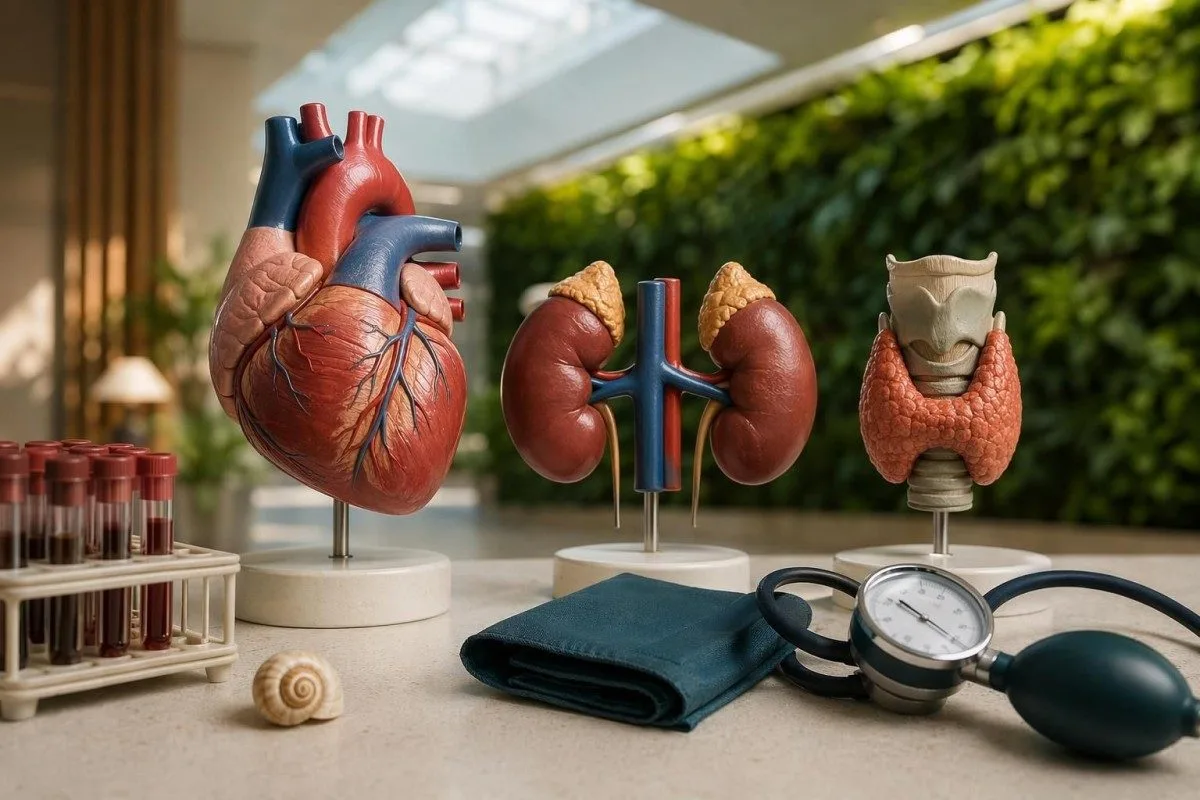
Blood pressure is measured with a cuff, not diagnosed from a lab report. The useful question is whether your blood work shows a treatable reason your pressure keeps dropping.


- Blood pressure itself is measured with a cuff; a blood test for low blood pressure looks for causes such as anemia, dehydration, endocrine disease, infection, or hypoglycemia.
- Orthostatic hypotension is usually defined as a systolic drop of at least 20 mmHg or diastolic drop of at least 10 mmHg within 3 minutes of standing.
- Hemoglobin below 12.0 g/dL in adult women or 13.0 g/dL in adult men can point to anemia as a contributor to dizziness and low pressure.
- BUN/creatinine ratio above about 20:1, especially with high albumin or hematocrit, often suggests reduced circulating volume from dehydration or fluid loss.
- Sodium below 130 mmol/L or potassium below 3.0 mmol/L can cause weakness, dizziness, palpitations, and sometimes dangerous rhythm changes.
- Glucose below 70 mg/dL is hypoglycemia; below 54 mg/dL is clinically significant and can mimic or worsen low blood pressure symptoms.
- Morning cortisol below 3 µg/dL strongly raises concern for adrenal insufficiency, while values above 15–18 µg/dL usually make it less likely.
- Inflammation markers such as very high CRP, high procalcitonin, or lactate above 2 mmol/L can suggest infection or poor tissue perfusion when low BP is acute.
What low blood pressure blood work can and cannot show
A blood test for low blood pressure does not diagnose the pressure reading itself; a cuff and symptom history do that. Blood work can find treatable causes: anemia, dehydration, electrolyte disturbance, thyroid disease, adrenal insufficiency, infection, kidney or liver dysfunction, and low glucose. For pattern-based interpretation, blood test for low blood pressure results can be reviewed alongside trends, medications, and symptoms.
Hypotension is often considered a clinic reading below 90/60 mmHg, but I worry more about the story: fainting, chest pain, confusion, new shortness of breath, or a fall. Freeman et al. defined orthostatic hypotension as a systolic fall of at least 20 mmHg or diastolic fall of at least 10 mmHg within 3 minutes of standing (Freeman et al., 2011).
The thing is, some patients run 88/56 mmHg for years and feel completely fine. Others feel awful at 106/68 mmHg because their usual pressure is 135/80 mmHg, they lost volume overnight, or their pulse cannot compensate.
When I review blood tests for dizziness and low blood pressure, I first separate sudden low pressure from recurrent low-normal readings. Sudden low BP with fever, black stools, pregnancy symptoms, chest pain, or severe dehydration belongs in urgent care; slow recurrent episodes often need a careful lab pattern and medication review.
Readers often compare their numbers with a generic range, but your baseline matters more. If you are new to home measurements, our guide to normal blood pressure ranges explains why one isolated reading is rarely the whole diagnosis.
CBC patterns that point to anemia, bleeding, or infection
A complete blood count is usually the first low blood pressure blood work panel because it can reveal anemia, fluid concentration, and infection clues in one report. Hemoglobin below 12.0 g/dL in adult women or 13.0 g/dL in adult men can reduce oxygen delivery enough to cause dizziness, exertional breathlessness, and near-fainting.
A hemoglobin of 9.8 g/dL in a 64-year-old with new low BP means something different from a lifelong 11.6 g/dL in a menstruating 28-year-old. In my clinics, the dangerous clue is often the drop: 14.2 to 10.8 g/dL over 4 months deserves follow-up even if the lab flag looks only moderately abnormal.
White blood cell patterns matter too. A WBC above 12.0 x 10^9/L with neutrophil predominance, bands, fever, and low BP can fit an acute bacterial process; a normal WBC does not rule out serious infection in older adults or immunosuppressed patients.
Platelets can add context. A platelet count below 50 x 10^9/L raises bleeding risk, while platelets above 450 x 10^9/L may accompany iron deficiency or inflammation; the same CBC result can mean very different things depending on ferritin, CRP, and symptoms.
If your CBC is flagged, do not read hemoglobin alone. Our deeper guide to anemia blood test patterns shows how MCV, RDW, reticulocytes, ferritin, and B12 narrow the cause.
Iron, B12, folate, and reticulocyte clues behind low BP symptoms
Iron studies, B12, folate, and reticulocyte count help explain why anemia is present and whether the marrow is responding. Ferritin below 30 ng/mL often supports iron deficiency, while transferrin saturation below 20% means too little circulating iron is available for red cell production.
I see missed iron deficiency most often when hemoglobin is still normal. A 37-year-old runner with ferritin 11 ng/mL, heavy periods, and standing dizziness may have a normal CBC today but very little reserve for training, pregnancy, or illness.
Vitamin B12 below 200 pg/mL is usually deficient, but values from 200–350 pg/mL are a grey zone where methylmalonic acid or homocysteine may help. This is one of those areas where context matters more than the number, especially in vegans, metformin users, and people after bariatric surgery.
The reticulocyte count tells me whether the marrow is trying. A low reticulocyte response with anemia suggests underproduction; a high response can mean recent bleeding or hemolysis, both of which can produce dizziness before the cause is obvious.
If your low BP symptoms come with fatigue, restless legs, hair shedding, or shortness of breath on stairs, compare your results with our iron deficiency anemia guide before starting supplements.
Dehydration and volume loss patterns on chemistry panels
Dehydration does not have one perfect blood test, but a pattern of high BUN, high BUN/creatinine ratio, concentrated albumin, and rising hematocrit can suggest reduced circulating volume. A BUN/creatinine ratio above 20:1 is a classic clue, especially after vomiting, diarrhea, heat exposure, diuretics, or poor intake.
A BUN of 28 mg/dL with creatinine 0.9 mg/dL often reads like dehydration in the right setting. The same BUN with creatinine 2.1 mg/dL shifts the conversation toward kidney function and possible acute kidney injury.
Albumin normally sits around 3.5–5.0 g/dL in adults. A high-normal albumin with high hematocrit can mean hemoconcentration, while albumin below 3.0 g/dL can reduce oncotic pressure and contribute to swelling, frailty, and sometimes lower effective blood volume.
Do not assume drinking water fixes every low BP episode. People on thiazide diuretics, SGLT2 inhibitors, GLP-1 medicines with vomiting, or laxatives can have fluid loss plus electrolyte loss, and replacing water alone may worsen low sodium.
For a practical look at how hydration changes common labs, our guide to BUN and hydration is more useful than staring at BUN in isolation.
Electrolytes that can make low BP feel dangerous
Sodium, potassium, bicarbonate, calcium, and magnesium are central in low blood pressure blood work because they affect fluid balance, nerve conduction, and heart rhythm. Sodium below 130 mmol/L, potassium below 3.0 mmol/L, or potassium above 6.0 mmol/L can turn dizziness into a safety issue.
Normal sodium is usually 135–145 mmol/L, though some European laboratories report slightly different reference intervals. A sodium of 127 mmol/L in someone drinking large volumes of water after a stomach bug is not the same problem as sodium 127 with adrenal insufficiency or heart failure.
Normal potassium is about 3.5–5.0 mmol/L. Low potassium with low BP may follow diarrhea, vomiting, insulin surges, or diuretics; high potassium with low sodium raises my suspicion for adrenal disease, kidney injury, or medication effects.
CO2/bicarbonate on a basic metabolic panel usually runs around 22–29 mmol/L. A low CO2 with high anion gap can point to lactic acidosis, ketoacidosis, kidney dysfunction, or toxic exposures—patterns where low BP can be part of a serious systemic illness.
If your report flags chloride, CO2, sodium, or potassium, the pattern is easier to read with a full electrolyte panel guide rather than one highlighted value.
Low glucose can mimic dizziness from low blood pressure
Blood glucose below 70 mg/dL is hypoglycemia and can cause sweating, tremor, palpitations, hunger, blurred vision, and faintness that patients may describe as low blood pressure. Glucose below 54 mg/dL is clinically significant and should not be brushed off as anxiety or dehydration.
The timing matters. A fasting glucose of 62 mg/dL after a 16-hour fast has a different meaning from a random glucose of 62 mg/dL with sweating 2 hours after a high-carbohydrate meal.
In people with diabetes, the medication list is the clue: insulin, sulfonylureas, reduced appetite, alcohol intake, kidney disease, and sudden weight loss all increase hypoglycemia risk. In people without diabetes, I look at critical-sample labs during symptoms: glucose, insulin, C-peptide, beta-hydroxybutyrate, and sometimes cortisol.
HbA1c can be normal even when someone has repeated lows. A1c averages roughly 2–3 months of glucose exposure, so a person bouncing between 55 and 180 mg/dL may look acceptable on paper while feeling dreadful.
If glucose is part of your symptom pattern, compare your results with our normal blood sugar guide and bring timed symptom readings to your clinician.
Thyroid patterns that affect pulse, pressure, and energy
Thyroid blood work can reveal endocrine causes of low energy, slow pulse, heat intolerance, palpitations, and blood pressure instability. A typical adult TSH reference interval is about 0.4–4.0 mIU/L, but interpretation changes when free T4, pregnancy, pituitary disease, biotin, or thyroid medication enters the picture.
Overt hypothyroidism usually shows high TSH with low free T4 and can produce fatigue, cold intolerance, constipation, slow heart rate, and sometimes low diastolic pressure. Severe untreated hypothyroidism is uncommon, but when it happens, the patient looks slowed down in a way the lab report alone cannot capture.
Hyperthyroidism is different: low TSH with high free T4 or T3 may cause palpitations, widened pulse pressure, weight loss, and standing intolerance. Some patients call it low BP because they feel shaky and faint, while the actual issue is a fast pulse and poor autonomic compensation.
Biotin still fools people. Doses of 5–10 mg/day, common in hair and nail supplements, can distort some thyroid immunoassays and create a false-looking pattern; many labs advise stopping biotin for 48–72 hours before testing.
If your TSH is borderline or does not match how you feel, our thyroid disease blood test guide explains when free T4, free T3, TPO antibodies, and repeat timing matter.
Adrenal insufficiency labs doctors do not want to miss
Adrenal insufficiency is an uncommon but important cause of recurrent low BP, salt craving, weight loss, fatigue, abdominal symptoms, and darkening skin in some patients. An 8 AM cortisol below 3 µg/dL strongly raises concern, while a level above 15–18 µg/dL usually makes adrenal insufficiency less likely.
The classic lab pattern in primary adrenal insufficiency is low cortisol, high ACTH, low sodium, and high potassium. Bornstein et al. recommended corticotropin stimulation testing when adrenal insufficiency is suspected because a random cortisol can mislead outside the right timing window (Bornstein et al., 2016).
I have seen a 42-year-old with months of dizziness and salt craving whose sodium drifted from 137 to 130 mmol/L before anyone paired it with cortisol. No single result shouted; the trend whispered.
Steroid exposure complicates everything. Prednisone, hydrocortisone injections, high-dose inhaled steroids, and abrupt withdrawal can suppress the hypothalamic-pituitary-adrenal axis, sometimes for weeks to months depending on dose and duration.
For a safer way to frame morning versus evening values, use our cortisol blood test timing guide before assuming a single cortisol result proves stress or burnout.
Infection and inflammation markers when low BP is sudden
Sudden low blood pressure with fever, rigors, confusion, fast breathing, or severe weakness can be sepsis until proven otherwise. Labs that support that concern include high or low WBC, high CRP, elevated procalcitonin, abnormal creatinine, low platelets, and lactate above 2 mmol/L.
Singer et al. described septic shock as infection with vasopressor requirement to maintain mean arterial pressure and lactate above 2 mmol/L despite adequate fluid resuscitation (Singer et al., 2016). In plain language: low BP plus impaired perfusion is a different category from mild chronic low pressure.
CRP above 100 mg/L often reflects substantial inflammation, but it does not identify the source. Procalcitonin above 0.5 ng/mL can support bacterial infection in the right setting, though kidney disease and major trauma can raise it too.
A normal WBC can be falsely reassuring. Older adults, people on chemotherapy, transplant medications, or chronic steroids may have severe infection with WBC around 6.0 x 10^9/L, so the vital signs and mental status carry real weight.
For a practical comparison of WBC, CRP, procalcitonin, and culture timing, see our infection blood test guide.
Heart, kidney, and protein results that change circulating volume
Kidney function, liver proteins, and cardiac markers can explain why the body cannot maintain pressure even when fluid intake seems adequate. Creatinine rise, eGFR decline, low albumin, high bilirubin with liver dysfunction, or markedly elevated BNP/NT-proBNP all change how clinicians interpret low BP.
An eGFR below 60 mL/min/1.73 m² for more than 3 months fits chronic kidney disease, but a sudden eGFR drop after vomiting or new medication may reflect acute kidney stress. Low BP can be both a cause and a consequence of reduced kidney perfusion.
Albumin below 3.0 g/dL changes fluid distribution. I see this in chronic inflammation, liver disease, nephrotic-range protein loss, and malnutrition; the patient may be swollen at the ankles yet still have low effective circulating volume.
BNP and NT-proBNP are not low-BP tests, but they can change the fluid plan. NT-proBNP above 125 pg/mL in stable outpatients under 75 can support heart failure evaluation, while much higher values in older or kidney-impaired patients need more context.
If your pressure drops after new swelling, breathlessness, or kidney number changes, our kidney blood test guide helps separate dehydration from kidney disease patterns.
Medication and supplement patterns hidden in the labs
Medications are one of the most common treatable reasons for recurrent low BP, and blood work often shows the side effect before the patient connects the dots. Diuretics can lower sodium or potassium; ACE inhibitors, ARBs, spironolactone, and trimethoprim can raise potassium; diabetes drugs can contribute to low glucose.
A patient may say, “Nothing changed,” then we discover a dose increase 3 weeks earlier. In my experience, the culprit is often a reasonable prescription doing too much after weight loss, reduced salt intake, dehydration, or a new interacting medication.
Supplements deserve the same scrutiny. High-dose magnesium can worsen diarrhea, licorice can raise BP and lower potassium, and aggressive “detox” laxative regimens can produce low potassium plus metabolic alkalosis.
GLP-1 medicines deserve a special mention because nausea and low intake can quietly lower volume. A BMP showing BUN 31 mg/dL, sodium 132 mmol/L, and ketones in urine after poor intake tells me the symptom is not simply “normal adjustment.”
If several medicines changed near the same time, use our medication monitoring timeline to decide which labs should be repeated and when.
When low BP plus abnormal labs needs urgent care
Low BP with red-flag symptoms should be treated as urgent even before all labs return. Seek emergency care for fainting with injury, chest pain, severe shortness of breath, confusion, blue lips, black or bloody stools, severe dehydration, pregnancy-related bleeding, or systolic BP persistently below 90 mmHg with symptoms.
Critical labs change the threshold for action. Potassium above 6.0 mmol/L, sodium below 120 mmol/L, lactate above 4 mmol/L, glucose below 54 mg/dL, hemoglobin below 7–8 g/dL, or a rapidly rising creatinine needs prompt clinician contact.
The quiet cases are harder. A person with BP 92/58 mmHg, normal mental status, no chest pain, and a long history of similar readings may be safe for outpatient evaluation, especially if standing measurements and labs are stable.
My practical rule is simple: the worse the symptom, the less I care whether the lab is only “mildly” abnormal. A sodium of 129 mmol/L with a fall and confusion is more urgent than sodium 129 in a well person discovered on routine screening.
For help recognizing which result flags are genuinely time-sensitive, our critical blood test values guide gives patient-friendly thresholds to discuss with your clinician.
What labs check low blood pressure causes in practice
The usual first-line labs for recurrent low BP are CBC, comprehensive metabolic panel, glucose, magnesium, TSH with free T4, ferritin or iron studies, B12, and urinalysis when dehydration or kidney issues are suspected. Morning cortisol and ACTH are added when salt craving, weight loss, low sodium, high potassium, or steroid exposure points toward adrenal disease.
Timing is not trivial. Cortisol should usually be drawn near 8 AM, glucose is most useful during symptoms when hypoglycemia is suspected, and repeat electrolytes after vomiting or diarrhea may be needed within 24–72 hours if the first result is abnormal.
A useful standing BP check takes more than one number: measure after 5 minutes lying or seated, then again at 1 and 3 minutes standing. Bring pulse readings too; a large pulse rise can point toward autonomic intolerance, dehydration, deconditioning, or medication effects.
Do not order every hormone on the internet. Random reverse T3, broad food IgG panels, and untimed cortisol panels often create noise unless a clinician has a specific reason.
If you are preparing for a new appointment, our guide to new doctor blood tests and our fasting rules guide can help you avoid repeat visits caused by poor timing.
How Kantesti AI reads low BP lab patterns
Kantesti AI interprets low BP-related blood work by clustering results into clinical patterns rather than treating each flagged value as a separate problem. Our platform can connect hemoglobin, MCV, ferritin, sodium, potassium, BUN, creatinine, glucose, TSH, cortisol timing, CRP, and medication clues in about 60 seconds after upload.
Kantesti's neural network has seen enough real-world reports to know that a BUN/creatinine ratio of 24:1 means more when albumin and hematocrit are also high. That is the kind of pattern a single red flag cannot explain.
Our AI does not replace a clinician or diagnose shock from a PDF. It helps you prepare better questions: Is this anemia? Is this dehydration? Does low sodium plus high potassium need adrenal testing? Are my medicines part of the pattern?
Kantesti AI supports PDF and photo upload, trend analysis, family health risk, nutrition plans, and multilingual interpretation across 75+ languages. You can read more about our clinical standards on Medical Validation or explore the biomarkers guide.
If you already have results, try the free blood test analysis and compare the output with your doctor’s plan; if you are starting from scratch, our AI blood test analyzer can help organize what to ask next.
Research publication section and final clinical take
As of May 10, 2026, the safest message is this: blood tests do not diagnose low blood pressure, but they often explain why it is happening. Thomas Klein, MD, and the Kantesti medical team review low BP lab patterns as multi-system problems involving volume, red cell mass, electrolytes, endocrine signals, infection markers, and medication effects.
Our formal validation work is documented in: Kantesti Ltd. (2026). Clinical Validation Framework v2.0. Zenodo. DOI: 10.5281/zenodo.17993721. ResearchGate link: ResearchGate. Academia.edu link: Academia.edu.
A second research publication is: Kantesti Ltd. (2026). AI Blood Test Analyzer: 2.5M Tests Analyzed | Global Health Report 2026. Zenodo. DOI: 10.5281/zenodo.18175532. ResearchGate link: ResearchGate. Academia.edu link: Academia.edu.
Kantesti LTD is a UK company, and our work is reviewed with input from physicians and clinical advisors. You can learn more about our medical advisors and Kantesti as an organization if you want to understand who is behind the analysis.
Bottom line: recurrent low BP deserves a measured BP log, symptom timing, medication review, and targeted labs—not panic, and not guesswork. For clinicians and partners interested in methodology, the Kantesti benchmark explains how our AI is tested across specialties.
Frequently Asked Questions
Can a blood test diagnose low blood pressure?
A blood test cannot diagnose low blood pressure because blood pressure is measured with a cuff, usually in mmHg. Blood work can help find causes of low BP, such as hemoglobin below 12.0 g/dL in women, sodium below 130 mmol/L, glucose below 70 mg/dL, or morning cortisol below 3 µg/dL. The diagnosis depends on readings, symptoms, standing measurements, and clinical context.
What labs check low blood pressure causes?
Common labs that check causes of low blood pressure include CBC, comprehensive metabolic panel, glucose, magnesium, TSH with free T4, ferritin or iron studies, vitamin B12, CRP, urinalysis, and sometimes 8 AM cortisol with ACTH. A BUN/creatinine ratio above 20:1 can suggest dehydration, while low sodium plus high potassium can point toward adrenal or kidney-related causes. The exact list should be guided by symptoms, medications, pregnancy status, and whether the low BP is sudden or chronic.
Can anemia cause low blood pressure and dizziness?
Anemia can contribute to dizziness, weakness, shortness of breath, and near-fainting, especially when hemoglobin falls below about 10 g/dL or drops quickly from a person’s baseline. Adult anemia is often defined as hemoglobin below 12.0 g/dL in women or below 13.0 g/dL in men. Severe anemia, active bleeding, black stools, chest pain, or fainting with low BP needs urgent medical review.
What blood test shows dehydration with low blood pressure?
No single blood test proves dehydration, but a pattern can strongly suggest reduced volume. BUN/creatinine ratio above 20:1, high-normal albumin, high hematocrit, elevated sodium, or rising creatinine can support dehydration when symptoms and fluid loss fit. Vomiting, diarrhea, fever, heat exposure, diuretics, and poor intake make this pattern more convincing.
Can low sodium cause low blood pressure symptoms?
Low sodium can cause dizziness, weakness, headache, confusion, falls, and sometimes symptoms that feel like low blood pressure. Normal sodium is usually 135–145 mmol/L; values below 130 mmol/L deserve clinician review, and values below 120 mmol/L are often urgent. Low sodium can come from diuretics, vomiting, diarrhea, adrenal insufficiency, kidney disease, heart failure, or excess water intake.
When should cortisol be checked for low blood pressure?
Cortisol should be considered when low BP comes with salt craving, weight loss, low sodium, high potassium, unexplained fatigue, abdominal symptoms, or recent steroid use. An 8 AM cortisol below 3 µg/dL strongly suggests adrenal insufficiency, while a value above 15–18 µg/dL usually makes it less likely. Indeterminate results often need ACTH and a corticotropin stimulation test rather than a repeat random cortisol.
What lab results with low blood pressure are dangerous?
Dangerous lab patterns with low BP include glucose below 54 mg/dL, potassium above 6.0 mmol/L, sodium below 120 mmol/L, lactate above 4 mmol/L, hemoglobin below 7–8 g/dL, or rapidly rising creatinine. Low BP with confusion, chest pain, severe shortness of breath, fainting, fever, or black stools should be treated as urgent even before labs are complete. Chronic low-normal BP without symptoms is usually much less concerning.
Why can my heart rate jump when I stand even if my blood pressure reading seems normal?
A faster pulse on standing can be the body’s response to reduced fluid volume, medication effects, fever, or other causes; one reading cannot identify the reason. Record pressure and pulse at the same times and arrange medical review, especially with fainting, chest pain, or shortness of breath.
Should I fast before blood tests for low blood pressure?
Ask the ordering clinician, because many low-blood-pressure checks, including CBC, electrolytes, kidney function, thyroid tests, and cortisol, do not require a long fast. If you get dizzy when skipping meals, bring a snack and do not drive yourself if symptoms are active.
Get AI-Powered Blood Test Analysis Today
Join over 2 million users worldwide who trust Kantesti for instant, accurate lab test analysis. Upload your blood test results and receive comprehensive interpretation of 15,000+ biomarkers in seconds.
📚 Referenced Research Publications
Klein, T., Mitchell, S., & Weber, H. (2026). Clinical Validation Framework v2.0 (Medical Validation Page). Kantesti AI Medical Research.
Klein, T., Mitchell, S., & Weber, H. (2026). AI Blood Test Analyzer: 2.5M Tests Analyzed | Global Health Report 2026. Kantesti AI Medical Research.
📖 External Medical References
⚕️ Medical Disclaimer
This article is for educational purposes only and does not constitute medical advice. Always consult a qualified healthcare provider for diagnosis and treatment decisions.
E-E-A-T Trust Signals
Experience
Physician-led clinical review of lab interpretation workflows.
Expertise
Laboratory medicine focus on how biomarkers behave in clinical context.
Authoritativeness
Written by Dr. Thomas Klein with review by Dr. Sarah Mitchell and Prof. Dr. Hans Weber.
Trustworthiness
Evidence-based interpretation with clear follow-up pathways to reduce alarm.