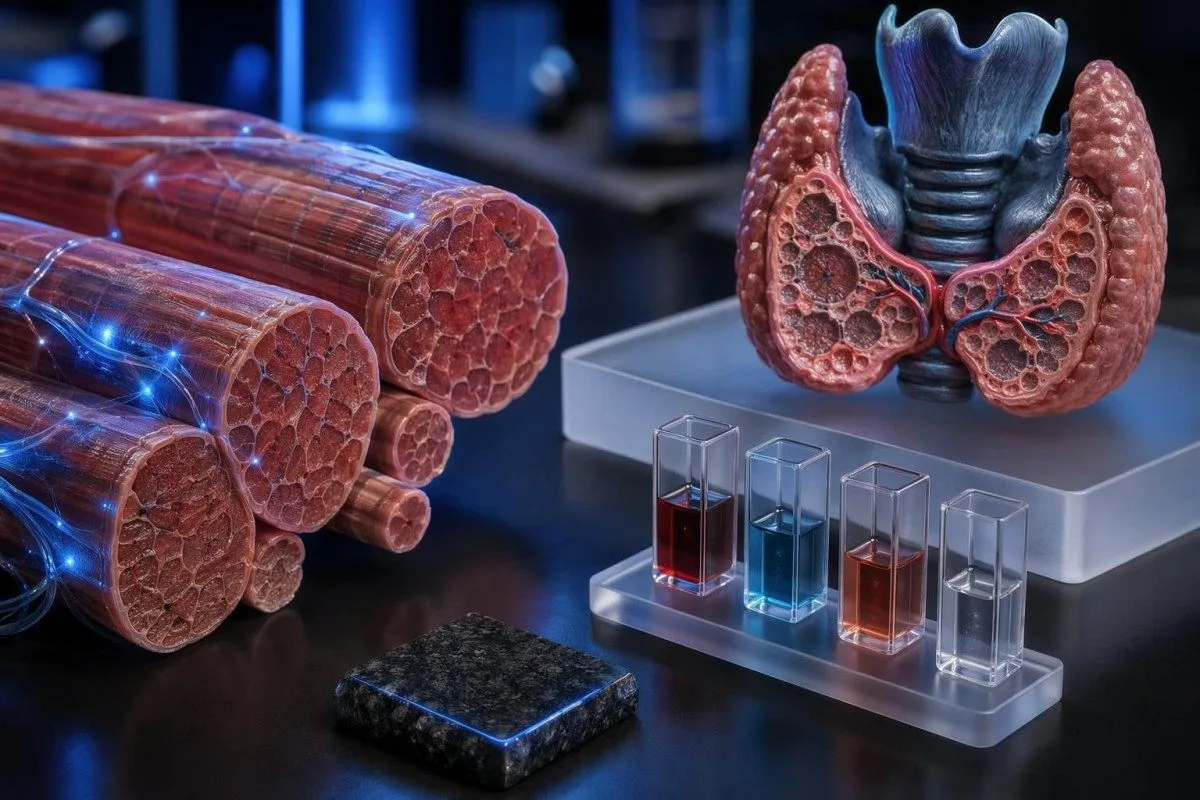
Persistent or sudden weakness is not one diagnosis. The pattern of CK, electrolytes, thyroid hormones, inflammation markers, kidney function and medication history usually tells doctors where to look first.


- CK blood test muscle weakness: CK above 1,000 IU/L or more than 5 times the lab upper limit suggests significant muscle injury; above 5,000 IU/L raises kidney-risk concern.
- Potassium: The usual adult range is 3.5-5.0 mmol/L; levels below 3.0 or above 6.0 mmol/L can cause weakness and may need urgent review.
- Sodium: Normal sodium is 135-145 mmol/L; values below 125 mmol/L can cause confusion, cramps, falls and severe weakness.
- TSH and free T4: High TSH with low free T4 points toward hypothyroid myopathy; low TSH with high free T4 can cause proximal muscle wasting.
- CRP and ESR: CRP below 5 mg/L is usually normal in many labs; high CRP or ESR with weakness pushes doctors to consider inflammatory muscle disease or infection.
- Medication effects: Statins, steroids, diuretics, colchicine, antipsychotics and some antivirals can all create weakness patterns that show up differently on labs.
- Exercise timing: Hard resistance training can raise CK for 3-7 days, so a repeat test after 72 hours of rest often prevents a false alarm.
- Urgent pattern: Sudden one-sided weakness, trouble breathing, dark urine, chest pain, potassium above 6.0 mmol/L or CK above 5,000 IU/L should not wait for routine follow-up.
Which blood tests help doctors separate weakness causes?
A blood test for muscle weakness usually starts with electrolytes, CK, TSH with free T4, kidney function, liver enzymes, CBC, CRP or ESR, glucose and a medication review. Sudden one-sided weakness, breathing trouble, chest pain, fainting or dark urine is urgent; persistent symmetrical weakness is usually worked up by patterns over days to weeks. I am Thomas Klein, MD, and this is exactly how I read weakness panels on Kantesti AI before deciding what needs same-day care.
The first fork in the road is true weakness versus fatigue. True weakness means a muscle cannot generate expected force, such as struggling to rise from a chair without using the arms; fatigue feels like low energy but strength may test normally. If that distinction is blurry, our symptom-to-lab guide is a useful way to prepare for a clinician visit.
In our analysis of 2M+ blood test uploads, the commonest avoidable mistake is reading one abnormal result in isolation. CK of 420 IU/L after a 10 km hill run is not the same as CK of 420 IU/L in a bedbound patient taking a new statin and colchicine.
As of May 10, 2026, most doctors still use a practical starter panel: basic or comprehensive metabolic panel, CK, TSH, free T4, CBC, CRP or ESR, urinalysis if rhabdomyolysis is suspected, and sometimes vitamin B12, ferritin, 25-OH vitamin D, HbA1c and medication-specific levels. The order changes when weakness is sudden, progressive, painful or associated with abnormal reflexes.
Why sudden weakness is handled differently from persistent weakness
Sudden weakness is treated as potentially neurologic, cardiac, toxic or electrolyte-related until proven otherwise. Weakness developing over minutes to hours needs urgent assessment, especially when it is one-sided, affects speech or swallowing, involves breathing, or follows vomiting, diarrhea, overdose, heat illness or intense exertion.
A blood panel cannot safely rule out stroke, spinal cord compression or Guillain-Barré syndrome. If the story suggests a nerve or brain problem, blood tests support the assessment but do not replace examination, imaging or nerve studies. Results such as potassium 2.7 mmol/L or sodium 118 mmol/L may explain weakness, while normal labs do not clear a dangerous neurologic diagnosis.
Persistent weakness over 2-12 weeks usually permits a more staged approach. I look for symmetry, muscle pain, medication changes, fever, rash, weight change, dark urine, exercise load and whether the patient struggles more with stairs and hair washing than with hand grip. Those details often matter more than a single borderline flag, as we discuss in critical lab value patterns.
One clinical trap: older adults may describe electrolyte weakness as a fall. I have seen sodium 122 mmol/L labelled as frailty for a week before anyone noticed the thiazide diuretic started 10 days earlier. A timeline beats a long list of random tests.
How electrolytes cause real muscle weakness
Electrolyte imbalance muscle weakness most often involves potassium, sodium, calcium, magnesium or bicarbonate. Potassium below 3.0 mmol/L can produce leg weakness and cramps, while potassium above 6.0 mmol/L can cause dangerous rhythm problems as well as weakness.
Potassium is the classic muscle-strength electrolyte because it changes electrical excitability at the muscle membrane. The usual adult potassium range is 3.5-5.0 mmol/L; levels below 2.5 mmol/L or above 6.5 mmol/L are often treated as emergency results, especially if the ECG is abnormal.
Sodium behaves differently. Sodium 125-130 mmol/L may cause gait instability and fatigue in one person, while another feels almost normal; below 125 mmol/L, confusion, falls, cramps and seizures become much more plausible. For deeper ranges and causes, see our electrolyte panel guide.
Calcium and magnesium are the quiet culprits. Corrected calcium is commonly about 8.5-10.5 mg/dL or 2.12-2.62 mmol/L, and low magnesium below roughly 0.70 mmol/L can make low potassium hard to correct. If potassium remains low despite replacement, I nearly always check magnesium before blaming the patient.
Acid-base status also matters. A low CO2 or bicarbonate, often below 22 mmol/L, can point toward metabolic acidosis from kidney disease, diarrhea or certain medicines; a high bicarbonate above 30 mmol/L may fit vomiting, diuretic use or chronic lung compensation. Potassium interpretation changes when the acid-base pattern changes.
What CK tells doctors about muscle injury
The CK blood test muscle weakness workup looks for muscle membrane damage, not general tiredness. CK above 1,000 IU/L or more than 5 times the upper reference limit is often used as a practical rhabdomyolysis threshold, although labs and clinicians vary.
CK, or creatine kinase, lives inside muscle cells and leaks out when muscle fibers are injured. Many labs list adult CK around 40-200 IU/L, but sex, ancestry, muscle mass and recent exercise shift the reference interval; some healthy muscular men sit above 300 IU/L without disease.
Chavez et al. described the common clinical use of CK above 1,000 IU/L or 5 times the upper limit for rhabdomyolysis in a 2016 Critical Care systematic review. The number is not magic; CK 5,000-10,000 IU/L worries clinicians because kidney injury risk rises, especially with dehydration, heat stress, sepsis or nephrotoxic drugs.
Pain matters, but absence of pain does not clear muscle injury. I once reviewed a 52-year-old marathon runner with AST 89 IU/L, CK 2,800 IU/L and normal bilirubin after a downhill race; the pattern was muscle leakage, not liver failure. Our exercise lab guide shows why timing changes the interpretation.
Urine clues help. Dipstick positive for heme with few or no red cells can suggest myoglobin from muscle breakdown, and creatinine may rise 24-72 hours after the injury. If CK is high and urine turns tea-coloured, waiting for a routine appointment is not sensible.
Why AST, ALT, LDH and aldolase can confuse the picture
AST, ALT, LDH and aldolase help separate muscle injury from liver disease when CK is abnormal. AST often rises with muscle injury, and AST higher than ALT with normal bilirubin and GGT should make doctors consider muscle as the source.
AST is found in skeletal muscle, cardiac muscle, liver and red cell components, so it is not a liver-only marker. ALT is more liver-enriched but can still rise after severe muscle injury. A patient with CK 3,500 IU/L, AST 140 IU/L, ALT 62 IU/L and normal ALP, GGT and bilirubin usually needs muscle-focused thinking first.
Aldolase is less commonly ordered, but it can help when inflammatory myopathy is suspected and CK is normal or only mildly high. Some immune-mediated muscle diseases show aldolase elevation before CK becomes impressive, particularly when perimysial tissue response is present.
LDH is broad and nonspecific. LDH above the reference range with high CK may support tissue injury, but LDH alone cannot tell muscle from liver, hemolysis or malignancy. For the common AST puzzle, our article on high AST with normal ALT gives a tighter pattern-based approach.
How TSH and free T4 reveal thyroid-related weakness
TSH and free T4 identify thyroid-related weakness by showing whether thyroid hormone is too low, too high or misleadingly normal. TSH around 0.4-4.0 mIU/L is typical in many adult labs, but age, pregnancy, biotin and pituitary disease can change interpretation.
Hypothyroid myopathy usually causes proximal weakness, cramps, slow reflexes and sometimes CK elevation. High TSH with low free T4 strongly supports primary hypothyroidism, and CK may range from mildly raised to several thousand IU/L in severe untreated cases.
Hyperthyroidism can also weaken muscles, but the pattern is different. Low TSH with high free T4 or free T3 often causes thigh and shoulder weakness, weight loss, tremor and fast heart rate; CK is often normal because the problem is catabolism rather than muscle membrane rupture.
The 2014 American Thyroid Association guideline by Jonklaas et al. supports using serum TSH as the main marker for levothyroxine dose adjustment in primary hypothyroidism. In real clinics, I still pair TSH with free T4 when weakness is prominent because central hypothyroidism and assay interference are easy to miss.
Biotin is a sneaky one. Doses of 5-10 mg daily, common in hair and nail supplements, can distort some thyroid immunoassays and make TSH look falsely low or free T4 falsely high. Before diagnosing thyroid disease from a surprising result, check the supplement list and read our TSH range guide.
When inflammation markers point toward autoimmune muscle disease
Inflammation markers support autoimmune or infectious causes when weakness is progressive, symmetrical and proximal. CRP above 10 mg/L or ESR above age-adjusted norms does not diagnose myositis, but it changes the level of suspicion when CK, aldolase or exam findings also fit.
Inflammatory myopathies usually cause trouble climbing stairs, rising from a chair or lifting arms overhead. CK may be 1,000-20,000 IU/L in some cases, but inclusion body myositis can be more modest and slowly progressive, particularly after age 50.
Lundberg et al. published the 2017 EULAR/ACR classification criteria for idiopathic inflammatory myopathies, incorporating muscle weakness pattern, enzymes, antibodies, rash and biopsy or imaging features. In day-to-day practice, classification criteria do not replace clinical judgement, but they explain why no single blood result is enough.
ANA, ENA, myositis-specific antibodies, rheumatoid factor and complements can be useful when rash, lung symptoms, Raynaud phenomenon, joint swelling or swallowing difficulty are present. Our inflammation blood test guide compares CRP, ESR, ferritin and white cell patterns without overcalling mild flags.
A normal CRP does not rule out inflammatory muscle disease. I have seen patients with marked proximal weakness and CK above 4,000 IU/L whose CRP was only 3 mg/L; muscle enzymes and exam told the truth before inflammation markers did.
Which medications change the weakness blood test pattern
Medication-related weakness is separated by timing, CK level, electrolytes and dose history. Statins, steroids, diuretics, colchicine, antipsychotics, antivirals, chemotherapy agents and some antibiotics can produce very different lab signatures.
Statin-associated muscle symptoms are usually myalgia with normal or mildly raised CK, but rare immune-mediated necrotizing myopathy can cause persistent weakness and CK often above 2,000 IU/L even after stopping the statin. That persistent pattern needs clinician review, not repeated reassurance.
Steroids can cause proximal weakness with a normal CK because the mechanism is muscle atrophy rather than muscle cell leakage. A patient on prednisone 20-40 mg daily for several weeks who cannot rise from a low chair may have steroid myopathy even when CK is 95 IU/L.
Diuretics create weakness through potassium, magnesium and sodium shifts. Thiazides often lower sodium and potassium; loop diuretics can lower potassium and magnesium; spironolactone, ACE inhibitors and ARBs can raise potassium, especially when eGFR is below 45 mL/min/1.73 m². We cover pre-statin safety labs in statin blood test preparation.
The medication list must include supplements. Red yeast rice acts like a statin in some people, creatine can raise creatinine without kidney damage, and high-dose vitamin D can push calcium up. Our clinical team often spots the clue only when upload history includes start dates, which is why medication monitoring timelines matter.
How kidney, glucose and acid-base labs fit weakness
Kidney function, glucose and acid-base markers help doctors decide whether weakness is metabolic rather than primary muscle disease. Creatinine, eGFR, BUN, glucose, HbA1c, CO2 and anion gap often explain why electrolytes are abnormal in the first place.
High potassium with rising creatinine points toward impaired kidney potassium excretion, medication accumulation or acute kidney injury. eGFR below 60 mL/min/1.73 m² for more than 3 months suggests chronic kidney disease, but sudden creatinine movement is more important in acute weakness.
Glucose extremes can mimic or worsen weakness. Glucose below 70 mg/dL can cause shakiness, sweating and sudden weakness; glucose above 250-300 mg/dL with dehydration can cause profound fatigue and electrolyte shifts. In diabetic ketoacidosis, bicarbonate often falls below 18 mmol/L and the anion gap rises.
BUN helps with hydration context. A BUN-to-creatinine ratio above roughly 20:1 can fit dehydration or high protein breakdown, although gastrointestinal bleeding and steroid use also raise BUN. Emergency doctors order a BMP quickly for this reason; our BMP blood test guide explains the speed advantage.
Metabolic causes are sometimes reversible within hours. I have seen a patient who could barely stand with potassium 2.6 mmol/L after diarrhea walk normally the next day after potassium, magnesium and fluid correction. That kind of improvement does not happen with most inflammatory myopathies.
Which deficiency labs mimic muscle weakness
CBC, ferritin, B12, folate and vitamin D help separate true muscle weakness from low energy, neuropathy or bone-muscle pain. Deficiencies often cause fatigue or poor endurance, but B12 deficiency and severe vitamin D deficiency can feel like weakness to patients.
Anemia reduces oxygen delivery, so patients report heavy legs, breathlessness on stairs and poor exercise tolerance. Hemoglobin below 12 g/dL in many adult women or below 13 g/dL in many adult men is commonly considered low, but altitude, pregnancy and lab method alter ranges.
B12 deficiency can cause gait imbalance, numbness, burning feet and weakness-like clumsiness even before anemia appears. Serum B12 below 200 pg/mL is usually deficient, while 200-400 pg/mL may need methylmalonic acid or homocysteine when symptoms fit. Our B12 without anemia guide covers that gray zone.
Vitamin D is not a magic weakness test, but severe deficiency can cause muscle aching and difficulty rising from a chair. 25-OH vitamin D below 20 ng/mL is usually called deficient in many guidelines; levels below 10-12 ng/mL are where I take proximal symptoms more seriously.
Ferritin is useful when low energy is mixed with restless legs, hair shedding or heavy menstrual bleeding. Ferritin below 30 ng/mL often indicates depleted iron stores even if hemoglobin is still normal. For CBC pattern reading, our anemia blood test guide is more helpful than serum iron alone.
When to repeat abnormal weakness labs after exercise
Abnormal CK, AST, creatinine and white cell counts should often be repeated after 48-72 hours of rest when the patient is stable and recently exercised. Hard eccentric exercise can keep CK elevated for 3-7 days, especially in untrained muscles.
The repeat plan depends on the size of the abnormality. CK 350 IU/L after a new squat workout may simply need rest and recheck; CK 6,000 IU/L with vomiting, heat exposure or dark urine needs same-day assessment. The number and the story travel together.
Creatinine is another exercise trap. Creatine supplementation, large muscle mass and heavy training can raise creatinine while cystatin C and urinalysis remain reassuring. I do not call that kidney disease without checking trend, eGFR method and urine albumin.
Kantesti AI interprets repeat results by comparing prior baselines, unit changes, lab reference intervals and timing notes when users upload them. That is why a CK drop from 1,200 to 280 IU/L after 5 days of rest is more reassuring than a single normal flag. Our lab variability guide explains how much movement is likely noise.
A practical tip: avoid heavy lifting, long downhill running and intramuscular injections for at least 48 hours before a planned weakness workup if symptoms are stable. Do not delay testing for severe or sudden weakness just to make the numbers pretty.
The pattern matrix doctors use to avoid overdiagnosis
Doctors separate muscle injury, electrolyte imbalance, thyroid disease, inflammation and medication effects by matching lab clusters to the clinical story. A single abnormal value rarely diagnoses persistent weakness; the safest interpretation comes from patterns that repeat or escalate.
High CK plus high AST with normal bilirubin suggests muscle leakage more than liver disease. Low potassium plus high bicarbonate may fit vomiting or diuretic effect. High TSH plus low free T4 and raised CK points toward hypothyroid myopathy.
Inflammatory weakness tends to cluster: proximal weakness, CK or aldolase elevation, CRP or ESR movement, rash or lung symptoms, and sometimes autoantibodies. Medication weakness clusters differently: a new drug date, dose increase, kidney impairment, electrolyte shift or symptom improvement after supervised adjustment.
Our AI-powered blood test interpretation platform weighs these clusters across more than 15,000 biomarkers, but it also flags when the answer is not in the blood test. Weakness with brisk reflexes, sensory level, facial droop or breathing involvement belongs with urgent clinical examination.
Clinicians disagree on some cutoffs. For CK, some use 5 times the upper limit; others use 1,000 IU/L as a simple threshold. For TSH, some European labs use slightly lower upper reference ranges than older US ranges, so age and local method matter.
Which weakness blood test results should not wait
Weakness should not wait when the pattern suggests severe electrolyte disturbance, rhabdomyolysis, heart rhythm risk, stroke-like symptoms or breathing involvement. Potassium above 6.0 mmol/L, sodium below 125 mmol/L, CK above 5,000 IU/L or rapidly rising creatinine deserves urgent medical contact.
High potassium is the result I worry about fastest because the heart can be affected before a patient feels very ill. A potassium result above 6.0 mmol/L should be confirmed and acted on promptly, but a non-hemolyzed sample with kidney disease or ECG symptoms is especially concerning. See our high potassium warning guide for the red-flag pattern.
Low sodium becomes dangerous when symptoms and number match. Sodium below 125 mmol/L with confusion, vomiting, seizure, severe headache or repeated falls is not a watch-and-wait result. Correction must be supervised because overly rapid correction can injure the brain.
CK above 5,000 IU/L is not automatically kidney failure, but it changes the conversation. Doctors check hydration, urine findings, creatinine, potassium, phosphate, calcium and ongoing muscle injury. If CK is rising every 6-12 hours, the trend is more dangerous than the first value.
Call emergency services for one-sided weakness, facial droop, new speech trouble, chest pain, fainting, severe shortness of breath or weakness that climbs toward the chest. A normal TSH or CK cannot make those symptoms safe.
How Kantesti AI interprets weakness blood test patterns
Kantesti AI interprets weakness labs by reading biomarker relationships, reference ranges, units, trends, symptoms and medication context together. Our platform can review a blood test PDF or photo in about 60 seconds, but it is designed to support clinical thinking rather than replace urgent care.
Kantesti's neural network checks CK against AST, ALT, creatinine, potassium, calcium, phosphate and urine clues when available. It also looks for thyroid patterns, such as high TSH with low free T4, and medication patterns, such as diuretic-linked low potassium or statin-linked CK rise.
Our AI blood test analyzer is used by people in 127+ countries and supports 75+ languages, which matters because lab units vary. CK may appear as U/L or IU/L, vitamin D as ng/mL or nmol/L, and thyroid reference ranges differ by lab method. The safest interpretation starts with unit normalization, not guesswork.
Medical oversight matters. Kantesti is CE marked and built under HIPAA, GDPR and ISO 27001-aligned processes; our clinical standards are described on Medical Validation. Our benchmark methods are available in the Kantesti AI Engine benchmark, including hyperdiagnosis trap cases where overcalling a mild abnormality is scored down.
If you already have results, upload them through Try Free AI Blood Test Analysis. For PDF and photo safety details, our blood test PDF upload guide explains how the report is read without turning a lab flag into a diagnosis.
Research publications and the practical next step
The practical next step is to combine your weakness timeline with the right labs: electrolytes, CK, TSH/free T4, kidney function, CBC, CRP or ESR, glucose and medication history. If any urgent red flag is present, seek medical care first and interpret the blood test after safety is addressed.
Kantesti research is published so clinicians and patients can inspect methods rather than accept marketing claims. Thomas Klein, MD, reviews weakness-related content with our medical team, and our Medical Advisory Board keeps the article aligned with real clinical decision-making.
Kantesti LTD. (2026). Clinical Validation of the Kantesti AI Engine (2.78T) on 100,000 Anonymised Blood Test Cases Across 127 Countries: A Pre-Registered, Rubric-Based, Population-Scale Benchmark Including Hyperdiagnosis Trap Cases — V11 Second Update. Figshare. https://doi.org/10.6084/m9.figshare.32095435. ResearchGate: ResearchGate record. Academia.edu: Academia.edu record.
Kantesti LTD. (2026). Women's Health Guide: Ovulation, Menopause & Hormonal Symptoms. Figshare. https://doi.org/10.6084/m9.figshare.31830721. ResearchGate: ResearchGate record. Academia.edu: Academia.edu record.
Bottom line: a muscle weakness blood test is most useful when it answers a specific question. Is muscle leaking CK? Are electrolytes preventing contraction? Is thyroid hormone too low or too high? Is inflammation present? Did a medication start the week symptoms began? Those five questions catch most of the dangerous and fixable patterns.
Frequently Asked Questions
What blood test should I ask for if I have muscle weakness?
A reasonable first muscle weakness blood test panel usually includes electrolytes, CK, creatinine/eGFR, glucose, CBC, TSH with free T4, CRP or ESR, and sometimes magnesium, calcium, phosphate, vitamin B12, ferritin and 25-OH vitamin D. CK above 1,000 IU/L suggests muscle injury in the right context, while potassium below 3.0 mmol/L or above 6.0 mmol/L can directly cause weakness. Sudden one-sided weakness, trouble breathing, chest pain or dark urine should be assessed urgently rather than handled as routine lab work.
Can electrolyte imbalance cause muscle weakness?
Yes, electrolyte imbalance can cause true muscle weakness because potassium, sodium, calcium and magnesium help muscles fire and contract. Potassium below 3.0 mmol/L commonly causes leg weakness, cramps and palpitations, while potassium above 6.0 mmol/L can cause dangerous heart rhythm problems. Sodium below 125 mmol/L can cause confusion, falls, seizures and severe weakness, especially in older adults or people taking diuretics.
What CK level is dangerous with muscle weakness?
CK above 1,000 IU/L or more than 5 times the lab upper limit is often used as a practical threshold for clinically significant muscle injury. CK above 5,000 IU/L raises concern for rhabdomyolysis-related kidney stress, especially with dehydration, heat illness, infection, trauma or dark urine. A mildly raised CK after exercise may normalize after 48-72 hours of rest, so the trend and symptoms are critical.
Can thyroid disease cause weak legs?
Yes, both hypothyroidism and hyperthyroidism can cause weak legs, especially difficulty climbing stairs or rising from a chair. Hypothyroidism usually shows high TSH with low free T4 and may raise CK, while hyperthyroidism usually shows low TSH with high free T4 or T3 and often causes muscle wasting with a normal CK. Biotin supplements at 5-10 mg daily can distort some thyroid tests, so supplement timing should be checked before acting on surprising results.
Does a normal CK rule out muscle disease?
No, a normal CK does not rule out every muscle or nerve problem. Steroid myopathy, some thyroid-related weakness, neuromuscular junction disorders and some slowly progressive conditions can occur with CK in the normal range, such as 40-200 IU/L depending on the lab. Doctors interpret CK alongside strength pattern, reflexes, medication exposure, TSH/free T4, electrolytes, inflammatory markers and sometimes nerve or imaging tests.
Which medications can cause weakness with abnormal blood tests?
Statins, diuretics, corticosteroids, colchicine, antipsychotics, antivirals, chemotherapy drugs and some antibiotics can cause weakness patterns on blood tests. Statins may raise CK, diuretics may lower sodium, potassium or magnesium, and steroids may cause proximal weakness with a normal CK. The timing matters: symptoms starting within days to weeks of a new drug or dose change are much more suspicious than a medicine taken unchanged for years.
When should muscle weakness be treated as an emergency?
Muscle weakness should be treated as an emergency if it is sudden, one-sided, associated with facial droop or speech trouble, affects breathing or swallowing, follows severe heat illness, or comes with dark urine. Blood test red flags include potassium above 6.0 mmol/L, sodium below 125 mmol/L, CK above 5,000 IU/L, rapidly rising creatinine or severe acidosis. These patterns need same-day medical assessment, not only online interpretation.
Why might my doctor order an ECG along with electrolyte blood tests for weakness?
Potassium, calcium, and magnesium disturbances can affect the heart’s electrical rhythm as well as muscles. An ECG is a painless test that takes a few minutes and helps clinicians quickly judge risk, especially with palpitations, fainting, or markedly abnormal electrolytes.
Can a recent viral infection make CK and weakness temporarily worse?
Yes. Viral illnesses can cause short-lived muscle inflammation, aches and sometimes a CK rise, even after the fever improves. If weakness is getting better and kidney tests are normal, your clinician may repeat CK in 1–2 weeks; dark urine or worsening weakness needs prompt care.
Get AI-Powered Blood Test Analysis Today
Join over 2 million users worldwide who trust Kantesti for instant, accurate lab test analysis. Upload your blood test results and receive comprehensive interpretation of 15,000+ biomarkers in seconds.
📚 Referenced Research Publications
Klein, T., Mitchell, S., & Weber, H. (2026). Women's Health Guide: Ovulation, Menopause & Hormonal Symptoms. Kantesti AI Medical Research.
Klein, T., Mitchell, S., & Weber, H. (2026). Clinical Validation of the Kantesti AI Engine (2.78T) on 100,000 Anonymised Blood Test Cases Across 127 Countries: A Pre-Registered, Rubric-Based, Population-Scale Benchmark Including Hyperdiagnosis Trap Cases — V11 Second Update. Kantesti AI Medical Research.
📖 External Medical References
⚕️ Medical Disclaimer
This article is for educational purposes only and does not constitute medical advice. Always consult a qualified healthcare provider for diagnosis and treatment decisions.
E-E-A-T Trust Signals
Experience
Physician-led clinical review of lab interpretation workflows.
Expertise
Laboratory medicine focus on how biomarkers behave in clinical context.
Authoritativeness
Written by Dr. Thomas Klein with review by Dr. Sarah Mitchell and Prof. Dr. Hans Weber.
Trustworthiness
Evidence-based interpretation with clear follow-up pathways to reduce alarm.