
Small lab shifts are often biology, timing, hydration, or assay noise. The skill is spotting the pattern that is too large, too persistent, or too clinically mismatched to ignore.



- Blood test variability is usually normal when a result moves by less than about 5-10% for tightly regulated markers such as sodium, calcium, or hemoglobin.
- Meaningful change depends on the marker; ALT, CRP, ferritin, and TSH can vary by 20-50% without a new disease process if timing or context changed.
- Repeat blood test results are worth discussing when a change crosses a diagnostic cutoff, persists on a second draw, or matches new symptoms.
- Fasting status matters most for glucose, triglycerides, insulin, and some endocrine tests; many cholesterol panels remain useful when nonfasting.
- Hydration can falsely concentrate albumin, hemoglobin, calcium, BUN, and total protein, often by 5-15% after poor fluid intake or prolonged standing.
- Exercise can raise CK to more than 1,000 IU/L and push AST or ALT upward for 24-72 hours, especially after endurance events or heavy lifting.
- Medication effects are common; biotin 5-10 mg daily can distort some immunoassays, while steroids can raise neutrophils within 4-24 hours.
- Lab-to-lab differences can shift results because instruments, reagents, units, and reference intervals differ; trends are cleanest when repeated at the same laboratory.
- Kantesti AI compares dates, units, reference ranges, fasting clues, and prior results to separate changing blood test values from likely noise.
Normal fluctuation or a real biomarker trend?
Blood test variability matters when the change is larger than expected for that marker, repeats in the same direction, crosses a clinical cutoff, or fits symptoms. A creatinine rise from 0.8 to 1.2 mg/dL is different from ALT moving from 28 to 34 IU/L. As of April 29, 2026, I still tell patients: compare the result with your own baseline before reacting to a single flag. Our Kantesti AI reads that context in seconds, and our deeper guide to real lab trends explains the same principle.

A result can be outside the reference range and still be less concerning than a normal result that has doubled. In my clinic, a ferritin of 80 ng/mL may be fine for one person, while a fall from 160 to 80 ng/mL over 6 months in a menstruating patient with fatigue tells a very different story.
Reference intervals usually describe the central 95% of a comparison population, not your personal optimal zone. That means 1 in 20 healthy people will have at least one flagged result on a single test panel, and a 20-marker panel can easily create anxiety without disease.
Dr. Thomas Klein reviews changing blood test values by asking four practical questions: was the test done under the same conditions, is the shift bigger than expected biological variation, does it repeat, and does the pattern make physiological sense? That is the same reasoning Kantesti AI applies when comparing repeat reports.
Why the same person gets different numbers
The same person gets different lab numbers because biology and measurement both vary. Biological variation comes from sleep, meals, hormones, illness, posture, and circadian rhythm; analytical variation comes from the instrument, reagent lot, calibration, and sample handling.

Clinical chemists use the reference change value, or RCV, to estimate whether a difference is bigger than expected noise. Fraser and Harris described the classic method in Critical Reviews in Clinical Laboratory Sciences, using the formula 2.77 × square root of analytical CV squared plus within-person biological CV squared (Fraser and Harris, 1989).
Sodium has low within-person variation, so a change from 140 to 132 mmol/L is rarely shrugged off. ALT has much higher within-person variation, so a shift from 32 to 44 IU/L may be watched rather than treated if the patient lifted weights, drank alcohol, or had a viral illness the week before.
Kantesti AI interprets repeat blood test results by normalizing units and comparing the size of change with known marker behavior. For reference-range pitfalls, our article on why a normal range misleads is a useful companion.
How fasting, meals, and coffee change results
Fasting mainly affects glucose, triglycerides, insulin, some hormone tests, and occasionally iron studies. A 10-12 hour fast is usually enough, but over-fasting for 16-24 hours can make glucose, ketones, uric acid, and cortisol harder to interpret.

A nonfasting triglyceride result can be 20-50 mg/dL higher after a mixed meal, and in some insulin-resistant patients I have seen jumps above 150 mg/dL from one breakfast. Nordestgaard et al. argued in the European Heart Journal that fasting is not routinely required for most lipid profiles, but triglycerides above about 400 mg/dL usually deserve a fasting repeat (Nordestgaard et al., 2016).
Fasting glucose is more fragile than people think. Poor sleep, an early appointment, acute stress, or black coffee can move fasting glucose by 5-15 mg/dL, which is enough to turn 98 mg/dL into a borderline 108 mg/dL; our guide to fasting test rules breaks down which tests truly need it.
Iron is another trap. Serum iron can swing by 30-50% during the day, while ferritin usually changes more slowly unless there is inflammation, iron treatment, or bleeding; when I review borderline iron panels, I care more about ferritin, transferrin saturation, CRP, and the CBC together than serum iron alone.
Hydration, posture, and the hidden pre-test variables
Dehydration and posture can make some blood markers look falsely high without a new disease. Albumin, total protein, hemoglobin, hematocrit, calcium, BUN, and sometimes cholesterol can rise 5-15% when plasma volume is temporarily reduced.

The quietest source of blood test variability is the waiting room. Standing or sitting upright for 15-30 minutes can concentrate proteins and cellular elements because fluid shifts out of the bloodstream; lying down for the same period can lower them slightly.
BUN is especially context-sensitive. A BUN of 24 mg/dL with creatinine 0.9 mg/dL after a long flight and little water often points to dehydration or high protein intake, while BUN 24 mg/dL with rising creatinine and falling eGFR needs a different conversation; patients often like our guide on water before testing because it is practical.
Morning versus afternoon matters for some markers but not all. Cortisol, testosterone, TSH, iron, and glucose have meaningful daily rhythm, while sodium and albumin should not wander widely just because the appointment moved from 8 a.m. to 2 p.m.
Exercise can mimic abnormal liver or kidney labs
Hard exercise can raise CK, AST, ALT, LDH, creatinine, potassium, and urine protein without primary liver or kidney disease. The effect is strongest after endurance races, heavy eccentric lifting, heat exposure, or a sudden new training program.
A 52-year-old marathon runner with AST 89 IU/L and ALT 61 IU/L may not have hepatitis; the missing clue is often CK. CK can exceed 1,000 IU/L after intense exercise and may remain elevated for 3-7 days, especially after downhill running or heavy squats.
Creatinine can rise after exercise because muscle releases creatinine and dehydration reduces kidney filtration for a short period. In athletes with high muscle mass, cystatin C or a repeat test after 48-72 hours of rest can be more informative than panicking over creatinine 1.25 mg/dL.
If your panel was drawn the morning after a hard session, repeat under calmer conditions before making big conclusions. Our athlete lab guide lists which recovery markers are worth tracking and which ones are easily overread.
Medications and supplements that move lab values
Medications and supplements can change true physiology or interfere with the assay itself. Biotin, steroids, diuretics, thyroid medication, statins, iron, B12, creatine, and proton pump inhibitors are frequent culprits in repeat blood test results.

Biotin is the one I ask about almost automatically. Doses of 5-10 mg daily, common in hair and nail products, can distort some thyroid, hormone, and cardiac immunoassays; many clinicians advise holding it for 48-72 hours before testing, but the exact washout depends on dose and assay.
Steroids can raise neutrophils within 4-24 hours by shifting white cells from vessel walls into circulation. Prednisone 40 mg daily may produce a WBC of 14 × 10^9/L without infection, especially when lymphocytes and eosinophils fall at the same time.
Statins, thiazide diuretics, ACE inhibitors, antiepileptics, lithium, and supplements all have recognizable lab fingerprints. If a thyroid result does not match symptoms, our article on biotin and thyroid tests is one of the first places I send patients.
Why lab-to-lab differences can look like disease
Lab-to-lab differences can create apparent trends when nothing biological has changed. Different analyzers, reagent lots, calibration systems, reference intervals, and reporting units can shift a result enough to cross a flag line.
TSH is a classic example: one lab may flag 4.3 mIU/L as high, while another uses an upper limit near 5.0 mIU/L. Some European labs use lower vitamin D or ferritin decision points than North American labs, so copying old thresholds into a new report can mislead.
Creatinine is another quiet offender. Enzymatic creatinine assays and older Jaffe-based methods do not always match perfectly, and eGFR can shift when the lab updates its equation, even if the measured creatinine barely moves.
For longitudinal tracking, use the same laboratory when possible. If you must change labs, Kantesti AI checks units and reference ranges before interpreting direction; our local lab guide explains what to ask before comparing results across sites.
CBC changes that are usually noise versus not
CBC values fluctuate with hydration, stress, infection, altitude, pregnancy, exercise, and sample handling. Hemoglobin changes under about 0.5 g/dL are often ordinary, while a fall of 1.0-2.0 g/dL over weeks deserves a careful look.
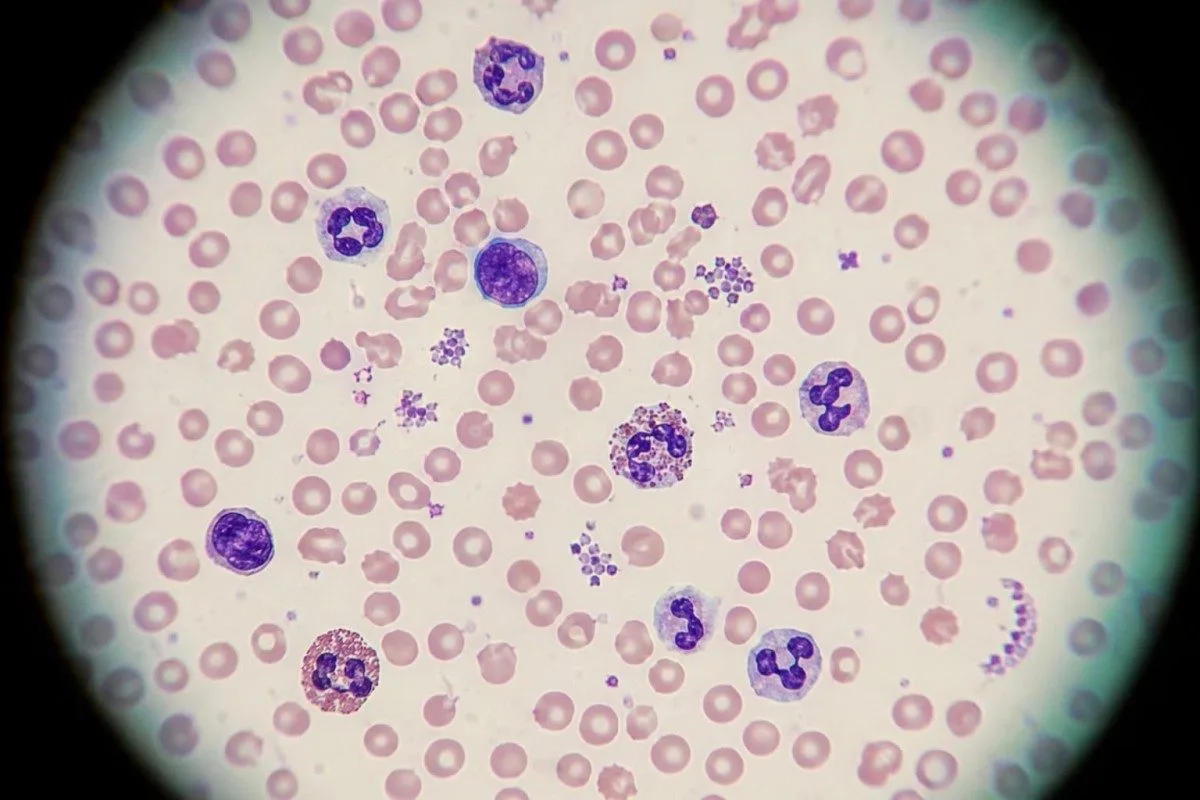
White blood cells can move fast. A WBC of 7.0 × 10^9/L on Monday and 10.8 × 10^9/L on Friday may reflect stress, a viral illness, steroids, or a bacterial process depending on the neutrophil count, lymphocyte count, symptoms, and CRP.
Platelets are more temperamental than patients expect. A platelet count of 145 × 10^9/L after a previous 170 × 10^9/L is often a sampling or biological fluctuation, but platelets below 100 × 10^9/L, unexplained bruising, or clumping flags should prompt repeat testing or a smear review.
Percentages can trick you. A high lymphocyte percentage with a normal absolute lymphocyte count is often just a low neutrophil share, and our guide to manual versus automated differentials shows why the absolute count usually matters more.
Glucose, HbA1c, and cholesterol trends near cutoffs
Glucose, HbA1c, and lipid trends matter most when they cross treatment or diagnostic thresholds. HbA1c 5.7-6.4% suggests prediabetes, HbA1c 6.5% or higher supports diabetes diagnosis, and fasting glucose 126 mg/dL or higher usually needs confirmation.
A1c is not a simple average if red cell lifespan is abnormal. Iron deficiency can push HbA1c upward, while hemolysis, recent blood loss, transfusion, or erythropoietin treatment can make A1c falsely low even when glucose is high.
LDL-C changes of 5-10 mg/dL are often analytic or dietary noise, but a sustained 30-50 mg/dL drop after statin therapy is usually real. Triglycerides are far noisier; alcohol, poor sleep, carbohydrate load, and nonfasting status can move them by more than 50 mg/dL.
When HbA1c and fasting glucose disagree, I look for anemia, kidney disease, liver disease, medications, and post-meal glucose spikes. Our guide on A1c versus fasting sugar walks through the common mismatch patterns.
Kidney and electrolyte changes that deserve respect
Kidney and electrolyte changes deserve faster attention than many other lab shifts because the body usually keeps them tightly controlled. Sodium below 130 mmol/L, potassium above 5.5 mmol/L, or a creatinine rise of 0.3 mg/dL in 48 hours should not be casually dismissed.
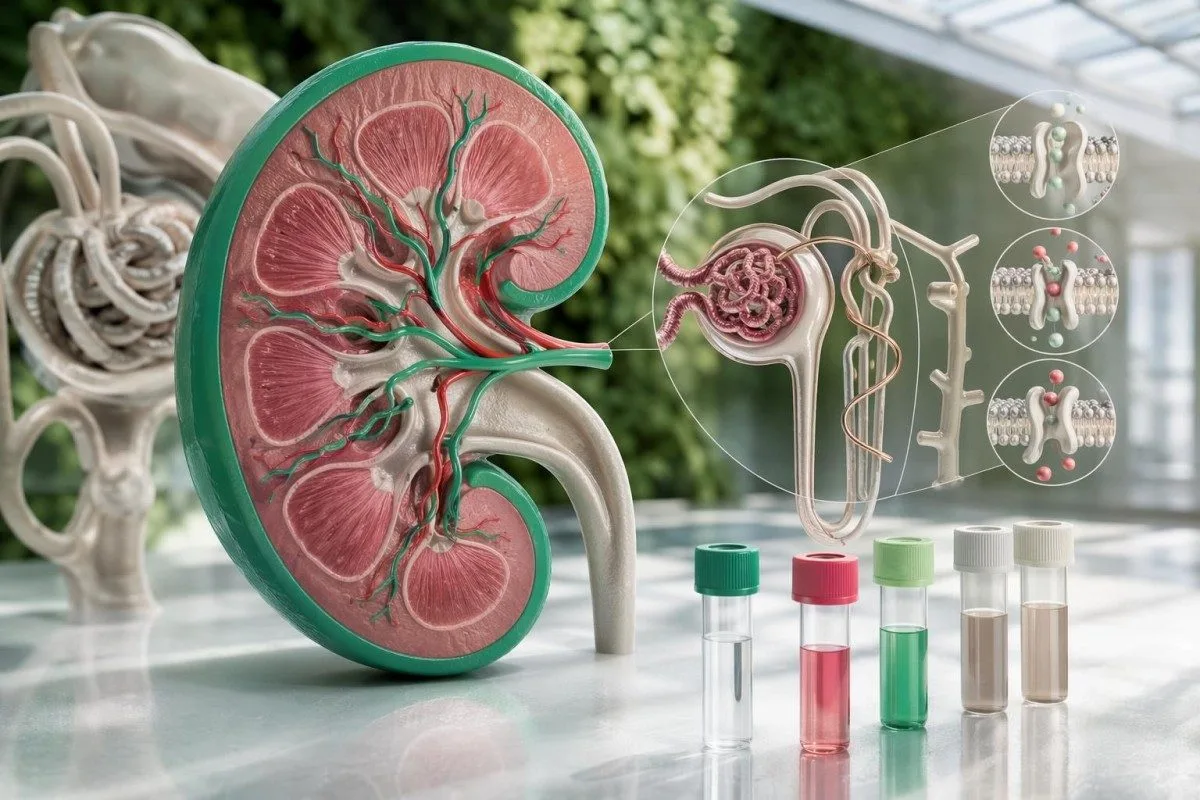
Creatinine has a narrow personal range for many adults. The KDIGO acute kidney injury guideline uses an increase of at least 0.3 mg/dL within 48 hours, or 1.5 times baseline within 7 days, as a clinically meaningful kidney signal (KDIGO, 2012).
BUN helps separate dehydration from kidney injury but can mislead alone. BUN may rise with high protein intake, gastrointestinal bleeding, corticosteroids, or dehydration, while creatinine may remain stable; that is why the BUN-to-creatinine ratio is useful but never diagnostic by itself.
Electrolyte repeat testing is often worth doing quickly if the result is unexpected. Potassium can be falsely high from sample handling, fist clenching, delayed processing, or platelet counts above 500 × 10^9/L; our eGFR age guide explains why kidney context matters before reacting.
Liver enzymes and inflammation markers are noisy
Liver enzymes and inflammatory markers can change dramatically with alcohol, exercise, infection, fatty liver, medication, and recent injury. ALT or AST values less than 2 times the upper limit are often monitored, while values above 3-5 times the upper limit need more urgent context.
ALT is more liver-specific than AST, but AST is also present in muscle. That is why AST 95 IU/L with CK 2,400 IU/L after heavy lifting points somewhere different from AST 95 IU/L with bilirubin 3.0 mg/dL and alkaline phosphatase 280 IU/L.
CRP is deliberately responsive. A CRP below 3 mg/L can become 40 mg/L after an acute infection, dental abscess, vaccine response, or inflammatory flare, and hs-CRP for heart risk should not be interpreted during illness.
Pattern beats panic. ALT plus GGT plus triglycerides may suggest fatty liver risk, while ALP plus GGT plus bilirubin raises bile duct questions; our guide to ALT changes gives the ranges I actually use when triaging mild elevations.
Thyroid and hormone tests are timing-sensitive
Thyroid and hormone tests can vary by time of day, medication timing, cycle timing, illness, and assay interference. TSH is commonly higher overnight and early morning, and levothyroxine timing can shift free T4 for several hours after dosing.
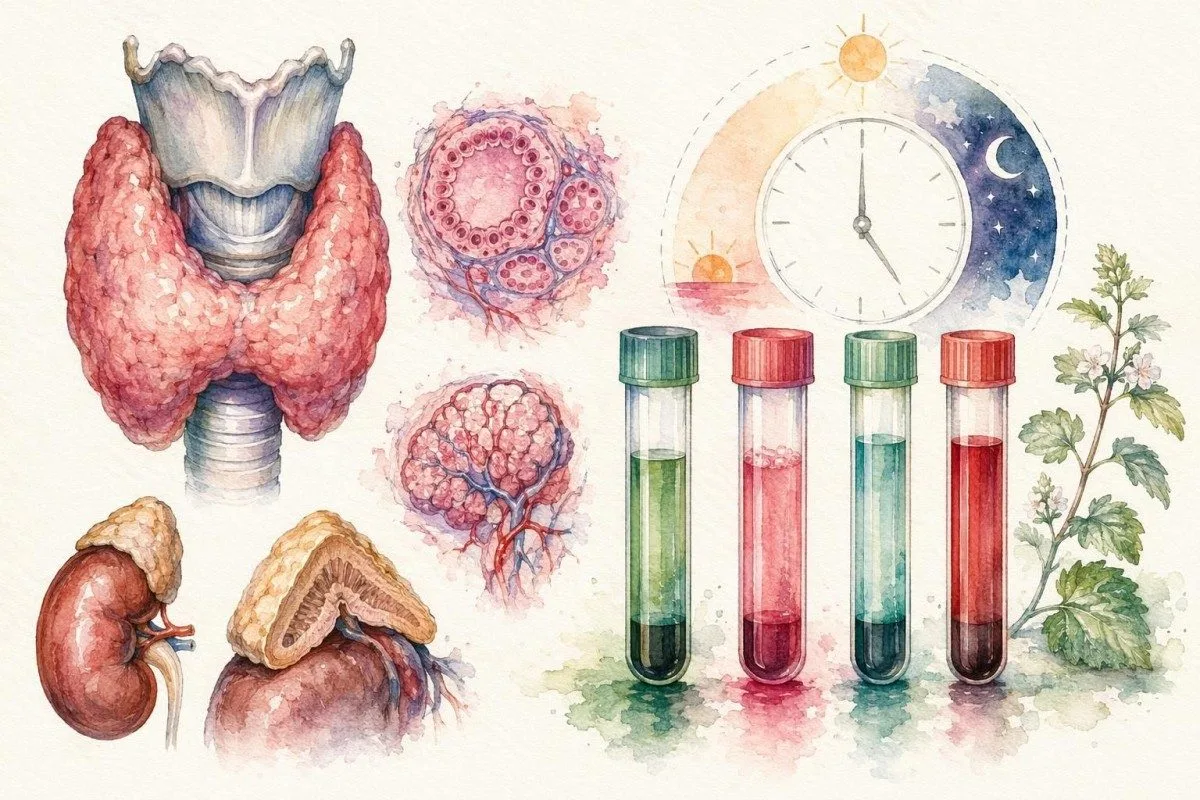
A TSH change from 2.4 to 3.8 mIU/L may be ordinary if one test was drawn at 7 a.m. and the other in the afternoon after illness. A TSH change from 2.4 to 9.5 mIU/L with low free T4, fatigue, constipation, and positive TPO antibodies is different.
Testosterone should usually be measured in the morning, often between 7 a.m. and 10 a.m., because levels decline across the day. Prolactin can rise with stress, sleep, exercise, sexual activity, and some medications, so a mild isolated elevation often deserves a calm repeat.
Cycle timing matters for reproductive hormones, and clinicians disagree on some cutoffs because assays differ. For thyroid-specific timing, our article on TSH after levothyroxine explains why dose changes are usually assessed after about 6 weeks.
When repeat testing is worth discussing
Repeat testing is worth discussing when a result is unexpected, clinically important, near a diagnostic cutoff, rapidly changing, or inconsistent with symptoms. A repeat is also sensible when fasting, hydration, exercise, medication timing, or lab handling may have distorted the first result.

For urgent markers, repeat timing is measured in hours or days. Potassium above 6.0 mmol/L, sodium below 125 mmol/L, very high troponin, critical hemoglobin, or severe neutropenia should be handled as potential same-day medical issues, not a lifestyle-tracking problem.
For borderline chronic markers, repeat timing is usually weeks to months. HbA1c is often repeated after about 3 months, TSH after 6-8 weeks following a dose change, vitamin D after 8-12 weeks of supplementation, and ferritin after a clinician-defined iron plan.
The repeat should answer a question. If the first result was drawn after a night shift and a hard workout, repeat after 48-72 hours of rest, normal hydration, and the same fasting plan; our borderline result guide shows how to make that conversation with a clinician more productive.
How Kantesti AI reads changing blood test values
Kantesti AI reads changing blood test values by combining the number, unit, reference interval, date, age, sex, symptoms, medications, and prior results. Our platform does not replace a clinician; it helps patients prepare sharper questions and avoid overreacting to one noisy value.

In our analysis of 2M+ blood tests across 127+ countries, the most common avoidable error is comparing results with different units or fasting status. Kantesti's neural network flags those issues before generating trend language, which matters when ferritin is reported in ng/mL in one country and µg/L in another.
Our AI blood test analyzer reviews more than 15,000 biomarkers and looks for patterns, not single red marks. The medical team behind Kantesti is described on our Medical Advisory Board, and our clinical standards are documented in Medical Validation.
You can upload a PDF or photo and get an interpretation in about 60 seconds, including trend analysis and questions to discuss with your clinician. If you want to test your own repeat blood test results, start with the free blood test analysis.
Your personal baseline often beats the population range
Your personal baseline is often more informative than the population reference range. A stable LDL-C of 165 mg/dL, ferritin of 12 ng/mL, or eGFR of 62 mL/min/1.73 m² may be inside or near a lab range, but the trajectory and risk profile decide what it means.
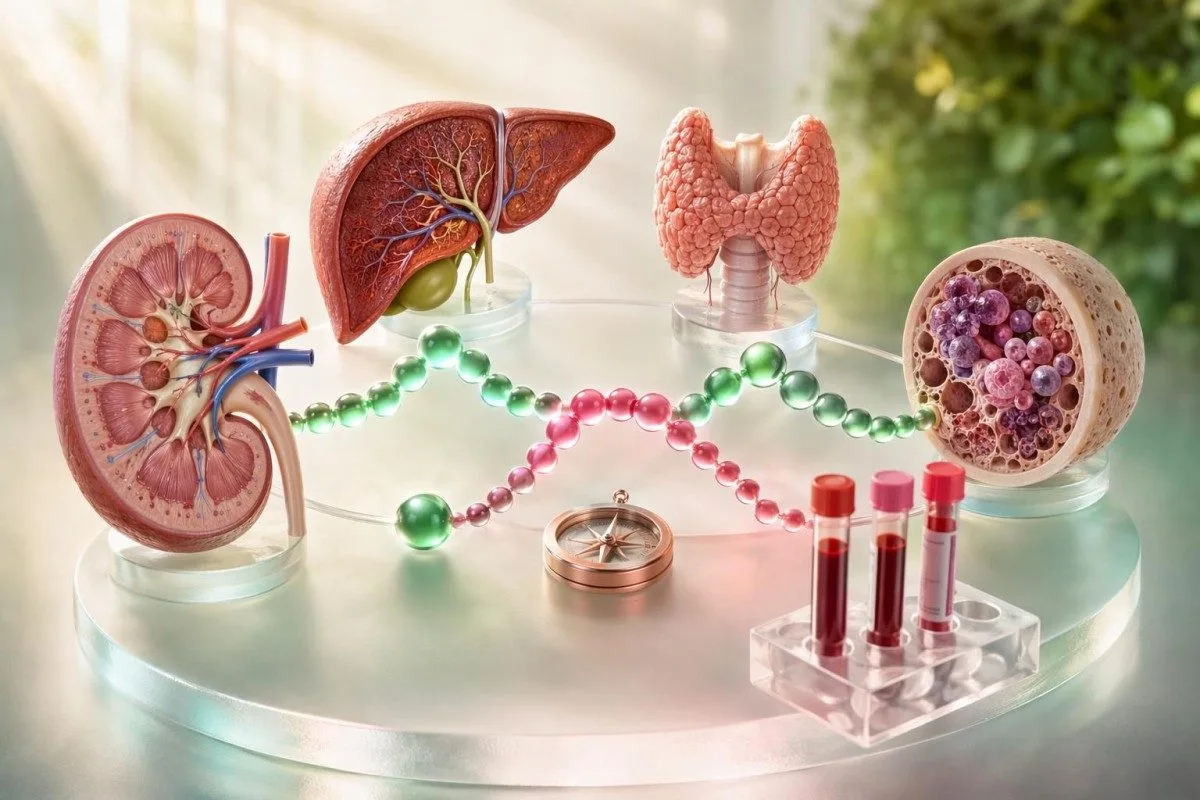
I see this pattern often in families. One sibling has lifelong bilirubin around 1.8 mg/dL with normal ALT, AST, ALP, and blood count, while another suddenly rises from 0.6 to 1.8 mg/dL with dark urine and fatigue; the same number carries different weight.
Kantesti AI uses family health risk and prior uploads to identify whether a value is new for you. A TSH of 4.6 mIU/L may be a mild flag in isolation, but if your last 6 values were 1.2-1.8 mIU/L and symptoms changed, the trend deserves attention.
Keeping your old reports is not clutter; it is clinical data. Our blood test history guide shows how year-over-year baselines can catch slow iron loss, kidney decline, metabolic drift, and inflammation before one dramatic abnormality appears.
Research notes, citations, and the safest next step
The safest next step is to treat blood test variability as a signal-quality problem before treating it as a diagnosis. Repeat the right marker under controlled conditions, compare it with your baseline, and involve a clinician when the size, speed, or pattern of change is concerning.
Dr. Thomas Klein, Chief Medical Officer at Kantesti LTD, reviews trend questions with one bias: avoid both false reassurance and false alarm. A potassium of 5.8 mmol/L may be a sample artifact, but it is still safer to verify promptly than to assume it is noise.
For deeper marker-level reading, Kantesti maintains a 15,000+ biomarker guide and publishes clinical workflow notes on the Kantesti blog. Our independent benchmark paper, Clinical Validation of the Kantesti AI Engine, describes population-scale testing across anonymised cases.
Kantesti Research Group. (2026). aPTT Normal Range: D-Dimer, Protein C Blood Clotting Guide. Zenodo. DOI: https://doi.org/10.5281/zenodo.18262555. ResearchGate: publication search. Academia.edu: publication search.
Kantesti Research Group. (2026). Serum Proteins Guide: Globulins, Albumin & A/G Ratio Blood Test. Zenodo. DOI: https://doi.org/10.5281/zenodo.18316300. ResearchGate: publication search. Academia.edu: publication search.
Frequently Asked Questions
How much blood test variability is normal?
Normal blood test variability depends on the marker, but tightly controlled results such as sodium, calcium, and hemoglobin often vary by less than 5-10% day to day. Markers such as ALT, CRP, ferritin, triglycerides, and TSH can vary by 20-50% because meals, exercise, illness, hormones, and assay methods affect them. A change is more meaningful when it repeats, crosses a clinical cutoff, or matches new symptoms.
When should I repeat abnormal blood test results?
Repeat abnormal blood test results should be discussed promptly if potassium is above 5.5-6.0 mmol/L, sodium is below 130 mmol/L, hemoglobin has fallen by about 1-2 g/dL, or creatinine has risen by 0.3 mg/dL in 48 hours. Borderline chronic markers can often be repeated later, such as HbA1c after about 3 months or TSH 6-8 weeks after a thyroid dose change. The repeat is most useful when fasting, hydration, exercise, and medication timing are controlled.
Can dehydration change blood test values?
Yes, dehydration can make several blood test values look falsely high by concentrating the sample. Albumin, total protein, hemoglobin, hematocrit, calcium, BUN, and sometimes cholesterol may rise by about 5-15% after poor fluid intake, heavy sweating, long travel, or prolonged standing. Creatinine and electrolytes can also shift, so unexpected kidney or electrolyte results often deserve repeat testing under better hydration conditions.
Does exercise before a blood test affect results?
Exercise before a blood test can significantly affect CK, AST, ALT, LDH, creatinine, potassium, and urine protein. CK can rise above 1,000 IU/L after intense endurance exercise or heavy eccentric lifting and may remain elevated for 3-7 days. If liver enzymes or creatinine are unexpectedly high after a hard workout, many clinicians repeat testing after 48-72 hours of rest and normal hydration.
Why do two labs give different blood test results?
Two labs can give different blood test results because they may use different instruments, reagents, calibration systems, reference intervals, and units. A TSH of 4.3 mIU/L might be flagged high by one lab and normal by another if the upper reference limit differs. Trends are most reliable when repeat testing is done at the same lab, or when results are interpreted with units and method differences in mind.
Which blood test changes over time matter most?
Blood test changes over time matter most when they involve kidney function, electrolytes, blood counts, glucose regulation, liver injury patterns, or inflammatory markers that move in a consistent direction. A creatinine rise of 0.3 mg/dL in 48 hours, hemoglobin drop of 1-2 g/dL, sodium below 130 mmol/L, potassium above 5.5 mmol/L, or HbA1c crossing 6.5% deserves clinician review. Smaller changes can still matter when they are persistent and match symptoms.
Can Kantesti AI compare repeat blood test results?
Yes, Kantesti AI compares repeat blood test results by reading dates, units, reference ranges, biomarkers, and prior reports in the same interpretation. The platform looks for changing blood test values that exceed expected variation, while also flagging possible fasting, hydration, medication, or lab-to-lab issues. It is designed to support clinician conversations, not to replace medical diagnosis or emergency care.
Get AI-Powered Blood Test Analysis Today
Join over 2 million users worldwide who trust Kantesti for instant, accurate lab test analysis. Upload your blood test results and receive comprehensive interpretation of 15,000+ biomarkers in seconds.
📚 Referenced Research Publications
Klein, T., Mitchell, S., & Weber, H. (2026). aPTT Normal Range: D-Dimer, Protein C Blood Clotting Guide. Kantesti AI Medical Research.
Klein, T., Mitchell, S., & Weber, H. (2026). Serum Proteins Guide: Globulins, Albumin & A/G Ratio Blood Test. Kantesti AI Medical Research.
📖 External Medical References
KDIGO Acute Kidney Injury Work Group (2012). KDIGO Clinical Practice Guideline for Acute Kidney Injury. Kidney International Supplements.





⚕️ Medical Disclaimer
This article is for educational purposes only and does not constitute medical advice. Always consult a qualified healthcare provider for diagnosis and treatment decisions.
E-E-A-T Trust Signals
Experience
Physician-led clinical review of lab interpretation workflows.
Expertise
Laboratory medicine focus on how biomarkers behave in clinical context.
Authoritativeness
Written by Dr. Thomas Klein with review by Dr. Sarah Mitchell and Prof. Dr. Hans Weber.
Trustworthiness
Evidence-based interpretation with clear follow-up pathways to reduce alarm.