
Constant hunger after eating is often metabolic, not a willpower problem. The useful lab pattern depends on timing: fasting hunger, post-meal crashes, weight loss, thirst, sleep disruption or new medication.



- Blood test for always hungry usually starts with fasting glucose, HbA1c, insulin or C-peptide, TSH, free T4, CBC, ferritin, B12, vitamin D and a comprehensive metabolic panel.
- Fasting glucose of 100–125 mg/dL suggests prediabetes, while 126 mg/dL or higher on repeat testing meets a diabetes diagnostic threshold.
- HbA1c of 5.7–6.4% suggests prediabetes, and 6.5% or higher supports diabetes when confirmed or paired with symptoms.
- Reactive hypoglycaemia is best documented during symptoms; a glucose below 55 mg/dL with shakiness, sweating or confusion is clinically meaningful.
- Low TSH below about 0.4 mIU/L with high free T4 or free T3 suggests thyroid overactivity, a classic cause of hunger with weight loss.
- Ferritin below 30 ng/mL often indicates depleted iron stores even when hemoglobin still looks normal.
- Medication effects are common: steroids, some antipsychotics, insulin, sulfonylureas and mirtazapine can all increase appetite or cause hunger-like glucose dips.
- Rare hormone causes such as insulinoma or congenital leptin pathway disorders are not first-line tests; doctors look for very specific patterns before ordering them.
Which labs come first when hunger will not switch off?
A blood test for always hungry usually starts with glucose, HbA1c, fasting insulin or C-peptide, thyroid hormones, CBC, ferritin, B12, vitamin D and a metabolic panel. If hunger appears 1–4 hours after eating, doctors also try to capture glucose during symptoms. I’m Thomas Klein, MD, and the first question I ask is not how much someone eats; it is when the hunger returns.

Constant hunger after eating is called polyphagia when it is persistent and medically unusual. In clinic, a 9 mmol/L glucose reading after a snack tells me less than a paired story: meal timing, symptoms, medications and whether weight is rising, falling or oddly stable.
Kantesti is an AI blood test interpretation platform that helps connect glucose, thyroid, iron and kidney markers in one view rather than treating each flagged result as a separate problem. You can read more about who we are at Kantesti as an organization, but the medical logic is the same one I use in practice: patterns beat isolated flags.
As of June 14, 2026, no single appetite blood test can diagnose all always hungry medical causes. The first panel is a triage tool: it separates high sugar, low sugar, hyperthyroidism, anemia or nutrient depletion, kidney-liver chemistry changes and drug-related patterns within one visit.
Blood sugar swings: glucose and HbA1c patterns
Blood sugar testing is the first branch point for constant hunger after eating because both high glucose and falling glucose can feel like hunger. Doctors usually compare fasting glucose, HbA1c and sometimes a 1–2 hour post-meal glucose rather than relying on one random value.

A fasting plasma glucose below 100 mg/dL is generally normal, 100–125 mg/dL suggests prediabetes, and 126 mg/dL or higher on repeat testing supports diabetes. The ADA Professional Practice Committee states in the 2026 Standards of Care that HbA1c 5.7–6.4% indicates prediabetes and 6.5% or higher supports diabetes when confirmed.
Patients often miss one clue: very high glucose can make the body feel under-fuelled because glucose is stuck in the bloodstream rather than entering cells efficiently. If thirst, night urination or blurred vision travels with hunger, I usually point people to a deeper explanation of diabetes lab diagnosis before they change their diet drastically.
A 1–2 hour post-meal glucose below 140 mg/dL is usually expected in people without diabetes, while 140–199 mg/dL suggests impaired glucose tolerance. A value of 200 mg/dL or higher after a standard glucose load meets a diabetes threshold, especially when symptoms are present.
Insulin resistance can hide behind a normal HbA1c
Insulin resistance can drive hunger even when HbA1c looks normal because the pancreas may be producing extra insulin to keep glucose in range. Doctors often add fasting insulin, C-peptide, triglycerides, HDL cholesterol and waist-related risk clues when symptoms are convincing.

Fasting insulin is not standardized worldwide, but values above about 15–20 µIU/mL often raise suspicion when fasting glucose is borderline. C-peptide commonly runs about 0.5–2.0 ng/mL fasting, and a high-normal or elevated value suggests the body is making substantial insulin.
In our analysis of 2M+ uploaded reports, the hunger-plus-fatigue cluster often appears with HbA1c 5.4–5.6%, triglycerides above 150 mg/dL and HDL below 40 mg/dL in men or 50 mg/dL in women. That pattern is why I like the practical approach in our guide to an insulin resistance test when A1c still looks reassuring.
Kantesti AI interprets insulin-related results by checking whether glucose, triglycerides, HDL, ALT and C-peptide point in the same metabolic direction. Our clinical validation process is described in technical clinical oversight, because an AI comment on hunger is only useful when it respects lab timing and reference ranges.
Reactive hypoglycaemia: hungry, shaky, then better after food
Reactive hypoglycaemia is suspected when hunger arrives with shakiness, sweating, palpitations or mental fog 1–4 hours after eating. The most useful lab is a glucose measurement during symptoms, not a normal fasting glucose taken on a calm morning.

The Endocrine Society guideline by Cryer et al. recommends documenting Whipple’s triad: symptoms, low plasma glucose and relief after glucose rises. In adults, a laboratory glucose below 55 mg/dL during symptoms deserves careful review, especially if it happens without diabetes medication.
A mixed-meal test is often more realistic than a 5-hour oral glucose tolerance test because the patient eats a typical carbohydrate-protein-fat meal and clinicians track glucose, insulin and C-peptide. For people whose hunger appears overnight or before dawn, our bedtime sugar guide explains why 3 a.m. data can change the interpretation.
A high insulin with low glucose and suppressed beta-hydroxybutyrate is a different pattern from anxiety-driven hunger with normal glucose. If C-peptide is also high, doctors think about endogenous insulin production; if C-peptide is low, injected insulin exposure becomes part of the safety review.
Thyroid overactivity: hunger with heat, tremor or weight loss
Thyroid overactivity can cause strong appetite because metabolic rate rises and the body burns fuel faster than expected. The first thyroid labs are TSH and free T4, with free T3 and TSH receptor antibodies added when Graves’ disease is possible.
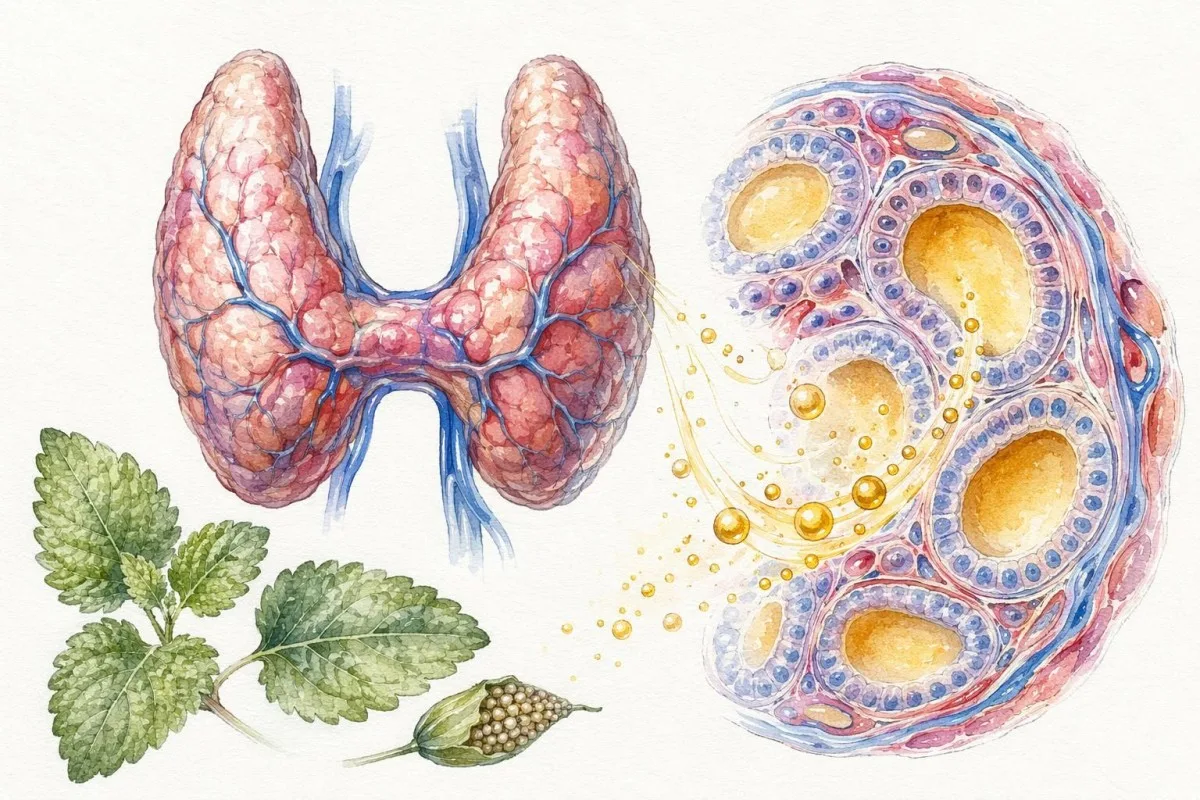
A TSH below about 0.4 mIU/L with high free T4 or free T3 suggests hyperthyroidism; a TSH below 0.1 mIU/L is more concerning. The 2016 American Thyroid Association guideline by Ross et al. supports using TSH, free T4 and T3 patterns to classify thyrotoxicosis before treatment decisions.
In experience, thyroid hunger has a different flavour from insulin hunger. Patients often say they are eating more but losing 2–5 kg, feeling hot in cool rooms, sleeping badly and noticing a resting heart rate above 90 beats per minute; our thyroid disease lab guide walks through those patterns.
Biotin can falsely lower TSH and falsely raise thyroid hormone immunoassay results, sometimes mimicking overactivity. A practical rule is to stop high-dose biotin supplements for 48–72 hours before thyroid testing if your clinician agrees, especially at doses of 5–10 mg per day.
Nutrient gaps: when the body asks for food but needs stores
Iron, B12, vitamin D, protein and sometimes zinc gaps can feel like hunger, cravings or low satiety rather than classic deficiency symptoms. Doctors check CBC, ferritin, transferrin saturation, B12, methylmalonic acid, 25-OH vitamin D, albumin and sometimes zinc.

Ferritin below 30 ng/mL usually suggests depleted iron stores, even if hemoglobin remains above 12 g/dL in women or 13 g/dL in men. In clinic, low ferritin hunger often comes with restless legs, brittle nails or afternoon fatigue rather than obvious anemia.
Vitamin B12 below 200 pg/mL is usually deficient, while 200–400 pg/mL is a grey zone where methylmalonic acid can help. For a broader symptom-to-lab checklist, our guide to nutrient deficiency signs is useful before buying a shelf of supplements.
Albumin below 3.5 g/dL or total protein below about 6.0 g/dL can point toward low intake, absorption trouble, kidney loss or liver synthesis issues. Kantesti’s 15,000+ biomarker guide is helpful here because satiety is rarely explained by one micronutrient result alone.
Medication effects: appetite changes that look metabolic
Medication effects are one of the most missed causes of sudden hunger because the lab pattern may be indirect. Doctors review glucose, HbA1c, lipids, sodium, liver enzymes and sometimes cortisol-related clues after steroids, antipsychotics, antidepressants or diabetes medicines.

Prednisone can raise appetite within 24–72 hours and can push fasting glucose above 126 mg/dL in susceptible patients. Some antipsychotics and mirtazapine can increase appetite and weight within the first 4–8 weeks, often before HbA1c changes.
Insulin and sulfonylureas are different because they can cause true hypoglycaemia. If a patient reports ravenous hunger with sweating after a dose change, I want a documented glucose and medication timestamp, not just a reassurance that the annual HbA1c was 6.1%.
A structured list of drug-start dates often solves the puzzle faster than another exotic hormone test. Our medication monitoring timeline shows which markers usually shift after common long-term medicines.
Digestive and absorption clues when meals do not satisfy
Digestive or absorption problems can cause hunger soon after eating when calories or micronutrients are not being absorbed well. Doctors may check CBC, ferritin, B12, folate, albumin, CRP, liver enzymes, pancreatic enzymes and coeliac screening depending on stools and weight trend.

Low ferritin plus low vitamin D plus low-normal albumin is more suspicious for absorption trouble than any one result alone. I think about this when a patient says they eat a full meal, feel bloated, and then feel hungry again 45 minutes later.
Coeliac disease screening usually starts with tissue transglutaminase IgA plus total IgA while the person is still eating gluten. For people trying to connect bowel symptoms with labs, our gut blood test guide explains what blood tests can and cannot prove.
Kantesti is an AI-powered blood test analysis tool used by 2M+ people across 127+ countries, and absorption patterns are a good example of why multilingual context matters. A ferritin result of 18 ng/mL may be flagged as technically normal by one lab, yet clinically relevant when paired with low MCV, low vitamin D and chronic loose stools.
Stress, sleep and cortisol: the hunger loop labs can hint at
Stress and poor sleep can increase hunger through cortisol, insulin resistance and reward-driven appetite, but routine blood tests only give indirect clues. Doctors may review morning glucose, HbA1c, triglycerides, HDL, CBC differential, CRP and carefully timed cortisol tests.

A single random cortisol is a weak test for everyday stress because cortisol has a strong daily rhythm. An 8 a.m. cortisol is commonly about 5–25 µg/dL, while late-night salivary cortisol is used when clinicians suspect Cushing syndrome rather than ordinary burnout.
The pattern I see in overworked patients is often HbA1c 5.6–5.9%, triglycerides over 150 mg/dL, low HDL and cravings after short sleep. Our cortisol pattern guide explains why timing beats guesswork for adrenal-related testing.
Low eosinophils on CBC can occur with steroid exposure or high cortisol states, but it is not a stress diagnosis. If hunger is paired with purple stretch marks, easy bruising, proximal muscle weakness or new high blood pressure above 140/90 mmHg, the workup changes.
Hormones beyond thyroid: cycles, pregnancy and insulin
Sex-hormone changes can alter appetite, but the lab question is usually whether insulin resistance, pregnancy, PCOS, perimenopause or low testosterone is part of the picture. Doctors choose tests based on sex, age, cycle timing and symptoms rather than ordering one generic hormone panel.
Pregnancy can increase hunger early, but hunger with vomiting, thirst or weight loss still deserves glucose and ketone assessment. During pregnancy, a 1-hour 50 g glucose screen at or above 130–140 mg/dL often triggers a diagnostic oral glucose tolerance test, depending on local protocol.
PCOS-related hunger often tracks with insulin resistance more than with testosterone alone. A patient may have irregular periods, acne and fasting insulin above 15 µIU/mL while HbA1c is only 5.5%; our hormonal imbalance labs overview helps sort which tests belong first.
In men, low testosterone can reduce muscle mass and worsen insulin resistance, which can indirectly change appetite. Total testosterone should usually be checked before 10 a.m. on two separate mornings, because a late-afternoon value can be 20–30% lower.
Rare appetite-hormone issues: when leptin or insulinoma enters the room
Rare appetite-hormone disorders are considered after common glucose, thyroid, nutrient and medication causes are excluded. Doctors look for specific patterns such as severe early-onset obesity, hypothalamic injury, recurrent confirmed hypoglycaemia or inappropriately high insulin during low glucose.
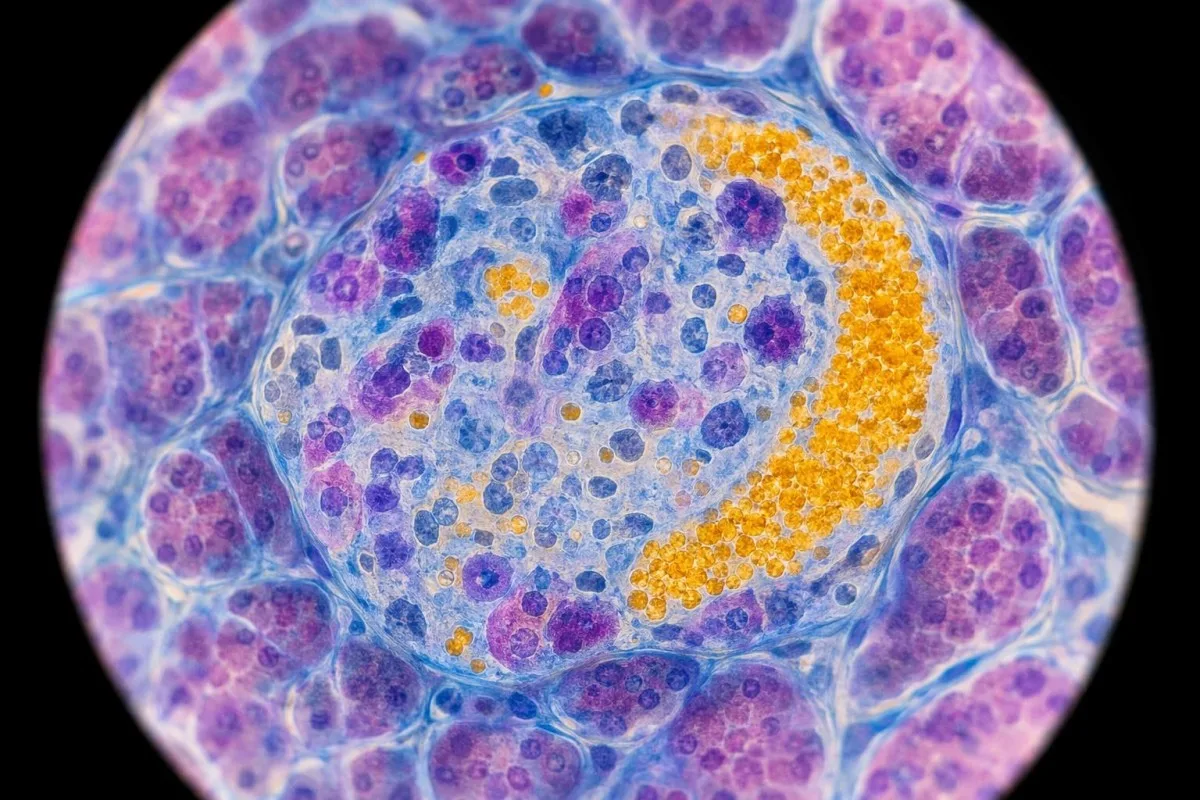
Insulinoma is uncommon, estimated at roughly 1–4 cases per million people per year, but it matters because hunger can be a warning sign of recurrent low glucose. The classic lab pattern is glucose below 55 mg/dL with insulin at least 3 µIU/mL, C-peptide at least 0.6 ng/mL and low beta-hydroxybutyrate during a supervised fast.
Leptin testing is not a standard first-line lab for adults who feel hungry after meals. Congenital leptin deficiency usually presents in early childhood with extreme hunger and rapid weight gain, not as a new symptom in a 42-year-old with normal weight and new shakiness after lunch.
Growth hormone and IGF-1 enter the appetite conversation mostly when body composition, glucose or facial-hand changes are unusual. If that sounds relevant, our growth hormone testing guide explains why random growth hormone is usually a poor screening test.
How to prepare so polyphagia lab tests are interpretable
Preparation matters because fasting status, supplement use, exercise and timing can change glucose, insulin, triglycerides and thyroid tests. Most first-line polyphagia lab tests are easiest to interpret after an 8–12 hour fast unless your clinician specifically wants a post-meal sample.
Water is fine before most fasting labs, and dehydration can falsely raise albumin, total protein and sometimes sodium. Heavy exercise in the prior 24–48 hours can raise AST, CK and glucose stress responses, which can distract from the real hunger pattern.
Bring a 3-day symptom log with meal times, sleep duration, medication doses and the exact hour hunger returns. Our guide to fasting lab rules is a practical starting point if your requisition form does not say whether fasting is needed.
Kantesti is an AI lab test interpretation service that reads uploaded blood test PDFs or photos in about 60 seconds, but timing details still matter because the same glucose value can mean different things fasting, post-meal or during symptoms. Our AI technology guide explains how our neural network handles units, flags and reference ranges.
How doctors read patterns instead of isolated flags
Doctors interpret constant hunger by clustering results: glucose with insulin, TSH with free hormones, ferritin with CBC, and medication timing with metabolic drift. A single asterisk rarely explains polyphagia unless it fits the symptom timeline.

A mildly high ALT of 48 IU/L plus triglycerides of 210 mg/dL and HbA1c 5.8% tells a more coherent story than ALT alone. That cluster often points toward insulin resistance or fatty liver physiology, both of which can travel with poor satiety.
The opposite cluster is ferritin 12 ng/mL, MCV 79 fL and RDW 16%, which suggests evolving iron deficiency even if hemoglobin is still barely normal. This is why Kantesti AI emphasizes trend slopes and combinations, not just red flags.
When Thomas Klein, MD reviews appetite-related results, I compare the patient’s current panel with their own baseline whenever possible. The slope described in our lab trend analysis article often catches risk earlier than a one-off normal range.
Red flags, research notes and what to bring to the appointment
Urgent evaluation is needed when constant hunger comes with confusion, fainting, glucose below 54 mg/dL, glucose above 250 mg/dL with illness, rapid unexplained weight loss, fever, pregnancy complications or severe dehydration. Bring your lab report, medication list, meal timing and any home glucose readings.

A same-day medical review is sensible if hunger is paired with chest pain, severe weakness, new neurological symptoms, persistent vomiting or ketones. If your result is marked critical, our critical values guide explains why some abnormal results should not wait for a routine appointment.
For publication transparency, Kantesti research materials include hematology and digestive-symptom guides that support our broader lab-interpretation work, including hematology marker research and digestive symptom research. These are not a substitute for a clinician, but they show how we document reference concepts across body systems.
My note as Thomas Klein, MD: if you feel embarrassed saying you are always hungry, say it anyway. Appetite is a clinical signal, and Kantesti’s medical review standards are overseen with physician input from our Medical Advisory Board so the discussion stays practical, cautious and human.
Frequently Asked Questions
What blood test should I ask for if I am always hungry?
The first blood tests for always feeling hungry are usually fasting glucose, HbA1c, fasting insulin or C-peptide, TSH, free T4, CBC, ferritin, vitamin B12, 25-OH vitamin D and a comprehensive metabolic panel. If hunger happens 1–4 hours after meals, ask whether glucose should be checked during symptoms or with a monitored mixed-meal test. Medication timing matters because steroids, insulin, sulfonylureas, some antipsychotics and mirtazapine can change appetite within days to weeks.
Can diabetes make you hungry even after eating?
Yes, diabetes can cause hunger after eating because glucose may remain in the bloodstream instead of entering cells efficiently. A fasting glucose of 126 mg/dL or higher on repeat testing, HbA1c of 6.5% or higher, or a 2-hour glucose of 200 mg/dL or higher supports diabetes diagnosis when properly confirmed. Hunger with thirst, frequent urination, blurred vision or weight loss should be assessed promptly.
Can low blood sugar cause constant hunger after meals?
Low blood sugar can cause intense hunger after meals, especially when it occurs with shakiness, sweating, palpitations, anxiety or confusion. A lab glucose below 55 mg/dL during symptoms is clinically meaningful, and values below 54 mg/dL are considered more significant hypoglycaemia. Doctors usually try to document symptoms, low glucose and improvement after glucose rises before diagnosing reactive hypoglycaemia.
Does thyroid disease make you feel hungry all the time?
An overactive thyroid can make people feel hungry because metabolic rate rises and the body burns energy faster. The typical lab pattern is TSH below about 0.4 mIU/L with high free T4 or free T3, and TSH below 0.1 mIU/L is more concerning when symptoms are present. Hunger with weight loss, heat intolerance, tremor, diarrhoea or a resting heart rate above 90 beats per minute should prompt thyroid testing.
Can vitamin or iron deficiency feel like hunger?
Iron, B12, vitamin D and protein gaps can sometimes feel like cravings, poor satiety or low energy that is mistaken for hunger. Ferritin below 30 ng/mL often suggests depleted iron stores, and B12 below 200 pg/mL usually indicates deficiency. These results are most convincing when they match symptoms such as fatigue, restless legs, numbness, brittle nails or reduced exercise tolerance.
Are leptin and ghrelin blood tests useful for always being hungry?
Leptin and ghrelin tests are rarely first-line for adults with new hunger after eating. Doctors usually check glucose, insulin patterns, thyroid function, nutrient status and medication effects before appetite-hormone testing. Leptin testing is mainly considered in unusual cases such as severe early-onset obesity, suspected genetic syndromes or hypothalamic disorders.
When should constant hunger be treated as urgent?
Constant hunger needs urgent care if it comes with confusion, fainting, seizure, severe weakness, persistent vomiting, dehydration, ketones, or glucose below 54 mg/dL. Glucose above 250 mg/dL with illness, abdominal pain or vomiting can also be urgent because ketone problems may develop. Rapid unexplained weight loss of more than 5% in one month, fever or pregnancy-related symptoms should be discussed with a clinician quickly.
Get AI-Powered Blood Test Analysis Today
Join over 2 million users worldwide who trust Kantesti for instant, accurate lab test analysis. Upload your blood test results and receive comprehensive interpretation of 15,000+ biomarkers in seconds.
📚 Referenced Research Publications
Klein, T., Mitchell, S., & Weber, H. (2026). B Negative Blood Type, LDH Blood Test & Reticulocyte Count Guide. Kantesti AI Medical Research.
Klein, T., Mitchell, S., & Weber, H. (2026). Diarrhea After Fasting, Black Specks in Stool & GI Guide 2026. Kantesti AI Medical Research.
📖 External Medical References
American Diabetes Association Professional Practice Committee (2026). Standards of Care in Diabetes—2026. Diabetes Care.






⚕️ Medical Disclaimer
This article is for educational purposes only and does not constitute medical advice. Always consult a qualified healthcare provider for diagnosis and treatment decisions.
E-E-A-T Trust Signals
Experience
Physician-led clinical review of lab interpretation workflows.
Expertise
Laboratory medicine focus on how biomarkers behave in clinical context.
Authoritativeness
Written by Dr. Thomas Klein with review by Dr. Sarah Mitchell and Prof. Dr. Hans Weber.
Trustworthiness
Evidence-based interpretation with clear follow-up pathways to reduce alarm.