
PFAPA سنڈروم کے باعث منہ کے چھالوں، گلے کی سوزش اور گردن کے غدود کے سوجنے کے ساتھ بار بار تیز بخار ہو سکتا ہے، جو عموماً 3–7 دن رہتا ہے اور دوروں کے درمیان مکمل صحت یابی ہوتی ہے۔ تشخیص کا انحصار بار بار سامنے آنے والے انداز اور دیگر وجوہات کو خارج کرنے پر ہوتا ہے—خون کے کسی ایک غیر معمولی ٹیسٹ پر نہیں۔ علامات کی ڈائری مددگار ہوتی ہے؛ غیر معمولی طور پر شدید یا مختلف دورے کے لیے نئے سرے سے جائزہ ضروری ہے۔

اہم نکات
- PFAPA سنڈروم عموماً بخار کے ایسے دوروں کا سبب بنتا ہے جو 3–7 دن رہتے ہیں، اور ان کے درمیان کئی ہفتوں تک صحت اچھی رہتی ہے۔
- PFAPA کی علامات میں منہ کے افتھس چھالے، حلق کی سوزش اور گردن کے لمفی غدود کی سوجن شامل ہیں؛ ضروری نہیں کہ تینوں علامات بیک وقت ظاہر ہوں۔
- بخار کا وقت اکثر تقریباً ہر 2–8 ہفتے بعد ہوتا ہے، لیکن تشخیص کے لیے کیلنڈر کے مطابق باقاعدگی ضروری نہیں۔
- علامات کی ڈائریوں میں دوروں کی تاریخیں، °C یا °F میں زیادہ سے زیادہ درجۂ حرارت، علامات، ادویات اور دوروں کے درمیان صحت یابی درج ہونی چاہیے۔
- خون کے ٹیسٹ دوروں کے دوران CRP اور نیوٹروفلز کی سطح بڑھی ہوئی دکھا سکتی ہے؛ 80 mg/L کا CRP PFAPA اور انفیکشن میں فرق نہیں کرتا۔
- دوریاتی نیوٹروپینیا تقریباً ہر 21 دن بعد دوبارہ ہو سکتی ہے، اور ایک اطمینان بخش CBC کے بجائے بار بار خون کی گنتی کی ضرورت پڑ سکتی ہے۔
- علاج کے فیصلے میں معالج کی تجویز کردہ کورٹیکوسٹیرائڈز، بچاؤ کی ادویات یا ٹانسلز نکالنے کا عمل شامل ہو سکتا ہے؛ ان میں سے کوئی بھی اقدام صرف لیبارٹری کے نتیجے کی بنیاد پر نہیں ہونا چاہیے۔
- فوری جانچ (ایویلوایشن) 3 ماہ سے کم عمر کے کسی بھی شیرخوار کو 38°C یا اس سے زیادہ درجۂ حرارت ہو، یا کسی بھی بچے کو سانس لینے میں دشواری، ردِعمل میں کمی یا دبانے سے غائب نہ ہونے والے دانے ہوں، تو یہ ضروری ہے۔
PFAPA سنڈروم کیا ہے، اور بخار کس وجہ سے ہوتا ہے؟
PFAPA سنڈروم ایک خود التہابی کیفیت ہے جو منہ میں بار بار افتھس السر، حلق کی سوزش اور گردنی غدود کی سوزش کے ساتھ بخار کے دورے پیدا کرتی ہے۔ دورے عموماً جاری رہتے ہیں تین تقابلی لمحات منتخب کریں: کھانے سے پہلے جاگنا، ایک عام کھانے کے دو گھنٹے بعد اور سونے کا وقت۔ یہ؛ بچوں کی توانائی، بھوک اور نشوونما عموماً دوروں کے درمیان معمول پر آ جاتی ہے۔
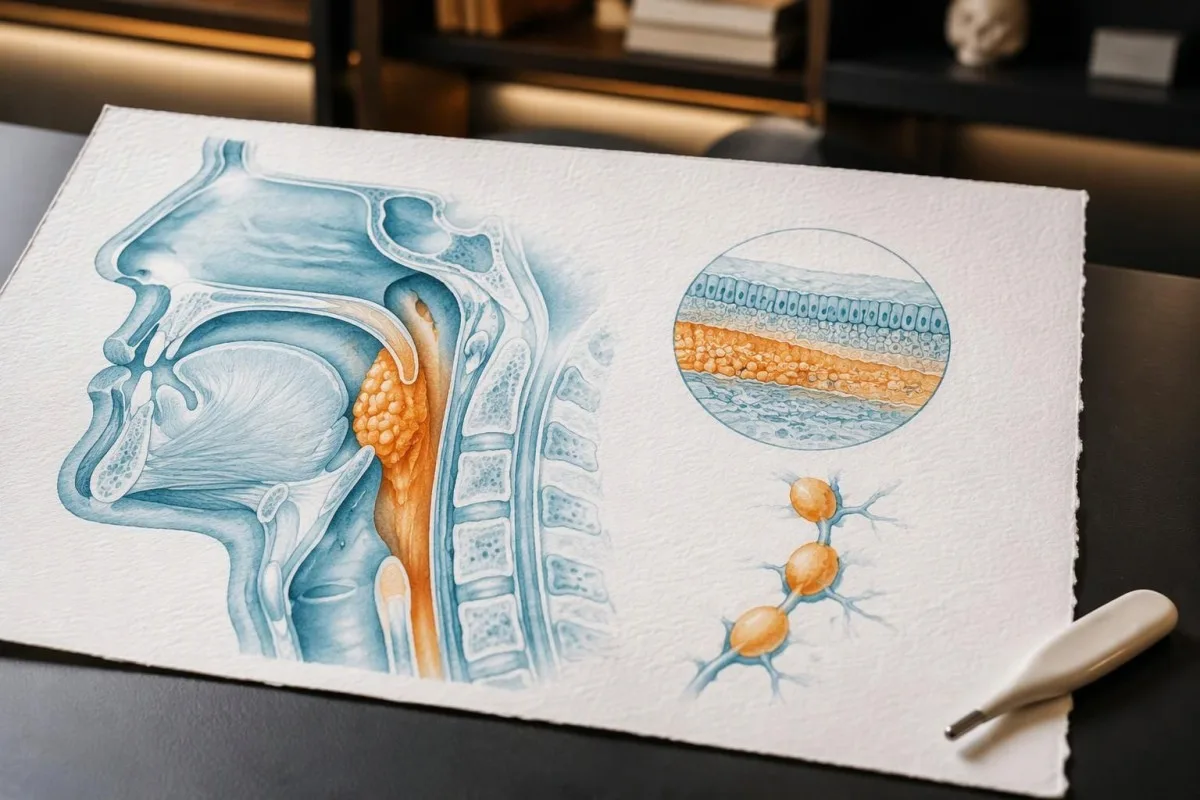
PFAPA میں متعدی راستوں کی نامناسب فعّالیت شامل ہوتی ہے، نہ کہ ہر چند ہفتوں بعد کوئی نئی متعدی بیماری۔ آغاز عموماً 5 سال سے پہلے ہوتا ہے، لیکن بڑے بچے اور بالغ بھی متاثر ہو سکتے ہیں؛ اس لیے عمر کی تاریخی حد ایک اشارہ ہے، قطعی اخراج نہیں (Wang et al., 2021)۔ PFAPA کا مطلب یہ نہیں کہ آئندہ ہر بخار غیر متعدی ہوگا۔
اس مخفف کے 4 اجزا ہیں: دوریاتی بخار، افتھس اسٹومیٹائٹس، حلق کی سوزش اور غدودی سوزش۔ موروثی دوریاتی بخار کی کئی کیفیتوں کے برعکس، PFAPA کی تشخیص کی تصدیق کرنے والا کوئی ایک مستند جینیاتی ٹیسٹ نہیں، اگرچہ خاندان میں ایک سے زیادہ افراد متاثر ہو سکتے ہیں؛ وسیع جینیاتی پینل کا منفی نتیجہ نہ تو PFAPA ثابت کرتا ہے اور نہ ہی ہر دوسرے التہابی عارضے کو خارج کرتا ہے۔
کنٹیسٹی ایک ہے۔ اے آئی بلڈ ٹیسٹ تجزیہ کار جو یہ سمجھنے میں مدد دے سکتا ہے کہ 80 mg/L کے CRP نتیجے کو تشخیصی لیبل کے بجائے طبی تناظر میں دیکھنا کیوں ضروری ہے۔ ہماری تنظیم اور طریقۂ کار خدمت کی وضاحت کرتے ہیں، لیکن PFAPA کی شناخت کے لیے معالج کو متعدد دوروں کی علامات کو یکجا کرکے دیکھنا، بچے کا معائنہ کرنا اور ان کیفیتوں پر غور کرنا ہوتا ہے جن کی عکاسی لیبارٹری رپورٹ نہیں کر سکتی۔
PFAPA کی کون سی علامات اس انداز کو پہچاننے میں مدد دیتی ہیں؟
PFAPA کی علامات میں عموماً بخار کے ساتھ گلے میں درد، گردن کے دردناک غدود یا منہ کے چھوٹے السر شامل ہوتے ہیں۔ یہی امتزاج بار بار ہونے پر دستاویزی طور پر 3 یا زیادہ دورے کسی ایک علامت سے زیادہ معلومات فراہم کرتے ہیں، اگرچہ PFAPA کی تصدیق کے لیے دوروں کی کوئی عالمگیر کم از کم تعداد مقرر نہیں ہے۔
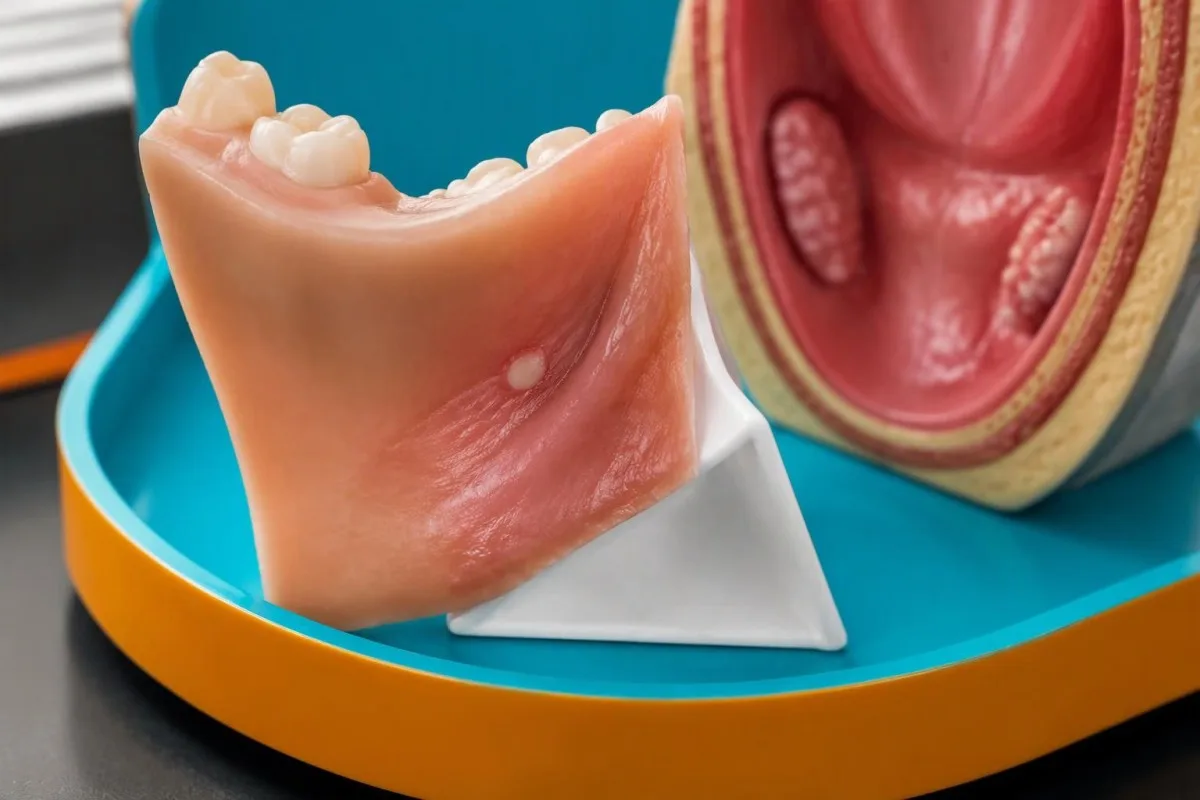
افتھس السر عموماً ہونٹوں کے اندرونی حصے، گالوں یا منہ کی دوسری سطحوں پر چھوٹے، سطحی زخم ہوتے ہیں—یہ بیرونی ہونٹ پر جھرمٹ کی صورت میں بننے والے چھالوں جیسے نہیں ہوتے۔ بچے کو صرف 1 یا 2 زخم ہو سکتے ہیں، اور بعض دوروں میں السر موجود نہیں ہوتے؛ نظر آنے والے زخم کی تصویر کھینچنے سے مدد مل سکتی ہے، اگر وہ معائنے سے پہلے غائب ہو جائے۔
حلق کی سوزش میں سرخی یا ٹانسلز پر تہہ شامل ہو سکتی ہے، اس لیے صرف ظاہری شکل سے PFAPA اور اسٹریپٹوکوکل انفیکشن میں فرق نہیں کیا جا سکتا۔ سوجے ہوئے غدود عموماً گردن کے گرد موجود گردنی لمف نوڈز میں ہوتے ہیں، جبکہ مسلسل بڑھتا ہوا نوڈ، پورے جسم میں غدود کی سوجن یا 3–7 دن کے دورے سے زیادہ دیر تک رہنے والی علامات کی کوئی دوسری وجہ تلاش کرنا ضروری ہے، نہ کہ خودکار طور پر انہیں PFAPA سے منسوب کرنا۔
صرف منہ کے زخم دوریاتی بخار کی تشخیص نہیں ہیں۔ بار بار ہونے والے منہ کے زخموں کے ساتھ جنسی اعضا کے زخم، آنکھوں میں دردناک سرخی، بینائی میں تبدیلی یا جلد کی غیر معمولی علامات ہوں تو دوسرے امکانات پر غور کیا جاتا ہے، جن میں Behçet کی علامات کے انداز؛ بینائی متاثر ہونے کے ساتھ آنکھ میں درد کا صرف 1 دورہ بھی فوری معائنے کا تقاضا کرتا ہے، اور اگلے بخار کے دور کا انتظار نہیں کرنا چاہیے۔
PFAPA کا بخار کتنی دیر رہتا ہے، اور کتنی بار واپس آتا ہے؟
PFAPA کے بخار عموماً رہتے ہیں تین تقابلی لمحات منتخب کریں: کھانے سے پہلے جاگنا، ایک عام کھانے کے دو گھنٹے بعد اور سونے کا وقت۔ یہ اور تقریباً ہر 2–8 ہفتے, بعد دوبارہ آتے ہیں، اکثر علامات نمایاں طور پر ایک جیسی ہوتی ہیں۔ کچھ بچوں میں ایک متوقع ترتیب بن جاتی ہے، لیکن وقفوں میں فرق ہونے سے خودبخود PFAPA خارج نہیں ہوتا۔
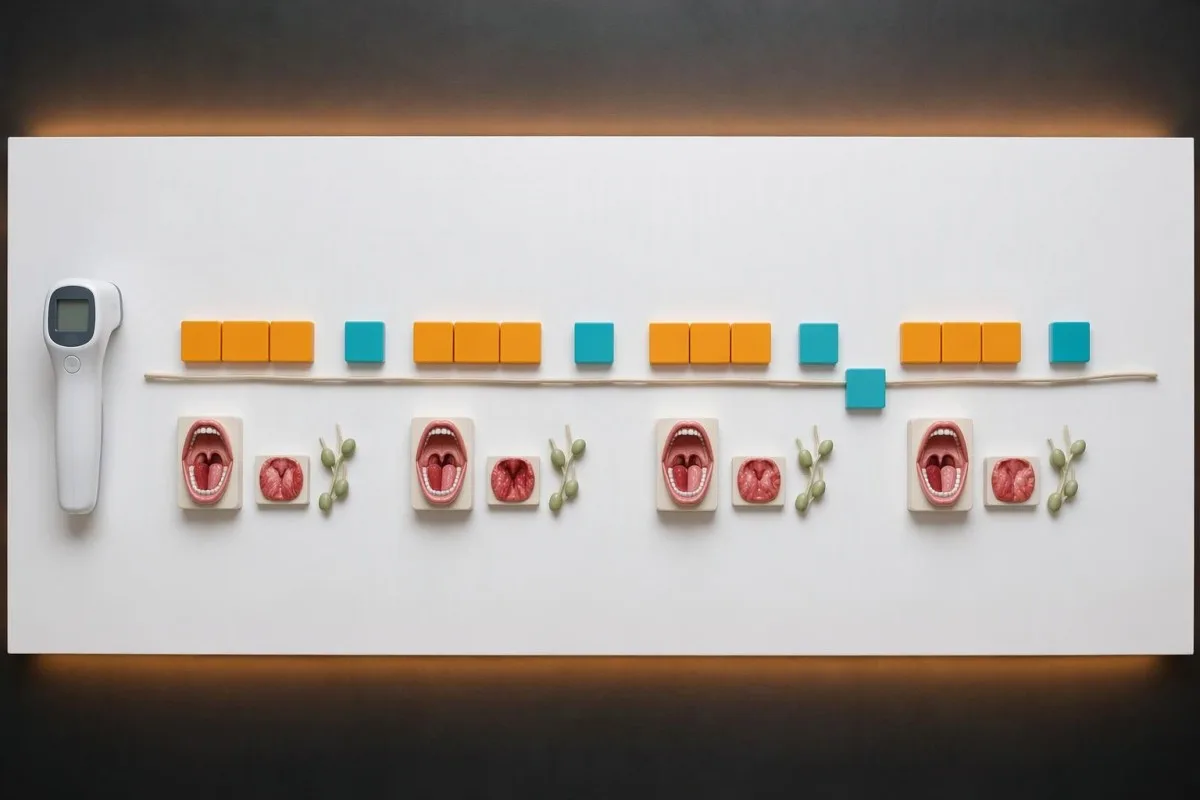
Temperatures during PFAPA attacks often reach 39–40°C, but fever height does not determine the diagnosis or reliably measure danger. The timing of associated throat symptoms, the child's appearance and the return to baseline matter more; measuring temperature with the same method also makes comparisons more useful than alternating between forehead, ear and underarm readings.
For a hypothetical child, fevers beginning on days 1, 29 and 58 with 4-day attacks suggest a repeated cycle—not proof of PFAPA. Count start-to-start intervals separately from fever-free days, and record whether corticosteroid treatment changed an interval; a shortened next cycle after treatment can otherwise make a previously regular pattern look inexplicably irregular.
A fever that does not stop is not a series of separate PFAPA episodes. If symptoms persist beyond 7 days, or recovery never occurs, clinicians reconsider infection and other inflammatory conditions; our explanation of خون کے ٹیسٹ کے وقت کے اثرات also shows why a sample taken on day 1 cannot be interpreted like one taken after recovery.
PFAPA کی علامات کی ڈائری میں کیا درج کرنا چاہیے؟
A PFAPA symptom diary should record episode start and finish dates, measured temperature, mouth and throat findings, neck swelling, medication timing and wellness between attacks. Even 3 carefully documented episodes can reveal details that a single clinic visit misses.

Document the thermometer method and the highest measured temperature, not just 'very hot.' For each day of a 4-day attack, note drinking, urine output, activity, cough, runny nose, abdominal symptoms and whether anyone nearby was ill; these observations distinguish a repeated inflammatory pattern from unrelated respiratory or gastrointestinal illnesses more effectively than recording fever alone.
Medication entries need the name, dose, administration time and observed response. If a prescribed medicine is given at 09:00 and fever settles by 14:00, record that interval without claiming the medicine established PFAPA; include throat swab results and whether a laboratory sample preceded treatment, because both antibiotics and corticosteroids can complicate interpretation of subsequent findings.
Well days deserve entries too. A weekly note of normal appetite, play, school attendance and any lingering symptoms prevents a diary from becoming an attack-only record; when a clinician requests a recovery sample, our بنیادی ٹیسٹ کی تیاری explains how to record recent illness and medicines rather than treating a sample 2 days after fever as an unquestionable baseline.
PFAPA کے دوروں کے درمیان خیریت اتنی اہم کیوں ہے؟
Complete wellness between episodes strongly supports a typical PFAPA pattern: normal activity, appetite and growth should return after the 3–7-day attack. Persistent symptoms or continuing inflammation between attacks make clinicians reconsider the diagnosis.
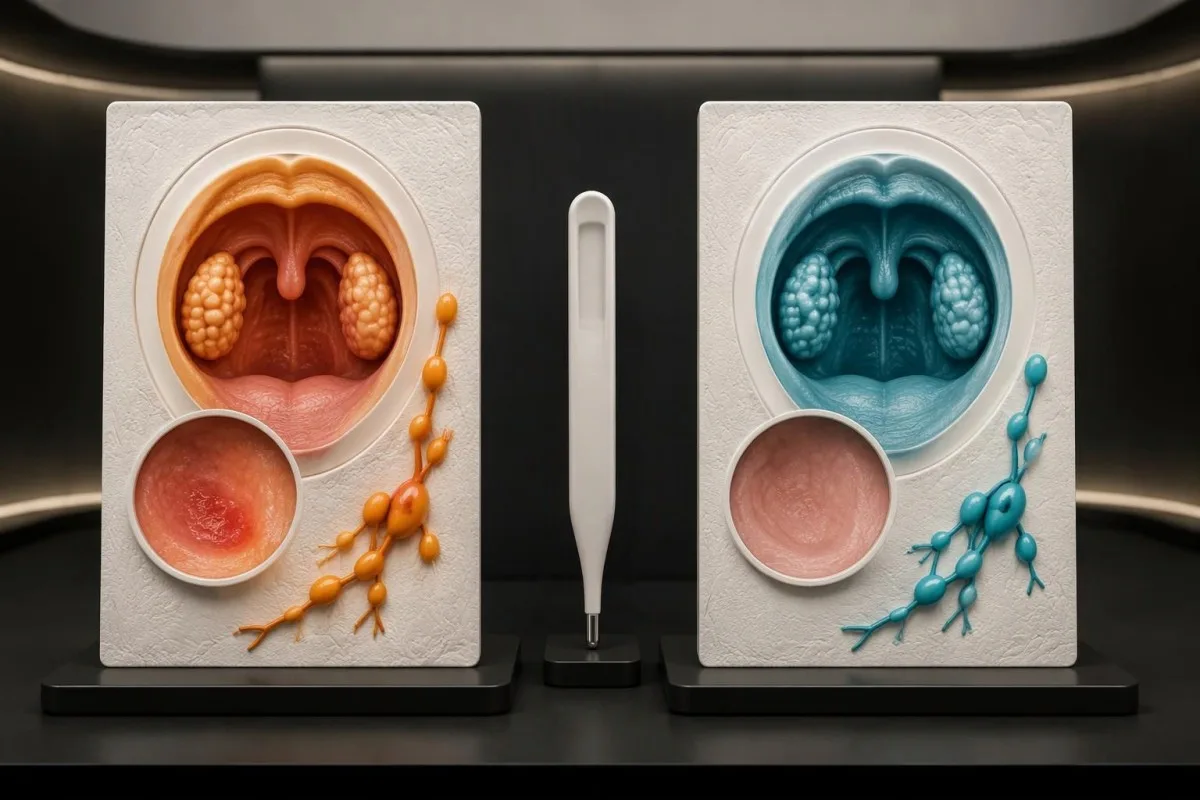
A child who is fever-free but remains exhausted, loses weight or develops daily pain has not truly returned to baseline. Growth is assessed through serial height and weight measurements, not 1 percentile in isolation; crossing growth centiles over time may justify investigation even when individual fever episodes resemble PFAPA and routine examinations during attacks look familiar.
Repeated ordinary infections are common in young children, but unusually severe, prolonged or unusual infections suggest a different evaluation. A history of 2 hospital-treated infections or recurrent deep infections matters differently from several mild colds; clinicians consider the organisms, sites, treatment response and family history, as discussed in our guide to بار بار ہونے والے انفیکشنز کی جانچ.
Inflammatory markers usually fall toward the laboratory reference range between PFAPA attacks, but an immediately post-fever sample may still reflect recovery. A persistent CRP of 25 mg/L on repeated genuinely well-day samples is not proof of another disease, yet it deserves explanation; a clinician may check for an unnoticed infection, ongoing inflammatory symptoms or a sampling timeline that was mislabeled.
PFAPA میں CRP، ESR اور خون کے خلیوں کی گنتی کیا ظاہر کرتی ہے؟
PFAPA attacks can raise CRP, ESR and neutrophil counts, but none of these tests confirms PFAPA or excludes infection. Many laboratories use a CRP upper reference limit around تقریباً, مقرر کرتی ہیں، جبکہ کچھ دوسری 10 mg/L; the report's own range matters.
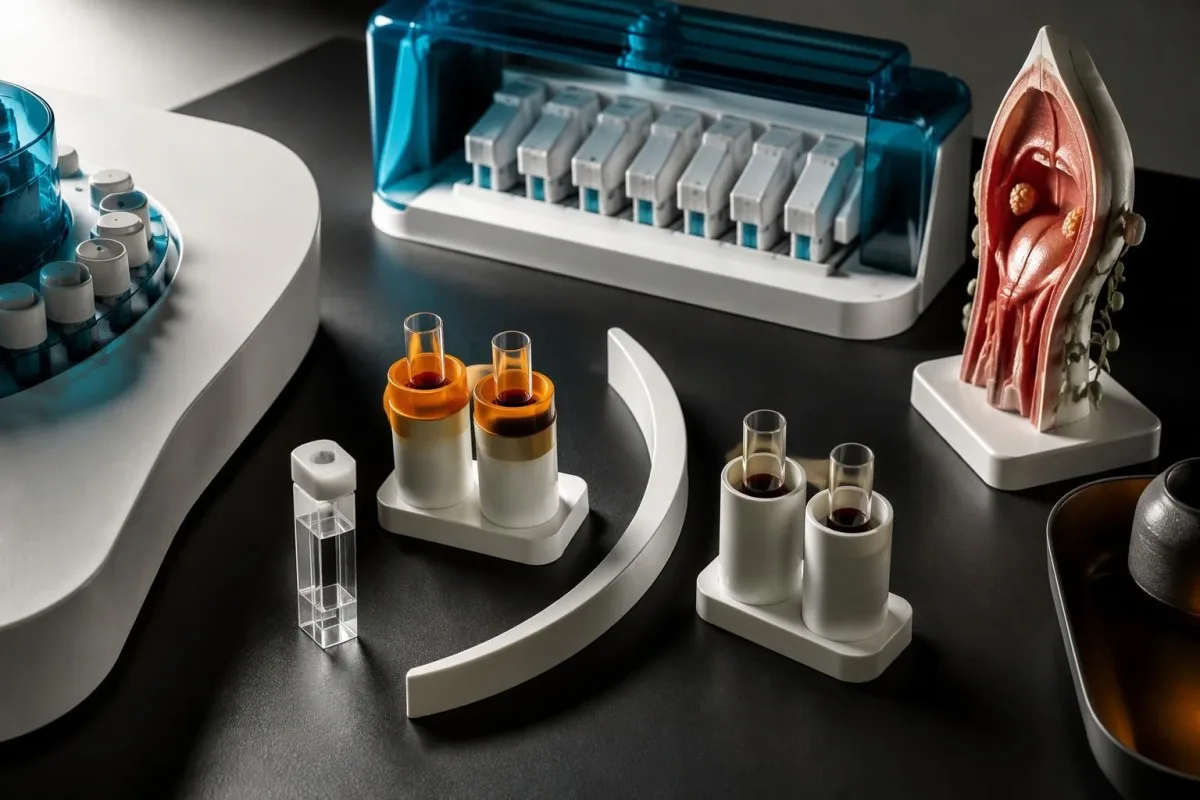
Consider a hypothetical child with CRP 80 mg/L during fever and 3 mg/L after recovery. That change supports an episodic inflammatory process but does not identify its cause; infection can produce the same pattern, while ESR may normalize more slowly than CRP, making a modestly raised recovery ESR less surprising than persistent symptoms or repeatedly elevated CRP.
White-cell interpretation must use age-appropriate absolute counts rather than adult ranges or percentages alone. At Kantesti, we emphasize that CRP 8 mg/dL equals 80 mg/L—a tenfold unit conversion that can otherwise create a false impression of improvement; our WBC اور CRP کا موازنہ explains why these markers can disagree because they change at different rates.
Procalcitonin is sometimes considered when serious bacterial infection is suspected, but it is not a standalone PFAPA discriminator. A low result, including a value below 0.1 ng/mL, cannot safely overrule a concerning examination or very early illness; the limits described in our پروکلسیٹونن کی تشریح سے متعلق رہنما matter more than using one reassuring number to justify home treatment.
معالج PFAPA کی تشخیص کیسے کرتے ہیں؟
PFAPA diagnosis is clinical: clinicians identify repeated characteristic attacks, document recovery between them and exclude plausible alternatives. Onset before age 5 supports traditional criteria, but later onset does not prevent a diagnosis when the overall pattern fits.
The diagnostic process usually starts with history and examination rather than an extensive panel of rare-disease tests. Wang et al. (2021) describe the value of stereotyped episodes, absence of typical respiratory symptoms, negative relevant cultures and response to prescribed corticosteroids; however, 1 negative throat swab or 1 rapid response cannot independently establish PFAPA, and classification criteria are not identical to bedside diagnosis.
Streptococcal testing addresses the current throat illness, while an ASO antibody test mainly reflects previous exposure. An ASO result of 400 IU/mL does not prove that today's recurrent fever is active strep infection; age, local reference ranges and symptom timing affect interpretation, as explained in our discussion of ASO and recent exposure.
کنٹیسٹی ایک ہے۔ اے آئی سے چلنے والا خون کے ٹیسٹ کا تجزیہ کا آلہ that can contextualize laboratory units and repeated results, but 2 matching reports cannot confirm PFAPA. Our تکنیکی اور طبی نگرانی information should not be read as validation of a PFAPA diagnostic test; pediatric or rheumatology assessment remains necessary when the pattern is atypical, severe or uncertain.
PFAPA کو بار بار ہونے والے انفیکشن سے کیسے الگ کیا جاتا ہے؟
Repeated infections are more likely when episodes follow sick contacts, have varying symptoms or include cough, runny nose, diarrhea or a confirmed pathogen. PFAPA more often repeats a similar 3–7-day pattern with complete wellness between attacks, but the two can coexist.
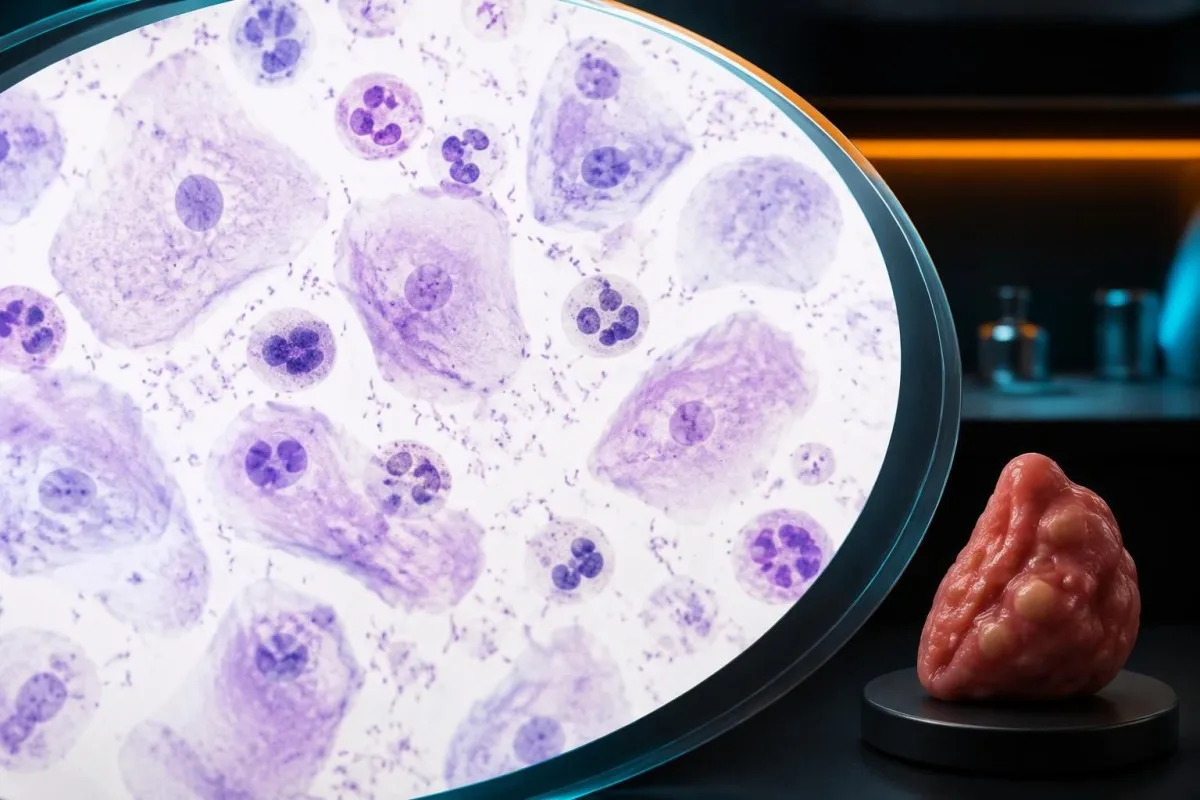
A positive respiratory PCR does not always explain the entire fever history. Adenovirus can remain detectable after an illness, so 1 positive result must be matched to current symptoms, examination and timing; our discussion of ایڈینو وائرس کی تشخیص اور اخراج explains why a molecular result may indicate recent exposure rather than the cause of every subsequent attack.
Longer-lasting sore throat, fatigue and gland enlargement can suggest a different illness rather than PFAPA. EBV antibody patterns distinguish recent infection from prior exposure more effectively than a single positive IgG result; our EBV اینٹی باڈی پیٹرن گائیڈ explains the roles of 3 commonly reported markers—VCA IgM, VCA IgG and EBNA IgG—without equating past exposure with today's symptoms.
Antibiotic response is also easy to misread. If an antibiotic begins on day 4 and the fever ends on day 5, spontaneous resolution of a PFAPA attack is possible; conversely, a confirmed bacterial infection still requires appropriate treatment, and neither previous PFAPA nor prior antibiotic failure permits a new illness with different symptoms to be dismissed without assessment.
وقفے وقفے سے بخار کی کون سی دوسری بیماریاں PFAPA سے ملتی جلتی ہو سکتی ہیں؟
دوریاتی نیوٹروپینیا and inherited autoinflammatory disorders can resemble PFAPA, especially when mouth sores accompany recurring fever. Approximately 21-day cycles, severe infections, marked abdominal or chest pain, unusual rashes or persistent inflammation help clinicians decide which alternatives to investigate.
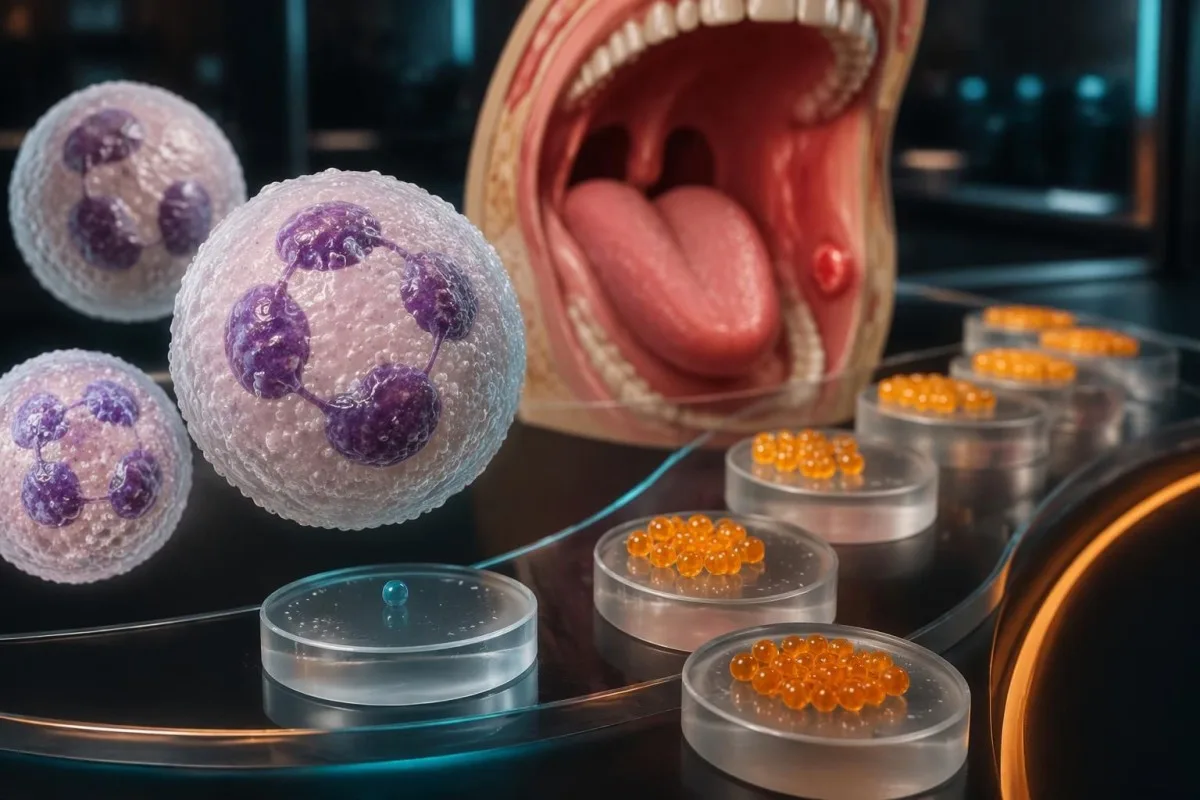
Cyclic neutropenia can produce recurrent fever, mouth sores and gum problems while a blood count between low-count periods looks normal. When suspected, clinicians may request CBCs 2–3 times weekly for about 6 weeks to identify repeated neutrophil nadirs; an absolute neutrophil count below 0.5 × 10^9/L during fever requires urgent clinical assessment rather than being labeled a routine PFAPA attack.
Familial Mediterranean fever often causes shorter attacks, commonly 12–72 hours, with abdominal or chest pain from serosal inflammation or joint symptoms. Our MEFV ٹیسٹنگ کی وضاحت shows why genotype and symptoms must be interpreted together; TRAPS may produce longer attacks, sometimes over 7 days, while mevalonate kinase deficiency can involve diarrhea, vomiting and attacks triggered by vaccination or other stressors.
Ancestry and family history guide assessment, but neither should become a gatekeeper that excludes an inherited disorder. Persistently raised serum amyloid A between attacks can indicate ongoing inflammation and requires context, as our serum amyloid A guide explains; a single high value during a 4-day fever does not diagnose amyloidosis, and typical PFAPA should not automatically be assigned the complication risks of other syndromes.
بخار کی کن تنبیہی علامات کے لیے فوری معائنے کی ضرورت ہے؟
ہنگامی طبی امداد حاصل کریں for fever with breathing difficulty, reduced responsiveness, a stiff neck, a non-blanching rash or severe dehydration. An infant younger than 3 ماہ درجۂ حرارت 38°C یا اس سے زیادہ needs urgent medical assessment, even if a family member has PFAPA.
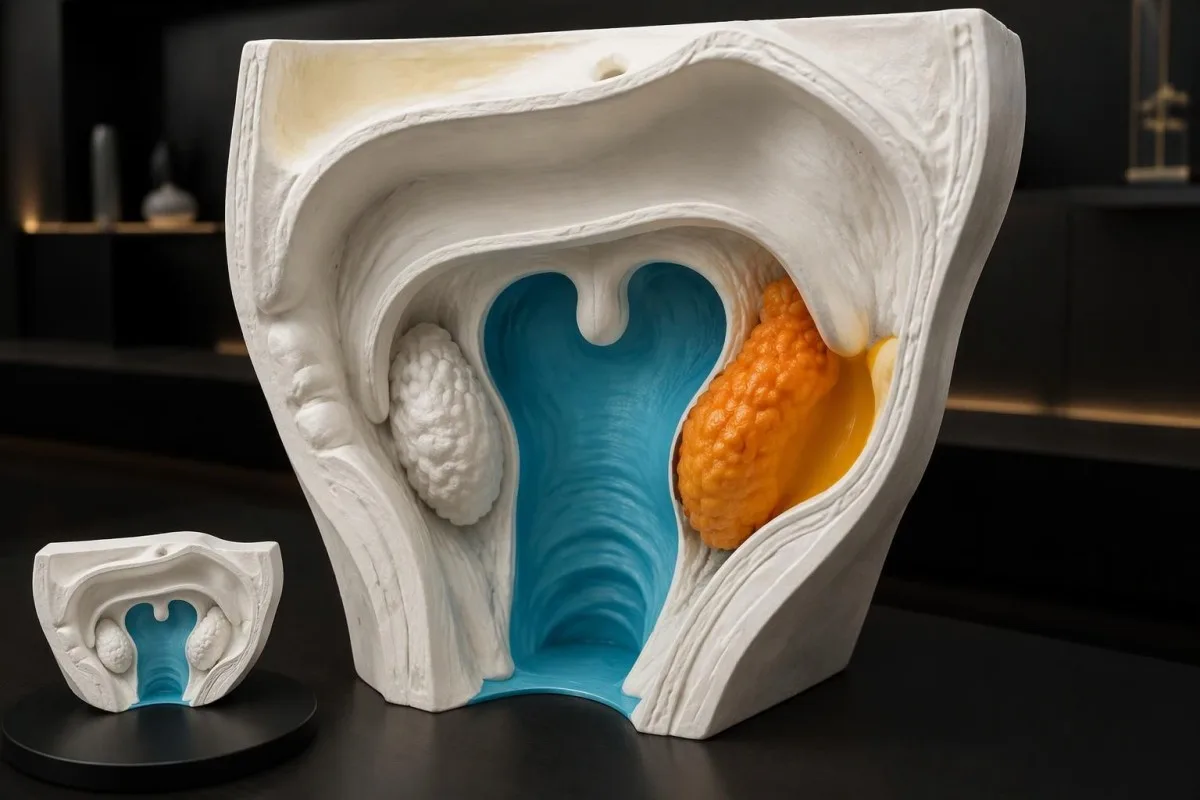
Difficulty swallowing saliva, drooling, a muffled voice or marked one-sided throat swelling can indicate an airway-threatening problem rather than a usual PFAPA flare. A child aged 3–6 months with a temperature of 39°C or higher also needs urgent assessment; contact local emergency services for immediate danger instead of waiting for a blood result or an expected fever endpoint.
Fever lasting 5 days or longer warrants prompt medical review, particularly with red eyes, cracked lips, rash or swollen hands and feet. These findings can suggest Kawasaki disease, discussed in our Kawasaki assessment guide; incomplete presentations occur, so clinicians do not require every classic feature, and concerning symptoms should be assessed before day 5 rather than waiting for a threshold.
New severe localized abdominal pain, persistent vomiting or inability to walk normally should not be attributed to PFAPA without examination. Even 1 normal WBC or CRP result cannot reliably exclude an early abdominal emergency, as our appendicitis laboratory limits explain; children with a known fever syndrome can still develop unrelated illnesses, especially when the attack looks different from their established pattern.
PFAPA کے دوروں کا علاج کیسے کیا جاتا ہے، اور سٹیرائڈز کے ردعمل کا کیا مطلب ہے؟
PFAPA attack treatment focuses on comfort, hydration and, when prescribed, corticosteroids that often stop fever within hours. Published prednisone or prednisolone regimens range from 0.5–2 mg/kg, but dosing, maximum dose and eligibility must be set by the treating clinician.
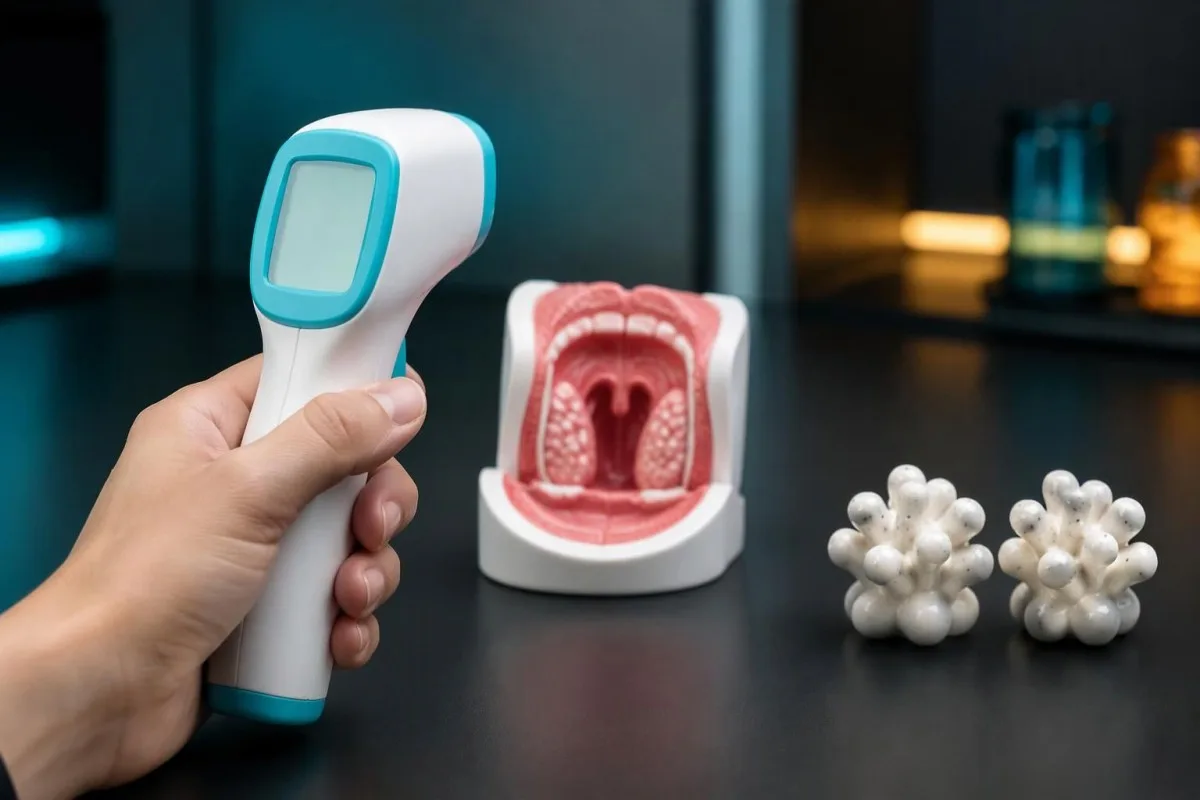
Vanoni et al. (2016) describe rapid corticosteroid responses alongside the limitation that treatment may shorten the interval to the next attack. Reports summarized in that review estimated shorter intervals in approximately 25–50% of patients, but these observations come from heterogeneous studies rather than a precise prediction for an individual child; attack control and long-term prevention are separate treatment goals.
For a hypothetical 20-kg child, a clinician-selected dose of 1 mg/kg would equal 20 mg; this calculation illustrates weight-based prescribing, not a home-treatment recommendation. Families need a written plan explaining when a familiar attack qualifies for treatment, when to seek assessment first and what to do if the expected response does not occur—especially if symptoms suggest a new infection.
Antipyretics may improve discomfort even when they do not end the inflammatory episode. Choose child-appropriate preparations with a clinician or pharmacist, avoid aspirin unless specifically prescribed and do not duplicate paracetamol/acetaminophen across 2 products; Kantesti cannot authorize steroid treatment, and our discussion of بچوں میں AI کی تشریح explains why pediatric decisions need more than laboratory pattern recognition.
احتیاطی ادویات یا ٹانسلز نکالنے پر کب غور کیا جاتا ہے؟
Prevention or tonsillectomy may be considered when PFAPA attacks repeatedly disrupt daily life or attack treatment is unsatisfactory. A Cochrane review included 2 randomized trials involving 67 children, finding benefit from tonsil surgery while emphasizing the limited size of the evidence base.
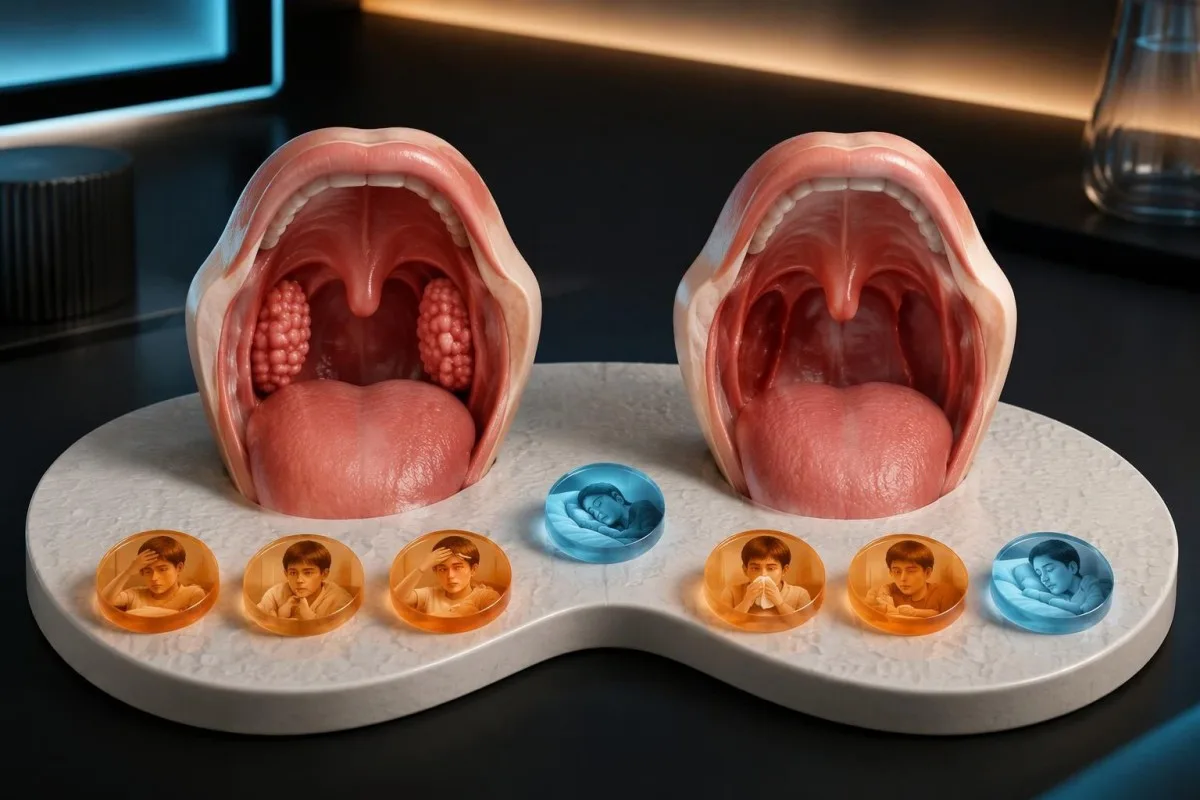
Burton et al. (2019) judged the evidence for several tonsillectomy outcomes to be of moderate certainty, but the trials were too small to characterize uncommon harms confidently. The evidence concerns selected children rather than every person with recurrent sore throat; a child missing 4 school days each month may value potential benefit differently from a child with infrequent, easily managed attacks.
Colchicine is sometimes used to reduce attacks under specialist supervision, whereas cimetidine has less convincing evidence. Treatment selection should consider the diagnosis, kidney and liver function, other medicines and the possibility of an inherited fever disorder; when several options exist, agree in advance on a measurable goal, such as fewer attacks across 3 months, rather than assuming a changed laboratory number demonstrates success.
Tonsillectomy carries postoperative pain, dehydration, anesthesia-related risks and bleeding risk, even when it improves PFAPA. Kantesti's ذمہ دارانہ AI سے متعلق رہنمائی supports a clear boundary: neither 1 elevated inflammatory marker nor an automated report can decide whether surgery is appropriate; that discussion belongs with the treating pediatric team and an ENT specialist who can assess the child's individual risks.
PFAPA میں بچوں، بالغوں اور خاندانوں کے لیے کس قسم کی پیروی مددگار ہے؟
PFAPA follow-up should track attack burden, growth or weight, treatment response and any symptoms between episodes. Many childhood cases improve over several years, but persistence, relapse and adult-onset disease occur; a 3-month review interval can be a practical individualized plan rather than a universal rule.

Adults require the same attention to repeated patterns and alternative causes, not an assumption that PFAPA is impossible after childhood. Fever with oral sores and pharyngitis can support the diagnosis, but new constitutional symptoms, persistent gland enlargement or abnormal findings between attacks need assessment; a 35-year-old with a first prolonged fever should not self-diagnose PFAPA from an online symptom match.
Prepare a concise appointment summary: attack dates, duration, associated features, well-day symptoms, test results and response to prescribed treatment. Include 1 clearly labeled attack sample and any clinician-requested recovery sample, rather than ordering a broad panel every month; repeated testing is useful only when it answers a specific question, such as whether inflammation persists or neutrophil counts cycle.
کنٹیسٹی ایک ہے۔ AI خون کے ٹیسٹ کی رپورٹ کی تشریح that can help explain uploaded CBC and inflammatory-marker reports alongside their dates, units and stated reference ranges. For a family sharing 2 or more records, check each person's identity and consent before upload, and review our رازداری اور ڈیٹا کے طریقۂ کار; AI explanation does not replace pediatric examination, urgent triage or a specialist diagnosis.
تحقیقی اشاعتیں: شواہد بمقابلہ پس منظر کی لیبارٹری رہنما کتابیں
PFAPA evidence comes from clinical descriptions, differential-diagnosis research and treatment studies—not from a specific clotting or serum-protein test. The 2 background publications below explain other laboratory topics and should not be mistaken for studies validating PFAPA diagnosis.
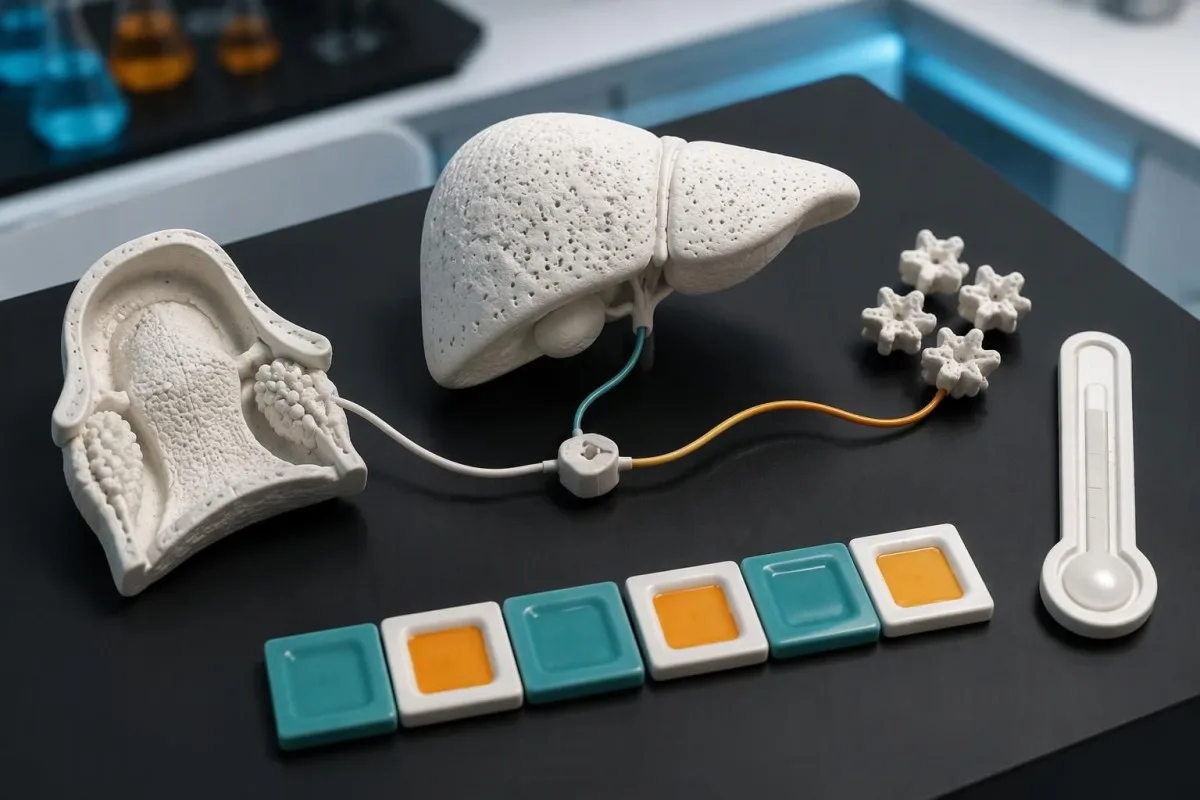
The peer-reviewed PFAPA review by Wang et al. (2021), treatment review by Vanoni et al. (2016) and Cochrane analysis by Burton et al. (2019) directly inform this article's clinical discussion. The surgical review's 67-child evidence base illustrates why certainty must be proportionate to study size; a named source supports a specific claim, not every recommendation made elsewhere on the page.
Kantesti کے clotting test background guide اور سیرم پروٹین کے پس منظر کی رہنما کتاب accompany the 2 Zenodo records listed below. Neither aPTT nor an albumin/globulin ratio confirms PFAPA, and neither guide establishes that routine testing of those markers improves PFAPA care; additional tests should follow an identified clinical concern rather than the availability of a panel.
Evidence interpretation should distinguish a repository-hosted educational guide from a peer-reviewed condition-specific study or systematic review. Our طبی مواد کے معیارات explain the editorial approach; for a child with 3 apparently similar attacks, the practical priority remains documented recovery, targeted exclusion of alternatives and a clear safety plan, not accumulating more citations or tests that do not answer the clinical question.
اکثر پوچھے جانے والے سوالات
پی ایف اے پی اے سنڈروم کیا ہے؟
پی ایف اے پی اے (PFAPA) سنڈروم ایک خود التہابی حالت ہے جو بار بار بخار، منہ میں افتھس السر، گلے کی سوزش اور گردن کے لمف نوڈز میں سوجن کا سبب بنتی ہے۔ دورے عموماً 3–7 دن رہتے ہیں اور ہر چند ہفتوں بعد دوبارہ ہوتے ہیں، جبکہ دوروں کے درمیان صحت معمول کے مطابق رہتی ہے۔ یہ حالت عموماً 5 سال کی عمر سے پہلے شروع ہوتی ہے، تاہم بڑے بچوں اور بالغوں کو بھی متاثر کر سکتی ہے۔ کوئی ایک خون کا ٹیسٹ پی ایف اے پی اے (PFAPA) کی تصدیق نہیں کرتا، اس لیے تشخیص کا انحصار بار بار ظاہر ہونے والی طبی علامات کے انداز اور دیگر ممکنہ اسباب کی جانچ پر ہوتا ہے۔
PFAPA کے بخار کتنی بار آتے ہیں؟
PFAPA کے بخار عموماً تقریباً ہر 2–8 ہفتے بعد دوبارہ ہوتے ہیں، اور ہر دورہ عام طور پر 3–7 دن رہتا ہے۔ کچھ بچوں میں یہ دورے بہت باقاعدگی سے آتے ہیں، جبکہ دوسروں میں ان کے درمیان وقفہ بدلتا رہتا ہے۔ کورٹیکوسٹیرائڈ علاج اگلے دورے تک کا وقفہ کم کر سکتا ہے، اس لیے دوا لینے کے وقت کو بخار کی ڈائری میں درج کریں۔ مسلسل بخار یا دوروں کے درمیان طبیعت ٹھیک نہ ہونا، اسے PFAPA کی عام علامت سمجھنے کے بجائے دوبارہ معائنے کا تقاضا کرتا ہے۔
کیا CRP خون کا ٹیسٹ بلند ہونے سے PFAPA کی تشخیص ہو سکتی ہے؟
CRP کی زیادہ سطح کا نتیجہ PFAPA کی تشخیص نہیں کر سکتا، کیونکہ انفیکشنز اور سوزش کے دیگر عوارض بھی اسی طرح اضافہ پیدا کر سکتے ہیں۔ مثال کے طور پر، بخار کے دوران CRP کی سطح 80 mg/L اور صحت یابی کے بعد 3 mg/L ہونا وقفے وقفے سے ہونے والی سوزش کی تائید کرتا ہے، لیکن اس کی وجہ کی شناخت نہیں کرتا۔ بہت سی لیبارٹریاں CRP کی بالائی حوالہ حد تقریباً 5 mg/L استعمال کرتی ہیں، جبکہ کچھ 10 mg/L استعمال کرتی ہیں۔ معالج اس نتیجے کی تشریح علامات، معائنے، نمونہ لینے کے وقت اور انفیکشن سے متعلق کسی بھی موزوں ٹیسٹنگ کے ساتھ ملا کر کرتے ہیں۔
کیا پی ایف اے پی اے متعدی ہے، اور کیا اس کے لیے اینٹی بایوٹکس کی ضرورت ہوتی ہے؟
PFAPA خود متعدی نہیں ہے اور اینٹی بایوٹکس اس کے بنیادی سوزشی عمل کا علاج نہیں کرتیں۔ 3–7 دن کا ایک عام دورہ اینٹی بایوٹک شروع کیے جانے کے بعد قدرتی طور پر ختم ہو سکتا ہے، جس سے یہ گمراہ کن تاثر پیدا ہوتا ہے کہ اینٹی بایوٹک مؤثر ثابت ہوئی۔ PFAPA والے بچوں کو متعدی وائرل بیماریاں یا بیکٹیریا کے انفیکشن پھر بھی ہو سکتے ہیں۔ مختلف علامات کے ساتھ نئے بخار، بیمار افراد سے رابطے، یا بیکٹیریا کی تصدیق شدہ وجہ کا الگ سے جائزہ لے کر مناسب علاج کرنا چاہیے۔
کیا پریڈنیسون کا فوری اثر PFAPA کی تشخیص ثابت کرتا ہے؟
تجویز کردہ پریڈنیزون یا پریڈنیسولون سے فوری افاقہ PFAPA کی تشخیص کے حق میں ہوتا ہے، لیکن اس سے تشخیص ثابت نہیں ہوتی۔ PFAPA کے لیے شائع شدہ علاجی طریقۂ کار میں 0.5–2 mg/kg شامل ہے؛ اصل خوراک اور زیادہ سے زیادہ حد کا تعین معالج کرتا ہے۔ کورٹیکوسٹیرائڈز دیگر حالتوں کی علامات دبا سکتے ہیں اور PFAPA کے اگلے دورے تک وقفہ کم کر سکتے ہیں۔ اہلِ خانہ کو تحریری علاجی منصوبہ اپنانا چاہیے اور اگر کوئی دورہ غیر معمولی طور پر شدید ہو یا مختلف نوعیت کا ہو تو علاج شروع کرنے سے پہلے طبی معائنہ کروانا چاہیے۔
PFAPA کا شبہ ہو تو بچے کو فوری طبی امداد کب لینی چاہیے؟
مشتبہ PFAPA والے بچے کو بخار کے ساتھ سانس لینے میں دشواری، ردِعمل میں کمی، گردن اکڑنے، دبانے پر نہ مٹنے والے دانوں یا شدید پانی کی کمی کی صورت میں ہنگامی طبی امداد کی ضرورت ہے۔ 3 ماہ سے کم عمر کے کسی بھی شیر خوار بچے کا درجۂ حرارت 38°C یا اس سے زیادہ ہو تو فوری طبی معائنہ ضروری ہے۔ 5 دن یا اس سے زیادہ عرصے تک رہنے والا بخار بھی فوری طبی معائنے کا متقاضی ہے، خصوصاً اگر آنکھیں سرخ ہوں، دانے ہوں، ہونٹ پھٹے ہوں یا ہاتھ پاؤں سوجے ہوں۔ پہلے PFAPA کی تشخیص ہو چکی ہو تب بھی نئی بیماری کی مختلف علامات کو نظرانداز کرنا محفوظ نہیں۔
اپنے خون کے ٹیسٹ کے نتائج کی وضاحت حاصل کریں
اپنی لیب رپورٹ اپ لوڈ کریں اور Kantesti کا AI چند سیکنڈ میں ہر بائیومارکر کو آسان زبان میں سمجھائے گا۔ دنیا بھر میں 2 ملین سے زیادہ افراد استعمال کرتے ہیں۔.
حوالہ جات
- Klein, T., Mitchell, S., & Weber, H. (2026). aPTT کی معمول کی حد: D-Dimer، Protein C اور خون جمنے سے متعلق رہنما۔. Kantesti AI طبی تحقیق۔. ڈی او آئی
- Klein, T., Mitchell, S., & Weber, H. (2026). سیرم پروٹینز گائیڈ: گلوبیولنز، البیومن اور A/G تناسب کا خون کا ٹیسٹ۔. Kantesti AI طبی تحقیق۔. ڈی او آئی
- Wang A et al. (2021). Periodic fever, aphthous stomatitis, pharyngitis, and adenitis (PFAPA) syndrome: A review. World Journal of Otorhinolaryngology - Head and Neck Surgery. ڈی او آئی
- Vanoni F et al. (2016). PFAPA syndrome: a review on treatment and outcome. Pediatric Rheumatology. ڈی او آئی
- Burton MJ et al. (2019). Tonsillectomy for periodic fever, aphthous stomatitis, pharyngitis and cervical adenitis syndrome (PFAPA). Cochrane Database of Systematic Reviews۔. ڈی او آئی
- 2M+تجزیہ کیے گئے ٹیسٹ
- 127+ممالک
- 100+زبانیں
طبی ٹیم کے بارے میں


E-E-A-T اعتماد کے اشارے
تجربہ
معالج کی قیادت میں لیب تشریح کے ورک فلو کا کلینیکل جائزہ۔.
مہارت
لیبارٹری میڈیسن کا فوکس یہ کہ بایومارکرز کلینیکل سیاق میں کیسے برتاؤ کرتے ہیں۔.
مستندیت
ڈاکٹر تھامس کلائن نے طبی جائزہ لیا، جبکہ ڈاکٹر سارہ مچل اور پروفیسر ڈاکٹر ہانس ویبر نے بھی تعاون کیا۔.
امانت داری
شواہد پر مبنی تشریح واضح فالو اپ راستوں کے ساتھ تاکہ گھبراہٹ کم ہو۔.




طبی دستبرداری
یہ مضمون صرف تعلیمی مقاصد کے لیے ہے اور طبی مشورہ نہیں ہے۔ تشخیص اور علاج کے فیصلوں کے لیے ہمیشہ کسی مستند صحت کے ماہر سے رجوع کریں۔.
شائع ہوا۔ · ادارتی ٹیم سے رابطہ کریں
Kantesti Ltd کی جانب سے شائع کردہ، انگلینڈ اور ویلز میں رجسٹرڈ، کمپنی نمبر. 17090423, ، لندن، برطانیہ۔.
