
Ugonjwa wa PFAPA unaweza kusababisha homa kali zinazojirudia pamoja na vidonda vya mdomoni, maumivu ya koo na tezi za shingo zilizovimba, ambazo kwa kawaida hudumu siku 3–7 huku mgonjwa akipata nafuu kamili kati ya mashambulizi. Utambuzi hutegemea mpangilio unaojirudia na kuondoa uwezekano wa visababishi vingine—si kipimo kimoja cha damu kisicho cha kawaida. Daftari la dalili husaidia; kipindi kisicho cha kawaida kwa ukali au tofauti kinahitaji tathmini mpya.

Mambo muhimu ya kukumbuka
- Ugonjwa wa PFAPA kwa kawaida husababisha vipindi vya homa vinavyodumu siku 3–7, vikitenganishwa na majuma kadhaa ya afya njema.
- Dalili za PFAPA zinajumuisha vidonda vya aphthous mdomoni, uvimbe wa koo na nodi za limfu za shingo zilizovimba; si lazima sifa zote 3 zitokee pamoja.
- Muda wa kutokea kwa homa mara nyingi hufuata mzunguko wa takriban kila wiki 2–8, lakini si lazima uwe na mpangilio kamili wa kalenda ili kufanya utambuzi.
- Madaftari ya dalili yanapaswa kurekodi tarehe za vipindi, joto la juu zaidi la mwili kwa °C au °F, dalili, dawa na nafuu kati ya mashambulizi.
- Vipimo vya damu huenda yakaonyesha CRP iliyoinuka na neutrofili wakati wa mashambulizi; CRP ya 80 mg/L haitofautishi PFAPA na maambukizi.
- Neutropenia ya mzunguko inaweza kujirudia takribani kila siku 21 na inaweza kuhitaji vipimo vya damu vya mfululizo badala ya CBC moja inayotia moyo.
- Maamuzi ya matibabu inaweza kuhusisha kotikosteroidi zilizoagizwa na daktari, dawa za kinga au upasuaji wa kuondoa tonsili; hakuna kati ya hizi inayopaswa kufanywa kwa kutegemea matokeo ya maabara pekee.
- Tathmini ya haraka inahitajika kwa mtoto yeyote mchanga aliye chini ya miezi 3 mwenye joto la mwili la 38°C au zaidi, au mtoto yeyote mwenye shida ya kupumua, mwitikio uliopungua au upele usiopauka unapobonyezwa.
Ugonjwa wa PFAPA ni nini, na homa hizo husababishwa na nini?
Ugonjwa wa PFAPA ni hali ya uchochezi wa kinga ya mwili inayosababisha vipindi vya homa vinavyojirudia, pamoja na vidonda vya aphthous mdomoni, faringitisi na adenitisi ya shingo ya kizazi. Mashambulizi kwa kawaida hudumu siku 3–7; kwa kawaida watoto hurudia nguvu, hamu ya kula na ukuaji wao wa kawaida kati ya vipindi.
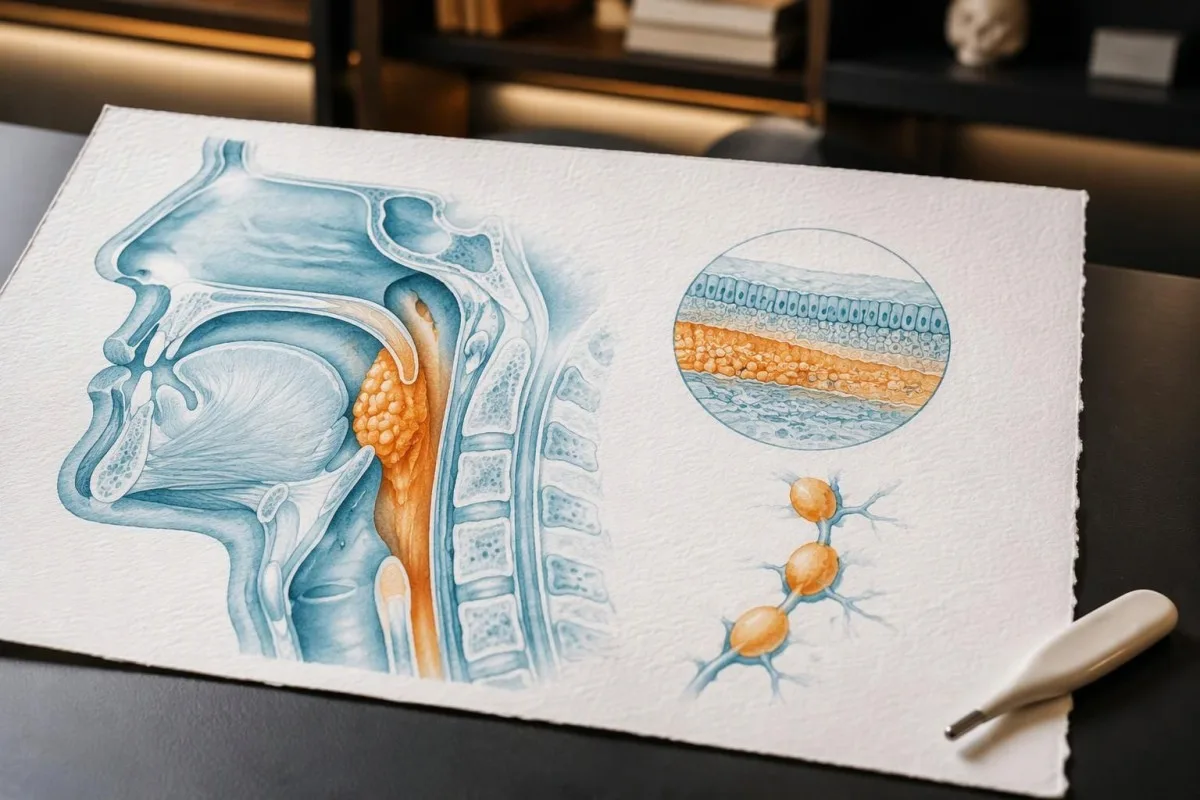
PFAPA husababishwa na uanzishaji usiofaa wa njia za uchochezi badala ya ugonjwa mpya wa kuambukiza kila baada ya wiki chache. Huanza mara nyingi kabla ya umri wa miaka 5, lakini watoto wakubwa na watu wazima pia wanaweza kuathiriwa; kwa hiyo, kikomo cha umri kilichotumika kihistoria ni kidokezo, si kigezo cha kuondoa kabisa uwezekano huo (Wang et al., 2021). PFAPA haimaanishi kwamba kila homa ya siku zijazo haitakuwa ya kuambukiza.
Kifupisho hiki kinaeleza vipengele 4: homa ya vipindi, stomatitisi ya aphthous, faringitisi na adenitisi. Tofauti na hali kadhaa za kurithi za homa za vipindi, PFAPA haina kipimo kimoja cha kijenetiki kilichothibitishwa kinachothibitisha utambuzi, ingawa inaweza kutokea katika familia; majibu hasi ya paneli pana ya kijenetiki hayathibitishi PFAPA wala kuondoa kila ugonjwa mwingine wa uchochezi.
Kantesti ni Mchambuzi wa mtihani wa damu wa AI kinachoweza kusaidia kueleza kwa nini matokeo ya CRP ya 80 mg/L yanahitaji muktadha wa kitabibu badala ya lebo ya utambuzi. Yetu shirika na mbinu yetu hueleza huduma hiyo, lakini kumtambua mtu mwenye PFAPA kunahitaji daktari kuunganisha dalili katika vipindi vingi, kumchunguza mtoto na kuzingatia hali ambazo ripoti ya maabara haiwezi kubaini.
Ni dalili zipi za PFAPA zinazofanya mpangilio wake utambulike?
Dalili za PFAPA kwa kawaida hujumuisha homa pamoja na maumivu ya koo, tezi za shingo zinazouma zikiguswa au vidonda vidogo vya mdomoni. Mchanganyiko huohuo unapojirudia katika vipindi 3 au zaidi vilivyorekodiwa una taarifa zaidi kuliko dalili yoyote moja, ingawa hakuna idadi ya chini ya vipindi inayokubalika kote inayothibitisha PFAPA.
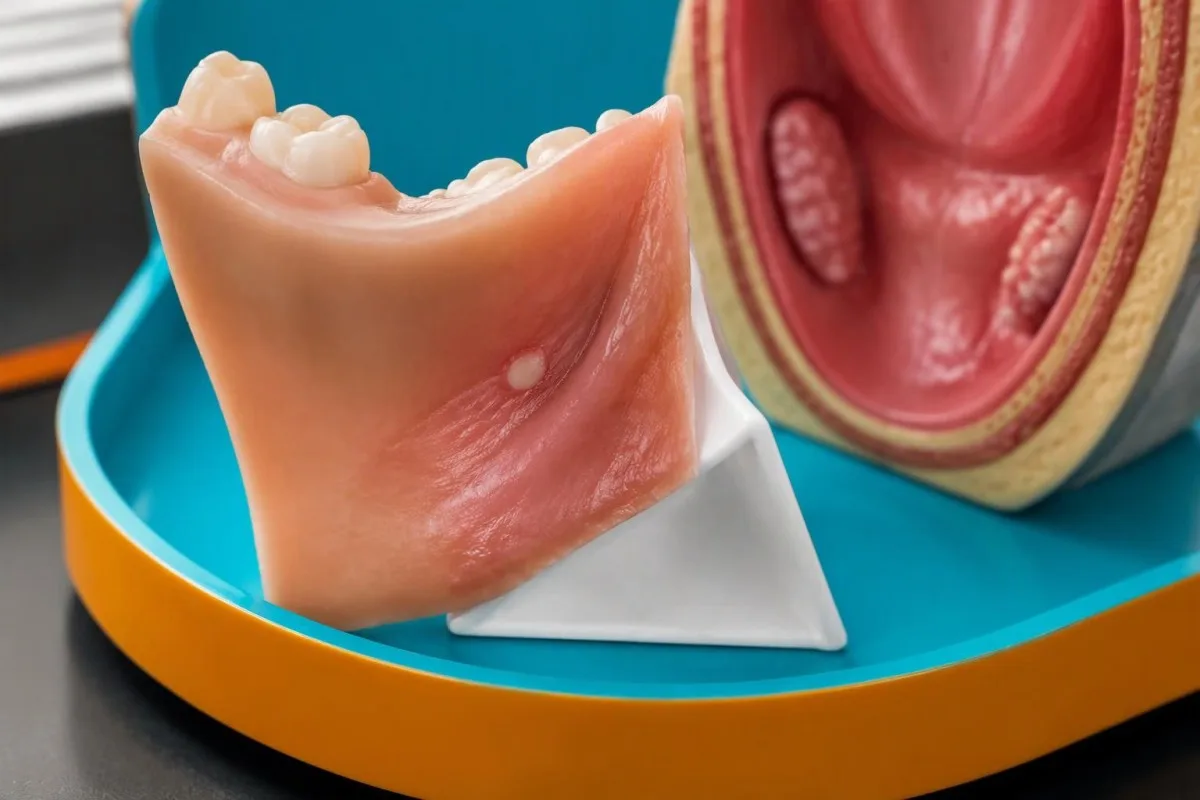
Vidonda vya aphthous kwa kawaida ni vidonda vidogo, vifupi kwenye upande wa ndani wa midomo, mashavu au sehemu nyingine za ndani ya mdomo—si sawa na malengelenge yaliyokusanyika kwenye sehemu ya nje ya mdomo. Mtoto anaweza kuwa na kidonda 1 au 2 tu, na vidonda vinaweza kutokuwepo wakati wa baadhi ya mashambulizi; kupiga picha ya kidonda kinachoonekana kunaweza kusaidia ikiwa kitatoweka kabla ya miadi.
Faringitisi inaweza kujumuisha wekundu au utando kwenye tonsili, kwa hiyo mwonekano pekee hauwezi kutofautisha PFAPA na maambukizi ya streptokokasi. Tezi zilizovimba kwa kawaida ni nodi za shingo ya kizazi zilizo karibu na shingo, ilhali nodi inayoendelea kuongezeka ukubwa, uvimbe wa tezi ulioenea au dalili zinazoendelea zaidi ya shambulizi la siku 3–7 zinahitaji maelezo tofauti badala ya kuhusishwa moja kwa moja na PFAPA.
Vidonda vya mdomoni pekee havimaanishi utambuzi wa homa ya vipindi. Vidonda vya mdomoni vinavyojirudia pamoja na vidonda vya sehemu za siri, macho mekundu yenye maumivu, mabadiliko ya kuona au matatizo yasiyo ya kawaida ya ngozi huashiria uwezekano mwingine, ikiwa ni pamoja na mifumo ya dalili za Behçet; hata tukio 1 la maumivu ya jicho pamoja na kuharibika kwa kuona linahitaji uchunguzi wa haraka, bila kusubiri mzunguko mwingine wa homa.
Homa za PFAPA hudumu kwa muda gani, na hurudi mara ngapi?
Homa za PFAPA kwa kawaida hudumu siku 3–7 na hujirudia takribani kila Wiki 2–8, mara nyingi zikiwa na dalili zinazofanana sana. Baadhi ya watoto hupata mpangilio unaotabirika, lakini vipindi vinavyotofautiana haviondoi moja kwa moja uwezekano wa PFAPA.
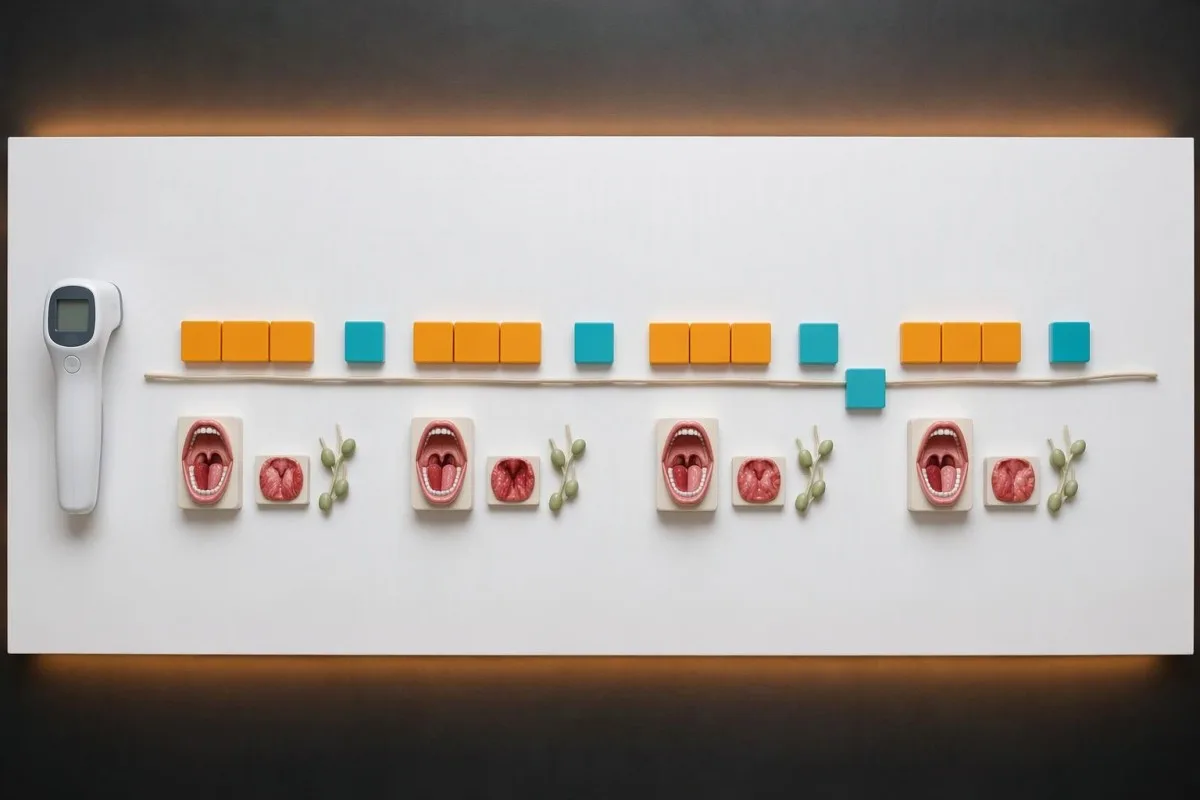
Temperatures during PFAPA attacks often reach 39–40°C, but fever height does not determine the diagnosis or reliably measure danger. The timing of associated throat symptoms, the child's appearance and the return to baseline matter more; measuring temperature with the same method also makes comparisons more useful than alternating between forehead, ear and underarm readings.
For a hypothetical child, fevers beginning on days 1, 29 and 58 with 4-day attacks suggest a repeated cycle—not proof of PFAPA. Count start-to-start intervals separately from fever-free days, and record whether corticosteroid treatment changed an interval; a shortened next cycle after treatment can otherwise make a previously regular pattern look inexplicably irregular.
A fever that does not stop is not a series of separate PFAPA episodes. If symptoms persist beyond 7 days, or recovery never occurs, clinicians reconsider infection and other inflammatory conditions; our explanation of athari za muda wa kipimo cha damu also shows why a sample taken on day 1 cannot be interpreted like one taken after recovery.
Daftari la dalili za PFAPA linapaswa kurekodi nini?
A PFAPA symptom diary should record episode start and finish dates, measured temperature, mouth and throat findings, neck swelling, medication timing and wellness between attacks. Even 3 carefully documented episodes can reveal details that a single clinic visit misses.

Document the thermometer method and the highest measured temperature, not just 'very hot.' For each day of a 4-day attack, note drinking, urine output, activity, cough, runny nose, abdominal symptoms and whether anyone nearby was ill; these observations distinguish a repeated inflammatory pattern from unrelated respiratory or gastrointestinal illnesses more effectively than recording fever alone.
Medication entries need the name, dose, administration time and observed response. If a prescribed medicine is given at 09:00 and fever settles by 14:00, record that interval without claiming the medicine established PFAPA; include throat swab results and whether a laboratory sample preceded treatment, because both antibiotics and corticosteroids can complicate interpretation of subsequent findings.
Well days deserve entries too. A weekly note of normal appetite, play, school attendance and any lingering symptoms prevents a diary from becoming an attack-only record; when a clinician requests a recovery sample, our maandalizi ya vipimo vya msingi explains how to record recent illness and medicines rather than treating a sample 2 days after fever as an unquestionable baseline.
Kwa nini kuwa na afya njema kati ya vipindi vya PFAPA ni muhimu sana?
Complete wellness between episodes strongly supports a typical PFAPA pattern: normal activity, appetite and growth should return after the 3–7-day attack. Persistent symptoms or continuing inflammation between attacks make clinicians reconsider the diagnosis.

A child who is fever-free but remains exhausted, loses weight or develops daily pain has not truly returned to baseline. Growth is assessed through serial height and weight measurements, not 1 percentile in isolation; crossing growth centiles over time may justify investigation even when individual fever episodes resemble PFAPA and routine examinations during attacks look familiar.
Repeated ordinary infections are common in young children, but unusually severe, prolonged or unusual infections suggest a different evaluation. A history of 2 hospital-treated infections or recurrent deep infections matters differently from several mild colds; clinicians consider the organisms, sites, treatment response and family history, as discussed in our guide to upimaji wa maambukizi ya mara kwa mara.
Inflammatory markers usually fall toward the laboratory reference range between PFAPA attacks, but an immediately post-fever sample may still reflect recovery. A persistent CRP of 25 mg/L on repeated genuinely well-day samples is not proof of another disease, yet it deserves explanation; a clinician may check for an unnoticed infection, ongoing inflammatory symptoms or a sampling timeline that was mislabeled.
CRP, ESR na hesabu za seli za damu huonyesha nini katika PFAPA?
PFAPA attacks can raise CRP, ESR and neutrophil counts, but none of these tests confirms PFAPA or excludes infection. Many laboratories use a CRP upper reference limit around 5 mg/L, ilhali wengine hutumia 10 mg/L; the report's own range matters.
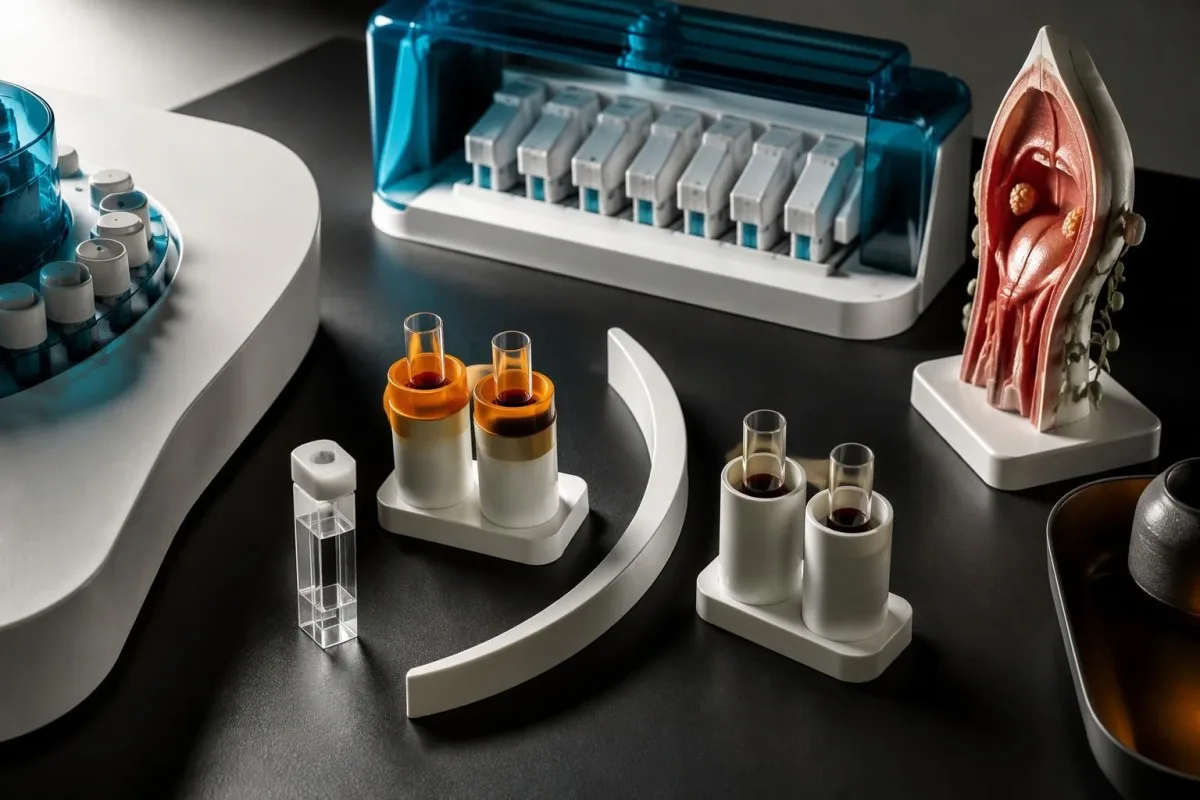
Consider a hypothetical child with CRP 80 mg/L during fever and 3 mg/L after recovery. That change supports an episodic inflammatory process but does not identify its cause; infection can produce the same pattern, while ESR may normalize more slowly than CRP, making a modestly raised recovery ESR less surprising than persistent symptoms or repeatedly elevated CRP.
White-cell interpretation must use age-appropriate absolute counts rather than adult ranges or percentages alone. At Kantesti, we emphasize that CRP 8 mg/dL equals 80 mg/L—a tenfold unit conversion that can otherwise create a false impression of improvement; our kulinganisha WBC na CRP explains why these markers can disagree because they change at different rates.
Procalcitonin is sometimes considered when serious bacterial infection is suspected, but it is not a standalone PFAPA discriminator. A low result, including a value below 0.1 ng/mL, cannot safely overrule a concerning examination or very early illness; the limits described in our kutafsiri prokalcitonini matter more than using one reassuring number to justify home treatment.
Madaktari hufanyaje utambuzi wa PFAPA?
PFAPA diagnosis is clinical: clinicians identify repeated characteristic attacks, document recovery between them and exclude plausible alternatives. Onset before age 5 supports traditional criteria, but later onset does not prevent a diagnosis when the overall pattern fits.
The diagnostic process usually starts with history and examination rather than an extensive panel of rare-disease tests. Wang et al. (2021) describe the value of stereotyped episodes, absence of typical respiratory symptoms, negative relevant cultures and response to prescribed corticosteroids; however, 1 negative throat swab or 1 rapid response cannot independently establish PFAPA, and classification criteria are not identical to bedside diagnosis.
Streptococcal testing addresses the current throat illness, while an ASO antibody test mainly reflects previous exposure. An ASO result of 400 IU/mL does not prove that today's recurrent fever is active strep infection; age, local reference ranges and symptom timing affect interpretation, as explained in our discussion of ASO and recent exposure.
Kantesti ni Zana ya uchambuzi wa vipimo vya damu inayotumia AI that can contextualize laboratory units and repeated results, but 2 matching reports cannot confirm PFAPA. Our kiufundi na kitabibu information should not be read as validation of a PFAPA diagnostic test; pediatric or rheumatology assessment remains necessary when the pattern is atypical, severe or uncertain.
PFAPA hutofautishwaje na maambukizi yanayojirudia?
Repeated infections are more likely when episodes follow sick contacts, have varying symptoms or include cough, runny nose, diarrhea or a confirmed pathogen. PFAPA more often repeats a similar 3–7-day pattern with complete wellness between attacks, but the two can coexist.
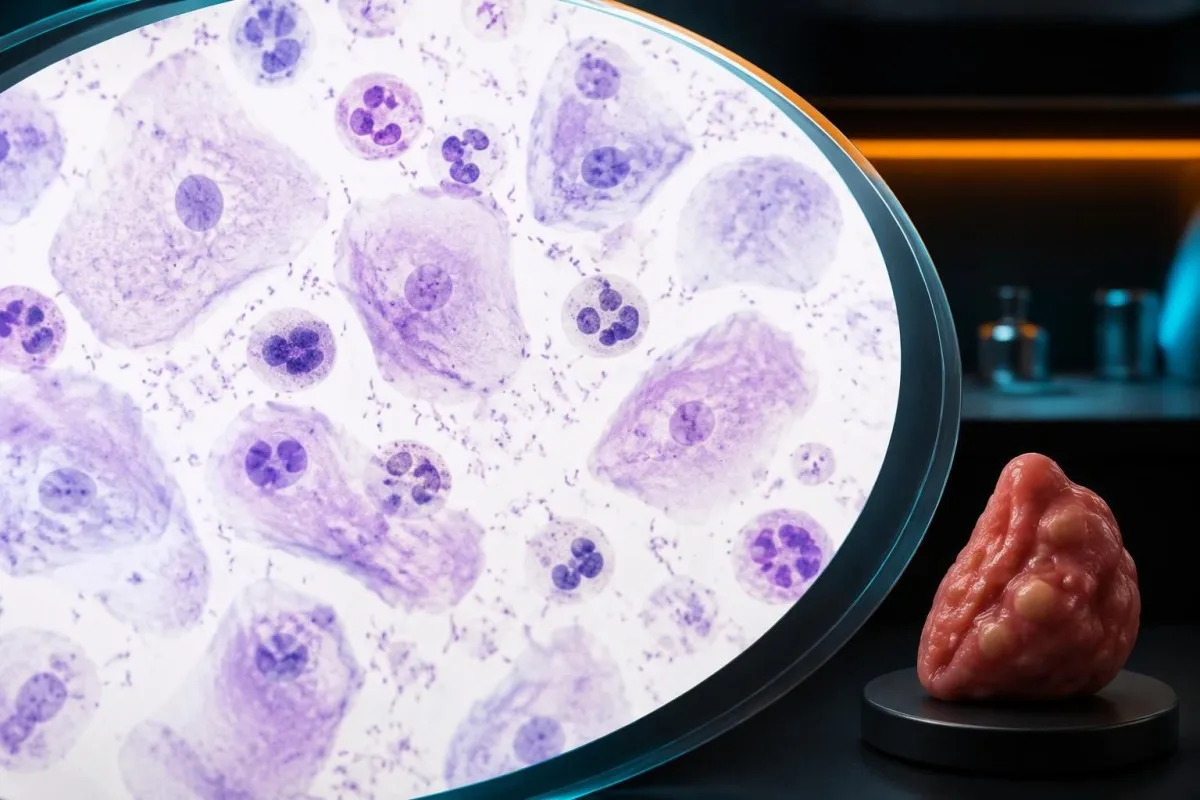
A positive respiratory PCR does not always explain the entire fever history. Adenovirus can remain detectable after an illness, so 1 positive result must be matched to current symptoms, examination and timing; our discussion of ugunduzi na utoaji wa adenovirus kwenye kinyesi explains why a molecular result may indicate recent exposure rather than the cause of every subsequent attack.
Longer-lasting sore throat, fatigue and gland enlargement can suggest a different illness rather than PFAPA. EBV antibody patterns distinguish recent infection from prior exposure more effectively than a single positive IgG result; our Mwongozo wa ruwaza ya kingamwili ya EBV explains the roles of 3 commonly reported markers—VCA IgM, VCA IgG and EBNA IgG—without equating past exposure with today's symptoms.
Antibiotic response is also easy to misread. If an antibiotic begins on day 4 and the fever ends on day 5, spontaneous resolution of a PFAPA attack is possible; conversely, a confirmed bacterial infection still requires appropriate treatment, and neither previous PFAPA nor prior antibiotic failure permits a new illness with different symptoms to be dismissed without assessment.
Ni magonjwa gani mengine ya homa za mara kwa mara yanayoweza kufanana na PFAPA?
Neutropenia ya mzunguko and inherited autoinflammatory disorders can resemble PFAPA, especially when mouth sores accompany recurring fever. Approximately 21-day cycles, severe infections, marked abdominal or chest pain, unusual rashes or persistent inflammation help clinicians decide which alternatives to investigate.

Cyclic neutropenia can produce recurrent fever, mouth sores and gum problems while a blood count between low-count periods looks normal. When suspected, clinicians may request CBCs 2–3 times weekly for about 6 weeks to identify repeated neutrophil nadirs; an absolute neutrophil count below 0.5 × 10^9/L during fever requires urgent clinical assessment rather than being labeled a routine PFAPA attack.
Familial Mediterranean fever often causes shorter attacks, commonly 12–72 hours, with abdominal or chest pain from serosal inflammation or joint symptoms. Our maelezo kuhusu upimaji wa MEFV shows why genotype and symptoms must be interpreted together; TRAPS may produce longer attacks, sometimes over 7 days, while mevalonate kinase deficiency can involve diarrhea, vomiting and attacks triggered by vaccination or other stressors.
Ancestry and family history guide assessment, but neither should become a gatekeeper that excludes an inherited disorder. Persistently raised serum amyloid A between attacks can indicate ongoing inflammation and requires context, as our serum amyloid A guide explains; a single high value during a 4-day fever does not diagnose amyloidosis, and typical PFAPA should not automatically be assigned the complication risks of other syndromes.
Ni ishara zipi za hatari za homa zinazohitaji tathmini ya haraka?
Tafuta huduma ya dharura for fever with breathing difficulty, reduced responsiveness, a stiff neck, a non-blanching rash or severe dehydration. An infant younger than miezi mwenye joto la mwili la 38°C au zaidi needs urgent medical assessment, even if a family member has PFAPA.
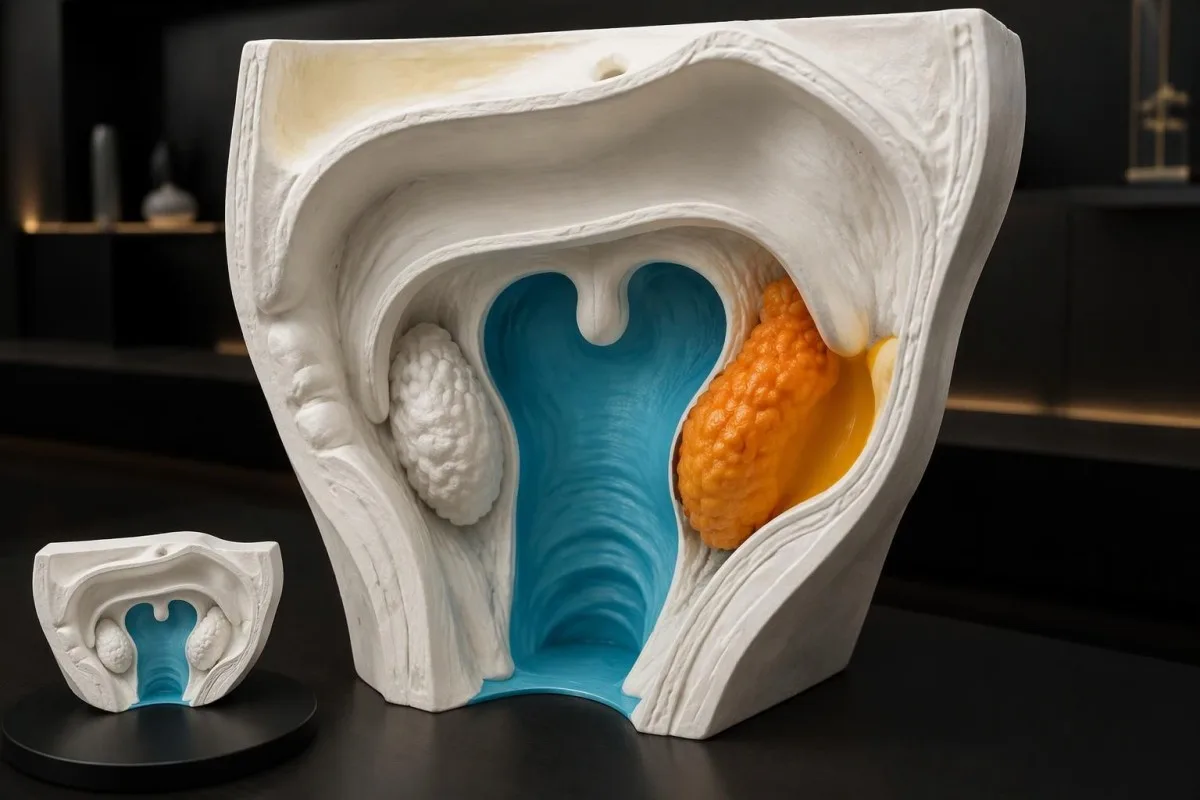
Difficulty swallowing saliva, drooling, a muffled voice or marked one-sided throat swelling can indicate an airway-threatening problem rather than a usual PFAPA flare. A child aged 3–6 months with a temperature of 39°C or higher also needs urgent assessment; contact local emergency services for immediate danger instead of waiting for a blood result or an expected fever endpoint.
Fever lasting 5 days or longer warrants prompt medical review, particularly with red eyes, cracked lips, rash or swollen hands and feet. These findings can suggest Kawasaki disease, discussed in our Kawasaki assessment guide; incomplete presentations occur, so clinicians do not require every classic feature, and concerning symptoms should be assessed before day 5 rather than waiting for a threshold.
New severe localized abdominal pain, persistent vomiting or inability to walk normally should not be attributed to PFAPA without examination. Even 1 normal WBC or CRP result cannot reliably exclude an early abdominal emergency, as our appendicitis laboratory limits explain; children with a known fever syndrome can still develop unrelated illnesses, especially when the attack looks different from their established pattern.
Mashambulizi ya PFAPA hutibiwaje, na mwitikio kwa steroidi humaanisha nini?
PFAPA attack treatment focuses on comfort, hydration and, when prescribed, corticosteroids that often stop fever within hours. Published prednisone or prednisolone regimens range from 0.5–2 mg/kg, but dosing, maximum dose and eligibility must be set by the treating clinician.
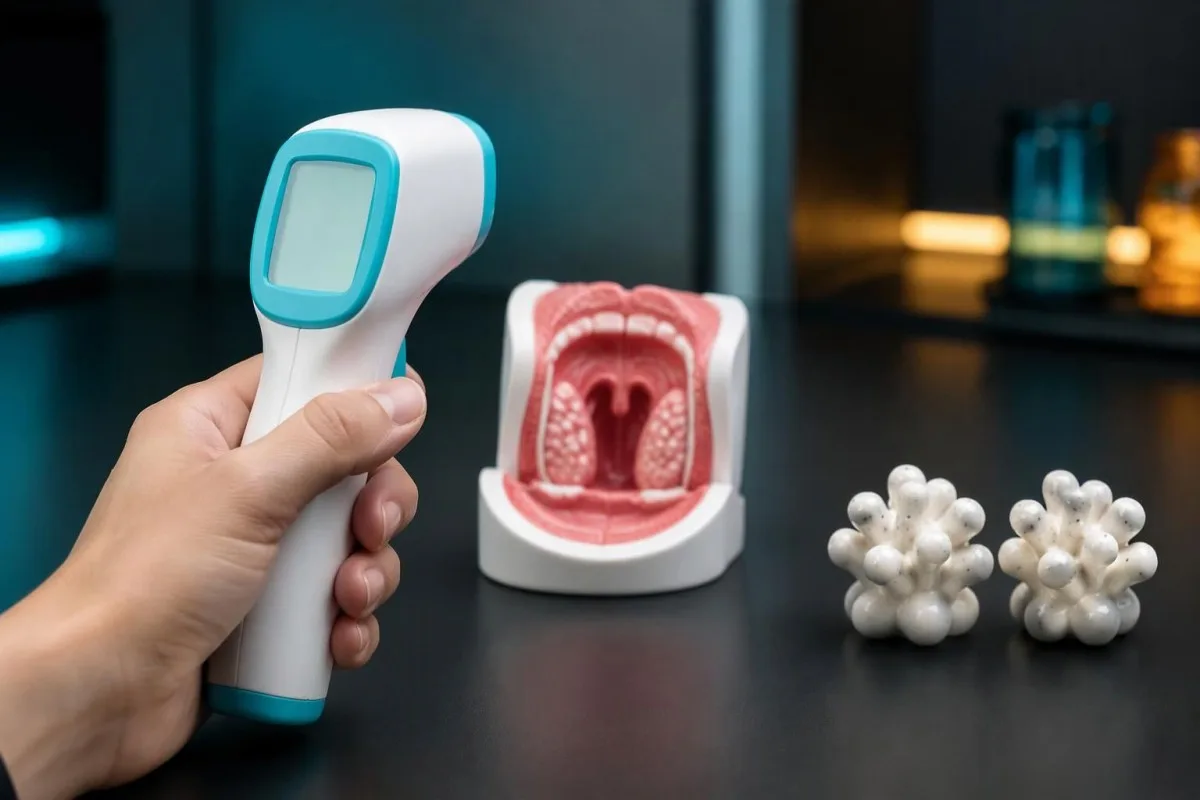
Vanoni et al. (2016) describe rapid corticosteroid responses alongside the limitation that treatment may shorten the interval to the next attack. Reports summarized in that review estimated shorter intervals in approximately 25–50% of patients, but these observations come from heterogeneous studies rather than a precise prediction for an individual child; attack control and long-term prevention are separate treatment goals.
For a hypothetical 20-kg child, a clinician-selected dose of 1 mg/kg would equal 20 mg; this calculation illustrates weight-based prescribing, not a home-treatment recommendation. Families need a written plan explaining when a familiar attack qualifies for treatment, when to seek assessment first and what to do if the expected response does not occur—especially if symptoms suggest a new infection.
Antipyretics may improve discomfort even when they do not end the inflammatory episode. Choose child-appropriate preparations with a clinician or pharmacist, avoid aspirin unless specifically prescribed and do not duplicate paracetamol/acetaminophen across 2 products; Kantesti cannot authorize steroid treatment, and our discussion of tafsiri ya AI kwa watoto explains why pediatric decisions need more than laboratory pattern recognition.
Ni wakati gani dawa za kuzuia mashambulizi au upasuaji wa kuondoa tonsili huzingatiwa?
Prevention or tonsillectomy may be considered when PFAPA attacks repeatedly disrupt daily life or attack treatment is unsatisfactory. A Cochrane review included 2 randomized trials involving 67 children, finding benefit from tonsil surgery while emphasizing the limited size of the evidence base.
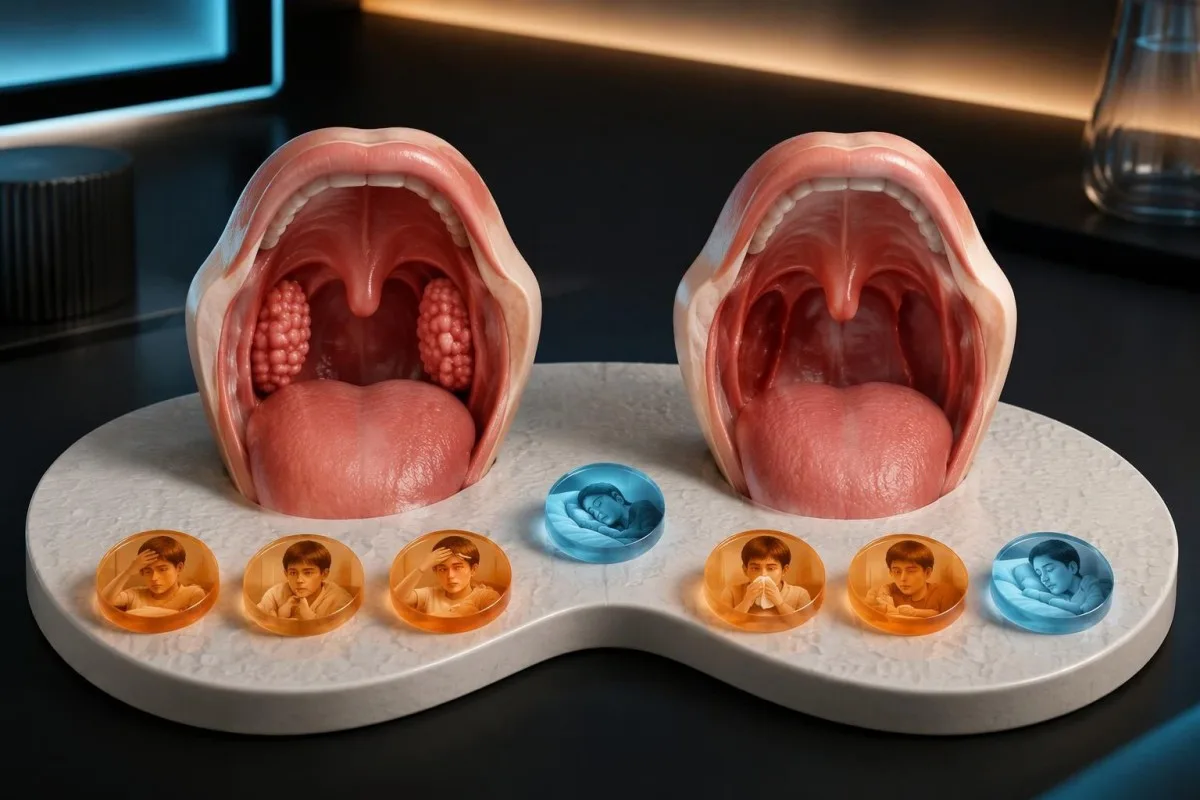
Burton et al. (2019) judged the evidence for several tonsillectomy outcomes to be of moderate certainty, but the trials were too small to characterize uncommon harms confidently. The evidence concerns selected children rather than every person with recurrent sore throat; a child missing 4 school days each month may value potential benefit differently from a child with infrequent, easily managed attacks.
Colchicine is sometimes used to reduce attacks under specialist supervision, whereas cimetidine has less convincing evidence. Treatment selection should consider the diagnosis, kidney and liver function, other medicines and the possibility of an inherited fever disorder; when several options exist, agree in advance on a measurable goal, such as fewer attacks across 3 months, rather than assuming a changed laboratory number demonstrates success.
Tonsillectomy carries postoperative pain, dehydration, anesthesia-related risks and bleeding risk, even when it improves PFAPA. Kantesti's AI inayowajibika supports a clear boundary: neither 1 elevated inflammatory marker nor an automated report can decide whether surgery is appropriate; that discussion belongs with the treating pediatric team and an ENT specialist who can assess the child's individual risks.
Ni ufuatiliaji gani huwasaidia watoto, watu wazima na familia zenye PFAPA?
PFAPA follow-up should track attack burden, growth or weight, treatment response and any symptoms between episodes. Many childhood cases improve over several years, but persistence, relapse and adult-onset disease occur; a 3-month review interval can be a practical individualized plan rather than a universal rule.

Adults require the same attention to repeated patterns and alternative causes, not an assumption that PFAPA is impossible after childhood. Fever with oral sores and pharyngitis can support the diagnosis, but new constitutional symptoms, persistent gland enlargement or abnormal findings between attacks need assessment; a 35-year-old with a first prolonged fever should not self-diagnose PFAPA from an online symptom match.
Prepare a concise appointment summary: attack dates, duration, associated features, well-day symptoms, test results and response to prescribed treatment. Include 1 clearly labeled attack sample and any clinician-requested recovery sample, rather than ordering a broad panel every month; repeated testing is useful only when it answers a specific question, such as whether inflammation persists or neutrophil counts cycle.
Kantesti ni jukwaa la tafsiri ya vipimo vya damu la AI that can help explain uploaded CBC and inflammatory-marker reports alongside their dates, units and stated reference ranges. For a family sharing 2 or more records, check each person's identity and consent before upload, and review our faragha na utunzaji wa data; AI explanation does not replace pediatric examination, urgent triage or a specialist diagnosis.
Machapisho ya utafiti: ushahidi dhidi ya miongozo ya msingi ya maabara
PFAPA evidence comes from clinical descriptions, differential-diagnosis research and treatment studies—not from a specific clotting or serum-protein test. The 2 background publications below explain other laboratory topics and should not be mistaken for studies validating PFAPA diagnosis.
The peer-reviewed PFAPA review by Wang et al. (2021), treatment review by Vanoni et al. (2016) and Cochrane analysis by Burton et al. (2019) directly inform this article's clinical discussion. The surgical review's 67-child evidence base illustrates why certainty must be proportionate to study size; a named source supports a specific claim, not every recommendation made elsewhere on the page.
Nyenzo za Kantesti clotting test background guide na mwongozo wa maelezo ya msingi kuhusu protini za seramu accompany the 2 Zenodo records listed below. Neither aPTT nor an albumin/globulin ratio confirms PFAPA, and neither guide establishes that routine testing of those markers improves PFAPA care; additional tests should follow an identified clinical concern rather than the availability of a panel.
Evidence interpretation should distinguish a repository-hosted educational guide from a peer-reviewed condition-specific study or systematic review. Our viwango vya maudhui ya matibabu explain the editorial approach; for a child with 3 apparently similar attacks, the practical priority remains documented recovery, targeted exclusion of alternatives and a clear safety plan, not accumulating more citations or tests that do not answer the clinical question.
Maswali ya mara kwa mara
Ugonjwa wa PFAPA ni nini?
Ugonjwa wa PFAPA ni hali ya uchochezi unaosababishwa na mwili wenyewe, ambayo husababisha homa zinazojirudia pamoja na vidonda vya aphtha mdomoni, uvimbe wa koo na kuvimba kwa nodi za limfu za shingo. Vipindi vya ugonjwa kwa kawaida hudumu siku 3–7 na kujirudia kila baada ya wiki kadhaa, huku afya ikiwa ya kawaida kati ya vipindi hivyo. Hali hii kwa kawaida huanza kabla ya umri wa miaka 5, ingawa watoto wakubwa na watu wazima wanaweza pia kuathirika. Hakuna kipimo kimoja cha damu kinachothibitisha PFAPA, kwa hivyo utambuzi hutegemea muundo wa dalili za kliniki unaojirudia na tathmini ya sababu nyingine zinazowezekana.
Homa za PFAPA hutokea mara ngapi?
Homa za PFAPA kwa kawaida hujirudia takriban kila baada ya wiki 2–8, na mashambulizi ya kila mara kwa kawaida hudumu siku 3–7. Baadhi ya watoto huwa na mizunguko ya mara kwa mara sana, huku kwa wengine vipindi vikibadilika. Matibabu ya kotikosteroidi yanaweza kufupisha muda hadi tukio linalofuata, kwa hiyo muda wa kutumia dawa unapaswa kuandikwa kwenye shajara ya homa. Homa inayoendelea au kutopata nafuu kati ya mashambulizi kunahitaji tathmini upya badala ya kudhaniwa kuwa kunalingana na PFAPA.
Je, kipimo cha damu kinachoonyesha CRP ya juu kinaweza kutambua PFAPA?
Kiwango cha juu cha CRP hakiwezi kutambua PFAPA kwa sababu maambukizi na matatizo mengine ya uchochezi yanaweza kusababisha ongezeko hilohilo. Kwa mfano, CRP ya 80 mg/L wakati wa homa na 3 mg/L baada ya kupona huunga mkono uwepo wa uchochezi unaotokea kwa vipindi, lakini haitambui chanzo chake. Maabara nyingi hutumia kikomo cha juu cha marejeo cha CRP cha takriban 5 mg/L, ilhali baadhi hutumia 10 mg/L. Wahudumu wa afya hutafsiri matokeo hayo pamoja na dalili, uchunguzi, muda wa kuchukua sampuli na vipimo vyovyote vinavyohusika vya maambukizi.
Je, PFAPA huambukiza, na je, huhitaji antibiotiki?
PFAPA yenyewe haiambukizi, na antibiotiki hazitibu mchakato wa msingi wa uchochezi. Hali ya kawaida ya siku 3–7 inaweza kuisha yenyewe baada ya kuanza kutumia antibiotiki, na hivyo kuleta dhana potofu kwamba antibiotiki zimefanya kazi. Watoto wenye PFAPA bado wanaweza kupata magonjwa ya virusi yanayoambukiza au maambukizi ya bakteria. Homa mpya inayoambatana na dalili tofauti, kukutana na watu wagonjwa au kisababishi cha bakteria kilichothibitishwa inapaswa kutathminiwa na kutibiwa kwa kuzingatia hali yake yenyewe.
Je, mwitikio wa haraka kwa prednisone unathibitisha PFAPA?
Mwitikio wa haraka kwa prednisone au prednisolone iliyoagizwa na daktari huunga mkono uwezekano wa PFAPA, lakini hauthibitishi utambuzi huo. Ratiba za matibabu za PFAPA zilizochapishwa zinajumuisha dozi ya 0.5–2 mg/kg; dozi halisi na kiwango cha juu huamuliwa na daktari anayemtibu mgonjwa. Dawa za kotikosteroidi zinaweza kuficha dalili za magonjwa mengine na huenda zikafupisha muda hadi shambulio linalofuata la PFAPA. Familia zinapaswa kutumia mpango wa matibabu ulioandikwa na kutafuta tathmini kabla ya kuanza matibabu ikiwa tukio ni kali isivyo kawaida au ni tofauti na mengine.
Mtoto anayeshukiwa kuwa na PFAPA anapaswa kupata huduma ya dharura lini?
Mtoto anayeshukiwa kuwa na PFAPA anahitaji huduma ya dharura ikiwa ana homa pamoja na shida ya kupumua, mwitikio uliopungua, shingo kukakamaa, upele usiopauka unapobonyezwa au upungufu mkubwa wa maji mwilini. Mtoto yeyote mchanga aliye chini ya miezi 3 mwenye joto la 38°C au zaidi anahitaji tathmini ya haraka ya kitabibu. Homa inayodumu siku 5 au zaidi pia inahitaji tathmini ya haraka, hasa ikiwa inaambatana na macho mekundu, upele, midomo iliyopasuka au mikono na miguu iliyovimba. Utambuzi wa awali wa PFAPA haumaanishi kuwa ni salama kupuuza ugonjwa mpya wenye dalili tofauti.
Pata maelezo ya jinsi ya kusoma matokeo ya vipimo vya damu
Pakia ripoti yako ya maabara na AI ya Kantesti itaeleza kila kiashiria cha kibayolojia kwa lugha rahisi ndani ya sekunde chache. Inatumiwa na zaidi ya watu milioni 2 duniani kote.
Marejeleo
- Klein, T., Mitchell, S., & Weber, H. (2026). Kiwango cha Kawaida cha aPTT: Mwongozo wa D-Dimer na Protein C kuhusu Mgando wa Damu. Utafiti wa Kimatibabu wa AI ya Kantesti. DOI
- Klein, T., Mitchell, S., & Weber, H. (2026). Mwongozo wa Protini za Seramu: Globulini, Albumin na Kipimo cha Uwiano wa A/G. Utafiti wa Kimatibabu wa AI ya Kantesti. DOI
- Wang A et al. (2021). Periodic fever, aphthous stomatitis, pharyngitis, and adenitis (PFAPA) syndrome: A review. World Journal of Otorhinolaryngology - Head and Neck Surgery. DOI
- Vanoni F et al. (2016). PFAPA syndrome: a review on treatment and outcome. Pediatric Rheumatology. DOI
- Burton MJ et al. (2019). Tonsillectomy for periodic fever, aphthous stomatitis, pharyngitis and cervical adenitis syndrome (PFAPA). Hifadhidata ya Cochrane ya Mapitio ya Kitaratibu. DOI
- 2M+Vipimo vilivyochanganuliwa
- 127+Nchi
- 100+Lugha
Kuhusu timu ya matibabu


E-E-A-T Trust Signals
Uzoefu
Mapitio ya kimatibabu inayoongozwa na daktari ya mifumo ya tafsiri ya maabara.
Utaalamu
Kuzingatia dawa za maabara kuhusu jinsi viashiria (biomarkers) vinavyobadilika katika muktadha wa kliniki.
Mamlaka
Imekaguliwa kimatibabu na Dkt. Thomas Klein, kwa michango kutoka kwa Dkt. Sarah Mitchell na Prof. Dkt. Hans Weber.
Uaminifu
Tafsiri inayotegemea ushahidi yenye njia zilizo wazi za ufuatiliaji ili kupunguza tahadhari za hofu.





Kanusho la kimatibabu
Makala haya ni kwa madhumuni ya elimu tu na si ushauri wa kimatibabu. Wasiliana na mtoa huduma aliyehitimu kila wakati kwa maamuzi ya utambuzi na matibabu.
Imechapishwa · Wasiliana na timu ya uhariri
Imechapishwa na Kantesti Ltd, imesajiliwa nchini Uingereza na Wales, nambari ya kampuni. 17090423, London, Uingereza.
