
រោគសញ្ញា PFAPA អាចបណ្តាលឱ្យមានគ្រុនក្តៅខ្លាំងកើតឡើងដដែលៗ រួមជាមួយដំបៅក្នុងមាត់ ឈឺបំពង់ក និងកូនកណ្តុរនៅកហើម ដែលជាទូទៅបន្តរយៈពេល 3–7 ថ្ងៃ ហើយជាសះស្បើយទាំងស្រុងរវាងការកើតរោគសញ្ញាម្តងៗ។ ការធ្វើរោគវិនិច្ឆ័យផ្អែកលើលំនាំដែលកើតឡើងម្តងហើយម្តងទៀត និងការបដិសេធមូលហេតុផ្សេងៗ មិនមែនផ្អែកលើលទ្ធផលតេស្តឈាមមិនប្រក្រតីតែមួយមុខទេ។ កំណត់ហេតុរោគសញ្ញាអាចជួយបាន; វគ្គជំងឺដែលធ្ងន់ធ្ងរខុសធម្មតា ឬមានលក្ខណៈខុសពីមុន ត្រូវការការវាយតម្លៃថ្មី។

ចំណុចសំខាន់ៗដែលត្រូវចងចាំ
- រោគសញ្ញា PFAPA ជាទូទៅបណ្តាលឱ្យមានវគ្គគ្រុនក្តៅបន្តរយៈពេល 3–7 ថ្ងៃ ដោយមានចន្លោះជាច្រើនសប្តាហ៍ដែលមានសុខភាពល្អ។
- រោគសញ្ញា PFAPA រួមមានដំបៅក្នុងមាត់ប្រភេទ aphthous រលាកបំពង់ក និងកូនកណ្តុរនៅកហើម; លក្ខណៈទាំង 3 មិនចាំបាច់កើតមានរួមគ្នាទេ។
- ពេលវេលានៃការកើតគ្រុនក្តៅ ជាញឹកញាប់កើតឡើងតាមវដ្តប្រហែល 2–8 សប្តាហ៍ ប៉ុន្តែមិនចាំបាច់មានភាពទៀងទាត់តាមប្រតិទិនជាក់លាក់ដើម្បីធ្វើរោគវិនិច្ឆ័យទេ។
- កំណត់ហេតុរោគសញ្ញា គួរកត់ត្រាកាលបរិច្ឆេទនៃវគ្គជំងឺ សីតុណ្ហភាពអតិបរមាជា °C ឬ °F រោគសញ្ញា ថ្នាំ និងការជាសះស្បើយរវាងការកើតរោគសញ្ញាម្តងៗ។
- آزمایشهای خون អាចបង្ហាញថា CRP និងនឺត្រូហ្វីលកើនឡើងអំឡុងពេលកើតរោគសញ្ញា; កម្រិត CRP 80 mg/L មិនអាចបែងចែក PFAPA ពីការឆ្លងមេរោគបានទេ។
- នឺត្រូភីលទាបជាវដ្ត អាចកើតឡើងវិញប្រហែលរៀងរាល់ 21 ថ្ងៃ ហើយអាចត្រូវការរាប់ចំនួនកោសិកាឈាមជាបន្តបន្ទាប់ ជាជាងពឹងផ្អែកលើលទ្ធផល CBC មួយដែលមើលទៅគួរឱ្យទុកចិត្ត។
- ការសម្រេចចិត្តលើការព្យាបាល អាចពាក់ព័ន្ធនឹងការប្រើថ្នាំកូទីកូស្តេរ៉ូអ៊ីតតាមវេជ្ជបញ្ជារបស់គ្រូពេទ្យ ការប្រើថ្នាំបង្ការ ឬការវះកាត់យកបំពង់កចេញ; មិនគួរធ្វើវិធានការណាមួយក្នុងចំណោមនេះ ដោយផ្អែកតែលើលទ្ធផលមន្ទីរពិសោធន៍ប៉ុណ្ណោះទេ។
- ការវាយតម្លៃបន្ទាន់ គឺចាំបាច់សម្រាប់ទារកណាដែលមានអាយុក្រោម 3 ខែ និងមានសីតុណ្ហភាព 38°C ឬខ្ពស់ជាងនេះ ឬកុមារណាដែលពិបាកដកដង្ហើម ឆ្លើយតបថយចុះ ឬមានកន្ទួលដែលមិនស្រកពណ៌ពេលសង្កត់។
តើរោគសញ្ញា PFAPA ជាអ្វី ហើយអ្វីបណ្តាលឱ្យកើតគ្រុនក្តៅ?
រោគសញ្ញា PFAPA គឺជាជំងឺរលាកដោយស្វ័យប្រតិកម្ម ដែលបង្កឱ្យមានគ្រុនក្តៅកើតឡើងម្តងហើយម្តងទៀត រួមនឹងដំបៅក្នុងមាត់ប្រភេទអាហ្វ្តា រលាកបំពង់ក និងរលាកកូនកណ្តុរមាត់ស្បូន។ ការវាយប្រហារជំងឺជាទូទៅមានរយៈពេល 3–7 ថ្ងៃ; ជាធម្មតា កុមារត្រឡប់មកមានថាមពល ចំណង់អាហារ និងការលូតលាស់ដូចធម្មតាវិញនៅចន្លោះវគ្គនីមួយៗ។
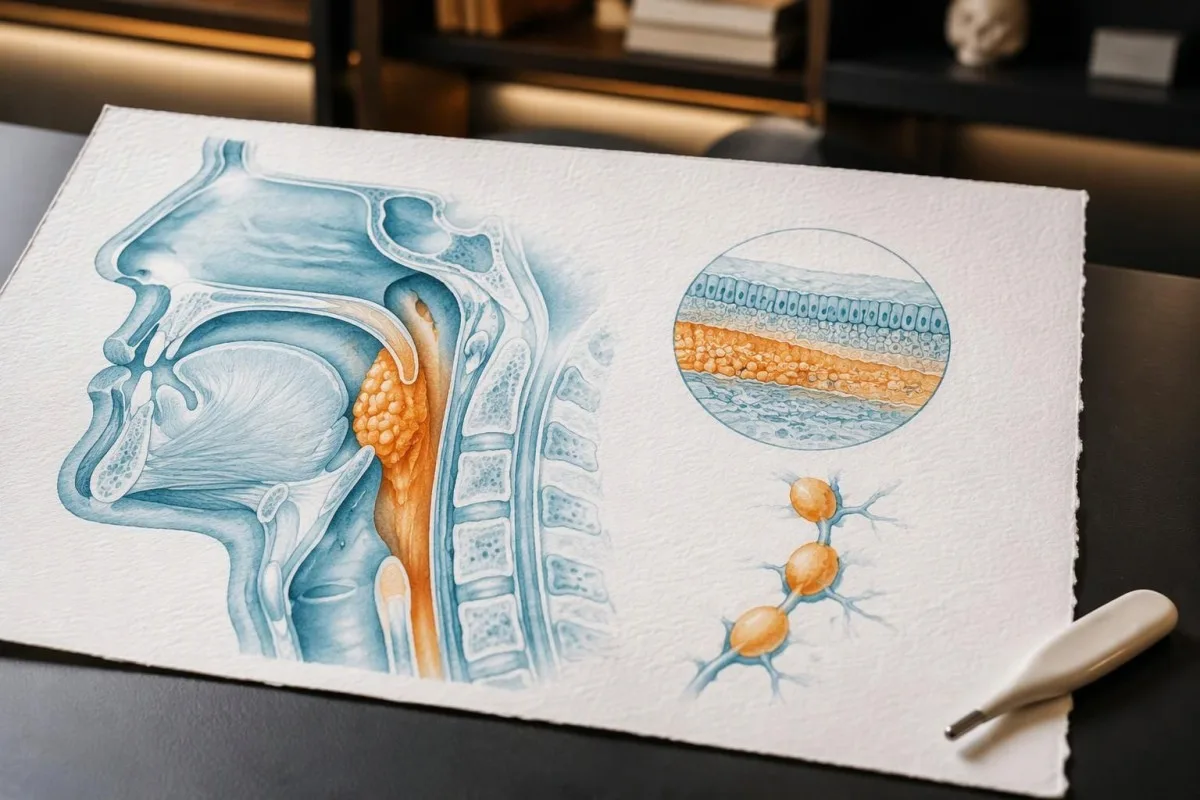
PFAPA ឆ្លុះបញ្ចាំងពីការធ្វើឱ្យសកម្មមិនសមស្របនៃផ្លូវរលាក ជាជាងជំងឺឆ្លងថ្មីដែលកើតឡើងរៀងរាល់ប៉ុន្មានសប្តាហ៍។ ជំងឺនេះច្រើនចាប់ផ្តើមមុនអាយុ 5 ឆ្នាំ ប៉ុន្តែកុមារធំជាងនេះ និងមនុស្សពេញវ័យក៏អាចរងផលប៉ះពាល់ដែរ; ដូច្នេះ កម្រិតអាយុដែលធ្លាប់ប្រើក្នុងអតីតកាលគ្រាន់តែជាតម្រុយ មិនមែនជាលក្ខខណ្ឌដកចេញដាច់ខាតទេ (Wang et al., 2021)។ PFAPA មិនមានន័យថាគ្រុនក្តៅគ្រប់លើកនាពេលអនាគតមិនមែនបណ្តាលមកពីការឆ្លងទេ។
អក្សរកាត់នេះពិពណ៌នាអំពីធាតុផ្សំ 4 យ៉ាង៖ គ្រុនក្តៅជាវដ្ត រលាកមាត់ប្រភេទអាហ្វ្តា រលាកបំពង់ក និងរលាកកូនកណ្តុរ។ មិនដូចជំងឺគ្រុនក្តៅជាវដ្តមួយចំនួនដែលបន្តពូជពីតំណពូជទេ PFAPA មិនមានតេស្តហ្សែនតែមួយដែលបានបង្កើតឡើងច្បាស់លាស់ ដើម្បីបញ្ជាក់រោគវិនិច្ឆ័យទេ ទោះបីជាអាចមានការប្រមូលផ្តុំករណីក្នុងគ្រួសារក៏ដោយ; លទ្ធផលអវិជ្ជមានពីតេស្តហ្សែនទូលំទូលាយ មិនបញ្ជាក់ថាជា PFAPA ឬដកចេញរាល់ជំងឺរលាកជំនួសផ្សេងទៀតឡើយ។
កាន់តេស្ទី គឺជា ឧបករណ៍វិភាគឈាម AI ដែលអាចជួយពន្យល់ពីមូលហេតុដែលលទ្ធផល CRP 80 mg/L ត្រូវការបរិបទគ្លីនិក ជាជាងការដាក់ស្លាករោគវិនិច្ឆ័យ។ របស់យើង អង្គការ និងវិធីសាស្ត្រ ពិពណ៌នាអំពីសេវាកម្ម ប៉ុន្តែការកំណត់អត្តសញ្ញាណ PFAPA តម្រូវឱ្យគ្រូពេទ្យភ្ជាប់រោគសញ្ញាពីវគ្គជាច្រើន ពិនិត្យកុមារ និងពិចារណាលើស្ថានភាពដែលរបាយការណ៍មន្ទីរពិសោធន៍មិនអាចបង្ហាញបាន។
តើរោគសញ្ញា PFAPA ណាខ្លះដែលធ្វើឱ្យស្គាល់លំនាំនេះ?
រោគសញ្ញា PFAPA ជាធម្មតាមានគ្រុនក្តៅរួមជាមួយឈឺបំពង់ក កូនកណ្តុរនៅកដែលឈឺពេលប៉ះ ឬដំបៅតូចៗក្នុងមាត់។ ការរួមបញ្ចូលគ្នាដូចគ្នាដែលកើតឡើងវិញក្នុងរយៈពេល 3 វគ្គ ឬច្រើនជាងនេះដែលបានកត់ត្រា មានព័ត៌មានច្រើនជាងរោគសញ្ញាណាមួយដែលកើតឡើងតែមួយមុខ ទោះជាយ៉ាងណា ក៏មិនមានចំនួនវគ្គអប្បបរមាជាសកលណាមួយដែលអាចបញ្ជាក់ PFAPA ដែរ។
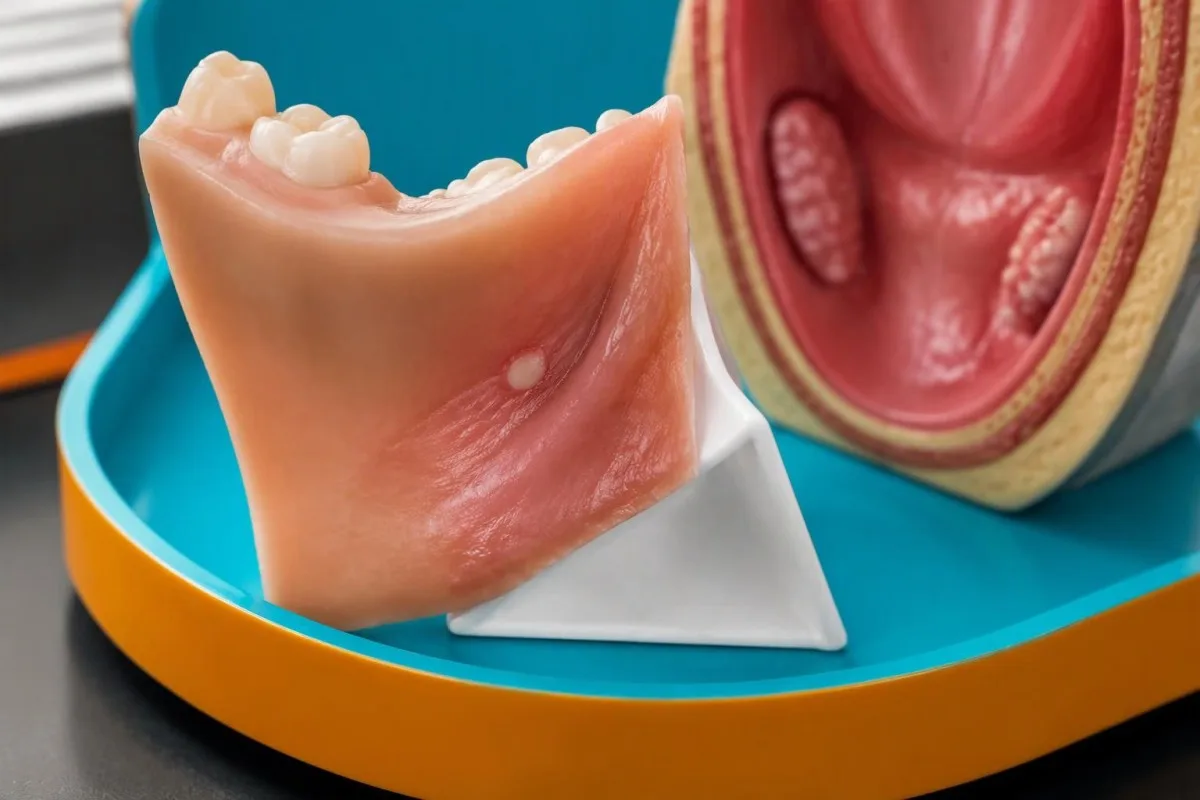
ដំបៅអាហ្វ្តាជាទូទៅជាដំបៅតូចៗ រាក់ៗ នៅផ្នែកខាងក្នុងនៃបបូរមាត់ ថ្ពាល់ ឬផ្ទៃផ្សេងទៀតក្នុងមាត់—មិនដូចពងបែកដែលប្រមូលផ្តុំគ្នានៅផ្នែកខាងក្រៅនៃបបូរមាត់ទេ។ កុមារអាចមានដំបៅត្រឹមតែ 1 ឬ 2 កន្លែង ហើយក្នុងអំឡុងការវាយប្រហារខ្លះ អាចមិនមានដំបៅឡើយ; ការថតរូបដំបៅដែលមើលឃើញអាចជួយបាន នៅពេលវាបាត់មុនពេលទៅជួបពេទ្យ។
រលាកបំពង់កអាចមានការឡើងក្រហម ឬមានស្រទាប់គ្របលើបំពង់ក ដូច្នេះរូបរាងតែមួយមុខមិនអាចបែងចែក PFAPA ពីការឆ្លងបាក់តេរីស្ត្រេបតូកូកបានទេ។ កូនកណ្តុរហើមជាទូទៅពាក់ព័ន្ធនឹងកូនកណ្តុរមាត់ស្បូនជុំវិញក ចំណែកឯកូនកណ្តុរដែលរីកធំជាបន្តបន្ទាប់ ការហើមកូនកណ្តុរទូទៅ ឬរោគសញ្ញាដែលបន្តលើសពីការវាយប្រហាររយៈពេល 3–7 ថ្ងៃ ត្រូវការការពន្យល់ផ្សេង មិនគួរសន្មតដោយស្វ័យប្រវត្តិថាបណ្តាលមកពី PFAPA ទេ។
ដំបៅក្នុងមាត់តែមួយមុខមិនមែនជារោគវិនិច្ឆ័យគ្រុនក្តៅជាវដ្តទេ។ ដំបៅក្នុងមាត់កើតឡើងម្តងហើយម្តងទៀត រួមជាមួយដំបៅប្រដាប់បន្តពូជ ភ្នែកក្រហមឈឺ ការមើលឃើញប្រែប្រួល ឬរោគសញ្ញាស្បែកមិនធម្មតា អាចបង្ហាញពីលទ្ធភាពផ្សេងៗ រួមទាំង លំនាំរោគសញ្ញារបស់ជំងឺ Behçet; សូម្បីតែការឈឺភ្នែកមួយលើកដែលបណ្តាលឱ្យការមើលឃើញខ្សោយ ក៏ត្រូវការការវាយតម្លៃឱ្យបានឆាប់រហ័សដែរ ដោយមិនត្រូវរង់ចាំវដ្តគ្រុនក្តៅបន្ទាប់ឡើយ។
តើគ្រុនក្តៅ PFAPA បន្តរយៈពេលប៉ុន្មាន ហើយកើតឡើងវិញញឹកញាប់ប៉ុណ្ណា?
គ្រុនក្តៅដោយសារ PFAPA ជាទូទៅមានរយៈពេល 3–7 ថ្ងៃ និងកើតឡើងវិញប្រហែលរៀងរាល់ 2–8 សប្តាហ៍, ដោយមានរោគសញ្ញាស្រដៀងគ្នាយ៉ាងច្បាស់ជាញឹកញាប់។ កុមារខ្លះមានចង្វាក់កើតឡើងដែលអាចព្យាករណ៍បាន ប៉ុន្តែចន្លោះពេលប្រែប្រួលមិនមែនមានន័យថាដក PFAPA ចេញដោយស្វ័យប្រវត្តិទេ។

Temperatures during PFAPA attacks often reach 39–40°C, but fever height does not determine the diagnosis or reliably measure danger. The timing of associated throat symptoms, the child's appearance and the return to baseline matter more; measuring temperature with the same method also makes comparisons more useful than alternating between forehead, ear and underarm readings.
For a hypothetical child, fevers beginning on days 1, 29 and 58 with 4-day attacks suggest a repeated cycle—not proof of PFAPA. Count start-to-start intervals separately from fever-free days, and record whether corticosteroid treatment changed an interval; a shortened next cycle after treatment can otherwise make a previously regular pattern look inexplicably irregular.
A fever that does not stop is not a series of separate PFAPA episodes. If symptoms persist beyond 7 days, or recovery never occurs, clinicians reconsider infection and other inflammatory conditions; our explanation of ឥទ្ធិពលនៃពេលវេលាធ្វើតេស្តឈាម also shows why a sample taken on day 1 cannot be interpreted like one taken after recovery.
តើកំណត់ហេតុរោគសញ្ញា PFAPA គួរកត់ត្រាអ្វីខ្លះ?
A PFAPA symptom diary should record episode start and finish dates, measured temperature, mouth and throat findings, neck swelling, medication timing and wellness between attacks. Even 3 carefully documented episodes can reveal details that a single clinic visit misses.

Document the thermometer method and the highest measured temperature, not just 'very hot.' For each day of a 4-day attack, note drinking, urine output, activity, cough, runny nose, abdominal symptoms and whether anyone nearby was ill; these observations distinguish a repeated inflammatory pattern from unrelated respiratory or gastrointestinal illnesses more effectively than recording fever alone.
Medication entries need the name, dose, administration time and observed response. If a prescribed medicine is given at 09:00 and fever settles by 14:00, record that interval without claiming the medicine established PFAPA; include throat swab results and whether a laboratory sample preceded treatment, because both antibiotics and corticosteroids can complicate interpretation of subsequent findings.
Well days deserve entries too. A weekly note of normal appetite, play, school attendance and any lingering symptoms prevents a diary from becoming an attack-only record; when a clinician requests a recovery sample, our ការត្រៀមខ្លួនសម្រាប់ការធ្វើតេស្តតម្លៃគោល explains how to record recent illness and medicines rather than treating a sample 2 days after fever as an unquestionable baseline.
ហេតុអ្វីបានជាសុខភាពល្អរវាងវគ្គ PFAPA មានសារៈសំខាន់ខ្លាំង?
Complete wellness between episodes strongly supports a typical PFAPA pattern: normal activity, appetite and growth should return after the 3–7-day attack. Persistent symptoms or continuing inflammation between attacks make clinicians reconsider the diagnosis.

A child who is fever-free but remains exhausted, loses weight or develops daily pain has not truly returned to baseline. Growth is assessed through serial height and weight measurements, not 1 percentile in isolation; crossing growth centiles over time may justify investigation even when individual fever episodes resemble PFAPA and routine examinations during attacks look familiar.
Repeated ordinary infections are common in young children, but unusually severe, prolonged or unusual infections suggest a different evaluation. A history of 2 hospital-treated infections or recurrent deep infections matters differently from several mild colds; clinicians consider the organisms, sites, treatment response and family history, as discussed in our guide to ការធ្វើតេស្តការឆ្លងរាលដាលញឹកញាប់.
Inflammatory markers usually fall toward the laboratory reference range between PFAPA attacks, but an immediately post-fever sample may still reflect recovery. A persistent CRP of 25 mg/L on repeated genuinely well-day samples is not proof of another disease, yet it deserves explanation; a clinician may check for an unnoticed infection, ongoing inflammatory symptoms or a sampling timeline that was mislabeled.
តើ CRP, ESR និងចំនួនកោសិកាឈាមបង្ហាញអ្វីខ្លះក្នុង PFAPA?
PFAPA attacks can raise CRP, ESR and neutrophil counts, but none of these tests confirms PFAPA or excludes infection. Many laboratories use a CRP upper reference limit around 5 mg/L, ខណៈដែលអ្នកផ្សេងទៀតប្រើ 10 មីលីក្រាម/លីត្រ; the report's own range matters.
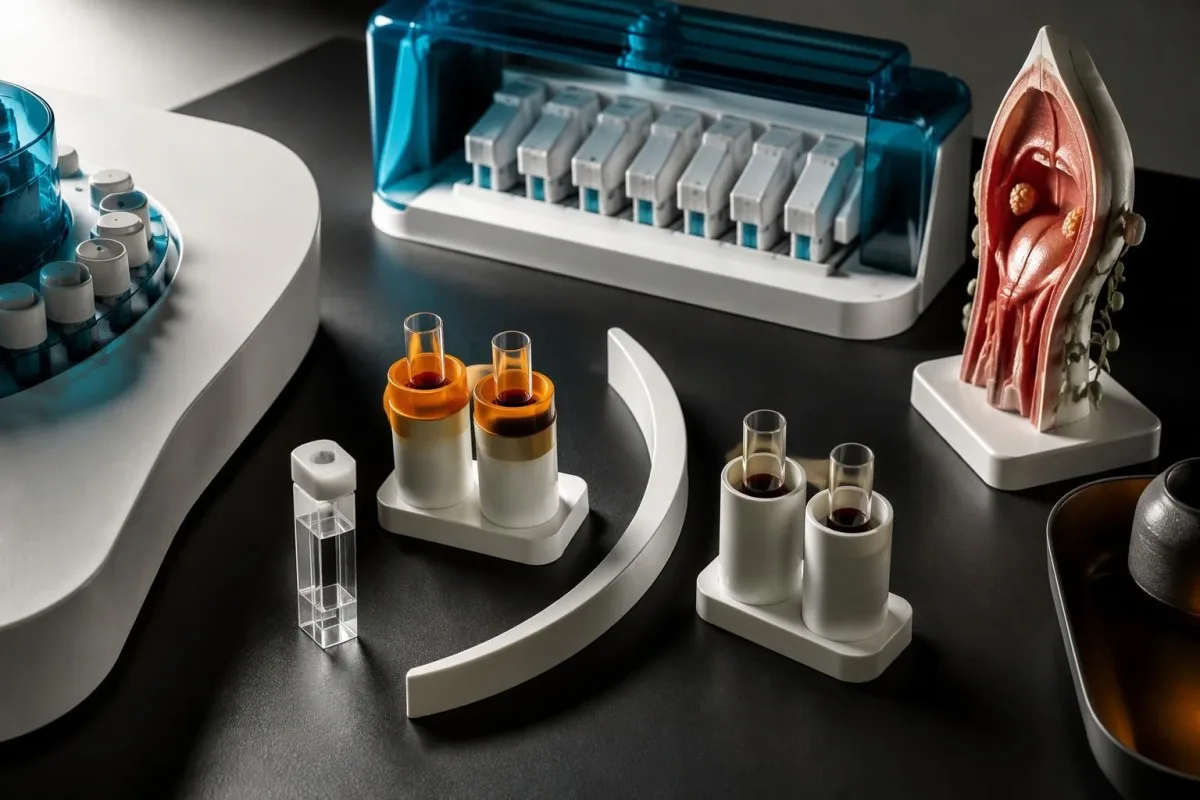
Consider a hypothetical child with CRP 80 mg/L during fever and 3 mg/L after recovery. That change supports an episodic inflammatory process but does not identify its cause; infection can produce the same pattern, while ESR may normalize more slowly than CRP, making a modestly raised recovery ESR less surprising than persistent symptoms or repeatedly elevated CRP.
White-cell interpretation must use age-appropriate absolute counts rather than adult ranges or percentages alone. At Kantesti, we emphasize that CRP 8 mg/dL equals 80 mg/L—a tenfold unit conversion that can otherwise create a false impression of improvement; our ការប្រៀបធៀប WBC និង CRP explains why these markers can disagree because they change at different rates.
Procalcitonin is sometimes considered when serious bacterial infection is suspected, but it is not a standalone PFAPA discriminator. A low result, including a value below 0.1 ng/mL, cannot safely overrule a concerning examination or very early illness; the limits described in our មគ្គុទ្ទេសក៍បកស្រាយ procalcitonin matter more than using one reassuring number to justify home treatment.
តើគ្រូពេទ្យធ្វើរោគវិនិច្ឆ័យ PFAPA ដោយរបៀបណា?
PFAPA diagnosis is clinical: clinicians identify repeated characteristic attacks, document recovery between them and exclude plausible alternatives. Onset before age 5 supports traditional criteria, but later onset does not prevent a diagnosis when the overall pattern fits.
The diagnostic process usually starts with history and examination rather than an extensive panel of rare-disease tests. Wang et al. (2021) describe the value of stereotyped episodes, absence of typical respiratory symptoms, negative relevant cultures and response to prescribed corticosteroids; however, 1 negative throat swab or 1 rapid response cannot independently establish PFAPA, and classification criteria are not identical to bedside diagnosis.
Streptococcal testing addresses the current throat illness, while an ASO antibody test mainly reflects previous exposure. An ASO result of 400 IU/mL does not prove that today's recurrent fever is active strep infection; age, local reference ranges and symptom timing affect interpretation, as explained in our discussion of ASO and recent exposure.
កាន់តេស្ទី គឺជា ឧបករណ៍វិភាគតេស្តឈាមដោយ AI that can contextualize laboratory units and repeated results, but 2 matching reports cannot confirm PFAPA. Our ការត្រួតពិនិត្យផ្នែកបច្ចេកទេស និងគ្លីនិក information should not be read as validation of a PFAPA diagnostic test; pediatric or rheumatology assessment remains necessary when the pattern is atypical, severe or uncertain.
តើគេបែងចែក PFAPA ពីការឆ្លងមេរោគកើតឡើងដដែលៗដោយរបៀបណា?
Repeated infections are more likely when episodes follow sick contacts, have varying symptoms or include cough, runny nose, diarrhea or a confirmed pathogen. PFAPA more often repeats a similar 3–7-day pattern with complete wellness between attacks, but the two can coexist.
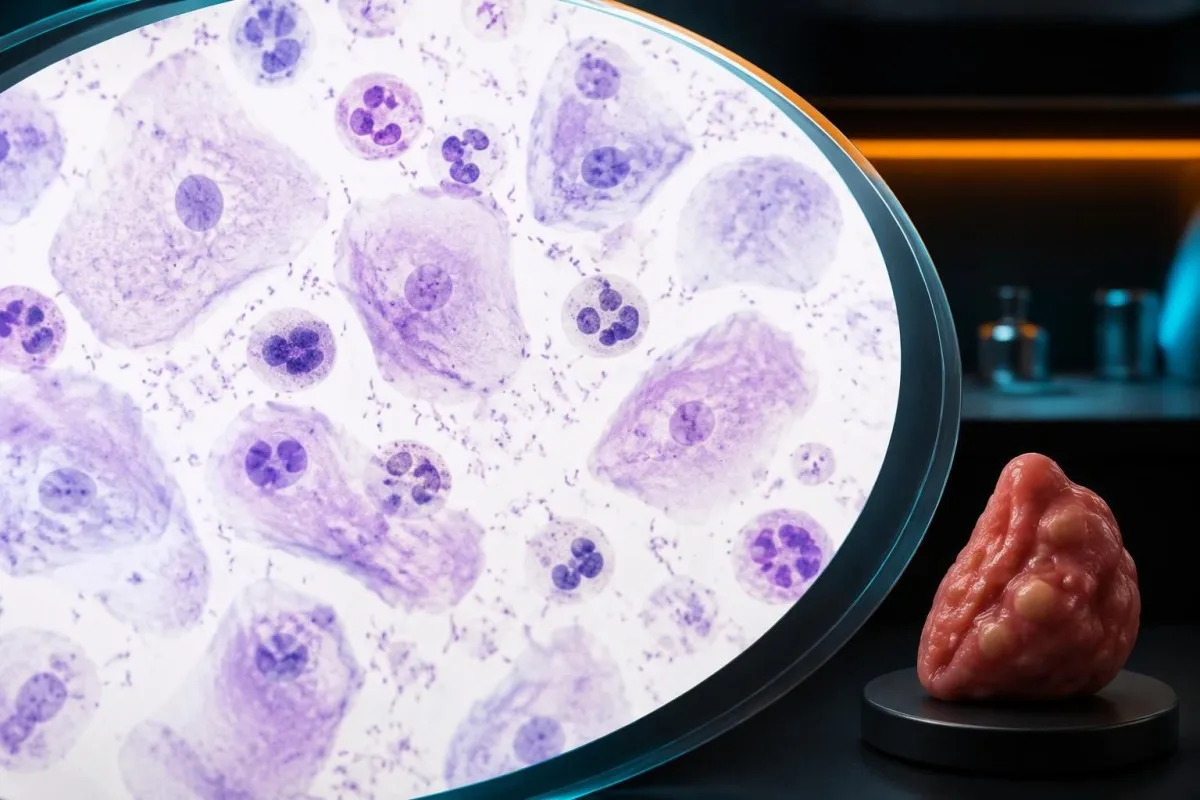
A positive respiratory PCR does not always explain the entire fever history. Adenovirus can remain detectable after an illness, so 1 positive result must be matched to current symptoms, examination and timing; our discussion of ការរកឃើញ និងការបញ្ចេញអាដេណូវីរុស explains why a molecular result may indicate recent exposure rather than the cause of every subsequent attack.
Longer-lasting sore throat, fatigue and gland enlargement can suggest a different illness rather than PFAPA. EBV antibody patterns distinguish recent infection from prior exposure more effectively than a single positive IgG result; our មគ្គុទ្ទេសក៍លំនាំអង្គបដិប្រាណ EBV explains the roles of 3 commonly reported markers—VCA IgM, VCA IgG and EBNA IgG—without equating past exposure with today's symptoms.
Antibiotic response is also easy to misread. If an antibiotic begins on day 4 and the fever ends on day 5, spontaneous resolution of a PFAPA attack is possible; conversely, a confirmed bacterial infection still requires appropriate treatment, and neither previous PFAPA nor prior antibiotic failure permits a new illness with different symptoms to be dismissed without assessment.
តើជំងឺគ្រុនក្តៅជាប្រចាំផ្សេងទៀតណាខ្លះដែលអាចស្រដៀងនឹង PFAPA?
នឺត្រូភីលទាបជាវដ្ត and inherited autoinflammatory disorders can resemble PFAPA, especially when mouth sores accompany recurring fever. Approximately 21-day cycles, severe infections, marked abdominal or chest pain, unusual rashes or persistent inflammation help clinicians decide which alternatives to investigate.
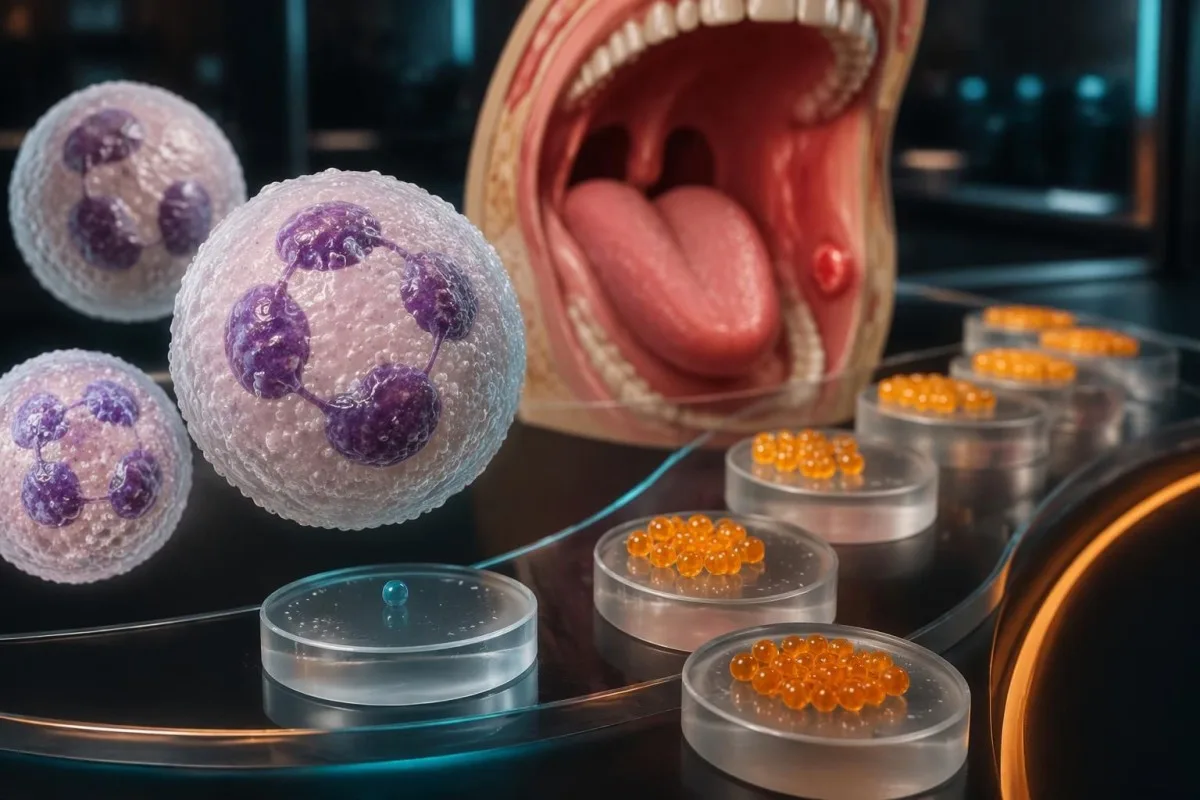
Cyclic neutropenia can produce recurrent fever, mouth sores and gum problems while a blood count between low-count periods looks normal. When suspected, clinicians may request CBCs 2–3 times weekly for about 6 weeks to identify repeated neutrophil nadirs; an absolute neutrophil count below 0.5 × 10^9/L during fever requires urgent clinical assessment rather than being labeled a routine PFAPA attack.
Familial Mediterranean fever often causes shorter attacks, commonly 12–72 hours, with abdominal or chest pain from serosal inflammation or joint symptoms. Our ការពន្យល់អំពីការធ្វើតេស្ត MEFV shows why genotype and symptoms must be interpreted together; TRAPS may produce longer attacks, sometimes over 7 days, while mevalonate kinase deficiency can involve diarrhea, vomiting and attacks triggered by vaccination or other stressors.
Ancestry and family history guide assessment, but neither should become a gatekeeper that excludes an inherited disorder. Persistently raised serum amyloid A between attacks can indicate ongoing inflammation and requires context, as our serum amyloid A guide explains; a single high value during a 4-day fever does not diagnose amyloidosis, and typical PFAPA should not automatically be assigned the complication risks of other syndromes.
តើសញ្ញាព្រមានអំពីគ្រុនក្តៅណាខ្លះដែលត្រូវការការវាយតម្លៃបន្ទាន់?
ស្វែងរកសេវាសង្គ្រោះបន្ទាន់ for fever with breathing difficulty, reduced responsiveness, a stiff neck, a non-blanching rash or severe dehydration. An infant younger than 3 ខែ ដែលមានសីតុណ្ហភាព 38°C trở lên needs urgent medical assessment, even if a family member has PFAPA.
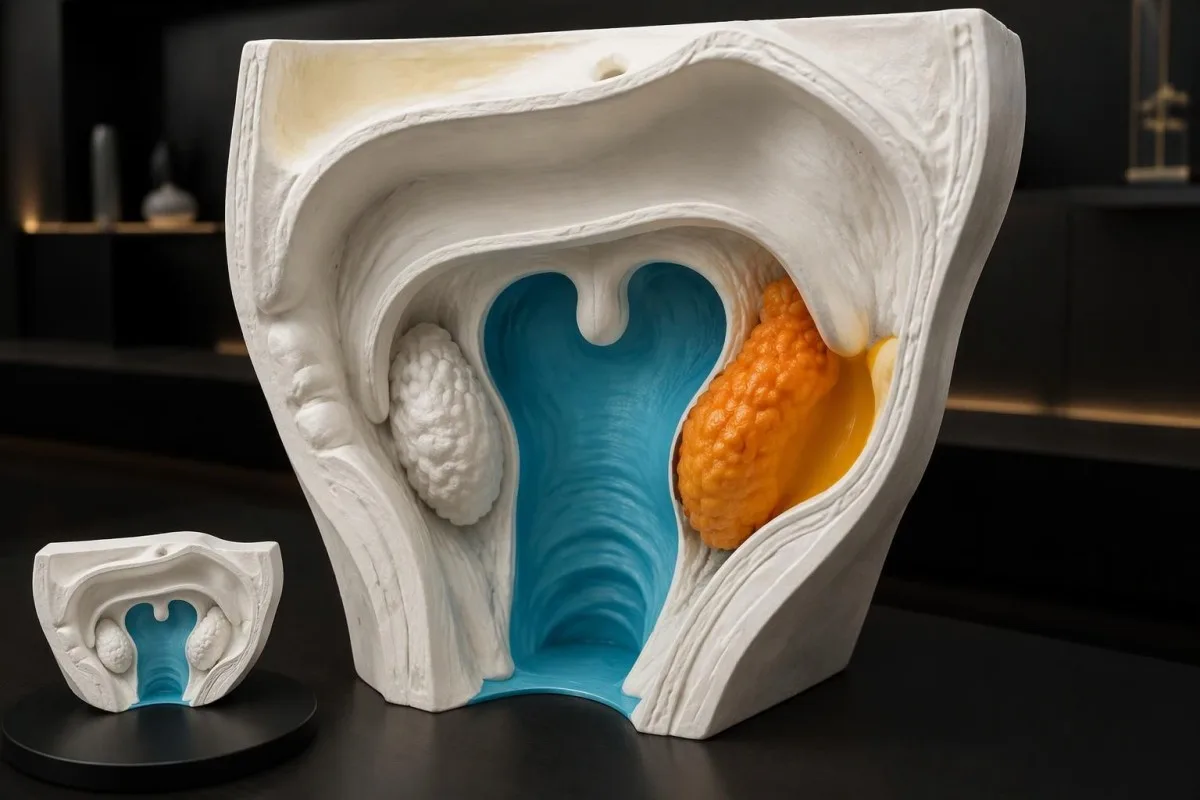
Difficulty swallowing saliva, drooling, a muffled voice or marked one-sided throat swelling can indicate an airway-threatening problem rather than a usual PFAPA flare. A child aged 3–6 months with a temperature of 39°C or higher also needs urgent assessment; contact local emergency services for immediate danger instead of waiting for a blood result or an expected fever endpoint.
Fever lasting 5 days or longer warrants prompt medical review, particularly with red eyes, cracked lips, rash or swollen hands and feet. These findings can suggest Kawasaki disease, discussed in our Kawasaki assessment guide; incomplete presentations occur, so clinicians do not require every classic feature, and concerning symptoms should be assessed before day 5 rather than waiting for a threshold.
New severe localized abdominal pain, persistent vomiting or inability to walk normally should not be attributed to PFAPA without examination. Even 1 normal WBC or CRP result cannot reliably exclude an early abdominal emergency, as our appendicitis laboratory limits explain; children with a known fever syndrome can still develop unrelated illnesses, especially when the attack looks different from their established pattern.
តើគេព្យាបាលការកើតរោគសញ្ញា PFAPA ដោយរបៀបណា ហើយការឆ្លើយតបនឹងស្តេរ៉ូអ៊ីតមានន័យដូចម្តេច?
PFAPA attack treatment focuses on comfort, hydration and, when prescribed, corticosteroids that often stop fever within hours. Published prednisone or prednisolone regimens range from 0.5–2 mg/kg, but dosing, maximum dose and eligibility must be set by the treating clinician.
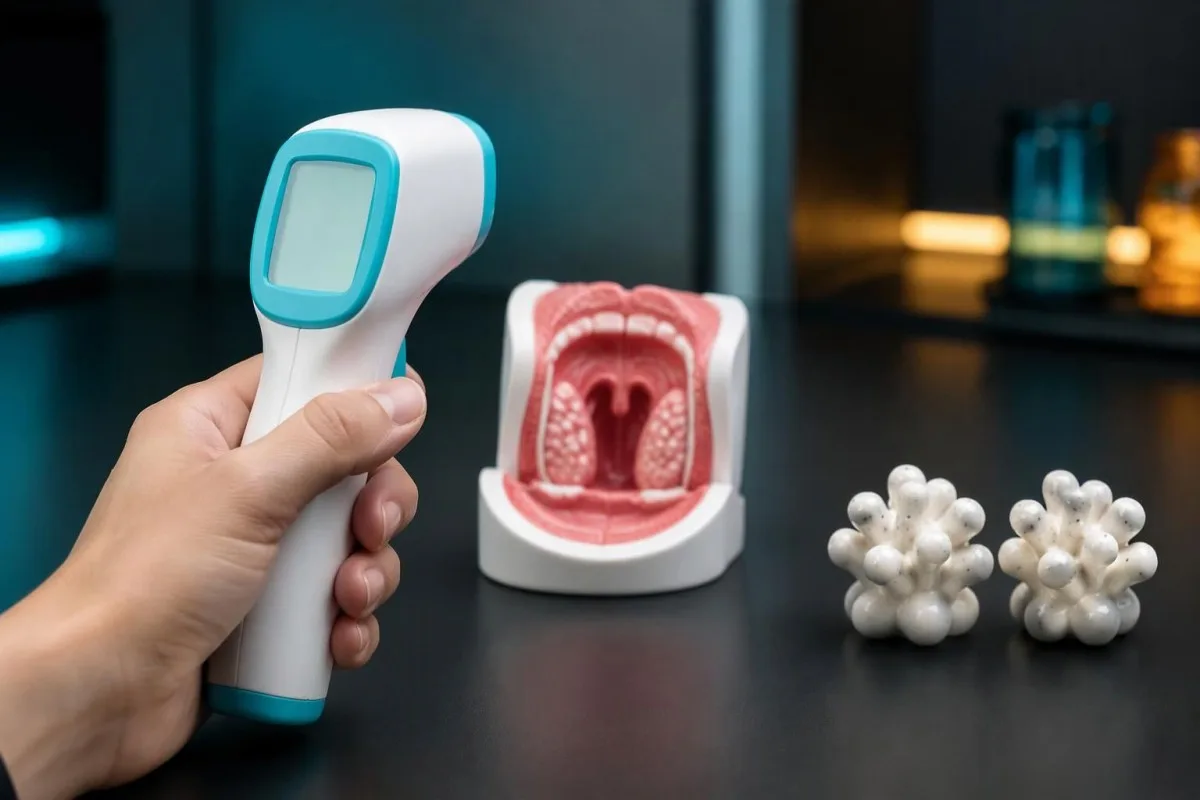
Vanoni et al. (2016) describe rapid corticosteroid responses alongside the limitation that treatment may shorten the interval to the next attack. Reports summarized in that review estimated shorter intervals in approximately 25–50% of patients, but these observations come from heterogeneous studies rather than a precise prediction for an individual child; attack control and long-term prevention are separate treatment goals.
For a hypothetical 20-kg child, a clinician-selected dose of 1 mg/kg would equal 20 mg; this calculation illustrates weight-based prescribing, not a home-treatment recommendation. Families need a written plan explaining when a familiar attack qualifies for treatment, when to seek assessment first and what to do if the expected response does not occur—especially if symptoms suggest a new infection.
Antipyretics may improve discomfort even when they do not end the inflammatory episode. Choose child-appropriate preparations with a clinician or pharmacist, avoid aspirin unless specifically prescribed and do not duplicate paracetamol/acetaminophen across 2 products; Kantesti cannot authorize steroid treatment, and our discussion of ការបកស្រាយ AI ចំពោះកុមារ explains why pediatric decisions need more than laboratory pattern recognition.
តើពេលណាគេពិចារណាប្រើថ្នាំបង្ការ ឬវះកាត់យក tonsil ចេញ?
Prevention or tonsillectomy may be considered when PFAPA attacks repeatedly disrupt daily life or attack treatment is unsatisfactory. A Cochrane review included 2 randomized trials involving 67 children, finding benefit from tonsil surgery while emphasizing the limited size of the evidence base.
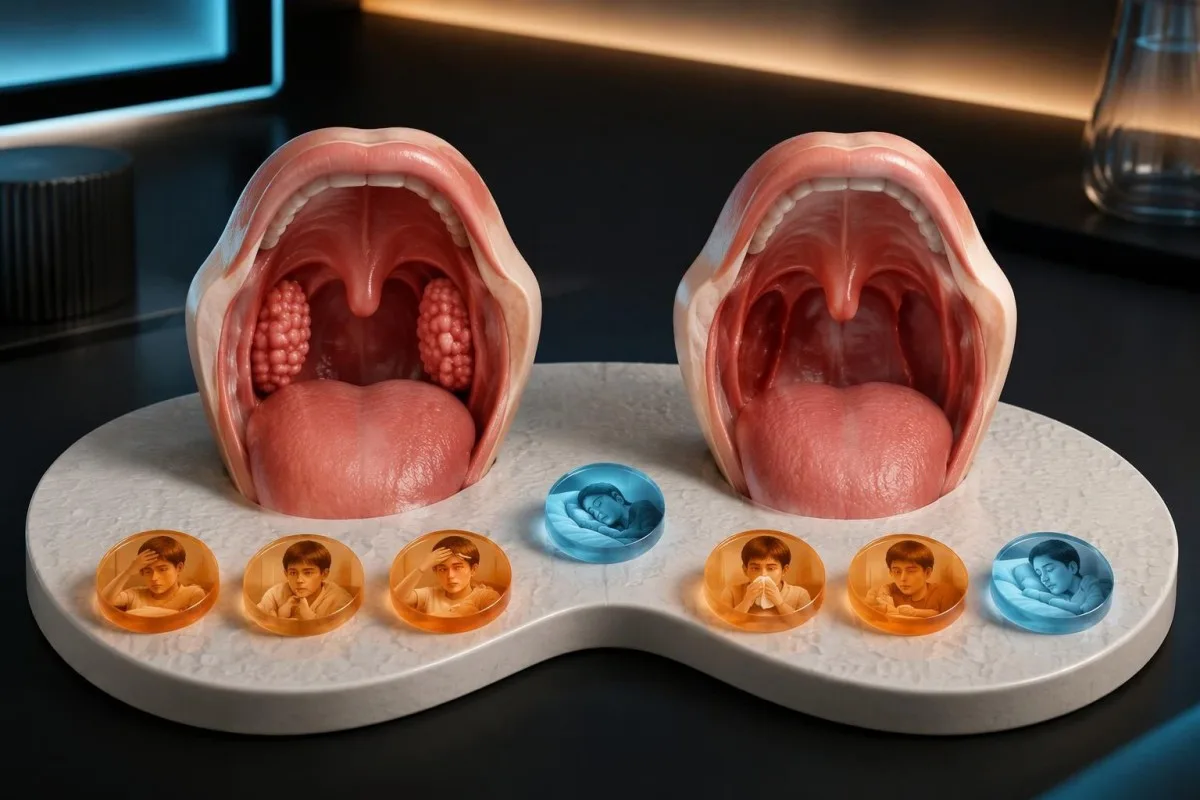
Burton et al. (2019) judged the evidence for several tonsillectomy outcomes to be of moderate certainty, but the trials were too small to characterize uncommon harms confidently. The evidence concerns selected children rather than every person with recurrent sore throat; a child missing 4 school days each month may value potential benefit differently from a child with infrequent, easily managed attacks.
Colchicine is sometimes used to reduce attacks under specialist supervision, whereas cimetidine has less convincing evidence. Treatment selection should consider the diagnosis, kidney and liver function, other medicines and the possibility of an inherited fever disorder; when several options exist, agree in advance on a measurable goal, such as fewer attacks across 3 months, rather than assuming a changed laboratory number demonstrates success.
Tonsillectomy carries postoperative pain, dehydration, anesthesia-related risks and bleeding risk, even when it improves PFAPA. Kantesti's គោលការណ៍ណែនាំស្តីពី AI ប្រកបដោយការទទួលខុសត្រូវ supports a clear boundary: neither 1 elevated inflammatory marker nor an automated report can decide whether surgery is appropriate; that discussion belongs with the treating pediatric team and an ENT specialist who can assess the child's individual risks.
តើការតាមដានបែបណាដែលជួយដល់កុមារ មនុស្សពេញវ័យ និងគ្រួសារដែលមាន PFAPA?
PFAPA follow-up should track attack burden, growth or weight, treatment response and any symptoms between episodes. Many childhood cases improve over several years, but persistence, relapse and adult-onset disease occur; a 3-month review interval can be a practical individualized plan rather than a universal rule.

Adults require the same attention to repeated patterns and alternative causes, not an assumption that PFAPA is impossible after childhood. Fever with oral sores and pharyngitis can support the diagnosis, but new constitutional symptoms, persistent gland enlargement or abnormal findings between attacks need assessment; a 35-year-old with a first prolonged fever should not self-diagnose PFAPA from an online symptom match.
Prepare a concise appointment summary: attack dates, duration, associated features, well-day symptoms, test results and response to prescribed treatment. Include 1 clearly labeled attack sample and any clinician-requested recovery sample, rather than ordering a broad panel every month; repeated testing is useful only when it answers a specific question, such as whether inflammation persists or neutrophil counts cycle.
កាន់តេស្ទី គឺជា វេទិកាបកស្រាយការធ្វើតេស្តឈាម AI that can help explain uploaded CBC and inflammatory-marker reports alongside their dates, units and stated reference ranges. For a family sharing 2 or more records, check each person's identity and consent before upload, and review our ឯកជនភាព និងការគ្រប់គ្រងទិន្នន័យ; AI explanation does not replace pediatric examination, urgent triage or a specialist diagnosis.
ឯកសារស្រាវជ្រាវដែលបានបោះពុម្ព៖ ភស្តុតាងធៀបនឹងសេចក្តីណែនាំមូលដ្ឋានអំពីមន្ទីរពិសោធន៍
PFAPA evidence comes from clinical descriptions, differential-diagnosis research and treatment studies—not from a specific clotting or serum-protein test. The 2 background publications below explain other laboratory topics and should not be mistaken for studies validating PFAPA diagnosis.
The peer-reviewed PFAPA review by Wang et al. (2021), treatment review by Vanoni et al. (2016) and Cochrane analysis by Burton et al. (2019) directly inform this article's clinical discussion. The surgical review's 67-child evidence base illustrates why certainty must be proportionate to study size; a named source supports a specific claim, not every recommendation made elsewhere on the page.
របស់ Kantesti clotting test background guide និង មគ្គុទ្ទេសក៍ទិដ្ឋភាពទូទៅអំពីប្រូតេអ៊ីនក្នុងសេរ៉ូម accompany the 2 Zenodo records listed below. Neither aPTT nor an albumin/globulin ratio confirms PFAPA, and neither guide establishes that routine testing of those markers improves PFAPA care; additional tests should follow an identified clinical concern rather than the availability of a panel.
Evidence interpretation should distinguish a repository-hosted educational guide from a peer-reviewed condition-specific study or systematic review. Our ស្តង់ដារខ្លឹមសារវេជ្ជសាស្ត្រ explain the editorial approach; for a child with 3 apparently similar attacks, the practical priority remains documented recovery, targeted exclusion of alternatives and a clear safety plan, not accumulating more citations or tests that do not answer the clinical question.
សំណួរដែលគេច្រើនសួរ
តើរោគសញ្ញា PFAPA ជាអ្វី?
រោគសញ្ញា PFAPA គឺជាជំងឺរលាកដោយស្វ័យប្រវត្តិ ដែលបង្កឱ្យកើតគ្រុនក្តៅម្តងហើយម្តងទៀត រួមជាមួយដំបៅបូសក្នុងមាត់ រលាកបំពង់ក និងកូនកណ្តុរនៅកមានសភាពហើម។ វគ្គនីមួយៗជាទូទៅមានរយៈពេល 3–7 ថ្ងៃ និងកើតឡើងវិញរៀងរាល់ប៉ុន្មានសប្តាហ៍ ដោយសុខភាពមានលក្ខណៈធម្មតារវាងវគ្គនីមួយៗ។ ជំងឺនេះជាទូទៅចាប់ផ្តើមមុនអាយុ 5 ឆ្នាំ ទោះបីជាកុមារដែលមានអាយុច្រើនជាងនេះ និងមនុស្សពេញវ័យក៏អាចកើតមានបានដែរ។ មិនមានតេស្តឈាមណាមួយដែលអាចបញ្ជាក់រោគសញ្ញា PFAPA បានទេ ដូច្នេះការធ្វើរោគវិនិច្ឆ័យអាស្រ័យលើលំនាំរោគសញ្ញាដែលកើតឡើងដដែលៗ និងការវាយតម្លៃរកមូលហេតុផ្សេងទៀត។
គ្រុនក្តៅ PFAPA កើតឡើងញឹកញាប់ប៉ុណ្ណា?
គ្រុនក្តៅ PFAPA ជាទូទៅកើតឡើងវិញប្រហែលរៀងរាល់ 2–8 សប្តាហ៍ ហើយការកើតឡើងម្តងៗជាធម្មតាមានរយៈពេល 3–7 ថ្ងៃ។ កុមារខ្លះមានវដ្តទៀងទាត់ណាស់ ខណៈដែលកុមារផ្សេងទៀតមានចន្លោះពេលមិនទៀងទាត់។ ការព្យាបាលដោយថ្នាំ corticosteroid អាចធ្វើឱ្យរយៈពេលរហូតដល់វគ្គបន្ទាប់ខ្លីลง ដូច្នេះពេលវេលាប្រើថ្នាំគួរត្រូវកត់ត្រាក្នុងកំណត់ហេតុគ្រុនក្តៅ។ គ្រុនក្តៅជាប់រហូត ឬការមិនជាសះស្បើយរវាងការកើតឡើង តម្រូវឱ្យមានការវាយតម្លៃឡើងវិញ ជាជាងសន្មតថាវាស្របនឹង PFAPA។
តើលទ្ធផលតេស្តឈាម CRP ខ្ពស់អាចធ្វើរោគវិនិច្ឆ័យ PFAPA បានទេ?
លទ្ធផល CRP ខ្ពស់មិនអាចប្រើធ្វើរោគវិនិច្ឆ័យ PFAPA បានទេ ពីព្រោះការឆ្លងមេរោគ និងជំងឺរលាកផ្សេងៗអាចបណ្តាលឱ្យ CRP កើនឡើងដូចគ្នា។ ឧទាហរណ៍ កម្រិត CRP 80 mg/L អំឡុងពេលក្តៅខ្លួន និង 3 mg/L ក្រោយជាសះស្បើយ គាំទ្រថាមានការរលាកកើតឡើងជាបណ្តោះអាសន្ន ប៉ុន្តែមិនអាចកំណត់មូលហេតុរបស់វាបានទេ។ មន្ទីរពិសោធន៍ជាច្រើនប្រើកម្រិតយោងខាងលើសម្រាប់ CRP ប្រហែល 5 mg/L ខណៈខ្លះប្រើ 10 mg/L។ គ្រូពេទ្យបកស្រាយលទ្ធផលនេះដោយពិចារណារួមជាមួយរោគសញ្ញា ការពិនិត្យ កាលបរិច្ឆេទប្រមូលសំណាក និងការធ្វើតេស្តរកការឆ្លងមេរោគដែលពាក់ព័ន្ធ។
តើ PFAPA ឆ្លងដែរឬទេ ហើយតើត្រូវការថ្នាំអង់ទីប៊ីយ៉ូទិចដែរឬទេ?
PFAPA មិនឆ្លងទេ ហើយថ្នាំអង់ទីប៊ីយោទិចមិនព្យាបាលដំណើរការរលាកដែលជាមូលដ្ឋានរបស់វាឡើយ។ ការកើតឡើងធម្មតាមួយរយៈពេល 3–7 ថ្ងៃអាចបញ្ចប់ដោយខ្លួនឯង បន្ទាប់ពីចាប់ផ្តើមប្រើថ្នាំអង់ទីប៊ីយោទិច ដែលធ្វើឱ្យយល់ច្រឡំថាថ្នាំអង់ទីប៊ីយោទិចមានប្រសិទ្ធភាព។ កុមារដែលមាន PFAPA នៅតែអាចឆ្លងជំងឺវីរុសដែលឆ្លងពីមនុស្សម្នាក់ទៅមនុស្សម្នាក់ ឬការឆ្លងបាក់តេរីបាន។ គ្រុនក្តៅថ្មីដែលមានរោគសញ្ញាខុសពីមុន ការប៉ះពាល់ជាមួយអ្នកជំងឺ ឬមូលហេតុបាក់តេរីដែលបានបញ្ជាក់ គួរត្រូវបានវាយតម្លៃ និងព្យាបាលដោយផ្អែកលើស្ថានភាពជាក់ស្តែងរបស់វា។
តើការឆ្លើយតបរហ័សចំពោះថ្នាំព្រីដនីសូនបញ្ជាក់ថាជា PFAPA ដែរឬទេ?
ការឆ្លើយតបយ៉ាងរហ័សចំពោះថ្នាំ prednisone ឬ prednisolone ដែលបានចេញវេជ្ជបញ្ជា គាំទ្រដល់ការសង្ស័យថាជា PFAPA ប៉ុន្តែមិនអាចបញ្ជាក់រោគវិនិច្ឆ័យបានទេ។ របបព្យាបាល PFAPA ដែលបានបោះពុម្ពផ្សាយរួមមានកម្រិត 0.5–2 mg/kg ដោយវេជ្ជបណ្ឌិតដែលកំពុងព្យាបាលជាអ្នកកំណត់កម្រិតថ្នាំជាក់ស្តែង និងកម្រិតអតិបរមា។ ថ្នាំ corticosteroids អាចបំបាត់រោគសញ្ញានៃជំងឺផ្សេងៗ ហើយអាចធ្វើឱ្យចន្លោះពេលរហូតដល់ការកើតឡើងនៃការវាយប្រហារ PFAPA លើកបន្ទាប់ខ្លីลง។ គ្រួសារគួរប្រើផែនការព្យាបាលជាលាយលក្ខណ៍អក្សរ និងស្វែងរកការវាយតម្លៃមុនពេលព្យាបាល នៅពេលដែលវគ្គជំងឺធ្ងន់ខុសពីធម្មតា ឬមានលក្ខណៈខុសប្លែក។
តើកុមារដែលសង្ស័យថាមាន PFAPA គួរទទួលការថែទាំបន្ទាន់នៅពេលណា?
កុមារដែលសង្ស័យថាមាន PFAPA ត្រូវការការថែទាំបន្ទាន់ ប្រសិនបើមានគ្រុនក្តៅ និងពិបាកដកដង្ហើម ឆ្លើយតបយឺត ករឹង កន្ទួលដែលមិនស្រកពណ៌ពេលសង្កត់ ឬខ្វះជាតិទឹកធ្ងន់ធ្ងរ។ ទារកអាយុក្រោម 3 ខែណាម្នាក់ដែលមានសីតុណ្ហភាព 38°C ឬខ្ពស់ជាងនេះ ត្រូវទទួលការវាយតម្លៃសុខភាពជាបន្ទាន់។ គ្រុនក្តៅដែលមានរយៈពេល 5 ថ្ងៃ ឬយូរជាងនេះ ក៏គួរត្រូវបានពិនិត្យឱ្យបានឆាប់ដែរ ជាពិសេសប្រសិនបើមានភ្នែកក្រហម កន្ទួល បបូរមាត់ប្រេះ ឬដៃនិងជើងហើម។ ការធ្លាប់ត្រូវបានវិនិច្ឆ័យថាមាន PFAPA មិនមានន័យថា អាចមើលរំលងជំងឺថ្មីដែលមានរោគសញ្ញាខុសពីមុនដោយមិនបារម្ភបានទេ។
ទទួលបានការពន្យល់អំពីលទ្ធផលពិនិត្យឈាមរបស់អ្នក
បង្ហោះរបាយការណ៍មន្ទីរពិសោធន៍របស់អ្នក ហើយ AI របស់ Kantesti នឹងពន្យល់ជីវសញ្ញានីមួយៗជាភាសាសាមញ្ញ ក្នុងរយៈពេលត្រឹមតែប៉ុន្មានវិនាទី។ មនុស្សជាង 2 លាននាក់នៅទូទាំងពិភពលោកបានប្រើប្រាស់។.
ឯកសារយោង
- Klein, T., Mitchell, S., & Weber, H. (2026)។. ជួរធម្មតា aPTT៖ D-Dimer, Protein C និងមគ្គុទ្ទេសក៍អំពីការកកឈាម។. ការស្រាវជ្រាវវេជ្ជសាស្ត្រ AI របស់ Kantesti។. ក្រសួងអប់រំយុវជន និងកីឡា
- Klein, T., Mitchell, S., & Weber, H. (2026)។. មគ្គុទ្ទេសក៍អំពីប្រូតេអ៊ីនក្នុងសេរ៉ូម៖ ការធ្វើតេស្តឈាម Globulins, Albumin និងសមាមាត្រ A/G។. ការស្រាវជ្រាវវេជ្ជសាស្ត្រ AI របស់ Kantesti។. ក្រសួងអប់រំយុវជន និងកីឡា
- Wang A et al. (2021). Periodic fever, aphthous stomatitis, pharyngitis, and adenitis (PFAPA) syndrome: A review. World Journal of Otorhinolaryngology - Head and Neck Surgery. ក្រសួងអប់រំយុវជន និងកីឡា
- Vanoni F et al. (2016). PFAPA syndrome: a review on treatment and outcome. Pediatric Rheumatology. ក្រសួងអប់រំយុវជន និងកីឡា
- Burton MJ et al. (2019). Tonsillectomy for periodic fever, aphthous stomatitis, pharyngitis and cervical adenitis syndrome (PFAPA). មូលដ្ឋានទិន្នន័យ Cochrane នៃការពិនិត្យឡើងវិញជាប្រព័ន្ធ។. ក្រសួងអប់រំយុវជន និងកីឡា
- 2M+ការធ្វើតេស្តដែលបានវិភាគ
- 127+ប្រទេស
- 100+ភាសា
អំពីក្រុមវេជ្ជសាស្ត្រ


សញ្ញាទុកចិត្ត E-E-A-T
បទពិសោធន៍
ការពិនិត្យព្យាបាលដោយវេជ្ជបណ្ឌិតលើដំណើរការការបកស្រាយលទ្ធផលមន្ទីរពិសោធន៍។.
ជំនាញ
ផ្តោតលើវិទ្យាសាស្ត្រមន្ទីរពិសោធន៍ថា សញ្ញាសម្គាល់ (biomarkers) មានឥរិយាបថយ៉ាងដូចម្តេចក្នុងបរិបទព្យាបាល។.
ភាពមានសិទ្ធិអំណាច
បានពិនិត្យផ្នែកវេជ្ជសាស្ត្រដោយវេជ្ជបណ្ឌិត Thomas Klein ដោយមានការចូលរួមចំណែកពីវេជ្ជបណ្ឌិត Sarah Mitchell និងសាស្ត្រាចារ្យបណ្ឌិត Hans Weber។.
ភាពគួរឱ្យទុកចិត្ត
ការបកស្រាយដោយផ្អែកលើភស្តុតាង ជាមួយផ្លូវបន្តតាមដានច្បាស់លាស់ ដើម្បីកាត់បន្ថយការភ័យខ្លាច។.





សេចក្តីប្រកាសបដិសេធការទទួលខុសត្រូវផ្នែកវេជ្ជសាស្ត្រ
អត្ថបទនេះមានគោលបំណងសម្រាប់ការអប់រំប៉ុណ្ណោះ ហើយមិនមែនជាការផ្តល់ដំបូន្មានផ្នែកវេជ្ជសាស្ត្រទេ។ សូមពិគ្រោះជាមួយអ្នកផ្តល់សេវាសុខភាពដែលមានសមត្ថភាពជានិច្ច សម្រាប់ការសម្រេចចិត្តអំពីការធ្វើរោគវិនិច្ឆ័យ និងការព្យាបាល។.
បានបោះពុម្ភ · ទាក់ទងក្រុមនិពន្ធ
បោះពុម្ពផ្សាយដោយ Kantesti Ltd ដែលបានចុះបញ្ជីនៅប្រទេសអង់គ្លេស និងវែលស៍ លេខក្រុមហ៊ុន. 17090423, ទីក្រុងឡុងដ៍ ចក្រភពអង់គ្លេស។.
