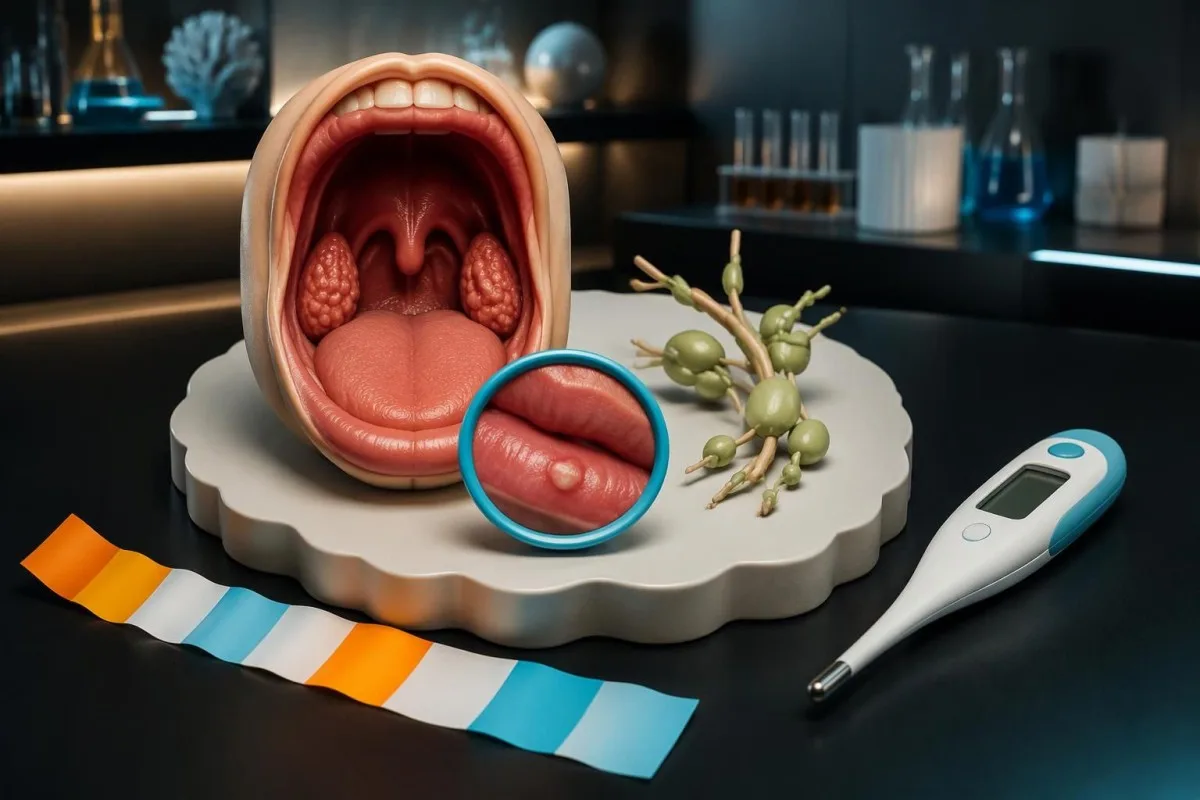
PFAPA sindrom može uzrokovati ponavljane visoke vrućice s aftama u ustima, grloboljom i otečenim vratnim limfnim čvorovima, koje obično traju 3–7 dana, uz potpuni oporavak između napada. Dijagnoza se temelji na ponavljajućem obrascu i isključivanju drugih uzroka, a ne na jednom abnormalnom nalazu krvi. Dnevnik simptoma može pomoći; neuobičajeno težak ili drukčiji napad zahtijeva novu procjenu.

Ključne napomene
- PFAPA sindrom često uzrokuje epizode vrućice koje traju 3–7 dana, s razmakom od nekoliko tjedana dobrog zdravstvenog stanja.
- Simptomi PFAPA sindroma uključuju afte u ustima, faringitis i otečene vratne limfne čvorove; ne moraju se istodobno pojaviti sva 3 obilježja.
- Vremenski raspored vrućice često prati otprilike 2–8-tjedni ciklus, ali za dijagnozu nije nužna pravilnost prema točnom kalendaru.
- Dnevnici simptoma trebaju bilježiti datume epizoda, najvišu temperaturu u °C ili °F, simptome, lijekove i oporavak između napada.
- Krvne pretrage mogu pokazati povišen CRP i broj neutrofila tijekom napada; vrijednost CRP-a od 80 mg/L ne razlikuje PFAPA sindrom od infekcije.
- Ciklička neutropenija može se ponavljati približno svakih 21 dan te može zahtijevati serijske krvne slike umjesto jedne umirujuće CBC.
- Odluke o liječenju može uključivati kortikosteroide koje je propisao liječnik, preventivne lijekove ili tonzilektomiju; ništa od toga ne bi se smjelo provoditi samo na temelju laboratorijskog nalaza.
- Hitna procjena potrebno je za svako dojenče mlađe od 3 mjeseca s temperaturom od 38 °C ili višom ili za svako dijete s otežanim disanjem, smanjenom reakcijom na podražaje ili osipom koji ne blijedi na pritisak.
Što je PFAPA sindrom i što uzrokuje vrućice?
PFAPA sindrom autoinflamatorno je stanje koje uzrokuje ponavljane epizode vrućice s aftama u ustima, faringitisom i cervikalnim adenitisom. Napadi obično traju 3–7 dana; djeca se obično između epizoda vrate svojoj uobičajenoj energiji, apetitu i rastu.
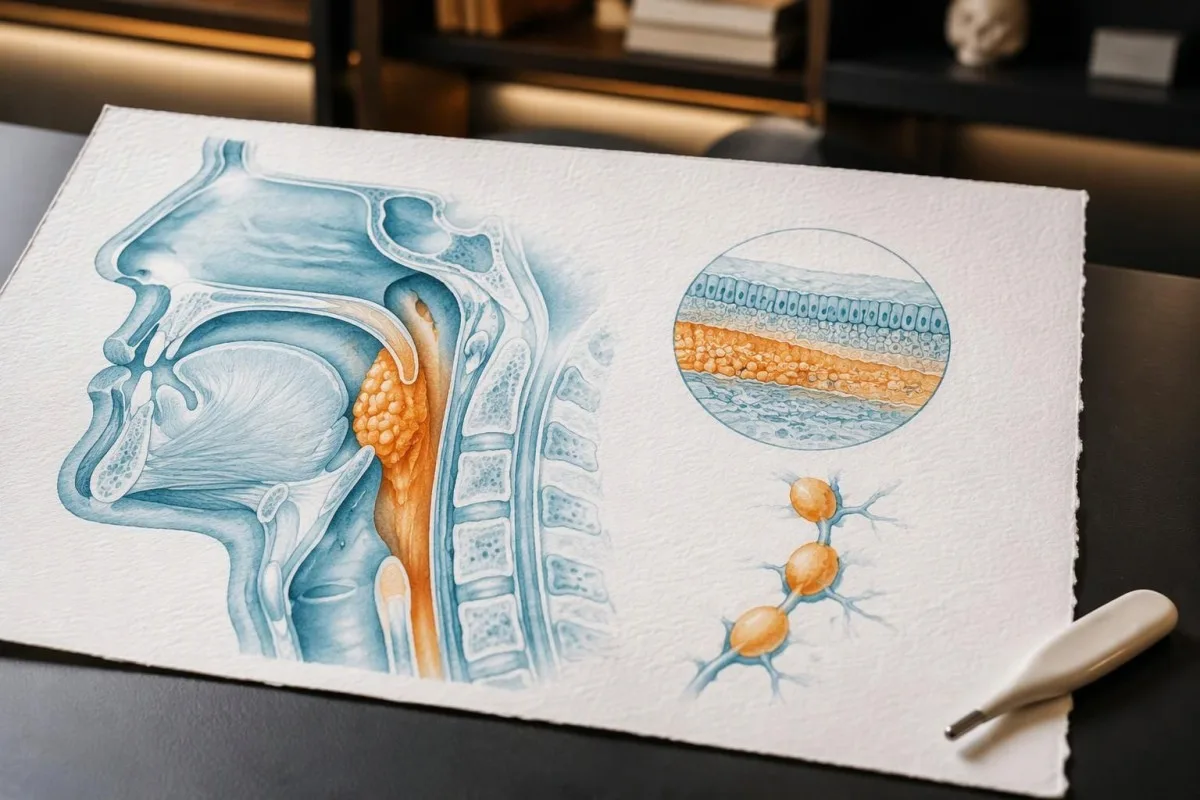
PFAPA odražava neprimjerenu aktivaciju upalnih putova, a ne novu zaraznu bolest svakih nekoliko tjedana. Početak je najčešće prije 5. godine, ali mogu oboljeti i starija djeca i odrasli; povijesna dobna granica stoga je naznaka, a ne apsolutni kriterij za isključenje (Wang i sur., 2021.). PFAPA ne znači da svaka buduća vrućica nije zaraznog podrijetla.
Kratica opisuje 4 sastavnice: periodičnu vrućicu, aftozni stomatitis, faringitis i adenitis. Za razliku od nekoliko nasljednih stanja s periodičnom vrućicom, PFAPA nema jedan utvrđeni genetski test kojim se potvrđuje dijagnoza, iako se može pojaviti grupiranje slučajeva unutar obitelji; negativan rezultat širokog genetskog panela ne dokazuje PFAPA niti isključuje svaki alternativni upalni poremećaj.
Kantesti je Analizator krvnih testova s umjetnom inteligencijom koji može objasniti zašto je za rezultat CRP-a od 80 mg/L potreban klinički kontekst, a ne dijagnostička oznaka. Naša organizacija i pristup opisuju uslugu, ali za prepoznavanje PFAPA-e liječnik mora povezati simptome tijekom više epizoda, pregledati dijete i uzeti u obzir stanja koja se ne mogu obuhvatiti laboratorijskim nalazom.
Koji simptomi PFAPA sindroma čine obrazac prepoznatljivim?
Simptomi PFAPA sindroma obično objedinjuju vrućicu s grloboljom, bolnim limfnim čvorovima na vratu ili malim ranicama u ustima. Ista kombinacija koja se ponavlja tijekom 3 ili više dokumentiranih epizoda pruža više informacija nego bilo koji pojedinačni simptom, premda ne postoji univerzalan minimalan broj epizoda koji potvrđuje PFAPA-u.
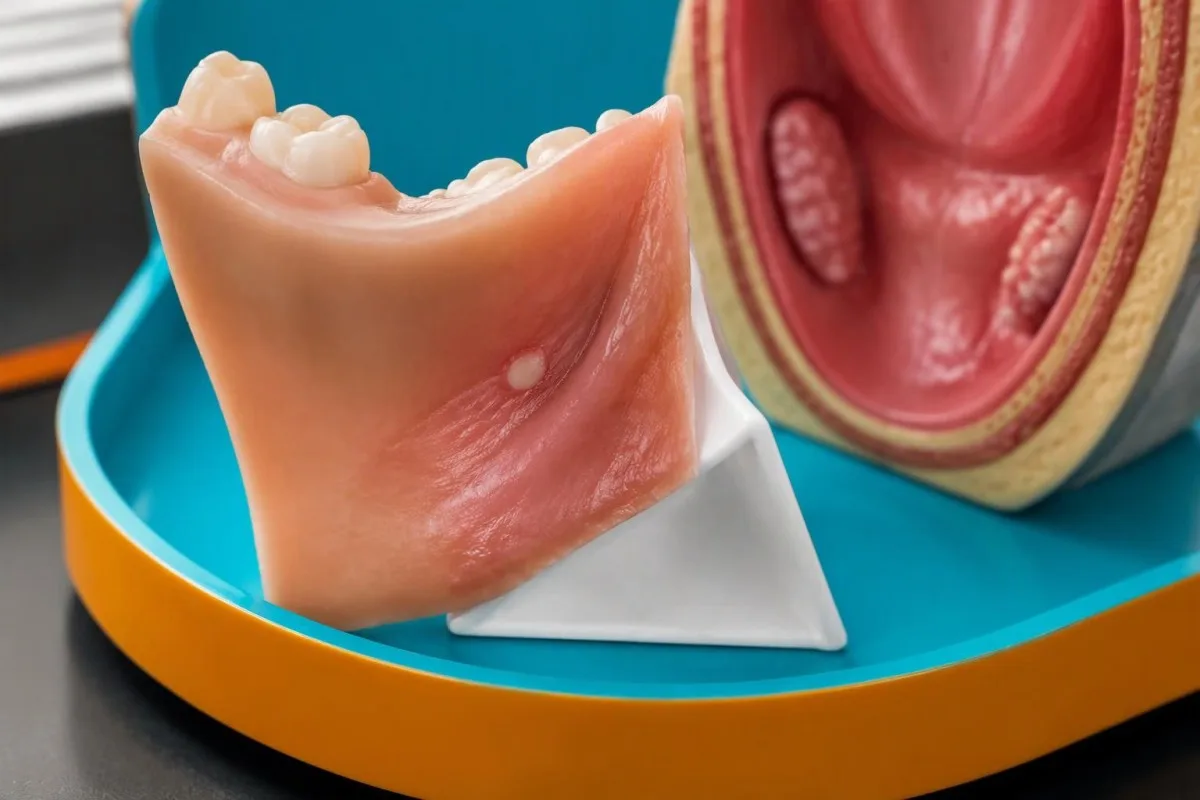
Aftozne su ranice obično male, plitke ranice na unutarnjoj strani usana, obrazima ili drugim površinama usne šupljine — nisu isto što i grupirani mjehurići na vanjskoj strani usne. Dijete može imati samo 1 ili 2 ranice, a ranice mogu izostati tijekom nekih napada; fotografiranje vidljive ranice može biti korisno ako nestane prije pregleda.
Faringitis može uključivati crvenilo ili naslage na krajnicima, pa se samo na temelju izgleda ne može razlikovati PFAPA od streptokokne infekcije. Otečeni limfni čvorovi obično su cervikalni čvorovi oko vrata, dok trajno povećavanje čvora, generalizirano oticanje limfnih čvorova ili simptomi koji traju dulje od napada od 3–7 dana zahtijevaju drukčije objašnjenje, umjesto automatskog pripisivanja PFAPA-i.
Same ranice u ustima ne znače dijagnozu periodične vrućice. Ponavljane ranice u ustima praćene genitalnim ranicama, bolnim crvenim očima, promjenama vida ili neuobičajenim promjenama na koži upućuju na druge mogućnosti, uključujući obrascima simptoma Behçetove bolesti; čak i jedna epizoda boli u oku s oštećenjem vida zahtijeva žurnu procjenu, bez čekanja na novi ciklus vrućice.
Koliko traju vrućice kod PFAPA sindroma i koliko se često vraćaju?
Vrućice kod PFAPA-e obično traju 3–7 dana i ponavljaju se približno svakih 2–8 tjedana, često uz izrazito slične simptome. Kod neke djece razvije se predvidljiv ritam, ali promjenjivi razmaci ne isključuju automatski PFAPA-u.

Temperatures during PFAPA attacks often reach 39–40°C, but fever height does not determine the diagnosis or reliably measure danger. The timing of associated throat symptoms, the child's appearance and the return to baseline matter more; measuring temperature with the same method also makes comparisons more useful than alternating between forehead, ear and underarm readings.
For a hypothetical child, fevers beginning on days 1, 29 and 58 with 4-day attacks suggest a repeated cycle—not proof of PFAPA. Count start-to-start intervals separately from fever-free days, and record whether corticosteroid treatment changed an interval; a shortened next cycle after treatment can otherwise make a previously regular pattern look inexplicably irregular.
A fever that does not stop is not a series of separate PFAPA episodes. If symptoms persist beyond 7 days, or recovery never occurs, clinicians reconsider infection and other inflammatory conditions; our explanation of utjecaj vremena vađenja krvi na nalaz also shows why a sample taken on day 1 cannot be interpreted like one taken after recovery.
Što treba bilježiti u dnevnik simptoma PFAPA sindroma?
A PFAPA symptom diary should record episode start and finish dates, measured temperature, mouth and throat findings, neck swelling, medication timing and wellness between attacks. Even 3 carefully documented episodes can reveal details that a single clinic visit misses.

Document the thermometer method and the highest measured temperature, not just 'very hot.' For each day of a 4-day attack, note drinking, urine output, activity, cough, runny nose, abdominal symptoms and whether anyone nearby was ill; these observations distinguish a repeated inflammatory pattern from unrelated respiratory or gastrointestinal illnesses more effectively than recording fever alone.
Medication entries need the name, dose, administration time and observed response. If a prescribed medicine is given at 09:00 and fever settles by 14:00, record that interval without claiming the medicine established PFAPA; include throat swab results and whether a laboratory sample preceded treatment, because both antibiotics and corticosteroids can complicate interpretation of subsequent findings.
Well days deserve entries too. A weekly note of normal appetite, play, school attendance and any lingering symptoms prevents a diary from becoming an attack-only record; when a clinician requests a recovery sample, our vodič za pripremu za početno testiranje explains how to record recent illness and medicines rather than treating a sample 2 days after fever as an unquestionable baseline.
Zašto je toliko važno dobro zdravstveno stanje između epizoda PFAPA sindroma?
Complete wellness between episodes strongly supports a typical PFAPA pattern: normal activity, appetite and growth should return after the 3–7-day attack. Persistent symptoms or continuing inflammation between attacks make clinicians reconsider the diagnosis.

A child who is fever-free but remains exhausted, loses weight or develops daily pain has not truly returned to baseline. Growth is assessed through serial height and weight measurements, not 1 percentile in isolation; crossing growth centiles over time may justify investigation even when individual fever episodes resemble PFAPA and routine examinations during attacks look familiar.
Repeated ordinary infections are common in young children, but unusually severe, prolonged or unusual infections suggest a different evaluation. A history of 2 hospital-treated infections or recurrent deep infections matters differently from several mild colds; clinicians consider the organisms, sites, treatment response and family history, as discussed in our guide to testiranju čestih infekcija.
Inflammatory markers usually fall toward the laboratory reference range between PFAPA attacks, but an immediately post-fever sample may still reflect recovery. A persistent CRP of 25 mg/L on repeated genuinely well-day samples is not proof of another disease, yet it deserves explanation; a clinician may check for an unnoticed infection, ongoing inflammatory symptoms or a sampling timeline that was mislabeled.
Što CRP, ESR i krvna slika pokazuju kod PFAPA sindroma?
PFAPA attacks can raise CRP, ESR and neutrophil counts, but none of these tests confirms PFAPA or excludes infection. Many laboratories use a CRP upper reference limit around 5 mg/L, dok drugi koriste 10 mg/L; the report's own range matters.
Consider a hypothetical child with CRP 80 mg/L during fever and 3 mg/L after recovery. That change supports an episodic inflammatory process but does not identify its cause; infection can produce the same pattern, while ESR may normalize more slowly than CRP, making a modestly raised recovery ESR less surprising than persistent symptoms or repeatedly elevated CRP.
White-cell interpretation must use age-appropriate absolute counts rather than adult ranges or percentages alone. At Kantesti, we emphasize that CRP 8 mg/dL equals 80 mg/L—a tenfold unit conversion that can otherwise create a false impression of improvement; our usporedba WBC-a i CRP-a explains why these markers can disagree because they change at different rates.
Procalcitonin is sometimes considered when serious bacterial infection is suspected, but it is not a standalone PFAPA discriminator. A low result, including a value below 0.1 ng/mL, cannot safely overrule a concerning examination or very early illness; the limits described in our vodič za tumačenje prokalcitonina matter more than using one reassuring number to justify home treatment.
Kako liječnici postavljaju dijagnozu PFAPA sindroma?
PFAPA diagnosis is clinical: clinicians identify repeated characteristic attacks, document recovery between them and exclude plausible alternatives. Onset before age 5 supports traditional criteria, but later onset does not prevent a diagnosis when the overall pattern fits.
The diagnostic process usually starts with history and examination rather than an extensive panel of rare-disease tests. Wang et al. (2021) describe the value of stereotyped episodes, absence of typical respiratory symptoms, negative relevant cultures and response to prescribed corticosteroids; however, 1 negative throat swab or 1 rapid response cannot independently establish PFAPA, and classification criteria are not identical to bedside diagnosis.
Streptococcal testing addresses the current throat illness, while an ASO antibody test mainly reflects previous exposure. An ASO result of 400 IU/mL does not prove that today's recurrent fever is active strep infection; age, local reference ranges and symptom timing affect interpretation, as explained in our discussion of ASO and recent exposure.
Kantesti je Alat za analizu krvnih nalaza uz pomoć AI-a that can contextualize laboratory units and repeated results, but 2 matching reports cannot confirm PFAPA. Our stručni i klinički nadzor information should not be read as validation of a PFAPA diagnostic test; pediatric or rheumatology assessment remains necessary when the pattern is atypical, severe or uncertain.
Kako se PFAPA sindrom razlikuje od ponavljanih infekcija?
Repeated infections are more likely when episodes follow sick contacts, have varying symptoms or include cough, runny nose, diarrhea or a confirmed pathogen. PFAPA more often repeats a similar 3–7-day pattern with complete wellness between attacks, but the two can coexist.
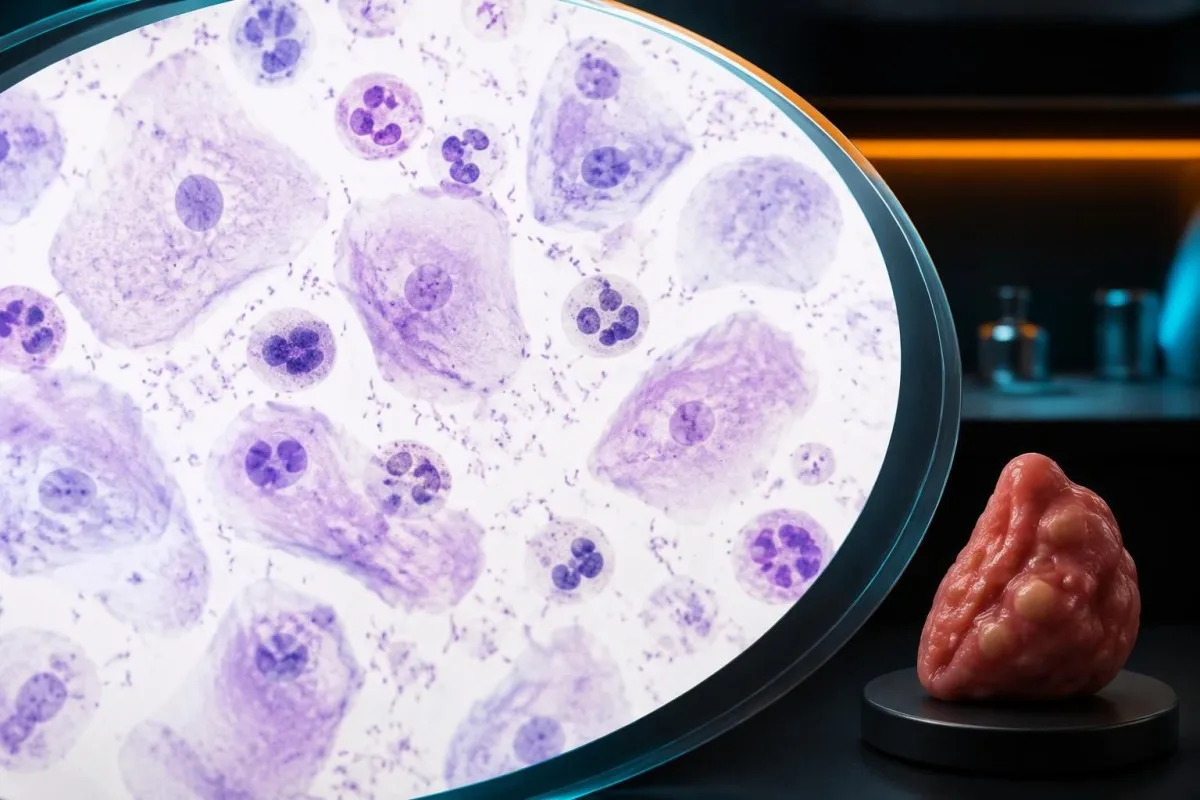
A positive respiratory PCR does not always explain the entire fever history. Adenovirus can remain detectable after an illness, so 1 positive result must be matched to current symptoms, examination and timing; our discussion of detekcije i izlučivanja adenovirusa explains why a molecular result may indicate recent exposure rather than the cause of every subsequent attack.
Longer-lasting sore throat, fatigue and gland enlargement can suggest a different illness rather than PFAPA. EBV antibody patterns distinguish recent infection from prior exposure more effectively than a single positive IgG result; our Vodič za obrasce antitijela na EBV explains the roles of 3 commonly reported markers—VCA IgM, VCA IgG and EBNA IgG—without equating past exposure with today's symptoms.
Antibiotic response is also easy to misread. If an antibiotic begins on day 4 and the fever ends on day 5, spontaneous resolution of a PFAPA attack is possible; conversely, a confirmed bacterial infection still requires appropriate treatment, and neither previous PFAPA nor prior antibiotic failure permits a new illness with different symptoms to be dismissed without assessment.
Koji drugi poremećaji s periodičnom vrućicom mogu nalikovati PFAPA sindromu?
Ciklička neutropenija and inherited autoinflammatory disorders can resemble PFAPA, especially when mouth sores accompany recurring fever. Approximately 21-day cycles, severe infections, marked abdominal or chest pain, unusual rashes or persistent inflammation help clinicians decide which alternatives to investigate.
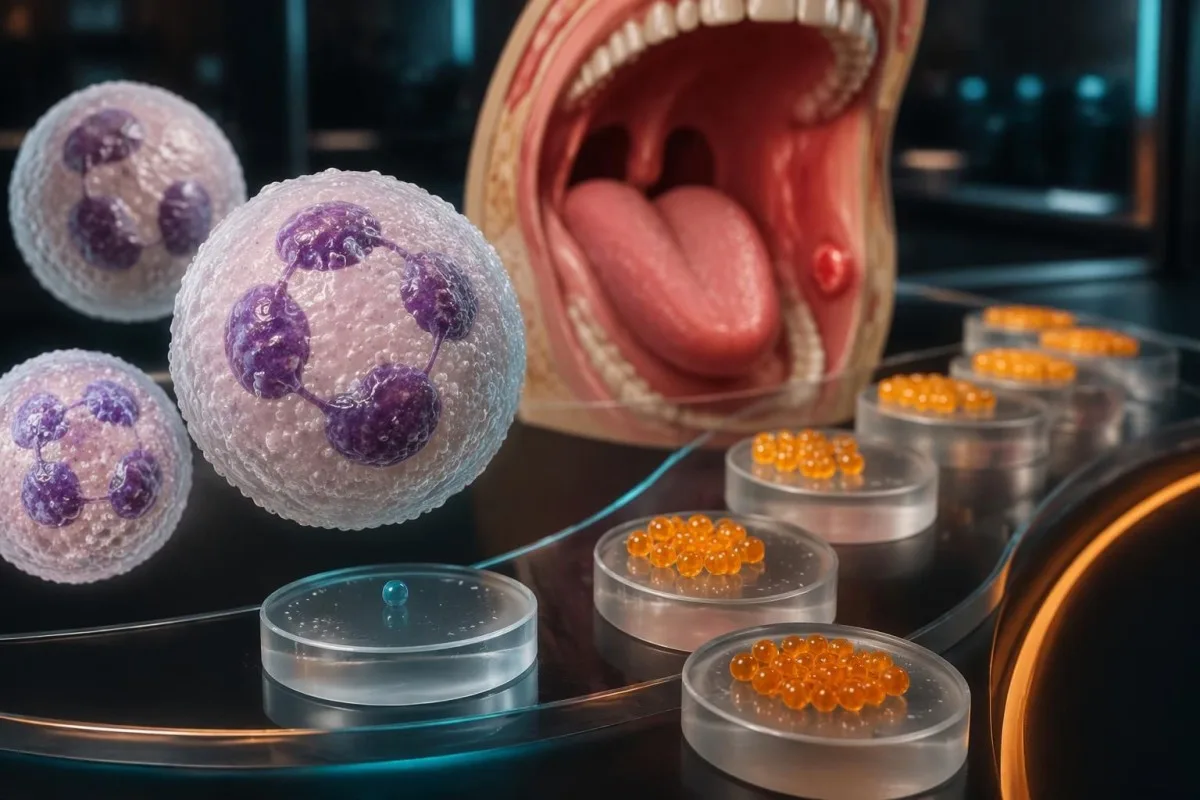
Cyclic neutropenia can produce recurrent fever, mouth sores and gum problems while a blood count between low-count periods looks normal. When suspected, clinicians may request CBCs 2–3 times weekly for about 6 weeks to identify repeated neutrophil nadirs; an absolute neutrophil count below 0.5 × 10^9/L during fever requires urgent clinical assessment rather than being labeled a routine PFAPA attack.
Familial Mediterranean fever often causes shorter attacks, commonly 12–72 hours, with abdominal or chest pain from serosal inflammation or joint symptoms. Our objašnjenje testiranja gena MEFV shows why genotype and symptoms must be interpreted together; TRAPS may produce longer attacks, sometimes over 7 days, while mevalonate kinase deficiency can involve diarrhea, vomiting and attacks triggered by vaccination or other stressors.
Ancestry and family history guide assessment, but neither should become a gatekeeper that excludes an inherited disorder. Persistently raised serum amyloid A between attacks can indicate ongoing inflammation and requires context, as our serum amyloid A guide explains; a single high value during a 4-day fever does not diagnose amyloidosis, and typical PFAPA should not automatically be assigned the complication risks of other syndromes.
Koji znakovi upozorenja povezani s vrućicom zahtijevaju hitnu procjenu?
Potražite hitnu medicinsku pomoć for fever with breathing difficulty, reduced responsiveness, a stiff neck, a non-blanching rash or severe dehydration. An infant younger than 3 mjeseca s temperaturom od 38°C ili viša needs urgent medical assessment, even if a family member has PFAPA.
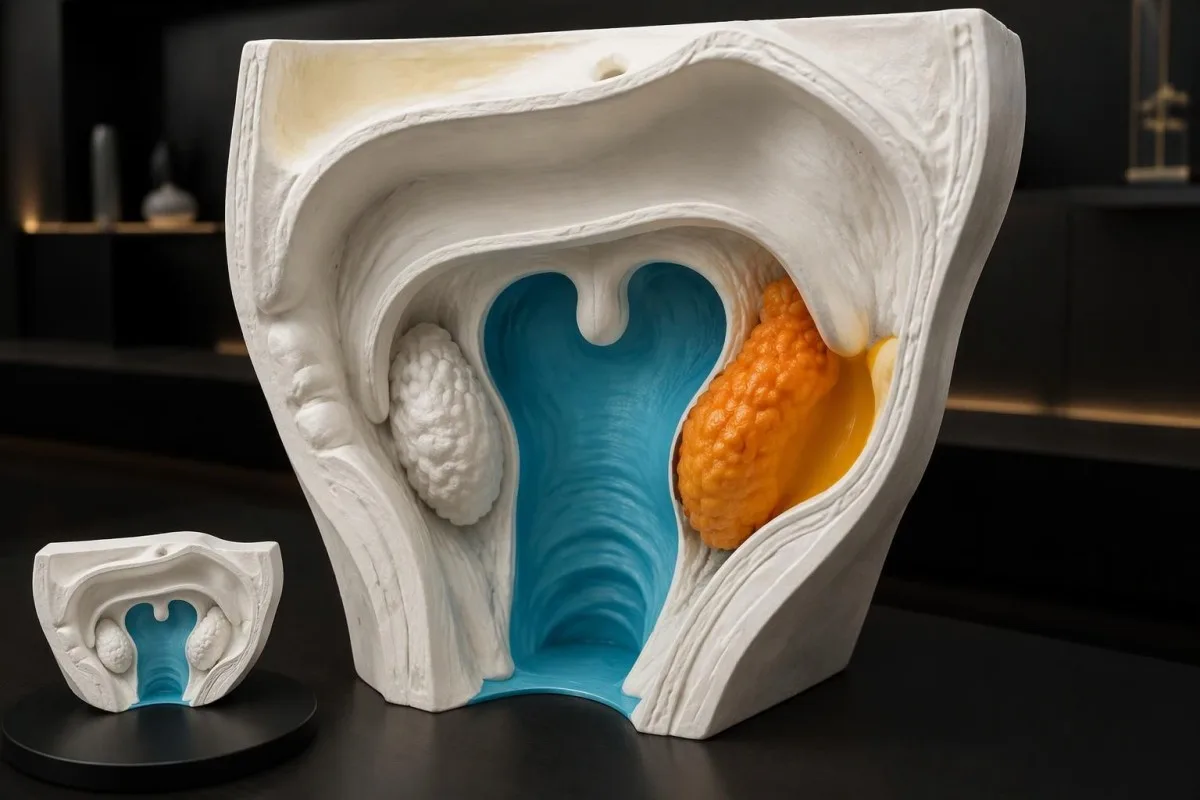
Difficulty swallowing saliva, drooling, a muffled voice or marked one-sided throat swelling can indicate an airway-threatening problem rather than a usual PFAPA flare. A child aged 3–6 months with a temperature of 39°C or higher also needs urgent assessment; contact local emergency services for immediate danger instead of waiting for a blood result or an expected fever endpoint.
Fever lasting 5 days or longer warrants prompt medical review, particularly with red eyes, cracked lips, rash or swollen hands and feet. These findings can suggest Kawasaki disease, discussed in our Kawasaki assessment guide; incomplete presentations occur, so clinicians do not require every classic feature, and concerning symptoms should be assessed before day 5 rather than waiting for a threshold.
New severe localized abdominal pain, persistent vomiting or inability to walk normally should not be attributed to PFAPA without examination. Even 1 normal WBC or CRP result cannot reliably exclude an early abdominal emergency, as our appendicitis laboratory limits explain; children with a known fever syndrome can still develop unrelated illnesses, especially when the attack looks different from their established pattern.
Kako se liječe napadi PFAPA sindroma i što znači odgovor na kortikosteroide?
PFAPA attack treatment focuses on comfort, hydration and, when prescribed, corticosteroids that often stop fever within hours. Published prednisone or prednisolone regimens range from 0.5–2 mg/kg, but dosing, maximum dose and eligibility must be set by the treating clinician.
Vanoni et al. (2016) describe rapid corticosteroid responses alongside the limitation that treatment may shorten the interval to the next attack. Reports summarized in that review estimated shorter intervals in approximately 25–50% of patients, but these observations come from heterogeneous studies rather than a precise prediction for an individual child; attack control and long-term prevention are separate treatment goals.
For a hypothetical 20-kg child, a clinician-selected dose of 1 mg/kg would equal 20 mg; this calculation illustrates weight-based prescribing, not a home-treatment recommendation. Families need a written plan explaining when a familiar attack qualifies for treatment, when to seek assessment first and what to do if the expected response does not occur—especially if symptoms suggest a new infection.
Antipyretics may improve discomfort even when they do not end the inflammatory episode. Choose child-appropriate preparations with a clinician or pharmacist, avoid aspirin unless specifically prescribed and do not duplicate paracetamol/acetaminophen across 2 products; Kantesti cannot authorize steroid treatment, and our discussion of tumačenje AI kod djece explains why pediatric decisions need more than laboratory pattern recognition.
Kada se razmatraju preventivni lijekovi ili tonzilektomija?
Prevention or tonsillectomy may be considered when PFAPA attacks repeatedly disrupt daily life or attack treatment is unsatisfactory. A Cochrane review included 2 randomized trials involving 67 children, finding benefit from tonsil surgery while emphasizing the limited size of the evidence base.
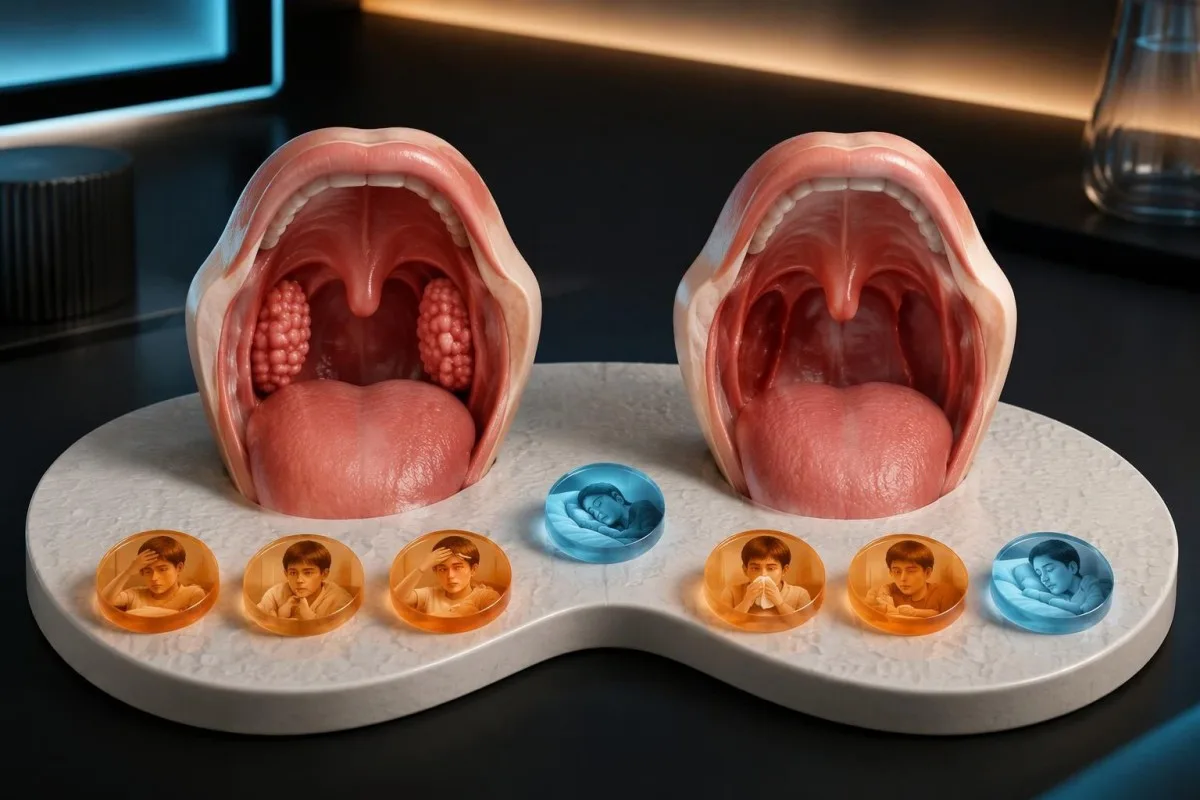
Burton et al. (2019) judged the evidence for several tonsillectomy outcomes to be of moderate certainty, but the trials were too small to characterize uncommon harms confidently. The evidence concerns selected children rather than every person with recurrent sore throat; a child missing 4 school days each month may value potential benefit differently from a child with infrequent, easily managed attacks.
Colchicine is sometimes used to reduce attacks under specialist supervision, whereas cimetidine has less convincing evidence. Treatment selection should consider the diagnosis, kidney and liver function, other medicines and the possibility of an inherited fever disorder; when several options exist, agree in advance on a measurable goal, such as fewer attacks across 3 months, rather than assuming a changed laboratory number demonstrates success.
Tonsillectomy carries postoperative pain, dehydration, anesthesia-related risks and bleeding risk, even when it improves PFAPA. Kantesti's vodič za odgovornu primjenu umjetne inteligencije supports a clear boundary: neither 1 elevated inflammatory marker nor an automated report can decide whether surgery is appropriate; that discussion belongs with the treating pediatric team and an ENT specialist who can assess the child's individual risks.
Koje praćenje pomaže djeci, odraslima i obiteljima pogođenima PFAPA sindromom?
PFAPA follow-up should track attack burden, growth or weight, treatment response and any symptoms between episodes. Many childhood cases improve over several years, but persistence, relapse and adult-onset disease occur; a 3-month review interval can be a practical individualized plan rather than a universal rule.

Adults require the same attention to repeated patterns and alternative causes, not an assumption that PFAPA is impossible after childhood. Fever with oral sores and pharyngitis can support the diagnosis, but new constitutional symptoms, persistent gland enlargement or abnormal findings between attacks need assessment; a 35-year-old with a first prolonged fever should not self-diagnose PFAPA from an online symptom match.
Prepare a concise appointment summary: attack dates, duration, associated features, well-day symptoms, test results and response to prescribed treatment. Include 1 clearly labeled attack sample and any clinician-requested recovery sample, rather than ordering a broad panel every month; repeated testing is useful only when it answers a specific question, such as whether inflammation persists or neutrophil counts cycle.
Kantesti je Platforma za tumačenje krvnih nalaza pomoću AI-a that can help explain uploaded CBC and inflammatory-marker reports alongside their dates, units and stated reference ranges. For a family sharing 2 or more records, check each person's identity and consent before upload, and review our informacije o privatnosti i postupanju s podacima; AI explanation does not replace pediatric examination, urgent triage or a specialist diagnosis.
Znanstvene publikacije: dokazi u usporedbi s osnovnim laboratorijskim vodičima
PFAPA evidence comes from clinical descriptions, differential-diagnosis research and treatment studies—not from a specific clotting or serum-protein test. The 2 background publications below explain other laboratory topics and should not be mistaken for studies validating PFAPA diagnosis.
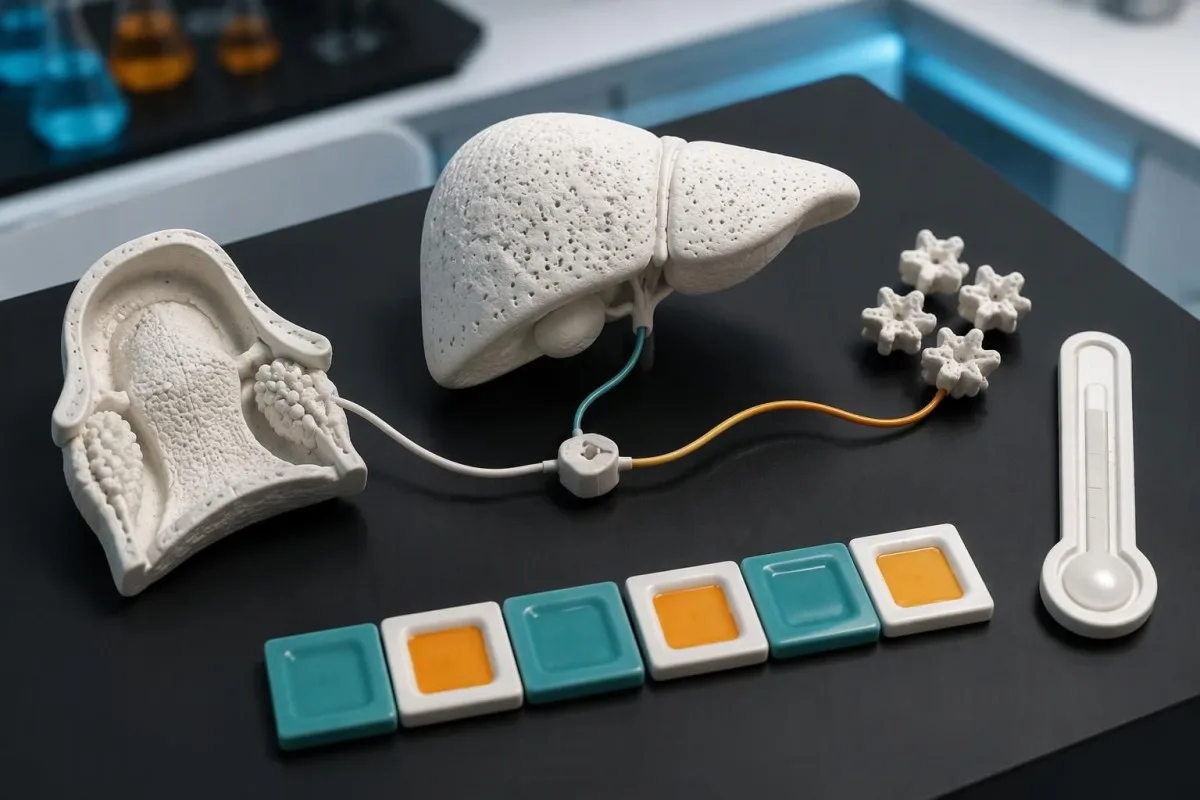
The peer-reviewed PFAPA review by Wang et al. (2021), treatment review by Vanoni et al. (2016) and Cochrane analysis by Burton et al. (2019) directly inform this article's clinical discussion. The surgical review's 67-child evidence base illustrates why certainty must be proportionate to study size; a named source supports a specific claim, not every recommendation made elsewhere on the page.
Materijale Kantesti-a clotting test background guide i Vodič za pozadinu serumskih proteina accompany the 2 Zenodo records listed below. Neither aPTT nor an albumin/globulin ratio confirms PFAPA, and neither guide establishes that routine testing of those markers improves PFAPA care; additional tests should follow an identified clinical concern rather than the availability of a panel.
Evidence interpretation should distinguish a repository-hosted educational guide from a peer-reviewed condition-specific study or systematic review. Our standardi medicinskog sadržaja explain the editorial approach; for a child with 3 apparently similar attacks, the practical priority remains documented recovery, targeted exclusion of alternatives and a clear safety plan, not accumulating more citations or tests that do not answer the clinical question.
Često postavljana pitanja
Što je sindrom PFAPA?
PFAPA sindrom je autoinflamatorno stanje koje uzrokuje ponavljajuće vrućice uz aftozne čireve u ustima, faringitis i povećane vratne limfne čvorove. Epizode obično traju 3–7 dana i ponavljaju se svakih nekoliko tjedana, a između napada zdravstveno je stanje normalno. Stanje obično počinje prije navršene 5. godine života, iako se može javiti i kod starije djece i odraslih. Nijedna pojedinačna krvna pretraga ne potvrđuje PFAPA, pa se dijagnoza temelji na ponavljajućem kliničkom obrascu i procjeni mogućih drugih uzroka.
Koliko se često javljaju vrućice kod PFAPA sindroma?
Vrućice kod PFAPA-e obično se ponavljaju otprilike svaka 2–8 tjedana, a pojedinačni napadi obično traju 3–7 dana. Neka djeca imaju vrlo pravilne cikluse, dok su kod druge razmaci promjenjivi. Liječenje kortikosteroidima može skratiti vrijeme do sljedeće epizode, stoga u dnevnik vrućice treba bilježiti i vrijeme primjene lijeka. Trajna vrućica ili izostanak potpunog oporavka između napada zahtijevaju ponovnu procjenu, umjesto da se pretpostavi kako su u skladu s PFAPA-om.
Može li se na temelju visoke vrijednosti CRP-a u krvnom testu dijagnosticirati PFAPA?
Visok rezultat CRP-a ne može dijagnosticirati PFAPA-u jer infekcije i drugi upalni poremećaji mogu uzrokovati isto povećanje. Primjerice, vrijednost CRP-a od 80 mg/L tijekom vrućice i 3 mg/L nakon oporavka upućuje na epizodnu upalu, ali ne otkriva njezin uzrok. Mnogi laboratoriji primjenjuju gornju referentnu granicu CRP-a od oko 5 mg/L, dok neki primjenjuju granicu od 10 mg/L. Kliničari tumače rezultat zajedno sa simptomima, nalazom pregleda, vremenom uzorkovanja i svim relevantnim testovima na infekcije.
Je li PFAPA zarazan i treba li ga liječiti antibioticima?
PFAPA sam po sebi nije zarazan, a antibiotici ne liječe upalni proces koji ga uzrokuje. Tipični napad koji traje 3–7 dana može spontano završiti nakon početka uzimanja antibiotika, što može stvoriti pogrešan dojam da je antibiotik djelovao. Djeca s PFAPA-om i dalje mogu dobiti zarazne virusne bolesti ili bakterijske infekcije. Novu vrućicu s drukčijim simptomima, kontakt s oboljelima ili potvrđeni bakterijski uzrok treba zasebno procijeniti i liječiti.
Dokazuje li brz odgovor na prednizon PFAPA-u?
Brz odgovor na propisani prednizon ili prednizolon ide u prilog PFAPA sindromu, ali ne potvrđuje dijagnozu. U objavljenim režimima liječenja PFAPA sindroma navode se doze od 0,5–2 mg/kg, pri čemu stvarnu dozu i najveću dopuštenu dozu određuje liječnik koji liječi bolesnika. Kortikosteroidi mogu potisnuti simptome drugih stanja i skratiti razmak do sljedećeg napadaja PFAPA sindroma. Obitelji bi trebale imati pisani plan liječenja i zatražiti procjenu prije liječenja ako je epizoda neuobičajeno teška ili drukčija.
Kada dijete sa sumnjom na PFAPA treba hitnu medicinsku pomoć?
Djetetu sa sumnjom na PFAPA potrebna je hitna medicinska pomoć ako ima vrućicu praćenu otežanim disanjem, smanjenom razinom svijesti, ukočenim vratom, osipom koji ne blijedi na pritisak ili teškom dehidracijom. Svako dojenče mlađe od 3 mjeseca s temperaturom od 38 °C ili višom treba hitan liječnički pregled. Vrućica koja traje 5 dana ili dulje također zahtijeva pravodoban pregled, osobito ako su prisutni crvene oči, osip, ispucale usne ili otečene šake i stopala. Prethodna dijagnoza PFAPA-e ne znači da je sigurno zanemariti novu bolest s drukčijim simptomima.
Saznajte kako čitati krvnu sliku
Prenesite svoj laboratorijski nalaz i AI alata Kantesti objasnit će svaki biomarker jednostavnim jezikom u nekoliko sekundi. Koristi ga više od 2 milijuna ljudi diljem svijeta.
Reference
- Klein, T., Mitchell, S., & Weber, H. (2026). Normalni raspon aPTT-a: vodič za D-dimer, protein C i zgrušavanje krvi. Medicinsko istraživanje uz Kantesti AI. DOI
- Klein, T., Mitchell, S., & Weber, H. (2026). Vodič za serumske proteine: globulini, albumin i omjer A/G u krvnim pretragama. Medicinsko istraživanje uz Kantesti AI. DOI
- Wang A et al. (2021). Periodic fever, aphthous stomatitis, pharyngitis, and adenitis (PFAPA) syndrome: A review. World Journal of Otorhinolaryngology - Head and Neck Surgery. DOI
- Vanoni F et al. (2016). PFAPA syndrome: a review on treatment and outcome. Pediatric Rheumatology. DOI
- Burton MJ et al. (2019). Tonsillectomy for periodic fever, aphthous stomatitis, pharyngitis and cervical adenitis syndrome (PFAPA). Cochraneova baza sustavnih pregleda. DOI
- 2 milijuna+Analizirani testovi
- 127+Zemlje
- 100+Jezici
O medicinskom timu


E-E-A-T signal(i) povjerenja
Iskustvo
Liječnički vođena klinička revizija radnih tokova tumačenja laboratorijskih nalaza.
Stručnost
Fokus laboratorijske medicine na to kako se biomarkeri ponašaju u kliničkom kontekstu.
Autoritativnost
Medicinski recenzirao dr. Thomas Klein, uz doprinose dr. Sarah Mitchell i prof. dr. Hansa Webera.
Pouzdanost
Tumačenje utemeljeno na dokazima, s jasnim putovima praćenja kako bi se smanjila uzbuna.





Medicinsko odricanje od odgovornosti
Ovaj je članak samo u obrazovne svrhe i ne predstavlja medicinski savjet. Za odluke o dijagnozi i liječenju uvijek se posavjetujte s kvalificiranim pružateljem zdravstvenih usluga.
Objavljeno · Obratite se uredničkom timu
Izdaje Kantesti Ltd, registrirana u Engleskoj i Walesu, broj tvrtke. 17090423, London, Ujedinjeno Kraljevstvo.
