
متلازمة PFAPA تقدر تسبب نوبات متكررة ديال الحمّى المرتفعة، مع تقرحات فالفم، والتهاب الحلق وانتفاخ الغدد فالرقبة، وكتدوم عادة من 3 حتى لـ7 أيام مع تعافي كامل بين النوبات. التشخيص كيعتمد على تكرار هاد النمط واستبعاد الأسباب الأخرى، ماشي على تحليل دم واحد غير طبيعي. مفكرة الأعراض كتعاون؛ وأي نوبة شديدة بشكل غير معتاد أو مختلفة خاصها تقييم جديد.

أهم الخلاصات
- متلازمة PFAPA كتسبب غالباً نوبات ديال الحمّى كتدوم من 3 حتى لـ7 أيام، وكتفصل بينها عدة أسابيع ديال الصحة مزيانة.
- أعراض PFAPA كتشمل تقرحات فموية قلاعية، والتهاب البلعوم وانتفاخ العقد اللمفاوية العنقية؛ ماشي ضروري يبانوا الأعراض الثلاثة كاملين فآنٍ واحد.
- توقيت الحمّى غالباً كيتبع دورة تقريباً من 2 حتى لـ8 أسابيع، ولكن الانتظام الدقيق فالتقويم ماشي ضروري للتشخيص.
- مفكرات الأعراض خاصها تسجل تواريخ النوبات، وأعلى درجة حرارة بـ°C ولا °F، والأعراض، والأدوية والتعافي بين النوبات.
- تحاليل الدم تقدر تبين ارتفاع CRP والعدلات خلال النوبات؛ وCRP بمقدار 80 mg/L ما كيميزش PFAPA على الالتهاب.
- قلة العدلات الدورية تقدر ترجع تقريبا كل 21 يوم، وقد تحتاج لتعدادات دم متسلسلة عوض CBC واحد مطمئن.
- قرارات العلاج قد تشمل كورتيكوستيرويدات بوصفة الطبيب، أو أدوية للوقاية، أو استئصال اللوزتين؛ وما خاص حتى إجراء منها يتاخد اعتمادا على نتيجة تحليل مخبري بوحدها.
- تقييم عاجل ضروري لأي رضيع أقل من 3 شهور عندو حرارة ديال 38°C ولا أكثر، أو لأي طفل عندو صعوبة فالتنفس، أو نقص فالاستجابة، أو طفح جلدي ما كيبانش لونو ملي كنضغطو عليه.
شنو هي متلازمة PFAPA، وشنو كيسبب الحمّى؟
متلازمة PFAPA حالة التهابية ذاتية كتسبب نوبات متكررة ديال الحمى مع تقرحات فموية قلاعية، والتهاب البلعوم، والتهاب العقد اللمفاوية العنقية. النوبات كتدوم غالبا 3 إلى 7 أيام؛ والأطفال كيرجعو عادة للنشاط والشهية والنمو الطبيعي ديالهم بين النوبات.
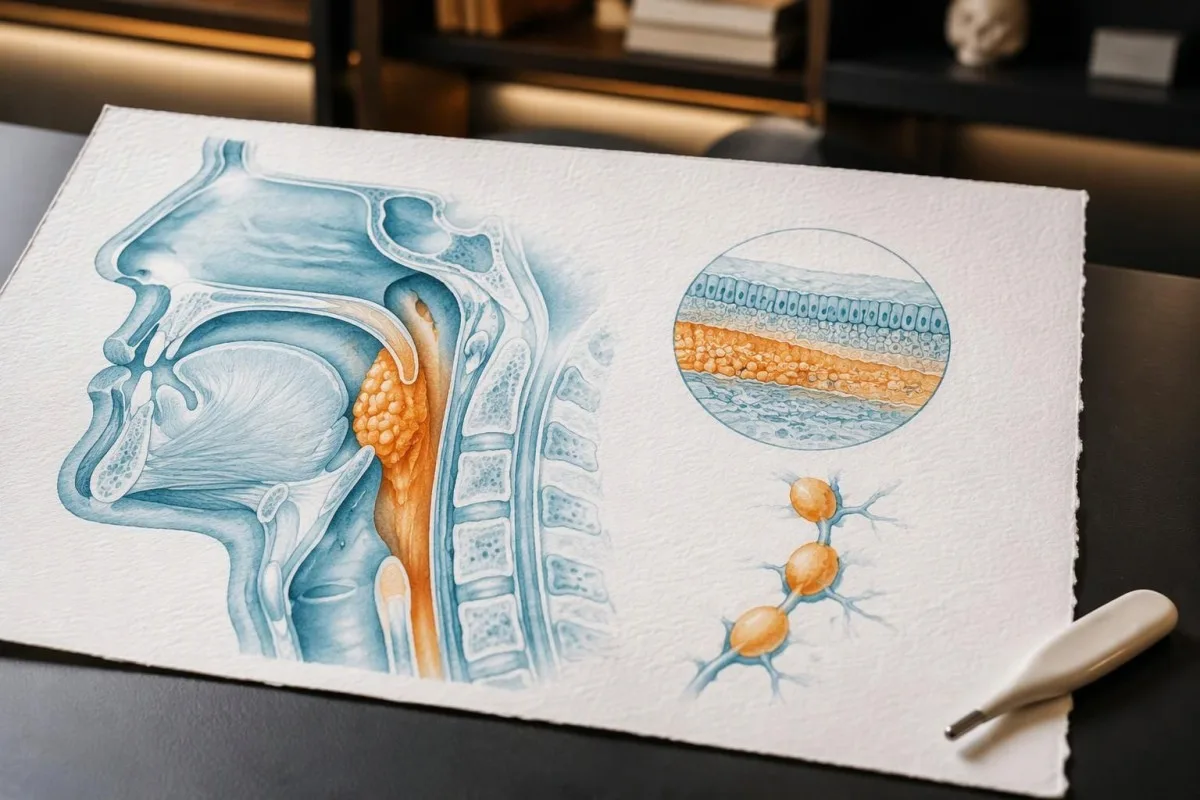
كتعكس PFAPA تنشيطا غير ملائم لمسارات الالتهاب، ماشي مرضا معديا جديدا كل بضعة أسابيع. كتبدأ غالبا قبل سن 5 سنين، ولكن يقدرو يتصابو بها حتى الأطفال الأكبر والبالغين؛ لذلك فالحد العمري التاريخي غير مؤشر، وماشي استبعاد قطعي (Wang et al., 2021). وما كتعنيش PFAPA أن كل حمى جاية ماشي معدية.
كيشير الاختصار لأربع مكونات: الحمى الدورية، والتهاب الفم القلاعي، والتهاب البلعوم، والتهاب العقد اللمفاوية. وبخلاف بعض حالات الحمى الدورية الموروثة، ما كاينش اختبار جيني واحد مثبت كيأكد تشخيص PFAPA، رغم إمكانية ظهورها بين أفراد العائلة؛ والنتيجة السلبية لتحليل جيني واسع ما كتثبتش PFAPA وما كتنفيش كل الاضطرابات الالتهابية البديلة.
كانتيستي هو محلل اختبار الدم بالذكاء الاصطناعي اللي يقدر يساعد على تفسير علاش نتيجة CRP ديال 80 mg/L خاصها سياق سريري وماشي تسمية تشخيصية. ديالنا المؤسسة والمنهجية كيوصفو الخدمة، ولكن تحديد PFAPA كيحتاج من الطبيب يربط الأعراض بين نوبات متعددة، ويفحص الطفل، وياخد بعين الاعتبار حالات ما يقدرش تقرير التحليل المخبري يرصدها.
شنو هي أعراض PFAPA اللي كتميز هاد النمط؟
أعراض PFAPA كيجمعو عادة بين الحمى والتهاب الحلق، أو غدد رقبية مؤلمة، أو تقرحات فموية صغيرة. وتكرار نفس المجموعة على مدى 3 نوبات موثقة أو أكثر كيعطي معلومات أكثر من أي عرض منفرد، رغم أنه ما كاينش حد أدنى موحد لعدد النوبات كيأكد PFAPA.
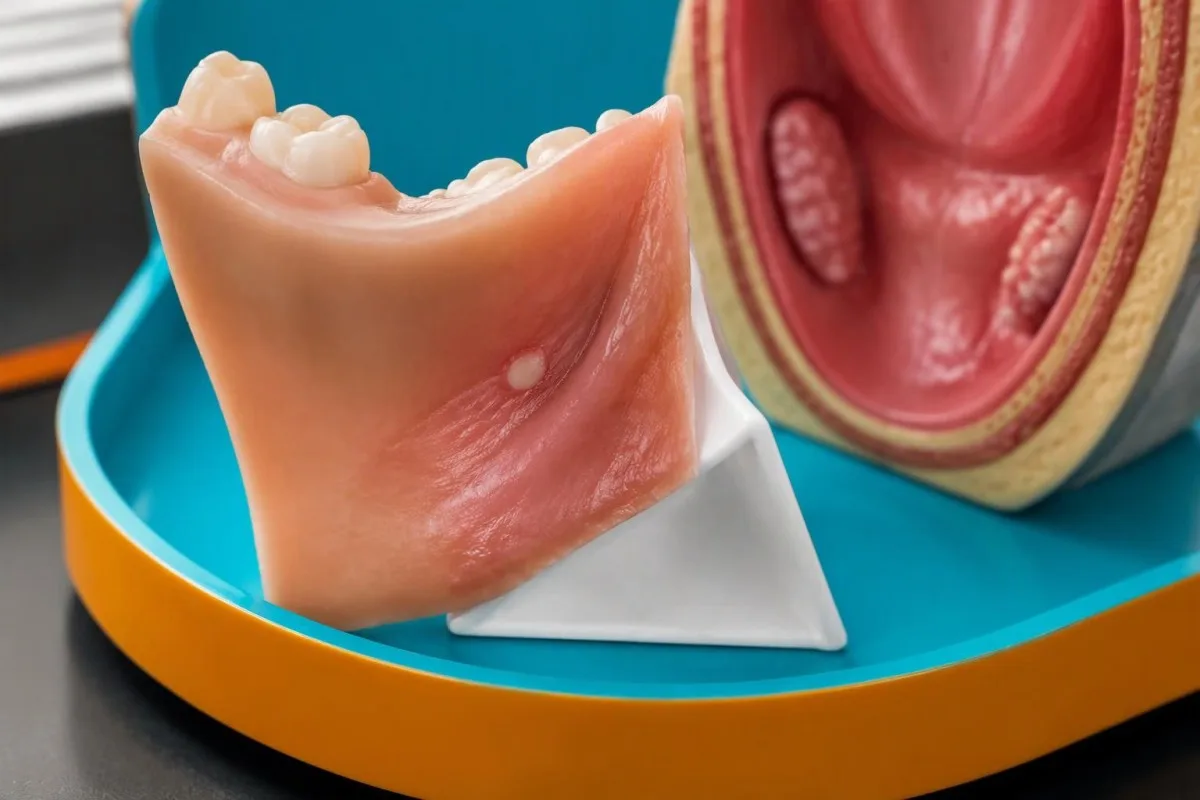
كتكون القرح القلاعية غالبا تقرحات صغيرة وسطحيّة فالجهة الداخلية ديال الشفايف أو الخدود أو مواضع أخرى فالفم، وماشي بحال الفقاعات المتجمعة فالسطح الخارجي ديال الشفة. يقدر يكون عند الطفل غير قرحة وحدة أو جوج، وقد تغيب القرح فبعض النوبات؛ وتصوير القرحة وهي باينة يقدر يفيد إلا اختفات قبل الموعد.
يقدر التهاب البلعوم يشمل احمرار اللوزتين أو طبقة فوقهما، لذلك المظهر بوحدو ما كيميزش PFAPA على عدوى المكورات العقدية. كتكون الغدد المنتفخة غالبا هي العقد العنقية اللي دايرة بالعنق، أما العقدة اللي كتبقى كتكبر، أو انتفاخ الغدد فالجسم كامل، أو الأعراض اللي كتستمر أكثر من نوبة ديال 3–7 أيام، فخاصها تفسير مختلف عوض نسبها تلقائيا لـ PFAPA.
تقرحات الفم بوحدها ما كتشخصش الحمى الدورية. تكرار تقرحات الفم مع تقرحات الأعضاء التناسلية، أو احمرار العينين المؤلم، أو تغيّرات فالنظر، أو علامات جلدية غير مألوفة، كيشير لاحتمالات أخرى، منها أنماط أعراض مرض بهجت؛ حتى نوبة وحدة ديال ألم العين مع ضعف النظر كتستوجب تقييما عاجلا، بلا ما نستناو دورة حمى أخرى.
شحال كتدوم حمّى PFAPA، وشحال من مرة كترجع؟
الحمى ديال PFAPA كتدوم غالبا 3 إلى 7 أيام وكتعاود تقريبا كل 2–8 أسابيع، وغالبا بأعراض متشابهة بشكل لافت. كيتطور عند بعض الأطفال إيقاع متوقع، ولكن اختلاف الفترات ما كينفيش PFAPA تلقائيا.
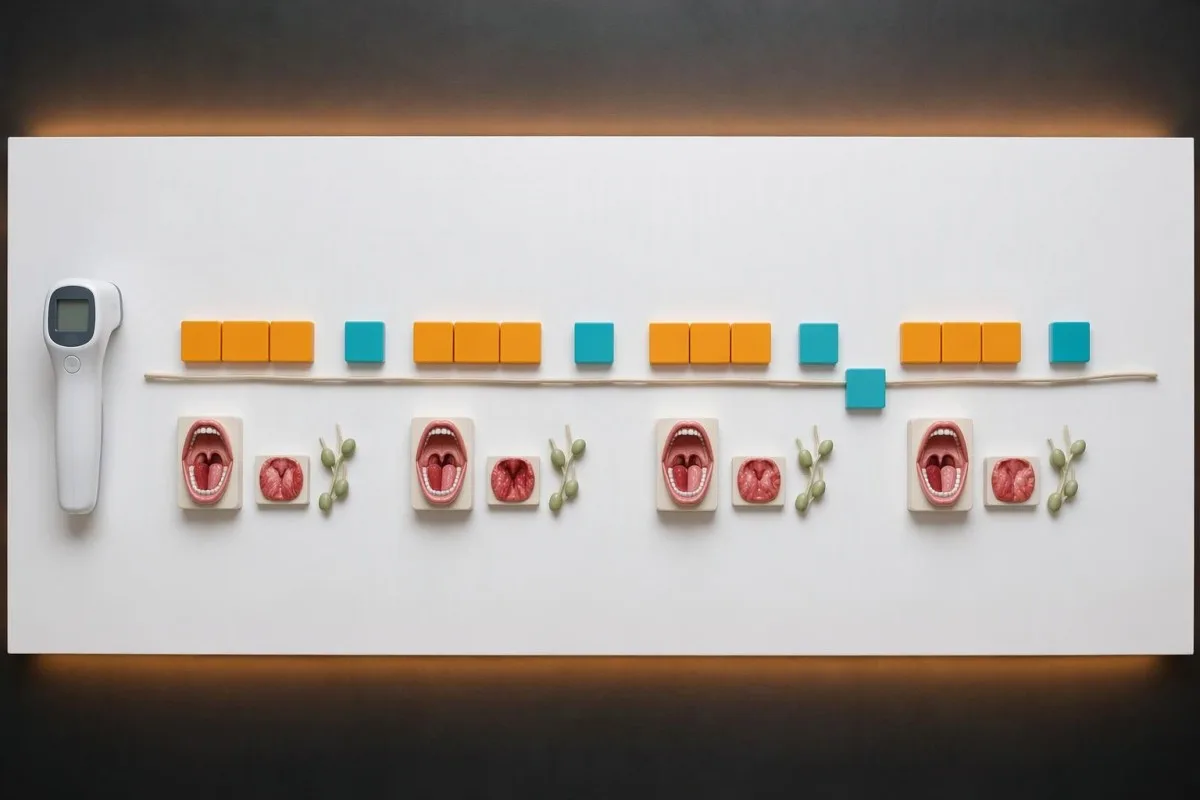
Temperatures during PFAPA attacks often reach 39–40°C, but fever height does not determine the diagnosis or reliably measure danger. The timing of associated throat symptoms, the child's appearance and the return to baseline matter more; measuring temperature with the same method also makes comparisons more useful than alternating between forehead, ear and underarm readings.
For a hypothetical child, fevers beginning on days 1, 29 and 58 with 4-day attacks suggest a repeated cycle—not proof of PFAPA. Count start-to-start intervals separately from fever-free days, and record whether corticosteroid treatment changed an interval; a shortened next cycle after treatment can otherwise make a previously regular pattern look inexplicably irregular.
A fever that does not stop is not a series of separate PFAPA episodes. If symptoms persist beyond 7 days, or recovery never occurs, clinicians reconsider infection and other inflammatory conditions; our explanation of تأثير توقيت تحليل الدم also shows why a sample taken on day 1 cannot be interpreted like one taken after recovery.
شنو خاص مفكرة أعراض PFAPA تسجل؟
A PFAPA symptom diary should record episode start and finish dates, measured temperature, mouth and throat findings, neck swelling, medication timing and wellness between attacks. Even 3 carefully documented episodes can reveal details that a single clinic visit misses.

Document the thermometer method and the highest measured temperature, not just 'very hot.' For each day of a 4-day attack, note drinking, urine output, activity, cough, runny nose, abdominal symptoms and whether anyone nearby was ill; these observations distinguish a repeated inflammatory pattern from unrelated respiratory or gastrointestinal illnesses more effectively than recording fever alone.
Medication entries need the name, dose, administration time and observed response. If a prescribed medicine is given at 09:00 and fever settles by 14:00, record that interval without claiming the medicine established PFAPA; include throat swab results and whether a laboratory sample preceded treatment, because both antibiotics and corticosteroids can complicate interpretation of subsequent findings.
Well days deserve entries too. A weekly note of normal appetite, play, school attendance and any lingering symptoms prevents a diary from becoming an attack-only record; when a clinician requests a recovery sample, our التحضير لفحوصات القياس الأساسي explains how to record recent illness and medicines rather than treating a sample 2 days after fever as an unquestionable baseline.
علاش العافية بين نوبات PFAPA مهمة بزاف؟
Complete wellness between episodes strongly supports a typical PFAPA pattern: normal activity, appetite and growth should return after the 3–7-day attack. Persistent symptoms or continuing inflammation between attacks make clinicians reconsider the diagnosis.

A child who is fever-free but remains exhausted, loses weight or develops daily pain has not truly returned to baseline. Growth is assessed through serial height and weight measurements, not 1 percentile in isolation; crossing growth centiles over time may justify investigation even when individual fever episodes resemble PFAPA and routine examinations during attacks look familiar.
Repeated ordinary infections are common in young children, but unusually severe, prolonged or unusual infections suggest a different evaluation. A history of 2 hospital-treated infections or recurrent deep infections matters differently from several mild colds; clinicians consider the organisms, sites, treatment response and family history, as discussed in our guide to اختبار الالتهابات المتكررة.
Inflammatory markers usually fall toward the laboratory reference range between PFAPA attacks, but an immediately post-fever sample may still reflect recovery. A persistent CRP of 25 mg/L on repeated genuinely well-day samples is not proof of another disease, yet it deserves explanation; a clinician may check for an unnoticed infection, ongoing inflammatory symptoms or a sampling timeline that was mislabeled.
شنو كيبينو CRP وESR وتعداد الدم فـPFAPA؟
PFAPA attacks can raise CRP, ESR and neutrophil counts, but none of these tests confirms PFAPA or excludes infection. Many laboratories use a CRP upper reference limit around 5 mg/L, ، بينما آخرين كيعتمدو 10 mg/L; the report's own range matters.
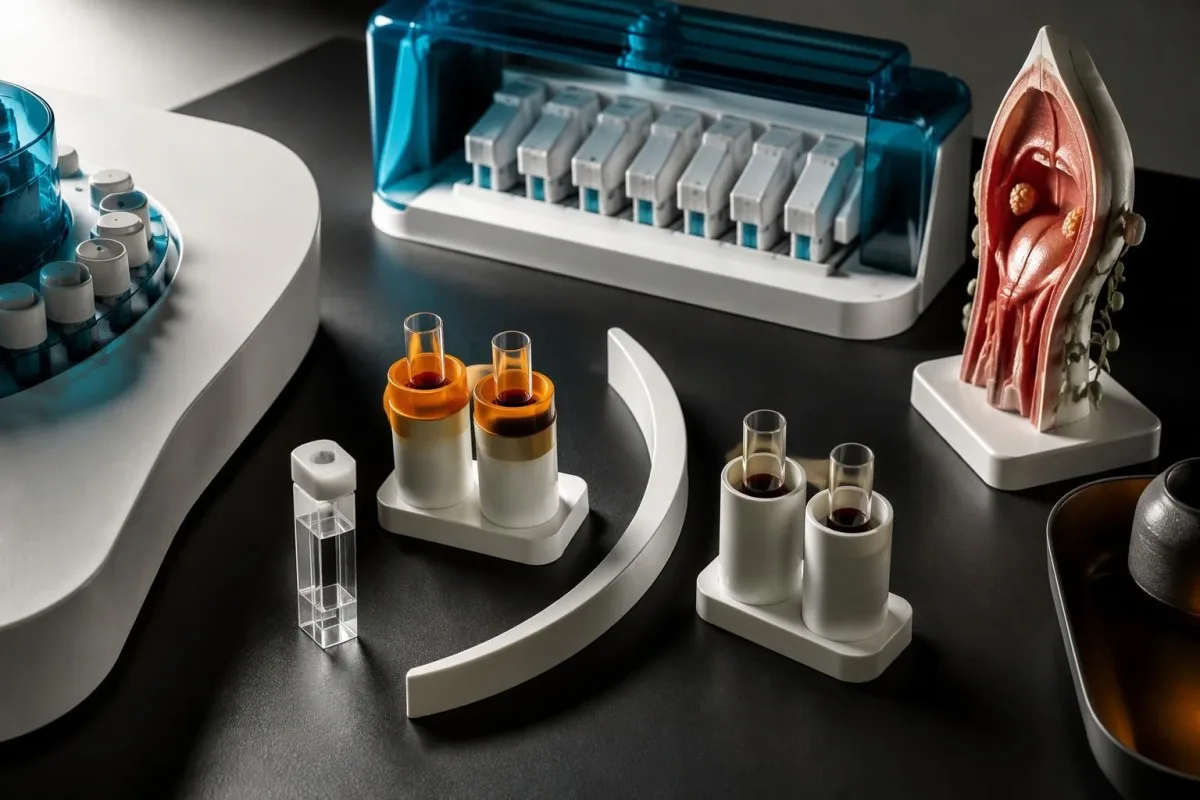
Consider a hypothetical child with CRP 80 mg/L during fever and 3 mg/L after recovery. That change supports an episodic inflammatory process but does not identify its cause; infection can produce the same pattern, while ESR may normalize more slowly than CRP, making a modestly raised recovery ESR less surprising than persistent symptoms or repeatedly elevated CRP.
White-cell interpretation must use age-appropriate absolute counts rather than adult ranges or percentages alone. At Kantesti, we emphasize that CRP 8 mg/dL equals 80 mg/L—a tenfold unit conversion that can otherwise create a false impression of improvement; our لـ WBC و CRP explains why these markers can disagree because they change at different rates.
Procalcitonin is sometimes considered when serious bacterial infection is suspected, but it is not a standalone PFAPA discriminator. A low result, including a value below 0.1 ng/mL, cannot safely overrule a concerning examination or very early illness; the limits described in our دليل تفسير البروكالسيتونين matter more than using one reassuring number to justify home treatment.
كيفاش كيشخصو الأطباء PFAPA؟
PFAPA diagnosis is clinical: clinicians identify repeated characteristic attacks, document recovery between them and exclude plausible alternatives. Onset before age 5 supports traditional criteria, but later onset does not prevent a diagnosis when the overall pattern fits.
The diagnostic process usually starts with history and examination rather than an extensive panel of rare-disease tests. Wang et al. (2021) describe the value of stereotyped episodes, absence of typical respiratory symptoms, negative relevant cultures and response to prescribed corticosteroids; however, 1 negative throat swab or 1 rapid response cannot independently establish PFAPA, and classification criteria are not identical to bedside diagnosis.
Streptococcal testing addresses the current throat illness, while an ASO antibody test mainly reflects previous exposure. An ASO result of 400 IU/mL does not prove that today's recurrent fever is active strep infection; age, local reference ranges and symptom timing affect interpretation, as explained in our discussion of ASO and recent exposure.
كانتيستي هو أداة تحليل ديال تحاليل الدم مدعومة بالذكاء الاصطناعي that can contextualize laboratory units and repeated results, but 2 matching reports cannot confirm PFAPA. Our الإشراف التقني والسريري ديالنا information should not be read as validation of a PFAPA diagnostic test; pediatric or rheumatology assessment remains necessary when the pattern is atypical, severe or uncertain.
كيفاش كيميزو PFAPA على الالتهابات المتكررة؟
Repeated infections are more likely when episodes follow sick contacts, have varying symptoms or include cough, runny nose, diarrhea or a confirmed pathogen. PFAPA more often repeats a similar 3–7-day pattern with complete wellness between attacks, but the two can coexist.
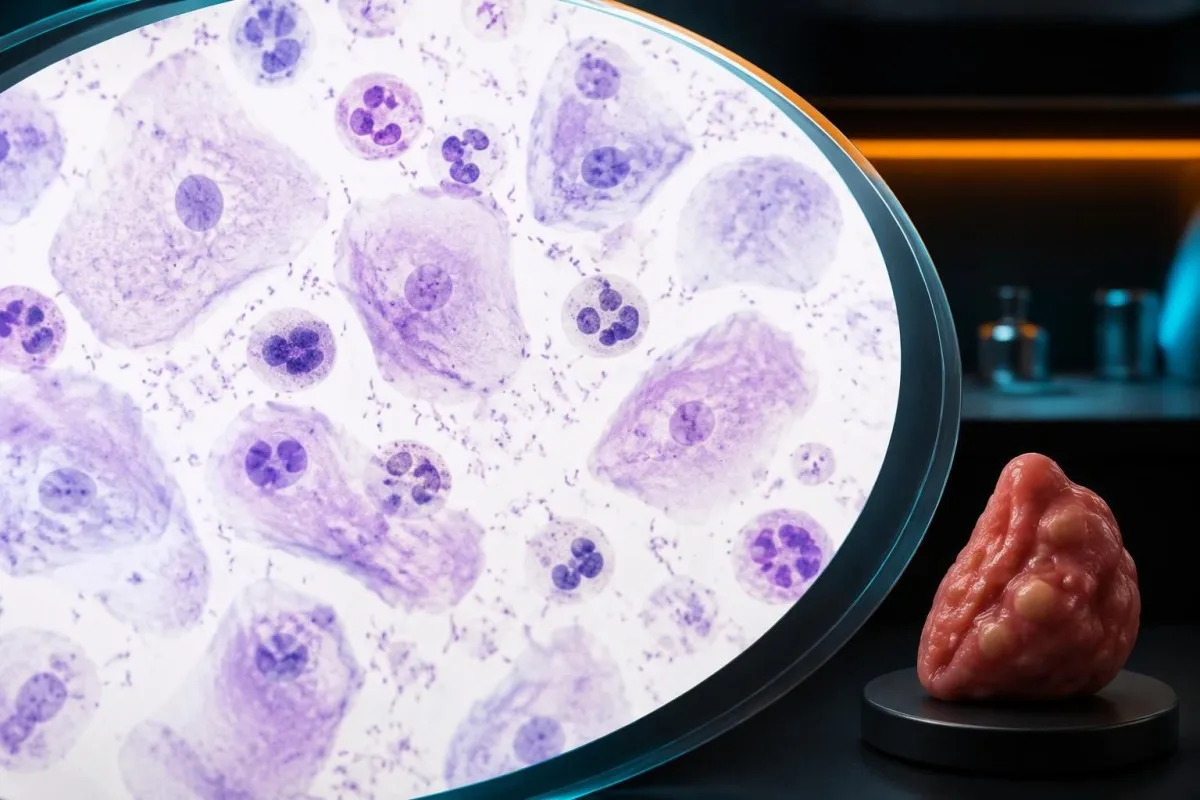
A positive respiratory PCR does not always explain the entire fever history. Adenovirus can remain detectable after an illness, so 1 positive result must be matched to current symptoms, examination and timing; our discussion of كشف الفيروس الغدي وطرحو explains why a molecular result may indicate recent exposure rather than the cause of every subsequent attack.
Longer-lasting sore throat, fatigue and gland enlargement can suggest a different illness rather than PFAPA. EBV antibody patterns distinguish recent infection from prior exposure more effectively than a single positive IgG result; our دليل نمط الأجسام المضادة لفيروس EBV explains the roles of 3 commonly reported markers—VCA IgM, VCA IgG and EBNA IgG—without equating past exposure with today's symptoms.
Antibiotic response is also easy to misread. If an antibiotic begins on day 4 and the fever ends on day 5, spontaneous resolution of a PFAPA attack is possible; conversely, a confirmed bacterial infection still requires appropriate treatment, and neither previous PFAPA nor prior antibiotic failure permits a new illness with different symptoms to be dismissed without assessment.
شنو هي اضطرابات الحمّى الدورية الأخرى اللي تقدر تشبه PFAPA؟
قلة العدلات الدورية and inherited autoinflammatory disorders can resemble PFAPA, especially when mouth sores accompany recurring fever. Approximately 21-day cycles, severe infections, marked abdominal or chest pain, unusual rashes or persistent inflammation help clinicians decide which alternatives to investigate.

Cyclic neutropenia can produce recurrent fever, mouth sores and gum problems while a blood count between low-count periods looks normal. When suspected, clinicians may request CBCs 2–3 times weekly for about 6 weeks to identify repeated neutrophil nadirs; an absolute neutrophil count below 0.5 × 10^9/L during fever requires urgent clinical assessment rather than being labeled a routine PFAPA attack.
Familial Mediterranean fever often causes shorter attacks, commonly 12–72 hours, with abdominal or chest pain from serosal inflammation or joint symptoms. Our الشرح ديال فحص MEFV shows why genotype and symptoms must be interpreted together; TRAPS may produce longer attacks, sometimes over 7 days, while mevalonate kinase deficiency can involve diarrhea, vomiting and attacks triggered by vaccination or other stressors.
Ancestry and family history guide assessment, but neither should become a gatekeeper that excludes an inherited disorder. Persistently raised serum amyloid A between attacks can indicate ongoing inflammation and requires context, as our serum amyloid A guide explains; a single high value during a 4-day fever does not diagnose amyloidosis, and typical PFAPA should not automatically be assigned the complication risks of other syndromes.
شنو هي علامات الخطر المرتبطة بالحمّى اللي كتحتاج تقييم مستعجل؟
طلب الرعاية الطبية المستعجلة for fever with breathing difficulty, reduced responsiveness, a stiff neck, a non-blanching rash or severe dehydration. An infant younger than 3 أشهر ودرجة الحرارة ديالو 38°C أو أكثر needs urgent medical assessment, even if a family member has PFAPA.
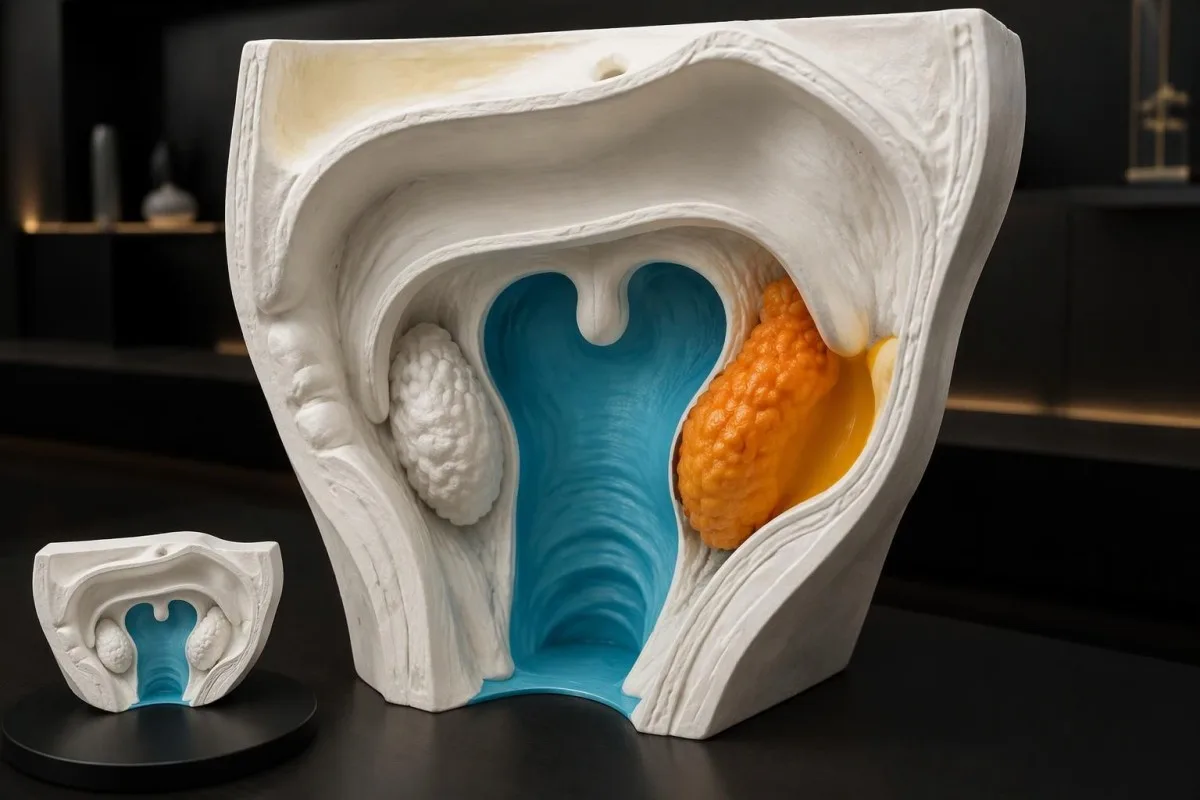
Difficulty swallowing saliva, drooling, a muffled voice or marked one-sided throat swelling can indicate an airway-threatening problem rather than a usual PFAPA flare. A child aged 3–6 months with a temperature of 39°C or higher also needs urgent assessment; contact local emergency services for immediate danger instead of waiting for a blood result or an expected fever endpoint.
Fever lasting 5 days or longer warrants prompt medical review, particularly with red eyes, cracked lips, rash or swollen hands and feet. These findings can suggest Kawasaki disease, discussed in our Kawasaki assessment guide; incomplete presentations occur, so clinicians do not require every classic feature, and concerning symptoms should be assessed before day 5 rather than waiting for a threshold.
New severe localized abdominal pain, persistent vomiting or inability to walk normally should not be attributed to PFAPA without examination. Even 1 normal WBC or CRP result cannot reliably exclude an early abdominal emergency, as our appendicitis laboratory limits explain; children with a known fever syndrome can still develop unrelated illnesses, especially when the attack looks different from their established pattern.
كيفاش كيتعالجو نوبات PFAPA، وشنو كيعني التجاوب مع الستيرويدات؟
PFAPA attack treatment focuses on comfort, hydration and, when prescribed, corticosteroids that often stop fever within hours. Published prednisone or prednisolone regimens range from 0.5–2 mg/kg, but dosing, maximum dose and eligibility must be set by the treating clinician.
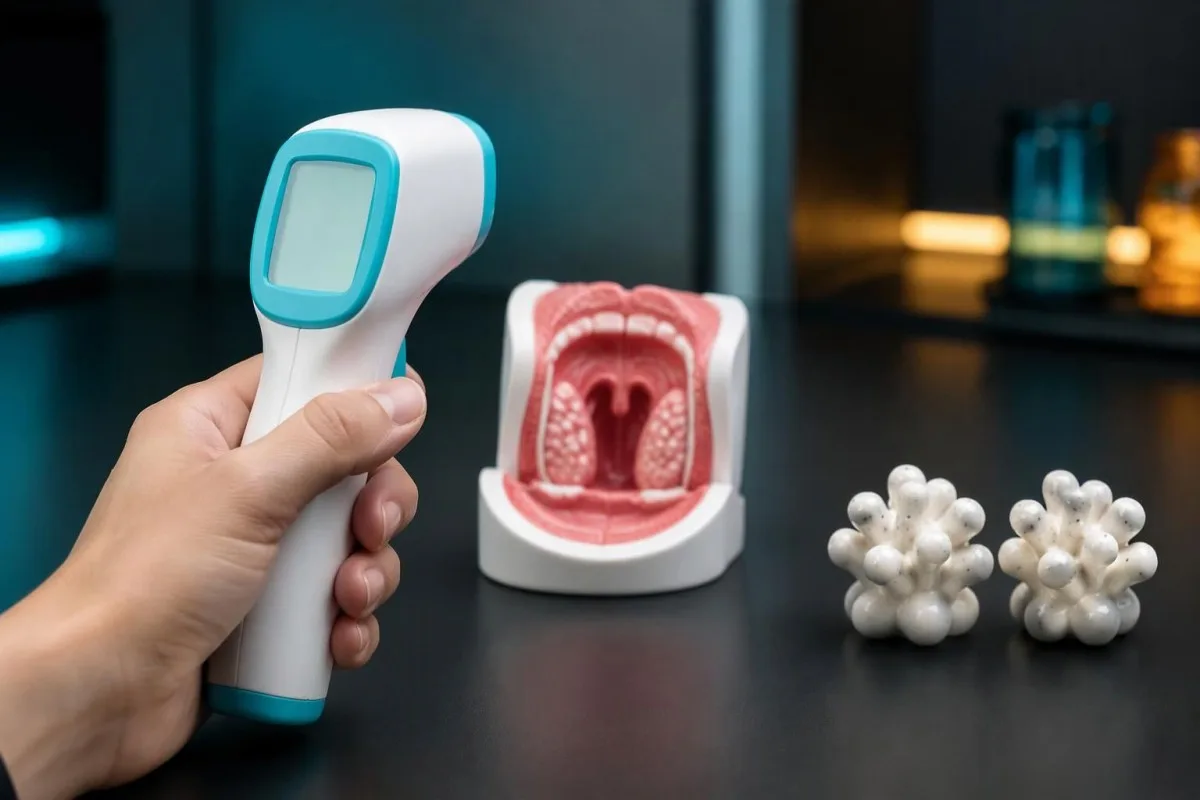
Vanoni et al. (2016) describe rapid corticosteroid responses alongside the limitation that treatment may shorten the interval to the next attack. Reports summarized in that review estimated shorter intervals in approximately 25–50% of patients, but these observations come from heterogeneous studies rather than a precise prediction for an individual child; attack control and long-term prevention are separate treatment goals.
For a hypothetical 20-kg child, a clinician-selected dose of 1 mg/kg would equal 20 mg; this calculation illustrates weight-based prescribing, not a home-treatment recommendation. Families need a written plan explaining when a familiar attack qualifies for treatment, when to seek assessment first and what to do if the expected response does not occur—especially if symptoms suggest a new infection.
Antipyretics may improve discomfort even when they do not end the inflammatory episode. Choose child-appropriate preparations with a clinician or pharmacist, avoid aspirin unless specifically prescribed and do not duplicate paracetamol/acetaminophen across 2 products; Kantesti cannot authorize steroid treatment, and our discussion of تفسير الذكاء الاصطناعي لدى الأطفال explains why pediatric decisions need more than laboratory pattern recognition.
فوقاش كيتفكرو فالأدوية الوقائية ولا استئصال اللوزتين؟
Prevention or tonsillectomy may be considered when PFAPA attacks repeatedly disrupt daily life or attack treatment is unsatisfactory. A Cochrane review included 2 randomized trials involving 67 children, finding benefit from tonsil surgery while emphasizing the limited size of the evidence base.
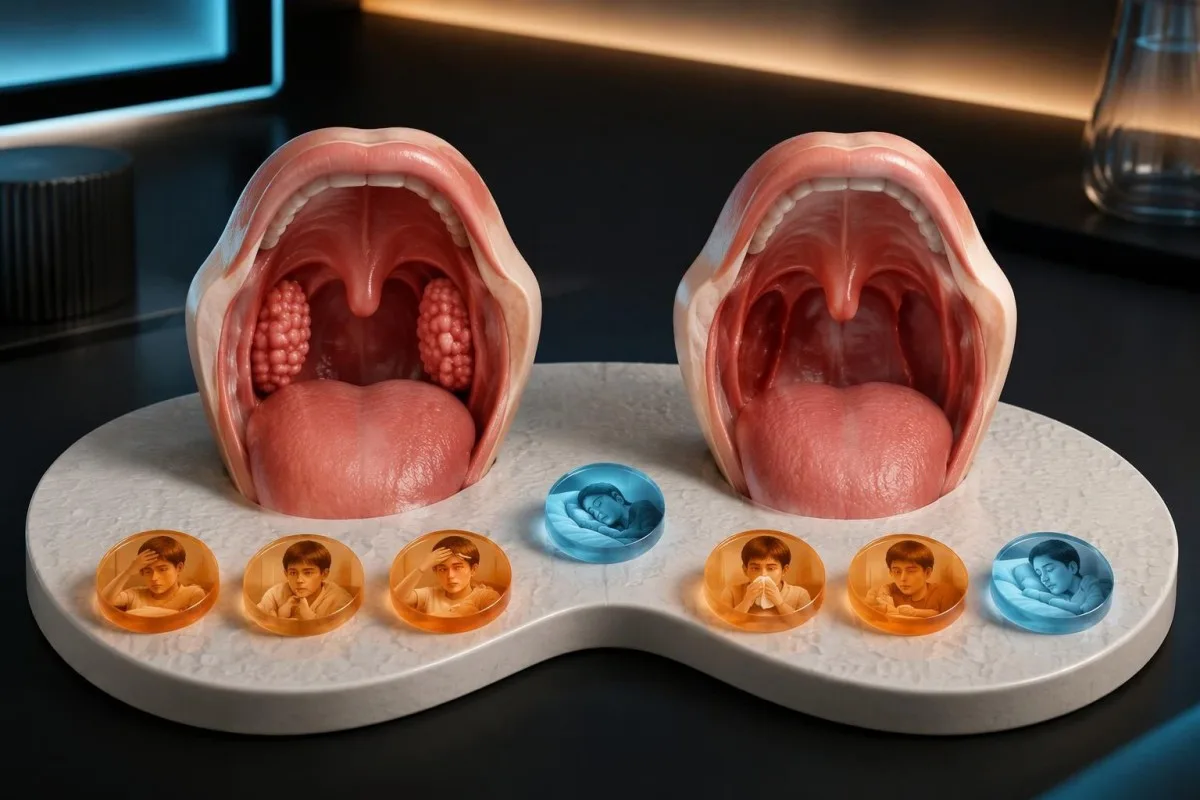
Burton et al. (2019) judged the evidence for several tonsillectomy outcomes to be of moderate certainty, but the trials were too small to characterize uncommon harms confidently. The evidence concerns selected children rather than every person with recurrent sore throat; a child missing 4 school days each month may value potential benefit differently from a child with infrequent, easily managed attacks.
Colchicine is sometimes used to reduce attacks under specialist supervision, whereas cimetidine has less convincing evidence. Treatment selection should consider the diagnosis, kidney and liver function, other medicines and the possibility of an inherited fever disorder; when several options exist, agree in advance on a measurable goal, such as fewer attacks across 3 months, rather than assuming a changed laboratory number demonstrates success.
Tonsillectomy carries postoperative pain, dehydration, anesthesia-related risks and bleeding risk, even when it improves PFAPA. Kantesti's إرشادات الذكاء الاصطناعي المسؤول supports a clear boundary: neither 1 elevated inflammatory marker nor an automated report can decide whether surgery is appropriate; that discussion belongs with the treating pediatric team and an ENT specialist who can assess the child's individual risks.
شنو هي المتابعة اللي كتعاون الأطفال والبالغين والعائلات اللي عندهم PFAPA؟
PFAPA follow-up should track attack burden, growth or weight, treatment response and any symptoms between episodes. Many childhood cases improve over several years, but persistence, relapse and adult-onset disease occur; a 3-month review interval can be a practical individualized plan rather than a universal rule.

Adults require the same attention to repeated patterns and alternative causes, not an assumption that PFAPA is impossible after childhood. Fever with oral sores and pharyngitis can support the diagnosis, but new constitutional symptoms, persistent gland enlargement or abnormal findings between attacks need assessment; a 35-year-old with a first prolonged fever should not self-diagnose PFAPA from an online symptom match.
Prepare a concise appointment summary: attack dates, duration, associated features, well-day symptoms, test results and response to prescribed treatment. Include 1 clearly labeled attack sample and any clinician-requested recovery sample, rather than ordering a broad panel every month; repeated testing is useful only when it answers a specific question, such as whether inflammation persists or neutrophil counts cycle.
كانتيستي هو منصة تفسير تحليل الدم ديال AI that can help explain uploaded CBC and inflammatory-marker reports alongside their dates, units and stated reference ranges. For a family sharing 2 or more records, check each person's identity and consent before upload, and review our الخصوصية والتعامل مع البيانات; AI explanation does not replace pediatric examination, urgent triage or a specialist diagnosis.
منشورات بحثية: الأدلة مقابل الأدلة المخبرية العامة
PFAPA evidence comes from clinical descriptions, differential-diagnosis research and treatment studies—not from a specific clotting or serum-protein test. The 2 background publications below explain other laboratory topics and should not be mistaken for studies validating PFAPA diagnosis.
The peer-reviewed PFAPA review by Wang et al. (2021), treatment review by Vanoni et al. (2016) and Cochrane analysis by Burton et al. (2019) directly inform this article's clinical discussion. The surgical review's 67-child evidence base illustrates why certainty must be proportionate to study size; a named source supports a specific claim, not every recommendation made elsewhere on the page.
ديال Kantesti clotting test background guide و دليل على الخلفية ديال بروتينات المصل accompany the 2 Zenodo records listed below. Neither aPTT nor an albumin/globulin ratio confirms PFAPA, and neither guide establishes that routine testing of those markers improves PFAPA care; additional tests should follow an identified clinical concern rather than the availability of a panel.
Evidence interpretation should distinguish a repository-hosted educational guide from a peer-reviewed condition-specific study or systematic review. Our معايير المحتوى الطبي explain the editorial approach; for a child with 3 apparently similar attacks, the practical priority remains documented recovery, targeted exclusion of alternatives and a clear safety plan, not accumulating more citations or tests that do not answer the clinical question.
أسئلة متكررة
شنو هي متلازمة PFAPA؟
متلازمة PFAPA هي حالة التهابية ذاتية كتسبب سخانة كتعاود، مع تقرحات فموية قلاعية، والتهاب البلعوم، وانتفاخ العقد اللمفاوية العنقية. النوبات كتدوم غالباً من 3 حتى لـ7 أيام، وكتعاود كل بضعة أسابيع، وكتكون الصحة عادية بين النوبات. الحالة كتبدا عادة قبل سن 5 سنين، ولكن ممكن تصيب حتى الأطفال الكبار والبالغين. ما كاين حتى تحليل دم واحد كيأكد تشخيص PFAPA، لذلك كيعتمد التشخيص على تكرار النمط السريري وتقييم الأسباب المحتملة الأخرى.
شحال من مرة كاتوقع حمى PFAPA؟
سخانات PFAPA كترجع غالباً تقريباً كل 2–8 سيمانات، والنوبات بوحدها كتدوم عادةً من 3–7 أيام. شي دراري كتكون عندهم دورات منتظمة بزاف، وشي آخرين كتختلف عندهم المدة بين النوبات. العلاج بالكورتيكوستيرويدات يقدر يقصّر المدة حتى للنوبة الجاية، لذلك خاص توقيت الدوا يتسجل فدفتر تتبع السخانة. السخانة اللي كتستمر بلا انقطاع، أو عدم رجوع الطفل لحالتو الطبيعية بين النوبات، كيحتاجو إعادة التقييم، وما خاصش نفترضو أنهم كيتوافقو مع PFAPA.
واش تحليل الدم اللي فيه CRP طالعة يقدر يشخّص PFAPA؟
النتيجة المرتفعة ديال CRP ما كتقدرش تشخّص PFAPA، حيث العدوى واضطرابات التهابية أخرى تقدر تعطي نفس الارتفاع. مثلاً، CRP بقيمة 80 mg/L وقت السخانة و3 mg/L من بعد الشفاء كيدعم وجود التهاب كيرجع على شكل نوبات، ولكن ما كيحددش السبب ديالو. بزاف ديال المختبرات كيعتمدو حدّ مرجعي أعلى لـ CRP كيدور على 5 mg/L، بينما شي مختبرات كتعتمد 10 mg/L. الأطباء كيفسرو النتيجة مع الأعراض والفحص وتوقيت أخذ العينة وأي تحاليل مرتبطة بالعدوى.
واش PFAPA كيتعدى، وواش خاصّو المضادات الحيوية؟
PFAPA ماشي مرض معدي، والمضادات الحيوية ما كتعالجش الالتهاب اللي كيسبّبو. نوبة عادية كتدوم من 3 حتى لـ7 أيام تقدر تسالي بوحدها من بعد ما يبدا الطفل ياخذ المضاد الحيوي، وهادشي يقدر يعطي انطباع مغلوط باللي المضاد هو اللي نفع. الأطفال اللي عندهم PFAPA يقدرو حتى هما يلتقطو أمراض فيروسية معدية ولا التهابات بكتيرية. خاص تقييم أي سخانة جديدة مصحوبة بأعراض مختلفة، أو من بعد مخالطة ناس مرضى، أو إلا تأكد سبب بكتيري، وتعالج على حساب الحالة ديالها.
واش الاستجابة السريعة للبريدنيزون كتأكد PFAPA؟
الاستجابة السريعة للبريدنيزون أو البريدنيزولون الموصوفين كتدعم احتمال PFAPA، ولكن ما كتأكدش التشخيص. من بين الأنظمة العلاجية المنشورة لـPFAPA كاينة جرعة من 0.5–2 mg/kg، والطبيب المعالج هو اللي كيحدد الجرعة الفعلية والجرعة القصوى. الكورتيكوستيرويدات تقدر تخفف أعراض حالات أخرى، وقد تقصّر المدة حتى للنوبة الموالية ديال PFAPA. خاص العائلات يتبعو خطة علاج مكتوبة ويطلبو التقييم الطبي قبل العلاج إلا كانت النوبة شديدة بشكل غير معتاد أو مختلفة على المعتاد.
فاش خاص الطفل اللي مشتبه يكون عندو PFAPA يمشي للاستعجالات؟
الطفل اللي كاين شك عندو فـPFAPA خاصو العناية المستعجلة إلا كان عندو السخانة مع صعوبة فالتنفس، ولا نقص فالتجاوب، ولا تصلّب فالرقبة، ولا طفح جلدي ما كيتلاشاش ملي كنضغطو عليه، ولا جفاف شديد. أي رضيع عمرو أقل من 3 شهور وحرارتو 38°C ولا أكثر خاصو يتفحص طبياً بشكل مستعجل. حتى السخانة اللي كتدوم 5 أيام ولا أكثر خاصها مراجعة طبية بسرعة، خصوصاً إلا كانو العينين حمرين، ولا كاين طفح جلدي، ولا الشفايف مشققة، ولا اليدين والرجلين منفوخين. إلا كان التشخيص ديال PFAPA من قبل، هادشي ما كيعنيش بلي مرض جديد بأعراض مختلفة نقدروا نتجاهلوه.
خذ شرح لنتائج تحليل الدم ديالك
حمّل تقرير التحاليل ديالك، وكيشرح AI ديال Kantesti كل مؤشر حيوي بلغة بسيطة فثواني. كايستعملوه أكثر من 2 مليون شخص فالعالم.
مراجع
- كلاين، ت.، ميتشل، س.، و ويبر، هـ. (2026). aPTT: المجال الطبيعي، دليل D-Dimer وProtein C لتخثّر الدم. الأبحاث الطبية ديال Kantesti AI. DOI
- كلاين، ت.، ميتشل، س.، و ويبر، هـ. (2026). دليل بروتينات المصل: الغلوبولينات والألبومين ونسبة A/G وتحليل الدم. الأبحاث الطبية ديال Kantesti AI. DOI
- Wang A et al. (2021). Periodic fever, aphthous stomatitis, pharyngitis, and adenitis (PFAPA) syndrome: A review. World Journal of Otorhinolaryngology - Head and Neck Surgery. DOI
- Vanoni F et al. (2016). PFAPA syndrome: a review on treatment and outcome. Pediatric Rheumatology. DOI
- Burton MJ et al. (2019). Tonsillectomy for periodic fever, aphthous stomatitis, pharyngitis and cervical adenitis syndrome (PFAPA). قاعدة بيانات كوكرين للمراجعات المنهجية. DOI
- 2 مليون+الاختبارات المُحلَّلة
- 127+بلدان
- 100+اللغات
نبذة عن الفريق الطبي


إشارات الثقة E-E-A-T
خبرة
مراجعة سريرية يقودها الأطباء لسير عمل تفسير التحاليل.
خبرة
تركيز طب المختبر على كيفية سلوك الـ biomarkers في السياق السريري.
السلطة
راجعها طبياً الدكتور Thomas Klein، بمساهمات من الدكتورة Sarah Mitchell والأستاذ الدكتور Hans Weber.
الجدارة بالثقة
تفسير قائم على الأدلة مع مسارات متابعة واضحة لتقليل الإنذار.





إخلاء المسؤولية الطبية
هذه المقالة لأغراض تعليمية فقط ولا تشكل نصيحة طبية. استشر دائمًا مقدم رعاية صحية مؤهلًا لاتخاذ قرارات التشخيص والعلاج.
نُشر · تواصل مع فريق التحرير
منشور من طرف Kantesti Ltd، مسجل في إنجلترا وويلز، رقم الشركة. 17090423, ، لندن، المملكة المتحدة.
