
PFAPA ئۇنىۋېرسال كېسەللىكى ئېغىز يارىسى، كېكىردەك ئاغرىقى ۋە بويۇن لىمفا تۈگۈنلىرىنىڭ ئىششىشى بىلەن بىللە قايتا-قايتا يۇقىرى قىزىتما پەيدا قىلىشى مۇمكىن؛ ئادەتتە 3–7 كۈن داۋاملىشىپ، تۇتقاقلار ئارىسىدا تولۇق ئەسلىگە كېلىدۇ. دىياگنوز تەكرارلىنىدىغان ئەندىزىگە ۋە باشقا سەۋەبلەرنى چىقىرىۋېتىشكە باغلىق — بىرلا نورمالسىز قان تەكشۈرۈشىگە ئەمەس. ئالامەتلەر كۈندىلىكى خاتىرىسى پايدىلىق؛ ئادەتتىن تاشقىرى ئېغىر ياكى باشقىچە بىر قېتىملىق كېسەللىك يېڭىدىن باھالاشنى تەلەپ قىلىدۇ.

مۇھىم خۇلاسىلەر
- PFAPA ئۇنىۋېرسال كېسەللىكى ئادەتتە 3–7 كۈن داۋاملىشىدىغان قىزىتما تۇتقاقلىرىنى پەيدا قىلىدۇ؛ تۇتقاقلار ئارىسىدا بىرنەچچە ھەپتە سالامەتلىك ياخشى بولىدۇ.
- PFAPA ئالامەتلىرى ئافتا ئېغىز يارىسى، يۇتقۇنچاق ياللۇغى ۋە بويۇن لىمفا تۈگۈنلىرىنىڭ ئىششىشىنى ئۆز ئىچىگە ئالىدۇ؛ بۇ 3 خىل ئالامەتنىڭ ھەممىسىنىڭ بىرلا ۋاقىتتا كۆرۈلۈشى شەرت ئەمەس.
- قىزىتمىنىڭ ۋاقىت تەرتىپى كۆپىنچە تەخمىنەن 2–8 ھەپتىلىك دەۋرىيلىك بويىچە كۆرۈلىدۇ، ئەمما دىياگنوز قويۇش ئۈچۈن كالېندار بويىچە ئېنىق تەكرارلىنىش تەلەپ قىلىنمايدۇ.
- ئالامەتلەر كۈندىلىك خاتىرىسى تۇتقاق ۋاقتى، °C ياكى °F بويىچە ئەڭ يۇقىرى تېمپېراتۇرا، ئالامەتلەر، دورىلار ۋە تۇتقاقلار ئارىسىدىكى ئەسلىگە كېلىشنى خاتىرىلىشى كېرەك.
- قان تەكشۈرۈشى تۇتقاقلار مەزگىلىدە CRP ۋە نېيتروفىللارنىڭ يۇقىرىلىغانلىقىنى كۆرسىتىشى مۇمكىن؛ CRP نىڭ 80 mg/L بولۇشى PFAPA نى يۇقۇملىنىشتىن پەرقلەندۈرەلمەيدۇ.
- دەۋرىي نېيتروپېنىيە تەخمىنەن ھەر 21 كۈندە بىر قېتىم قايتىلىنىشى مۇمكىن، شۇڭا خاتىرجەم قىلىدىغان بىر قېتىملىق CBC نىڭ ئورنىغا قان سانىنى ئارقا-ئارقىدىن تەكشۈرۈش تەلەپ قىلىنىشى مۇمكىن.
- داۋالاش قارارلىرى دوختۇر بەلگىلىگەن كورتىكوستېرونلار، ئالدىنى ئېلىش دورىلىرى ياكى بادامسىمان بەزنى ئېلىۋېتىش ئوپېراتسىيەسىنى ئۆز ئىچىگە ئېلىشى مۇمكىن؛ بۇلارنىڭ ھېچقايسىسىنى پەقەت تەجرىبىخانا نەتىجىسىگىلا ئاساسەن قوللىنىشقا بولمايدۇ.
- جىددىي باھالاش تېمپېراتۇرىسى 38°C ياكى ئۇنىڭدىن يۇقىرى بولغان 3 ئايغا توشمىغان ھەر قانداق بوۋاق ياكى نەپەس ئېلىشى قىيىنلاشقان، ئىنكاس قايتۇرۇشچانلىقى تۆۋەنلىگەن ياكى بېسىپ كۆرگەندە ئاقىرىمايدىغان ئەسۋىسى بار ھەر قانداق بالا ئۈچۈن زۆرۈر.
PFAPA ئۇنىۋېرسال كېسەللىكى نېمە، قىزىتمىغا نېمە سەۋەب بولىدۇ؟
PFAPA ئۇنىۋېرسال كېسەللىكى قايتا-قايتا قىزىش، ئېغىزدىكى ئافتا يارىسى، يۇتقۇنچاق ياللۇغى ۋە بويۇن لىمفا تۈگۈنلىرىنىڭ ياللۇغلىنىشىنى كەلتۈرۈپ چىقىرىدىغان ئۆزلۈكىدىن ياللۇغلىنىش خاراكتېرىدىكى بىر خىل كېسەللىك. تۇتقاقلار ئادەتتە 3–7 كۈن; داۋاملىشىدۇ؛ بالىلار ئادەتتە تۇتقاقلار ئارىسىدا نورمال جۇشقۇنلۇقى، ئىشتىھاسى ۋە ئۆسۈپ يېتىلىشىگە قايتىدۇ.
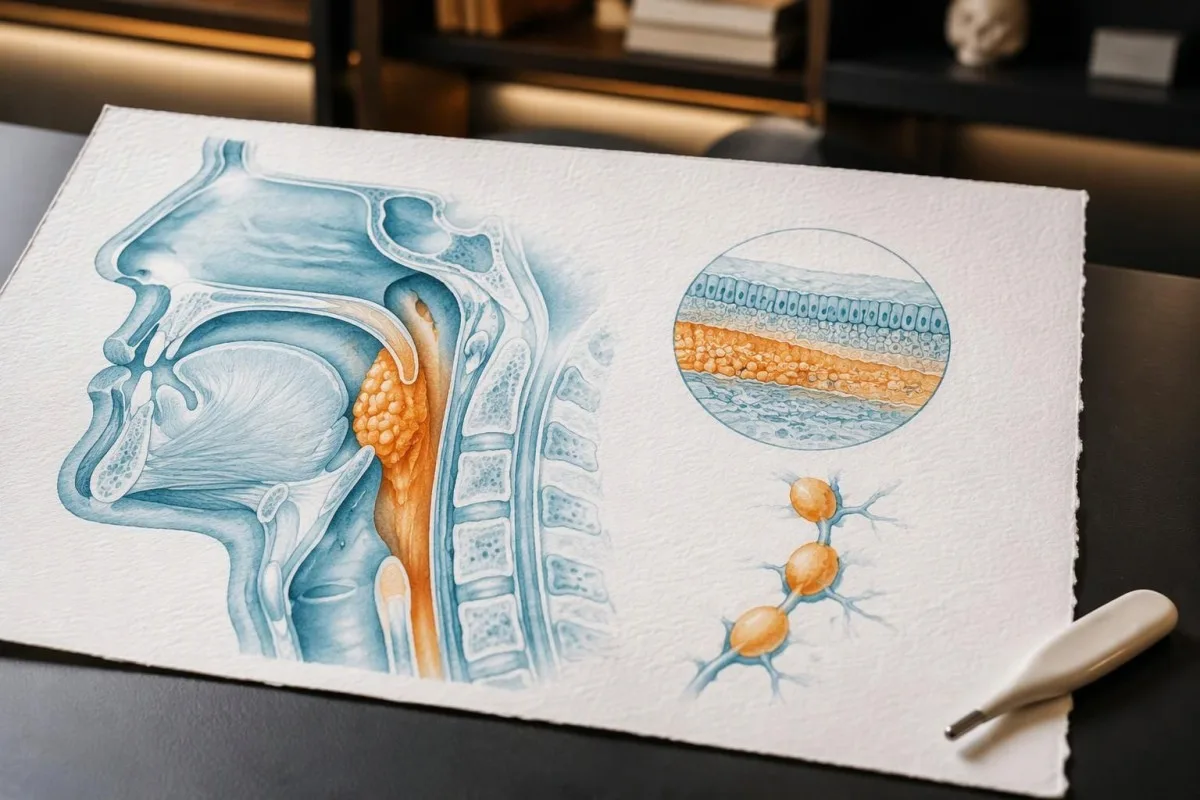
PFAPA بىر نەچچە ھەپتىدە بىر قېتىم يېڭىدىن يۇقۇملۇق كېسەللىك پەيدا بولۇشىنى ئەمەس، بەلكى ياللۇغلىنىش يوللىرىنىڭ نامۇۋاپىق ئاكتىپلىشىشىنى ئەكس ئەتتۈرىدۇ. كۆپىنچە 5 ياشتىن بۇرۇن باشلىنىدۇ، ئەمما چوڭراق بالىلار ۋە چوڭلارمۇ بۇنىڭغا گىرىپتار بولۇشى مۇمكىن؛ شۇڭا ئەنئەنىۋى ياش چېكى مۇتلەق رەت قىلىش ئۆلچىمى ئەمەس، بەلكى بىر بېشارەتتۇر (Wang et al., 2021). PFAPA كەلگۈسىدىكى ھەر قانداق قىزىشنىڭ يۇقۇملۇق ئەمەسلىكىنى بىلدۈرمەيدۇ.
بۇ قىسقارتىلما 4 تەركىبنى تەسۋىرلەيدۇ: دەۋرىي قىزىش، ئافتا ئېغىز ياللۇغى، يۇتقۇنچاق ياللۇغى ۋە لىمفا تۈگۈنى ياللۇغى. ۋارىسلىق خاراكتېرلىك بىر قانچە دەۋرىي قىزىش كېسەللىكلىرىگە ئوخشىمايدىغىنى، PFAPA دىياگنوزىنى جەزملەشتۈرىدىغان بىردىنبىر بېكىتىلگەن گېن تەكشۈرۈشى يوق، گەرچە بىر ئائىلىدە توپلىنىپ كۆرۈلۈشى مۇمكىن بولسىمۇ؛ كەڭ دائىرىلىك گېن تاختىسىنىڭ مەنپىي چىقىشى PFAPA نى ئىسپاتلىمايدۇ، شۇنداقلا باشقا بارلىق ياللۇغلىنىش كېسەللىكلىرىنىمۇ يوققا چىقارمايدۇ.
كانتېستى بىر AI قان تەكشۈرۈش ئانالىزچىسى CRP نەتىجىسىنىڭ 80 mg/L بولۇشىغا دىياگنوز بەلگىسى قويۇشنىڭ ئورنىغا كلىنىكىلىق مەزمۇننى نېمە ئۈچۈن ھېسابقا ئېلىش كېرەكلىكىنى چۈشەندۈرۈشكە ياردەم بېرەلەيدۇ. بىزنىڭ تەشكىلاتىمىز ۋە ئۇسۇلىمىز مۇلازىمەتنى تەسۋىرلەيدۇ، ئەمما PFAPA نى ئېنىقلاش ئۈچۈن دوختۇرنىڭ كۆپ قېتىملىق تۇتقاقلاردا كۆرۈلگەن ئالامەتلەرنى باغلىشى، بالىنى تەكشۈرۈشى ۋە تەجرىبىخانا دوكلاتىدا ئىپادىلەنمەيدىغان كېسەللىكلەرنى ئويلىشىشى كېرەك.
قايسى PFAPA ئالامەتلىرى ئەندىزىنى تونۇشقا ياردەم بېرىدۇ؟
PFAPA ئالامەتلىرى ئادەتتە قىزىش بىلەن بىللە كېكىردەك ئاغرىش، بويۇندىكى لىمفا تۈگۈنلىرىنىڭ ئاغرىشى ياكى ئېغىزدىكى كىچىك يارىلارمۇ كۆرۈلىدۇ. ئوخشاش ئالامەتلەرنىڭ قايتا-قايتا كۆرۈلۈشى ھۆججەتلەشتۈرۈلگەن 3 ياكى ئۇنىڭدىن ئارتۇق تۇتقاقتا ھەر قانداق يەككە ئالامەتتىن كۆپرەك مەلۇمات بېرىدۇ، گەرچە PFAPA نى جەزملەشتۈرىدىغان ئومۇميۈزلۈك ئەڭ تۆۋەن تۇتقاق سانى بولمىسىمۇ.
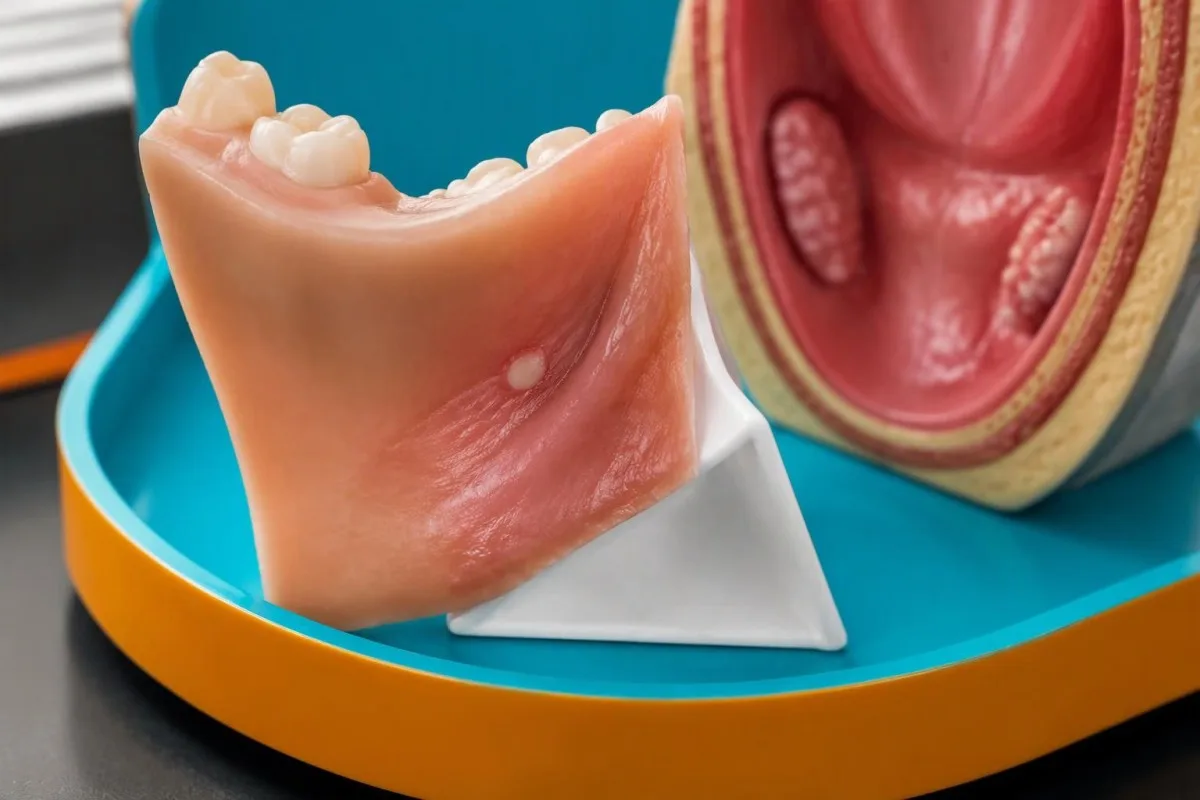
ئافتا يارىلىرى ئادەتتە كالپۇك، مەڭزنىڭ ئىچكى تەرىپى ياكى ئېغىزنىڭ باشقا يۈزىدىكى كىچىك، تېيىز يارىلاردۇر؛ ئۇلار كالپۇكنىڭ سىرتىدا توپلىشىپ چىقىدىغان سۇيۇقلۇق قاپارتمىلار بىلەن ئوخشاش ئەمەس. بالىدا پەقەت 1 ياكى 2 يارا بولۇشى مۇمكىن، بەزى تۇتقاقلاردا يارا كۆرۈنمەسلىكىمۇ مۇمكىن؛ كۆرۈنۈپ تۇرغان يارا يوقىلىپ كېتىشتىن بۇرۇن سۈرەتكە ئېلىش ئۇچرىشىش ۋاقتىدا پايدىلىق بولۇشى مۇمكىن.
يۇتقۇنچاق ياللۇغى بادامسىمان بەزلەرنىڭ قىزىرىشى ياكى ئۈستىدە قاپلىما پەيدا بولۇشىنى ئۆز ئىچىگە ئالىدۇ، شۇڭا پەقەت تاشقى كۆرۈنۈشىگە قاراپلا PFAPA بىلەن سترېپتوكونك يۇقۇملىنىشنى پەرقلەندۈرگىلى بولمايدۇ. ئىششىغان لىمفا تۈگۈنلىرى ئادەتتە بويۇن ئەتراپىدىكى بويۇن لىمفا تۈگۈنلىرىنى ئۆز ئىچىگە ئالىدۇ، ئەمما ئۈزلۈكسىز چوڭىيىۋاتقان تۈگۈن، پۈتۈن بەدەندىكى لىمفا تۈگۈنلىرىنىڭ ئىششىشى ياكى 3–7 كۈنلۈك تۇتقاقتىن ئۇزاق داۋاملىشىدىغان ئالامەتلەرنى PFAPA غا ئاپتوماتىك باغلاشنىڭ ئورنىغا باشقا سەۋەب بىلەن چۈشەندۈرۈش كېرەك.
ئېغىزدىكى يارىلارنىڭ ئۆزىلا دەۋرىي قىزىش دىياگنوزى ئەمەس. جىنسىي ئەزالاردىكى يارا، ئاغرىيدىغان قىزىل كۆز، كۆرۈش قۇۋۋىتىنىڭ ئۆزگىرىشى ياكى ئادەتتىن تاشقىرى تېرە ئالامەتلىرى بىلەن بىللە قايتا-قايتا كۆرۈلىدىغان ئېغىز يارىلىرى باشقا ئېھتىماللىقلارنى، جۈملىدىن بېھچېت كېسەللىكىنىڭ ئالامەت ئەندىزىلىرى; نى ئويلىشىشقا سەۋەب بولىدۇ؛ كۆرۈش قۇۋۋىتى بۇزۇلغان بىر قېتىملىق كۆز ئاغرىقىنىڭ ئۆزىمۇ كېيىنكى قىزىش دەۋرىنى كۈتمەيلا تېزدىن باھالىنىشى كېرەك.
PFAPA قىزىتمىسى قانچە ۋاقىت داۋاملىشىدۇ، قانچە ۋاقىتتا بىر قايتا كۆرۈلىدۇ؟
PFAPA قىزىشى ئادەتتە 3–7 كۈن داۋاملىشىدۇ ۋە تەخمىنەن ھەر 2–8 ھەپتە, بىر قېتىم قايتىلىنىدۇ، كۆپىنچە ئالامەتلىرى كۆرۈنەرلىك دەرىجىدە ئوخشاش بولىدۇ. بەزى بالىلاردا ئالدىن پەرەز قىلغىلى بولىدىغان دەۋرىيلىك شەكىللىنىدۇ، ئەمما ئارىلىق ۋاقىتنىڭ ئوخشىماسلىقى PFAPA نى ئۆزلۈكىدىن يوققا چىقارمايدۇ.
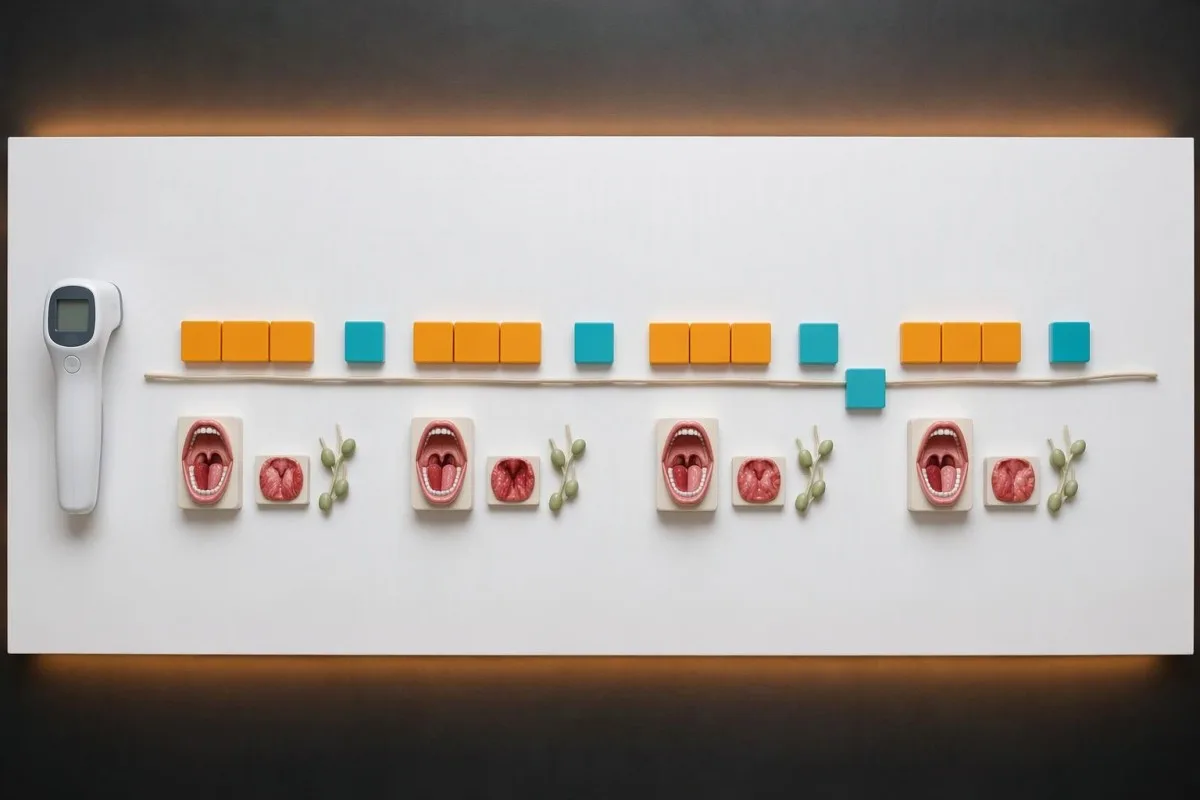
Temperatures during PFAPA attacks often reach 39–40°C, but fever height does not determine the diagnosis or reliably measure danger. The timing of associated throat symptoms, the child's appearance and the return to baseline matter more; measuring temperature with the same method also makes comparisons more useful than alternating between forehead, ear and underarm readings.
For a hypothetical child, fevers beginning on days 1, 29 and 58 with 4-day attacks suggest a repeated cycle—not proof of PFAPA. Count start-to-start intervals separately from fever-free days, and record whether corticosteroid treatment changed an interval; a shortened next cycle after treatment can otherwise make a previously regular pattern look inexplicably irregular.
A fever that does not stop is not a series of separate PFAPA episodes. If symptoms persist beyond 7 days, or recovery never occurs, clinicians reconsider infection and other inflammatory conditions; our explanation of قان تەكشۈرۈش ۋاقتىنىڭ تەسىرى also shows why a sample taken on day 1 cannot be interpreted like one taken after recovery.
PFAPA ئالامەتلىرى كۈندىلىك خاتىرىسىگە نېمىلەرنى يېزىش كېرەك؟
A PFAPA symptom diary should record episode start and finish dates, measured temperature, mouth and throat findings, neck swelling, medication timing and wellness between attacks. Even 3 carefully documented episodes can reveal details that a single clinic visit misses.

Document the thermometer method and the highest measured temperature, not just 'very hot.' For each day of a 4-day attack, note drinking, urine output, activity, cough, runny nose, abdominal symptoms and whether anyone nearby was ill; these observations distinguish a repeated inflammatory pattern from unrelated respiratory or gastrointestinal illnesses more effectively than recording fever alone.
Medication entries need the name, dose, administration time and observed response. If a prescribed medicine is given at 09:00 and fever settles by 14:00, record that interval without claiming the medicine established PFAPA; include throat swab results and whether a laboratory sample preceded treatment, because both antibiotics and corticosteroids can complicate interpretation of subsequent findings.
Well days deserve entries too. A weekly note of normal appetite, play, school attendance and any lingering symptoms prevents a diary from becoming an attack-only record; when a clinician requests a recovery sample, our دەسلەپكى تەكشۈرۈشكە تەييارلىق explains how to record recent illness and medicines rather than treating a sample 2 days after fever as an unquestionable baseline.
PFAPA تۇتقاقلىرى ئارىسىدىكى سالامەتلىكنىڭ ياخشى بولۇشى نېمە ئۈچۈن شۇنچە مۇھىم؟
Complete wellness between episodes strongly supports a typical PFAPA pattern: normal activity, appetite and growth should return after the 3–7-day attack. Persistent symptoms or continuing inflammation between attacks make clinicians reconsider the diagnosis.

A child who is fever-free but remains exhausted, loses weight or develops daily pain has not truly returned to baseline. Growth is assessed through serial height and weight measurements, not 1 percentile in isolation; crossing growth centiles over time may justify investigation even when individual fever episodes resemble PFAPA and routine examinations during attacks look familiar.
Repeated ordinary infections are common in young children, but unusually severe, prolonged or unusual infections suggest a different evaluation. A history of 2 hospital-treated infections or recurrent deep infections matters differently from several mild colds; clinicians consider the organisms, sites, treatment response and family history, as discussed in our guide to تېز-تېز كېسەللىك سىنىقى.
Inflammatory markers usually fall toward the laboratory reference range between PFAPA attacks, but an immediately post-fever sample may still reflect recovery. A persistent CRP of 25 mg/L on repeated genuinely well-day samples is not proof of another disease, yet it deserves explanation; a clinician may check for an unnoticed infection, ongoing inflammatory symptoms or a sampling timeline that was mislabeled.
CRP، ESR ۋە قان ھۈجەيرىلىرى سانى PFAPA ھەققىدە نېمىلەرنى كۆرسىتىدۇ؟
PFAPA attacks can raise CRP, ESR and neutrophil counts, but none of these tests confirms PFAPA or excludes infection. Many laboratories use a CRP upper reference limit around ., دەپ بەلگىلەيدۇ، يەنە بەزىلىرى 10 mg/L; the report's own range matters.
Consider a hypothetical child with CRP 80 mg/L during fever and 3 mg/L after recovery. That change supports an episodic inflammatory process but does not identify its cause; infection can produce the same pattern, while ESR may normalize more slowly than CRP, making a modestly raised recovery ESR less surprising than persistent symptoms or repeatedly elevated CRP.
White-cell interpretation must use age-appropriate absolute counts rather than adult ranges or percentages alone. At Kantesti, we emphasize that CRP 8 mg/dL equals 80 mg/L—a tenfold unit conversion that can otherwise create a false impression of improvement; our WBC ۋە CRP نى سېلىشتۇرۇش explains why these markers can disagree because they change at different rates.
Procalcitonin is sometimes considered when serious bacterial infection is suspected, but it is not a standalone PFAPA discriminator. A low result, including a value below 0.1 ng/mL, cannot safely overrule a concerning examination or very early illness; the limits described in our پروكالتسىتونىننى چۈشەندۈرۈش قوللانمىمىز matter more than using one reassuring number to justify home treatment.
دوختۇرلار PFAPA دىياگنوزىنى قانداق قويىدۇ؟
PFAPA diagnosis is clinical: clinicians identify repeated characteristic attacks, document recovery between them and exclude plausible alternatives. Onset before age 5 supports traditional criteria, but later onset does not prevent a diagnosis when the overall pattern fits.
The diagnostic process usually starts with history and examination rather than an extensive panel of rare-disease tests. Wang et al. (2021) describe the value of stereotyped episodes, absence of typical respiratory symptoms, negative relevant cultures and response to prescribed corticosteroids; however, 1 negative throat swab or 1 rapid response cannot independently establish PFAPA, and classification criteria are not identical to bedside diagnosis.
Streptococcal testing addresses the current throat illness, while an ASO antibody test mainly reflects previous exposure. An ASO result of 400 IU/mL does not prove that today's recurrent fever is active strep infection; age, local reference ranges and symptom timing affect interpretation, as explained in our discussion of ASO and recent exposure.
كانتېستى بىر AI ئارقىلىق قوزغىتىلغان قان تەكشۈرۈش تەھلىل قورالى that can contextualize laboratory units and repeated results, but 2 matching reports cannot confirm PFAPA. Our تېخنىكىلىق ۋە كلىنىكىلىق نازارەتچىلىكىمىز information should not be read as validation of a PFAPA diagnostic test; pediatric or rheumatology assessment remains necessary when the pattern is atypical, severe or uncertain.
PFAPA قايتا-قايتا يۇقۇملىنىشتىن قانداق پەرقلەندۈرۈلىدۇ؟
Repeated infections are more likely when episodes follow sick contacts, have varying symptoms or include cough, runny nose, diarrhea or a confirmed pathogen. PFAPA more often repeats a similar 3–7-day pattern with complete wellness between attacks, but the two can coexist.
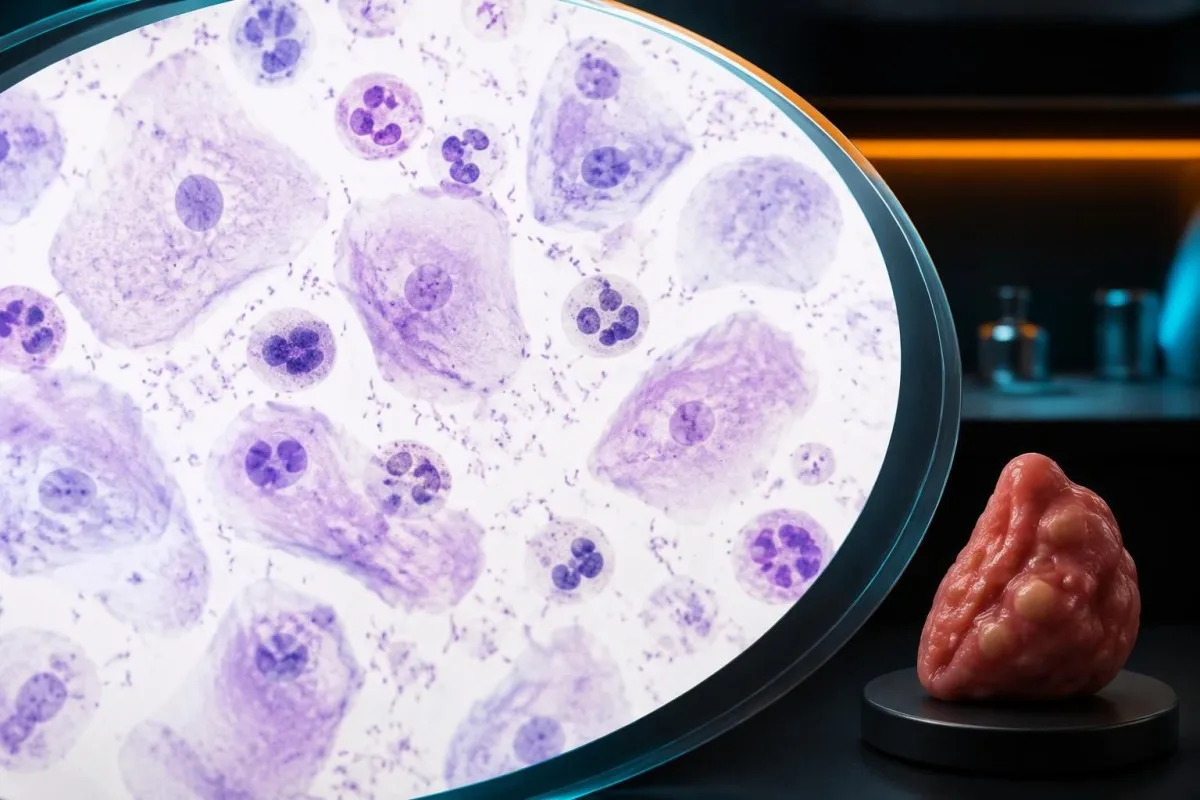
A positive respiratory PCR does not always explain the entire fever history. Adenovirus can remain detectable after an illness, so 1 positive result must be matched to current symptoms, examination and timing; our discussion of ئادېنوۋىرۇسنىڭ بايقىلىشى ۋە ۋىرۇس چىقىرىشى explains why a molecular result may indicate recent exposure rather than the cause of every subsequent attack.
Longer-lasting sore throat, fatigue and gland enlargement can suggest a different illness rather than PFAPA. EBV antibody patterns distinguish recent infection from prior exposure more effectively than a single positive IgG result; our EBV قارشى تۇرغۇچىلار ئەندىزىسى رەھبىرى explains the roles of 3 commonly reported markers—VCA IgM, VCA IgG and EBNA IgG—without equating past exposure with today's symptoms.
Antibiotic response is also easy to misread. If an antibiotic begins on day 4 and the fever ends on day 5, spontaneous resolution of a PFAPA attack is possible; conversely, a confirmed bacterial infection still requires appropriate treatment, and neither previous PFAPA nor prior antibiotic failure permits a new illness with different symptoms to be dismissed without assessment.
قايسى باشقا مەزگىللىك قىزىتما كېسەللىكلىرى PFAPA غا ئوخشاپ كېتىشى مۇمكىن؟
دەۋرىي نېيتروپېنىيە and inherited autoinflammatory disorders can resemble PFAPA, especially when mouth sores accompany recurring fever. Approximately 21-day cycles, severe infections, marked abdominal or chest pain, unusual rashes or persistent inflammation help clinicians decide which alternatives to investigate.
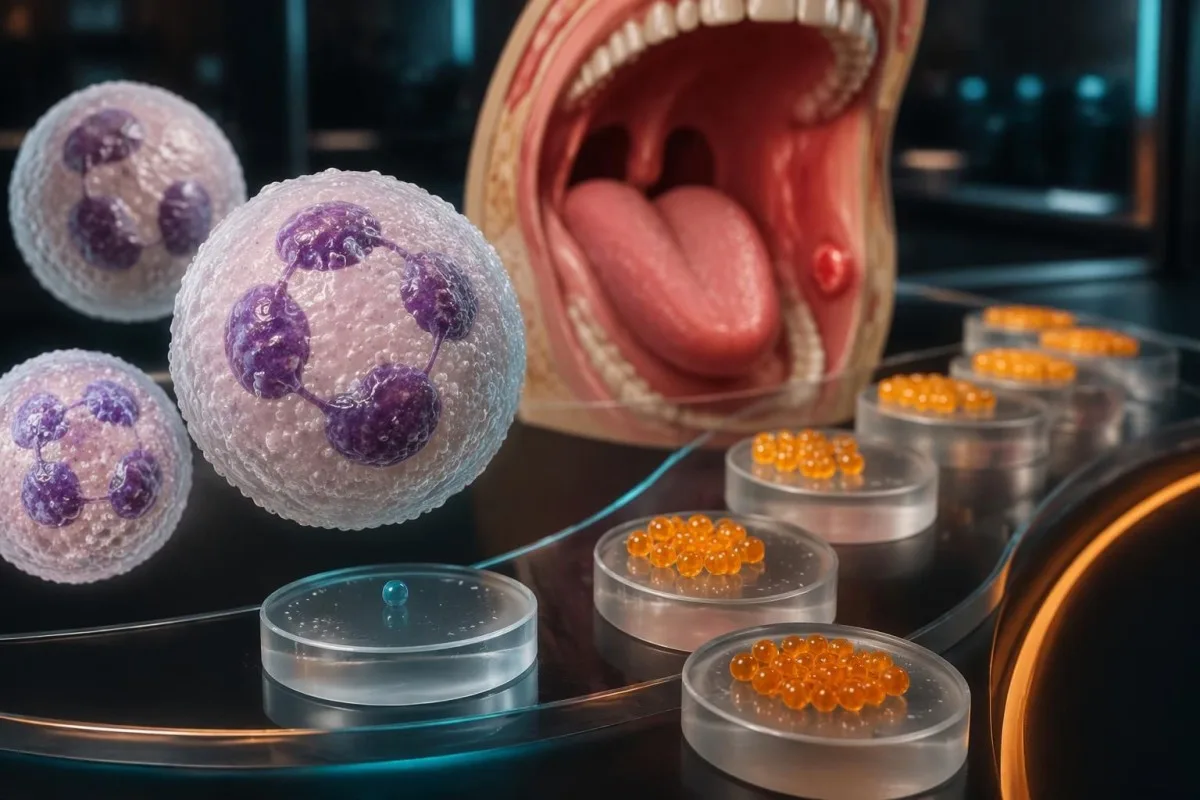
Cyclic neutropenia can produce recurrent fever, mouth sores and gum problems while a blood count between low-count periods looks normal. When suspected, clinicians may request CBCs 2–3 times weekly for about 6 weeks to identify repeated neutrophil nadirs; an absolute neutrophil count below 0.5 × 10^9/L during fever requires urgent clinical assessment rather than being labeled a routine PFAPA attack.
Familial Mediterranean fever often causes shorter attacks, commonly 12–72 hours, with abdominal or chest pain from serosal inflammation or joint symptoms. Our MEFV تەكشۈرۈشى ھەققىدىكى چۈشەندۈرۈشىمىز shows why genotype and symptoms must be interpreted together; TRAPS may produce longer attacks, sometimes over 7 days, while mevalonate kinase deficiency can involve diarrhea, vomiting and attacks triggered by vaccination or other stressors.
Ancestry and family history guide assessment, but neither should become a gatekeeper that excludes an inherited disorder. Persistently raised serum amyloid A between attacks can indicate ongoing inflammation and requires context, as our serum amyloid A guide explains; a single high value during a 4-day fever does not diagnose amyloidosis, and typical PFAPA should not automatically be assigned the complication risks of other syndromes.
قايسى قىزىتما خەتەرلىك ئالامەتلىرى جىددىي تەكشۈرۈشنى تەلەپ قىلىدۇ؟
جىددىي داۋالاشقا مۇراجىئەت قىلىڭ for fever with breathing difficulty, reduced responsiveness, a stiff neck, a non-blanching rash or severe dehydration. An infant younger than 3 ئاي دىن كىچىك بوۋاقنىڭ تېمپېراتۇرىسى 38°C ياكى ئۇنىڭدىن يۇقىرى needs urgent medical assessment, even if a family member has PFAPA.
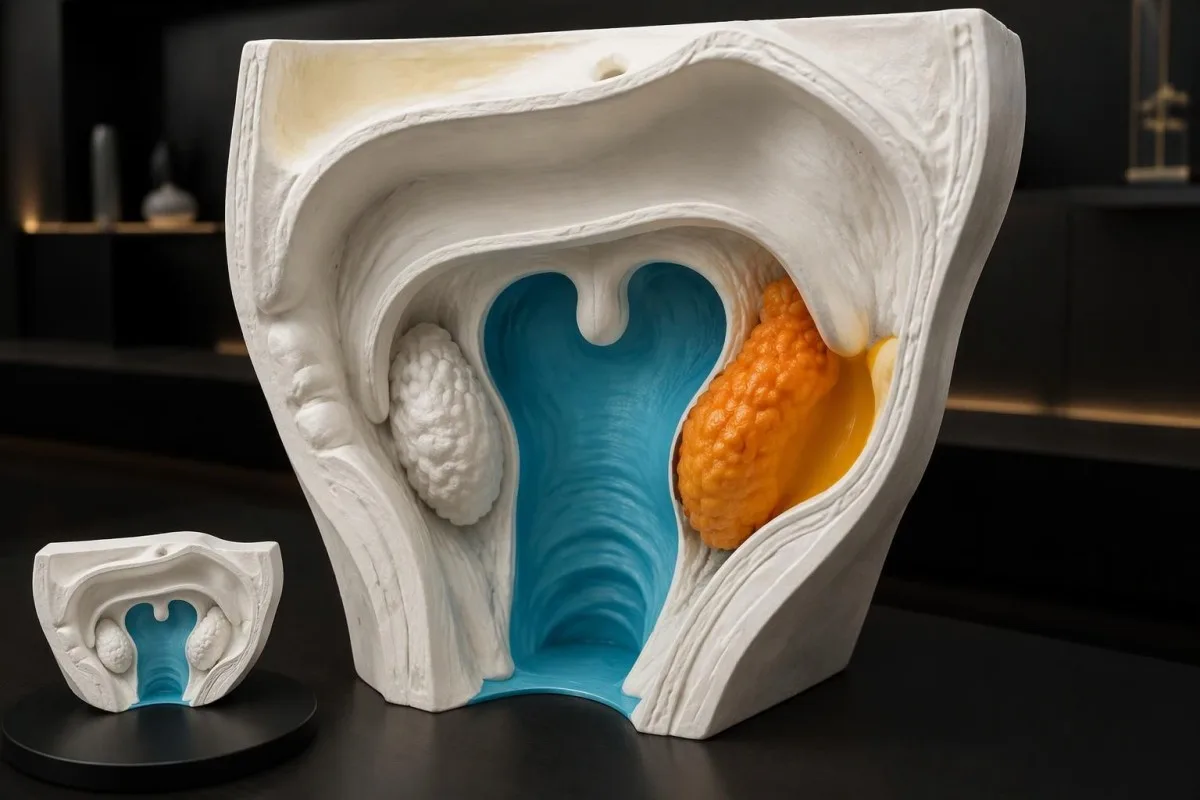
Difficulty swallowing saliva, drooling, a muffled voice or marked one-sided throat swelling can indicate an airway-threatening problem rather than a usual PFAPA flare. A child aged 3–6 months with a temperature of 39°C or higher also needs urgent assessment; contact local emergency services for immediate danger instead of waiting for a blood result or an expected fever endpoint.
Fever lasting 5 days or longer warrants prompt medical review, particularly with red eyes, cracked lips, rash or swollen hands and feet. These findings can suggest Kawasaki disease, discussed in our Kawasaki assessment guide; incomplete presentations occur, so clinicians do not require every classic feature, and concerning symptoms should be assessed before day 5 rather than waiting for a threshold.
New severe localized abdominal pain, persistent vomiting or inability to walk normally should not be attributed to PFAPA without examination. Even 1 normal WBC or CRP result cannot reliably exclude an early abdominal emergency, as our appendicitis laboratory limits explain; children with a known fever syndrome can still develop unrelated illnesses, especially when the attack looks different from their established pattern.
PFAPA تۇتقاقلىرى قانداق داۋالىنىدۇ، ستېروئىدقا ئىنكاس قايتۇرۇش نېمىدىن دېرەك بېرىدۇ؟
PFAPA attack treatment focuses on comfort, hydration and, when prescribed, corticosteroids that often stop fever within hours. Published prednisone or prednisolone regimens range from 0.5–2 mg/kg, but dosing, maximum dose and eligibility must be set by the treating clinician.
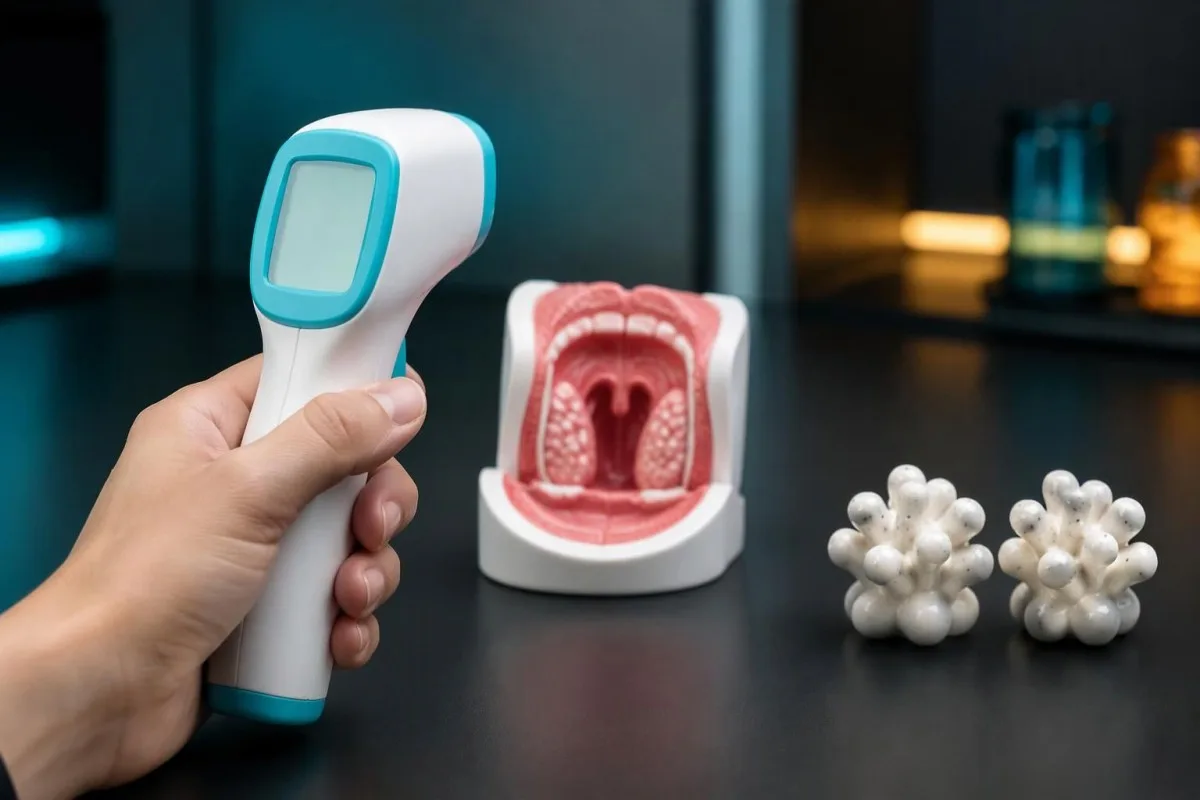
Vanoni et al. (2016) describe rapid corticosteroid responses alongside the limitation that treatment may shorten the interval to the next attack. Reports summarized in that review estimated shorter intervals in approximately 25–50% of patients, but these observations come from heterogeneous studies rather than a precise prediction for an individual child; attack control and long-term prevention are separate treatment goals.
For a hypothetical 20-kg child, a clinician-selected dose of 1 mg/kg would equal 20 mg; this calculation illustrates weight-based prescribing, not a home-treatment recommendation. Families need a written plan explaining when a familiar attack qualifies for treatment, when to seek assessment first and what to do if the expected response does not occur—especially if symptoms suggest a new infection.
Antipyretics may improve discomfort even when they do not end the inflammatory episode. Choose child-appropriate preparations with a clinician or pharmacist, avoid aspirin unless specifically prescribed and do not duplicate paracetamol/acetaminophen across 2 products; Kantesti cannot authorize steroid treatment, and our discussion of بالىلاردا سۈنئىي ئىدراك بىر تەرەپ قىلىش explains why pediatric decisions need more than laboratory pattern recognition.
ئالدىنى ئېلىش دورىلىرى ياكى بادامسىمان بېزنى ئېلىۋېتىش قاچان ئويلىشىلىدۇ؟
Prevention or tonsillectomy may be considered when PFAPA attacks repeatedly disrupt daily life or attack treatment is unsatisfactory. A Cochrane review included 2 randomized trials involving 67 children, finding benefit from tonsil surgery while emphasizing the limited size of the evidence base.
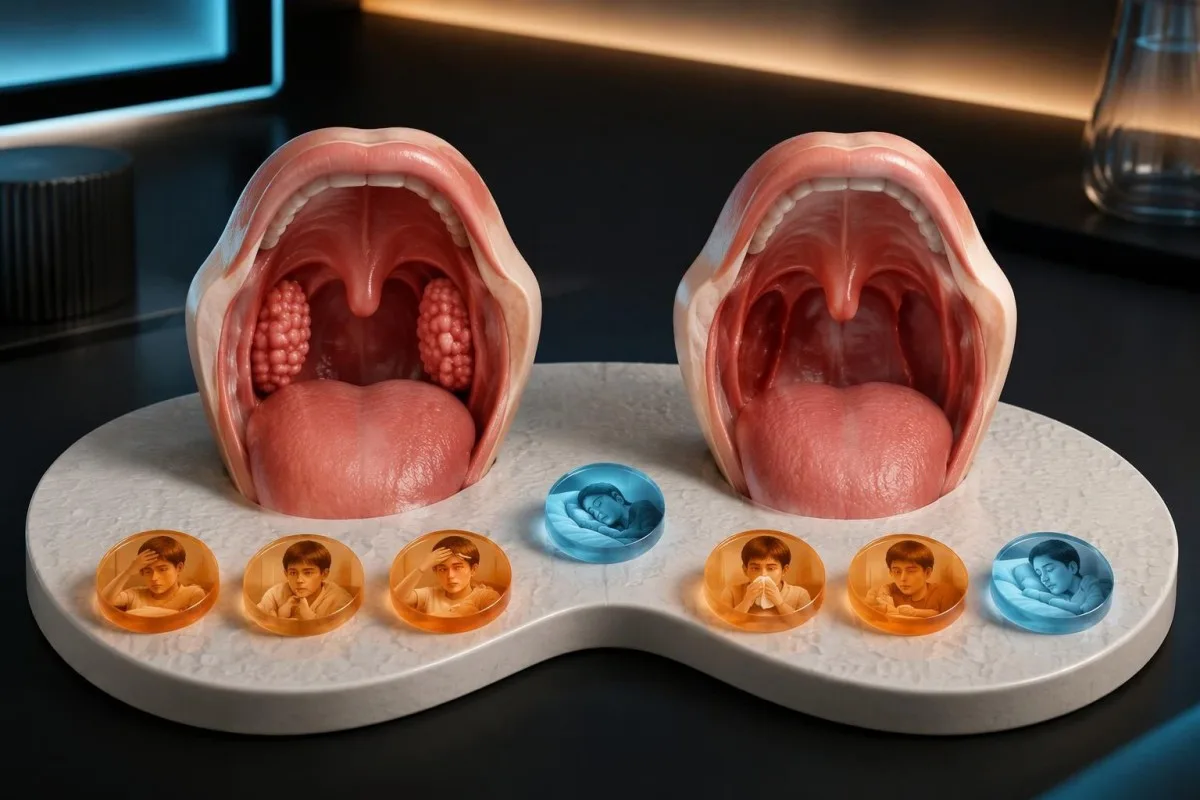
Burton et al. (2019) judged the evidence for several tonsillectomy outcomes to be of moderate certainty, but the trials were too small to characterize uncommon harms confidently. The evidence concerns selected children rather than every person with recurrent sore throat; a child missing 4 school days each month may value potential benefit differently from a child with infrequent, easily managed attacks.
Colchicine is sometimes used to reduce attacks under specialist supervision, whereas cimetidine has less convincing evidence. Treatment selection should consider the diagnosis, kidney and liver function, other medicines and the possibility of an inherited fever disorder; when several options exist, agree in advance on a measurable goal, such as fewer attacks across 3 months, rather than assuming a changed laboratory number demonstrates success.
Tonsillectomy carries postoperative pain, dehydration, anesthesia-related risks and bleeding risk, even when it improves PFAPA. Kantesti's مەسئۇلىيەتچان سۈنئىي ئەقىل قوللانمىمىز supports a clear boundary: neither 1 elevated inflammatory marker nor an automated report can decide whether surgery is appropriate; that discussion belongs with the treating pediatric team and an ENT specialist who can assess the child's individual risks.
PFAPA بار بالىلار، چوڭلار ۋە ئائىلىلەرگە قانداق داۋاملىق كۆزىتىش ياردەم بېرىدۇ؟
PFAPA follow-up should track attack burden, growth or weight, treatment response and any symptoms between episodes. Many childhood cases improve over several years, but persistence, relapse and adult-onset disease occur; a 3-month review interval can be a practical individualized plan rather than a universal rule.

Adults require the same attention to repeated patterns and alternative causes, not an assumption that PFAPA is impossible after childhood. Fever with oral sores and pharyngitis can support the diagnosis, but new constitutional symptoms, persistent gland enlargement or abnormal findings between attacks need assessment; a 35-year-old with a first prolonged fever should not self-diagnose PFAPA from an online symptom match.
Prepare a concise appointment summary: attack dates, duration, associated features, well-day symptoms, test results and response to prescribed treatment. Include 1 clearly labeled attack sample and any clinician-requested recovery sample, rather than ordering a broad panel every month; repeated testing is useful only when it answers a specific question, such as whether inflammation persists or neutrophil counts cycle.
كانتېستى بىر AI قان تەكشۈرۈش نەتىجىسىنى چۈشەندۈرۈش سۇپىسى that can help explain uploaded CBC and inflammatory-marker reports alongside their dates, units and stated reference ranges. For a family sharing 2 or more records, check each person's identity and consent before upload, and review our مەخپىيەتلىك ۋە سانلىق مەلۇماتلارنى بىر تەرەپ قىلىش; AI explanation does not replace pediatric examination, urgent triage or a specialist diagnosis.
تەتقىقات نەشرىياتلىرى: دەلىل-ئىسپات بىلەن تەگلىك تەجرىبىخانا قوللانمىلىرىنى سېلىشتۇرۇش
PFAPA evidence comes from clinical descriptions, differential-diagnosis research and treatment studies—not from a specific clotting or serum-protein test. The 2 background publications below explain other laboratory topics and should not be mistaken for studies validating PFAPA diagnosis.
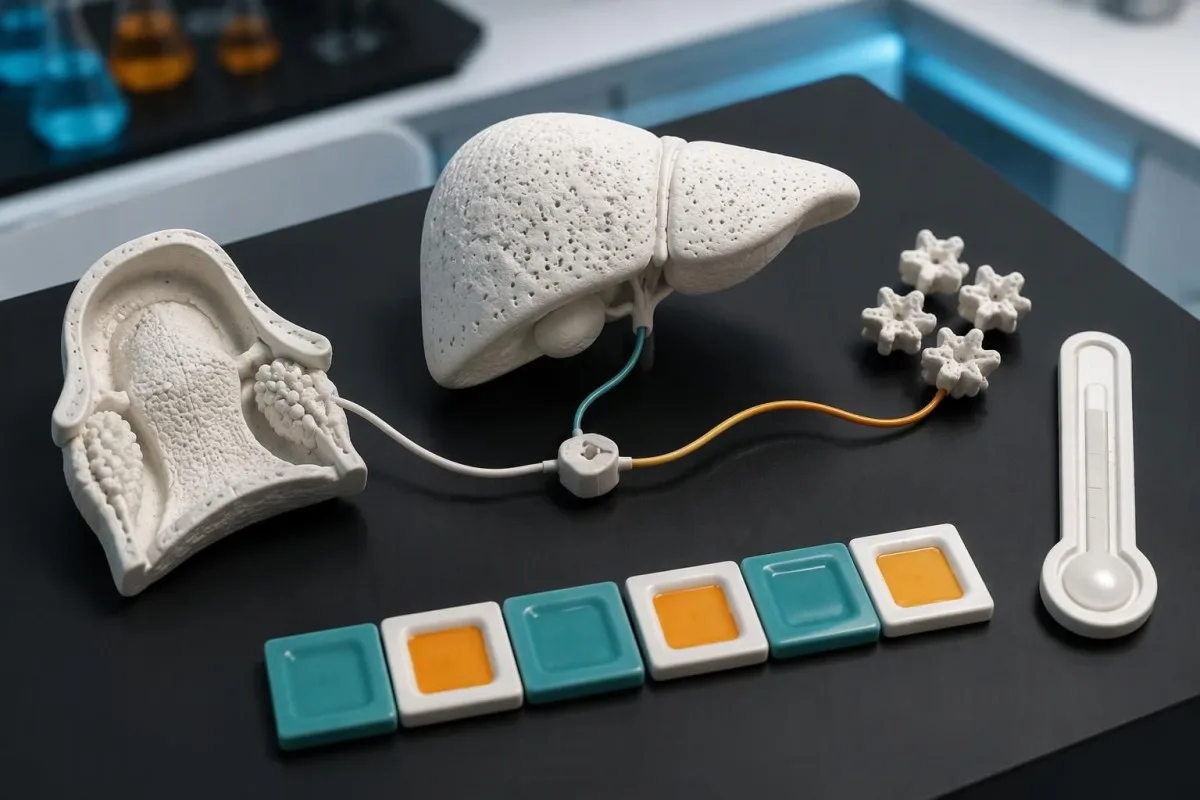
The peer-reviewed PFAPA review by Wang et al. (2021), treatment review by Vanoni et al. (2016) and Cochrane analysis by Burton et al. (2019) directly inform this article's clinical discussion. The surgical review's 67-child evidence base illustrates why certainty must be proportionate to study size; a named source supports a specific claim, not every recommendation made elsewhere on the page.
Kantesti نىڭ clotting test background guide ۋە زەرداب ئاقسىلى ھەققىدىكى ئارقا كۆرۈنۈش قوللانمىسى accompany the 2 Zenodo records listed below. Neither aPTT nor an albumin/globulin ratio confirms PFAPA, and neither guide establishes that routine testing of those markers improves PFAPA care; additional tests should follow an identified clinical concern rather than the availability of a panel.
Evidence interpretation should distinguish a repository-hosted educational guide from a peer-reviewed condition-specific study or systematic review. Our تېببىي مەزمۇن ئۆلچەملىرى explain the editorial approach; for a child with 3 apparently similar attacks, the practical priority remains documented recovery, targeted exclusion of alternatives and a clear safety plan, not accumulating more citations or tests that do not answer the clinical question.
دائىملىق سورالدىغان سوئاللار
PFAPA ئۇنىۋېرسال كېسەللىكى دېگەن نېمە؟
PFAPA ئۇنىۋېرسال كېسەللىكى — ئاپتوياللۇغلۇق كېسەللىك بولۇپ، قايتا-قايتا قىزىش، ئېغىزدا ئافتا يارىسى، يۇتقۇنچاق ياللۇغى ۋە بويۇن لىمفا تۈگۈنلىرىنىڭ ئىششىشىنى كەلتۈرۈپ چىقىرىدۇ. ھۇجۇملار ئادەتتە 3–7 كۈن داۋاملىشىپ، بىر نەچچە ھەپتىدە بىر قېتىم تەكرارلىنىدۇ؛ ھۇجۇملار ئارىسىدا سالامەتلىك نورمال بولىدۇ. بۇ كېسەللىك ئادەتتە 5 ياشتىن بۇرۇن باشلىنىدۇ، بىراق چوڭراق بالىلار ۋە چوڭلارمۇ گىرىپتار بولۇشى مۇمكىن. PFAPA نى جەزملەشتۈرىدىغان يەككە قان تەكشۈرۈشى يوق، شۇڭا دىياگنوز قايتا كۆرۈلىدىغان كلىنىكىلىق ئەندىزىگە ۋە باشقا سەۋەبلەرنى باھالاشقا تايىنىدۇ.
PFAPA قىزىتمىسى قانچە قېتىم كۆرۈلىدۇ؟
PFAPA قىزىتمىسى ئادەتتە تەخمىنەن ھەر 2–8 ھەپتىدە قايتا كۆرۈلىدۇ، يەككە قوزغىلىشلار ئادەتتە 3–7 كۈن داۋاملىشىدۇ. بەزى بالىلاردا دەۋرىيلىك ناھايىتى مۇنتىزىم بولىدۇ، يەنە بەزىلىرىدە ئارىلىقلار ئۆزگىرىپ تۇرىدۇ. كورتىكوستېرود بىلەن داۋالاش كېيىنكى قوزغىلىشقىچە بولغان ۋاقىتنى قىسقارتىۋېتىشى مۇمكىن، شۇڭا دورا ئىچكەن ۋاقىت قىزىتما كۈندىلىك خاتىرىسىگە يېزىلىشى كېرەك. قىزىتمىنىڭ ئۈزلۈكسىز داۋاملىشىشى ياكى قوزغىلىشلار ئارىسىدا ياخشىلانماسلىقنى PFAPA غا ماس كېلىدۇ دەپ پەرەز قىلىشنىڭ ئورنىغا، قايتا باھالاش كېرەك.
يۇقىرى CRP قان تەكشۈرۈشى PFAPA غا دىياگنوز قويالامدۇ؟
CRP نىڭ يۇقىرى چىقىشى PFAPA غا دىئاگنوز قويالمايدۇ، چۈنكى يۇقۇملىنىش ۋە باشقا ياللۇغلىنىش قالايمىقانچىلىقلىرىمۇ مۇشۇنىڭغا ئوخشاش ئۆرلەشنى كەلتۈرۈپ چىقىرىدۇ. مەسىلەن، قىزىتما مەزگىلىدە CRP نىڭ 80 mg/L بولۇپ، ساقايغاندىن كېيىن 3 mg/L گە چۈشۈشى دەۋرلىك ياللۇغلىنىشنى قوللايدۇ، ئەمما ئۇنىڭ سەۋەبىنى ئېنىقلىمايدۇ. نۇرغۇن تەجرىبىخانىلار CRP نىڭ يۇقىرى پايدىلىنىش چېكىنى تەخمىنەن 5 mg/L دەپ بېكىتىدۇ، بەزىلىرى بولسا 10 mg/L ئىشلىتىدۇ. دوختۇرلار بۇ نەتىجىنى كېسەللىك ئالامەتلىرى، تەكشۈرۈش، ئەۋرىشكە ئېلىنغان ۋاقىت ۋە مۇناسىۋەتلىك يۇقۇملىنىش تەكشۈرۈشلىرى بىلەن بىرلىكتە چۈشەندۈرىدۇ.
PFAPA يۇقۇملۇق كېسەللىكمۇ، ئانتىبىيوتىك دورىلار لازىممۇ؟
PFAPA نىڭ ئۆزى يۇقۇملۇق ئەمەس، ئانتىبىئوتىكلار ئۇنىڭدىكى ئاساسىي ياللۇغلىنىش جەريانىنى داۋالىمايدۇ. ئادەتتە 3–7 كۈن داۋاملىشىدىغان تۇتقاقلىق ئانتىبىئوتىك باشلانغاندىن كېيىن ئۆزلىكىدىن توختاپ، ئانتىبىئوتىك تەسىر قىلغاندەك خاتا تەسىر پەيدا قىلىشى مۇمكىن. PFAPA بار بالىلارمۇ يۇقۇملۇق ۋىرۇسلۇق كېسەللىكلەر ياكى باكتېرىيەلىك يۇقۇملىنىشلارغا گىرىپتار بولالايدۇ. ئالامەتلىرى باشقىچە بولغان يېڭى قىزىش، كېسەللەر بىلەن ئۇچرىشىش ياكى باكتېرىيەلىك سەۋەبى جەزملەشتۈرۈلگەن ئەھۋاللار ئايرىم باھالىنىپ، شۇنىڭغا قاراپ داۋالىنىشى كېرەك.
پرېدنىزونغا تېز ئىنكاس قايتۇرۇش PFAPA نىڭ بارلىقىنى ئىسپاتلامدۇ؟
دوختۇر بەلگىلىگەن پرېدنىسون ياكى پرېدنىزولونغا تېز ئىنكاس قايتۇرۇش PFAPA دىئاگنوزىنى قوللايدۇ، ئەمما ئۇنى ئىسپاتلىمايدۇ. ئېلان قىلىنغان PFAPA داۋالاش تەرتىپلىرىدە 0.5–2 mg/kg مىقدارى كۆرسىتىلگەن؛ ئەمەلىي مىقدار ۋە ئەڭ يۇقىرى چەك داۋالىغۇچى دوختۇر تەرىپىدىن بەلگىلىنىدۇ. پوستلاق ئۆسمە ھورمونلىرى باشقا كېسەللىكلەرنىڭ ئالامەتلىرىنىمۇ بېسىقتۇرۇۋېتىشى ۋە كېيىنكى PFAPA تۇتقاقلىقىغىچە بولغان ئارىلىقنى قىسقارتىۋېتىشى مۇمكىن. تۇتقاقلىق ئادەتتىن تاشقىرى ئېغىر بولسا ياكى باشقىچە كۆرۈنسە، ئائىلىلەر يازما داۋالاش پىلانىغا ئەمەل قىلىشى ۋە داۋالاشنى باشلاشتىن بۇرۇن باھالاشتىن ئۆتۈشى كېرەك.
PFAPA دەپ گۇمان قىلىنغان بالا قاچان جىددىي داۋالاشقا ئېلىپ بېرىلىشى كېرەك؟
PFAPA دەپ گۇمان قىلىنغان بالىنىڭ قىزىتمىسى بىلەن بىللە نەپەس ئېلىشى قىيىنلاشسا، ھوشيارلىقى تۆۋەنلىسە، بوينى قېتىپ قالسا، بېسىپ كۆرگەندە يوقاپ كەتمەيدىغان تېرىسىدە ئەسۋە پەيدا بولسا ياكى ئېغىر دەرىجىدە سۇسىزلانسا، جىددىي داۋالاشقا ئېھتىياجلىق. 3 ئايغا توشمىغان، تېمپېراتۇرىسى 38°C ياكى ئۇنىڭدىن يۇقىرى بولغان ھەر قانداق بوۋاقنى جىددىي ھالدا تېببىي تەكشۈرتۈش كېرەك. قىزىتما 5 كۈن ياكى ئۇنىڭدىن ئۇزۇن داۋاملاشسىمۇ، بولۇپمۇ كۆز قىزىرىش، ئەسۋە، لەۋ يېرىلىش ياكى قول-پۇت ئىششىش بىلەن بىللە بولسا، دەرھال دوختۇرغا كۆرۈنۈش كېرەك. ئىلگىرى PFAPA دەپ دىياگنوز قويۇلغان بولۇشى، كېسەللىك ئالامەتلىرى باشقىچە بولغان يېڭى بىر كېسەلگە سەل قاراشقا بولىدۇ دېگەنلىك ئەمەس.
قان تەكشۈرۈش نەتىجىسىنى قانداق ئوقۇش
تەجرىبىخانا دوكلاتىڭىزنى يوللاڭ، Kantesti نىڭ سۈنئىي ئەقىلى ھەر بىر بىئوماركېرنى بىر نەچچە سېكۇنت ئىچىدە ئاددىي تىلدا چۈشەندۈرىدۇ. دۇنيا بويىچە 2 مىليوندىن ئارتۇق ئادەم ئىشلىتىدۇ.
پايدىلانغان ماتېرىياللار
- Klein, T., Mitchell, S., & Weber, H. (2026). aPTT نورمال دائىرىسى: D-Dimer، Protein C قان ئۇيۇش يېتەكچىسى. Kantesti AI Medical Research. DOI
- Klein, T., Mitchell, S., & Weber, H. (2026). قان زەردابى ئاقسىللىرى يېتەكچىسى: گلوبۇلىن، ئالبۇمېن ۋە A/G نىسبىتى قان تەكشۈرۈشى. Kantesti AI Medical Research. DOI
- Wang A et al. (2021). Periodic fever, aphthous stomatitis, pharyngitis, and adenitis (PFAPA) syndrome: A review. World Journal of Otorhinolaryngology - Head and Neck Surgery. DOI
- Vanoni F et al. (2016). PFAPA syndrome: a review on treatment and outcome. Pediatric Rheumatology. DOI
- Burton MJ et al. (2019). Tonsillectomy for periodic fever, aphthous stomatitis, pharyngitis and cervical adenitis syndrome (PFAPA). Cochrane سىستېمىلىق ئوبزورلار سانلىق ئامبىرى. DOI
- 2M +تەھلىل قىلىنغان تەكشۈرۈشلەر
- 127+دۆلەتلەر
- 100+تىللار
تېببىي گۇرۇپپا ھەققىدە


E-E-A-T ئىشەنچ سىگناللىرى
تەجرىبە
دوختۇر رەھبەرلىكىدىكى لابوراتورىيە تەبىرىنى چۈشەندۈرۈش خىزمەت ئېقىملىرىنى بالىياتقۇچلۇق تەكشۈرۈش.
مۇتەخەسسىسلىك
بىئوماركىرلارنىڭ كىلىنىكىلىق مۇھىتتا قانداق ھەرىكەت قىلىدىغانلىقىغا مەركەزلەشكەن لابوراتورىيە تېبابىتى.
ھوقۇقدارلىق
دوكتور توماس كلېين تېببىي جەھەتتىن تەكشۈرگەن، دوكتور سارا مىچېل ۋە پروفېسسور دوكتور خانس ۋېبېرنىڭ تۆھپىسى بىلەن تەييارلانغان.
ئىشەنچلىكلىك
ئاگاھلاندۇرۇشنى ئازايتىش ئۈچۈن ئېنىق كېيىنكى قەدەملەر بىلەن ئىسپات-ئاساسلىق تەبىر.





تېببىي ئاگاھلاندۇرۇش
بۇ ماقالە پەقەت تەربىيە-ئوقۇتۇش مەقسىتى ئۈچۈن بولۇپ، داۋالاش مەسلىھەتىنى تەشكىل قىلمايدۇ. دىئاگنوز قويۇش ۋە داۋالاش قارارلىرى ئۈچۈن ھەمىشە لاياقەتلىك ساغلاملىق مۇلازىمىتى تەمىنلىگۈچى بىلەن مەسلىھەتلىشىڭ.
Published · تەھرىر گۇرۇپپىسى بىلەن ئالاقىلىشىڭ
ئەنگلىيە ۋە ۋېلىشتا تىزىمغا ئېلىنغان Kantesti Ltd تەرىپىدىن نەشر قىلىنغان، شىركەت نومۇرى:. 17090423, ، لوندون، ئەنگلىيە.
