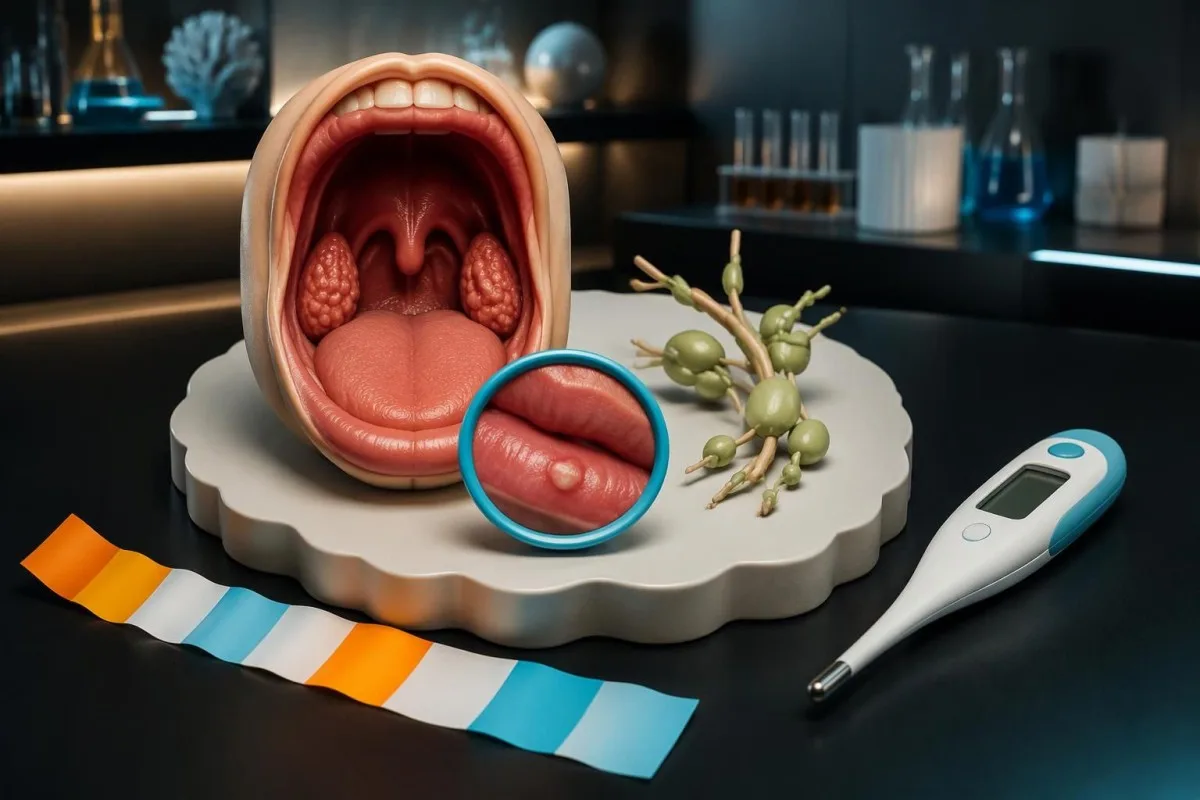
PFAPA ရောဂါစုသည် ပါးစပ်အနာများ၊ လည်ချောင်းနာခြင်းနှင့် လည်ပင်းရှိ အကျိတ်ဂလင်းများ ရောင်ရမ်းခြင်းတို့နှင့်အတူ အဖျားကြီးခြင်းကို ထပ်ခါတလဲလဲ ဖြစ်စေနိုင်ပြီး၊ ပုံမှန်အားဖြင့် ၃–၇ ရက်ကြာကာ တိုက်ခိုက်မှုများကြားတွင် အပြည့်အဝ ပြန်လည်ကျန်းမာလာတတ်သည်။ ရောဂါရှာဖွေရာတွင် ပုံစံတူ ထပ်ခါတလဲလဲ ဖြစ်ပေါ်မှုနှင့် အခြားအကြောင်းရင်းများကို ဖယ်ထုတ်ခြင်းအပေါ် မူတည်ပြီး—သွေးစစ်ချက်တစ်ခု ပုံမှန်မဟုတ်ခြင်းတစ်ခုတည်းအပေါ် မမူတည်ပါ။ ရောဂါလက္ခဏာမှတ်တမ်းထားခြင်းက အထောက်အကူဖြစ်သည်။ ပုံမှန်ထက် ပိုပြင်းထန်ခြင်း သို့မဟုတ် ကွဲပြားခြားနားသော အကြိမ်တစ်ကြိမ် ဖြစ်ပွားပါက အသစ်ပြန်လည် စစ်ဆေးအကဲဖြတ်ရန် လိုအပ်သည်။

အဓိက မှတ်သားစရာများ
- PFAPA ရောဂါစုသည် ပုံမှန်အားဖြင့် ၃–၇ ရက်ကြာသော အဖျားဖြစ်စဉ်များကို ဖြစ်စေပြီး၊ ၎င်းတို့ကြားတွင် ရက်သတ္တပတ်အနည်းငယ်ကြာ ကျန်းမာစွာ နေထိုင်ရသည်။
- PFAPA ရောဂါလက္ခဏာများတွင် ပါးစပ်အတွင်း အက်ဖ်သပ်အနာများ၊ လည်ချောင်းရောင်ခြင်းနှင့် လည်ပင်းရှိ ပြန်ရည်ကျိတ်များ ရောင်ရမ်းခြင်းတို့ ပါဝင်သည်။ လက္ခဏာ ၃ မျိုးစလုံး တစ်ပြိုင်နက် ပေါ်လာရန် မလိုအပ်ပါ။
- အဖျားဖြစ်ပွားချိန် သည် မကြာခဏ အကြမ်းဖျင်း ၂–၈ ပတ်တစ်ကြိမ် ဖြစ်တတ်သော်လည်း ရောဂါရှာဖွေရန် ပြက္ခဒိန်အရ အတိအကျ ပုံမှန်ဖြစ်ရန် မလိုအပ်ပါ။
- ရောဂါလက္ခဏာမှတ်တမ်းများ တွင် ဖြစ်စဉ်ရက်စွဲများ၊ အမြင့်ဆုံးအပူချိန်ကို °C သို့မဟုတ် °F ဖြင့်၊ ရောဂါလက္ခဏာများ၊ ဆေးဝါးများနှင့် တိုက်ခိုက်မှုများကြား ပြန်လည်ကျန်းမာလာမှုတို့ကို မှတ်တမ်းတင်သင့်သည်။
- သွေးစစ်ဆေးမှုများ တိုက်ခိုက်မှုများအတွင်း CRP နှင့် နျူထရိုဖီးလ်များ မြင့်တက်နေသည်ကို တွေ့နိုင်သည်။ CRP 80 mg/L ရှိခြင်းက PFAPA ကို ကူးစက်ရောဂါမှ ခွဲခြားမပေးနိုင်ပါ။
- စက်ဝန်းကျနျူထရိုဖီးလျော့နည်းခြင်း သည် ခန့်မှန်းခြေအားဖြင့် ၂၁ ရက်တစ်ကြိမ် ပြန်ဖြစ်နိုင်ပြီး စိတ်ချရသော CBC တစ်ကြိမ်ထက် အကြိမ်ကြိမ်သွေးဆဲလ်ရေတွက်စစ်ဆေးမှုများ လိုအပ်နိုင်သည်။
- ကုသမှု ဆုံးဖြတ်ချက်များ ဆရာဝန်ညွှန်ကြားသည့် ကော်တီကိုစတီရွိုက်ဆေးများ၊ ကာကွယ်ရေးဆေးဝါးများ သို့မဟုတ် အာသီးခွဲစိတ်ဖယ်ရှားခြင်းတို့ ပါဝင်နိုင်သည်။ မည်သည့်နည်းလမ်းကိုမျှ ဓာတ်ခွဲခန်းရလဒ်တစ်ခုတည်းအပေါ် မူတည်၍ မလုပ်ဆောင်သင့်ပါ။
- အရေးပေါ် အကဲဖြတ်ခြင်း အပူချိန် ၃၈°C သို့မဟုတ် ပိုမြင့်သော အသက် ၃ လအောက် ကလေးငယ်တိုင်း၊ သို့မဟုတ် အသက်ရှူရခက်ခြင်း၊ တုံ့ပြန်မှုလျော့နည်းခြင်း သို့မဟုတ် ဖိလျှင်အရောင်မဖျော့သော အဖုရှိသည့် ကလေးတိုင်းအတွက် လိုအပ်သည်။
PFAPA ရောဂါစုဆိုသည်မှာ အဘယ်နည်း၊ အဖျားများကို မည်သည့်အရာက ဖြစ်စေသနည်း။
PFAPA ရောဂါစုသည် သည် ပါးစပ်အတွင်း အက်ဖ်သပ်အနာများ၊ လည်ချောင်းရောင်ခြင်းနှင့် လည်ပင်းအကျိတ်ရောင်ခြင်းတို့နှင့်အတူ ထပ်ခါတလဲလဲ ဖျားနာမှုများ ဖြစ်စေသော အလိုအလျောက်ရောင်ရမ်းမှုအခြေအနေတစ်ခုဖြစ်သည်။ ဖျားနာမှုတစ်ကြိမ်သည် ပုံမှန်အားဖြင့် ကြာမြင့်သည် ရိုးရှင်းတဲ့ မှတ်တမ်းတစ်ခုက အမှန်တကယ် လမ်းကြောင်းတွေကို ကျပန်းဆူညံသံ (random noise) နဲ့ ခွဲခြားပေးပါတယ်။; ကလေးများသည် အပိုင်းတစ်ခုနှင့်တစ်ခုကြားတွင် ပုံမှန်အားအင်၊ စားချင်စိတ်နှင့် ကြီးထွားမှုသို့ ပြန်ရောက်လေ့ရှိသည်။
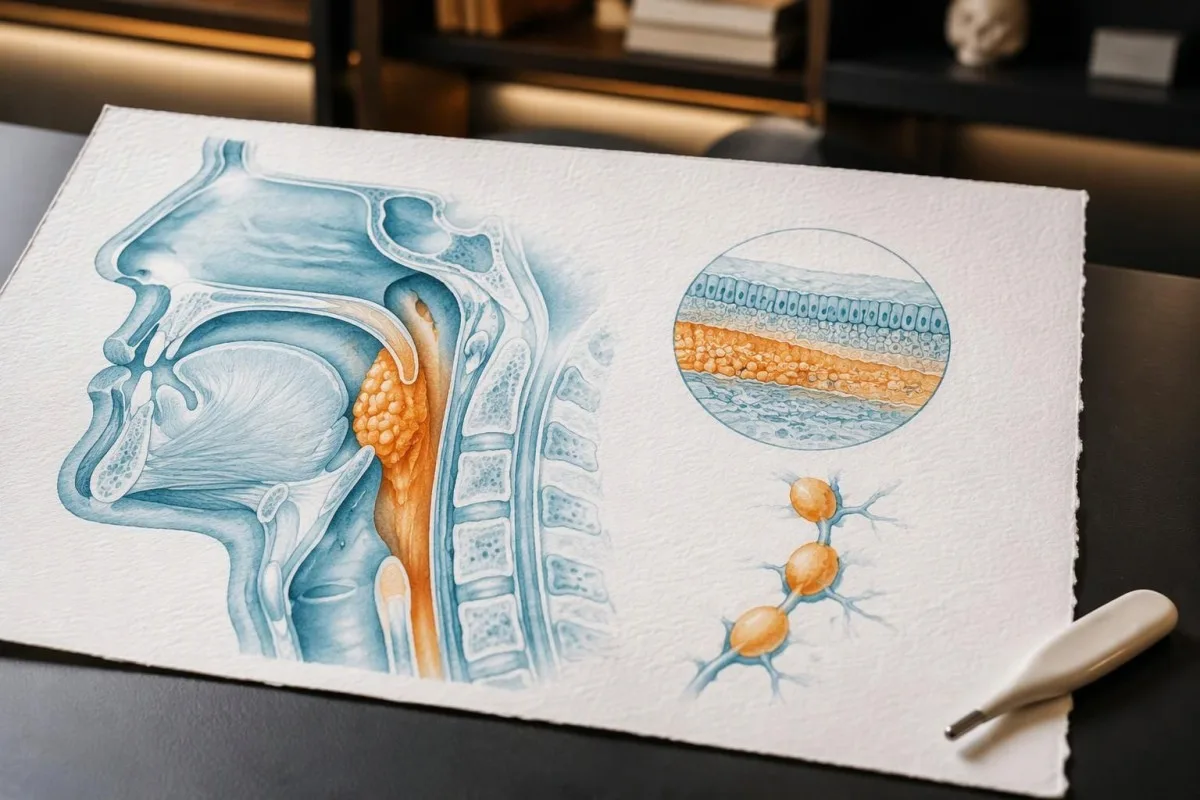
PFAPA သည် ရက်သတ္တပတ်အနည်းငယ်တစ်ကြိမ် ကူးစက်တတ်သော ရောဂါအသစ်ဖြစ်ပွားခြင်းထက် ရောင်ရမ်းမှုလမ်းကြောင်းများ မသင့်လျော်စွာ အသက်ဝင်လာခြင်းကို ထင်ဟပ်စေသည်။ စတင်ဖြစ်ပွားသည့်အသက်မှာ အများဆုံးအားဖြင့် ၅ နှစ်မတိုင်မီဖြစ်သော်လည်း အသက်ကြီးသော ကလေးများနှင့် လူကြီးများတွင်လည်း ဖြစ်နိုင်သည်။ ထို့ကြောင့် ယခင်သတ်မှတ်ထားသော အသက်အပိုင်းအခြားသည် အရိပ်အမြွက်တစ်ခုသာဖြစ်ပြီး လုံးဝပယ်ချရန် သတ်မှတ်ချက်မဟုတ်ပါ (Wang et al., 2021)။ PFAPA ရှိသည်ဟုဆိုခြင်းသည် နောင်ဖြစ်လာမည့် ဖျားနာမှုတိုင်းသည် ကူးစက်မှုကြောင့်မဟုတ်ဟု မဆိုလိုပါ။
အတိုကောက်အမည်တွင် အစိတ်အပိုင်း ၄ ခု ပါဝင်သည်—ကာလမှန်ဖျားခြင်း၊ အက်ဖ်သပ်စတိုမတိုင်တစ်စ်၊ လည်ချောင်းရောင်ခြင်းနှင့် အကျိတ်ရောင်ခြင်းတို့ဖြစ်သည်။ မျိုးရိုးလိုက်သော ကာလမှန်ဖျားနာမှုအချို့နှင့် မတူဘဲ PFAPA ရောဂါအတည်ပြုရန် သတ်မှတ်ထားသော မျိုးဗီဇစစ်ဆေးမှုတစ်ခုတည်း မရှိပါ။ သို့သော် မိသားစုအတွင်း အစုလိုက်ဖြစ်ပွားမှု ရှိနိုင်သည်။ မျိုးဗီဇစစ်ဆေးမှုအကျယ်စားတွင် ရလဒ်မတွေ့ခြင်းသည် PFAPA ဖြစ်ကြောင်း သက်သေမပြနိုင်သကဲ့သို့ အခြားရောင်ရမ်းရောဂါအားလုံးကိုလည်း ပယ်ချမပေးနိုင်ပါ။
ကန်တက်စတီသည် AI သွေးစမ်းသပ်မှုခွဲခြမ်းစိတ်ဖြာ CRP ရလဒ် 80 mg/L သည် ရောဂါအမည်တပ်ရန်မဟုတ်ဘဲ လက်တွေ့အခြေအနေနှင့် တွဲဖက်သုံးသပ်ရန် လိုအပ်ကြောင်း ရှင်းပြရာတွင် အထောက်အကူပြုနိုင်သည်။ ကျွန်ုပ်တို့၏ အဖွဲ့အစည်းနှင့် ချဉ်းကပ်ပုံ သည် ဝန်ဆောင်မှုကို ဖော်ပြထားသော်လည်း PFAPA ကို ဖော်ထုတ်ရန်အတွက် ဆရာဝန်တစ်ဦးက အကြိမ်များစွာဖြစ်ပွားသည့် လက္ခဏာများကို ဆက်စပ်စဉ်းစားခြင်း၊ ကလေးကို စစ်ဆေးခြင်းနှင့် ဓာတ်ခွဲခန်းအစီရင်ခံစာတွင် မဖော်ပြနိုင်သည့် အခြေအနေများကို ထည့်သွင်းစဉ်းစားခြင်းတို့ လိုအပ်သည်။
မည်သည့် PFAPA ရောဂါလက္ခဏာများကြောင့် ဖြစ်ပွားမှုပုံစံကို မှတ်မိနိုင်သနည်း။
PFAPA ရောဂါလက္ခဏာများတွင် ပုံမှန်အားဖြင့် ဖျားခြင်းနှင့်အတူ လည်ချောင်းနာခြင်း၊ လည်ပင်းအကျိတ်များ နာကျင်ခြင်း သို့မဟုတ် ပါးစပ်အတွင်း အနာငယ်များ ဖြစ်တတ်သည်။ ထိုလက္ခဏာပေါင်းစပ်မှုသည် ထပ်ခါတလဲလဲ ဖြစ်ပေါ်ခြင်း မှတ်တမ်းတင်ထားသော အပိုင်း ၃ ခု သို့မဟုတ် ထို့ထက်ပိုခြင်း သည် သီးခြားလက္ခဏာတစ်ခုတည်းထက် ပိုမိုအသိပေးနိုင်သော်လည်း PFAPA ကို အတည်ပြုရန် တစ်ကမ္ဘာလုံးသုံး သတ်မှတ်ထားသော အနည်းဆုံးအပိုင်းအရေအတွက် မရှိပါ။
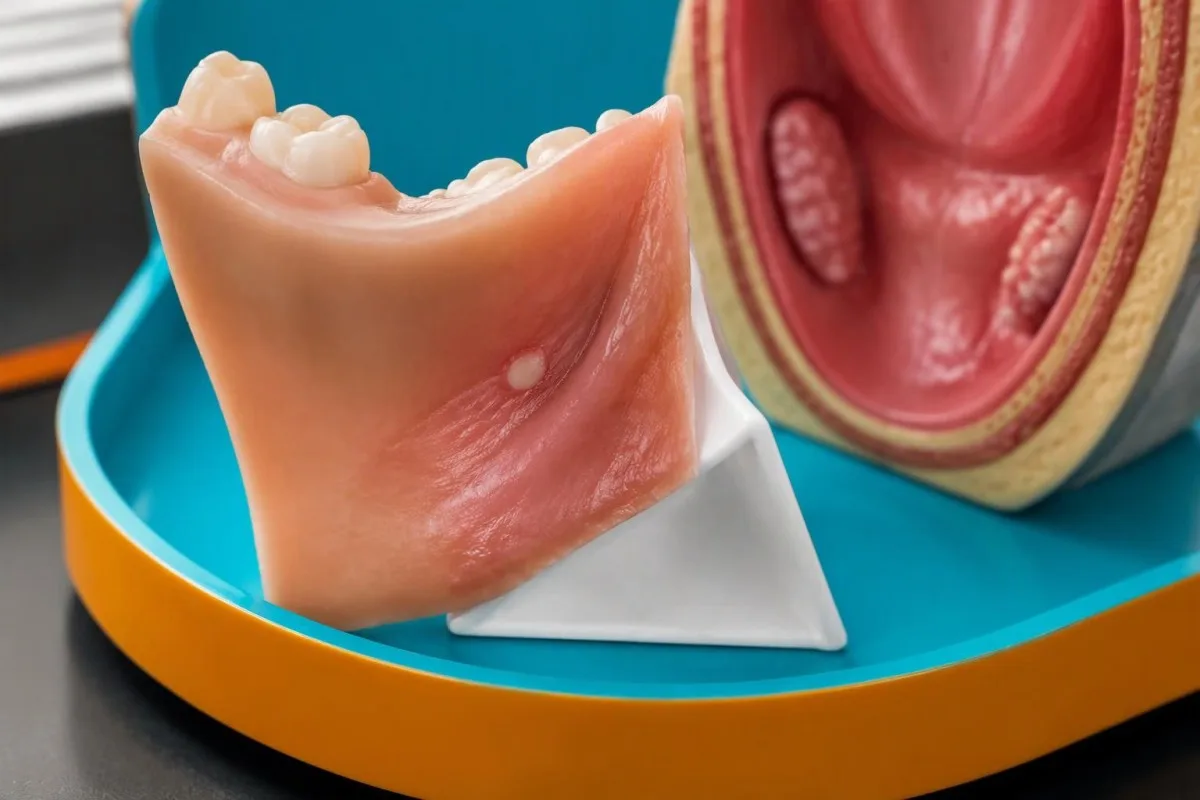
အက်ဖ်သပ်အနာများသည် အများအားဖြင့် နှုတ်ခမ်းအတွင်းဘက်၊ ပါးအတွင်းဘက် သို့မဟုတ် ပါးစပ်အတွင်းရှိ အခြားမျက်နှာပြင်များပေါ်တွင် ဖြစ်သော အနာငယ်၊ အပေါ်ယံအနာများဖြစ်ပြီး နှုတ်ခမ်းအပြင်ဘက်တွင် အစုလိုက်ဖြစ်သော ရေယုန်ဖုများနှင့် မတူပါ။ ကလေးတွင် အနာ ၁ ခု သို့မဟုတ် ၂ ခုသာ ရှိနိုင်ပြီး အချို့ဖျားနာမှုများတွင် အနာမရှိနိုင်ပါ။ ဆေးခန်းပြချိန်မတိုင်မီ ပျောက်ကွယ်သွားနိုင်သောကြောင့် မြင်ရသည့်အနာကို ဓာတ်ပုံရိုက်ထားခြင်းက အထောက်အကူပြုနိုင်သည်။
လည်ချောင်းရောင်ခြင်းတွင် နီရဲခြင်း သို့မဟုတ် အာသီးပေါ်တွင် အဖုံးအလွှာဖြစ်ခြင်းတို့ ပါဝင်နိုင်သဖြင့် အသွင်အပြင်တစ်ခုတည်းဖြင့် PFAPA နှင့် စထရက်တိုကောကပ်စ်ကူးစက်မှုကို ခွဲခြား၍မရပါ။ ရောင်နေသောအကျိတ်များသည် ပုံမှန်အားဖြင့် လည်ပင်းပတ်ဝန်းကျင်ရှိ သားအိမ်ခေါင်းအကျိတ်များကို ဆိုလိုသည်။ အကျိတ်တစ်ခု အဆက်မပြတ်ကြီးလာခြင်း၊ ကိုယ်အနှံ့ အကျိတ်များရောင်ခြင်း သို့မဟုတ် ၃–၇ ရက်ကြာ ဖျားနာမှုထက် ကျော်လွန်၍ လက္ခဏာများ ဆက်ရှိခြင်းတို့အတွက်မူ PFAPA ဟု အလိုအလျောက်သတ်မှတ်မည့်အစား အခြားရှင်းလင်းချက်တစ်ခု လိုအပ်သည်။
ပါးစပ်အနာတစ်ခုတည်းဖြင့် ကာလမှန်ဖျားနာမှုဟု မသတ်မှတ်နိုင်ပါ။ လိင်အင်္ဂါအနာများ၊ နာကျင်သော မျက်လုံးနီခြင်း၊ အမြင်အာရုံပြောင်းလဲခြင်း သို့မဟုတ် ထူးခြားသောအရေပြားလက္ခဏာများနှင့်အတူ ပါးစပ်အနာများ ထပ်ခါတလဲလဲ ဖြစ်ပါက အခြားဖြစ်နိုင်ခြေများကို စဉ်းစားရပြီး ၎င်းတို့တွင် Behçet ရောဂါ၏ လက္ခဏာပုံစံများ; ပါဝင်နိုင်သည်။ အမြင်အာရုံချို့ယွင်းမှုနှင့်အတူ မျက်လုံးနာခြင်း တစ်ကြိမ်တည်းဖြစ်သော်လည်း နောက်ဖျားနာမှုစက်ဝန်းကို စောင့်မနေဘဲ ချက်ချင်းစစ်ဆေးမှုခံယူသင့်သည်။
PFAPA အဖျားများသည် မည်မျှကြာတတ်ပြီး မည်မျှမကြာခဏ ပြန်ဖြစ်သနည်း။
PFAPA ဖျားနာမှုများသည် ပုံမှန်အားဖြင့် ကြာမြင့်ပြီး ရိုးရှင်းတဲ့ မှတ်တမ်းတစ်ခုက အမှန်တကယ် လမ်းကြောင်းတွေကို ကျပန်းဆူညံသံ (random noise) နဲ့ ခွဲခြားပေးပါတယ်။ ခန့်မှန်းခြေအားဖြင့် တစ်ကြိမ် ၂–၈ ပတ်, ပြန်ဖြစ်တတ်ကာ လက္ခဏာများမှာ သိသိသာသာ ဆင်တူလေ့ရှိသည်။ အချို့ကလေးများတွင် ကြိုတင်ခန့်မှန်းနိုင်သော စက်ဝန်းတစ်ခု ရှိလာသော်လည်း ကြားကာလများ ကွဲပြားခြင်းသည် PFAPA ကို အလိုအလျောက် ပယ်ချရန် အကြောင်းမဟုတ်ပါ။
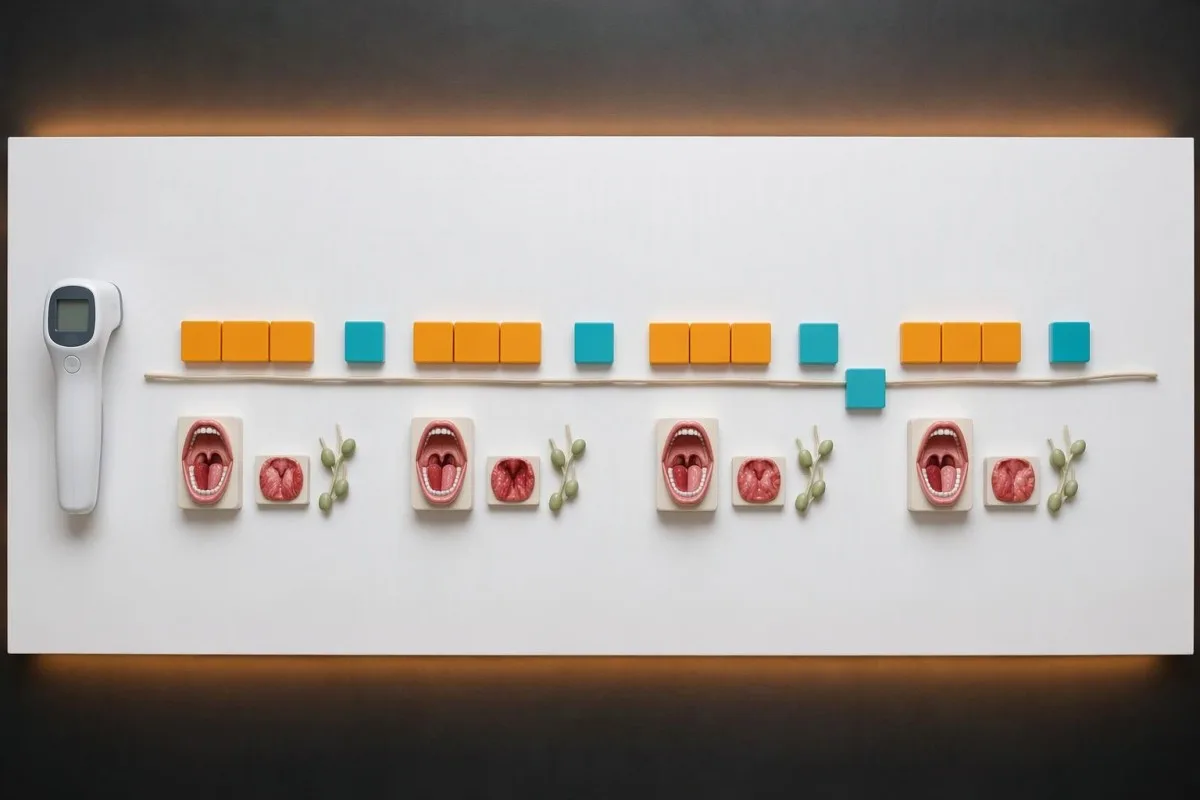
Temperatures during PFAPA attacks often reach 39–40°C, but fever height does not determine the diagnosis or reliably measure danger. The timing of associated throat symptoms, the child's appearance and the return to baseline matter more; measuring temperature with the same method also makes comparisons more useful than alternating between forehead, ear and underarm readings.
For a hypothetical child, fevers beginning on days 1, 29 and 58 with 4-day attacks suggest a repeated cycle—not proof of PFAPA. Count start-to-start intervals separately from fever-free days, and record whether corticosteroid treatment changed an interval; a shortened next cycle after treatment can otherwise make a previously regular pattern look inexplicably irregular.
A fever that does not stop is not a series of separate PFAPA episodes. If symptoms persist beyond 7 days, or recovery never occurs, clinicians reconsider infection and other inflammatory conditions; our explanation of သွေးစစ်ချိန်က တိုင်းတာမှုရလဒ်အပေါ် သက်ရောက်ပုံ also shows why a sample taken on day 1 cannot be interpreted like one taken after recovery.
PFAPA ရောဂါလက္ခဏာမှတ်တမ်းတွင် မည်သည့်အချက်များကို မှတ်တမ်းတင်သင့်သနည်း။
A PFAPA symptom diary should record episode start and finish dates, measured temperature, mouth and throat findings, neck swelling, medication timing and wellness between attacks. Even 3 carefully documented episodes can reveal details that a single clinic visit misses.

Document the thermometer method and the highest measured temperature, not just 'very hot.' For each day of a 4-day attack, note drinking, urine output, activity, cough, runny nose, abdominal symptoms and whether anyone nearby was ill; these observations distinguish a repeated inflammatory pattern from unrelated respiratory or gastrointestinal illnesses more effectively than recording fever alone.
Medication entries need the name, dose, administration time and observed response. If a prescribed medicine is given at 09:00 and fever settles by 14:00, record that interval without claiming the medicine established PFAPA; include throat swab results and whether a laboratory sample preceded treatment, because both antibiotics and corticosteroids can complicate interpretation of subsequent findings.
Well days deserve entries too. A weekly note of normal appetite, play, school attendance and any lingering symptoms prevents a diary from becoming an attack-only record; when a clinician requests a recovery sample, our အခြေခံစမ်းသပ်မှုအတွက် ကြိုတင်ပြင်ဆင်မှု explains how to record recent illness and medicines rather than treating a sample 2 days after fever as an unquestionable baseline.
PFAPA ဖြစ်စဉ်များကြားတွင် ကျန်းမာနေခြင်းသည် အဘယ်ကြောင့် အလွန်အရေးကြီးသနည်း။
Complete wellness between episodes strongly supports a typical PFAPA pattern: normal activity, appetite and growth should return after the 3–7-day attack. Persistent symptoms or continuing inflammation between attacks make clinicians reconsider the diagnosis.
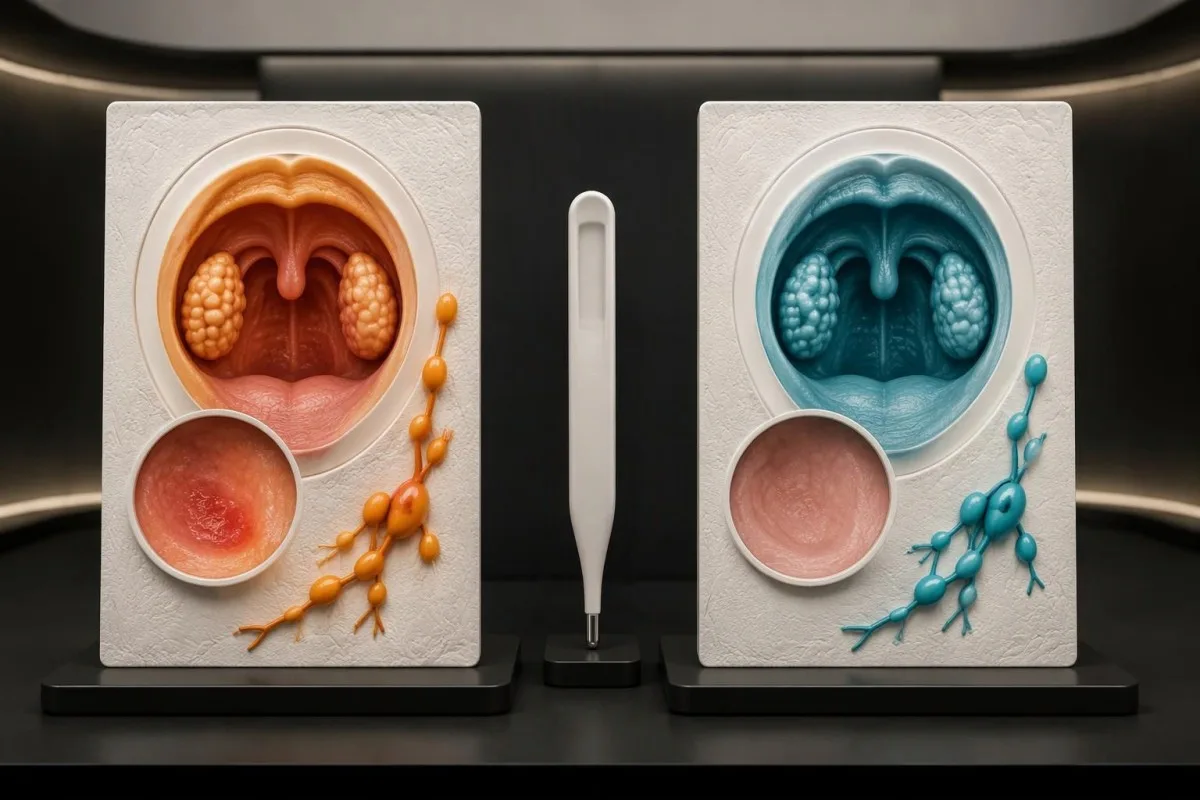
A child who is fever-free but remains exhausted, loses weight or develops daily pain has not truly returned to baseline. Growth is assessed through serial height and weight measurements, not 1 percentile in isolation; crossing growth centiles over time may justify investigation even when individual fever episodes resemble PFAPA and routine examinations during attacks look familiar.
Repeated ordinary infections are common in young children, but unusually severe, prolonged or unusual infections suggest a different evaluation. A history of 2 hospital-treated infections or recurrent deep infections matters differently from several mild colds; clinicians consider the organisms, sites, treatment response and family history, as discussed in our guide to မကြာခဏ ကူးစက်မှုကို စမ်းသပ်ခြင်း.
Inflammatory markers usually fall toward the laboratory reference range between PFAPA attacks, but an immediately post-fever sample may still reflect recovery. A persistent CRP of 25 mg/L on repeated genuinely well-day samples is not proof of another disease, yet it deserves explanation; a clinician may check for an unnoticed infection, ongoing inflammatory symptoms or a sampling timeline that was mislabeled.
PFAPA တွင် CRP၊ ESR နှင့် သွေးဆဲလ်အရေအတွက်များက မည်သည့်အချက်ကို ဖော်ပြသနည်း။
PFAPA attacks can raise CRP, ESR and neutrophil counts, but none of these tests confirms PFAPA or excludes infection. Many laboratories use a CRP upper reference limit around 5 mg/L, ဟု သတ်မှတ်ကြပြီး အချို့က 10 mg/L; the report's own range matters.
Consider a hypothetical child with CRP 80 mg/L during fever and 3 mg/L after recovery. That change supports an episodic inflammatory process but does not identify its cause; infection can produce the same pattern, while ESR may normalize more slowly than CRP, making a modestly raised recovery ESR less surprising than persistent symptoms or repeatedly elevated CRP.
White-cell interpretation must use age-appropriate absolute counts rather than adult ranges or percentages alone. At Kantesti, we emphasize that CRP 8 mg/dL equals 80 mg/L—a tenfold unit conversion that can otherwise create a false impression of improvement; our WBC နှင့် CRP နှိုင်းယှဉ်မှု explains why these markers can disagree because they change at different rates.
Procalcitonin is sometimes considered when serious bacterial infection is suspected, but it is not a standalone PFAPA discriminator. A low result, including a value below 0.1 ng/mL, cannot safely overrule a concerning examination or very early illness; the limits described in our procalcitonin အဓိပ္ပာယ်ဖွင့်ဆိုချက် လမ်းညွှန် matter more than using one reassuring number to justify home treatment.
ဆရာဝန်များသည် PFAPA ကို မည်သို့ ရောဂါရှာဖွေသနည်း။
PFAPA diagnosis is clinical: clinicians identify repeated characteristic attacks, document recovery between them and exclude plausible alternatives. Onset before age 5 supports traditional criteria, but later onset does not prevent a diagnosis when the overall pattern fits.
The diagnostic process usually starts with history and examination rather than an extensive panel of rare-disease tests. Wang et al. (2021) describe the value of stereotyped episodes, absence of typical respiratory symptoms, negative relevant cultures and response to prescribed corticosteroids; however, 1 negative throat swab or 1 rapid response cannot independently establish PFAPA, and classification criteria are not identical to bedside diagnosis.
Streptococcal testing addresses the current throat illness, while an ASO antibody test mainly reflects previous exposure. An ASO result of 400 IU/mL does not prove that today's recurrent fever is active strep infection; age, local reference ranges and symptom timing affect interpretation, as explained in our discussion of ASO and recent exposure.
ကန်တက်စတီသည် AI-powered သွေးစစ်ဆေးမှု ခွဲခြမ်းစိတ်ဖြာ ကိရိယာ that can contextualize laboratory units and repeated results, but 2 matching reports cannot confirm PFAPA. Our နည်းပညာပိုင်းနှင့် ဆေးဘက်ဆိုင်ရာ ကြီးကြပ်မှု information should not be read as validation of a PFAPA diagnostic test; pediatric or rheumatology assessment remains necessary when the pattern is atypical, severe or uncertain.
PFAPA ကို ထပ်ခါတလဲလဲ ဖြစ်သော ကူးစက်ရောဂါများနှင့် မည်သို့ ခွဲခြားသနည်း။
Repeated infections are more likely when episodes follow sick contacts, have varying symptoms or include cough, runny nose, diarrhea or a confirmed pathogen. PFAPA more often repeats a similar 3–7-day pattern with complete wellness between attacks, but the two can coexist.
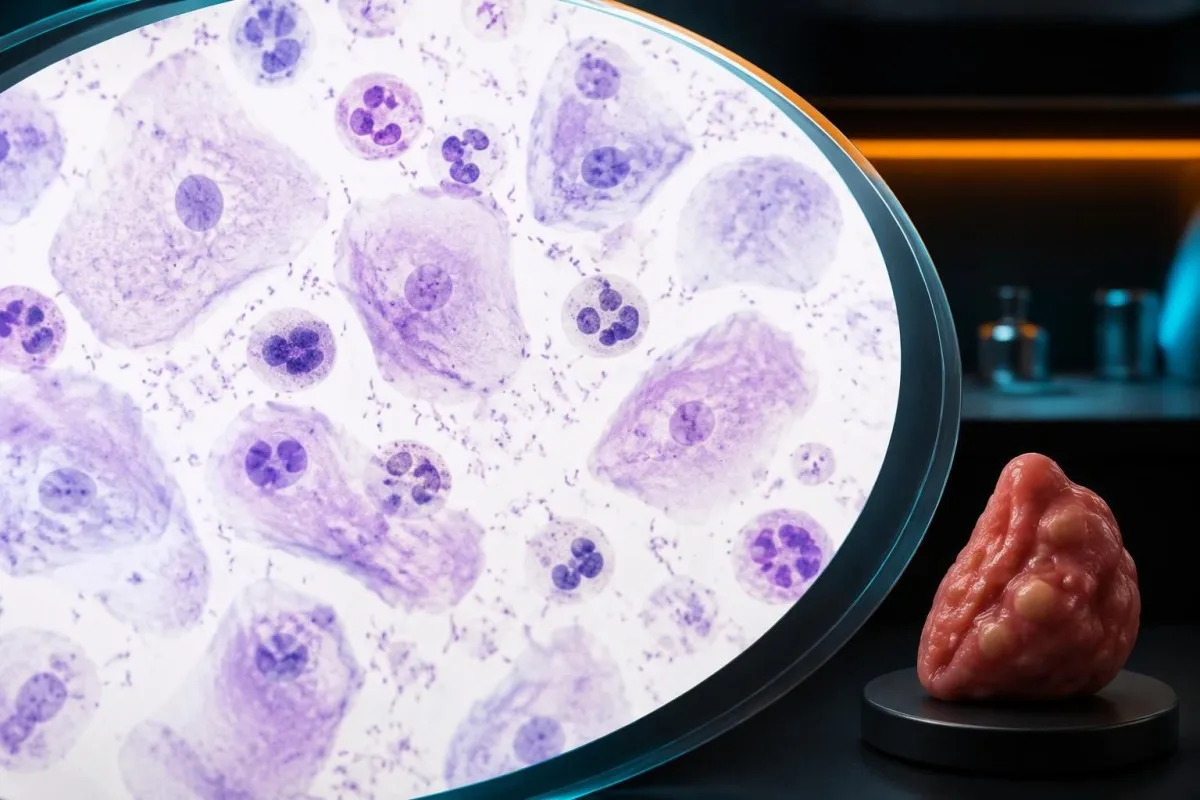
A positive respiratory PCR does not always explain the entire fever history. Adenovirus can remain detectable after an illness, so 1 positive result must be matched to current symptoms, examination and timing; our discussion of အက်ဒီနိုဗိုင်းရပ်စ် တွေ့ရှိမှုနှင့် စွန့်ထုတ်မှု explains why a molecular result may indicate recent exposure rather than the cause of every subsequent attack.
Longer-lasting sore throat, fatigue and gland enlargement can suggest a different illness rather than PFAPA. EBV antibody patterns distinguish recent infection from prior exposure more effectively than a single positive IgG result; our EBV ကိုယ်ခံအား ပုံစံ လမ်းညွှန် explains the roles of 3 commonly reported markers—VCA IgM, VCA IgG and EBNA IgG—without equating past exposure with today's symptoms.
Antibiotic response is also easy to misread. If an antibiotic begins on day 4 and the fever ends on day 5, spontaneous resolution of a PFAPA attack is possible; conversely, a confirmed bacterial infection still requires appropriate treatment, and neither previous PFAPA nor prior antibiotic failure permits a new illness with different symptoms to be dismissed without assessment.
PFAPA နှင့် ဆင်တူနိုင်သော အခြား အချိန်မှန်ပြန်ဖြစ်သည့် အဖျားရောဂါများမှာ အဘယ်နည်း။
စက်ဝန်းကျနျူထရိုဖီးလျော့နည်းခြင်း and inherited autoinflammatory disorders can resemble PFAPA, especially when mouth sores accompany recurring fever. Approximately 21-day cycles, severe infections, marked abdominal or chest pain, unusual rashes or persistent inflammation help clinicians decide which alternatives to investigate.
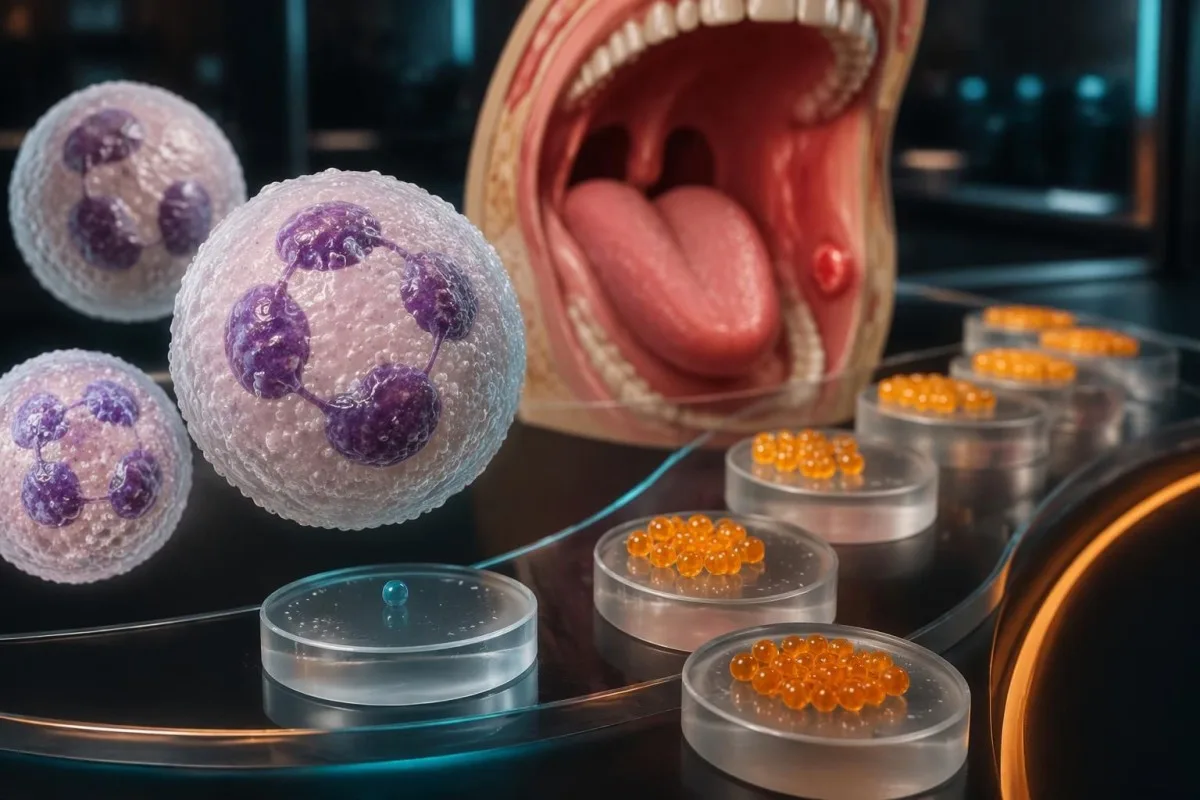
Cyclic neutropenia can produce recurrent fever, mouth sores and gum problems while a blood count between low-count periods looks normal. When suspected, clinicians may request CBCs 2–3 times weekly for about 6 weeks to identify repeated neutrophil nadirs; an absolute neutrophil count below 0.5 × 10^9/L during fever requires urgent clinical assessment rather than being labeled a routine PFAPA attack.
Familial Mediterranean fever often causes shorter attacks, commonly 12–72 hours, with abdominal or chest pain from serosal inflammation or joint symptoms. Our MEFV စစ်ဆေးမှု ရှင်းလင်းချက် shows why genotype and symptoms must be interpreted together; TRAPS may produce longer attacks, sometimes over 7 days, while mevalonate kinase deficiency can involve diarrhea, vomiting and attacks triggered by vaccination or other stressors.
Ancestry and family history guide assessment, but neither should become a gatekeeper that excludes an inherited disorder. Persistently raised serum amyloid A between attacks can indicate ongoing inflammation and requires context, as our serum amyloid A guide explains; a single high value during a 4-day fever does not diagnose amyloidosis, and typical PFAPA should not automatically be assigned the complication risks of other syndromes.
မည်သည့်အဖျားအန္တရာယ်လက္ခဏာများအတွက် အရေးပေါ်စစ်ဆေးမှု လိုအပ်သနည်း။
အရေးပေါ်ဆေးကုသမှု ခံယူပါ for fever with breathing difficulty, reduced responsiveness, a stiff neck, a non-blanching rash or severe dehydration. An infant younger than 3 months ထက်ငယ်သော ကလေးငယ်တွင် အပူချိန် 38°C以上 needs urgent medical assessment, even if a family member has PFAPA.
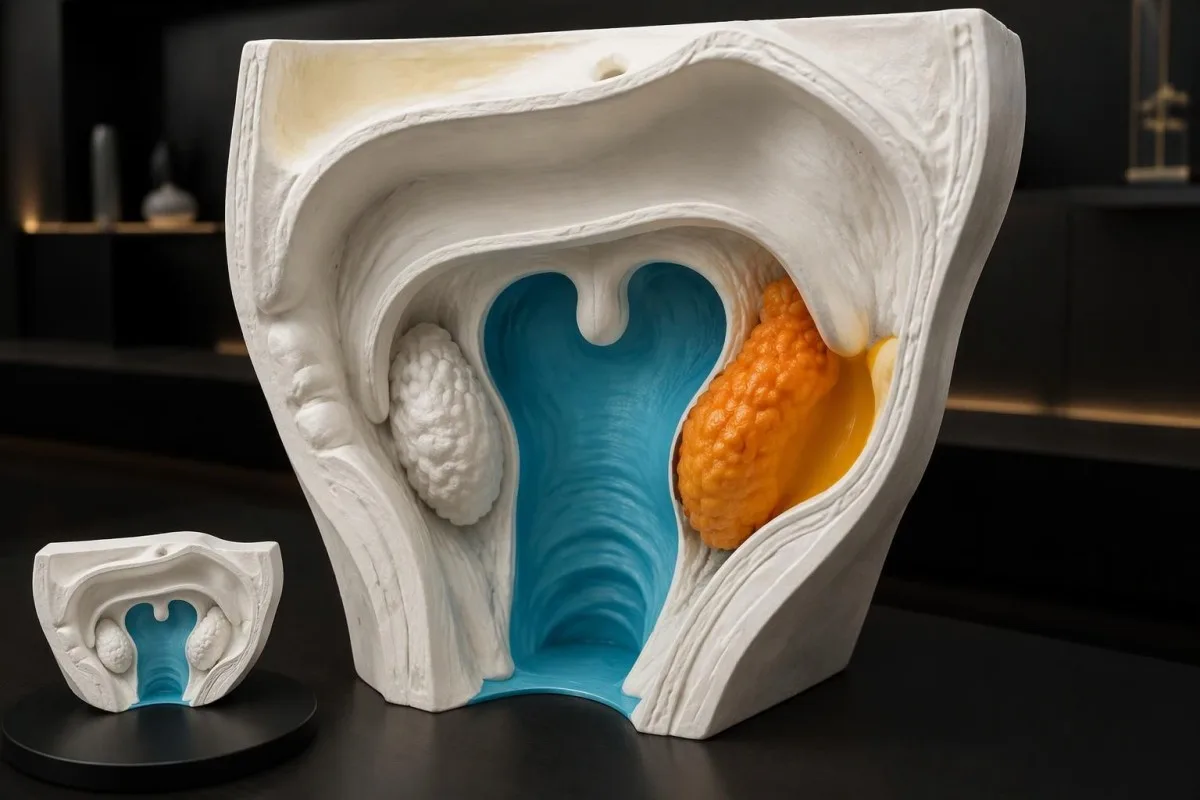
Difficulty swallowing saliva, drooling, a muffled voice or marked one-sided throat swelling can indicate an airway-threatening problem rather than a usual PFAPA flare. A child aged 3–6 months with a temperature of 39°C or higher also needs urgent assessment; contact local emergency services for immediate danger instead of waiting for a blood result or an expected fever endpoint.
Fever lasting 5 days or longer warrants prompt medical review, particularly with red eyes, cracked lips, rash or swollen hands and feet. These findings can suggest Kawasaki disease, discussed in our Kawasaki assessment guide; incomplete presentations occur, so clinicians do not require every classic feature, and concerning symptoms should be assessed before day 5 rather than waiting for a threshold.
New severe localized abdominal pain, persistent vomiting or inability to walk normally should not be attributed to PFAPA without examination. Even 1 normal WBC or CRP result cannot reliably exclude an early abdominal emergency, as our appendicitis laboratory limits explain; children with a known fever syndrome can still develop unrelated illnesses, especially when the attack looks different from their established pattern.
PFAPA တိုက်ခိုက်မှုများကို မည်သို့ကုသသနည်း၊ စတီးရွိုက်ကို တုံ့ပြန်မှုက ဘာကိုဆိုလိုသနည်း။
PFAPA attack treatment focuses on comfort, hydration and, when prescribed, corticosteroids that often stop fever within hours. Published prednisone or prednisolone regimens range from 0.5–2 mg/kg, but dosing, maximum dose and eligibility must be set by the treating clinician.
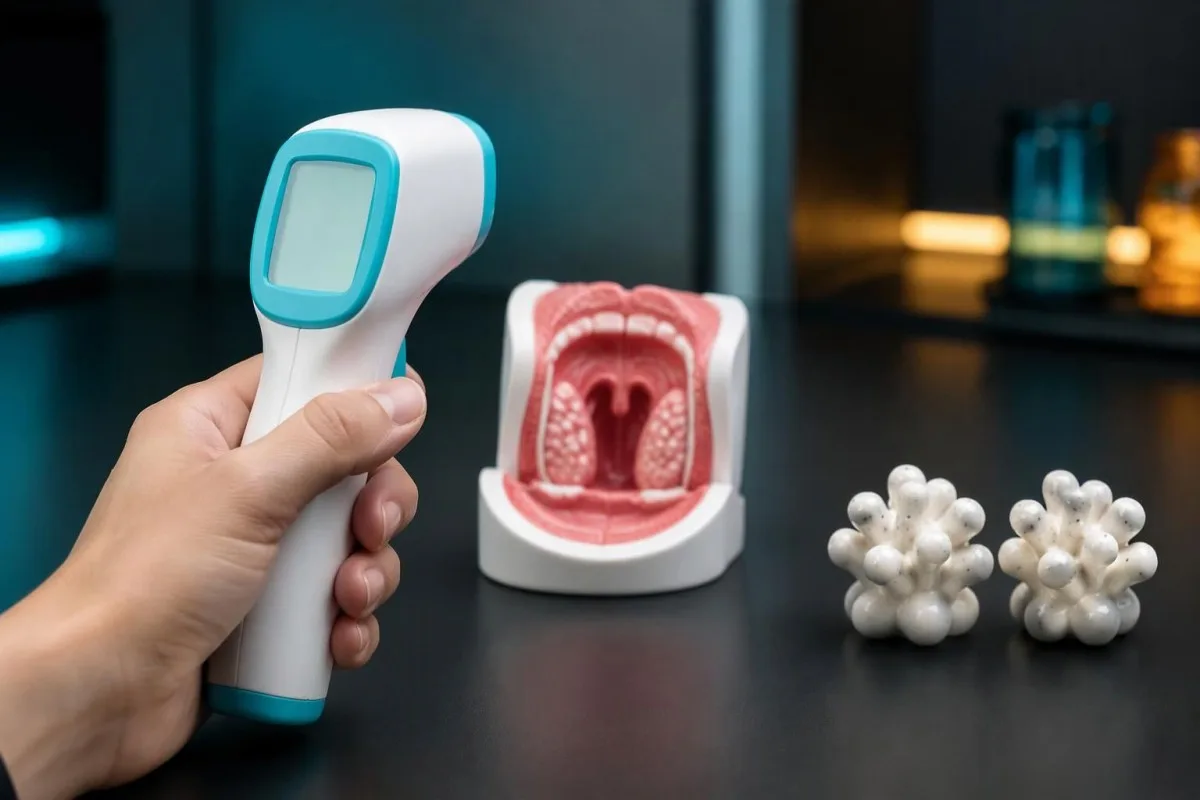
Vanoni et al. (2016) describe rapid corticosteroid responses alongside the limitation that treatment may shorten the interval to the next attack. Reports summarized in that review estimated shorter intervals in approximately 25–50% of patients, but these observations come from heterogeneous studies rather than a precise prediction for an individual child; attack control and long-term prevention are separate treatment goals.
For a hypothetical 20-kg child, a clinician-selected dose of 1 mg/kg would equal 20 mg; this calculation illustrates weight-based prescribing, not a home-treatment recommendation. Families need a written plan explaining when a familiar attack qualifies for treatment, when to seek assessment first and what to do if the expected response does not occur—especially if symptoms suggest a new infection.
Antipyretics may improve discomfort even when they do not end the inflammatory episode. Choose child-appropriate preparations with a clinician or pharmacist, avoid aspirin unless specifically prescribed and do not duplicate paracetamol/acetaminophen across 2 products; Kantesti cannot authorize steroid treatment, and our discussion of ကလေးများအတွက် AI အနက်ဖွင့်ခြင်း explains why pediatric decisions need more than laboratory pattern recognition.
ကြိုတင်ကာကွယ်ဆေးဝါးများ သို့မဟုတ် အာသီးခွဲစိတ်ဖယ်ရှားခြင်းကို မည်သည့်အခါတွင် စဉ်းစားသနည်း။
Prevention or tonsillectomy may be considered when PFAPA attacks repeatedly disrupt daily life or attack treatment is unsatisfactory. A Cochrane review included 2 randomized trials involving 67 children, finding benefit from tonsil surgery while emphasizing the limited size of the evidence base.
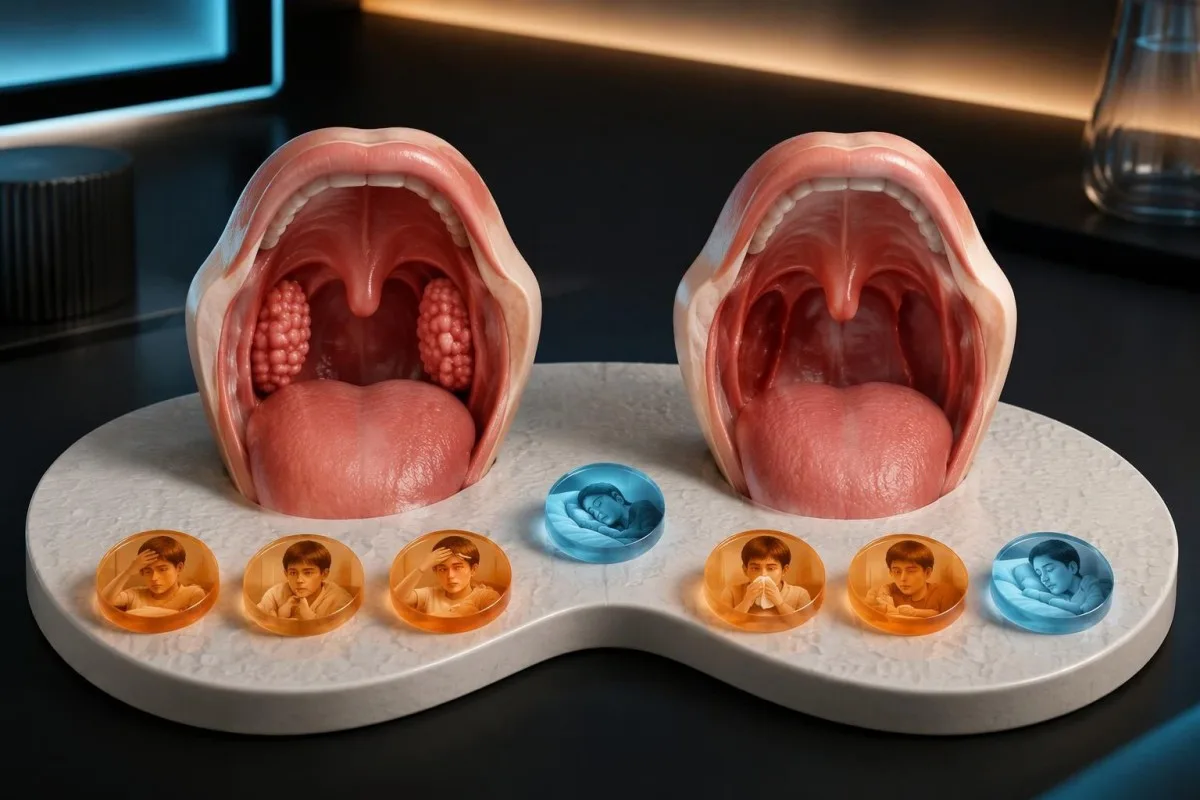
Burton et al. (2019) judged the evidence for several tonsillectomy outcomes to be of moderate certainty, but the trials were too small to characterize uncommon harms confidently. The evidence concerns selected children rather than every person with recurrent sore throat; a child missing 4 school days each month may value potential benefit differently from a child with infrequent, easily managed attacks.
Colchicine is sometimes used to reduce attacks under specialist supervision, whereas cimetidine has less convincing evidence. Treatment selection should consider the diagnosis, kidney and liver function, other medicines and the possibility of an inherited fever disorder; when several options exist, agree in advance on a measurable goal, such as fewer attacks across 3 months, rather than assuming a changed laboratory number demonstrates success.
Tonsillectomy carries postoperative pain, dehydration, anesthesia-related risks and bleeding risk, even when it improves PFAPA. Kantesti's တာဝန်ယူမှုရှိသော AI လမ်းညွှန်ချက် supports a clear boundary: neither 1 elevated inflammatory marker nor an automated report can decide whether surgery is appropriate; that discussion belongs with the treating pediatric team and an ENT specialist who can assess the child's individual risks.
PFAPA ရှိသော ကလေးများ၊ လူကြီးများနှင့် မိသားစုများအတွက် မည်သည့်နောက်ဆက်တွဲစောင့်ရှောက်မှုက အထောက်အကူဖြစ်သနည်း။
PFAPA follow-up should track attack burden, growth or weight, treatment response and any symptoms between episodes. Many childhood cases improve over several years, but persistence, relapse and adult-onset disease occur; a 3-month review interval can be a practical individualized plan rather than a universal rule.

Adults require the same attention to repeated patterns and alternative causes, not an assumption that PFAPA is impossible after childhood. Fever with oral sores and pharyngitis can support the diagnosis, but new constitutional symptoms, persistent gland enlargement or abnormal findings between attacks need assessment; a 35-year-old with a first prolonged fever should not self-diagnose PFAPA from an online symptom match.
Prepare a concise appointment summary: attack dates, duration, associated features, well-day symptoms, test results and response to prescribed treatment. Include 1 clearly labeled attack sample and any clinician-requested recovery sample, rather than ordering a broad panel every month; repeated testing is useful only when it answers a specific question, such as whether inflammation persists or neutrophil counts cycle.
ကန်တက်စတီသည် AI သွေးစစ်ဆေးမှု ရလဒ် ပလက်ဖောင်း that can help explain uploaded CBC and inflammatory-marker reports alongside their dates, units and stated reference ranges. For a family sharing 2 or more records, check each person's identity and consent before upload, and review our ကိုယ်ရေးအချက်အလက်ကာကွယ်ရေးနှင့် ဒေတာကိုင်တွယ်မှု; AI explanation does not replace pediatric examination, urgent triage or a specialist diagnosis.
သုတေသနစာတမ်းများ—အထောက်အထားနှင့် နောက်ခံဓာတ်ခွဲခန်းလမ်းညွှန်များ
PFAPA evidence comes from clinical descriptions, differential-diagnosis research and treatment studies—not from a specific clotting or serum-protein test. The 2 background publications below explain other laboratory topics and should not be mistaken for studies validating PFAPA diagnosis.
The peer-reviewed PFAPA review by Wang et al. (2021), treatment review by Vanoni et al. (2016) and Cochrane analysis by Burton et al. (2019) directly inform this article's clinical discussion. The surgical review's 67-child evidence base illustrates why certainty must be proportionate to study size; a named source supports a specific claim, not every recommendation made elsewhere on the page.
Kantesti ၏ clotting test background guide နှင့် သွေးရည်ကြည်ပရိုတင်းဆိုင်ရာ နောက်ခံလမ်းညွှန် accompany the 2 Zenodo records listed below. Neither aPTT nor an albumin/globulin ratio confirms PFAPA, and neither guide establishes that routine testing of those markers improves PFAPA care; additional tests should follow an identified clinical concern rather than the availability of a panel.
Evidence interpretation should distinguish a repository-hosted educational guide from a peer-reviewed condition-specific study or systematic review. Our ဆေးဘက်ဆိုင်ရာ အကြောင်းအရာစံနှုန်းများ explain the editorial approach; for a child with 3 apparently similar attacks, the practical priority remains documented recovery, targeted exclusion of alternatives and a clear safety plan, not accumulating more citations or tests that do not answer the clinical question.
ተደጋግሞ የሚጠየቁ ጥያቄዎች
PFAPA ရောဂါစုဆိုတာ ဘာလဲ?
PFAPA ရောဂါစုသည် ပါးစပ်အတွင်း အက်ဖ်သပ်အနာများ၊ လည်ချောင်းရောင်ခြင်းနှင့် လည်ပင်းရှိ လင့်ဖ်အကျိတ်များ ရောင်ရမ်းခြင်းတို့နှင့်အတူ ထပ်ခါတလဲလဲ ဖျားနာစေသော ကိုယ်ခံအားစနစ်မှ ဖြစ်ပေါ်သည့် ရောင်ရမ်းမှုအခြေအနေတစ်ခုဖြစ်သည်။ ရောဂါဖြစ်စဉ်များသည် ပုံမှန်အားဖြင့် ၃–၇ ရက်ကြာပြီး ရက်သတ္တပတ်အနည်းငယ်ခြားတိုင်း ပြန်ဖြစ်တတ်ကာ ရောဂါဖြစ်ပွားချိန်များကြားတွင် ကျန်းမာရေးပုံမှန်ရှိသည်။ ဤအခြေအနေသည် ပုံမှန်အားဖြင့် အသက် ၅ နှစ်မတိုင်မီ စတင်တတ်သော်လည်း အသက်ပိုကြီးသော ကလေးများနှင့် လူကြီးများတွင်လည်း ဖြစ်ပွားနိုင်သည်။ PFAPA ကို အတည်ပြုနိုင်သည့် သွေးစစ်ဆေးမှုတစ်မျိုးတည်း မရှိသောကြောင့် ရောဂါရှာဖွေခြင်းသည် ထပ်ခါတလဲလဲ တွေ့ရသည့် ရောဂါလက္ခဏာပုံစံနှင့် အခြားဖြစ်နိုင်သော အကြောင်းရင်းများကို စစ်ဆေးအကဲဖြတ်ခြင်းအပေါ် မူတည်သည်။
PFAPA အဖျားများ ဘယ်နှကြိမ် ဖြစ်ပွားသလဲ။
PFAPA အဖျားများသည် ပုံမှန်အားဖြင့် ၂–၈ ပတ်ခန့်ခြား၍ ပြန်ဖြစ်တတ်ပြီး၊ တစ်ကြိမ်ဖြစ်ပွားလျှင် အများအားဖြင့် ၃–၇ ရက်ကြာတတ်သည်။ အချို့ကလေးများတွင် ဖြစ်ပွားချိန်ကာလများ အလွန်မှန်မှန်ရှိသော်လည်း အချို့တွင် ကြားကာလများ မတူညီတတ်ပါ။ ကော်တီကိုစတီးရွိုက် ကုသမှုကြောင့် နောက်တစ်ကြိမ်ဖြစ်ပွားသည်အထိ ကြာချိန် တိုသွားနိုင်သဖြင့် ဆေးပေးသည့်အချိန်ကို အဖျားမှတ်တမ်းတွင် ထည့်သွင်းမှတ်သားသင့်သည်။ အဖျားမကျဘဲ ဆက်လက်ရှိနေခြင်း၊ သို့မဟုတ် အကြိမ်များကြားတွင် ကျန်းမာသည့်အခြေအနေသို့ ပြန်မရောက်ခြင်းတို့ရှိပါက PFAPA နှင့် ကိုက်ညီသည်ဟု ယူဆမထားဘဲ ပြန်လည်အကဲဖြတ်ရန် လိုအပ်သည်။
CRP သွေးစစ်ချက်တန်ဖိုး မြင့်နေခြင်းဖြင့် PFAPA ကို ရောဂါရှာဖွေနိုင်ပါသလား?
CRP အဆင့်မြင့်ခြင်းသည် PFAPA ကို ရောဂါရှာဖွေသတ်မှတ်နိုင်ခြင်း မရှိပါ၊ အကြောင်းမှာ ရောဂါပိုးဝင်ခြင်းနှင့် အခြားရောင်ရမ်းမှုဆိုင်ရာရောဂါများကြောင့်လည်း အလားတူ မြင့်တက်နိုင်သောကြောင့် ဖြစ်သည်။ ဥပမာ၊ ဖျားနေစဉ် CRP 80 mg/L ရှိပြီး ပြန်လည်နာလန်ထူပြီးနောက် 3 mg/L ဖြစ်ခြင်းသည် အပိုင်းလိုက်ဖြစ်ပွားသော ရောင်ရမ်းမှုကို ထောက်ခံသော်လည်း ၎င်း၏အကြောင်းရင်းကို ဖော်ထုတ်မပေးနိုင်ပါ။ ဓာတ်ခွဲခန်းများစွာတွင် CRP ရည်ညွှန်းတန်ဖိုး၏ အပေါ်ဆုံးကန့်သတ်ချက်ကို 5 mg/L ဝန်းကျင် သတ်မှတ်ကြပြီး၊ အချို့တွင် 10 mg/L သတ်မှတ်ကြသည်။ ဆရာဝန်များသည် ရောဂါလက္ခဏာများ၊ စမ်းသပ်စစ်ဆေးတွေ့ရှိချက်များ၊ နမူနာယူသည့်အချိန်နှင့် သက်ဆိုင်ရာ ရောဂါပိုးစစ်ဆေးမှုရလဒ်များနှင့် တွဲဖက်၍ ရလဒ်ကို အဓိပ္ပာယ်ဖော်ကြသည်။
PFAPA သည် ကူးစက်တတ်ပါသလား၊ ပဋိဇီဝဆေးများ လိုအပ်ပါသလား။
PFAPA ကိုယ်တိုင်သည် ကူးစက်တတ်ခြင်းမရှိသလို ပဋိဇီဝဆေးများကလည်း ၎င်း၏ အခြေခံရောင်ရမ်းမှုဖြစ်စဉ်ကို ကုသမပေးနိုင်ပါ။ ပုံမှန်အားဖြင့် ၃–၇ ရက်ကြာတတ်သော တိုက်ခိုက်မှုတစ်ခုသည် ပဋိဇီဝဆေးစတင်သောက်ပြီးနောက် သဘာဝအတိုင်း ပြီးဆုံးသွားနိုင်သဖြင့် ပဋိဇီဝဆေးက အာနိသင်ရှိသကဲ့သို့ မှားယွင်းသောထင်မြင်ချက် ဖြစ်ပေါ်စေနိုင်ပါသည်။ PFAPA ရှိသော ကလေးများသည် ကူးစက်တတ်သော ဗိုင်းရပ်စ်ရောဂါများ သို့မဟုတ် ဘက်တီးရီးယားပိုးဝင်ခြင်းများကိုလည်း ကူးစက်ခံရနိုင်ပါသည်။ လက္ခဏာများကွဲပြားသော အဖျားအသစ်ဖြစ်ခြင်း၊ ဖျားနာသူများနှင့် ထိတွေ့ထားခြင်း သို့မဟုတ် ဘက်တီးရီးယားကြောင့်ဖြစ်ကြောင်း အတည်ပြုထားခြင်းရှိပါက သီးခြားအကဲဖြတ်ပြီး သင့်လျော်သလို ကုသသင့်ပါသည်။
Prednisone ကို လျင်မြန်စွာ တုံ့ပြန်ခြင်းက PFAPA ဖြစ်ကြောင်း သက်သေပြသလား?
ဆရာဝန်ညွှန်ကြားထားသော prednisone သို့မဟုတ် prednisolone ကို လျင်မြန်စွာတုံ့ပြန်ခြင်းသည် PFAPA ဖြစ်နိုင်ခြေကို ထောက်ခံသော်လည်း ရောဂါအတည်ပြုချက်ကို သက်သေမပြပါ။ ထုတ်ဝေထားသော PFAPA ကုသမှုနည်းလမ်းများတွင် 0.5–2 mg/kg ပါဝင်ပြီး အမှန်တကယ်သုံးစွဲမည့်ပမာဏနှင့် အများဆုံးပမာဏကို ကုသပေးနေသော ဆရာဝန်က သတ်မှတ်ရမည်။ ကော်တီကိုစတီးရွိုက်များသည် အခြားရောဂါအခြေအနေများကြောင့်ဖြစ်သော လက္ခဏာများကို ဖိနှိပ်နိုင်ပြီး နောက်ထပ် PFAPA ရောဂါထကြွမှုမတိုင်မီ ကြားကာလကို ပိုတိုစေနိုင်သည်။ ရောဂါဖြစ်စဉ်တစ်ခုသည် ပုံမှန်ထက် အလွန်ပြင်းထန်နေပါက သို့မဟုတ် ကွဲပြားနေပါက မကုသမီ ဆေးဘက်ဆိုင်ရာစစ်ဆေးအကဲဖြတ်မှု ခံယူပြီး မိသားစုများသည် စာဖြင့်ရေးသားထားသော ကုသမှုအစီအစဉ်ကို လိုက်နာသင့်သည်။
PFAPA သံသယရှိသော ကလေးကို ဘယ်အချိန်မှာ အရေးပေါ်ဆေးကုသမှု ခံယူစေသင့်သလဲ?
PFAPA ဟု သံသယရှိသော ကလေးတစ်ဦးတွင် အသက်ရှူရခက်ခဲခြင်း၊ တုံ့ပြန်မှုလျော့နည်းခြင်း၊ လည်ပင်းတောင့်တင်းခြင်း၊ ဖိလိုက်သော်လည်း အရောင်မဖျော့သည့် အဖုအပိန့်များ သို့မဟုတ် ပြင်းထန်သော ရေဓာတ်ခန်းခြောက်ခြင်းတို့နှင့်အတူ ဖျားနာပါက အရေးပေါ်ကုသမှုခံယူရန် လိုအပ်သည်။ အသက် ၃ လအောက် ကလေးငယ်တွင် အပူချိန် ၃၈°C သို့မဟုတ် ထို့ထက်မြင့်ပါက အမြန်ဆုံး ဆေးဘက်ဆိုင်ရာ စစ်ဆေးအကဲဖြတ်မှု ခံယူရမည်။ အဖျား ၅ ရက် သို့မဟုတ် ထို့ထက်ပိုကြာပါကလည်း အထူးသဖြင့် မျက်လုံးနီခြင်း၊ အဖုအပိန့်ထွက်ခြင်း၊ နှုတ်ခမ်းကွဲအက်ခြင်း သို့မဟုတ် လက်နှင့်ခြေများ ရောင်ရမ်းခြင်းတို့ပါရှိပါက ဆေးဘက်ဆိုင်ရာ စစ်ဆေးမှုကို အမြန်ခံယူသင့်သည်။ ယခင်က PFAPA ဟု ရောဂါသတ်မှတ်ခံထားရခြင်းကြောင့် လက္ခဏာမတူသော ရောဂါအသစ်တစ်ခုကို လျစ်လျူရှုရန် ဘေးကင်းသည်ဟု မဆိုလိုပါ။
သင့်သွေးစစ်ဆေးမှု ရလဒ်ကို ရှင်းလင်းချက်ရယူပါ
သင့်ဓာတ်ခွဲခန်းအစီရင်ခံစာကို တင်ပါ၊ Kantesti ၏ AI က ဇီဝအမှတ်အသားတစ်ခုစီကို နားလည်လွယ်သော ဘာသာစကားဖြင့် စက္ကန့်ပိုင်းအတွင်း ရှင်းပြပေးမည်။ ကမ္ဘာတစ်ဝန်းရှိ လူ ၂ သန်းကျော် အသုံးပြုထားသည်။.
ကိုးကားချက်များ
- Klein, T., Mitchell, S., & Weber, H. (2026)။. aPTT ပုံမှန်အကွာအဝေး៖ D-Dimer၊ Protein C သွေးခဲခြင်းဆိုင်ရာ လမ်းညွှန်။. Kantesti AI ဆေးဘက်ဆိုင်ရာသုတေသန။. DOI
- Klein, T., Mitchell, S., & Weber, H. (2026)။. သွေးရည်ကြည်ပရိုတင်း လမ်းညွှန်៖ Globulins၊ Albumin နှင့် A/G အချိုး သွေးစစ်ဆေးမှု။. Kantesti AI ဆေးဘက်ဆိုင်ရာသုတေသန။. DOI
- Wang A et al. (2021). Periodic fever, aphthous stomatitis, pharyngitis, and adenitis (PFAPA) syndrome: A review. World Journal of Otorhinolaryngology - Head and Neck Surgery. DOI
- Vanoni F et al. (2016). PFAPA syndrome: a review on treatment and outcome. Pediatric Rheumatology. DOI
- Burton MJ et al. (2019). Tonsillectomy for periodic fever, aphthous stomatitis, pharyngitis and cervical adenitis syndrome (PFAPA). Cochrane စနစ်တကျသုံးသပ်ချက်များ ဒေတာဘေ့စ်။. DOI
- 2M+ခွဲခြမ်းစိတ်ဖြာထားသော စစ်ဆေးမှုများ
- 127+နိုင်ငံတွေ
- 100+ဘာသာစကားများ
ဆေးဘက်ဆိုင်ရာအဖွဲ့အကြောင်း


E-E-A-T ယုံကြည်မှု အချက်ပြများ
အတွေ့အကြုံ
ဆရာဝန်ဦးဆောင်သည့် ဓာတ်ခွဲခန်း အဓိပ္ပာယ်ဖတ်ခြင်း လုပ်ငန်းစဉ်များကို ပြန်လည်သုံးသပ်ခြင်း။.
ကျွမ်းကျင်မှု
biomarker များသည် ဆေးဘက်ဆိုင်ရာ အခြေအနေတွင် မည်သို့ ပြုမူနေသည်ကို အာရုံစိုက်သည့် ဓာတ်ခွဲခန်း ဆေးပညာ။.
အခွင့်အာဏာရှိခြင်း
ဒေါက်တာ Sarah Mitchell နှင့် ပါမောက္ခ ဒေါက်တာ Hans Weber တို့၏ ပံ့ပိုးကူညီမှုဖြင့် ဒေါက်တာ Thomas Klein က ဆေးဘက်ဆိုင်ရာသုံးသပ်မှုပြုလုပ်ထားသည်။.
ယုံကြည်စိတ်ချရမှု
စိတ်ပူစရာများကို လျော့ချရန်အတွက် ရှင်းလင်းသော နောက်ဆက်တွဲ လမ်းကြောင်းများပါဝင်သည့် သက်သေအထောက်အထားအခြေပြု အဓိပ္ပာယ်ဖတ်ချက်။.





ဆေးဘက်ဆိုင်ရာ ငြင်းဆိုချက်
ဤဆောင်းပါးသည် ပညာရေးဆိုင်ရာ ရည်ရွယ်ချက်အတွက်သာ ဖြစ်ပြီး ဆေးဘက်ဆိုင်ရာ အကြံဉာဏ် မဟုတ်ပါ။ ရောဂါရှာဖွေခြင်းနှင့် ကုသမှု ဆုံးဖြတ်ချက်များအတွက် အရည်အချင်းပြည့်မီသော ကျန်းမာရေးစောင့်ရှောက်မှုပေးသူနှင့် အမြဲတမ်း တိုင်ပင်ပါ။.
ထုတ်ဝေသည်။ · အယ်ဒီတာအဖွဲ့ကို ဆက်သွယ်ပါ
Kantesti Ltd မှ ထုတ်ဝေသည်၊ အင်္ဂလန်နှင့် ဝေလနယ်တွင် မှတ်ပုံတင်ထားပြီး ကုမ္ပဏီအမှတ်. 17090423, ၊ လန်ဒန်၊ ယူနိုက်တက်ကင်းဒမ်း။.
