
EBV ပဋိဇီဝပိုးများသည် သီးခြား အပြုသဘော သို့မဟုတ် အနုတ်လက္ခဏာ အမှတ်အသားများထက် ပုံစံတစ်ခုအနေဖြင့် အသုံးအများဆုံးဖြစ်သည်။ ယခုအခါ ဆရာဝန်များသည် ဖြစ်နိုင်သော ကူးစက်မှုအသစ်ကို ယခင်က ဖြစ်ပွားခဲ့သော ကူးစက်မှုနှင့် ပြန်လည်စစ်ဆေးရန် လိုအပ်သော ရလဒ်များမှ ခွဲခြားနည်းကို ရှင်းပြထားသည်။.



- VCA IgM positive VCA IgG အပြုသဘောနှင့် EBNA အနုတ်လက္ခဏာဖြင့် အများစုသည် မကြာသေးမီက ဖြစ်ပွားခဲ့သော EBV ကူးစက်မှုကို ထောက်ခံသော်လည်း ရောဂါလက္ခဏာများနှင့် အချိန်ကိုက်ညီမှု ရှိရပါမည်။.
- VCA IgG positive ယေဘုယျအားဖြင့် တစ်သက်လုံး ဆက်လက်သိရှိနိုင်သည်။ ၎င်းသည် တက်ကြွသော mononucleosis သို့မဟုတ် ကူးစက်နိုင်မှုကို မပြပါ။.
- EBNA antibody meaning EBNA IgG နှင့် VCA IgG နှစ်ခုလုံး အပြုသဘောဆောင်ပြီး VCA IgM အနုတ်လက္ခဏာရှိနေချိန်တွင် ယခင်က ဖြစ်ပွားခဲ့သော ကူးစက်မှုကို ယေဘုယျအားဖြင့် ညွှန်းဆိုပါသည်။.
- All three negative ယခင် EBV ထိတွေ့မှု မရှိခြင်းကို ဆိုလိုနိုင်သော်လည်း ဖျားနာနေသည့် ပထမ ၇ ရက်အတွင်း စစ်ဆေးခြင်းသည် တိုးတက်နေသော ကူးစက်မှုကို လွဲချော်သွားစေနိုင်သည်။.
- သီးခြား VCA IgM CMV, parvovirus B19 နှင့် autoimmune antibodies အပါအဝင် cross-reactivity မှ အဓိပ္ပာယ်ရှိသော false-positive အန္တရာယ်ရှိသည်။.
- Monospot စစ်ဆေးမှု အသက် 5 နှစ်အောက် ကလေးများတွင် ယုံကြည်စိတ်ချရမှုနည်းပြီး ဖျားနာနေသည့် ပထမ 1 မှ 2 ပတ်အတွင်း အနုတ်လက္ခဏာဆောင်နေနိုင်ပါသည်။.
- ထပ်မံစစ်ဆေးခြင်း 10 မှ 14 ရက်အတွင်းတွင် မရေမရာသော လူနာပြင်ပ ကိုယ်ခံအားပုံစံအတွက် အမြန် EBV PCR ထက် ပိုအသုံးဝင်ပါသည်။.
- ထိတွေ့သည့်အားကစားများကို ရှောင်ကြဉ်ပါ ပြင်းထန်သော mononucleosis ကို သံသယရှိပါက၊ အထူးသဖြင့် ရောဂါလက္ခဏာများ၏ ပထမ 21 ရက်အတွင်း သရက်ရွက်အန္တရာယ်ကို ဆရာဝန်မှ အကဲဖြတ်ပြီးသည်အထိ။.
How to Read an EBV Antibody Pattern Rather Than One Positive Result
VCA IgM အပြုသဘော၊ VCA IgG အပြုသဘောနှင့် EBNA IgG အနုတ်လက္ခဏာဖြစ်သောအခါ EBV သွေးစစ်ဆေးမှု ရလဒ်များသည် ဖြစ်နိုင်ခြေရှိသော ကူးစက်မှုကို အများဆုံးထောက်ခံပါသည်။. VCA IgG အပြုသဘောတစ်ခုတည်းသည် ယခင်ကူးစက်မှုကို ဆိုလိုသည်၊ လက်ရှိ mono ကိုမဟုတ်ပါ။ စက်တင်ဘာလ 12, 2026 အထိ၊ ထိုသုံး-အမှတ်အသား အနက်ပြန်ဆိုမှုသည် ပုံမှန်စောင့်ရှောက်မှုတွင် လက်တွေ့ကျသော အစမှတ်အဖြစ် ကျန်ရှိနေပါသည်။.
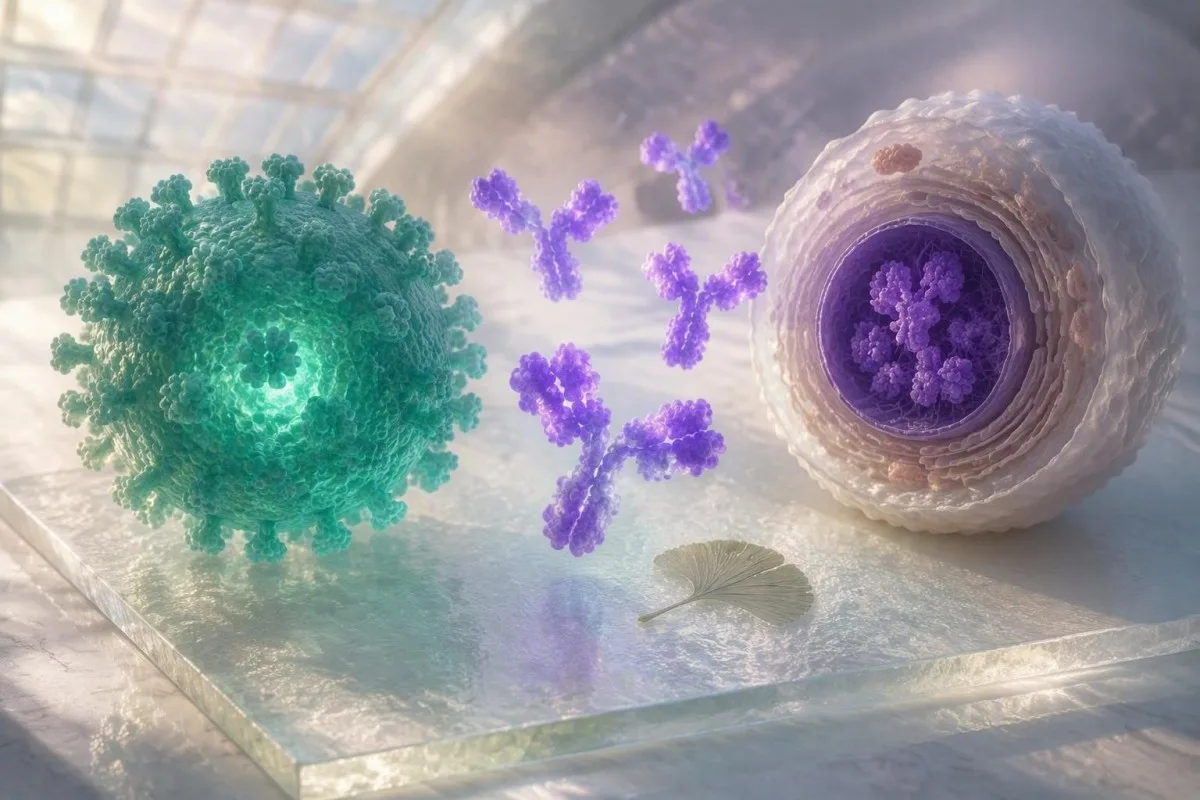
အသုံးဝင်သော မေးခွန်းမှာ “EBV ကိုယ်ခံအား တစ်ခုခု အပြုသဘောဆောင်နေသလား” မဟုတ်ဘဲ “မည်သည့် ကိုယ်ခံအားများ အတူတကွ ရှိနေသနည်း” ဖြစ်ပါသည်။” VCA သည် ဗိုင်းရပ်စ် capsid antigen ဖြစ်ပြီး ၎င်းကို ကိုယ်ခံအားများသည် မကြာခဏ စောစီးစွာ ပေါ်လာပါသည်။; EBNA သည် Epstein-Barr နျူကလီးယား antigen ဖြစ်ပြီး ယေဘုယျအားဖြင့် နောက်ပိုင်းတွင် ပေါ်လာပါသည်။ A အပြုသဘောဆောင်သော ကိုယ်ခံအားရလဒ် သည် ယနေ့ဖြစ်သော ပင်ပန်းနွမ်းနယ်မှုကို အလိုအလျောက် မဖော်ထုတ်ဘဲ ကိုယ်ခံအားမှတ်တမ်းကို မှတ်တမ်းတင်ပါသည်။.
ကျွန်ုပ်၏ ဆေးဘက်ဆိုင်ရာ အလုပ်တွင်၊ အဖြစ်များဆုံး စိုးရိမ်မှုဖြစ်စေသော အစီရင်ခံစာမှာ VCA IgG အပြုသဘောဖြစ်ပြီး လုံးဝပုံမှန် သို့မဟုတ် အနည်းငယ်ပုံမှန်မဟုတ်သော သွေးလုံးလုံး အပြည့်အစုံဖြစ်သည်။ ကမ္ဘာတစ်ဝှမ်းရှိ လူကြီးအများစု၏ 90% မှ 95% ခန့်သည် ယခင် EBV ကူးစက်မှု၏ အထောက်အထားရှိပြီး၊ ထို့ကြောင့် ထိုသီးခြားတွေ့ရှိချက်ကို လူကြီးအများစုတွင် မျှော်လင့်ပါသည်။ ၎င်းသည် ယမန်နှစ်က၊ ပြီးခဲ့သည့်အပတ်က သို့မဟုတ် ကလေးဘဝက ကူးစက်မှုကို မခန့်မှန်းနိုင်ပါ။.
ကန်တက်စတီသည် AI သွေးစမ်းသပ်မှုခွဲခြမ်းစိတ်ဖြာ သည် VCA IgM, VCA IgG နှင့် EBNA ပေါင်းစပ်မှုကို ရောဂါလက္ခဏာ ကြာချိန်၊ လင့်ဖိုဆိုက် ရလဒ်များနှင့် အသည်းအင်ဇိုင်းများနှင့်အတူ ဖတ်သည်။ အကြောင်းမှာ မျှော်လင့်ထားသော ကိုယ်ခံအား အစီအစဉ်မရှိဘဲ မြင့်မားနေသော အ atypical lymphocyte ရာခိုင်နှုန်းသည် mono ဖြင့် အမည်တပ်ခြင်းထက် ကွဲပြားမှုကို ကျယ်ပြန့်စေသင့်သောကြောင့် ဖြစ်ပါသည်။.
What VCA IgM, VCA IgG and EBNA Each Measure
VCA IgM သည် အစောပိုင်း ကိုယ်ခံအား တုံ့ပြန်မှုဖြစ်ပြီး၊ VCA IgG သည် ကြာရှည်ခံသော ထိတွေ့မှု အမှတ်အသားဖြစ်ပြီး EBNA IgG သည် ယေဘုယျအားဖြင့် အစောပိုင်း အဆင့် ပြီးသွားပြီးနောက် ဖြစ်ပေါ်ပါသည်။. ဤများသည် အရည်အချင်းဆိုင်ရာ ကိုယ်ခံအား စစ်ဆေးမှုများဖြစ်သည်၊ ဓာတ်ခွဲခန်း၏ အပြုသဘောဆောင်သော ကန့်သတ်ချက်သည် စစ်ဆေးမှု-သီးသန့်ဖြစ်ပြီး ပြင်းထန်မှု အမှတ်အသားမဟုတ်ပါ။.
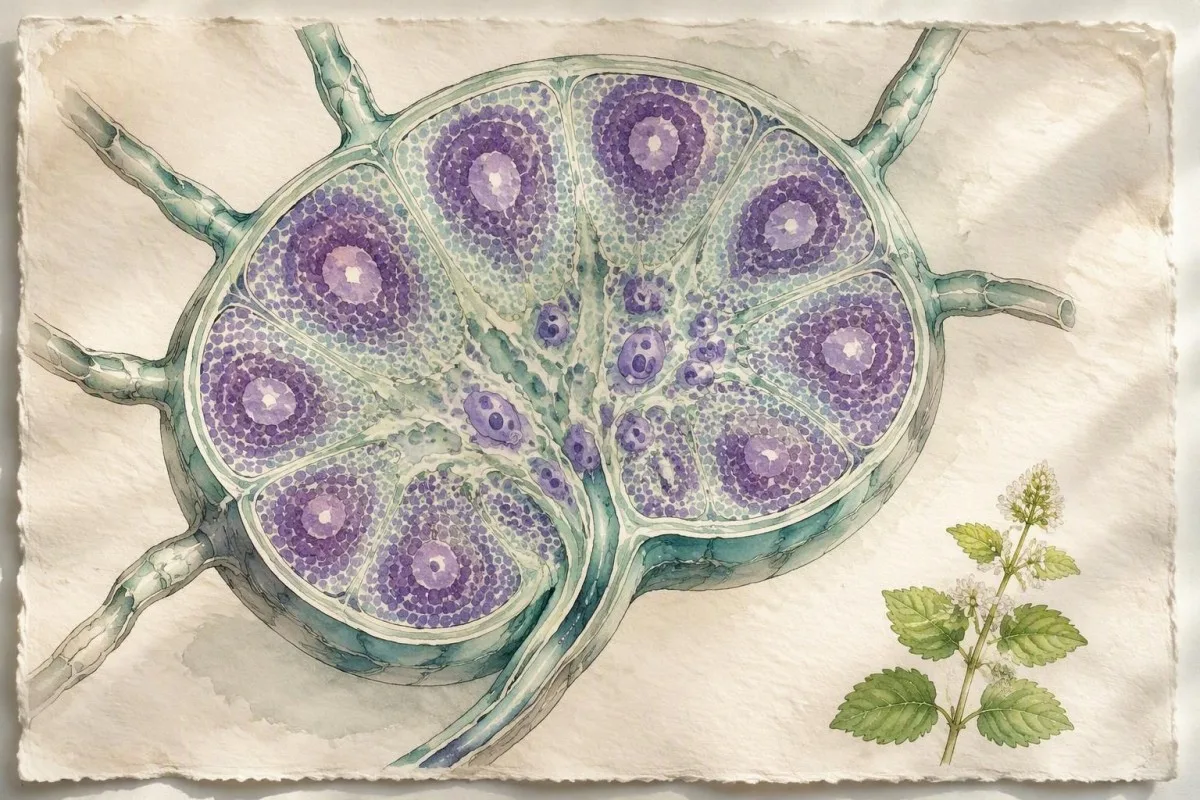
VCA IgM သည် ရောဂါလက္ခဏာ စတင်ချိန်နီးပါးတွင် သိသာလာပြီး အများအားဖြင့် 4 မှ 6 ပတ်အတွင်း ပျောက်ကွယ်သွားသော်လည်း၊ ရက်အတော်ကြာအောင် ဆက်လက်တည်ရှိနေပါသည်။ အပြုသဘောဆောင်သော ရလဒ်သည် မကြာသေးမီက ကူးစက်မှုကို ပံ့ပိုးပေးနိုင်သော်လည်း နိမ့်သော IgM သည် မ specific binding အတွက် အားနည်းပါသည်။ Klutts et al. သည် pattern-based အနက်ပြန်ဆိုမှုသည် မည်သည့် EBV ကိုယ်ခံအားရလဒ်ထက်မဆို ဘာကြောင့်သာလွန်ကြောင်း ဖော်ပြခဲ့သည် (Klutts et al., 2009)။.
VCA IgG သည် ယေဘုယျအားဖြင့် ပြင်းထန်သောရောဂါအတွင်း ပေါ်လာပြီး ခန့်မှန်းခြေ 2 မှ 4 ပတ်အတွင်း အမြင့်ဆုံးသို့ ရောက်ရှိပြီးနောက် ထာဝရ တည်ရှိနေပါသည်။ ၎င်း၏ တည်ငြိမ်မှု၊ မည်သည့် ပလက်ဖောင်းတွင်မဆို 25 AU/mL သို့မဟုတ် 250 AU/mL ဖြစ်စေ၊ လတ်ဆတ်သော ကူးစက်မှုမှ ဝေးကွာသော ကူးစက်မှုကို ယုံကြည်စိတ်ချရစွာ ခွဲခြား၍မရပါ။ ဤသည်မှာ ဆေးဘက်ဆိုင်ရာ အကြောင်းအရာမရှိဘဲ ရိုးရိုးအမြင့် အလံကို ပြသသည့် အစီရင်ခံစာများတွင် ထပ်ခါတလဲလဲ ဖြစ်ပေါ်နေသော ပြဿနာဖြစ်သည်။.
EBNA IgG သည် ယေဘုယျအားဖြင့် ပြင်းထန်သော အဆင့်တွင် မရှိဘဲ ရောဂါလက္ခဏာ စတင်ပြီး 2 မှ 4 လအကြာတွင် သိသာလာပါသည်။ အချို့သော စစ်ဆေးမှုများသည် အခြားသူများထက် EBNA ကို စောစီးစွာ သိရှိနိုင်သည်၊ ထို့ကြောင့် အပတ် 6 တွင် “နောက်ကျ” ကိုယ်ခံအားဟု ထင်ရသည်မှာ အမှန်တကယ် စစ်ဆေးမှုနှင့် ဆေးဘက်ဆိုင်ရာ ပြက္ခဒိန်ကို ကြည့်ရှုရန် အချက်ပြသင့်ပါသည်။ ကျွန်ုပ်တို့၏ ရှင်းလင်းချက်ကို ကြည့်ပါ။ အရည်အသွေး နှင့် အရေအတွက်ဆိုင်ရာ ရလဒ်များ အပြုသဘောဆောင်သော အမှတ်အသားသည် ဗိုင်းရပ်စ်တက်ကြွမှု၏ တိုင်းတာမှုမဟုတ်သည့် အကြောင်းရင်းအတွက်။.
The Classic Pattern Suggesting a Possible New EBV Infection
VCA IgM အပြုသဘော၊ VCA IgG အပြုသဘောနှင့် EBNA IgG အနုတ်လက္ခဏာသည် မကြာသေးမီက ဖြစ်ပွားခဲ့သော EBV ကူးစက်မှု၏ ပုံမှန် ပဋိဇီဝပုံစံဖြစ်သည်။. ရောဂါလက္ခဏာများက ပြီးခဲ့သည့် ၁ မှ ၆ ပတ်အတွင်း စတင်ခဲ့ပြီး သွေးအရေအတွက်တွင် တုံ့ပြန်မှုရှိသော လင့်ဖတစ်ဆဲလ်များ ပါဝင်နေသည့်အခါ ၎င်းသည် အလွန်အားကောင်းသည်။.

ဖျားနာခြင်း၊ ပြင်းထန်သော လည်ချောင်းနာခြင်း၊ လည်ပင်းနောက်ပိုင်း ကျဉ်းမြောင်းခြင်း၊ ပင်ပန်းနွမ်းနယ်ခြင်းနှင့် ဤပဋိဇီဝပိုး ပေါင်းစပ်မှု ရှိသော လူနာတစ်ဦးသည် ပြင်းထန်သော ကူးစက်နိုင်သော mononucleosis ကို ဖြစ်နိုင်ခြေရှိသော ရောဂါရှာဖွေတွေ့ရှိမှုဖြစ်သည်။ သွေးဖြူဥ-လင့်ဖိုးဆိုက် အရေအတွက် လူကြီးများတွင် 4.0 × 10⁹/L ထက် ကျော်လွန်နိုင်သော်လည်း ပုံမှန်အရေအတွက်သည် EBV ကို ဖယ်ထုတ်မထားပါ။ ကိုယ်တိုင်ရုပ်ရှင်ပေါ်ရှိ တုံ့ပြန်မှုရှိသော လင့်ဖတစ်ဆဲလ်များသည် အသုံးဝင်သော အရိပ်အမြွက်ဖြစ်နိုင်သည်; အကြောင်းကို ပိုမိုဖတ်ရှုပါ။ ဗိုင်းရပ်စ်ကူးစက်ပြီးနောက် တုံ့ပြန်မှုရှိသော lymphocytes.
EBNA မရှိခြင်းသည် အချိန်ညွှန်းတစ်ခုသာဖြစ်ပြီး မည်သည့်အထောက်အထားမျှ မဟုတ်ပါ။ ကျွန်ုပ်သည် မကြာသေးမီက VCA IgM အပြုသဘော၊ VCA IgG အပြုသဘော၊ EBNA အနုတ်လက္ခဏာ၊ ALT 146 IU/L နှင့် ထိတွေ့နိုင်သော နောက်ကျောသား ကျဉ်းမြောင်းသော ကျောင်းသား ၁၉ နှစ်အရွယ်ကို ပြန်လည်သုံးသပ်ခဲ့သည်; ပုံစံ၊ စစ်ဆေးမှုနှင့် ၁၂ ရက်ကြာ ရောဂါလက္ခဏာ သမိုင်းသည် ကောင်းစွာ ကိုက်ညီခဲ့သည်။ ဆန့်ကျင်ဘက်အနေဖြင့် စစ်ဆေးမှုအုပ်စုတစ်ခုပြီးနောက် ရောဂါလက္ခဏာမပြသောသူတစ်ဦးတွင် တူညီသော ပဋိဇီဝပိုးများသည် ပိုမိုသတိထားရမည်ဖြစ်သည်။.
EBV serology သည် ပဋိဇီဝ kinetics နှင့် assay နည်းလမ်းများ ကွဲပြားနေသောကြောင့် စိန်ခေါ်မှုတစ်ခုဖြစ်နေဆဲဖြစ်ကြောင်း Hess က အလေးပေး ပြောကြားခဲ့သည် (Hess, 2004)။ ရောဂါလက္ခဏာများ သို့မဟုတ် ဓာတ်ခွဲခန်းပုံစံများသည် လုံးဝမကိုက်ညီသည့်အခါ ဆရာဝန်တစ်ဦးသည် ပြင်းထန်သော CMV၊ ပြင်းထန်သော HIV၊ toxoplasmosis၊ streptococcal pharyngitis နှင့် viral hepatitis တို့ကို ထည့်သွင်းစဉ်းစားသင့်သည်။.
When EBV Results Mean Past Infection Rather Than Active Mono
VCA IgG အပြုသဘော၊ EBNA IgG အပြုသဘောနှင့် VCA IgM အနုတ်လက္ခဏာသည် ယေဘုယျအားဖြင့် ယခင် EBV ကူးစက်မှုကို ဆိုလိုသည်။. ဤပုံစံသည် ပြန်လည်တက်ကြွမှုကို မရောဂါရှာဖွေနိုင်၊ နာတာရှည်ပင်ပန်းနွမ်းနယ်မှုကို မရှင်းပြနိုင် သို့မဟုတ် EBV သည် လက်ရှိရောဂါလက္ခဏာများကို ဖြစ်စေကြောင်း မတည်နိုင်ပါ။.

ဤသည်မှာ လူကြီးများတွင် ကျွန်ုပ်အများဆုံးတွေ့ရသည့် ပုံစံဖြစ်သည်။ EBV သည် လူကြီး ၉ ယောက်တွင် ၁၀ ယောက်ထက် ပို၍ ကူးစက်သောကြောင့်၊ ၎င်းသည် ကလေးဘဝက ဗိုင်းရပ်စ် အထောက်အထားများနှင့် ဆင်တူသည့် ကိုယ်ခံအား မှတ်တမ်းတစ်ခုဖြစ်သည်။ VCA IgG ရလဒ်သည် ဗိုင်းရပ်စ်ပွားများမှု မရှိသည့်တိုင် အပြုသဘောဆောင်နေပြီး အိမ်နီးချင်းများအတွက် အန္တရာယ်မရှိပါ။.
ကန်တက်စတီသည် AI သွေးစစ်ဆေးမှု ရလဒ် ပလက်ဖောင်း ဤပုံစံကို အခြားအထောက်အထားများမပါဘဲ “တက်ကြွသော EBV” ဟု မခေါ်ဘဲ ရှောင်ရှားသည်။ ကျွန်ုပ်တို့၏ အနက်အဓိပ္ပါယ်သည် သွေးအားနည်းခြင်း၊ သိုင်းရွိုက်ရောဂါ၊ အိပ်ရေးပျက်ခြင်း၊ သံဓာတ်ချို့တဲ့ခြင်း၊ စိတ်ဓာတ်ကျခြင်း၊ ဆေးဝါးများ၏ သက်ရောက်မှုများ သို့မဟုတ် အခြားအခြေအနေတစ်ခုသည် အဆက်မပြတ် ပင်ပန်းနွမ်းနယ်မှုကို ပိုမိုကောင်းမွန်စွာ ရှင်းပြနိုင်သည်ကို မေးမြန်းသည်။ ပင်ပန်းနွမ်းလျော့မှု ဖြည့်စွက်စာ လမ်းညွှန် ကုသမှုသည် ပဋိဇီဝပိုးကို မလိုက်နာဘဲ အကြောင်းရင်းကို လိုက်နာသင့်သည့် အကြောင်းရင်းကို ရှင်းပြသည်။.
EBV သည် ဇီဝကမ္မဗေဒအရ ပြန်လည်တက်ကြွနိုင်သော်လည်း ပုံမှန် VCA IgG နှင့် EBNA IgG စစ်ဆေးမှုများသည် ပြင်းထန်သော ကိုယ်ခံအားချို့တဲ့သူတစ်ဦး၏ အရေးပါသော ပြန်လည်တက်ကြွမှုကို မတည်နိုင်ပါ။ မြင့်မားသော VCA IgG အညွှန်းသည် antivirals အတွက် အတည်ပြုထားသော အချက်မဟုတ်ပါ။ ALT, AST နှင့် သွေးအပြည့်အစုံ စစ်ဆေးမှု များသည် ပုံမှန်ဖြစ်နေချိန်တွင် ထိုအ conclusion ကို အထူးသတိထားရမည်ဖြစ်သည်။.
Why an Isolated EBV VCA IgM Positive Result Is Inconclusive
VCA IgM အပြုသဘော၊ VCA IgG အနုတ်လက္ခဏာနှင့် EBNA အနုတ်လက္ခဏာသည် indeterminate ပုံစံဖြစ်သည်၊ အလွန်စောပိုင်း EBV ၏ အလိုအလျောက် အထောက်အထား မဟုတ်ပါ။. ၎င်းသည် အစောပိုင်း ကူးစက်မှု၊ မှားယွင်းသော အပြုသဘောဆောင်သော assay တုံ့ပြန်မှု၊ သို့မဟုတ် နည်းပညာဆိုင်ရာ ပြဿနာတစ်ခုကို ကိုယ်စားပြုနိုင်သည်။.

စစ်မှန်သော ကူးစက်မှု၏ ပထမရက်အနည်းငယ်အတွင်းတွင် IgM သည် VCA IgG ထက် စောနိုင်သော်လည်း သီးခြား IgM သည် rheumatoid factor၊ အခြားပြင်းထန်သော ဗိုင်းရပ်စ် ကူးစက်မှုများနှင့် assay ကြားဝင်မှုတို့နှင့်အတူ ဖြစ်ပေါ်သည်။ De Paschale နှင့် Clerici တို့က cross-reactivity နှင့် atypical patterns များသည် EBV serology ၏ အဓိက ကန့်သတ်ချက်များဖြစ်ကြောင်း မှတ်ချက်ချခဲ့ကြသည် (De Paschale နှင့် Clerici, 2012)။.
နောက်ထပ် လက်တွေ့ကျသော အဆင့်မှာ ယေဘုယျအားဖြင့် ပြန်လည်စစ်ဆေးခြင်း EBV ပဋိဇီဝအုပ်စု ဖြစ်သည်။ 10 မှ 14 ရက်အထိ, တတ်နိုင်သမျှ တူညီသောဓာတ်ခွဲခန်းကို အသုံးပြု၍ ။ အသစ် VCA IgG ပေါ်ထွက်လာခြင်းသည် ပင်မကူးစက်မှု တိုးတက်နေကြောင်း အထောက်အကူပြုသည်၊ အားနည်းသော IgM ကို လုံးဝပျောက်ကွယ်သွားစေခြင်းသည် မspecific reaction ကို ပိုမိုဖြစ်နိုင်ခြေဖြစ်စေသည်။ အစောပိုင်း IgM တန်ဖိုးသည် ဓာတ်ခွဲခန်း ကန့်သတ်ချက်ထက် အနည်းငယ်ပိုမြင့်နေပါက ပြန်လည်စစ်ဆေးခြင်းသည် အလွန်အကျိုးရှိသည်။.
ပထမဦးစွာ ပဋိဇီဝဆေးများ၊ စတီရွိုက်များ သို့မဟုတ် ဖြည့်စွက်စာများကို EBV VCA IgM တစ်ကြောင်းတည်း အပြုသဘောဆောင်ရုံဖြင့် မစတင်ပါနှင့်။ အလွန်ပြင်းထန်သော လည်ချောင်းနာခြင်းရှိလျှင်၊ ဘက်တီးရီးယား tonsillitis သည် ဗိုင်းရပ်စ်ရောဂါနှင့်အတူ ရှိနေနိုင်သောကြောင့် လည်ချောင်းကို စစ်ဆေးရန် လိုအပ်နေသေးသည်။ ကျွန်ုပ်တို့၏ ဆောင်းပါး Monospot အချိန် သည် အစောပိုင်း အမွှေခတ်မှု၏ နောက်ထပ်အကြောင်းရင်းတစ်ခုကို ရှင်းပြသည်။.
What It Means When All Three EBV Antibodies Are Negative
VCA IgM၊ VCA IgG နှင့် EBNA IgG အနုတ်လက္ခဏာများသည် EBV ကို ယခင်က မသိရှိရသေးကြောင်းကို များသောအားဖြင့် ဆိုလိုသည်။. သို့သော် လက္ခဏာများ စတင်ပြီး ၇ ရက်အတွင်း စစ်ဆေးခံယူသူတစ်ဦးတွင် ပဋိအင်ဆူလင်များ ပေါ်လာရန် စောလွန်းနေနိုင်သည်။.
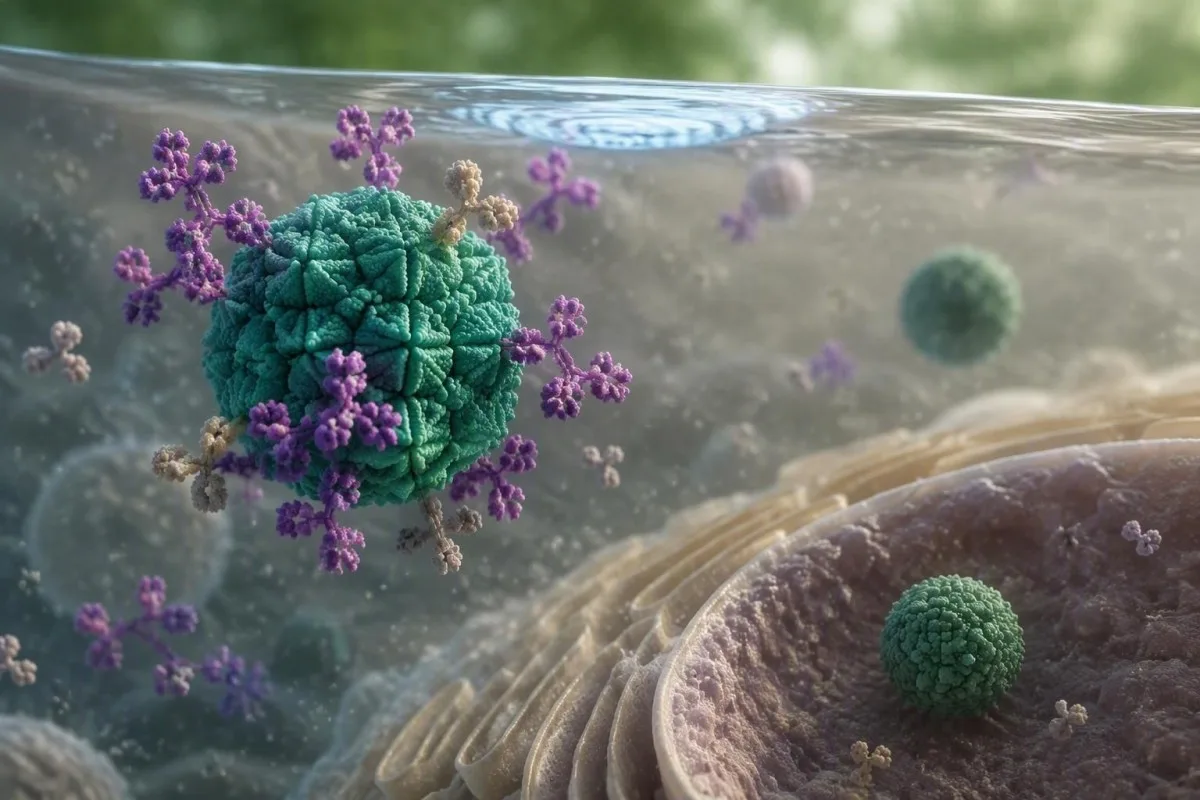
ဆွဲဆောင်မှုရှိသော mono- ကဲ့သို့သော ရောဂါလက္ခဏာရှိသော ဆယ်ကျော်သက်များနှင့် လူကြီးများတွင်၊ ပြန်လည်စစ်ဆေးခြင်း 7 မှ 14 ရက်အတွင်း အစောပိုင်းက နမူနာယူခဲ့ပါက ကျိုးကြောင်းဆီလျော်သည်။ ပဋိအင်ဆူလင်များ ပေါ်လာခြင်းသည် နာရီနှင့် မတူပါ-ရောဂါလက္ခဏာသည် ဝေဒနာကာလနောက်ပိုင်းတွင် စတင်သည်၊ နှင့် ခုခံအားစနစ်မှ ရှာဖွေတွေ့ရှိမှုသည် ဧည့်သည်၏ တုံ့ပြန်မှုနှင့် assay ၏ အာရုံခံနိုင်စွမ်း နှစ်ခုစလုံးကို မှီခိုသည်။ ၂ ရက်နေ့တွင် အနုတ်လက္ခဏာ ပ్యాနယ်တစ်ခုသည် အပတ်အနည်းငယ်အကြာတွင် အနုတ်လက္ခဏာ ပ్యాနယ်ထက် နည်းပါးသည်။.
အသက် ၅ နှစ်အောက် ကလေးငယ်များအတွက် EBV ပဋိအင်ဆူလင်များ အနုတ်လက္ခဏာ သို့မဟုတ် heterophile စစ်ဆေးမှု အနုတ်လက္ခဏာသည် မေးခွန်းအားလုံးကို မဖြေရှင်းနိုင်ပါ။ ကလေးငယ်များသည် ပင်မ EBV ကူးစက်မှုကို မကြာခဏဆိုသလို နူးညံ့သိမ်မွေ့သော သို့မဟုတ် ပုံမှန်မဟုတ်သော ရောဂါလက္ခဏာများ ရှိကြသည်၊ နှင့် heterophile ပဋိအင်ဆူလင်များ မကြာခဏ မရှိကြပါ။ ကလေးသူငယ်များ၏ အနက်အဓိပ္ပာယ်ဖွင့်ဆိုချက်တွင် ပဋိအင်ဆူလင် စစ်ဆေးမှုထက် ရောဂါလက္ခဏာ ပြင်းထန်မှု၊ ရေဓာတ်နှင့် စစ်ဆေးမှုတို့ ပါဝင်သင့်သည်။.
Kantesti ရဲ့ biomarker guide သည် အသုံးပြုသူများ မည်သည့်အရာကို အမှန်တကယ် မှာယူခဲ့သည်ကို သိရှိရန် ကူညီပေးသည်၊ အကြောင်းမှာ “EBV စစ်ဆေးမှု”သည် ဓာတ်ခွဲခန်းတစ်ခုတွင် heterophile စစ်ဆေးမှုနှင့် နောက်တစ်ခုတွင် သုံး-ပဋိအင်ဆူလင် ပန်းကန်ကို ဆိုလိုနိုင်သောကြောင့်ဖြစ်သည်။ နာမည်များသည် အရေးကြီးသည်; Monospot အနုတ်လက္ခဏာသည် VCA IgM၊ VCA IgG နှင့် EBNA အနုတ်လက္ခဏာများနှင့် တူညီသော ရလဒ်မဟုတ်ပါ။.
Mixed EBV Patterns: When IgM, IgG and EBNA Are All Positive
VCA IgM အပြုသဘော၊ VCA IgG အပြုသဘော နှင့် EBNA IgG အပြုသဘောသည် တစ်ခုတည်းသော သွေး နမူနာမှ EBV ကူးစက်မှု၏ အချိန်ကို ယုံကြည်စိတ်ချစွာ မခန့်မှန်းနိုင်သော ရောနှောပုံစံဖြစ်သည်။. ၎င်းသည် နောက်ကျသော ပင်မကူးစက်မှု၊ ဆက်လက်တည်ရှိနေသော IgM၊ ပြန်လည်လှုပ်ရှားမှု ဇီဝဗေဒ သို့မဟုတ် မှားယွင်းသော အပြုသဘောဆောင်သော IgM ကို ထင်ဟပ်စေနိုင်သည်။.
ဤပုံစံသည် လွန်ကဲသော ယုံကြည်မှုရှိသော အစီရင်ခံစာများသည် အမှန်တကယ် ထိခိုက်နစ်နာစေသည့် နေရာဖြစ်သည်။ EBNA သည် IgM မပျောက်ကွယ်မီ ပေါ်လာနိုင်ပြီး နောက်ကျသော ပျောက်ကင်းသည့် ပြတင်းပေါက်ကို ချန်ထားခဲ့သည်၊ အခြားတစ်ဖက်တွင်၊ IgM သည် 3 လ သို့မဟုတ် ထို့ထက်ပို ရောဂါလက္ခဏာဆက်လက်မရှိဘဲ ကြာရှည်စွာ တည်ရှိနေနိုင်သည်။ ရောဂါလက္ခဏာများ၊ ယခင်ရလဒ်များနှင့် တိကျသော အချက်ပြမှု ခွန်အားသည် ဒွိ-ဓာတ်ခွဲခန်း အလံထက် ပိုအရေးကြီးပါသည်။.
အချို့သော အထူးဓာတ်ခွဲခန်းများသည် VCA IgG avidity စစ်ဆေးမှုများသည် မကြာသေးမီကနှင့် ဝေးကွာသော ကူးစက်မှုကို ခွဲခြားရန် ကူညီပေးသည်။ နိမ့်-avidity VCA IgG သည် မကြာသေးမီက ပင်မကူးစက်မှုကို ထောက်ကူနိုင်သည်။ မကြာခဏဆိုသလို မြင့်မားသော avidity သည် ရှေးဟောင်း ကူးစက်မှုကို ထောက်ကူသော်လည်း အချိန်နှင့် assay ရွေးချယ်မှုသည် အနက်အဓိပ္ပာယ်ဖွင့်ဆိုမှုကို ဆက်လက် အကျိုးသက်ရောက်စေသည်။ ၎င်းသည် မပင်ပန်းသော လူနာတိုင်းအတွက် ပုံမှန် ပထမ-လိုင်း စစ်ဆေးမှုမဟုတ်ပါ။.
ကန်တက်စတီသည် AI-powered သွေးစစ်ဆေးမှု ခွဲခြမ်းစိတ်ဖြာ ကိရိယာ သည် ဤ triple-positive ပုံစံကို အစီရင်ခံစာတွင် တရားဝင် အနက်အဓိပ္ပာယ်ဖွင့်ဆိုမှု ပါဝင်သည်အထိ မသတ်မှတ်နိုင်သော အလံကို ထားရှိသည်။ သင်၏ အချိန်နှင့်အမျှ ဓာတ်ခွဲခန်းခွဲခြမ်းစိတ်ခွဲ လမ်းညွှန်, ကို အသုံးပြု၍ ရက်စွဲများနှင့် ဆက်စပ်တန်ဖိုးများကို နှိုင်းယှဉ်နိုင်သည်။ အကြောင်းမှာ EBNA အပြုသဘောဆောင်သော ယခင်ရလဒ်သည် ပုံပြင်ကို သိသိသာသာ ပြောင်းလဲသောကြောင့်ဖြစ်သည်။.
Early Antigen and EBV PCR: Useful Tests With Narrower Roles
အစောပိုင်း အန်တီဂျင် ပဋိအင်ဆူလင်များနှင့် EBV PCR များသည် အခြားကျန်းမာသောသူများတွင် မည်သည့်ပြဿနာမှ မရှိသော mononucleosis အတွက် ပုံမှန် tie-breakers မဟုတ်ပါ။. ၎င်းတို့သည် ရွေးချယ်ထားသော ခုခံအားချို့တဲ့သော လူနာများ၊ ပြင်းထန်သော ရောဂါ သို့မဟုတ် အထူး စစ်ဆေးမှုများတွင် အချက်အလက်များကို ပေါင်းထည့်နိုင်သည်။ သို့သော် အတစ်ခုတည်းက ရောဂါလက္ခဏာ ပြန်လည်လှုပ်ရှားမှုကို သက်သေမပြပါ။.
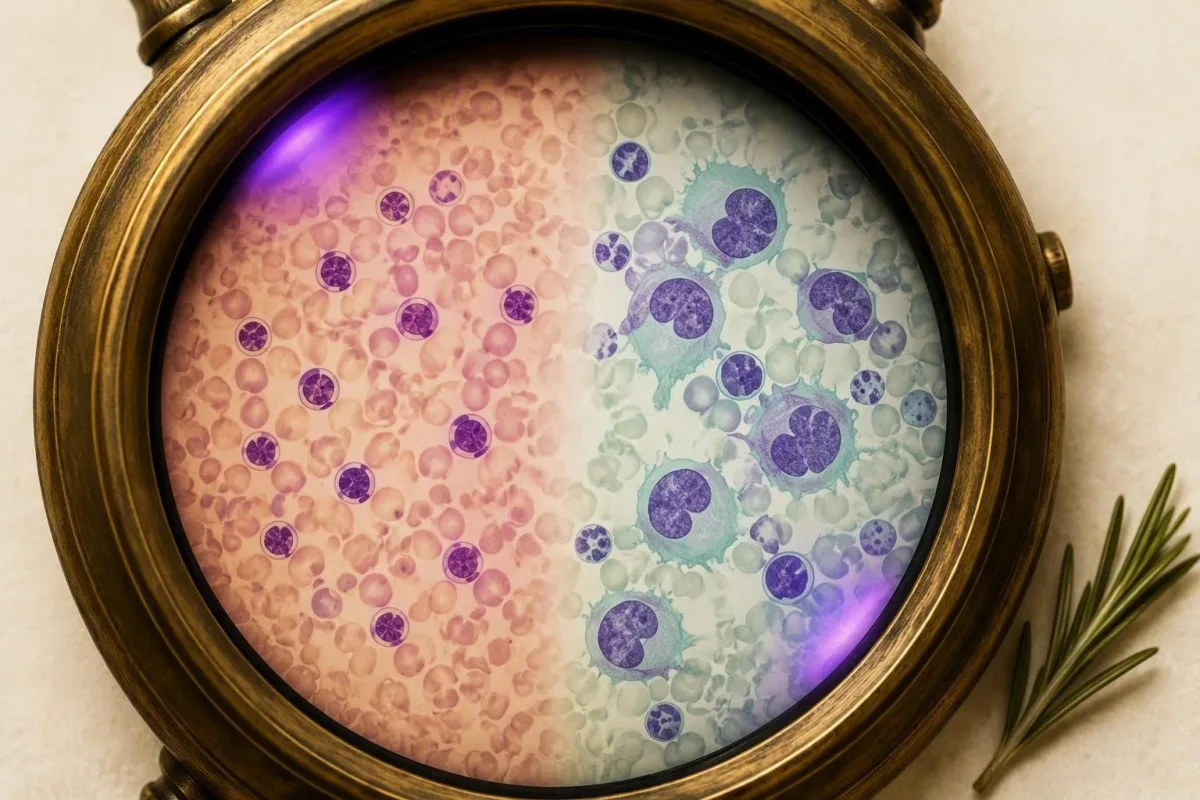
EA-D IgG အသည်းရောင်အသားဝါဖြစ်ပွားခြင်းတွင် ALT, AST တိုးလာနိုင်သော်လည်း ကျန်းမာသောလူဦးရေ၏ ၂၀% ခန့်သည် အစောပိုင်း-antigen antibodies ကို နှစ်ပေါင်းများစွာ ကိုင်ဆောင်ထားနိုင်သည်။ ထို့ကြောင့် EA positivity သည် ပုံမှန်ပြင်ပလူနာစစ်ဆေးမှုတွင် “နာတာရှည်တက်ကြွသော EBV” အတွက် သတ်မှတ်ချက်နည်းသည်။ ၎င်းကို အမှာစာ၏အကြောင်းအရင်းကို သိသော ဆရာဝန်တစ်ဦးမှ အကောင်းဆုံးအနက်ဖွင့်ဆိုရမည်။.
EBV DNA PCR သည် သွေးလည်ပတ်နေသော ဗိုင်းရပ်စ်၏ မျိုးဗီဇပစ္စည်းကို တိုင်းတာသည်၊ ပုံမှန်အားဖြင့် စမ်းသပ်မှုပေါ်မူတည်၍ copies/mL သို့မဟုတ် IU/mL ဟု အစီရင်ခံသည်။ အစားထိုးကုသမှုတွင်၊ တွေ့ရှိနိုင်သော သို့မဟုတ် တိုးများလာသော load သည် EBV-driven lymphoproliferative disease အတွက် စောင့်ကြည့်ခြင်းကို လမ်းညွှန်ပေးနိုင်သည်၊ ပုံမှန်လည်ချောင်းနာသော immunocompetent လူတစ်ဦးတွင်၊ PCR သည် မကြာခဏဆိုသလို အသံထက်ဆူညံမှုကို ပို၍ထည့်သွင်းသည်။.
500 copies/mL ဟု အစီရင်ခံထားသော ရလဒ်ကို အခြားဓာတ်ခွဲခန်း၏ 500 IU/mL နှင့် တိုက်ရိုက်နှိုင်းယှဉ်၍မရပါ။ ကယ်လီဘရေးရှင်းနှင့် နမူနာအမျိုးအစားကို မသိဘဲ။ ထို့ကြောင့် ကျွန်ုပ်တို့သည် ကျွန်ုပ်တို့၏ တွင် analytic limits ကို ဆွေးနွေးပါသည်။ ဆေးဘက်ဆိုင်ရာ အတည်ပြုခြင်း ခြုံငုံသုံးသပ်ချက်: တိကျမှုသည် စမ်းသပ်မှုကို ဆေးဘက်ဆိုင်ရာ မေးခွန်းနှင့် ကိုက်ညီစေရန်ဖြစ်သည်၊ ပိုမိုသောစမ်းသပ်မှုများကို မှာယူခြင်းမဟုတ်ပါ။.
CBC and Liver Results That Can Support—but Not Confirm—EBV
Reactive lymphocytes နှင့် အသည်း-enzyme အနည်းငယ်တိုးလာခြင်းသည် သံသယဖြစ်ဖွယ်ရှိသော အေအိုင်ဒီအက်စ် EBV ကို ပံ့ပိုးပေးနိုင်သော်လည်း ထိုအထဲမှ တစ်ခုမျှ မအတည်ပြုနိုင်ပါ။. ALT နှင့် AST များသည် မကြာခဏဆိုသလို အနည်းငယ်တိုးလာပြီး၊ bilirubin သည် ပုံမှန် သို့မဟုတ် အဆင်မပြေသော mononucleosis တွင် အနည်းငယ်သာ တိုးလာပါသည်။.
Atypical lymphocytes သည် သွေးဖြူဥ၏ 25% ထက် အေအိုင်ဒီအက်စ် mononucleosis တွင် ရှိနေနိုင်သော်လည်း ၎င်းတို့သည် CMV, အေအိုင်ဒီအက်စ် HIV နှင့် အခြားဗိုင်းရပ်စ်ရောဂါအများအပြားနှင့်လည်း ဖြစ်ပွားနိုင်သည်။ အကြွင်းမဲ့အရေအတွက်သည် ရာခိုင်နှုန်းထက် ပိုအချက်အလက်ပေးသည်။ ကျွန်ုပ်တို့၏ ပုံမှန် lymphocyte ပမာဏ guide သည် 75% lymphocyte ရလဒ်သည် သွေးဖြူဥ စုစုပေါင်းပေါ် မူတည်၍ ပုံမှန် သို့မဟုတ် ပုံမှန်မဟုတ်သော အကြောင်းအရင်းကို ရှင်းပြသည်။.
ALT နှင့် AST များသည် အေအိုင်ဒီအက်စ် EBV တွင် မကြာခဏဆိုသလို ပုံမှန်ထက် ၅ ဆ ပိုများသော ထက် နည်းပါးစွာ တိုးလာပါသည်။ ကျွန်ုပ်၏ အတွေ့အကြုံအရ၊ ALT 80 မှ 250 IU/L သည် သင့်လျော်သော antibody pattern နှင့် အဖြစ်များ; ALT 500 IU/L ထက်၊ ပြင်းထန်သော အသားဝါရောဂါ၊ INR တိုးလာခြင်း သို့မဟုတ် ဝမ်းဗိုက်နာကျင်မှု ပိုဆိုးလာခြင်းသည် ပိုကျယ်ပြန့်သော အသည်းကို စစ်ဆေးသင့်ပါသည်။ ကျွန်ုပ်တို့၏ လက်တွေ့ အသည်းစစ်ဆေးမှု decode guide ကိုကြည့်ပါ။.
AST 89 IU/L၊ ပုံမှန် ALT နှင့် မကြာသေးမီက ပြင်းထန်သော လေ့ကျင့်ခန်းများ ပြုလုပ်ခဲ့သော 52 နှစ်အရွယ် ခံနိုင်ရည်ရှိသော ပြေးသမားသည် EBV အသည်းရောင်ရောဂါထက် ကြွက်သားနှင့် ဆက်စပ်နေသော AST ထုတ်လွှတ်မှုကို ဖြစ်စေနိုင်သည်။ AST နှင့် ALT နှင့် bilirubin တို့သည် ကျွန်ုပ်တို့ကို ပို၍ စိုးရိမ်ရသည့် အကြောင်းရင်းမှာ ပေါင်းစပ်မှုသည် hepatocytes ၏ ဖိစီးမှုကို ညွှန်ပြနေခြင်းဖြစ်ပြီး၊ သီးသန့် AST သည် အသည်းမဟုတ်သော အကြောင်းရင်းများစွာကို ရှိသည်။.
Monospot Versus EBV Serology: Timing and False Negatives
Monospot သည် EBV-specific antibody test မဟုတ်ဘဲ heterophile-antibody screen ဖြစ်ပြီး၊ ရောဂါစောစောပိုင်းတွင် မှားယွင်းစွာ အနုတ်လက္ခဏာ ပြနိုင်သည်။. Monospot သည် အနုတ်လက္ခဏာပြသော်လည်း ဆေးဘက်ဆိုင်ရာ သံသယဆက်လက်ရှိနေပါက EBV VCA နှင့် EBNA serology သည် ယေဘုယျအားဖြင့် ပိုအချက်အလက်ပေးသည်။.

Heterophile test သည် ပထမ 7 မှ 14 ရက်အတွင်း ရောဂါလက္ခဏာများတွင် အနုတ်လက္ခဏာ ပြနိုင်ပြီး ကလေးငယ်များတွင် အထူးသဖြင့် ယုံကြည်စိတ်ချရမှု မရှိပါ။ ၎င်းသည် EBV နှင့် မသက်ဆိုင်သော ရောဂါများတွင်လည်း အပြုသဘော ပြနိုင်သည်။ ထို့ကြောင့်၊ များစွာသော ဓာတ်ခွဲခန်းများသည် ယခုအခါ Monospot ကိုသာ အားကိုးမည့်အစား antigen-specific serology သို့ reflex ဖြစ်သည်။.
အချိန်ကာလမေးခွန်းသည် အံ့သြဖွယ်ကောင်းလောက်အောင် လက်တွေ့ကျသည်။ အကယ်၍ ဖျားနာခြင်းနှင့် လည်ချောင်းနာခြင်းသည် 48 နာရီအကြာက စတင်ခဲ့ပါက၊ အနုတ်လက္ခဏာ Monospot သည် 21 ရက်မြောက်နေ့တွင်ထက် နည်းပါးစွာ ပြောပြသည်၊ အကယ်၍ VCA IgM သည်လည်း 2 ရက်မြောက်နေ့တွင် အနုတ်လက္ခဏာပြပါက၊ ထပ်ခါတလဲလဲ စစ်ဆေးခြင်းသည် သင့်လျော်ပေမည်။ ရောဂါလက္ခဏာများသည် 6 ပတ်ကြာခဲ့ပါက၊ အလားတူ အနုတ်လက္ခဏာ ရလဒ်များသည် ပထမ EBV ကို ဖြစ်နိုင်ခြေနည်းပါးစေသည်။.
Kantesti AI သည် အစီရင်ခံစာတွင် ပေါ်လာသော စမ်းသပ်ရက်စွဲ၊ နမူနာရက်စွဲနှင့် ရောဂါလက္ခဏာ စတင်ခြင်းတို့ကို အချိန်ကာလ၏ အမှားကို ကာကွယ်ပေးသောကြောင့်၊ ကျွန်ုပ်တို့၏ သွေးစစ်ဆေးမှု အချိန်ဇယား လမ်းညွှန် သည် ဓာတ်ခွဲခန်း ရလဒ်သည် ရောဂါရှာဖွေမှုထက် ဓာတ်ပုံတစ်ပုံဖြစ်သည့် အကြောင်းအရင်းကို ပြသသည်။.
When Suspected Mono Needs Same-Day Medical Assessment
ပြင်းထန်သော ဘယ်ဘက်ဝမ်းဗိုက်အပေါ်ပိုင်းနာကျင်ခြင်း၊ သတိလစ်ခြင်း၊ အသက်ရှူရခက်ခဲခြင်း၊ အရည်မသောက်နိုင်ခြင်း၊ စိတ်ရှုပ်ထွေးခြင်း သို့မဟုတ် မျက်လုံးဝါခြင်းတို့သည် EBV antibody pattern မခွဲခြားဘဲ အရေးပေါ်စစ်ဆေးမှု လိုအပ်သည်။. ဤရောဂါလက္ခဏာများသည် အရေးပေါ်ကုသမှု လိုအပ်သည့် နောက်ဆက်တွဲပြဿနာများ သို့မဟုတ် အခြားရောဂါရှာဖွယ်မှုကို ညွှန်ပြနိုင်သည်။.
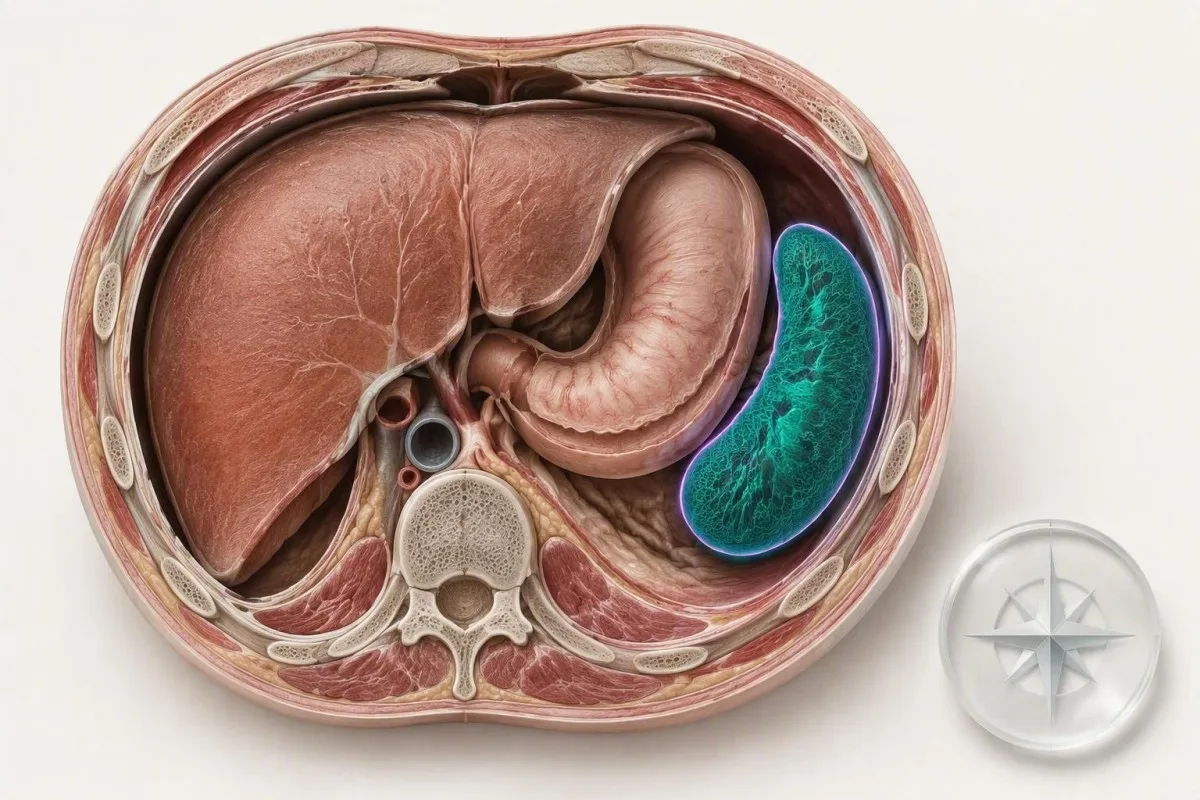
ပိုးမွှားကြီးထွားခြင်းသည် အေအိုင်ဒီအက်စ် (AI DS) တွင် အဖြစ်များသော်လည်း ပိုးမွှားပေါက်ပြဲခြင်းသည်မူ ရှားပါးသော်လည်း အဖြစ်အများဆုံးမှာ ပထမအကြိမ်တွင် ဖြစ်ပွားလေ့ရှိသည်။ 21 days ရောဂါ၏။ ရုတ်တရက် ဝမ်းဗိုက်အထက်ဘက် ဘယ်ဘက်ခြမ်း နာကျင်ခြင်း၊ ဘယ်ဘက်ပခုံးထိပ် နာကျင်ခြင်း၊ ခေါင်းမူးခြင်း သို့မဟုတ် လဲကျခြင်းတို့ကို အိမ်တွင် EBV စစ်ဆေးမှုကို ထပ်ခါတလဲလဲ လုပ်၍ မစီမံသင့်ပါ။ အရေးပေါ် အကဲဖြတ်မှုသည် ပိုမိုလုံခြုံသော ရွေးချယ်မှုဖြစ်သည်။.
အသံအိုးကြီးထွားမှုကြောင့် လေပြွန်ထိခိုက်မှုသည် မရင်းနှီးသော်လည်း အရေးကြီးသည်၊ အထူးသဖြင့် အသံပိတ်ခြင်း၊ တံတွေးထွေးခြင်း၊ လေရှူသံကြမ်းခြင်း သို့မဟုတ် တံတွေးကို မစီမံနိုင်ခြင်းတို့ ဖြစ်ပေါ်လာသောအခါ။ Corticosteroids များသည် မရှုပ်ထွေးသော mono အတွက် ပုံမှန်ကုသမှုမဟုတ်ပါ၊ ဆရာဝန်များသည် ၎င်းတို့ကို လေပြွန်ပိတ်ဆို့မှု၊ ပြင်းထန်သော thrombocytopenia သို့မဟုတ် autoimmune hemolytic anemia ကဲ့သို့သော နောက်ဆက်တွဲပြဿနာများအတွက် သိမ်းဆည်းထားသည်။.
ဆီးအနက်ရောင်၊ မစင်ဖျော့ဖျော့ သို့မဟုတ် တိုးတက်သော အသားဝါရောဂါများသည်လည်း အသည်းရောင်ရောဂါအတွက် EBV သည် ဖြစ်နိုင်သော အကြောင်းရင်းတစ်ခုသာဖြစ်သောကြောင့် အမြန်ဆုံးပြန်လည်သုံးသပ်သင့်ပါသည်။ ကျွန်ုပ်တို့၏ ဤရောဂါလက္ခဏာများ၏ ဆီးမဲမဲ (dark urine) သတိပေးလက္ခဏာများ အွန်လိုင်း အနက်ပြန်ဆိုမှုကို စောင့်ဆိုင်းနေစရာမလိုသော လက္ခဏာပုံစံများကို ဖုံးအုပ်ထားသည်။.
Recovery, Sport and Alcohol After a Possible Acute EBV Infection
အေအိုင်ဒီအက်စ် (AI DS) ကြောင့်ဖြစ်သော အေအိုင်ဒီအက်စ် (AI DS) ရှိသူများသည် လက္ခဏာစတင်ပြီး အနည်းဆုံး ၃ ပတ်ကြာသည်အထိ ထိခိုက်မှုအားကစား၊ ပြင်းထန်သော အလေးမခြင်းနှင့် ဝမ်းဗိုက်ထိခိုက်မှုအန္တရာယ်ရှိသော လုပ်ဆောင်မှုများကို ရှောင်ရှားသင့်သည်။. ပြန်လာခြင်းသည် ပဋိပစ္စည်း ရလဒ် အပြုသဘော သို့မဟုတ် အနုတ်လက္ခဏာဖြစ်ရုံမျှဖြင့် မဟုတ်ဘဲ ဆေးခန်းမှ ပြန်လည်ကောင်းမွန်လာခြင်းအပေါ် အခြေခံ၍ တဖြည်းဖြည်းချင်း ဖြစ်သင့်သည်။.
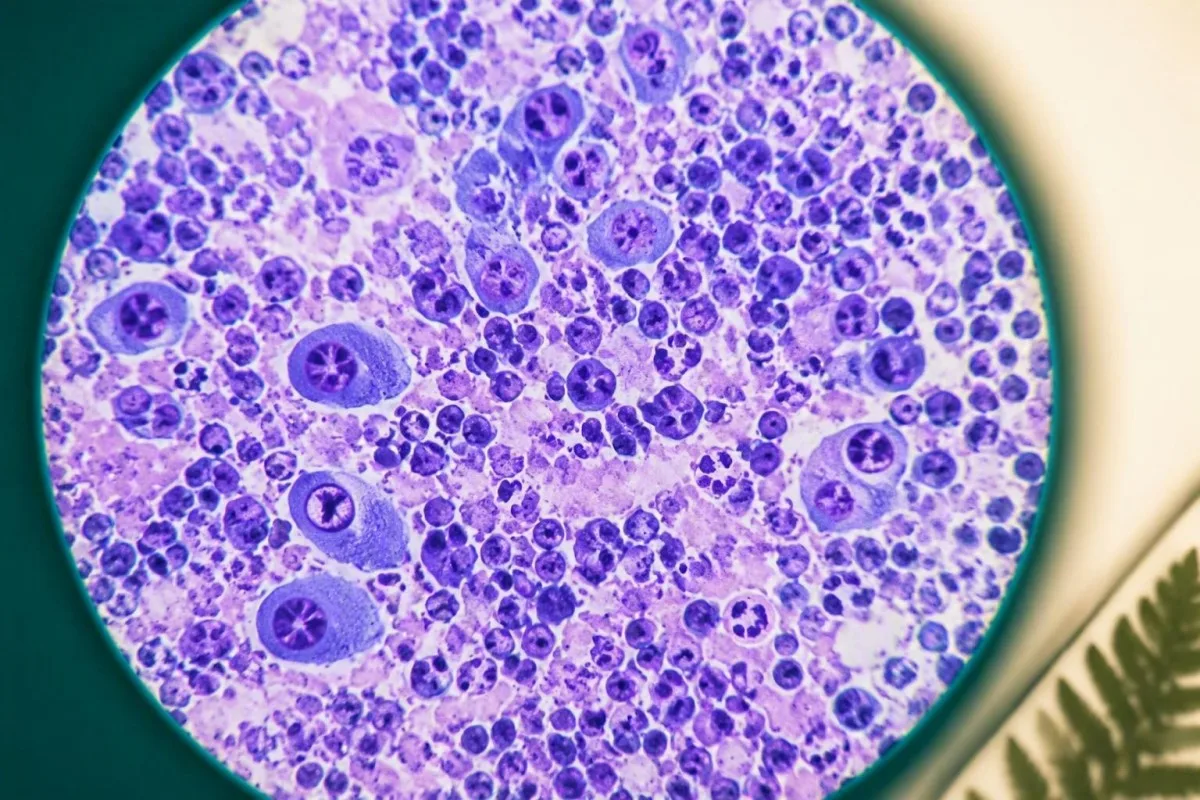
ဝမ်းဗိုက်လက္ခဏာများ မရှိသည့်တိုင် ပိုးသည် ကြီးထွားနေနိုင်ပြီး စစ်ဆေးရုံတင်ရုံဖြင့် အနည်းငယ်ကြီးထွားခြင်းကို လွဲချော်နိုင်သည်။ ဆရာဝန်အများစုသည် အနည်းဆုံး ကြိုတင်ကာကွယ်မှုကာလ ၂၁ ရက်ကို အသုံးပြုကြပြီး ထို့နောက် ရပ်ဘီ၊ ကိုယ်ခံပညာ၊ တောင်တက်ခြင်း၊ ပြိုင်ကားစက်ဘီးစီးခြင်းနှင့် အလားတူလှုပ်ရှားမှုများအတွက် ဆုံးဖြတ်ချက်များကို သီးခြားစီ ပြုလုပ်ကြသည်။ အရွယ်အစားသည် သဘာဝအတိုင်း ကွဲပြားပြီး တိုင်းတာမှုတစ်ခုတည်းက လုံခြုံမှုကို အာမခံနိုင်သောကြောင့် လူနာတိုင်းအတွက် ပုံမှန်အားဖြင့် အల్ထራဆောင်းဒ်စ် (ultrasound) မလိုအပ်ပါ။.
ပင်ပန်းနွမ်းနယ်မှုသည် မကြာခဏ မညီမညာ တိုးတက်လာသည်။ 2 မှ 6 ပတ်, ရေရှည်။ ကိုယ်လက်လှုပ်ရှားမှုနှင့် လေ့ကျင့်ခန်းသည် ဖျားနာခြင်းနှင့် လည်ချောင်းနာခြင်းထက် နောက်ကျကျန်ရစ်ခဲ့သည်။ ဖြည်းဖြည်းချင်းပြန်လာခြင်း—ကြားကာလများအတွက် လမ်းလျှောက်ခြင်း၊ နာရီပေါင်းများစွာ လုပ်ကိုင်ခြင်းထက် တိုတောင်းသော အလုပ်ရက်များ—သည် “တွန်းပို့” ကြိုးစားခြင်းထက် အနောက်ပြန်ကျမှုနည်းသည်။ ၃ လထက်ကျော်လွန်သော ပင်ပန်းနွမ်းနယ်မှုဆက်တိုက်သည် အခြား သို့မဟုတ် အပိုအကြောင်းရင်းများအတွက် ပြန်လည်အကဲဖြတ်ရန် လှုံ့ဆော်သင့်သည်။.
အေအိုင်ဒီအက်စ် (AI DS) ကြောင့်ဖြစ်သော အသည်းရောင်ရောဂါ ခံစားနေရသည်ဟု သံသယရှိသောအခါ အသည်းအင်ဇိုင်းများနှင့် လက္ခဏာများ ပြေလည်သည်အထိ အရက်သောက်ခြင်းကို ရှောင်ရှားရန်မှာ ကျိုးကြောင်းခတ်ယူမှုဖြစ်သည်။ ၎င်းသည် အဆိပ်အတောက်များကို ဖယ်ရှားသည့် နည်းလမ်းမဟုတ်ပါ၊ ALT နှင့် AST ပြန်လည်ကောင်းမွန်လာချိန်တွင် အသည်း၏ အခြားဖိစီးမှုများကို လျှော့ချရန် နည်းလမ်းဖြစ်သည်။ ကျွန်ုပ်တို့၏ ALT ရလဒ်များ ဆောင်းပါး နောက်ဆက်တွဲတန်ဖိုးများကို မည်သို့အနက်ပြန်ဆိုကြောင်း ရှင်းပြသည်။.
EBV Results in Pregnancy, Children and Immunocompromised People
EBV serology သည် ကိုယ်ဝန်ဆောင်ခြင်း၊ ကလေးဘဝနှင့် လူကြီးဘဝတွင် တူညီသော အခြေခံ ပဋိပစ္စည်း အဓိပ္ပာယ်များ ရှိသော်လည်း ဆေးခန်း အခြေအနေနှင့် နောက်ဆက်တွဲ လုပ်ဆောင်မှုများသည် ကွဲပြားသည်။. ကိုယ်ဝန်ဆောင်ခြင်းသည် VCA IgG အပြုသဘောဆောင်သော ရလဒ်ကို ကိုယ်တိုင်ပင် အန္တရာယ်ဖြစ်စေမည်မဟုတ်သော်လည်း ကိုယ်ခံအား ချို့တဲ့ခြင်းသည် ပဋိပစ္စည်းနှင့် PCR ရလဒ်များကို အနက်ပြန်ဆိုရန် ခက်ခဲစေနိုင်သည်။.

ဝေးလံသော EBV ပုံစံ—VCA IgG အပြုသဘောဆောင်သည်၊ EBNA IgG အပြုသဘောဆောင်သည်၊ VCA IgM အနုတ်လက္ခဏာ—သည် ကိုယ်ဝန်ဆောင်စဉ် သန္ဓေသား ကူးစက်မှုကို မညွှန်ပြသော်လည်း မကုသရပါ။ ကိုယ်ဝန်ဆောင်စဉ် တုပ်ကွေးကဲ့သို့သော ဖျားနာခြင်းသည် တုပ်ကွေး၊ COVID-19၊ CMV၊ အသည်းရောင်ရောဂါနှင့် ဆီးလမ်းကြောင်း ပိုးဝင်ခြင်း အပါအဝင် သင့်လျော်သော ကွဲပြားခြားနားမှု လိုအပ်နေဆဲဖြစ်သည်။ ဆေးခန်း အကဲဖြတ်မှုသည် လက္ခဏာများ၊ ကိုယ်အပူချိန်နှင့် မီးယပ်ဆိုင်ရာ အခြေအနေတို့က မောင်းနှင်သင့်သည်။.
ကလေးများသည် ပို၍ တိတ်ဆိတ်သော လက္ခဏာများ ရှိနိုင်သော်လည်း ပို၍ ရှုပ်ထွေးသော heterophile စစ်ဆေးမှုများ ရှိနိုင်သည်။ မိဘများသည် IgG အဆင့်မှ ပြင်းထန်မှုကို ခန့်မှန်းရန် ကြိုးစားမည့်အစား အရည်ဓာတ် နည်းပါးခြင်း၊ ဆီးထွက်နှုန်း နည်းပါးခြင်း၊ အသက်ရှူရန် ခက်ခဲခြင်း သို့မဟုတ် အလွန်အိပ်ငိုက်ခြင်းတို့အတွက် ဆေးဘက်ဆိုင်ရာ အကြံဉာဏ်ကို ရှာသင့်သည်။ ကျွန်ုပ်တို့၏ ဆွေးနွေးပွဲ ကလေးများအတွက် AI အနက်ဖွင့်ဆိုချက် ကလေးဆေးခန်း အစီရင်ခံစာများတွင် လိုအပ်သော အပို အကာအကွယ်များကို ရှင်းပြသည်။.
အစားထိုးဆေးဝါးများ၊ ကင်ဆာဆေးများ၊ အဆင့်မြင့် HIV ကုသမှု သို့မဟုတ် ဇီဝဆေးဝါးများ ရယူနေသူများသည် EBV ရလဒ်များကို ၎င်းတို့၏ အထူးကုအဖွဲ့နှင့် တိုက်ရိုက် ဆွေးနွေးသင့်သည်။ ဤအုပ်စုများတွင်၊ ပမာဏ PCR ကို တိကျသော စောင့်ကြည့်လေ့လာရေး ရည်ရွယ်ချက်အတွက် အသုံးပြုနိုင်သော်လည်း ပဋိပစ္စည်း ပုံစံများသည် မပြည့်စုံ သို့မဟုတ် လွဲမှားစေနိုင်သည်။ စစ်ဆေးမှု မဟာဗျူဟာသည် ပုံမှန် လူနာပြင်ပ mono စစ်ဆေးမှုများနှင့် မတူပါ။.
How Kantesti Interprets EBV Results Safely in Clinical Context
Kantesti သည် VCA IgM၊ VCA IgG နှင့် EBNA အစီအစဉ်ကို ရက်စွဲများ၊ အသုံးပြုသူမှ ထည့်သွင်းထားသော လက္ခဏာများ၊ CBC တွေ့ရှိချက်များနှင့် အသည်း စစ်ဆေးမှုများနှင့်အတူ စစ်ဆေးခြင်းဖြင့် EBV သွေးစစ်ဆေးမှု ရလဒ်များကို အနက်ပြန်ဆိုသည်။. ၎င်းသည် တက်ကြွသော mononucleosis ကို သက်သေအဖြစ် အတည်ပြုရန် အပြုသဘောဆောင်သော ပဋိပစ္စည်းတစ်ခုကို မယူဆပါ။.

ကန်တက်စတီသည် AI ဓာတ်ခွဲခန်း စစ်ဆေးမှု အနက်ဖွင့် ဝန်ဆောင်မှု ဓာတ်ခွဲခန်း၏ ဝေါဟာရကို နားလည်လွယ်သော ဆေးဘက်ဆိုင်ရာ မေးခွန်းများအဖြစ် ပြောင်းလဲရန် ဒီဇိုင်းထုတ်ထားသည်- ကူးစက်မှုအသစ်၊ အတိတ်ထိတွေ့မှု၊ အချိန်မ certainty သို့မဟုတ် လူကိုယ်တိုင် ပြန်လည်သုံးသပ်ရန် လိုအပ်ခြင်း။ ကျွန်ုပ်တို့၏စနစ်သည် ပျောက်ဆုံးနေသော အမှတ်အသားများကို- ဥပမာ၊ “EBV အပြုသဘော” အဖြစ် တင်ပြထားသော VCA IgG-တစ်မျိုးတည်း ရလဒ်-ကို ခွဲခြားသိမြင်နိုင်ပြီး ကူးစက်မှုကို အချိန်နှင့်တပြေးညီ မည်သို့ မလုံလောက်ကြောင်း ရှင်းပြနိုင်သည်။.
ကျွန်ုပ်တို့၏ သန်း ၂ သန်းကျော် အစီရင်ခံစာများကို ခွဲခြမ်းစိတ်ဖြာရာတွင်၊ အကာကွယ်အများဆုံး နားလည်မှုအမှားမှာ IgG အပြုသဘောကို တက်ကြွသောရောဂါနှင့် တူညီအောင်ပြုလုပ်ခြင်းဖြစ်သည်။ ကျွန်ုပ်တို့၏ AI နည်းပညာ လမ်းညွှန် အင်ဂျင်သည် ဓာတ်ခွဲခန်း ကိုးကားချက် မှတ်ချက်များကို မည်သို့ ထိန်းသိမ်းထားပြီး ဆေးဘက်ဆိုင်ရာ အဆုံးအဖြတ်ကို အစားထိုးမည့်အစား မတူညီသောပုံစံများကို မည်သို့ မီးမောင်းထိုးပြသည်ကို ဖော်ပြသည်။.
ဒေါက်တာ Thomas Klein သည် ဤကဲ့သို့သော ဆောင်းပါးများကို ကျွန်ုပ်ဆေးခန်းတွင် အသုံးပြုသည့် သတိအတိုင်းပင် ပြန်လည်သုံးသပ်သည်- ပြင်းထန်သောလက္ခဏာများ၊ ကိုယ်ဝန်ဆောင်ခြင်း၊ ကိုယ်ခံအားချို့တဲ့ခြင်း၊ ပုံမှန်မဟုတ်သော ဘီလီရူဘင်၊ INR မြင့်တက်ခြင်း သို့မဟုတ် ဝမ်းဗိုက်နာကျင်ခြင်းတို့သည် ဆရာဝန်တစ်ဦး လိုအပ်သည်၊ ချတ်ဘော့ အဆုံးအဖြတ်မဟုတ်ပါ။ စာဖတ်သူများသည် ကျွန်ုပ်တို့၏ အရည်အချင်းနှင့် ကြီးကြပ်မှုကိုလည်း ပြန်လည်သုံးသပ်နိုင်ပါသည်။ ဆေးဘက်ဆိုင်ရာအကြံပေးဘုတ်အဖွဲ့ မည်သည့်ဒီဂျစ်တယ် နားလည်မှုကိုမဆို အသုံးမပြုမီ။.
Questions to Ask After Receiving an EBV Antibody Report
အသုံးအဝင်ဆုံး နောက်ဆက်တွဲမေးခွန်းမှာ “ကျွန်ုပ်၏ အလုံးစုံပုံစံနှင့် လက္ခဏာအချိန်များသည် အသစ် EBV၊ အတိတ် ကူးစက်မှု သို့မဟုတ် မရှင်းလင်းသော ရလဒ်ကို ထောက်ကူပါသလား” ပုံစံ၏ အနီရောင် သို့မဟုတ် အစိမ်းရောင် အလံကို အားမကိုးဘဲ တိကျသော ပဋိဇီဝဆေးအမည်များ၊ စုဆောင်းသည့်ရက်စွဲနှင့် ဓာတ်ခွဲခန်း နားလည်မှုတို့ကို တောင်းပါ။.
VCA IgM၊ VCA IgG နှင့် EBNA အားလုံးကို တိုင်းတာခဲ့ကြောင်း၊ စမ်းသပ်မှုသည် အပြုသဘော သို့မဟုတ် သံသယဖြစ်ဖွယ်ရှိကြောင်း၊ နှင့် ရက်ဆက်နမူနာသည် 10 မှ 14 ရက်အထိ စီမံခန့်ခွဲမှုကို ပြောင်းလဲနိုင်မည်လား။ အသည်းအင်ဇိုင်းများ မြင့်မားနေပါက ALT၊ AST၊ ဘီလီရူဘင် နှင့် အယ်ကာလိုင်းန် ဖော့စဖိတ် ကို မည်သည့်အခါ ပြန်လည်စစ်ဆေးသင့်ကြောင်း တောင်းပါ။ ၎င်းသည် IgG နံပါတ်သည် “မြင့်” ဟုတ်မဟုတ် တောင်းဆိုခြင်းထက် ပို၍ အရေးယူဆောင်ရွက်နိုင်ပါသည်။”
ပုံစံသည် အတိတ် ကူးစက်မှုကို ညွှန်ပြပါက သင့်လက္ခဏာများကို ရှင်းပြနိုင်သည့် အခြားအရာများ မည်သို့ ရှိနိုင်ကြောင်း တောင်းပါ။ သွေးအပြည့်အစုံ စစ်ဆေးမှု၊ ဖယ်ရီတင်၊ TSH၊ ကျောက်ကပ်လုပ်ဆောင်ချက်နှင့် ပစ်မှတ်ထားသော ကူးစက်မှု စစ်ဆေးမှုများသည် သင့်အကြောင်းအရာအပေါ် မူတည်၍ သက်ဆိုင်နိုင်ပါသည်။ ကျွန်ုပ်တို့၏ သွေးစစ်ဆေးမှု အကျဉ်းချုပ် checklist ထိုချိန်းဆိုမှုအတွက် ရက်စွဲများ၊ ဆေးဝါးများနှင့် မေးခွန်းများကို စနစ်တကျ စီစဉ်ပေးနိုင်ပါသည်။.
ဒေါက်တာ Thomas Klein ၏ အနှစ်သာရမှာ ရိုးရှင်းပါသည်- EBV ပဋိဇီဝဆေး အုပ်စုများသည် ကိုယ်ခံအား ပုံစံများကို ခွဲခြားသိမြင်ရာတွင် အလွန်ကောင်းမွန်သော်လည်း၊ ပင်ပန်းနွမ်းနယ်မှု အားလုံးအတွက် တစ်ခုတည်းသော ရှင်းလင်းချက်များအဖြစ် အားနည်းပါသည်။ Kantesti LTD ၏ ဆေးဘက်ဆိုင်ရာ အကြောင်းအရာများကို ဓာတ်ခွဲခန်း နည်းလမ်းများနှင့် လူနာ-အန္တရာယ်ကင်းရှင်းရေး စံနှုန်းများနှင့် နှိုင်းယှဉ်၍ ပြန်လည်သုံးသပ်သည်၊ ကျွန်ုပ်တို့၏ ဆေးဘက်ဆိုင်ရာ ကြီးကြပ်မှု လုပ်ငန်းစဉ် မ certainty နှင့် တိုးမြှင့်မှုများကို ကျွန်ုပ်တို့ မည်သို့ ကိုင်တွယ်သည်ကို ကြည့်ပါ။.
အမေးများသောမေးခွန်းများ
VCA IgM အပြုသဘောဆောင်နေခြင်းသည် ကျွန်ုပ်၌ ရောဂါဖြစ်နေကြောင်း ဆိုလိုပါသလား။
EBV VCA IgM အပြုသ MarK လက္ခဏာက မကြာသေးမီက ကူးစက်မှုကို အထောက်အကူပြုနိုင်သည်၊ သို့သော် ၎င်းကိုယ်တိုင်က အသက်ဝင်သော mononucleosis ကို မပြနိုင်ပါ။ ပုံမှန်အားဖြင့် မကြာသေးမီက ကူးစက်မှုပုံစံသည် VCA IgM အပြုသ MarK၊ VCA IgG အပြုသ MarK နှင့် EBNA IgG အနုတ်လက္ခဏာဖြစ်ပြီး၊ အထူးသဖြင့် လက္ခဏာများနှင့် ကိုက်ညီသော ပထမ 1 မှ 6 ပတ်အတွင်း ဖြစ်သည်။ သီးခြား သို့မဟုတ် အားနည်းသော VCA IgM သည် cross-reactivity သို့မဟုတ် non-specific assay binding ကြောင့် မှားယွင်းစွာ အပြုသ MarK ဖြစ်နိုင်ပါသည်။ ရလဒ်နှင့် လက္ခဏာများ မကိုက်ညီပါက ဆရာဝန်သည် 10 မှ 14 ရက်အတွင်း ပြည့်စုံသော panel ကို ထပ်ခါထပ်ခါ ပြုလုပ်နိုင်သည်။.
VCA IgG အပေါင်းလက္ခဏာနှင့် EBNA အပေါင်းလက္ခဏာ ရှိခြင်းဆိုသည်မှာ အဘယ်နည်း။
VCA IgG အပြုသ MarK နှင့် EBNA IgG အပြုသ MarK နှင့် VCA IgM အနုတ် MarK သည် လက်ရှိ mononucleosis ထက် ယခင် EBV ကူးစက်မှုကို ပို၍ဆိုလိုသည်။ VCA IgG နှင့် EBNA IgG တို့သည် ယခင်ကူးစက်ပြီးနောက် တစ်သက်တာလုံး မြင်တွေ့နိုင်ပါသည်။ လူကြီး 90% မှ 95% သည် EBV နှင့် ထိတွေ့ခဲ့ရသောကြောင့် ဤပုံစံသည် အလွန်အဖြစ်များပြီး အမောကို ၎င်းတစ်မျိုးတည်းနှင့် မရှင်းပြနိုင်ပါ။ မြင့်မားသော IgG အညွှန်းကိန်းသည် တက်ကြွသော ဗိုင်းရပ်စ်ရောဂါ၏ တရားဝင်အတည်ပြုထားသော တိုင်းတာမှုမဟုတ်ပါ။.
EBV VCA IgM သည် အဘယ်မျှကြာအောင် အပြုသဘောဆောင်နေသနည်း။
EBV VCA IgM သည် ရောဂါလက္ခဏာ စတင်ချိန်တွင် ပေါ်လာလေ့ရှိပြီး ၄-၆ ပတ်အတွင်း ပျောက်ကင်းသွားတတ်ပါသည်။ စမ်းသပ်မှု နည်းလမ်းအချို့ကြောင့် လူအချို့တွင် ၂-၃ လ သို့မဟုတ် ထို့ထက် ပိုကြာအောင် IgM ကို တွေ့ရှိနေနိုင်ပါသည်။ IgM ဆက်လက်ရှိနေခြင်းသည် ကူးစက်ရောဂါ ဆက်လက်ဖြစ်နေခြင်း သို့မဟုတ် ကုသမှု မအောင်မြင်ခြင်းကို အလိုအလျောက် အဓိပ္ပာယ်မဆောင်ပါ။ VCA IgM နှင့် EBNA IgG နှစ်ခုလုံး အပေါင်းလက္ခဏာပြနေသည့်အခါ၊ အကြိမ်ကြိမ် စမ်းသပ်ခြင်းနှင့် ဆေးခန်းဆိုင်ရာ အခြေအနေများသည် တစ်ကြိမ်တည်းရလဒ်ထက် ပိုမိုအချက်အလက်ပြည့်စုံစေပါသည်။.
EBNA သည် EBV ၏ ပြင်းထန် ကူးစက်မှု ကာလအတွင်း အပြုသဘောဆောင်နိုင်ပါသလား။
EBNA IgG သည် EBV ရောဂါပိုး ကူးစက်ခံရစက (early acute EBV infection) တွင် ပုံမှန်အားဖြင့် မတွေ့ရဘဲ ရောဂါလက္ခဏာများ စတင်ပြီးနောက် ၂ လ မှ ၄ လ ခန့်တွင် ပေါ်လာလေ့ရှိသည်။ VCA IgG ပေါင်း EBNA အပြုသဘော (positivity) သည် ကူးစက်မှု အတိတ် (past infection) ကို ပိုမို ညွှန်ပြသည်။ သို့သော်၊ EBNA သည် VCA IgM ကို ဆဲ တွေ့ရှိနိုင်စဉ် (detectable) ပေါ်လာနိုင်ပြီး အားလုံး အပြုသဘော (all-positive) ပုံစံကို ဖြစ်ပေါ်စေကာ၊ ၎င်းသည် နောက်ကျသော ပင်မကူးစက်မှု (late primary infection) သို့မဟုတ် ဆဲရှိနေသော IgM (persistent IgM) ကို ကိုယ်စားပြုနိုင်သည်။ ဓာတ်ခွဲခန်း စစ်ဆေးမှုအမျိုးမျိုးသည် EBNA ကို မတူညီသော အကန့်အသတ်များ (thresholds) တွင် တွေ့ရှိနိုင်သောကြောင့်၊ အစီရင်ခံစာကို စုဆောင်းသည့်ရက်စွဲ (collection date) နှင့်အတူ ထည့်သွင်းစဉ်းစားရမည်။.
ကျွန်ုပ်၏ EBV antibody ရလဒ်များ မရှင်းလင်းပါက EBV PCR ကို ပြုလုပ်သင့်ပါသလား။
EBV PCR သည် ပြင်ပလူနာတွင် ပုံစံမရှင်းလင်းသော အင်တီဘော်ဒီရှိနေသူများအတွက် ပုံမှန်အားဖြင့် အကောင်းဆုံး နောက်ဆက်တွဲ စစ်ဆေးမှု မဟုတ်ပါ။ PCR သည် ဗိုင်းရပ်စ် မျိုးဗီဇ ပစ္စည်းများကို copies/mL သို့မဟုတ် IU/mL ဖြင့် အစီရင်ခံပြီး ရွေးချယ်ထားသော အလှူရှင် ခံယူထားသူများ၊ ခုခံအား ကျဆင်းမှု ပြင်းထန်သူများ သို့မဟုတ် ကျွမ်းကျင်သူမှ ညွှန်ကြားသော စောင့်ကြည့်မှုများအတွက် အလွန်အသုံးဝင်ပါသည်။ အနိမ့်စား ပမာဏကို ထောက်လှမ်းနိုင်ခြင်းသည် EBV သည် လက်ရှိ ရောဂါလက္ခဏာများကို ဖြစ်စေသည်ကို မပြဘဲ ဖြစ်ပေါ်နိုင်သည်။ VCA IgM, VCA IgG နှင့် EBNA ကို ၁၀ မှ ၁၄ ရက်အတွင်း ပြန်လည်စစ်ဆေးခြင်းသည် မကြာခဏဆိုသလို ဆေးပညာအရ ပိုမိုအသုံးဝင်ပါသည်။.
မိုနိုရောဂါလွန်ပြီးရင် ဘယ်တော့လေ့ကျင့်ခန်းလုပ်လို့ရမလဲ။
Mononucleosis ရောဂါလက္ခဏာရှိသူများသည် ရောဂါစတင်သည့်နေ့မှ အနည်းဆုံးရက် ၂၁ ရက်ကြာ အားကစားပြိုင်ပွဲများ၊ ပြင်းထန်စွာအလေးမခြင်းနှင့် ဝမ်းဗိုက်ထိခိုက်နိုင်သော လှုပ်ရှားမှုများကို ရှောင်ရှားသင့်သည်။ ဤကြိုတင်ကာကွယ်မှုသည် အသည်းအကြီးဆုံးဖြစ်နိုင်သည့်ကာလအတွင်း လေအသံအန္တရာယ်ကို လျော့နည်းစေရန်ဖြစ်သည်။ အဖျား၊ ပြင်းထန်သောပင်ပန်းနွမ်းချိခြင်းနှင့် လည်ချောင်းလက္ခဏာများ ပြေလည်သည်အထိ ကိုယ်လက်လှုပ်ရှားမှုသို့ ဖြည်းဖြည်းချင်း ပြန်လည်ဝင်ရောက်သင့်သည်။ ဘယ်ဘက်ဝမ်းဗိုက်အပေါ်ပိုင်းတွင် နာကျင်ခြင်း၊ ပခုံးထိပ်နာကျင်ခြင်း၊ မူးဝေခြင်း သို့မဟုတ် သတိလစ်ခြင်းများဖြစ်ပေါ်ပါက အရေးပေါ်ဆန်းစစ်မှု လိုအပ်ပါသည်။.
AI ပါဝါသုံး သွေးစစ်ဆေးမှု ရလဒ်ကို ယနေ့ စတင် ခွဲခြမ်းစိတ်ဖြာပါ
Kantesti ကို အချိန်မီ၊ တိကျသော ဓာတ်ခွဲခန်း စစ်ဆေးမှု ရလဒ်ခွဲခြမ်းစိတ်ဖြာမှုအတွက် ယုံကြည်သည့် ကမ္ဘာတစ်ဝန်း အသုံးပြုသူ 2 သန်းကျော်နှင့် ပူးပေါင်းပါ။ သင့် သွေးစစ်ဆေးမှု ရလဒ်များကို တင်ပြီး စက္ကန့်ပိုင်းအတွင်း 15,000+ biomarker များ၏ ပြည့်စုံသော အဓိပ္ပာယ်ဖတ်ချက်ကို ရယူပါ။.
📚 ကိုးကားထားသော သုတေသန ထုတ်ဝေမှုများ
Klein, T., Mitchell, S., & Weber, H. (2026). Kantesti LTD. (2026). ဆီးအတွင်း Urobilinogen စစ်ဆေးမှု- အလုံးစုံ ဆီးအန analisis လမ်းညွှန် 2026။ Zenodo။ https://doi.org/10.5281/zenodo.18226379။ ResearchGate: https://www.researchgate.net/; Academia.edu: https://www.academia.edu/. Kantesti AI Medical Research.
Klein, T., Mitchell, S., & Weber, H. (2026). Kantesti LTD. (2026). သတ္တုဓာတ် စစ်ဆေးမှုများ လမ်းညွှန်- TIBC၊ သတ္တုဓာတ် ပြည့်ဝမှုနှင့် တွယ်ကပ်မှု စွမ်းရည်။ Zenodo။ https://doi.org/10.5281/zenodo.18248745။ ResearchGate: https://www.researchgate.net/; Academia.edu: https://www.academia.edu/. Kantesti AI Medical Research.
📖 ပြင်ပ ဆေးဘက်ဆိုင်ရာ ကိုးကားချက်များ



⚕️ ဆေးဘက်ဆိုင်ရာ ရှင်းလင်းချက်
ဤဆောင်းပါးသည် ပညာရေးဆိုင်ရာ ရည်ရွယ်ချက်အတွက်သာ ဖြစ်ပြီး ဆေးဘက်ဆိုင်ရာ အကြံဉာဏ် မဟုတ်ပါ။ ရောဂါရှာဖွေခြင်းနှင့် ကုသမှု ဆုံးဖြတ်ချက်များအတွက် အရည်အချင်းပြည့်မီသော ကျန်းမာရေးစောင့်ရှောက်မှုပေးသူနှင့် အမြဲတမ်း တိုင်ပင်ပါ။.
E-E-A-T ယုံကြည်မှု အချက်ပြများ
အတွေ့အကြုံ
ဆရာဝန်ဦးဆောင်သည့် ဓာတ်ခွဲခန်း အဓိပ္ပာယ်ဖတ်ခြင်း လုပ်ငန်းစဉ်များကို ပြန်လည်သုံးသပ်ခြင်း။.
ကျွမ်းကျင်မှု
biomarker များသည် ဆေးဘက်ဆိုင်ရာ အခြေအနေတွင် မည်သို့ ပြုမူနေသည်ကို အာရုံစိုက်သည့် ဓာတ်ခွဲခန်း ဆေးပညာ။.
အခွင့်အာဏာရှိခြင်း
ဒေါက်တာ Thomas Klein မှ ရေးသားပြီး ဒေါက်တာ Sarah Mitchell နှင့် ပါမောက္ခ ဒေါက်တာ Hans Weber တို့က ပြန်လည်သုံးသပ်ထားသည်။.
ယုံကြည်စိတ်ချရမှု
စိတ်ပူစရာများကို လျော့ချရန်အတွက် ရှင်းလင်းသော နောက်ဆက်တွဲ လမ်းကြောင်းများပါဝင်သည့် သက်သေအထောက်အထားအခြေပြု အဓိပ္ပာယ်ဖတ်ချက်။.