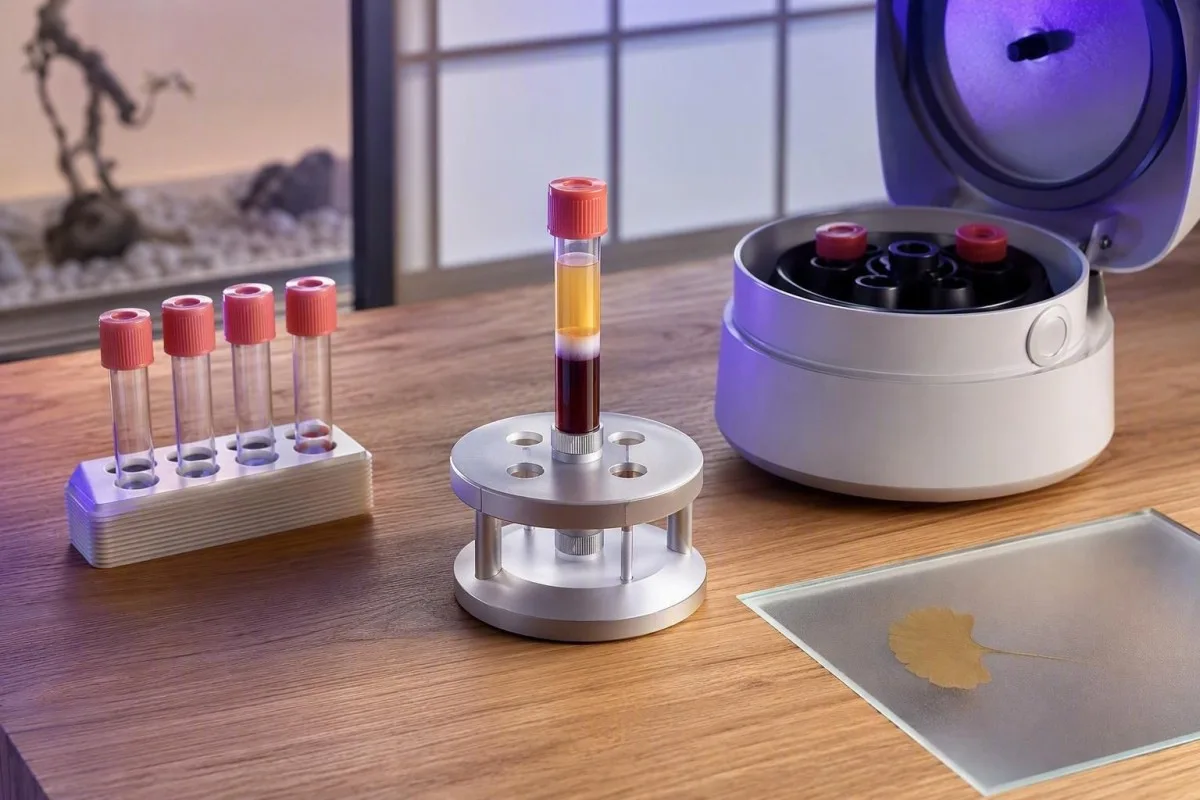
Корисний перший забір крові фіксує вашу звичайну фізіологію, а не біохімічне відлуння вчорашнього тренування, випивки, поганого сну або минущого вірусу. Мета — отримати повторюваний контекст, який можна використовувати роками.


- Час для базового тестування: Замовляйте ранковий забір крові після 8-12 годин без їжі, якщо включаються показники глюкози натщесерце, тригліцериди, дослідження заліза або інсулін.
- Перерва перед тренуванням: Уникайте надмірно інтенсивних силових тренувань, інтервальних або витривалих навантажень за 24-48 годин до планового базового тестування.
- Період без алкоголю: Утримуйтеся від вживання алкоголю щонайменше 48 годин перед тестуванням на тригліцериди та печінкові ферменти; надмірне вживання алкоголю може спотворювати результати довше.
- Правило щодо хвороби: Відкладіть базове тестування стану здоров'я до щонайменше 2 тижнів після одужання від лихоманки або значних респіраторних чи шлунково-кишкових симптомів.
- Цільовий рівень гідратації: пийте нормально напередодні та випийте 250-500 мл води за 2 години до забору, якщо немає обмежень щодо рідини.
- Біологічна обережність: припиніть прийом не призначеного лікарем біотину у високій дозі за 48-72 години до багатьох імуноаналізів, але ніколи не припиняйте призначене лікування без консультації з лікарем.
- Контекст циклу: запишіть день циклу для естрадіолу, прогестерону, ЛГ, ФСГ та іноді ліпідів; це змінює інтерпретацію більше, ніж багато хто очікує.
- Повторюваність: використовуйте ту саму лабораторію, схожий ранковий час і ту саму схему підготовки, коли ви відстежуєте результати лабораторних досліджень протягом тривалого часу.
Що робить перший забір крові справжнім базовим?
A базовий аналіз крові найбільш корисний, коли він відображає звичайний тиждень: стабільне харчування, звичайна гідратація, відсутність гострого захворювання та відсутність виняткових тренувань чи вживання алкоголю. Для більшості дорослих я рекомендую ранковий зразок після 8-12 годин голодування, коли вимірюються глюкоза, тригліцериди, маркери заліза або інсулін.
Практична мета — не покращити результати. Це зменшити преаналітичну варіабельність—зміни, які відбуваються до того, як аналізатор побачить зразок. Рівень глюкози натщесерце 96 мг/дл і рівень тригліцеридів 105 мг/дл можуть бути цілком звичайними, але їх значення змінюється, якщо людина їла пізно, пробігла 10 км або спала 3 години.
У своїй клінічній практиці я прошу пацієнтів ставитися до першого забору як до референтної фотографії. Ведіть короткий запис часу пробудження, тривалості голодування, прийому ліків, добавок, вживання алкоголю за попередні 72 години, фізичних навантажень за попередні 48 годин, дня менструального циклу та нещодавньої інфекції. Цей запис часто буває кориснішим при другому тесті, ніж поодинокий “нормальний” показник.
Кантесті – це Аналізатор крові зі штучним інтелектом розроблений для читання результатів разом із цим практичним контекстом, а не для розгляду кожного виділеного значення як хвороби. Для розумного списку тестів почніть з нашого посібника з річних аналізів крові і узгодьте додатки з лікарем, який знає вашу історію хвороби.
Базова лінія є особистою, а не просто “в межах норми”
Лабораторний референтний інтервал зазвичай містить центральні 95% значень із вибраної популяції; він не визначає ваш найздоровіший або найбезпечніший особистий показник. Результат креатиніну може залишатися в межах лабораторного діапазону, продовжуючи при цьому значно зростати від вашого власного повторного значення, тому документація базової лінії має значення.
Як голодування та прийоми їжі напередодні впливають на результати
Під час голодування для 8–12 годин забезпечує найчистіше перше порівняння для тригліцеридів, глюкози натщесерце, інсуліну та сироваткового заліза, хоча багато ліпідних панелей можуть бути інтерпретовані без голодування. Вода дозволена і зазвичай корисна; кава, сік, жуйка та калорійні напої не є справжнім голодуванням.
Рівень глюкози в плазмі натщесерце нижче 100 мг/дл зазвичай є нормальним, 100-125 мг/дл вказує на порушення рівня глюкози натщесерце, а 126 мг/дл або вище вимагає підтвердження, якщо немає симптомів та вираженої гіперглікемії. HbA1c відображає приблизно попередні 8-12 тижнів, тому один сніданок не може його суттєво знизити; керівництво ADA з лабораторних досліджень пояснює, чому глюкоза та HbA1c відповідають на різні запитання (Sacks et al., 2023).
Тригліцериди особливо залежать від прийому їжі. Значення нижче 150 мг/дл зазвичай є бажаним, тоді як 500 мг/дл або вище викликає занепокоєння щодо ризику панкреатиту та потребує негайної клінічної оцінки. Щедрий пізній прийом їжі або алкоголь можуть призвести до помилково високого першого результату, тому використовуйте план повторного тестування тригліцеридів замість того, щоб намагатися “їсти ідеально” один день.
Кантесті – це Платформа для розшифровки аналізу крові AI який дозволяє зберегти статус голодування поруч із кожною панеллю, що робить подальші порівняння менш схильними до помилок. Наша посібник із біомаркерів пояснює, які тести дійсно чутливі до їжі, а які ні.
Як фізичні вправи можуть імітувати відхилення печінкових та ниркових тестів
Інтенсивні фізичні навантаження можуть тимчасово підвищити CK, AST, ALT, креатинін, лейкоцити та іноді калій, тому уникайте незвичних або високоінтенсивних тренувань за 24-48 годин до базової панелі. Легка ходьба та звичайний щоденний рух — це нормально.
52-річний марафонець, якого я оглядав, мав AST 89 ОД/л після довгої гонки, з ALT 36 ОД/л і CK вище 2000 ОД/л. Така картина вказувала більше на тренований м'яз, ніж на ураження печінки, але все одно потребувала повторного аналізу після відновлення; ізольовані цифри рідко бувають достатніми. Читайте більше про AST після фізичних навантажень , перш ніж припускати проблему з печінкою.
Референтні межі креатинкінази варіюються залежно від лабораторії, статі, походження, м'язової маси та статусу тренувань, але багато лабораторій позначають значення вище приблизно 200-300 ОД/л. Підвищення CK у 5 разів вище верхньої референтної межі після навантаження є поширеним явищем; CK вище 5000 ОД/л з темною сечею, сильним болем у м'язах або зменшеним виділенням сечі потребує термінової оцінки щодо екзерсисної рабдоміолізу.
Креатинін підвищується після інтенсивної активності частково через розпад м'язів та зменшення ниркового кровотоку через втрату рідини. Не інтерпретуйте знижений eGFR з проби після гонки як хронічне захворювання нирок без тестування після відновлення; наша інструкція щодо креатиніну під час фізичних вправ пояснює безпечніший період для повторного аналізу.
48-годинне відновлення — це не правило для всіх
Для звичайного тренування в спортзалі 24 годин часто достатньо. Після ультрамарафону, змагань CrossFit, важких ексцентричних навантажень або впливу тепла я зазвичай чекаю 48-72 годин, якщо метою є стабільний базовий рівень, а не оцінка самого події.
Чому алкоголю потрібна 48-годинна перерва для базового тестування
Утримання від алкоголю щонайменше 48 годин до базового аналізу крові зменшує короткочасне спотворення тригліцеридів, глюкози, GGT, AST, маркерів гідратації та фізіології, пов'язаної зі сном. Один вечір з надмірним вживанням може мати більше значення, ніж очікують багато пацієнтів.
Алкоголь може підвищувати тригліцериди, збільшуючи вироблення печінкою ліпопротеїнів дуже низької щільності, особливо після прийому їжі з високим вмістом вуглеводів. Ефект змінний: результат однієї людини повертається до базового рівня за 24 години, тоді як у іншої людини з жировою дистрофією печінки, діабетом або більш значним споживанням зміни можуть спостерігатися протягом кількох днів. Рівень тригліцеридів натще 220 мг/дл після вихідних з випивкою слід повторити, перш ніж хтось назве це фіксованою метаболічною проблемою.
GGT чутливий, але неспецифічний. Багато лабораторій використовують верхні межі близько 55-60 ОД/л для чоловіків та 35-40 ОД/л для жінок, однак ліки, холестаз, жирова дистрофія печінки та алкоголь можуть його підвищувати. Значущий патерн — це GGT разом з ALT, ALP, білірубіном, кількістю тромбоцитів та історією вживання алкоголю; дивіться нашу пояснення печінкової панелі , щоб зрозуміти, як ці елементи поєднуються.
Станом на 1 вересня 2026 року я все ще не рекомендую “детоксикацію” або надмірне голодування для покращення показників печінки. Звичайна їжа, звичайна вода, відсутність алкоголю та задокументований інтервал — це чистіша наука. Стійке підвищення ALT вище лабораторної верхньої межі на двох зразках, взятих з інтервалом у кілька тижнів, потребує медичного огляду, а не інтернет-очищення.
Коли хвороба або вакцинація повинні відкласти забір крові для оцінки стану здоров'я
Відкладіть базовий аналіз стану здоров'я під час лихоманки, активного шлунково-кишкового захворювання, значної респіраторної інфекції або перших 1-2 тижнів після одужання, тому що CRP, феритин, лейкоцити, тромбоцити, глюкоза та аналіз щитоподібної залози можуть тимчасово змінюватися. Термінові діагностичні тести відрізняються: не відкладайте їх, коли ви погано почуваєтеся.
С-реактивний білок зазвичай підвищується протягом 6-8 годин після запального стимулу і може швидко знижуватися, як тільки причина зникає. CRP нижче 3 мг/л часто використовується для стратифікації серцево-судинного ризику лише тоді, коли людина клінічно здорова; результат 18 мг/л під час застуди мало говорить про довгостроковий судинний ризик. Патерн CRP та альбуміну є більш інформативним, ніж будь-який результат окремо.
Феритин є як білком, що зберігає залізо, так і білком гострої фази. Рівень феритину 110 нг/мл під час інфекції може приховувати виснажені запаси заліза, тоді як феритин нижче 15 нг/мл є високоспецифічним для дефіциту заліза у загалом здорової дорослої людини. Ось чому я поєдную феритин з насиченням трансферину, CRP, гемоглобіном та клінічною картиною.
Вакцинація може викликати короткочасну імунну відповідь, включаючи тимчасові зміни в CRP та підтипах лейкоцитів. Рутинне тестування зазвичай може бути відкладене на 3-7 днів після вакцинації, якщо метою є спокійний базовий рівень, але плановий скринінг для моніторингу медикаментів повинен слідувати інструкціям лікуючого лікаря. Наша післявакцинальний лабораторний гайд охоплює практичні відмінності.
Двотижневе правило має винятки
Після пневмонії, госпіталізації, інфекційного мононуклеозу або сильного загострення хронічного захворювання двох тижнів може бути недостатньо. У таких випадках я часто використовую одужання симптомів, динаміку CRP та судження лікаря, а не лише календар.
Як втрата сну та час доби впливають на аналіз крові
Одна погана ніч сну може підвищити рівень глюкози натщесерце, кортизолу, артеріального тиску та запальних сигналів, тоді як час доби може вплинути на тестостерон, кортизол, залізо та TSH. Для першого базового аналізу прагніть до 7-9 годин звичайного сну та здавайте зразки приблизно між 7 та 10 ранку, коли це можливо.
Кортизол дотримується сильного добового ритму. Рівень кортизолу в сироватці крові вранці зазвичай вимірюють близько 8 ранку, але значення не може діагностувати захворювання надниркових залоз без часу взяття зразка, симптомів та часто тестування на ACTH. Порівняння денного зразка з попереднім ранковим зразком о 8 ранку не є достовірною динамікою, навіть якщо обидва аналізи проводилися в одній лабораторії.
Обмеження сну на 4-5 годин може погіршити чутливість до інсуліну наступного ранку та змінити гормони апетиту; розмір лабораторної зміни значно варіюється залежно від особи. Я найчастіше спостерігаю це у людей, які працюють позмінно, молодих батьків та тих, хто часто подорожує, де “базовий рівень” повинен відображати їхній фактичний розклад, а не ідеалізований. Наш посібник з поганого сну пропонує корисний контрольний список для анотації.
Практична порада доктора Томаса Кляйна проста: не скасовуйте необхідний аналіз через поганий сон, але зафіксуйте це. Якщо граничний рівень глюкози натщесерце становить 103 мг/дл після безсонної ночі, повторіть аналіз за звичайних умов, перш ніж робити висновки про переддіабет.
Каваїн не завжди є нешкідливою підготовкою
Чорна кава може мати незначний вплив на багато панелей, але вона може впливати на глюкозу, катехоламіни, артеріальний тиск та деякі спеціалізовані ендокринні тести. Коли призначають аналізи на інсулін натщесерце, глюкозу, кортизол або метнефрини, чистою водою вибирати найменш неоднозначний вибір.
Які добавки та ліки потрібно зафіксувати
Не припиняйте приймати призначені ліки для базового аналізу крові, якщо лікар не накаже вам цього робити, але запишіть кожні ліки та добавку із зазначенням дози та часу прийому. Біотин, залізо, B12, креатин, йод, кортикостероїди та протинабрякові засоби можуть змінювати як біологію, так і аналіз тесту.
Високі дози біотину, часто 5000-10000 мікрограмів щодня у засобах для волосся та нігтів, можуть перешкоджати певним стрептавідін-біотиновим імуноаналізам. Це може призвести до помилково низького TSH або помилково високого результату вільного Т4, тропоніну або гормонів, залежно від дизайну аналізу. Пауза на 48-72 години зазвичай використовується для необов'язкових біотинових добавок, але люди, які приймають їх за медичними показаннями, повинні спочатку запитати свого лікаря.
Пероральне залізо може тимчасово підвищити рівень заліза в сироватці крові, а добавки креатину можуть збільшити рівень креатиніну, не зменшуючи фактичну фільтрацію. Кортикостероїди можуть підвищувати рівень глюкози та лейкоцитів; інгібітори протонної помпи з часом можуть впливати на рівень магнію та B12. Правильна реакція – це контекст, а не різке самоприпинення; наш посібник з дотримання посту для добавок пояснює поширені винятки.
Кантесті – це Інструмент для аналізу результатів аналізу крові на основі AI який записує повідомлені добавки поруч з результатами, щоб очевидна зміна щитоподібної залози або нирок могла бути переглянута з впливом, який може її пояснити. Пацієнти також можуть порівняти повідомлені результати з нашим контрольний список клінічної точності перед тим, як діяти на неочікуваний сигнал.
Час прийому ліків може бути частиною призначення
Замісна терапія щитоподібної залози, тестостеронова терапія, інсулін, діуретики та антикоагулянти – кожен має свої правила щодо часу аналізу. Наприклад, аналізи щитоподібної залози часто проводяться до денної дози левотироксину при моніторингу послідовності, але протокол лікуючого лікаря повинен мати пріоритет.
Як менструальний цикл впливає на базовий рівень гормонів
Для тестування репродуктивних гормонів день циклу є частиною результату. ФСГ, ЛГ, естрадіол, прогестерон, тестостерон, пролактин, а іноді й ліпіди можуть настільки варіюватися протягом циклу, що незаписана дата послаблює інтерпретацію.
Раннє фолікулярне тестування, часто дні циклу 2-5, зазвичай використовується для базового ФСГ, ЛГ та естрадіолу при оцінці фертильності. Прогестерон зазвичай вимірюється приблизно через 7 днів після овуляції – не автоматично “21-й день”, оскільки 35-денний цикл слідує іншій біології. Значення прогестерону вище приблизно 3 нг/мл може підтверджувати нещодавню овуляцію в багатьох випадках, але точна інтерпретація залежить від аналізу та часу.
Пролактин чутливий до стресу, нещодавніх фізичних навантажень, сексуальної активності та складного збору зразків. Легкі підвищення часто повторюють через 20-30 хвилин спокійного відпочинку, бажано вранці; рівень, який стійко перевищує 100 нг/мл, заслуговує на невідкладну ендокринну оцінку, хоча вплив медикаментів залишається поширеним. Дивіться наш посібник з повторного тестування пролактину для розумних наступних кроків.
Зміни рівня ліпідів, пов'язані з циклом, реальні, але зазвичай менші, ніж зміни від ваги, дієти, алкоголю, діабету або генетики. Якщо ви маєте намір моніторити здоров'я за допомогою аналізів крові протягом років, вибирайте подібну фазу циклу для повторних аналізів ліпідів та гормонів, коли це можливо, особливо під час оцінки симптомів або лікування.
Гормональна контрацепція змінює питання
Комбінована гормональна контрацепція може пригнічувати ендогенні вимірювання ФСГ, ЛГ, естрадіолу та андрогенів, тому ці результати можуть не відображати неліковану фізіологію. Не припиняйте контрацепцію просто для отримання базового рівня, не враховуючи ризик вагітності та клінічну причину тестування.
Чому гідратація, постава та техніка забору мають значення
Нормальна гідратація та 10-15 хвилин сидіння перед забором покращують повторюваність, оскільки зневоднення, тривале стояння та складний забір можуть концентрувати або спотворювати кілька результатів. Пийте нормально напередодні і, якщо немає обмежень щодо рідини, випийте 250-500 мл води за 2 години до прийому.
Скорочення об'єму плазми може призвести до того, що гемоглобін, гематокрит, альбумін, кальцій, загальний білок та креатинін виглядатимуть вищими, ніж вони були б при звичайній гідратації. Навпаки, агресивне вживання літрів води безпосередньо перед тестуванням може розбавити натрій та інші показники. Нормальний діапазон натрію, як правило, становить 135-145 ммоль/л, але несподіваний результат завжди слід інтерпретувати з урахуванням стану гідратації та глюкози.
Постава має більше значення, ніж більшість людей усвідомлюють. Стояння може збільшити альбумін та пов'язані з білком аналіти через переміщення рідини, тоді як тривалий час джгута та повторне стискання кулака можуть помилково підвищити калій та лактат. Калій понад 5,5 ммоль/л без захворювання нирок, симптомів або змін на ЕКГ часто швидко перевіряється повторно, оскільки помилка при заборі є поширеною; наш посібник з помилок забору калію пояснює, чому.
Менструація, недавня втрата рідини через діарею, діуретики та використання сауни – все це слід зазначити в примітках до забору. Якщо eGFR несподівано низький після зневоднення, відновіть нормальний прийом їжі та обговоріть повторне тестування; див. тимчасових змін eGFR перш ніж припускати постійне пошкодження нирок.
Червона пробірка – це не діагноз
Колір пробірки вказує на наповнювач, що використовується для лабораторної обробки, а не на серйозність тесту. Клінічно важливими є правильний вибір пробірки, температура транспортування, затримка обробки та те, чи повідомляє лабораторія про гемоліз або недостатню кількість зразка.
Як зробити пізніші результати порівнянними з першим забором крові
Використовуйте ту саму лабораторію, приблизно однаковий час забору та подібний режим підготовки, коли відстежуєте результати лабораторних досліджень з часом. Справжня біологічна зміна може бути меншою, ніж сукупний ефект методу аналізу, статусу голодування, фізичних вправ та звичайної щоденної варіації.
Холестерин LDL може бути розрахований, а не виміряний безпосередньо, і розрахунок стає менш надійним зі зростанням тригліцеридів. Рекомендації AHA/ACC 2018 року щодо холестерину підтримують скринінг не натщесерце у багатьох людей, але рекомендують оцінку натщесерце за певних обставин, включаючи дуже високі тригліцериди та діагностичну невизначеність (Grundy et al., 2019). Ключовим моментом є послідовність, а не досконалість.
Референтна зміна значення, або RCV, поєднує аналітичну неточність з індивідуальною нормальною біологічною варіацією. Зміна на 10% в одному показнику може бути шумом, тоді як зміна на 30% в іншому є значущою; універсального відсотка, який застосовується до кожного тесту, не існує. Наш посібник "Чи реальна ця зміна" показує, чому тенденції вимагають більше, ніж просто кольорові стрілки.
Kantesti AI інтерпретує повторні панелі, порівнюючи одиниці аналізу, референтні інтервали, дати забору та пов'язані біомаркери, а не просто підраховуючи аномальні прапорці. Наш робочий процес порівняння AI створений для цього поздовжнього питання: що змінилося достатньо, щоб привернути увагу?
Зберігайте оригінальний звіт
Збережіть PDF або чітку фотографію, а не лише введені вручну результати. Перетворення одиниць, лабораторні діапазони, коментарі про гемоліз та те, чи був розрахований LDL, можуть суттєво змінити те, як майбутній клініцист прочитає тенденцію.
Примітка про контекст, яку слід зберегти з кожним аналізом крові
Короткий контекстний запис перетворює ізольовані цифри на корисні поздовжні дані. Записуйте дату, час, години голодування, сон, фізичні вправи, алкоголь, хвороби, ліки, добавки, день циклу, зміни ваги та нові симптоми при кожному заборі.
Мій мінімальний запис має вісім пунктів: час забору; тривалість голодування; фізичні навантаження за 48 годин; вживання алкоголю за 72 години; поточне захворювання; зміни в призначенні ліків; доза та остання доза добавок; а також менструальний статус або вагітність, якщо це стосується. Додайте подорожі, зміну часових поясів та висоту, коли це застосовно, оскільки кожен з цих факторів може вплинути на гідратацію, кортизол, гемоглобін та маркери, чутливі до сну.
Втрата ваги на 1,5 кг за 10 днів, нова дієта з високим вмістом білка або кілька ночей уривчастого сну можуть пояснити незначні зміни в аналізах крові з часом. Це не робить результат неважливим — це робить його інтерпретованим. Для багаторазового використання, наш трекер контексту лабораторії включає деталі, які пацієнти найчастіше забувають.
Доктор Томас Кляйн рекомендує зробити запис перед виходом з дому, а не чекати на результати. Пам’ять стає ненадійною після несподіваного сигналу, і люди, зрозуміло, реконструюють попередній тиждень, щоб він відповідав цифрі.
Що не слід записувати як “виправлення”
Не маніпулюйте дієтою, споживанням води, фізичними навантаженнями або добавками виключно для отримання більш привабливої першої базової лінії. Базова лінія повинна відображати ваше життя; інакше наступний тест може виглядати гірше просто тому, що він є більш чесним.
Які граничні показники слід повторити перед тим, як хвилюватися
Багато граничних базових результатів слід повторити за стабільних умов, перш ніж вони будуть розглядатися як захворювання, особливо ізольовані незначні зміни печінкових ферментів, креатиніну, калію, пролактину, нейтрофілів та тригліцеридів. Термінові симптоми або помітно аномальні значення є винятком.
ALT менше ніж у 2 рази перевищує верхню межу норми лабораторії при нормальному білірубініні, ALP та відсутності симптомів, зазвичай повторно перевіряється після усунення тимчасових факторів, таких як алкоголь, інтенсивні фізичні навантаження або супутнє захворювання. Рівень білірубіну вище 3 мг/дл з жовтяницею, темною сечею, блідим випорожненням, лихоманкою або болем у животі — це інше, і не слід чекати на плановий повторний забір для базової лінії.
Незначно низький вміст нейтрофілів може виникнути після вірусного захворювання або відображати стабільно нормальний показник індивіда. Абсолютна кількість нейтрофілів 1,0-1,5 × 10⁹/л зазвичай є легкою нейтропенією, тоді як нижче 0,5 × 10⁹/л несе суттєво вищий ризик інфекції та потребує термінової медичної консультації, особливо при лихоманці. Наш посібник з подальшого спостереження за нейтрофілами розділяє поширені повторні тести від тривожних сигналів.
Однією з найкорисніших запобіжних заходів є перевірка закономірностей. Наприклад, високий кальцій із пригніченим гормоном паращитоподібних залоз має іншу терміновість, ніж високий кальцій плюс зневоднення та підвищення альбуміну; причина, чому ми турбуємося про комбінації, полягає в тому, що біологія рідко змінює один маркер окремо.
Коли базовий аналіз крові не повинен замінювати медичну допомогу
Протокол базової лінії не є доцільним, коли у вас є тривожні симптоми, швидко погіршується захворювання, ускладнення вагітності або критичний лабораторний сигнал. Біль у грудях, сильна задишка, сплутаність свідомості, непритомність, жовтяниця, чорний кал або сильне зневоднення потребують клінічної оцінки зараз — а не повторного тесту після кращої підготовки.
Калій 6,0 ммоль/л або вище, натрій нижче 120 ммоль/л, глюкоза вище 300 мг/дл з блювотою або сплутаністю свідомості, або гемоглобін близько 7 г/дл є прикладами результатів, які можуть потребувати невідкладних заходів, хоча повний клінічний контекст має значення. Лабораторії зазвичай зв'язуються з командою, яка призначила аналіз, щодо критичних значень, але пацієнти не повинні вважати, що пропущений дзвінок означає безпеку результату.
Якщо ви вагітні, маєте хронічне захворювання нирок, приймаєте інсулін, використовуєте антикоагулянти, проходите хіміотерапію або маєте відоме захворювання печінки, інструкції з підготовки можуть відрізнятися від стандартних для здорових осіб. Період голодування може бути небезпечним для деяких людей з діабетом, а своєчасний прийом ліків може мати вирішальне значення. Наш посібник із частоти тестування пояснює, чому група ризику змінює план.
Кантесті – це сервісі інтерпретації тестів AI що допомагає визначити запитання для лікарів, а не замінює невідкладну оцінку чи діагностику. Клінічні запобіжники та принципи медичного огляду, що лежать в основі нашої роботи, описані нашим Медична консультативна рада.
Практичний 72-годинний протокол для вашого першого базового тестування
Для корисного першого базового показника дотримуйтесь свого звичного режиму протягом 72 годин, утримуйтеся від алкоголю протягом 48 годин, уникайте інтенсивних фізичних навантажень протягом 24-48 годин, спіть нормально, голодуйте 8-12 годин, коли це вказано, пийте воду та записуйте свій контекст. Послідовність є втручанням.
За сімдесят дві - 48 годин до: не починайте новий прийом добавок, жорстких дієт, очищень або тренувальних блоків. Якщо ви вже приймаєте добавку, запишіть точну дозу; якщо вона містить високу дозу біотину, запитайте лікаря або фармацевта, чи є доцільним припинення прийому на 48-72 години. Уникайте алкоголю протягом 48 годин та відкладіть планове тестування, якщо хвороба активна.
Напередодні: їжте звичайну їжу, пийте достатньо рідини, уникайте сауни або змагань на витривалість і плануйте 7-9 годин сну. Для аналізів натщесерце закінчте прийом їжі за 8-12 годин до прийому; воду можна пити. Вранці перед забором крові уникайте кави та нікотину, якщо планується аналіз глюкози, інсуліну, кортизолу, катехоламінів або спеціалізовані ендокринні тести.
Після отримання результату збережіть оригінальний звіт та примітку до його контексту перед тим, як щось змінювати. Kantesti AI може організувати результати в поздовжньому вигляді, тоді як наш посібник з технологій та клінічних методів пояснює, чому розпізнавання патернів все ще потребує людського медичного супроводу для симптомів, основних відхилень та рішень щодо лікування.
Часті запитання
Як підготуватися до базового аналізу крові?
Підготуйтеся до базового аналізу крові, дотримуючись звичайного режиму, утримуючись від алкоголю протягом 48 годин, уникаючи інтенсивних фізичних навантажень протягом 24-48 годин, нормально сплячи та документуючи прийом ліків і добавок. Утримуйтеся від їжі протягом 8-12 годин, якщо в призначенні вказано глюкозу натщесерце, тригліцериди, інсулін або дослідження рівня заліза; вода, як правило, дозволена. Пийте нормально, а не надмірно, і заплануйте ранковий забір зразка приблизно між 7 і 10 ранку, якщо включені гормони або залізо. Відкладіть базове обстеження під час гострого захворювання, якщо тест не потрібен для оцінки цього захворювання.
Чи потрібно мені голодувати перед першим аналізом крові?
8-12 годинний голод є найкориснішим для першого аналізу крові, що включає тригліцериди, глюкозу натщесерце, інсулін або сироваткове залізо, хоча багато стандартних ліпідних панелей більше не потребують голодування. Чиста вода не порушує голодування і допомагає запобігти труднощам зі збором або ефектам концентрації, пов'язаним з зневодненням. Кава, сік, молоко, алкоголь, жувальна гумка та добавки можуть вплинути на окремі результати або зробити недійсною передбачену підготовку. Дотримуйтесь інструкцій, специфічних для замовлення, якщо ваш лікар надає іншу тривалість голодування.
Чи може фізичне навантаження вплинути на результати аналізу крові наступного дня?
Так, інтенсивні фізичні навантаження можуть впливати на результати аналізу крові протягом 24-72 годин, підвищуючи креатинкіназу, AST, ALT, креатинін, лейкоцити та іноді калій. Важкі силові тренування, марафонський біг, високоінтенсивні інтервали та вплив спеки спричиняють більші зміни, ніж звичайна прогулянка. Для стабільного показника самопочуття уникайте незвичних або інтенсивних фізичних навантажень протягом 24-48 годин; після значної витривалої події 48-72 годин часто є більш реалістичним терміном. Не відкладайте термінове тестування на симптоми, такі як сильний біль у м'язах, темна сеча, слабкість або зменшення виділення сечі.
Як довго слід уникати алкоголю перед аналізом крові?
Уникайте вживання алкоголю щонайменше за 48 годин до базового аналізу крові, особливо коли оцінюються тригліцериди, глюкоза, GGT, AST, ALT або маркери, чутливі до гідратації. Алкоголь може підвищити тригліцериди навіть після одного вечора з надмірним вживанням, і цей ефект може тривати кілька днів у людей з діабетом, жировою дистрофією печінки або тих, хто зазвичай вживає більше алкоголю. Результат тригліцеридів 500 мг/дл або вище потребує негайної клінічної оцінки, оскільки ризик панкреатиту значно зростає. Не намагайтеся проводити очищення або суворе голодування після цього; звичайне харчування та гідратація дають більш достовірний повторний результат.
Чи може поганий сон змінити результати аналізу крові?
Недостатній сон може впливати на ранковий рівень глюкози натщесерце, кортизолу, артеріальний тиск та деякі запальні маркери, особливо після 4-5 годин сну або нічної зміни. Він суттєво не змінює HbA1c, який відображає середній рівень глікемії за приблизно 8-12 тижнів. Якщо необов’язковий базовий результат є граничним після безсонної ночі, зафіксуйте втрату сну та розгляньте можливість повторного тестування за звичайних умов. Необхідні тести все одно слід проводити, оскільки симптоми та виражені відхилення мають більше значення, ніж ідеальна підготовка.
Чи слід здавати гормони в певний день менструального циклу?
Так, гормональне тестування слід планувати відповідно до клінічного питання, а день менструального циклу завжди слід записувати. ФСГ, ЛГ та естрадіол часто визначають на 2-5 дні циклу для базової оцінки на початку фолікулярної фази, тоді як прогестерон зазвичай перевіряють приблизно через 7 днів після овуляції, а не автоматично на 21-й день. Рівень прогестерону вище приблизно 3 нг/мл може підтверджувати нещодавню овуляцію, але лабораторні та клінічні ситуації різняться. Гормональна контрацепція змінює результати ендогенних гормонів, тому не припиняйте її виключно для тестування без медичної консультації.
Отримайте аналіз крові з підтримкою ШІ вже сьогодні
Приєднуйтесь до понад 2 мільйонів користувачів у всьому світі, які довіряють Kantesti для миттєвого та точного аналізу лабораторних тестів. Завантажте результати аналізу крові та отримайте комплексну інтерпретацію біомаркерів 15,000+ за секунди.
📚 Дослідження з посиланнями на публікації
Klein, T., Mitchell, S., & Weber, H. (2026). Kantesti LTD. (2026). C3 C4 Complement Blood Test & ANA Titer Guide. Zenodo.. Медичні дослідження ШІ Kantesti.
Klein, T., Mitchell, S., & Weber, H. (2026). Kantesti LTD. (2026). Аналіз крові на вірус Ніпах: посібник із раннього виявлення та діагностики 2026. Zenodo.. Медичні дослідження ШІ Kantesti.
📖 Зовнішні медичні посилання
⚕️ Медична відмова від відповідальності
Ця стаття призначена лише для освітніх цілей і не становить медичної поради. Завжди консультуйтеся з кваліфікованим медичним працівником щодо рішень про діагностику та лікування.
Сигнали довіри E-E-A-T
Досвід
Лікарський клінічний огляд робочих процесів інтерпретації лабораторних показників.
Експертиза
Лабораторна медицина з акцентом на те, як біомаркери поводяться в клінічному контексті.
Авторитетність
Написано доктором Томасом Кляйном за редакційного перегляду докторки Сари Мітчелл і професора доктора Ганса Вебера.
Довірливість
Інтерпретація на основі доказів із чіткими шляхами подальших дій, щоб зменшити тривогу.