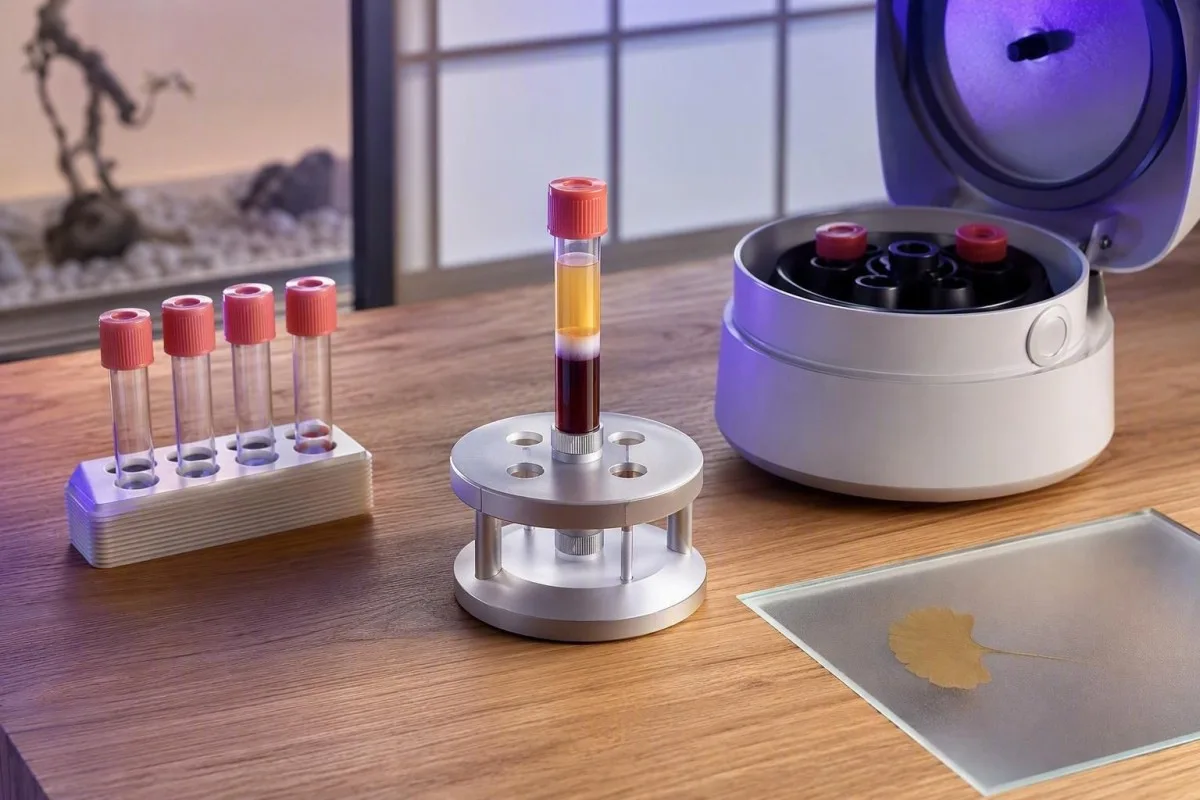
Faydalı bir ilk kan alımı, dünün egzersizinin, içeceklerinin, uykusuzluğun veya geçici bir virüsün biyokimyasal yankısını değil, sıradan fizyolojinizi kaydeder. Amaç, yıllarca kullanabileceğiniz tekrarlanabilir bir bağlamdır.


- Başlangıç zamanlaması: açlık glikozu, trigliseritler, demir çalışmaları veya insülin dahilse, 8-12 saat açlıktan sonra sabah bir kan alımı planlayın.
- Egzersiz molası: rutin başlangıç testlerinden 24-48 saat önce alışılmadık derecede zorlu direniş antrenmanlarından, aralıklı veya dayanıklılık egzersizlerinden kaçının.
- Alkol penceresi: trigliserit ve karaciğer enzimi testlerinden en az 48 saat önce alkolü atlayın; ağır içki sonuçları daha uzun süre bozabilir.
- Hastalık kuralı: ateş veya önemli solunum yolu veya gastrointestinal semptomlar düzeldikten en az 2 hafta sonrasına kadar bir sağlık kontrolünü erteleyin.
- Hidrasyon hedefi: önceki gün normal şekilde için ve sıvı alımı kısıtlanmadığı sürece, alınmadan önceki 2 saat içinde 250-500 mL su için.
- Biyotin uyarısı: birçok immün analiz öncesinde 48-72 saat boyunca reçetesiz yüksek doz biyotin kullanımını durdurun, ancak reçete edilen tedaviyi reçete eden kişiye sormadan asla durdurmayın.
- Döngü bağlamı: östrojen, progesteron, LH, FSH ve bazen lipitler için döngü gününü kaydedin; bu, beklenenden çok daha fazla yorumu değiştirir.
- Tekrarlanabilirlik: laboratuvar sonuçlarını zaman içinde takip ederken aynı laboratuvarı, benzer sabah saatini ve aynı hazırlık modelini kullanın.
İlk kan alımını gerçek bir başlangıç noktası yapan nedir?
A bazal kan testi sıradan bir haftayı yakaladığında en kullanışlıdır: sabit öğünler, olağan hidrasyon, akut hastalık yok ve olağanüstü eğitim veya içki yok. Çoğu yetişkin için, glukoz, trigliseritler, demir belirteçleri veya insülin ölçüldüğünde 8-12 saatlik oruç sonrası sabah örneği öneririm.
Pratik amaç, sonuçları daha iyi göstermek değildir. Azaltmaktır analitik öncesi değişkenlik— analizör örneği görmeden önce meydana gelen değişiklikler. 96 mg/dL'lik oruç glukozu ve 105 mg/dL'lik trigliserit seviyesi tamamen sıradan olabilir, ancak kişi geç yemek yemiş, 10 km koşmuş veya 3 saat uyumuşsa anlamları değişir.
Klinik çalışmamda, hastalardan ilk örneği bir referans fotoğrafı gibi ele almalarını istiyorum. Uyanma saati, oruç süresi, ilaçlar, takviyeler, önceki 72 saatteki alkol, önceki 48 saatteki egzersiz, adet döngüsü günü ve yakın zamandaki enfeksiyon hakkında kısa bir kayıt tutun. Bu kayıt genellikle ikinci testte tek bir “normal” bayraktan daha kullanışlıdır.
Kantesti bir AI kan testi analizörü vurgulanan her değeri hastalık olarak ele almak yerine, bu pratik bağlamla birlikte sonuçları okumak üzere tasarlanmıştır. Anlamlı bir test listesi için, başlamak için yıllık kan testi kılavuzumuzdan yararlanın ve geçmişinizi bilen bir klinisyenle eklemeleri kabul edin.
Bazal değer kişiye özeldir, sadece “aralıkta” değildir”
Bir laboratuvar referans aralığı genellikle seçilmiş bir popülasyondan elde edilen değerlerin merkez 'ini içerir; kişisel sağlığınızın veya güvenliğinizin en iyi sayısını tanımlamaz. Bir kreatinin sonucu, kendi tekrarlanan değerinizden anlamlı bir şekilde yükselirken bir laboratuvar aralığında kalabilir, bu nedenle bazal belgelemeler önemlidir.
Oruç ve önceki günün öğünleri sonuçları nasıl şekillendirir?
için uygun bir bütünün yalnızca bir parçasıdır. 8-12 saat trigliseritler, oruç glukozu, insülin ve serum demiri için en temiz ilk karşılaştırmayı üretir, ancak birçok lipid paneli oruçsuz olarak yorumlanabilir. Suya izin verilir ve genellikle faydalıdır; kahve, meyve suyu, sakız ve kalorili içecekler gerçek bir oruç değildir.
100 mg/dL'nin altındaki oruç plazma glukozu genellikle normaldir, 100-125 mg/dL bozulmuş oruç glukozu anlamına gelir ve 100 mg/dL veya üzerindekiler, belirtiler ve belirgin hiperglisemi yoksa onay gerektirir. HbA1c yaklaşık olarak önceki 8-12 haftayı yansıtır, bu nedenle bir kahvaltı bunu anlamlı bir şekilde düşüremez; ADA laboratuvar kılavuzu, glukoz ve HbA1c'nin neden farklı soruları yanıtladığını açıklar (Sacks ve ark., 2023).
Trigliseritler özellikle öğünlere duyarlıdır. 150 mg/dL altındaki bir değer geleneksel olarak arzu edilirken, 500 mg/dL veya üzerindeki değerler pankreatit riski açısından endişe yaratır ve acil klinik değerlendirme gerektirir. Zengin bir geç öğün veya alkol yanıltıcı derecede yüksek bir ilk sonuç yaratabilir, bu nedenle bir trigliserit yeniden test planı kullanın, tek bir gün için “mükemmel beslenmeye” çalışmak yerine.
Kantesti bir AI kan tahlili yorumlama platformu Bu, sonraki karşılaştırmaları daha az hataya açık hale getirir. biyobelirteç kılavuzumuz Hangi testlerin gerçekten öğünle duyarlı olduğunu ve hangilerinin olmadığını açıklar.
Egzersiz, anormal karaciğer ve böbrek testlerini nasıl taklit edebilir?
Zorlu egzersiz geçici olarak yükseltebilir CK, AST, ALT, kreatinin, beyaz küreler ve bazen potasyum, bu nedenle temel bir panelden 24-48 saat önce alışılmadık veya yüksek yoğunluklu antrenmandan kaçının. Hafif yürüyüş ve normal günlük hareket iyidir.
Gözden geçirdiğim 52 yaşındaki bir maraton koşucusu uzun bir yarıştan sonra AST 89 IU/L, ALT 36 IU/L ve CK 2.000 IU/L'nin üzerinde idi. Bu örüntü karaciğer hasarından çok egzersizle ilgili kası işaret ediyordu, ancak iyileşmeden sonra tekrar kontrol edilmesi gerekiyordu; izole sayılar nadiren yeterlidir. Hakkında daha fazla bilgi okuyun Egzersiz sonrası AST karaciğer problemi varsaymadan önce.
Kreatinin, kas yıkımı ve sıvı kaybından kaynaklanan böbrek kan akışının azalması nedeniyle yoğun aktivite sonrası yükselir. Yarış sonrası bir örnekten elde edilen düşük bir eGFR'yi iyileşme testi olmadan kronik böbrek hastalığı olarak yorumlamayın;.
iyileşme testi yapmadan kronik böbrek hastalığı olarak yorumlamayın; bizim kreatinin egzersiz kılavuzu daha güvenli yeniden çizim penceresini açıklar.
48 saatlik sıfırlama herkes için bir kural değildir
Rekreasyonel bir spor salonu seansı için genellikle 24 saat yeterlidir. Bir ultramaraton, CrossFit yarışması, ağır eksantrik kaldırma veya ısı maruziyetinden sonra, amacın olayın kendisinin değerlendirilmesi yerine kararlı bir temel oluşturulması ise genellikle 48-72 saat beklerim.
Alkolün neden 48 saatlik bir başlangıç arasına değer olduğu
Alkolü en azından 48 saat içinde öncesinde kesmek, trigliseritler, glukoz, GGT, AST, hidrasyon belirteçleri ve uykuyla ilgili fizyolojinin kısa süreli çarpıtılmasını azaltır. Tek bir ağır akşam, birçok hastanın beklediğinden daha fazla önem taşıyabilir.
Alkol, özellikle yüksek karbonhidratlı öğünlerden sonra, karaciğerin çok düşük yoğunluklu lipoprotein üretimini artırarak trigliseritleri yükseltebilir. Etki değişkendir: bir kişinin sonucu 24 saat içinde normale dönerken, karaciğer yağlanması, diyabet veya daha ağır tüketimi olan başka bir kişide değişiklikler birkaç gün sürebilir. Hafta sonu içtikten sonra 220 mg/dL'lik açlık trigliserit değerinin, birinin bunu sabit bir metabolik problem olarak etiketlemesinden önce tekrarlanması gerekir.
GGT hassastır ancak spesifik değildir. Birçok laboratuvar erkekler için yaklaşık 55-60 IU/L ve kadınlar için 35-40 IU/L civarında üst limitler kullanır, ancak ilaçlar, kolestaz, karaciğer yağlanması ve alkol bunu yükseltebilir. Anlamlı örüntü, GGT'nin ALT, ALP, bilirubin, trombosit sayısı ve alkol öyküsü ile birlikte olmasıdır; bizim karaciğer paneli açıklaması bu parçaların nasıl bir araya geldiği için bakabilirsiniz.
1 Eylül 2026 itibarıyla, karaciğer sonuçlarını iyileştirmek için “detoks” veya aşırı oruç tutmaya karşı tavsiyem hala devam ediyor. Normal yiyecek, normal su, alkolsüz içecek ve belgelenmiş bir ara daha temiz bilimdir. Birkaç hafta arayla alınan iki örnekte laboratuvar üst limitinin üzerinde devam eden ALT, internette yapılan bir temizlikten ziyade tıbbi incelemeyi gerektirir.
Hastalık veya aşılama ne zaman bir sağlık kontrolünü geciktirmeli
Ateş, aktif gastrointestinal hastalık, önemli bir solunum yolu enfeksiyonu veya iyileştikten sonraki ilk 1-2 hafta boyunca iyilik halinin temelini geciktirin çünkü CRP, ferritin, beyaz küreler, trombositler, glukoz ve tiroid testi geçici olarak değişebilir. Acil tanısal testler farklıdır: hasta olduğunuzda bunları geciktirmeyin.
C-reaktif protein genellikle inflamatuar bir uyaranın ardından 6-8 saat içinde yükselir ve tetikleyici ortadan kalktığında hızla düşebilir. Kardiyovasküler risk sınıflandırması için genellikle CRP'nin 3 mg/L'nin altında olması kullanılır, yalnızca kişi klinik olarak iyiyken; soğuk algınlığı sırasında 18 mg/L'lik bir sonuç, uzun vadeli damar riski hakkında çok az bilgi verir. CRP ve albümin deseni tek bir sonuçtan daha bilgilendiricidir.
Ferritin hem bir demir depolama proteini hem de akut faz reaktanıdır. Enfeksiyon sırasında 110 ng/mL'lik bir ferritin, tükenmiş demir depolarını gizleyebilirken, 15 ng/mL'nin altındaki ferritin, aksi takdirde sağlıklı bir yetişkinde demir eksikliği için oldukça spesifiktir. Bu nedenle ferritini transferrin satürasyonu, CRP, hemoglobin ve klinik öykü ile eşleştiririm.
Aşılama, CRP ve beyaz küre alt kümelerinde geçici değişiklikler de dahil olmak üzere kısa süreli bir bağışıklık tepkisine neden olabilir. Sessiz bir temel oluşturmak amacıyla rutin testler genellikle aşıdan 3-7 gün sonra yapılabilir, ancak ilaç takibi için planlanmış bir güvenlik paneli, reçeteyi yazan klinisyenin talimatlarına uygun olarak yapılmalıdır. Bizim aşı sonrası laboratuvar kılavuzumuz pratik ayrımları kapsar.
İki haftalık kuralın istisnaları vardır
Zatürre, hastaneye yatış, bulaşıcı mononükleoz veya kronik bir hastalığın şiddetli alevlenmesinden sonra iki hafta yeterli olmayabilir. Bu durumlarda, yalnızca takvim yerine genellikle semptom iyileşmesi, CRP eğilimi ve klinisyen yargısını kullanırım.
Uyku kaybı ve zamanlama bir kan testini nasıl değiştirir?
Kötü bir gece uykusu açlık glukozunu, kortizolü, kan basıncını ve inflamatuar sinyalleri yükseltebilirken, zamanlama testosteronu, kortizolü, demiri ve TSH'yi değiştirebilir. İlk temel değer için 7-9 saatlik normal uyku hedefleyin ve mümkünse sabah 7 ile 10 arasında numune alın.
Kortizol güçlü bir günlük ritim izler. Sabah serum kortizolü genellikle sabah 8 civarında ölçülür, ancak bir değer, toplama zamanı, semptomlar ve genellikle ACTH testi olmadan adrenal hastalığı teşhis edemez. Öğleden sonra alınan bir numunenin önceki sabah 8'de alınan bir numune ile karşılaştırılması, aynı laboratuvar her ikisini de yapsa bile geçerli bir eğilim değildir.
4-5 saatlik uyku kısıtlaması ertesi sabah insülin duyarlılığını kötüleştirebilir ve iştah hormonlarını değiştirebilir; laboratuvar değişikliğinin boyutu kişiden kişiye önemli ölçüde değişir. Bunu en sık vardiyalı çalışanlarda, yeni ebeveynlerde ve sık seyahat edenlerde görüyorum, burada bir “temel değer” idealize edilmiş bir değere değil, gerçek programlarını temsil etmelidir. Bizim zayıf uyku laboratuvarı kılavuzumuz kullanışlı bir açıklama kontrol listesi sunar.
Dr. Thomas Klein'ın pratik tavsiyesi basittir: Gerekli bir testi uykunuzu kötü geçirdiğiniz için iptal etmeyin, ancak kaydedin. Tüm gece uykusuz kaldıktan sonra sınırda bir açlık glukozu 103 mg/dL ise, prediyabet hakkında sonuçlara varmadan önce normal koşullar altında tekrarlayın.
Kafein her zaman zararsız bir hazırlık değildir
Siyah kahve birçok panel üzerinde az etkiye sahip olabilir, ancak glikoz, katekolaminler, kan basıncı ve bazı özel endokrin testleri etkileyebilir. Açlık insülini, glikoz, kortizol veya metanefrinler istendiğinde, sade su en belirsiz seçenektir.
Hangi takviyelerin ve ilaçların kaydedilmesi gerekir?
Bir temel kan testi için reçeteli ilaçları, reçeteyi yazan kişi size söylemedikçe bırakmayın, ancak her ilacı ve takviyeyi doz ve zamanlamasıyla birlikte kaydedin. Biyotin, demir, B12, kreatin, iyot, kortikosteroidler ve dekonjestanlar ya biyolojiyi ya da test analizini değiştirebilir.
Saç ve tırnak ürünlerinde günlük olarak sıkça kullanılan 5.000-10.000 mikrogramlık yüksek doz biyotin, belirli streptavidin-biyotin immün analizlerine müdahale edebilir. Analiz tasarımına bağlı olarak yanlış düşük TSH veya yanlış yüksek serbest T4, troponin veya hormon sonuçları oluşturabilir. Reçetesiz biyotin için yaygın olarak 48-72 saatlik bir ara verilir, ancak tıbbi bir durum için kullananlar öncelikle hekimlerine danışmalıdır.
Oral demir serum demirini geçici olarak yükseltebilir ve kreatin takviyeleri gerçek filtrasyonu azaltmadan kreatinini artırabilir. Kortikosteroidler glikoz ve beyaz kan hücrelerini yükseltebilir; proton-pompa inhibitörleri zamanla magnezyumu ve B12'yi etkileyebilir. Doğru tepki, ani kendi kendine kesinti değil, bağlamdır; bizim takviye açlık rehberimiz yaygın istisnaları açıklar.
Kantesti bir Yapay zekâ destekli kan testi analiz aracı sonuçların yanında bildirilen takviyeleri kaydederek, görünür bir tiroid veya böbrek değişikliğinin, onu açıklayabilecek maruziyetle gözden geçirilebilmesini sağlar. Hastalar ayrıca beklenmedik bir işarete göre hareket etmeden önce bildirilen sonuçları bizim klinik doğruluk kontrol listemizle karşılaştırabilirler.
İlaç zamanlaması reçetenin bir parçası olabilir
Tiroid replasmanı, testosteron tedavisi, insülin, diüretikler ve antikoagülanların her birinin teste özgü zamanlama kuralları vardır. Örneğin, tutarlılığı izlerken tiroid testleri genellikle günün levotiroksin dozundan önce alınır, ancak reçete eden hekimin protokolü öncelikli olmalıdır.
Adet döngüsünün zamanlaması ilk hormon başlangıcını nasıl etkiler?
Üreme hormonu testi için döngü günü sonucun bir parçasıdır. FSH, LH, estradiol, progesteron, testosteron, prolaktin ve bazen lipidler döngü boyunca yeterince değişebilir ki kaydedilmemiş bir tarih yorumu zayıflatır.
Erken foliküler dönem testi, genellikle döngünün 2-5. günleri, kısırlık değerlendirmesinde bazal FSH, LH ve estradiol için yaygın olarak kullanılır. Progesteron genellikle yumurtlamadan yaklaşık 7 gün sonra ölçülür—otomatik olarak “21. gün” değil, çünkü 35 günlük bir döngü farklı bir biyolojiye sahiptir. Yaklaşık 3 ng/mL üzerindeki bir progesteron değeri birçok durumda yakın zamanda yumurtlamayı destekleyebilir, ancak kesin yorum analiz ve zamana bağlıdır.
Prolaktin strese, son egzersize, cinsel aktiviteye ve zorlu örnek toplama işlemine duyarlıdır. Hafif yükselmeler genellikle 20-30 dakika sessiz istirahat sonrası, ideal olarak sabah tekrarlanır; 100 ng/mL'nin üzerinde kalıcı bir seviye acil endokrin değerlendirmeyi hak eder, ancak ilaç etkileri yaygın olmaya devam eder. Mantıklı sonraki adımlar için prolaktin yeniden test rehberimize bakın.
Döngüyle ilişkili lipid kaymaları gerçektir ancak genellikle kilo, diyet, alkol, diyabet veya genetikten kaynaklanan değişimlerden daha küçüktür. Yıllar boyunca sağlık durumunu kan testleriyle izlemeyi amaçlıyorsanız, özellikle belirtileri veya tedaviyi değerlendirirken, mümkün olduğunda tekrarlanan lipid ve hormon panelleri için benzer bir döngü fazı seçin.
Hormonal kontrasepsiyon soruyu değiştirir
Kombine hormonal kontrasepsiyon, endojen FSH, LH, estradiol ve androjen ölçümlerini baskılayabilir, bu nedenle bu sonuçlar tedavi edilmemiş fizyolojiyi tanımlamayabilir. Gebelik riskini ve testin klinik nedenini dikkate almadan temel bir ölçüm elde etmek için kontrasepsiyonu bırakmayın.
Hidrasyon, duruş ve toplama tekniği neden önemlidir?
Normal hidrasyon ve numune alımından önce 10-15 dakika oturarak dinlenme, tekrarlanabilirliği artırır çünkü dehidrasyon, uzun süre ayakta durma ve zorlu bir kan alma işlemi bazı sonuçları yoğunlaştırabilir veya bozabilir. Bir önceki gün normal şekilde beslenin ve sıvı kısıtlaması yoksa 250-500 mL su için randevudan önceki 2 saat içinde.
Plazma hacmi daralması, hemoglobin, hematokrit, albümin, kalsiyum, toplam protein ve kreatininin normal hidrasyona göre daha yüksek görünmesine neden olabilir. Tersine, testten hemen önce agresif bir şekilde litrelerce su içmek sodyumu ve diğer ölçümleri seyreltebilir. Normal bir sodyum aralığı genellikle 135-145 mmol/L'dir, ancak beklenmedik bir sonuç her zaman hidrasyon ve glukoz durumuyla birlikte yorumlanmalıdır.
Duruş, çoğu insanın fark ettiğinden daha önemlidir. Ayakta durmak, sıvı kaymaları nedeniyle albümin ve proteinlere bağlı analitleri artırabilirken, uzun turnike süresi ve tekrarlanan yumruk sıkma, potasyumu ve laktatı yapay olarak yükseltebilir. Böbrek hastalığı, semptomlar veya EKG değişiklikleri olmayan 5,5 mmol/L'nin üzerindeki bir potasyum, genellikle hızla yeniden kontrol edilir çünkü numune alma hatası yaygındır; potasyum alma hatası kılavuzumuz bunun nedenini açıklıyor.
Menstrüasyon, ishalden kaynaklanan yakın zamanda sıvı kaybı, diüretikler ve sauna kullanımı, numune alımıyla ilgili notta belirtilmelidir. Dehidrasyon sonrası eGFR beklenenden düşükse, normal alımı geri yükleyin ve tekrar test etmeyi tartışın; geçici eGFR değişiklikleri kalıcı böbrek hasarı varsaymadan önce.
Kırmızı tüp bir tanı değildir
Tüp rengi, laboratuvar işlemesi için kullanılan katkı maddesini belirler, testin ciddiyetini değil. Klinik olarak önemli olan doğru tüp seçimi, nakliye sıcaklığı, işlem gecikmesi ve laboratuvarın hemoliz veya yetersiz numune rapor edip etmediğidir.
Sonraki sonuçları ilk kan alımıyla karşılaştırılabilir hale getirmek
Laboratuvar sonuçlarını zaman içinde takip ederken her zaman aynı laboratuvarı, benzer bir numune alma saatini ve benzer bir hazırlık rutini kullanın. Gerçek bir biyolojik değişiklik, deney yöntemi, açlık durumu, egzersiz ve normal günlük değişkenliğin birleşik etkisinden daha küçük olabilir.
LDL kolesterol doğrudan ölçülmek yerine hesaplanabilir ve trigliseritler yükseldikçe hesaplama daha az güvenilir hale gelir. 2018 AHA/ACC kolesterol kılavuzu, birçok kişide açlık olmayan taramayı desteklemekle birlikte, çok yüksek trigliseritler ve tanısal belirsizlik gibi belirli durumlarda açlık değerlendirmesi önerir (Grundy ve ark., 2019). Önemli olan mükemmellik değil, tutarlılıktır.
Referans değişim değeri (RCV), analitik hassasiyeti, bireyin normal biyolojik değişkenliği ile birleştirir. Bir belirteçteki 'luk bir hareket gürültü olabilirken, diğerindeki 'luk bir değişiklik anlamlı olabilir; her test için geçerli evrensel bir yüzde yoktur. Bizim bu değişim gerçek mi kılavuzumuz neden eğilimlerin renk kodlu okların ötesinde şeyler gerektirdiğini gösteriyor.
Kantesti AI, yalnızca anormal bayrakları saymak yerine deney birimlerini, referans aralıklarını, numune alma tarihlerini ve ilgili biyobelirteçleri karşılaştırarak tekrarlanan panelleri yorumlar. Bizim AI karşılaştırma iş akışımız bu uzunlamasına soru için tasarlanmıştır: dikkat çekmeyi hak edecek kadar ne değişti?
Orijinal raporu saklayın
Sadece yazılı bir sonuç değil, PDF'i veya net bir fotoğrafı kaydedin. Birim dönüşümleri, laboratuvar aralıkları, hemoliz hakkındaki yorumlar ve LDL'nin hesaplanıp hesaplanmadığı, gelecekteki bir klinisyenin eğilimi nasıl okuduğunu önemli ölçüde değiştirebilir.
Her kan testiyle kaydedilecek bağlam notu
Kısa bir bağlam notu, izole sayıları kullanılabilir uzunlamasına verilere dönüştürür. Kaydedin her numune alımında tarih, saat, açlık süresi, uyku, egzersiz, alkol, hastalık, ilaçlar, takviyeler, döngü günü, kilo değişiklikleri ve yeni semptomlar her numune alımında.
Minimum notumda sekiz öğe bulunur: toplama zamanı; oruç süresi; 48 saat içinde egzersiz; 72 saat içinde alkol; mevcut hastalık; reçete değişiklikleri; takviye dozu ve son dozu; ve ilgili durumlarda adet veya gebelik durumu. Seyahat, jet lag ve irtifa'yı da dahil edin, çünkü her biri hidrasyon, kortizol, hemoglobin ve uykuya duyarlı belirteçleri etkileyebilir.
10 günde 1.5 kg kilo kaybı, yeni bir yüksek proteinli diyet veya birkaç gece kesintili uyku, zamanla ortaya çıkan mütevazı kan testi değişikliklerini açıklayabilir. Bu, sonucu önemsiz yapmaz - yorumlanabilir hale getirir. Yeniden kullanılabilir bir sürüm için, labor bağlam izleyicisi hastaların en sık unuttuğu ayrıntıları içerir.
Dr. Thomas Klein, notu sonuçları beklerken değil, evden ayrılmadan önce yazmanızı tavsiye ediyor. Beklenmedik bir uyarı sonrasında hafıza güvenilmez hale gelir ve insanlar anlaşılır bir şekilde önceki haftayı sayıyı uyacak şekilde yeniden yapılandırır.
“Düzeltme” olarak ne kaydedilmemeli”
Daha çekici bir ilk temel çizgi elde etmek için yalnızca diyeti, su alımını, egzersizi veya takviyeleri manipüle etmeyin. Bir temel çizgi hayatınızı temsil etmelidir; aksi takdirde bir sonraki test daha dürüst olduğu için daha kötü görünebilir.
Hangi sınırda bulguların endişelenmeden önce tekrarlanması gerekir?
Birçok sınırda temel çizgi sonucu, özellikle karaciğer enzimleri, kreatinin, potasyum, prolaktin, nötrofil ve trigliseritlerdeki izole hafif değişiklikler, hastalık olarak kabul edilmeden önce stabil koşullar altında tekrarlanmalıdır. Acil belirtiler veya belirgin şekilde anormal değerler istisnadır.
Normal bilirubin, ALP ve belirti yokluğu ile laboratuvar üst sınırının 2 katından az olan bir ALT, alkol, yoğun egzersiz veya ara sıra hastalık gibi geçici katkıda bulunanlar giderildikten sonra yaygın olarak yeniden kontrol edilir. Sarılık, koyu idrar, soluk dışkı, ateş veya karın ağrısı ile birlikte 3 mg/dL üzerindeki bir bilirubin seviyesi farklıdır ve rutin bir temel çizgi yeniden çekimi için beklenmemelidir.
Hafif düşük bir nötrofil sayısı viral bir hastalıktan sonra ortaya çıkabilir veya bireyin stabil normalini yansıtabilir. 1.0-1.5 × 10⁹/L'lik bir mutlak nötrofil sayısı genellikle hafif nötropenidir, 0.5 × 10⁹/L'nin altındaki ise enfeksiyon riski önemli ölçüde daha yüksektir ve özellikle ateşle birlikte acil tıbbi rehberlik gerektirir. Bizim nötrofil takip kılavuzumuz yaygın yeniden testleri kırmızı bayraklardan ayırır.
En faydalı güvenlik önlemlerinden biri desen kontrolüdür. Örneğin, baskılanmış paratiroid hormonlu yüksek kalsiyum, dehidrasyon ve albümin yükselmesi artı yüksek kalsiyumdan farklı bir aciliyet taşır; kombinasyonlardan endişelenmemizin nedeni, biyolojinin nadiren tek bir belirteci değiştirmesidir.
Başlangıç kan testleri ne zaman tıbbi bakımın yerini almamalıdır?
Kırmızı bayrak belirtileri, hızla kötüleşen hastalık, gebelik komplikasyonları veya kritik bir laboratuvar uyarısı olduğunda temel protokol uygun değildir. Göğüs ağrısı, şiddetli nefes darlığı, kafa karışıklığı, bayılma, sarılık, siyah dışkı veya şiddetli dehidrasyon, klinik değerlendirme gerektirir - şimdi, daha iyi hazırlanmış bir tekrar test değil.
6.0 mmol/L veya üzeri potasyum, 120 mmol/L altı sodyum, kusma veya kafa karışıklığı ile birlikte 300 mg/dL üzeri glukoz veya 7 g/dL civarında hemoglobin, tam klinik ortamın önemli olmasına rağmen acil müdahale gerektirebilecek sonuç örnekleridir. Laboratuvarlar genellikle talep eden ekiple kritik değerler hakkında iletişime geçer, ancak hastalar çağrılmamış olmasının sonucun güvenli olduğu anlamına geldiğini varsaymamalıdır.
Hamileyseniz, kronik böbrek hastalığınız varsa, insülin kullanıyorsanız, antikoagülan kullanıyorsanız, kemoterapi alıyorsanız veya bilinen karaciğer hastalığınız varsa, hazırlık talimatları sağlık şablonundan farklı olabilir. Diyabetli bazı kişiler için açlık süresi güvensiz olabilir ve ilaç zamanlaması önemli olabilir. Bizim ne sıklıkla test yapmalı rehberi risk grubunun planı neden değiştirdiğini açıklar.
Kantesti bir AI laboratuvar testi yorumlama hizmetinde yayımlanır. klinisyenler için soruları belirlemeye yardımcı olur, acil değerlendirme veya teşhisin yerini tutmaz. Çalışmamızın arkasındaki klinik güvenlik önlemleri ve tıbbi inceleme ilkeleri tarafımızca açıklanmıştır. Tıbbi Danışma Kurulu.
İlk başlangıcınız için pratik bir 72 saatlik protokol
Faydalı bir ilk temel çizgi için rutininizi 72 saat sürdürün, alkolü 48 saat atlayın, 24-48 saat boyunca yoğun egzersizden kaçının, normal uyuyun, belirtilmişse 8-12 saat aç kalın, su için ve bağlamınızı kaydedin. Tutarlılık müdahaledir.
Yetmiş iki ila 48 saat önce: yeni bir takviye, şok diyet, detoks veya antrenman bloğuna başlamayın. Zaten bir takviye alıyorsanız, kesin dozu kaydedin; yüksek doz biotin içeriyorsa, talep eden klinisyene veya eczacıya 48-72 saatlik bir ara verilmesinin uygun olup olmadığını sorun. 48 saat boyunca alkolden kaçının ve aktif hastalık varsa rutin testleri erteleyin.
Bir gün önce: normal öğünlerinizi yiyin, normal şekilde sıvı alın, sauna veya dayanıklılık etkinliklerinden kaçının ve yatakta 7-9 saat planlayın. Açlık panelleri için, randevudan 8-12 saat önce yiyeceği bitirin; su iyidir. Numune alımının yapıldığı sabah, glukoz, insülin, kortizol, katekolaminler veya özel endokrin testleri planlanmışsa kahve ve nikotinden kaçının.
Sonuç geldikten sonra, herhangi bir şeyi değiştirmeden önce orijinal raporu ve bağlam notunu saklayın. Kantesti Yapay Zeka sonuçları uzunlamasına bir görünümde düzenleyebilir, oysa bizim teknoloji ve klinik yöntem rehberi örüntü tanıma için neden hala belirtiler, büyük anormallikler ve tedavi kararları için insan tıbbi takibine ihtiyaç duyulduğunu açıklar.
Sıkça Sorulan Sorular
Temel kan testi için nasıl hazırlanırım?
Rutin kan tahlili için hazırlık, her zamanki rutininizi sürdürerek, 48 saat alkolden kaçınarak, 24-48 saat ağır egzersizden kaçınarak, normal uyuyarak ve ilaçlar ile takviyeleri belgeleyerek yapılır. Açlık glukozu, trigliserit, insülin veya demir çalışmaları isteniyorsa 8-12 saat aç kalın; su genellikle serbesttir. Aşırı sıvı tüketmek yerine normal ölçüde sıvı tüketin ve hormonlar veya demir dahilse sabah 7 ile 10 arası bir toplama zamanı ayarlayın. Hastalığı değerlendirmek gerekmedikçe, akut hastalık sırasında bir sağlık başlangıç testi erteleyin.
İlk kan testim için oruç tutmalı mıyım?
Trigliserit, açlık glikozu, insülin veya serum demiri içeren ilk kan testi için 8-12 saatlik oruç en faydalıdır, ancak birçok rutin lipid panel artık oruç gerektirmemektedir. Sade su orucu bozmaz ve zor numune almayı veya dehidrasyonla ilgili konsantrasyon etkilerini önlemeye yardımcı olur. Kahve, meyve suyu, süt, alkol, sakız ve takviyeler seçilmiş sonuçları değiştirebilir veya amaçlanan hazırlığı geçersiz kılabilir. Doktorunuz farklı bir oruç süresi belirtirse, spesifik talimatları izleyin.
Egzersiz ertesi gün kan testi sonuçlarını etkileyebilir mi?
Evet, yoğun egzersiz, kreatin kinaz, AST, ALT, kreatinin, beyaz hücreler ve bazen potasyum seviyesini yükselterek kan testi sonuçlarını 24-72 saat boyunca etkileyebilir. Zorlu direnç antrenmanı, maraton koşusu, yüksek yoğunluklu aralıklar ve ısıya maruz kalma, normal bir yürüyüşten daha büyük değişikliklere neden olur. Kararlı bir sağlık temel çizgisi için 24-48 saat boyunca sıra dışı veya yoğun egzersizden kaçının; büyük bir dayanıklılık etkinliğinden sonra 48-72 saat daha gerçekçi bir süredir. Şiddetli kas ağrısı, koyu renkli idrar, halsizlik veya idrar çıkışının azalması gibi belirtiler için acil testleri geciktirmeyin.
Kan testinden ne kadar süreyle alkol almaktan kaçınmalıyım?
Trigliserit, glikoz, GGT, AST, ALT veya hidrasyona duyarlı belirteçler değerlendirilirken, temel kan testi öncesinde en az 48 saat alkolden kaçının. Alkol, tek bir yoğun akşamdan sonra bile trigliseritleri yükseltebilir ve diyabet, karaciğer yağlanması veya daha yoğun olağan alımı olan kişilerde bu etki birkaç gün sürebilir. 500 mg/dL veya daha yüksek bir trigliserit sonucu, pankreatit riski önemli ölçüde arttığı için derhal klinik değerlendirme gerektirir. Sonrasında detoks veya ciddi oruç tutmaya çalışmayın; normal öğünler ve hidrasyon daha dürüst bir tekrarlanan sonuç verir.
Kötü uyku kan testi sonuçlarını değiştirebilir mi?
Yetersiz uyku, ertesi sabah açlık glukozunu, kortizolü, kan basıncını ve bazı inflamatuar sinyalleri, özellikle 4-5 saat uyku veya vardiyalı çalışma sonrasında değiştirebilir. Ortalama glisemiği yaklaşık 8-12 hafta boyunca yansıtan HbA1c'yi anlamlı şekilde değiştirmez. Uykusuz bir gecenin ardından acil olmayan temel bir sonuç sınırdaysa, uyku yoksunluğunu kaydedin ve normal koşullar altında testi tekrarlamayı düşünün. Belirtiler ve belirgin anormallikler ideal hazırlıktan daha önemli olduğu için gerekli testler yine de yapılmalıdır.
Menstrüel döngümün belirli bir gününde hormon testi yaptırmalı mıyım?
Evet, hormon testleri klinik soruya göre zamanlanmalı ve her zaman adet döngüsünün günü kaydedilmelidir. FSH, LH ve östrodiol genellikle erken-foliküler temel düzey için döngünün 2-5. günlerinde değerlendirilirken, progesteron genellikle otomatik olarak 21. günde kontrol edilmek yerine yumurtlamadan yaklaşık 7 gün sonra kontrol edilir. Yaklaşık 3 ng/mL'nin üzerindeki bir progesteron düzeyi yakın zamanda yumurtlamayı destekleyebilir, ancak laboratuvarlar ve klinik durumlar farklılık gösterir. Hormonal kontrasepsiyon, endojen hormon sonuçlarını değiştirir, bu nedenle tıbbi tavsiye almadan yalnızca test için kesmeyin.
Bugün Yapay Zekâ Destekli Kan Tahlili Analizini Alın
Anlık ve doğru laboratuvar testi analizi için Kantesti’ye güvenen dünya genelindeki 2 milyondan fazla kullanıcıya katılın. Kan testi sonuçlarınızı yükleyin ve saniyeler içinde 15,000+ biyobelirteçlerinin kapsamlı yorumunu alın.
📚 Kaynak Gösterilen Araştırma Yayınları
Klein, T., Mitchell, S., & Weber, H. (2026). Kantesti LTD. (2026). C3 C4 Tamamlayıcı Kan Testi & ANA Titrasyon Rehberi. Zenodo.. Kantesti Yapay Zeka Tıbbi Araştırma.
Klein, T., Mitchell, S., & Weber, H. (2026). Kantesti LTD. (2026). Nipah Virüsü Kan Testi: Erken Tespit ve Tanı Rehberi 2026. Zenodo.. Kantesti Yapay Zeka Tıbbi Araştırma.
📖 Harici Tıbbi Kaynaklar
⚕️ Tıbbi Uyarı
Bu makale yalnızca eğitim amaçlıdır ve tıbbi tavsiye niteliği taşımaz. Tanı ve tedavi kararları için her zaman yetkin bir sağlık hizmeti sağlayıcısına danışın.
E-E-A-T Güven Sinyalleri
Deneyim
Hekim liderliğinde laboratuvar yorumlama iş akışlarının klinik incelemesi.
Uzmanlık
Klinik bağlamda biyobelirteçlerin nasıl davrandığına odaklanan laboratuvar tıbbı.
Otorite
Dr. Thomas Klein tarafından yazılmış; Dr. Sarah Mitchell ve Prof. Dr. Hans Weber tarafından gözden geçirilmiştir.
Güvenilirlik
Alarmı azaltmaya yönelik net takip yollarıyla kanıta dayalı yorumlama.