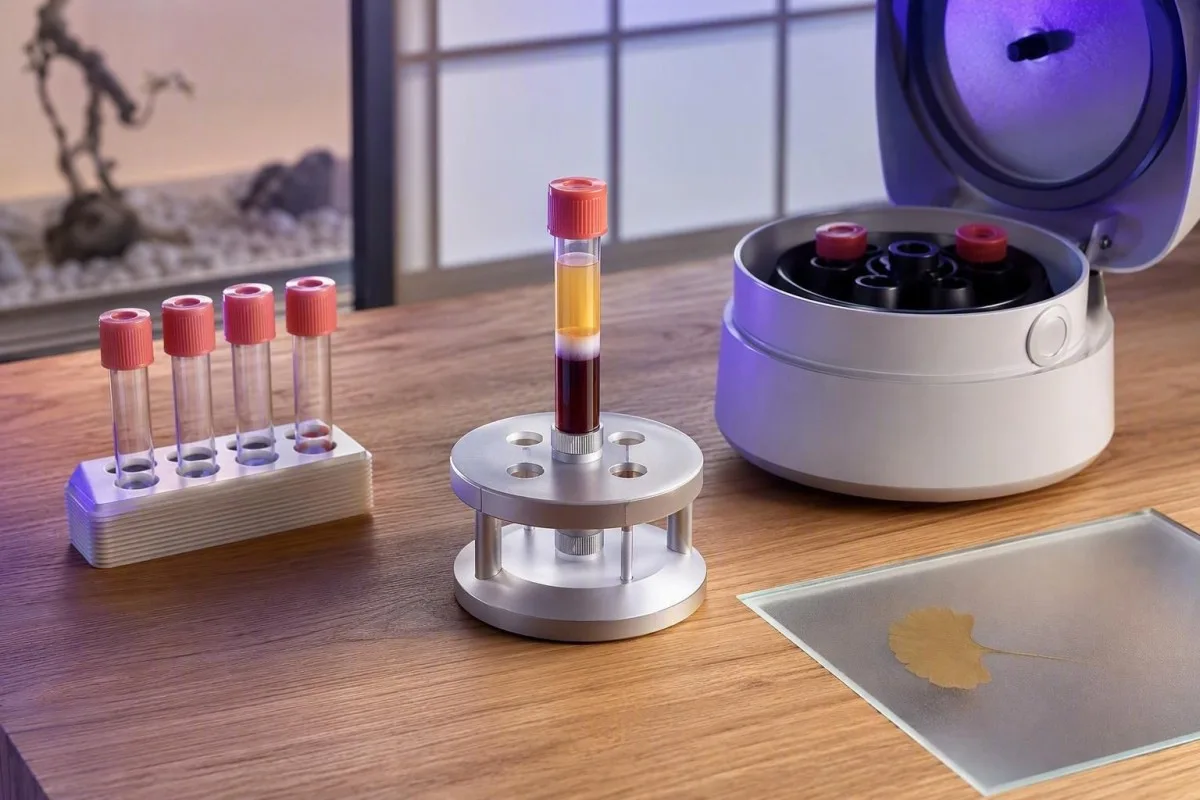
Pengambilan darah pertama yang berguna mencatat fisiologi Anda yang biasa, bukan gema biokimia dari latihan kemarin, minuman, tidur yang buruk, atau virus yang lewat. Tujuannya adalah konteks yang berulang yang dapat Anda gunakan selama bertahun-tahun.


- Waktu dasar: pesan pengambilan darah pagi setelah 8-12 jam tanpa makan jika glukosa puasa, trigliserida, studi besi, atau insulin disertakan.
- Jeda latihan: hindari latihan beban yang sangat berat, interval, atau acara ketahanan selama 24-48 jam sebelum pengujian dasar rutin.
- Jendela alkohol: hindari alkohol setidaknya 48 jam sebelum pengujian trigliserida dan enzim hati; minum berat dapat mendistorsi hasil lebih lama.
- Aturan penyakit: tunda dasar kesehatan setidaknya 2 minggu setelah demam atau gejala pernapasan atau pencernaan yang signifikan mereda.
- Target hidrasi: minum seperti biasa sehari sebelumnya dan minum 250-500 mL air dalam 2 jam sebelum pengambilan sampel kecuali jika dibatasi cairannya.
- Perhatian Biotin: hentikan biotin dosis tinggi yang tidak diresepkan selama 48-72 jam sebelum banyak immunoassay, tetapi jangan pernah menghentikan pengobatan yang diresepkan tanpa bertanya kepada dokter yang meresepkan.
- Konteks siklus: catat hari siklus untuk estradiol, progesteron, LH, FSH, dan terkadang lipid; ini mengubah interpretasi lebih dari yang diperkirakan banyak orang.
- Keterulangan: gunakan laboratorium yang sama, waktu pagi yang serupa, dan pola persiapan yang sama saat Anda melacak hasil laboratorium dari waktu ke waktu.
Apa yang membuat pengambilan darah pertama menjadi dasar sejati?
A tes darah dasar paling berguna ketika menangkap minggu biasa: makanan stabil, hidrasi biasa, tidak ada penyakit akut, dan tidak ada latihan atau minum yang luar biasa. Bagi kebanyakan orang dewasa, saya merekomendasikan sampel pagi setelah puasa 8-12 jam ketika glukosa, trigliserida, penanda zat besi, atau insulin diukur.
Tujuan praktisnya bukanlah untuk membuat hasil terlihat lebih baik. Ini adalah untuk mengurangi variasi pra-analitik—perubahan yang terjadi sebelum penganalisis melihat sampel. Glukosa puasa 96 mg/dL dan kadar trigliserida 105 mg/dL keduanya bisa sepenuhnya biasa, namun maknanya berubah jika orang tersebut makan larut malam, berlari 10 km, atau tidur 3 jam.
Dalam pekerjaan klinis saya, saya meminta pasien untuk memperlakukan pengambilan darah pertama seperti foto referensi. Simpan catatan singkat tentang waktu bangun, durasi puasa, obat-obatan, suplemen, alkohol dalam 72 jam sebelumnya, olahraga dalam 48 jam sebelumnya, hari siklus menstruasi, dan infeksi baru-baru ini. Catatan itu seringkali lebih berguna pada tes kedua daripada satu tanda “normal”.
Kantesti adalah seorang Analisa tes darah AI dirancang untuk membaca hasil bersama dengan konteks praktis tersebut, daripada memperlakukan setiap nilai yang disorot sebagai penyakit. Untuk daftar tes yang masuk akal, mulailah dengan panduan pemeriksaan darah tahunan kami dan sepakati tambahan dengan dokter yang mengetahui riwayat Anda.
Dasar personal, bukan sekadar “dalam kisaran”
Interval referensi laboratorium biasanya berisi 95% tengah nilai dari populasi yang dipilih; itu tidak mendefinisikan angka pribadi Anda yang paling sehat atau teraman. Hasil kreatinin dapat tetap berada dalam kisaran laboratorium sambil meningkat secara bermakna dari nilai berulang Anda sendiri, itulah sebabnya dokumentasi dasar penting.
Bagaimana puasa dan makanan sehari sebelumnya membentuk hasil
Puasa untuk 8-12 jam menghasilkan perbandingan pertama yang paling bersih untuk trigliserida, glukosa puasa, insulin, dan zat besi serum, meskipun banyak panel lipid dapat diinterpretasikan tanpa puasa. Air diperbolehkan dan biasanya membantu; kopi, jus, permen karet, dan minuman berkalori bukanlah puasa sejati.
Glukosa plasma puasa di bawah 100 mg/dL umumnya normal, 100-125 mg/dL menunjukkan gangguan glukosa puasa, dan 126 mg/dL atau lebih memerlukan konfirmasi kecuali ada gejala dan hiperglikemia yang jelas. HbA1c mencerminkan kira-kira 8-12 minggu sebelumnya, sehingga sarapan tidak dapat menurunkannya secara bermakna; panduan laboratorium ADA menjelaskan mengapa glukosa dan HbA1c menjawab pertanyaan yang berbeda (Sacks et al., 2023).
Trigliserida sangat peka terhadap makanan. Nilai di bawah 150 mg/dL secara konvensional diinginkan, sedangkan 500 mg/dL atau lebih menimbulkan kekhawatiran risiko pankreatitis dan memerlukan penilaian klinis segera. Makanan larut malam yang kaya atau alkohol dapat menciptakan hasil pertama yang menyesatkan tinggi, jadi gunakan rencana tes ulang trigliserida daripada mencoba “makan dengan sempurna” selama satu hari.
Kantesti adalah seorang platform interpretasi tes darah AI yang dapat mempertahankan status puasa di samping setiap panel, yang membuat perbandingan selanjutnya lebih sedikit kesalahan. Kami biomarker menjelaskan tes mana yang benar-benar peka terhadap makanan dan mana yang tidak.
Bagaimana olahraga dapat meniru tes hati dan ginjal abnormal
Olahraga berat dapat meningkatkan kreatinin sementara CK, AST, ALT, kreatinin, sel darah putih, dan terkadang kalium, jadi hindari latihan yang tidak dikenal atau intensitas tinggi selama 24-48 jam sebelum panel dasar. Jalan kaki ringan dan aktivitas harian normal tidak masalah.
Seorang pelari maraton berusia 52 tahun yang saya tinjau memiliki AST 89 IU/L setelah balapan panjang, dengan ALT 36 IU/L dan CK di atas 2.000 IU/L. Pola itu lebih kuat menunjukkan otot yang berolahraga daripada cedera hati, tetapi tetap memerlukan pengulangan setelah pemulihan; angka yang terisolasi jarang cukup. Baca lebih lanjut tentang AST setelah latihan sebelum berasumsi ada masalah hati.
Batas referensi kreatin kinase bervariasi menurut laboratorium, jenis kelamin, keturunan, massa otot, dan status latihan, tetapi banyak laboratorium menandai nilai di atas sekitar 200-300 IU/L. Peningkatan CK 5 kali lipat dari batas referensi atas setelah aktivitas adalah hal biasa; CK di atas 5.000 IU/L dengan urin gelap, nyeri otot parah, atau penurunan output urin memerlukan penilaian segera untuk rhabdomyolysis akibat latihan.
Kreatinin meningkat setelah aktivitas intens sebagian melalui pemecahan otot dan penurunan aliran darah ginjal akibat kehilangan cairan. Jangan menafsirkan eGFR yang lebih rendah dari sampel pasca-balapan sebagai penyakit ginjal kronis tanpa pengujian pemulihan; panduan kreatinin saat berolahraga kami menjelaskan jendela pengambilan ulang yang lebih aman.
Reset 48 jam bukanlah aturan untuk semua orang
Untuk sesi gym rekreasi, 24 jam seringkali sudah cukup. Setelah ultramaraton, kompetisi CrossFit, angkat beban eksentrik berat, atau paparan panas, saya biasanya menunggu 48-72 jam jika tujuannya adalah dasar yang stabil daripada penilaian acara itu sendiri.
Mengapa alkohol layak dihentikan 48 jam sebelum pengujian dasar
Menghindari alkohol setidaknya 48 jam sebelum tes darah dasar mengurangi distorsi jangka pendek trigliserida, glukosa, GGT, AST, penanda hidrasi, dan fisiologi terkait tidur. Satu kali minum banyak di malam hari dapat berdampak lebih dari yang diperkirakan banyak pasien.
Alkohol dapat meningkatkan trigliserida dengan meningkatkan produksi lipoprotein densitas sangat rendah hati, terutama setelah makanan tinggi karbohidrat. Efeknya bervariasi: hasil seseorang kembali ke dasar dalam 24 jam, sementara orang lain dengan hati berlemak, diabetes, atau konsumsi yang lebih berat mungkin menunjukkan perubahan selama beberapa hari. Trigliserida puasa 220 mg/dL setelah akhir pekan minum harus diulang sebelum ada yang melabelinya sebagai masalah metabolisme yang tetap.
GGT sensitif tetapi tidak spesifik. Banyak laboratorium menggunakan batas atas sekitar 55-60 IU/L untuk pria dan 35-40 IU/L untuk wanita, namun obat-obatan, kolestasis, hati berlemak, dan alkohol semuanya dapat meningkatkannya. Pola yang bermakna adalah GGT dengan ALT, ALP, bilirubin, jumlah trombosit, dan riwayat alkohol; lihat penjelasan panel hati kami tentang bagaimana potongan-potongan ini cocok.
Mulai 1 September 2026, saya masih menyarankan untuk tidak melakukan “detoks” atau puasa berlebihan untuk meningkatkan hasil hati. Makanan normal, air normal, tanpa alkohol, dan interval yang terdokumentasi adalah ilmu yang lebih bersih. Peningkatan ALT yang persisten di atas batas atas laboratorium pada dua sampel yang berjarak beberapa minggu memerlukan tinjauan medis, bukan pembersihan internet.
Kapan penyakit atau vaksinasi harus menunda pengambilan darah kesehatan
Tunda penetapan kadar dasar kesehatan selama demam, penyakit gastrointestinal aktif, infeksi pernapasan yang signifikan, atau selama 1-2 minggu pertama setelah pemulihan karena CRP, feritin, sel darah putih, trombosit, glukosa, dan tes tiroid dapat bergeser sementara. Pengujian diagnostik segera berbeda: jangan menundanya saat Anda sakit.
Protein C-reaktif umumnya meningkat dalam waktu 6-8 jam setelah rangsangan inflamasi dan dapat turun dengan cepat setelah pemicunya mereda. CRP di bawah 3 mg/L sering digunakan untuk stratifikasi risiko kardiovaskular hanya ketika seseorang sehat secara klinis; hasil 18 mg/L selama flu tidak banyak berbicara tentang risiko vaskular jangka panjang. Pola CRP dan albumin lebih informatif daripada salah satu hasil saja.
Feritin adalah protein penyimpan zat besi dan reaktan fase akut. Feritin 110 ng/mL selama infeksi dapat menutupi penipisan simpanan zat besi, sedangkan feritin di bawah 15 ng/mL sangat spesifik untuk defisiensi zat besi pada orang dewasa yang sehat. Inilah sebabnya saya menggabungkan feritin dengan saturasi transferrin, CRP, hemoglobin, dan riwayat klinis.
Vaksinasi dapat menyebabkan respons kekebalan singkat, termasuk perubahan sementara pada CRP dan subtipe sel darah putih. Pengujian rutin biasanya dapat menunggu 3-7 hari setelah vaksinasi jika tujuannya adalah kadar dasar yang tenang, tetapi panel keamanan yang dijadwalkan untuk pemantauan obat harus mengikuti instruksi dokter yang meresepkan. panduan lab pasca-vaksinasi kami mencakup perbedaan praktis.
Aturan dua minggu memiliki pengecualian
Setelah pneumonia, rawat inap, mononukleosis infeksius, atau kekambuhan parah penyakit kronis, dua minggu mungkin tidak cukup. Dalam kasus tersebut, saya sering menggunakan pemulihan gejala, tren CRP, dan penilaian klinis daripada kalender saja.
Bagaimana kehilangan tidur dan waktu mengubah tes darah
Satu malam tidur yang buruk dapat meningkatkan glukosa puasa, kortisol, tekanan darah, dan sinyal inflamasi, sementara waktu dapat mengubah testosteron, kortisol, zat besi, dan TSH. Untuk penetapan kadar dasar pertama, targetkan 7-9 jam tidur biasa dan ambil sampel antara sekitar pukul 7 dan 10 pagi jika memungkinkan.
Kortisol mengikuti ritme harian yang kuat. Kortisol serum pagi umumnya diukur sekitar pukul 8 pagi, tetapi nilai tidak dapat mendiagnosis penyakit adrenal tanpa waktu pengambilan, gejala, dan seringkali pengujian ACTH. Sampel sore dibandingkan dengan sampel 8 pagi sebelumnya bukanlah tren yang valid, bahkan jika laboratorium yang sama melakukan keduanya.
Pembatasan tidur 4-5 jam dapat memperburuk sensitivitas insulin keesokan paginya dan mengubah hormon nafsu makan; ukuran perubahan laboratorium sangat bervariasi antar individu. Saya paling sering melihat ini pada pekerja shift, orang tua baru, dan pelancong yang sering bepergian, di mana “kadar dasar” harus mewakili jadwal mereka yang sebenarnya daripada yang ideal. panduan laboratorium tidur yang buruk menawarkan daftar periksa anotasi yang berguna.
Saran praktis Dr. Thomas Klein sederhana: jangan membatalkan tes yang diperlukan karena Anda tidur buruk, tetapi catatlah. Jika glukosa puasa yang mendekati normal adalah 103 mg/dL setelah begadang semalaman, ulangi dalam kondisi biasa sebelum menarik kesimpulan tentang prediabetes.
Kafein tidak selalu merupakan persiapan yang tidak berbahaya
Kopi hitam mungkin sedikit berpengaruh pada banyak panel, tetapi dapat memengaruhi glukosa, katekolamin, tekanan darah, dan beberapa tes endokrin khusus. Ketika insulin puasa, glukosa, kortisol, atau metanefrin dipesan, air putih adalah pilihan yang paling tidak ambigu.
Suplemen dan obat-obatan apa yang perlu dicatat
Jangan menghentikan obat yang diresepkan untuk tes darah dasar kecuali dokter meresepkannya kepada Anda, tetapi catat setiap obat dan suplemen dengan dosis dan waktu. Biotin, zat besi, B12, kreatin, yodium, kortikosteroid, dan dekongestan dapat mengubah biologi atau uji tes.
Biotin dosis tinggi, seringkali 5.000-10.000 mikrogram setiap hari dalam produk rambut dan kuku, dapat mengganggu beberapa uji imunosorben streptavidin-biotin. Hal ini dapat menghasilkan TSH yang salah rendah atau hasil T4 bebas, troponin, atau hormon yang salah tinggi tergantung pada desain uji. Jeda 48-72 jam umumnya digunakan untuk biotin yang tidak diresepkan, tetapi orang yang mengonsumsinya untuk kondisi medis harus terlebih dahulu bertanya kepada dokter mereka.
Zat besi oral dapat meningkatkan zat besi serum secara sementara, dan suplemen kreatin dapat meningkatkan kreatinin tanpa mengurangi filtrasi aktual. Kortikosteroid dapat meningkatkan glukosa dan sel darah putih; penghambat pompa proton dapat memengaruhi magnesium dan B12 seiring waktu. Respons yang tepat adalah konteks, bukan penghentian diri yang tiba-tiba; panduan puasa suplemen kami panduan puasa suplemen menjelaskan pengecualian umum.
Kantesti adalah seorang Alat analisis pemeriksaan darah berbasis AI yang mencatat suplemen yang dilaporkan di samping hasil sehingga perubahan tiroid atau ginjal yang tampak dapat ditinjau dengan paparan yang mungkin menjelaskannya. Pasien juga dapat membandingkan hasil yang dilaporkan dengan daftar periksa akurasi klinis kami sebelum menindaklanjuti penanda yang tidak terduga.
Waktu pengobatan bisa menjadi bagian dari resep
Penggantian tiroid, terapi testosteron, insulin, diuretik, dan antikoagulan masing-masing memiliki aturan waktu spesifik tes. Misalnya, tes tiroid sering diambil sebelum dosis levotiroksin hari itu ketika memantau konsistensi, tetapi protokol dokter peresep harus diprioritaskan.
Bagaimana waktu menstruasi memengaruhi dasar hormon pertama
Untuk pengujian hormon reproduksi, hari siklus adalah bagian dari hasil. FSH, LH, estradiol, progesteron, testosteron, prolaktin, dan terkadang lipid dapat bervariasi cukup sepanjang siklus sehingga tanggal yang tidak tercatat melemahkan interpretasi.
Pengujian folikular awal, seringkali hari siklus 2-5, umumnya digunakan untuk baseline FSH, LH, dan estradiol dalam penilaian kesuburan. Progesteron biasanya diukur sekitar 7 hari setelah ovulasi—bukan secara otomatis “hari ke-21,” karena siklus 35 hari mengikuti biologi yang berbeda. Nilai progesteron di atas perkiraan 3 ng/mL dapat mendukung ovulasi baru di banyak situasi, tetapi interpretasi yang tepat tergantung pada uji dan waktu.
Prolaktin sensitif terhadap stres, olahraga baru-baru ini, aktivitas seksual, dan pengumpulan sampel yang sulit. Peningkatan ringan sering diulang setelah 20-30 menit istirahat tenang, idealnya di pagi hari; kadar yang terus-menerus di atas 100 ng/mL memerlukan evaluasi endokrin segera, meskipun efek obat tetap umum. Lihat panduan pengujian ulang prolaktin kami untuk langkah selanjutnya yang masuk akal.
Pergeseran lipid terkait siklus memang ada tetapi biasanya lebih kecil daripada perubahan akibat berat badan, pola makan, alkohol, diabetes, atau genetika. Jika Anda berniat memantau kesehatan dengan tes darah selama bertahun-tahun, pilih fase siklus yang serupa untuk pengulangan panel lipid dan hormon jika memungkinkan, terutama saat mengevaluasi gejala atau pengobatan.
Kontrasepsi hormonal mengubah pertanyaan
Kontrasepsi hormonal kombinasi dapat menekan pengukuran FSH, LH, estradiol, dan androgen endogen, sehingga hasil ini mungkin tidak menggambarkan fisiologi yang tidak diobati. Jangan menghentikan kontrasepsi hanya untuk mendapatkan baseline tanpa mempertimbangkan risiko kehamilan dan alasan klinis pengujian.
Mengapa hidrasi, postur, dan teknik pengambilan penting
Hidrasi normal dan istirahat duduk selama 10-15 menit sebelum pengambilan sampel dapat meningkatkan pengulangan karena dehidrasi, berdiri terlalu lama, dan kesulitan pengambilan darah dapat memekatkan atau mendistorsi beberapa hasil. Minumlah secara normal sehari sebelumnya dan, kecuali jika dibatasi cairan, minumlah 250-500 mL air dalam waktu 2 jam sebelum janji temu.
Penurunan volume plasma dapat menyebabkan hemoglobin, hematokrit, albumin, kalsium, protein total, dan kreatinin tampak lebih tinggi daripada dalam kondisi hidrasi biasa. Sebaliknya, minum air dalam jumlah liter secara agresif segera sebelum pengujian dapat mengencerkan natrium dan pengukuran lainnya. Rentang natrium normal umumnya 135-145 mmol/L, tetapi hasil yang tidak terduga harus selalu diinterpretasikan dengan status hidrasi dan glukosa.
Postur lebih penting daripada yang disadari kebanyakan orang. Berdiri dapat meningkatkan albumin dan analit yang terikat protein melalui pergeseran cairan, sementara waktu torniket yang lama dan pengepalan tangan berulang kali dapat meningkatkan kalium dan laktat secara palsu. Kalium di atas 5,5 mmol/L tanpa penyakit ginjal, gejala, atau perubahan EKG sering kali segera diperiksa ulang karena artefak pengambilan sampel umum terjadi; panduan kesalahan pengambilan kalium kami menjelaskan alasannya.
Menstruasi, kehilangan cairan baru-baru ini akibat diare, diuretik, dan penggunaan sauna semuanya harus dicatat. Jika eGFR secara tak terduga rendah setelah dehidrasi, pulihkan asupan normal dan diskusikan pengujian ulang; lihat perubahan eGFR sementara sebelum mengasumsikan kerusakan ginjal permanen.
Tabung merah bukanlah diagnosis
Warna tabung mengidentifikasi aditif yang digunakan untuk pemrosesan laboratorium, bukan tingkat keparahan tes. Yang penting secara klinis adalah pemilihan tabung yang benar, suhu pengangkutan, penundaan pemrosesan, dan apakah laboratorium melaporkan hemolisis atau sampel yang tidak mencukupi.
Bagaimana membuat hasil selanjutnya sebanding dengan pengambilan darah pertama
Gunakan laboratorium yang sama, waktu pengambilan yang serupa, dan rutinitas persiapan yang serupa setiap kali Anda melacak hasil lab dari waktu ke waktu. Perubahan biologis yang nyata bisa lebih kecil daripada gabungan efek metode pengujian, status puasa, olahraga, dan variasi harian biasa.
Kolesterol LDL dapat dihitung daripada diukur secara langsung, dan perhitungan menjadi kurang andal seiring meningkatnya trigliserida. Pedoman kolesterol AHA/ACC 2018 mendukung skrining non-puasa pada banyak orang tetapi merekomendasikan penilaian puasa dalam keadaan tertentu, termasuk trigliserida yang sangat tinggi dan ketidakpastian diagnostik (Grundy et al., 2019). Poin pentingnya adalah konsistensi, bukan kesempurnaan.
Nilai perubahan referensi, atau RCV, menggabungkan ketidaktepatan analitik dengan variasi biologis normal individu. Perubahan 10% pada satu penanda bisa jadi kebisingan sementara perubahan 30% pada penanda lain bermakna; tidak ada persentase universal yang berlaku untuk setiap tes. Kami adalah panduan apakah perubahan ini nyata menunjukkan mengapa tren membutuhkan lebih dari sekadar panah berwarna.
AI Kantesti menafsirkan panel berulang dengan membandingkan unit pengujian, interval referensi, tanggal pengambilan sampel, dan biomarker terkait daripada hanya menghitung bendera abnormal. Kami AI kami dibangun untuk pertanyaan longitudinal ini: apa yang berubah cukup untuk mendapatkan perhatian?
Simpan laporan asli
Simpan PDF atau foto yang jelas, bukan hanya hasil ketikan. Konversi unit, rentang laboratorium, komentar tentang hemolisis, dan apakah LDL dihitung dapat secara material mengubah cara dokter di masa depan membaca tren tersebut.
Catatan konteks untuk disimpan dengan setiap tes darah
Catatan konteks singkat mengubah angka terisolasi menjadi data longitudinal yang dapat digunakan. Catat tanggal, waktu, jam puasa, tidur, olahraga, alkohol, penyakit, obat-obatan, suplemen, hari siklus, perubahan berat badan, dan gejala baru pada setiap pengambilan sampel.
Waktu pengumpulan; durasi puasa; olahraga dalam 48 jam; alkohol dalam 72 jam; penyakit saat ini; perubahan resep; dosis suplemen dan dosis terakhir; dan status menstruasi atau kehamilan jika relevan. Tambahkan perjalanan, jet lag, dan ketinggian jika berlaku, karena masing-masing dapat memengaruhi penanda hidrasi, kortisol, hemoglobin, dan yang sensitif terhadap tidur.
Penurunan berat badan 1,5 kg dalam 10 hari, diet tinggi protein baru, atau beberapa malam tidur terfragmentasi dapat menjelaskan perubahan tes darah yang sederhana dari waktu ke waktu. Hal itu tidak membuat hasilnya tidak penting—itu membuatnya dapat diinterpretasikan. Untuk versi yang dapat digunakan kembali, pelacak konteks lab kami menyertakan detail yang paling sering dilupakan pasien.
Dr. Thomas Klein merekomendasikan untuk menulis catatan sebelum Anda meninggalkan rumah, bukan saat menunggu hasil. Ingatan menjadi tidak dapat diandalkan setelah ada penanda yang tidak terduga, dan orang-orang dapat memahami bahwa mereka merekonstruksi minggu sebelumnya agar sesuai dengan angka tersebut.
Apa yang tidak boleh dicatat sebagai “perbaikan”
Jangan memanipulasi diet, asupan air, olahraga, atau suplemen semata-mata untuk mendapatkan baseline awal yang lebih menarik. Baseline harus mewakili kehidupan Anda; jika tidak, tes berikutnya mungkin terlihat lebih buruk hanya karena lebih jujur.
Temuan batas mana yang harus diulang sebelum khawatir
Banyak hasil baseline yang tidak pasti harus diulang dalam kondisi stabil sebelum dianggap sebagai penyakit, terutama perubahan ringan yang terisolasi pada enzim hati, kreatinin, kalium, prolaktin, neutrofil, dan trigliserida. Gejala mendesak atau nilai yang sangat abnormal adalah pengecualian.
ALT kurang dari 2 kali batas atas laboratorium dengan bilirubin, ALP normal, dan tanpa gejala umumnya diperiksa ulang setelah menghilangkan kontributor sementara seperti alkohol, olahraga berat, atau penyakit antarwaktu. Tingkat bilirubin di atas 3 mg/dL dengan penyakit kuning, urine gelap, tinja pucat, demam, atau nyeri perut berbeda dan tidak boleh menunggu penarikan baseline rutin.
Jumlah neutrofil yang sedikit rendah dapat mengikuti penyakit virus atau mencerminkan kondisi normal yang stabil pada individu. Jumlah neutrofil absolut 1,0-1,5 × 10⁹/L biasanya merupakan neutropenia ringan, sedangkan di bawah 0,5 × 10⁹/L membawa risiko infeksi yang jauh lebih tinggi dan memerlukan panduan medis segera, terutama dengan demam. panduan tindak lanjut neutrofil kami memisahkan tes ulang yang umum dari tanda bahaya.
Salah satu pengaman yang paling berguna adalah pemeriksaan pola. Misalnya, kalsium tinggi dengan penekanan hormon paratiroid memiliki urgensi yang berbeda daripada kalsium tinggi ditambah dehidrasi dan peningkatan albumin; alasan kami khawatir tentang kombinasi adalah karena biologi jarang mengubah satu penanda saja.
Kapan tes darah dasar tidak boleh menggantikan perawatan medis
Protokol baseline tidak sesuai ketika Anda memiliki gejala tanda bahaya, penyakit yang memburuk dengan cepat, komplikasi kehamilan, atau peringatan laboratorium kritis. Nyeri dada, sesak napas parah, kebingungan, pingsan, penyakit kuning, tinja hitam, atau dehidrasi parah memerlukan penilaian klinis sekarang—bukan tes ulang yang dipersiapkan lebih baik.
Kalium 6,0 mmol/L atau lebih tinggi, natrium di bawah 120 mmol/L, glukosa di atas 300 mg/dL dengan muntah atau kebingungan, atau hemoglobin mendekati 7 g/dL adalah contoh hasil yang mungkin memerlukan tindakan segera, meskipun konteks klinis secara keseluruhan tetap penting. Laboratorium biasanya menghubungi tim yang memesan mengenai nilai kritis, tetapi pasien tidak boleh berasumsi bahwa panggilan yang terlewat berarti hasil aman.
Jika Anda hamil, menderita penyakit ginjal kronis, menggunakan insulin, menggunakan antikoagulan, menjalani kemoterapi, atau memiliki penyakit hati yang diketahui, instruksi persiapan mungkin berbeda dari templat kesehatan. Periode puasa bisa tidak aman bagi sebagian penderita diabetes, dan waktu minum obat bisa jadi penting. Kami panduan seberapa sering harus melakukan tes menguraikan mengapa kelompok risiko mengubah rencana.
Kantesti adalah seorang layanan interpretasi tes lab AI yang membantu mengidentifikasi pertanyaan untuk dokter, bukan pengganti penilaian segera atau diagnosis. Perlindungan klinis dan prinsip tinjauan medis di balik pekerjaan kami dijelaskan oleh Dewan Penasehat Medis.
Protokol praktis 72 jam untuk dasar pertama Anda
Untuk baseline awal yang berguna, pertahankan rutinitas Anda selama 72 jam, hindari alkohol selama 48 jam, hindari latihan fisik berat selama 24-48 jam, tidur normal, berpuasa 8-12 jam jika diindikasikan, minum air, dan catat konteks Anda. Konsistensi adalah intervensi.
Tujuh puluh dua hingga 48 jam sebelumnya: jangan memulai suplemen baru, diet ketat, pembersihan, atau blok pelatihan. Jika Anda sudah mengonsumsi suplemen, catat dosisnya; jika mengandung biotin dosis tinggi, tanyakan kepada dokter atau apoteker yang memesan apakah penundaan 48-72 jam sesuai. Hindari alkohol selama 48 jam dan tunda pengujian rutin jika penyakit aktif.
Sehari sebelumnya: makan makanan biasa Anda, hidrasi secara normal, hindari sauna atau acara ketahanan, dan rencanakan 7-9 jam di tempat tidur. Untuk panel puasa, selesaikan makan 8-12 jam sebelum janji temu; air diperbolehkan. Pagi hari pengambilan sampel, hindari kopi dan nikotin jika tes glukosa, insulin, kortisol, katekolamin, atau tes endokrin khusus direncanakan.
Setelah hasil diterima, simpan laporan asli dan catatan konteksnya sebelum mengubah apa pun. Kantesti AI dapat mengatur hasil dalam tampilan longitudinal, sementara panduan teknologi dan metode klinis menjelaskan mengapa pengenalan pola masih memerlukan tindak lanjut medis manusia untuk gejala, kelainan besar, dan keputusan pengobatan.
Pertanyaan yang Sering Diajukan
Bagaimana cara mempersiapkan tes darah dasar?
Persiapkan tes darah awal dengan mempertahankan rutinitas biasa Anda, hindari alkohol selama 48 jam, hindari olahraga berat selama 24-48 jam, tidur normal, dan catat obat-obatan serta suplemen. Puasa selama 8-12 jam jika pemesanan termasuk glukosa puasa, trigliserida, insulin, atau studi besi; air umumnya diperbolehkan. Minum seperti biasa daripada minum berlebihan, dan jadwalkan pengambilan sampel di pagi hari antara sekitar pukul 7 hingga 10 pagi jika hormon atau zat besi termasuk. Tunda tes awal kesehatan selama sakit akut kecuali tes tersebut diperlukan untuk mengevaluasi penyakit tersebut.
Haruskah saya berpuasa untuk tes darah pertama saya?
Puasa selama 8-12 jam paling berguna untuk tes darah pertama yang meliputi trigliserida, glukosa puasa, insulin, atau serum besi, meskipun banyak panel lipid rutin tidak lagi memerlukan puasa. Air putih tidak membatalkan puasa dan membantu mencegah kesulitan pengambilan sampel atau efek konsentrasi terkait dehidrasi. Kopi, jus, susu, alkohol, permen karet, dan suplemen dapat mengubah hasil tertentu atau membatalkan persiapan yang dimaksud. Ikuti instruksi khusus pesanan jika dokter Anda memberikan durasi puasa yang berbeda.
Bisakah olahraga memengaruhi hasil tes darah keesokan harinya?
Ya, latihan berat dapat memengaruhi hasil tes darah selama 24-72 jam dengan meningkatkan kreatin kinase, AST, ALT, kreatinin, sel darah putih, dan kadang-kadang kalium. Latihan beban berat, lari maraton, interval intensitas tinggi, dan paparan panas menghasilkan pergeseran yang lebih besar daripada jalan kaki biasa. Untuk dasar kesehatan yang stabil, hindari latihan yang tidak biasa atau intens selama 24-48 jam; setelah acara ketahanan besar, 48-72 jam seringkali lebih realistis. Jangan menunda tes mendesak untuk gejala seperti nyeri otot hebat, urin gelap, lemas, atau penurunan output urin.
Berapa lama sebaiknya saya menghindari alkohol sebelum tes darah?
Hindari alkohol setidaknya 48 jam sebelum tes darah dasar, terutama ketika trigliserida, glukosa, GGT, AST, ALT, atau penanda yang sensitif terhadap hidrasi sedang dinilai. Alkohol dapat meningkatkan trigliserida setelah satu malam yang berat, dan efeknya dapat bertahan beberapa hari pada orang dengan diabetes, perlemakan hati, atau asupan rutin yang lebih banyak. Hasil trigliserida 500 mg/dL atau lebih tinggi memerlukan penilaian klinis segera karena risiko pankreatitis meningkat secara substansial. Jangan mencoba pembersihan atau puasa ketat sesudahnya; makanan biasa dan hidrasi menghasilkan hasil pengulangan yang lebih jujur.
Bisakah tidur yang buruk mengubah hasil tes darah?
Kurang tidur dapat mengubah kadar glukosa puasa keesokan paginya, kortisol, tekanan darah, dan beberapa sinyal inflamasi, terutama setelah tidur 4-5 jam atau kerja malam. Hal ini tidak secara signifikan mengubah HbA1c, yang mencerminkan rata-rata glikemia selama kurang lebih 8-12 minggu. Jika hasil dasar yang tidak mendesak berada di batas normal setelah malam tanpa tidur, catat kehilangan tidur dan pertimbangkan untuk mengulang tes dalam kondisi biasa. Pengujian yang diperlukan tetap harus dilanjutkan, karena gejala dan kelainan yang nyata lebih penting daripada persiapan yang ideal.
Haruskah saya melakukan tes hormon pada hari tertentu dalam siklus menstruasi saya?
Ya, pengujian hormon harus disesuaikan dengan pertanyaan klinis dan hari dalam siklus menstruasi harus selalu dicatat. FSH, LH, dan estradiol sering dinilai pada hari siklus 2-5 untuk baseline folikular awal, sementara progesteron umumnya diperiksa sekitar 7 hari setelah ovulasi daripada otomatis pada hari ke-21. Kadar progesteron di atas sekitar 3 ng/mL dapat mendukung ovulasi baru-baru ini, tetapi laboratorium dan situasi klinis berbeda. Kontrasepsi hormonal mengubah hasil hormon endogen, jadi jangan menghentikannya hanya untuk pengujian tanpa nasihat medis.
Dapatkan Analisis Tes Darah Berbasis AI Hari Ini
Bergabunglah dengan lebih dari 2 juta pengguna di seluruh dunia yang mempercayai Kantesti untuk analisis instan dan akurat terhadap tes lab. Unggah hasil tes darah Anda dan terima interpretasi komprehensif biomarker 15,000+ dalam hitungan detik.
📚 Publikasi Riset yang Dirujuk
Klein, T., Mitchell, S., & Weber, H. (2026). Kantesti LTD. (2026). Panduan Tes Darah Komplemen C3 C4 & Titer ANA. Zenodo.. Kantesti Penelitian Medis AI.
Klein, T., Mitchell, S., & Weber, H. (2026). Kantesti LTD. (2026). Panduan Tes Darah Virus Nipah: Deteksi Dini & Diagnosis 2026. Zenodo.. Kantesti Penelitian Medis AI.
📖 Referensi Medis Eksternal
⚕️ Penafian Medis
Artikel ini hanya untuk tujuan edukasi dan tidak merupakan nasihat medis. Selalu konsultasikan dengan penyedia layanan kesehatan yang berkualifikasi untuk keputusan diagnosis dan perawatan.
Sinyal Kepercayaan E-E-A-T
Pengalaman
Tinjauan klinis yang dipimpin dokter terhadap alur kerja interpretasi hasil lab.
Keahlian
Fokus pada kedokteran laboratorium tentang bagaimana biomarker berperilaku dalam konteks klinis.
Kewenangan
Ditulis oleh Dr. Thomas Klein dengan peninjauan oleh Dr. Sarah Mitchell dan Prof. Dr. Hans Weber.
Kepercayaan
Interpretasi berbasis bukti dengan jalur tindak lanjut yang jelas untuk mengurangi kepanikan.